Kultura
Prohlídka historických exponátů
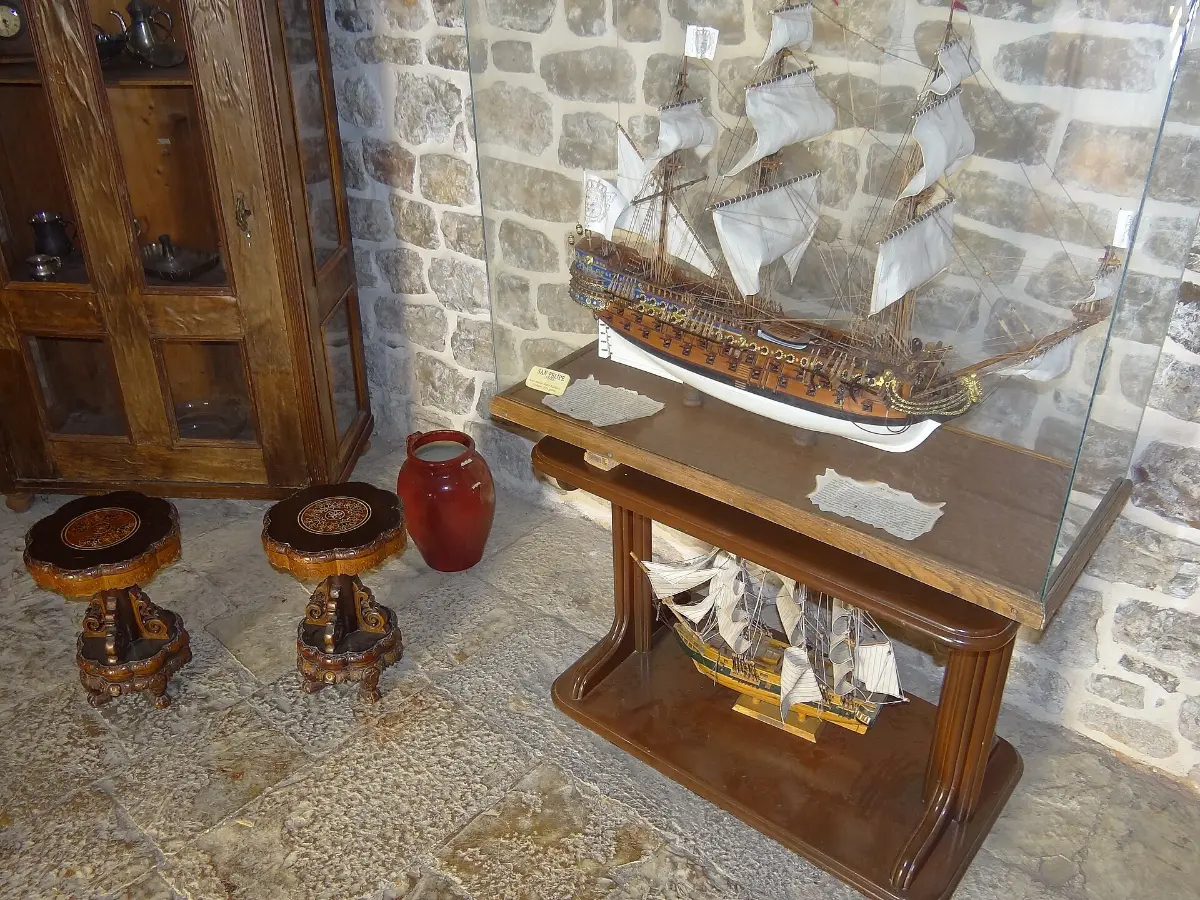
Prozkoumejte muzejní expozici uvnitř hradeb Citadely s artefakty z různých epoch.
Strážce Budvy nad modrým Jadranem
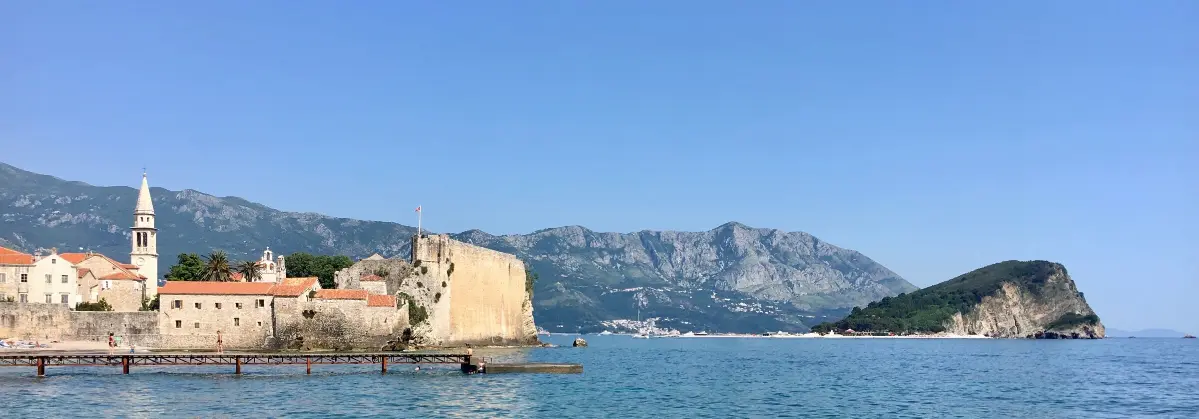
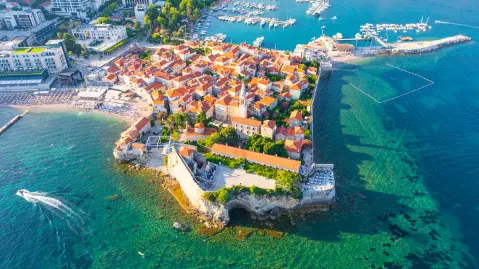
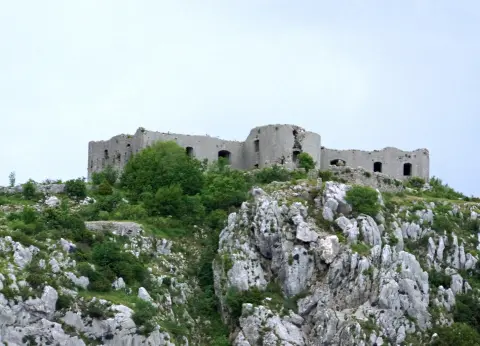
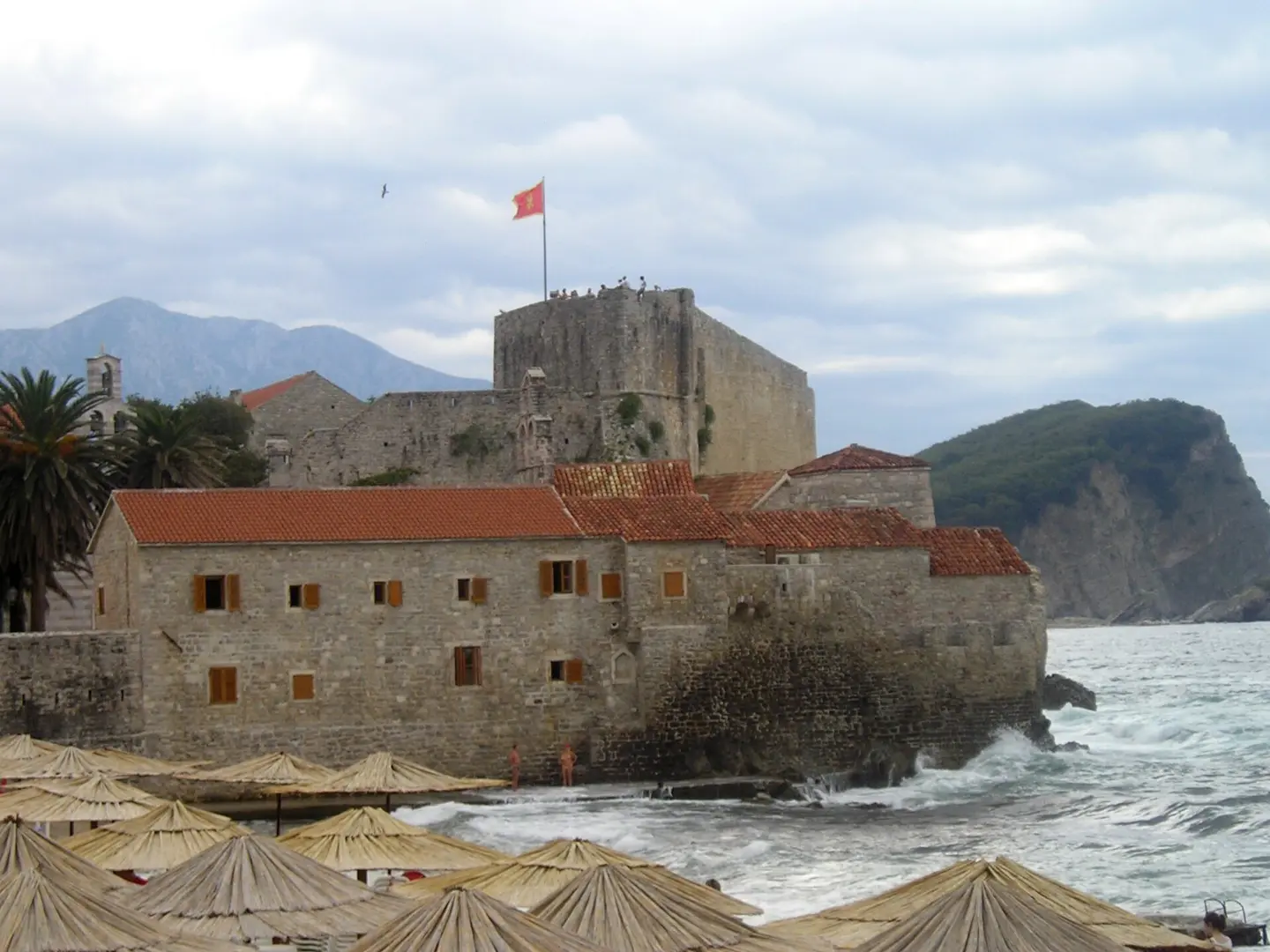
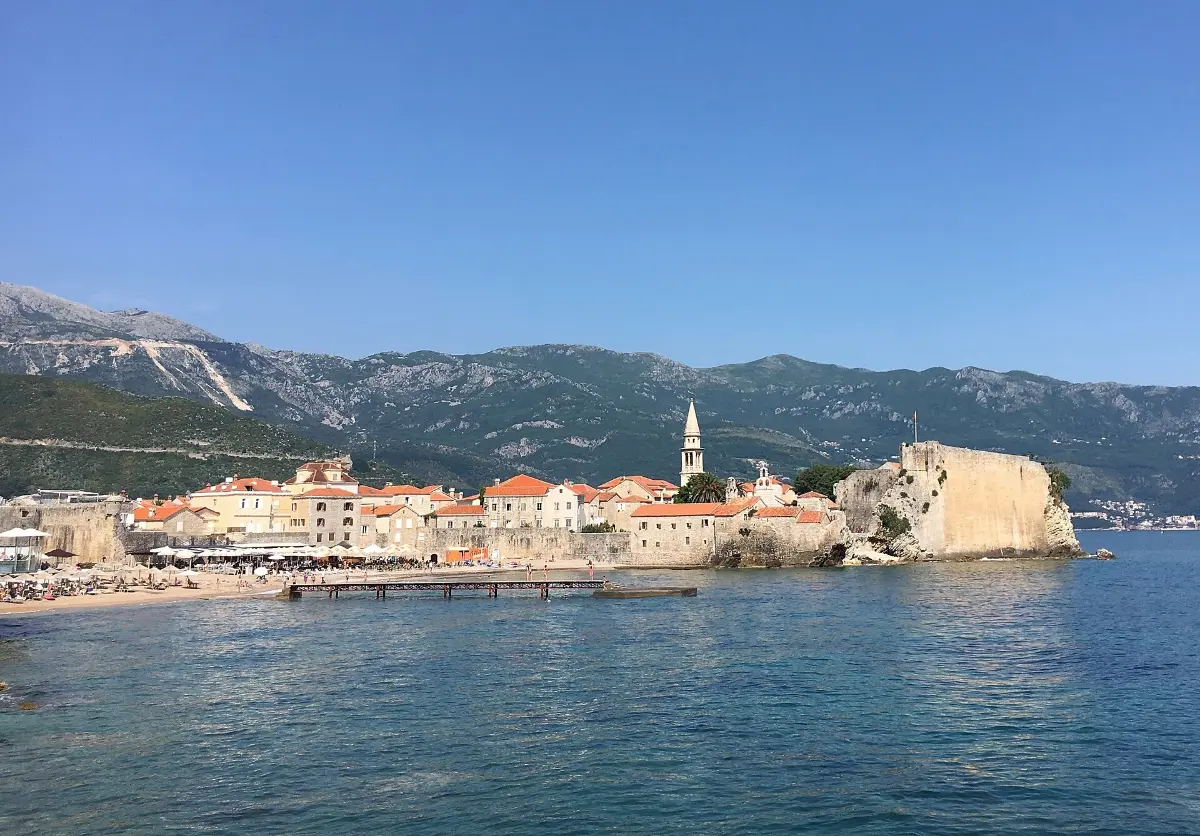
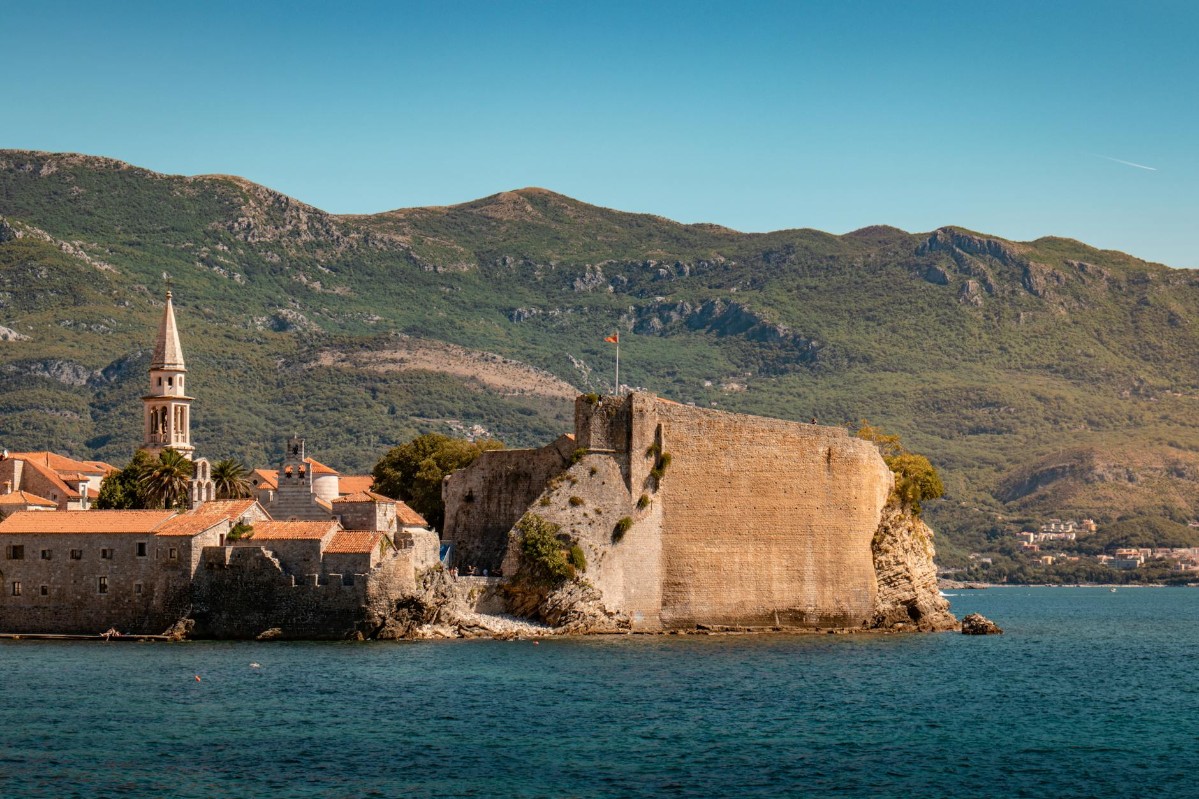
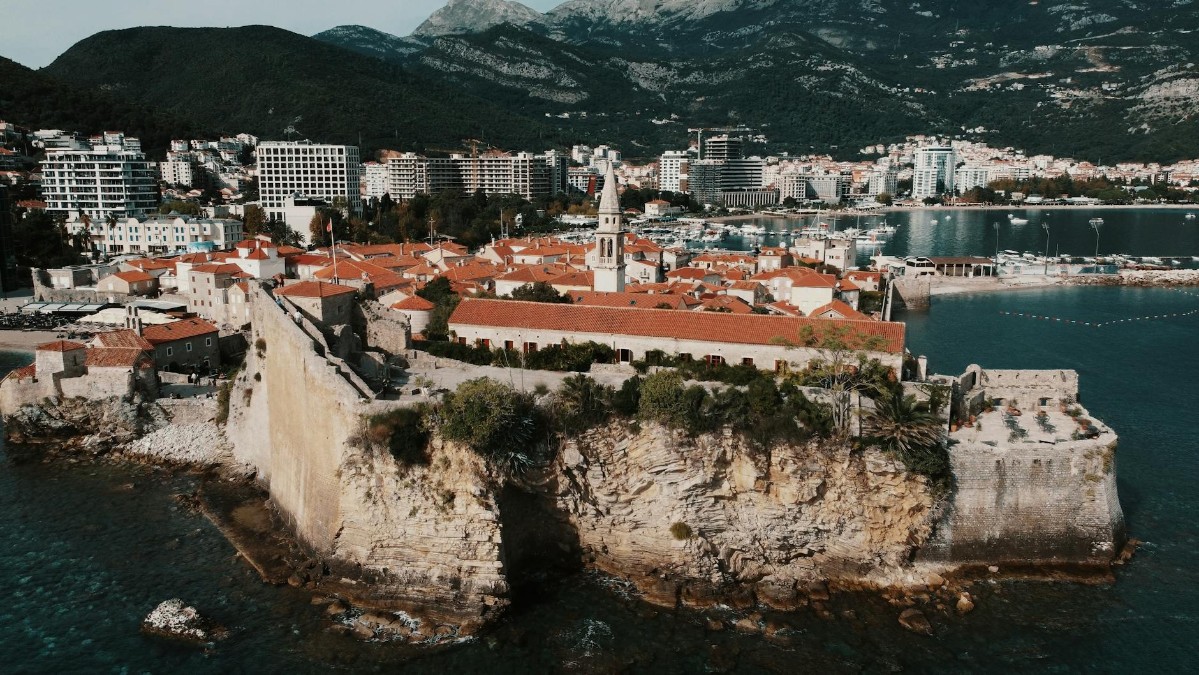
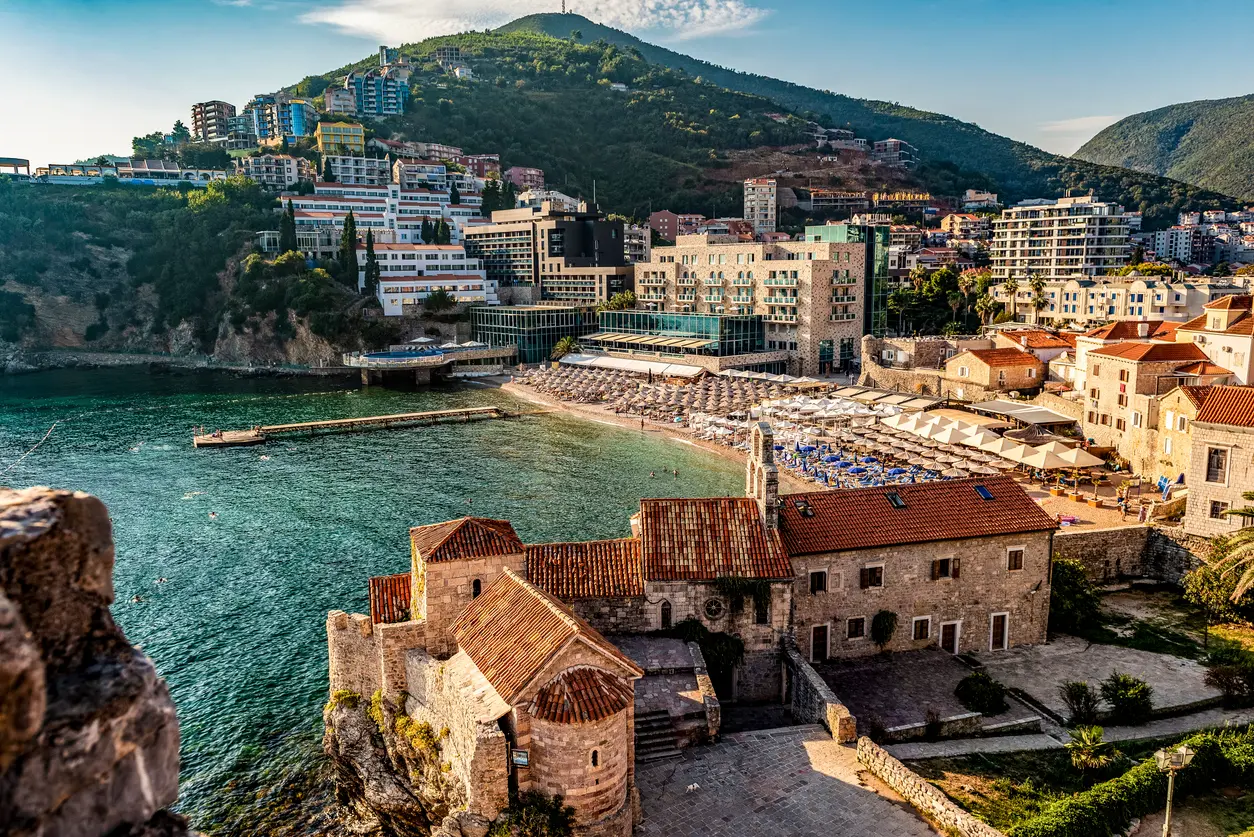
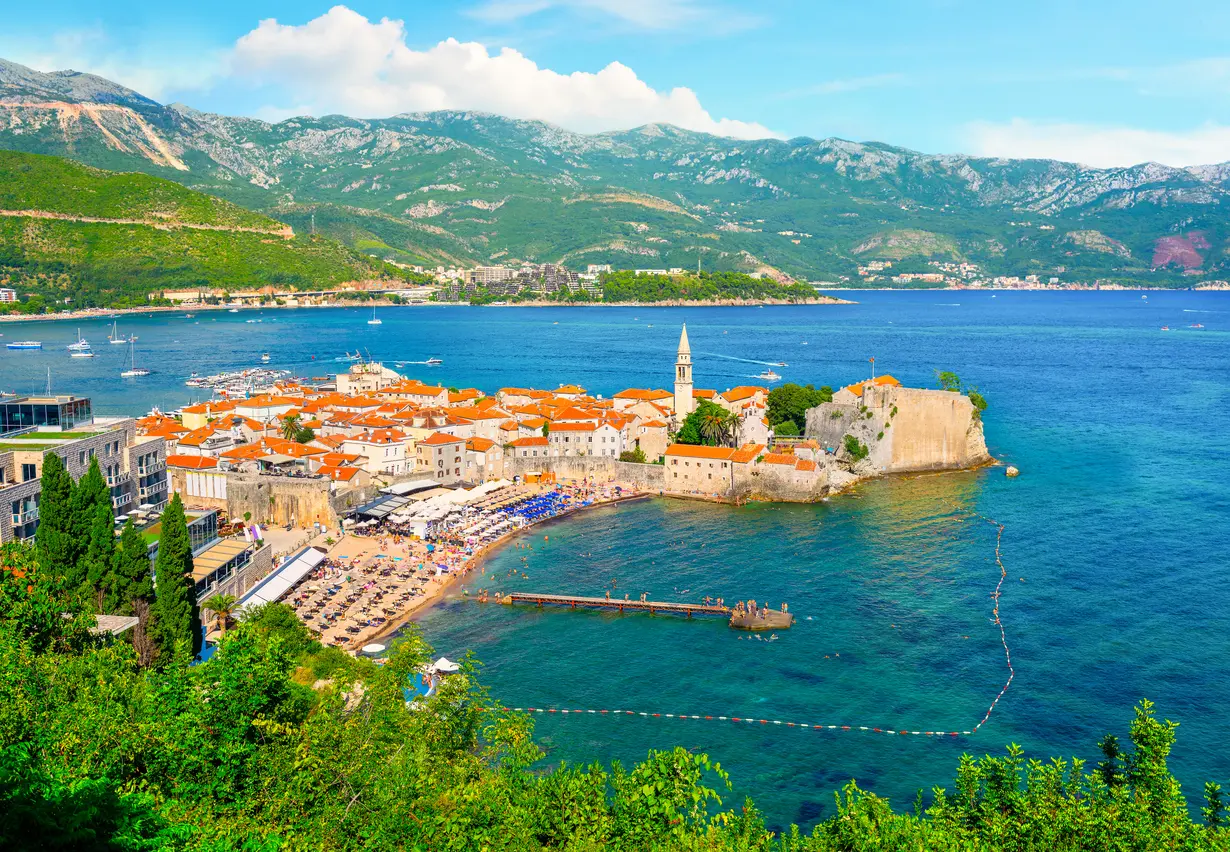
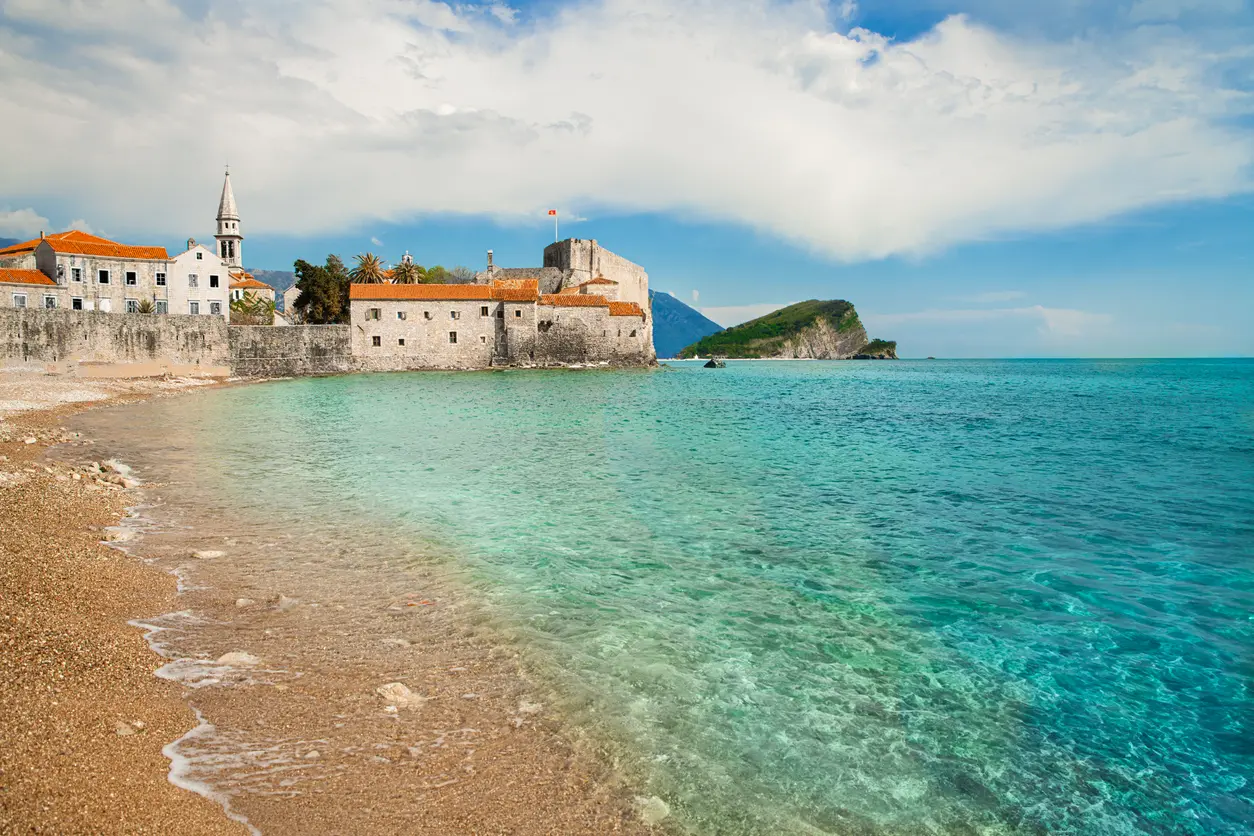
Citadela Budva, známá také jako pevnost Svaté Marie, je jednou z nejvýznamnějších fortifikačních staveb na černohorském pobřeží.
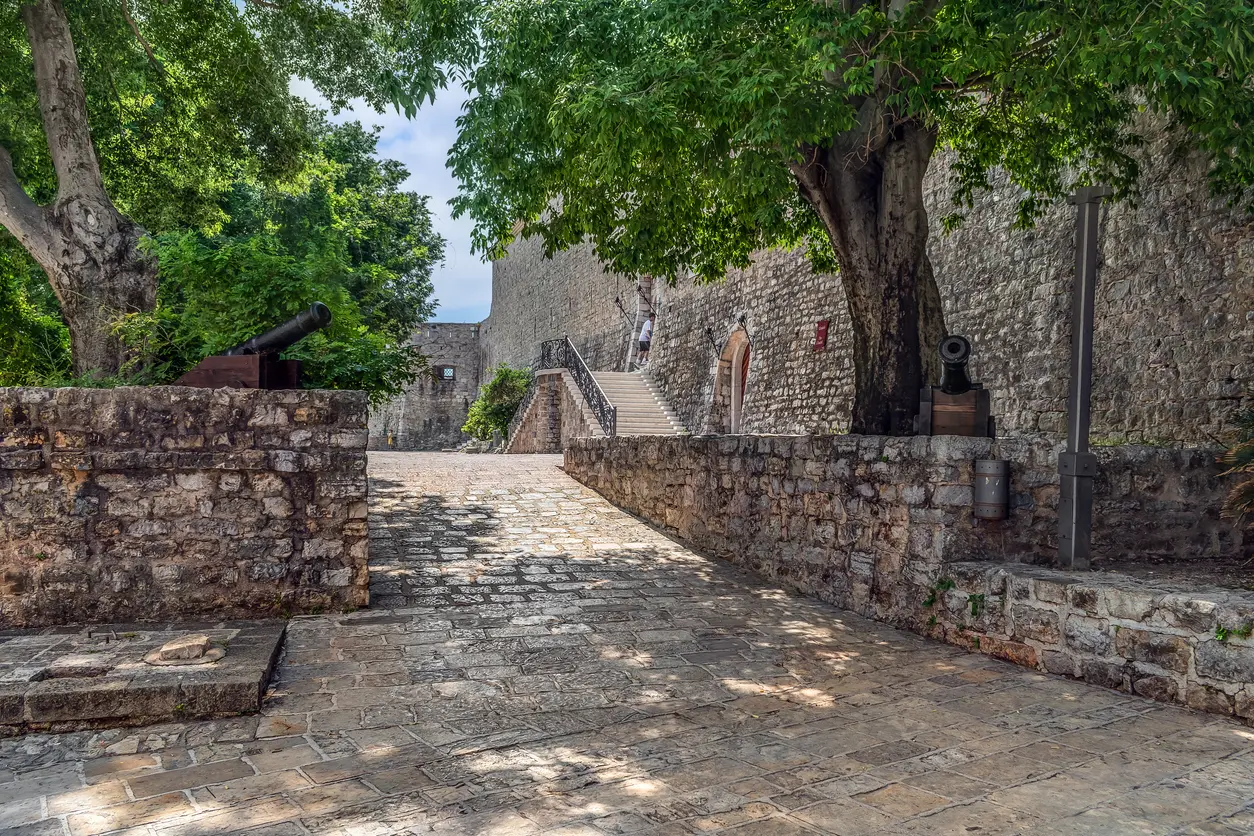
V historických pramenech je poprvé zmíněna roku 1425; na tomto místě stálo opevnění již v předhelénistické době a dnešní podobu získala v 19. století. Uvnitř jejích hradeb se nacházejí rakousko-uherská kasárna, knihovna se starými knihami, pozůstatky kostela Santa Maria in Castello a restaurace s terasou s výhledem na Jadran. Citadela byla po léta jednou ze scén festivalu Grad teatar; dnes je v soukromém vlastnictví.
To nejlepší

Rakousko-uherská kasárna dominuje severní části Citadely a je jednou z nejzachovalejších staveb uvnitř pevnosti. Kdysi sloužila k ubytování vojáků, v určitých obdobích i jako vězení. Ve druhém patře kasáren se nachází antikvární knihovna, která vlastní velké množství vzácných knih a platí za jednu z nejuznávanějších knihoven tohoto druhu na celém Balkáně. Návštěva této knihovny poskytuje jedinečný vhled do kulturního dědictví budvanského Starého města.
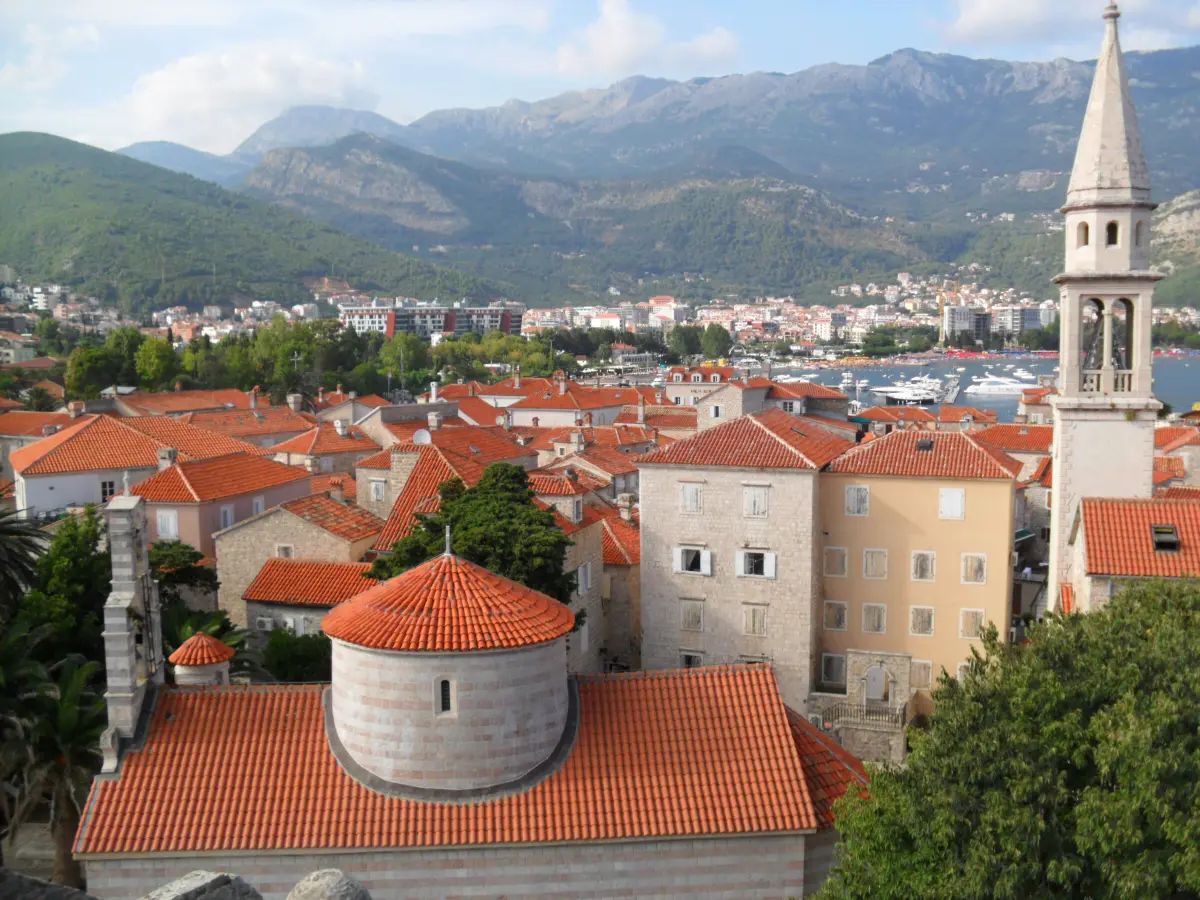
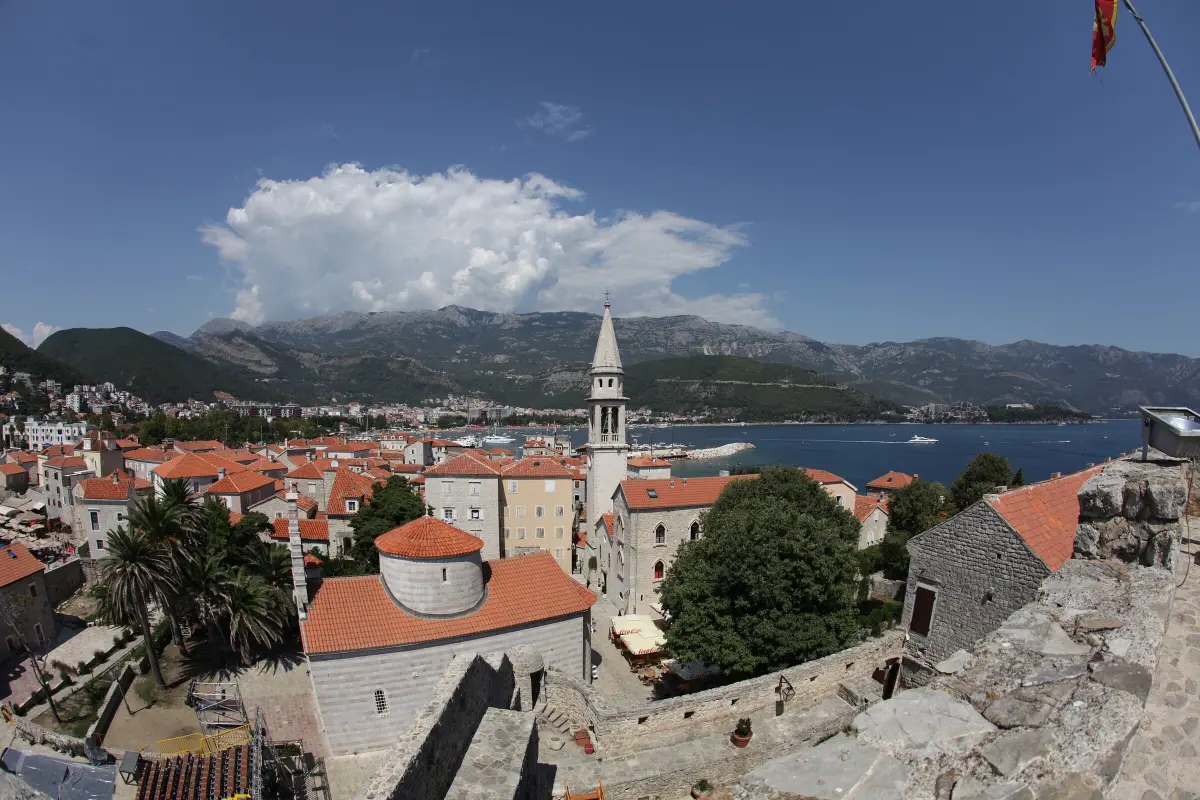
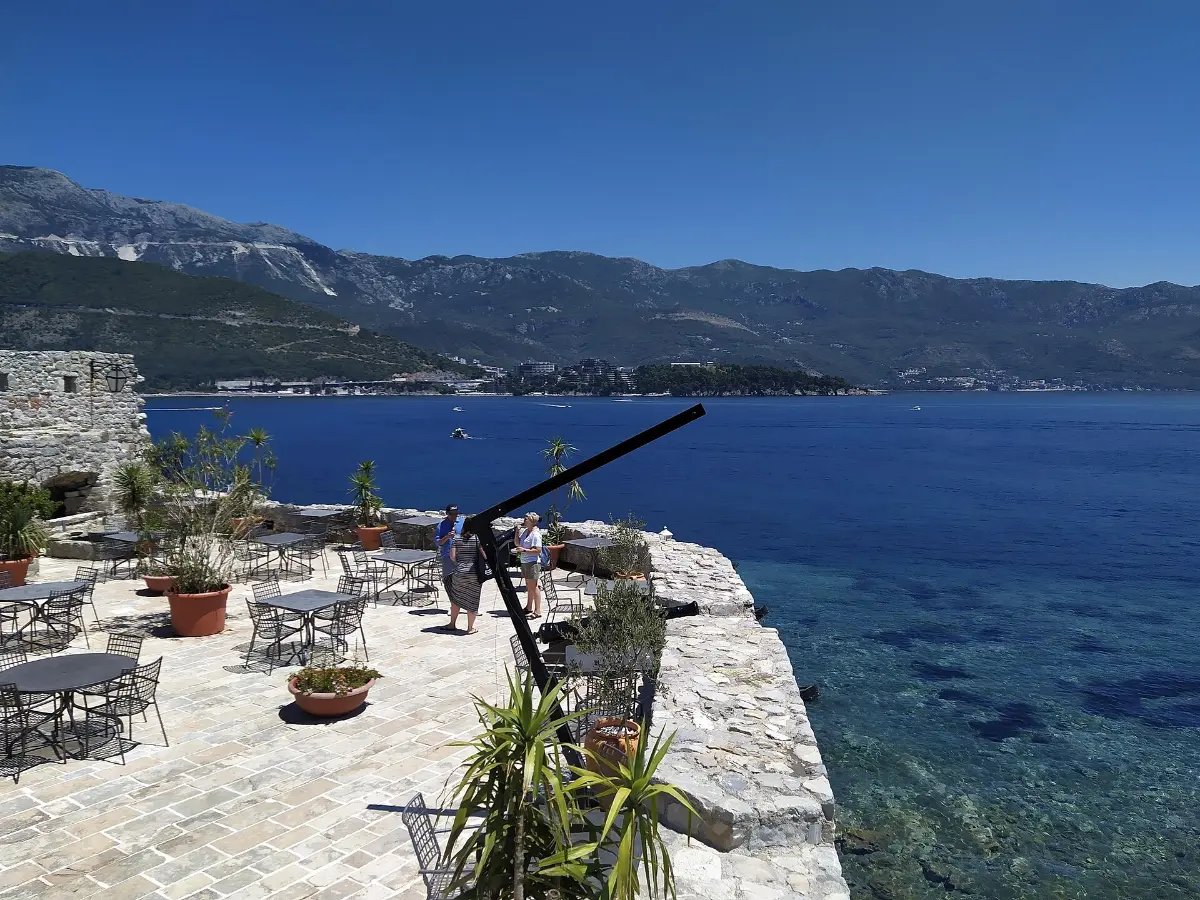
Citadela se nachází na nejvyšším bodě městských hradeb Budvy, což její vyhlídku činí jedním z nejprestižnějších míst pro panoramatický výhled na celé riviéře. Z teras Citadely se otevírá nerušený výhled na Jaderské moře, okolní pláže, budvanské Staré město a horské pozadí. Výhled je obzvláště působivý před západem slunce, kdy se moře zbarvuje do odstínů oranžové a zlaté. Restaurace Citadela na terase nabízí i možnost vychutnat si středomořské speciality s tímto výjimečným výhledem.

Uvnitř hradeb Citadely se nacházejí pozůstatky kostela Santa Maria in Castello, podle kterého pevnost získala své původní jméno – Kaštel Svaté Marie. Kostel je dnes téměř zcela zničen; zbyly z něj jen nízké zdi, ale právě tyto pozůstatky svědčí o staleté historii tohoto místa. Kostel byl zbořen během obnovy pevnosti v 19. století.

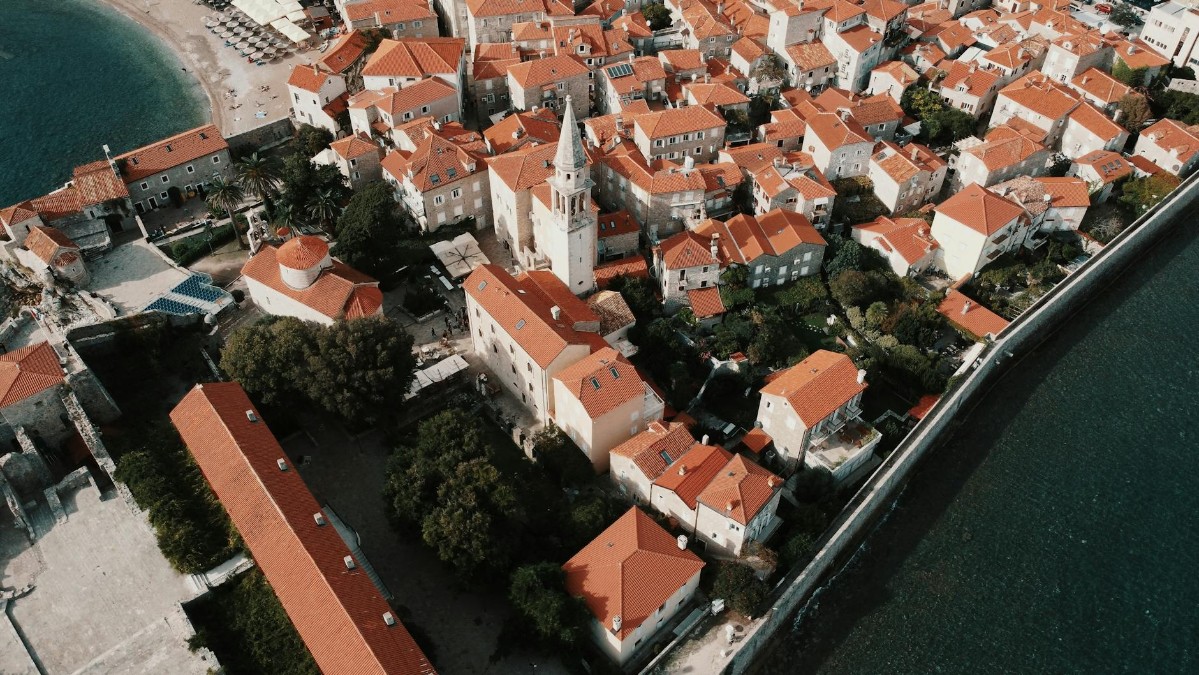
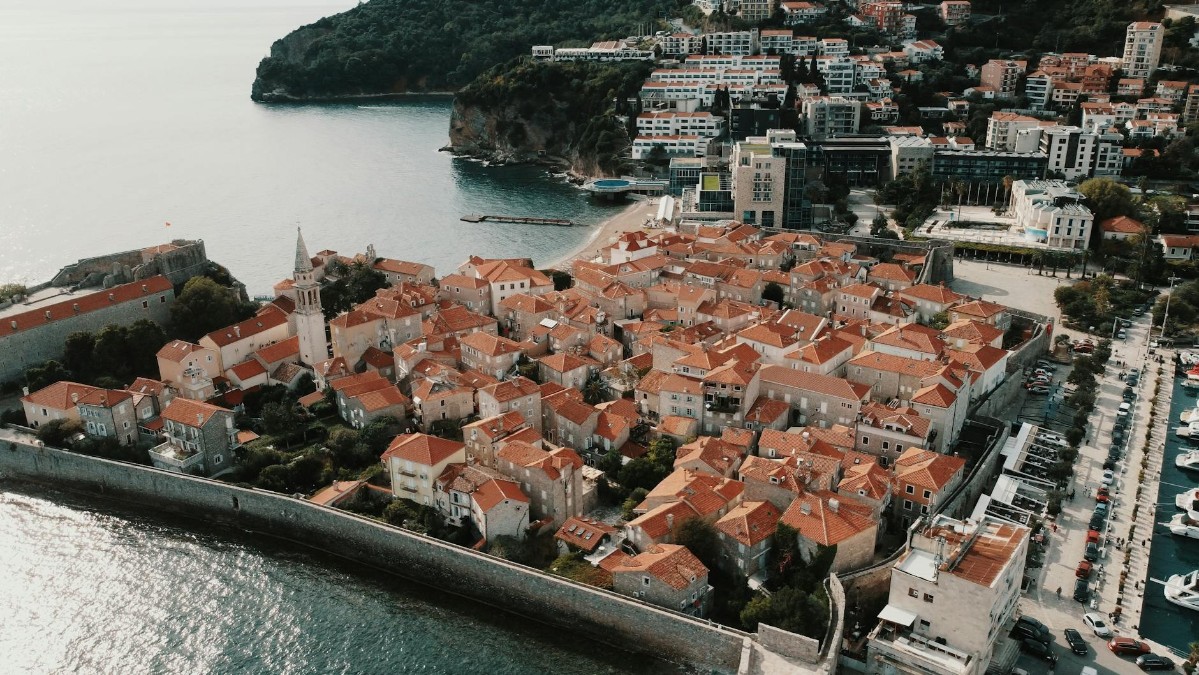
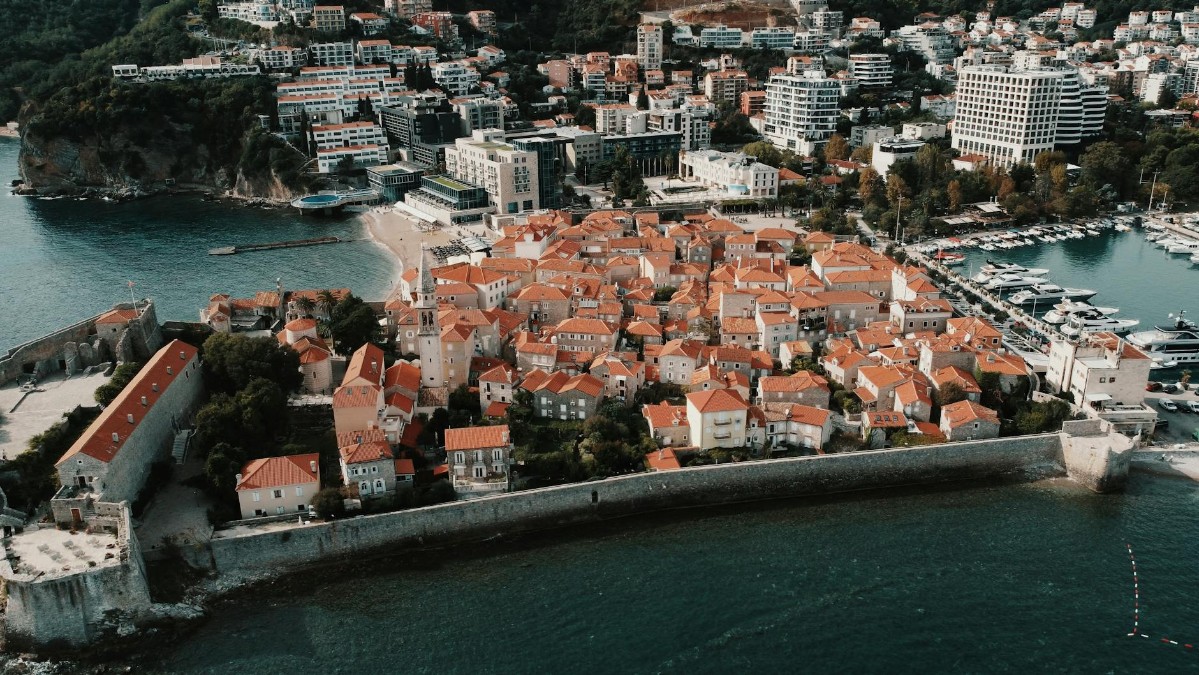
Citadela je spojena s městskými hradbami, které obklopují Staré město Budvu v délce asi 875 metrů a výšce kolem 12 metrů. Procházka po hradbách nabízí pohled shora na střechy, kostely a moře. Na kresbě ze 16. století má město šest věží; zemětřesení v roce 1667 zničilo hradby, které byly poté obnoveny na starých základech. Na hradby se dnes vstupuje z plošiny u Citadely.
Co dělat
Kultura
Prozkoumejte muzejní expozici uvnitř hradeb Citadely s artefakty z různých epoch.
Kultura
Z nejvyššího bodu hradeb si vyfotografujte panoramatický výhled na Jaderské moře a budvanskou riviéru.
Hory
Projděte se asi 875 metrů dlouhými hradbami, které obklopují Staré město a spojují se s Citadelou.

Kultura
Během léta se Citadela stává jevištěm festivalu Grad teatar s představeními, výstavami a koncerty.
Jídlo a víno
Vychutnejte si středomořské speciality v restauraci Citadela na terase nad Jadranem.
Průvodní slovo, mapa a celý text v prohlížeči – bez aplikace, funguje offline.
Videa
Turistické trasy, procházky a cyklotrasy, které tu začínají nebo vedou poblíž, s mapami a GPX ke stažení.
Lehká pěší stezka o délce 1,0 km spojuje budvanské Staré Město s pláží Mogren. Za přibližně 20 minut chůze prochází kolem vyhlídek, raně křesťanské baziliky a dalších historických objektů.
1,0 km17 m15–25 min
Zobrazit trasu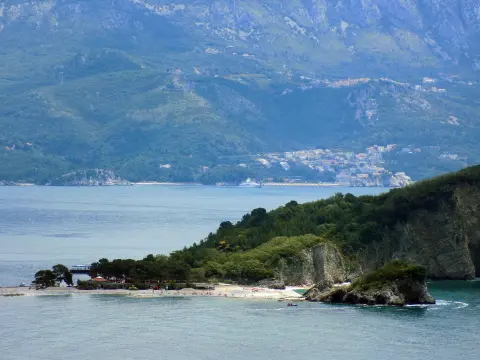
Krátká a lehká pěší stezka o délce 1,4 km vede přírodou ostrova Sveti Nikola. Je vhodná téměř po celý rok a skvělá pro odpočinek od městského ruchu Budvy.
1,4 km44 m50–70 min
Zobrazit trasu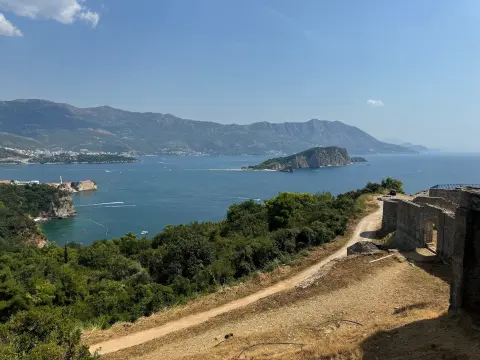
Stezka dlouhá 3,1 km vede pobřežním hřebenem z pláže Mogren na pláž Jaz. Je lehká, prochází převážně lesní cestou a nabízí několik vyhlídek na moře. Odhadovaná doba chůze bez přestávek je přibližně 1 h 15 min.
3,1 km169 m65–90 min
Zobrazit trasu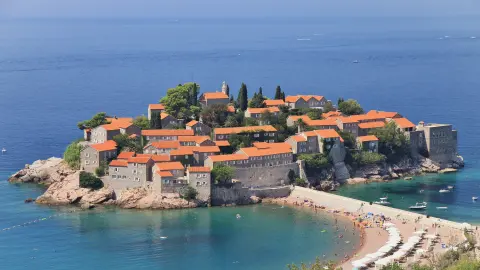
Lehká pěší stezka v jednom směru z Budvy do Sveti Stefan, dlouhá 8,8 km. Vede kolem Slovanské pláže, Bečići, Rafailovići, Kamenova a vyhlídek, s nastoupáním a klesáním po 130 m.
8,8 km130 m2–3 h
Zobrazit trasu
Lehká pěší trasa jedním směrem od pláže Jaz přes Prijevor do Seoce: 3,6 km, 246 m stoupání a 79 m klesání. Vhodná pro pohodovou túru, s vyhlídkou na 71 m n. m. a blízkostí Budvy a pláží.
3,6 km246 m1–1½ h
Zobrazit trasu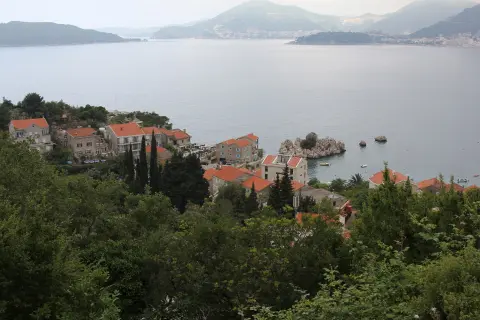
Jednosměrná stezka dlouhá 6,6 km z Kamenova na nejvyšší bod ve 796 m n. m. Stoupá o 764 m převýšení, částečně po asfaltu, částečně po lesní stezce, s vyhlídkami ve 151 m a 453 m n. m.
6,6 km764 m3–4 h
Zobrazit trasu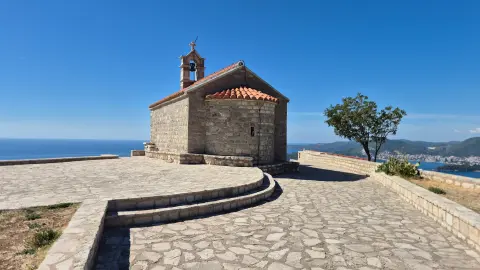
Stezka dlouhá 1,6 km vede od Kláštera Praskvica ke kostelu Svatého Sávy. Má 204 m převýšení, kamenitý terén a vyhlídku ve 264 m n. m.; prochází kolem Sveti Stefan a pláží.
1,6 km204 m45–65 min
Zobrazit trasu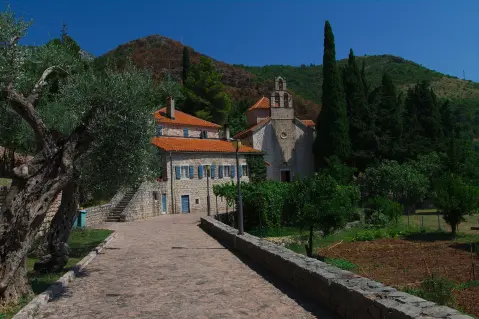
Turistická stezka Manastir Praskvica – Čelobrdo – Ograđenica má délku 4,2 km, celkové převýšení 572 m a dobu trvání přibližně 2 h 25 min chůze bez přestávek. Je jednosměrná, středně náročná a značená červenobílým značením.
4,2 km572 m2–3 h
Zobrazit trasuGalerie
Naplánujte si návštěvu
Otevírací doba
Otevírací dobu ověřte u vstupu (oficiálně není zveřejněna).
Vstupné
Vstup se platí; cenu ověřte u vstupu.
Staré město je pěší zóna. Placené parkoviště je k dispozici na Slovenské pláži a podél pobřeží, v bezprostřední blízkosti Starého města.
Citadela se nachází na vyvýšenině a vedou k ní schody přes Staré město – není vhodná pro invalidní vozíky a osoby s omezenou pohyblivostí.
FAQ
V okolí