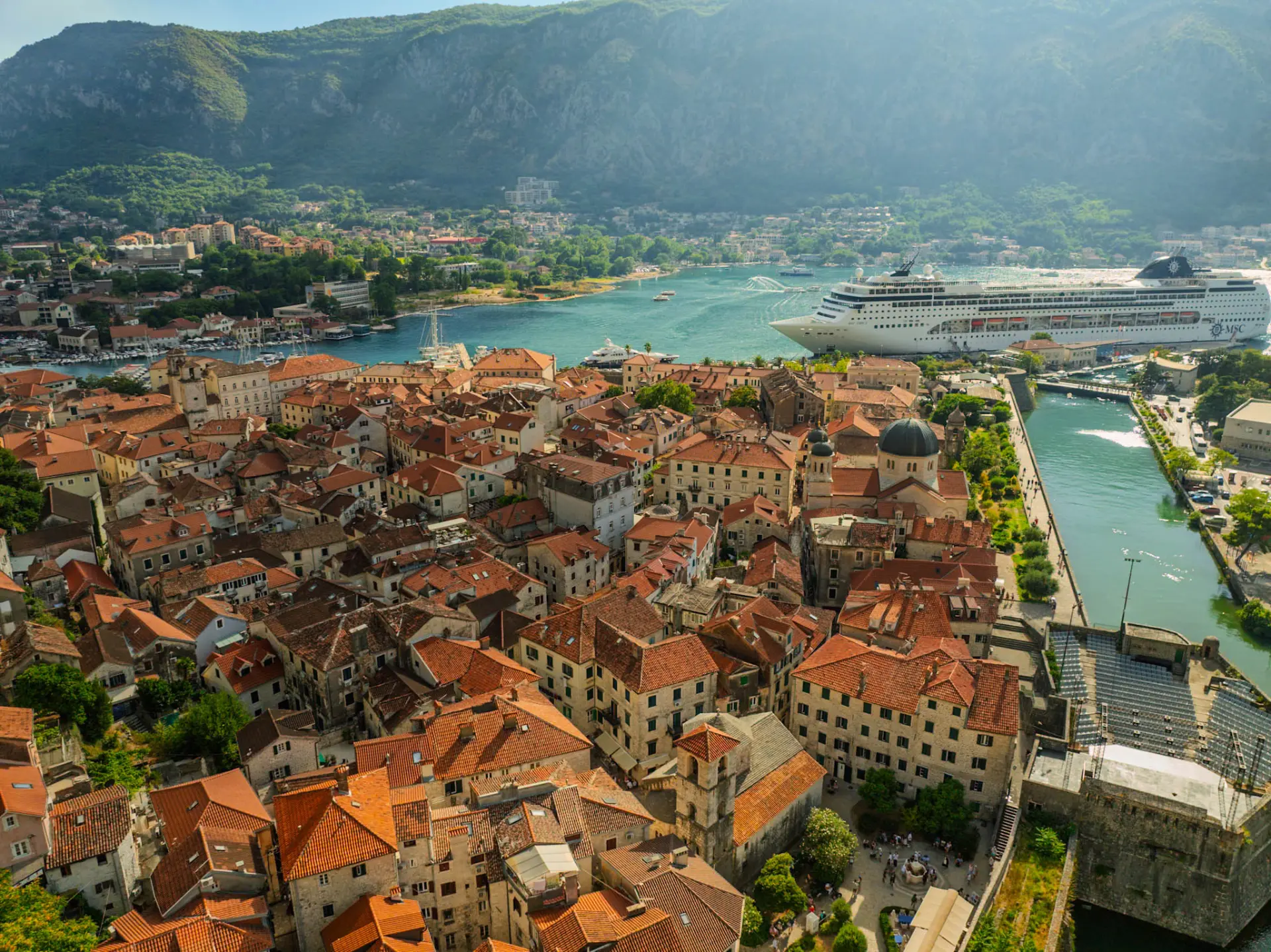
UNESCO Pearl on the Shore of the Bay of Kotor
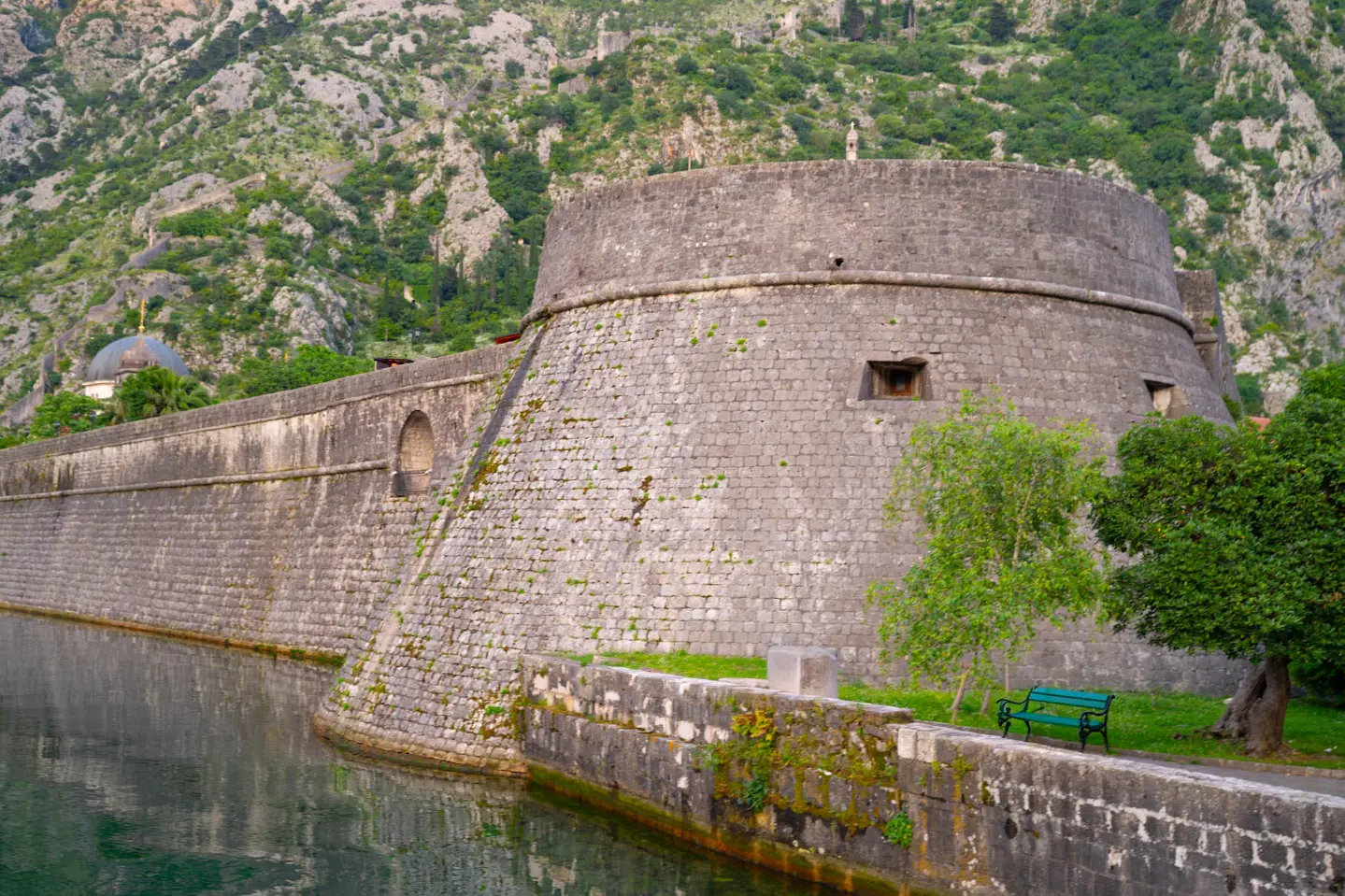
Kotor is one of the best-preserved medieval towns on the Adriatic, its stone walls stretching 4.5 km along the mountainside and enclosing the city in an impenetrable ring. Within the walls lie baroque palaces, Romanesque churches, cobblestone alleyways, and lively squares that bear witness to a rich maritime past. The town holds dual UNESCO protection — as part of the Natural and Culturo-Historical Region of Kotor, and as part of the Venetian Works of Defence. The fortress of San Giovanni, the 12th-century Cathedral of Saint Tryphon, and the Maritime Museum are just some of the attractions awaiting visitors. Kotor is also a starting point for boat excursions through the Bay, visits to Perast, and the famous islands on the bay.
Location
Bay of Kotor, Montenegro
Population
approx. 13,347
UNESCO Protection
Dual UNESCO Heritage
Length of Walls
4.5 km
History
Over 2,000 years
Nearest Airport
Tivat (TIV) — 5 km
Highlights
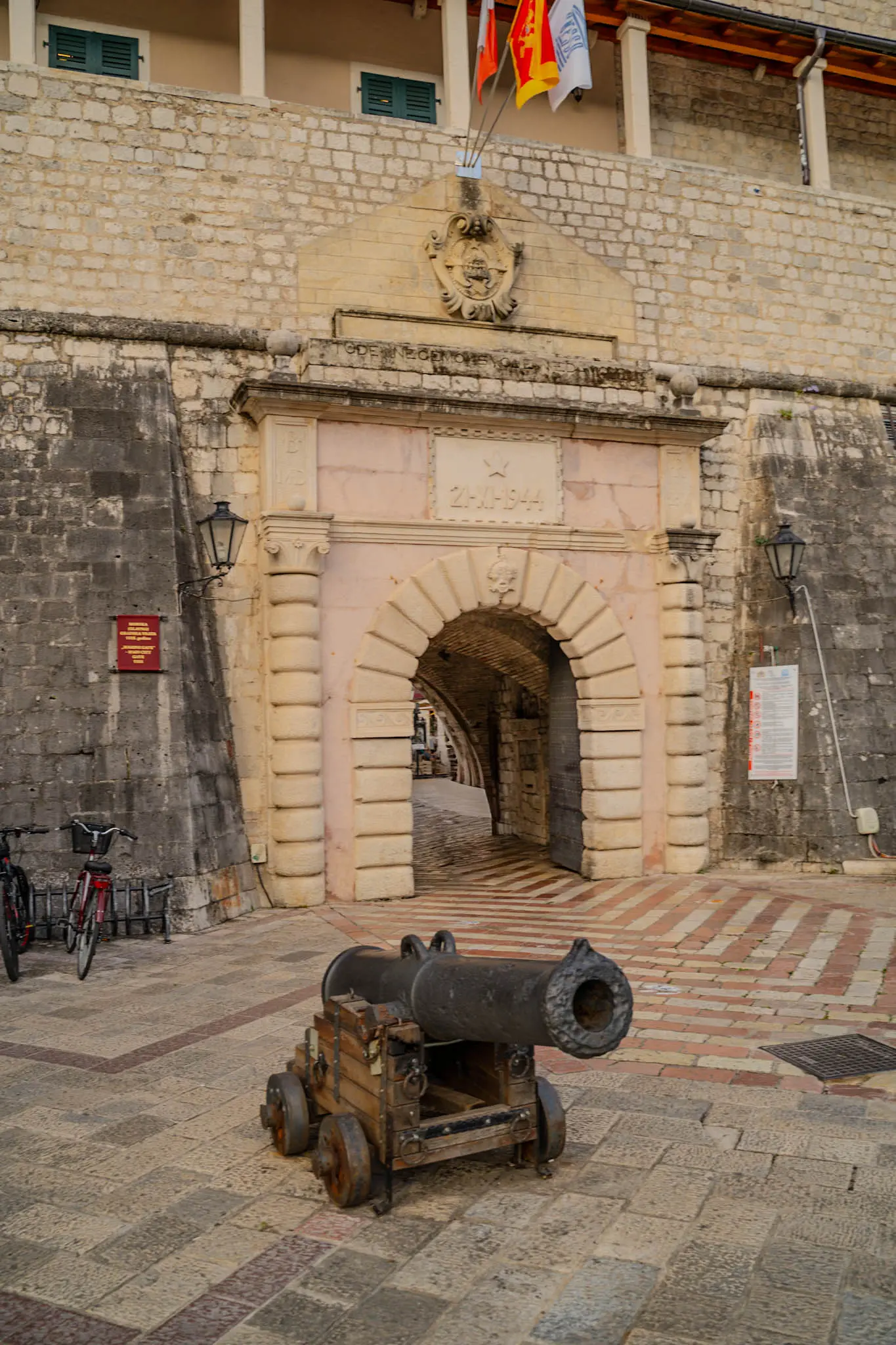
Kotor's fortification walls are 4.5 km long and up to 20 metres high, winding along the mountain cliffs up to the fortress of San Giovanni at an elevation of 280 metres. The ascent of 1,350 steps passes through historic gates and past the Church of St. John, and from the top offers one of the finest views of the Bay of Kotor and the rooftops of the Old Town. The fortifications date back to the Illyrian period and were expanded during the Byzantine and Venetian eras. Entry to the walls costs around €8–10, and is charged between 08:00 and 20:00 during the season.
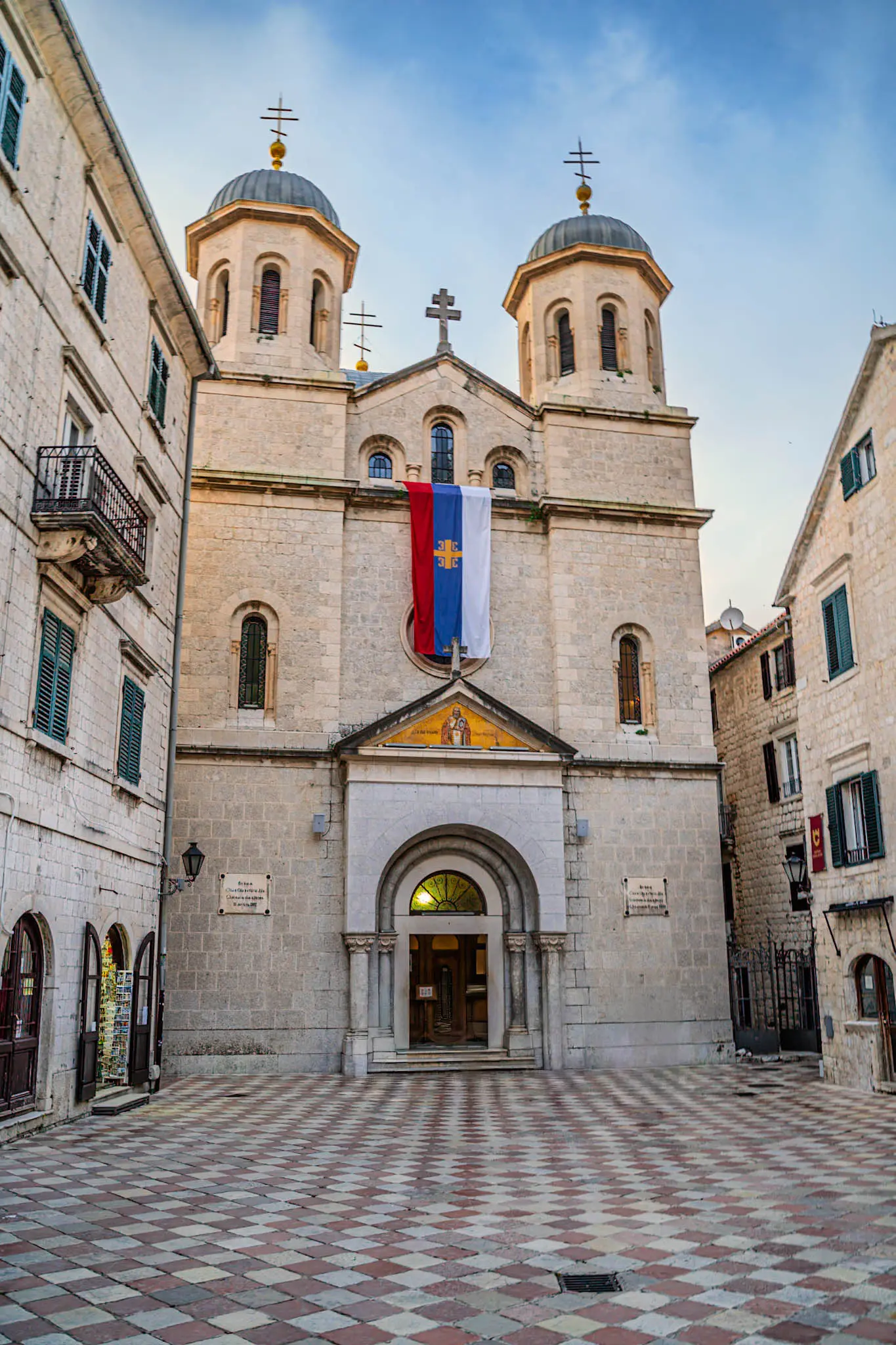
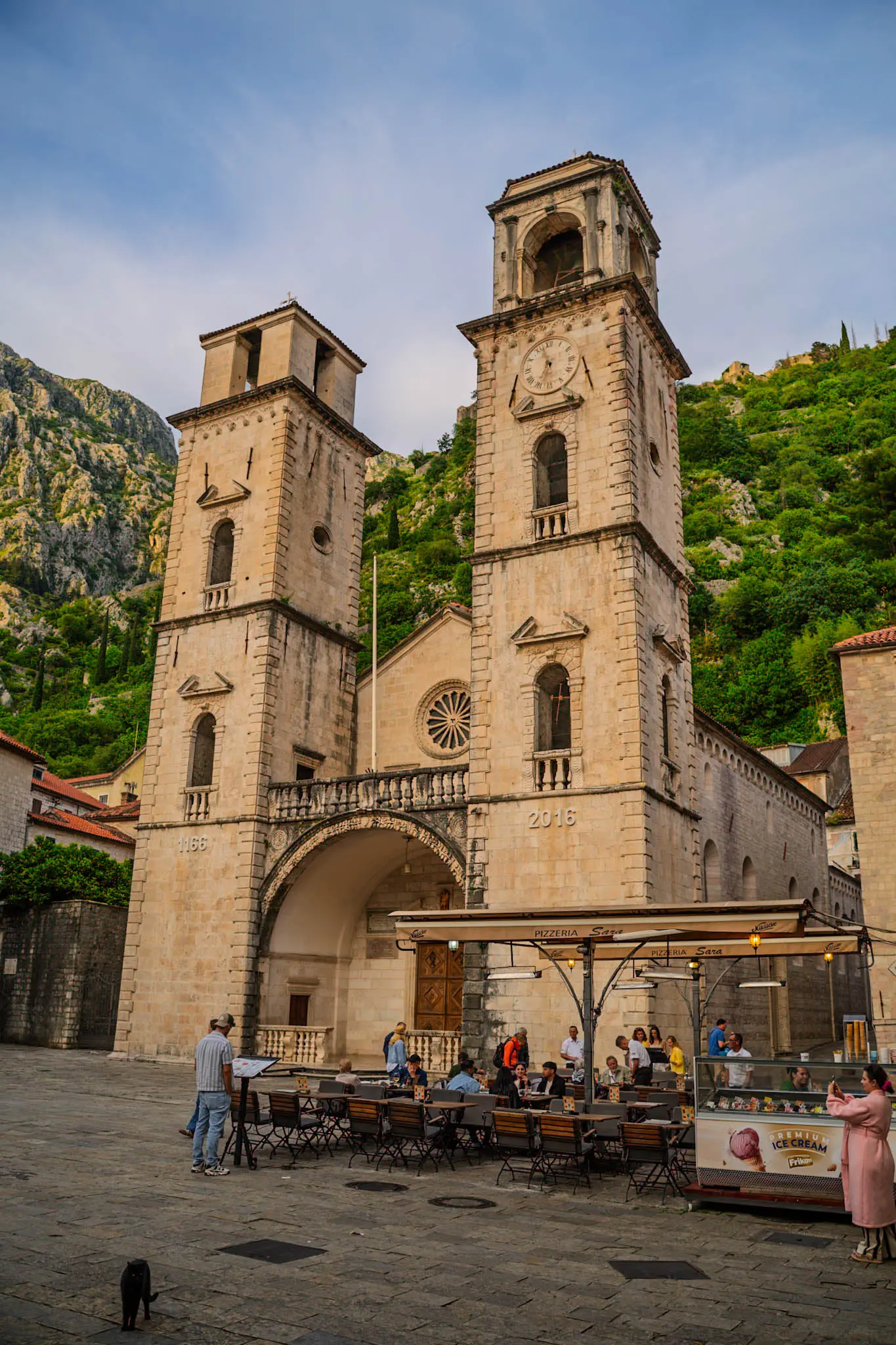
The Cathedral of Saint Tryphon is the most important symbol of Kotor and one of the most significant Romanesque churches on the Adriatic. It was consecrated in 1166 and is dedicated to the patron saint of the city, Saint Tryphon, whose relics are kept in a silver reliquary inside the cathedral. Over the centuries it has been restored after several earthquakes, but has retained its monumental Romanesque towers and richly decorated interior. The cathedral is located on the central square of the Old Town and is open to visitors for a nominal entrance fee of around €3–5.
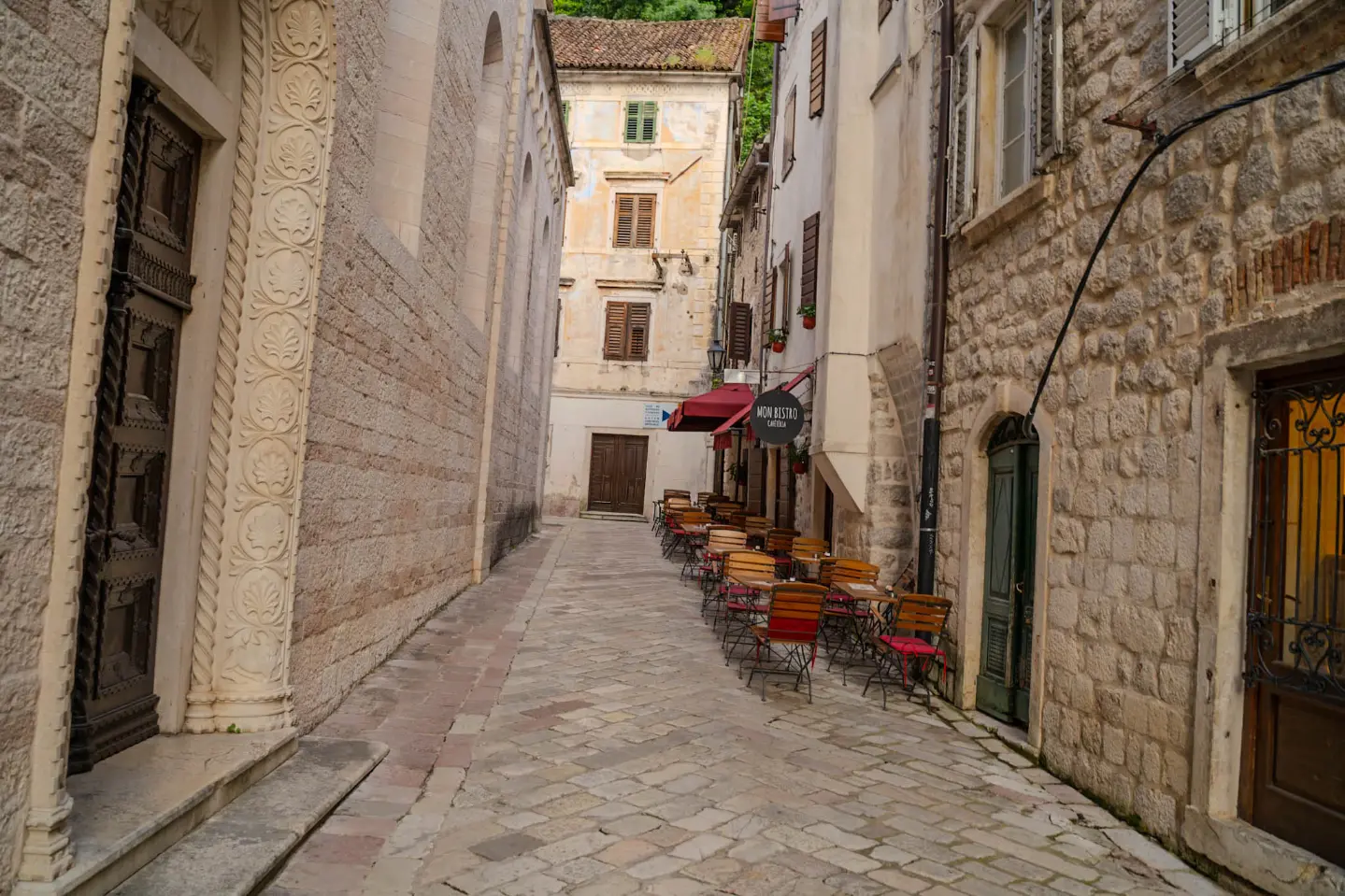
The Square of Arms is the largest and most vibrant square within the walls of Kotor, surrounded by cafés, restaurants, and the most important historic sites. On the square stand the Sea Gate — the main city gate bearing an inscription from 1944 — the 18th-century Clock Tower, and the Prince's Palace. In the morning it is a peaceful spot for coffee, and in the afternoon it becomes the heart of city life. All walks through the labyrinth of Kotor's alleyways begin here.
Housed in the Grgurina Palace on the Square of the Boka Navy, the Maritime Museum of Montenegro holds a rich collection tracing the maritime history of the Bay from the 9th century to the Second World War. The exhibition includes navigational instruments, nautical charts, uniforms, and ship models that bear witness to the great seafaring tradition of the Bay of Kotor. The museum is a quick and engaging introduction to the story of the bay and is recommended as the first stop on a tour of the Old Town. It is open daily from 09:00 to 17:00 during the summer season, with an entrance fee of around €4.
About twenty minutes by road or boat from Kotor lies Perast, an elegant baroque town with grand palaces and a tranquil waterfront. Before it rise two islands rich in legend and cultural significance: Our Lady of the Rocks, an artificial island created over centuries by the throwing of stones and the sinking of ships, and St. George, a natural island with a Benedictine monastery. A boat visit to the islands from Perast takes about an hour and reveals stories carved in stone and sea. Perast is also a peaceful alternative to Kotor for those escaping the cruise ship crowds.
What to do
The ascent of 1,350 steps to San Giovanni takes about 45–60 minutes and rewards you with a view of the entire bay.
tap to closeGroup and private boat tours lead to Perast, the island of Our Lady of the Rocks, and the Blue Cave on Luštica.
tap to closeTry fresh Adriatic shellfish buzara-style and local njeguški pršut at restaurants within the walls.
tap to closeA 45-second adrenaline adventure at 980 metres above sea level on the Njegoši–Kotor road with views over the bay.
tap to closeExploring the labyrinth of alleyways, hidden courtyards, and Kotor's cats is best enjoyed in the early morning hours.
tap to close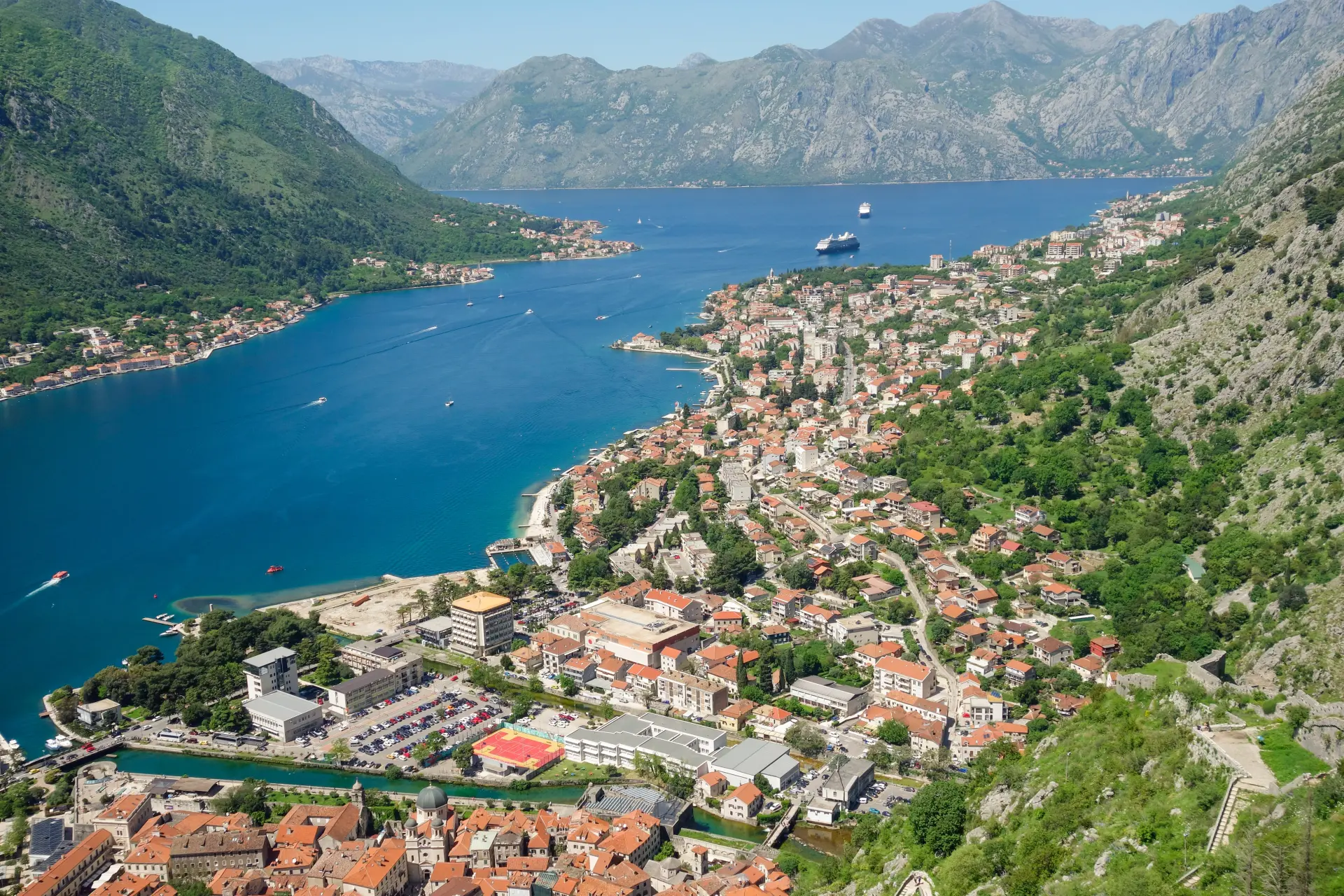
Where Stone Walls Meet the Sea
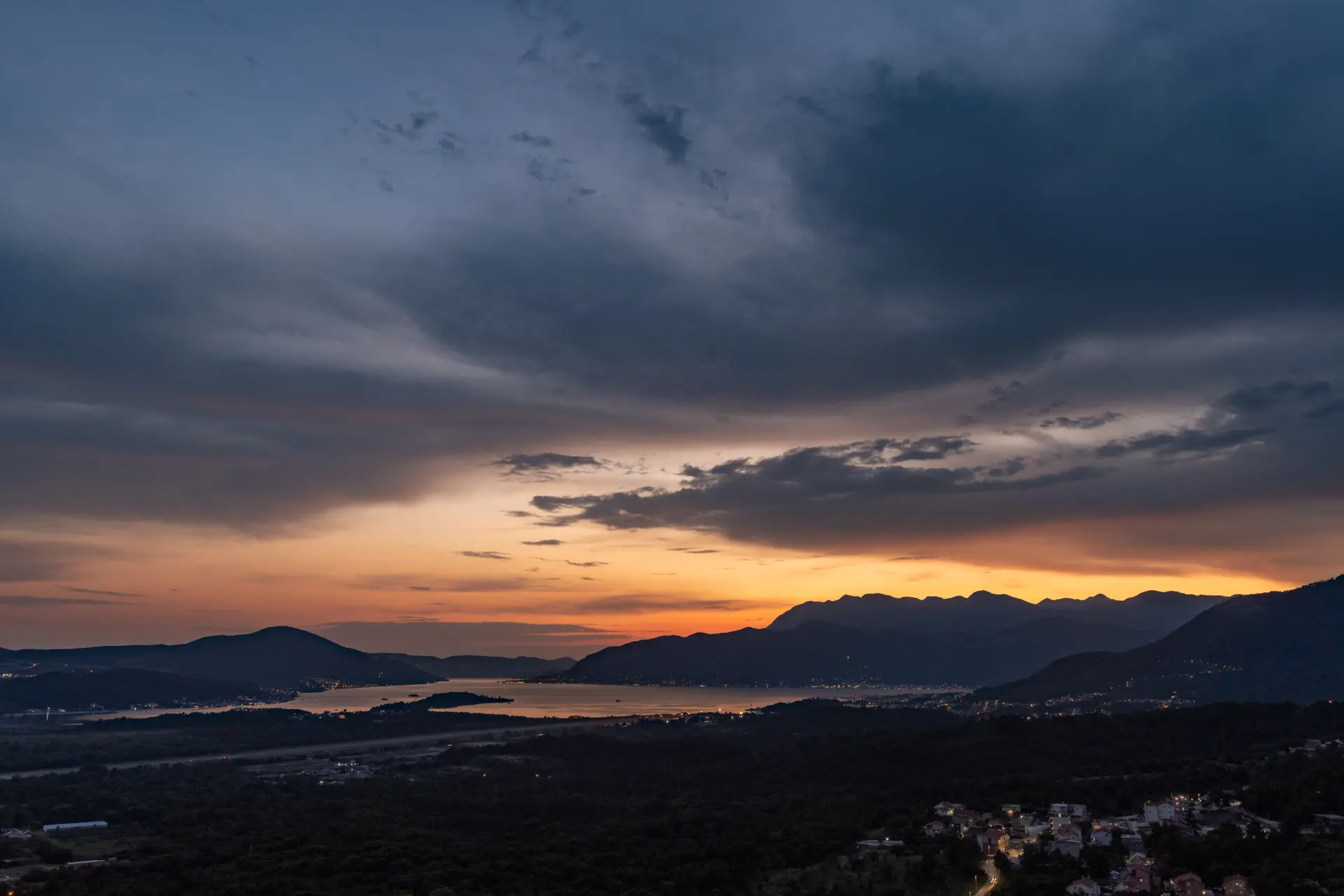
A UNESCO-protected medieval jewel cradled between soaring mountains and the shimmering Bay of Kotor — one of the most breathtaking settings in all of Europe.
Gallery
Did You Know?
Cats have lived in Kotor's harbour for centuries, guarding ships and warehouses from rats. Today they roam freely, are well fed, and are protected by locals — and there is even a Cat Museum in the Old Town. Kotor is known as the city of cats
Plan Your Visit
Stari grad: pristup 24h. Tvrđava San Đovani i zidine: naplata ulaznica 08:00–20:00 (ljeto, maj–oktobar); van sezone manje formalno. Katedrala Sv. Tripuna: 09:00–18:00 (april–oktobar), 09:00–17:00 (novembar–mart). Pomorski muzej: 09:00–17:00 (ljeto), 09:00–15:00 radnim danima (zima).
Tvrđava San Đovani i gradske zidine: oko 8–10 EUR po osobi (2025). Katedrala Sv. Tripuna: oko 3–5 EUR. Pomorski muzej: oko 4 EUR. Ulaz u Stari grad je besplatan.
Plaćeni parking dostupan je uz luku (Kotorska luka parking), neposredno uz Stari grad. Preporučuje se dolazak ranije ujutru kako bi se pronašlo mjesto, posebno ljeti.
Stari grad ima kaldrmisane ulice i stepenice koje mogu biti izazov za invalidska kolica i putnike sa smanjenom pokretljivošću. Tvrđava San Đovani nije dostupna osobama sa teškoćama kretanja. Ravniji dijelovi Starog grada i glavni trgovi su djelimično pristupačni.
+382 32 325 950
https://kotor.travel
FAQ