
Festa di San Trifone (Tripundanske svečanosti)
La festa più antica dell'Adriatico: oltre 1.200 anni di kolo della Marina di Boka e processioni davanti alla cattedrale di Kotor.
L'inverno è il momento in cui Kotor appartiene più completamente a se stessa. Il centro storico si trova nel punto più interno della Baia di Kotor, con i suoi vicoli di marmo racchiusi da mura medievali che risalgono le scogliere calcaree dietro i tetti. All'inizio di febbraio le terrazze sono silenziose, la luce è bassa e argentea sull'acqua, e le campane della cattedrale risuonano per tutta la città — un palcoscenico degno di una festa così antica.
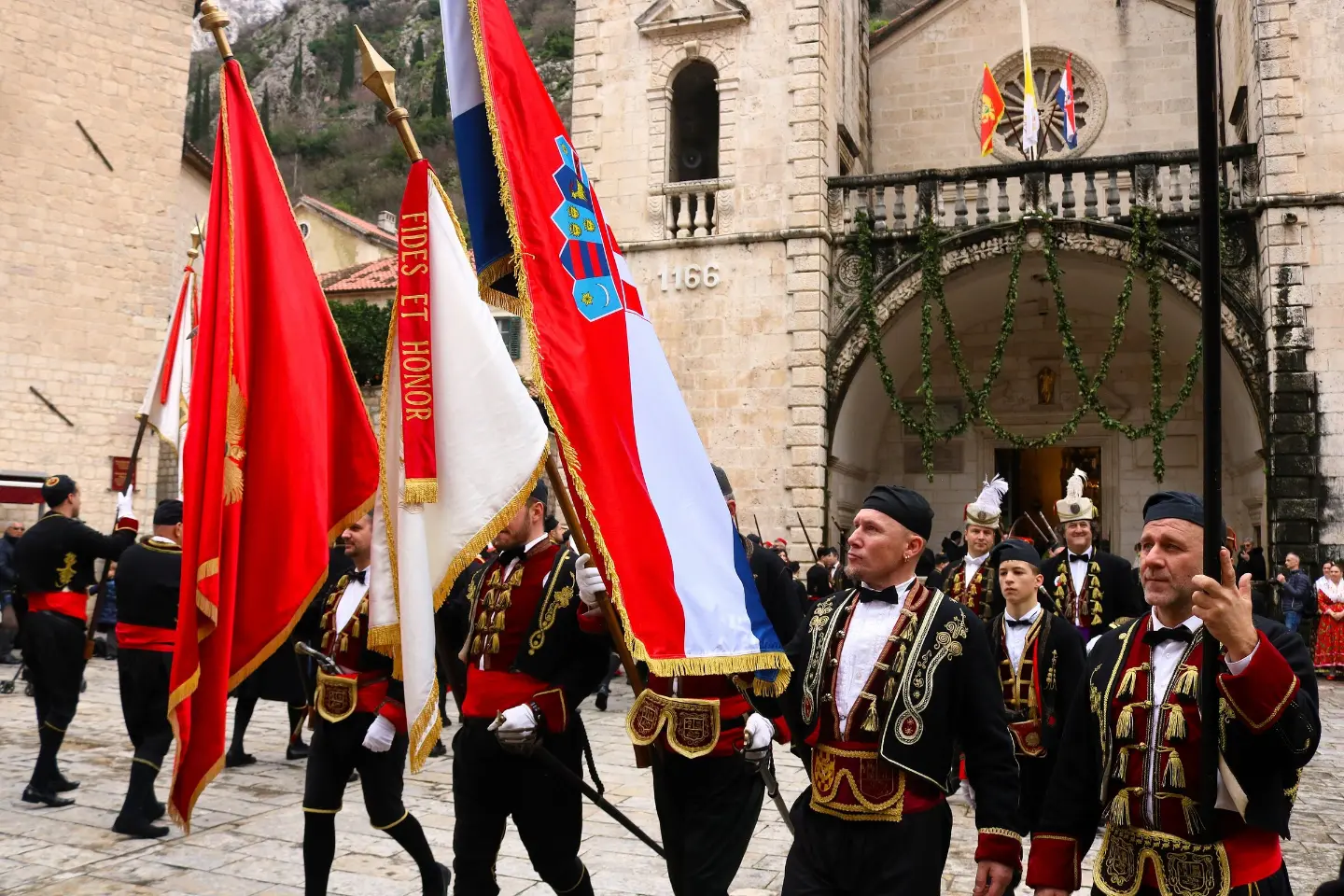
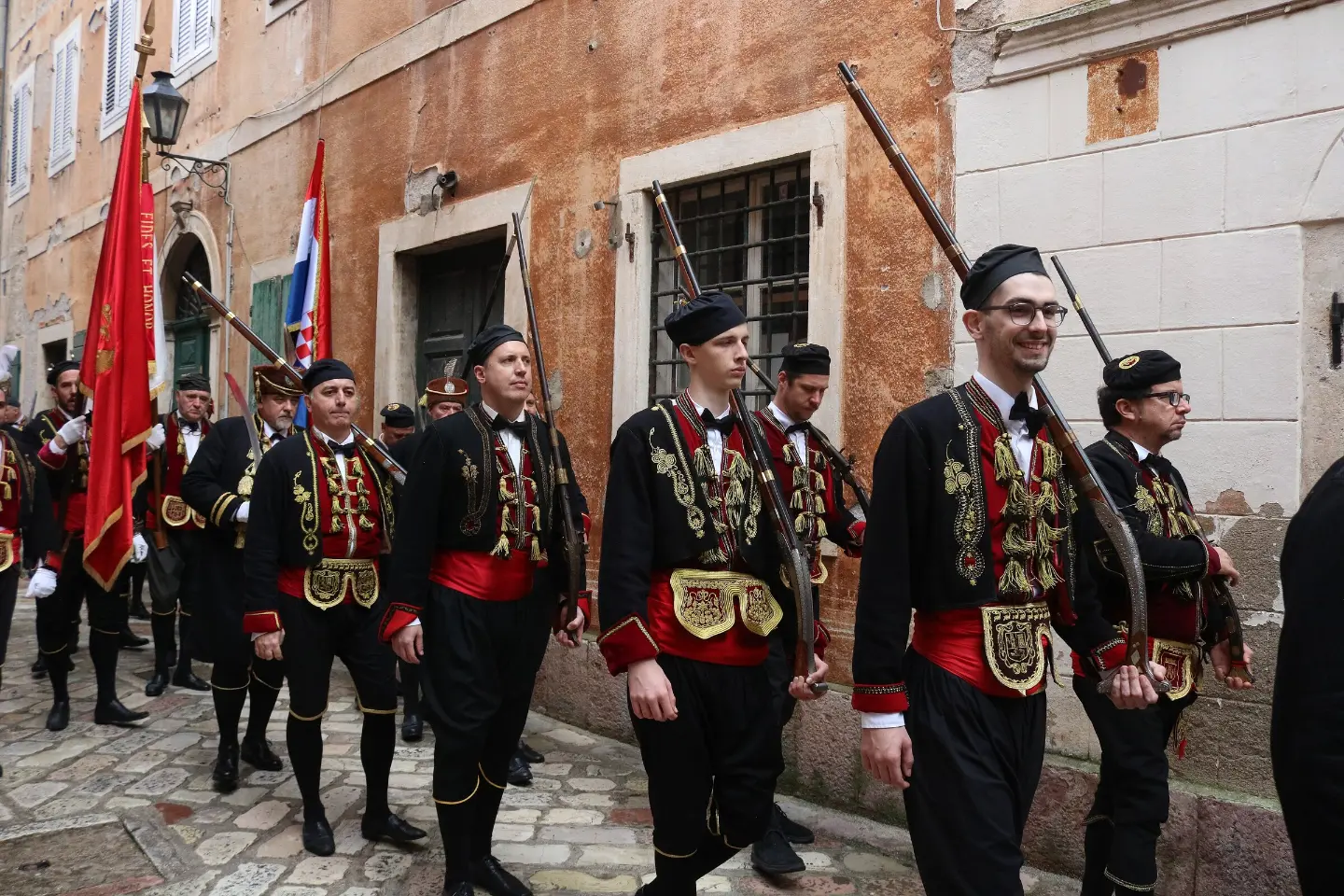
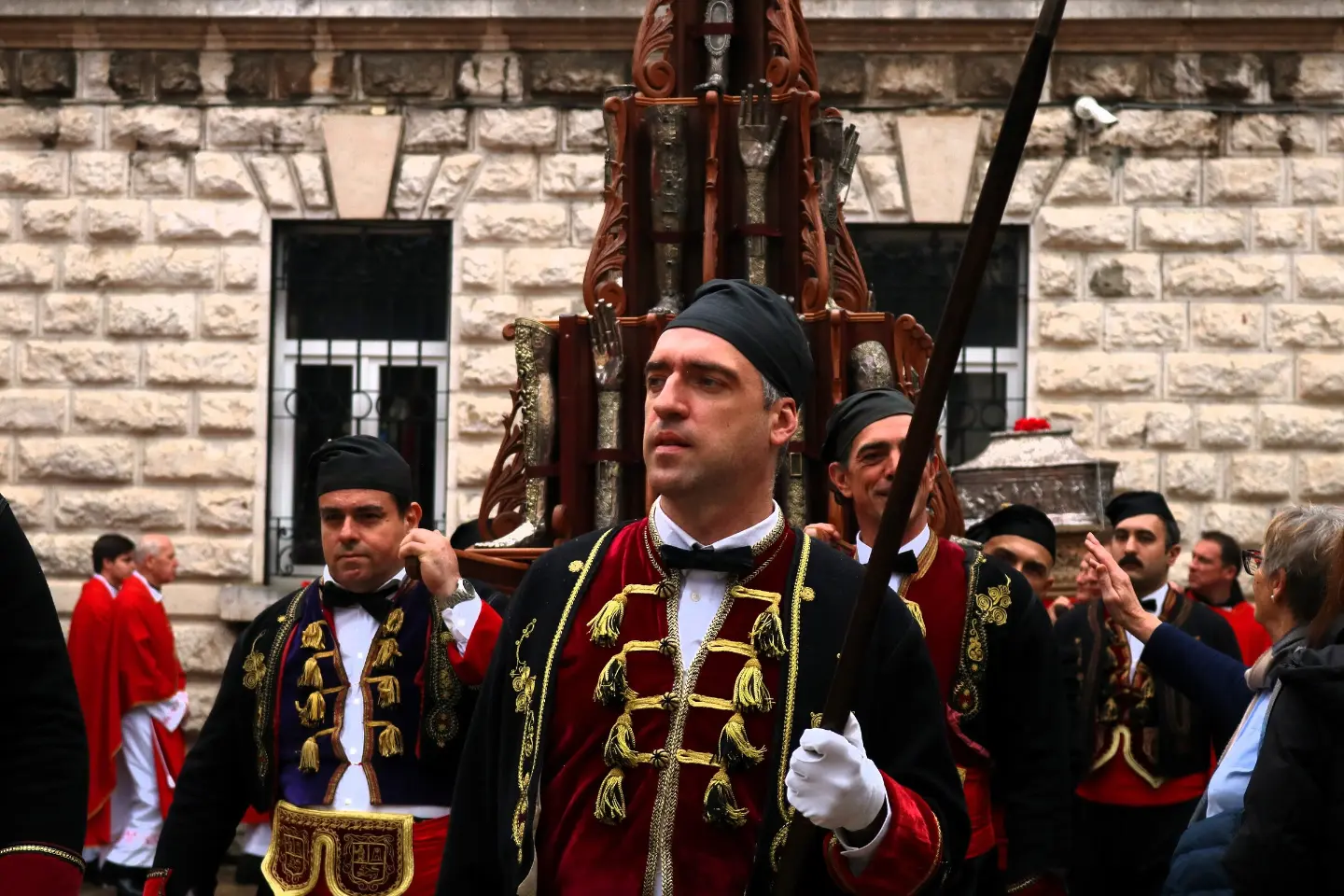
Le celebrazioni sono condotte dalla Diocesi di Kotor insieme alla Bokeljska mornarica, la Marina di Boka — una confraternita marittima le cui tradizioni sono iscritte nella lista del patrimonio immateriale UNESCO. I suoi membri, in uniformi storiche, danzano il kolo circolare di San Trifone nella piazza davanti alla cattedrale, una chiesa che sorge in questo luogo dall'809 d.C. Una messa pontificale è seguita da una processione che porta le reliquie del santo attraverso le strade di marmo del centro storico.
Due momenti conferiscono alla festa il suo fascino particolare: l'alzabandiera e l'ammainabandiera cerimoniali del gonfalone del santo che aprono e chiudono i festeggiamenti, e la "Lode" — una laudazione tradizionale a San Trifone recitata da un giovane ragazzo in costume tradizionale, un ruolo che costituisce un grande onore per le famiglie di Kotor. La piazza davanti alla cattedrale si riempie per questi momenti, con generazioni di cittadini che si riuniscono insieme.
Per la gente di Kotor la festa è meno una rappresentazione che un'eredità. L'appartenenza alla Marina di Boka si trasmette attraverso le famiglie, e il giorno del santo lega il passato marittimo della città al suo presente; la celebrazione si svolgerebbe esattamente allo stesso modo senza un solo visitatore a guardare, il che è precisamente il suo fascino per coloro che vengono.
Tutto si svolge nella Cattedrale di San Trifone e nei suoi dintorni ed è gratuito. L'inizio di febbraio è la stagione più tranquilla nella Baia di Kotor, quindi la festa è anche una rara occasione per vedere la città vivere la propria tradizione piuttosto che esibirla per i visitatori — pianificate il vostro soggiorno intorno al 3 febbraio e alla domenica successiva per le cerimonie principali.
Cosa vi aspetta
1.216+ anni di continuità
La celebrazione più antica tenuta ininterrottamente sull'Adriatico, che onora il patrono di Kotor, San Trifone, da oltre dodici secoli.
Kolo di San Trifone
La Marina di Boka, iscritta nel patrimonio UNESCO, danza il suo kolo circolare in uniformi storiche nella piazza davanti alla cattedrale, su un sito che risale all'809 d.C.
Processione delle reliquie
Una messa pontificale seguita dalla processione delle reliquie del santo attraverso le strade di marmo del centro storico.
La laudazione "Lode"
Un giovane ragazzo in abito tradizionale recita la laudazione cerimoniale a San Trifone — uno dei momenti più amati della festa.
Gratuito e autentico
Tutte le cerimonie sono gratuite, nella tranquilla bassa stagione quando Kotor festeggia per se stessa.
Come pianificare la visita
Il giorno liturgico è il 3 febbraio e la principale celebrazione esterna cade la domenica successiva — le due date fondamentali intorno alle quali pianificare.
Cosa succede e quando
03–07 febbraio 2027 · 10:00
- Fine gennaioL'alzabandiera cerimoniale del gonfalone di San Trifone apre i festeggiamenti nel centro storico
- 3 febbraioGiorno liturgico di San Trifone — messa pontificale nella cattedrale
- Domenica successivaPrincipale celebrazione esterna: la Marina di Boka danza il kolo di San Trifone davanti alla cattedrale, seguita dalla processione delle reliquie attraverso il centro storico
- Durante la festaLa laudazione "Lode" recitata da un giovane ragazzo in abito tradizionale
- ChiusuraL'ammainabandiera cerimoniale del gonfalone del santo conclude le celebrazioni
Foto
Dove si svolge
Luogo
St. Tryphon Cathedral, Old Town, Kotor
St. Tryphon Cathedral, Old Town, Kotor
Indicazioni stradali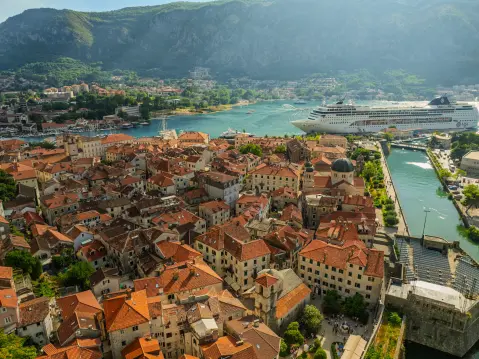 GuidaKotor — guidaCosa vedere, dove dormire e mangiare
Dove mangiare a Kotor
«Partner» indica un posizionamento a pagamento. Verifichiamo i dati presso la fonte ufficiale.
Pianifica il soggiorno
Kotor — dove dormire e come spostarsi
Offerte attuali di host locali sulla nostra piattaforma di prenotazione. Nulla viene addebitato online — paghi l’host sul posto.

Le richieste di prenotazione sono confermate dall’host; pagamento sul posto. Offerte dalla piattaforma di prenotazione Travel to Montenegro.
Altri eventi
Cos'altro succede in Montenegro nello stesso periodo.
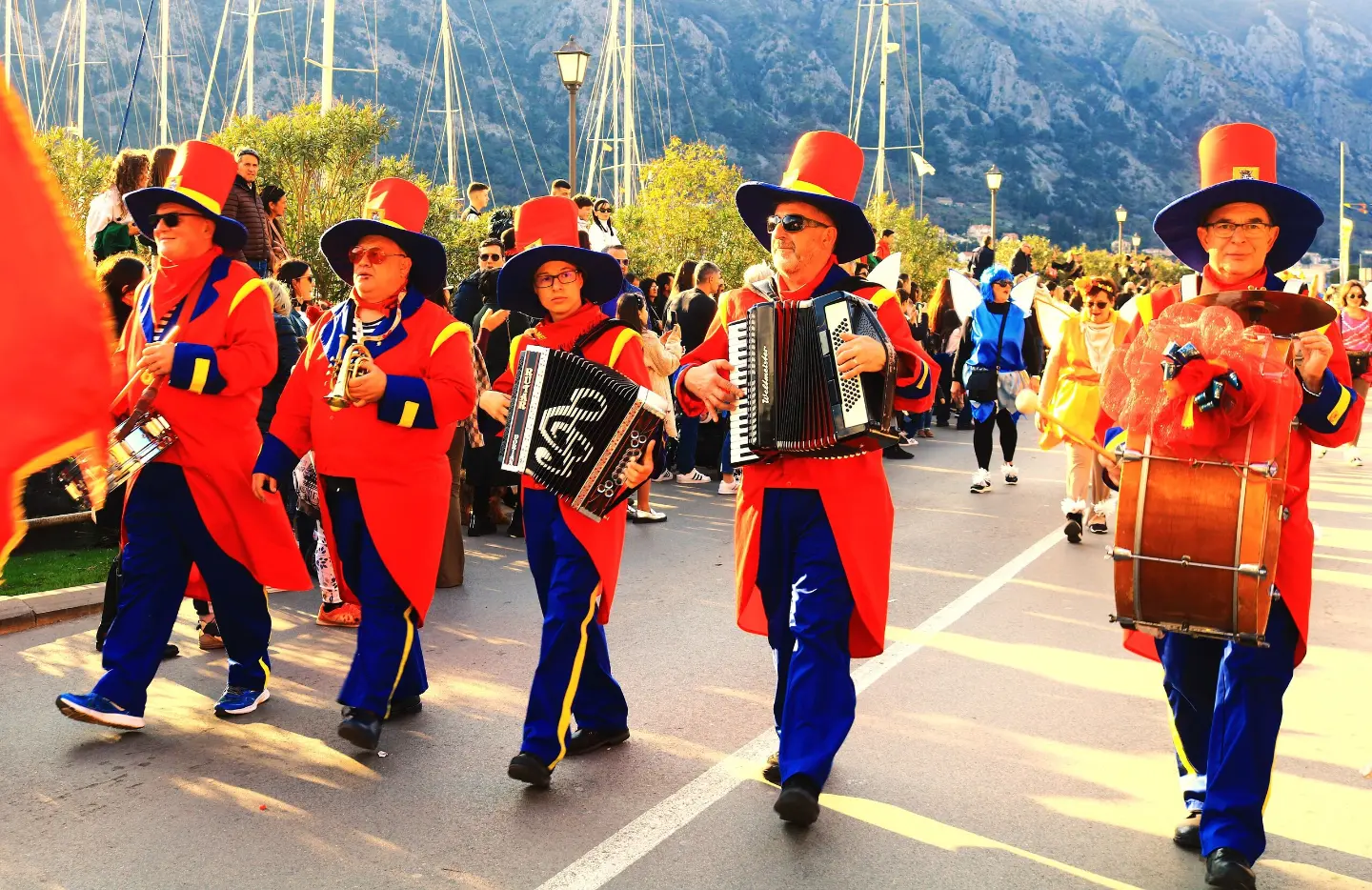
Carnevale di Kotor
Carnevale invernale tradizionale nella Città Vecchia di Kotor, con balli in maschera, sfilate e rogo del carnevale — la data esatta dell'edizione 2027 sarà annunciata successivamente.
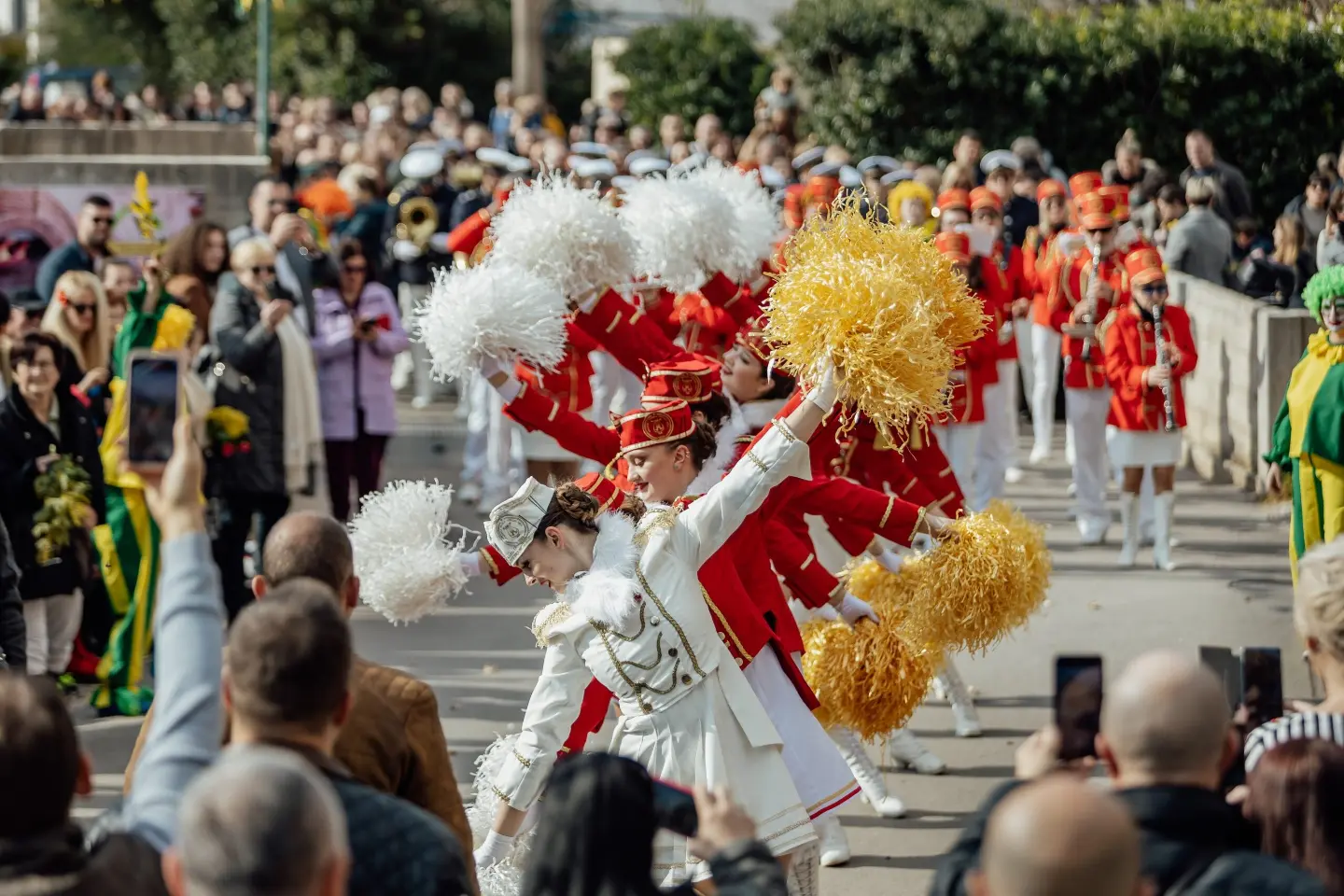
Festival della Mimosa
Tradizionale festa invernale a Herceg Novi con mimosa, pesce e vino, carnevale e concerti lungo la riviera.
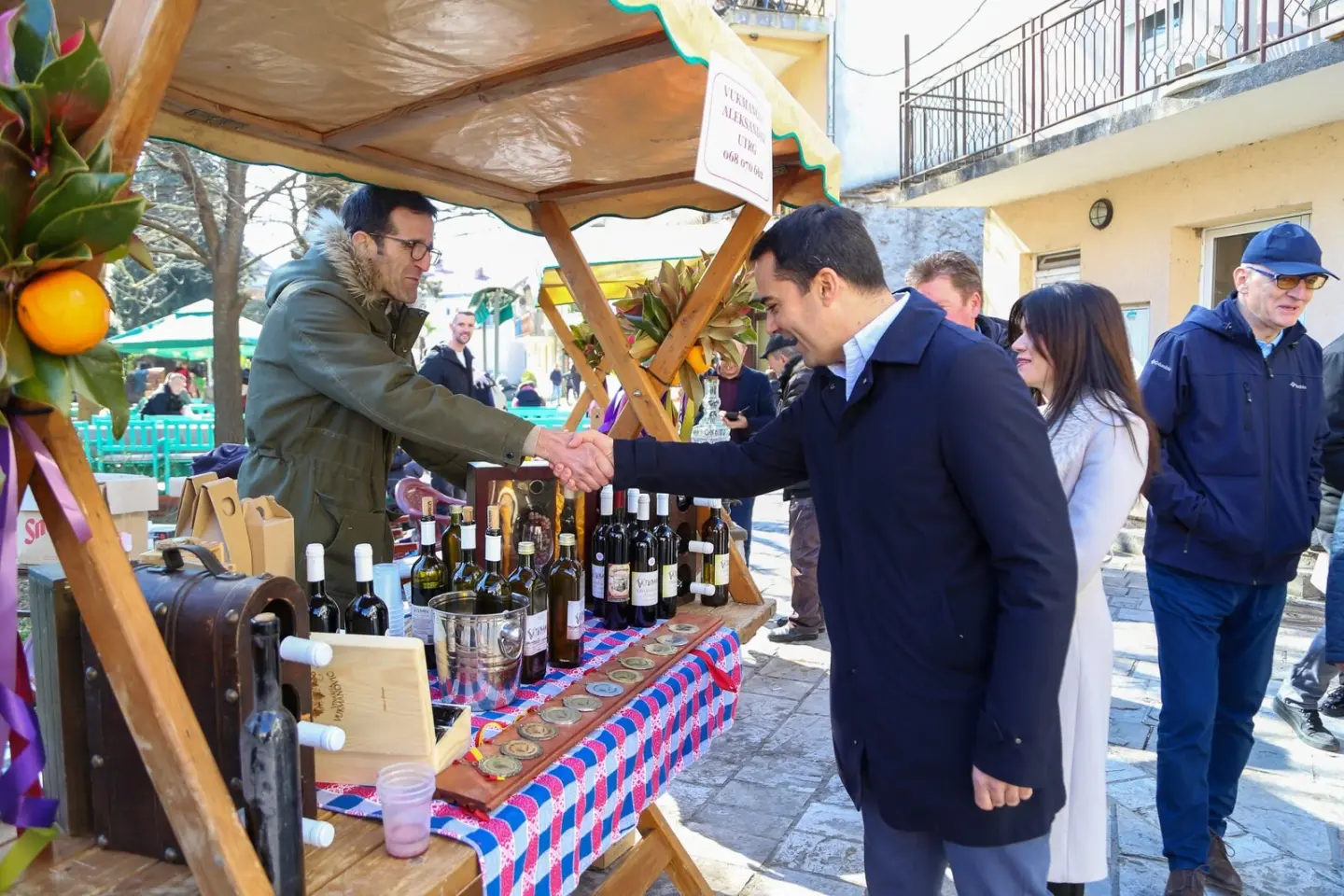
Festival del Vino e dell'Alborella
Festival tradizionale del vino e del pesce di lago a Virpazar, sulle rive del Lago di Scutari, nel cuore della regione vinicola della Crmnica.
