Kültür
Müze turu
Şehir merkezindeki Karadağ Ulusal Müzesi'nin beş müze kurumunu keşfedin.
Devlet demek olan başkent
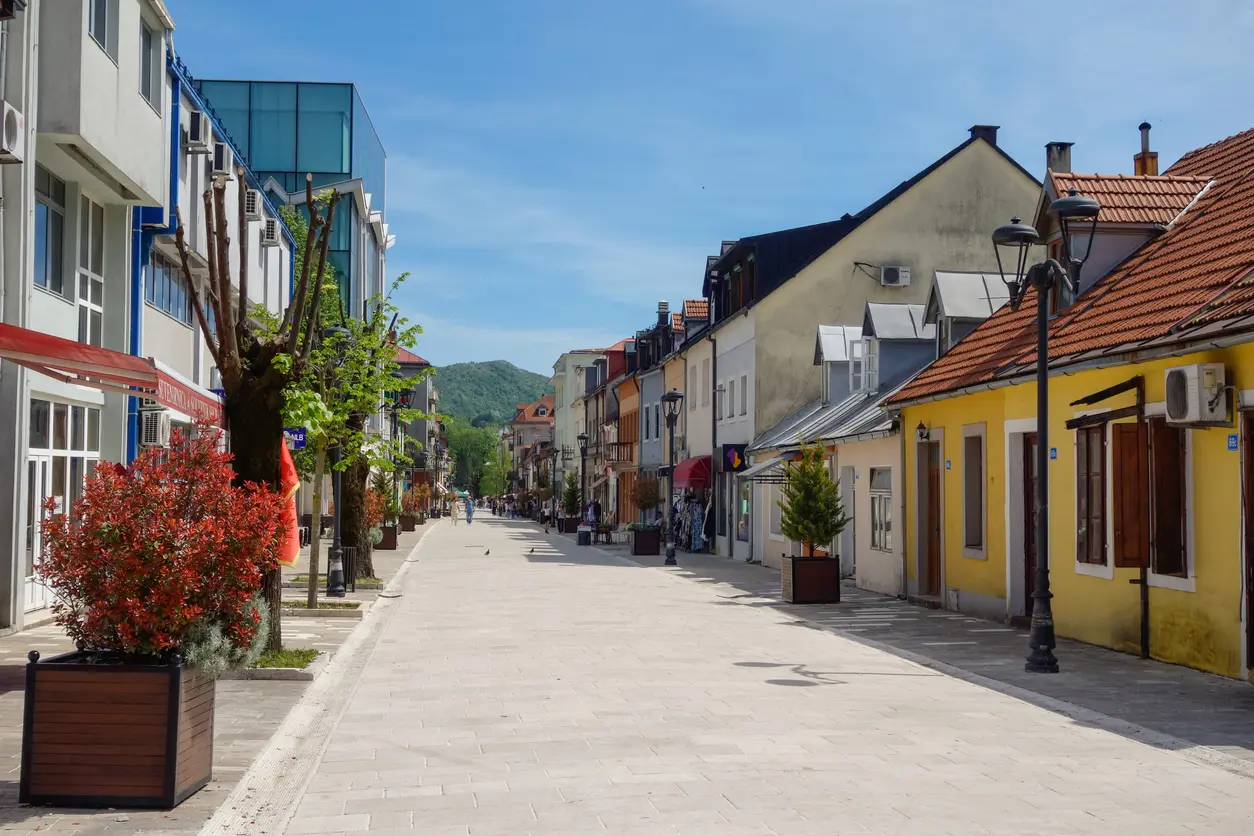
Cetinje, Karadağ'ın eski kraliyet başkentidir; küçük ama gururlu bir devletin tüm tarihini içinde taşıyan bir şehirdir.
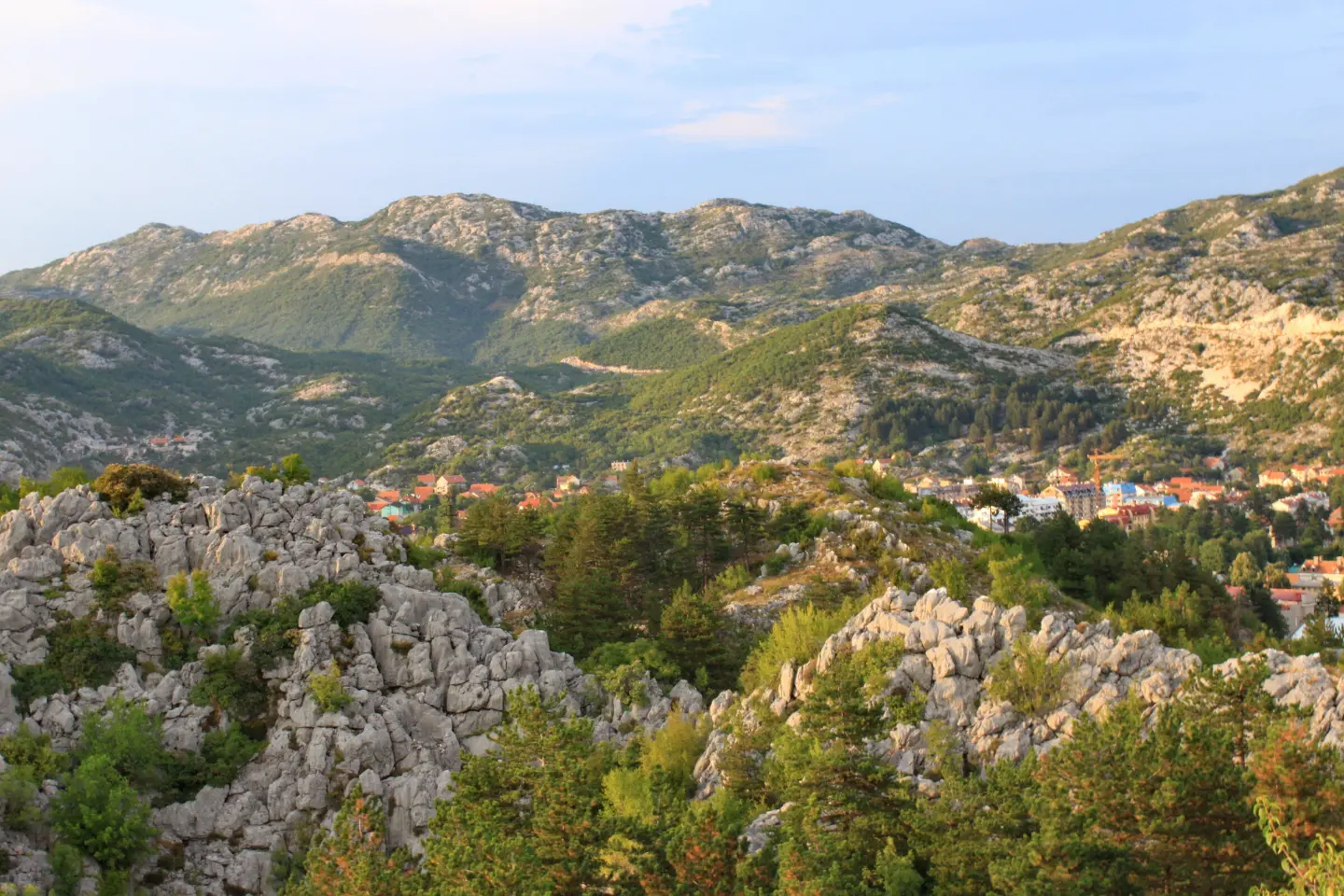
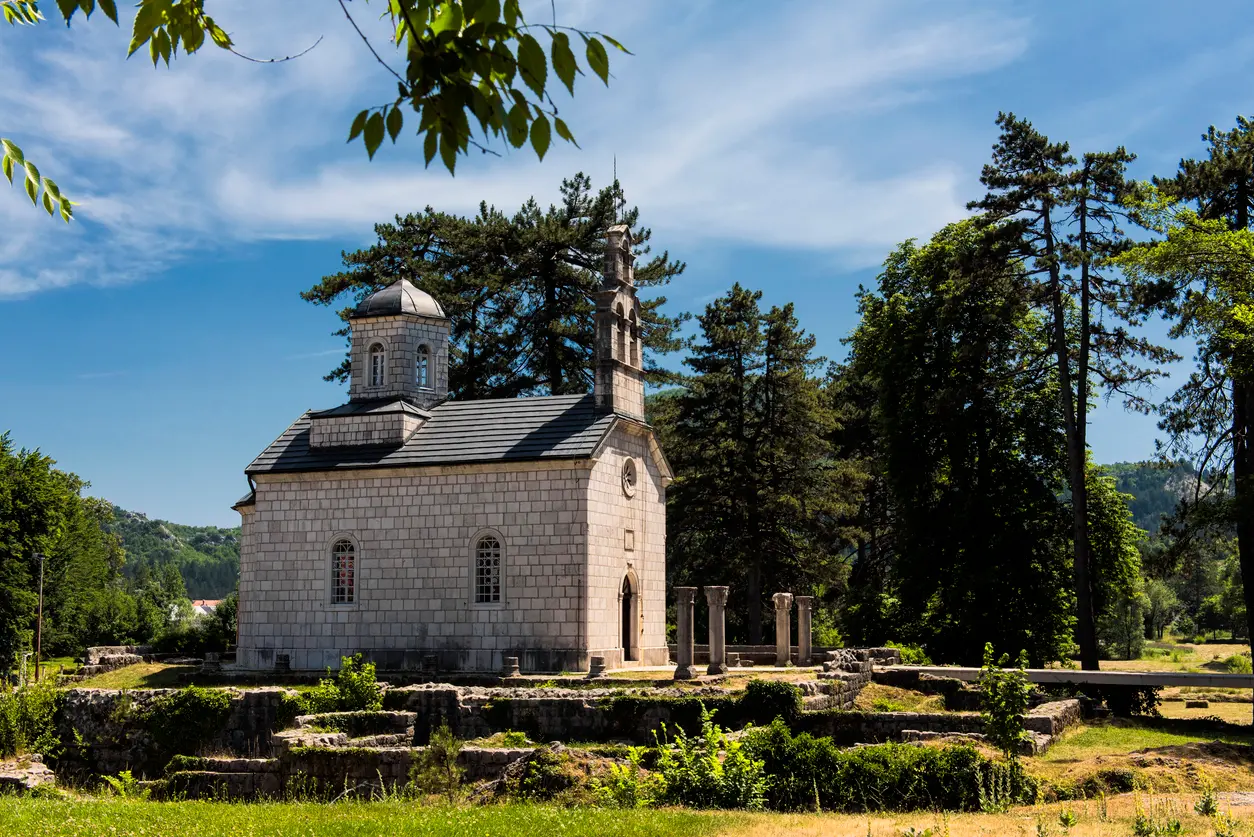
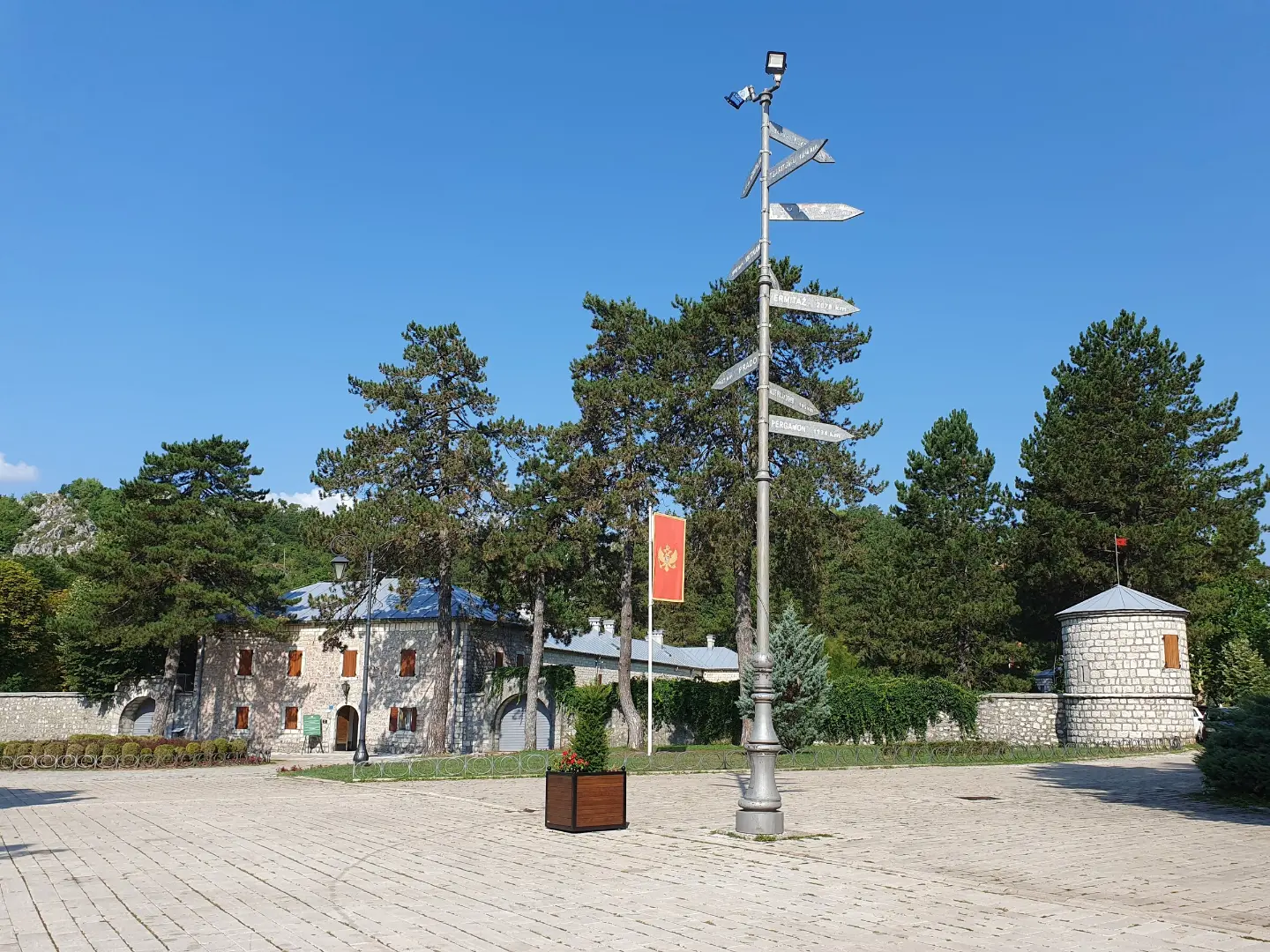
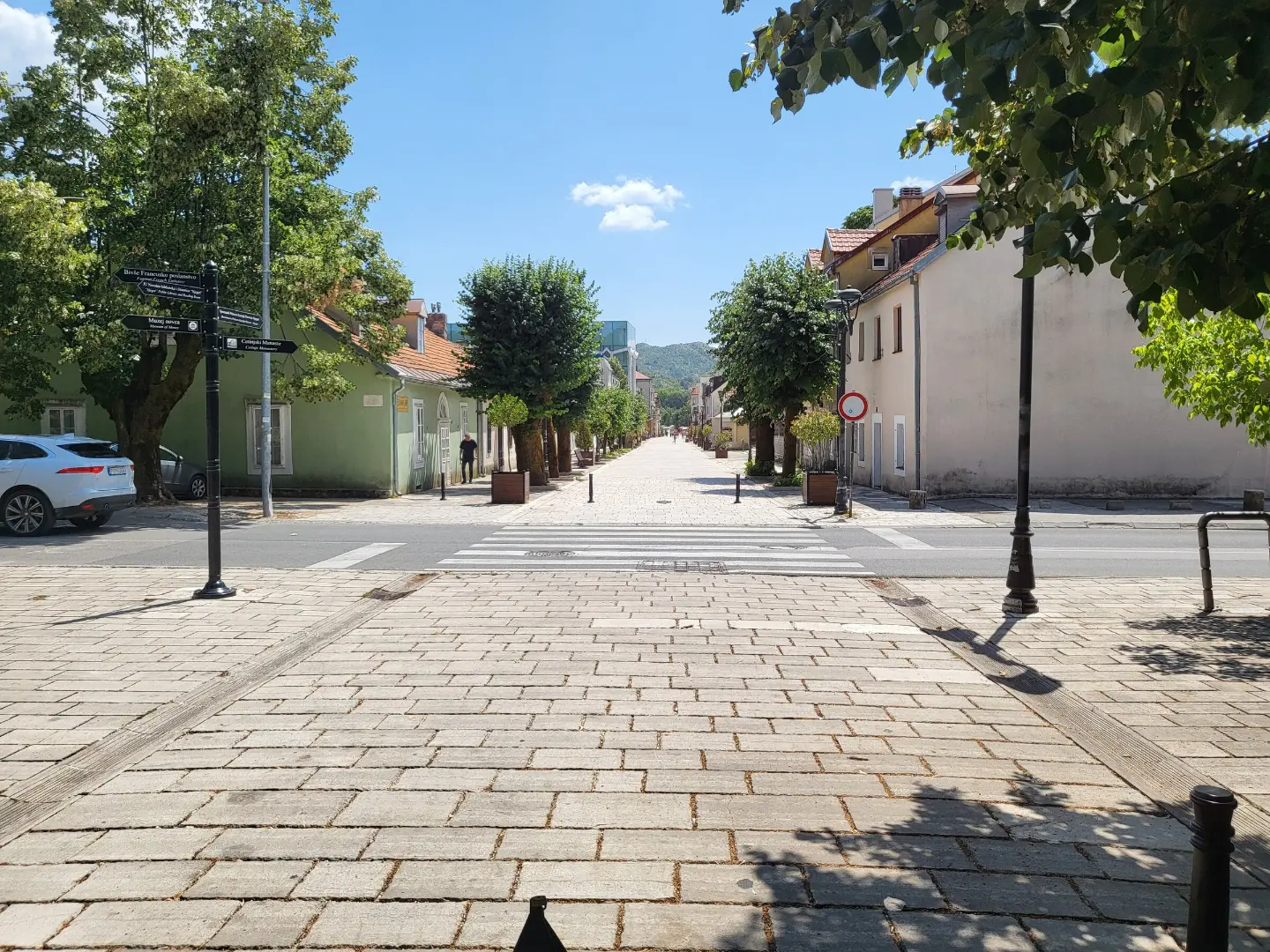
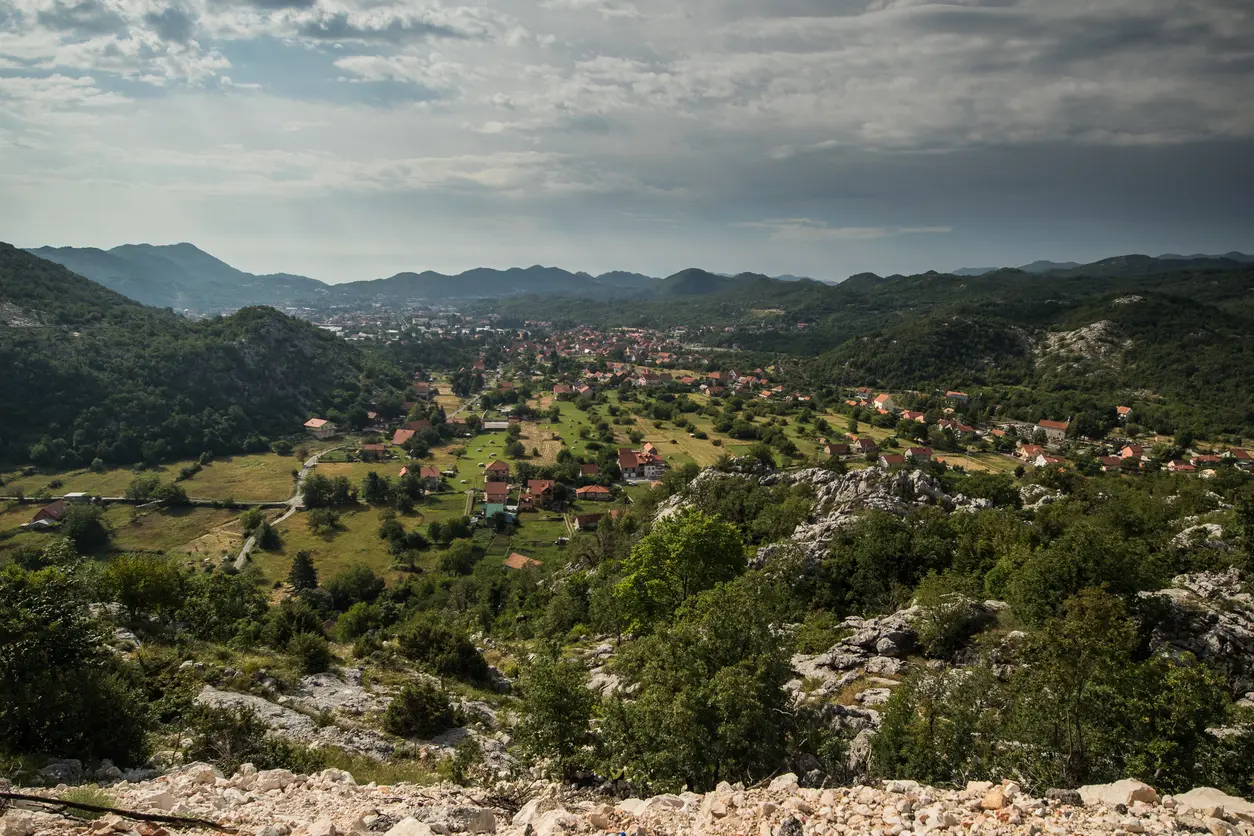
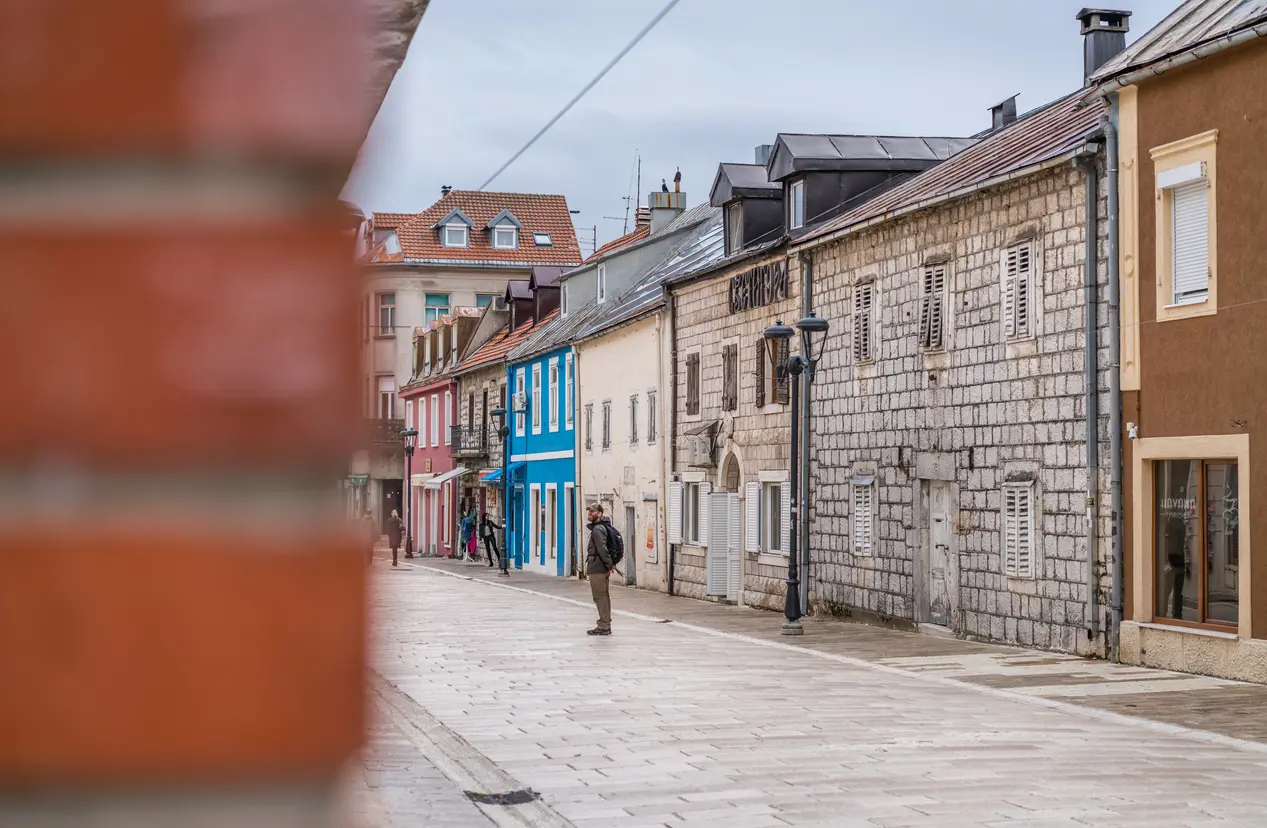
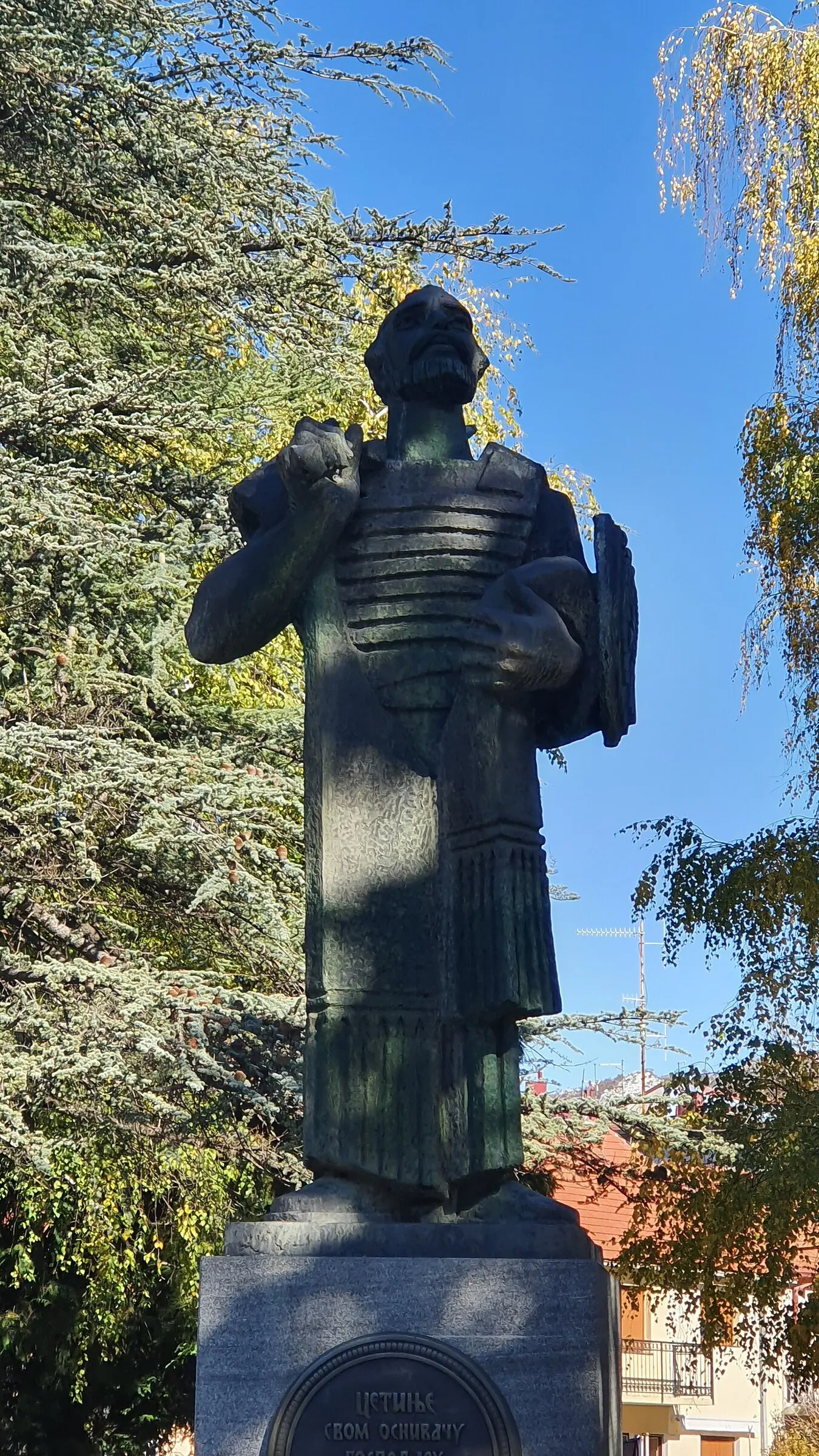
Lovćen'in eteklerinde, 672 m rakımda karstik bir platoda yer alan şehir, aristokrat geçmişi ile sakin ve otantik Karadağ yaşamının karışımından oluşan özel bir atmosfer yayar. Ziyaretçiler, beş müze kurumunu barındıran Karadağ Ulusal Müzesi kompleksini, azizlerin kutsal emanetlerini koruyan Cetinje Manastırı'nı, başkentin altın çağına tanıklık eden sarayları ve eski elçilik binalarını keşfedebilir. Cetinje; tarih, kültür ve dağ doğası tutkunları için ideal bir destinasyondur – sahil şeridine, geniş bir seyahat programına dahil edilebilecek kadar yakındır.
Öne Çıkanlar
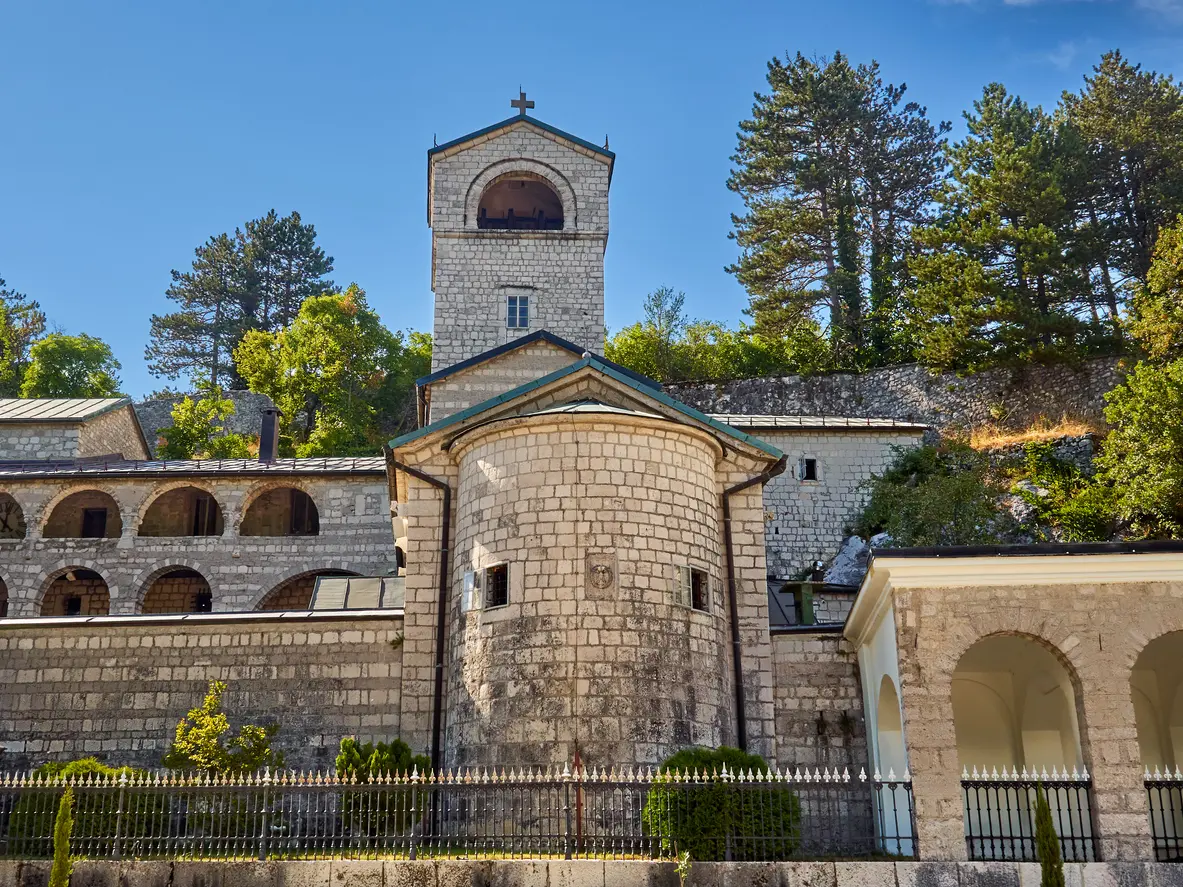
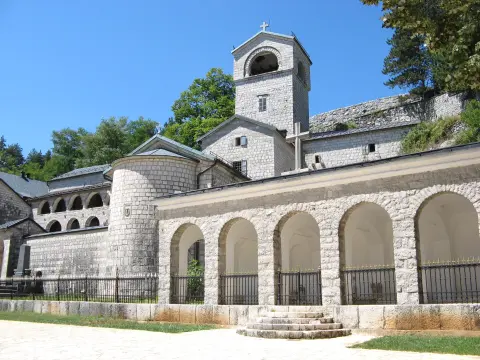
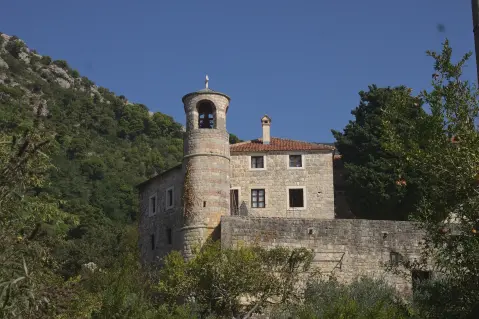
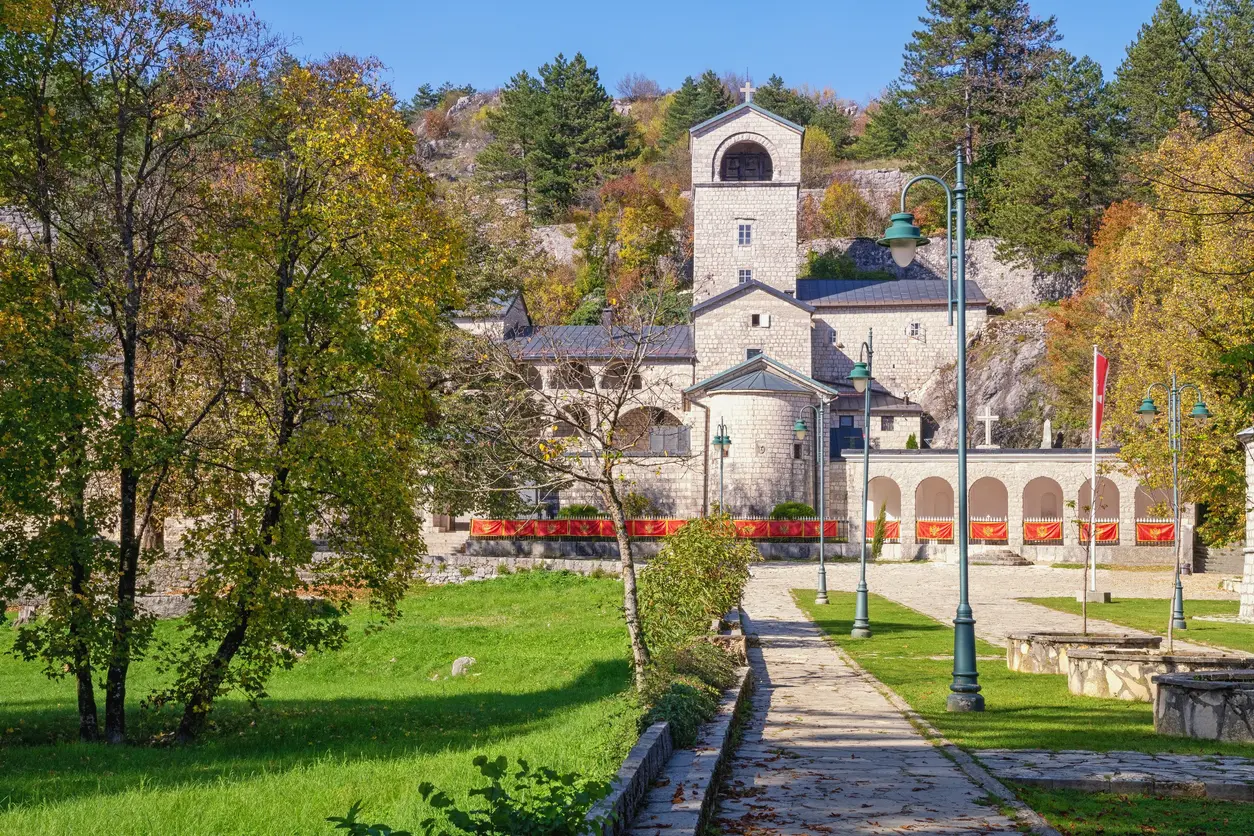
Ivan Crnojević'in orijinal manastırının bulunduğu yerin yakınında 1701 yılında yeniden inşa edilen Cetinje Manastırı, Karadağ'ın manevi merkezi ve Balkanlar'daki Ortodoks Hristiyanlığın en kutsal mekanlarından biridir. En önemli Karadağ azizlerinden biri olan Aziz Petar Cetinjski'nin kutsal emanetlerini ve Vaftizci Yahya'nın sağ elini muhafaza eder. Kompleksin içinde ikonalar ve kilise mirasına ait eserlerin sergilendiği küçük bir müze de bulunur. Giriş ücretsizdir ve manastır her gün 08:00-20:00 arasında açıktır. Kompleks içinde fotoğraf çekmek yasaktır.
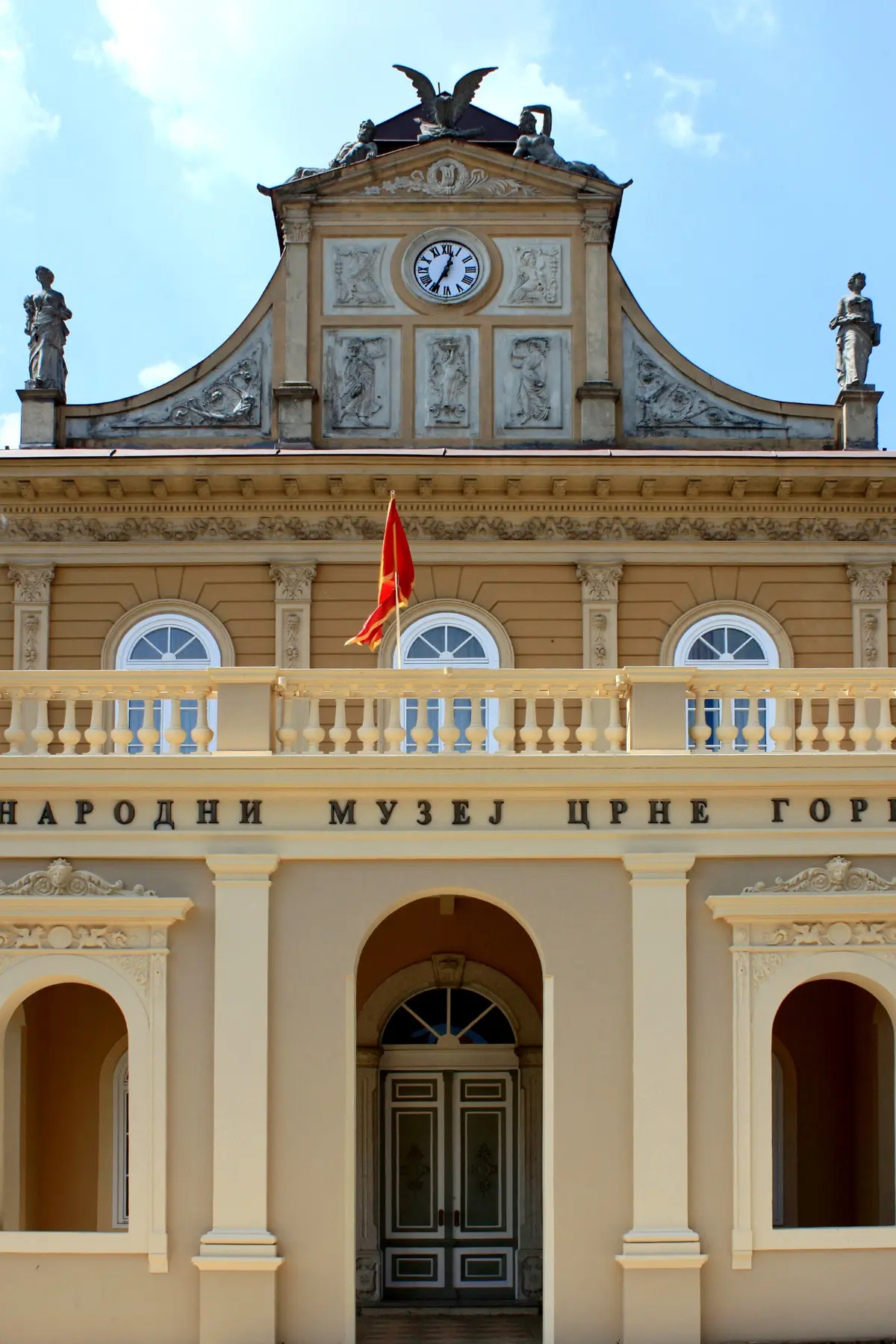
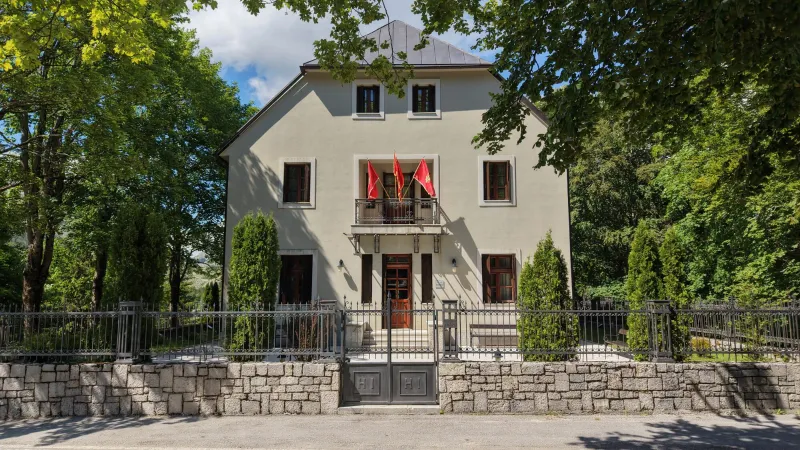
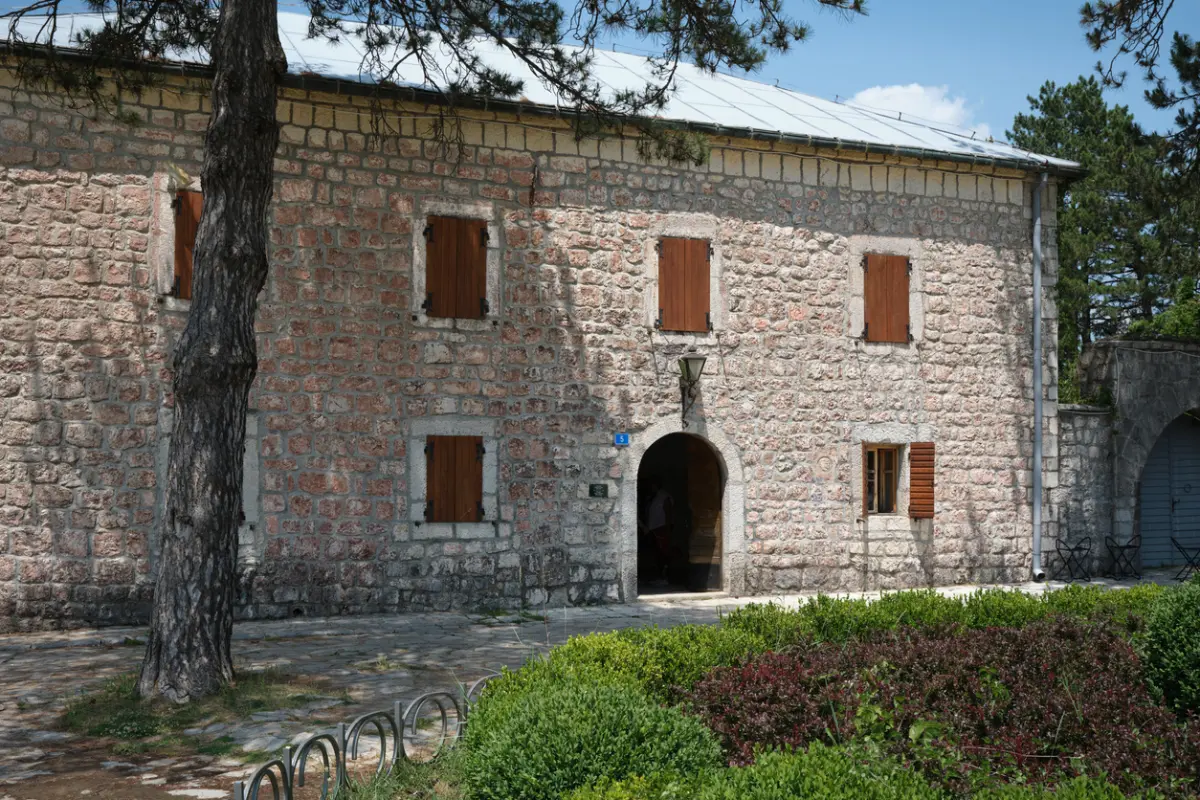
1896 yılında kurulan Karadağ Ulusal Müzesi, ülkedeki en büyük müze kompleksidir ve Cetinje'nin merkezinde yer alan beş ayrı kurumu kapsar: Tarih Müzesi, Kral Nikola Müzesi, Njegoš Müzesi Bilardo, Etnografya Müzesi ve Sanat Müzesi. Kral Nikola Sarayı, 50 yılı aşkın bir süre Karadağ kraliyet ailesinin merkezi olarak hizmet vermiştir ve bugün ziyaretçilere Karadağ'ın Avrupa saraylarıyla diplomatik ilişkilerine dair bir bakış sunar. Adını II. Petar Petrović Njegoš'un 1830'larda kurduğu bilardo masasından alan Bilardo Sarayı, onun kişisel koleksiyonunu, silahlarını ve Karadağ'ın kabartma haritasını muhafaza eder. Kombine bilet yetişkinler için 20 EUR'dur; müze nisan-kasım ayları arasında her gün 09:00-17:00 arasında açıktır.
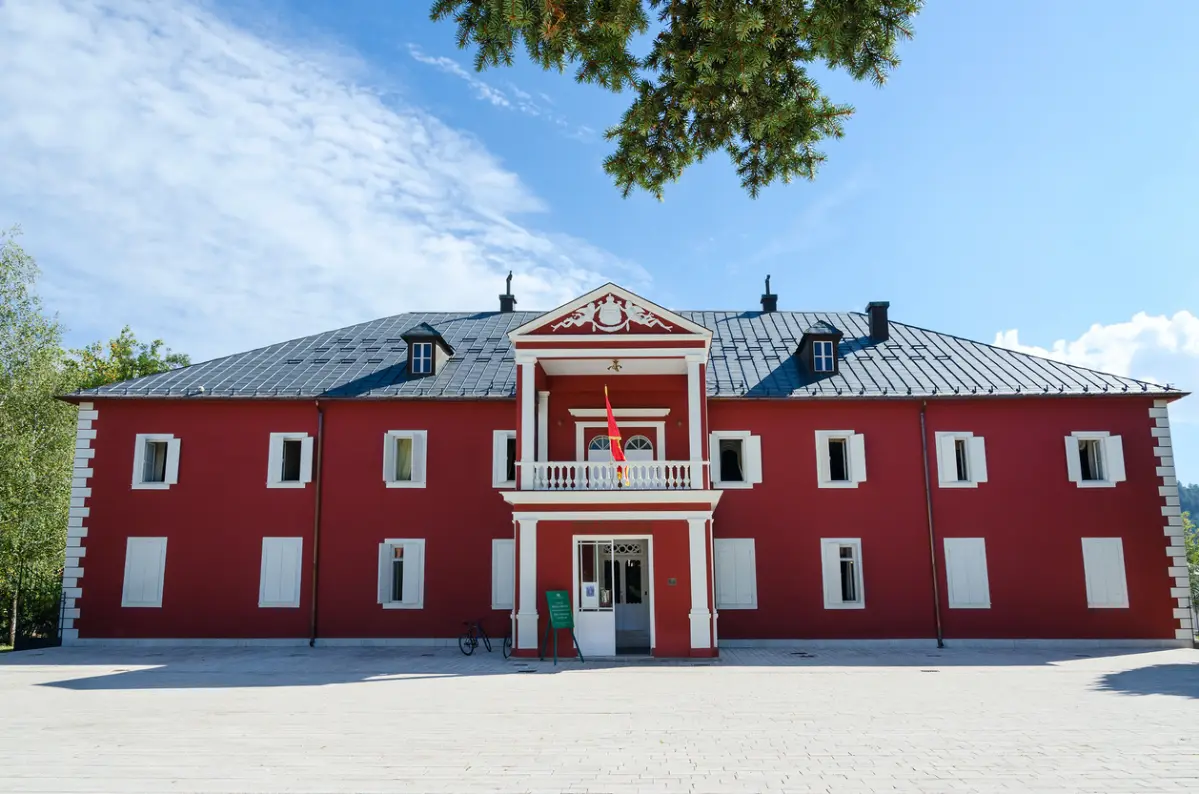
Cetinje'nin merkezinde, hemen yanında butik bir otelin bulunduğu Kral Meydanı'nda yer alan Kral Nikola Sarayı, 50 yılı aşkın bir süre Karadağ kraliyet ailesinin ikametgahı olmuştur. 19. yüzyılda inşa edilen saray, neoklasik ve barok mimari unsurları bir araya getirir ve bugün Karadağ'ın ilk ve tek kralı olan I. Nikola Petrović Njegoš'un hükümdarlığını eserler, belgeler ve kişisel eşyalar aracılığıyla aydınlatan bir müze olarak işlev görür. Koleksiyonda silahlar, giysiler, sofra takımları, madeni paralar ve portreler yer alır; orijinal mobilyalı saray odaları özellikle ilgi çekicidir. Müze, Karadağ Ulusal Müzesi kompleksinin bir parçasıdır.
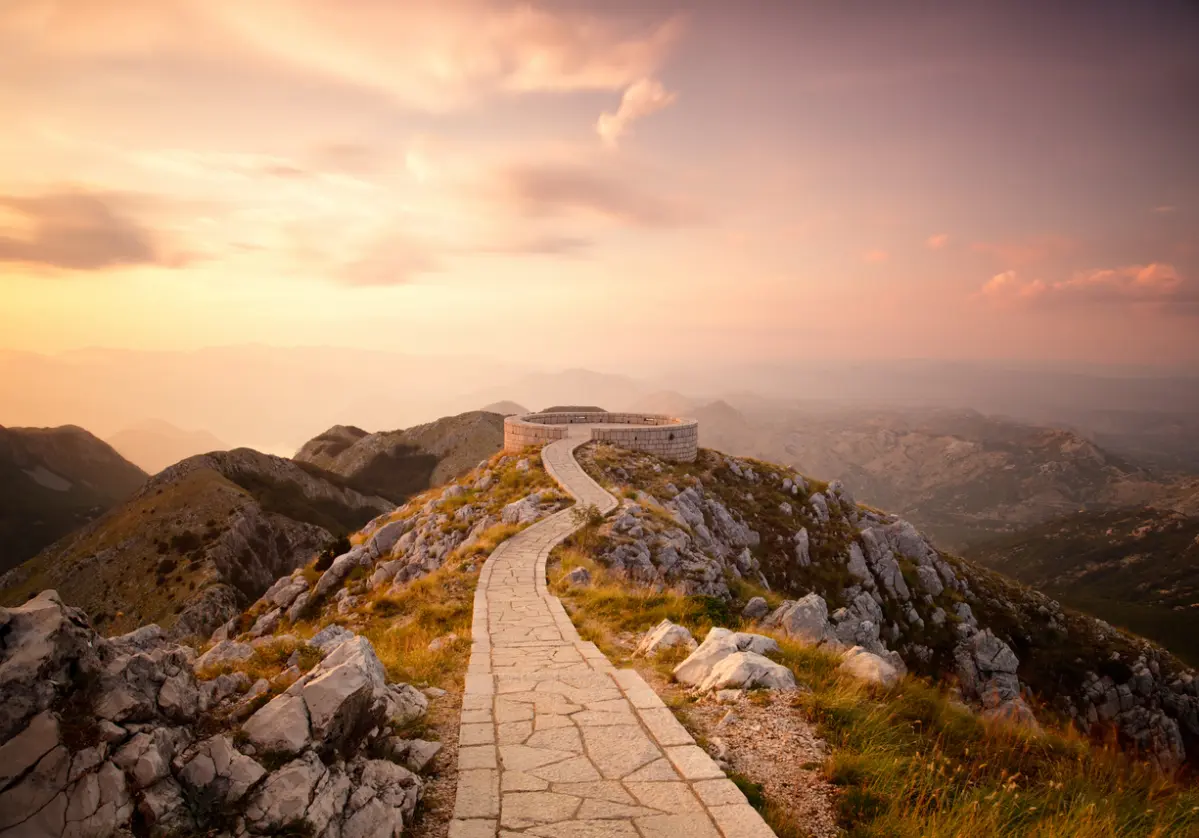
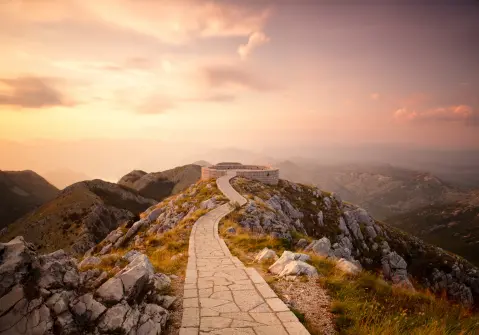
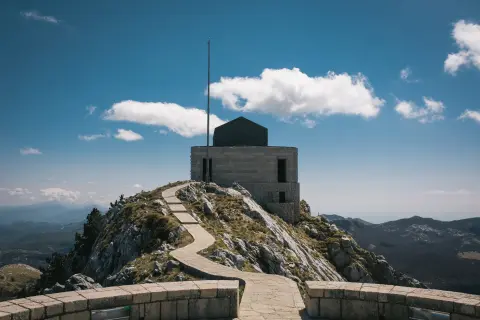
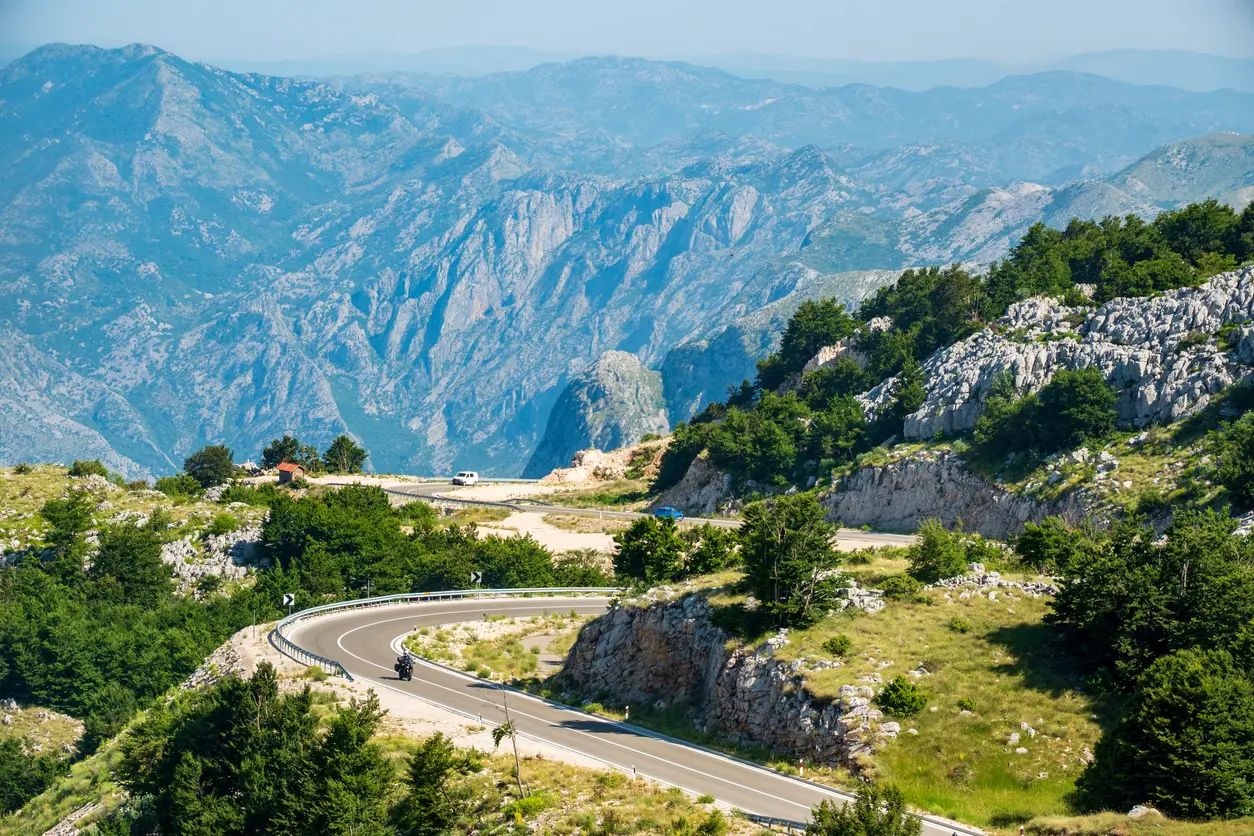
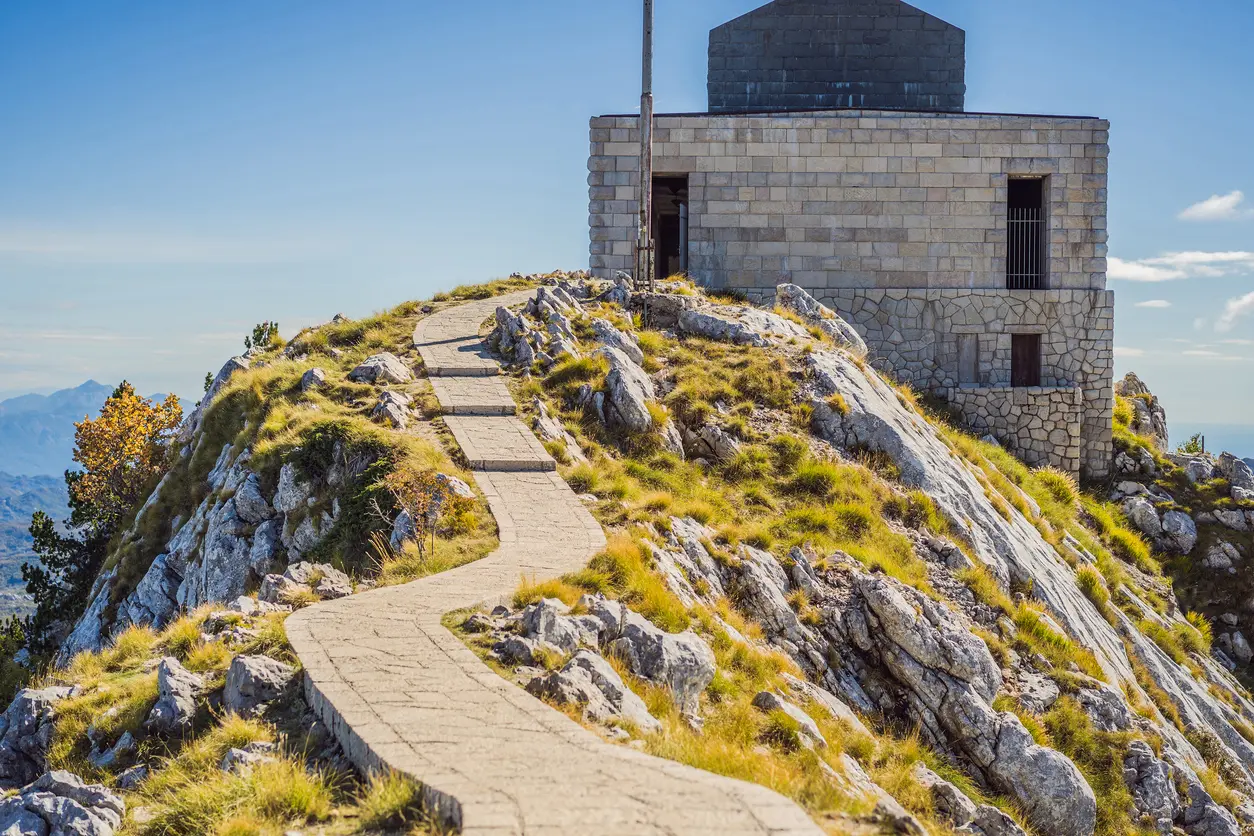
Cetinje'nin hemen üzerinde yükselen Lovćen Dağı, Karadağ ulusal kimliğinin kalbidir ve şehre yakın iki ulusal parktan biridir. Jezerski vrh (1.657 m) zirvesinde, otoparktan 461 basamakla ulaşılan, heykeltıraş Ivan Meštrović'in eseri olan Njegoš Mozolesi yer alır. Zirveden Karadağ sahili, İşkodra Gölü ve Arnavutluk ile Sırbistan'a doğru uzanan dağ sıraları panoramik olarak görülür. Ulusal park, farklı zorluk derecelerinde yürüyüş parkurları, zengin flora ve fauna ile Cetinje'ye yalnızca yaklaşık 15 km mesafede temiz dağ havası sunar.
Ne Yapılır
Kültür
Şehir merkezindeki Karadağ Ulusal Müzesi'nin beş müze kurumunu keşfedin.
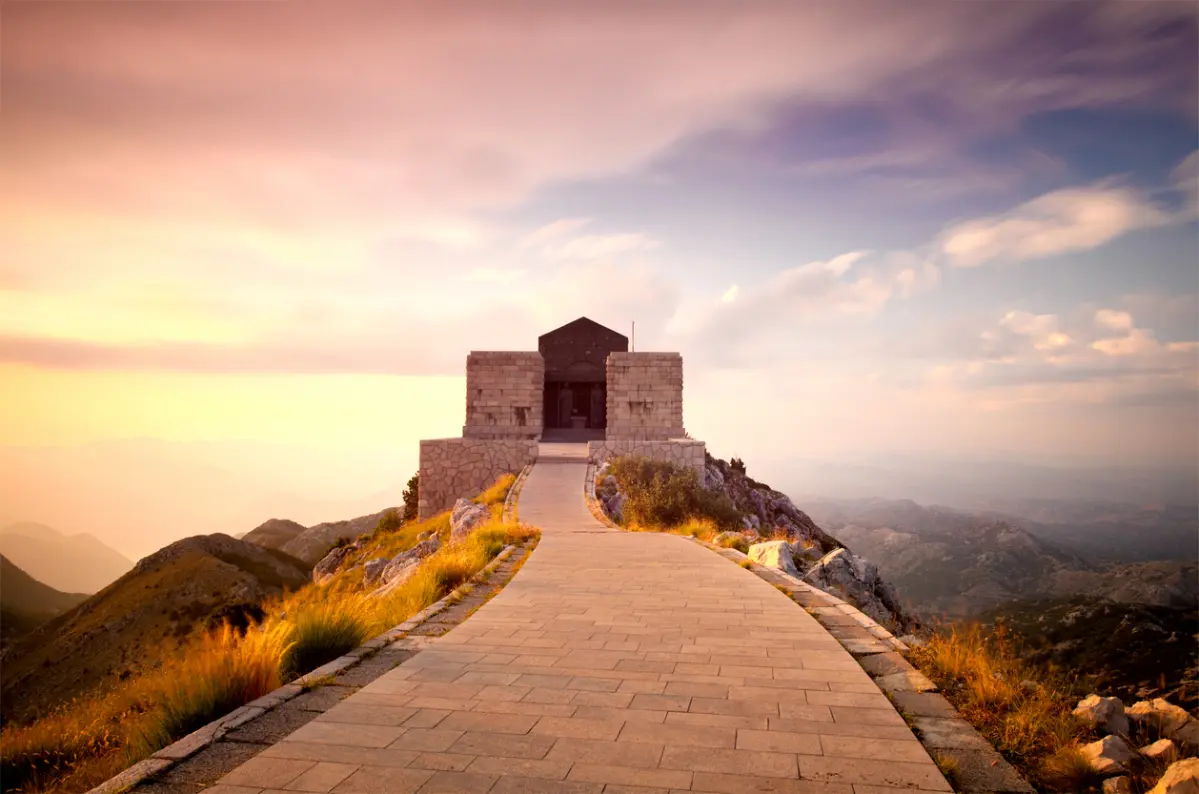
Dağ
Cetinje'den çıkan yürüyüş parkurları Lovćen Ulusal Parkı'na ve Njegoš Mozolesi'ne gider.
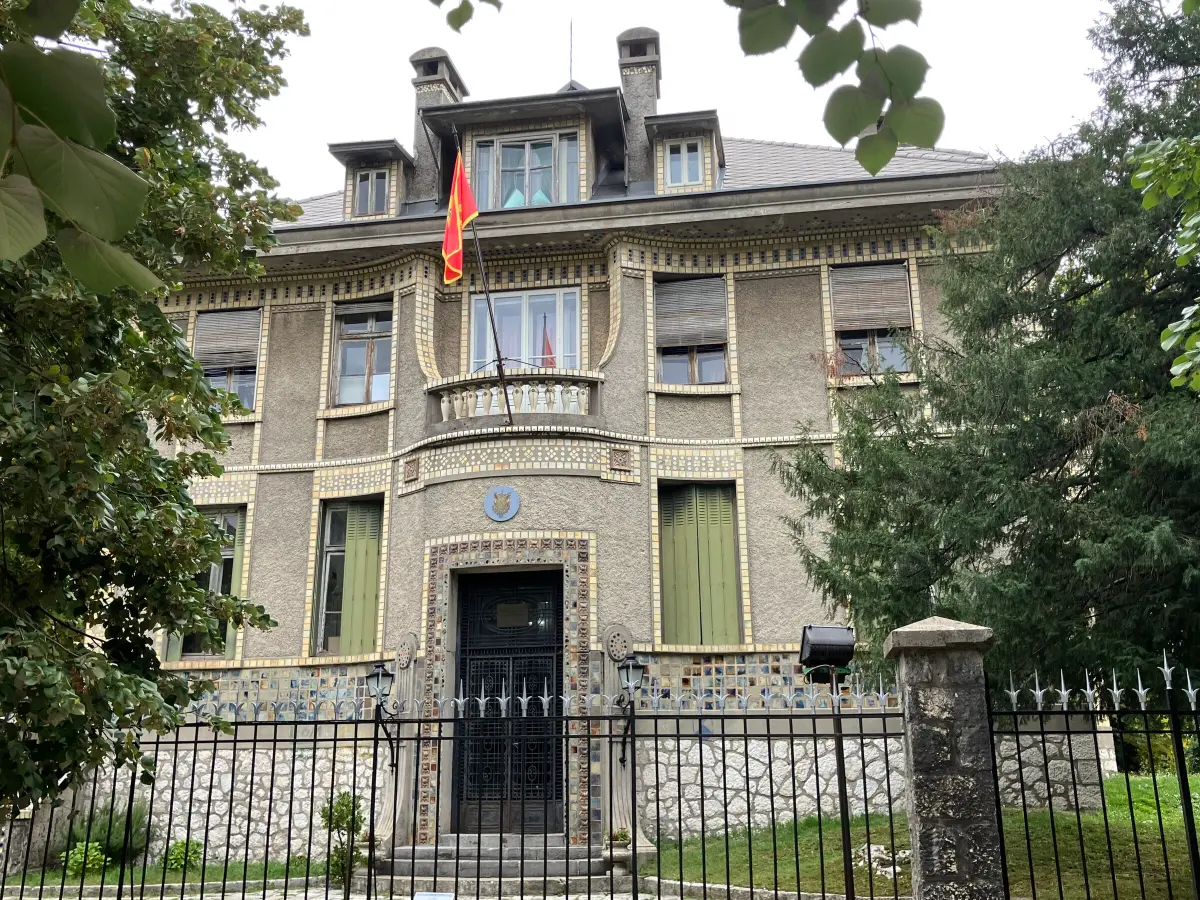
Kültür
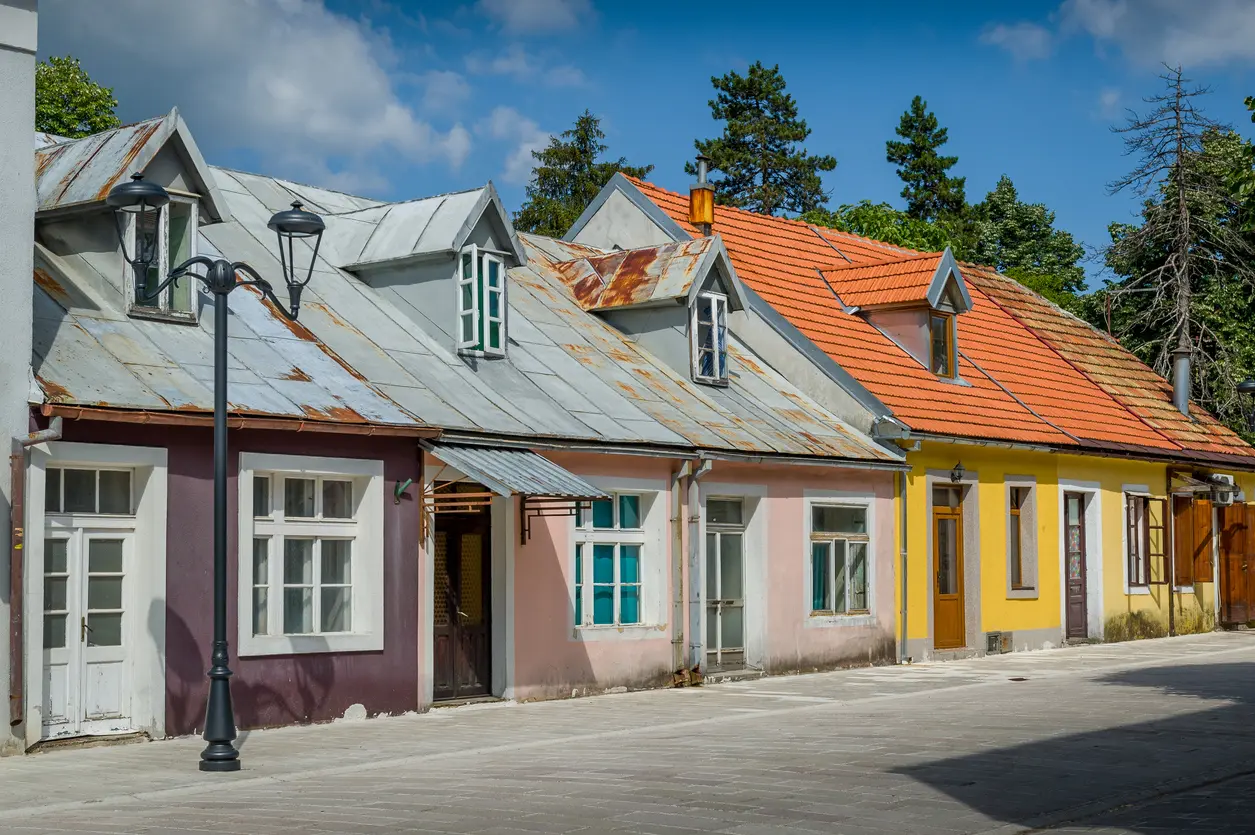
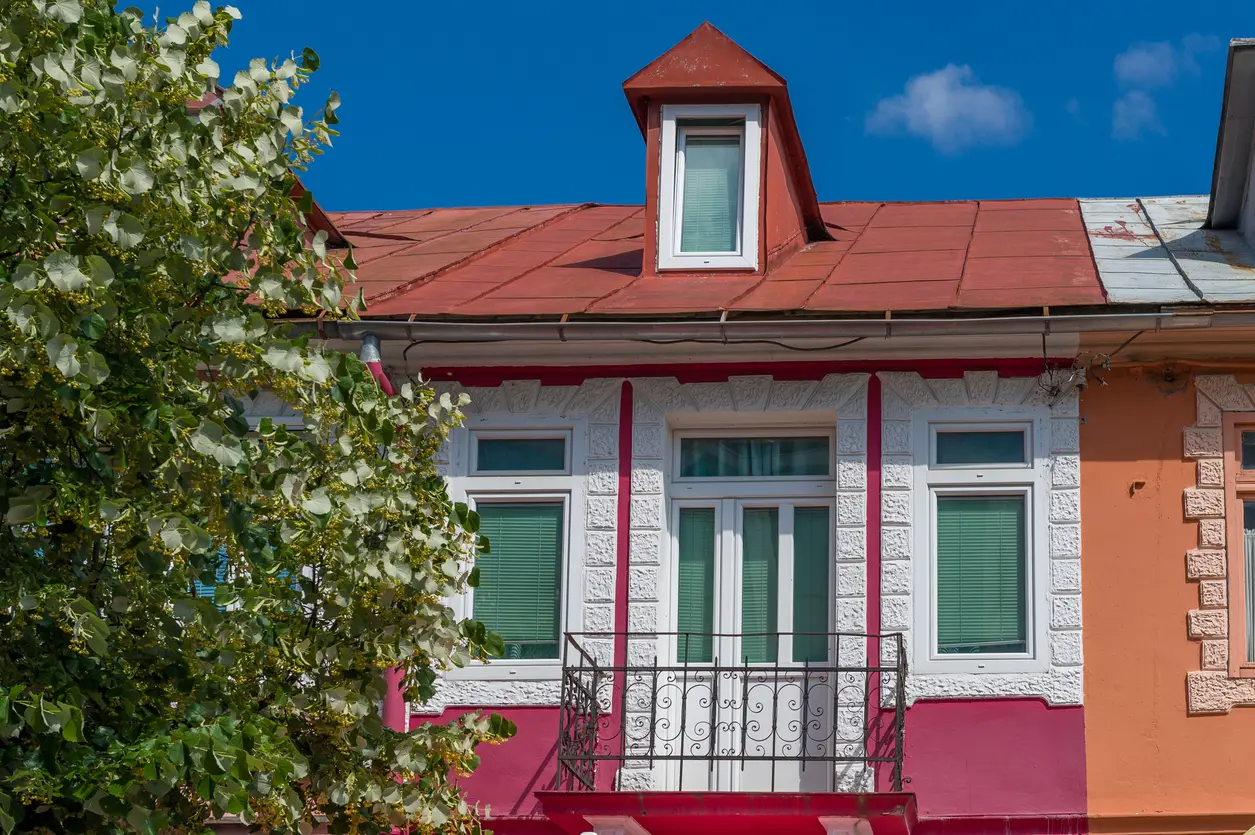
Eski elçilikleri, sarayları ve 19. yüzyıl Karadağ mimari tarzını fotoğraflayın.
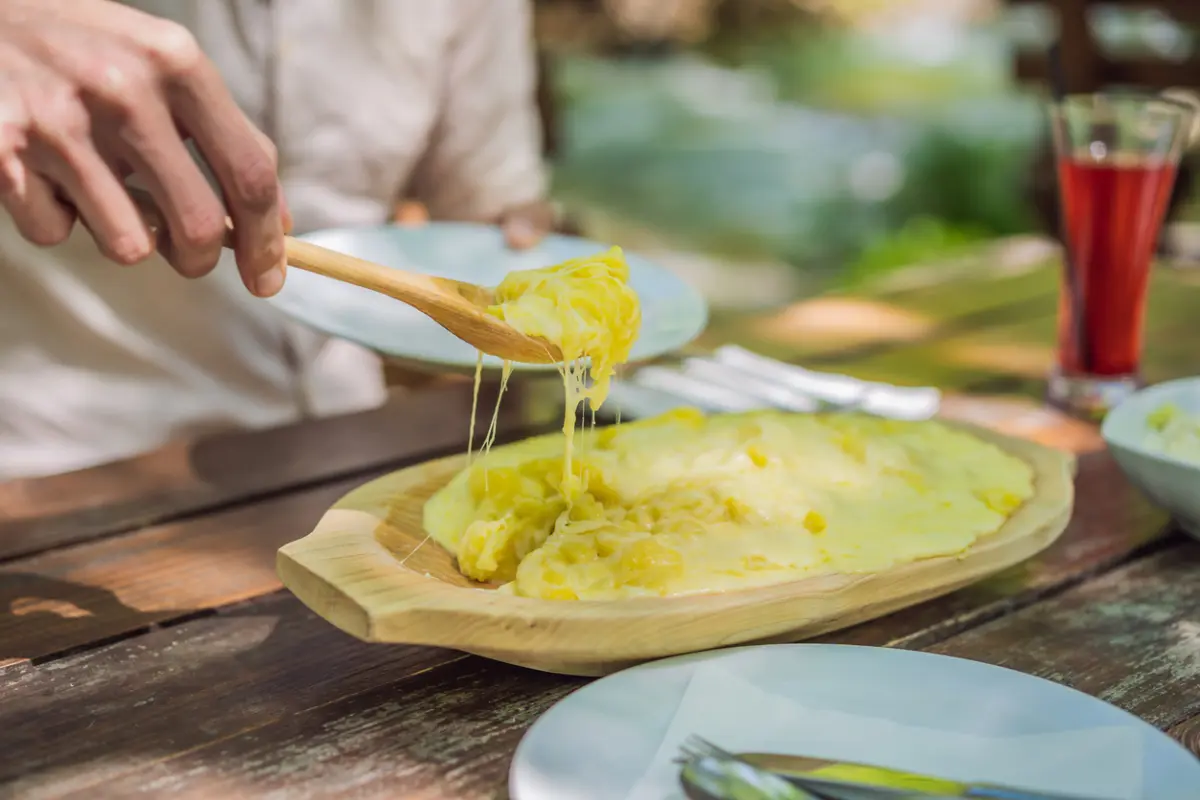
Yemek ve şarap
Karadağ mutfağının otantik yemeklerini deneyin – raštan, kačamak ve Njeguši pršutu.
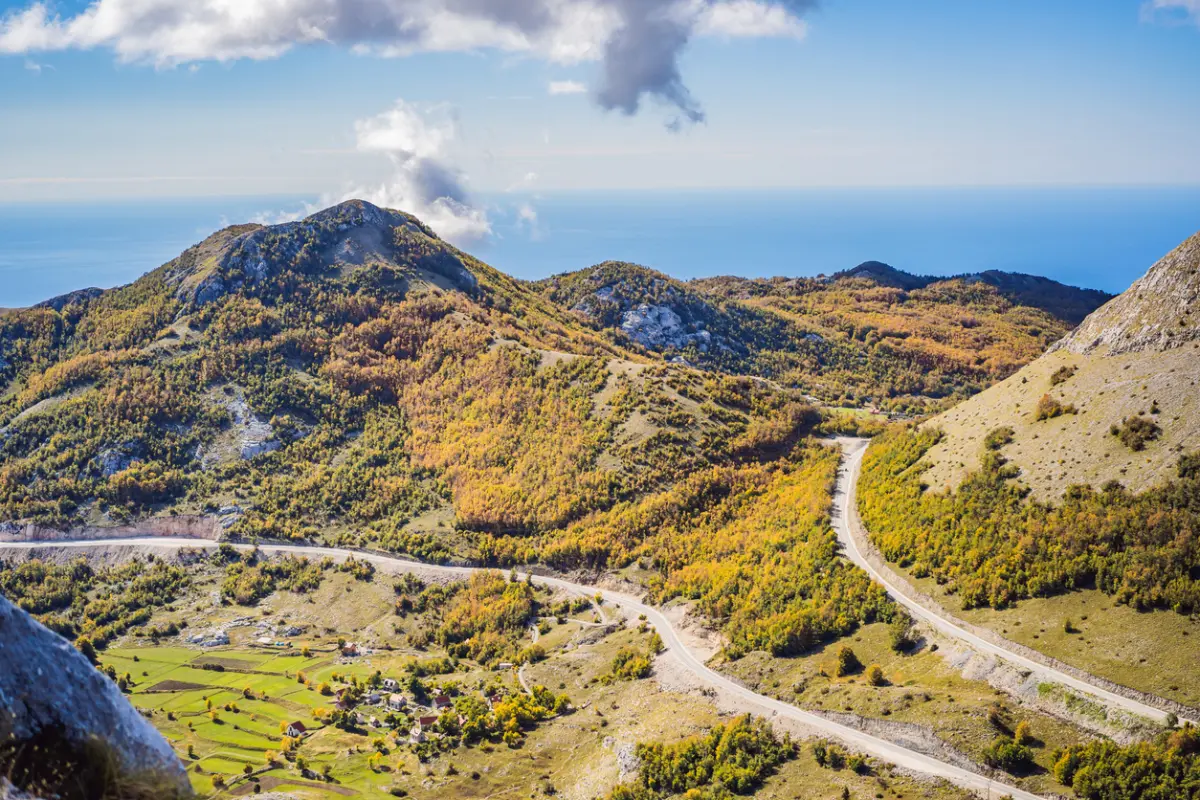
Doğa
Cetinje ve Lovćen çevresi, dağ ortamında kuş gözlemi için mükemmel fırsatlar sunar.
Neler var
Karadağ'ın Njegoš'un doğum gününde kutlanan kültür tatili – Cetinje merkezli törenler, ödüller ve programlar.
Ayrıntılar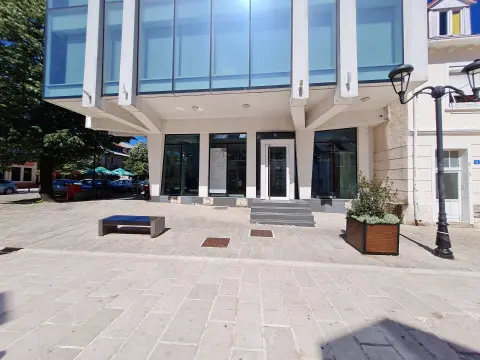
Karadağ'ın en eski jürili çağdaş sanat sergisi, her Kasım ayında Cetinje'de.
Ayrıntılar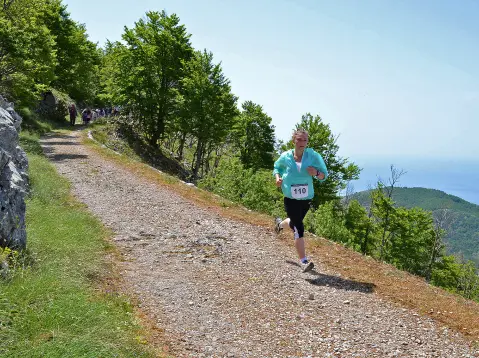
34,5 km'lik Beş Zirve parkur yarışı etrafında düzenlenen iki günlük bir Lovćen Milli Parkı açık hava festivali.
AyrıntılarKonaklamanızı planlayın
Rezervasyon platformumuzdaki yerel ev sahiplerinin güncel teklifleri. Çevrimiçi hiçbir ücret alınmaz – ödemeyi yerinde ev sahibine yaparsınız.
Birkaç teklif
Rezervasyon talepleri ev sahibi tarafından onaylanır; ödeme yerinde. Teklifler Travel to Montenegro rezervasyon platformundandır.
Tarayıcıda anlatım, harita ve tam metin – uygulama gerekmez, çevrimdışı çalışır.
Eski yol için ücretsiz sesli sürüş rehberi, uygulama gerekmez
240 dk57,6 km12 durak
Dinle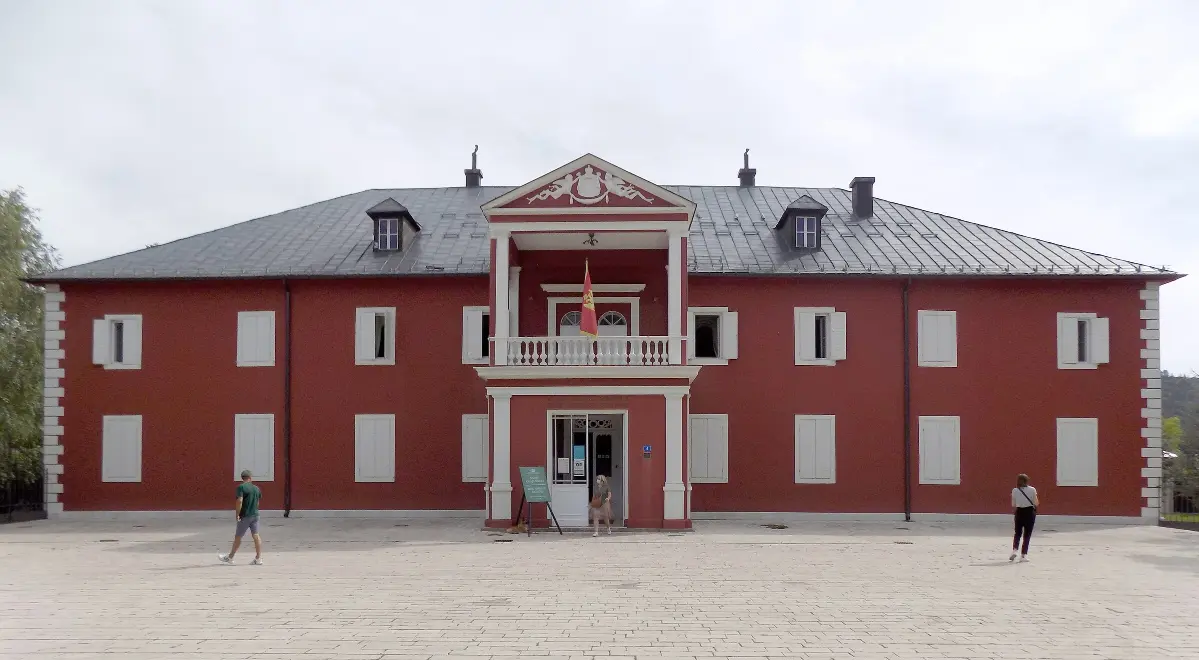
Cetinje'de ücretsiz sesli yürüyüş turu, uygulama gerekmez
70 dk2,4 km12 durak
Dinle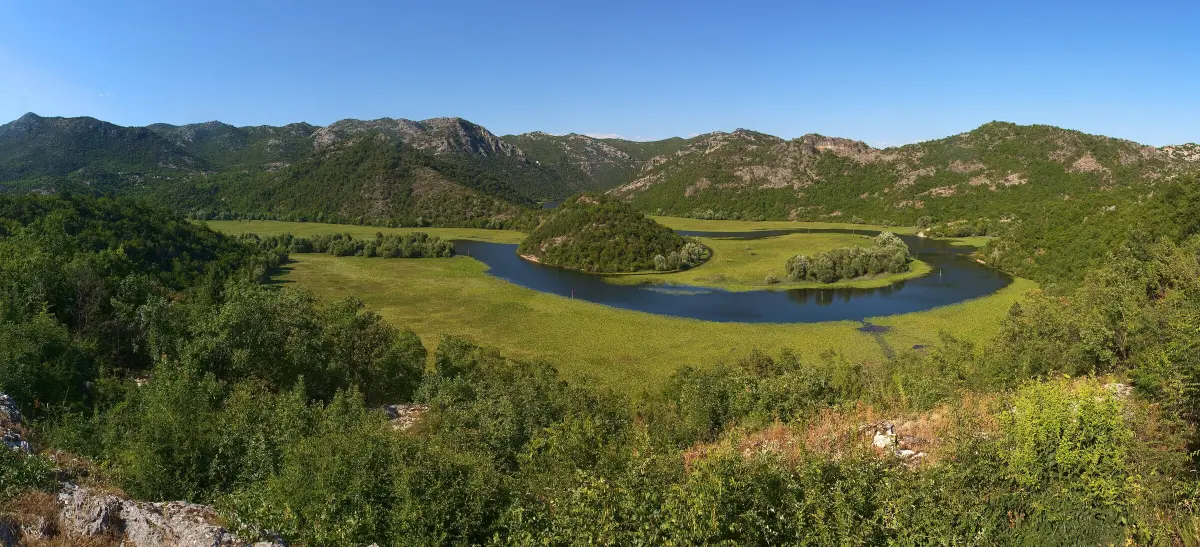
Virpazar'dan Crmnica'nın şarap köyleri üzerinden Rijeka Crnojevića, Pavlova Strana ve Karuč'a
180 dk49,5 km12 durak
DinleBuradan başlayan veya yakından geçen doğa yürüyüşü, yürüyüş ve bisiklet rotaları; haritalar ve GPX indirmeleriyle.
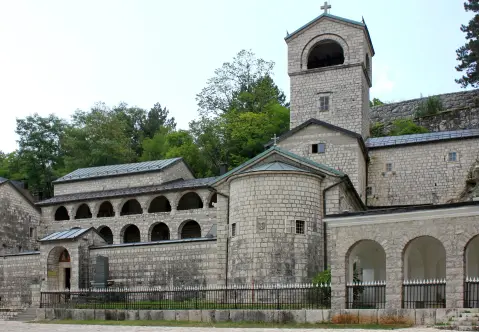
Cetinje Manastırı ve Cetinje yakınlarında 0,5 km uzunluğunda kısa bir yürüyüş parkuru. 5 m tırmanışı ve %100 asfalt/beton yüzeyi ile yaklaşık 10 dakikada geçilir.
0,5 km10–10 dk
Rotayı gör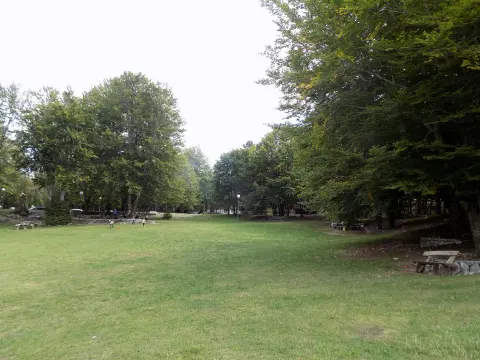
Lovćen Milli Parkı boyunca tek yönlü uzanan 16,5 km uzunluğundaki zorlu dağ yürüyüşü parkuru, toplam 692 m yükselişi ve yaklaşık 5 saat 30 dakika süresiyle dikkat çekmektedir.
16,5 km692 m4½–6½ sa
Rotayı gör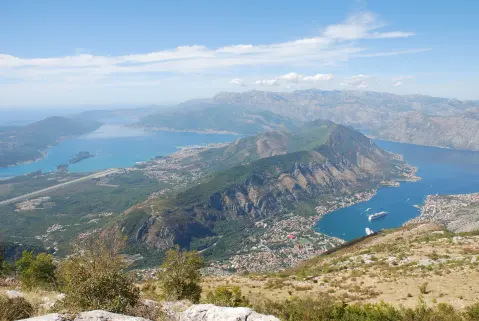
Lovćen Milli Parkı boyunca tek yönlü yürüyüş turu: 34,3 km, 1738 m yükseliş ve 1035 m iniş. Birden fazla seyir terası ve Ivanova korita kaynağı ile deneyimli yürüyüşçülere yönelik.
34,3 km1.738 m2–3 gün
Rotayı gör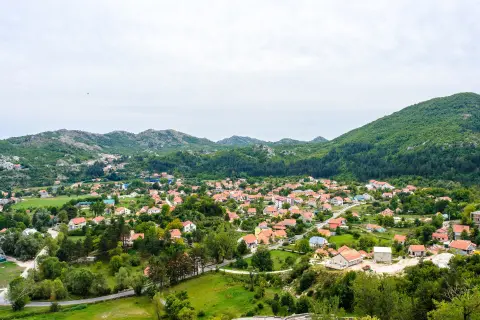
3,5 km uzunluğunda, 6 m çıkış ve 216 m inişe sahip tek yönlü kolay yürüyüş rotası. Đinovo Brdo’da başlar, birkaç manzara noktasının yanından geçerek çeşmeye ve otoparka ulaşır.
3,5 km55–80 dk
Rotayı gör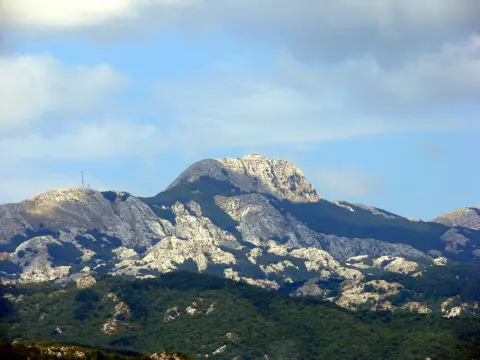
Lovćen Milli Parkı'nda 6,1 km uzunluğunda kolay bir dağ yürüyüşü parkuru. Šanik kaynağının yanından geçer, toplam tırmanma 156 m olup yürüyüş süresi yaklaşık 1 saat 55 dakikadır.
6,1 km156 m1½–2½ sa
Rotayı gör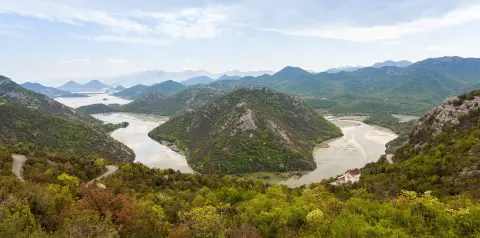
NPSJ02 bisiklet rotası Skadar Gölü Milli Parkı'ndan geçmektedir. 10,7 km uzunluğundadır, kolaydır ve molasız yaklaşık 50 dakikada geçilir; zemini %100 asfalt/betondur.
10,7 km184 m45–60 dk
Rotayı gör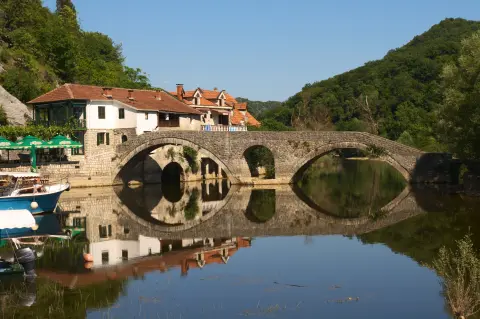
792E dağ yürüyüşü parkuru, tek yönlü 14,1 km uzunluğundadır ve 547 m tırmanış içerir. Obod Mağarası yakınında başlar ve İşkodra Gölü Milli Parkı'ndan geçer.
14,1 km547 m4–5½ sa
Rotayı gör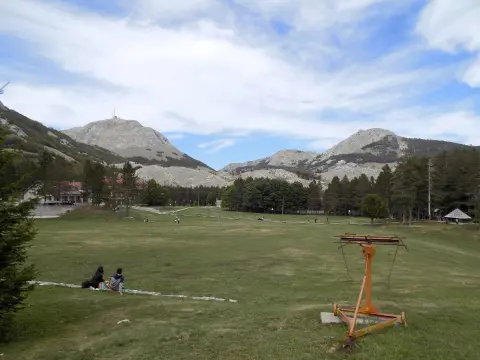
Lovćen Milli Parkı'nda tek yönlü zorlu dağcılık parkuru: 19,7 km, 216 m tırmanış, 835 m iniş ve yaklaşık 6 sa 10 dk yürüyüş. Güzergah üzerinde Kraljevo počivalo seyir terası ve Ivanova korita kaynağı bulunmaktadır.
19,7 km216 m5–7½ sa
Rotayı görGaleri
Biliyor muydunuz?
Đurađ Crnojević'in oğlu İvan Crnojević'in yönettiği Crnojevići matbaasında, 1494 yılında Oktoih prvoglasnik basıldı – Karadağ'da basılan ilk kitap. Karadağ'da basılan ilk kitap
Ziyaretinizi planlayın
Telefon
+382 41 230 250Web sitesi
www.cetinje.travelKaradağ Ulusal Müzesi: 15 Nisan - 15 Kasım her gün 09:00-17:00; 16 Kasım - 14 Mart çalışma günlerinde 09:00-15:00. Çetine Manastırı: her gün 08:00-20:00.
Karadağ Ulusal Müzesi – kombine bilet: 20 EUR yetişkin, 10 EUR indirimli. Çetine Manastırı: ücretsiz giriş.
Otopark Çetine merkezinde mevcuttur, çoğunlukla ücretsiz veya sembolik ücretlidir.
Şehir merkezi düz bir yapıya sahiptir ve hareket kısıtlılığı olan kişiler için nispeten erişilebilirdir. Bazı müzeler merdivenli tarihi binalarda yer alır.
FAQ
Yakın çevre