Visit Montenegro
Sacred Stones: Montenegro's Monastic Heritage Through the Ages

Where Byzantine spirituality meets Balkan resilience, ancient monasteries carved into cliffsides and valleys preserve centuries of faith, art, and architectural mastery.

Sacred Stones: Montenegro's Monastic Heritage Through the Ages

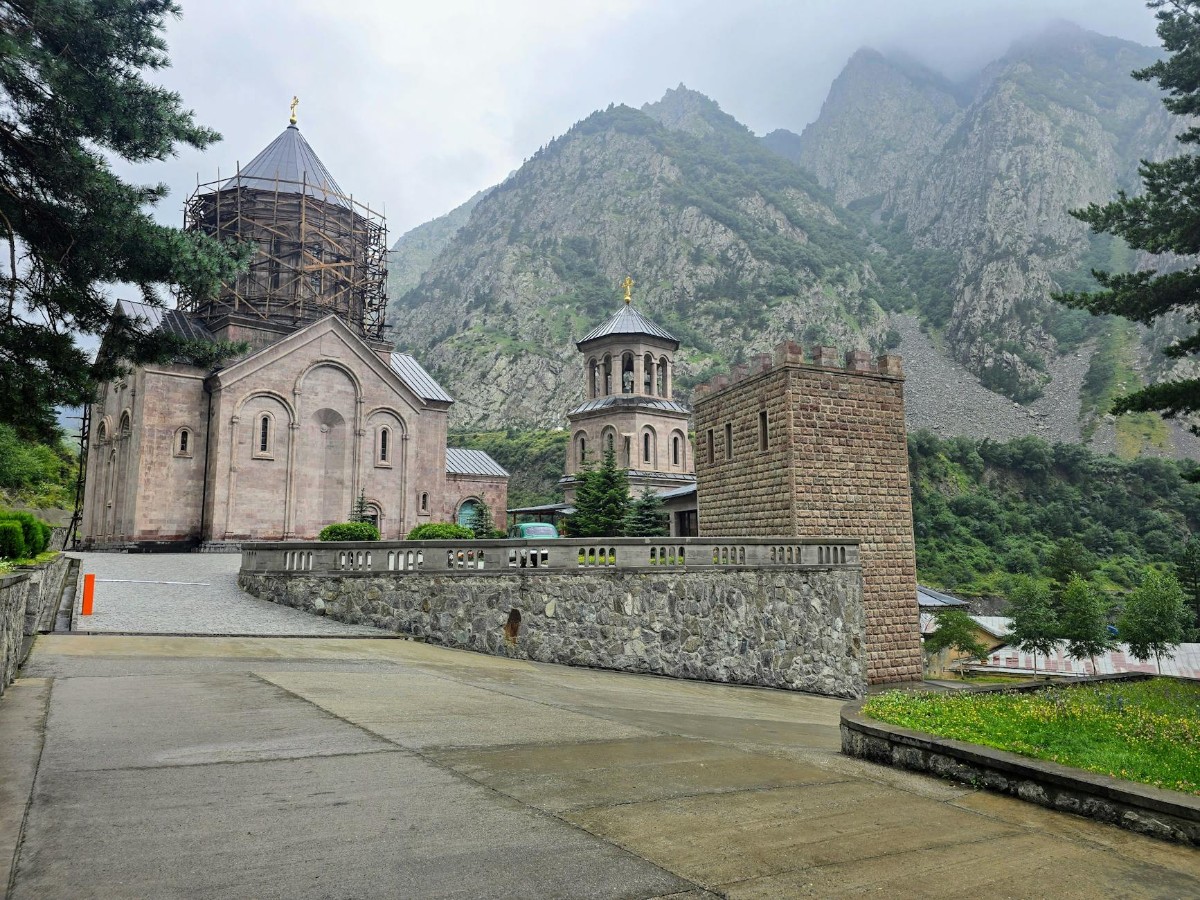
In Montenegro's rugged landscape, ancient monasteries emerge like jewels set in stone and forest, their walls echoing with eight centuries of prayer and artistic devotion. These sacred complexes, from the gravity-defying Ostrog to the manuscript-rich Cetinje, represent the spiritual backbone of Montenegrin identity. Here, Byzantine frescoes meet baroque influences, while incorrupt relics and medieval texts preserve the nation's deepest cultural treasures.

monasteriesOrthodox heritageByzantine artpilgrimage sitesmedieval architecturespiritual tourism

Montenegro's monasteries represent more than mere religious architecture—they are repositories of national identity, artistic achievement, and spiritual devotion spanning over eight centuries. These sacred complexes, carved into cliffsides and nestled in pristine valleys, have weathered Ottoman conquests, political upheavals, and natural disasters while preserving invaluable frescoes, manuscripts, and relics.

Istorija

The monastic tradition in Montenegro began in the 12th century with Morača Monastery, established in 1252 by Stefan Vukanović. The 17th century brought Ostrog's miraculous construction, when Saint Basil of Ostrog chose the seemingly impossible cliff face for his hermitage. Cetinje Monastery, founded in 1484, became the spiritual heart of Montenegrin independence, housing the relics of Saint Peter of Cetinje and serving as the seat of Montenegrin metropolitans.

Znamenita mjesta

Each monastery tells a unique story: Ostrog's Upper and Lower churches contain Saint Basil's incorrupt relics; Morača preserves 13th-century frescoes depicting the life of Prophet Elijah; Piva Monastery, relocated stone by stone before the Piva Dam's construction, showcases 16th-century Serbian Renaissance art; while Savina Monastery overlooks Boka Bay with its baroque influences and precious iconostasis.


Posjeta

Most monasteries welcome visitors daily from 6:00 AM to 8:00 PM, with modest dress requirements strictly enforced. Ostrog receives over one million pilgrims annually, making early morning or late afternoon visits advisable. Photography inside churches is generally prohibited, and visitors should maintain respectful silence during services. Guided tours are available at major sites, offering insights into iconography and monastic life.

Očuvanje

UNESCO recognition for Durmitor National Park includes Piva Monastery, while ongoing restoration projects employ traditional techniques and materials. The Institute for Protection of Cultural Monuments of Montenegro coordinates preservation efforts, recently completing major conservation work on Morača's frescoes and Cetinje's manuscripts. International partnerships support digitization of medieval texts and training of specialized craftsmen in traditional building techniques.

Montenegro's monasteries continue their sacred mission, bridging past and present through living traditions of worship, scholarship, and artistic creation. These architectural marvels remain active spiritual centers where ancient chants echo through stone corridors, preserving Montenegro's soul for future generations.

Manastir Ostrog
01

Manastir Ostrog

Danilovgrad, centralna Crna Gora

Najsvetije mesto Crne Gore uklesano u vertikalnu liticu na 900m visine. Gornja crkva čuva netleže mošti svetog Vasilija Ostroškog, dok Donja crkva datira iz 17. veka sa prekrasnim freskama.

Manastir Morača
02

Manastir Morača

Dolina reke Morače, severna Crna Gora

Najstariji manastir iz 1252. godine sa izuzetno očuvanim freskama iz 13. veka. Prikazuje život proroka Ilije u vivid bojama tipičnim za raševsku školu slikarstva.

Manastir Cetinje
03

Manastir Cetinje

Cetinje, istorijska prestonica

Kraljevski manastir i duhovni centar Crne Gore koji čuva mošti svetog Petra Cetinjskog. Poseduje bogatu riznicu sa srednjovekovnim rukopisima, ikonama i crkvenim predmetima.

Manastir Piva
04

Manastir Piva

Piva, severna Crna Gora

Renesansni manastir iz 16. veka koji je kamен po kamen premešten pre izgradnje brane. Čuva vredne freske srpske renesanse i bogatu biblioteku rukopisa.

Manastir Savina
05

Manastir Savina

Herceg Novi, Boka Kotorska

Barokni kompleks iz 18. veka sa tri crkve i spektakularnim pogledom na Boku Kotorsku. Poseduje dragoceni ikonostas i kolekciju ikona različitih epoha.

Manastir Praskvica
06

Manastir Praskvica

Paštrović, primorska Crna Gora

Srednjovekovni manastir u maslinicima iznad Svеtog Stefana. Osnovan u 10-11. veku, čuva stare freske i predstavlja važno hodočasničko mesto na crnogorskom primorju.

Did You Know?

Did You Know?

Ostrog Monastery's Upper Church was carved directly into the cliff face without any external support structure, a feat of engineering that has puzzled architects for over 350 years. The monastery receives over one million visitors annually, making it the most visited pilgrimage site in the Balkans after Mount Athos. carved directly into the cliff face without any external support structure

FAQ

Frequently Asked Questions

Obavezna je skromna odeća - pokrivena ramena i noge. Fotografisanje unutar crkava je zabranjeno. Tokom bogosluženja potrebno je održavati tišinu i poštovati verske obrede. Žene moraju nositi marame pri ulasku u crkvu.
Manastiri rade dnevno od 06:00 do 20:00. Najbolje je posetiti ih rano ujutru ili kasno popodne zbog manjeg broja posetilaca. Izbegavajte velike verske praznike kada su gužve najveće.
Neki manastiri nude smeštaj za hodočasnike uz prethodnu najavu. Uslovi su skromni ali autentični. Potrebno je poštovati manastirska pravila i učestvovati u jutarnjim molitvama.
Za Ostrog planirajte 2-3 sata uključujući šetnju do Gornje crkve. Morača, Cetinje i Savina zahtevaju po 1-2 sata. Kompletan obilazak svih glavnih manastira traje 3-4 dana.
Morača čuva freske iz 13. veka, Cetinje poseduje srednjovekovne rukopise i ikone, Piva ima renesansno slikarstvo iz 16. veka, dok Savina odlikuje barokni ikonostas iz 18. veka.
Dostupne su organizovane ture sa stručnim vodičima koji objašnjavaju istoriju, arhitekturu i verski značaj. Moguće je rezervisati privatne ture ili se pridružiti grupnim obilazcima.

Travel Assistant

Ask about Montenegro

Welcome!

Ask me about destinations, restaurants or activities.