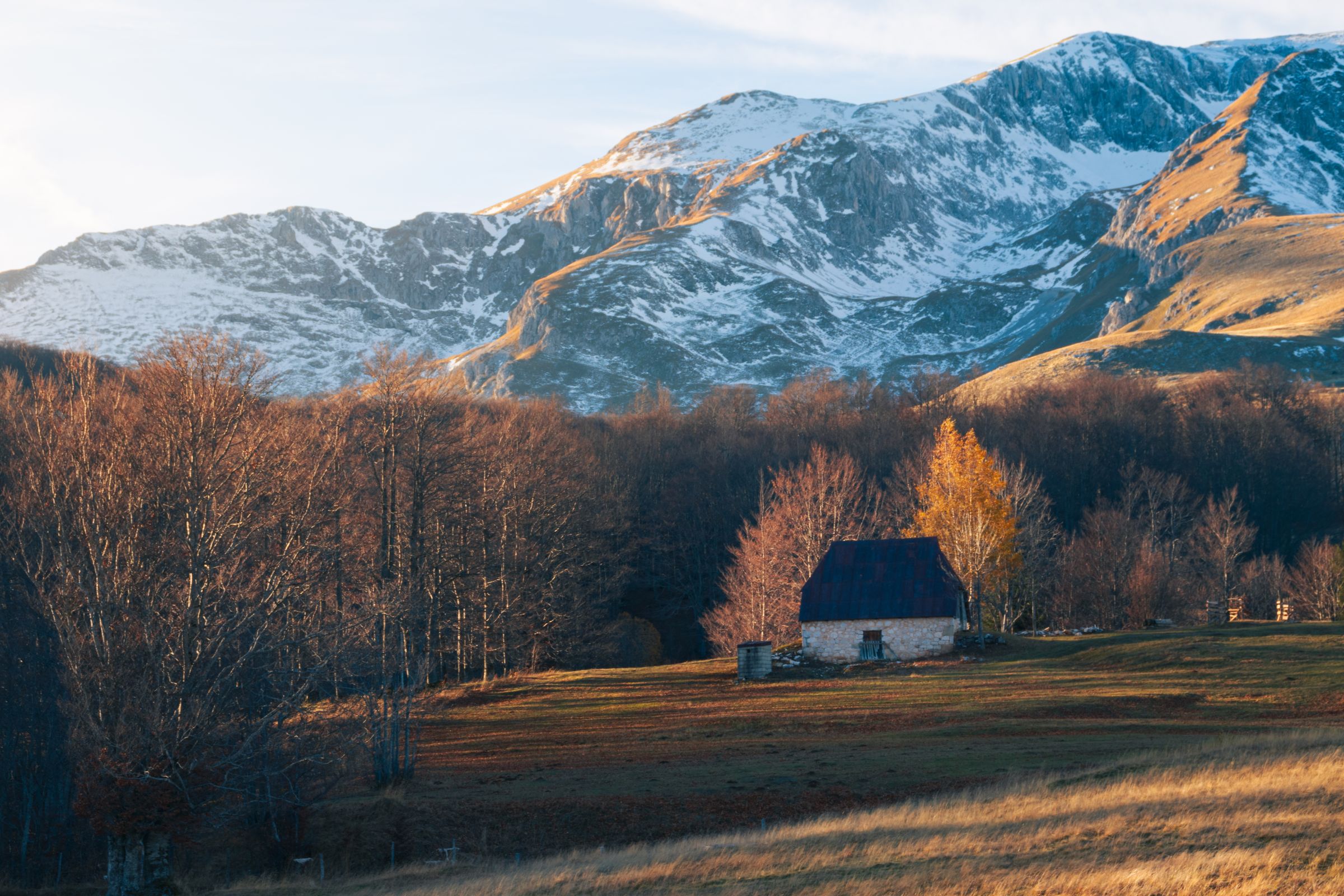
Two climates an hour apart – the Mediterranean coast and the alpine north.
Hottest town
Podgorica · 34°C
Coolest summers
Žabljak · 22°C
Warmest sea
26°C · August
Swimming season
Jun, Jul, Aug, Sep
Montenegro fits two climates into one small country: a Mediterranean coast with long, hot summers and an alpine north where snow can linger into May. Whenever you come, one of them is at its best.
The greenest time of year. Waterfalls at full flow, valleys turning green, and empty trails before the summer crowds.
A classic Adriatic summer on the coast, while the mountains stay pleasantly fresh – ideal for beach and hiking on the same trip.
The connoisseur's season – a warm sea, golden forests and quiet towns without the crowds.
Snow turns the north into ski country, while the coast stays mild and rainy.
Pick a town for its month-by-month climate, sea temperatures and the best time to visit.
Best: Jul, Jun, Aug
Best: Jul, Jun, Aug
Best: Jul, Jun, Aug
Best: Jul, Aug, Jun
Best: Jul, Aug, Jun
Best: Jul, Aug, Jun
Best: Jul, Jun, Aug
Best: Jul, Jun, Aug
Best: Jul, Jun, Aug
Best: Jul, Jun, Aug
Best: Jul, Jun, Aug
Best: Jul, Jun, Aug
Best: Jul, Aug, Jun

Montenegro's terrain changes fast, and the weather changes with it – pack for altitude as much as for season.