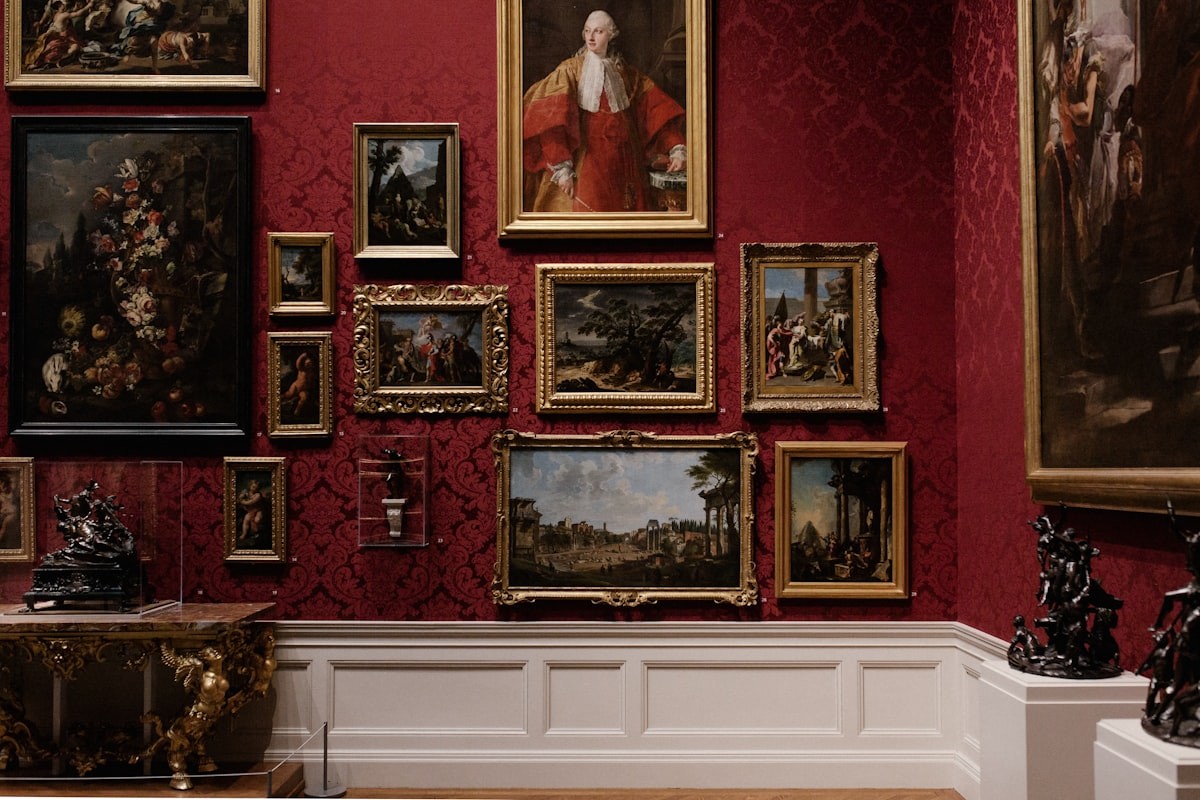
Montenegro's museums stand as cultural fortresses, preserving the nation's layered history within walls that themselves tell stories of empires, kingdoms, and maritime adventures.

From ancient maritime chronicles to royal legacies, Montenegro's museums preserve millennia of Balkan heritage in stunning architectural settings.
Montenegro's museums serve as cultural time capsules, preserving the nation's extraordinary heritage within walls that have witnessed empires rise and fall. From royal palaces housing crown jewels to medieval chambers displaying maritime treasures, these institutions offer intimate glimpses into the soul of a nation shaped by Byzantine emperors, Venetian merchants, and poet-kings.
Montenegro's museums stand as cultural fortresses, preserving the nation's layered history within walls that themselves tell stories of empires, kingdoms, and maritime adventures.
Montenegro's museum network emerged during the 19th century when King Nikola I established the first collections in Cetinje. The Maritime Museum in Kotor, founded in 1900, chronicles the Adriatic's naval heritage within the medieval Grgurina Palace. Each institution reflects Montenegro's position as a crossroads of civilizations, from Byzantine manuscripts to Venetian maritime records.
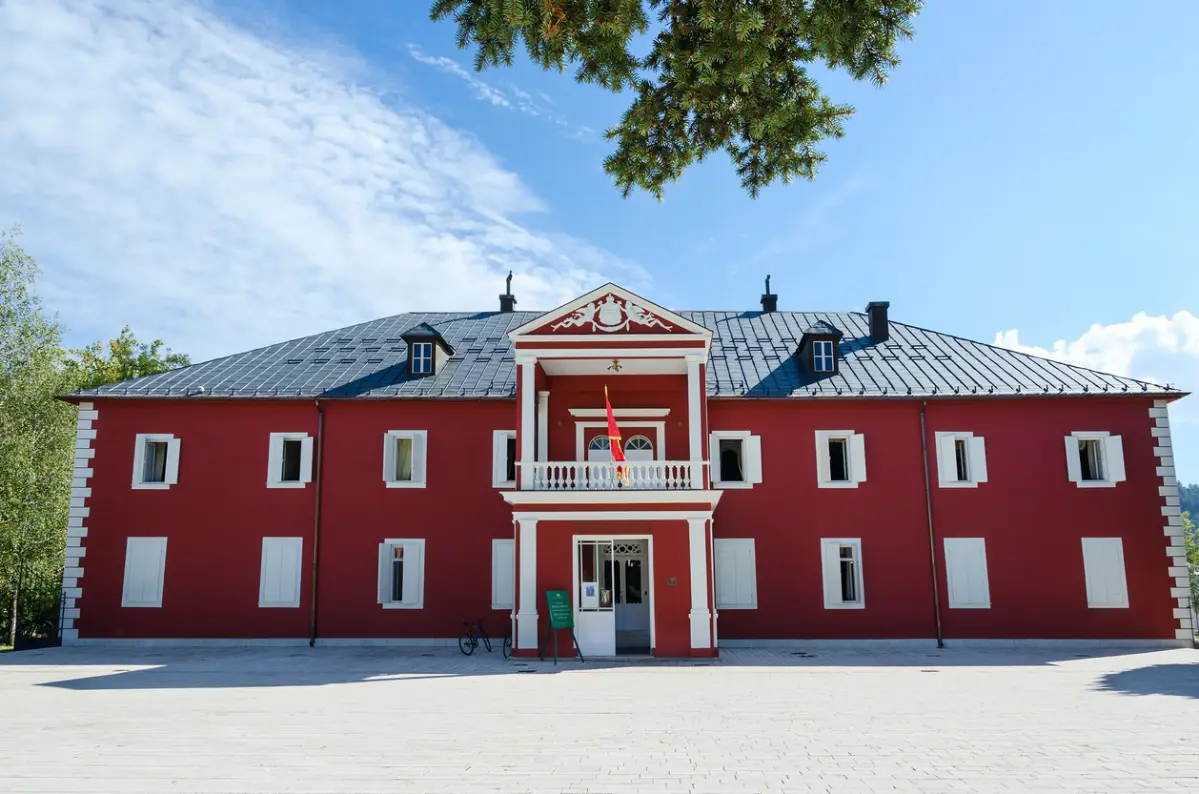
The National Museum complex in Cetinje houses the crown jewels and royal artifacts in King Nikola's former palace. Kotor's Maritime Museum displays centuries of seafaring history, while the Njegoš Museum on Mount Lovćen honors Montenegro's greatest poet-prince. Podgorica's Modern Gallery showcases contemporary Montenegrin art in a striking modernist building.
The National Museum operates Tuesday-Sunday 9:00-17:00 (€3 entry), while Kotor's Maritime Museum welcomes visitors daily 8:00-19:00 in summer (€4). The Njegoš Museum maintains seasonal hours, and Modern Gallery Podgorica opens Monday-Friday 10:00-20:00 (€2). Combined tickets offer excellent value for cultural enthusiasts.
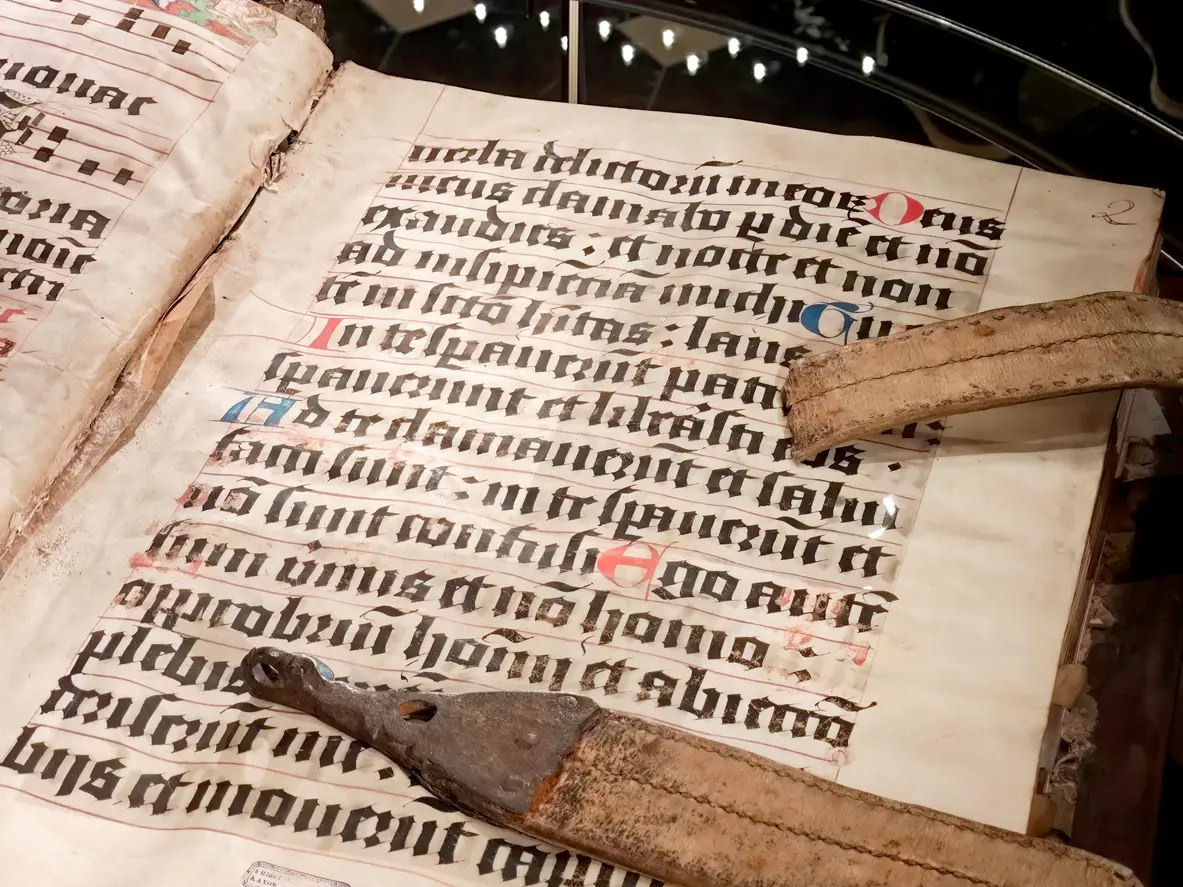
Recent EU-funded restoration projects have modernized climate control and security systems while preserving historic interiors. The National Museum's digitization program protects fragile manuscripts, and Kotor's Maritime Museum has restored medieval frescoes. These efforts ensure Montenegro's cultural treasures survive for future generations while remaining accessible to visitors.
Montenegro's museums offer intimate encounters with history, where royal crowns, ancient maps, and sacred manuscripts reveal the soul of this remarkable nation.

Cetinje
Smešten u nekadašnjoj kraljevskoj palati kralja Nikole I, ovaj muzej čuva najvažnije crnogorsko kulturno nasleđe. Kolekcija uključuje krunu, oružje, novac i lične predmete vladarske porodice Petrović-Njegoš.

Kotor
Osnovan 1900. godine u palati Grgurina, prikazuje bogatu pomorsku tradiciju Boke Kotorske. Eksponati uključuju modele brodova, navigacione instrumente i portrete čuvenih kapetana kroz vekove.

Lovćen
Mauzolej i muzej posvećen najvećem crnogorskom pesniku-vladaru Petru II Petroviću Njegošu. Spektakularna lokacija na vrhu Lovćena pruža nezaboravan pogled na celu Crnu Goru.

Podgorica
Predstavlja razvoj crnogorske umetnosti od 20. veka do danas kroz slike, skulpture i instalacije. Zgrada sama je primer modernističke arhitekture iz socijalističkog perioda.

Cetinje
Prikazuje tradicionalni život Crnogoraca kroz narodne nošnje, alate, nameštaj i predmete svakodnevne upotrebe. Smešten u istorijskom zdanju iz 19. veka.

Cetinje
Posvećen čuvenom crnogorskom slikaru i njegovom doprinosu nacionalnoj umetnosti. Kolekcija obuhvata slike, skice i lične predmete umetnika iz različitih perioda stvaranja.

Did You Know?
The National Museum in Cetinje houses Europe's largest collection of medieval Balkan weapons, including the legendary sword of Skanderbeg, the Albanian national hero who fought against Ottoman expansion in the 15th century. legendary sword of Skanderbeg
Gallery


FAQ