Visit Montenegro
Stones of Memory: Montenegro's Ancient Old Towns

Where Venetian palaces meet Ottoman minarets, and every cobblestone whispers tales of empires that shaped the Adriatic coast for over a millennium.

Stones of Memory: Montenegro's Ancient Old Towns

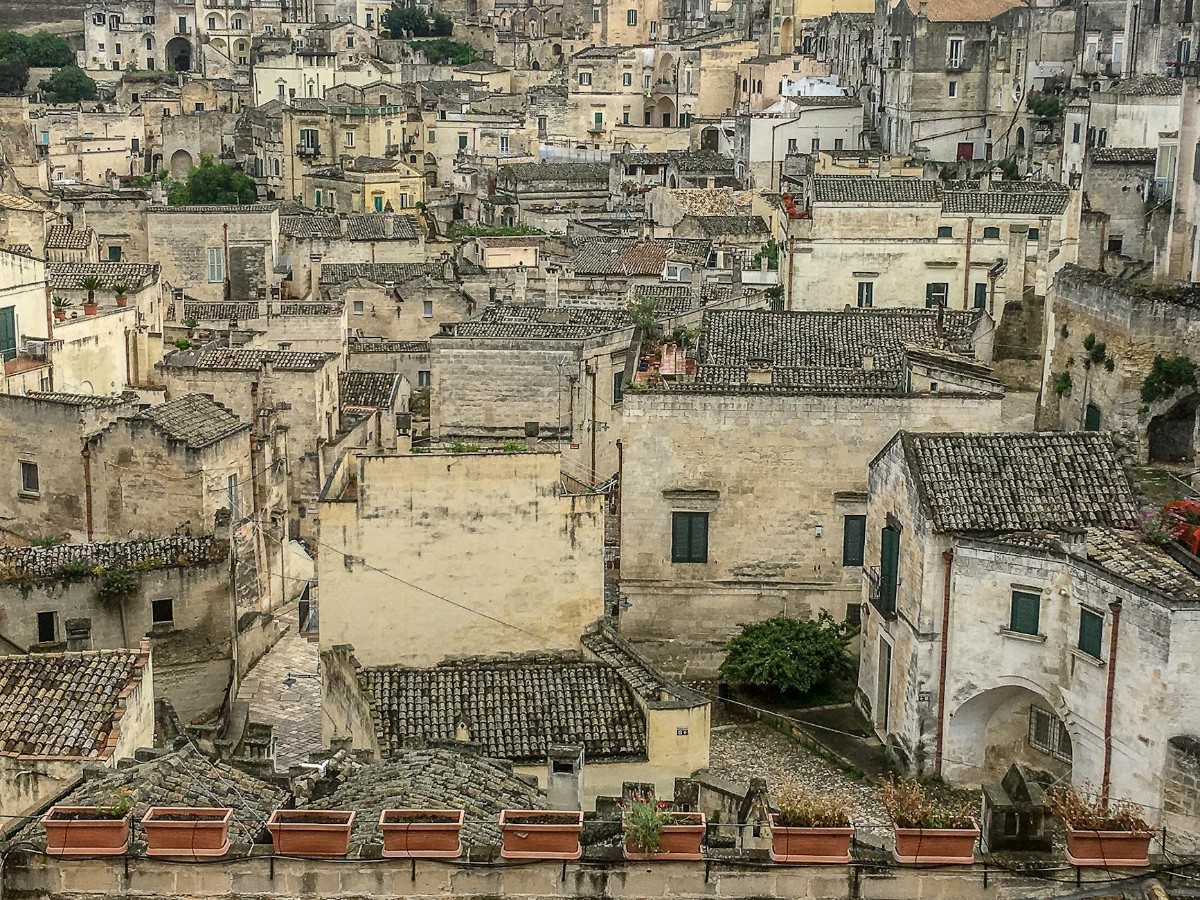
Montenegro's old towns preserve a millennium of architectural heritage, where Roman foundations support Byzantine churches, Venetian palaces neighbor Ottoman mosques, and medieval fortresses crown limestone cliffs. These living museums showcase the cultural crossroads that defined the Adriatic for centuries, each stone telling stories of empires, trade routes, and spiritual devotion that shaped Montenegro's unique identity.

UNESCOMedieval ArchitectureMonasteriesFortressesByzantine HeritageVenetian Legacy

Montenegro's old towns stand as living museums, where Byzantine foundations support Venetian facades, and Ottoman minarets pierce skies once ruled by Serbian despots. These ancient settlements, carved from Adriatic limestone and mountain stone, preserve over a thousand years of architectural evolution.

Istorija

These settlements emerged as Roman trading posts, flourished under Byzantine rule, and reached architectural maturity during Venetian dominance. Each stone tells of cultural synthesis—Gothic cathedrals rising beside Orthodox monasteries, Baroque palaces shadowing Turkish baths. The medieval Republic of Kotor, Budva's ancient Illyrian roots, and Cetinje's role as Montenegro's royal capital created distinct architectural identities.

Znamenita mjesta

Kotor's Cathedral of Saint Tryphon anchors the UNESCO site, while Budva's citadel guards 2,500-year-old foundations. Herceg Novi's Forte Mare fortress commands the Bay entrance, Ulcinj's Balšića Tower recalls Serbian nobility, and Bar's ruins span from Roman aqueducts to Ottoman mosques. Cetinje's monasteries preserve Montenegro's spiritual heritage.


Posjeta

Most old towns welcome visitors year-round, with Kotor and Budva accessible 24/7. Cathedral visits require modest dress; monastery visits follow Orthodox customs. Summer brings crowds but extended hours, while winter offers intimate encounters with fewer tourists. Many sites charge nominal entrance fees for restoration support.

Očuvanje

UNESCO oversight guides Kotor's preservation, while national programs protect other sites. Recent projects restored Budva's citadel after earthquake damage and stabilized Bar's medieval walls. International funding supports archaeological excavations revealing Roman foundations beneath medieval structures. Traditional stone masonry techniques ensure authentic restoration using original Korčula limestone.

These ancient stones continue their silent testimony, preserving Montenegro's multicultural heritage for future generations to discover and cherish.

Kotor Old Town
01

Kotor Old Town

Kotor Bay

UNESCO World Heritage site featuring 12th-century Cathedral of Saint Tryphon, medieval fortifications climbing Mount Lovcen, and perfectly preserved Venetian architecture. The fortress of Saint John offers spectacular bay views after challenging climb.

Budva Citadel
02

Budva Citadel

Budva Riviera

Ancient fortress guarding 2,500-year-old settlement with archaeological museum displaying Greek, Roman, and medieval artifacts. Recent restoration revealed multiple construction phases spanning millennia of continuous habitation.

Herceg Novi Old Town
03

Herceg Novi Old Town

Bay of Kotor Entrance

Fortified town featuring Forte Mare fortress, Kanli Kula tower, and unique blend of Bosnian, Ottoman, and Venetian architecture. The fortress complex commands strategic position at Bay of Kotor entrance.

Cetinje Monastery
04

Cetinje Monastery

Cetinje, Former Royal Capital

Spiritual heart of Montenegro housing precious medieval manuscripts, royal regalia, and religious artifacts. The monastery complex represents continuity of Montenegrin Orthodox tradition and serves as repository of national heritage.

Stari Bar
05

Stari Bar

Bar Municipality

Largest medieval urban complex in Montenegro featuring ruins spanning Roman aqueducts to Ottoman mosques. Archaeological excavations continue revealing layers of continuous settlement from antiquity through medieval period.

Ulcinj Old Town
06

Ulcinj Old Town

Southern Adriatic Coast

Fortified settlement dominated by Balšića Tower, representing rare Serbian medieval fortress architecture. The town preserves unique blend of Illyrian, Roman, Byzantine, Serbian, and Ottoman cultural influences.

Did You Know?

Did You Know?

Kotor's medieval walls stretch 4.5 kilometers and climb 260 meters up Mount Lovcen, making them among Europe's most impressive fortification systems. The fortress of Saint John, perched at the summit, required over 1,000 years to complete and contains secret passages still being discovered by archaeologists today. secret passages still being discovered

FAQ

Frequently Asked Questions

Kotor earned UNESCO status for its outstanding universal value as a perfectly preserved medieval Mediterranean town. Its unique fortification system, urban structure, and architectural monuments represent exceptional testimony to medieval civilization and Venetian defense architecture.
Budva claims the oldest continuous habitation, with archaeological evidence dating to 5th century BC. However, most current old town structures date from medieval period (12th-15th centuries), built upon earlier Roman and Byzantine foundations.
Yes, visitors can climb the fortification walls to Saint John's Fortress, though it requires good physical condition. The climb involves 1,350 steps over 260 meters elevation gain, taking 1-2 hours with spectacular views of Kotor Bay.
The towns showcase remarkable architectural diversity: Roman foundations, Byzantine churches, Romanesque cathedrals, Gothic palaces, Renaissance facades, Baroque decorations, and Ottoman elements, creating unique Adriatic Mediterranean synthesis.
Most sites remain accessible throughout the year, though individual monuments may have seasonal hours. Winter visits offer fewer crowds and intimate atmosphere, while summer provides extended opening hours but higher tourist density.
Primary challenges include earthquake damage (particularly affecting Budva), salt air corrosion, tourism pressure, and maintaining authentic materials. Restoration projects prioritize traditional techniques and original limestone to preserve historical integrity.

Travel Assistant

Ask about Montenegro

Welcome!

Ask me about destinations, restaurants or activities.