Travel to Montenegro
Cetinje Monastery

Cetinje, Montenegro

Cetinje Monastery

The Spiritual Heart of Montenegro beneath Lovćen

Founded: c. 1484

Overview

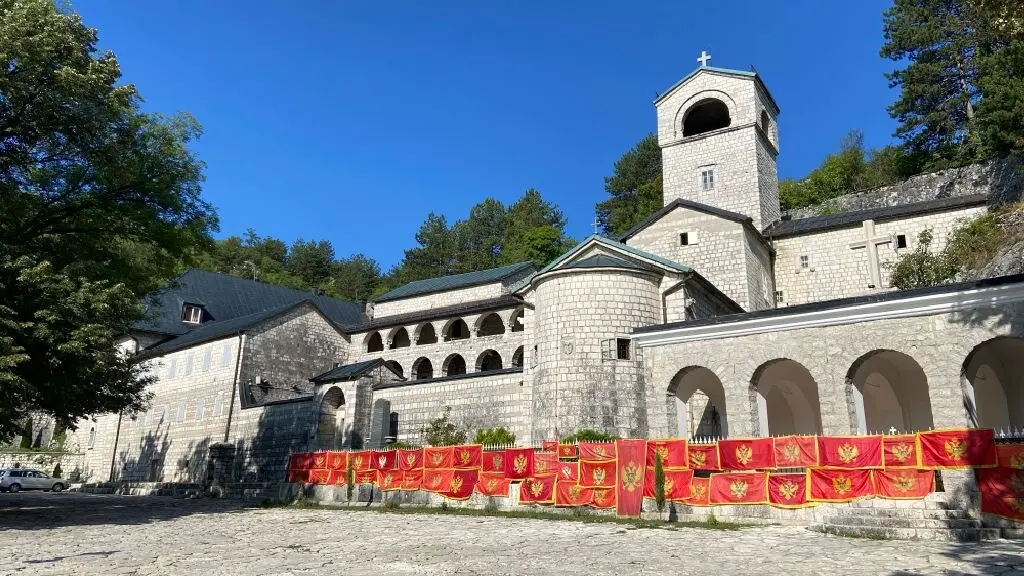
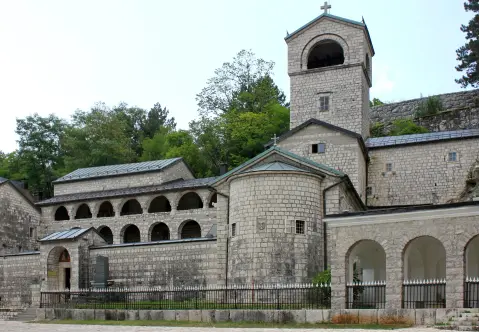
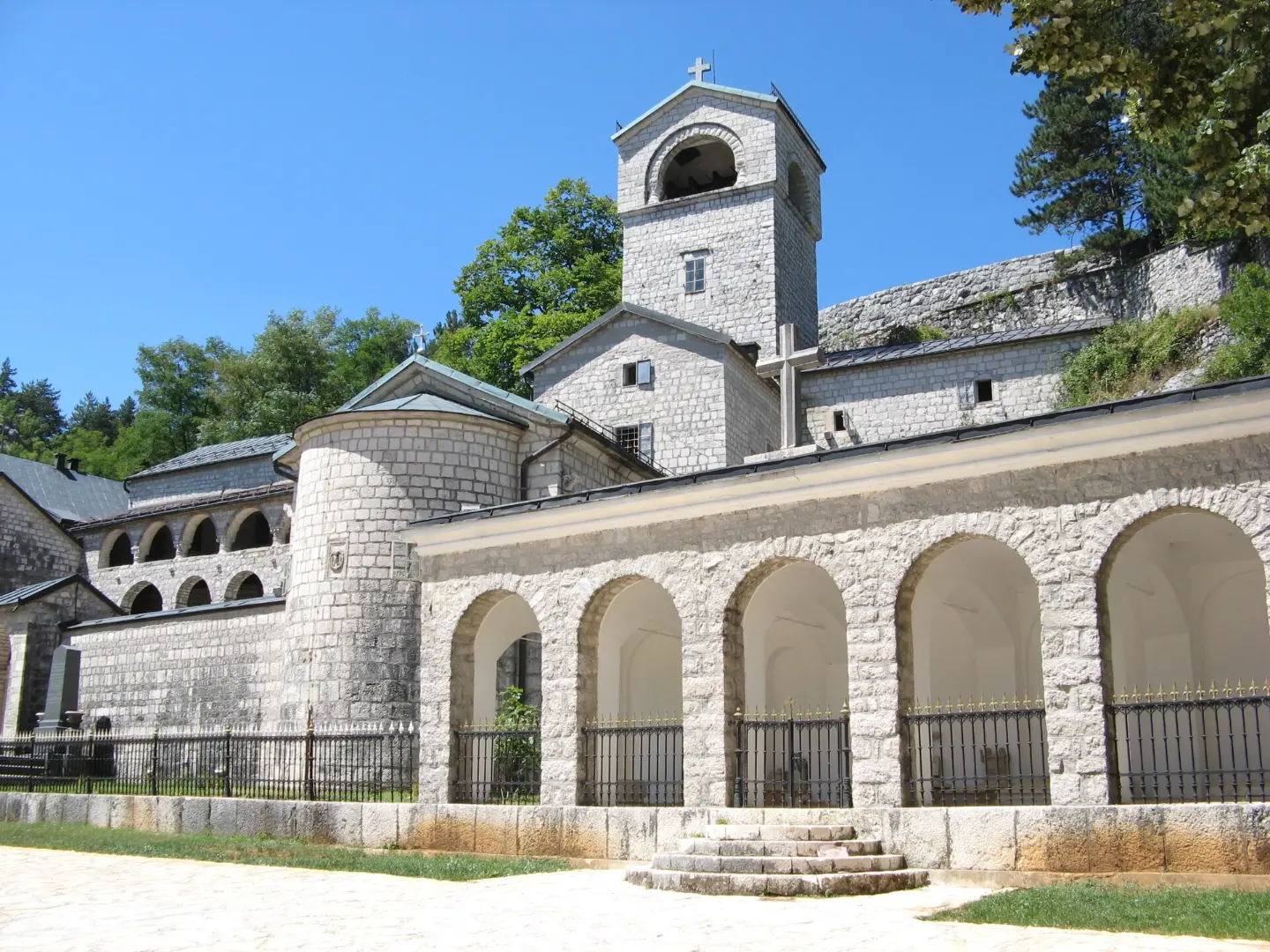
Cetinje Monastery is the most significant religious and cultural-historical monument in Montenegro, situated in the historical capital of Cetinje, at the foot of Orlov Krš. Founded around 1484 by Ivan Crnojević, the monastery served for centuries as the centre of spiritual, cultural and political life of the entire nation. The present building dates from the period 1701–1704, when it was restored by Bishop Danilo Petrović Njegoš. The monastery preserves extraordinary relics: the right hand of Saint John the Baptist, a fragment of the Holy Cross, and the relics of Saint Peter of Cetinje. A visit to this monastery is an essential part of any journey to Cetinje.

  • Monastery
  • Orthodox
  • Relics
  • History
  • Pilgrimage
  • Cultural Heritage
  • Montenegro
Visiting

How to visit a monastery

All monasteries
  • Dress Modestly

    Always wear clothing that covers your shoulders and knees. Women should have a headscarf for inside the church. Inappropriate attire may result in being refused entry to the monastery.

  • Best Time to Visit

    Arrive early in the morning or late in the afternoon to avoid crowds, especially in summer. Weekdays out of season are most suitable for a peaceful visit – in the more visited monasteries, such as Ostrog, the difference is significant.

  • Respecting the Sacred Site

    Monasteries are living communities of monks and nuns. In the church do not eat or drink, speak quietly and do not enter areas closed to visitors. Do not take anything out of the monastery – not a stone nor a flower. Approach with respect, regardless of religious affiliation.

  • What to Bring

    Entrance to monasteries is usually free, and voluntary donations and candles are welcome. Pilgrims traditionally bring oil, wine, coffee and sugar as gifts for the monks; according to old custom, woolen socks are also brought to Ostrog for Saint Basil of Ostrog.

  • Church Feast Days

    On monastery feast days and major holidays, many believers come – check the date of the feast day of the monastery you are visiting. The greatest holiday is Saint Basil of Ostrog on May 12; for that day, reserve accommodation well in advance.

Highlights

Discover Cetinje Monastery

Church of the Nativity of the Virgin Mary

Church of the Nativity of the Virgin Mary

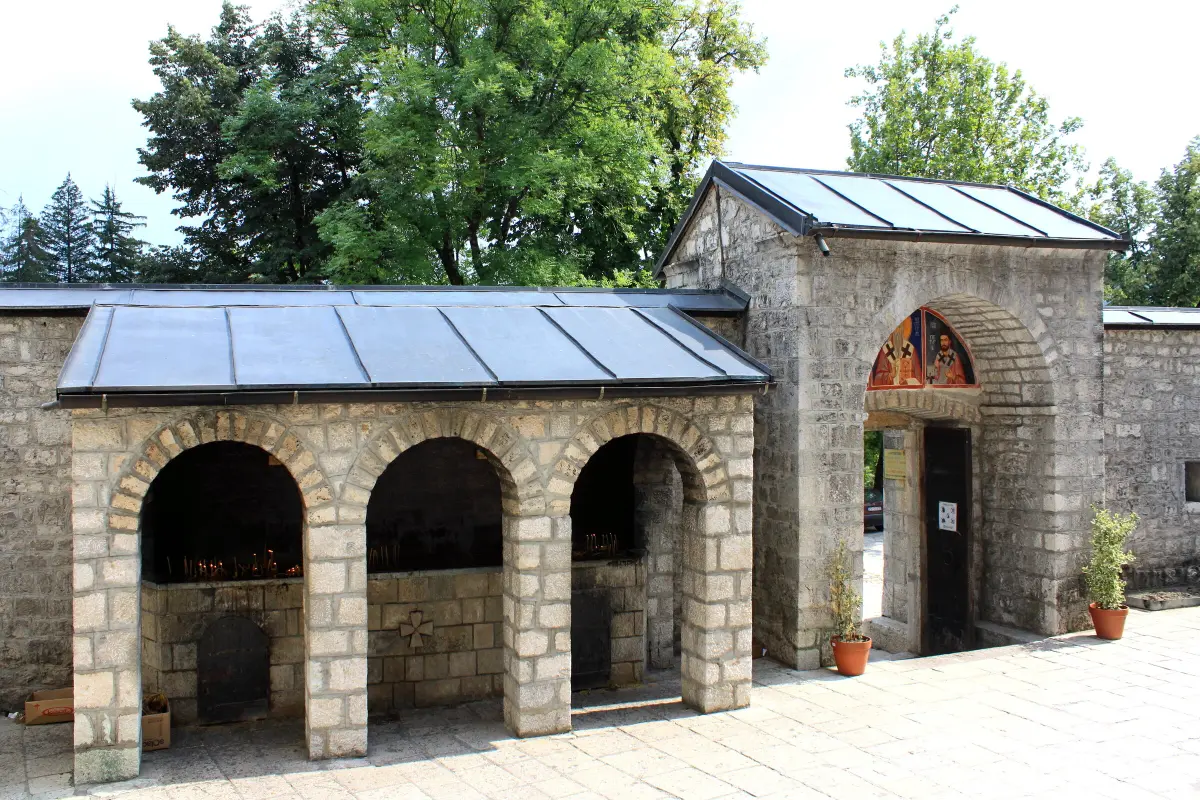
At the heart of the monastery complex is the church dedicated to the Nativity of the Virgin Mary, whose iconostasis dates from the mid-19th century and is the work of Greek masters. In the southern choir of the church stands a reliquary containing the relics of Saint Peter of Cetinje, one of the most venerated Montenegrin saints. Beside the entrance to the church lie the tombs of Prince Danilo and Duke Mirko, father of King Nikola I Petrović. Above the entrance stands the founder's inscription of Ivan Crnojević, transferred from the original monastery of 1484 – a living stone that bridges the centuries.

Monastery Treasury in the Njegoš Konak

Monastery Treasury in the Njegoš Konak

In the so-called Njegoš Konak, the former metropolitan residence, lies the monastery treasury, considered one of the richest and most significant in all of Montenegro. It houses manuscripts and early printed books produced between the 13th and 18th centuries, some written on parchment and adorned with miniatures. Also preserved here are the Crnojević incunabula, post-incunabula from the printing houses of Božidar and Vićenac Vuković from the first half of the 16th century, as well as numerous liturgical items belonging to Montenegrin bishops – panagias, vestments, mitres and sceptres. The treasury is primarily accessible to groups, but with patience and a polite request individual visitors may also enter.

Relic of the Hand of Saint John the Baptist

Relic of the Hand of Saint John the Baptist

Cetinje Monastery preserves one of the most significant Christian relics in the world – the right hand of Saint John the Baptist. This relic has an extraordinarily rich history: it passed through the possession of Byzantine emperors, Ottoman sultans, Knights Hospitaller, Russian tsars and Serbian kings before finally arriving in Cetinje. It is occasionally brought out for public veneration, but is not always on display. Alongside the hand, the monastery also preserves a fragment of the Holy Cross and the icon of the Virgin Filermoska, making Cetinje Monastery one of the most important pilgrimage destinations in the region.

Orlov Krš – Viewpoint above the Monastery

Orlov Krš – Viewpoint above the Monastery

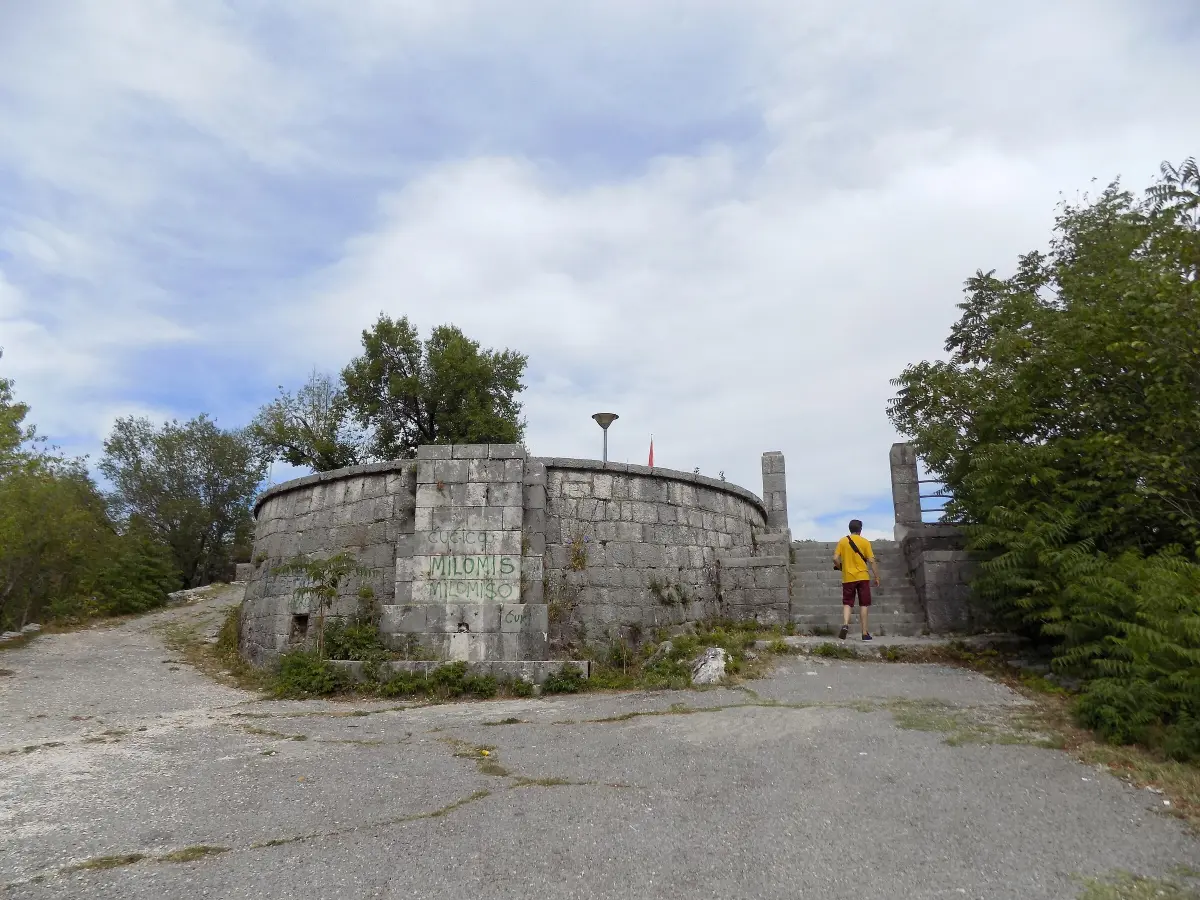
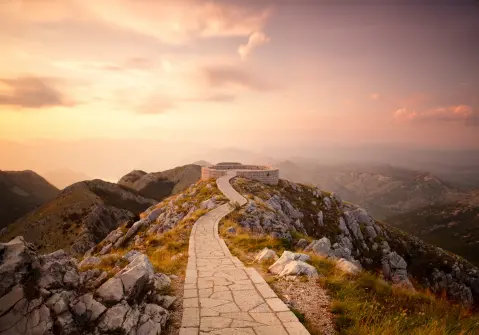
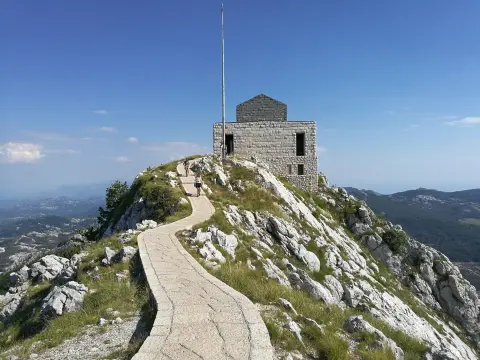
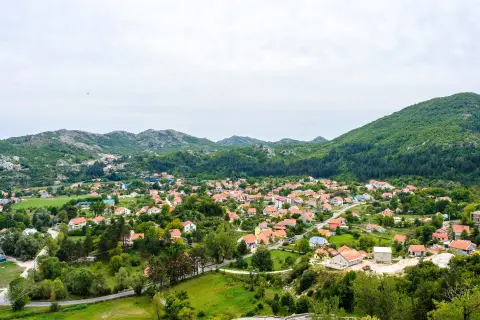
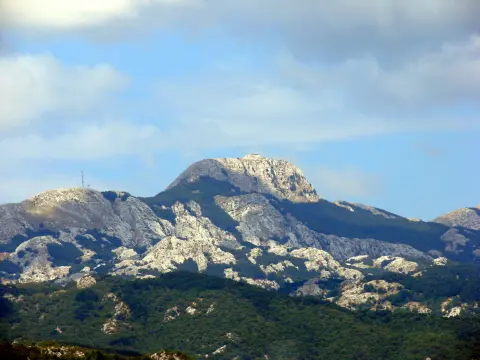
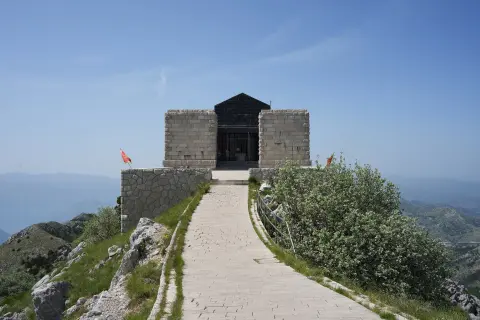
Directly above Cetinje Monastery rises the rock of Orlov Krš, reached by a short hiking trail of just 20 minutes' walk. At this viewpoint stands the mausoleum of Prince Danilo I, founder of the Petrović Njegoš dynasty. The view from Orlov Krš encompasses the entire Cetinje field and the surrounding mountains. Along the way to the summit, it is worth looking out for the guvno – a stone circle that Montenegrin chieftains used as a gathering place for making important decisions. The combination of the monastery and this short excursion makes for a complete experience of spiritual and historical Cetinje.

What to do

Activities in Cetinje Monastery

  • Pilgrimage and Prayer

    Culture

    Pilgrimage and Prayer

    Veneration before the relics of Saint Peter of Cetinje and the relics in the monastery chapel.

  • Treasury Tour

    Culture

    Treasury Tour

    A visit to the monastery treasury with its collections of manuscripts, liturgical items and incunabula from the 15th–18th centuries.
  • Exterior Photography

    Culture

    Exterior Photography

    Photographing the architecture of the monastery complex and the stone details transferred from the original building of 1484.

  • Hiking to Orlov Krš

    Mountains

    Hiking to Orlov Krš

    A short hiking trail from the monastery to the Orlov Krš viewpoint with views over the Cetinje field.

  • Exploring Historic Cetinje

    Culture

    Exploring Historic Cetinje

    Combining a visit to the monastery with a tour of King Nikola's Palace, Biljarda and the former legations.

Around here

Nearby places

  1. Cetinje

    Cetinje

    City · 0.3 km

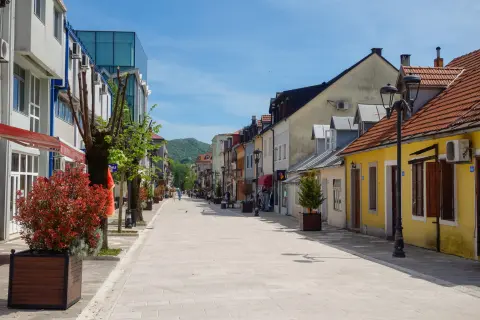
    Montenegro's former royal capital at 672 m above sea level, surrounded by Mount Lovćen and rich in historical museums.

  2. Lipa Cave

    Lipa Cave

    Cave · 3.0 km

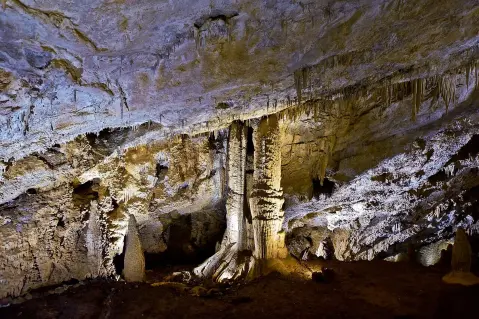
    Montenegro's only show cave open to visitors: 2.5 km of passages and halls with cave formations, a guided tour and a little train to the entrance.

  3. Lovćen National Park

    Lovćen National Park

    National Park · 7.1 km

    A national park in southwestern Montenegro, ranging from 939 to 1,749 m a.s.l., guardian of history, culture, and untouched nature.

  4. Rijeka Crnojevića

    Rijeka Crnojevića

    Village · 9.0 km

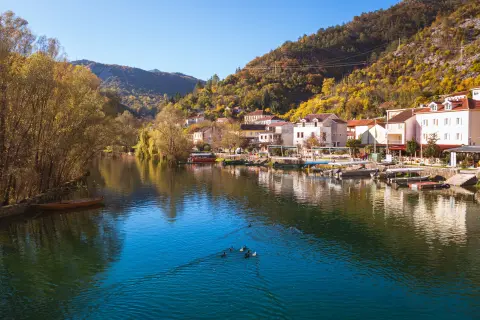
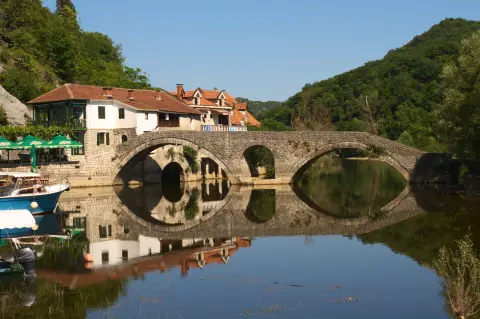
    A small historic settlement on the River Crnojevića in Skadar Lake National Park – once Montenegro's largest port, with the stone Danilo's Bridge and Obod above the river.

  5. Kosmač Fortress

    Kosmač Fortress

    Castle · 9.8 km

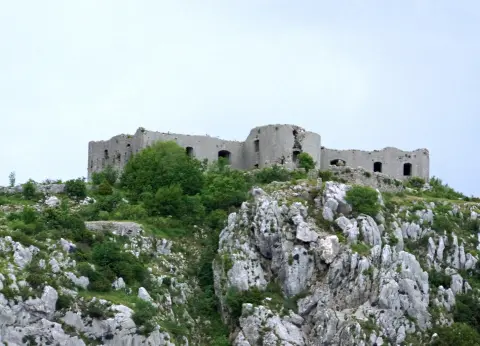
    An Austro-Hungarian fortification from 1841 on Kosmač hill near Brajići, with panoramic views from Sveti Stefan to Budva.

  6. Budva

    Budva

    City · 13 km

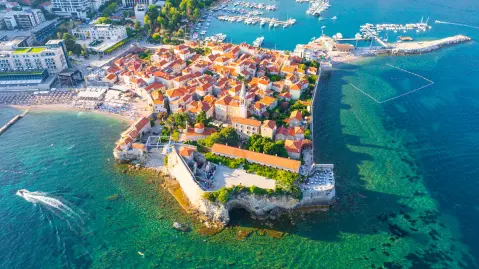
    Budva is Montenegro's most visited seaside resort, known for its rocky coastline, Old Town, and vibrant nightlife.

  7. Kotor

    Kotor

    City · 13 km

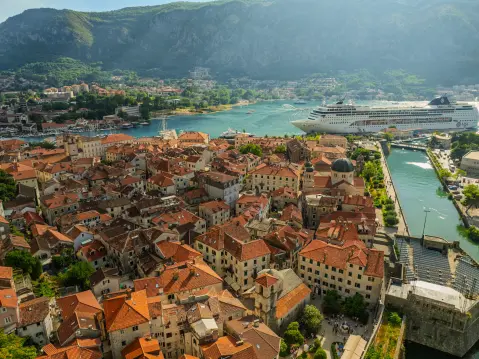
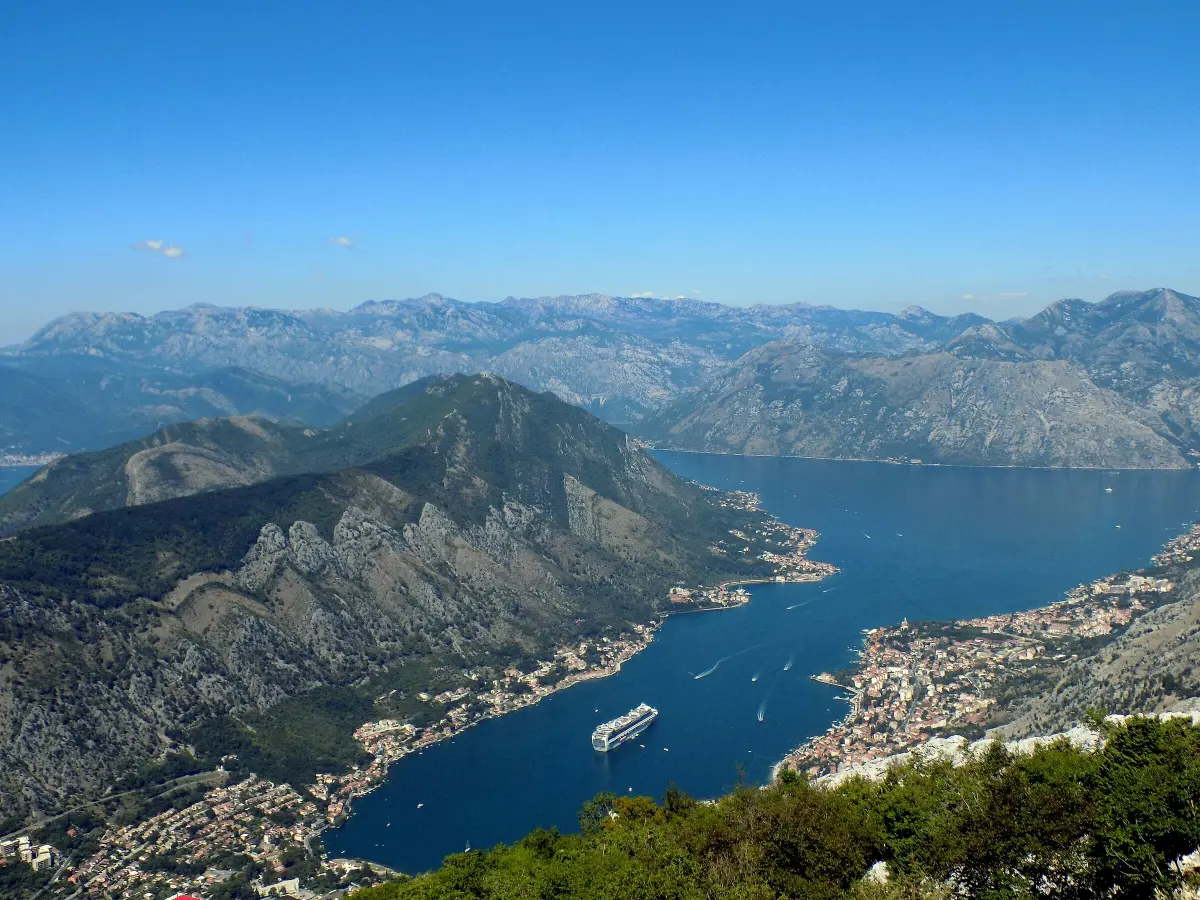
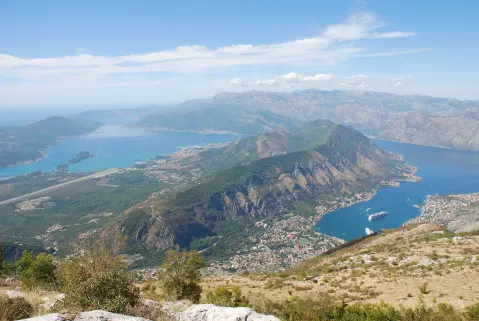
    A medieval town under UNESCO protection, nestled between steep mountains and the calm waters of the Bay of Kotor.

  8. Sveti Stefan

    Sveti Stefan

    Point of Interest · 15 km

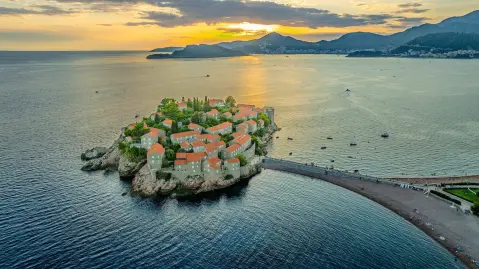
    A fortified 15th-century island settlement connected to the mainland by a causeway, with terracotta rooftops and turquoise sea.

Did You Know?

The right hand of Saint John the Baptist, preserved in Cetinje Monastery, passed through the hands of Byzantine emperors, Ottoman sultans, Knights Hospitaller and Russian tsars before finding its final home in Montenegro.

Plan Your Visit

Weather & Useful Info

When to come

Monthly averages – Cetinje.

  • Jan: Air (max) 8 °C
  • Feb: Air (max) 10 °C
  • Mar: Air (max) 11 °C
  • Apr: Air (max) 14 °C
  • May: Air (max) 19 °C
  • Jun: Air (max) 25 °C
  • Jul: Air (max) 28 °C
  • Aug: Air (max) 27 °C
  • Sep: Air (max) 22 °C
  • Oct: Air (max) 19 °C
  • Nov: Air (max) 13 °C
  • Dec: Air (max) 9 °C
Air (max)Best time to visit
Climate and weather – Cetinje
The monastery is open throughout the year. The most pleasant periods to visit are spring (April–June) and early autumn (September–October), when temperatures are mild and crowds are smaller. In summer Cetinje is livelier but also warmer. Pilgrims visit the monastery in particular on the feast day of Saint Peter of Cetinje (18 October according to the new calendar).

Visitor tip

Dress modestly before arriving – shoulders and knees must be covered for both men and women; if you do not have appropriate clothing, the monks will lend you a robe. Photography inside the chapel and church is strictly forbidden. Set out in the morning, right at opening time at 8am, to avoid tour groups and visit the monastery in peace. At the monastery shop you can purchase candles, icons and Orthodox literature.

Good to know

Opening hours
08:00 – 18:00 (daily); treasury open for groups in the morning
Admission
Entry to the monastery is free. Monastery treasury: 2€ (groups only, by arrangement)
Parking
Free parking available on the streets around the monastery, in the immediate vicinity
Accessibility
The monastery courtyard is accessible, but the interior of the church has steps and narrow passages that may be a challenge for wheelchair users

Getting Here

By Plane

The nearest airport is Podgorica (TGD), approximately 35 km from Cetinje. Tivat Airport (TIV) on the coast is around 50 km away. From both airports, Cetinje can be reached by taxi or rental car in 40–60 minutes.

By Car

Cetinje is well connected to Podgorica via the main road M2.3 (approximately 35 km, 40 minutes' drive). From the Montenegrin coast (Budva, Kotor), Cetinje is reached by a winding but scenic mountain road that offers spectacular views – the drive takes around 30–45 minutes. Parking is available in the immediate vicinity of the monastery, in on-street car parks.

By Bus

Regular bus services run from Podgorica to Cetinje, with departures several times daily from Podgorica Bus Station. The journey takes approximately 45–60 minutes. From the coast (Budva, Bar) there are direct connections or services with a change in Podgorica.

Open in Google Maps
Explore on your own

Explore Cetinje Monastery your way

Free audio guides with narration and a map, plus trails with maps and GPX downloads – set off whenever suits you.

All audio guides
Day plan

Suggested Itineraries

One Day in Cetinje – Between Faith and History

  1. Day 1 · Cetinje – monastery complex and historic core

    The Monastery, Palaces and Old Streets

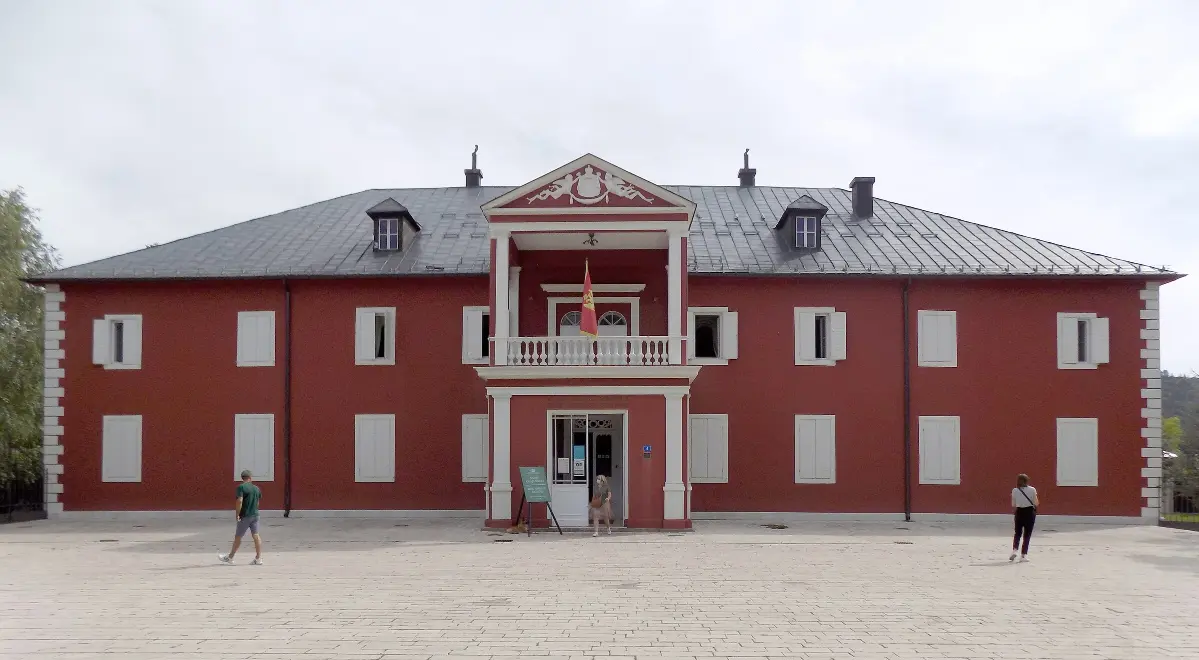
    In the morning, head to Cetinje Monastery right at opening time at 8am, while the town is still quiet. This is the perfect time to stroll through the courtyard without crowds, admire the architectural details of the stone carvings transferred from the original Crnojević monastery of 1484, and enter the church dedicated to the Nativity of the Virgin Mary. In the chapel to the right of the courtyard, the most precious relics are kept – a fragment of the Holy Cross and the right hand of Saint John the Baptist. Photography inside is not permitted, but the atmosphere speaks for itself. After the monastery, a 10-minute walk brings you to King Nikola's Palace – the red palace on the central square that offers a clear insight into royal life and national history. Continue to Biljarda, the former residence of Petar II Petrović Njegoš. For lunch, stop at Restaurant Kole on the Court Square, where you can try Montenegrin lamb cooked ispod sača or priganice with kajmak. Spend the afternoon on a short walk up to Orlov Krš above the monastery – the ascent takes around 20 minutes and rewards you with a view over the entire Cetinje field. Insider tip: entry to the monastery is free, but bring some small change for a candle – it is the local way of giving thanks.
FAQ

Frequently Asked Questions

Yes, entry to the monastery and church is completely free. A visit to the monastery treasury costs €2 and is primarily available for groups with prior notice. Donations are welcome and appreciated.

Modest dress is mandatory – shoulders and knees must be covered for both men and women. If you do not have appropriate clothing, the monks will lend you a robe or cloth at the entrance. Photography inside the church and chapel is strictly forbidden.

The monastery preserves the right hand of Saint John the Baptist, a fragment of the Holy Cross, the relics of Saint Peter of Cetinje, and the icon of the Virgin Filermoska. The hand of Saint John has a particularly rich history – it passed through the possession of Byzantine emperors, Ottoman sultans, Knights Hospitaller and Russian tsars.

The original monastery was founded around 1484 by the Zetan ruler Ivan Crnojević, who was retreating before the Ottoman invasion. The present building was constructed between 1701 and 1704, when it was erected by Bishop Danilo Petrović Njegoš on the foundations of Ivan Crnojević's former palace.

From Podgorica, Cetinje is reached via the main road M2.3, in approximately 40 minutes (35 km). From the coast (Budva, Kotor), the mountain road takes 30–45 minutes and offers spectacular views. The monastery is located in the very centre of Cetinje, easily accessible on foot from the central square.

Exploring the monastery complex, church and courtyard requires 1 to 2 hours. If you plan to visit the monastery treasury as well and combine the visit with Cetinje's surrounding attractions (King Nikola's Palace, Biljarda), allow half a day.