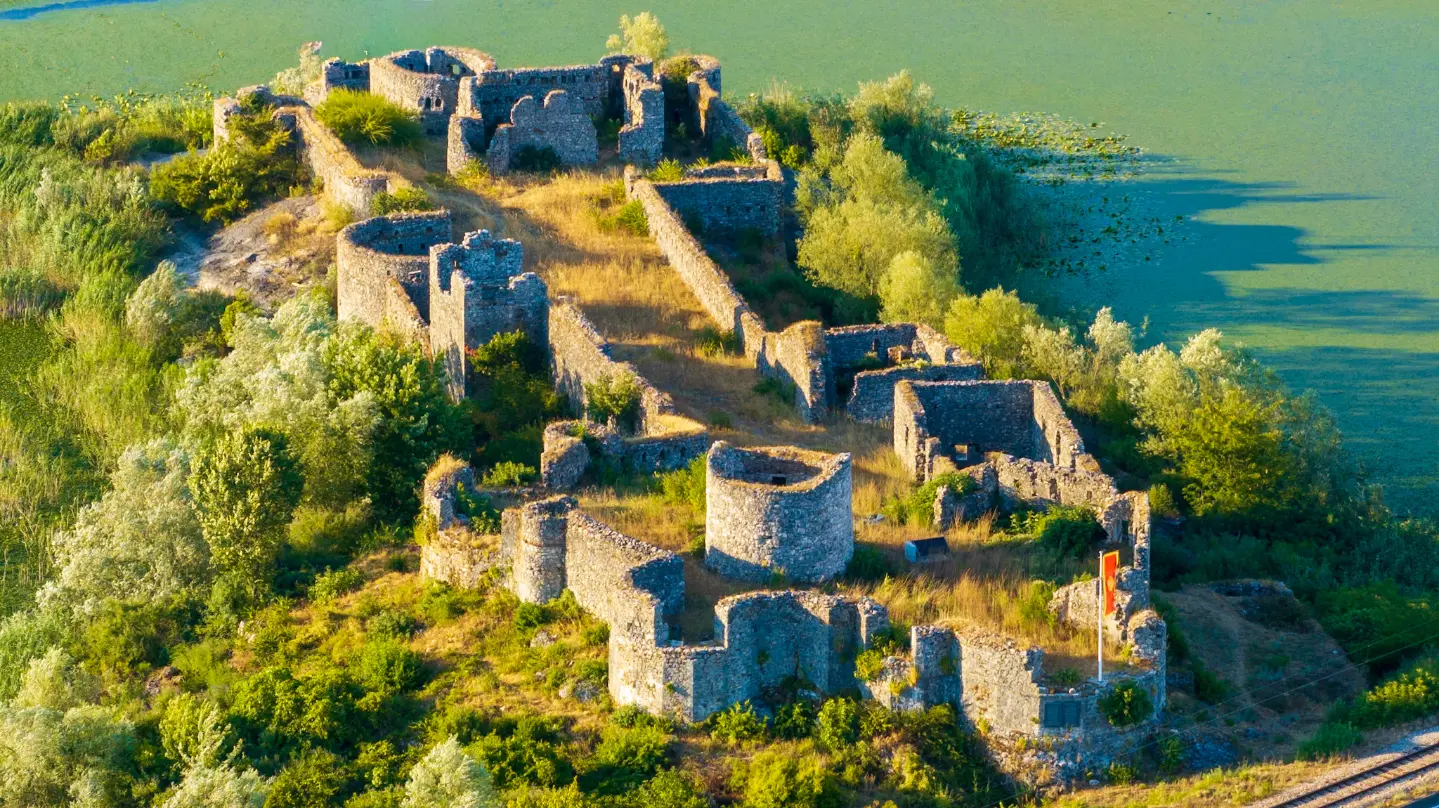
An 18th-century historical fortress on Lake Skadar, near Vranjina
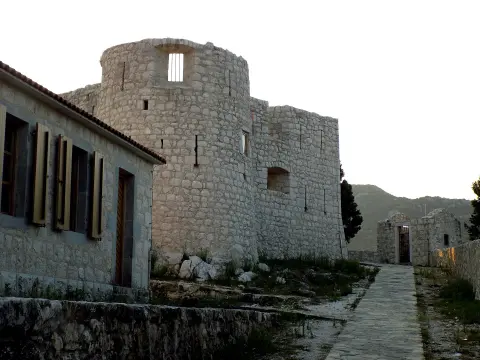
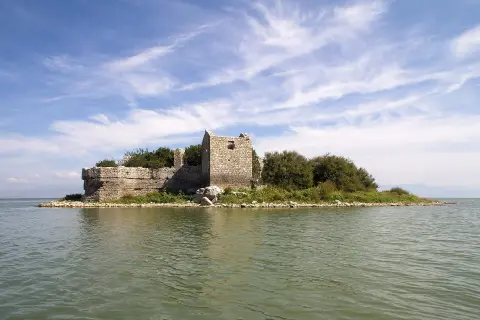
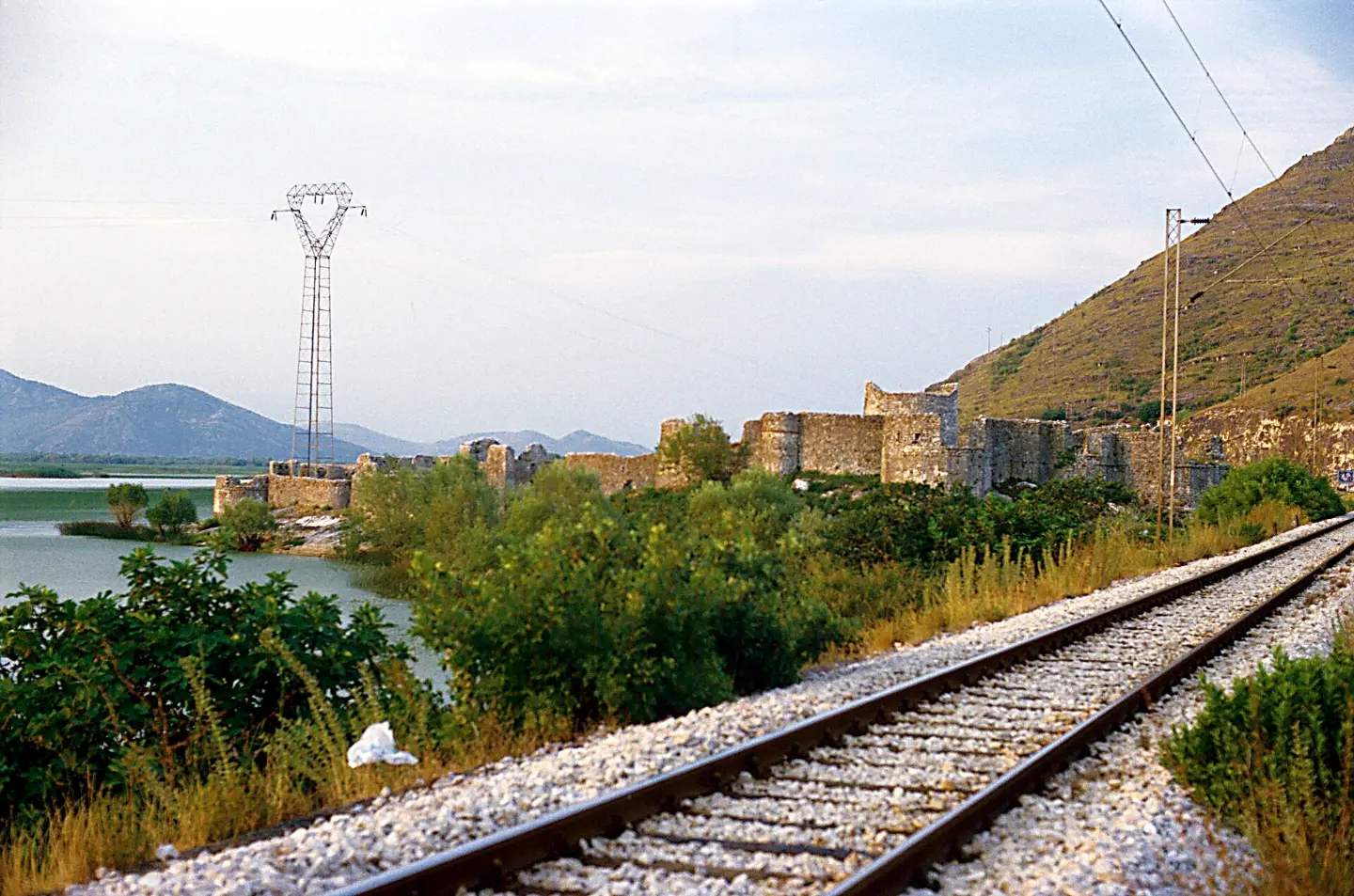
Lesendro Fortress is situated on a peninsula of Lake Skadar, a few hundred metres from the village of Vranjina, halfway between Podgorica and Bar. Built in the 18th century, it was restored and reinforced by Bishop Petar II Petrović-Njegoš, serving as a key defensive point against the Ottoman Empire and controlling fishing and trade on the lake. The fortress is also famous for the folk saying 'Izgore ka' vladika za Lesendrom' ('He burned like the Bishop for Lesendro'), which arose after the Ottomans seized the stronghold in 1843 and Njegoš never managed to reclaim it. It was liberated only in 1878 and incorporated into the Principality of Montenegro. Today the ruins are registered as a cultural and historical monument, accessible from the direction of Vranjina.
Highlights
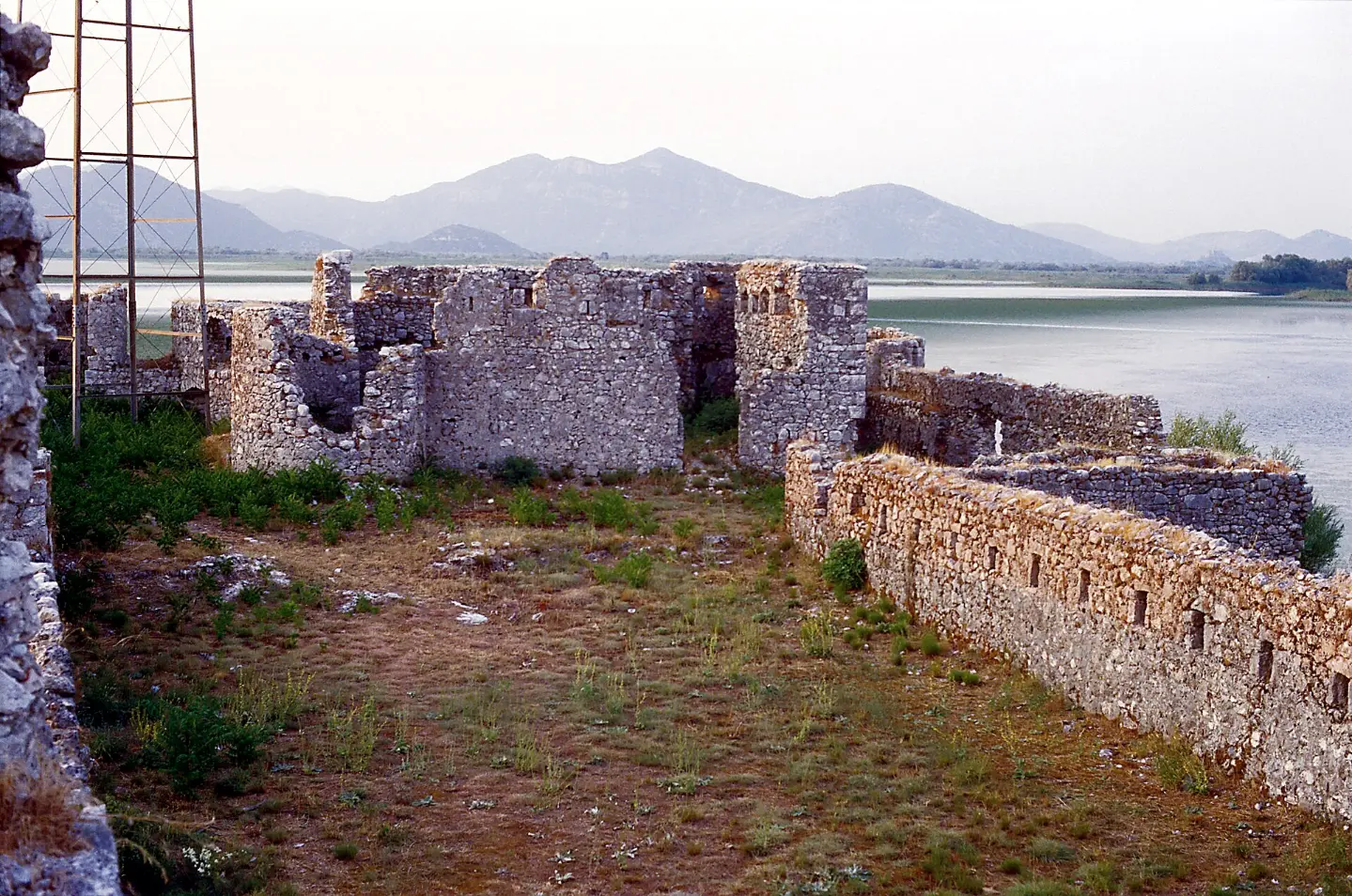
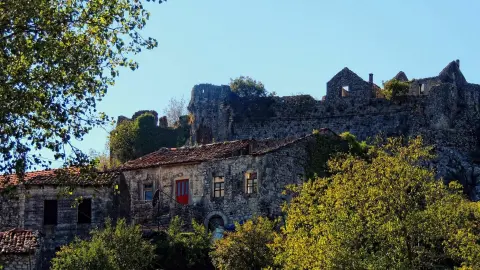
Lesendro Fortress covers an area of approximately 3,150 m² and contains the remains of an entrance gate that was once arched in shape, defensive walls, and a grassed interior space roughly 80 metres long. Bishop Petar II Petrović-Njegoš restored and raised the fortress walls in the first half of the 19th century, following the execution of eight Crmnica men by the Skadar pasha Rašid-paša. The fortress itself was under Montenegrin control for 11 years, and according to some sources Njegoš resided here and wrote some of his literary works within its walls. Today the ruins are open for exploration and offer an immediate insight into the architecture of Montenegrin defensive fortifications from the Ottoman period.
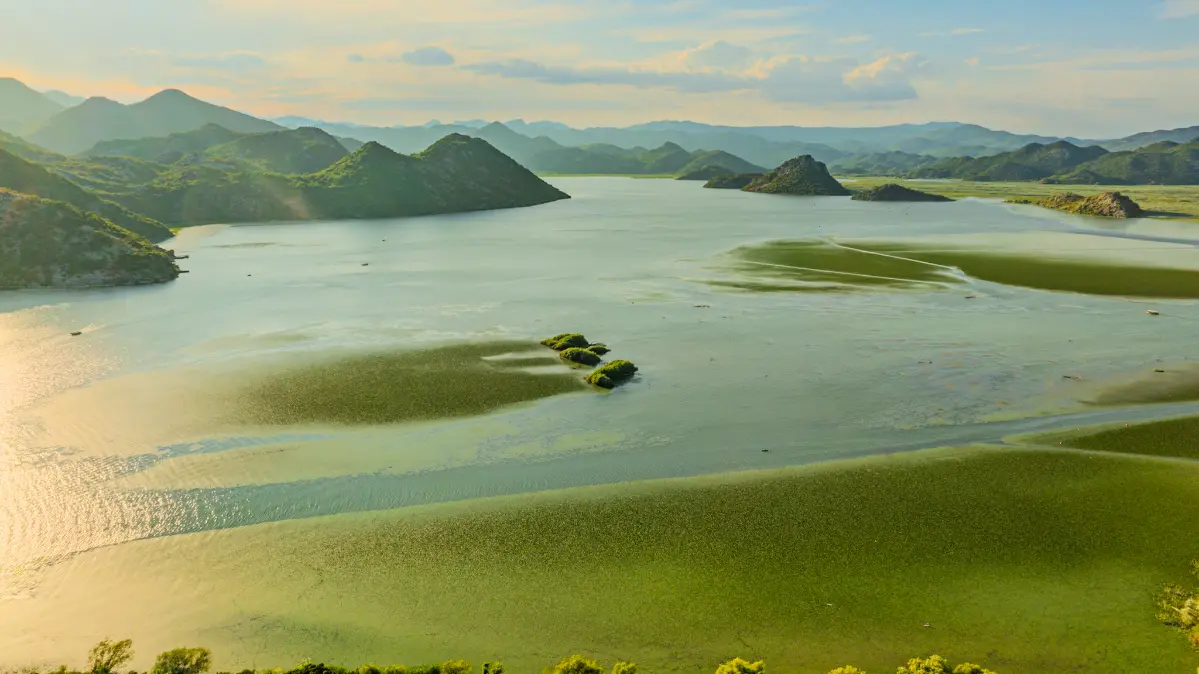
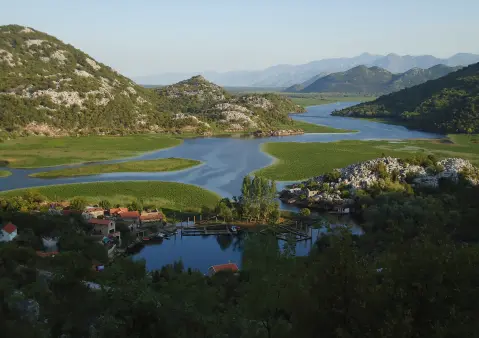
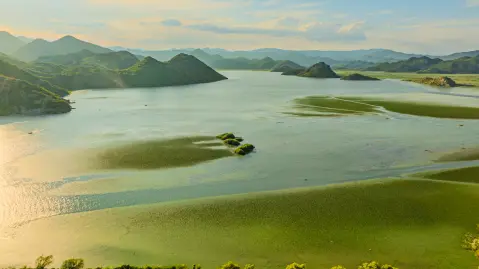
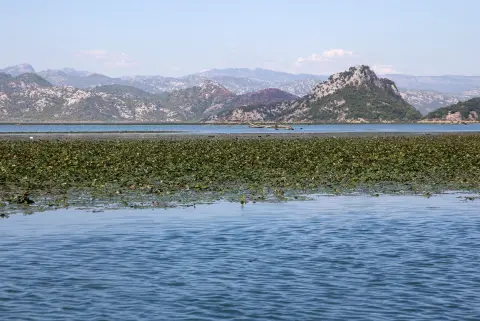
From the northern walls of the fortress, a sweeping view opens over Lake Skadar — the largest lake in the Balkans, covering 370 km² in summer and up to 540 km² in winter. Lesendro was once an island entirely surrounded by lake waters, and today is connected to the mainland by an embankment alongside which run the highway and the Belgrade–Bar railway. The view from the fortress, particularly towards the open lake and the Albanian mountains in the background, is the reason photographers and nature lovers visit this location. Morning light and the mist rising from the lake create a distinctive atmosphere characteristic of this part of Lake Skadar.
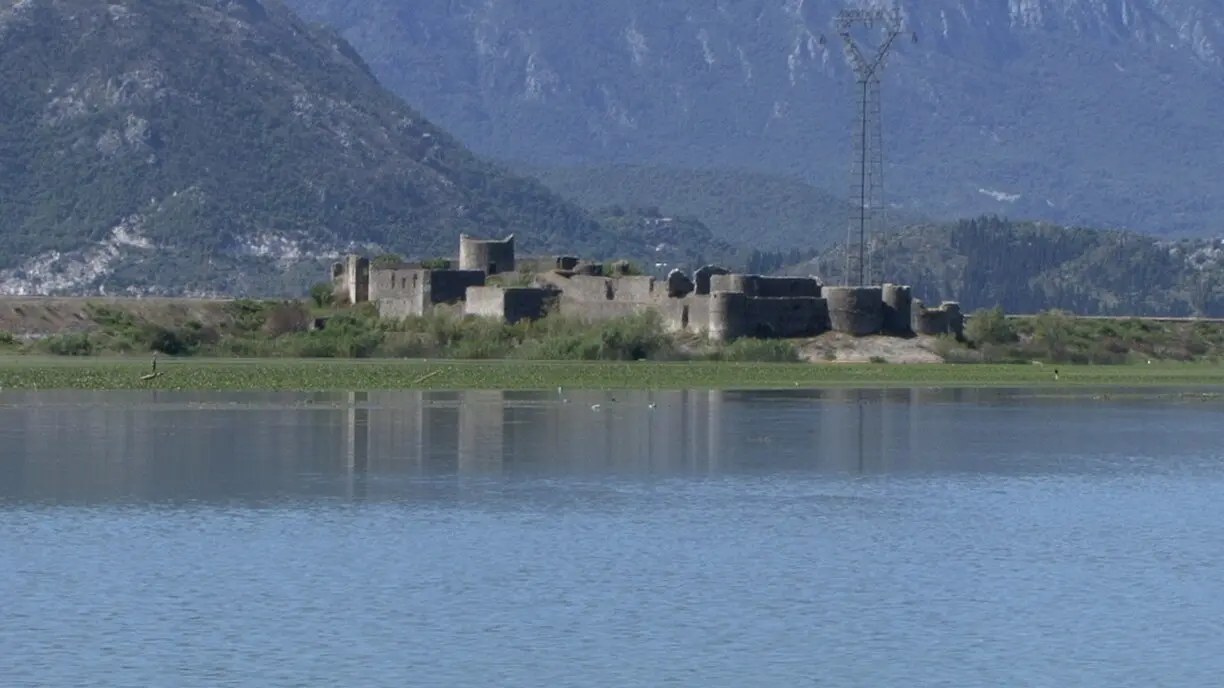
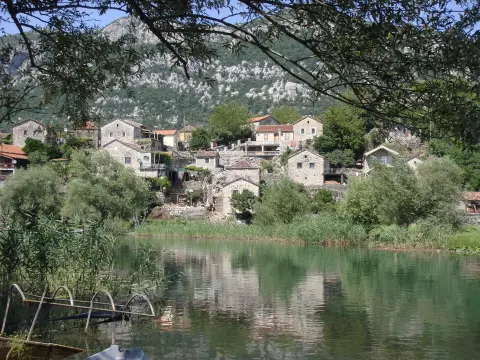
Just 500 metres from Lesendro Fortress lies the fishing village of Vranjina on its eponymous island, which is also the headquarters of the Skadar Lake National Park administration (established in 1983). Vranjina is known for its catches of fresh lake fish — grey mullet, crucian carp and eel — regularly brought to the local market. Restaurants along the shore offer fish prepared in the traditional manner, making Vranjina the natural starting point for visiting Lesendro and the surrounding lake sites. From here it is possible to hire a guide for further exploration of the lake by boat or kayak.
A few kilometres south of Lesendro, on a small rocky islet, stands Grmožur fortress — a former prison built by King Nikola for political opponents, known as the 'little Alcatraz'. The Turks built it after 1843 on the same rock where their own defensive fortifications had previously stood, as a counterpart to the Montenegrin fortress of Lesendro. Today the walls of Grmožur are home to colonies of pelicans, herons and cormorants, making it one of the most photogenic locations on the entire lake. Grmožur can only be reached by boat — organised tours depart from Virpazar.
What to do
Explore the remains of the walls, the entrance gate and the interior of the fortress (approximately 80 x 15 m).
Photograph the fortress from the lake side — the view of the ruins from a boat or kayak is particularly striking.
Approach the fortress by kayak from the lake side — the calm waters of Lake Skadar are ideal for paddling.
The surrounding lake and shoreline vegetation attract pelicans, herons and cormorants visible from the fortress walls.
The waters around Lesendro are a well-known fishing destination thanks to the rich fish stocks of Lake Skadar.
Hiking, walking and cycling routes that start here or pass nearby, with maps and GPX downloads.
1.0 km35–50 min
1.2 km40–55 min
1.4 km↑ 276 m55–80 min
9.9 km↑ 127 m45–65 min
10.1 km↑ 386 m3–4½ h
11.4 km↑ 62 m2½–4 h
15.1 km↑ 107 m45–65 min
Loop
20.0 km↑ 373 m1½–2 h
LoopGallery
Plan Your Visit
Admission
No entry fee (free access to the ruins).
The fortress is a free ruin without an organized entrance — accessible throughout the entire day.
Free parking in the nearby village of Vranjina, approximately 500 meters from the fortress. There is no designated parking area next to the fortress itself.
The fortress is a ruin without maintained paths. The terrain is uneven, and the pedestrian section along the main road has no sidewalk — it is not adapted for persons with reduced mobility.
FAQ
Around here

Ask about Montenegro
Ask me about destinations, restaurants or activities.