
Nature
Birdwatching
Observe 280+ species of birds at 5 ornithological stations around the lake.
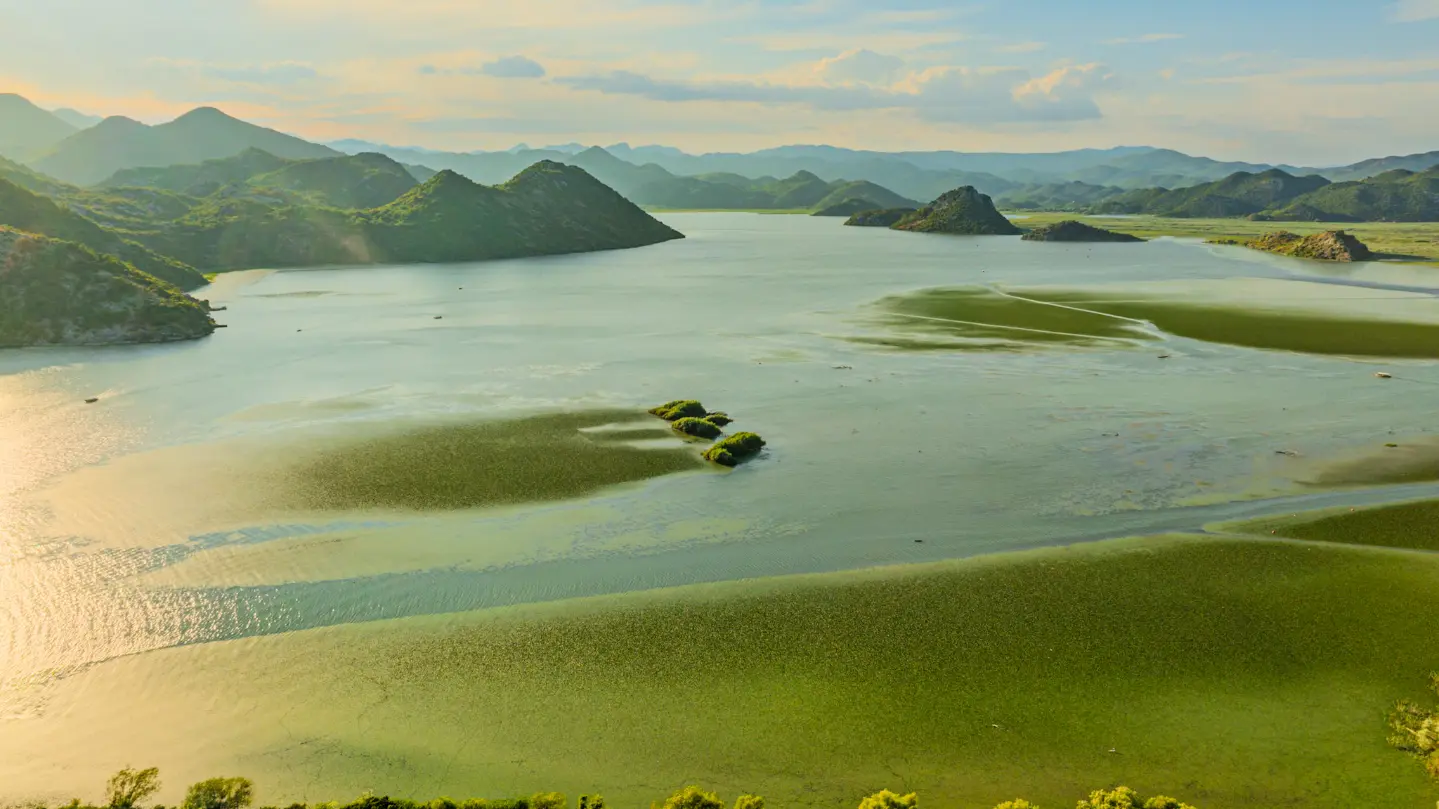
The Largest Lake in the Balkans, Home to Birds and Culture
Lake Skadar is the largest lake in the Balkans and the only national park in Montenegro dominated by aquatic and wetland ecosystems.
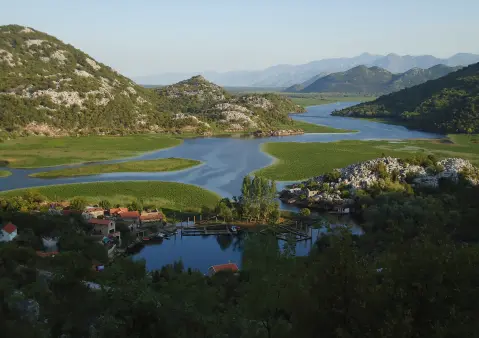
Declared a national park in 1983, the lake stretches along the border of Montenegro and Albania, with its surface area varying between 370 and 540 km² depending on the season. It is home to more than 280 species of birds, including the rare Dalmatian pelican and cormorants, and is listed on the prestigious RAMSAR list of wetlands of international importance. Visitors can explore islands with monasteries, sail through channels surrounded by water lilies and water chestnuts, and enjoy the rich cultural and historical heritage of the region.
Highlights
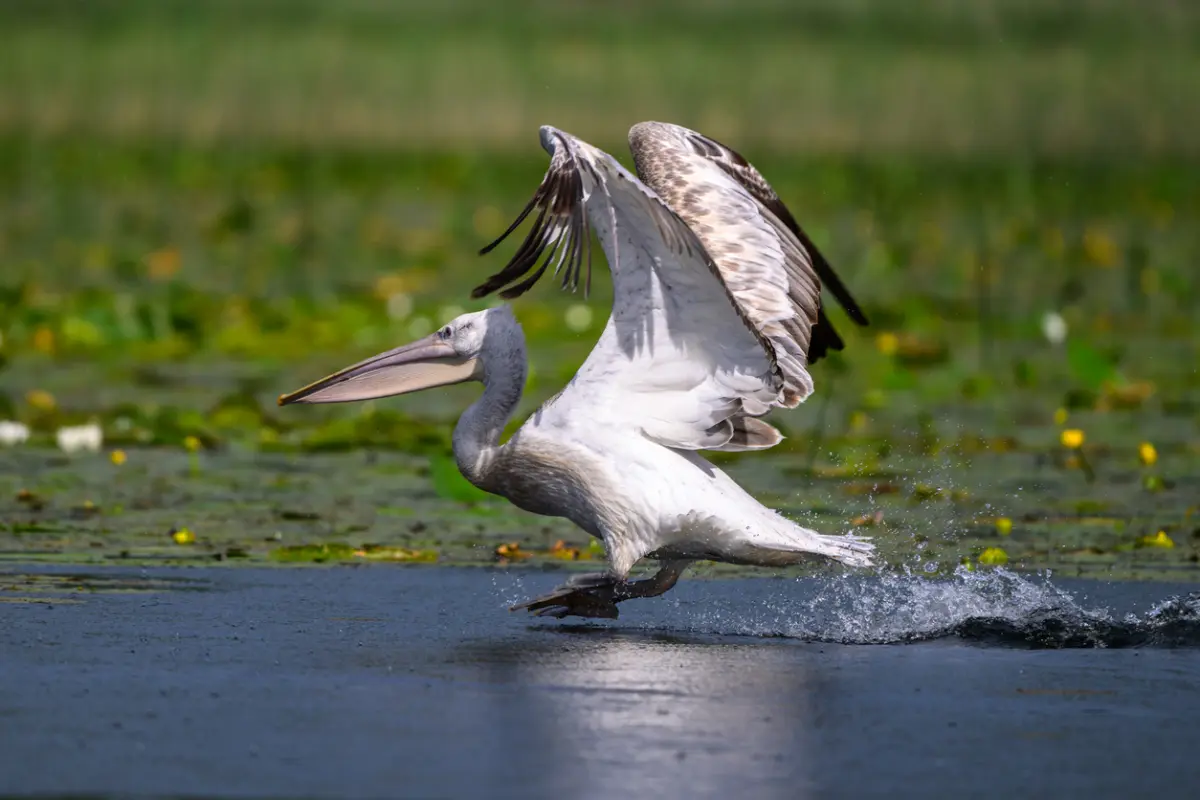
Lake Skadar is one of the most important bird habitats in Europe, holding IBA (Important Bird Area) status. Around 280 species of birds live, nest, overwinter, and migrate through the lake, including the rare Dalmatian pelican and cormorants. Visitors can observe birds at five ornithological stations: Manastirska tapija, Grmožur, Omerova gorica, Crni žar, and Pančevo oko. The best period for birdwatching is autumn and winter, when migratory species gather on the lake in the greatest numbers.
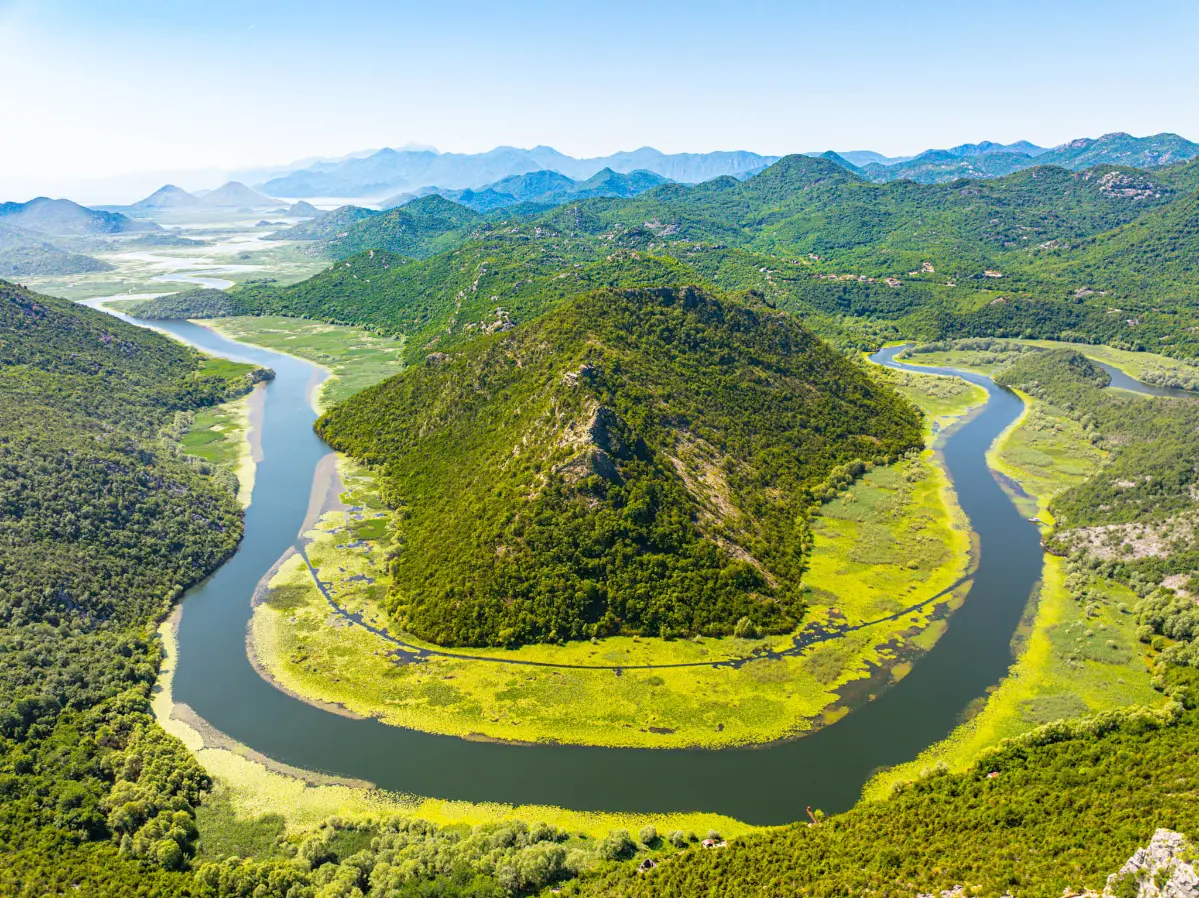
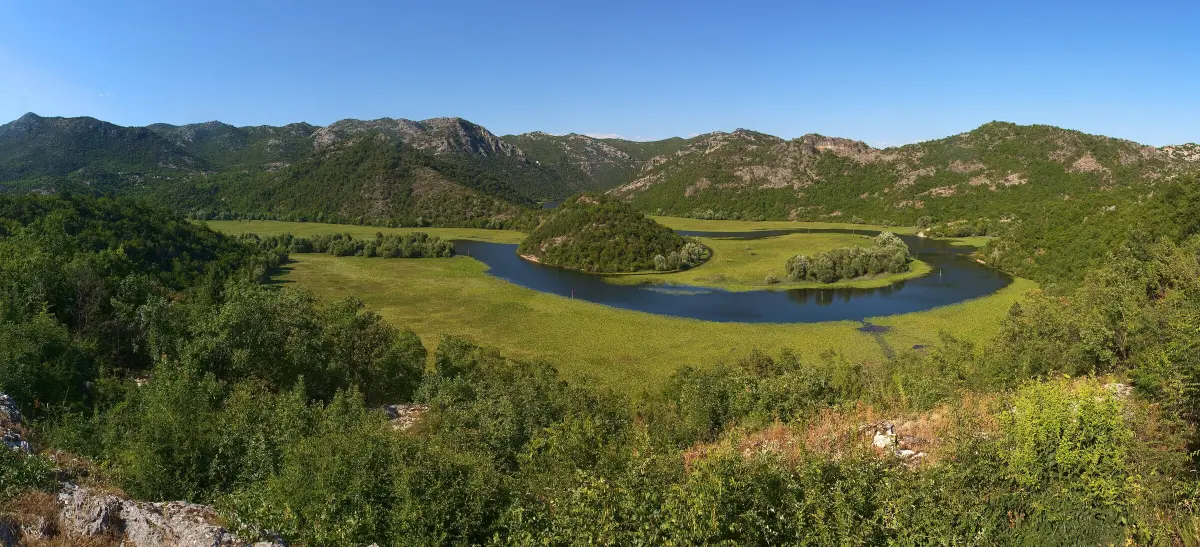
Pavlova strana is the classic and most well-known photo spot on Lake Skadar, offering a panoramic view of almost the entire lake surface and the surrounding mountains. From this viewpoint, you can clearly see how the lake changes colour and intensity depending on the time of day and season. It is accessible by car and on foot, and the view it offers ranks among the most striking landscapes in the Balkans. A visit in the early morning hours or at dusk is recommended for the most beautiful lighting effects.
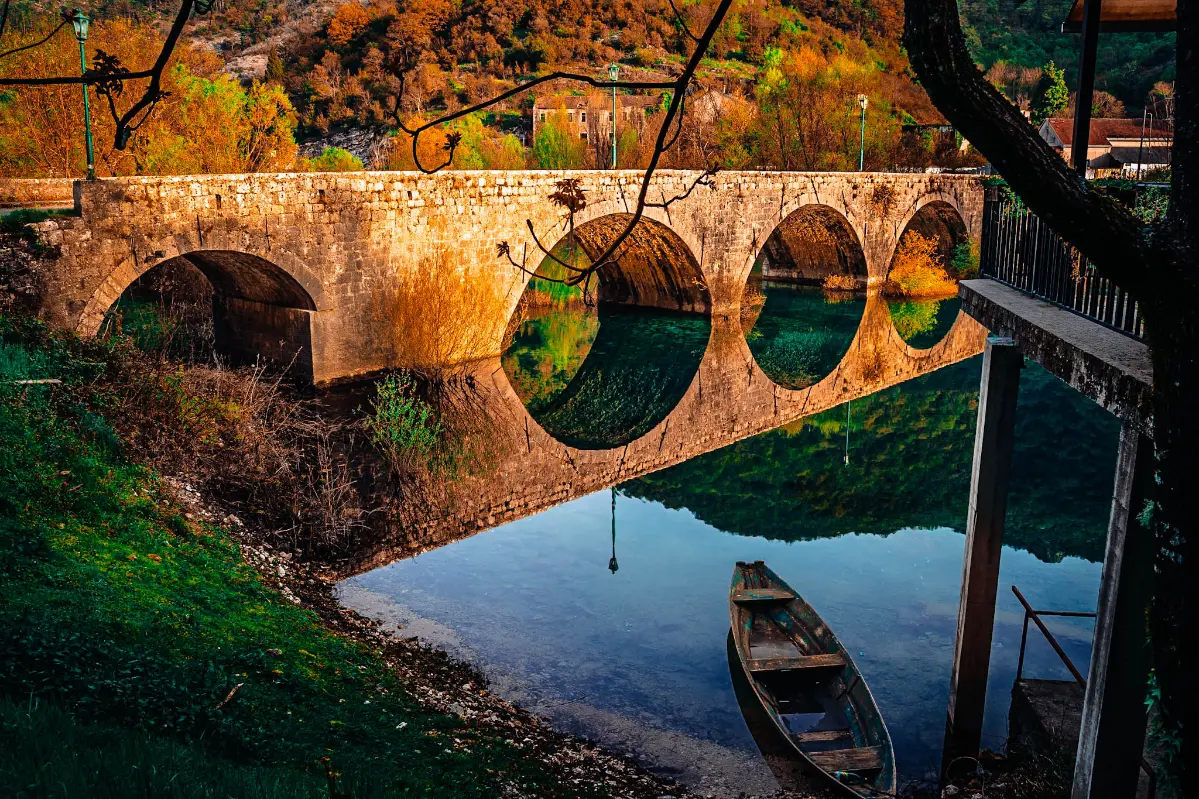
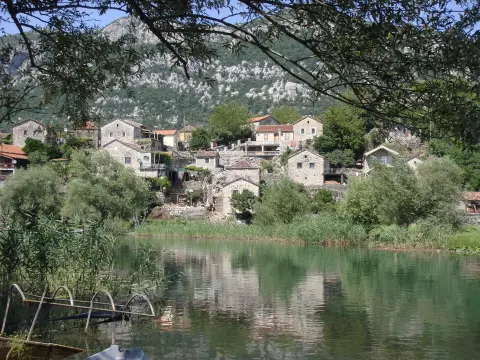
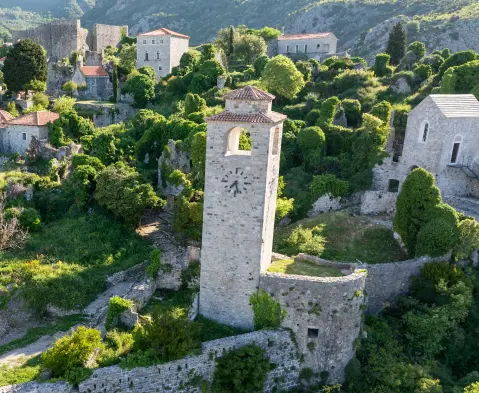
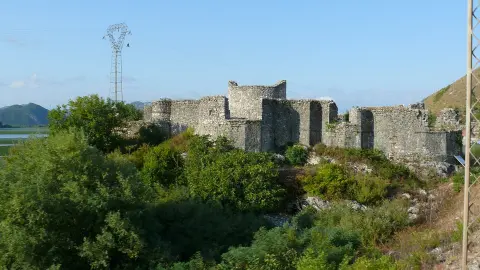
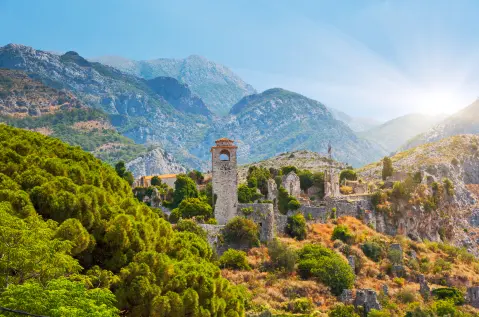
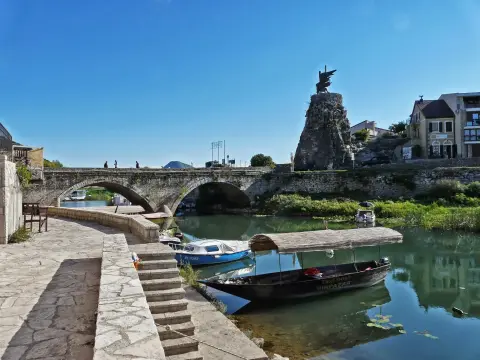
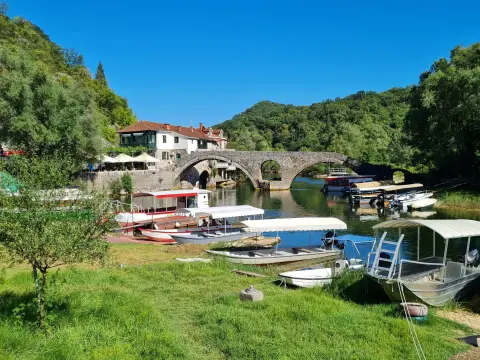
Rijeka Crnojevića on the northern shore of the lake is one of the most photogenic locations in the entire national park, with authentic vernacular architecture, old bridges, and mills that bear witness to centuries of life alongside the lake. Nearby Žabljak Crnojevića preserves the remains of the fortification of the former Crnojevići nobility and offers spectacular views of the lake. This area is an ideal starting point for exploring the northern side of the lake and guided tours to hidden archaeological sites and monasteries not found on standard tourist routes.
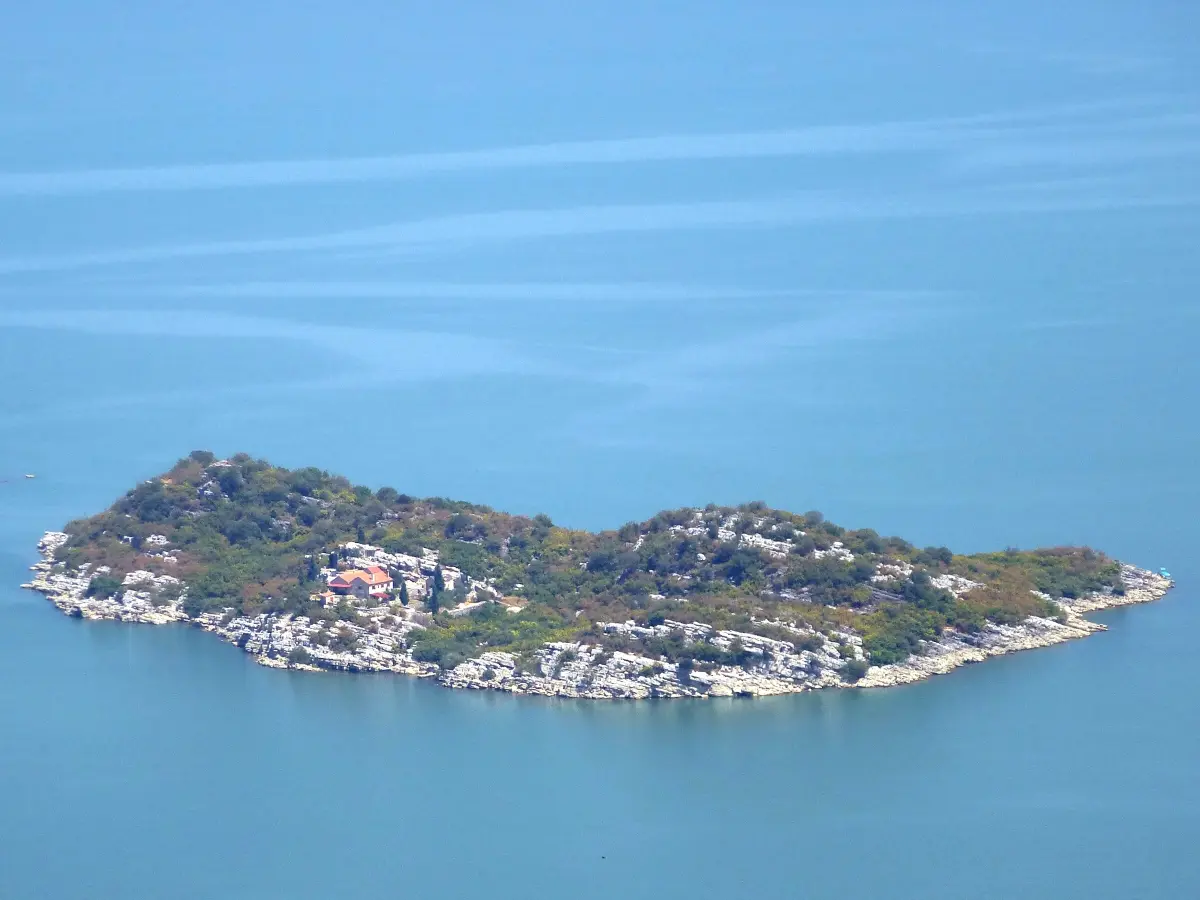
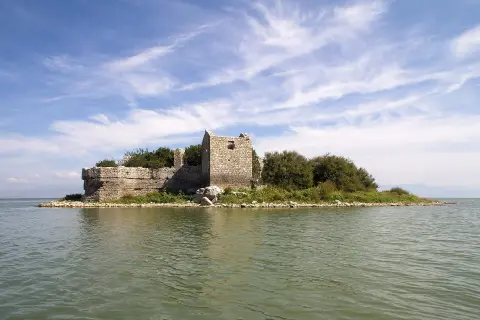
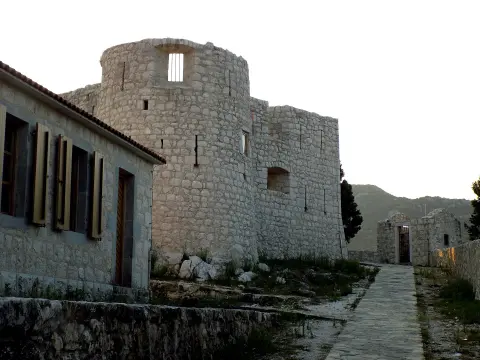
Lake Skadar conceals several monasteries set on small islands, which for centuries served as spiritual and cultural centres of this region. Accessible exclusively by boat, these monasteries represent a unique combination of natural beauty and sacred architecture. The lake's surroundings are home to numerous archaeological sites, churches, and fortifications that testify to the region's rich history. Once a favourite destination of the former Montenegrin royal family, this area still exudes a special atmosphere of peace and historical depth.
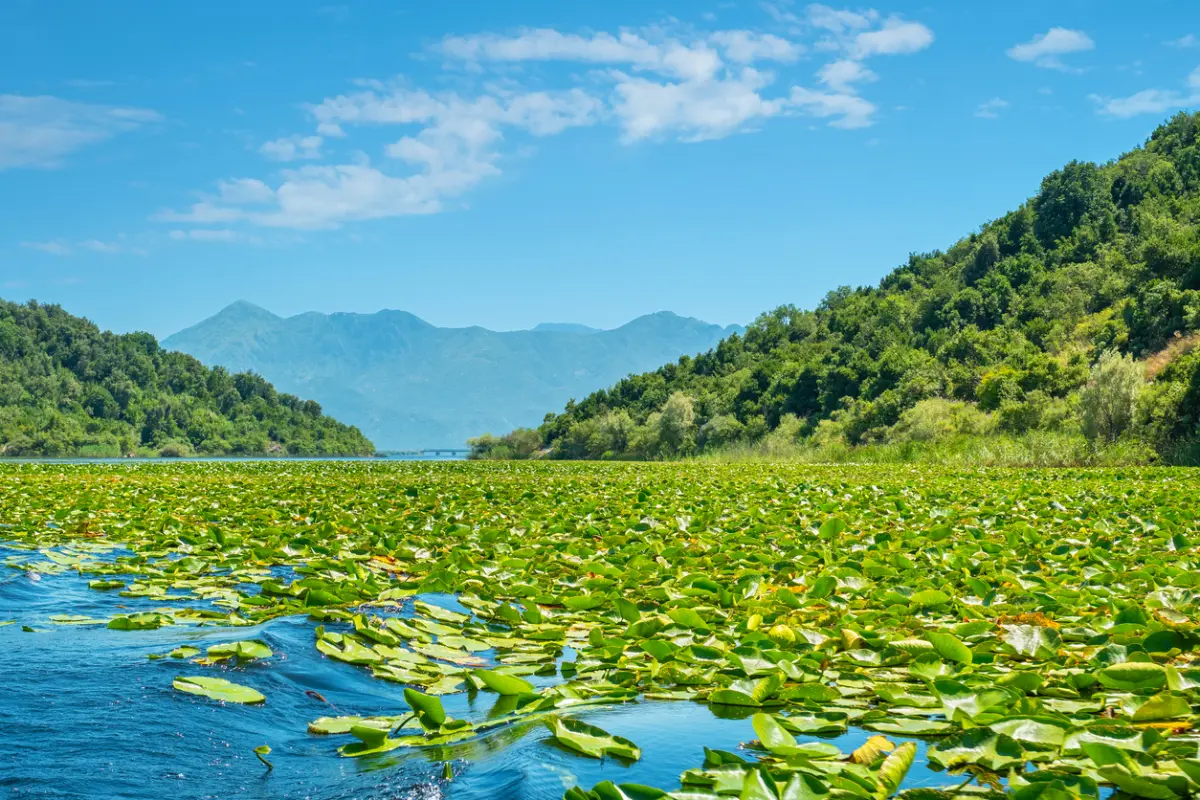
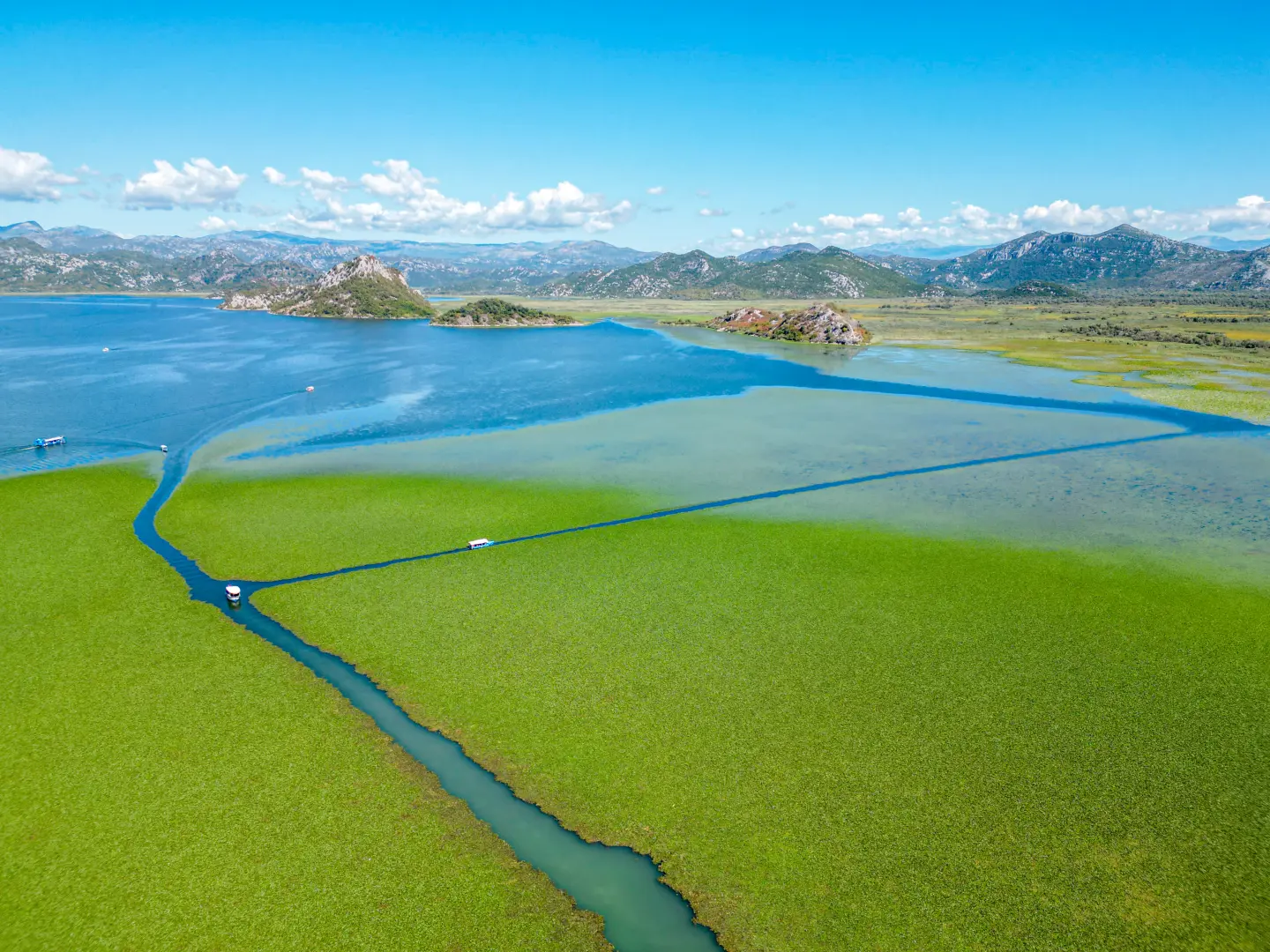
One of the most striking natural sights on Lake Skadar are the vast meadows of water lilies and water chestnuts – known locally as kasoronja – which spread for kilometres across the lake's surface during the summer months. The northern marshy shore, covering around 20,000 hectares, provides ideal conditions for the growth of this plant cover and wildlife habitat. Sailing through these green carpets of water lilies to the sound of a breeze rustling through the reeds is one of the most authentic experiences the national park has to offer. Beyond the water lilies, the lake and its surroundings are characterised by exceptional botanical diversity throughout the year.
What to do
Nature
Observe 280+ species of birds at 5 ornithological stations around the lake.

On the water
Explore the narrow channels and hidden corners of the lake by kayak at your own pace.
On the water
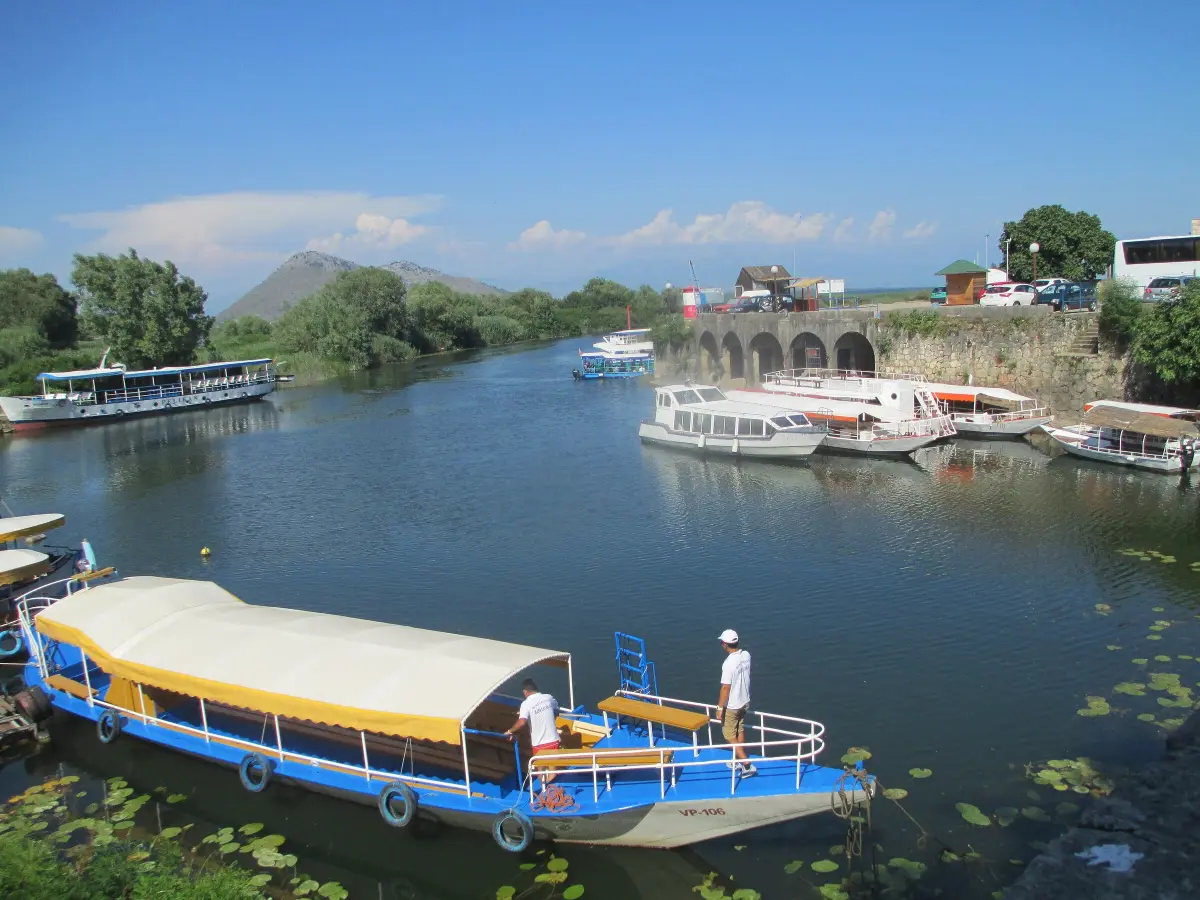
Boat trip from Virpazar to the island monasteries and the most beautiful parts of the lake.

Adventure
Cycle along the lake shore through fishing villages and vineyards.

Mountains
Walking trails to viewpoints such as Pavlova strana with views over the entire lake.

Food & wine
The surroundings of Skadarsko jezero are the heart of Montenegrin viticulture – visit the Plantaže winery, the Šipčanik wine cellars, and smaller family wineries in the Crmnička region. Try the indigenous wines Vranac and Krstač alongside fresh lake fish – carp, eel, and bleak. The famous fish stew from Skadarsko jezero is a must-eat dish for every visitor.
Narration, a map and the full text in the browser – no app, works offline.
Hiking, walking and cycling routes that start here or pass nearby, with maps and GPX downloads.
EuroVelo 8 – Mediterranean Route – Montenegro Section is a cycling route 195.0 km long from Njivice to Sukobin. It runs on asphalt, has 3,259 m of ascent and passes through the coastal area, Lovćen National Park and Lake Skadar.
195 km3,259 m2–3 days
View trail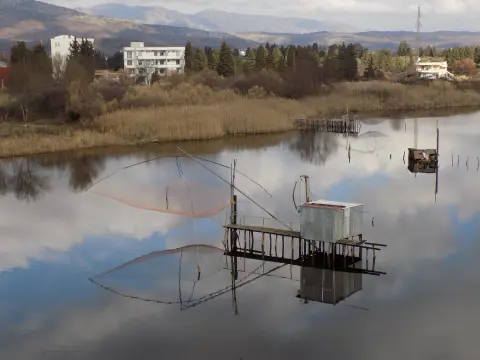
Trail TT5 takes you along almost 148 km, predominantly on asphalt, with a total ascent of 2604 m. It passes by Lake Skadar, historic fortresses, and landscapes that tell stories of water.
148 km2,604 m2–3 days
View trail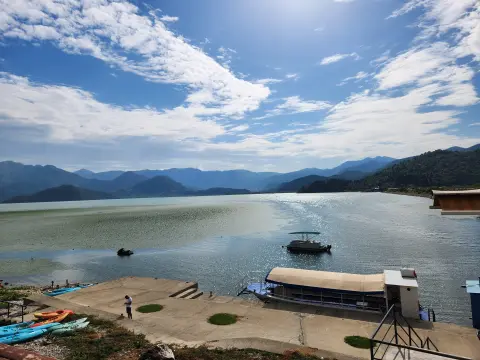
The 1.0 km trail leads from Velji vrh to the parking area by the lake, overcoming 282 m of descent. The terrain is a combination of a dirt forest trail and a rocky section, so good footwear and careful walking are needed.
1.0 km35–50 min
View trail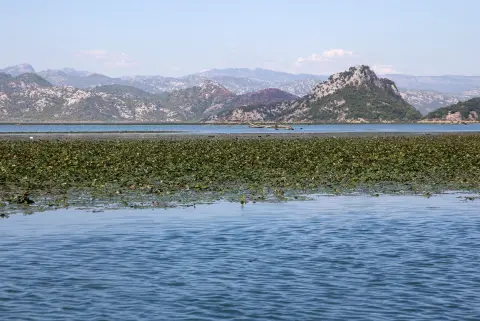
Short and demanding marked trail in Skadar Lake National Park. It is 1.2 km long, with no ascent and 284 m of descent, taking about 45 min of walking.
1.2 km40–55 min
View trail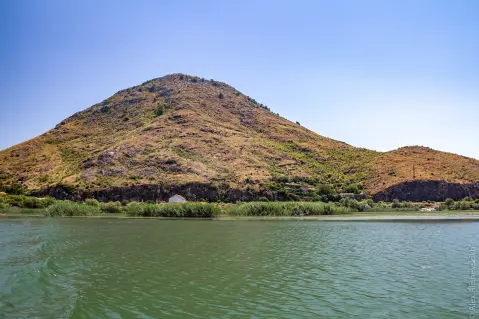
The 1.4 km trail leads from Mala Venecia to Velji vrh (303 m a.s.l.) through Skadar Lake National Park. An ascent of 276 m over a short distance makes it demanding, but the reward is panoramic views of the lake.
1.4 km276 m55–80 min
View trail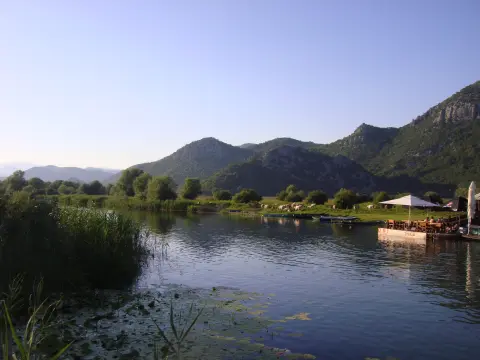
Easy cycling trail 9.9 km long in Skadar Lake National Park; ridden one-way, mostly on gravel, with a 127 m ascent and a duration of about 55 minutes without breaks. The start is near Žabljak Crnojevića.
9.9 km127 m45–65 min
View trail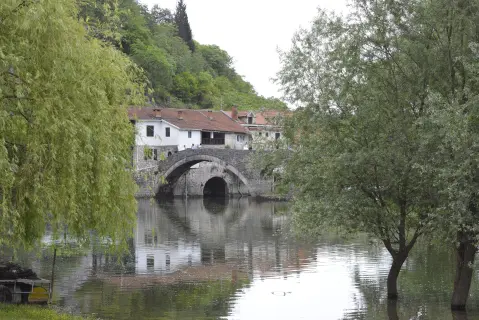
Trail 792B leads from Komarno to Rijeka Crnojevića through Skadar Lake National Park. The length is 10.1 km, with 386 m of ascent and 611 m of descent; it passes by a waterfall and a spring.
10.1 km386 m3–4½ h
View trail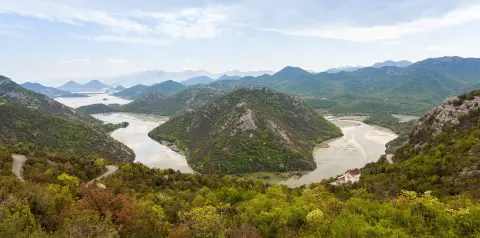
Cycling trail NPSJ02 runs through Skadar Lake National Park. It is 10.7 km long, easy, and can be completed in about 50 min without stops, with a surface that is 100% asphalt/concrete.
10.7 km184 m45–60 min
View trailGallery
Plan Your Visit
The national park is accessible throughout the year. Ornithological stations and arranged sites are available daily.
Daily ticket for Skadar Lake National Park: €5 per person (price list at nparkovi.me).
Parking is available in Virpazar as the main entry point to the national park.
The flat parts along the shore and Virpazar are accessible for people with reduced mobility. Boat tours are available to everyone. Mountain and forest trails can be more demanding.
FAQ
Around here
Explore More