Montenegro's Holiest Pilgrimage Site
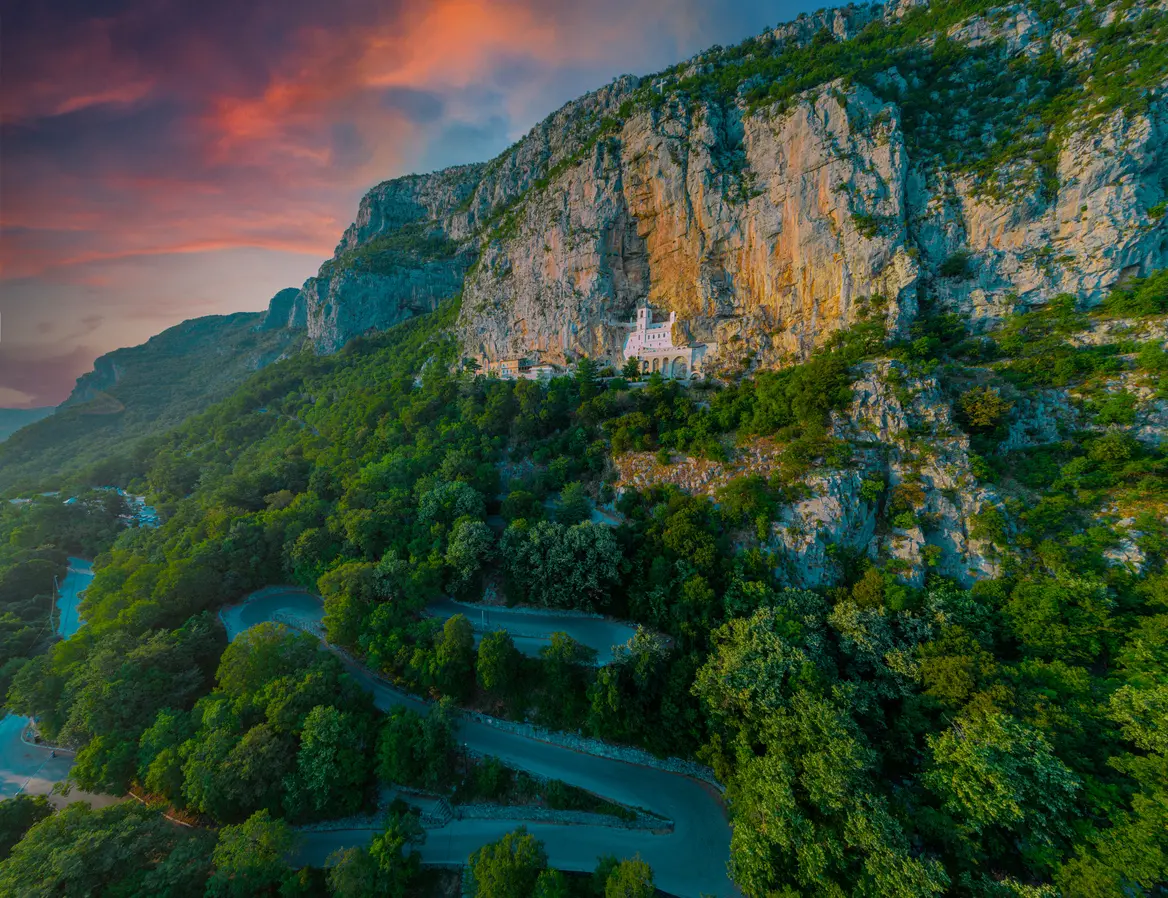
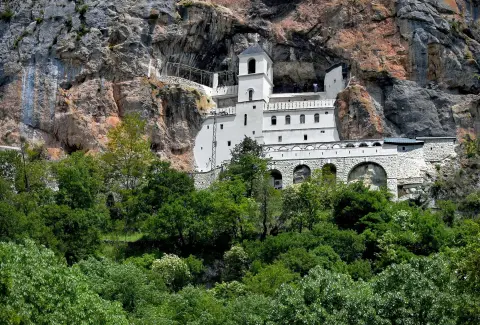
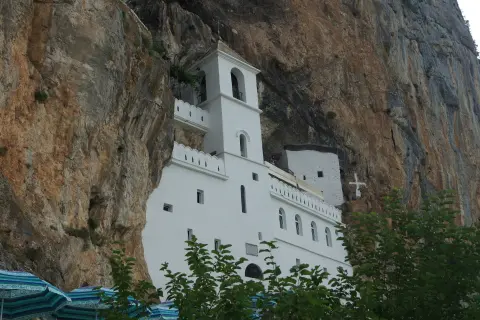
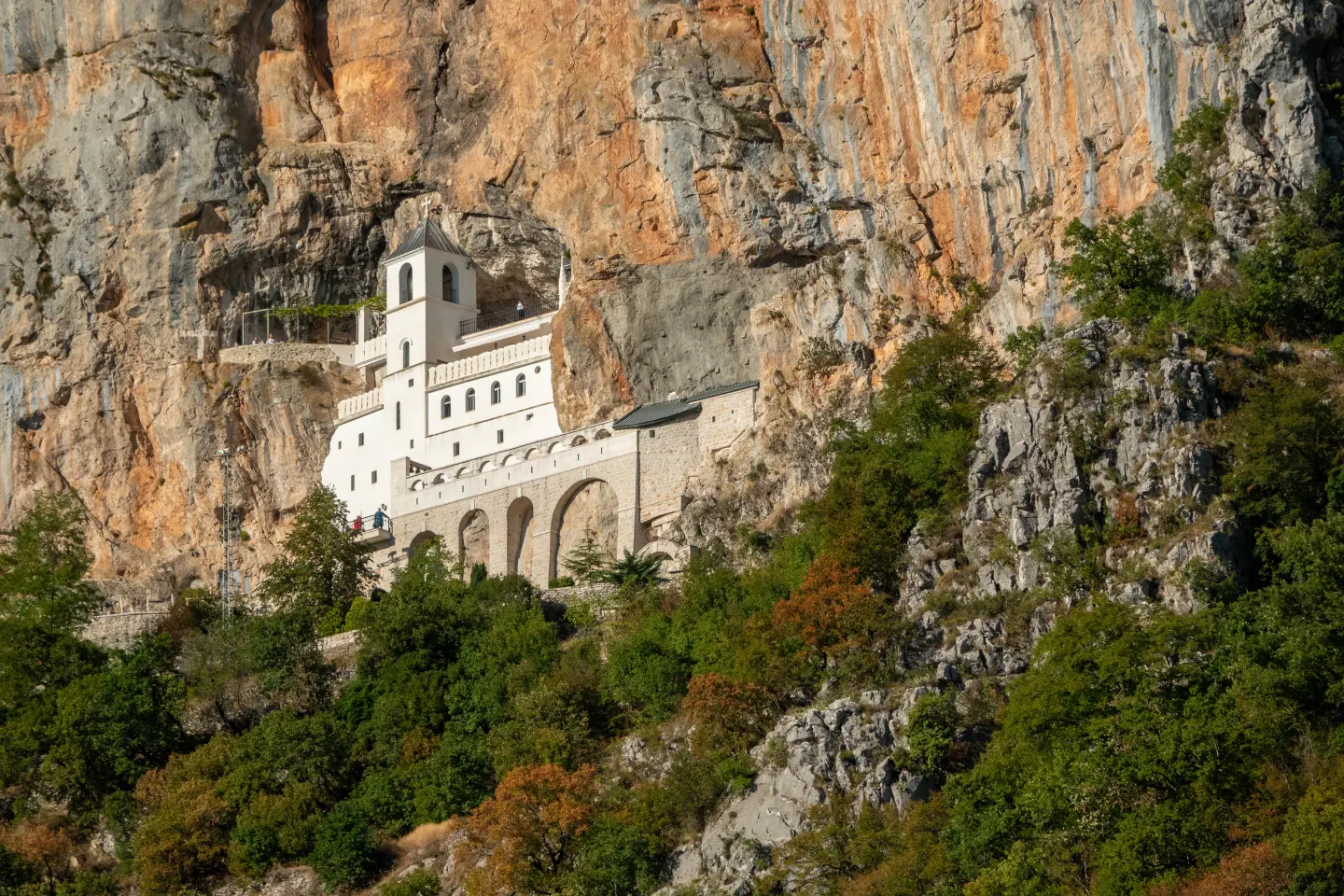
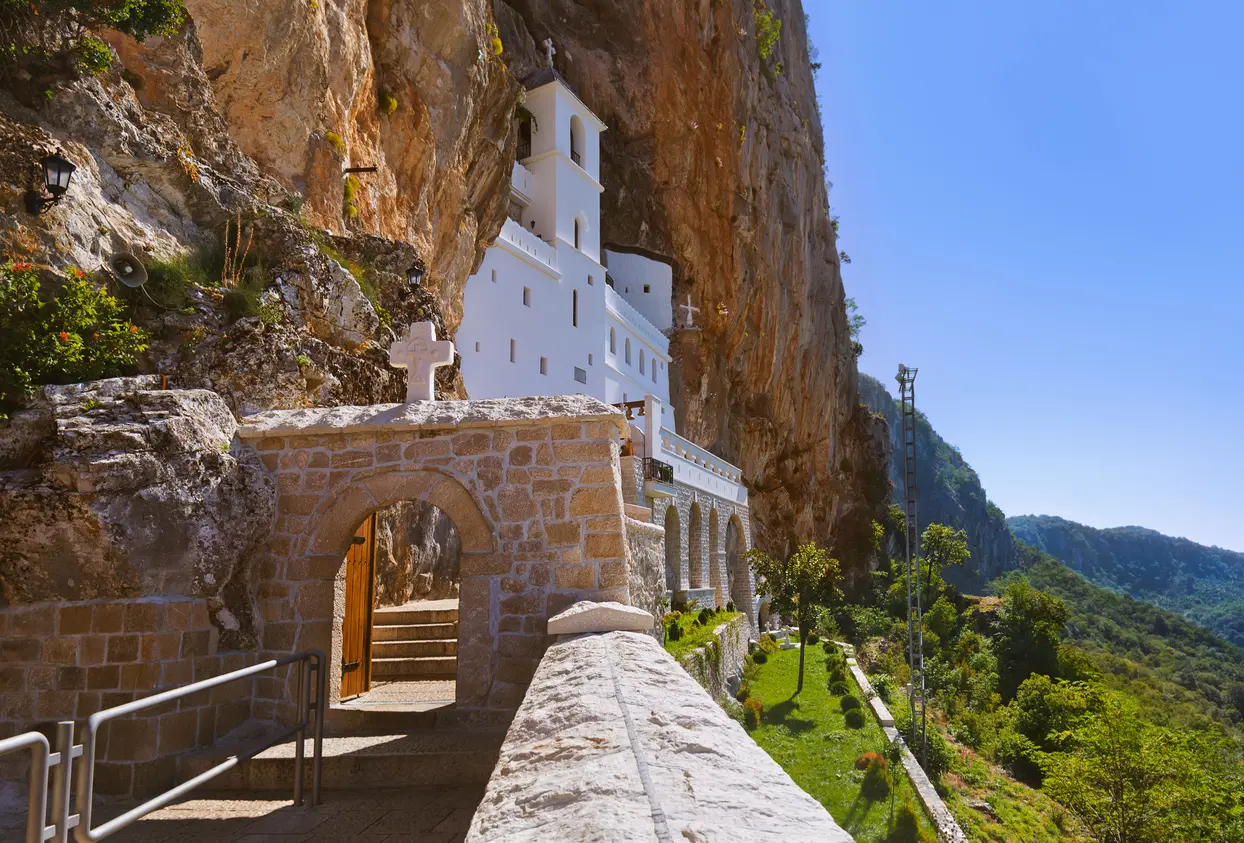
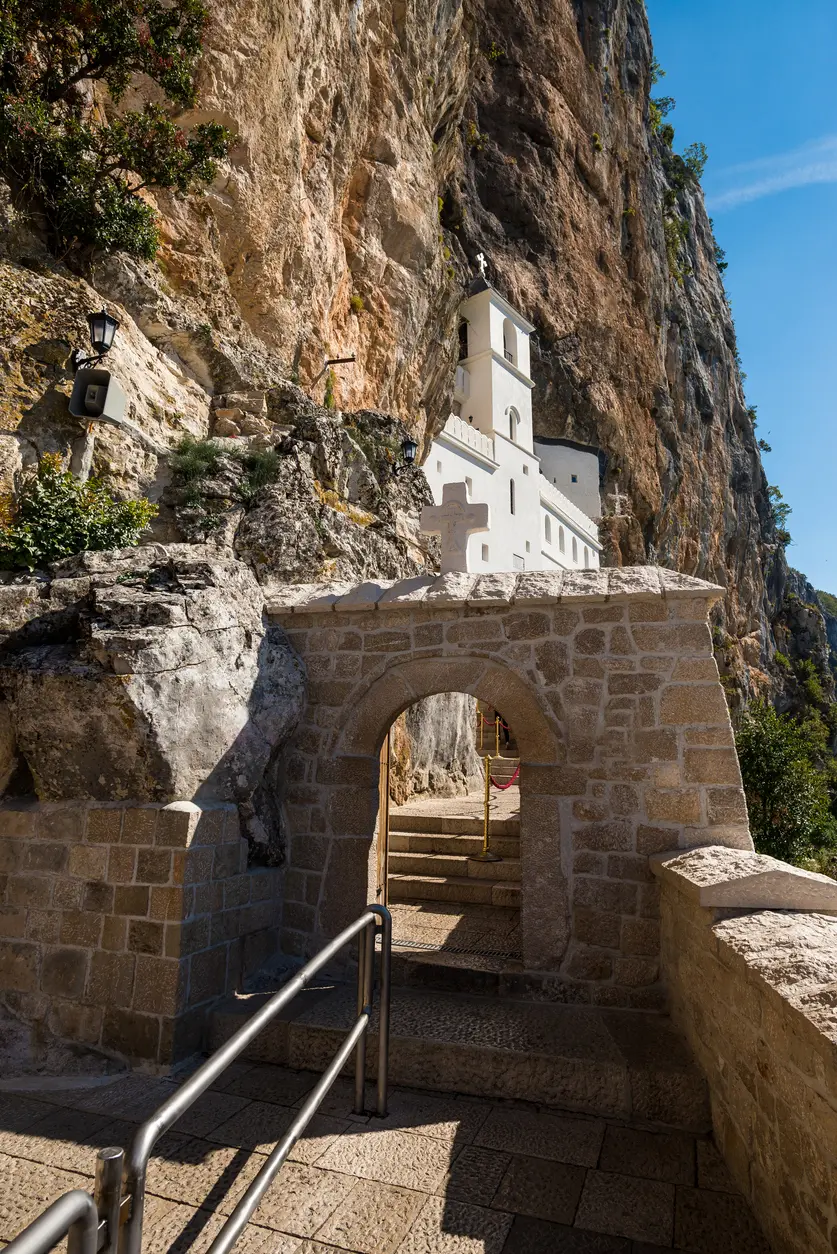
Ostrog Monastery is the most significant Orthodox pilgrimage shrine in Montenegro and one of the most visited monasteries in the entire Balkans. Carved into the near-vertical cliff of Ostroška greda at an altitude of 900 metres, the monastery was founded in the 17th century by Saint Vasilije Ostroški, whose relics still rest in the Church of the Presentation of the Virgin. Pilgrims of all faiths — Orthodox Christians, Catholics, and Muslims — travel here from around the world in hope of miraculous healing. The complex comprises the Upper Monastery, set deep within a natural cave recess, and the Lower Monastery with the Church of the Holy Trinity, built in 1824.
Location
Between Danilovgrad and Nikšić
Altitude
900 m
Founded
1666
Annual visitors
Up to 1,000,000
Faiths
Orthodox Christians, Catholics, Muslims
Distance from Podgorica
~50 km
Highlights

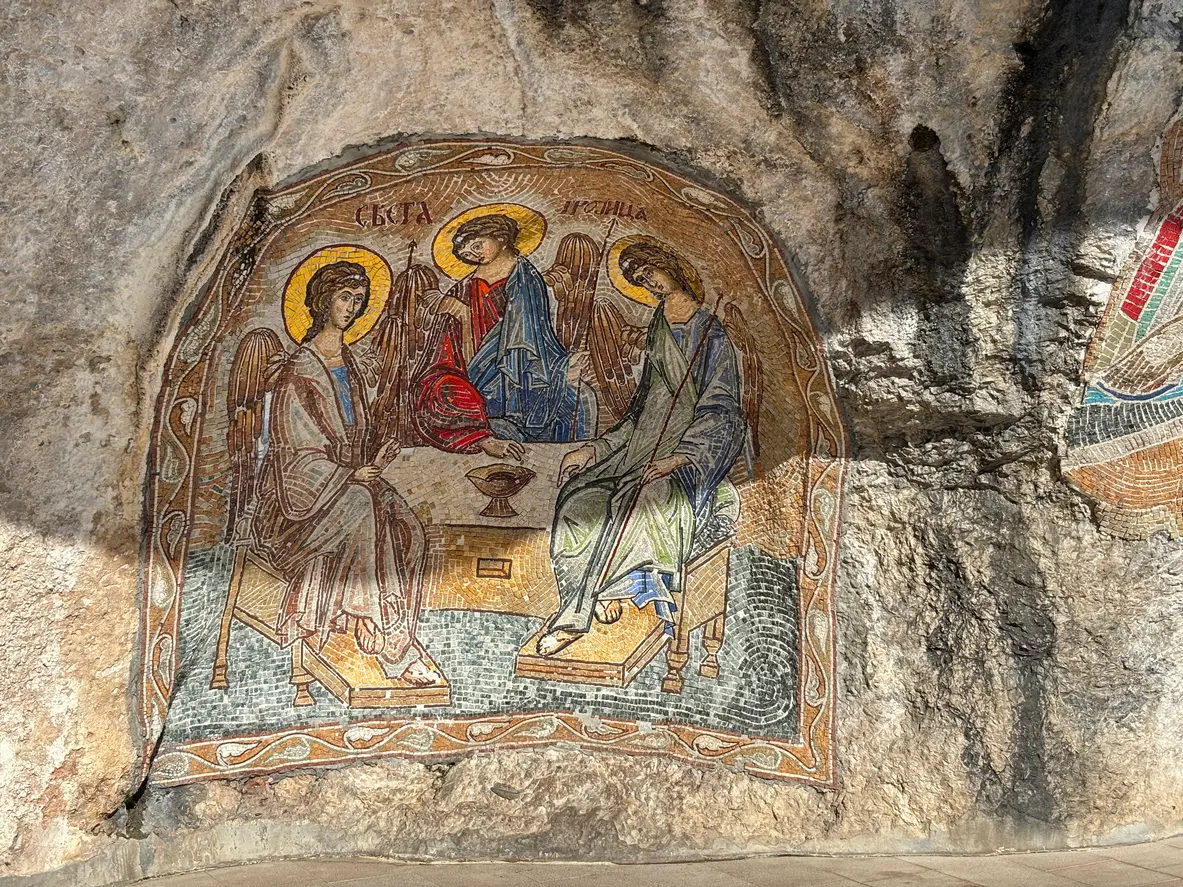
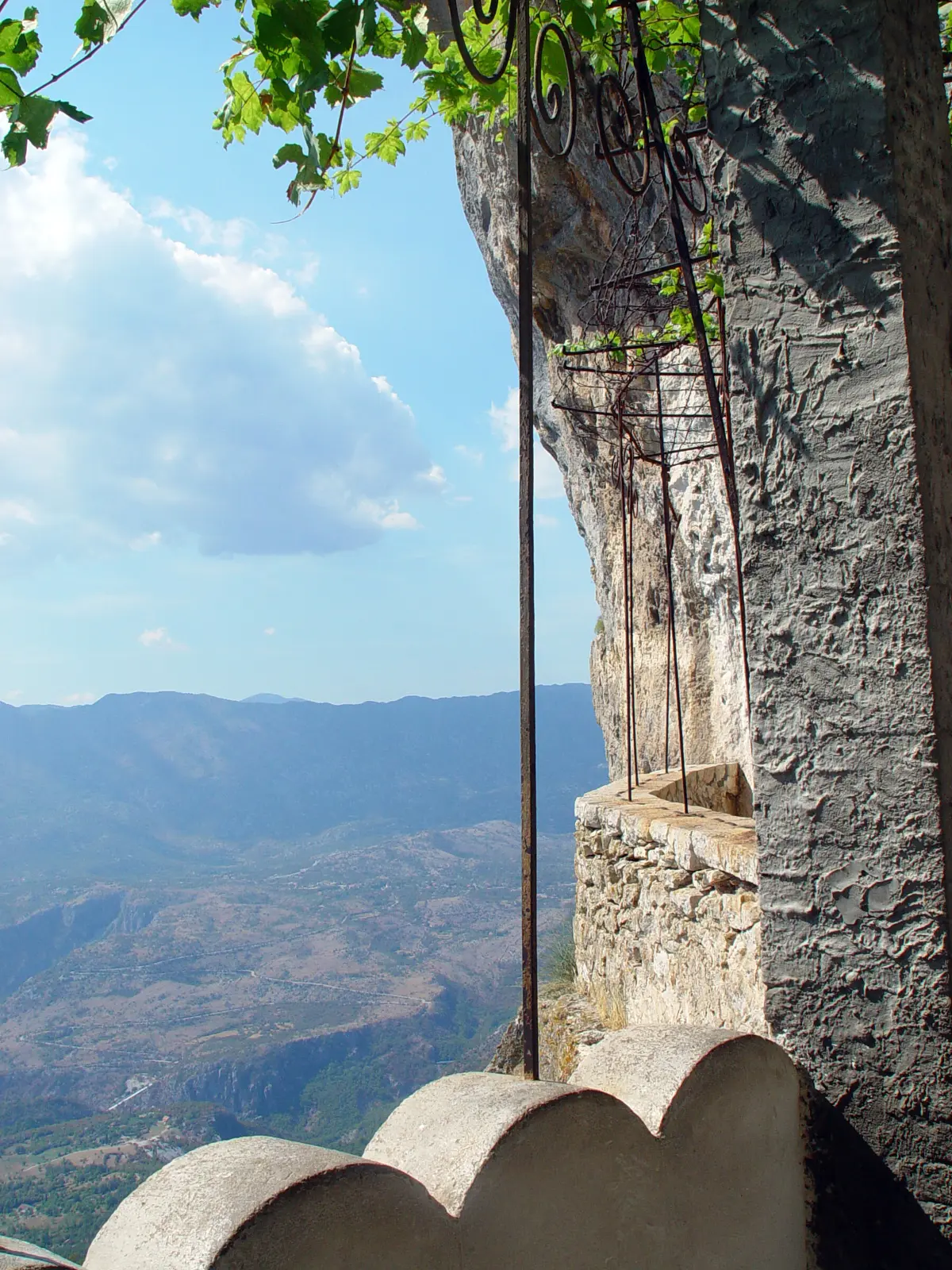
The Upper Monastery is an architectural marvel carved into the near-vertical cliff of Ostroška greda at 900 metres above sea level. It comprises two cave churches: the Church of the Presentation of the Virgin, which houses the relics of Saint Vasilije Ostroški, and the Church of the Holy Cross, built in 1665. The frescoes inside the churches, created by master painter Radul in 1667, are partly painted directly onto the rocky cave walls. From the terrace of the Upper Monastery, there is a breathtaking panoramic view over the Bjelopavlići plain and almost all of Montenegro.
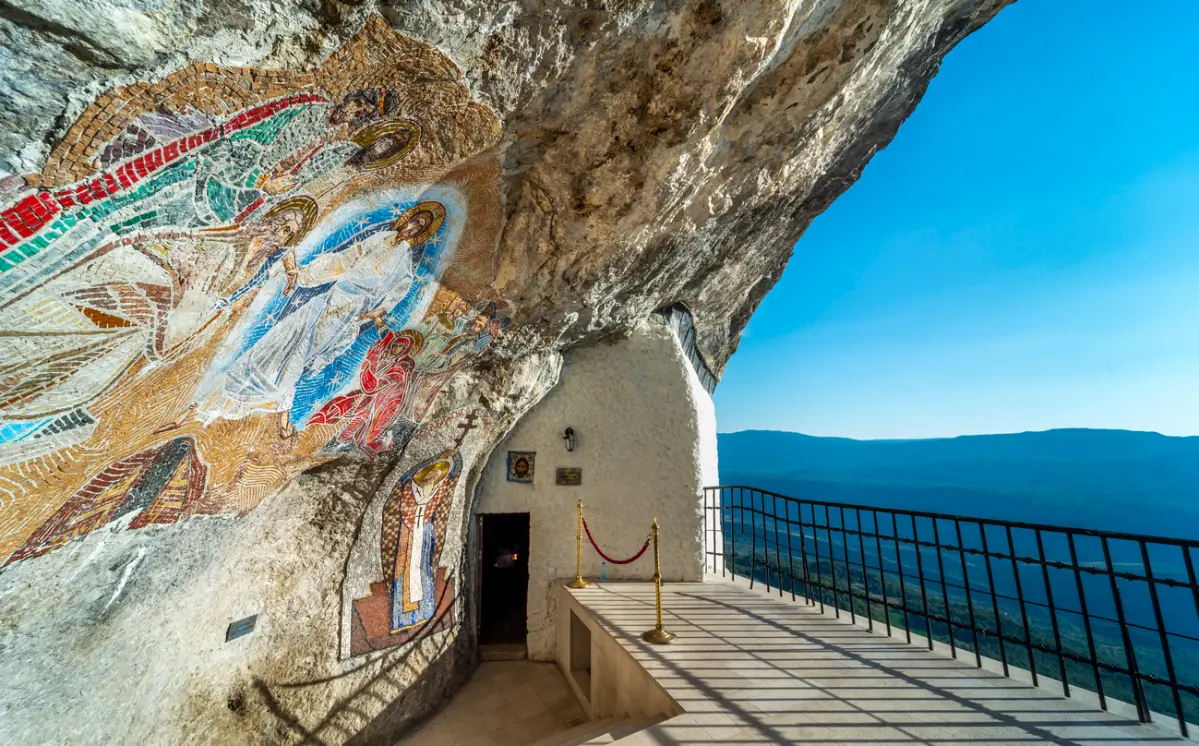
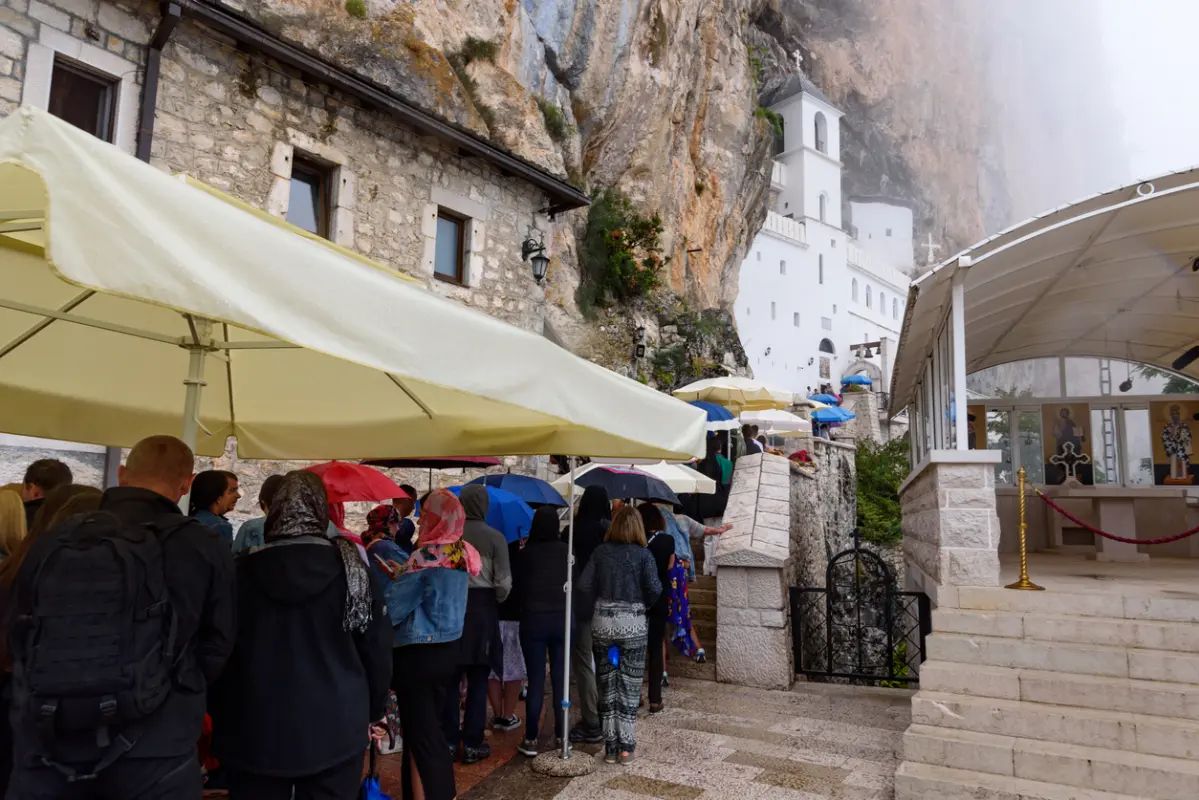
The Church of the Presentation of the Virgin in the Upper Monastery houses the relics of Saint Vasilije Ostroški, found intact seven years after his death in 1671. The sarcophagus containing the relics is the most important pilgrimage destination in Montenegro, drawing believers from around the world — Orthodox Christians, Catholics, and Muslims — who come in hope of miraculous healing. Tradition holds that visitors should bring a gift for the monks (clothing, soap, or other goods) before entering the church.

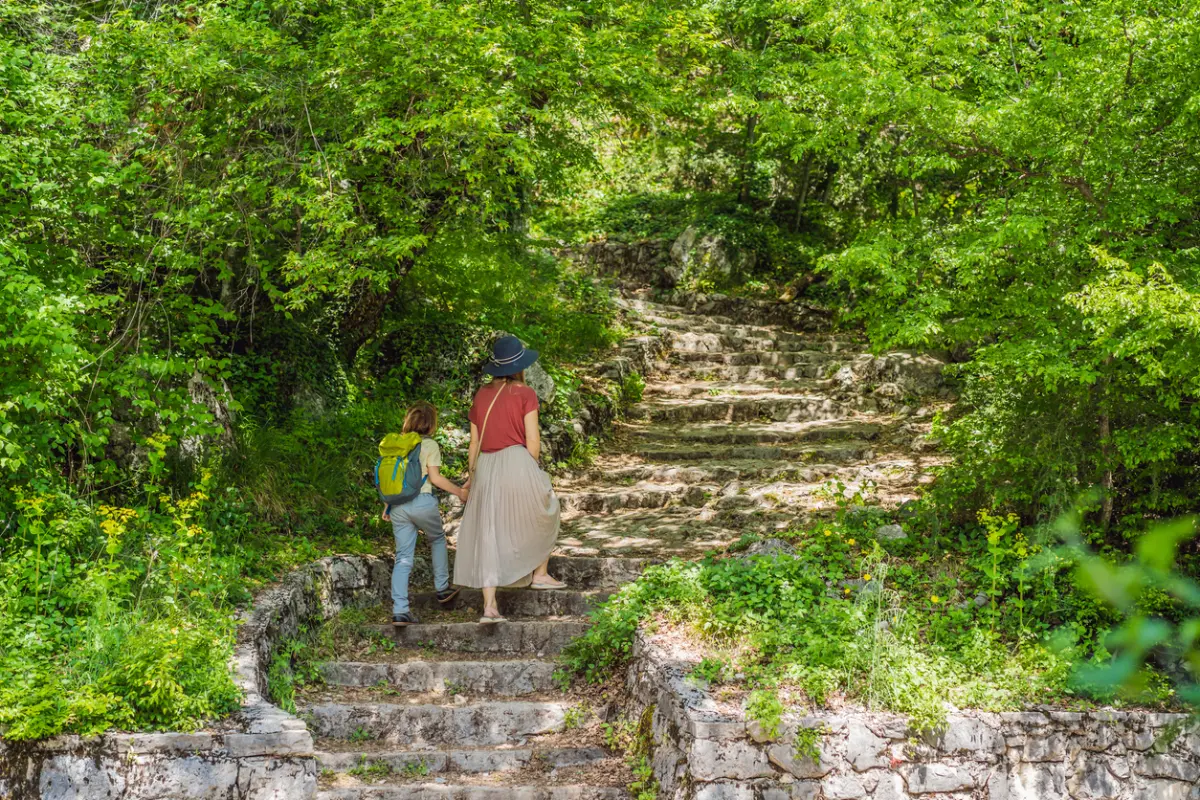
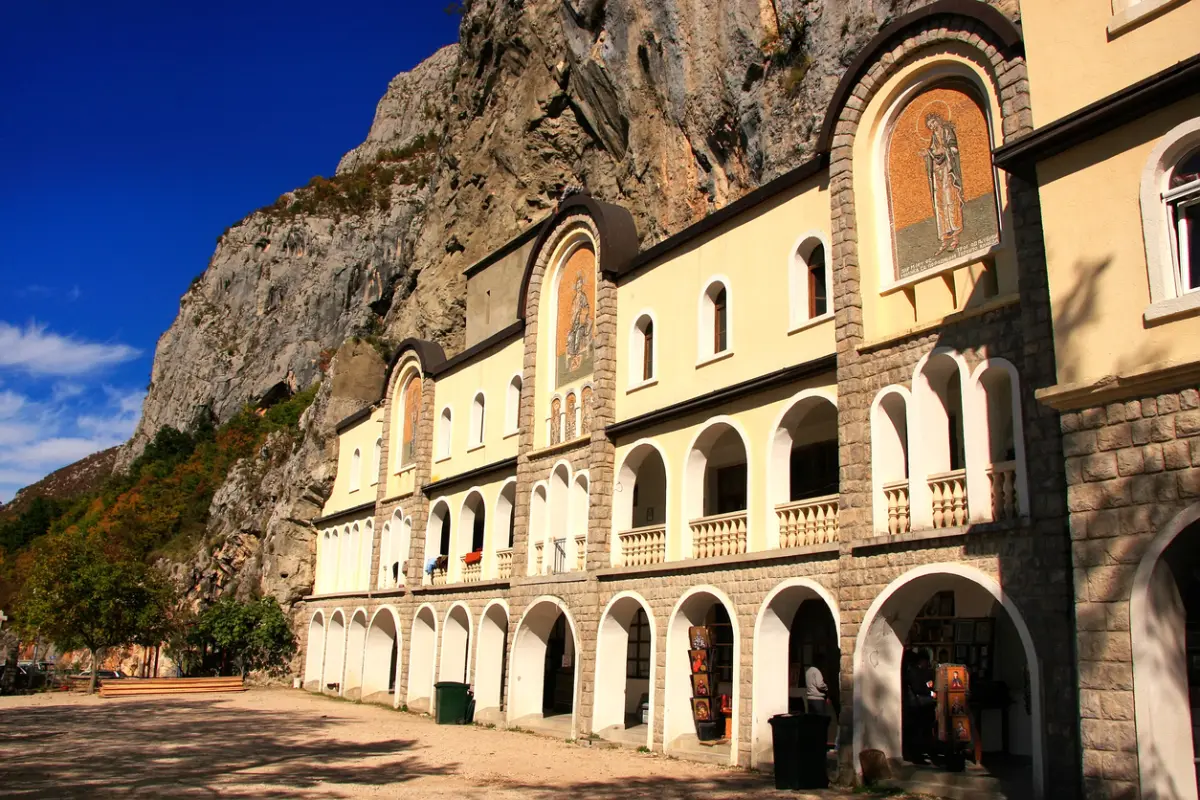
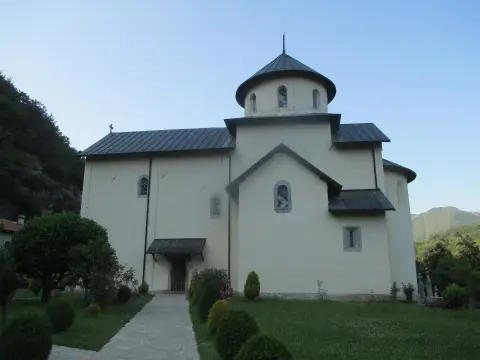
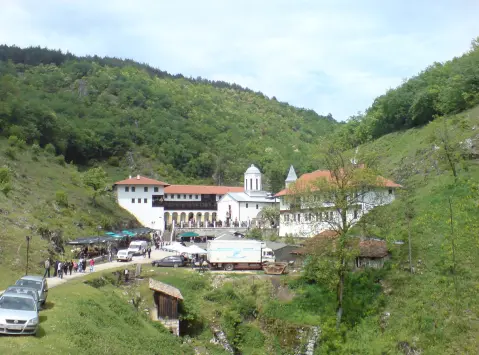
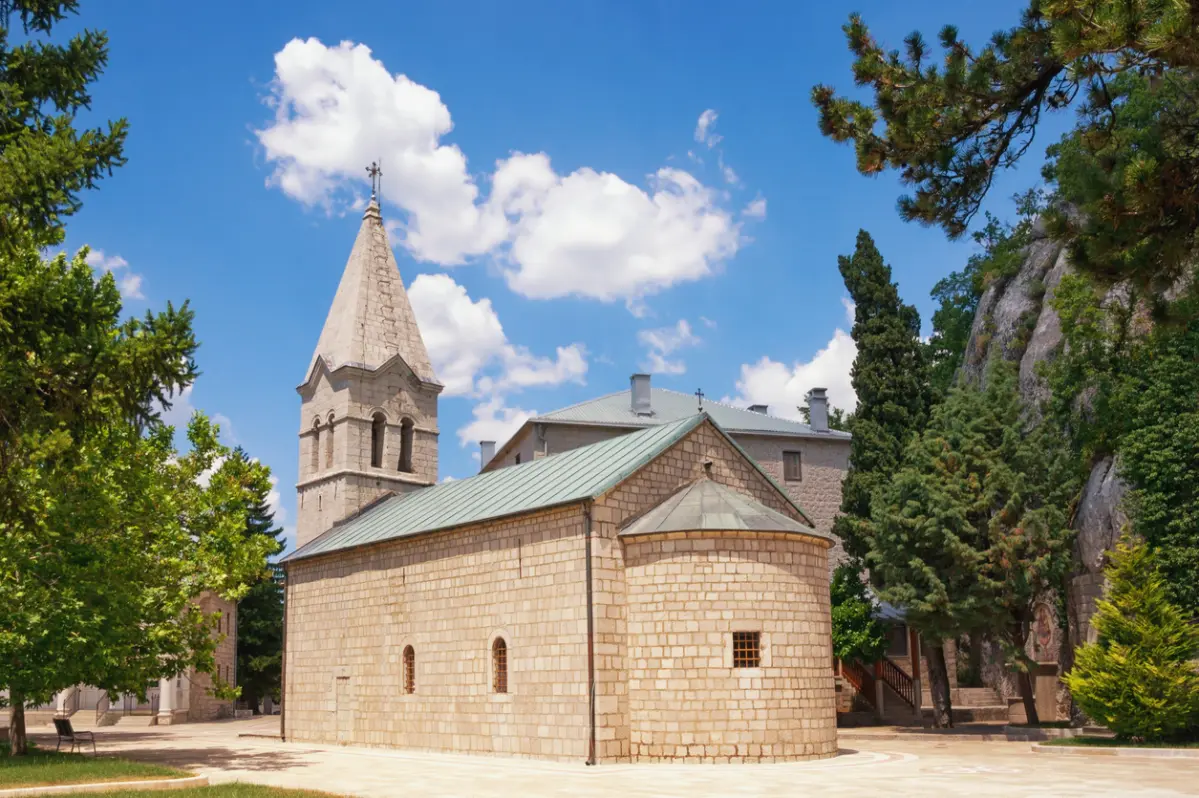
The Lower Monastery, situated 3 km below the Upper, was built in 1824 and comprises the Church of the Holy Trinity with vivid frescoes, a monastic guesthouse, and a theological school whose roots date back to 1742. Behind the church there is a natural spring of cold mountain water that pilgrims traditionally take home with them. The Lower Monastery is also the starting point of the pilgrimage walking trail — according to tradition, the ascent to the Upper Monastery should be made barefoot and on foot, as a sign of humility.

From the terrace of the Upper Monastery at 900 metres above sea level, one of the most impressive views in Montenegro unfolds — the gaze stretches across the entire Bjelopavlići plain through which the river Zeta winds. The scene is particularly striking in the early morning hours, when the plain is wrapped in mist, and in the evening during sunset. Many pilgrims choose to stay overnight precisely in order to witness the sunrise from this terrace.
What to do

A 3 km barefoot ascent on foot from the Lower to the Upper Monastery, through the forest, following the tradition of pilgrims.

Venerating the relics of St. Vasilije, lighting candles, and leaving prayer requests in the churches.

From the terrace of the Upper Monastery, the view stretches over the Bjelopavlići plain and almost all of Montenegro.
Exploring 17th-century frescoes, some painted directly onto the rocky walls of the cave churches.

Pilgrims can spend the night in the monastic guesthouse or on the terrace to witness the sunrise.

Where Faith Meets the Mountain
Nine hundred metres above the Bjelopavlići plain, Ostrog Monastery clings to a near-vertical cliff as if suspended between earth and sky — a place where pilgrims of every faith have sought miracles for over three centuries.
Gallery


Did You Know?
Ostrog Monastery is visited by up to one million pilgrims and tourists each year, making it one of the most visited Christian sites in the world — and uniquely, it welcomes believers of all faiths: Orthodox Christians, Catholics, and Muslims alike. Up to one million visitors per year
Plan Your Visit
The monastery is approximately 50 km from Podgorica and about 15 km from Nikšić, along the main road connecting them. The recommended route is via Danilovgrad — from the main road, a winding mountain track of about 8 km branches off towards the Lower Monastery. Parking is free and spacious in front of the complex.
There is no direct bus service to the monastery. The nearest option is a train or taxi from Nikšić or Podgorica. Numerous travel agencies organise day trips from the coast and from Podgorica at prices ranging from €20–30.
The nearest airport is Podgorica (TGD), approximately 50 km away — the drive takes about 1 hour. From Tivat Airport (TIV), the recommended route is via Risan towards Nikšić, which is somewhat shorter than the route through Budva and Podgorica.
There is a railway station called Ostrog on the Podgorica–Nikšić line (5 departures daily, journey time ~47 minutes, fare approximately €1.80). From the station to the Lower Monastery is about a 90-minute uphill walk, and a further 45–60 minutes to the Upper Monastery.
FAQ