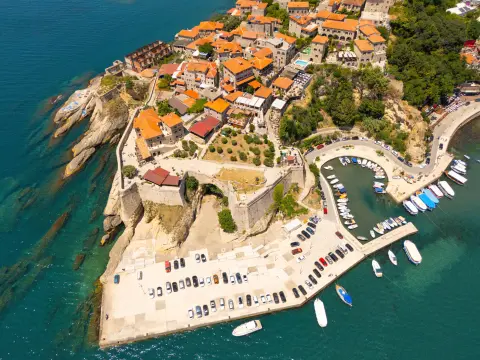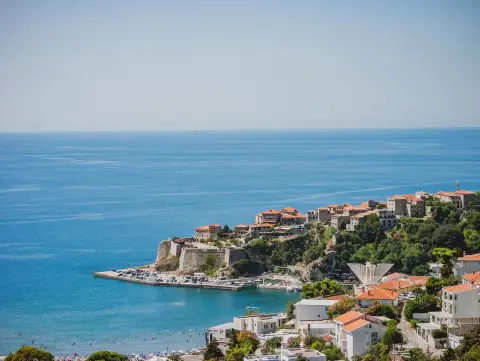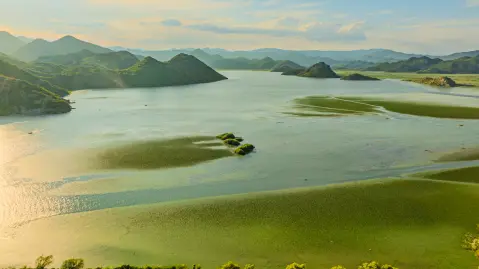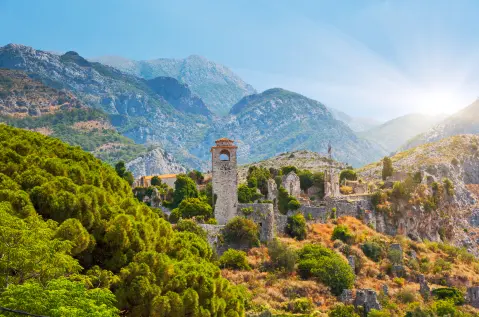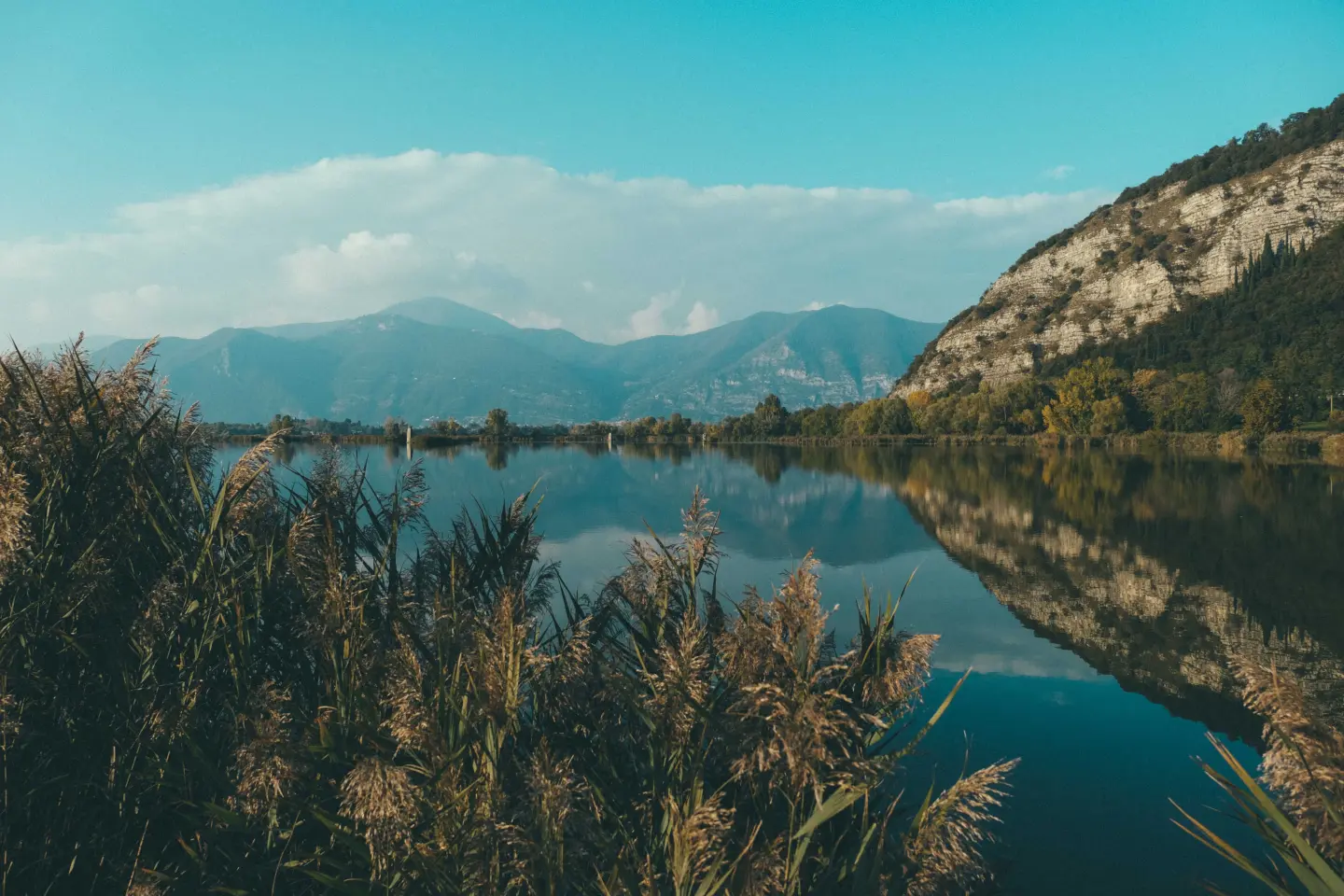
A natural lake in the hinterland of Ulcinj, part of a unique ecological zone
Šasko Lake is situated in the central part of the Ulcinj municipality, in close proximity to the mouth of the Bojana River and Velika Plaža.
Together with the Bojana delta, it forms one of the most significant natural zones in southern Montenegro – a zone that, despite its richness, is often overlooked in commercial tourism. The lake is surrounded by lush vegetation characteristic of the subtropical climate of this area and provides shelter for numerous species of migratory birds. Visitors seeking untouched nature far from crowded beaches can find a true sanctuary here.
Highlights
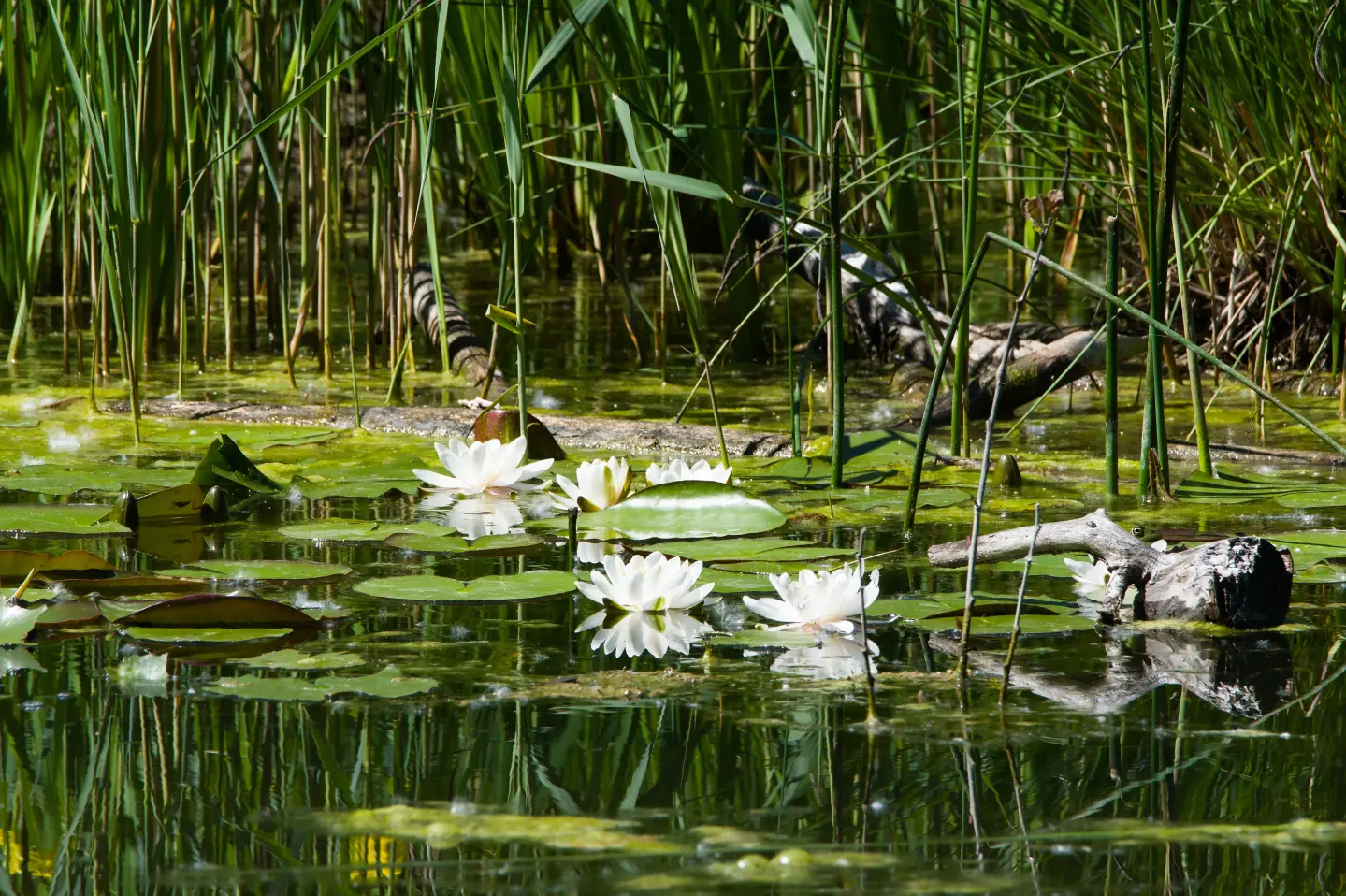
Šasko Lake is situated in the central part of the Ulcinj municipality and represents part of one of the most important natural zones in southern Montenegro. Together with the Bojana River delta, this area forms a unique ecological whole that is often bypassed in commercial tourism, making it an authentic place for visitors seeking unspoiled nature. The lake is surrounded by subtropical vegetation characteristic of the Ulcinj area, which climatically belongs to the marginal subtropical zone of the European Mediterranean.
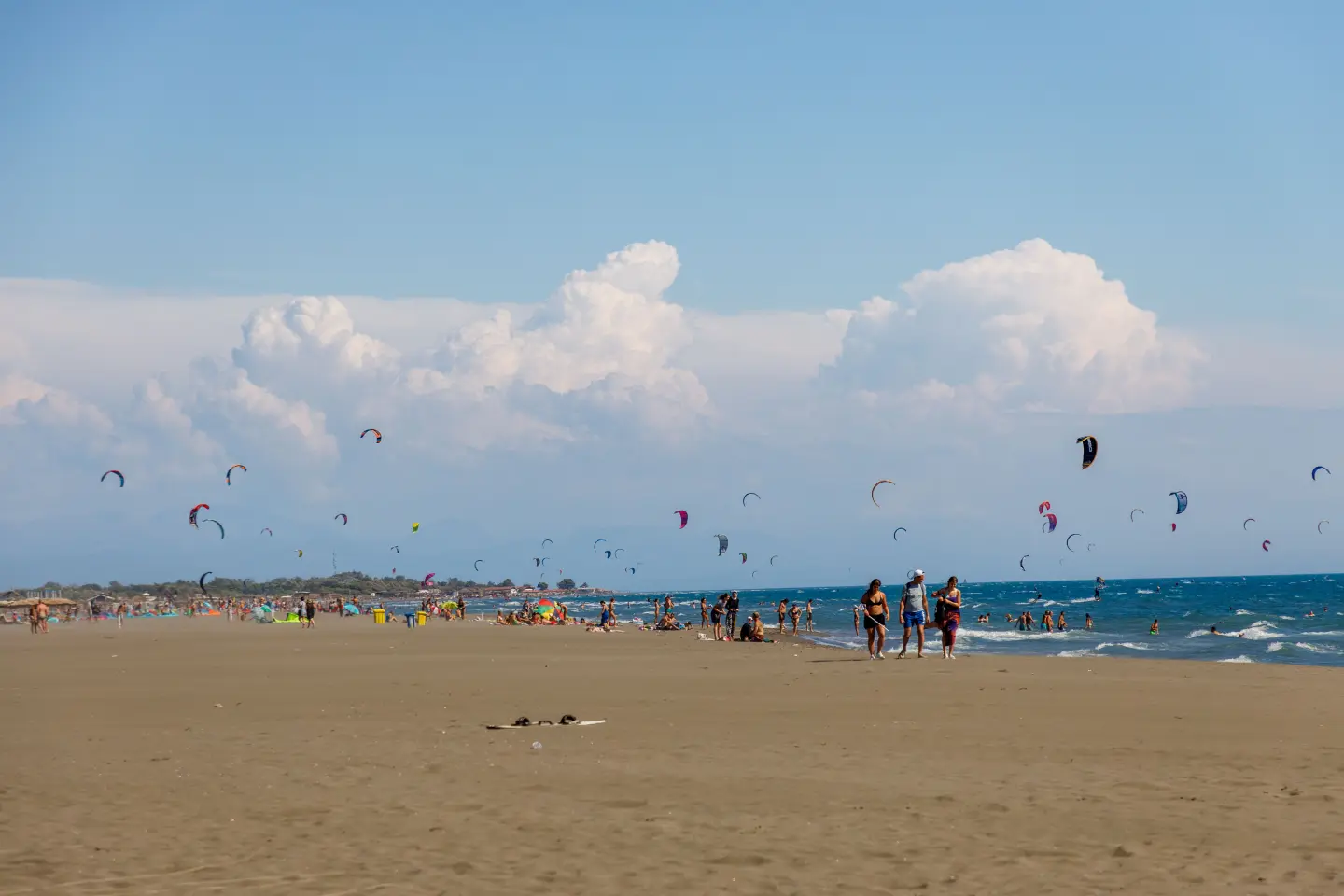
The Bojana River stretches along 30 km of the southern part of the Ulcinj municipality before flowing into the Adriatic Sea. The point where the river meets the sea is one of the most visually striking on this part of the Adriatic coast. The Bojana estuary is an ecologically significant habitat: many migratory birds rest here during migrations, attracting nature lovers and photographers from across the region. On the shores near the estuary, there is sand that locals claim has healing properties.
The ecological zone of Šasko Lake and the Bojana delta is home to a diverse range of wildlife. In addition to migratory birds that rest here during spring and autumn migrations, some species exclusively tied to this habitat live in the area – particularly well known is the nose-horned viper as one of the most interesting local species. This biodiversity makes the lake and its surroundings an exceptionally attractive destination for ornithologists and nature photographers who come from across the region.
What to do
Observing migratory birds during their spring and autumn migrations along the shores of the lake.
Photographing birds, vegetation, and landscapes of one of the best-preserved zones in southern Montenegro.
Walking local trails around the lake through the subtropical vegetation of the Ulcinj hinterland.
Traditional fishing on the lake waters in a peaceful natural setting.
Hiking, walking and cycling routes that start here or pass nearby, with maps and GPX downloads.
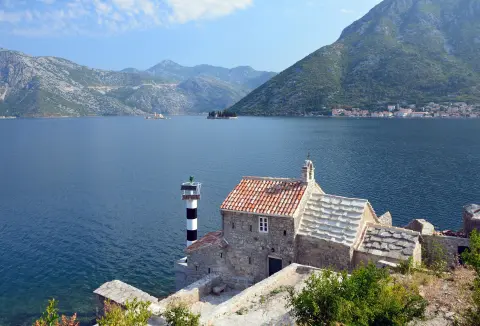
EuroVelo 8 – Mediterranean Route – Montenegro Section is a cycling route 195.0 km long from Njivice to Sukobin. It runs on asphalt, has 3,259 m of ascent and passes through the coastal area, Lovćen National Park and Lake Skadar.
195 km3,259 m2–3 days
View trail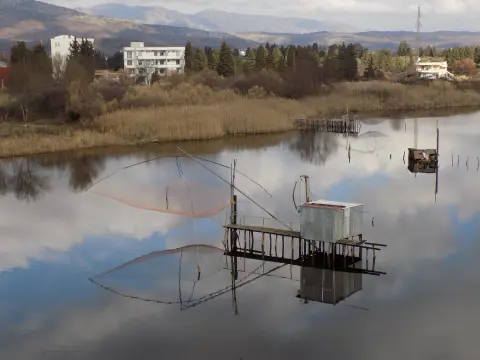
Trail TT5 takes you along almost 148 km, predominantly on asphalt, with a total ascent of 2604 m. It passes by Lake Skadar, historic fortresses, and landscapes that tell stories of water.
148 km2,604 m2–3 days
View trail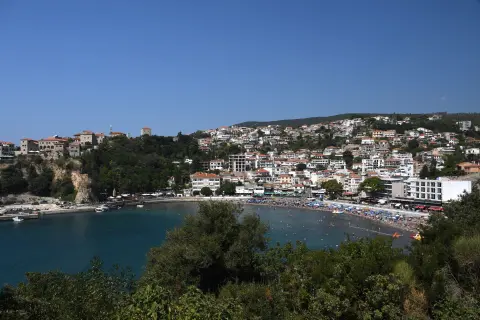
An easy pedestrian trail 2,2 km long connects Ulcinj Old Town, Small Beach and Women’s Beach. It leads along the sea, beaches and short viewpoints, and takes about 40 minutes to walk.
2.2 km28 m35–50 min
View trail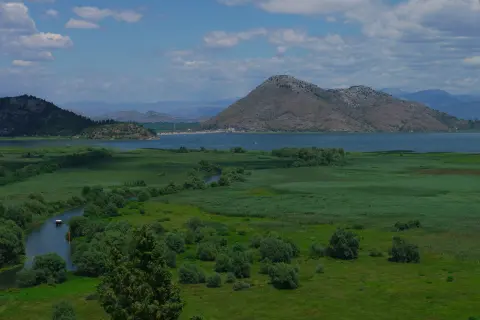
Biking Trail NPSJ01 is a 41.5 km cycling trail in Skadar Lake National Park. It follows asphalt and concrete roads, with 870 m of ascent and viewpoints, ending in Virpazar.
41.5 km870 m3–4 h
View trail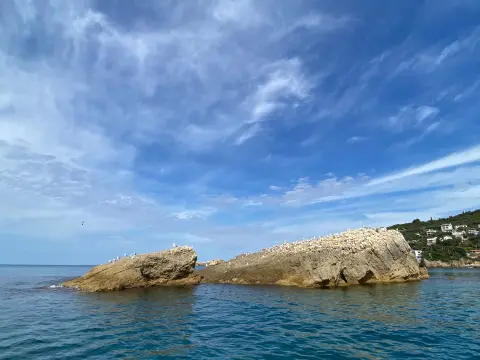
Easy one-way walking tour from Liman II Beach to Valdanos Beach near Ulcinj. The length is 4.6 km, with an ascent of 113 m and a descent of 114 m; without breaks it takes about 1 h 30 min of walking.
4.6 km113 m1½–2 h
View trail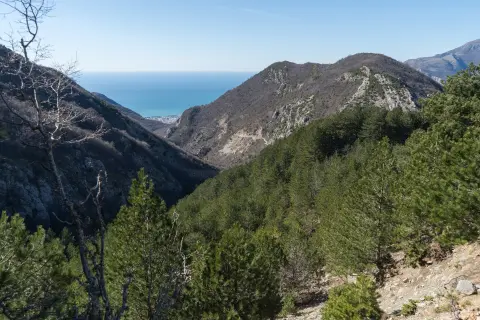
A multi-day tour of 30.2 km leading from Lunje to the Sutorman pass, following red-and-white markings through forest and gravel road sections. The total ascent is 1,491 m, and the tour is intended for experienced hikers.
30.2 km1,491 m2–3 days
View trailThe Lunje – Loska trail is 4.4 km long and runs in one direction. It starts at the highest point of 1,348 m a.s.l., descends a total of 628 m, and follows an earthen forest path for almost its entire length.
4.4 km1½–2 h
View trailGallery
Plan your stay
Live offers from local hosts on our booking platform. Nothing is charged online – you pay the host on site.
Booking requests are confirmed by the host; payment on site. Offers come from the Travel to Montenegro booking platform.
Plan Your Visit
Opening hours
Free access throughout the year
Admission
Free of charge
Parking
Unorganized parking along local roads leading to the lake
Website
ulcinj.travelThe terrain around the lake is generally not adapted for persons with reduced mobility
FAQ
Around here