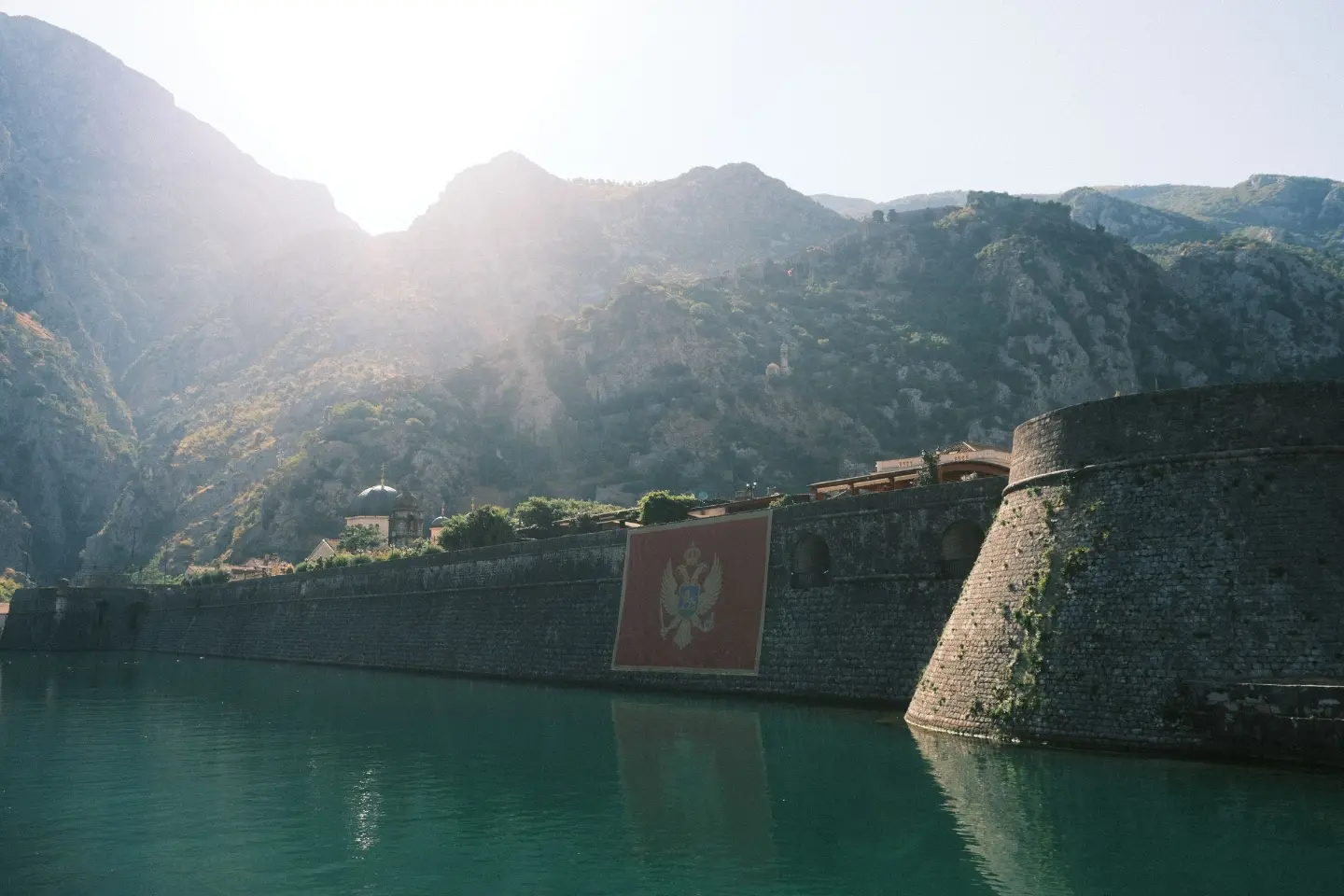
Kotor's fortress at 260m — 1,400 steps to the top of San Giovanni hill
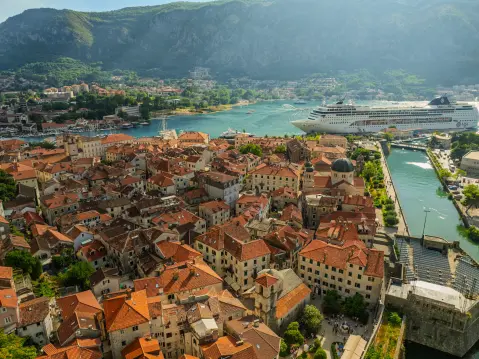
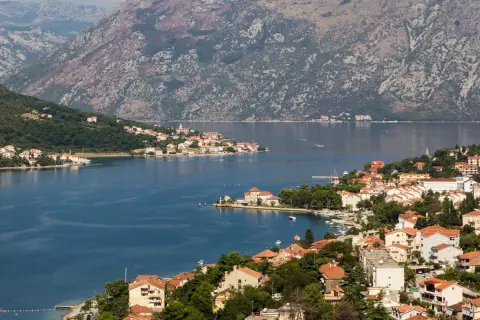
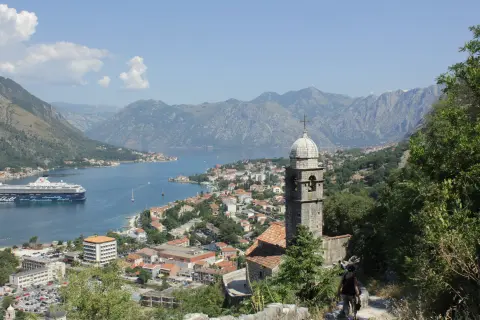
St. John's Fortress (San Giovanni) dominates above Kotor's UNESCO Old Town at an elevation of 260 metres. Stone steps lead to the summit along walls that were built from the 9th to the 19th century, with the total length of the ramparts exceeding four kilometres. From the fortress plateau, views open up over the Bay of Tivat, the Bay of Kotor and the Bay of Risan, Lovćen and Orjen. The fortification complex consists of ramparts encircling the old urban core with five bastions, and ramparts that climb the hill of Sveti Ivan to the fortress at the top. Montenegrin citizens enjoy free entry, while tourists pay an admission fee.
Location
Kotor, Bay of Kotor
Summit elevation
260 m
Length of ramparts
over 4 km
Number of steps
approx. 1,400
Construction began
6th century
Protection
UNESCO Heritage
Highlights
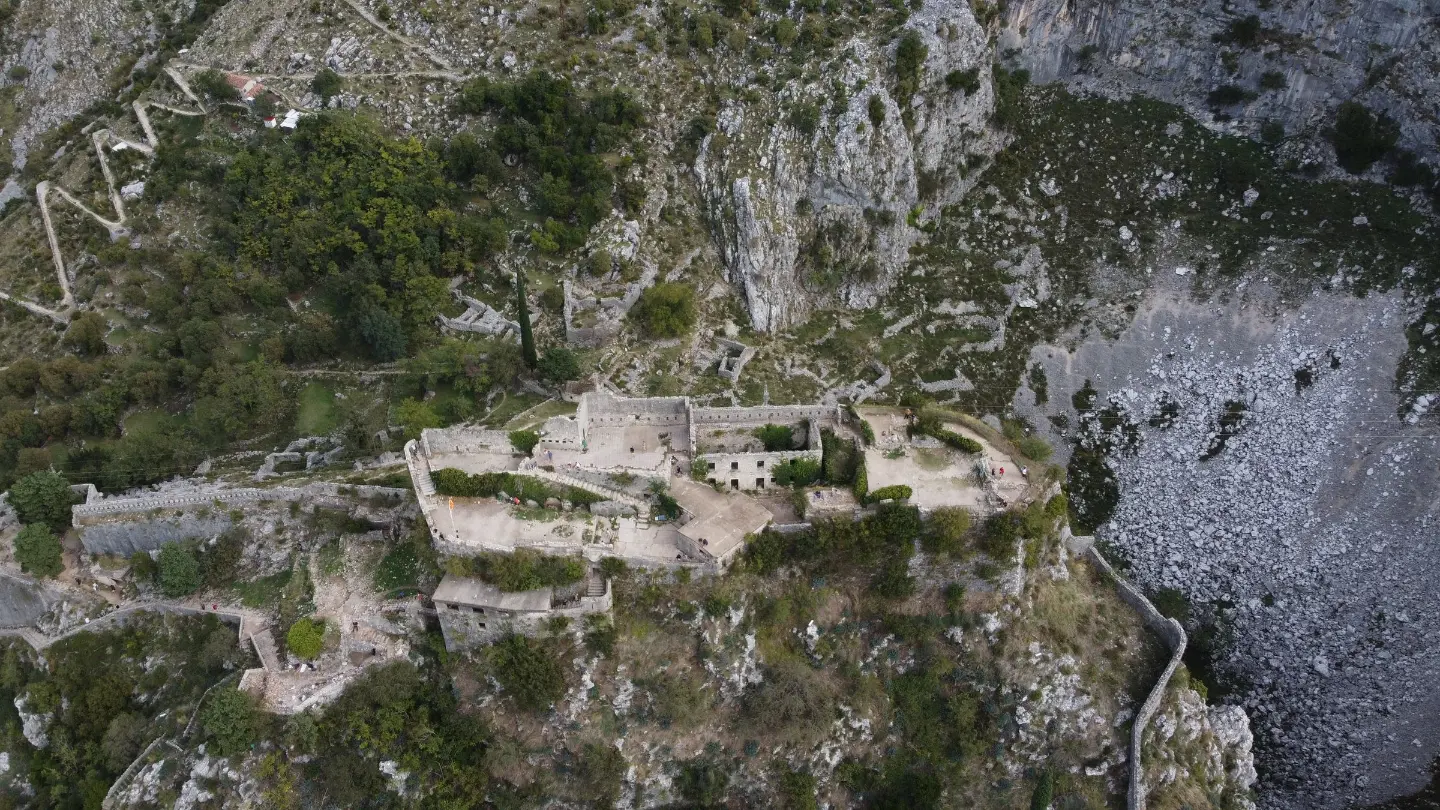
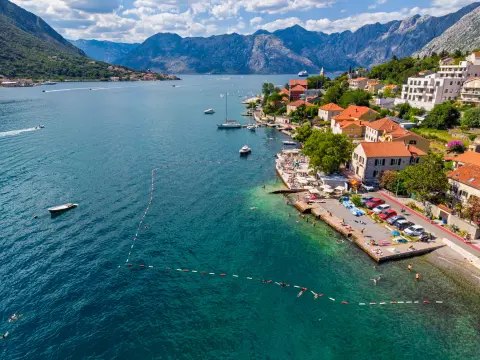
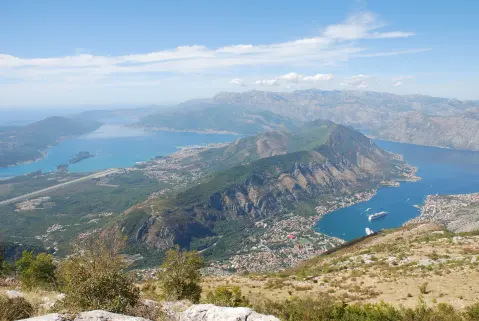
At 260 metres above sea level lies the main plateau of St. John's Fortress, from which views extend over the Bay of Tivat, the Bay of Kotor and the Bay of Risan, the Luštica peninsula, Verige, and the mountains of Vrmac, Orjen and Lovćen. This is one of the rare vantage points from which the entire Bay of Kotor can be seen at once. The ascent takes around 45 minutes and passes the remains of churches and towers built from the 9th to the 19th century.
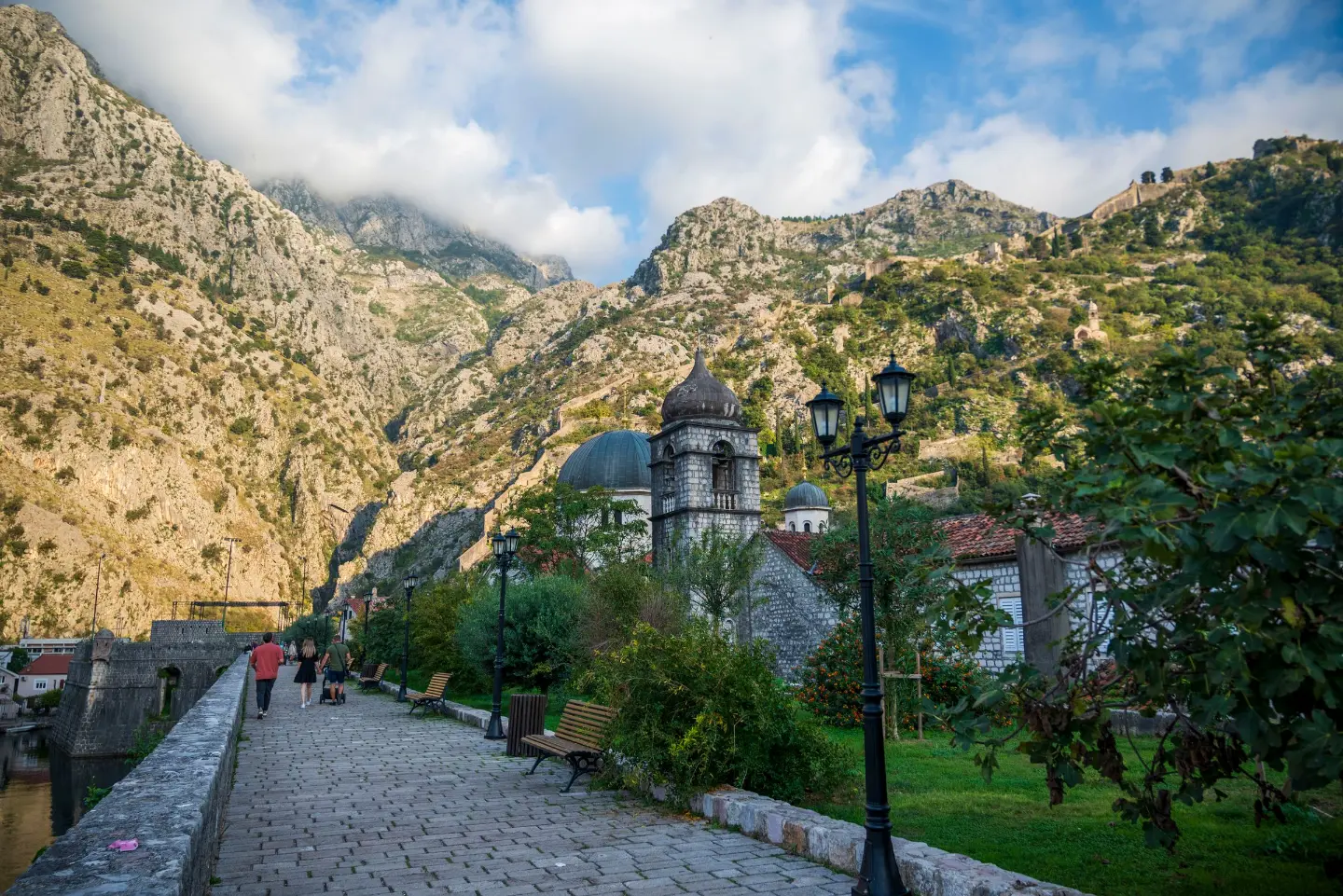
The fortification complex of Kotor's walls developed gradually — the beginning of construction is linked to Emperor Justinian in the 6th century, with the ramparts taking their final shape up to the 19th century under Venetian and Austrian rule. The total length of the ramparts is over four kilometres, the thickness varies from two to sixteen metres, and the height at certain points reaches twenty metres. The complex consists of ramparts encircling the old urban core with five bastions, and ramparts that climb the hill of Sveti Ivan.
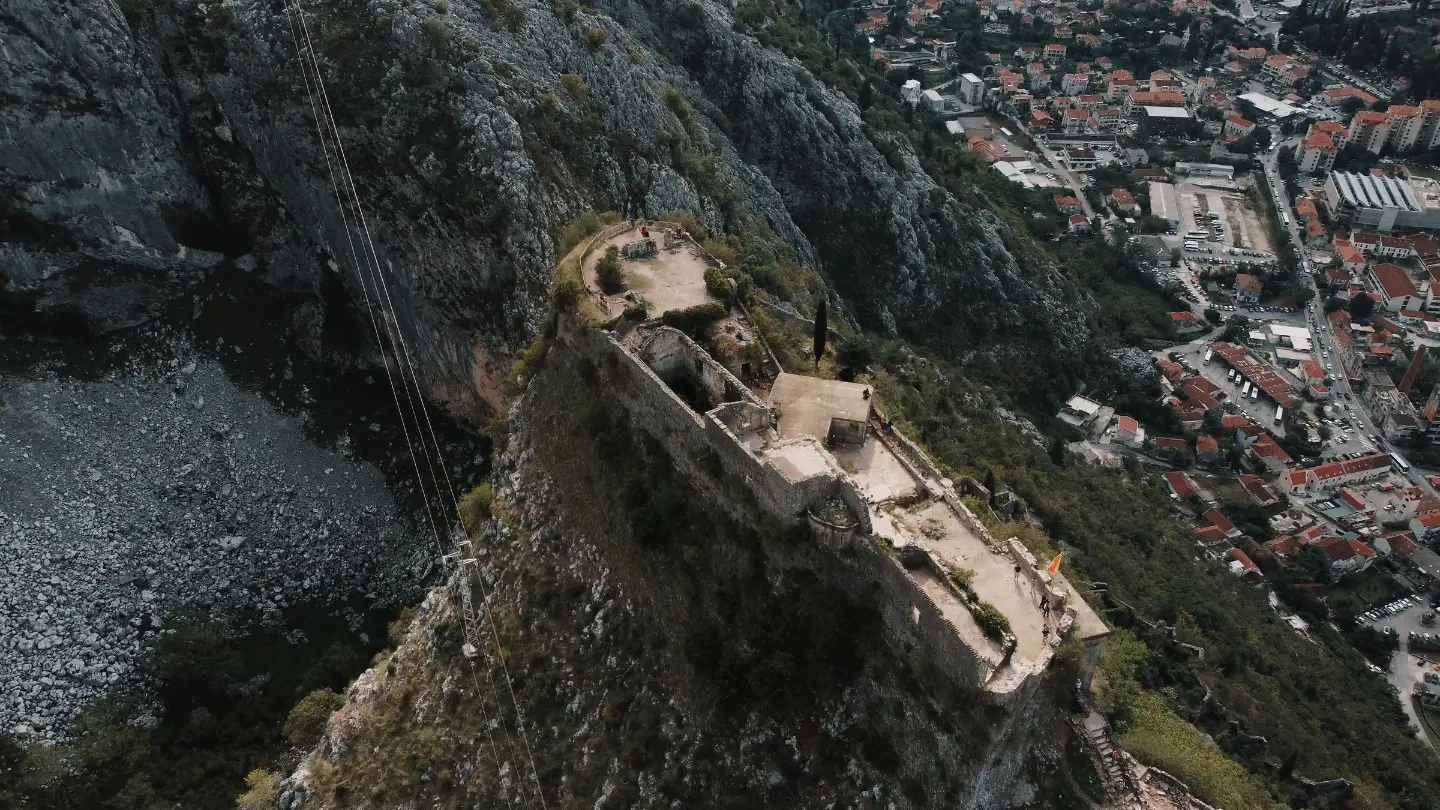
At the very top of the fortress stand the remains of the Church of St. John the Baptist, first mentioned in written sources in 1440 and the source of the fortress's name. The church served the needs of the soldiers who guarded the city walls. Kotor poet Ivan Bolica wrote about it in his Latin poem from around 1550, describing it as situated on a sacred hill. Alongside it, on the path to the summit, are the remains of the churches of St. Roch and Our Lady of Health.
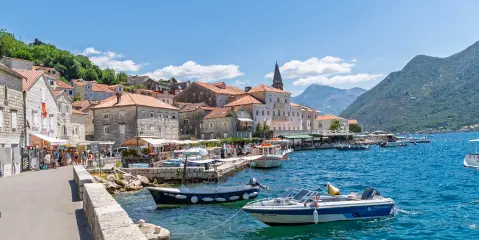
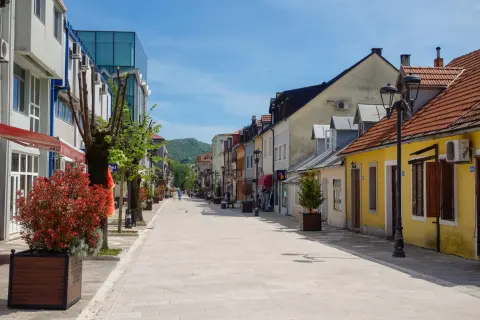
St. John's Fortress is part of the wider UNESCO-protected fortification and urban complex of Kotor. Below the fortress lies the Old Town with its medieval architecture, palaces, museums and lively squares. The Cathedral of St. Tryphon, the Arms Square and the narrow cobblestone streets that have survived centuries of conquest and three powerful earthquakes make Kotor one of the best-preserved towns on the Adriatic. The city is also known for its resident cat population and the Cat Museum within the walls.
What to do
An ascent of 1,400 stone steps along the ramparts to the fortress at 260m takes around 45 minutes.
From the summit, photograph the entire Bay of Kotor, the rooftops of the Old Town and the surrounding mountains.
A tour of the bastions, ramparts and remains of churches dating from the 9th to the 19th century.
In the early evening, watch the sunset over the Bay of Tivat and the Luštica peninsula from the fortress summit.
Hiking, walking and cycling routes that start here or pass nearby, with maps and GPX downloads.
16.1 km↑ 1,418 m6–8 h
16.5 km↑ 692 m4½–6½ h
17.3 km↑ 578 m5–7 h
34.3 km↑ 1,738 m2–3 days
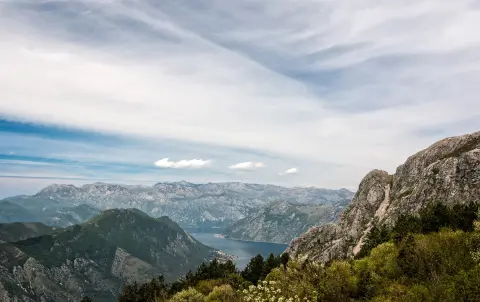
1.4 km↑ 93 m30–40 min
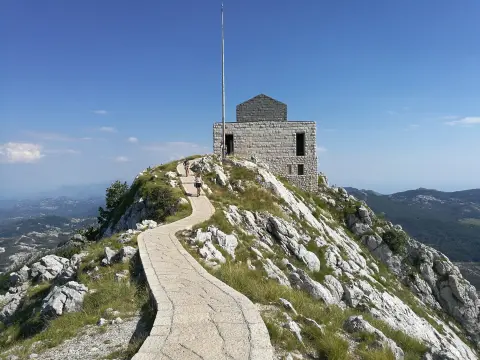
2.8 km↑ 350 m1½–2 h
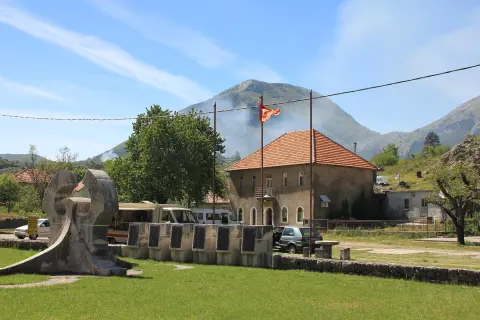
3.5 km↑ 50 m50–70 min
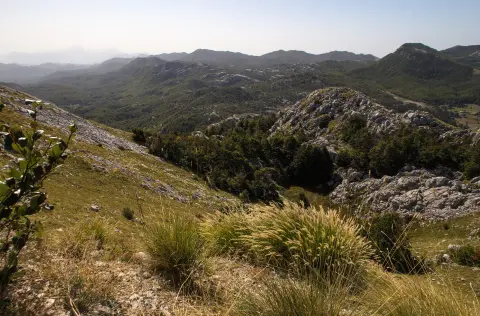
10.1 km↑ 265 m3–4½ h
Gallery
Plan Your Visit
Website
www.kotor.travel08:00 – 16:00 (working hours according to the Tourism Organisation of Kotor; extended hours possible in summer — verification recommended)
15€ for tourists; free entry for citizens of Montenegro. Children under 12 at a discounted price.
Parking in the Old Town is not available. Paid parking outside the walls (waterfront, Škaljari). Arriving on foot or by bus is recommended.
The ascent is not accessible to persons with disabilities — approximately 1,400 uneven stone steps with no lift or ramp.
FAQ
Around here

Ask about Montenegro
Ask me about destinations, restaurants or activities.