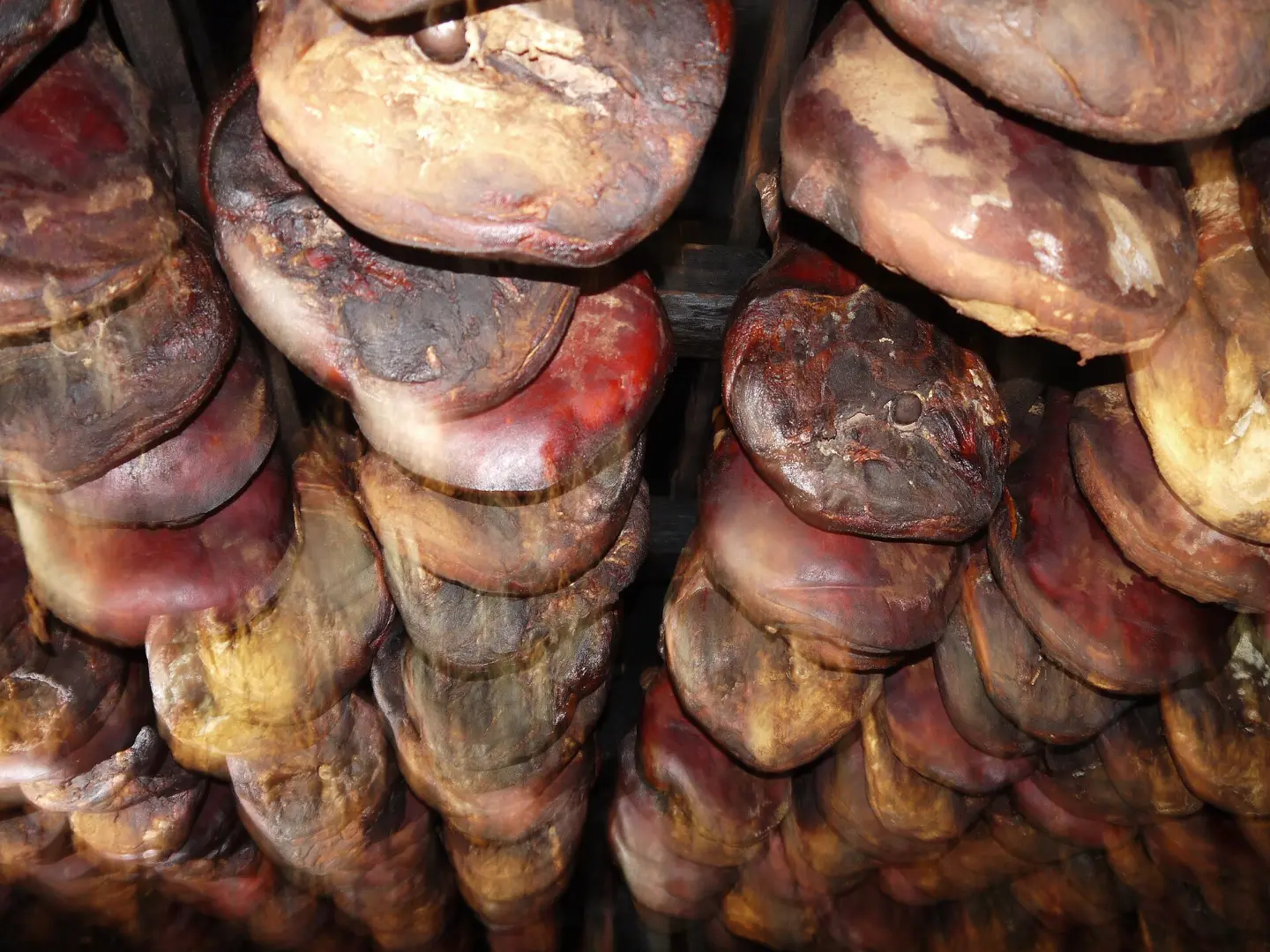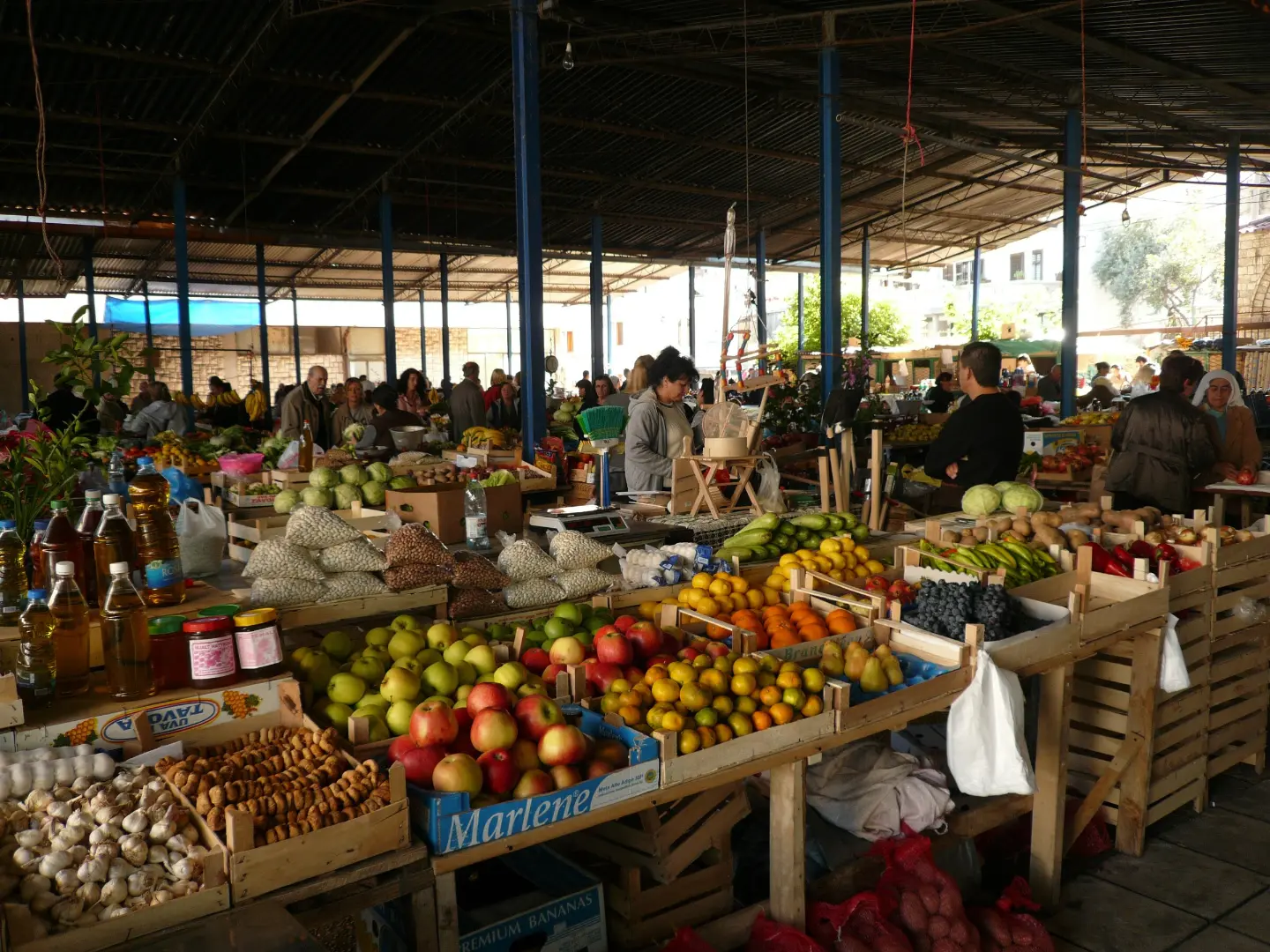
Almost every supermarket in Montenegro now has its own fruit and vegetable corner, yet people still go to the town market at least once a week. On market day, sellers come in from distant villages with cheese, kajmak, honey, olive oil and fruit you won't find in the shops. Here is where the liveliest markets are, which days they are at their busiest, and what is worth taking home.
Kotor's market below the walls, Bar's stalls of olive oil and olives, Podgorica's markets and Pljevlja cheese: market days and what to buy at Montenegro's markets.
Market day
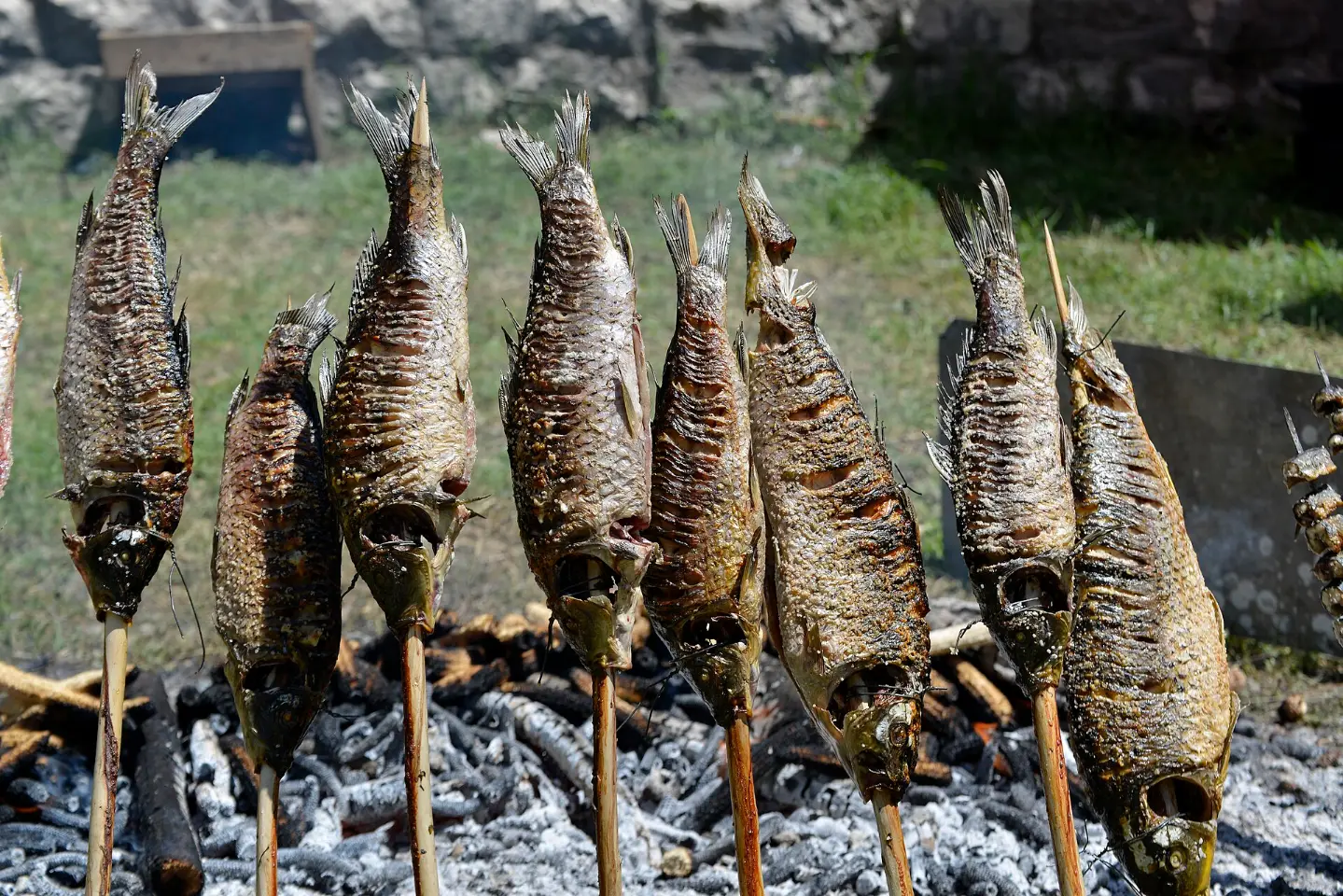
Market day in Montenegro used to be something of a holiday. People spent days getting ready what they would bring to market, and with the money from selling they bought what their village lacked. The north traded with the south, plenty was bartered, and people dressed up for the day. The best-known market was in Rijeka Crnojevića, which in the 19th and early 20th centuries was Montenegro's trading centre and its most important port. More than eight hundred people gathered there on market day, with buyers coming from Dubrovnik, Italy and Albania. Dried bleak from Lake Skadar was especially sought after.
Today almost every supermarket has its own fruit and vegetable corner, but people still go to the town market at least once a week. On market day, sellers come in from distant places and bring things you won't otherwise find.
Podgorica: Montenegro in one place
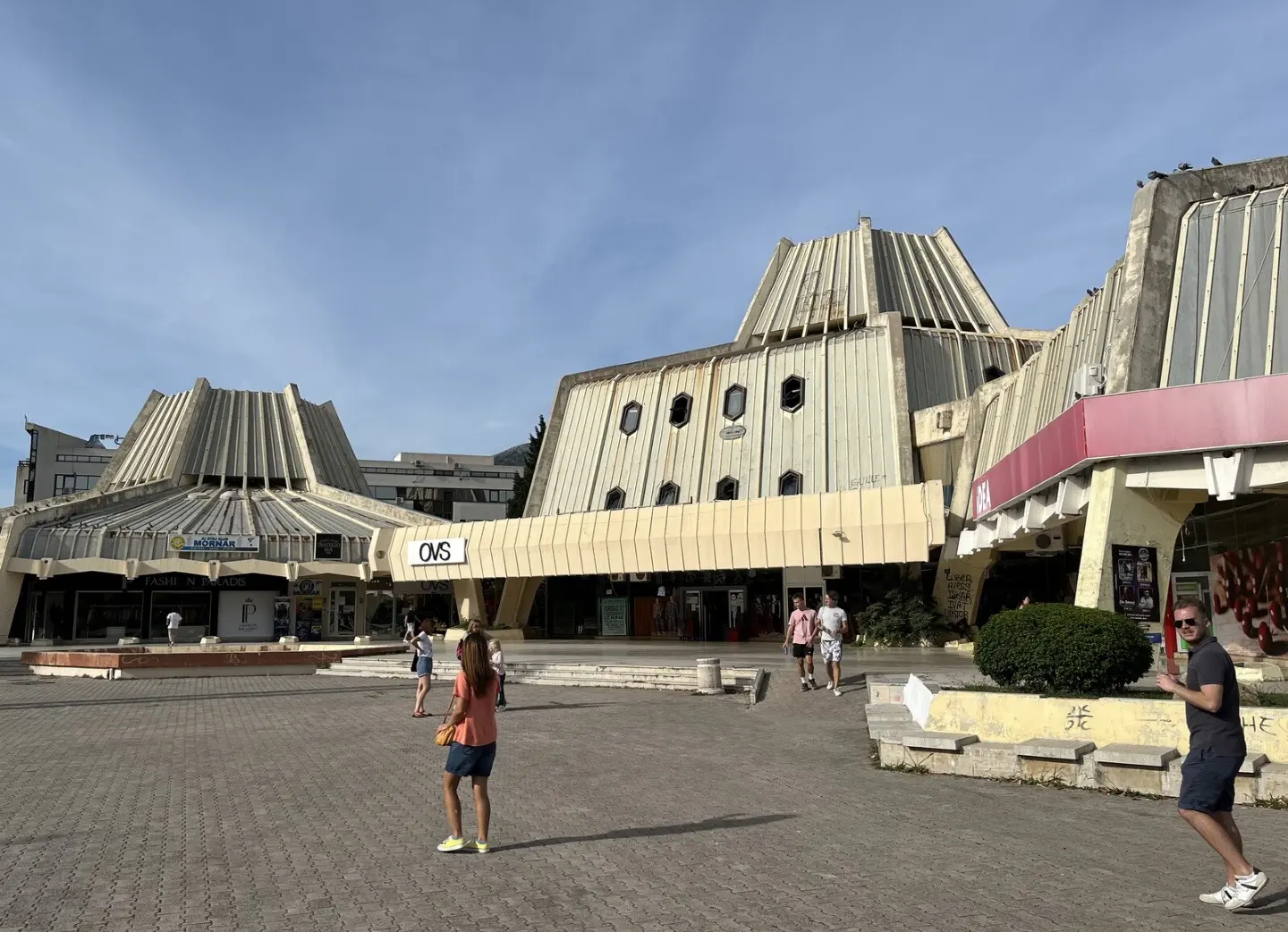
The capital has two green markets: one in the Bazar shopping centre, in the part of town across the Morača, and a large covered market at the Mall of Montenegro. They get everything produced between the sea and the mountains: fish from the sea, Lake Skadar and the rivers, kajmak, cheese, honey, olive oil and local wine. The Zeta plain feeds the city with vegetables all year, so lettuce and spring onions are on the stalls even in winter. Small wineries sell their own wine, and as soon as blueberries, raspberries and wild blackberries ripen in the mountains, they turn up in Podgorica too. The honey is forest, flower and wormwood honey from every part of Montenegro.
Did you know?
Kotor has had a market and a market day since the 15th century. Back then the market was inside the town, in front of St Tryphon's Cathedral, and was held on Sundays, until Bishop Marin Kontareno moved market day to Saturday so it would not crowd the liturgy. Saturday is still market day in Kotor.
Kotor and Bar: markets by the sea
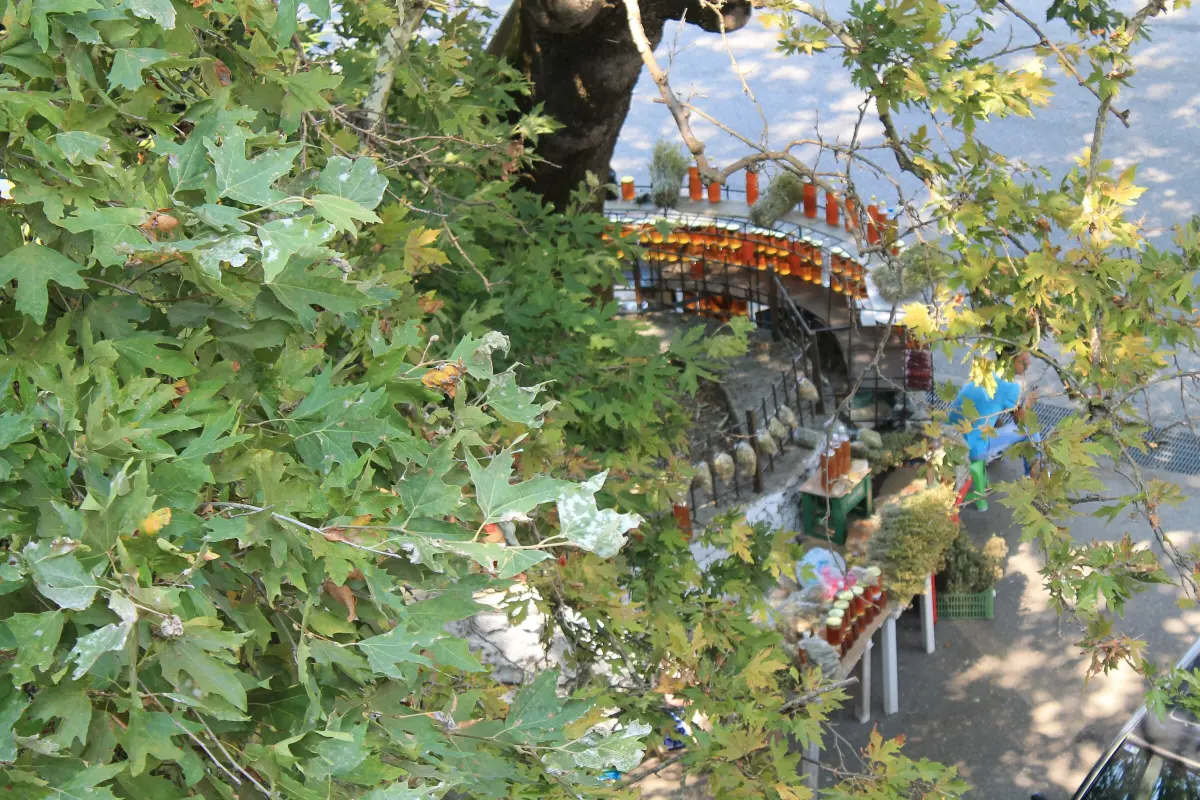
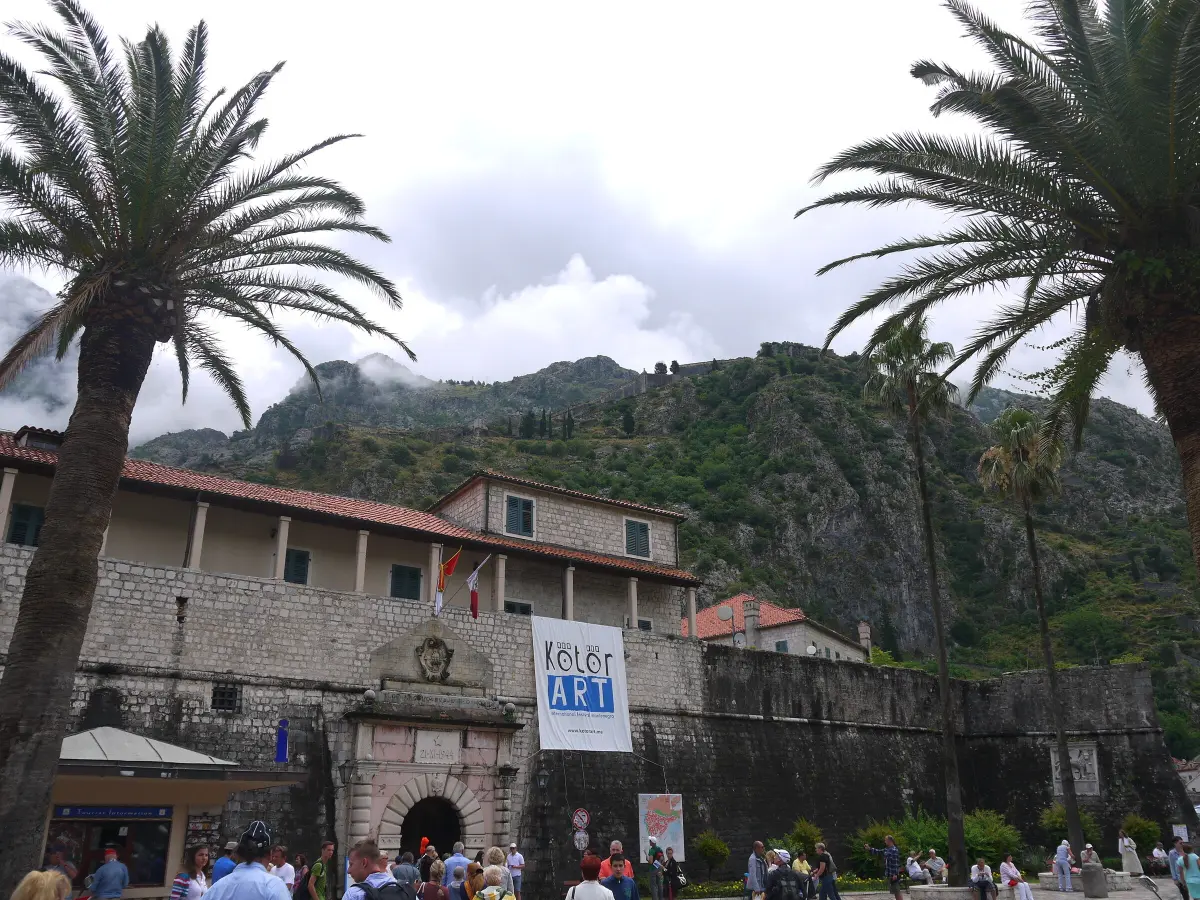
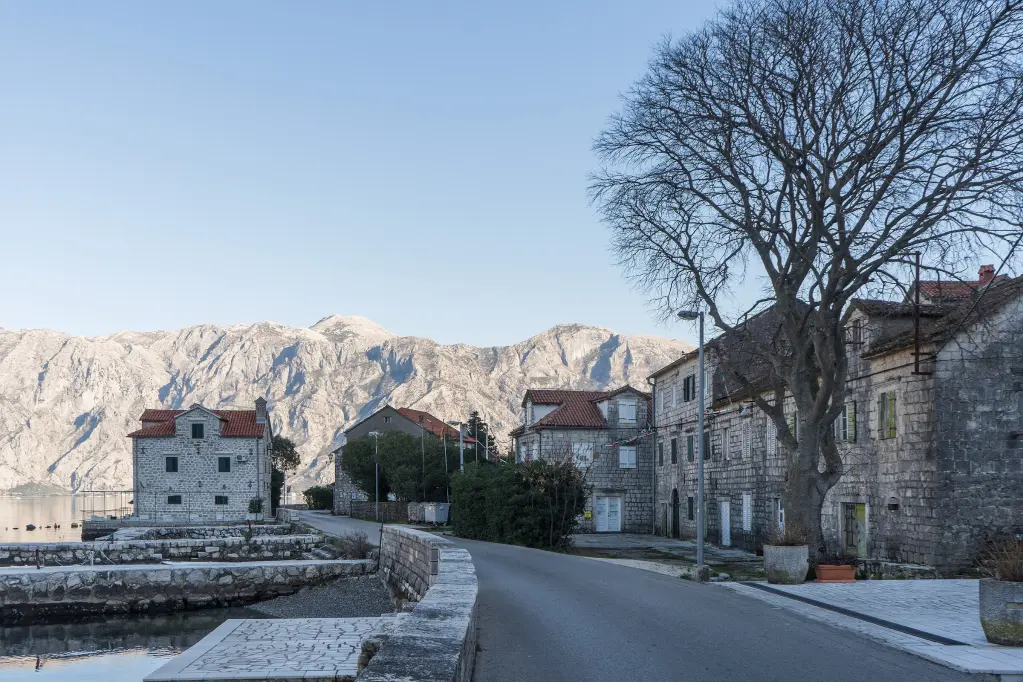
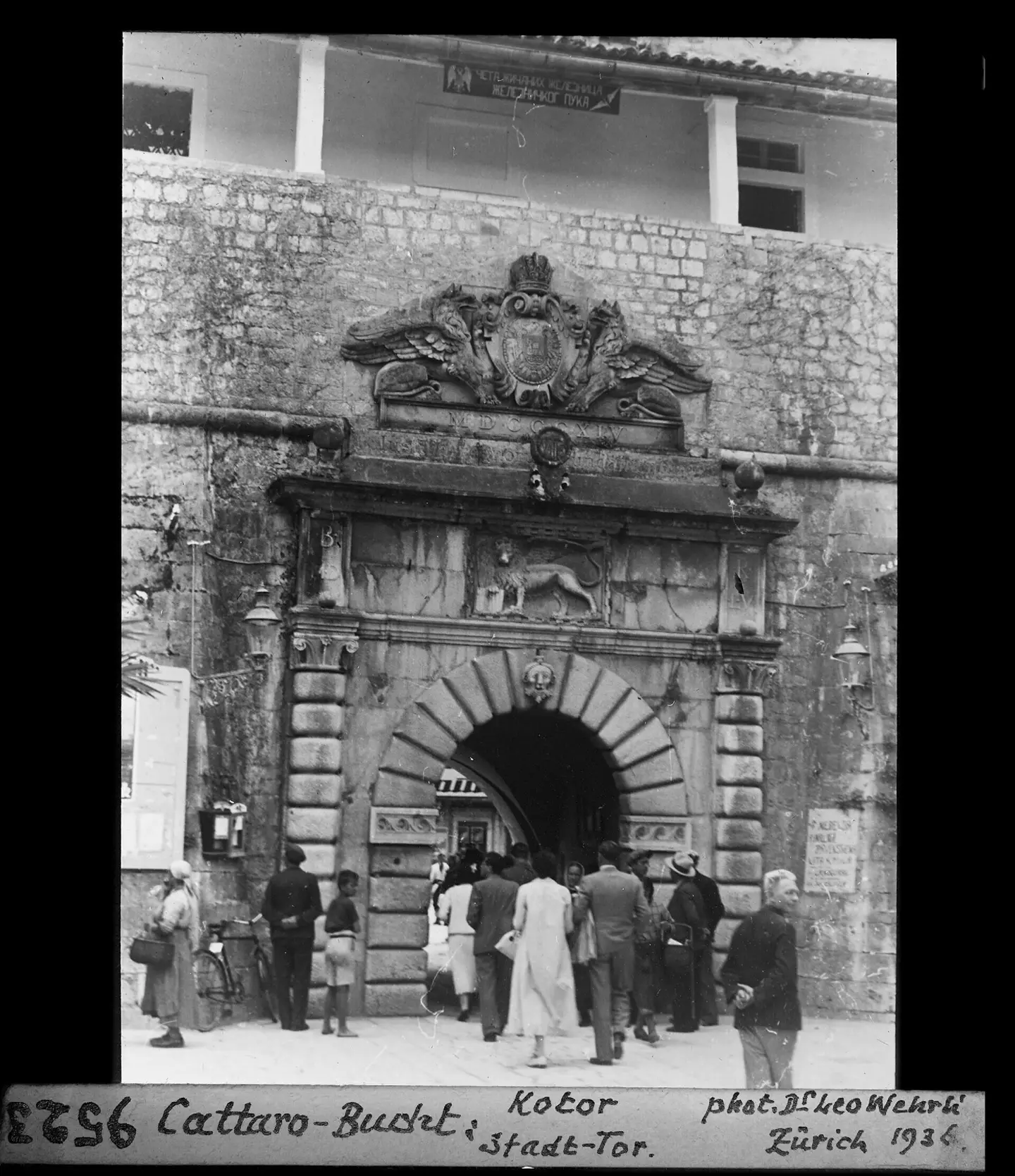
To the right of Kotor's main town gate, below the walls, there is always a crowd. This is the Kotor market, known locally as the markat. The stalls hold fruit and vegetables from the surrounding hills, olive oil, honey, fruit preserves, olives and herbal teas, and the dairy section has kajmak and cheese, young and aged, cow's and goat's, and cheese kept in oil. There is also žućenica, a wild green of Bay of Kotor cooking, and chestnuts in autumn. Come early and you'll catch the fishermen's fresh catch.
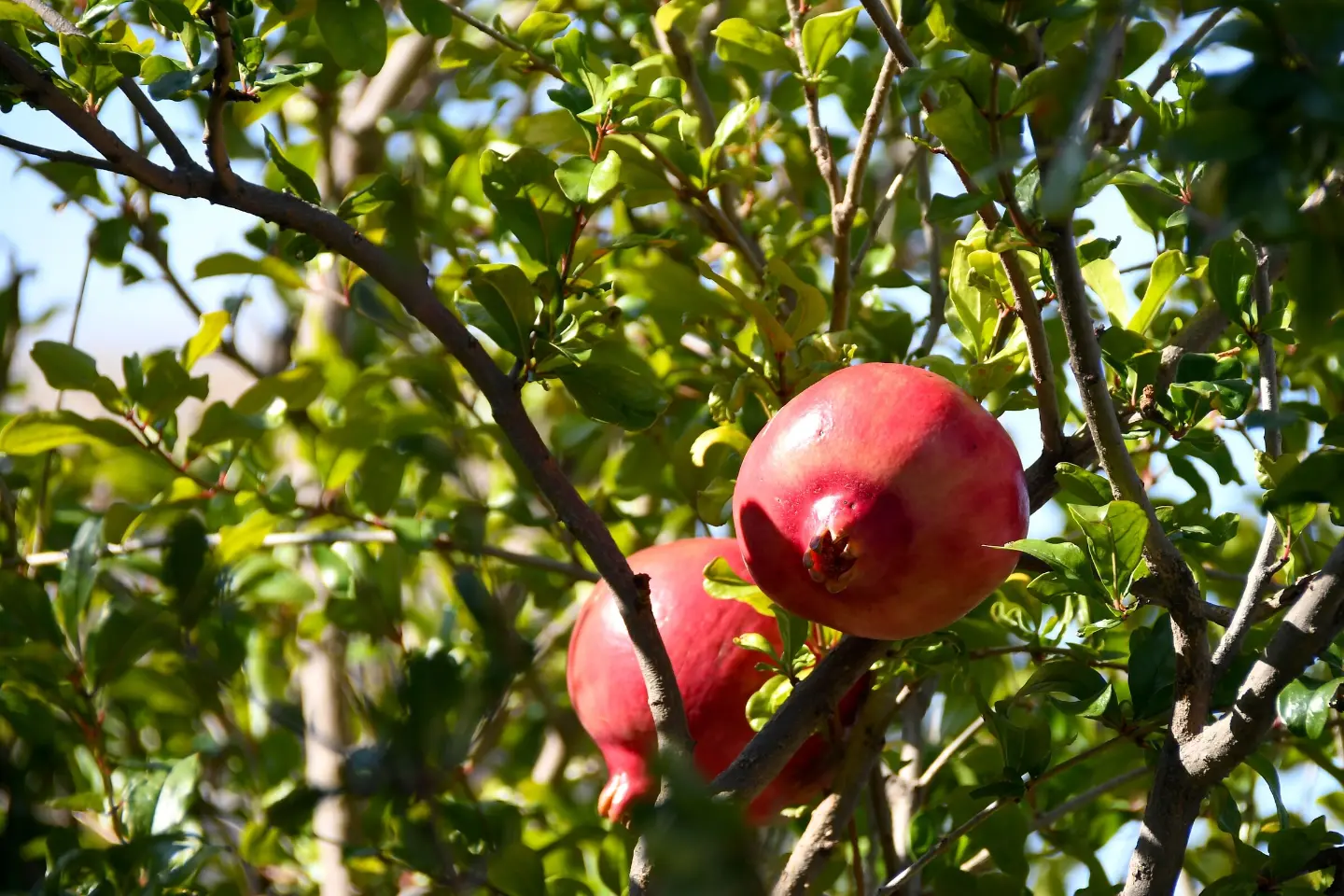
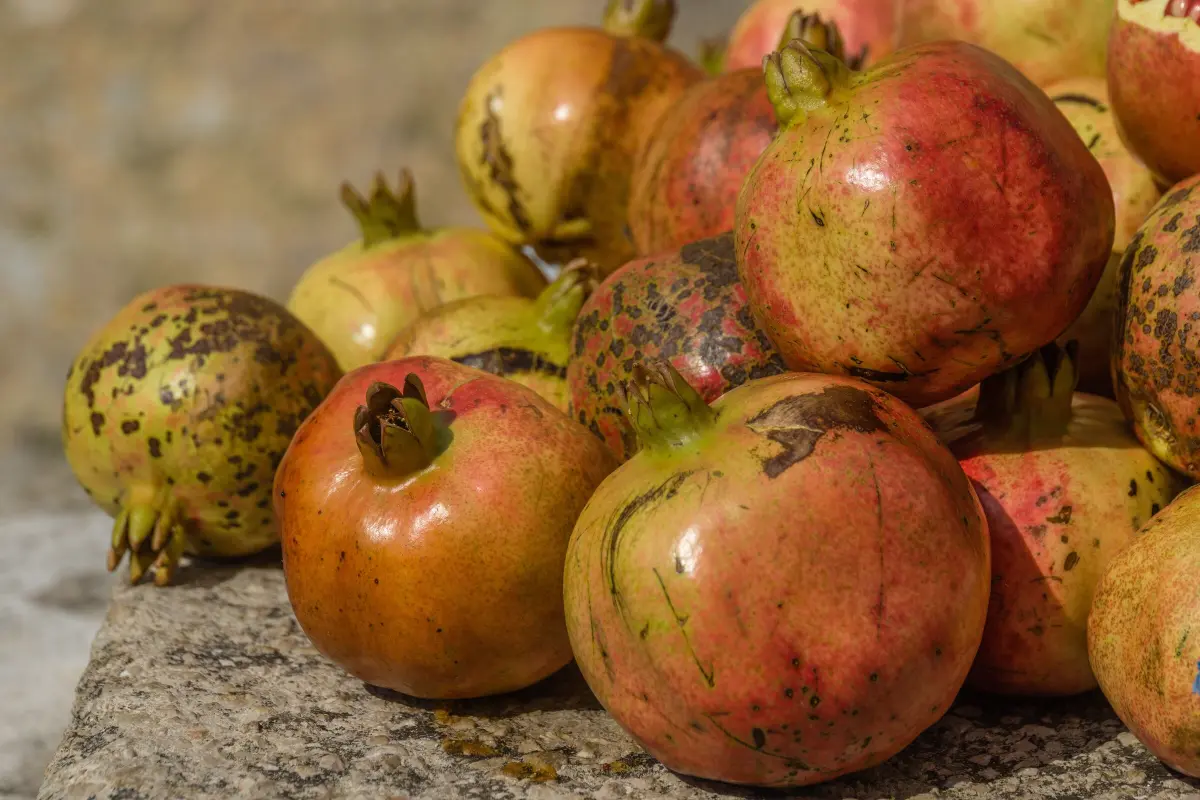
Bar has two markets: the old one in the town centre and a newer one by the bus station, in the Bar-market building. The stalls sell local olive oil, olives of the native žutica variety, mandarins, pomegranates and dried figs, along with wine from Crmnica.
The north: cheese and kajmak
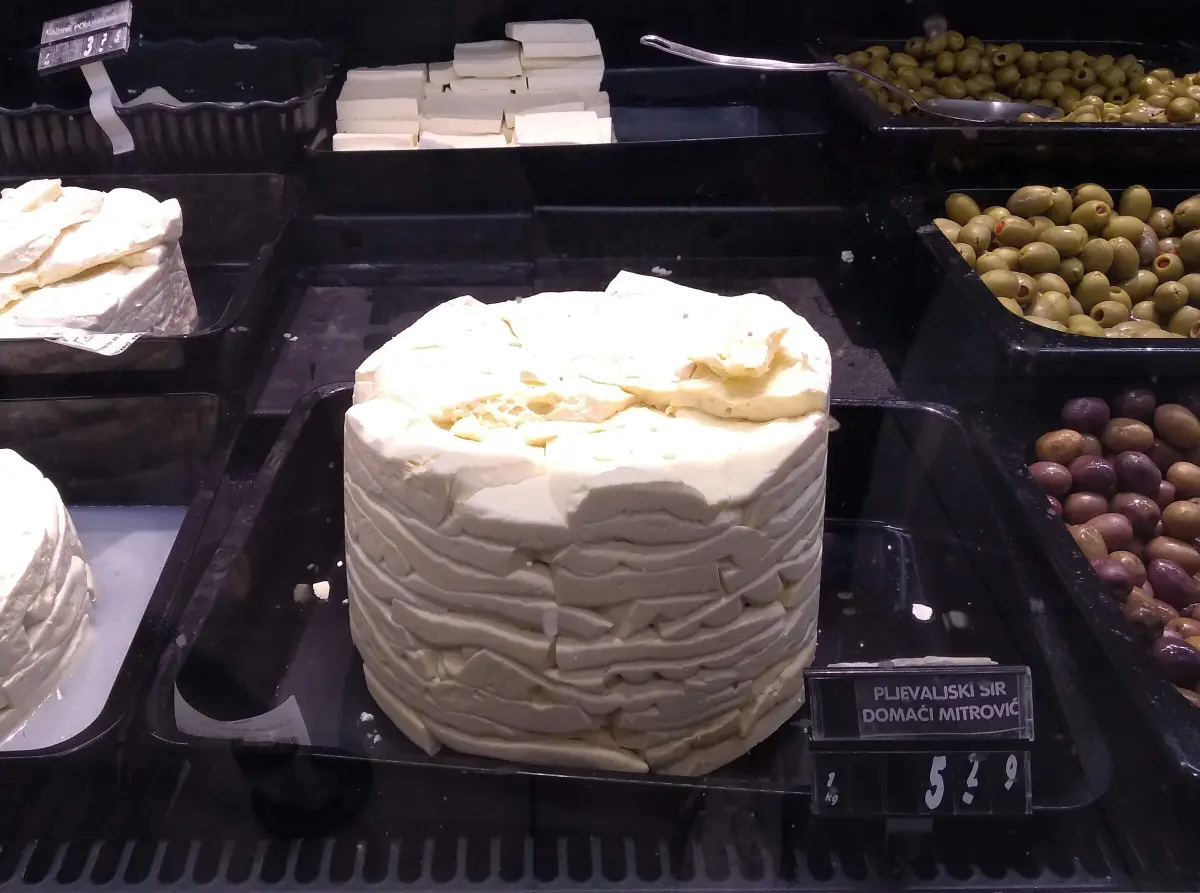
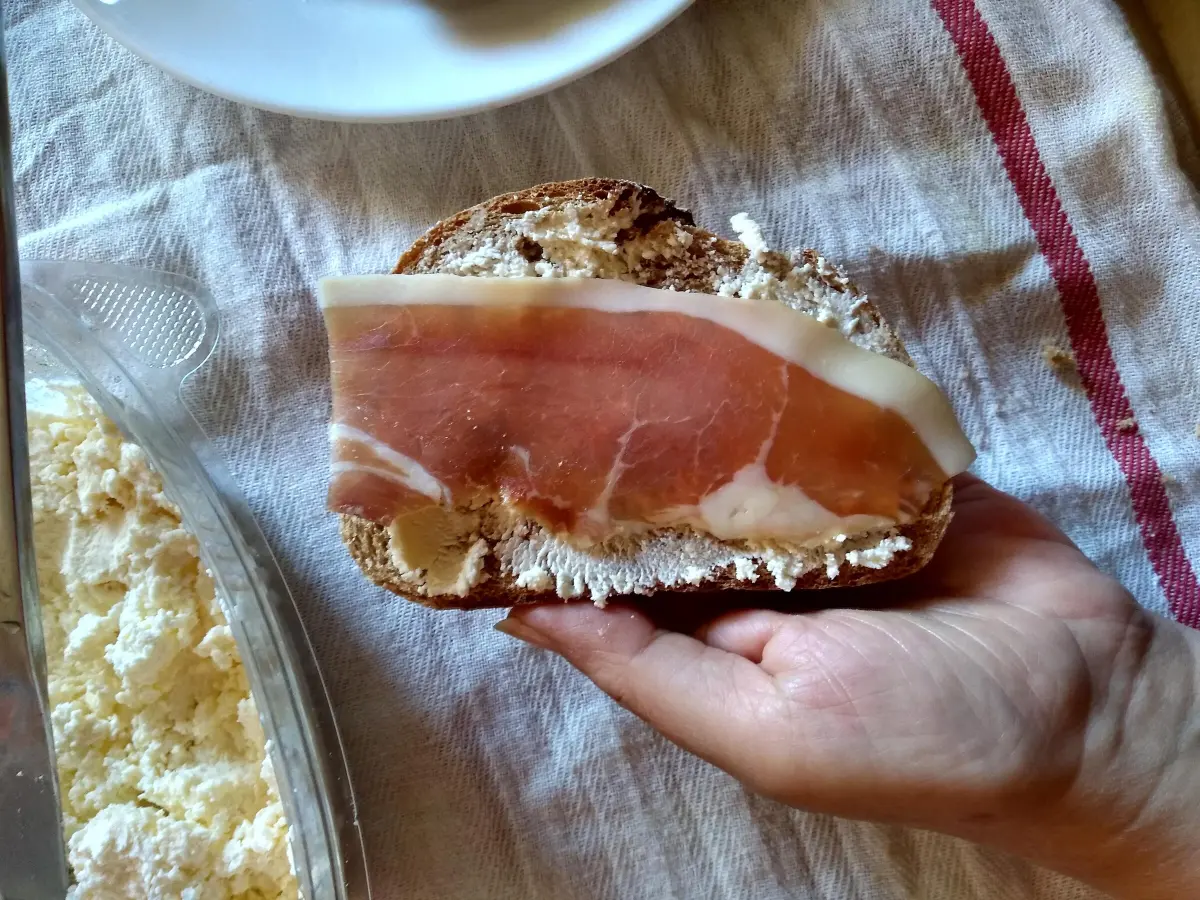
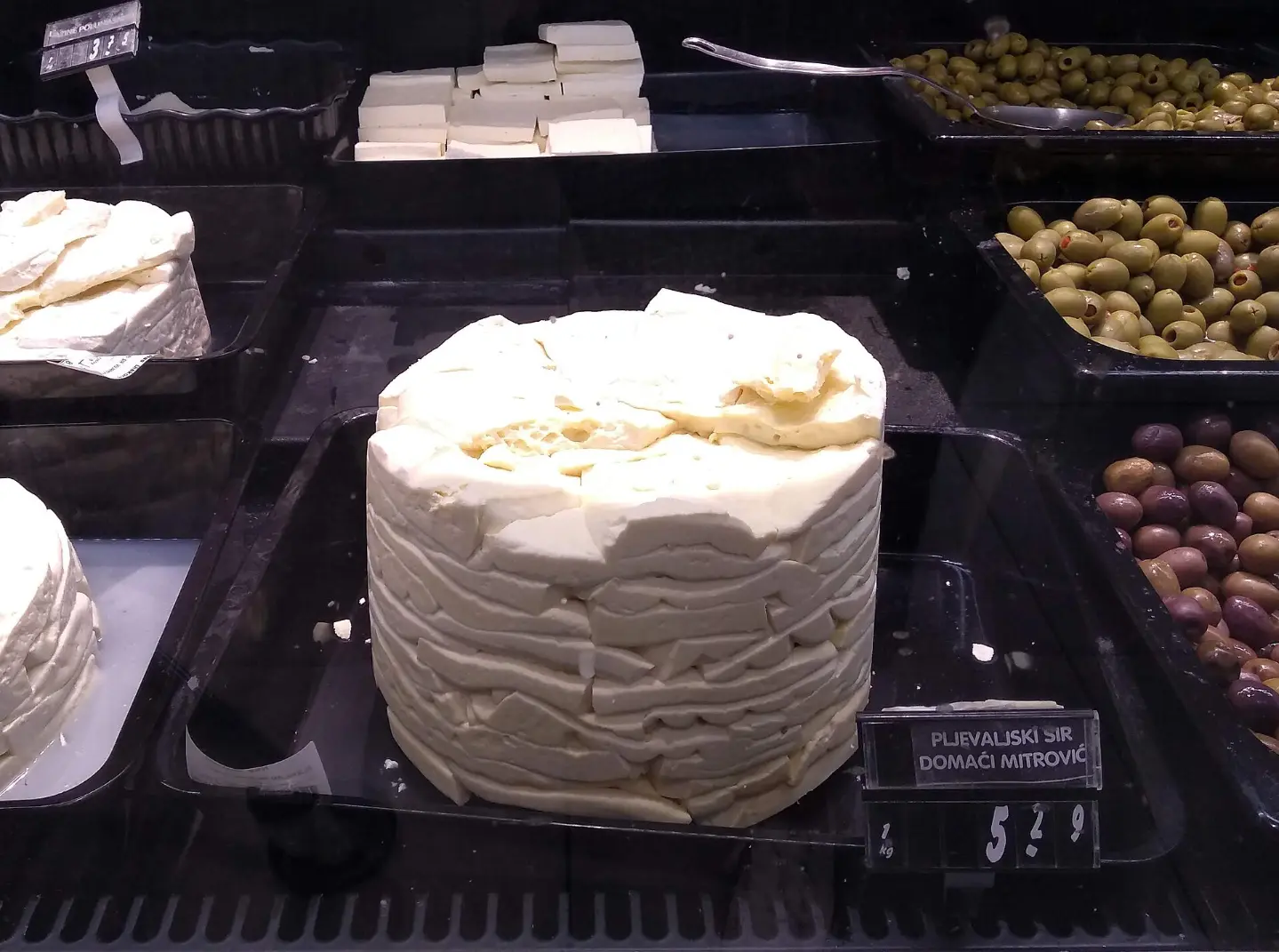
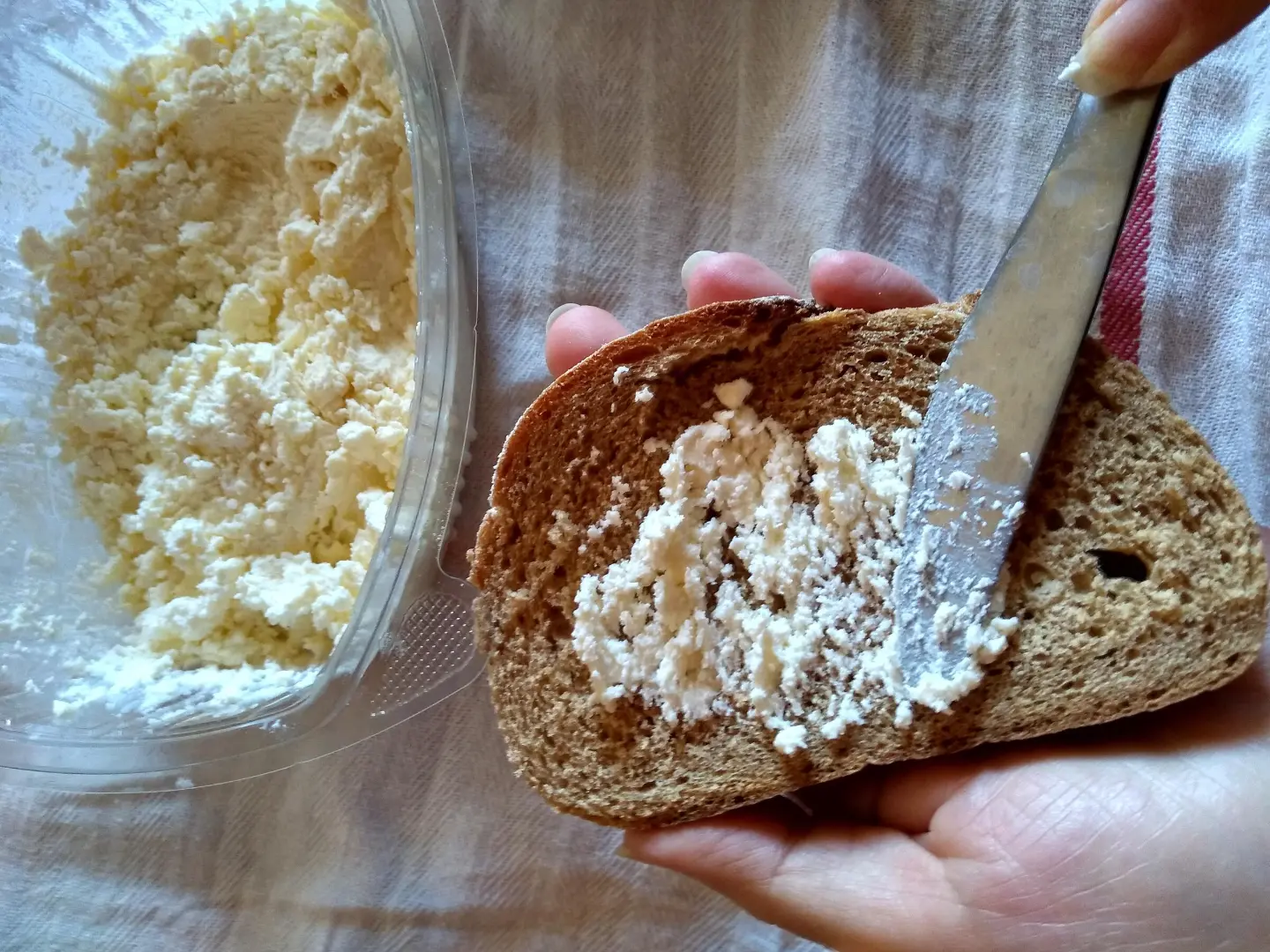
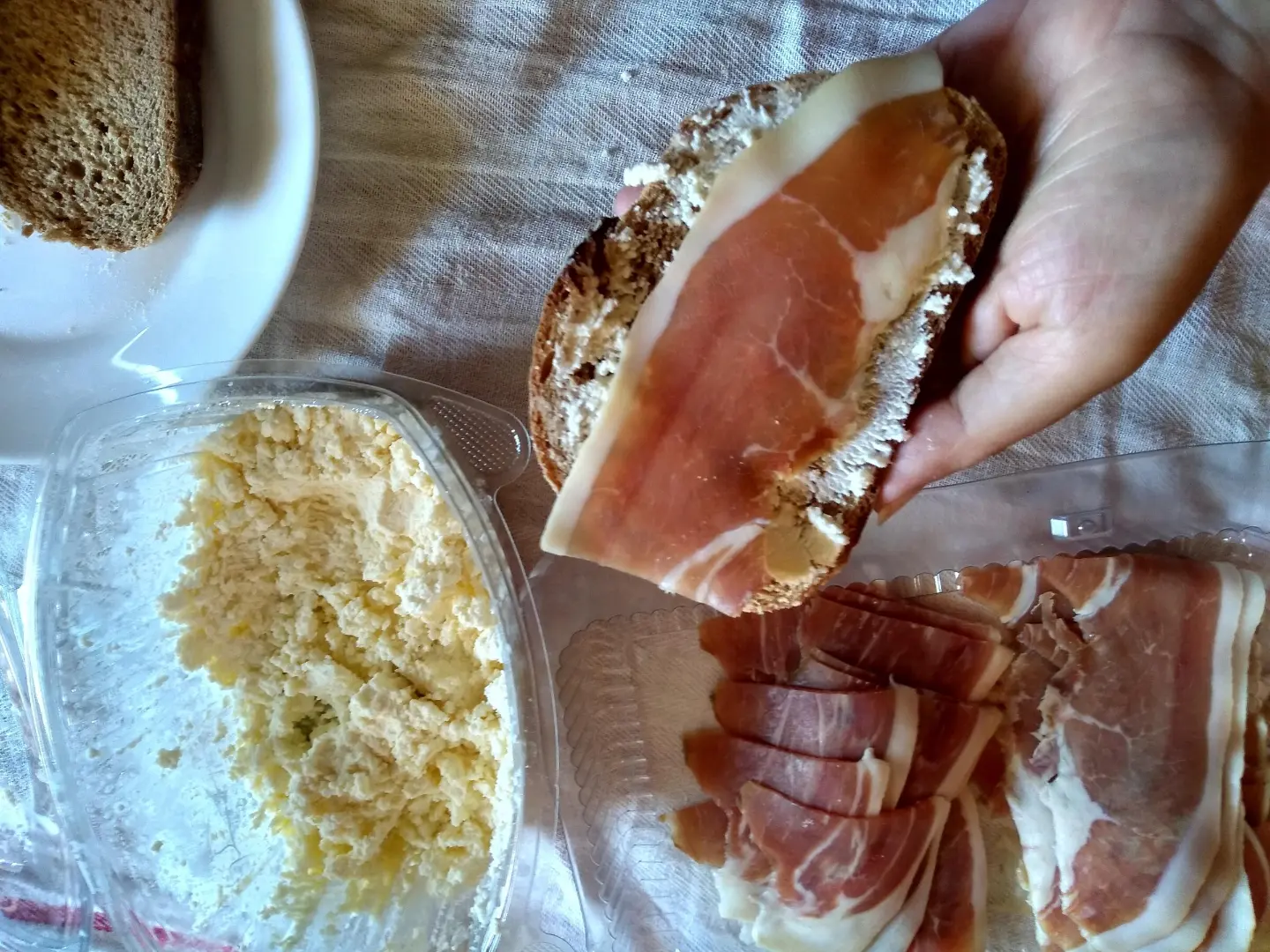
In the north, the market is above all the place for dairy. In Pljevlja, producers sell Pljevlja cheese and kajmak at the town's dairy market, and the market days are Monday and Friday. Nikšić also has two market days, Monday and Friday, while in Kolašin, Mojkovac and Andrijevica it is Monday.