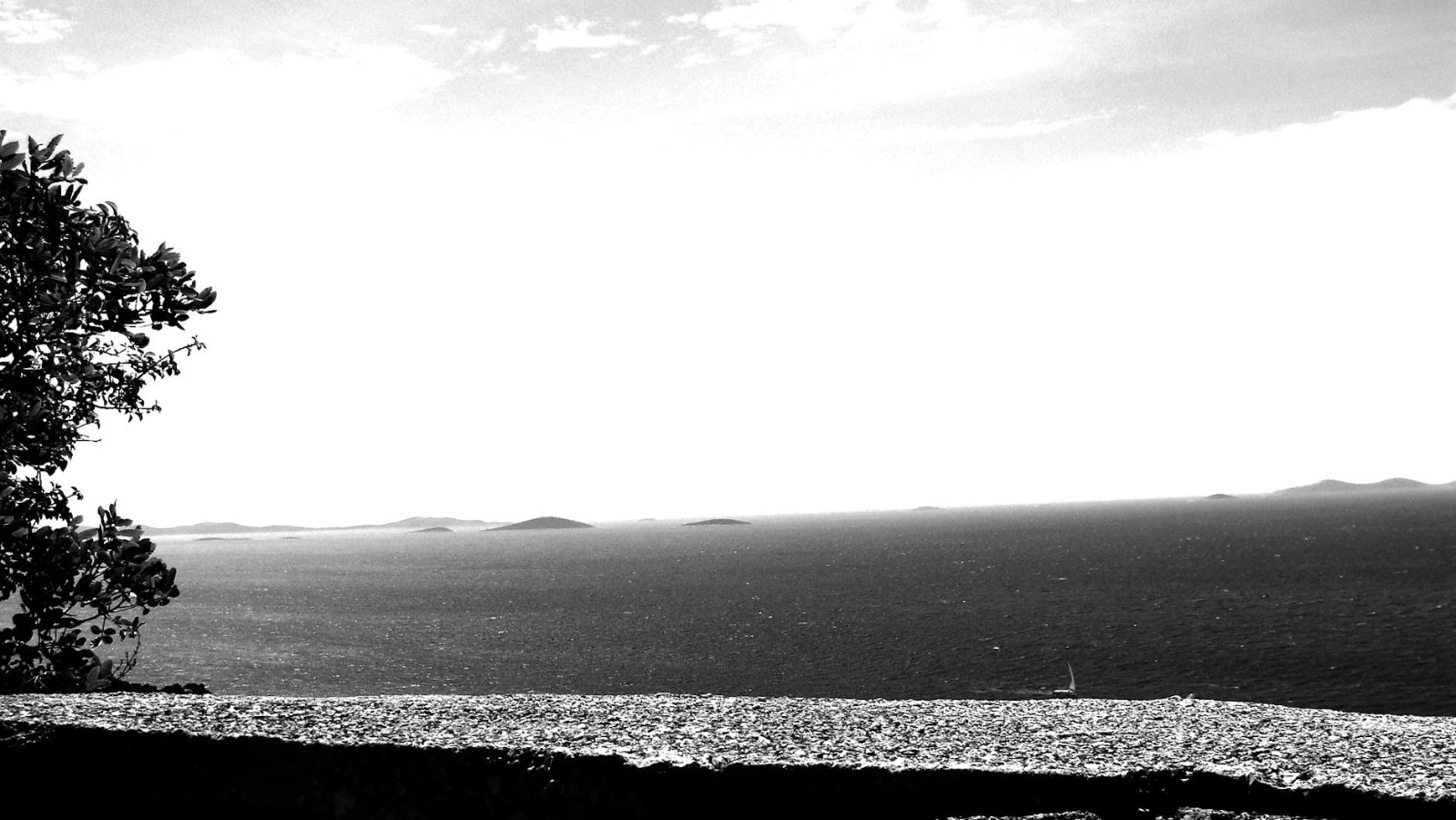
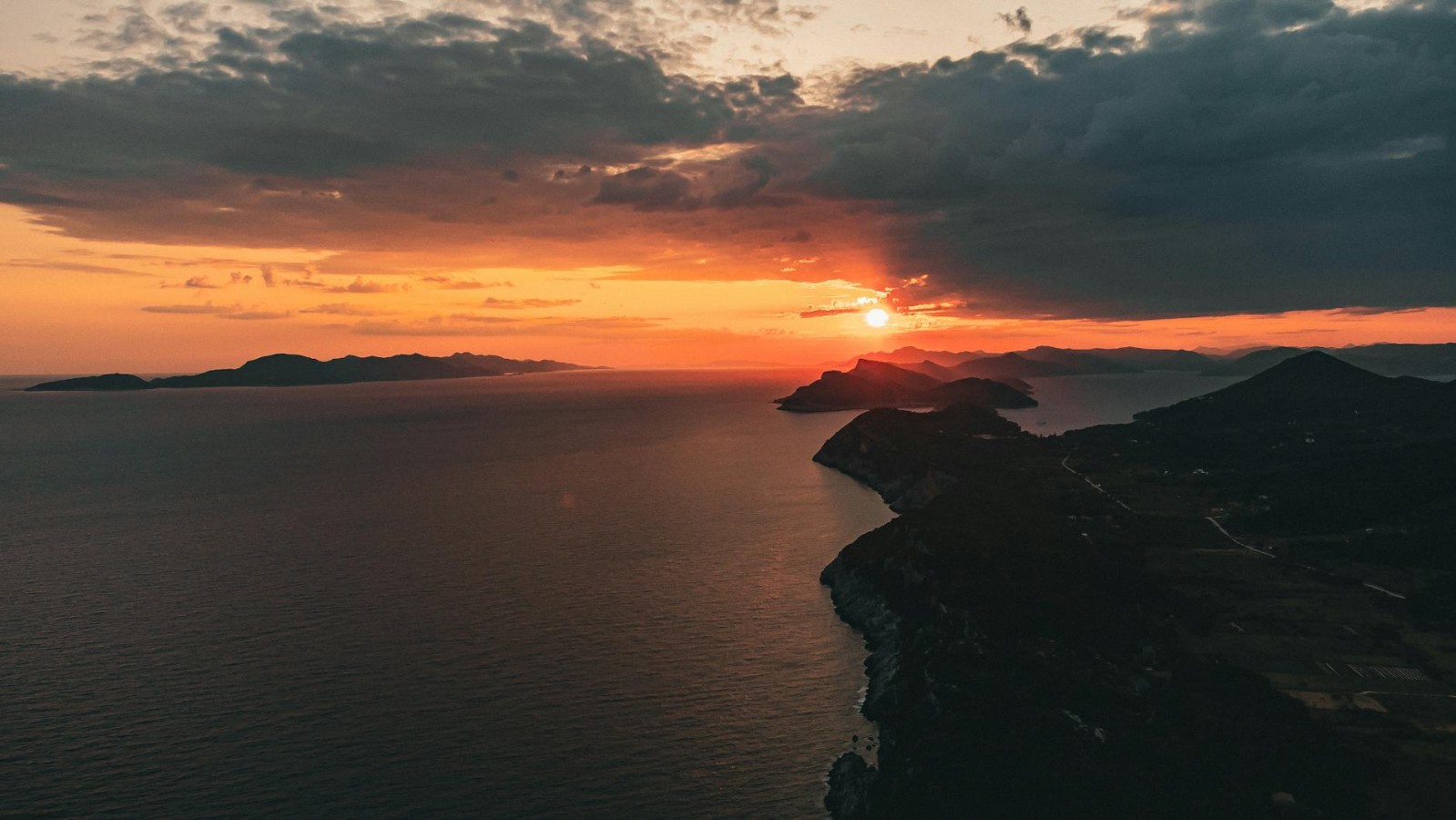
From ancient fortresses rising from azure waters to sacred sanctuaries and pristine lake archipelagos, Montenegro's islands harbor unique ecosystems and centuries of natural history.
Islands of Montenegro: Jewels of the Adriatic and Mountain Lakes
Montenegro's islands represent some of the most pristine and ecologically diverse environments in the Balkans, each serving as unique sanctuaries for endemic species and migratory wildlife. From the dramatic sea cliffs of Sveti Stefan to the wetland paradise of Lake Skadar's archipelago, these isolated ecosystems have evolved in remarkable isolation.
Adriatic Island Fortresses
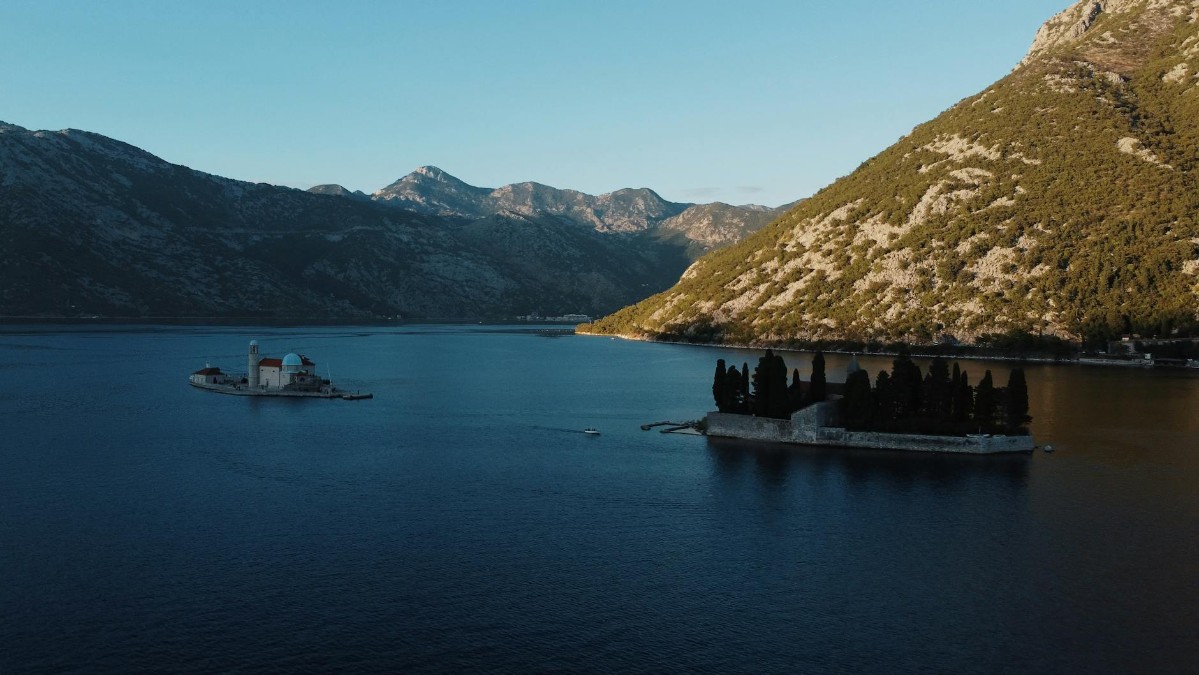
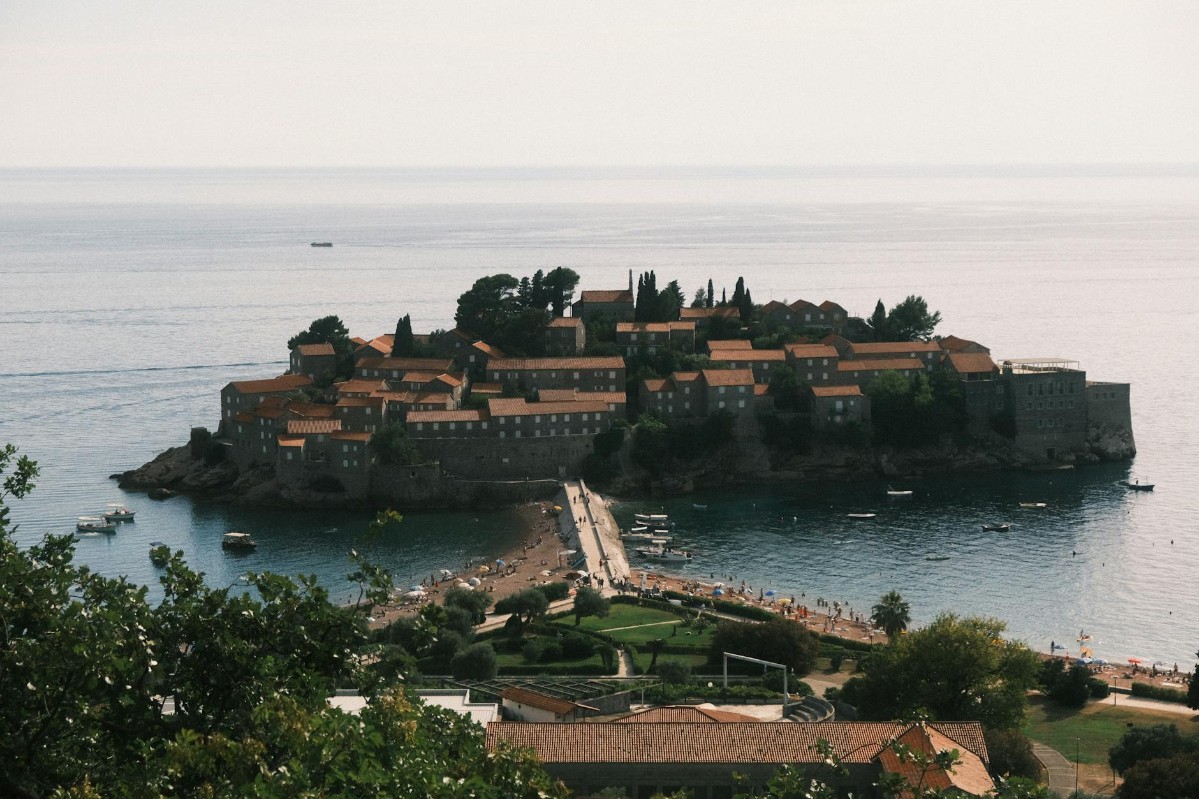
The coastal islands of Sveti Stefan, Our Lady of the Rocks, Sveti Nikola, and Mamula represent unique Mediterranean ecosystems. These rocky outcrops support rare halophytic vegetation adapted to salt spray and limestone soils. Sveti Nikola near Budva serves as a crucial nesting site for Audouin's gulls, while the artificial island of Our Lady of the Rocks demonstrates centuries of human-nature interaction in marine environments.
Lake Skadar's Pristine Archipelago
Within Skadar Lake National Park lies Montenegro's most biodiverse island ecosystem. These freshwater islands provide critical breeding grounds for over 280 bird species, including the largest pelican colony in Europe. The islands' wetland forests harbor endemic plant species and serve as stepping stones for migratory birds crossing the Balkans.
Lake Skadar's Pristine Archipelago Within Skadar Lake National Park lies Montenegro's most biodiverse island ecosystem.
These island sanctuaries face mounting conservation challenges from climate change, tourism pressure, and marine pollution. Montenegro's commitment to protecting these fragile ecosystems through national park designation and UNESCO recognition ensures these natural jewels will continue to serve as vital refuges for Mediterranean and Balkan biodiversity for generations to come.
Nature
Featured
01
Pelican Paradise
Lake Skadar's islands host Europe's largest pelican colony, with both Dalmatian and great white pelicans nesting in protected wetland forests. These magnificent birds serve as flagship species for Balkan wetland conservation.
02
Mediterranean Fortress Flora
Sveti Stefan and coastal islands support unique halophytic plant communities adapted to salt spray and limestone soils, including rare endemic species found only in Adriatic coastal environments.
03
Dynamic Island Ecosystems
Lake Skadar's islands change shape and size with seasonal water fluctuations, creating dynamic habitats that support specialized plant and animal communities adapted to periodic flooding and exposure.
04
Migratory Crossroads
Montenegro's islands serve as crucial stopover points along the Adriatic-Balkan flyway, supporting millions of migratory birds traveling between European breeding grounds and African wintering areas.
Practical Info
Best Time to Visit
April to October offers optimal conditions, with spring migration (April-May) providing spectacular bird watching opportunities on Lake Skadar islands.
Tips & Tricks
Visit Lake Skadar islands during spring migration (April-May) for peak bird activity. Respect nesting areas and maintain distance from pelican colonies. Early morning boat tours offer best wildlife viewing opportunities.
Where Adriatic Meets Alpine in Perfect Harmony
Islands of Ancient Waters
Discover Montenegro's island sanctuaries, from medieval sea fortresses to pristine lake archipelagos teeming with endemic life.
Where Adriatic Meets Alpine in Perfect Harmony
Gallery
Photo Gallery
Did You Know?
Did You Know?
Lake Skadar's islands move and change shape seasonally as water levels fluctuate, creating dynamic habitats that have shaped unique evolutionary adaptations in local plant and animal species over millennia. islands move and change shape seasonally
FAQ
Quick Facts
Lake Skadar's islands form a dynamic wetland ecosystem where water levels fluctuate seasonally, creating diverse habitats from submerged forests to emergent meadows. This variability supports exceptional biodiversity including endemic fish species and Europe's largest pelican colonies.
Sveti Nikola near Budva offers boat access for wildlife viewing, while Sveti Stefan can be observed from coastal trails. Our Lady of the Rocks near Perast is accessible by boat and provides excellent marine ecosystem education opportunities.
Spring migration (April-May) offers peak bird activity on Lake Skadar islands, while summer months provide optimal conditions for marine life observation around coastal islands. Early morning and late afternoon offer the best wildlife viewing opportunities.
Climate change affects water levels in Lake Skadar, while coastal development and tourism pressure threaten marine island ecosystems. Invasive species and pollution also pose ongoing conservation challenges requiring active management.
Seasonal flooding creates a mosaic of habitats from permanent islands to temporary wetlands. This dynamic system supports specialized species adapted to periodic inundation and has shaped unique evolutionary processes over thousands of years.
Lake Skadar islands harbor endemic fish species like the Skadar bleak, while coastal islands support rare Mediterranean plants adapted to specific limestone and salt conditions found only in this region of the Adriatic.
Travel Assistant
Ask about Montenegro
Welcome!
Ask me about destinations, restaurants or activities.