
Nature
Montenegro's rugged mountains and protected wilderness areas offer some of Europe's most pristine dark skies, where ancient peaks frame celestial wonders in breathtaking clarity.
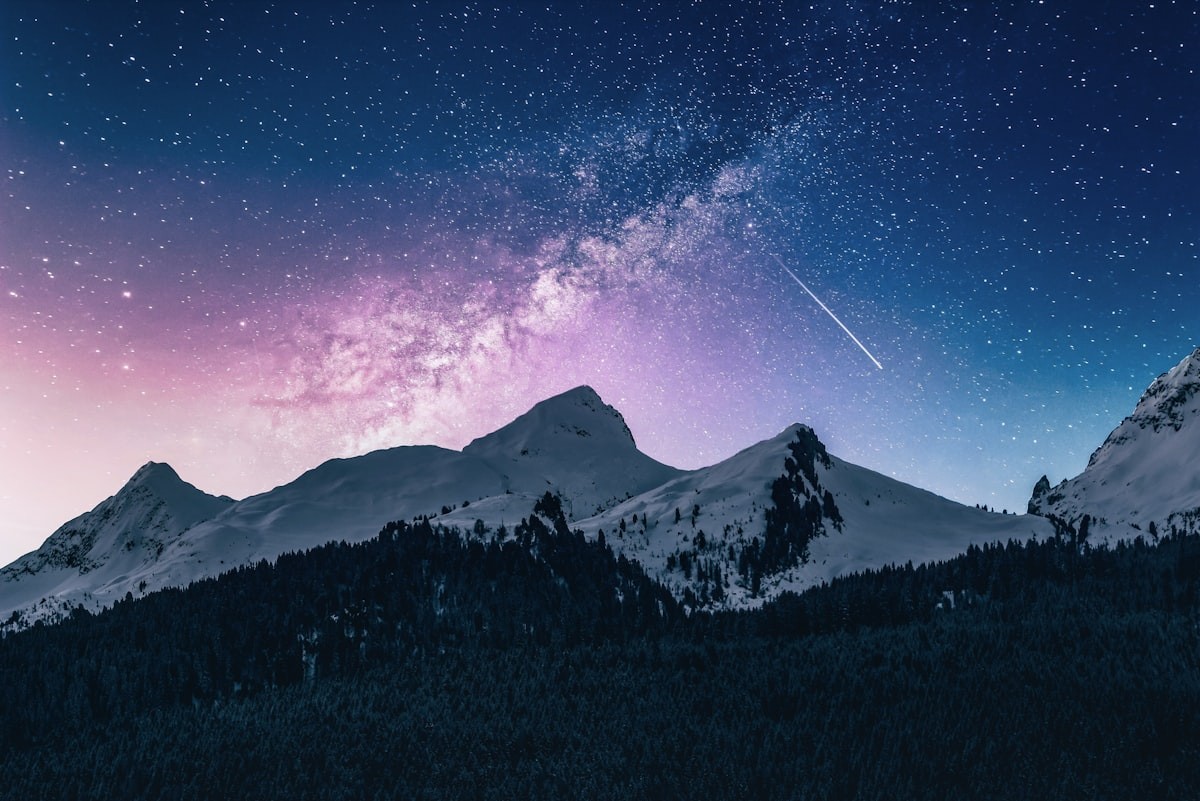
In Montenegro's pristine national parks, darkness reveals nature's greatest theater—a celestial canvas unmarred by light pollution.
Bortle Class 2-3
Dark Sky Rating
1,500-2,500m
Best Elevation
New moon phases
Optimal Conditions
Winter months
Clearest Skies
25+ protected
Nocturnal Species
April-October
Milky Way Season
Montenegro's rugged mountains and protected wilderness areas offer some of Europe's most pristine dark skies, where ancient peaks frame celestial wonders in breathtaking clarity.
Durmitor National Park stands as Montenegro's premier stargazing destination, where minimal light pollution reveals the Milky Way in stunning detail. The park's high-altitude plateaus and remote valleys create natural observatories perfect for astronomical observation.
Prokletije National Park's pristine wilderness and Lovćen's elevated positions provide additional dark sky havens, where endemic flora creates unique foreground silhouettes against the cosmic backdrop.
Summer months reveal the galactic center while winter showcases brilliant constellations against snow-covered peaks. Each season transforms Montenegro's natural amphitheaters into cosmic viewing platforms.
These dark sky areas protect not only astronomical viewing but also nocturnal wildlife habitats, supporting Montenegro's unique biodiversity while preserving one of humanity's oldest connections to nature.
Montenegro's stargazing sites represent more than astronomical observation—they're windows into our planet's natural rhythms and cosmic heritage.
Nature
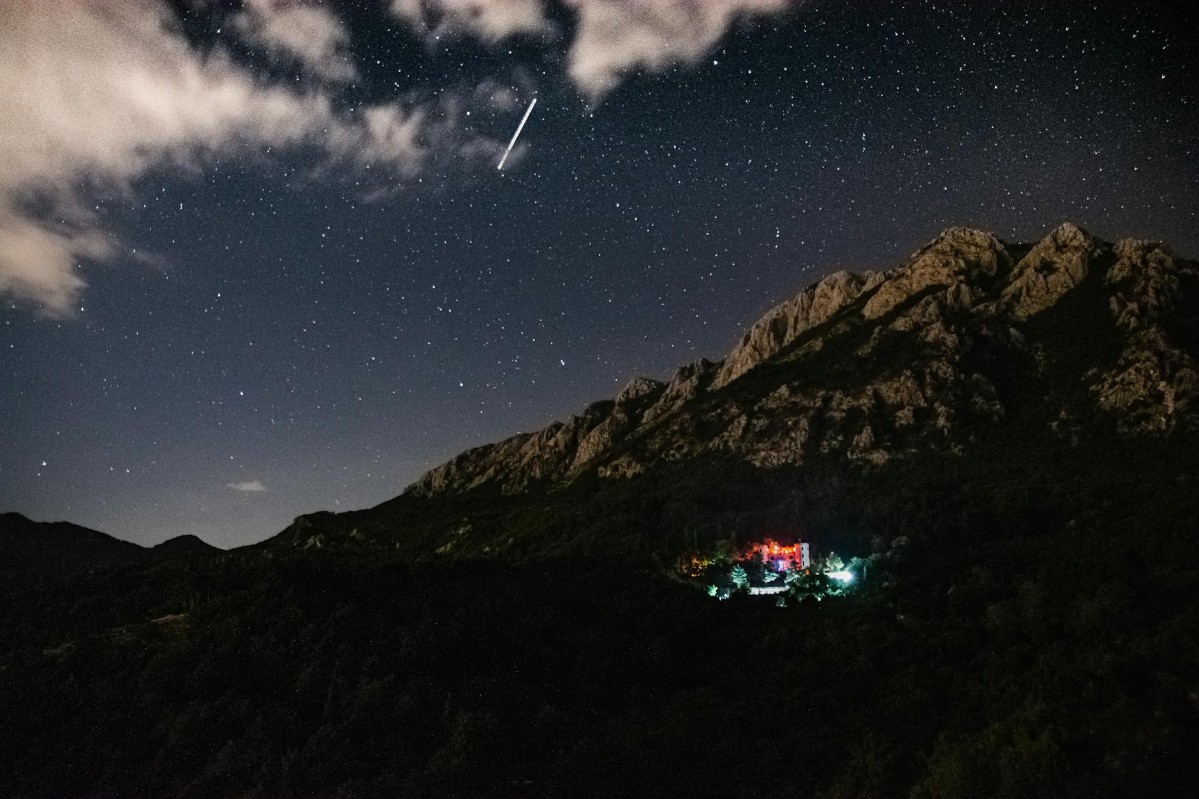
Europe's premier dark sky destination where glacial lakes reflect starlight and limestone peaks frame the galactic center. Minimal light pollution creates exceptional viewing conditions year-round.
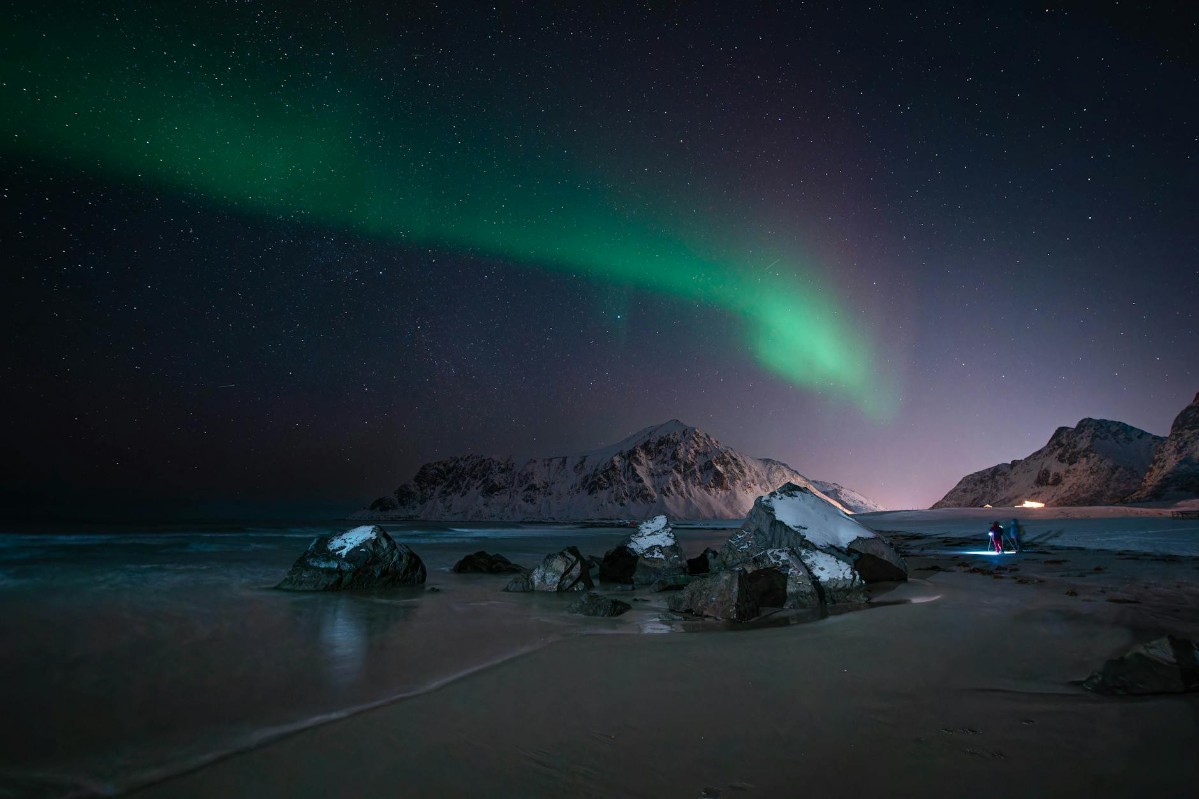
Montenegro's most remote stargazing location offers pristine skies above 2,000 meters. Sharp mountain air and complete darkness reveal deep-sky objects invisible from lower elevations.
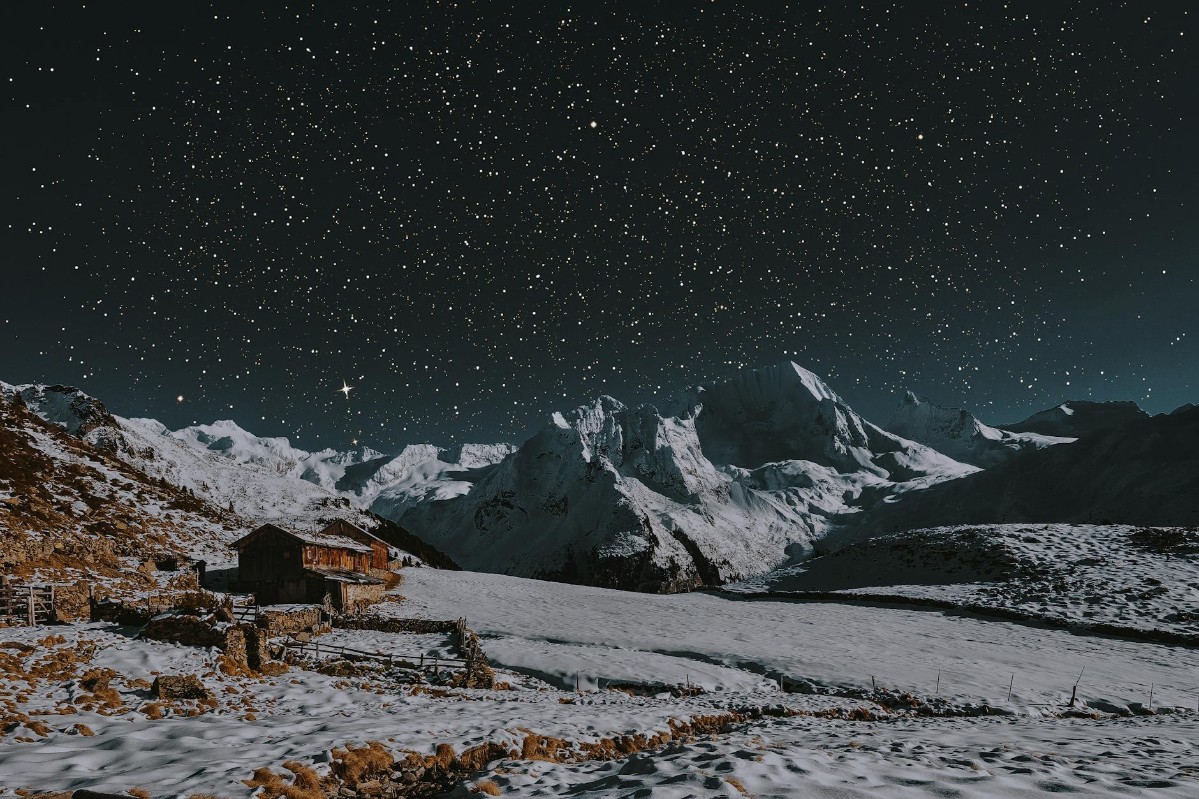
Unique position between mountains and coast provides diverse stargazing experiences. Observe both inland dark skies and coastal light interactions in a single location.
Each season transforms the night sky experience. Summer reveals the Milky Way's galactic center while winter showcases brilliant constellations against snow-covered peaks.
Practical Info
June to September offers warmest conditions and longest nights, while December to February provides clearest atmospheric transparency for deep-sky observation.
Visit during new moon phases for optimal darkness. Bring red-light flashlights to preserve night vision. Summer offers warmest conditions but winter provides clearest atmospheric transparency.
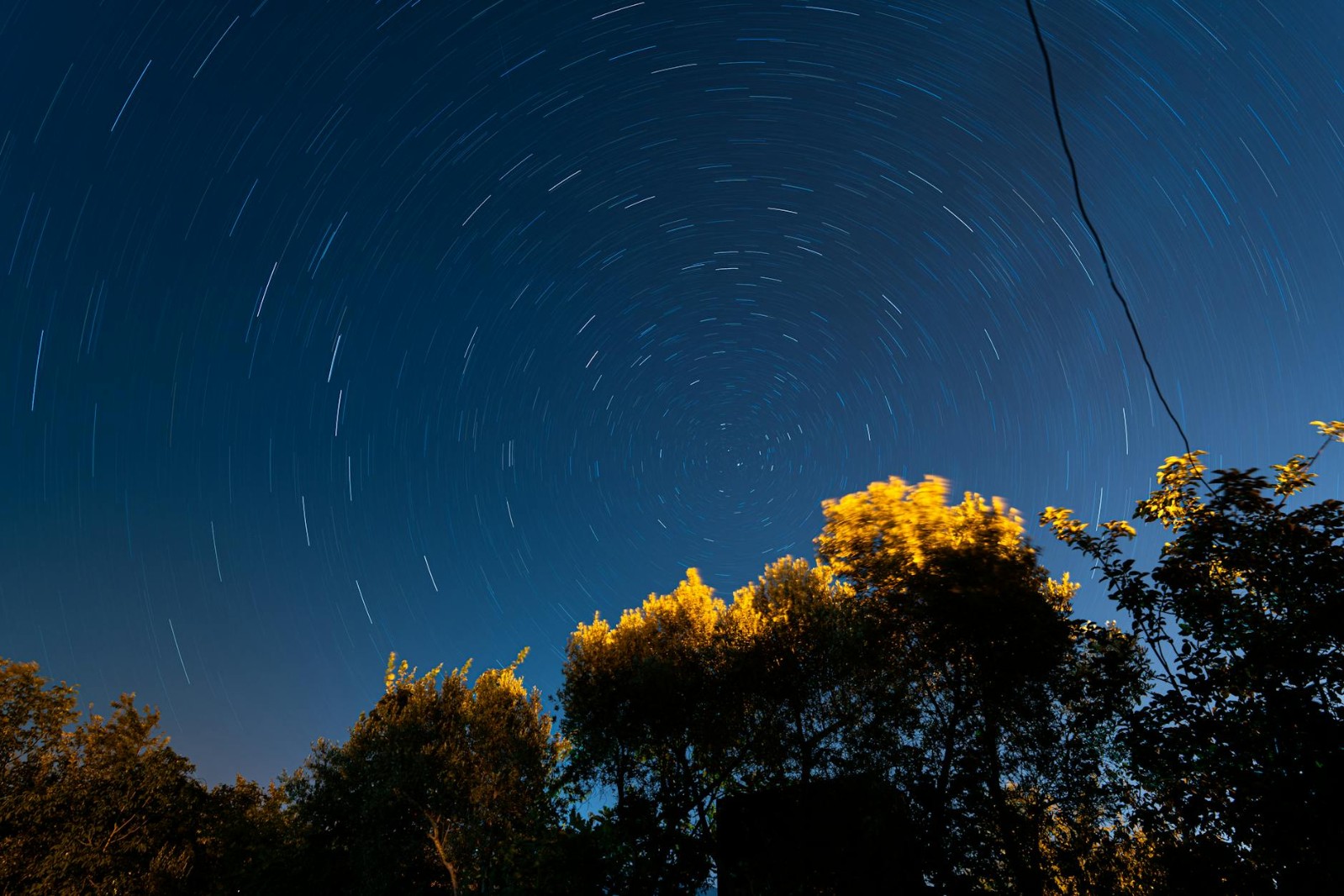
Where mountain peaks frame infinite cosmic wonder
Ancient peaks rise against star-filled skies in Montenegro's pristine wilderness, creating natural observatories for cosmic exploration.
Gallery
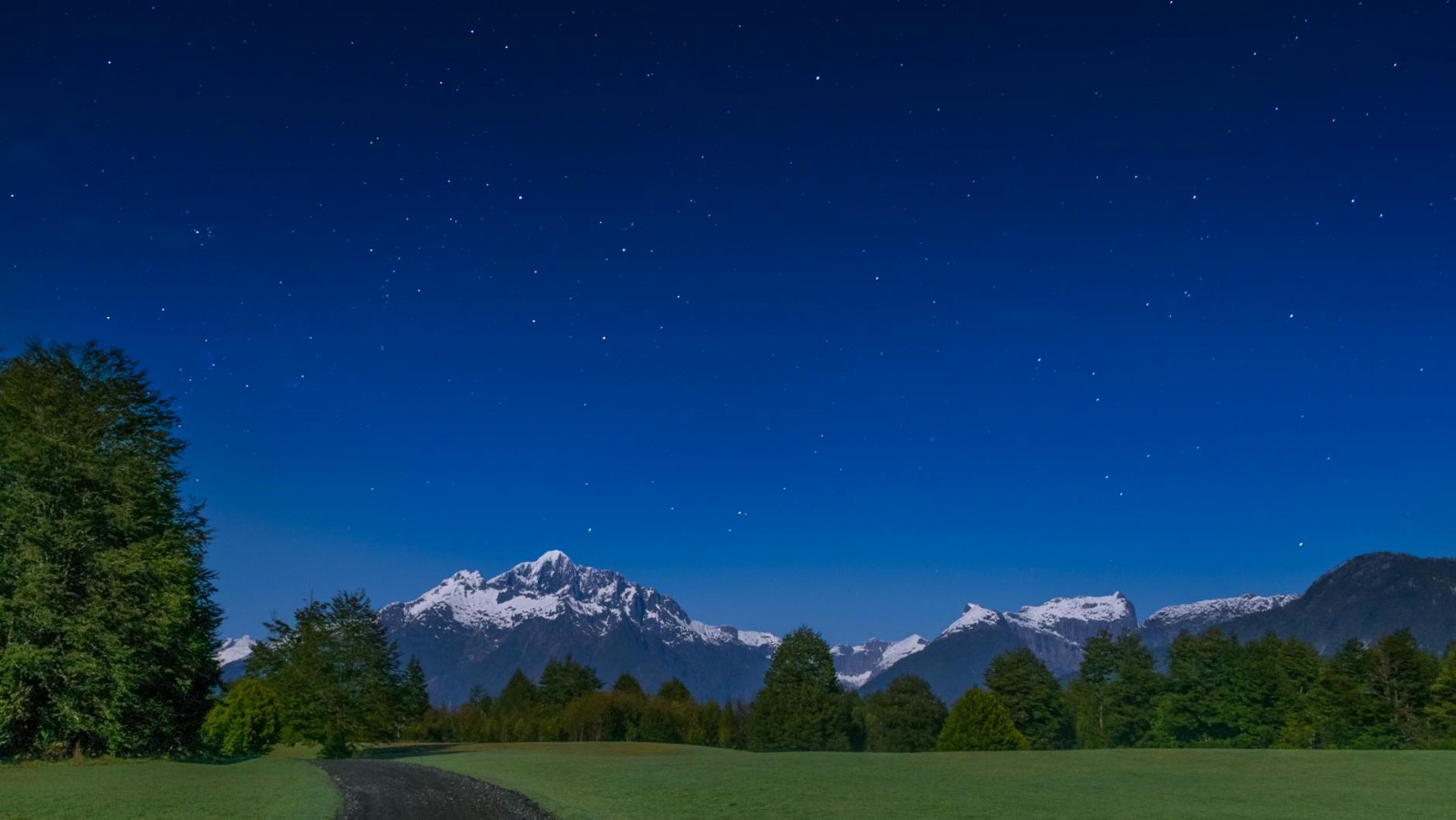
Did You Know?
Montenegro's Durmitor National Park achieves Bortle Class 2 dark sky conditions, making it one of only a handful of locations in Europe where the Milky Way casts visible shadows on the ground during moonless nights. Milky Way casts visible shadows on the ground
FAQ