The largest island on the Montenegrin coast — 1 km from Budva
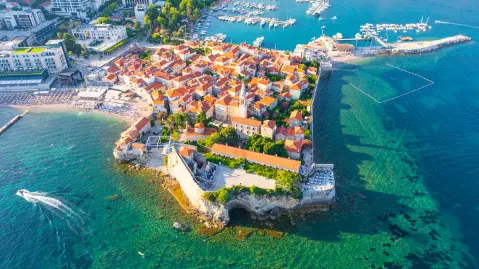
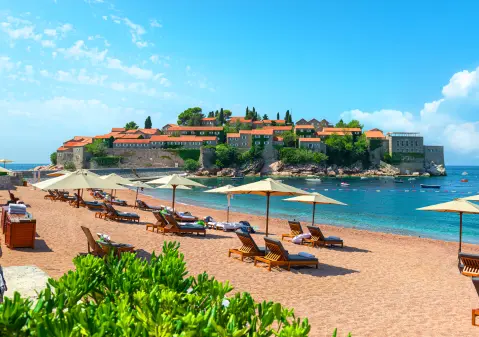
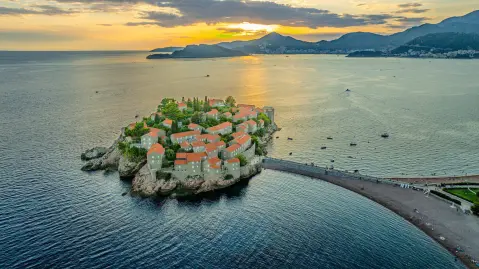
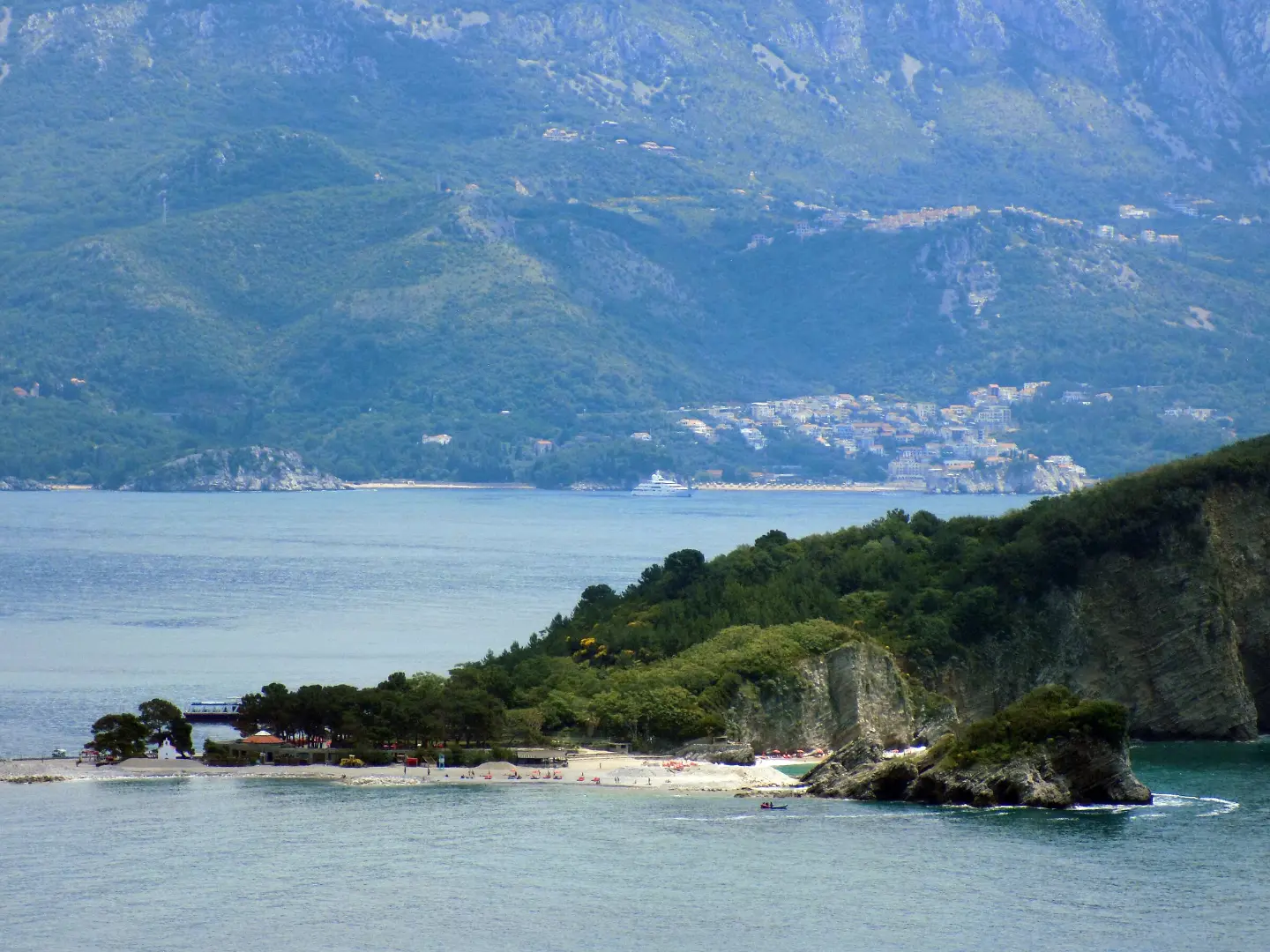
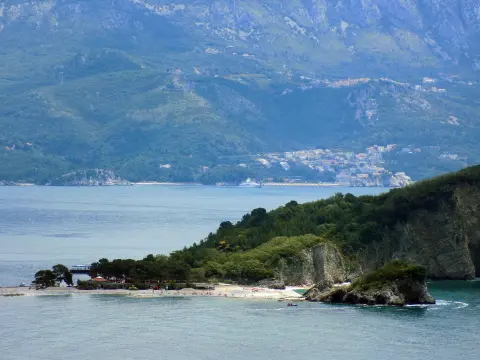
Sveti Nikola Island lies less than one kilometre from the Budva coastline and is the only larger island on the Montenegrin part of the Adriatic. Covering 47 hectares and stretching approximately 1,750 metres in length, the island has three beaches with a combined length of 840 metres. It is uninhabited and car-free — there are no hotels or roads, only seasonal bars and natural trails through Mediterranean vegetation. In addition to the beaches, visitors are drawn to the Church of St. Nikola on the northern part of the island, after which the island was named, as well as herds of deer and mouflon that roam freely in the interior. Boats to the island run every 15 to 30 minutes from Budva marina and from Slovenska Plaža.
Location
1 km from Budva, Montenegro
Area
47 hectares
Highest point
121 m
Island length
approx. 1,750 m
Season
June — September
Total beaches
3 beaches / 840 m
Highlights
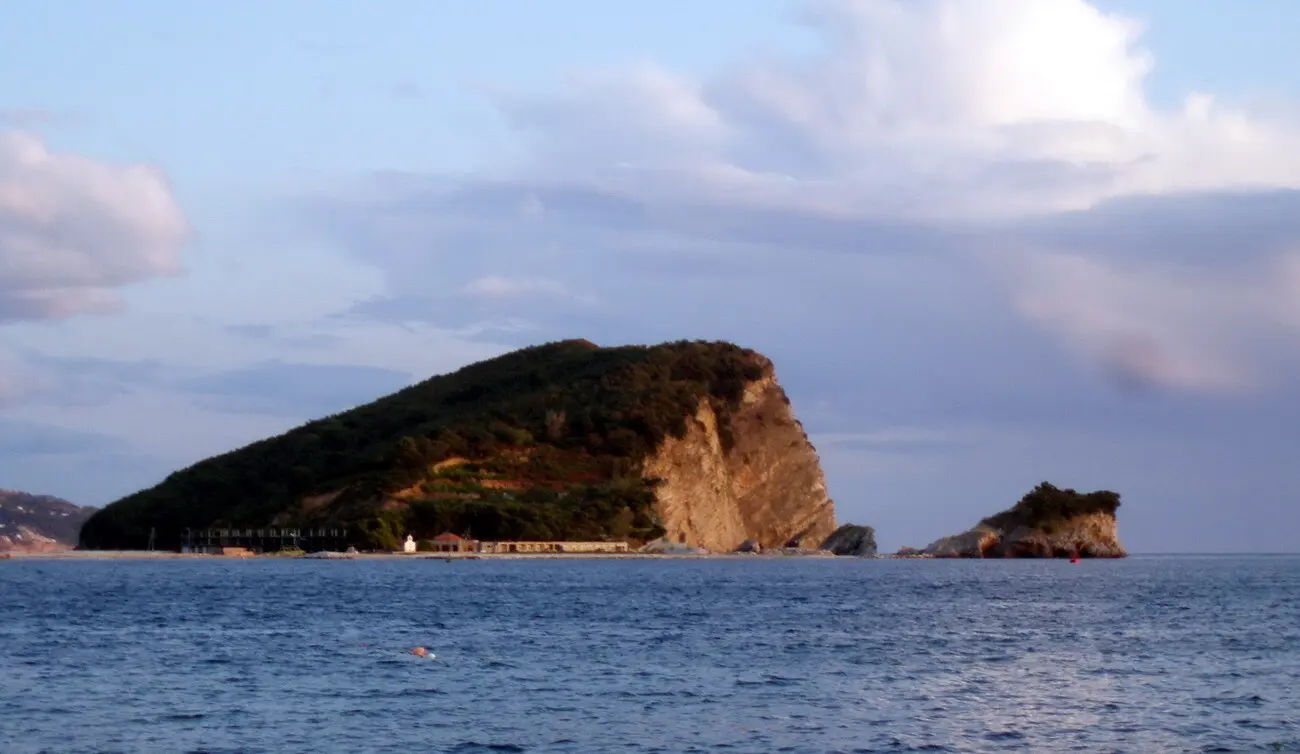
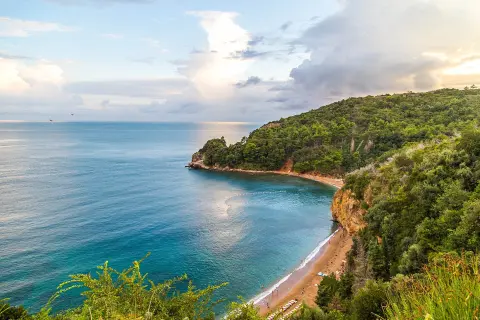
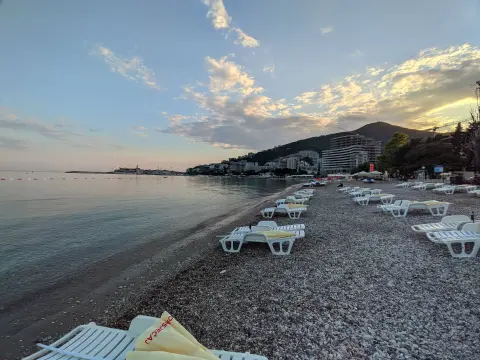
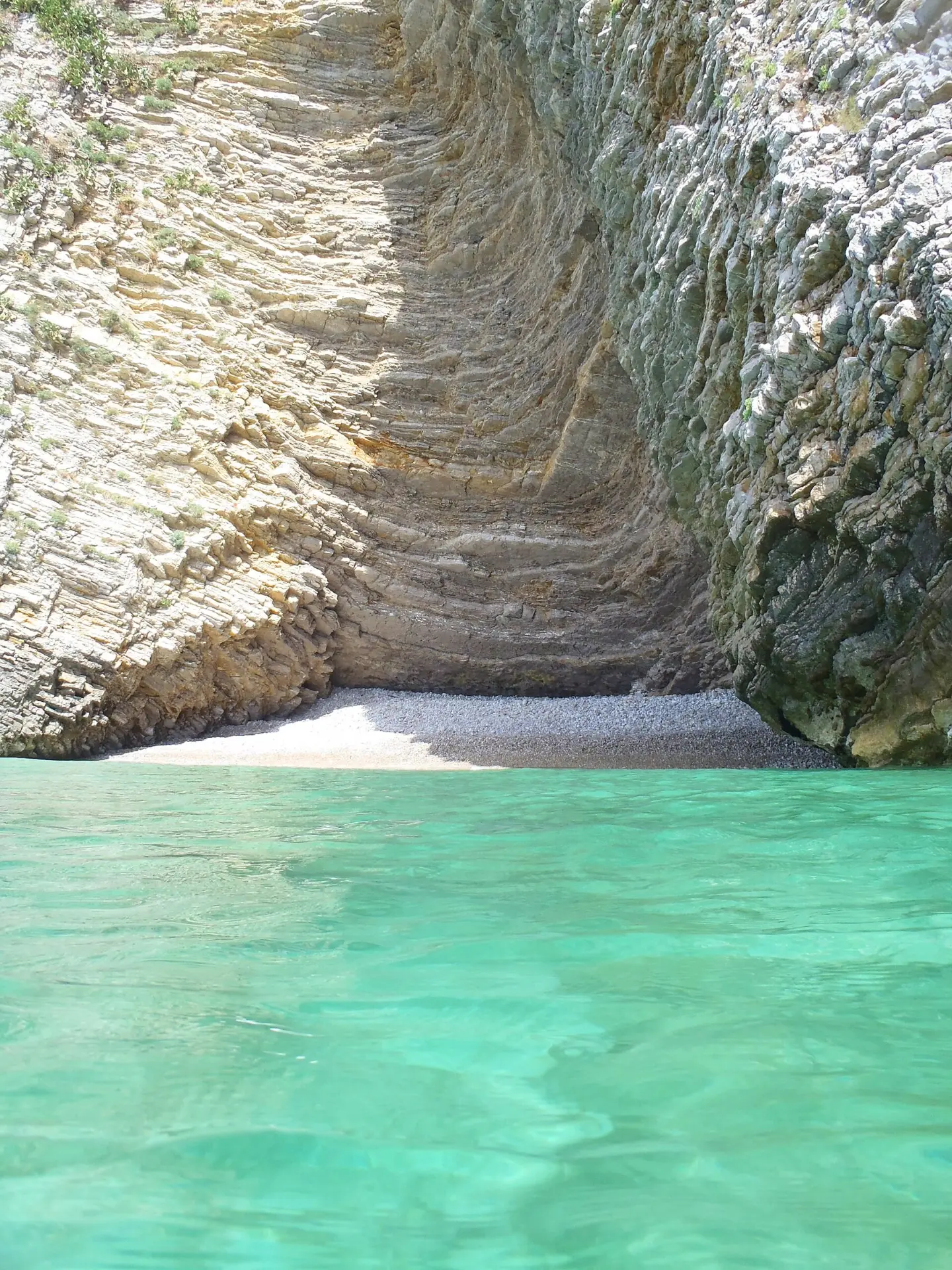
The island has three sandy beaches with a combined length of 840 metres. The main beach on the eastern side faces Budva and is the most accessible for families — the water is shallow and calm, and sun loungers and seasonal bars are available during summer. The beaches on the southern side of the island, beneath near-vertical cliffs, are accessible only by boat and attract those seeking complete silence and privacy. Between the beaches, rocky outcrops stretch out from which the bravest visitors leap into the sea.
On the northern part of the island stands the ancient Church of St. Nikola, after which the island received its official name. The church is estimated to be over a thousand years old and is one of the oldest structures on the Budva Riviera. It is modest in size, but its historical significance and location — surrounded by Mediterranean vegetation with views of the sea — make it a must-see stop on any tour of the island.
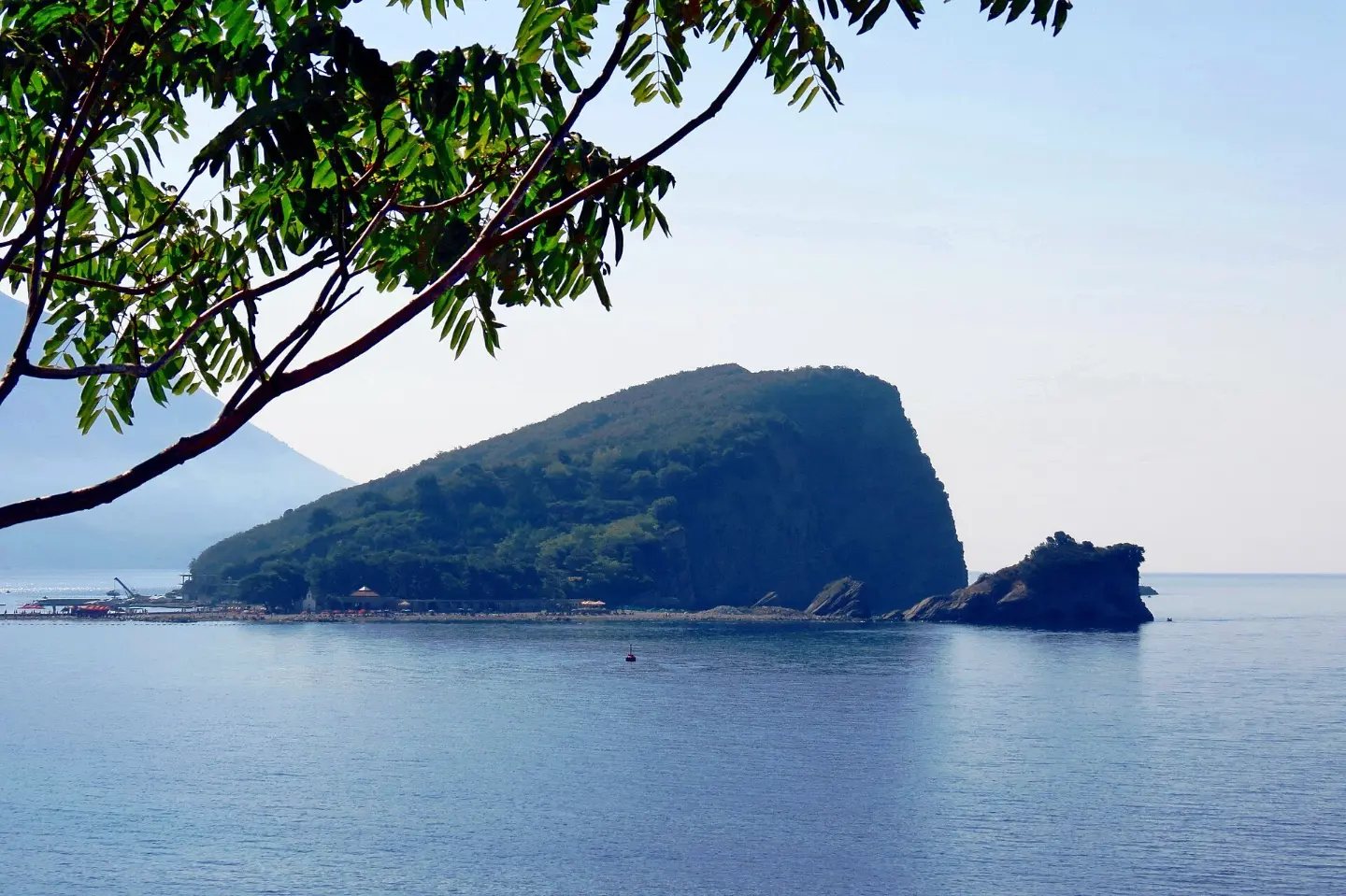
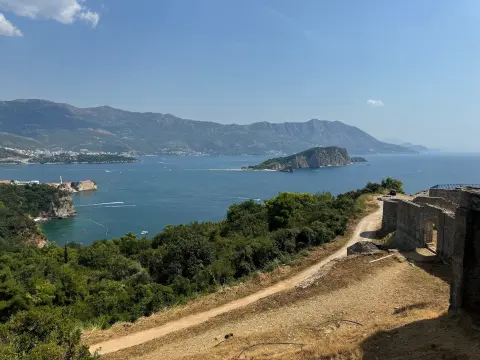
The interior of Sveti Nikola Island is covered with Mediterranean vegetation — sage, rosemary, juniper and myrtle — through which trails lead to the highest point at 121 metres above sea level. The island was once a hunting reserve and today deer, mouflon, rabbits and several species of birds still roam freely within it. From the summit, views extend across the Old Town of Budva, the Budva Riviera and the open Adriatic, and on clear days the mountain ranges of Montenegro's interior are also visible.
The sea around Sveti Nikola Island ranks among the clearest on the Montenegrin coast, with visibility that frequently exceeds 15 metres. The rocky shoreline, particularly on the western and southern sides, is home to diverse marine life — octopuses, colourful fish, starfish and sea urchins. The best snorkelling spots are found on the western side of the island, where the rocks plunge vertically into deep water and there is no boat traffic. It is recommended to bring your own equipment, as rental options on the island are limited.
Reels
Hiking, walking and cycling routes that start here or pass nearby, with maps and GPX downloads.
1.0 km↑ 17 m15–25 min
1.4 km↑ 44 m50–70 min
8.8 km↑ 130 m2–3 h
3.1 km↑ 169 m65–90 min
3.6 km↑ 246 m1–1½ h
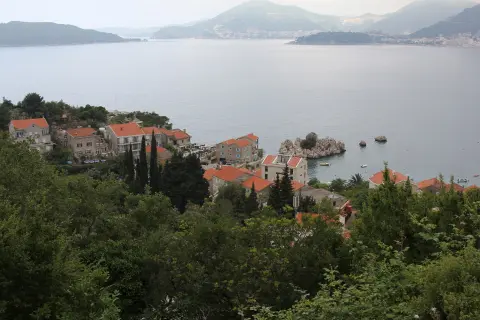
6.6 km↑ 764 m3–4 h
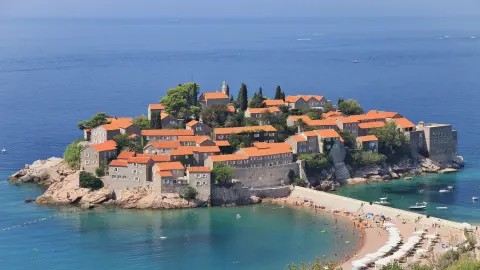
1.6 km↑ 204 m45–65 min
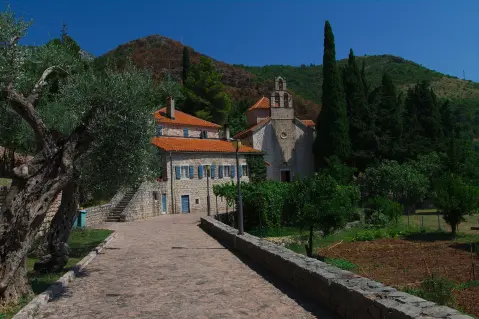
4.2 km↑ 572 m2–3 h
Gallery
Did You Know?
Sveti Nikola Island, nicknamed 'Hawaii' by locals, is home to free-roaming deer and mouflon — making it one of the few places in the Mediterranean where you can spot wildlife just metres from a sandy beach.
Plan Your Visit
Website
budva.travelBoats run from ~08:00 to ~19:00 (June–September); off-season only by private boat
Entrance to the island is free; return boat ticket 5–7 EUR per person
No parking on the island (car-free). Paid parking in Budva from ~1–2 EUR/h.
The island is not wheelchair-accessible — pebble beaches and uneven terrain with no ramps
Plan your stay
Live offers from local hosts on our booking platform. Nothing is charged online — you pay the host on site.
A few offers
Booking requests are confirmed by the host; payment on site. Offers come from the Travel to Montenegro booking platform.
FAQ
Around here

Ask about Montenegro
Ask me about destinations, restaurants or activities.