Stone-square towns, five national parks, Adriatic beaches and quiet mountain lakes — choose where your story starts.
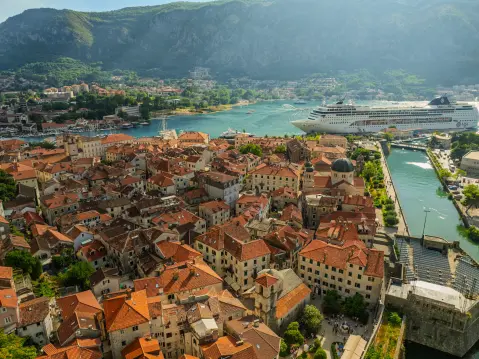
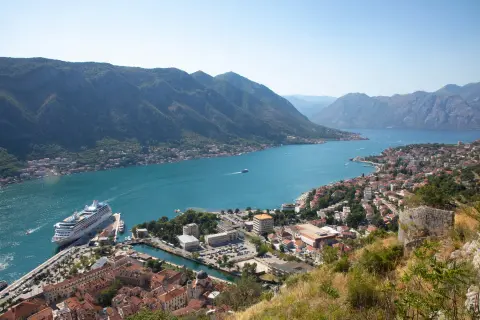
A medieval town under UNESCO protection, nestled between steep mountains and the calm waters of the Bay of Kotor.
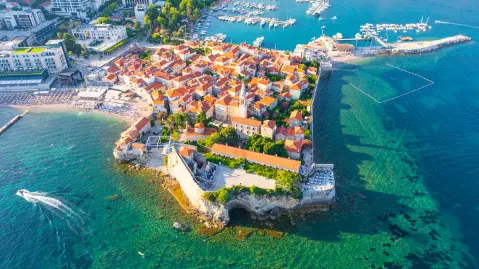
Budva is Montenegro's most visited seaside resort, known for its rocky coastline, Old Town, and vibrant nightlife.
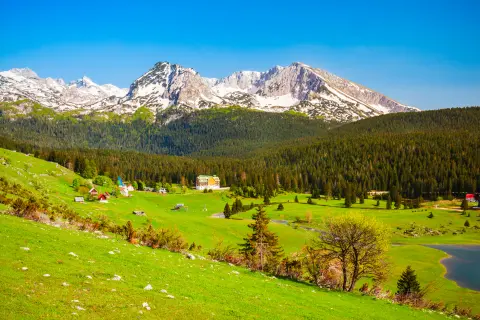
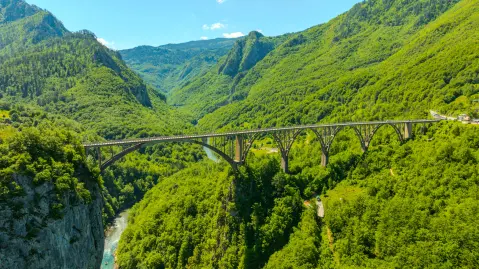
Žabljak is a mountain town at 1,456m above sea level, the tourism hub of Durmitor and the starting point for 18 glacial lakes and the Tara Canyon.
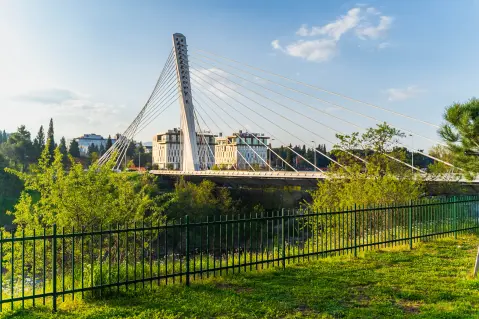
Podgorica is the capital and largest city of Montenegro, situated in the Zeta Plain just 40 km from the Adriatic.
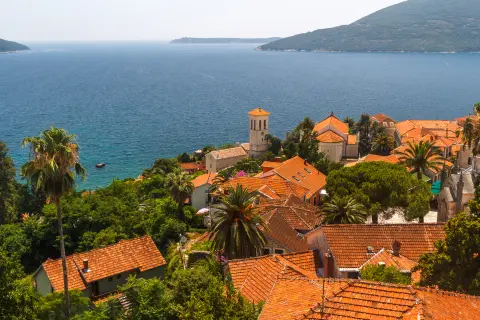
A coastal city with six centuries of history, monumental fortresses, and more than 250 sunny days a year.
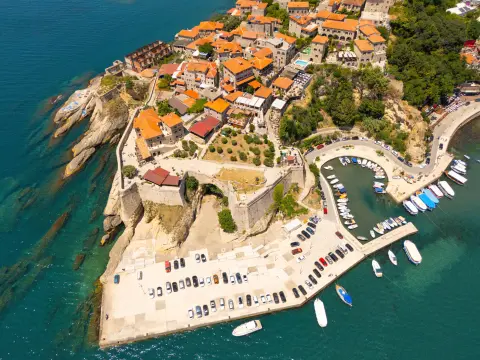
The southernmost city in Montenegro, known for its long beaches, Old Town, and rich cultural heritage.
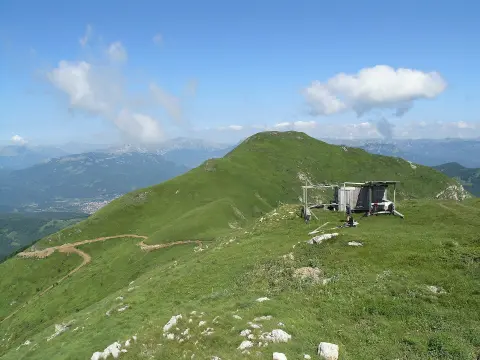
A mountain town in northern Montenegro, at the foot of Bjelasica, with 45 km of ski slopes and Biogradska gora National Park nearby.
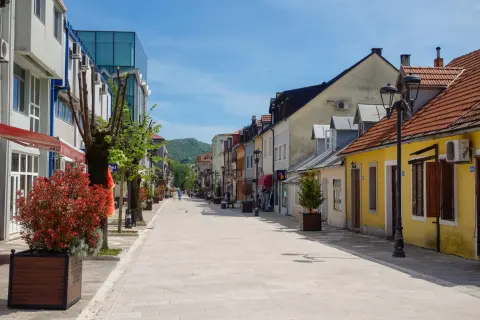
Montenegro's former royal capital at 672 m above sea level, surrounded by Mount Lovćen and rich in historical museums.
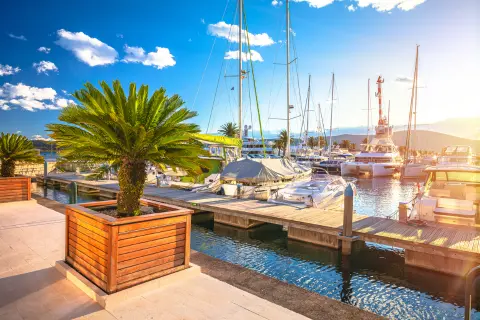
A coastal town in Boka Kotorska, known for the superyacht marina Porto Montenegro and its Mediterranean climate.
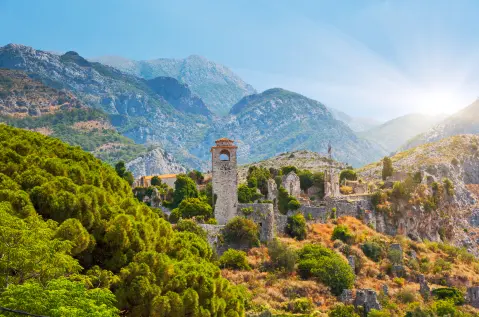
Bar is Montenegro's largest port, nestled between the Adriatic Sea and Lake Skadar, with a rich history and Mediterranean ambiance.
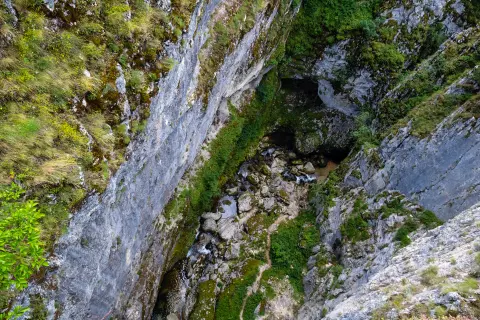
Šavnik is a small mountain town in central Montenegro, known for the Nevidio canyon and the unique natural phenomenon of a double sunrise.
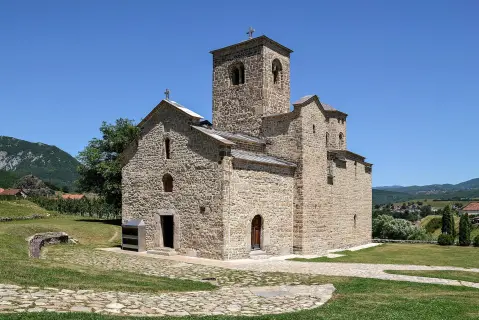
Berane is a town at 670 m above sea level in the Lim valley, surrounded by Bjelasica and Cmiljevica, with a rich cultural and historical heritage.
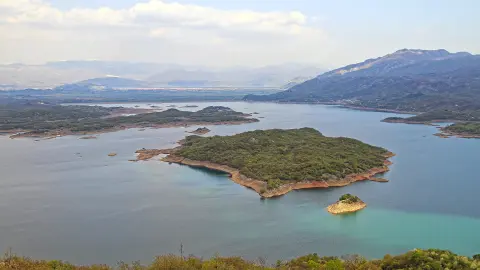
Nikšić is Montenegro's second largest city, set in the expansive Nikšić polje at 630m, surrounded by lakes, mountains and historical sites.
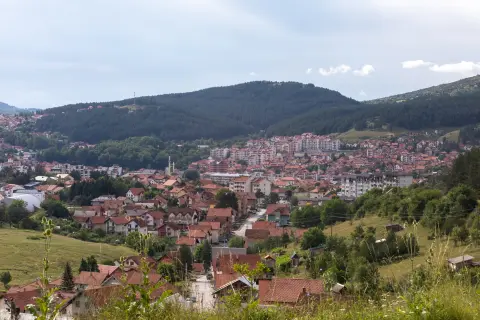
Pljevlja is a city in northern Montenegro, known for the Monastery of the Holy Trinity, the Husein-Pasha Mosque, and the Meandri Ćehotine viewpoint.
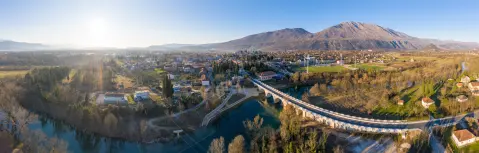
A town on the Zeta River known for its cultural and historical monuments, Spuž Fortress, and proximity to Ostrog Monastery.
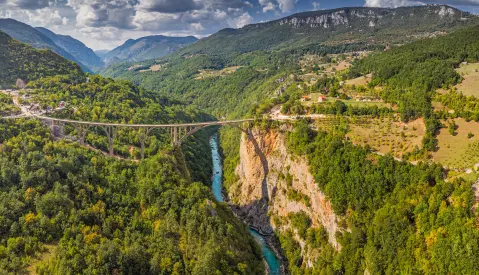
Mojkovac is a mountain town at 853 m above sea level, nestled in the valley of the Tara River between Bjelasica, Sinjajevina and two national parks.
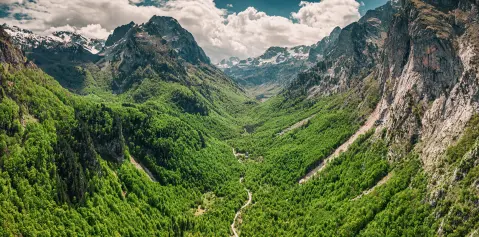
Gusinje is a mountain town at around 920m above sea level, situated at the foot of Prokletije in southeastern Montenegro.
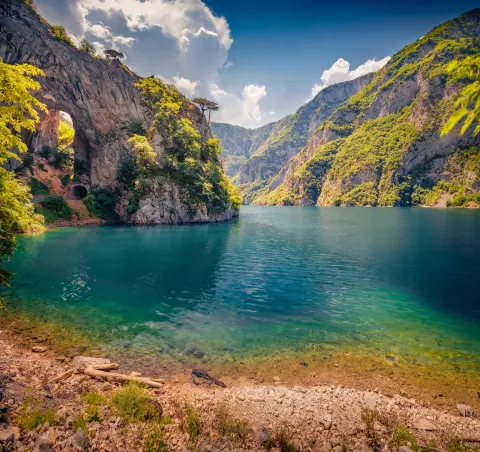
A town on the shores of Piva Lake in northwestern Montenegro, surrounded by canyons and the mountains of Durmitor.
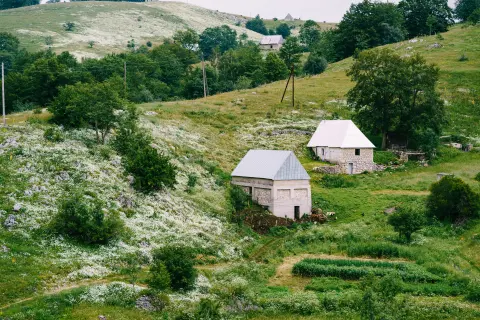
Petnjica is a small mountain town at 724 m above sea level, the administrative centre of the municipality of the same name in the Bihor region of northeastern Montenegro.
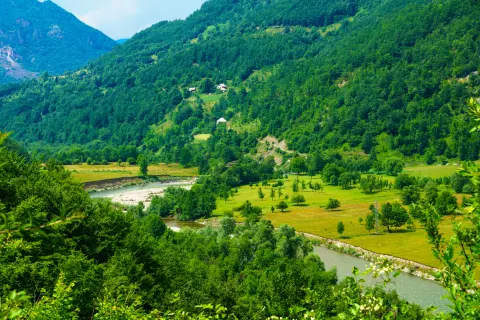
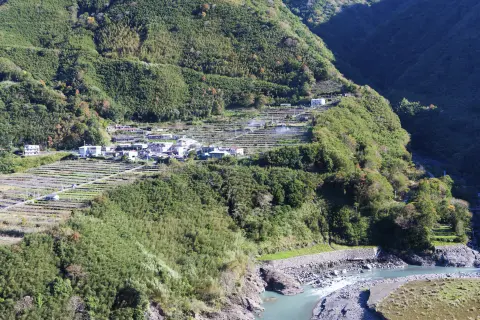
Bijelo Polje is a town on the Lim River, at 575m above sea level, the third largest in Montenegro and the centre of the northern region.
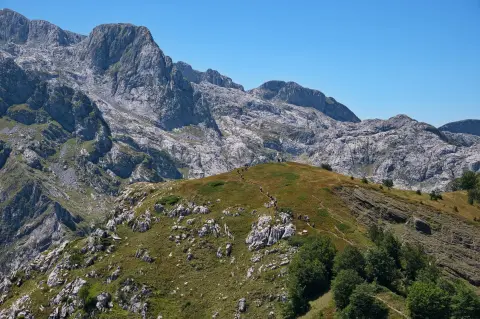
A town nestled in a basin between the mountains of Hajla and Mokra Gora, known for its Ottoman heritage, medicinal herbs, and mountain tourism.
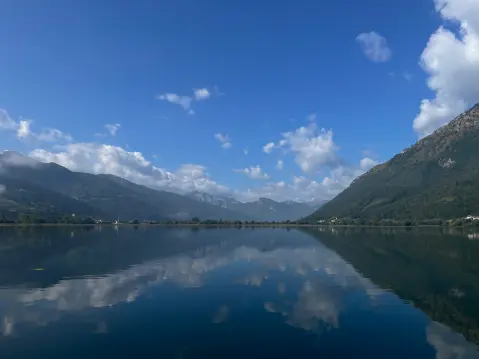
Plav lies at 1,065 m a.s.l., beside the largest glacial lake in Montenegro and at the gateway to Prokletije National Park.
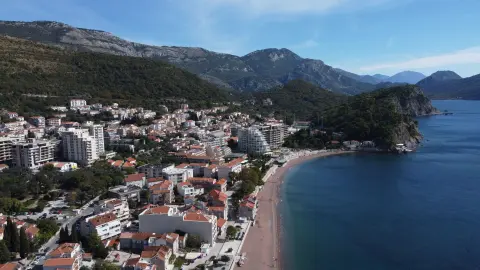
A Mediterranean town with a long sandy beach, a fortress and the idyllic Lučice Bay, just 19 km from Budva.
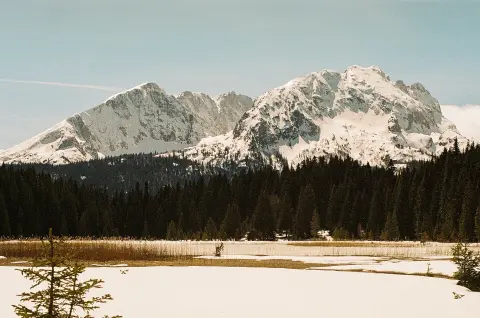
A mountain massif in northwestern Montenegro with 48 peaks, 18 glacial lakes, and the deepest canyon in Europe.
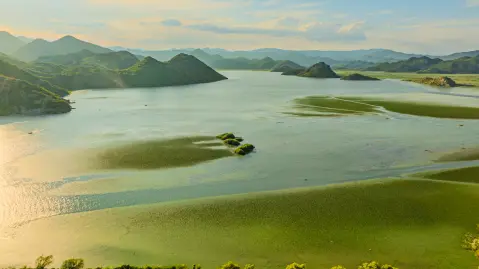
A national park featuring the largest lake in the Balkans, rich birdlife, monasteries, and water-based activities.
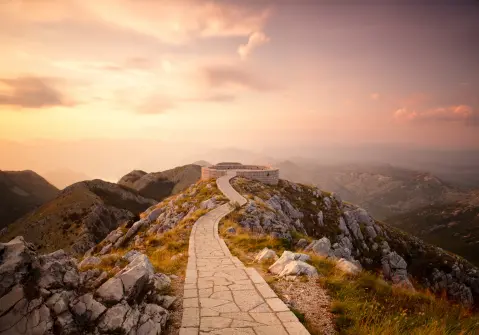
A national park in southwestern Montenegro, ranging from 939 to 1,749 m a.s.l., guardian of history, culture, and untouched nature.
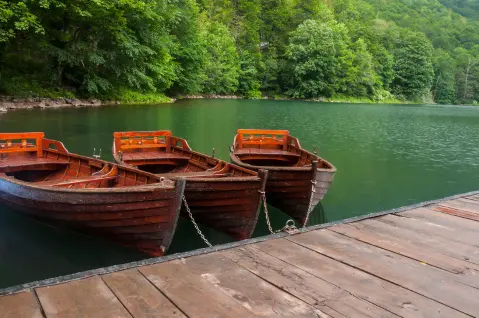
Montenegro's smallest national park preserves a primeval forest reserve up to 500 years old on Mount Bjelasica.
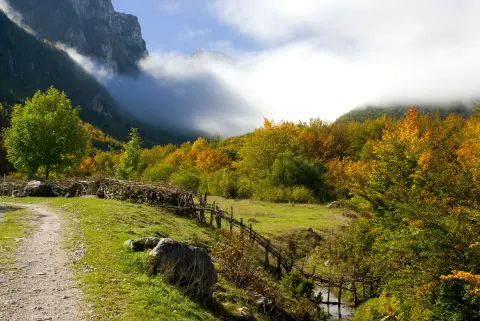
Montenegro's youngest national park with peaks exceeding 2,500 m above sea level, wild nature, and legends on the border of Albania and Kosovo.
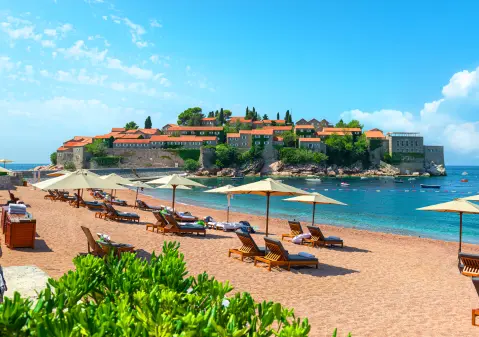
A pebble beach divided into Eastern and Western sections, with spectacular views of the iconic Sveti Stefan peninsula.
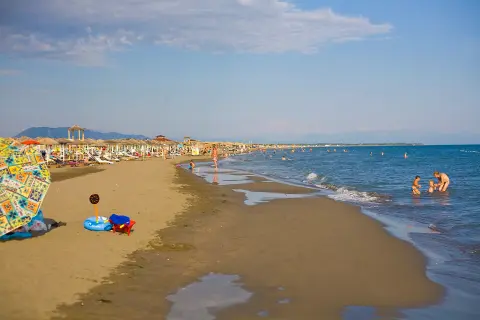
A 13 km sandy beach between Ulcinj and the Bojana River, known for its fine sand and kitesurfing.
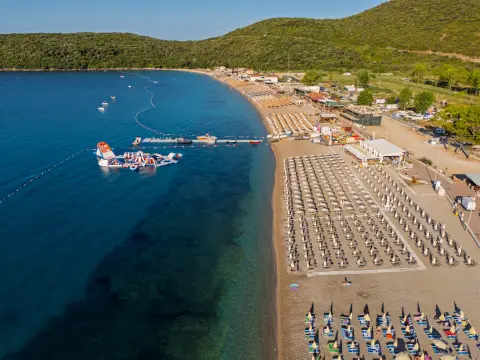
Jaz Beach, stretching 1,200 metres, is located 2.5 km from Budva and ranks among the three longest beaches on the Montenegrin coast.
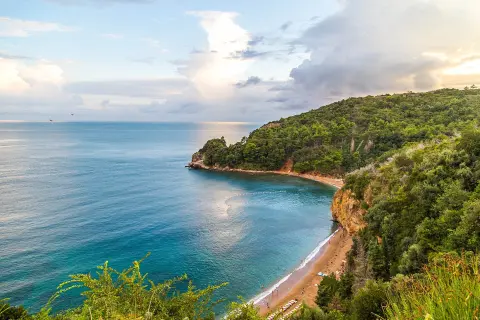
Mogren is a prestigious sandy beach near the Old Town of Budva, divided into two sections connected by a short tunnel carved through the rock.
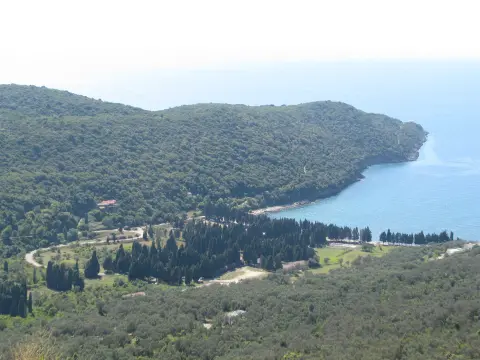
Valdanos Cove, 4 nautical miles northwest of Ulcinj, is a 376 m pebble beach surrounded by an olive grove of 18,000 trees.
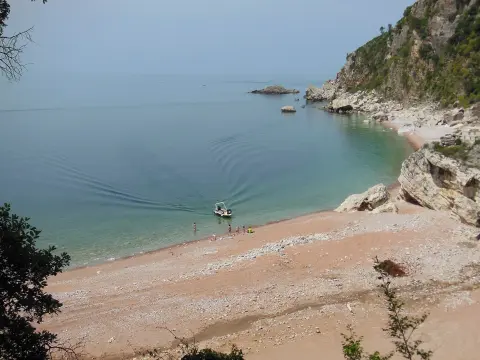
A small gravel-and-sand beach 40 m long, set in a cove below Reževići Monastery on the Budva–Petrovac coastal road.
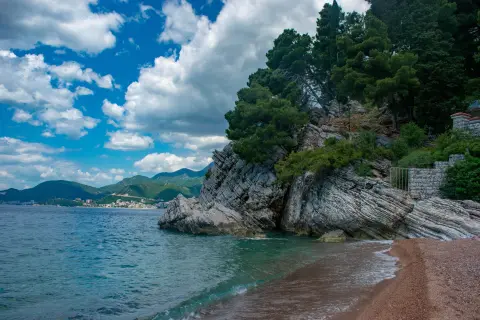
A small, partly pebbled beach approximately 300 m long between Čanj and Sutomore, known for its crystal-clear water and dense pine forest.
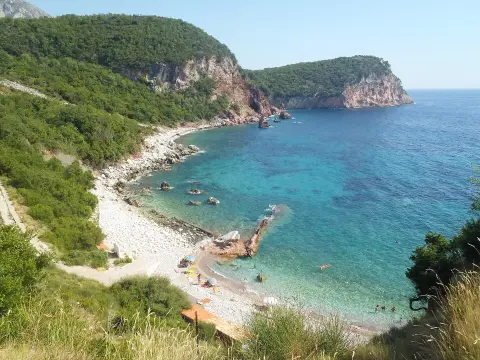
A well-appointed beach and beach club at Crvena Glavica, between Sveti Stefan and Petrovac, with reddish rocks and pebbles.
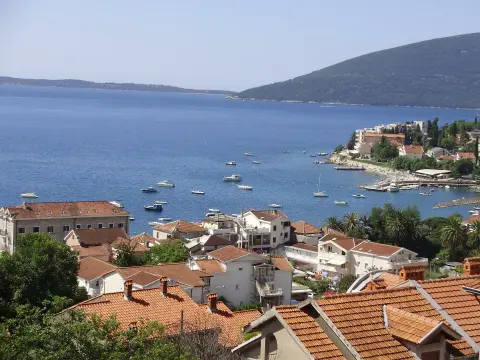
Meljine is a peaceful coastal settlement 3 km east of Herceg Novi, with a pebble beach approximately 200 m long and direct access to the Pet Danica promenade.
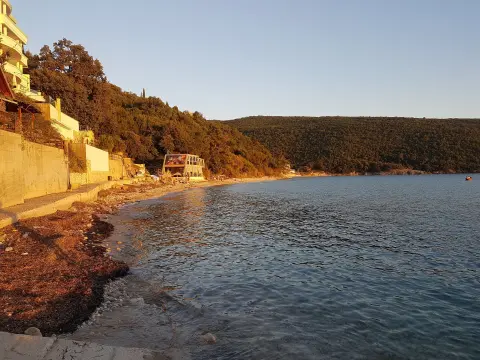
A peaceful 600m pebble and stone beach nestled between Ulcinj and Utjeha, with turquoise water and views of the Stari Ulcinj island.
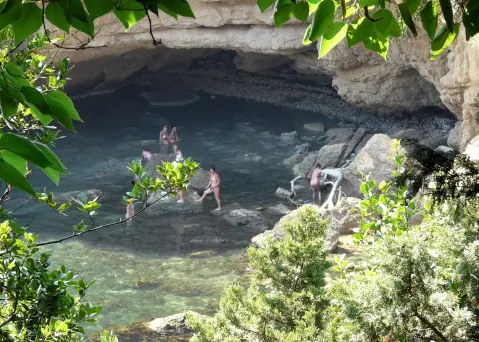
A sulphurous-mineral beach in Ulcinj, accessible exclusively to women, renowned for the therapeutic properties of its water and mud.
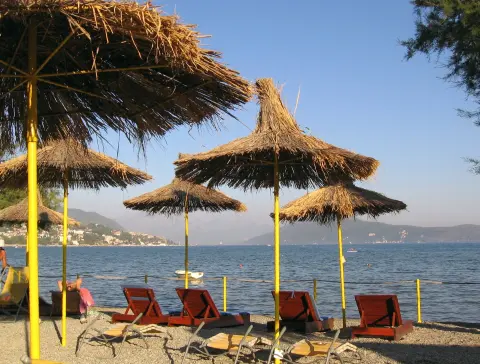
A beach in Igalo near Herceg Novi, known for its therapeutic mud and beautiful views of the entrance to the Bay of Kotor.
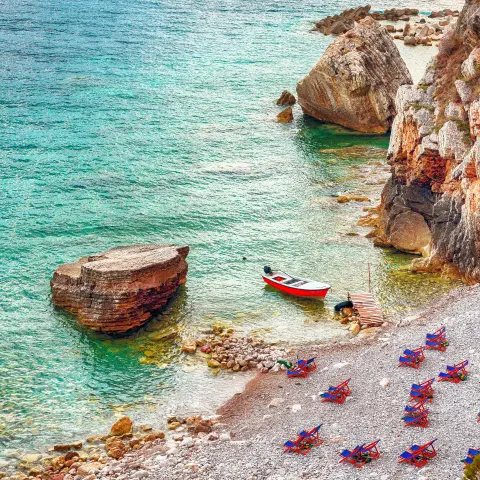
An isolated beach at the tip of the Luštica peninsula, accessible only by boat — no crowds, with crystal-clear water and a restaurant.
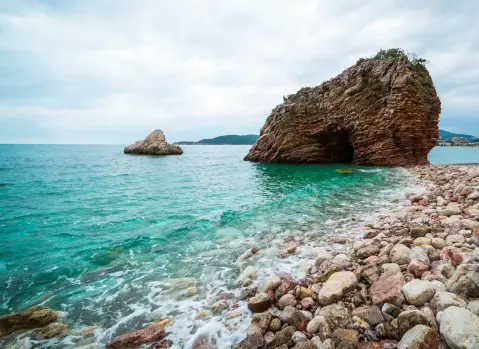
An isolated pebble beach on the Luštica Peninsula, most easily reached by boat, nestled alongside the historic Arza Fortress.
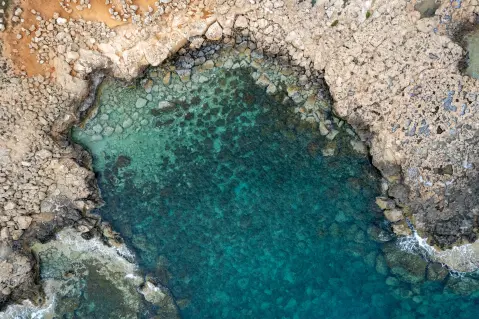
An isolated rocky cove at Cape Veslo, Luštica Peninsula — accessible by a rural track or by sea, ideal for diving and tranquillity.
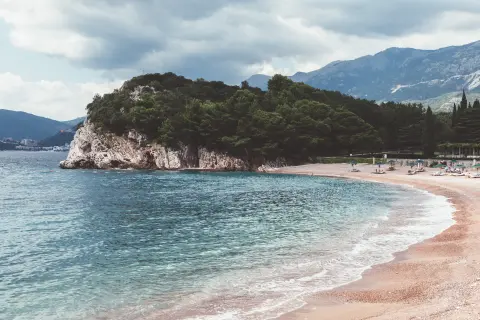
A small pebble beach in a cove near Utjeha, between Bar and Ulcinj, with crystal-clear water and a rocky shoreline.
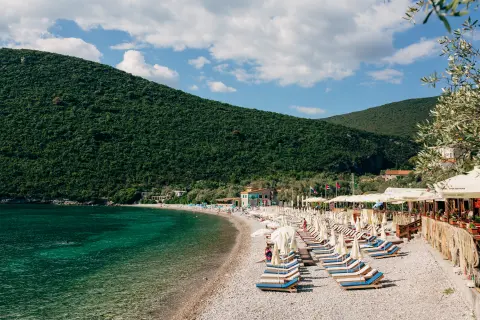
A natural white pebble beach on the Luštica Peninsula, surrounded by ancient olive groves and crystal-clear sea.
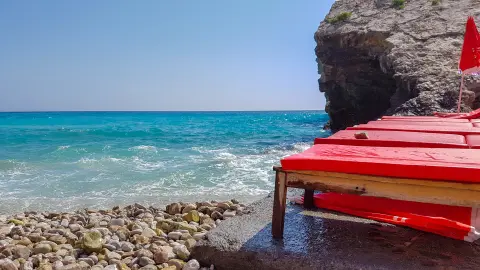
Crvena stijena is a hidden beach near Bar, tucked behind the Volujica hill, known for its natural shade and crystal-clear water.
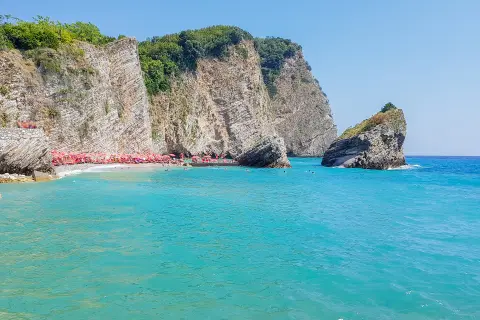
An isolated cove near Utjeha, surrounded by olive groves, ideal for peace and swimming off the rocks.
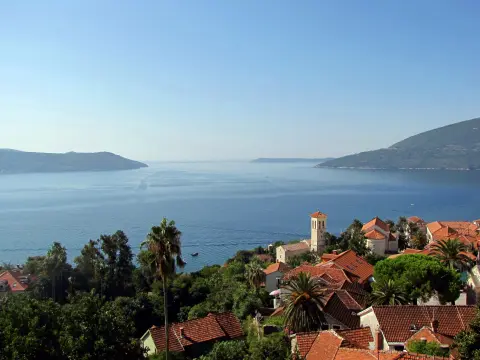
Zelenika is a quiet coastal settlement in the Bay of Kotor with a variety of beaches and a gradual sea entry, suitable for families.
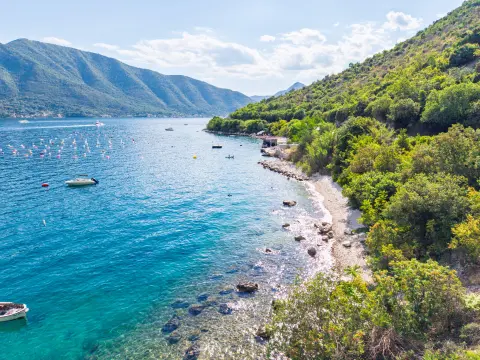
A small pebble beach in the Dražin Vrt cove, named after the tower of Montenegrin hero Bajo Pivljanin from the 17th century.
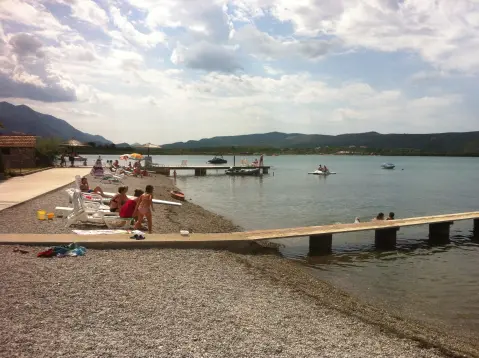
A tranquil 250 m beach along the Bay of Kotor, 3 km from Tivat town centre, ideal for families with children.
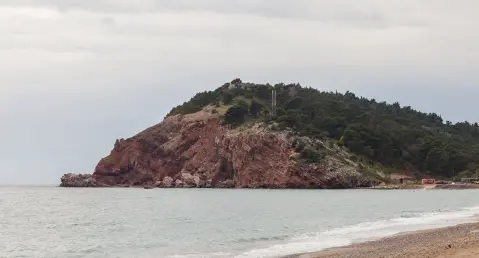
Sutomore is a popular coastal beach near Bar, known for its sand, clear sea, and easy accessibility.
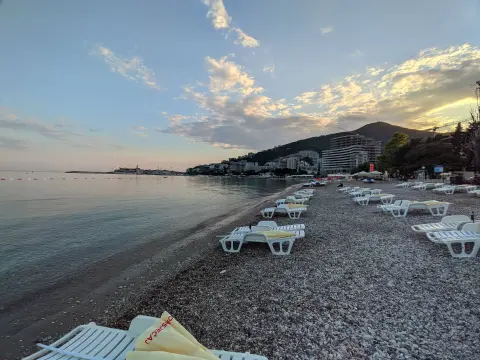
Slovenska Beach is the largest and longest beach in the city of Budva itself, stretching approximately 1,600 metres, with all beach amenities included.
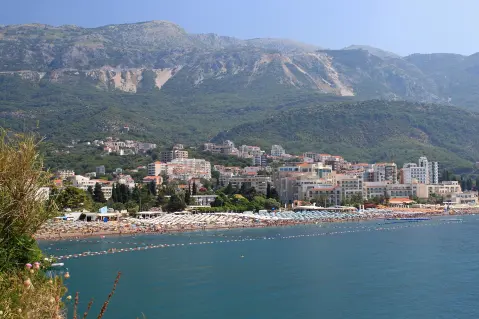
Bečići beach, approximately 2,000 m long, was declared the most beautiful beach in Europe at the 1935 Paris Exhibition.
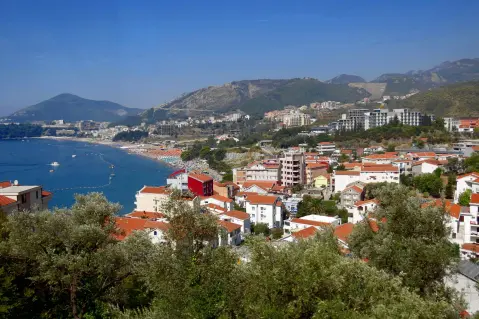
A former fishing village on the Budva Riviera with a beach stretching approximately 2 km, a promenade, and a marina.
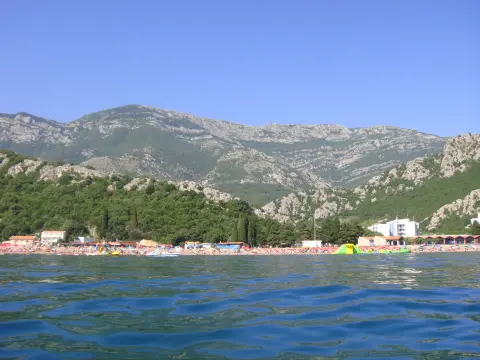
Petrovac's town beach stretches about 600 m, surrounded by old palazzos, a fortress, and two small islets.
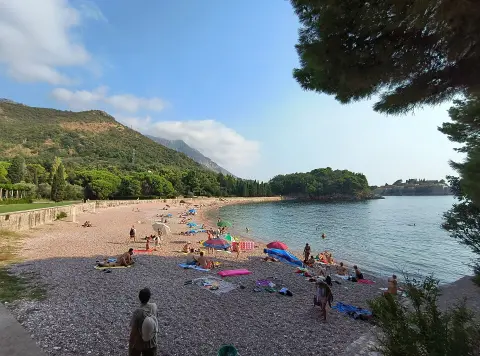
Miločer (King's Beach) is an exclusive pebble beach near Sveti Stefan, surrounded by a park and Villa Miločer, built in 1936.
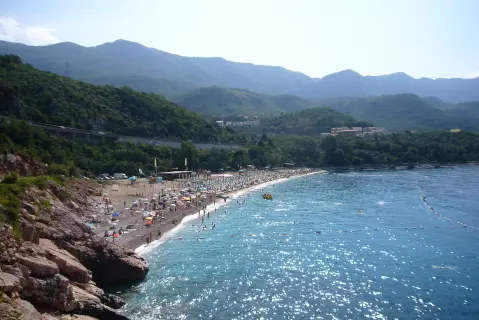
Kamenovo Beach near Budva stretches approximately 330 m, with crystal-clear water and a sheltered position in a cove between limestone cliffs.
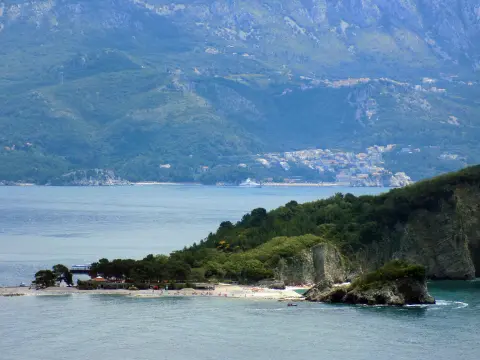
Sveti Nikola Island, also known as Hawaii and Školj, is the largest island on the Montenegrin coast, with three beaches and Mediterranean vegetation.
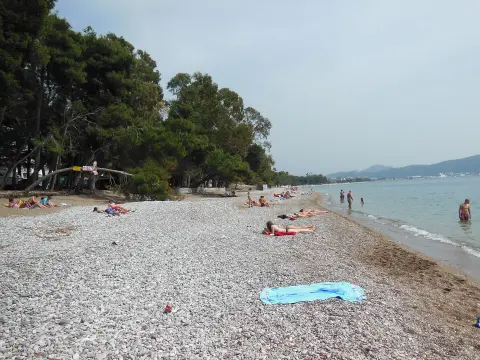
A pebble beach along the Adriatic, known for its pine forest that provides natural shade right along the shoreline, 1 km north of Bar.
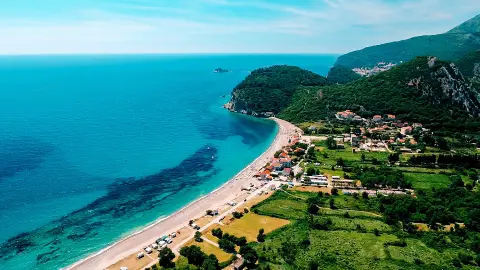
Buljarica is the longest beach on the Budva Riviera (2,250 m), located 2 km from Petrovac in the direction of Bar, with a surface area of 72,850 m².
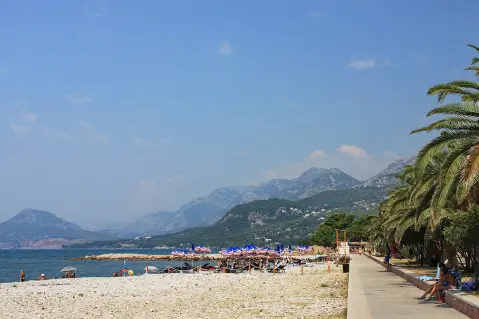
A pebble beach approximately 1,000 m long in the suburb of Bar, known for the pine forest that provides natural shade.
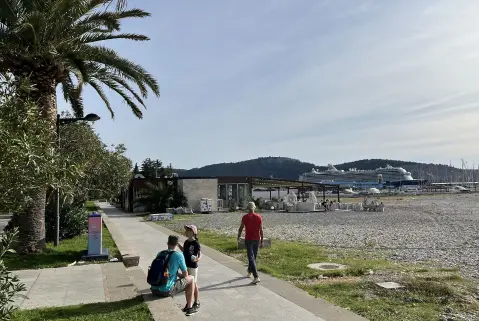
Topolica is Bar's main city beach, 500 metres long, situated in the very centre of town alongside the promenade and marina.
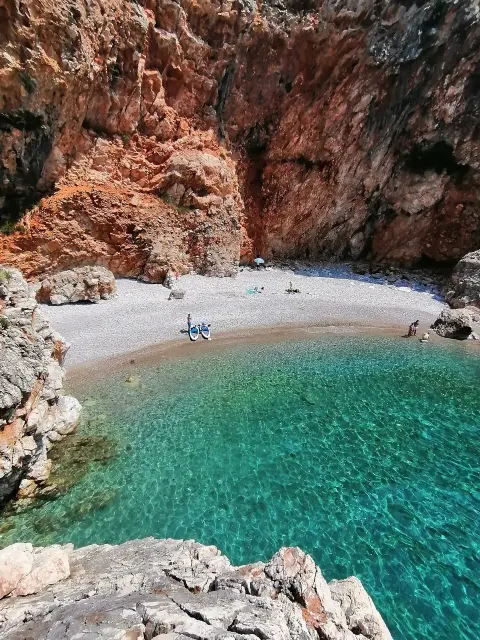
An isolated beach behind the Volujica hill near Bar, with natural shade and very few visitors.
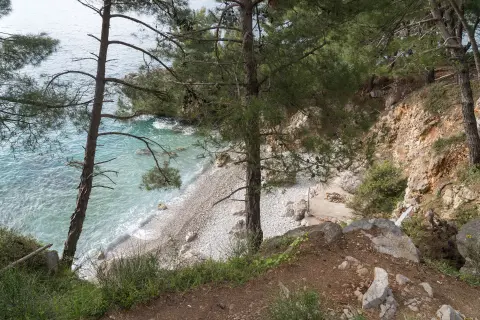
Ratac is a naturist beach located on the cape between Sutomore and Bar, surrounded by a pine forest.
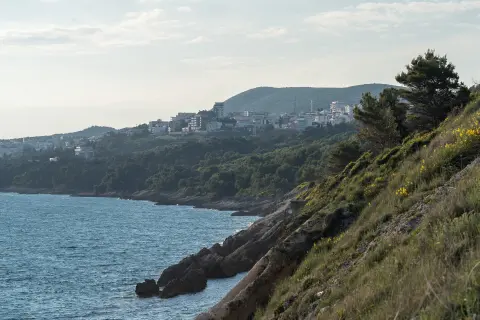
Liman II Beach is a small cove not far from the Old Town of Ulcinj, featuring clear water, pebbles, and well-maintained beach facilities.
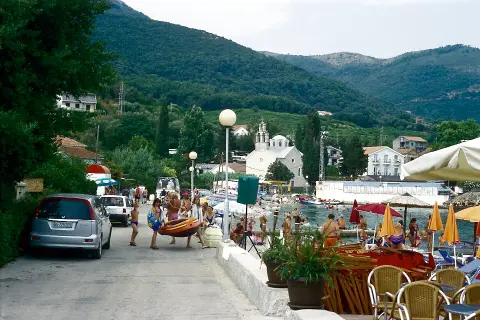
Đenovići is a tourist destination on the Herceg Novi Riviera, 8 km from Herceg Novi, with sandy and concrete beaches in the Tivat Bay of Boka Kotorska.
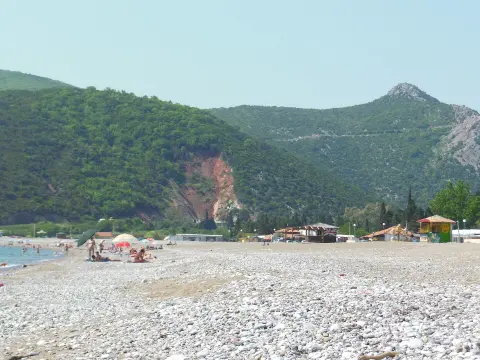
Čanj Beach, known as Pearl Coast (Biserna obala), stretches 1,800 m and accommodates up to 9,000 bathers — a peaceful alternative to the crowds of the Budva Riviera.
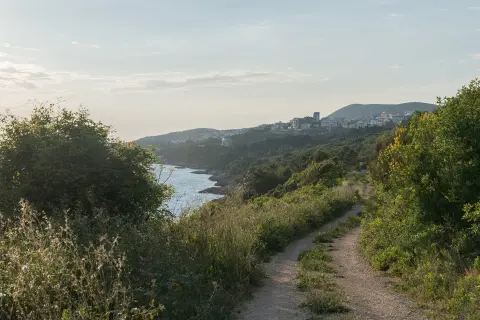
Pinješ is a forested coastal area of Ulcinj featuring the Ženska plaža cove, a pine forest, and seaside promenades.
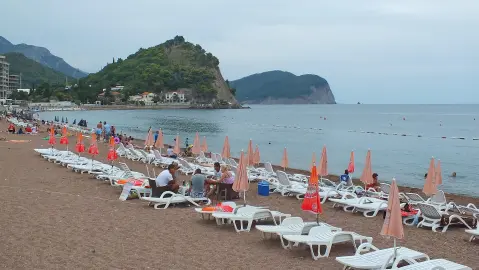
A smaller pebble beach set in a bay between two headlands, surrounded by Mediterranean vegetation, 500 m from Petrovac.
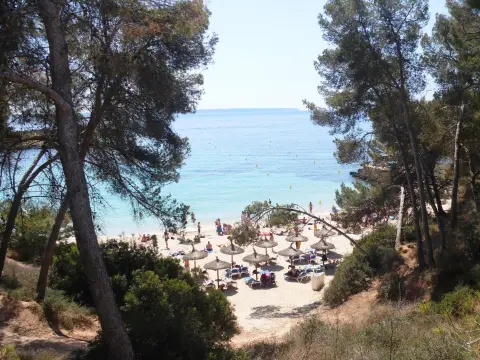
City beach in Ulcinj with fine sand, shallow seabed, and views of the Old Town walls, stretching 360 m.
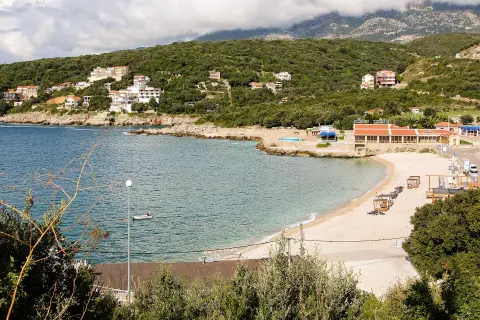
Utjeha is a quiet beach in a cove near Bar, known as the Olive Bay (Uvala maslina), surrounded by olive groves and pine forest.
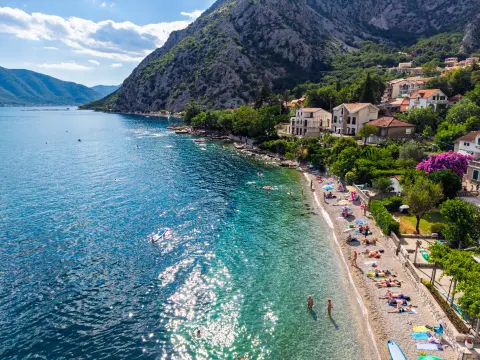
Orahovac is a small coastal village near Kotor with a quiet beach on the shores of the Bay of Kotor.
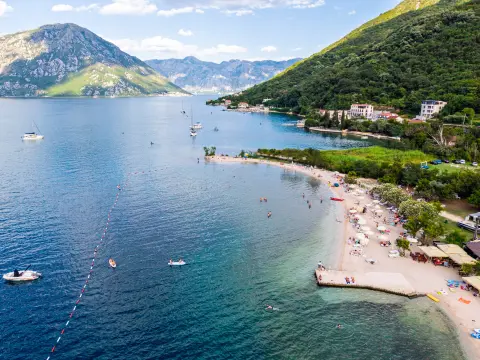
A peaceful pebble beach in Morinj, 24 km from Kotor, with cold, clear water and views of Mount Orjen.
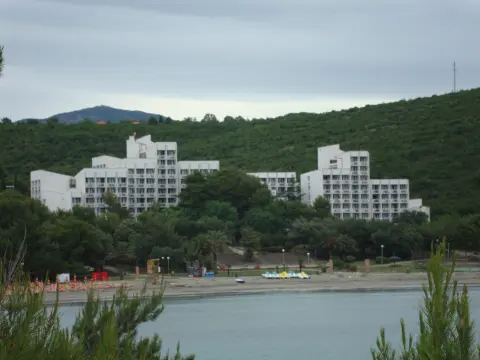
A sandy beach approximately 300 m long on the Luštica Peninsula, surrounded by pine forest, with shallow waters extending up to 100 m from the shore.
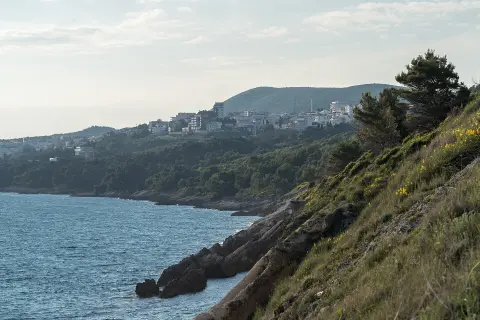
Borova šuma is a two-kilometre coastal promenade stretching east from Mala plaža, offering health and recreational benefits and home to the famous Ženska plaža.
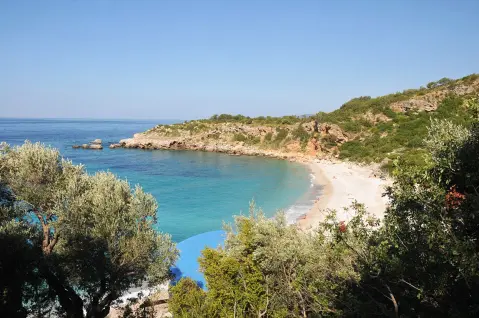
A beach in a cove approximately 250 m long between Sveti Stefan and Reževići, with rounded pebbles and clear sea.
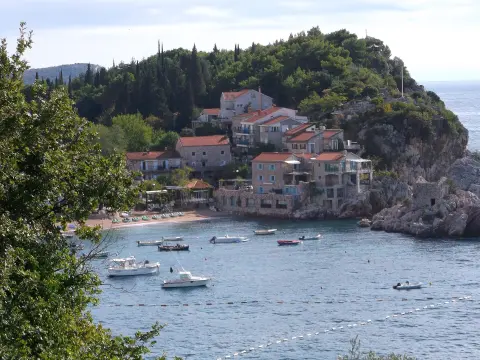
Pržno is a sheltered cove approximately 350 metres long, situated between Budva and Sveti Stefan, known for its calm sea and fishing village atmosphere.
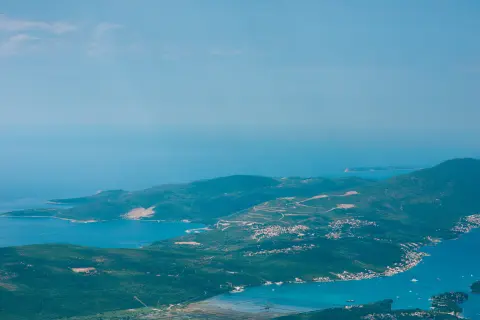
Pecka Beach (Velja Spila), approximately 100 m long, is located on the Tivat side of the Luštica Peninsula, featuring a vertical stone backdrop and crystal-clear water.
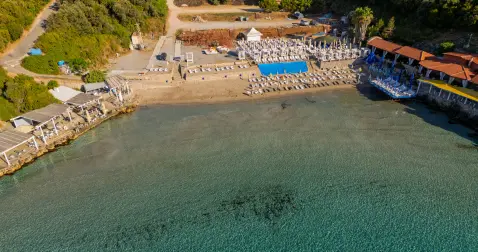
A small sandy beach 200 m long, nestled in a cove west of Jaz, with a shallow bottom extending up to 50 m from the shore.
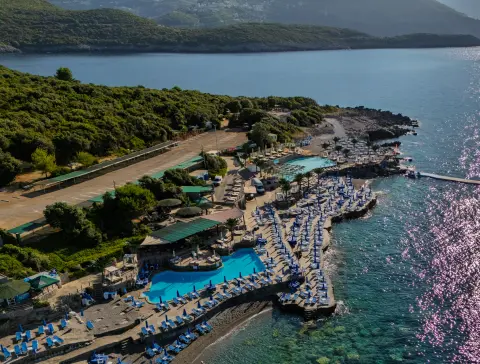
A beach with terraced stone decks, four saltwater pools, and organised foam parties, located on Cape Platamuni.
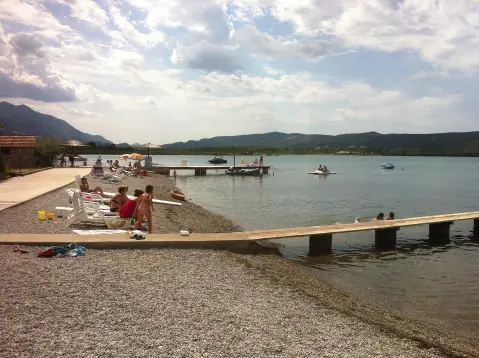
A pebble beach approximately 200 m long in the centre of Tivat, at the start of the Pine promenade next to Kalimanj harbour.
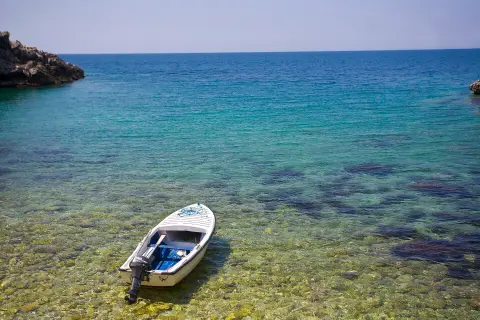
A small rocky cove near Kruč with turquoise water, situated opposite the island of Stari Ulcinj — no facilities, no crowds.
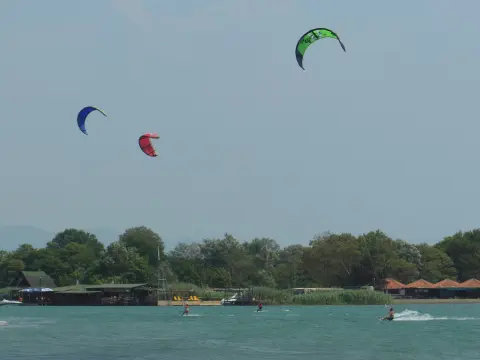
A triangular river island in southern Montenegro with 3 km of beach, the only nudist zone in the Balkans, and ideal conditions for kitesurfing.
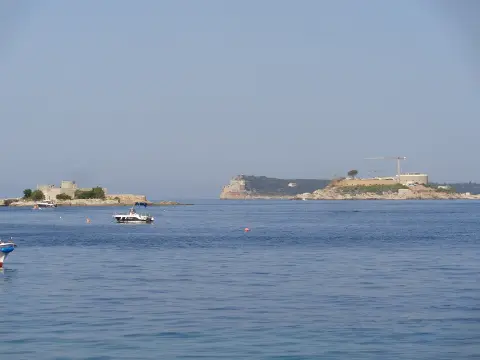
Mirište is a pebble beach surrounded by forest on the Luštica Peninsula, a popular departure point for excursions to the Blue Cave and the Mamula fortress.
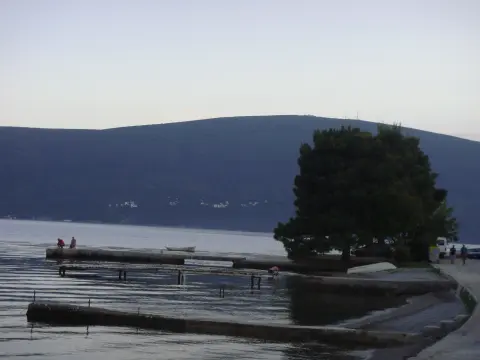
Bijela Beach is the main shingle beach of the settlement, about 200 m long, with a gentle and shallow entry into the sea, ideal for families with children.
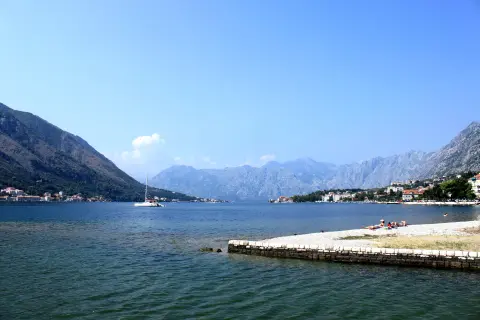
City beach with pebbles and concrete platforms, a ten-minute walk north of Kotor’s Sea Gate.
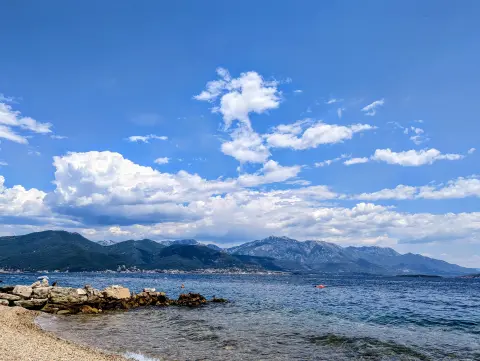
A public pebble beach with calm, shallow sea in Baošići, ideal for families.
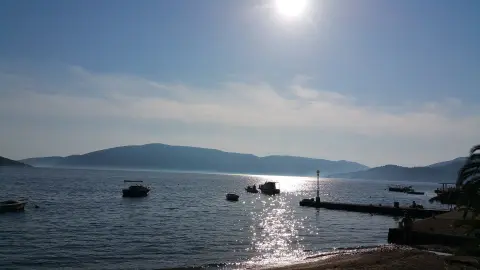
A public pebble beach in the Kumbor Strait, with calm and clear sea, about 6 km east of Herceg Novi.
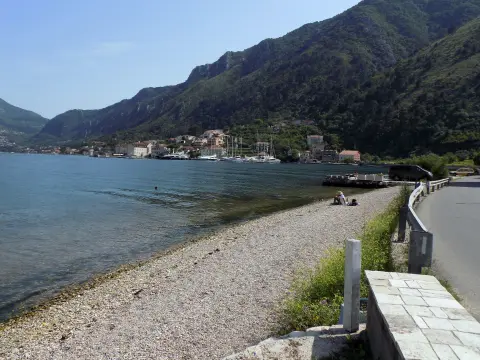
A pebble beach on the cape between Prčanj and Donji Stoliv, with views of Kotor and the mountains.
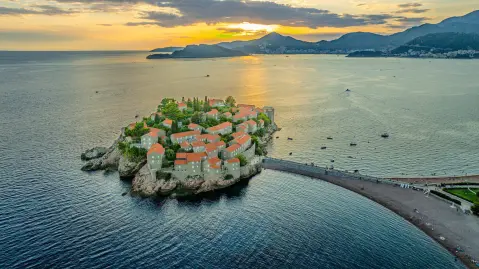
A fortified 15th-century island settlement connected to the mainland by a causeway, with terracotta rooftops and turquoise sea.
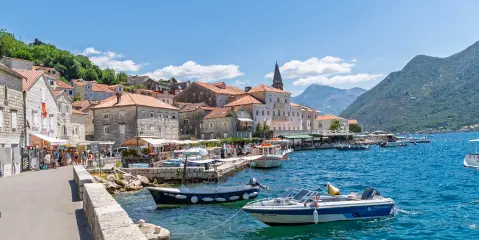
A picturesque coastal settlement in the Bay of Kotor, known for its Baroque architecture and two island-churches.
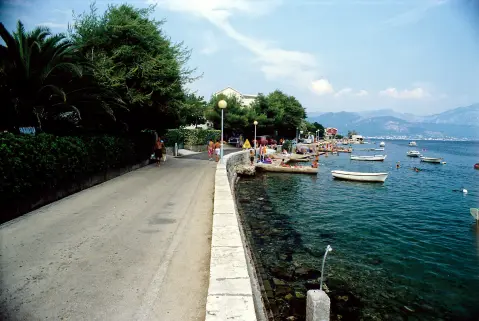
Kumbor is a peaceful coastal settlement on the shore of the Bay of Kotor, located approximately 5 km east of Herceg Novi.
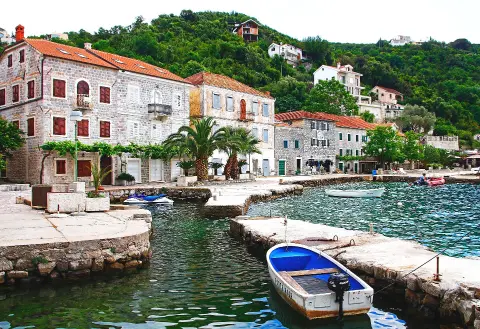
Rose is a small coastal fishing village at the tip of the Luštica Peninsula, known for its stone houses, crystal-clear sea, and tranquility far from tourist crowds.
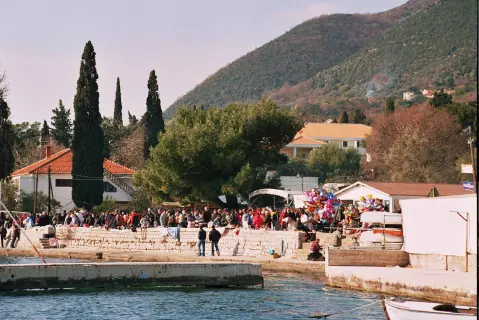
A peaceful coastal settlement with dozens of pebble beaches on the southeastern shore of the Bay of Kotor, known for the Mimosa Festival.
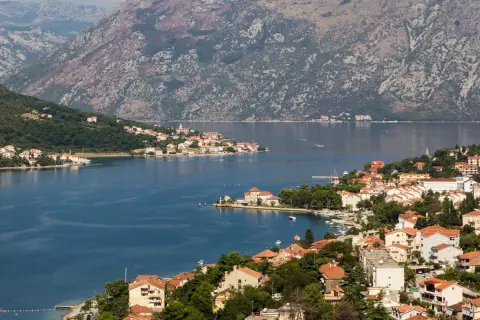
Prčanj is a quiet coastal settlement along the Bay of Kotor, with a sandy-pebbly beach and rich historical architecture.
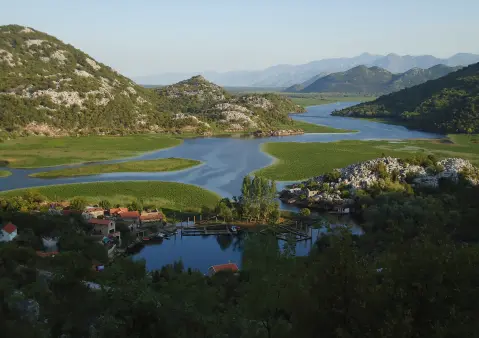
A small fishing settlement on the northwestern shore of Lake Skadar, known for Karučko oko and the winter residence of Petar I.
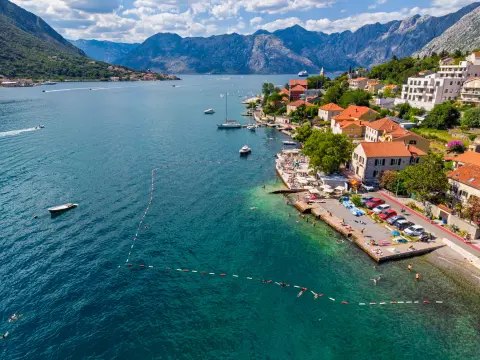
Dobrota is a coastal settlement north of Kotor, known for its tranquil shoreline, historic churches, and views over the Bay of Kotor.
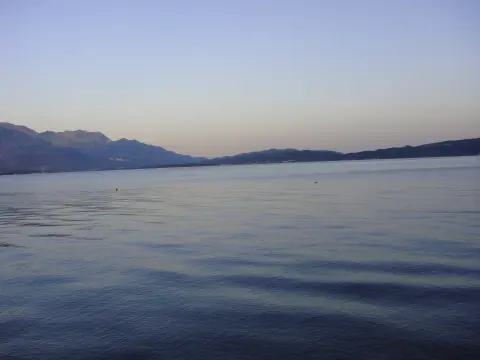
Bijela is a coastal settlement in the municipality of Herceg Novi, situated along the Verige Strait, known for its pebble beaches and historic shipyard.
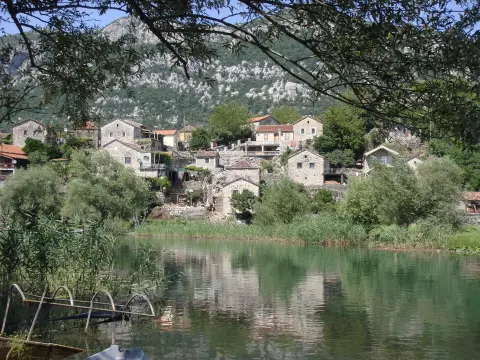
A compact stone fishing village on the northern shore of Lake Skadar, along the Karatuna River — known for swimming, its bridge and a peaceful fishing atmosphere.
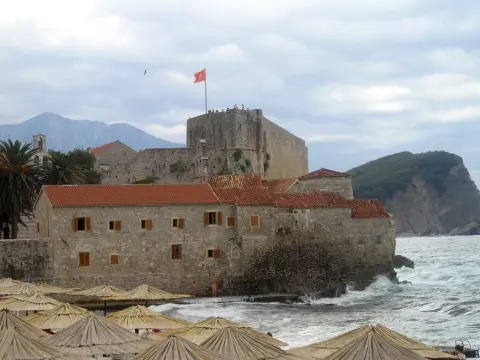
A medieval fortress dating from 840 AD, located in the heart of Budva's Old Town, featuring a museum, library, and panoramic sea views.
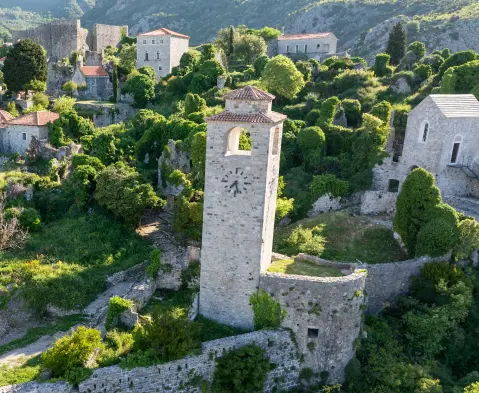
A fortified ruined city from the 6th century, 3 km from the sea, with remains of 240 buildings and a fascinating aqueduct.
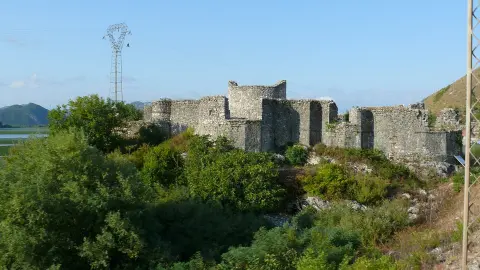
A medieval fortress on a peninsula of Lake Skadar — a strategic stronghold of Bishop Petar II Petrović-Njegoš and a symbol of Montenegrin resistance against the Ottoman Empire.
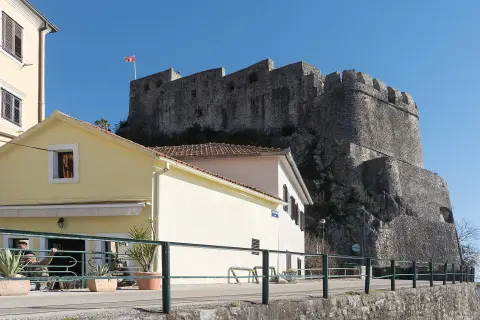
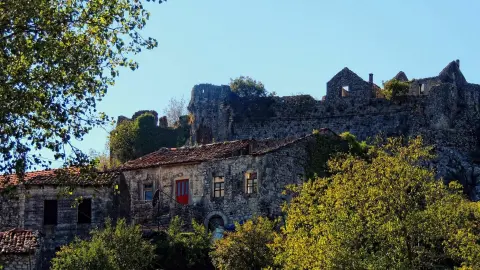
A medieval fortress from the 10th century, once the capital of the Crnojević dynasty at the mouth of the Morača River into Lake Skadar.
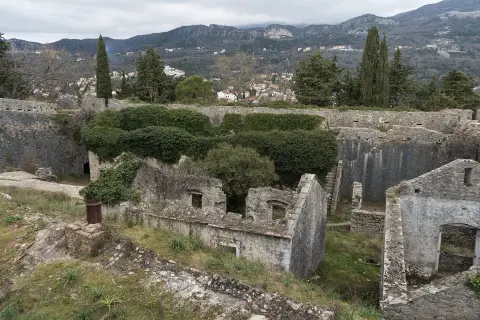
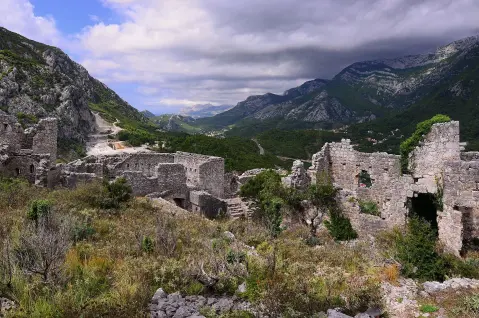
A medieval fortress above Sutomore, built by the Venetians in the 15th century, with the remains of the Church of St. Dimitrije dating from the Nemanjić era.
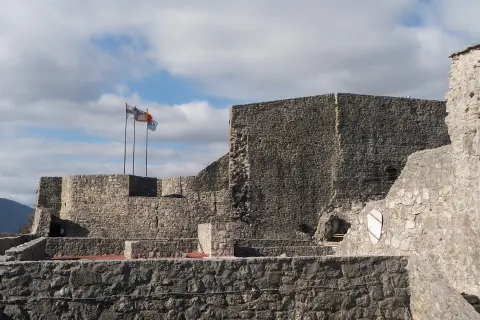
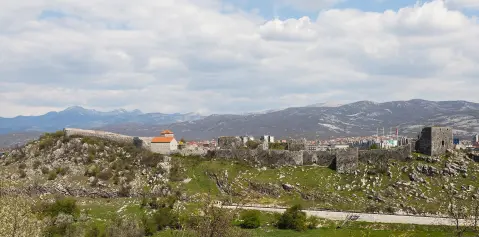
Bedem Fortress — a remnant of a Roman castrum from the 4th century, 213 m long, preserving history from the Romans and Goths to the Ottomans.
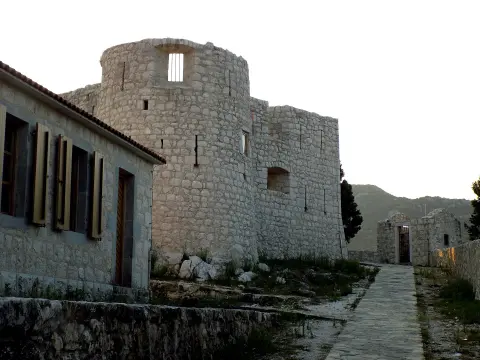
The 15th-century Besac Fortress dominates the skyline above Virpazar, offering one of the most impressive views of Lake Skadar.
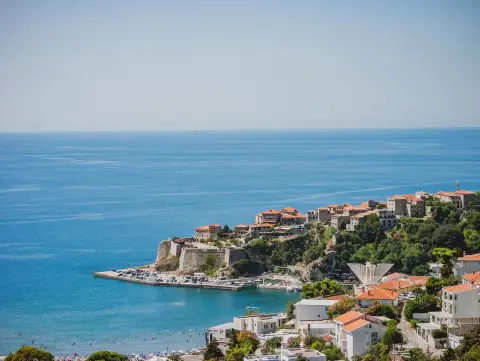
Ulcinj Old Town (Kaljaja) is a stone fortress on a cliff above the Adriatic, renowned for the Balšić Tower, the Slave Square, and a blend of Illyrian, Venetian, and Ottoman architecture.
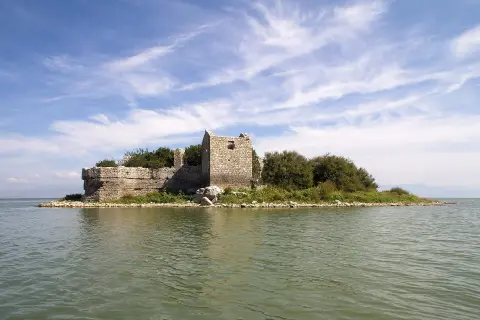
A rocky island in Lake Skadar with the ruins of an 1843 Ottoman fortress and Prince Nikola's prison, today an ornithological habitat.
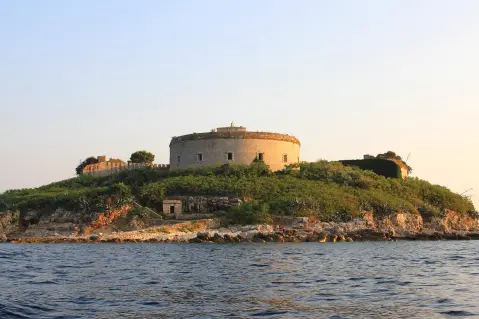
A circular Austro-Hungarian fortress from 1853 on the island of Lastavica, at the entrance to the Bay of Kotor, 3.5 nautical miles from Herceg Novi.
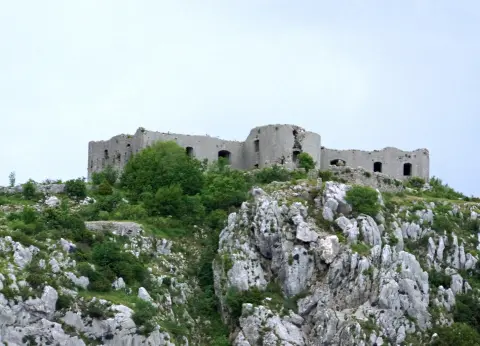
An Austro-Hungarian fortification from 1841 on Kosmač hill near Brajići, with panoramic views from Sveti Stefan to Budva.
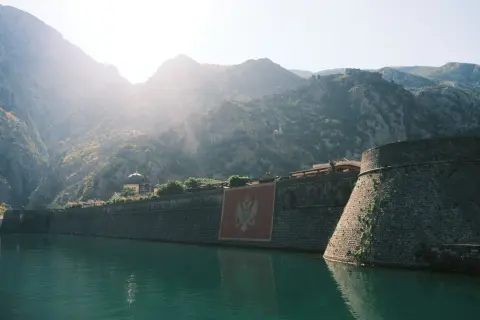
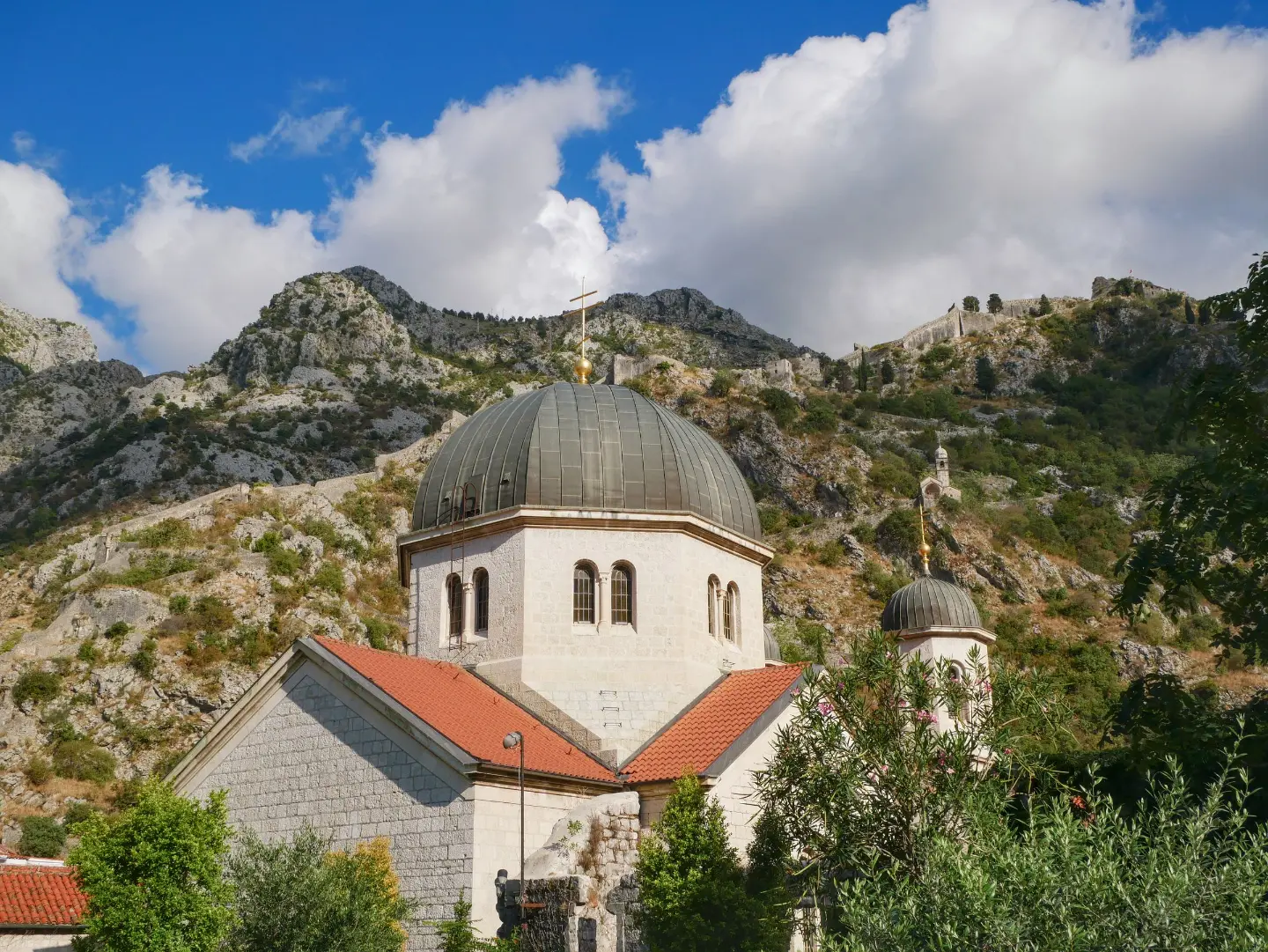
A fortification complex above Kotor at 260m elevation, with views over the entire Bay of Kotor.
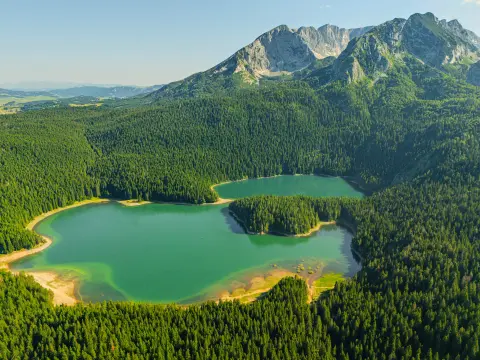
The largest glacial lake of Durmitor, located 3 km from Žabljak at 1,418 m above sea level, surrounded by dense pine forest.
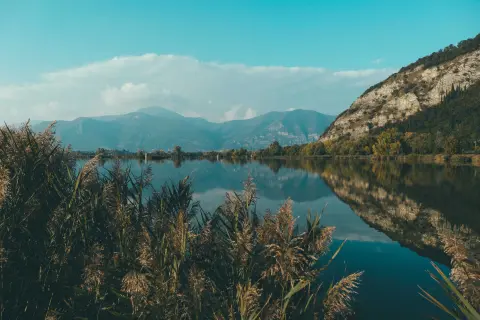
Šasko Lake, located in the hinterland of Ulcinj, is part of one of the most important natural zones in southern Montenegro, together with the Bojana River delta.
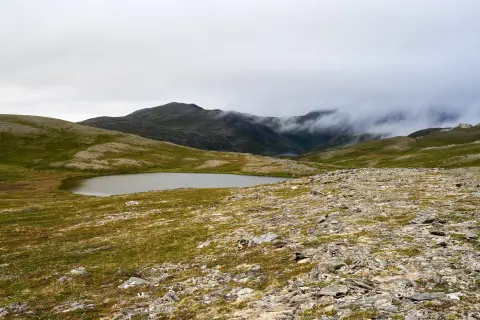
Manito Lake is a small glacial lake on Mount Lukavica, at 1,773 m a.s.l., 220 m long and 13 m deep, known for its clear dark-green water.
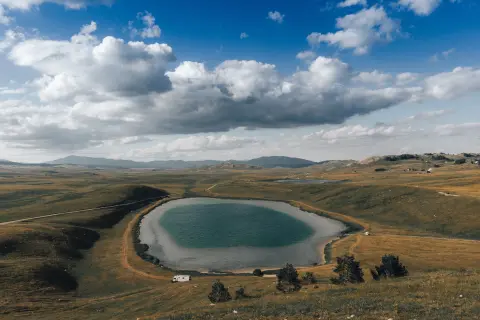
A glacial lake on the Jezersko-Drobnjačka plateau, 630 m long, surrounded by open pastures along the old caravan route Nikšić–Pljevlja.
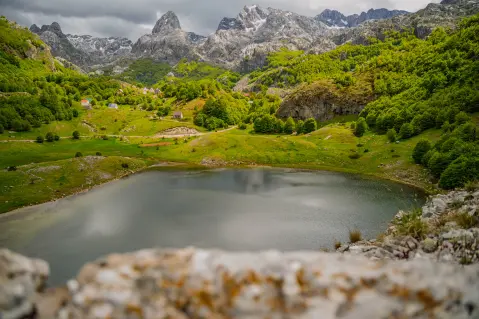
A glacial lake in the Kuči Mountains, 210 m long and 17 m deep, situated at 1,448 m above sea level, approximately 50 km from Podgorica.
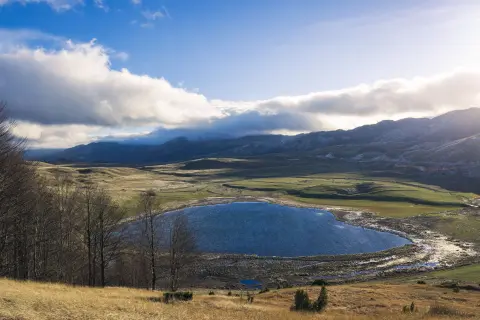
A glacial lake on the Drobnjačka plateau of Durmitor, 5.5 m deep, known for its rich brown trout stock and UNESCO stećci in the surrounding area.
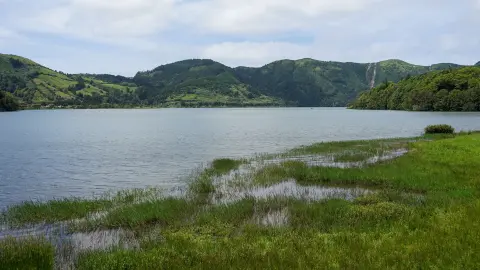
Veliko Šiško Lake is of glacial origin and is located in the central part of Bjelasica, 20 km from Berane, at an elevation of 1,660 m above sea level.
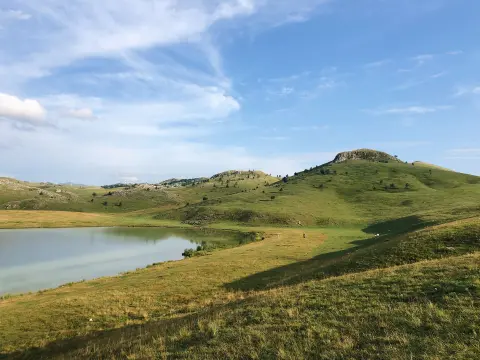
A glacial lake at an altitude of 1,285 m, located near the village of Zminica at the foot of Mount Sinjajevina.
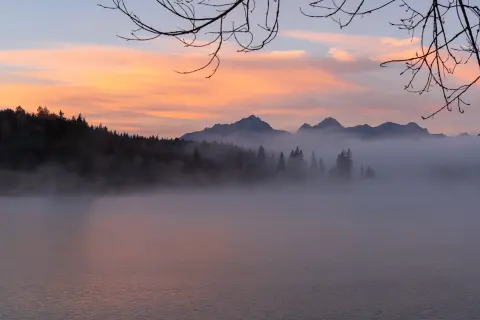
A heart-shaped glacial lake at 1,517 m elevation, surrounded by the mountains Maglić, Volujak, and Bioč in the municipality of Plužine.
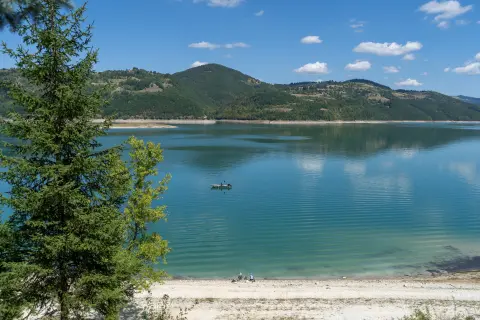
Lake Plav is the largest glacial lake in Montenegro, covering 2 km², rich in fish and ideal for swimming, kayaking, and fishing.
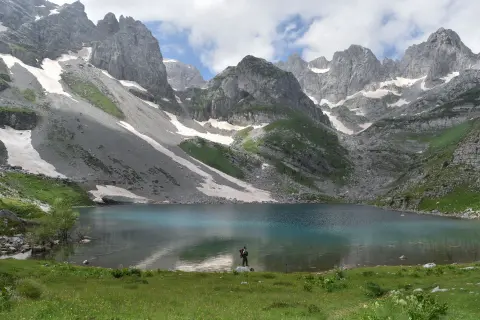
Hridsko Lake lies at 1,970 m above sea level, 18 km from Plav, surrounded by endemic-relict pine forests and 245 species of algae.
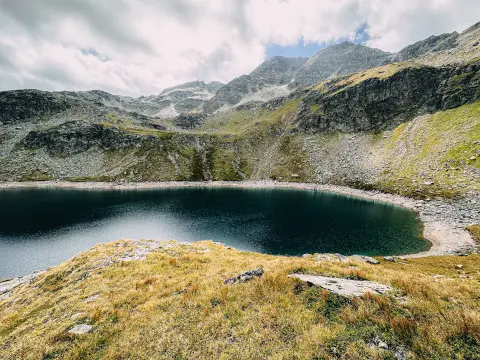
Pešića Lake is a mountain lake near Berane, nestled on Bjelasica — the only Montenegrin mountain of volcanic origin.
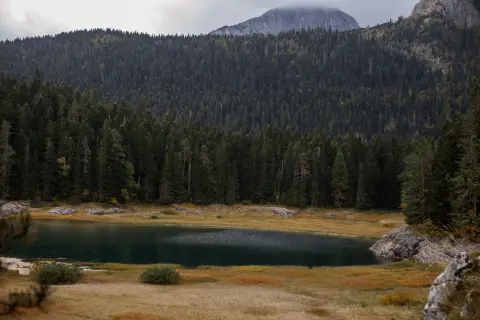
Sušičko jezero in Durmitor National Park is unique in that it completely dries up every year during the summer months.
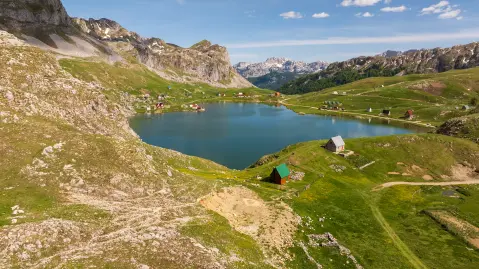
A glacial lake at 1,678 m elevation, crystal clear green in colour, rich in fish and surrounded by mountain peaks.
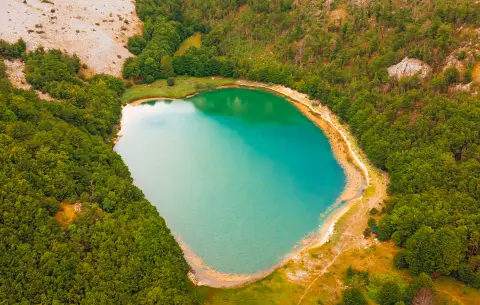
Malo and Veliko Stabansko Lake at the foot of Mount Volujak — glacial lakes with greenish water rich in trout.
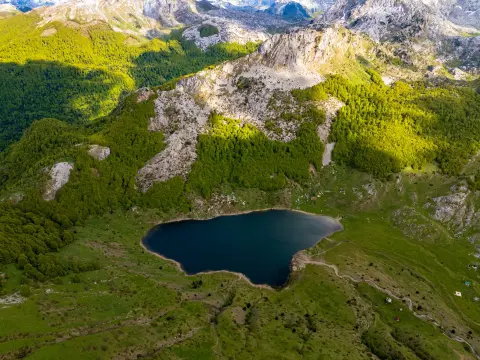
A glacial lake at 1,314m elevation in the Žijovo massif, accessible only by off-road vehicle or on foot.
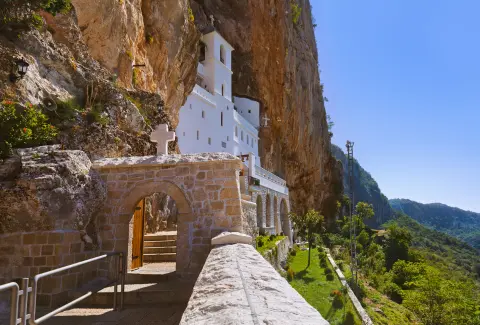
An Orthodox monastery carved into the near-vertical cliff face of Ostroška greda at 900 m above sea level, between Danilovgrad and Nikšić.
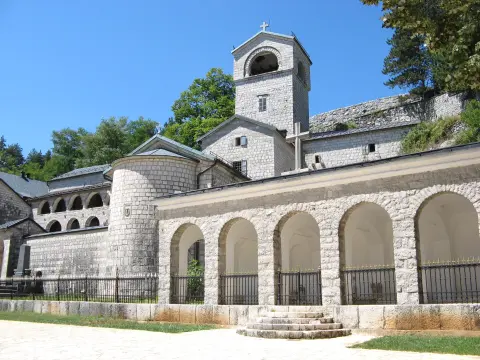
Cetinje Monastery, founded in 1484, safeguards the most important Christian relics and stands as a symbol of Montenegrin spirituality and freedom.
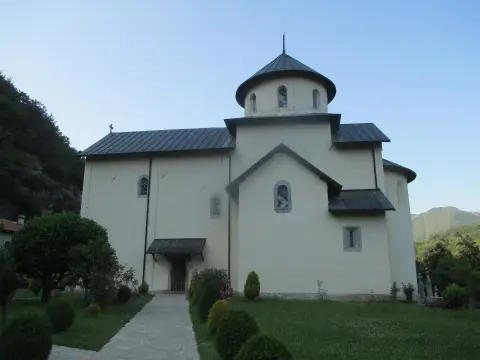
Monastery from 1252 on the right bank of the Morača River, with frescoes from the 13th and 16th centuries and the tomb of its founder, Prince Stefan.
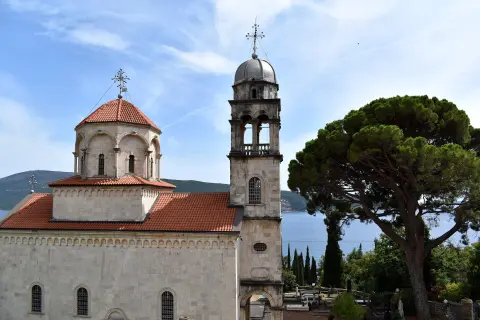
Manastir Savina in Herceg Novi preserves three churches, a rich treasury, and the miraculous icon of the Virgin of Savina.
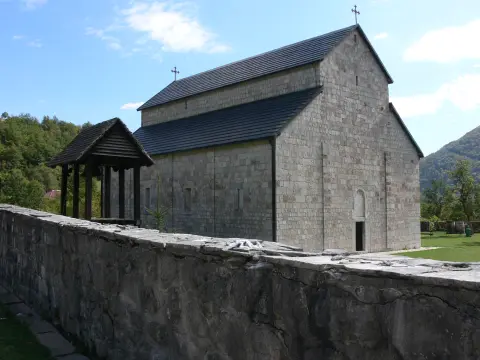
Monastery with the Church of the Dormition of the Most Holy Theotokos, around 1,260 m² of frescoes and a rich treasury, moved stone by stone.
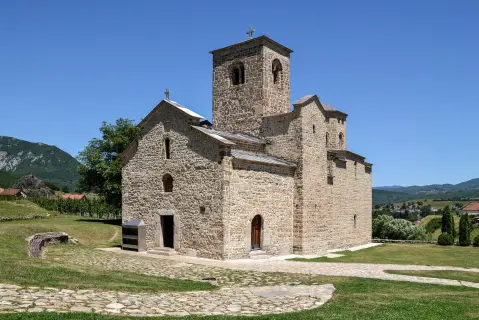
Đurđevi Stupovi Monastery is an endowment of Stefan Prvoslav from 1213, situated on a hill above the Lim River, about 2 km from the centre of Berane.
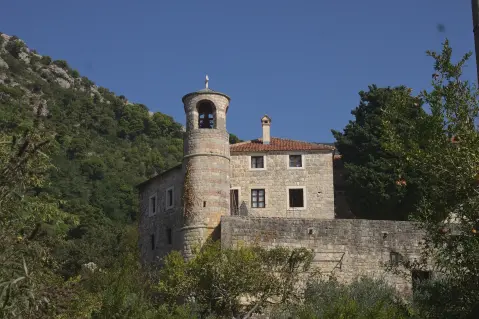
Active male monastery with two churches, Njegoš’s terrace and a rich history.
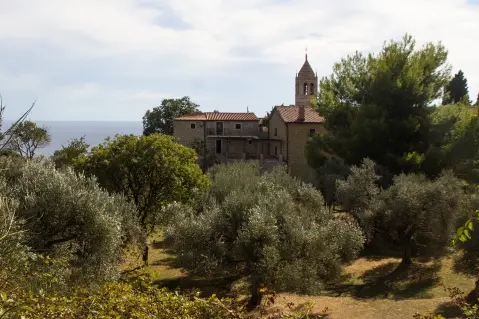
Reževići Monastery, an old Orthodox monastery in Paštrovići, preserves three churches and relics of the Kyiv Pechersk martyrs.
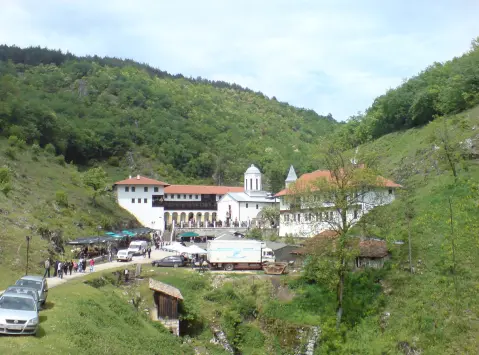
The monastery in Pljevlja preserves the relics of the hand of Saint Sava, frescoes from 1595, and a rich manuscript-copying heritage.
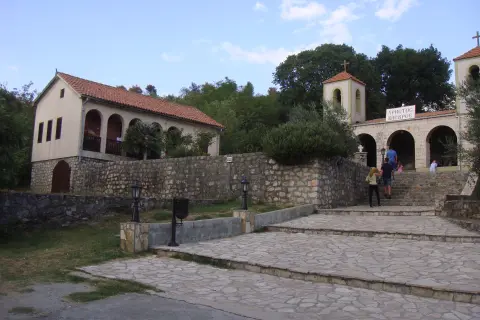
Monastery with a church in a natural cave, founded in 1897 on Dajbabska Gora above the Zeta Plain.

Ask about Montenegro
Ask me about destinations, restaurants or activities.