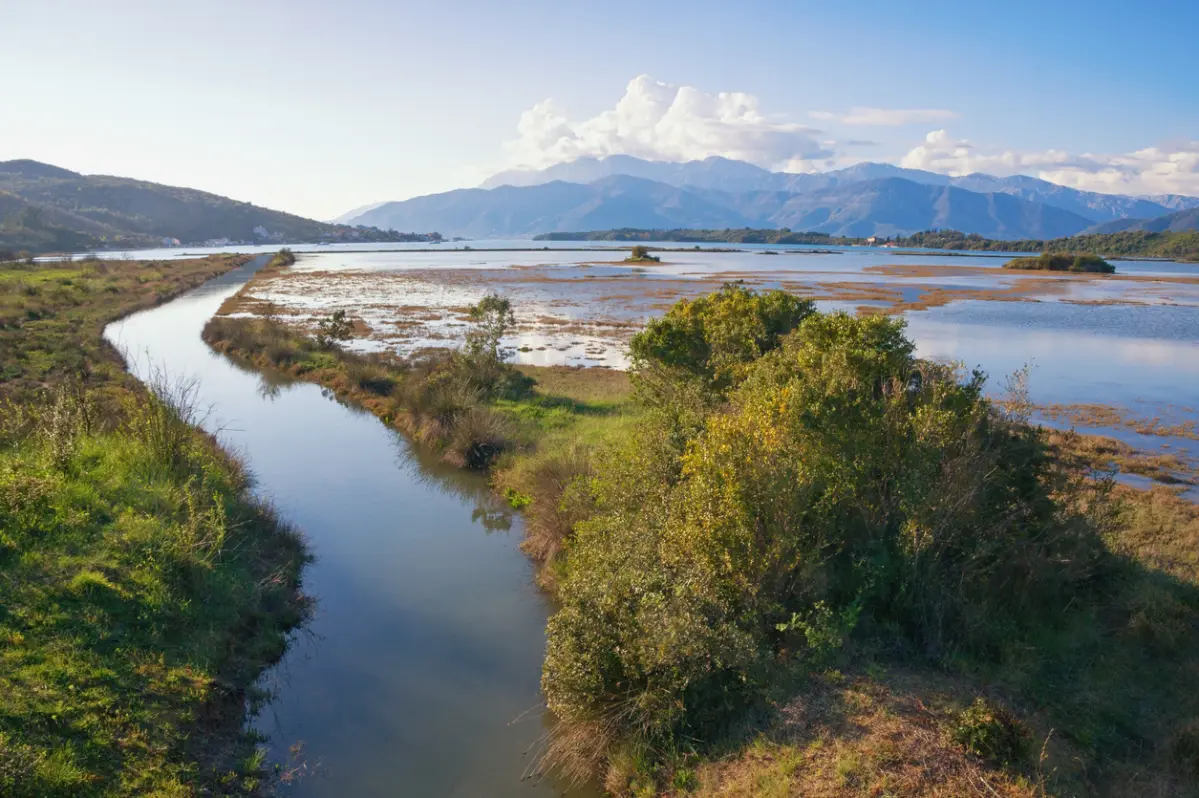
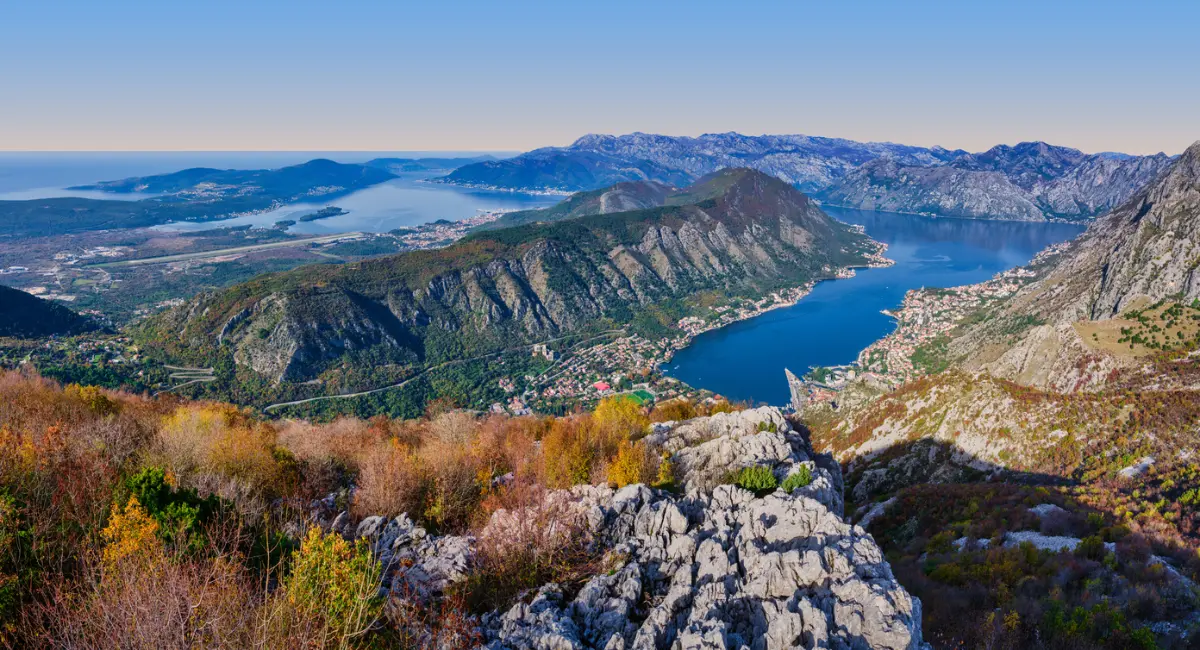
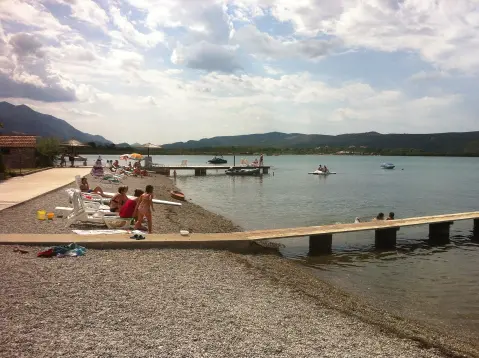
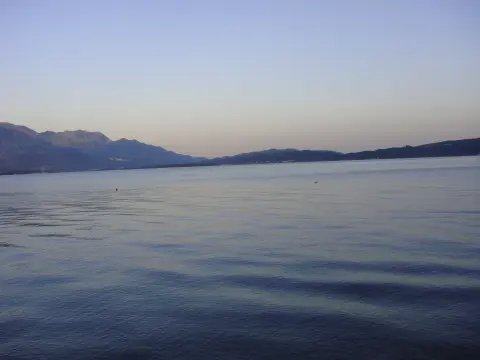
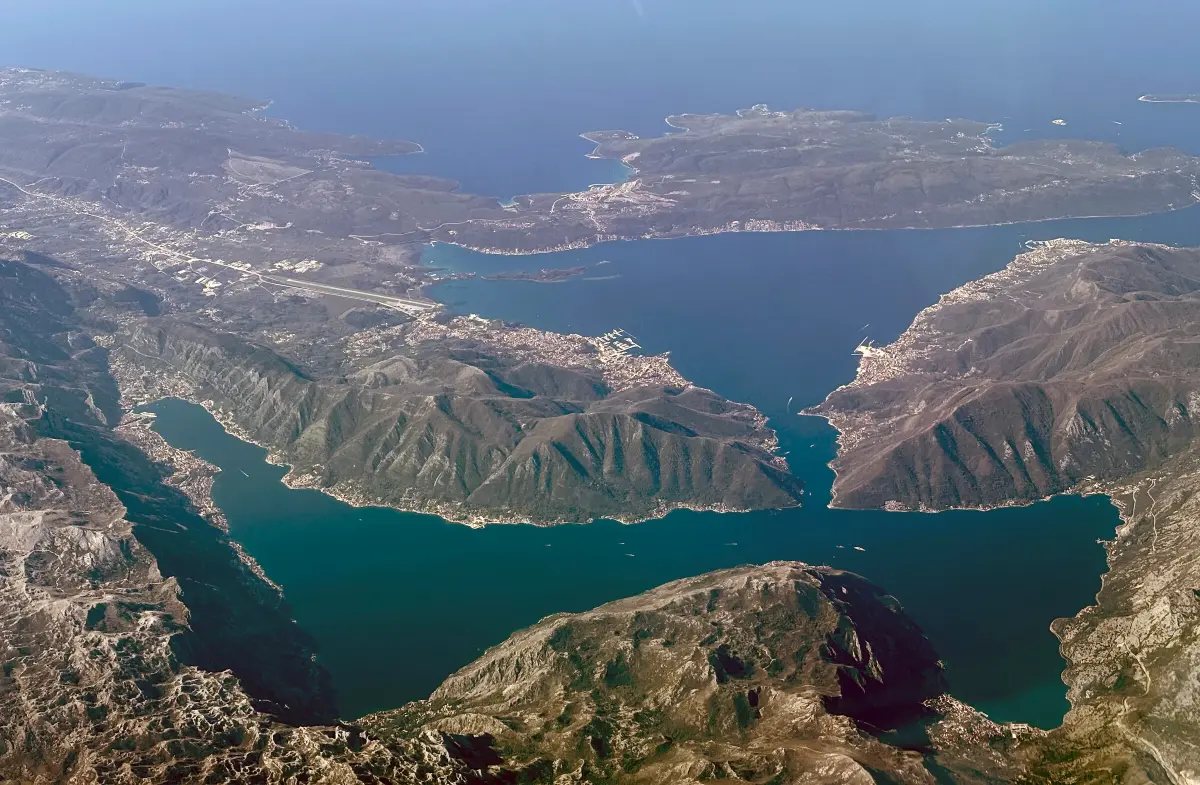
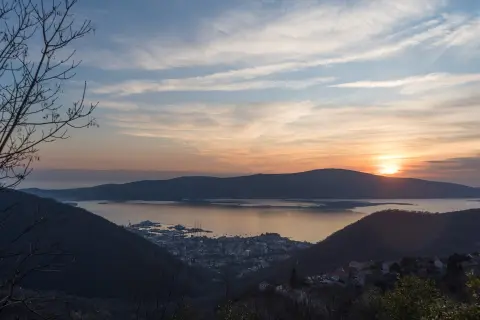
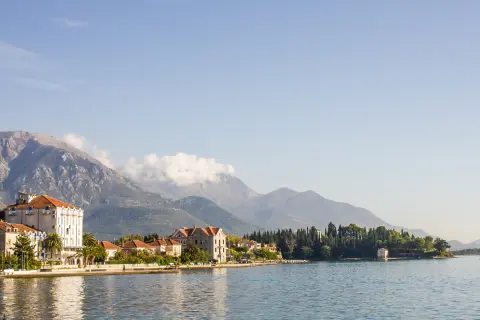
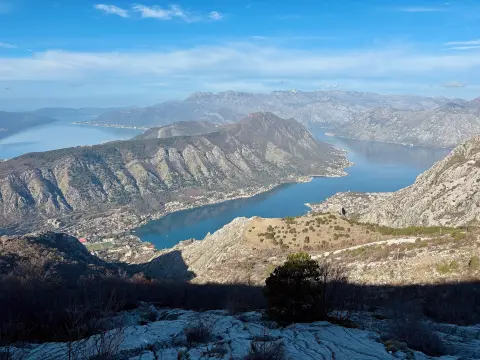
Tivat is a modern coastal town situated in the central part of Boka Kotorska, south of Mount Vrmac.
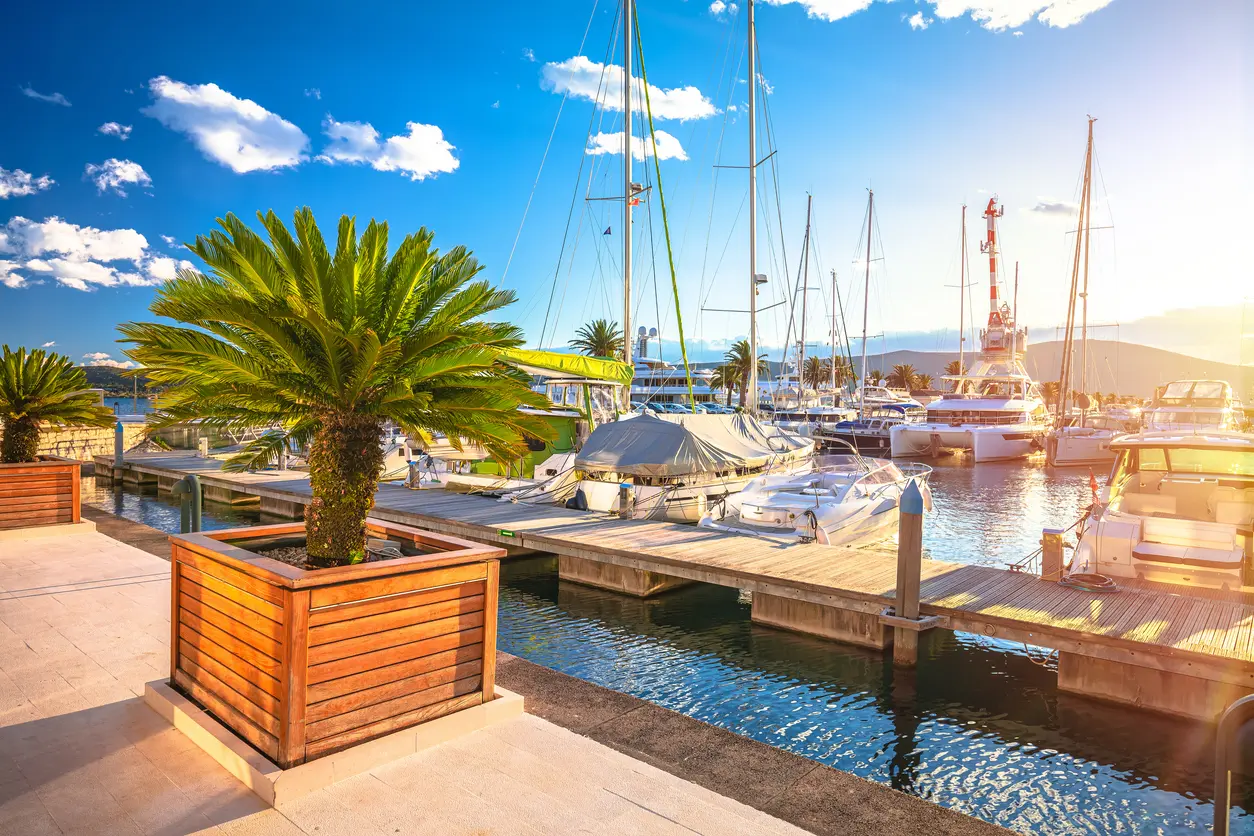
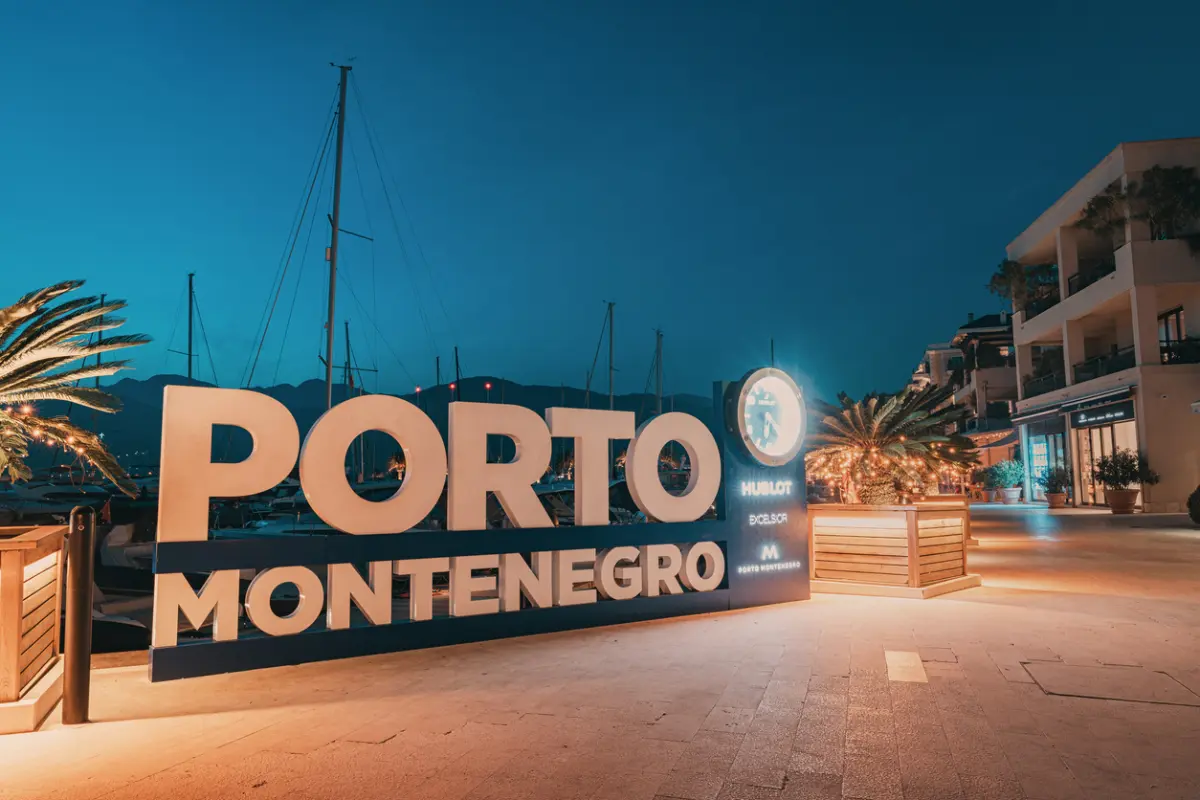
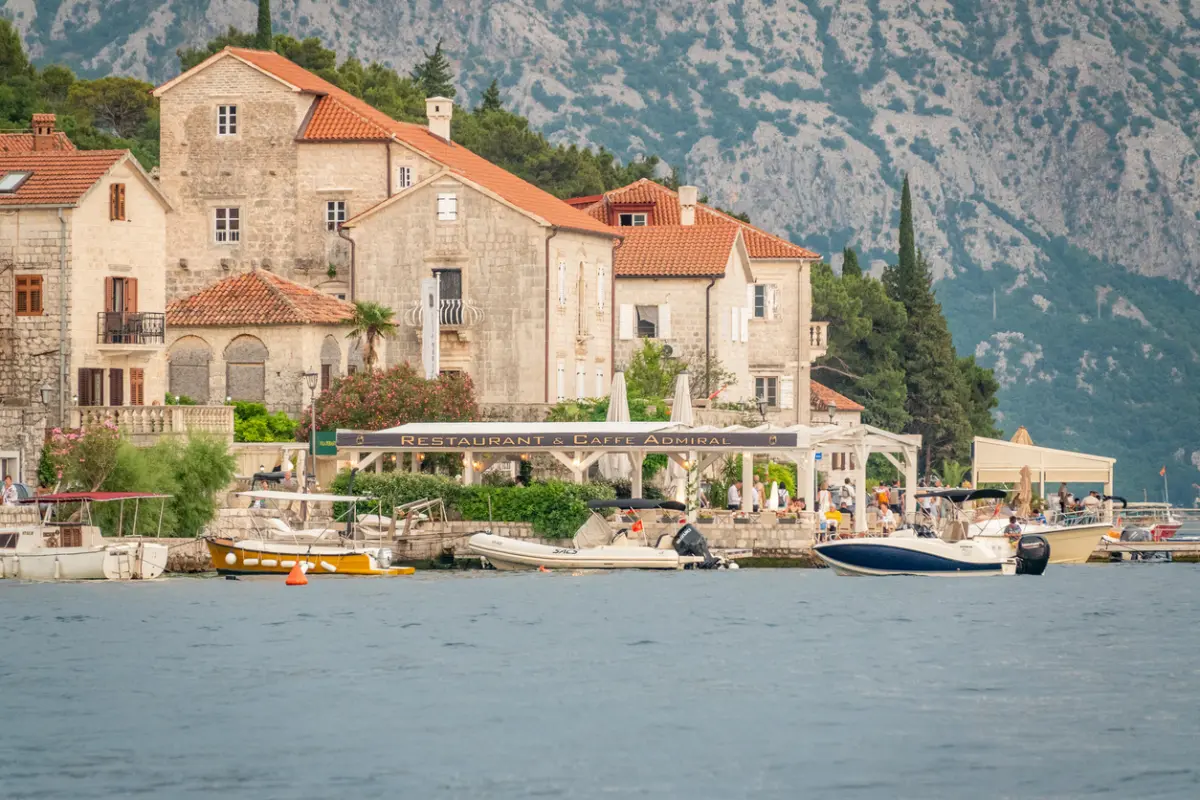
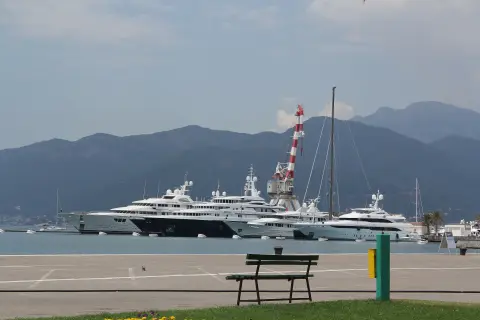
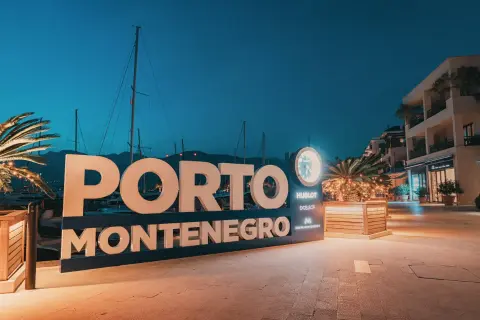
A former naval base has been transformed into one of the most prestigious nautical destinations on the Adriatic – Porto Montenegro attracts superyachts and visitors from around the world. The town offers a blend of traditional Mediterranean life and contemporary luxury, with more than 240 sunny days per year. With beaches, cultural attractions, and proximity to Kotor, Tivat is an ideal base for exploring the entire Boka Kotorska.
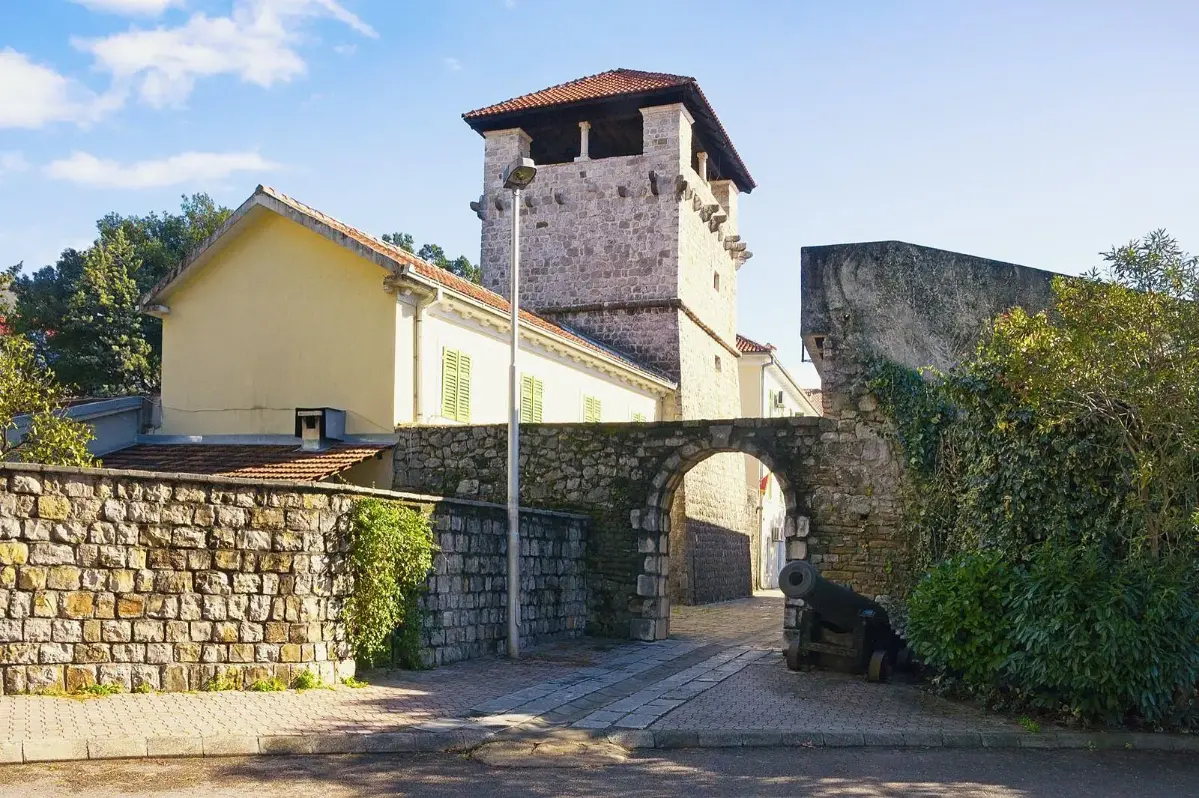
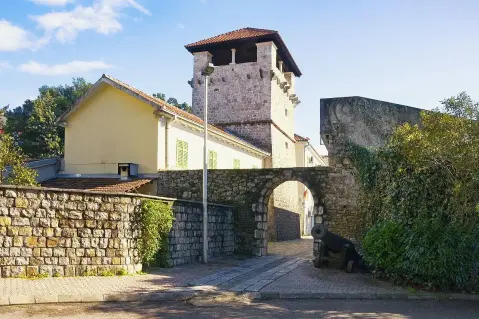
Tivat is the youngest town in the Bay of Kotor, but the shores of Tivat Bay have a long history. On Miholjska Prevlaka, today's Island of Flowers, the Monastery of St. Michael the Archangel became the seat of the Diocese of Zeta at the beginning of the 13th century, and in 1346 of the Metropolitanate; Venetian galleys destroyed it in 1452, during the uprising in Grbalj. The Kotor nobility built summer houses on the Tivat shore – the best preserved is the 15th-century Buća Summer House, today the Tivat Museum and Gallery. In the Venetian era, the island of Sveti Marko was named Stradioti, after the camp of Venetian soldiers. Modern Tivat emerged with the Austro-Hungarian naval Arsenal (1889), founded by Admiral Maximilian von Sterneck, and the Great Town Park (1892), to which Tivat sailors brought seedlings from distant voyages; Porto Montenegro stands today on the site of the Arsenal.
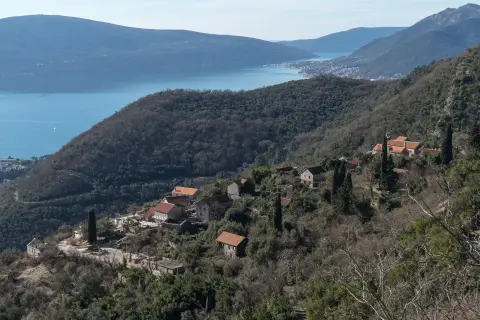
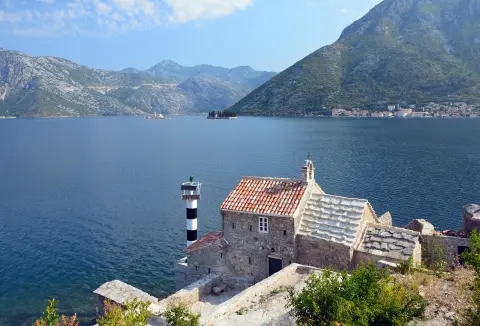
There are three islands in Tivat Bay: Sveti Marko, the largest island in the Bay of Kotor (34 ha), reached by boat from Pine Embankment in about twenty minutes; Our Lady of Mercy with a Franciscan monastery and a rich library; and the Island of Flowers (Miholjska Prevlaka), connected to the mainland by an isthmus, with the Monastery of St. Michael the Archangel. Above the town, on Vrmac, the stone village of Gornja Lastva preserves the Church of the Nativity of the Blessed Virgin Mary from 1410 and a 19th-century olive mill, and on the first Saturday in August the Lastva Festival is held there.