Bay of Kotor
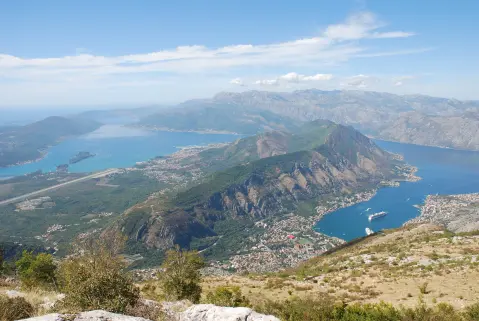
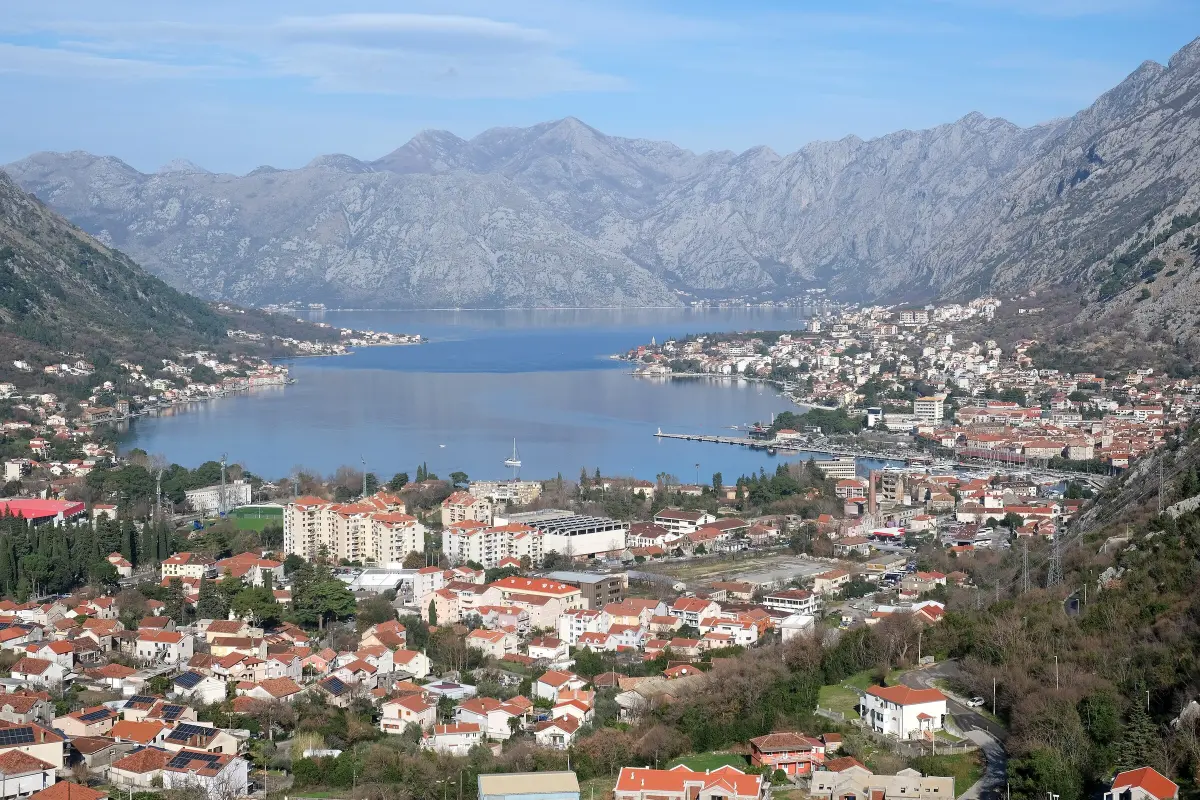
A series of four connected bays surrounded by mountains that drop steeply into the sea. Kotor and its hinterland have been on the UNESCO World Heritage list since 1979 as the Natural and Culturo-Historical Region of Kotor.

Adriatic coast from Herceg Novi to Ulcinj
About 293 km of coastline: the UNESCO-protected Bay of Kotor, old towns from Kotor to Ulcinj, Sveti Stefan and the sandy beaches of the south.
Did You Know?
Sveti Stefan was established in the 15th century as a fortified settlement of the Paštrovići. By the mid-1950s only about twenty inhabitants remained on the island, so the entire village was converted into a hotel, which welcomed its first guests in 1960.
A series of four connected bays surrounded by mountains that drop steeply into the sea. Kotor and its hinterland have been on the UNESCO World Heritage list since 1979 as the Natural and Culturo-Historical Region of Kotor.

A baroque town with palaces along the shore and the 55 m bell tower of St. Nicholas' Church. A short boat ride takes you to the island of Our Lady of the Rocks, while the island of St. George is also in the bay.

A fortified island settlement from the 15th century, connected to the mainland by a narrow isthmus. It has been a hotel since 1960, and the island can be seen from the main road and from the beaches around Pržno.
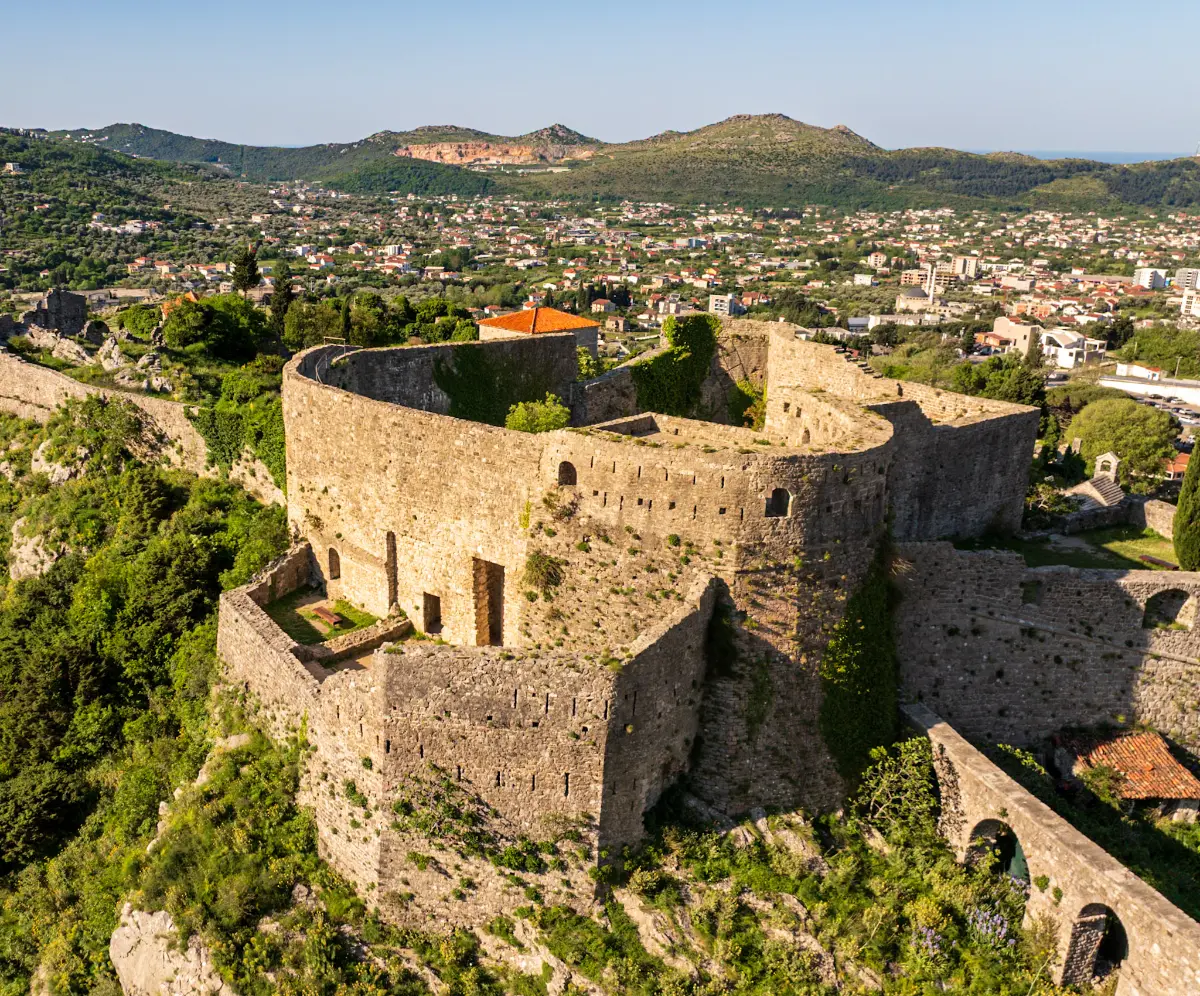
Ruins of a medieval town at the foot of Rumija, a few kilometres from the sea, with an aqueduct, churches and a Turkish bath. Nearby, at Mirovica, grows an olive tree over 2,000 years old.
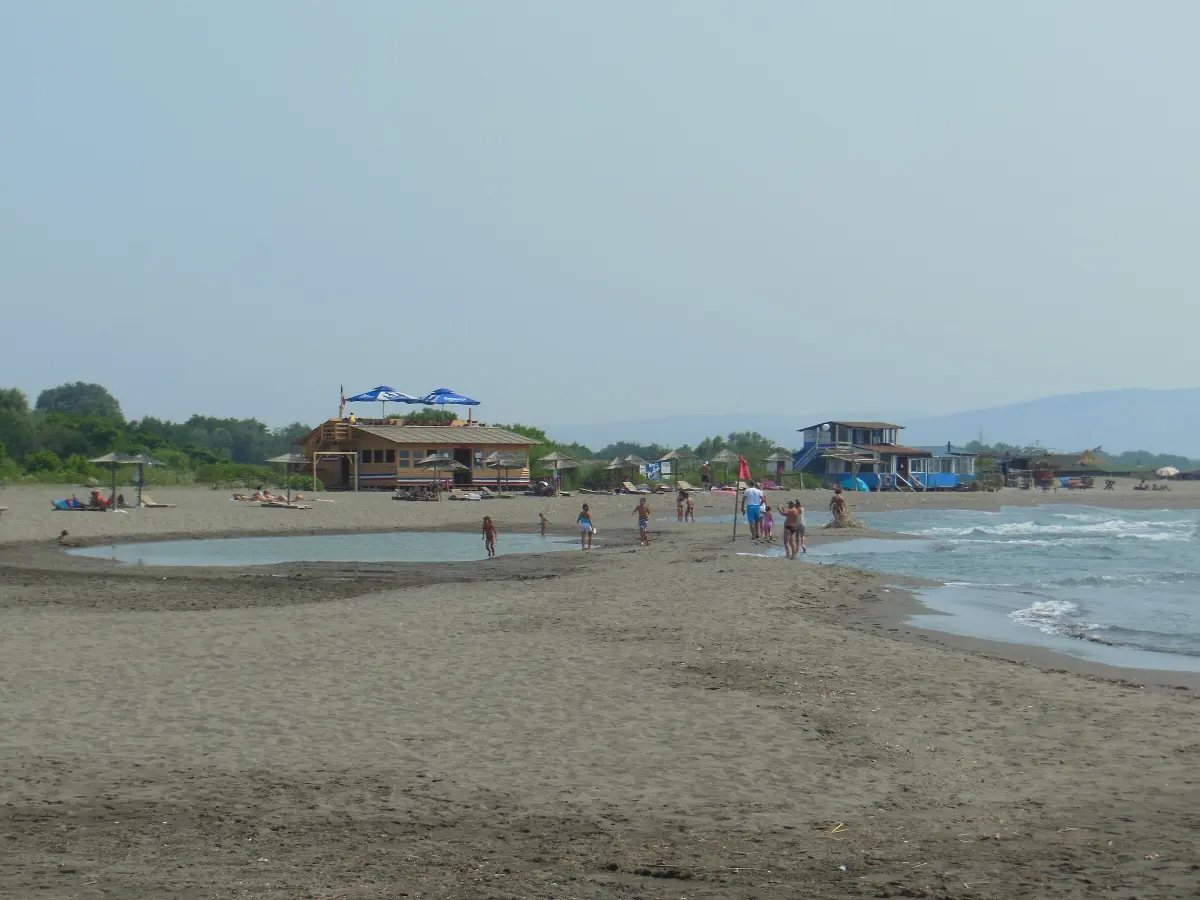
The longest sandy beach in Montenegro, about 13 km from Ulcinj to Ada Bojana and the mouth of the Bojana River. The shallow sea is good for families.
From the border with Croatia near Herceg Novi to the mouth of the Bojana at Ulcinj.
 Entrance to Boka
Town of staircases and fortresses at the entrance to Boka, with Kanli Kula, the old town and the Pet Danica promenade. Above the town are the trails of Orjen.
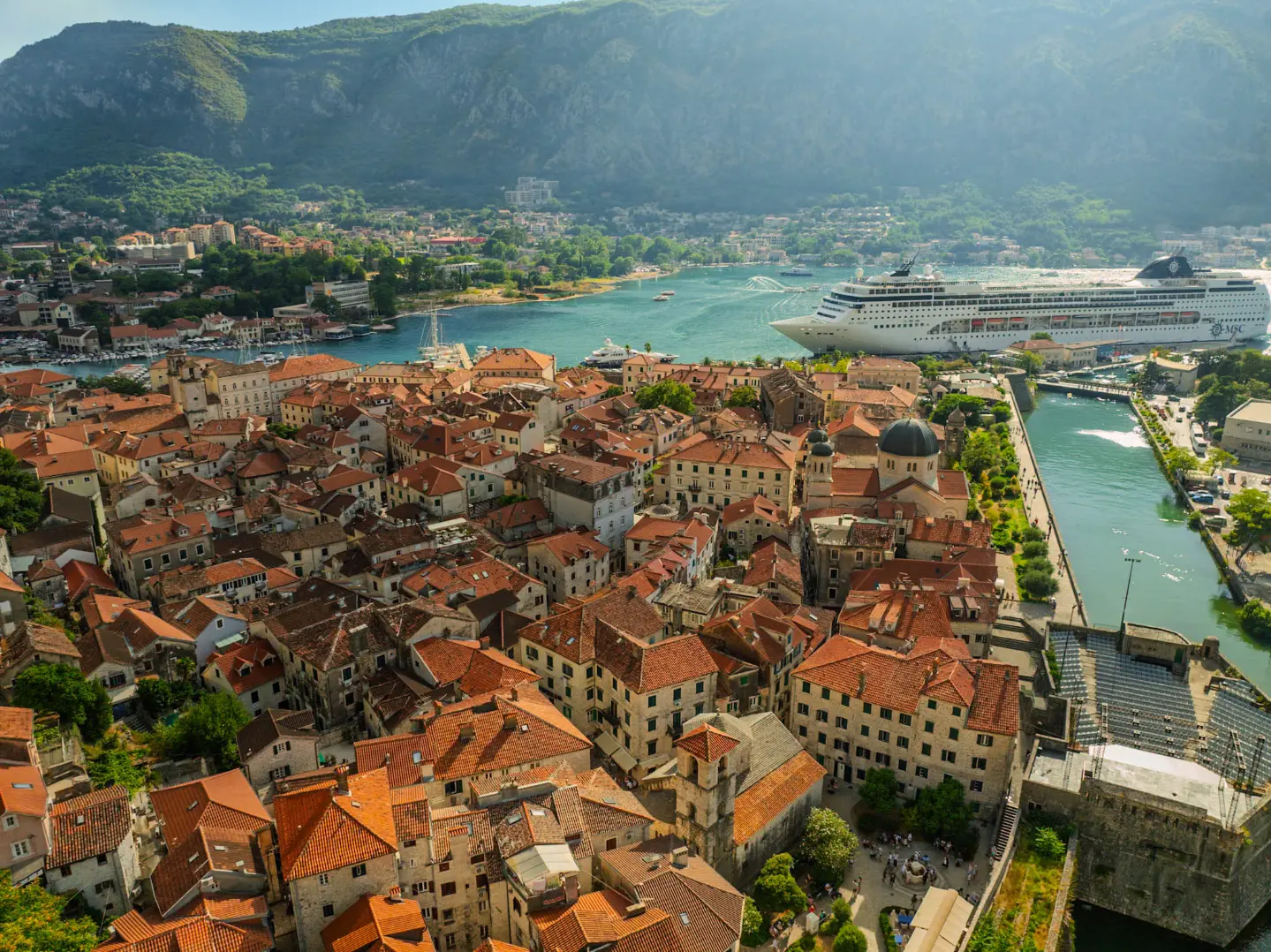 Bay of Kotor
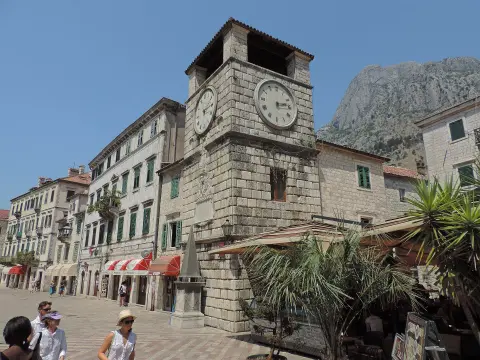
Medieval town under UNESCO protection, with the Cathedral of St. Tryphon from 1166 and walls that climb to the fortress of St. John.
 Bay of Kotor
Town with the Porto Montenegro marina on the site of the former arsenal from 1889, the Buća summer house, the Solila reserve and the Plavi Horizonti beach.
 Budva Riviera
The Budva Riviera is the most visited part of the coast, and Budva is the most visited resort in Montenegro and one of the oldest towns on the Adriatic. The old town on a small peninsula is surrounded by walls, inside which are stone streets and the Citadel, and right next to the walls are the beaches Mogren and Slovenska, along with the marina and nightlife. Budva is the starting point for Sveti Stefan and Petrovac.
South of the town: Bečići, Rafailovići, Pržno and Petrovac with the Kastio fortress.
 Bar Riviera
The largest Montenegrin port and the end of the Belgrade–Bar railway, with King Nikola's Palace. The southern towns were under Ottoman rule for centuries, so in Bar and Ulcinj, alongside churches, mosques and clock towers can be seen.
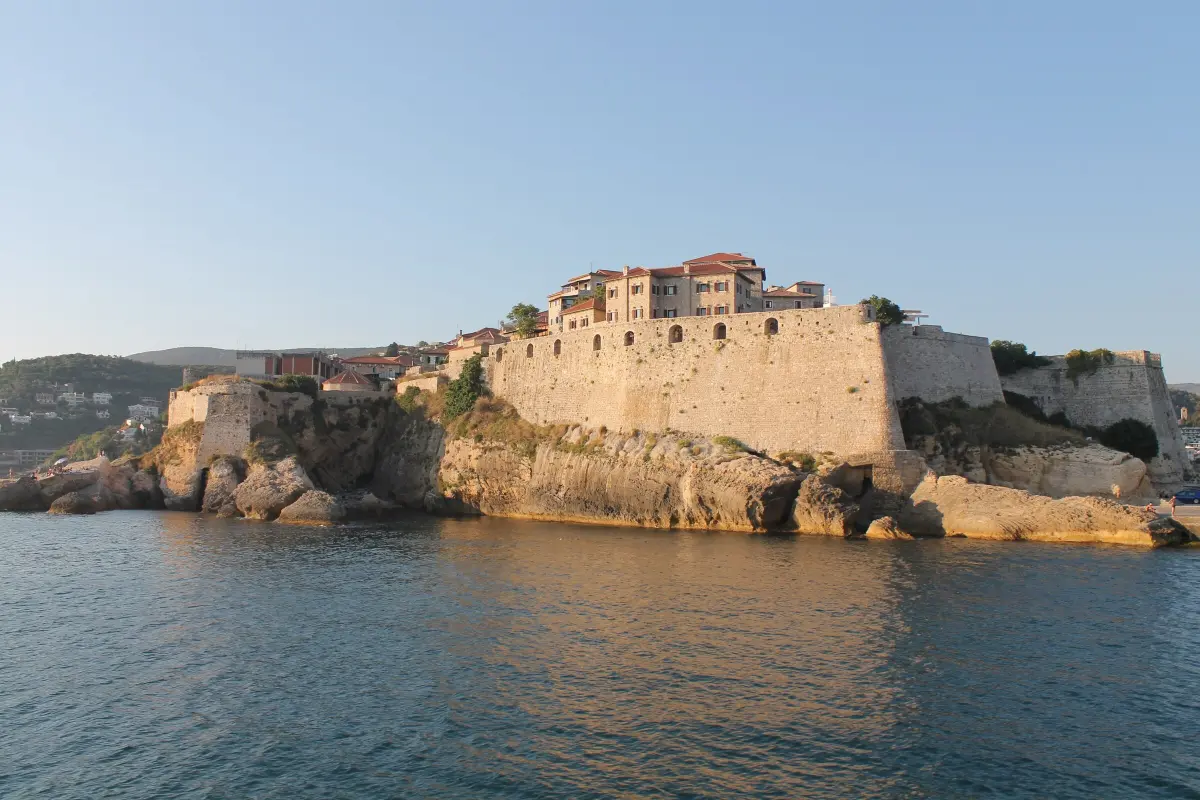 Ulcinj Riviera
The southernmost town in Montenegro, with an old town on a cliff above the sea and the Valdanos bay among olive groves.
May and October
Sightseeing
Good for sightseeing, and swimming is possible on warmer days.
June and September
Pleasantest months
The sea is warm, and crowds and prices are lower than in July and August.
July and August
Busiest and most expensive
Book accommodation in the old town of Kotor and in Budva in advance.
One coastal main road connects all towns.
Herceg Novi – Ulcinj
2.5–3 h
Via the Adriatic Highway, without traffic.
Tivat Airport (TIV)
4 km
from Tivat, 8 km from Kotor. Nearest airport for Boka and Budva.
Podgorica Airport (TGD)
Bar and Ulcinj
More convenient airport for southern towns.
Dubrovnik Airport
about 30 km
from Herceg Novi, in Ćilipi, with border crossing.
Traffic on the main road
In July and August, avoid the Adriatic Highway around midday and early afternoon – jams near Budva and Kotor can lengthen the drive.
Kamenari–Lepetane ferry
The ferry across the Verige strait connects Herceg Novi with Tivat and Budva, so you don't have to drive around the whole bay.
Kotor before the cruise ships
Arrive in Kotor early in the morning or late in the afternoon – in summer, cruise ships bring the biggest crowds around midday.
Beaches
At organised beaches, sunbeds are charged, but most also have free space for a towel – Velika plaža has the most.
 Sea
Boat tours from Kotor, Tivat and Herceg Novi take you to Perast, the island churches and the Blue Cave on Luštica.
 Hiking
About 1,350 steps and 45–60 minutes of ascent above Kotor, to the fortress at about 260 m, for a view of the entire bay.
When: early, before the heat and crowds.
Entrance: the climb is charged in season; check current price and opening hours with the Kotor Tourist Organisation.
 Adventure
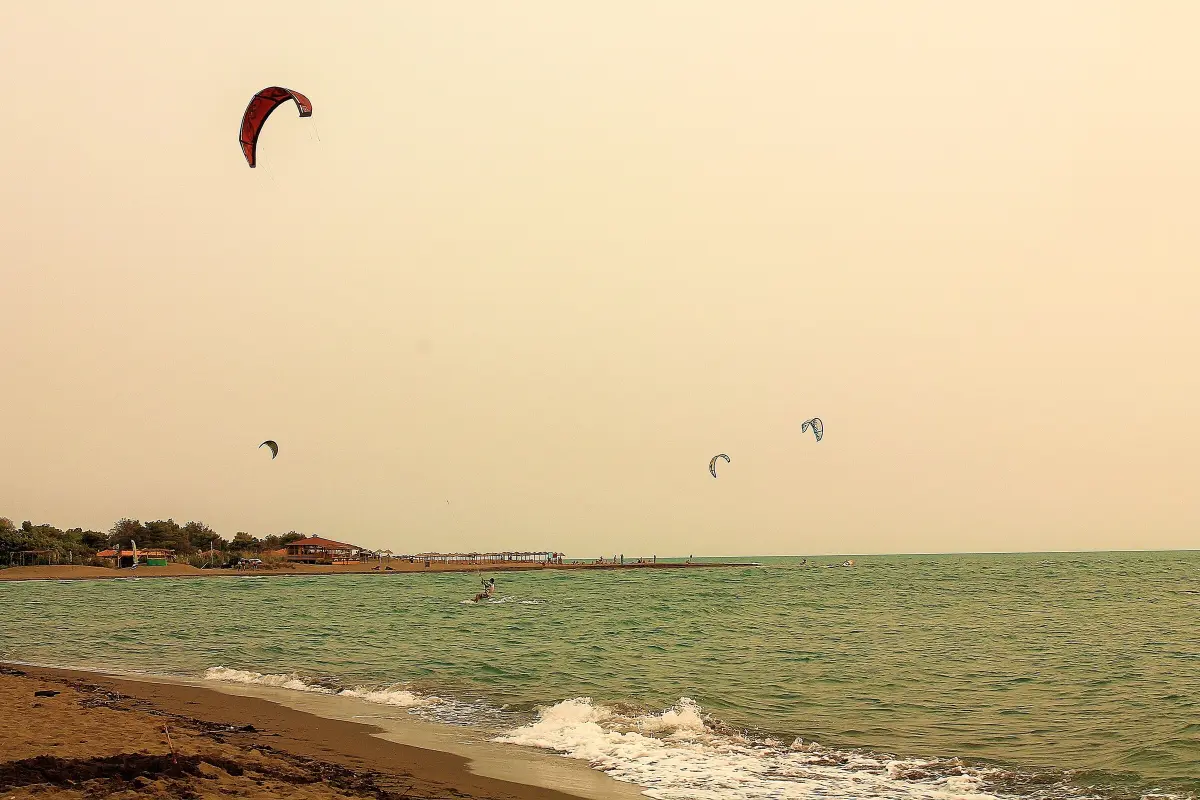
Shallow sea and summer afternoon wind attract kitesurfers to Velika Plaza and Ada Bojana, where schools also operate.
 Sea
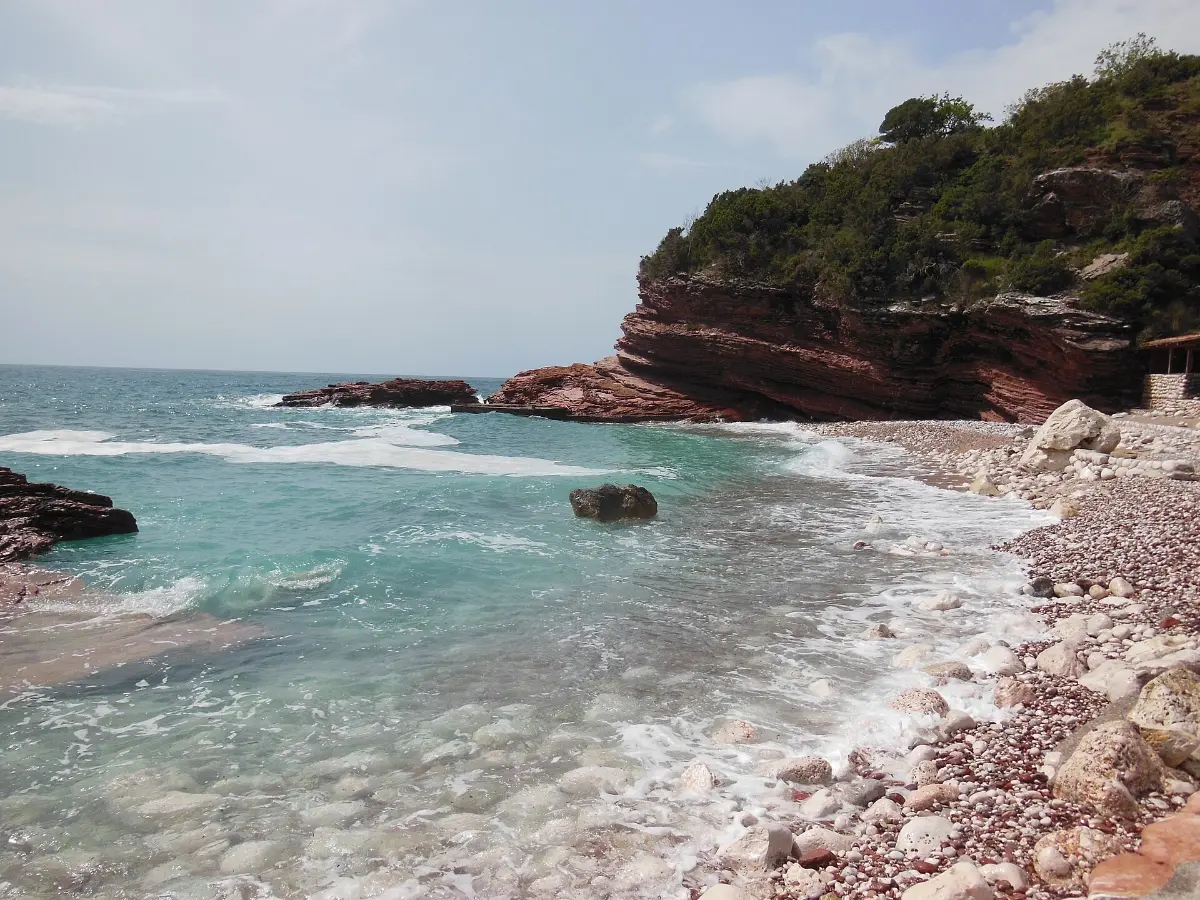
Dive centres in Boka, Budva and Ulcinj lead to underwater cliffs, caves and wrecks; visibility is best in summer.
 Gastro
In Boka, mussels and oysters are farmed, and taverns from Herceg Novi to Kotor serve them in buzara sauce, with white wine and bread.
 Sea
Calm coves around Dobrota, Perast and Tivat are good for kayaking, freediving and swimming in the clear water of the bay.

From the Bay of Kotor to Velika plaža
A bay among mountains in the north, walled towns in the middle and the sand of Ulcinj in the south – all on a single coastal road.
The coast from Herceg Novi and the Bay of Kotor via Tivat, Budva and Bar to Ulcinj and Ada Bojana on the border with Albania – about 293 km of coastline.
Kotor or Tivat for the Bay of Kotor and culture, Budva for beaches and nightlife, Herceg Novi for peace and walks, Ulcinj for sandy beaches and kitesurfing.
June and September: the sea is warm, and crowds and prices are lower than in July and August. May and October are good for sightseeing.
Most of them are in the south: Velika plaža and Ada Bojana near Ulcinj. There is also sand in Budva, Bečići, Petrovac and at Plavi Horizonti near Tivat.
Tivat Airport is 8 km from Kotor, Podgorica is closest to Bar and Ulcinj, and Dubrovnik is about 30 km from Herceg Novi, with a border crossing.
For the Bay of Kotor, three to five days; for the whole coast from Herceg Novi to Ulcinj, at least a week.
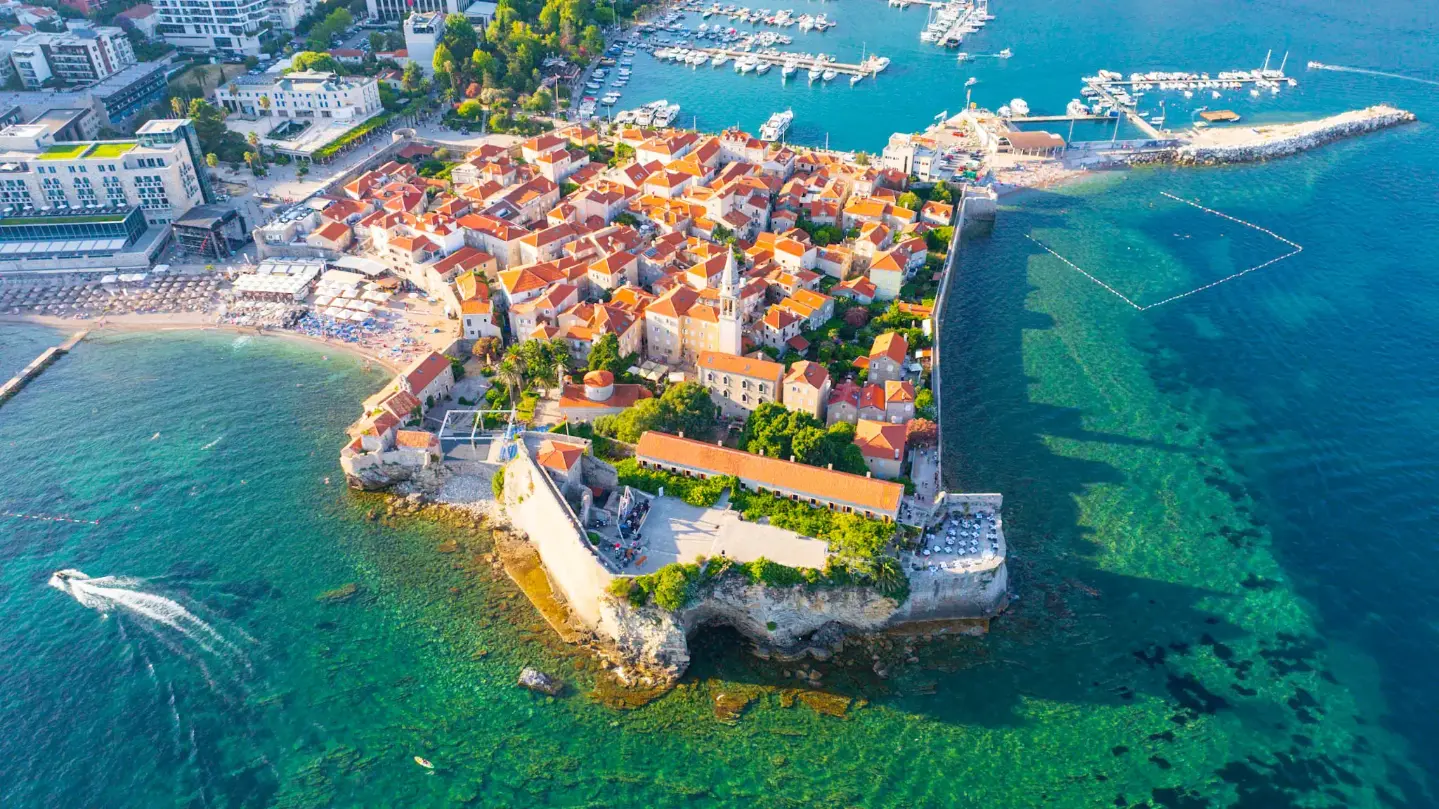
A guide to choosing a holiday base in Montenegro: Kotor and Boka for a first visit, Budva for beaches and nightlife, Petrovac and Ulcinj for families, Tivat and Herceg Novi as quieter bases, Žabljak and Kolašin for the mountains.
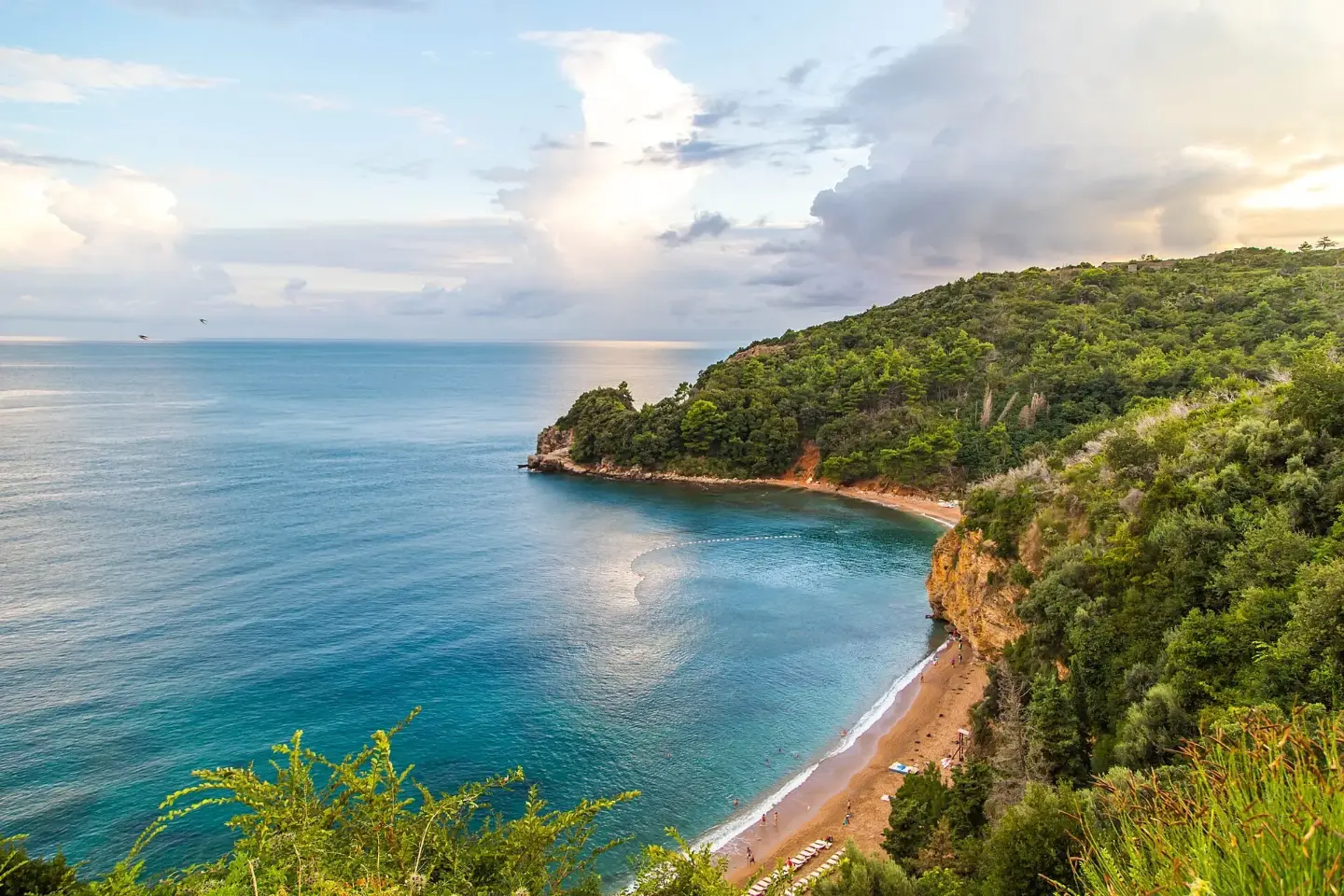
The beaches of the Budva Riviera in one place: Slovenska Beach and Mogren in town, Jaz, Trsteno and Ploče to the west, Bečići, Kamenovo, Pržno and Sveti Stefan, then Petrovac, Lučice and Buljarica, with parking and tips.
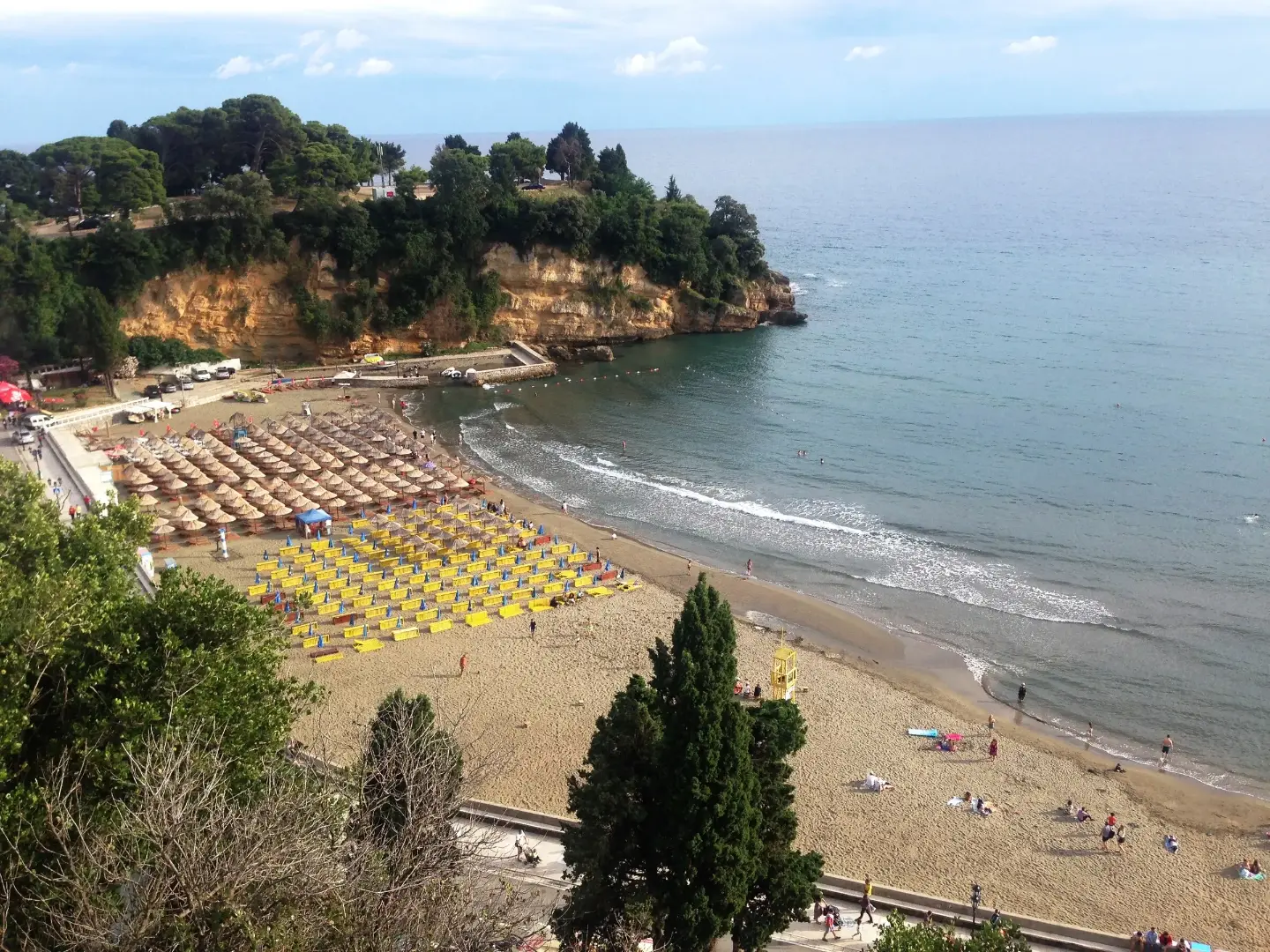
All Ulcinj beaches in one place: Velika Plaža and Ada Bojana for sand and kitesurfing, Mala Plaža and Borova Šuma in town, Valdanos, Kruče and hidden coves towards Utjeha, with parking and tips.
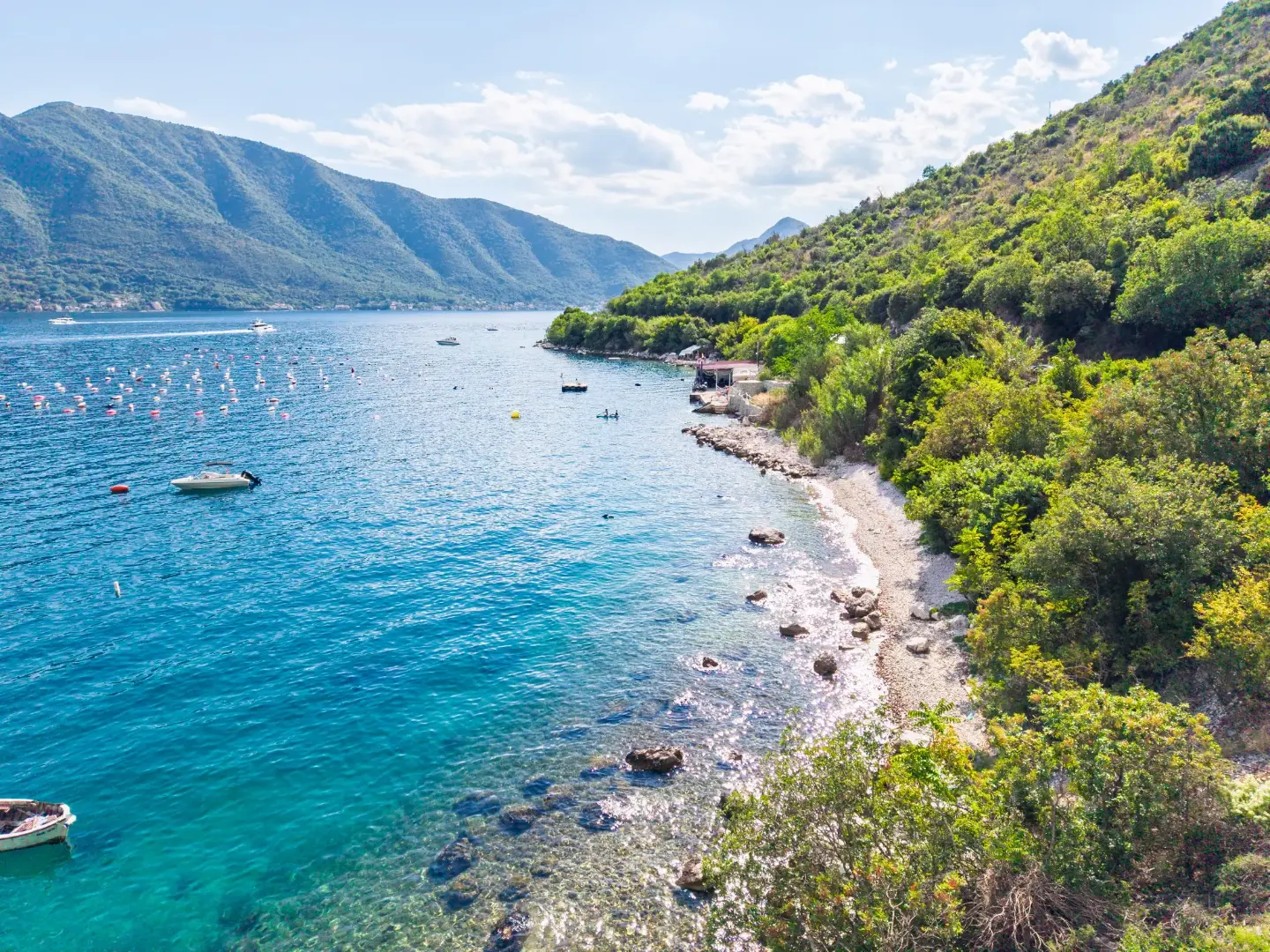
Where to swim around Kotor and Tivat: Dobrota ten minutes from the Old Town, Orahovac, Bajova Kula, Markov rt and Morinj in the bay, Belane and Kalardovo in Tivat, Plavi horizonti and Pecka on Luštica.