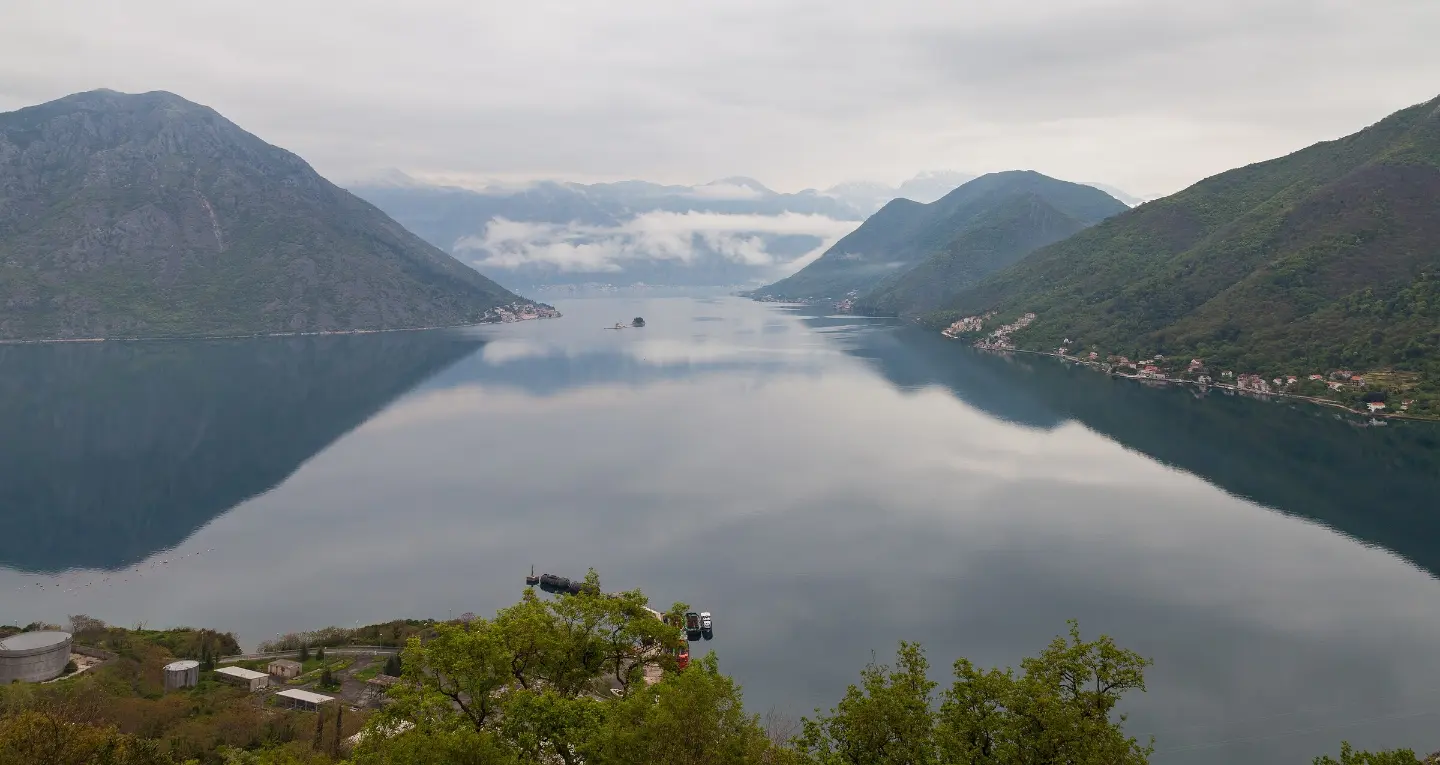
Montenegro is one of Europe's calmer corners – here's the little that's worth knowing.
Staying safe in Montenegro is mostly common sense. Towns are relaxed and petty crime is rare – it's the mountains and the sea that deserve your real respect.
Pickpocketing is uncommon, but use normal precautions in summer crowds, markets and beach bars – keep an eye on phones and bags.
Uber and Bolt don't operate in Montenegro: order a licensed taxi by phone, Viber or WhatsApp (your accommodation can recommend one), and agree the fare upfront for airport runs – a metered ride in town rarely costs more than a few euros.
Nightlife is relaxed and friendly. The usual big-city common sense applies: watch your drink, stick with your group, and arrange your ride home.
Above 1,500 m conditions can change within the hour – pack layers, a shell jacket and water even for an August day hike.
For longer treks, tell someone where you're going and when you'll be back – or hire a local guide who knows the trails and shortcuts.
Mountain rescue is reached through 112, the general emergency line. Save it before you set off – coverage is good on most ridgelines.
In rocky, sunlit terrain watch for the horned viper (poskok). It avoids people – sturdy boots and a little attention are all you need.
Organised beaches with flags and lifeguards are the safest choice – swim when the flags allow and stay inside the marked zones.
Currents can be stronger than they look near river mouths and after storms – give the sea a day to settle before swimming far out.
Renting a scooter or a boat? Check the equipment, the life jackets and the operator's licence before you sign – reputable outfits won't mind.
Roads through the canyons are narrow and winding – drive slowly, keep right, and sound your horn before blind bends, as the locals do.
By law winter equipment is compulsory from 15 November to 30 March; on roads in the interior ministry's order, mostly in the north, winter tyres were required until 1 April in 2025/26.
Check the live picture before you set off
We don't run a live alert feed – conditions change faster than any guide. For road closures, weather warnings and entry rules right now, go straight to the official sources.
The Auto-Moto Association of Montenegro (AMSCG) publishes a daily bulletin on closures, roadworks and border crossings. Roadside assistance: 19807.
amscg.org· in MontenegrinThe Institute of Hydrometeorology and Seismology issues forecasts and official warnings for storms, heat, snow and strong wind.
meteo.co.me· in EnglishThe Ministry of the Interior's protection and rescue service runs the 112 line and posts notices on wildfires, floods and other emergencies.
gov.me· in MontenegrinThe Police Administration's official pages and notices. In an emergency, call 122 or 112.
gov.me· in MontenegrinThe Ministry of Foreign Affairs' overview of the visa regime – check whether your passport needs a visa before you travel.
gov.me· in EnglishMontenegro's official tourism portal, with practical information and events.
montenegro.travel· in EnglishYour foreign ministry's travel advice for Montenegro covers insurance, consular help and any warnings for your citizens.
Pharmacies meet EU standards and are easy to find. Tap water is safe to drink in most areas, and power sockets are 220 V, type C/F.
One set of numbers covers the whole country – free to call from any phone, anywhere in Montenegro.
Current conditions & official sourcesArrive stress-free
Book a licensed transfer with a fixed price, flight tracking and a driver waiting at arrivals – or a car from a local agency.