Culture
Exploring the Ruins
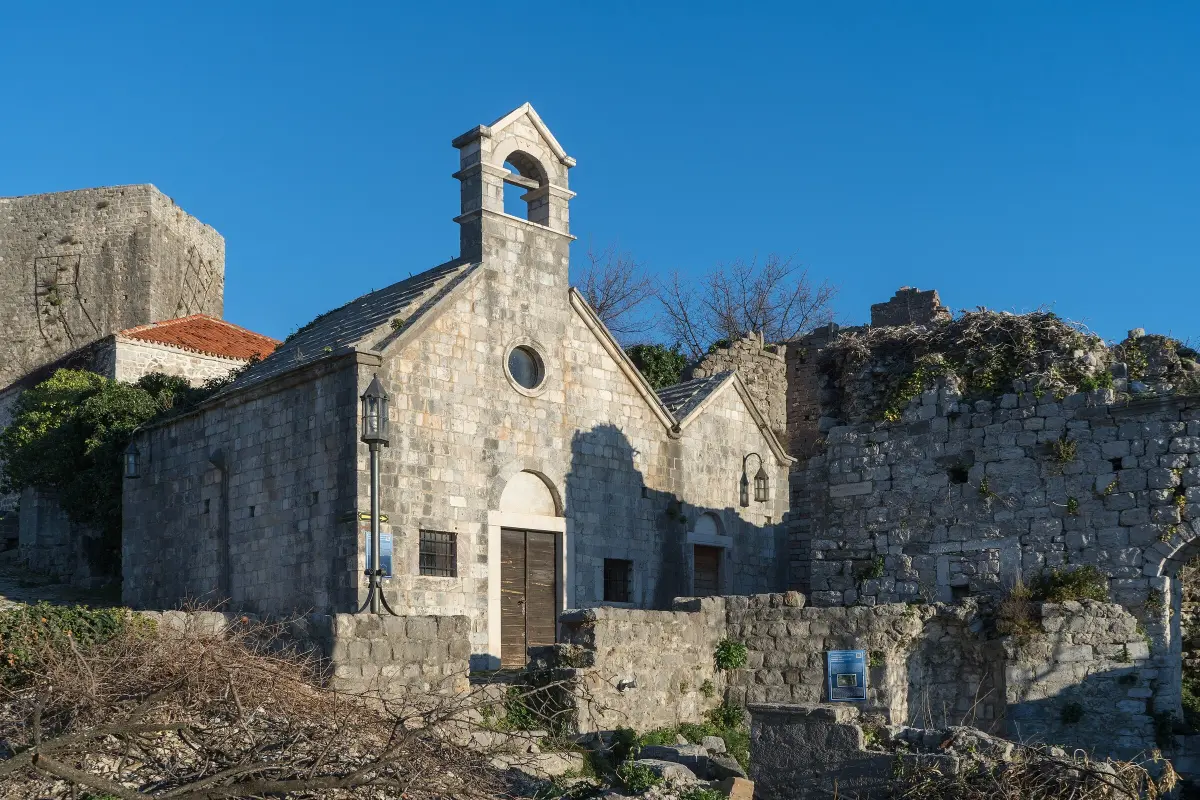
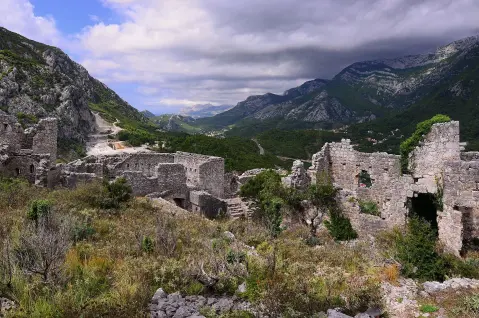
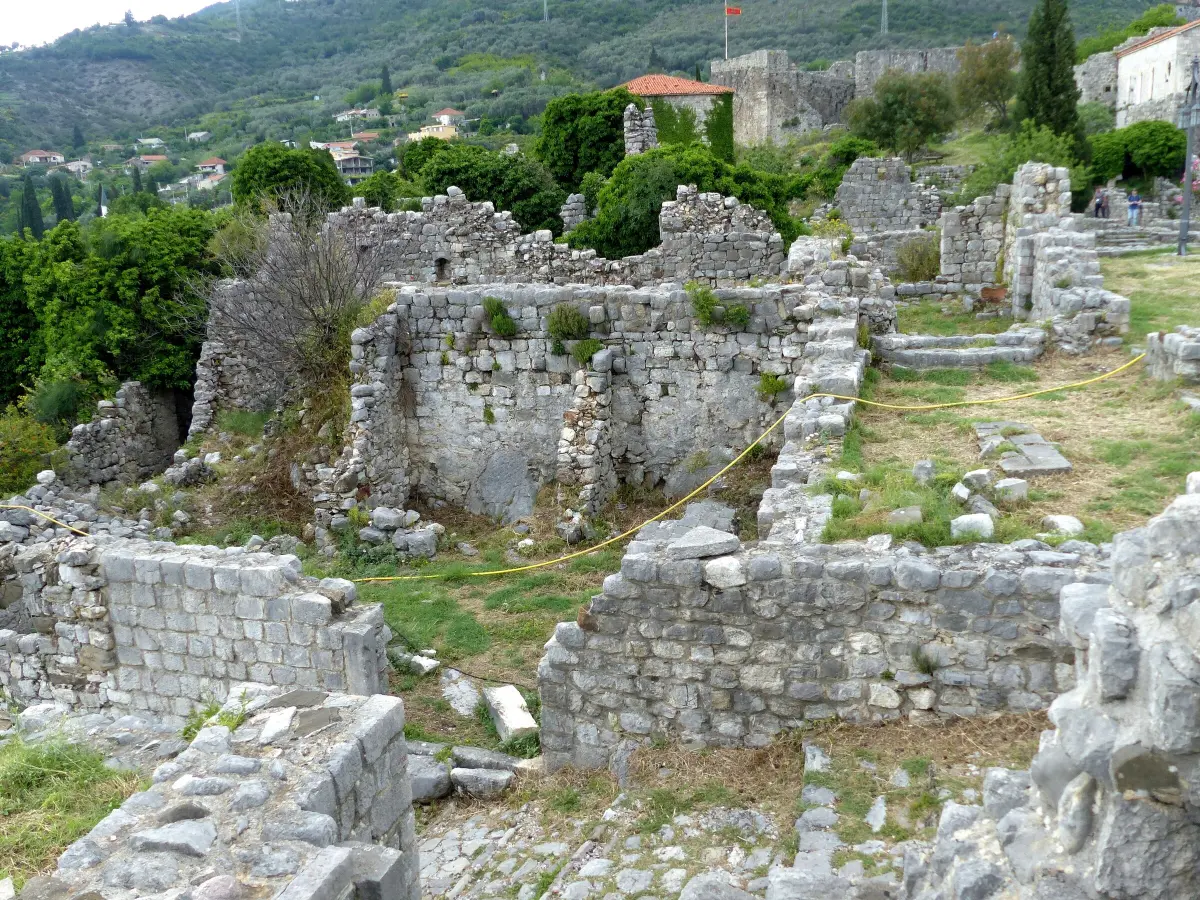
Wandering among the remains of more than 250 buildings from different eras within the walls of Stari Bar.
Montenegro's Pompeii at the foot of Mount Rumija
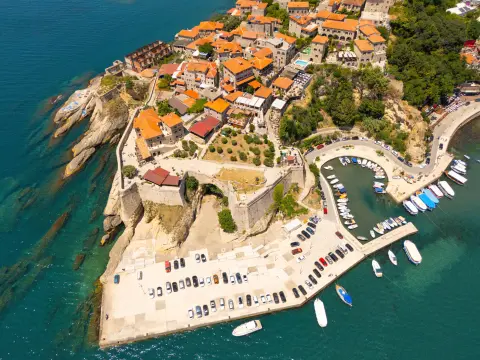
Stari Bar is the most significant tourist site on the Bar Riviera – a hill encircled by walls at the foot of Mount Rumija, about 4 km from the sea.
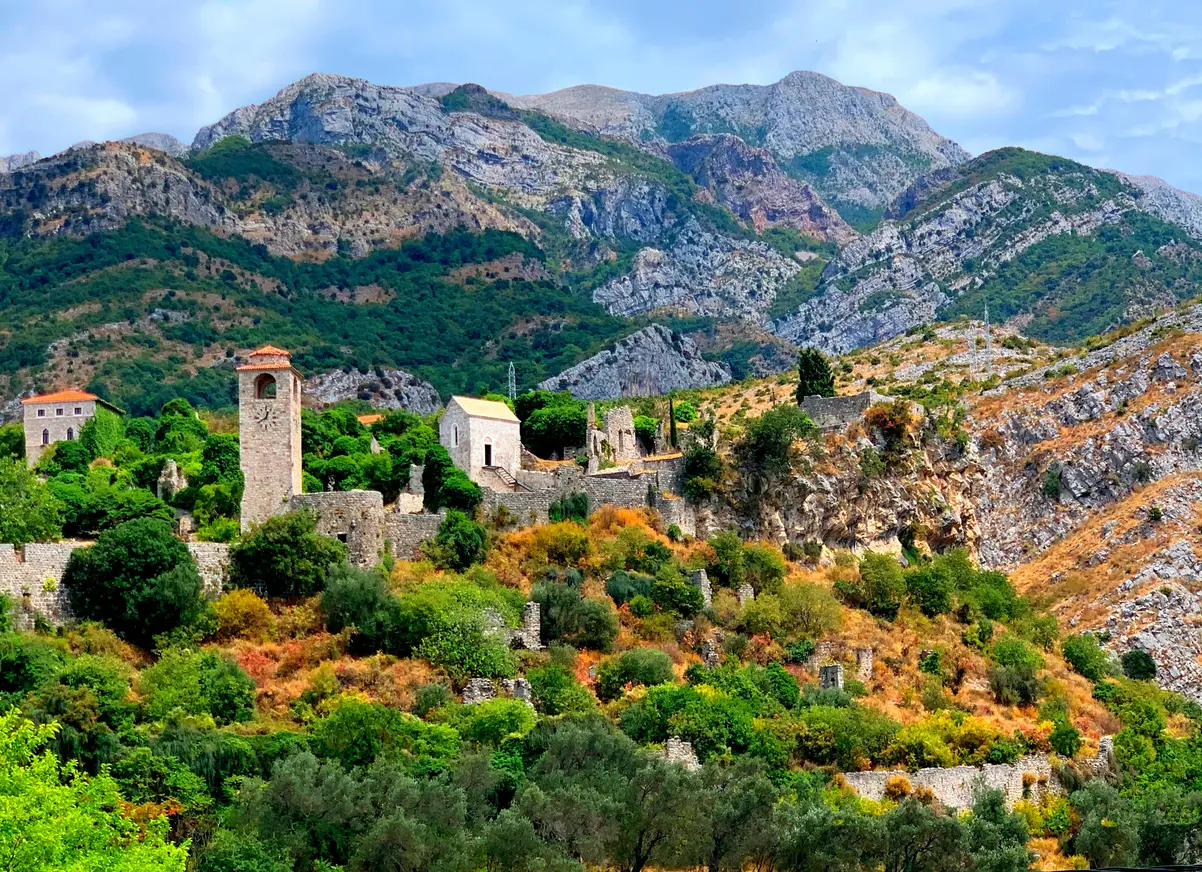
Within the ramparts lie the remains of more than 250 buildings: churches, mosques, a hamam, a clock tower, a citadel, and a restored aqueduct that supplied the city with drinking water for centuries. The city was the centre of the Duchy of Duklja, an archbishopric seat from 1089, and over the centuries it was ruled by the Nemanjić dynasty, the Venetians, and the Ottomans. The catastrophic earthquake of 1979 and two ammunition explosions in 1881 and 1912 left the city in ruins that today intrigue archaeologists and visitors from around the world.
Highlights
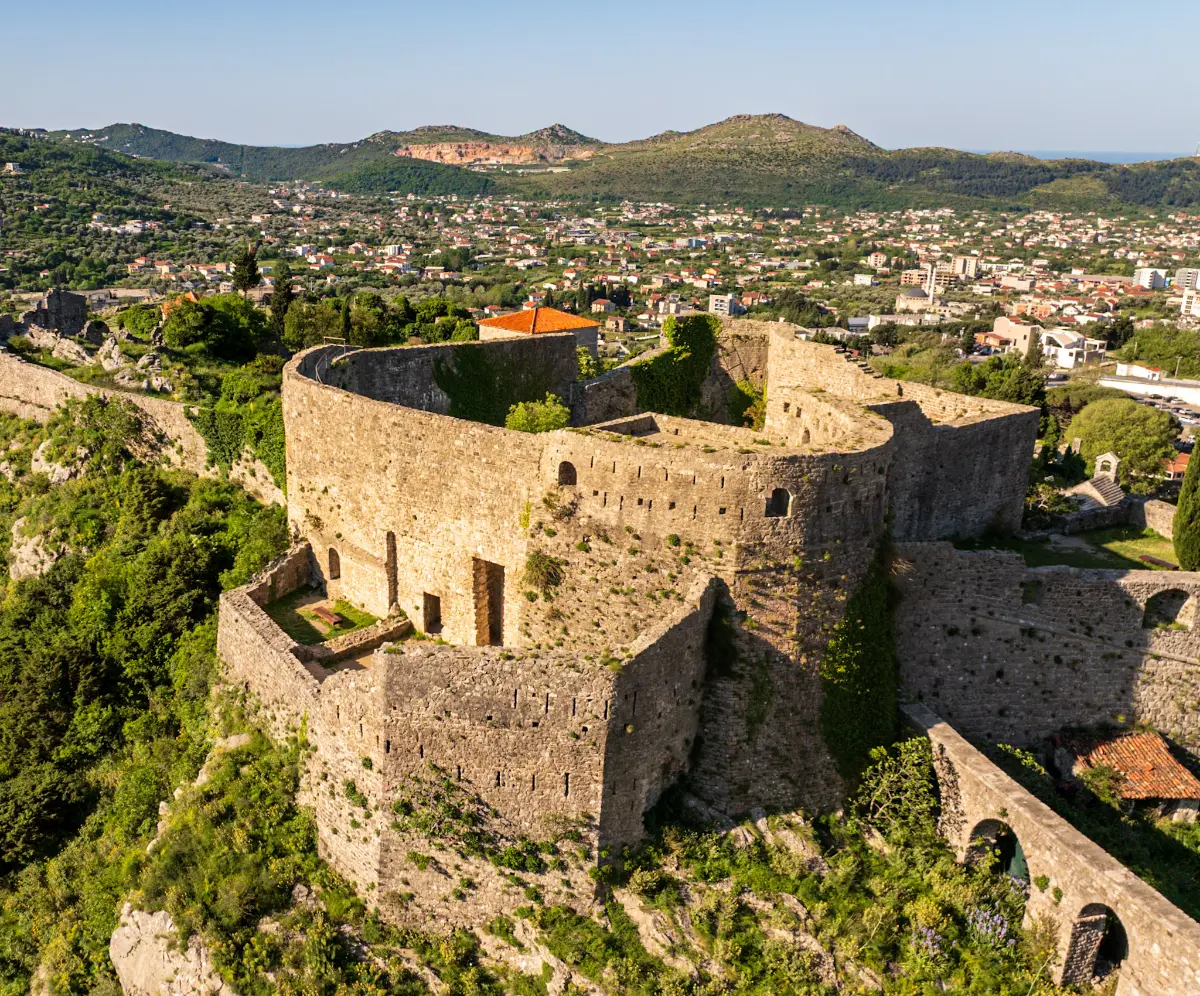
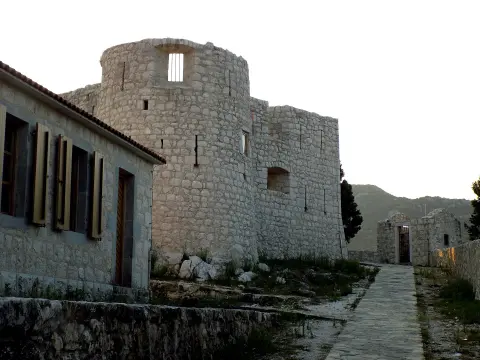
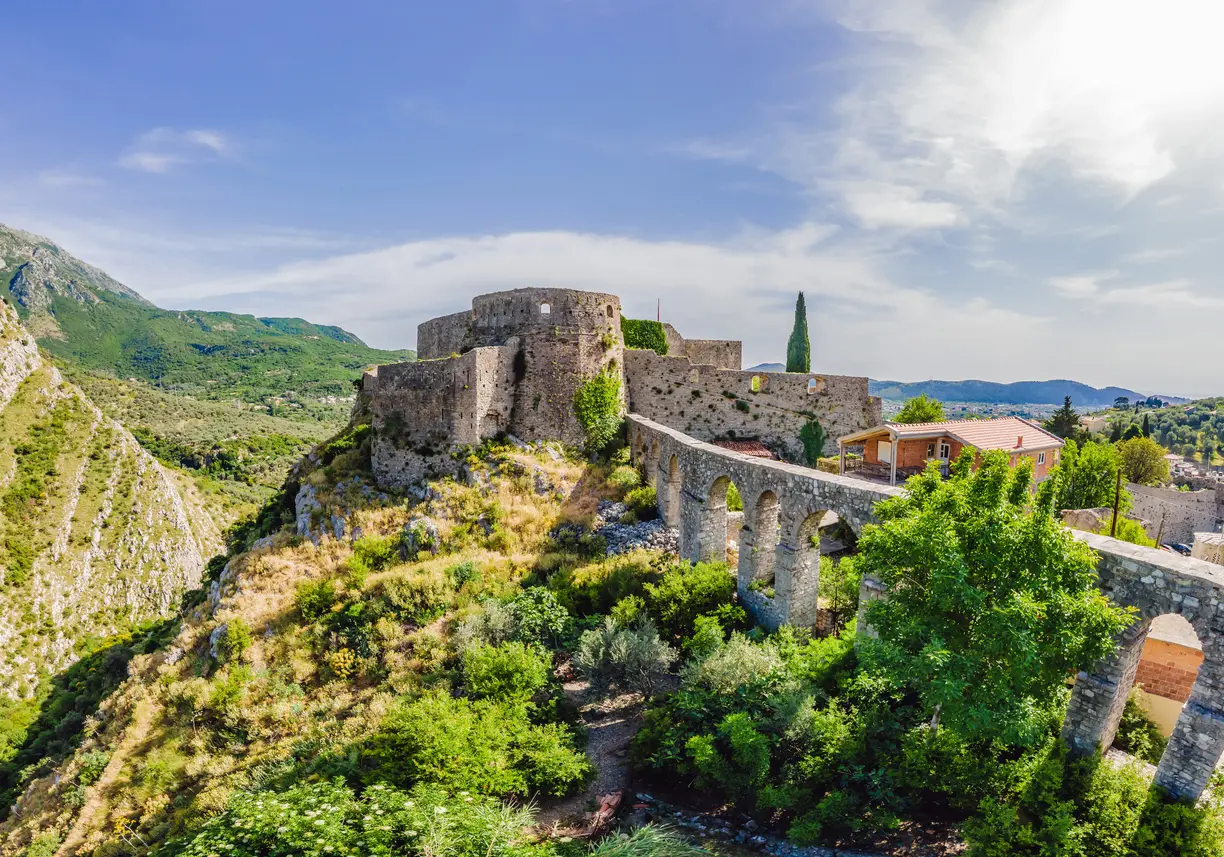
The heart of Stari Bar is the fortress, which spans about 4 hectares and forms a true labyrinth of buildings in varying states of preservation. At the highest point stands the citadel, the town's last line of defence (its oldest walls date from the 10th century, most of its defences from the early 15th century) – from which the finest views of the entire complex, the valley, and the mountain peaks can be enjoyed. The entrance gate was originally part of a large tower, and later a church, and bears a well-preserved relief of the Venetian lion. The 16th-century walls were built by the Venetians, who ruled the city from the 15th century until 1571, when the Ottomans took control.

One of the most impressive feats of engineering on the Montenegrin coast, the aqueduct supplied Stari Bar with drinking water for centuries. It was built in the Ottoman period, at the end of the 16th or the start of the 17th century; it has 17 arches, and clay pipes brought water from a spring about 3 km away. The aqueduct collapsed in the catastrophic earthquake of 1979 but was subsequently restored and is now one of the most visited attractions in the complex. In 1878, the Montenegrins cut off the Ottoman garrison's water supply by mining the aqueduct, forcing it to surrender.

Right next to the entrance to Stari Bar stands the Omerbašić Mosque from 1662, one of the best-preserved Ottoman structures in Montenegro. Nearby is the tomb of the dervish Hasan and an old fountain with an inscription in Arabic – witnesses to centuries of Ottoman presence. Within the walls, the hamam – a Turkish bathhouse from the Ottoman period – is also preserved, and together with the powder magazine it forms a unique ensemble from the era when Stari Bar was a vital centre of Ottoman administration on the Adriatic coast.

Two churches have been conserved within the walls of Stari Bar – St Catherine, from the 14th century, and St Veneranda. The St Nicholas church, a Franciscan church from the end of the 13th century that older descriptions link to Queen Jelena, wife of King Uroš I, survives as ruins with fragments of frescoes. Stari Bar was the seat of an archbishopric from 1089, and the Archbishop's Palace now holds an archaeological display on the civilisations that left their mark here.

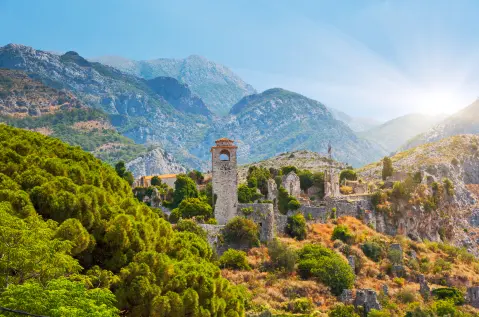
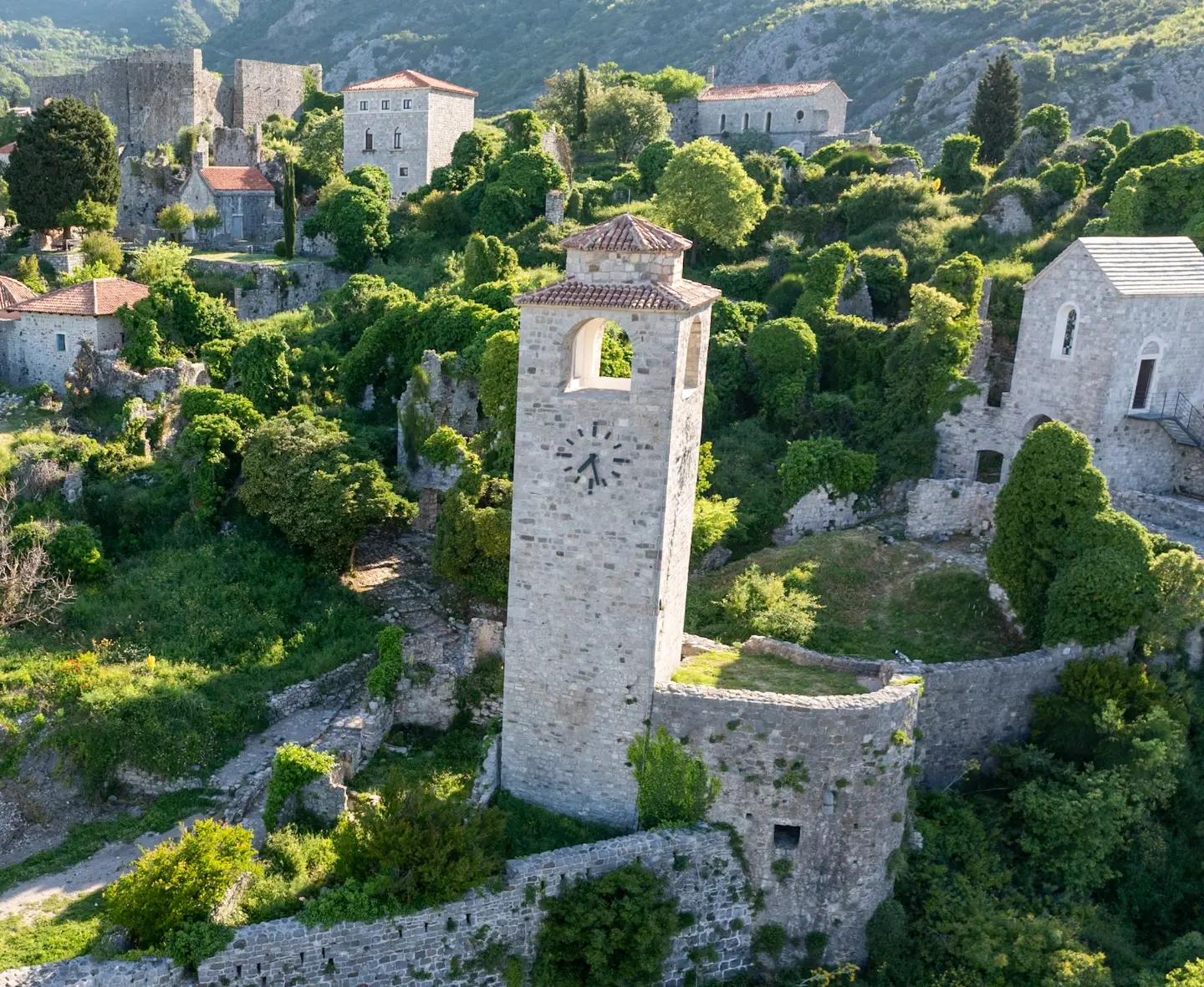
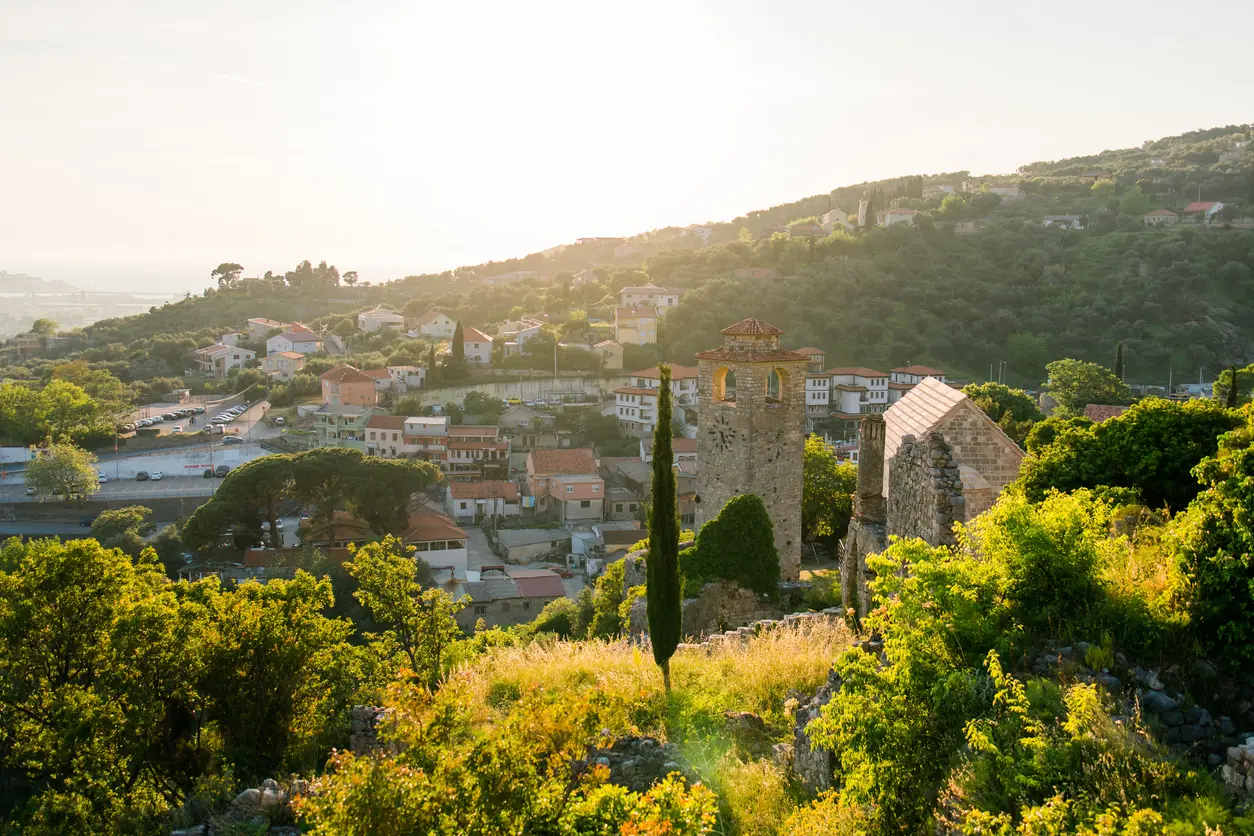
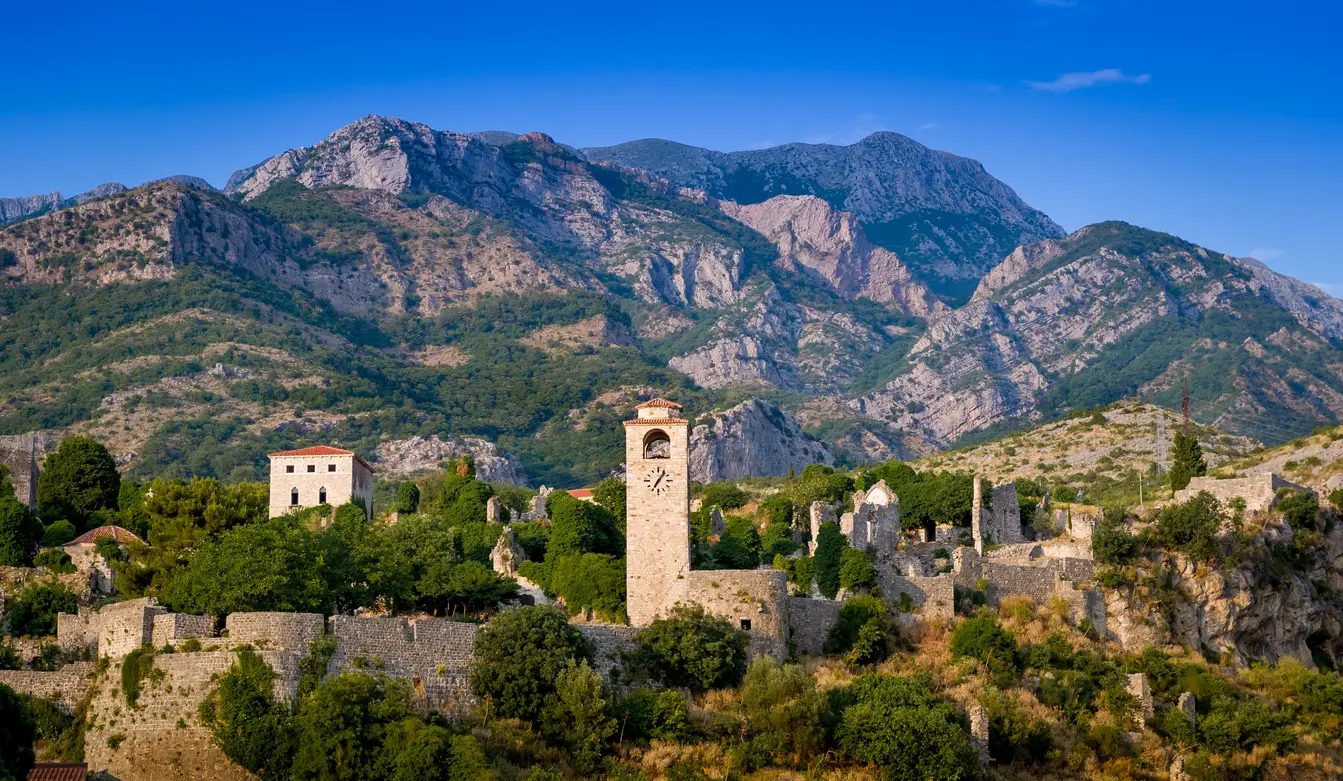
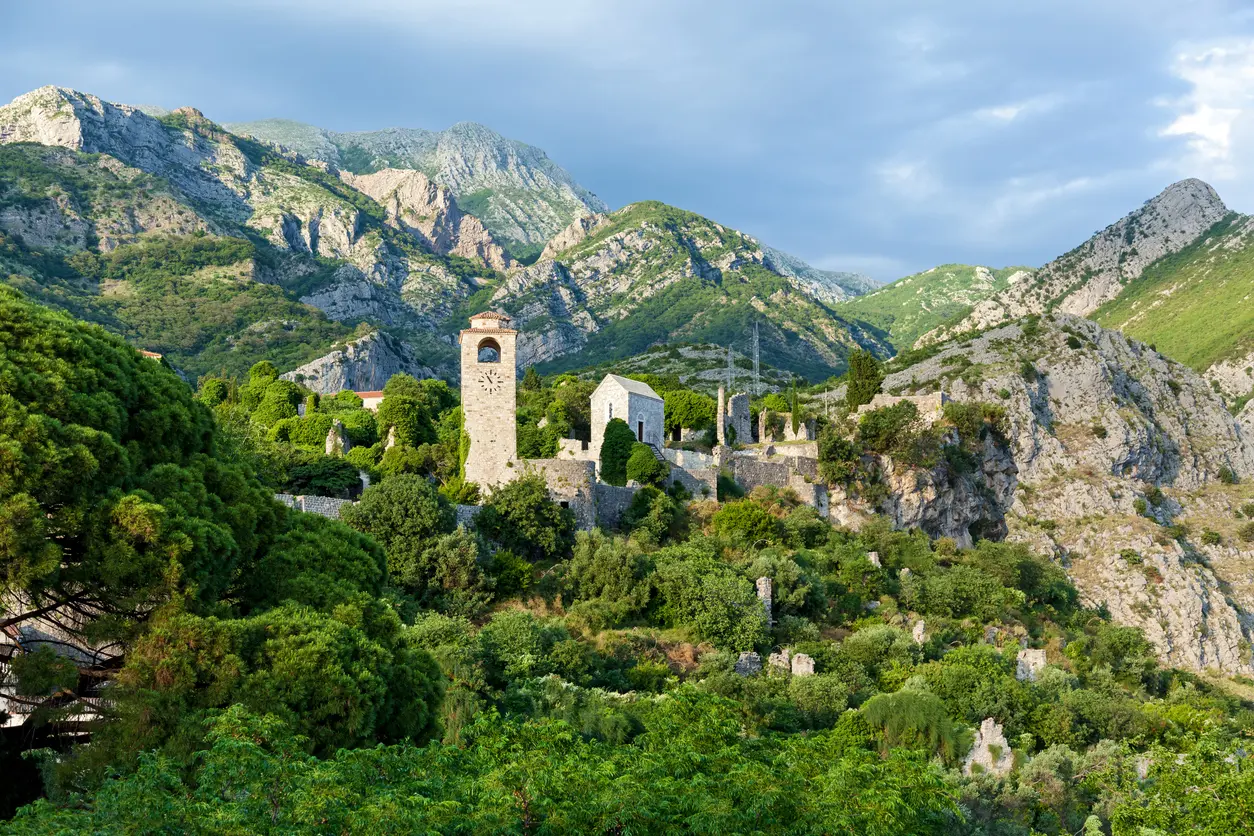
The clock tower is perhaps the most recognisable visual symbol of Stari Bar and one of the first buildings a visitor sees upon arrival. It is of Ottoman construction, although it is possible that the original tower was Venetian. It was restored in 1753 as a charitable endowment of Yahya-aga. Like most buildings in Stari Bar, the clock tower was destroyed in the 1979 earthquake and subsequently rebuilt. Today it is one of the most photographed features of the entire complex and an unmissable stop on any tour.
What to do
Culture
Wandering among the remains of more than 250 buildings from different eras within the walls of Stari Bar.
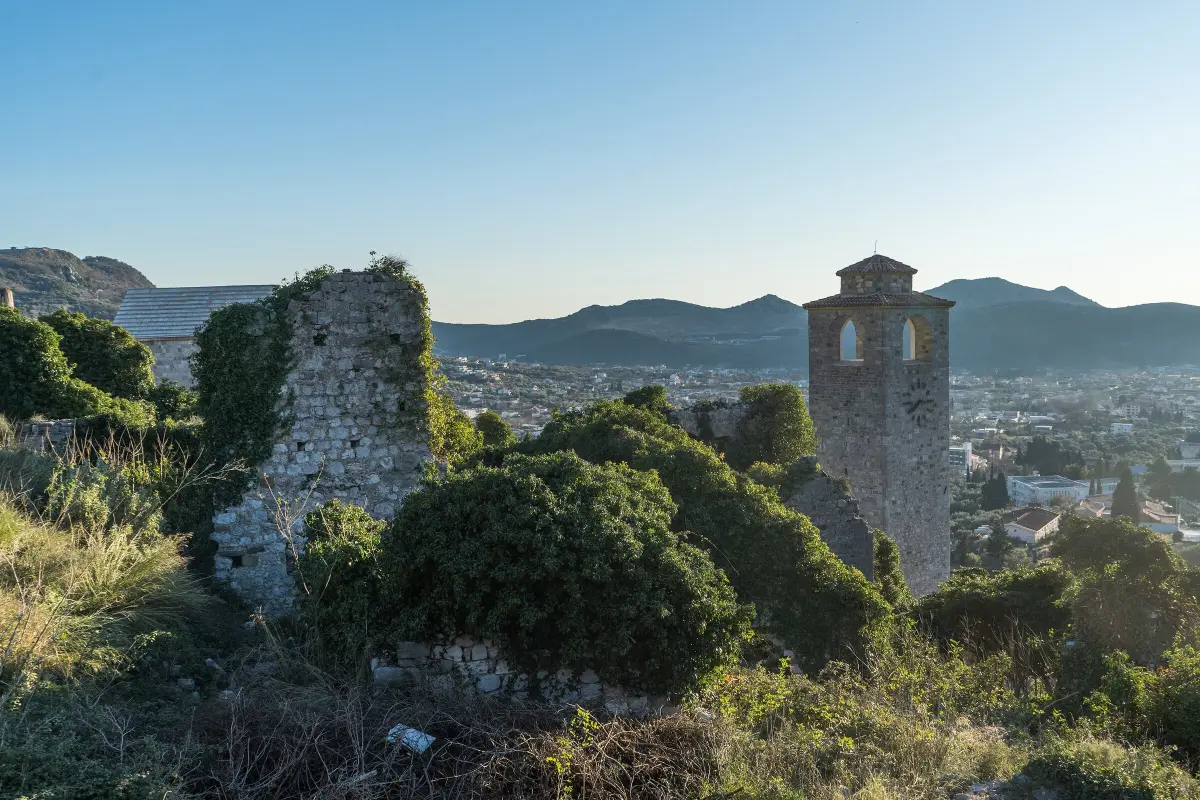
Culture
Capturing the architecture, panoramic views of Mount Rumija, and the Adriatic Sea.

Mountains
Climbing up to the citadel at the highest point of the fortress for the best panoramic view.

Culture
Shopping for authentic souvenirs, olive oil, and handicrafts in the lower town of Stari Bar.
Narration, a map and the full text in the browser – no app, works offline.
Hiking, walking and cycling routes that start here or pass nearby, with maps and GPX downloads.
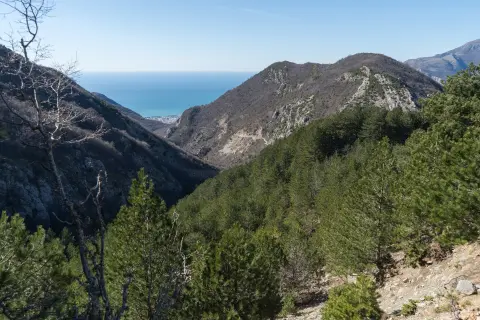
A multi-day tour of 30.2 km leading from Lunje to the Sutorman pass, following red-and-white markings through forest and gravel road sections. The total ascent is 1,491 m, and the tour is intended for experienced hikers.
30.2 km1,491 m2–3 days
View trail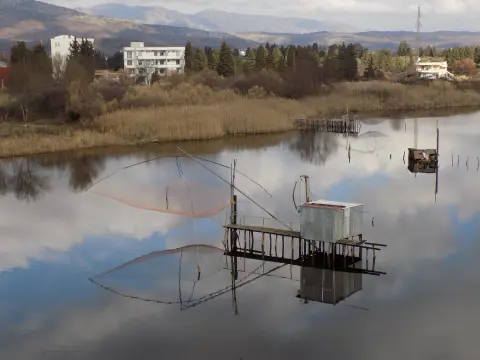
Trail TT5 takes you along almost 148 km, predominantly on asphalt, with a total ascent of 2604 m. It passes by Lake Skadar, historic fortresses, and landscapes that tell stories of water.
148 km2,604 m2–3 days
View trail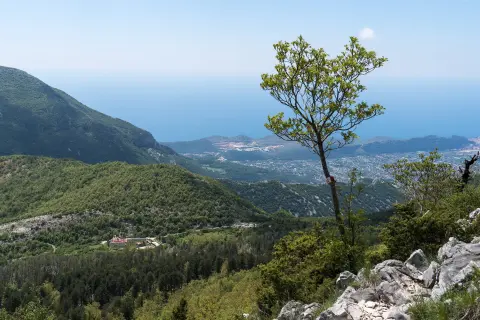
The one-way hiking trail from Dobri Do to the summit of Rumija is 2.0 km long, with a total ascent of 607 m. It is of moderate difficulty, marked, and takes about 2 h 20 min without breaks.
2.0 km607 m2–3 h
View trail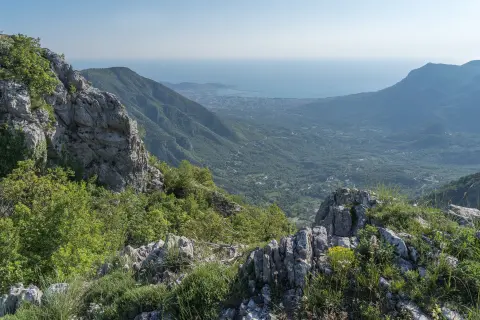
The Tuđemili – PPT trail is 2.3 km long and covers 512 m of elevation gain through predominantly forested terrain. It is excellent for hikers seeking an intense workout over a short distance near Bar.
2.3 km512 m1½–2½ h
View trail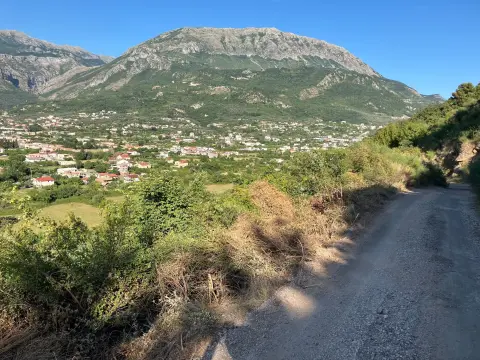
A one-way hiking tour 2.9 km long between Miljanov Most and Cervena Stijena. It overcomes 102 m of ascent and 92 m of descent; estimated duration is 1 h, and the difficulty is very demanding (SAC T3).
2.9 km102 m50–70 min
View trail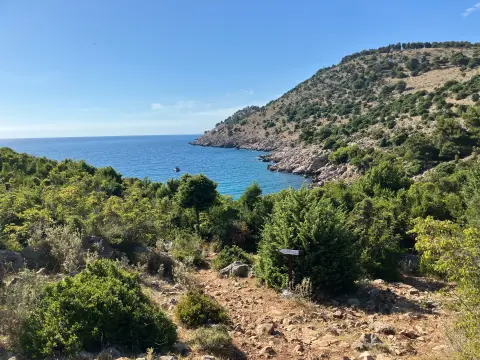
A 3.5 km trail leads from Miljanov Most to Uvala Bigovica through varied terrain of gravel and forest paths. It is of moderate difficulty, with a gentle ascent up to 123 m above sea level, and is suitable for almost all ages.
3.5 km102 m60–85 min
View trail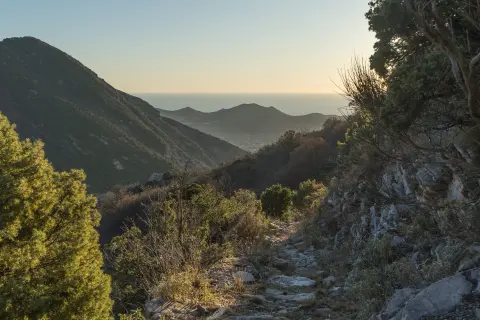
The 4.3 km trail leads downhill from Rumija towards Stari Bar, passing through Lumetiće. The total descent is 724 m, with an estimated walking time of 2 h 5 min.
4.3 km22 m2–2½ h
View trail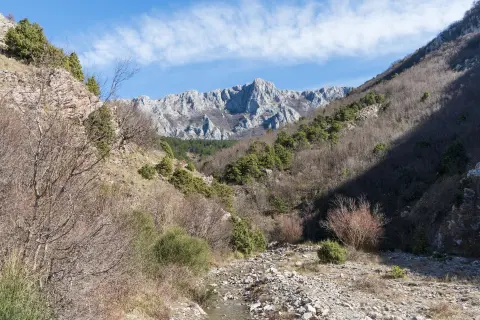
The trail, 4.5 km long, leads from Stari Bar towards Baltina with a total elevation gain of 575 m. It passes by a drinking fountain, a waterfall, and offers a view from a lookout point at the start of the route.
4.5 km575 m2–3 h
View trailGallery
Plan Your Visit
Website
starigradbar.comSummer 8:00–20:00 (Bar Cultural Centre, 2026); shorter outside the season – check before you go.
€5 adults, €1 children aged 6–14; free for children under 6 and residents of Bar. The Old Olive Tree is charged separately.
Two larger car parks next to the fortress entrance; free or for a nominal fee during the season
The terrain consists of uneven cobblestones and dirt paths – not suitable for wheelchairs or pushchairs
FAQ
Around here