Travel to Montenegro
Central Montenegro
Heart of Montenegro

Central Montenegro

Podgorica, Cetinje, Lovćen and Lake Skadar

highlights
5
Capital City population
179,505
Cetinje, altitude
672 m
Lovćen, Štirovnik
1,749 m
Overview

Central Montenegro is home to both the capital and the old royal capital: Podgorica on the Zeta plain and Cetinje below Mount Lovćen, half an hour's drive away. To the south Lake Skadar stretches towards Albania, with marshes, fishing villages, monasteries and the vineyards of Crmnica, while to the north-west lie Ostrog Monastery and Nikšić.

The capital, the old royal capital below Lovćen, Ostrog Monastery and Lake Skadar – the heart of Montenegro, all within an hour's drive.

Did You Know?

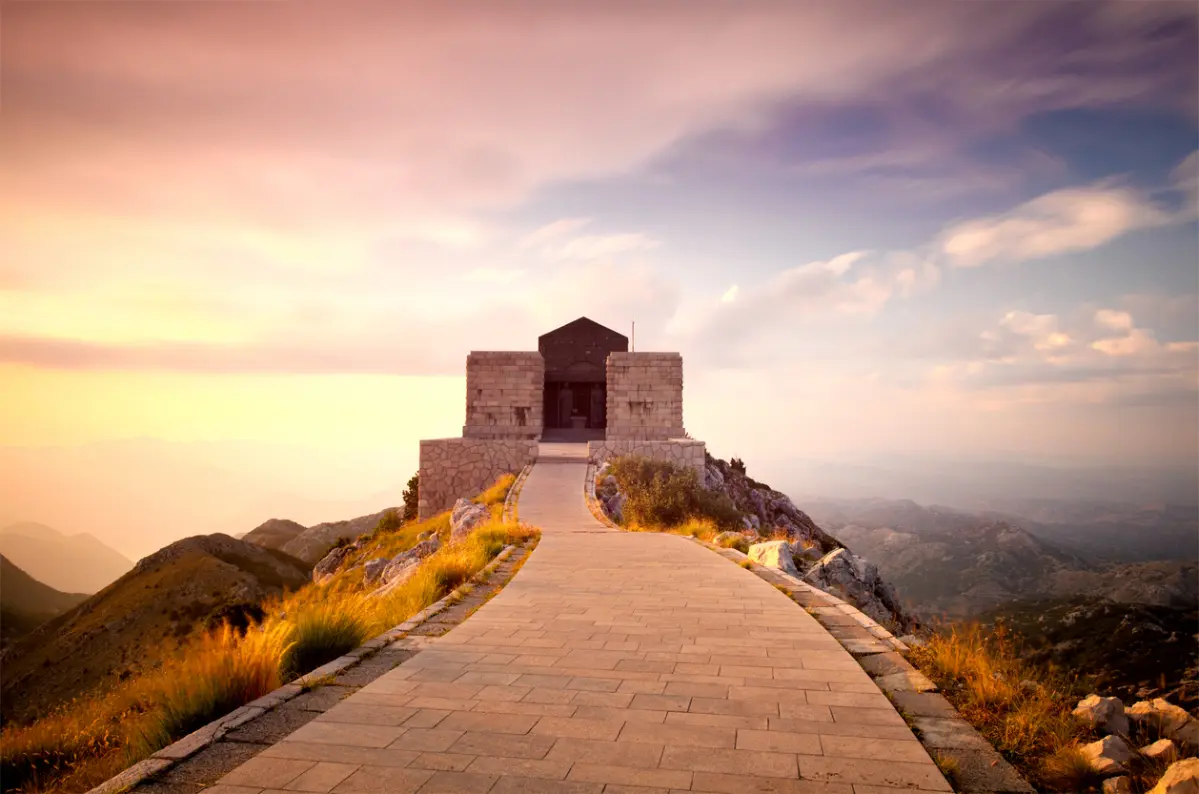
The entrance to Njegoš's Mausoleum on Jezerski vrh is guarded by two granite caryatids in the form of Montenegrin women, and inside stands a statue of Njegoš in black granite. The mausoleum was designed by the sculptor Ivan Meštrović and opened in 1974.

Central Montenegro is the administrative and historical heart of the country. It takes in the Zeta plain around Podgorica, karst Cetinje below Lovćen, the Bjelopavlići plain with Danilovgrad and Ostrog Monastery, the Nikšić plain and the northern shore of Lake Skadar. Distances are short: from the capital to the old royal capital, the lake or Ostrog takes between half an hour and an hour by car.

Podgorica

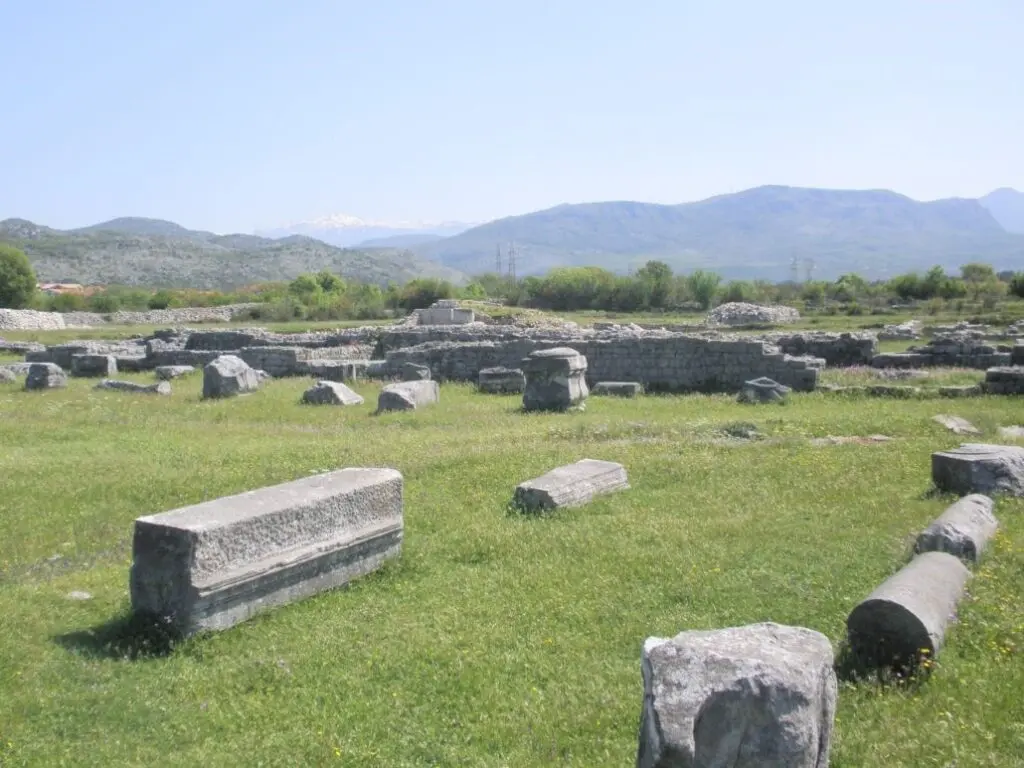
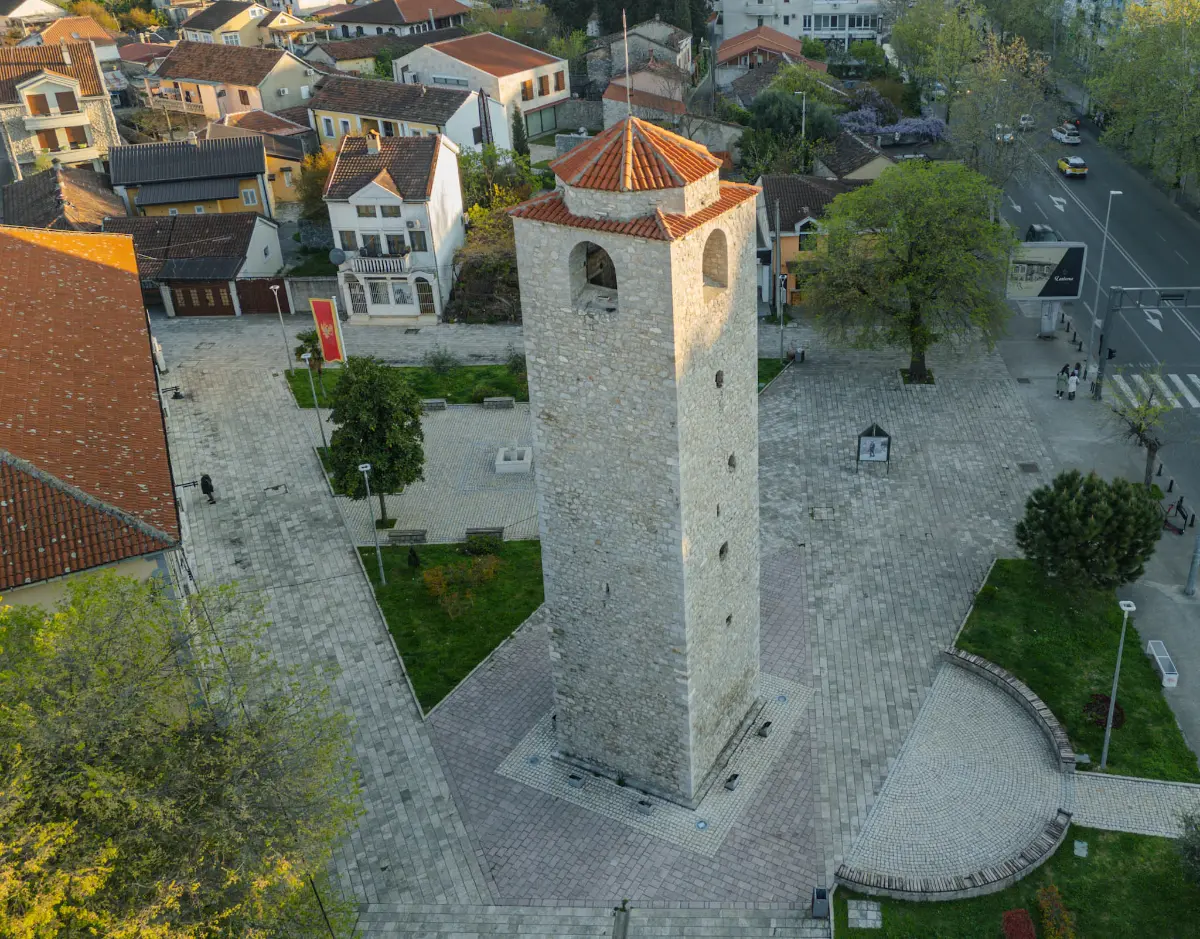
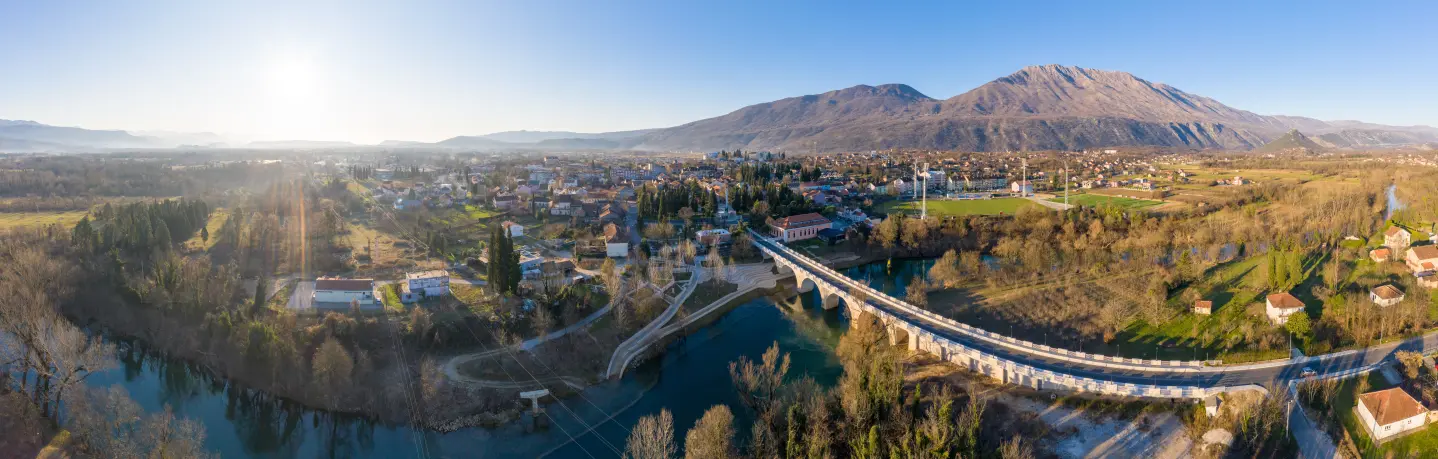
According to the 2023 census the Capital City has about 180,000 inhabitants, almost a third of Montenegro's population. The city stands where the Ribnica meets the Morača; at the confluence are the remains of Ribnica fortress and next to them Stara varoš, the Ottoman quarter with its 17th-century clock tower. The Millennium Bridge crosses the Morača, and a few kilometres north of the centre lie the remains of the Roman town of Doclea (Duklja). Podgorica is the country's transport hub, with the airport and the main railway and bus stations.

Cetinje and Lovćen

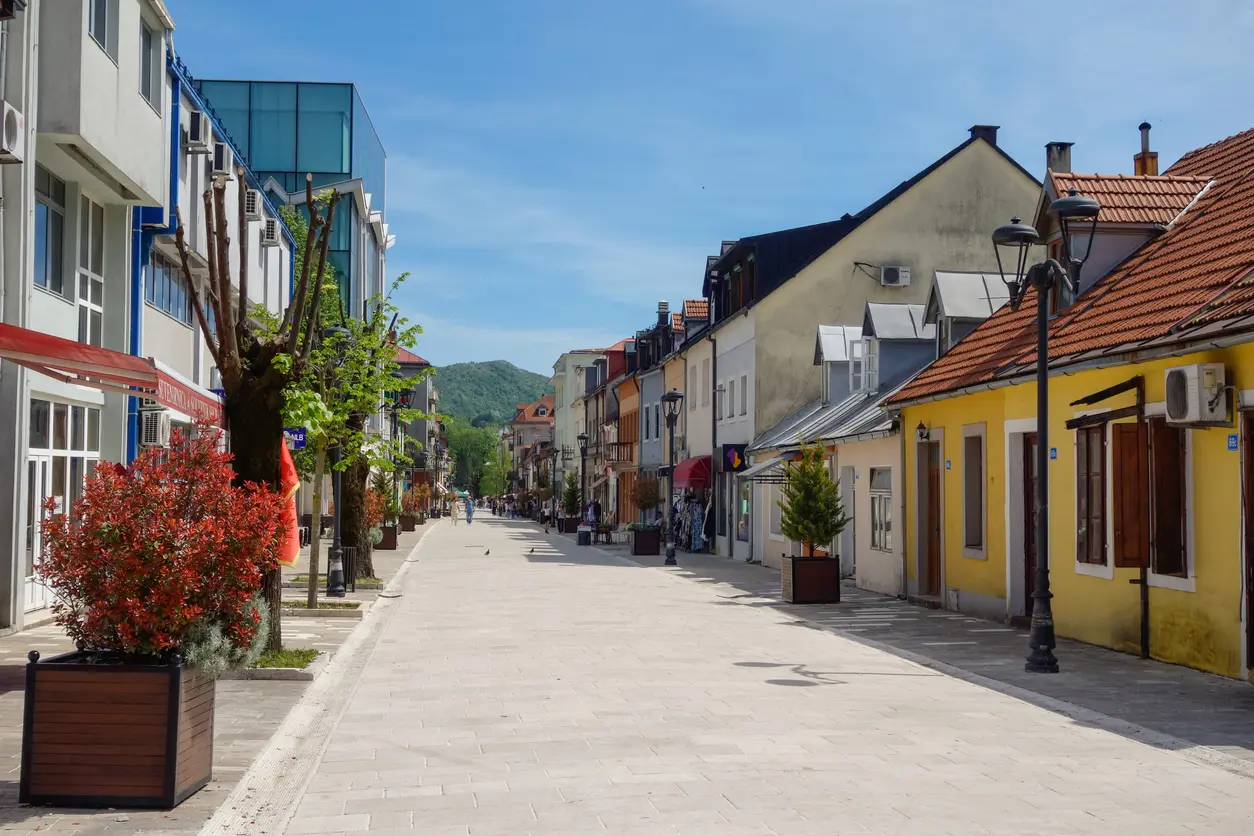
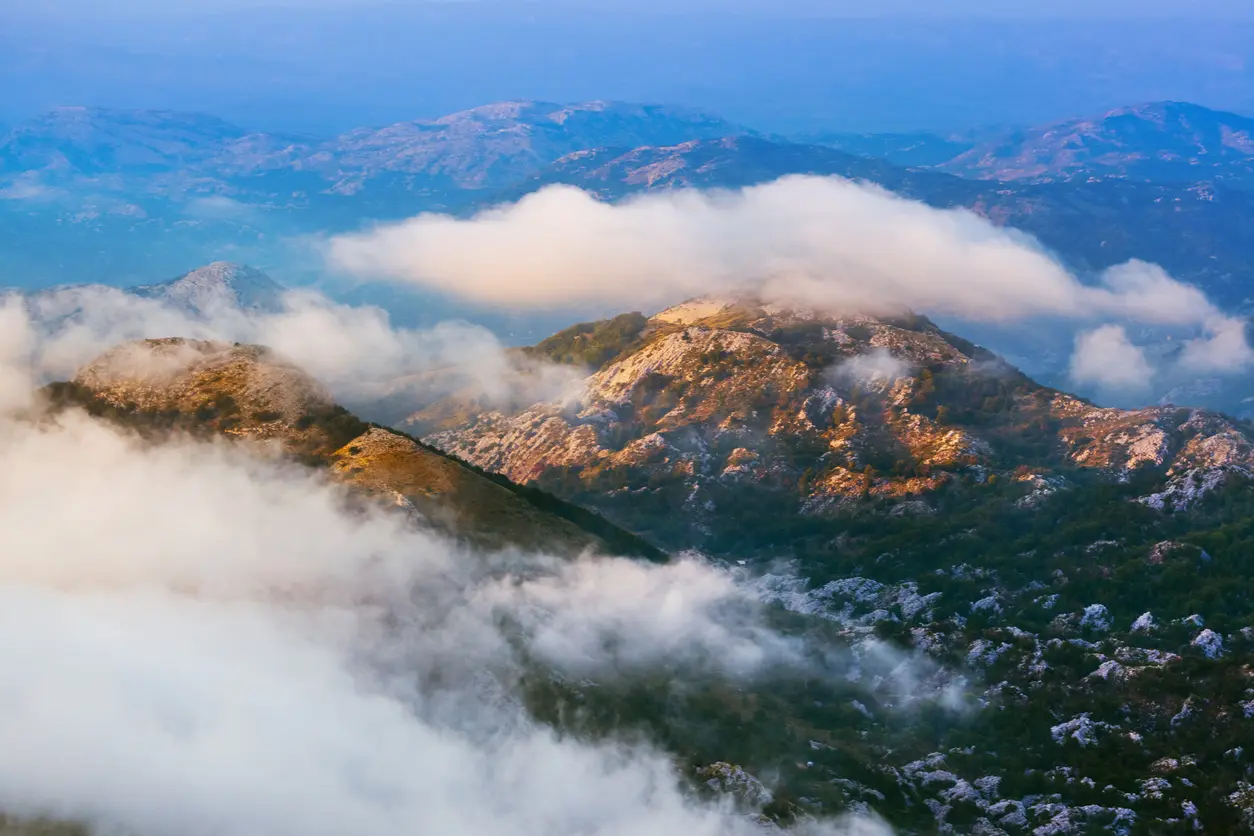
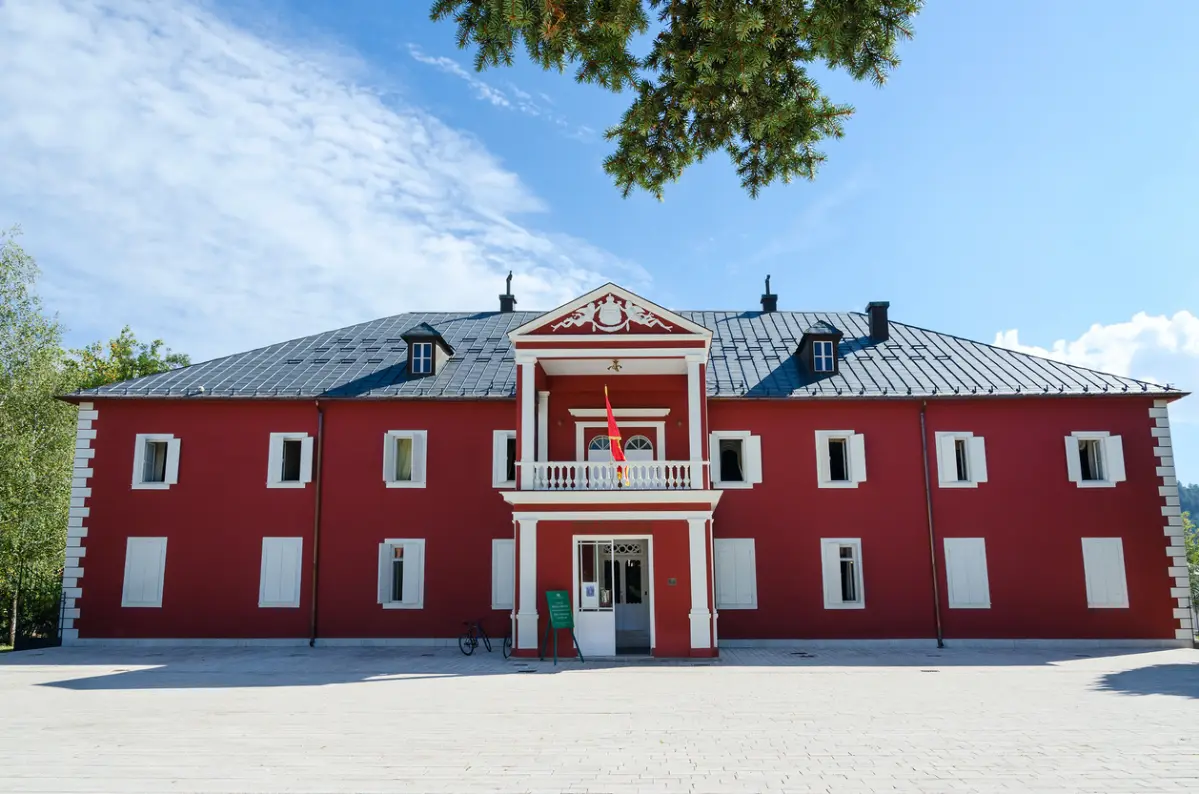
Cetinje lies at 672 m on a karst plain below Mount Lovćen. It was Montenegro's royal capital and remained the capital until 1946, which is why the National Museum, King Nikola's Palace and the former foreign legations still stand here. Cetinje Monastery was founded by Ivan Crnojević in 1484; the original monastery was destroyed in 1692, and the present building was raised by Vladika Danilo in 1701. Above the town is Lovćen National Park: on Jezerski vrh (1,657 m) stands Njegoš's Mausoleum, reached by 461 steps, and the old road from Kotor climbs through 25 hairpin bends via Njeguši.

Lake Skadar

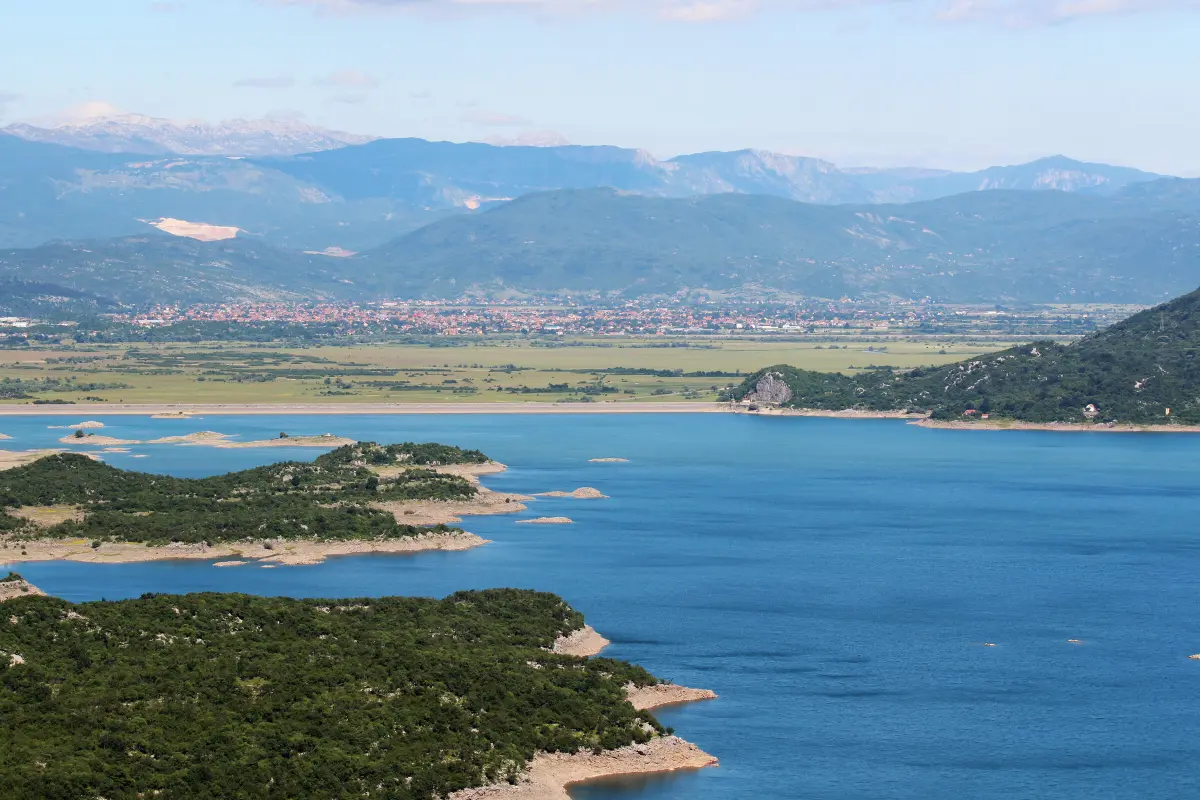
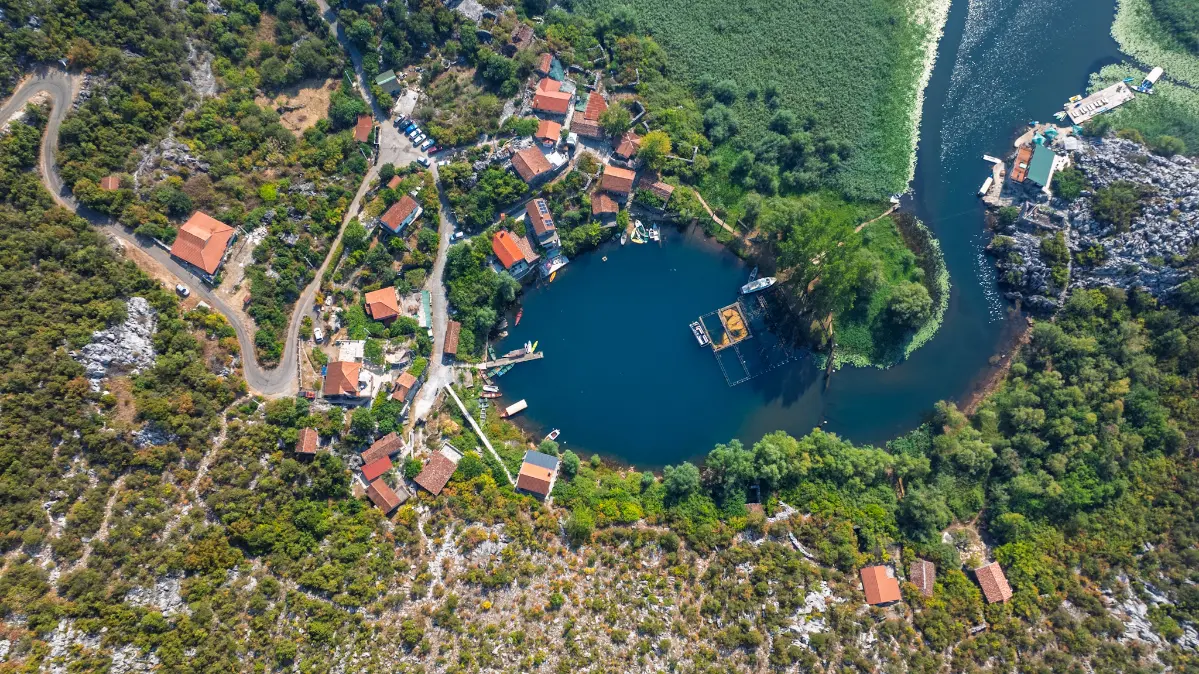
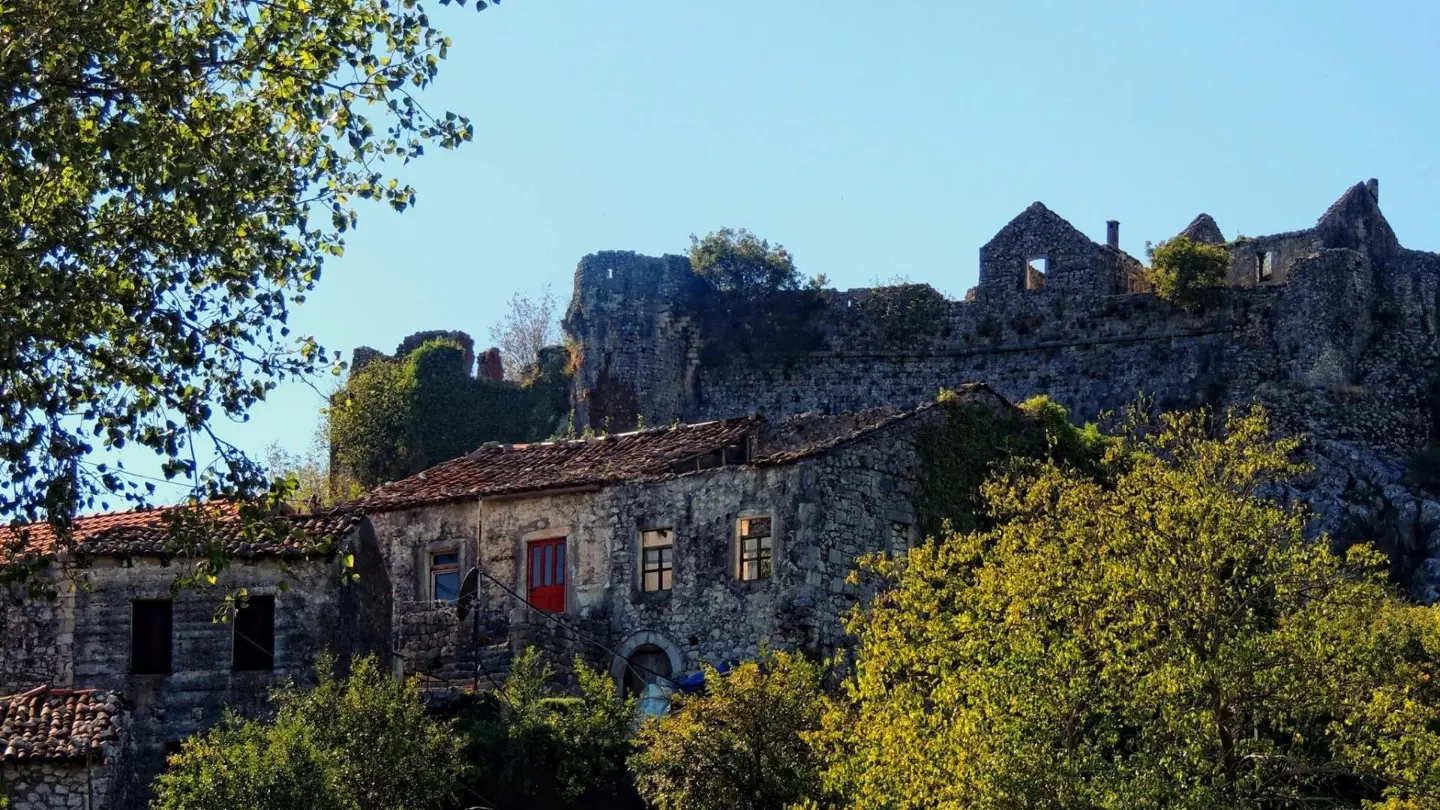
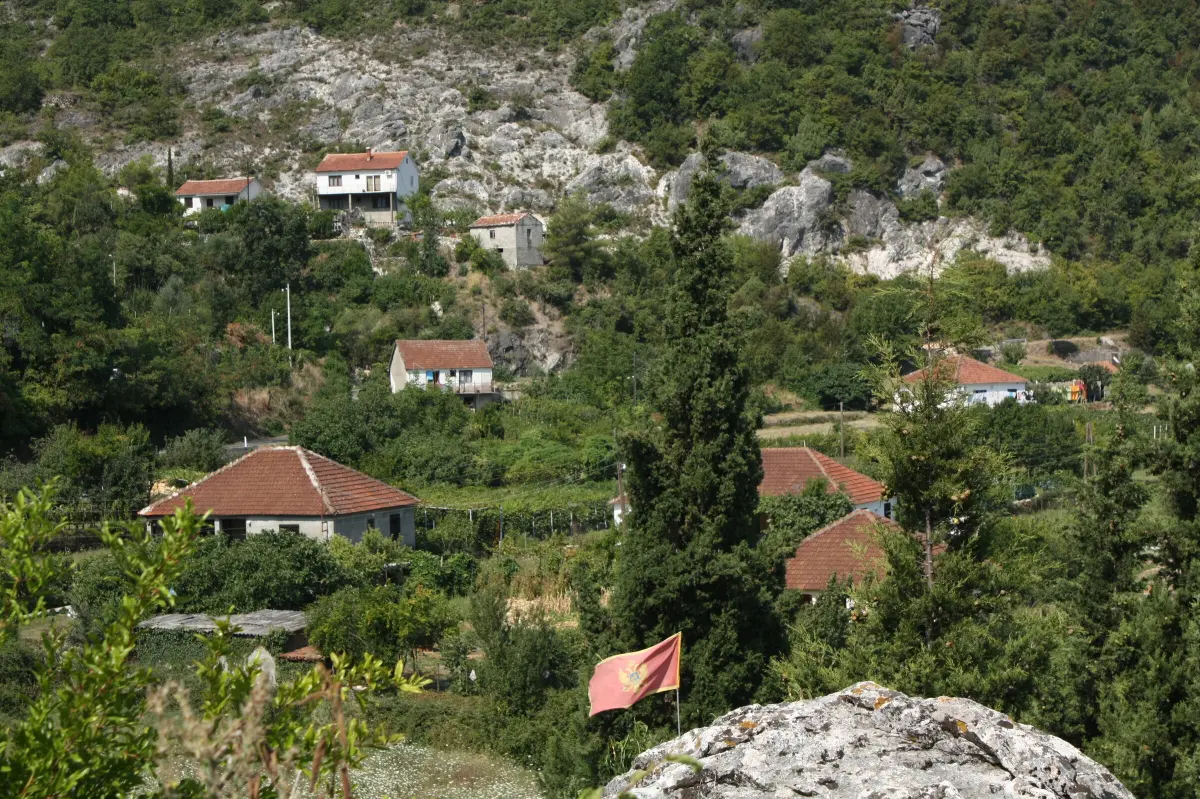
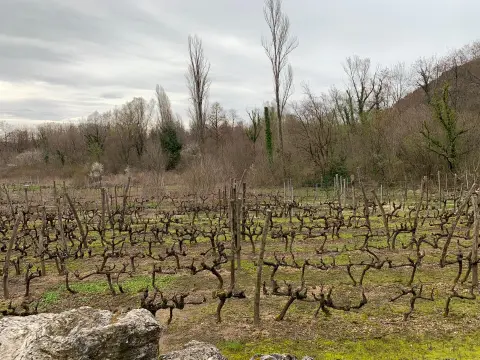
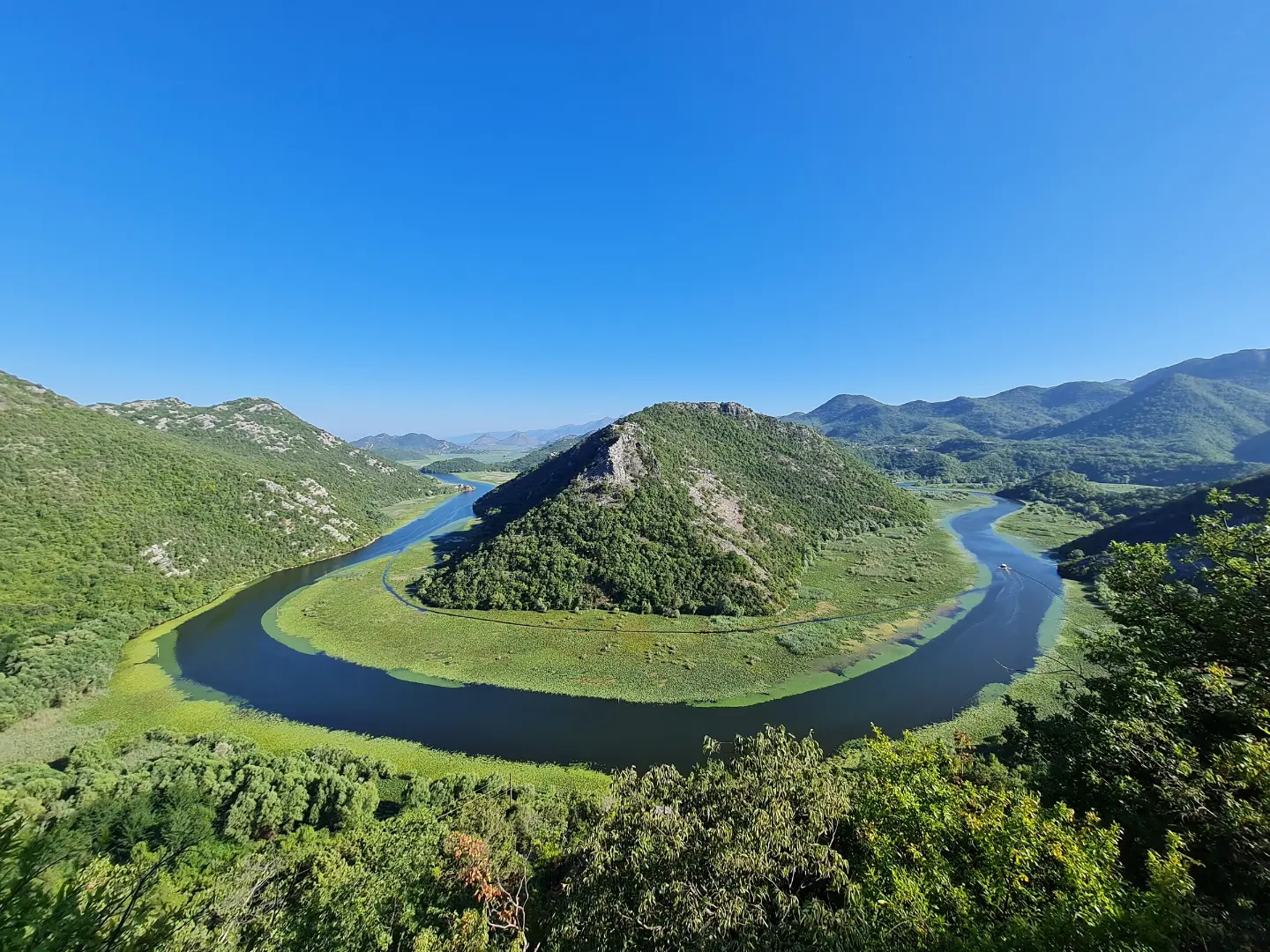
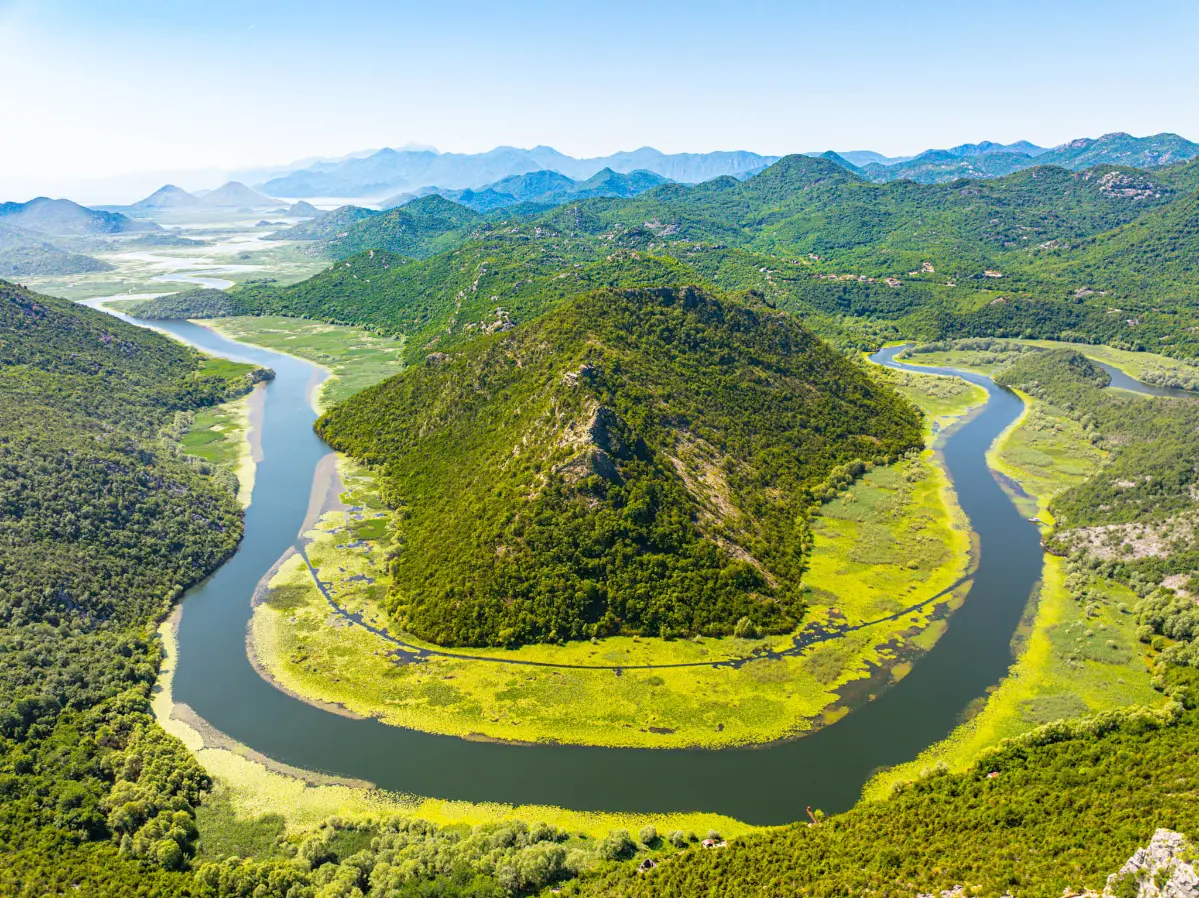
Lake Skadar is the largest lake in the Balkans; its surface changes with the water level from roughly 370 to 530 km², and about two-thirds of it belongs to Montenegro. The Montenegrin part has been a national park since 1983 and is a Ramsar site, with about 280 bird species, including the Dalmatian pelican. The starting points for boat trips, kayaking and winery visits are Virpazar and Rijeka Crnojevića, with its stone Danilo Bridge from 1853. The shores are lined with fishing villages, monasteries and the fortress of Žabljak Crnojevića, and Crmnica above the lake is the cradle of Vranac wine.

Ostrog, Danilovgrad and Nikšić

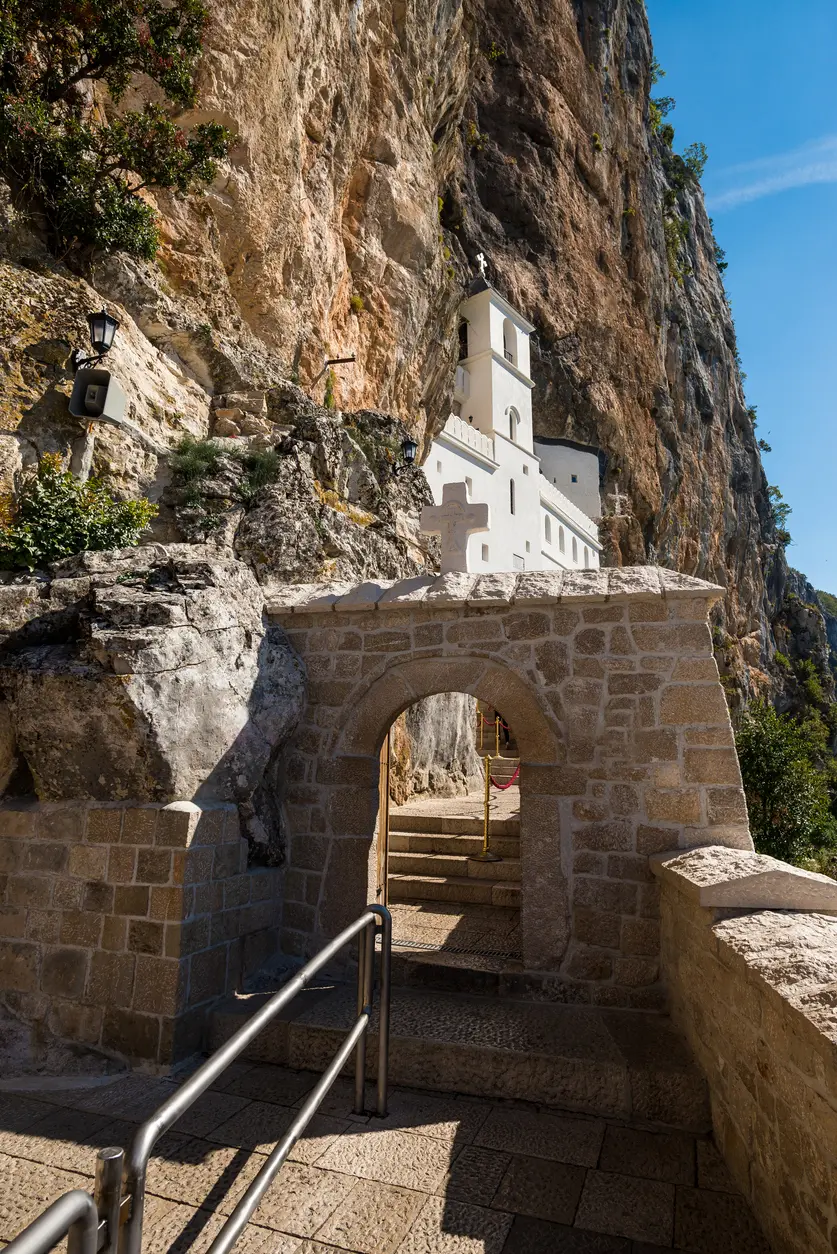
On the road from Podgorica to Nikšić lies Danilovgrad on the Zeta, and above the Bjelopavlići plain Ostrog Monastery, built into the cliff of Ostroška greda at about 900 m, one of the most visited pilgrimage sites in the Balkans. Nikšić, Montenegro's second-largest town, has King Nikola's Palace, the Bedem fortress, the Tsar's Bridge and Lake Krupac on its doorstep.
Heart of Montenegro

Highlights

Lake Skadar

Lake Skadar

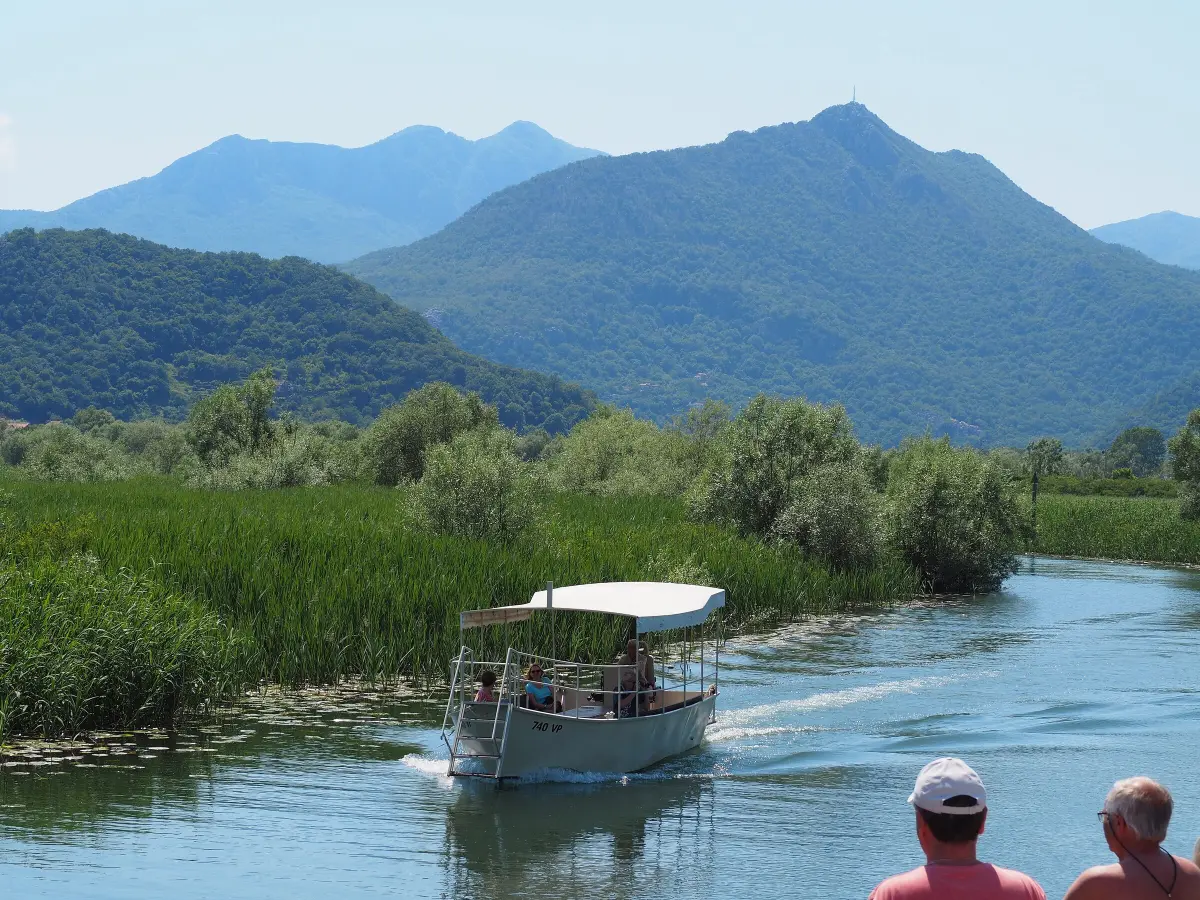
The largest lake in the Balkans changes size with the water level, from roughly 370 to 530 km². A national park since 1983, with about 280 bird species, including the Dalmatian pelican. The best-known view is from the Pavlova strana viewpoint.

Read more
Where to Go

Places and contacts

Experiences

Things to Do

Boat trips on the lakeLake

Boat trips on the lake

Trips from Virpazar and Rijeka Crnojevića follow channels through reeds and water-lily fields to the open lake. Morning and evening trips are more pleasant than midday ones in summer.

Kayaking among the water liliesLake

Kayaking among the water lilies

The calm inlets around Karuč and Rijeka Crnojevića are good for kayaking. Set off early in the morning, when the lake is at its calmest.

BirdwatchingNature

Birdwatching

About 280 bird species have been recorded on the lake, including the Dalmatian pelican and the pygmy cormorant. Autumn and winter are the best seasons, when migratory birds gather.

Hiking on LovćenMountain

Hiking on Lovćen

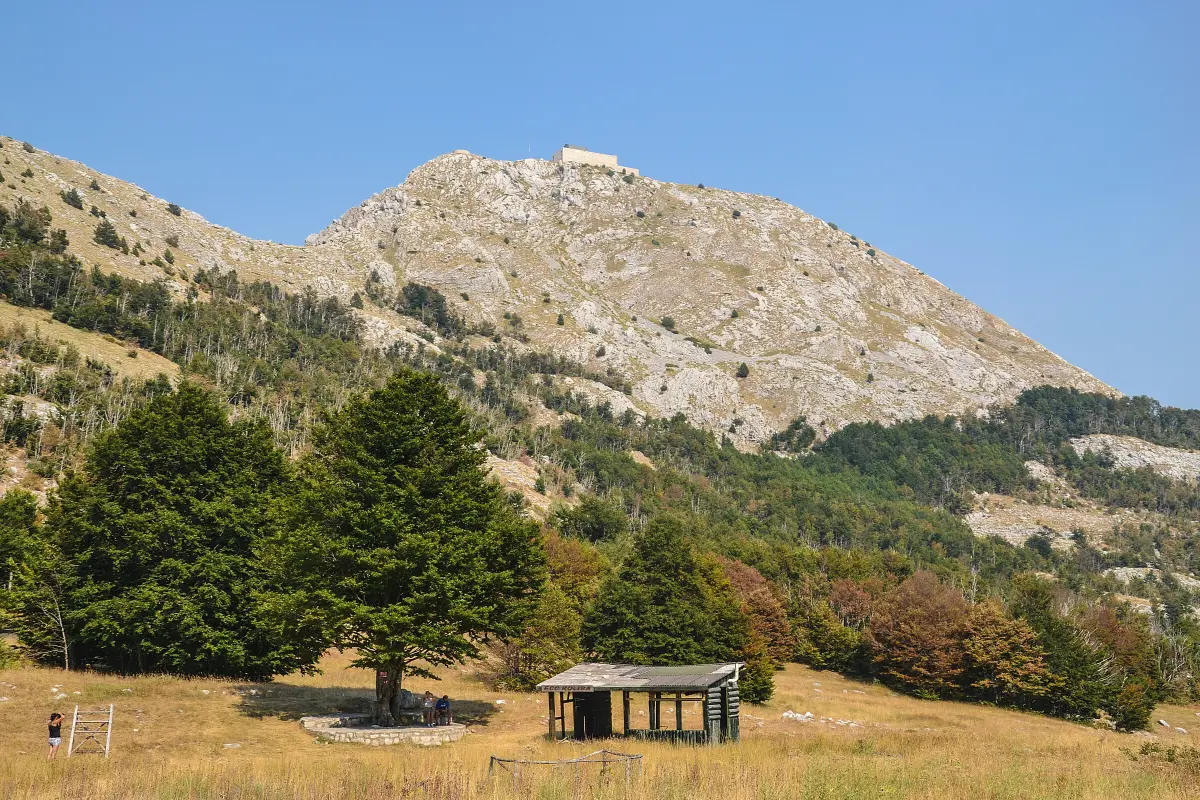
Trails from Ivanova korita lead through woods and stony pastures to viewpoints and Jezerski vrh. The national park's information centre is also at Ivanova korita.

Njeguši prosciutto and cheeseFood

Njeguši prosciutto and cheese

Njeguši, a village on the Kotor–Lovćen road and Njegoš's birthplace, is known for its smoked prosciutto and cheese, served in taverns along the road.

Wine tastingFood

Wine tasting

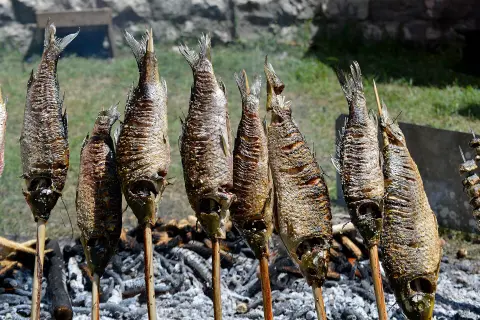
The vineyards around Podgorica and Lake Skadar produce most of Montenegro's wine. Family wineries in Crmnica, Godinje and Virpazar offer Vranac tastings, often with lake fish.

Practical Tips

Plan Your Visit

Useful Information

  • Transport

    Your own car is the most practical – Podgorica, Cetinje, Ostrog and the lake are within an hour of each other. Podgorica Airport is about 12 km from the centre.

  • Summer heat

    In July and August temperatures in Podgorica can exceed 40°C. Plan sightseeing for the morning or early evening and carry water.

  • Lovćen is cooler

    Lovćen is noticeably cooler than Podgorica and the coast – bring a warm layer even in summer. In winter the road to the mausoleum can be closed by snow.

  • Ostrog without crowds

    Go early in the morning or late in the afternoon, as parking around the monastery fills up quickly during the day. Dress appropriately for a monastery.

  • Cash

    In the lake villages cards are often not accepted – bring cash for boats, taverns and parking.

  • Mosquitoes on the lake

    Around sunset mosquitoes on Lake Skadar can be a nuisance – bring insect repellent.

Before You Go

  • Best Time to Visit

    Spring (April–June) and autumn (September–October) are the most pleasant for towns and hiking. Summer is good for the lake, but Podgorica can go above 40°C. For birdwatching, come in autumn and winter.

  • Getting There

    Podgorica Airport (TGD) is about 12 km from the city centre. From Podgorica it takes half an hour to an hour by car to reach Cetinje, Virpazar, Ostrog or Nikšić; buses also run on these routes, and the Bar–Belgrade railway passes through Virpazar and Podgorica.

Start planning
FAQ

Frequently Asked Questions

Podgorica and the Zeta plain, Cetinje with Lovćen, Lake Skadar, Danilovgrad with Ostrog Monastery, and Nikšić. Everything is within an hour's drive, so the region is easy to explore from one base.

Three to four days are enough for Podgorica, Cetinje and Lovćen, a day on Lake Skadar and a trip to Ostrog. Add another day for Nikšić and Krupac.

Spring (April–June) and autumn (September–October) are best for sightseeing. Summer is good for the lake and swimming, but Podgorica gets very hot. Autumn and winter are best for birdwatching.

Virpazar and Rijeka Crnojevića are the main starting points for boat and kayak trips. Both are about half an hour's drive from Podgorica, and Virpazar also has a railway station.

Yes, the national parks charge admission, and on Lovćen there is a separate ticket for the mausoleum. Check current prices on the Montenegro National Parks website (nparkovi.me).

Podgorica is the most practical base thanks to the airport and roads. Cetinje is better for Lovćen and the museums, and the villages on Lake Skadar for peace and nature.

Explore More

More Adventures

Zora

Your Montenegro travel guide

Hi, I'm Zora

Ask me about places, beaches, food, events or a trip plan – in any language.