Travel to Montenegro
Cetinje
Central Montenegro

Cetinje

The Capital That Defines a Nation

Founded: 15th century
13,991
Overview

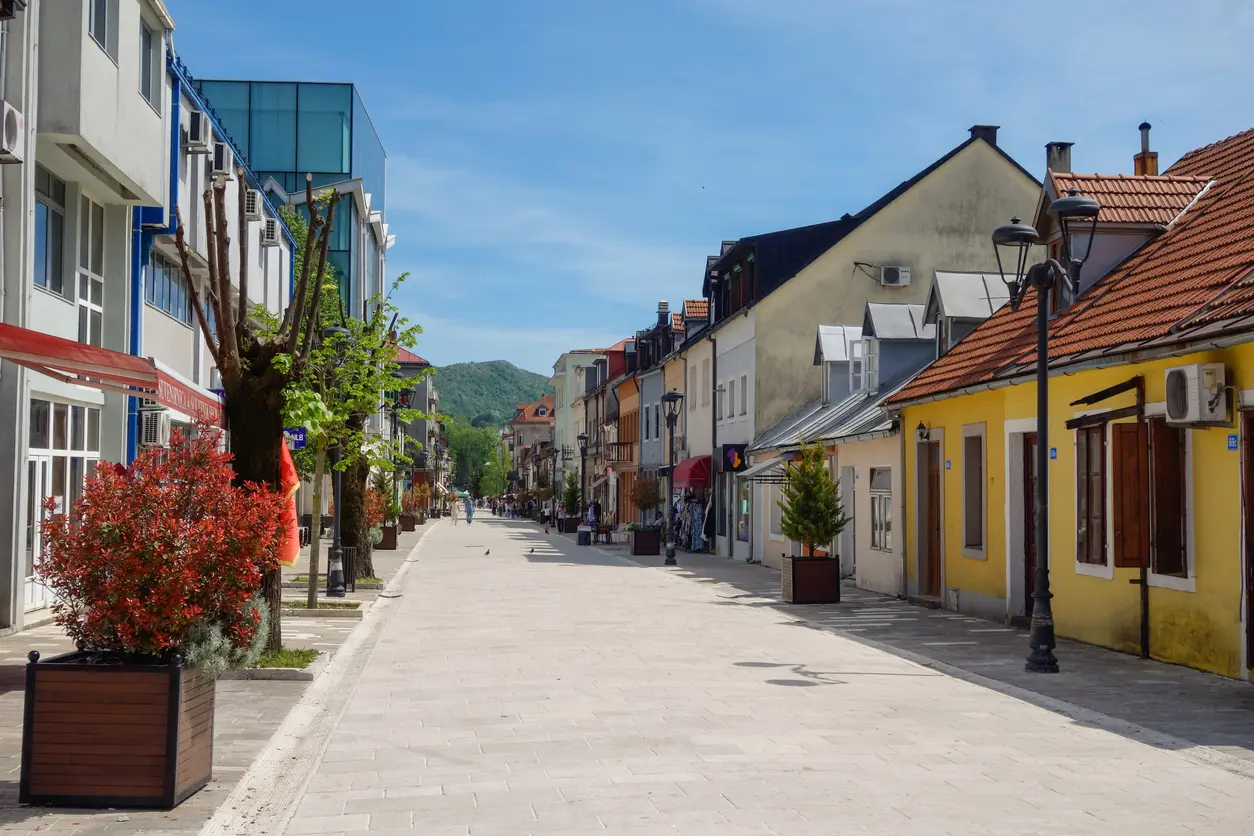
Cetinje is the old royal capital of Montenegro, a city that carries the entire history of a small but proud nation.

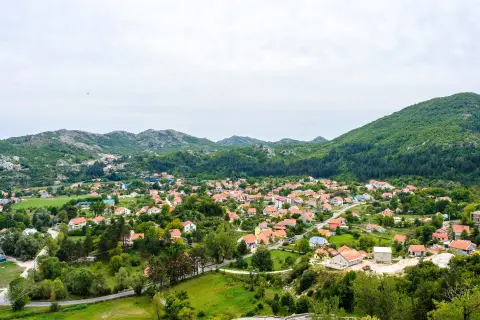
Nestled on a karst plateau at the foot of Lovćen, at 672 m above sea level, the city exudes a special atmosphere – a blend of aristocratic heritage and the quiet, authentic Montenegrin way of life. Visitors can explore the National Museum of Montenegro complex with five museum institutions, Cetinje Monastery which preserves the relics of saints, and palaces and former embassies that bear witness to the golden age of the royal capital. Cetinje is an ideal destination for history lovers, culture enthusiasts, and those drawn to mountain nature – close enough to the coast to fit into a broader itinerary.

  • Old Royal Capital
  • Historic
  • History
  • Culture
  • Museums
  • Mountain
  • Royal Capital
  • Heritage
  • Family
Highlights

Discover Cetinje

Cetinje Monastery

Cetinje Monastery

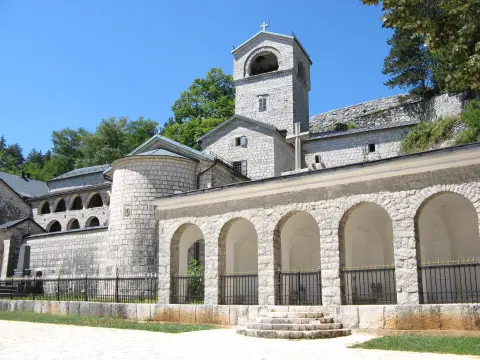
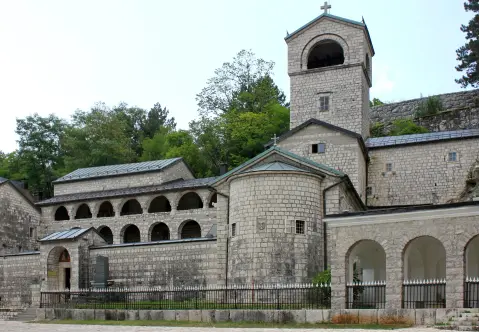
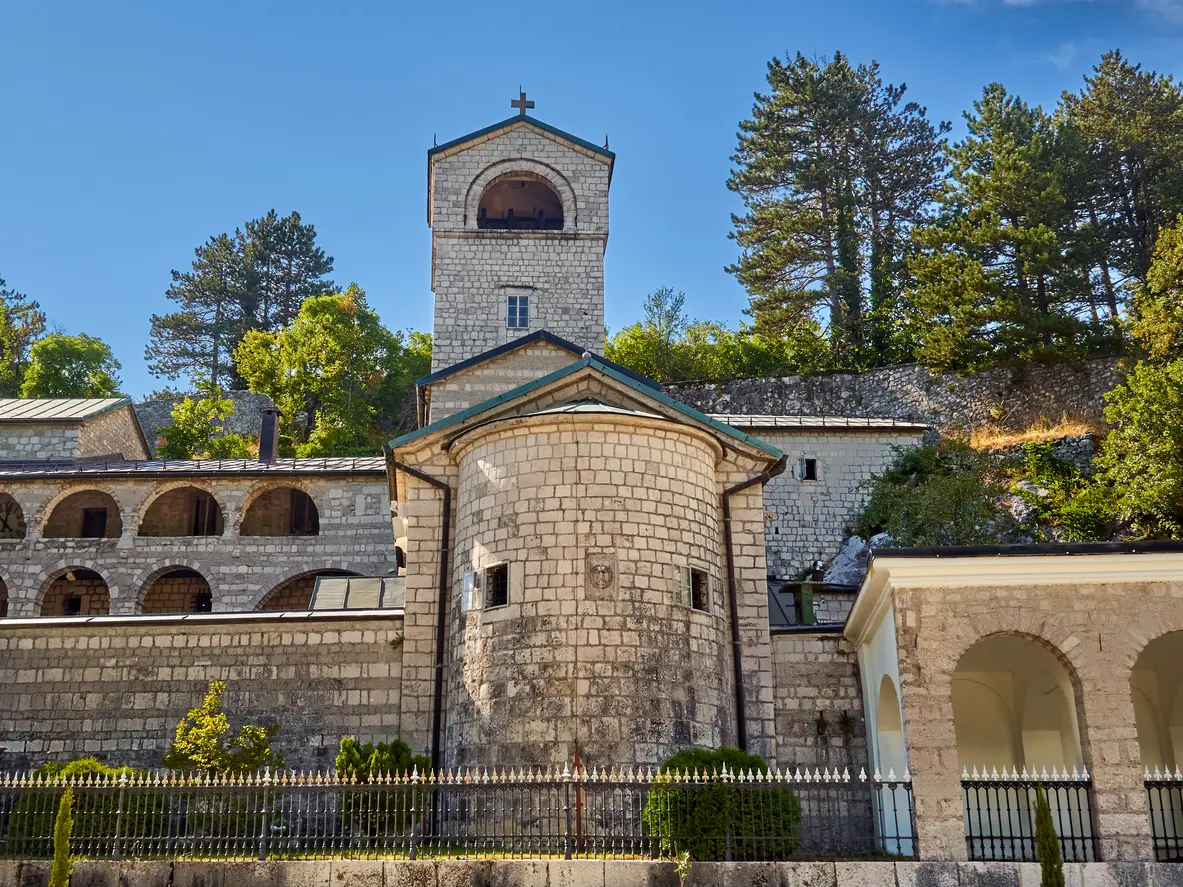
Cetinje Monastery, rebuilt in 1701 near the site of Ivan Crnojević's original monastery, is the spiritual centre of Montenegro and one of the most sacred sites of Orthodox Christianity in the Balkans. It preserves the relics of St. Peter of Cetinje – one of the most important Montenegrin saints – as well as the right hand of St. John the Baptist. Within the complex there is also a small museum featuring icons and objects of ecclesiastical heritage. Admission is free and the monastery is open every day from 08:00 to 20:00. Photography inside the complex is not permitted.
National Museum of Montenegro

National Museum of Montenegro

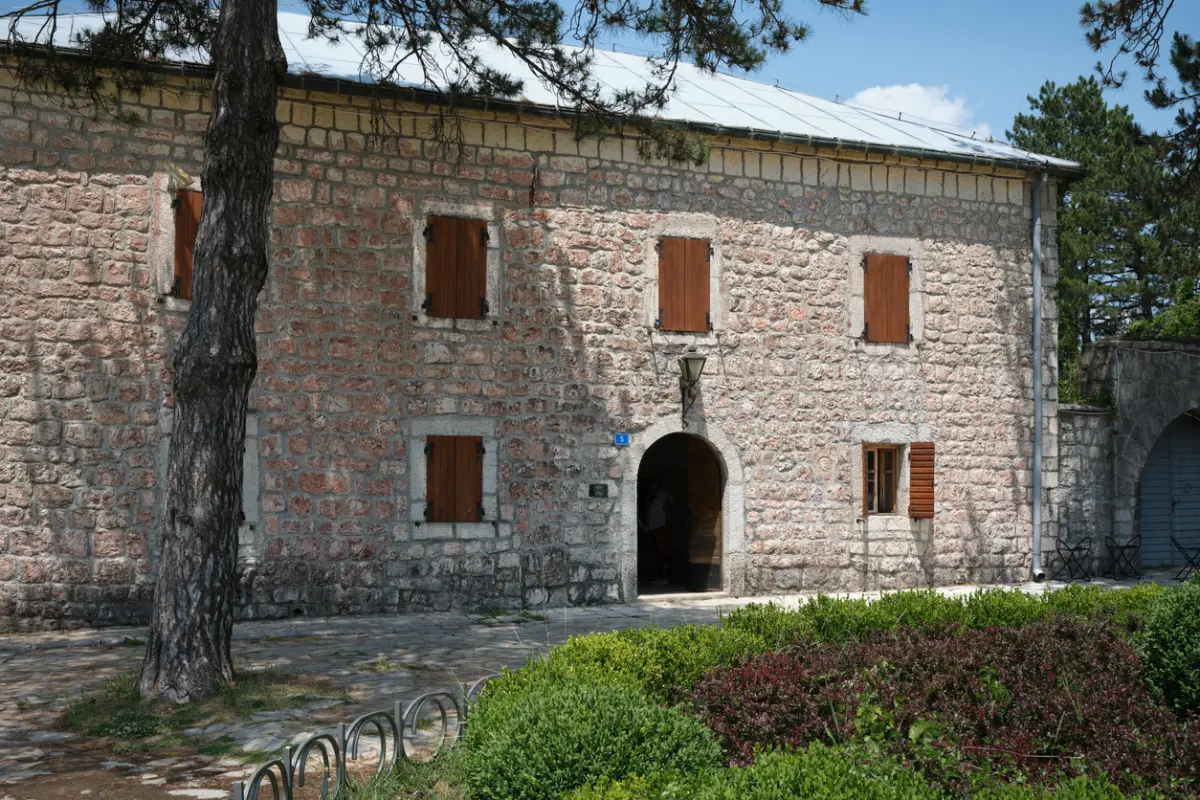
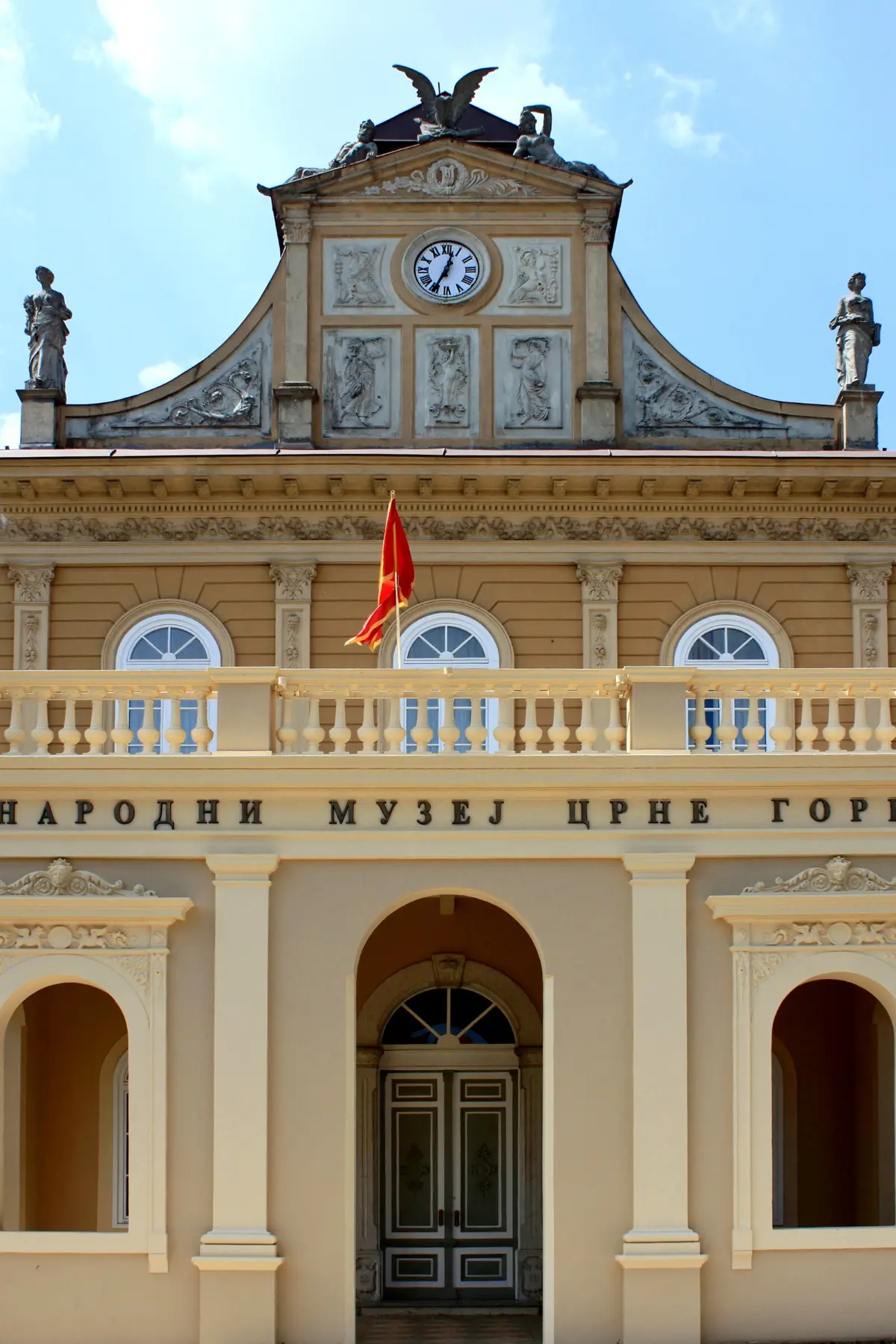
The National Museum of Montenegro, founded in 1896, is the largest museum complex in the country and encompasses five separate institutions located in the centre of Cetinje: the History Museum, the King Nikola Museum, the Njegoš Museum Biljarda, the Ethnographic Museum, and the Art Museum. The Palace of King Nikola served as the seat of the Montenegrin royal family for over 50 years, and today offers visitors an insight into Montenegro's diplomatic ties with European courts. The Biljarda Palace, named after the billiard table that Petar II Petrović Njegoš installed in the 1830s, preserves his personal collection, weapons, and a relief map of Montenegro. A combined ticket costs 20 EUR for adults; the museum is open daily from April to November, 09:00–17:00.

Palace of King Nikola

Palace of King Nikola

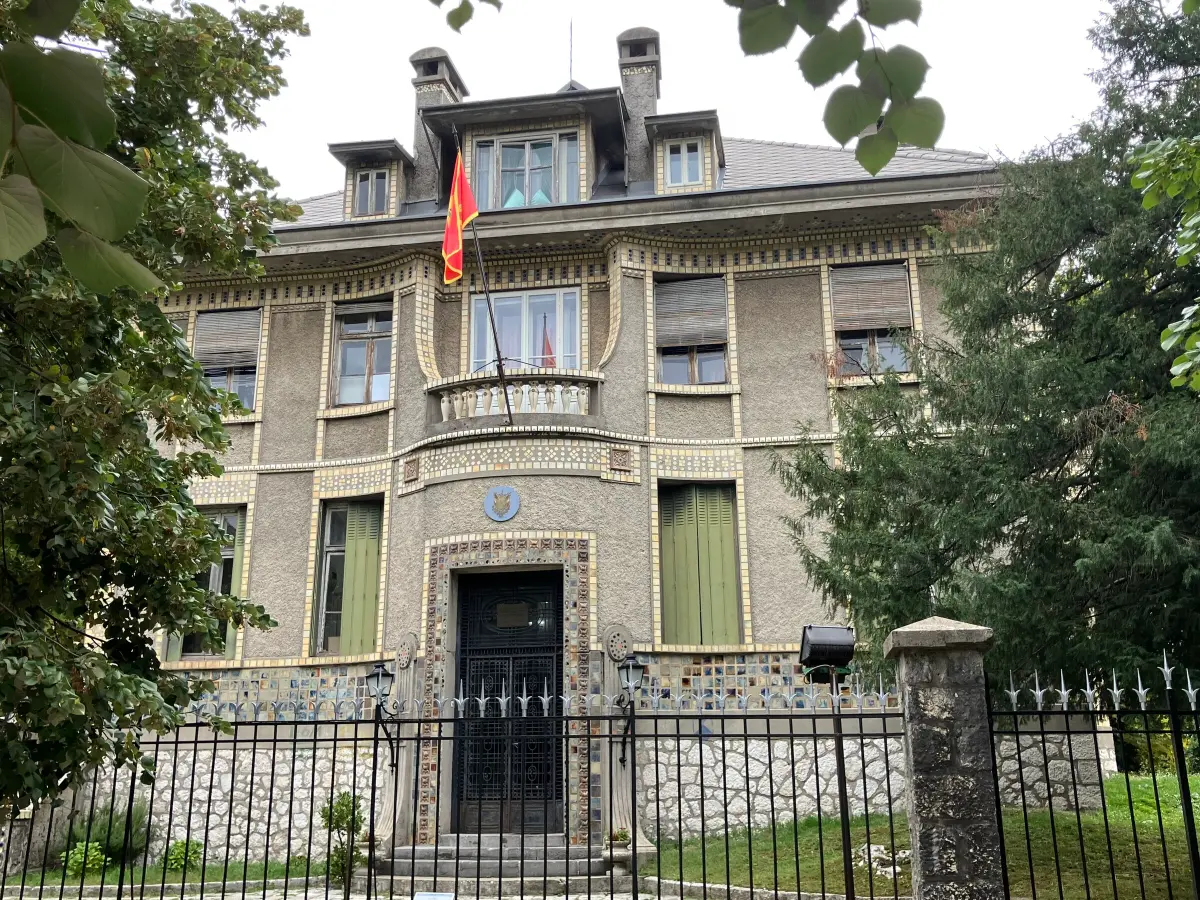
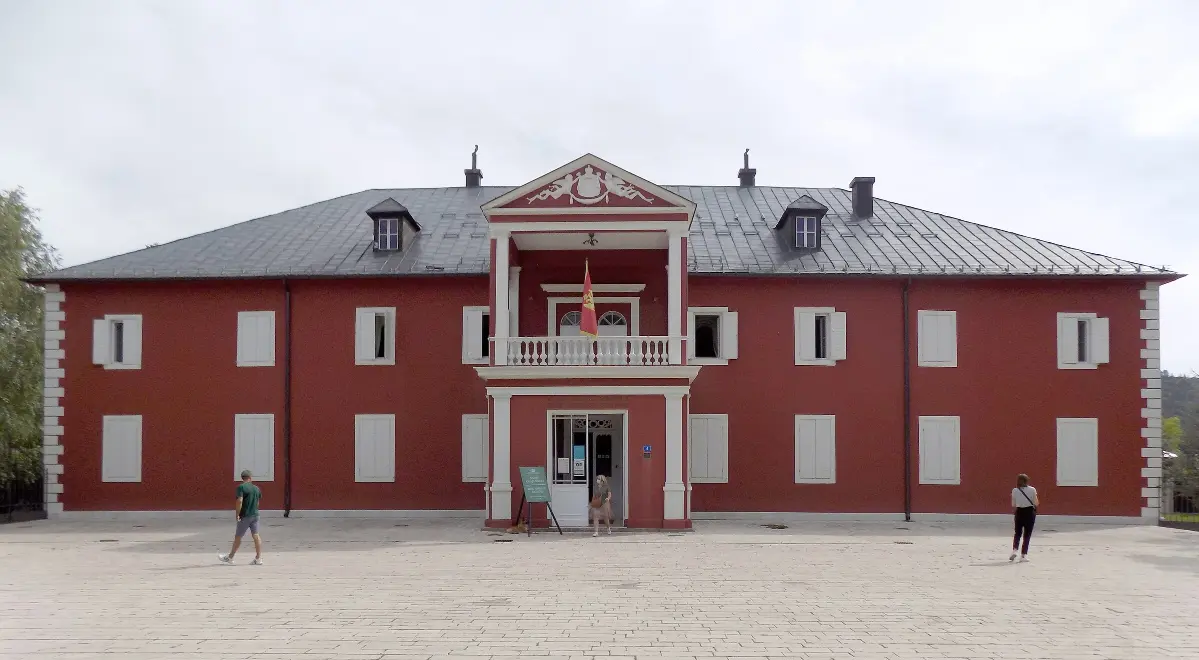
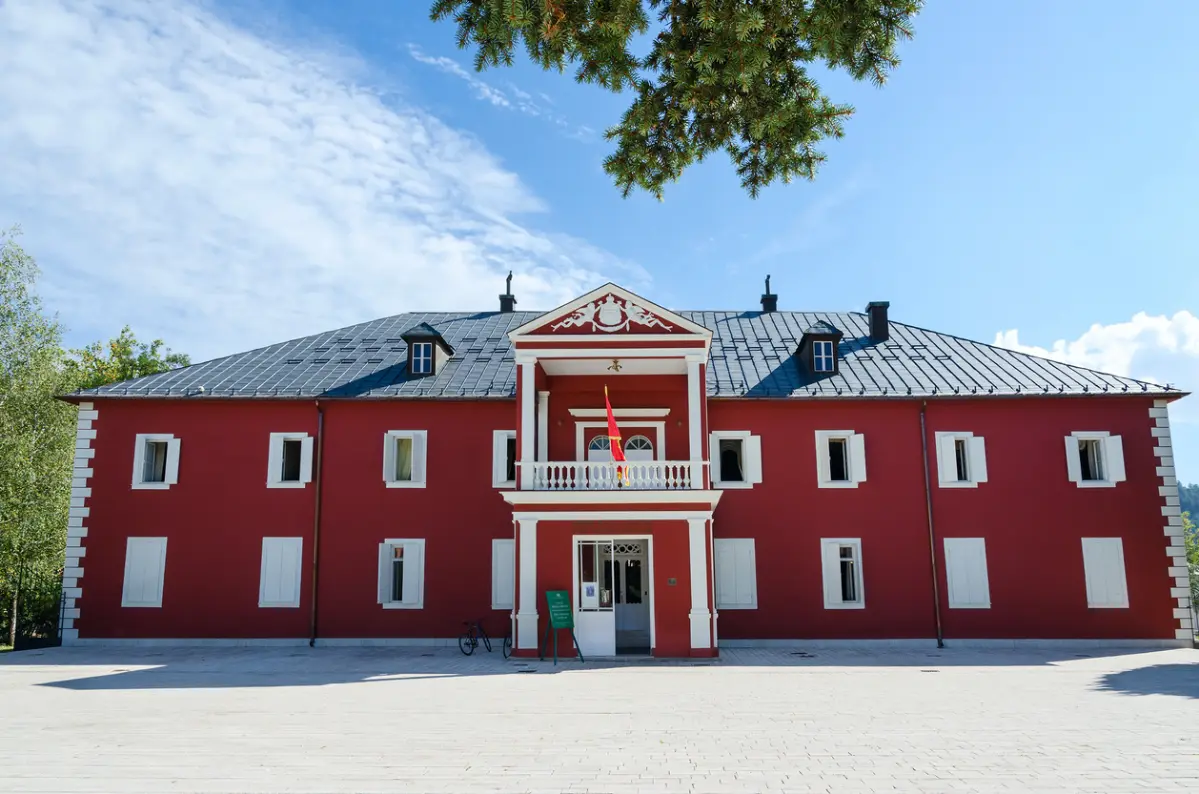
The Palace of King Nikola in the centre of Cetinje, on Kraljevski trg right next to which a boutique hotel is located, was the residence of the Montenegrin royal family for over 50 years. Built in the 19th century, the palace combines neoclassical and baroque architectural elements and today functions as a museum that, through artefacts, documents, and personal items, illuminates the reign of King Nikola I Petrović Njegoš – the first and only king of Montenegro. The collection includes weapons, clothing, tableware, coins, and portraits, with the royal chambers featuring original furniture being particularly noteworthy. The museum is part of the National Museum of Montenegro complex.

Lovćen National Park

Lovćen National Park

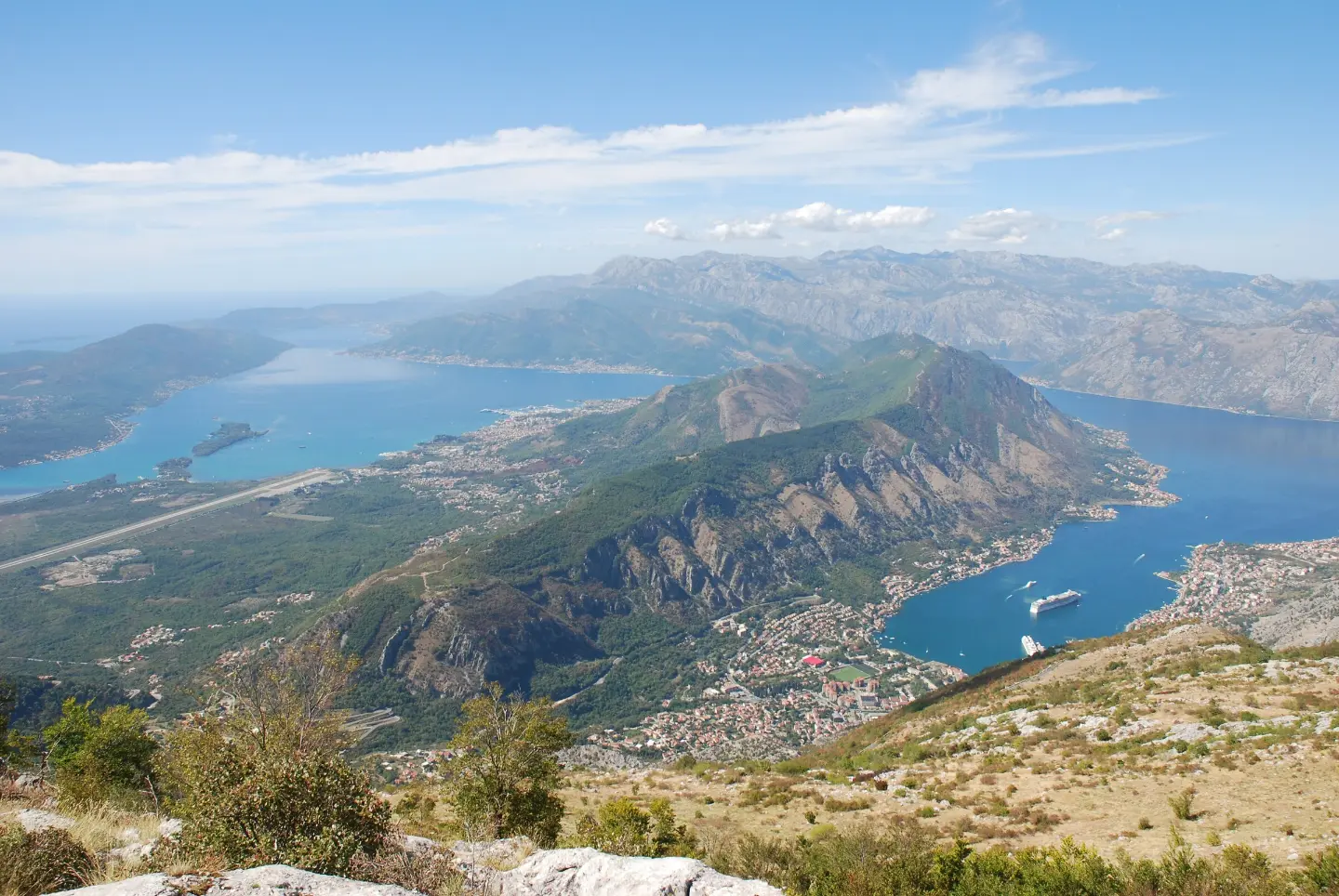
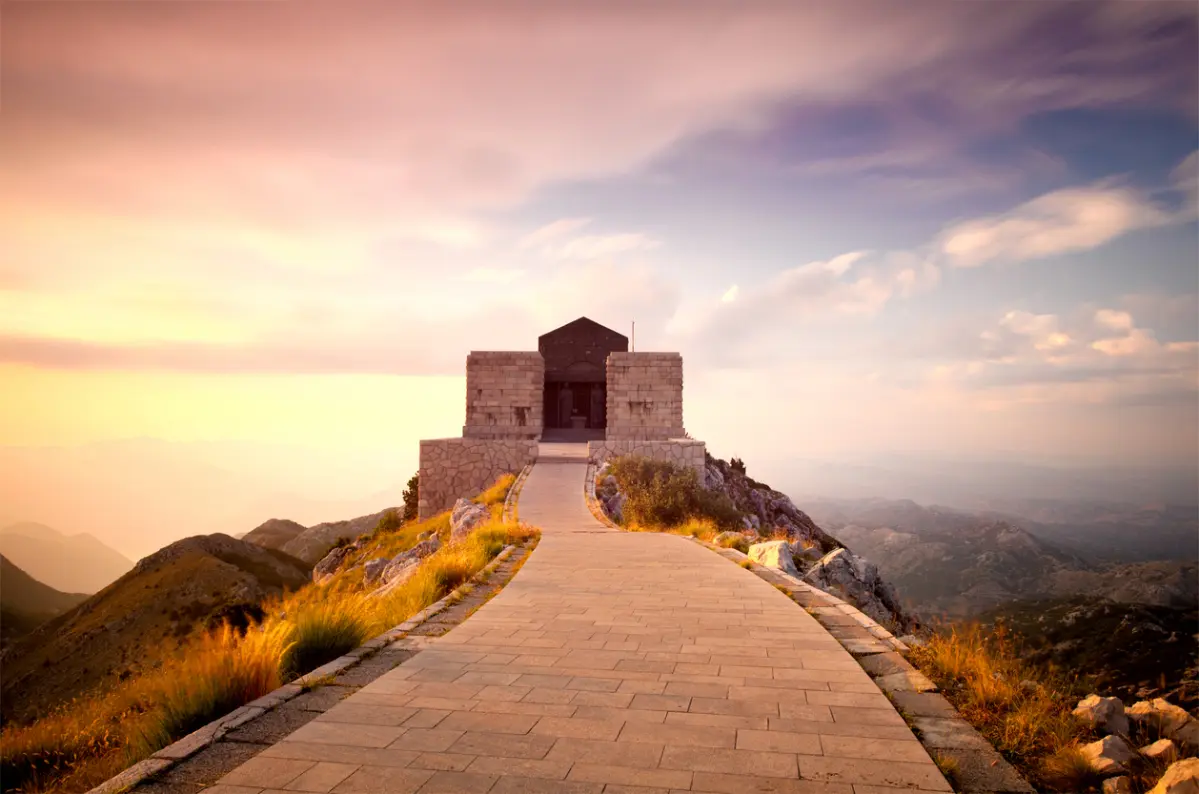
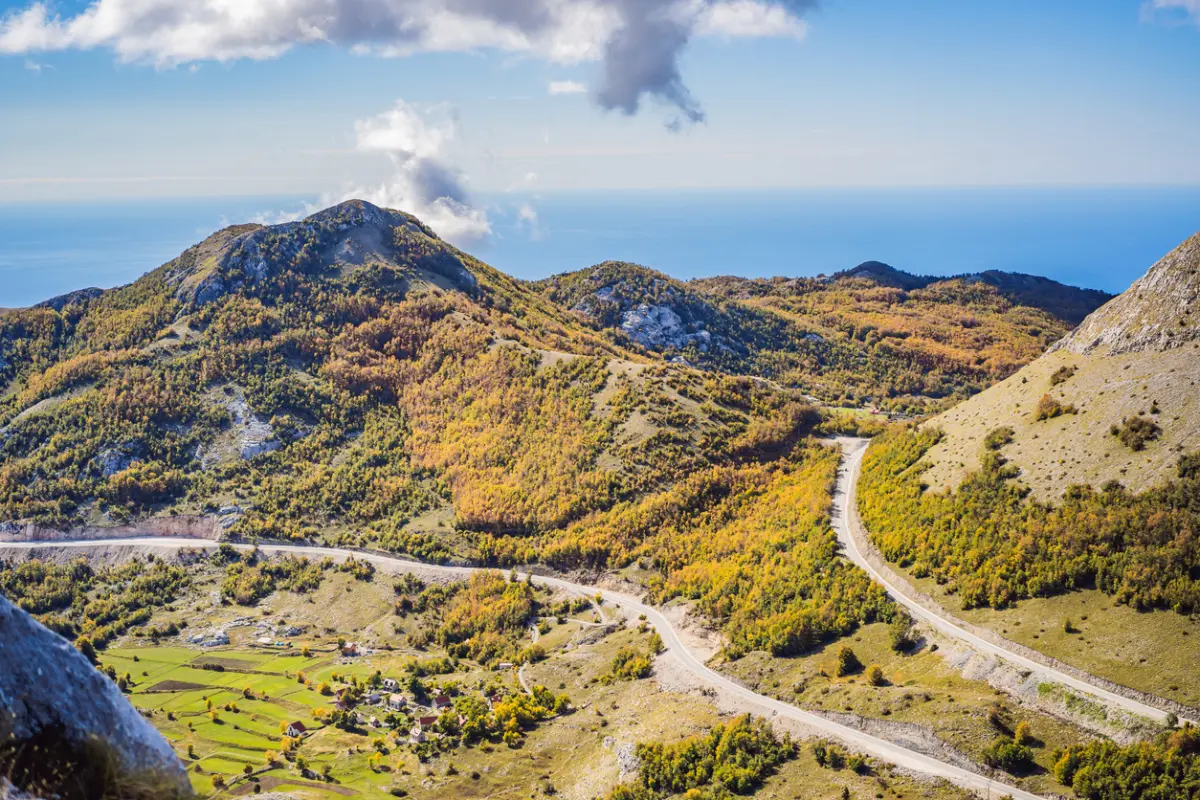
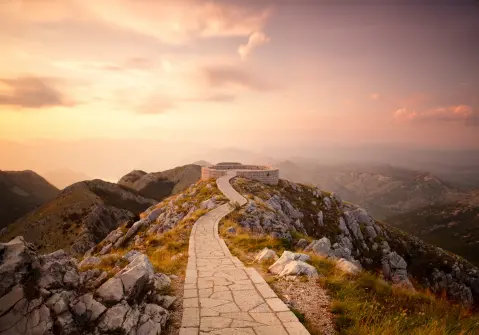
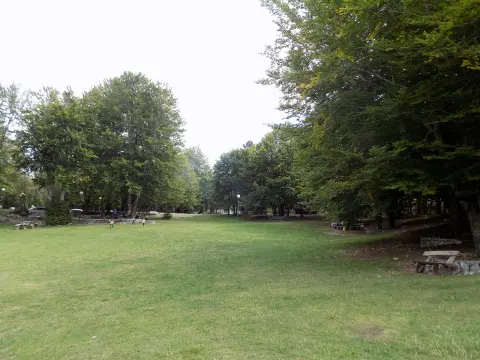
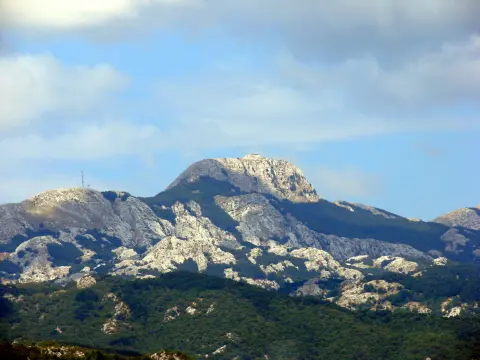
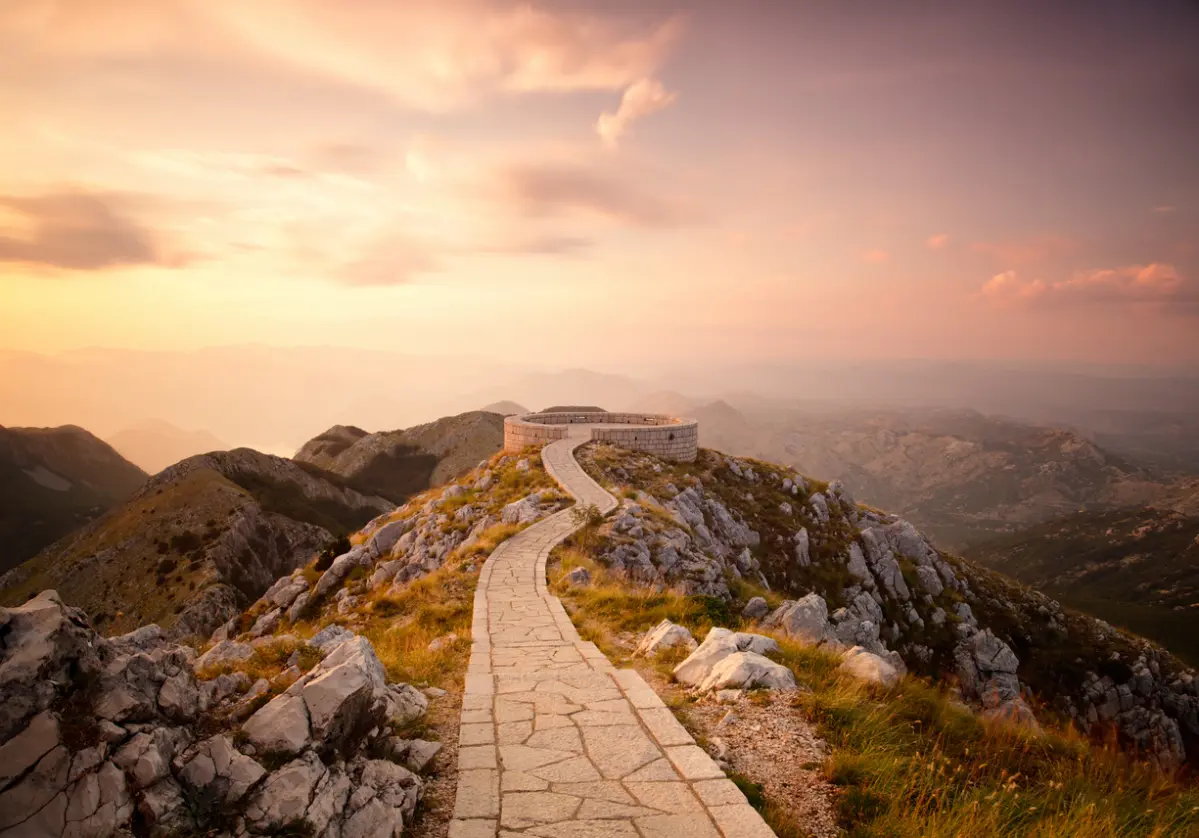
Mount Lovćen, rising immediately above Cetinje, is the heart of Montenegrin national identity and one of two national parks in the immediate vicinity of the city. At Jezerski vrh (1,657 m) stands the Njegoš Mausoleum – a work by sculptor Ivan Meštrović – reached by 461 steps from the car park. From the summit, a panoramic view stretches across the Montenegrin coast, Lake Skadar, and the mountain ranges extending towards Albania and Serbia. The national park offers hiking trails of varying difficulty, rich flora and fauna, and fresh mountain air just around 15 km from Cetinje.

Kotor–Lovćen Cable Car

Kotor–Lovćen Cable Car

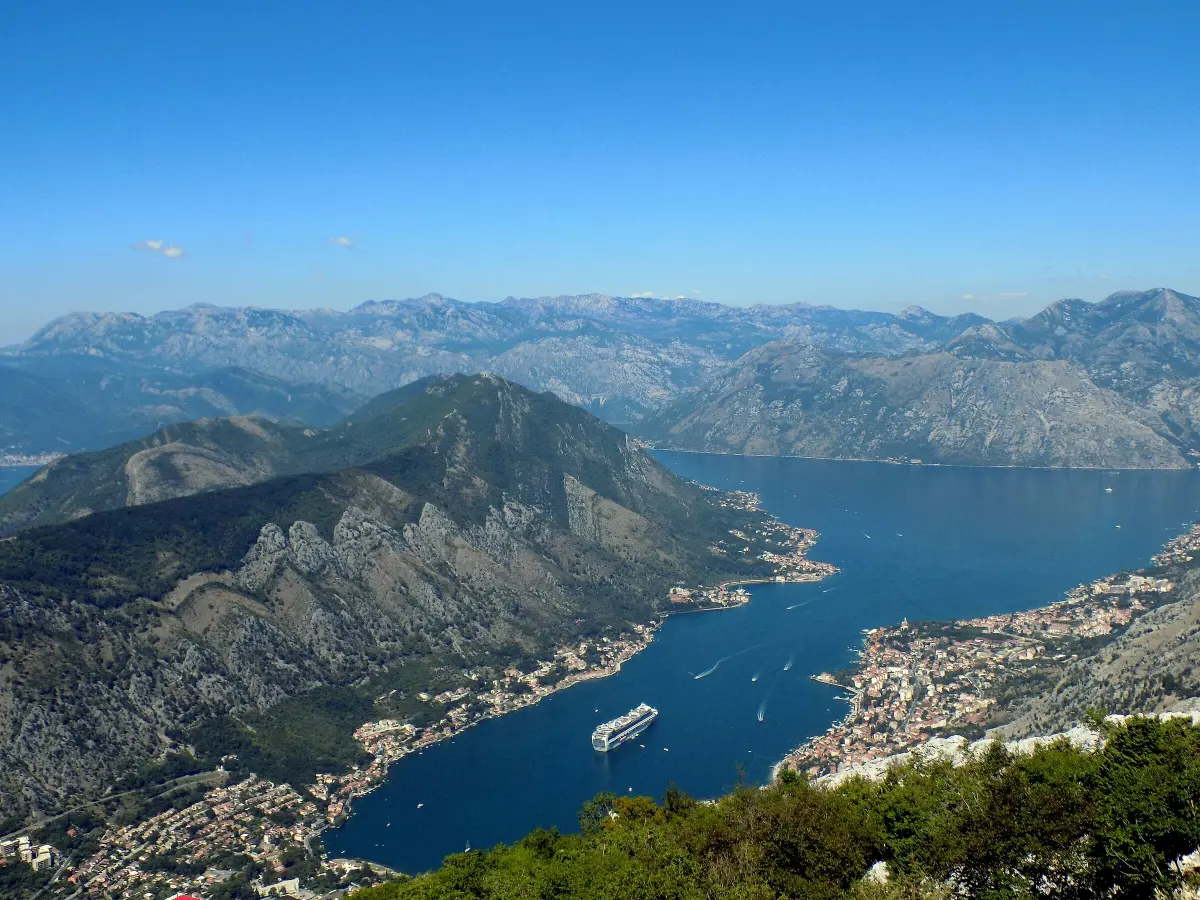
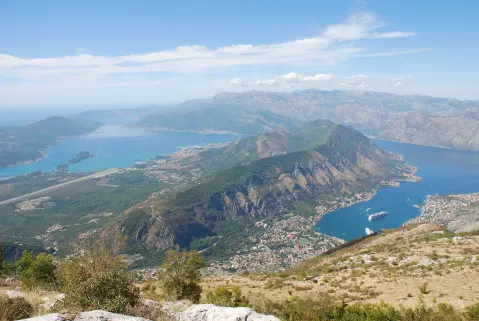
The gondola from Kotor reaches Kuk in 11 minutes, at 1,348 metres, with a view of the Bay of Kotor. Via Njeguši and Lovćen it can easily be combined with Cetinje on the same day.

Explore More
What to do

Activities in Cetinje

  • Museum Tour

    Culture

    Museum Tour

    Explore the five museum institutions of the National Museum of Montenegro in the city centre.

  • Hiking on Lovćen

    Mountains

    Hiking on Lovćen

    Hiking trails from Cetinje lead to Lovćen National Park and the Njegoš Mausoleum.

  • Photography and Walking

    Culture

    Photography and Walking

    Photograph the former embassies, palaces, and Montenegrin 19th-century architectural style.

  • Gastro Tour

    Food & wine

    Gastro Tour

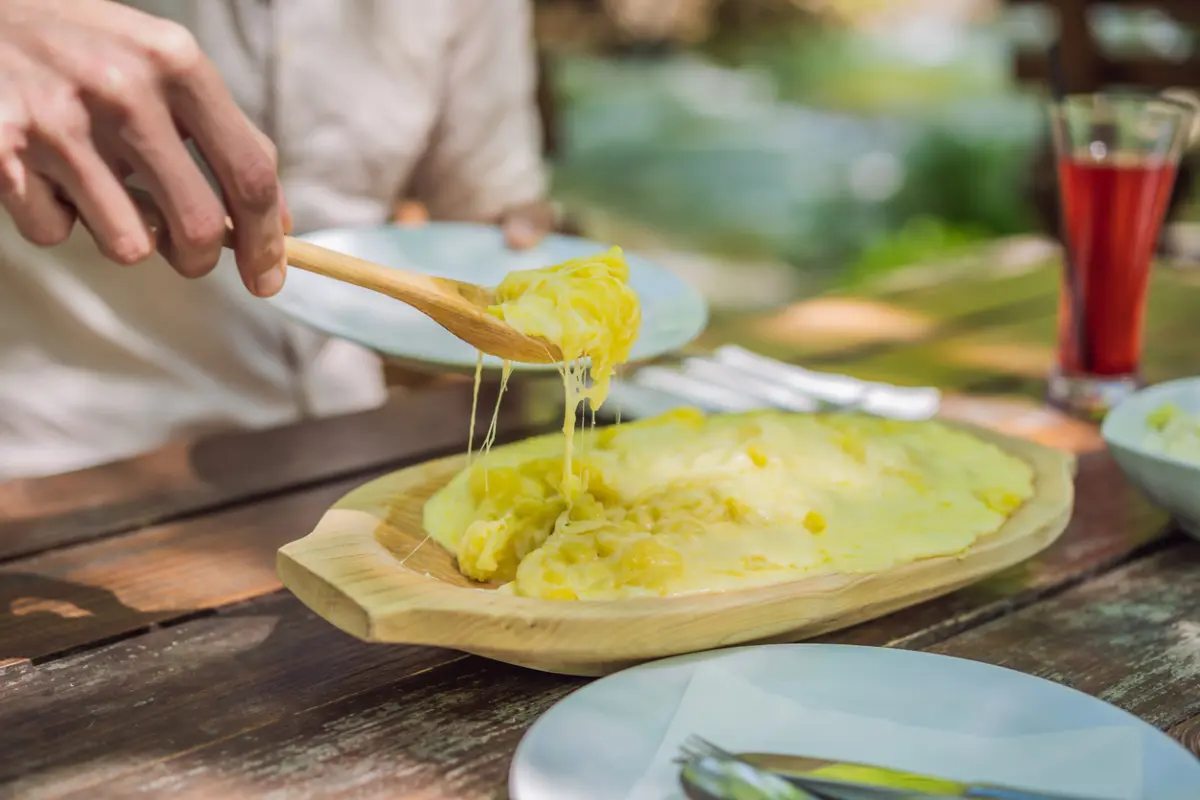
    Try authentic dishes of Montenegrin cuisine – raštan, kačamak, and Njegoš pršut.

  • Birdwatching

    Nature

    Birdwatching

    The surroundings of Cetinje and Lovćen offer excellent birdwatching opportunities in a mountain setting.

Around here

Nearby places

  1. Cetinje Monastery

    Cetinje Monastery

    Religious Site · 0.3 km

    Cetinje Monastery, founded in 1484, safeguards the most important Christian relics and stands as a symbol of Montenegrin spirituality and freedom.

  2. Lipa Cave

    Lipa Cave

    Cave · 2.9 km

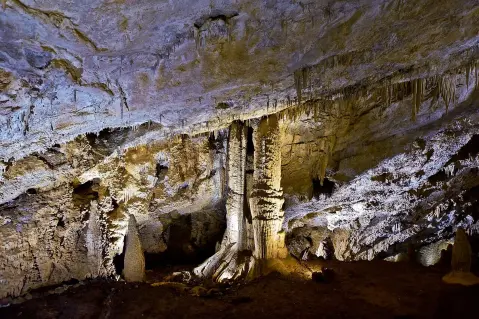
    Montenegro's only show cave open to visitors: 2.5 km of passages and halls with cave formations, a guided tour and a little train to the entrance.

  3. Lovćen National Park

    Lovćen National Park

    National Park · 7.3 km

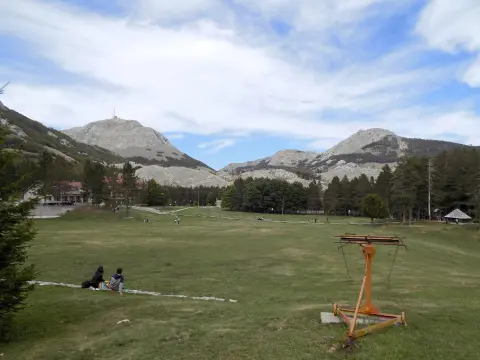
    A national park in southwestern Montenegro, ranging from 939 to 1,749 m a.s.l., guardian of history, culture, and untouched nature.

  4. Rijeka Crnojevića

    Rijeka Crnojevića

    Village · 8.9 km

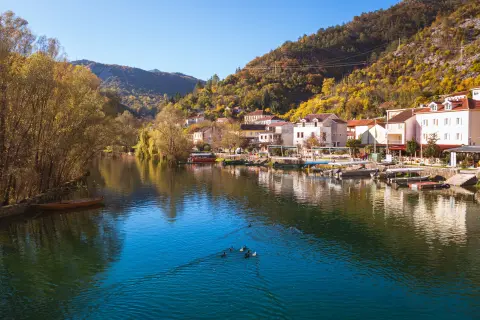
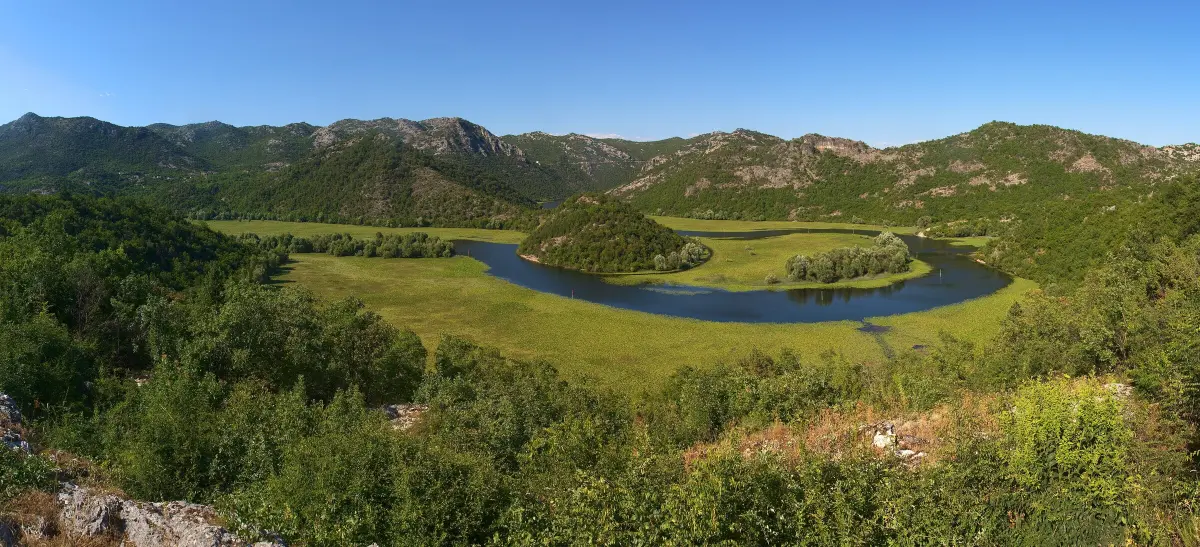
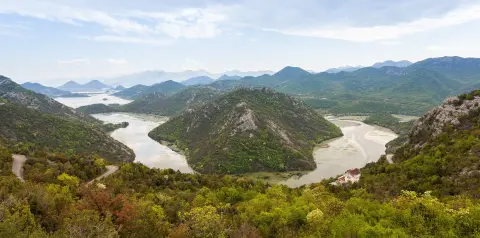
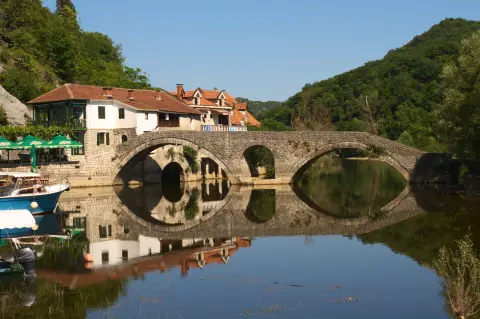
    A small historic settlement on the River Crnojevića in Skadar Lake National Park – once Montenegro's largest port, with the stone Danilo's Bridge and Obod above the river.

  5. Kosmač Fortress

    Kosmač Fortress

    Castle · 10 km

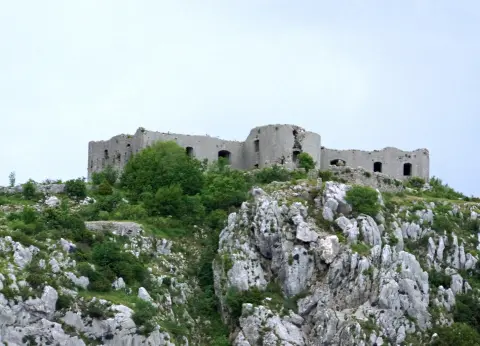
    An Austro-Hungarian fortification from 1841 on Kosmač hill near Brajići, with panoramic views from Sveti Stefan to Budva.

  6. Budva

    Budva

    City · 13 km

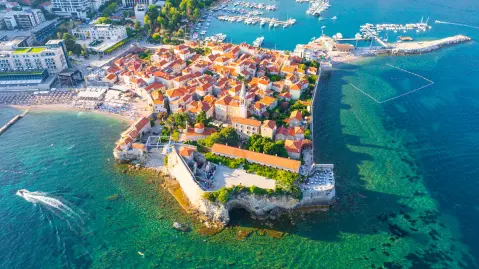
    Budva is Montenegro's most visited seaside resort, known for its rocky coastline, Old Town, and vibrant nightlife.

  7. Kotor

    Kotor

    City · 13 km

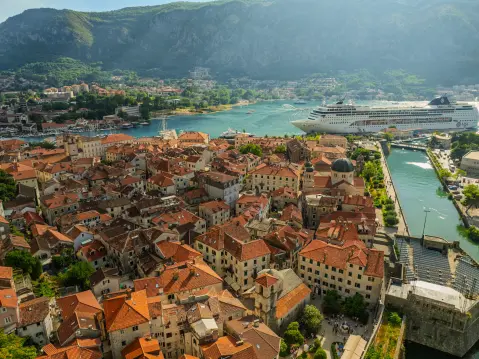
    A medieval town under UNESCO protection, nestled between steep mountains and the calm waters of the Bay of Kotor.

  8. Sveti Stefan

    Sveti Stefan

    Point of Interest · 15 km

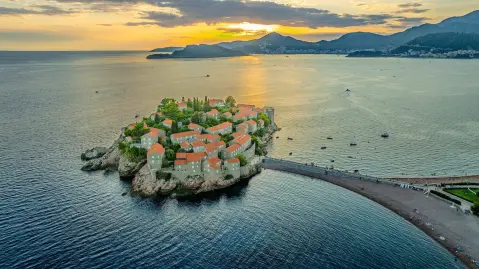
    A fortified 15th-century island settlement connected to the mainland by a causeway, with terracotta rooftops and turquoise sea.

What's on

Events and festivals in Cetinje

Salon 13. novembar13–30Nov

Art

Salon 13. novembar

Montenegrin Art Gallery Miodrag Dado Đurić

  1. 18–7Dec–Jan

    Fair

    A New Year's Story in the Old Royal Capital 2026/27

    Holiday programme of the Old Royal Capital Cetinje from 18 December 2026 to 7 January 2027, with 15 holiday cottages on Court Square and Santa Claus for the youngest. The detailed programme will be announced.

  2. 7Jan

    Religious feast

    Orthodox Christmas 2027

    Orthodox Christmas in Montenegro, 7 January 2027: Christmas liturgies and family gatherings, and on the eve of the holiday, on Christmas Eve, the burning of badnjak by the churches.

  3. 29–30May

    Sports

    Cetinje Outdoor – Lovćen Trail

    A two-day Lovćen NP outdoor festival around the 34.5 km Five Peaks trail race.

All events

Did You Know?

In 1494 the Crnojević printing house, run by Đurađ Crnojević, son of Ivan Crnojević, produced the Octoechos of the First Tone – the first book printed in Montenegro.

Food & Drink

Where to Eat in Cetinje

All places
  • Winery

    Vukmirović Winery

    Cetinje

    Danilo Vukmirović's household in Gornji Ceklin, 12 km from Cetinje on the road to Rijeka Crnojevića, with the 'Cekin' wine cellar. Some 2,000 vines give vranac, kratošija, chardonnay and smederevka, and wines and rakijas are kept in an underground cellar. The family also keeps bees and grows medicinal herbs, so there are honey and herbal rakijas and liqueurs. Home-cooked meals and lodging for five to six people are available.

  • Winery

    Mrkan Winery

    Cetinje

    The Šofranac family winery in the hamlet of Suvodoli in Rvaši, in the Riječka nahija above Lake Skadar. About 3,000 terraced vines give the red Mrkan from kratošija and vranac and the whites Suvodolski dukat and Suvodolski chardonnay, plus rakija and liqueurs. The ethno-style tasting room looks over the vineyard and the village. Visits by arrangement; in August and September guests can join the harvest.

  • Winery

    Janković Winery

    Cetinje

    A family winery in Drušići, the best-known wine village of the Riječka nahija, above Lake Skadar. About 4,000 vines give some 3,000 litres of red, white and rosé wine and 750 litres of rakija a year, made to old family recipes. Visitors tour the vineyard and cellar and taste wine and rakija with traditional snacks; in August and September they can join the harvest.

  • Winery

    Rakčević Winery

    Cetinje

    A winery and rural guesthouse in the village of Smokovci, about 15 km from Cetinje near Lake Skadar, revived by former handball player Mladen Rakčević in his century-old family house. Half a hectare of vranac, kratošija, cabernet sauvignon and merlot gives the Pečalbar, Depeša and Smokovac wines, named after family stories. Tastings come with local appetisers or lunch, and there are harvest visits, wine sales and rooms.

  • Winery

    Lipovac Winery

    Cetinje

    A winery on the slopes of Građani above Lake Skadar, where amphorae and jugs from excavations show winemaking since the 3rd century BC. A guided tour of about an hour and a half covers vineyards of native varieties, the bottling hall and a 60-metre cellar dug 10 m underground; some wine is made in Georgian qvevri and Italian amphorae. The standard tasting has four wines with local snacks; tours are booked in advance.

Plan Your Visit

Weather & Useful Info

When to come

Monthly averages – Cetinje.

  • Jan: Air (max) 8 °C
  • Feb: Air (max) 10 °C
  • Mar: Air (max) 11 °C
  • Apr: Air (max) 14 °C
  • May: Air (max) 19 °C
  • Jun: Air (max) 25 °C
  • Jul: Air (max) 28 °C
  • Aug: Air (max) 27 °C
  • Sep: Air (max) 22 °C
  • Oct: Air (max) 19 °C
  • Nov: Air (max) 13 °C
  • Dec: Air (max) 9 °C
Air (max)Best time to visit
Climate and weather – Cetinje
May, June, and September are ideal – temperatures are pleasant, crowds are smaller than in July and August, and the mountain nature around the city is in full bloom. Summer (July–August) brings more visitors and warmer days, but the city remains cool thanks to its elevation of 672 m. Spring and autumn are particularly recommended for hiking on Lovćen.

Visitor tip

Combine your visit to Cetinje with a trip to Lovćen – the Njegoš Mausoleum is only about 15 km away. Museums are open daily from April to November (09:00–17:00), so plan to arrive in the morning to avoid group tours. Cetinje Monastery is free to enter, but photography inside the complex is not permitted. For lunch, stop by one of the restaurants on the Boulevard offering authentic dishes such as raštan and kačamak.
Good to know

Opening hours
National Museum of Montenegro: 15 April – 15 November every day 09:00–17:00; 16 November – 14 March on working days 09:00–15:00. Cetinje Monastery: every day 08:00–20:00.
Admission
National Museum of Montenegro – combined ticket: 20 EUR adults, 10 EUR concessions. Cetinje Monastery: free entry.
Parking
Parking is available in the centre of Cetinje, mostly free or for a nominal charge.
Accessibility
The town centre is flat in character and relatively accessible for people with limited mobility. Some museums are located in historic buildings with stairs.

Getting Here

By Plane

The nearest airport is Podgorica (TGD), approximately 36 km away – a car transfer takes about 40 minutes. Tivat Airport (TIV) is about 50 km away, with a transfer to Cetinje taking around 50–60 minutes. Taxi and car rental options are available from both airports.

By Car

From Podgorica to Cetinje is about 36 km via the M2.3 highway through the canyon, with a drive time of around 38–40 minutes. From Budva, Cetinje is approximately 29 km away (about 35 minutes by car). Parking is available in the city centre.

By Bus

Bus lines from Podgorica run daily and regularly – the journey takes about 45 minutes and tickets start from 3–5 EUR. From Budva, the bus to Cetinje takes about 42 minutes. Cetinje Bus Station (Cetinje AS) is located in the city centre.

Open in Google Maps
Explore on your own

Explore Cetinje your way

Free audio guides with narration and a map, plus trails with maps and GPX downloads – set off whenever suits you.

All audio guides
Day plan

Suggested Itineraries

A Perfect Day in the Royal Capital

  1. Day 1 · Centre of Cetinje – National Museum, Cetinje Monastery

    Museums, monastery and the streets of Cetinje

    In the morning, start with a tour of the Cetinje Monastery, rebuilt in 1701, which preserves the relics of St. Peter of Cetinje and the right hand of St. John the Baptist. Admission is free, but photography inside the complex is not allowed – take your time to walk peacefully through the courtyard. After the monastery, walk to the National Museum of Montenegro complex, just a few minutes away on foot. We recommend visiting the King Nikola Museum in the former royal palace – the exhibition shows the reign of the last Montenegrin king with original furniture, weapons, and personal items. A combined ticket costs 20 EUR and covers all five institutions, and the tour lasts 2-3 hours. For lunch, stop by Restaurant Montenegro on the Boulevard, which offers a wide menu of national dishes – be sure to try kačamak with cheese or raštane with prosciutto. In the early evening, take a walk along the pedestrian zone of Njegoševa Street, admire the facades of former European embassies, and end the day with a coffee on one of the terraces in the center. Insider tip: Head to the museum right at opening at 09:00 to avoid group tours from the coast that arrive around 10-11 o'clock.
FAQ

Frequently Asked Questions

A full day is sufficient for a basic tour of the centre, the monastery, and one or two museums. If you plan to visit all institutions of the National Museum of Montenegro and combine it with a trip to Lovćen, we recommend two days.

From 15 April to 15 November the museum is open every day from 09:00 to 17:00. From 16 November to 14 March it operates on working days from 09:00 to 15:00. A combined ticket for all institutions costs 20 EUR for adults.

From Podgorica by bus in about 45 minutes (tickets from 3–5 EUR, multiple departures daily). By car the drive is about 38–40 minutes. From Budva the bus takes about 42 minutes, and by car about 35 minutes.

Yes, entry to Cetinje Monastery is free. The monastery is open every day from 08:00 to 20:00. Please note: photography inside the monastery complex is not permitted.
Absolutely – Lovćen National Park is only about 15 km from Cetinje. Njegoš's mausoleum on Jezerski vrh is one of the most visited attractions in Montenegro and is ideal for a day trip from Cetinje.