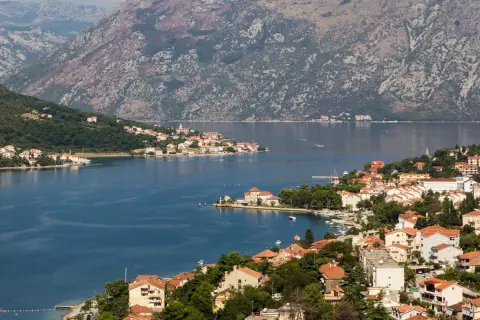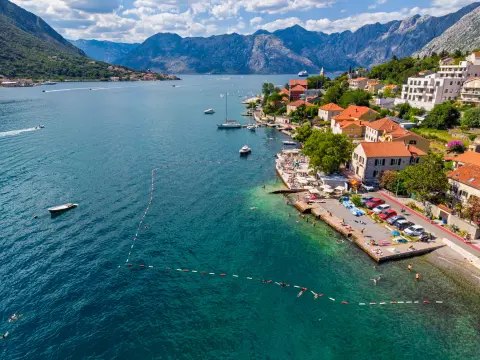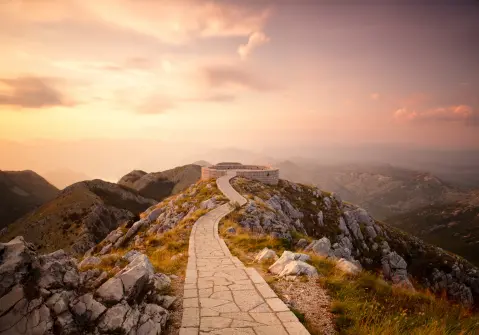

Mountains
Climbing to the Fortress
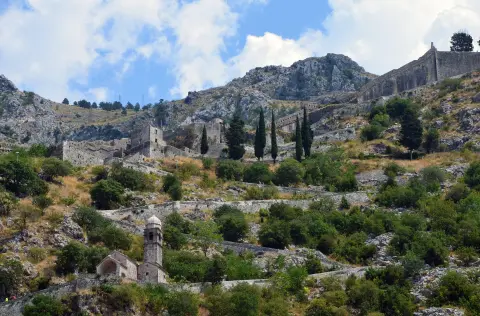
The ascent of 1,350 steps to San Giovanni takes about 45–60 minutes and rewards you with a view of the entire bay.
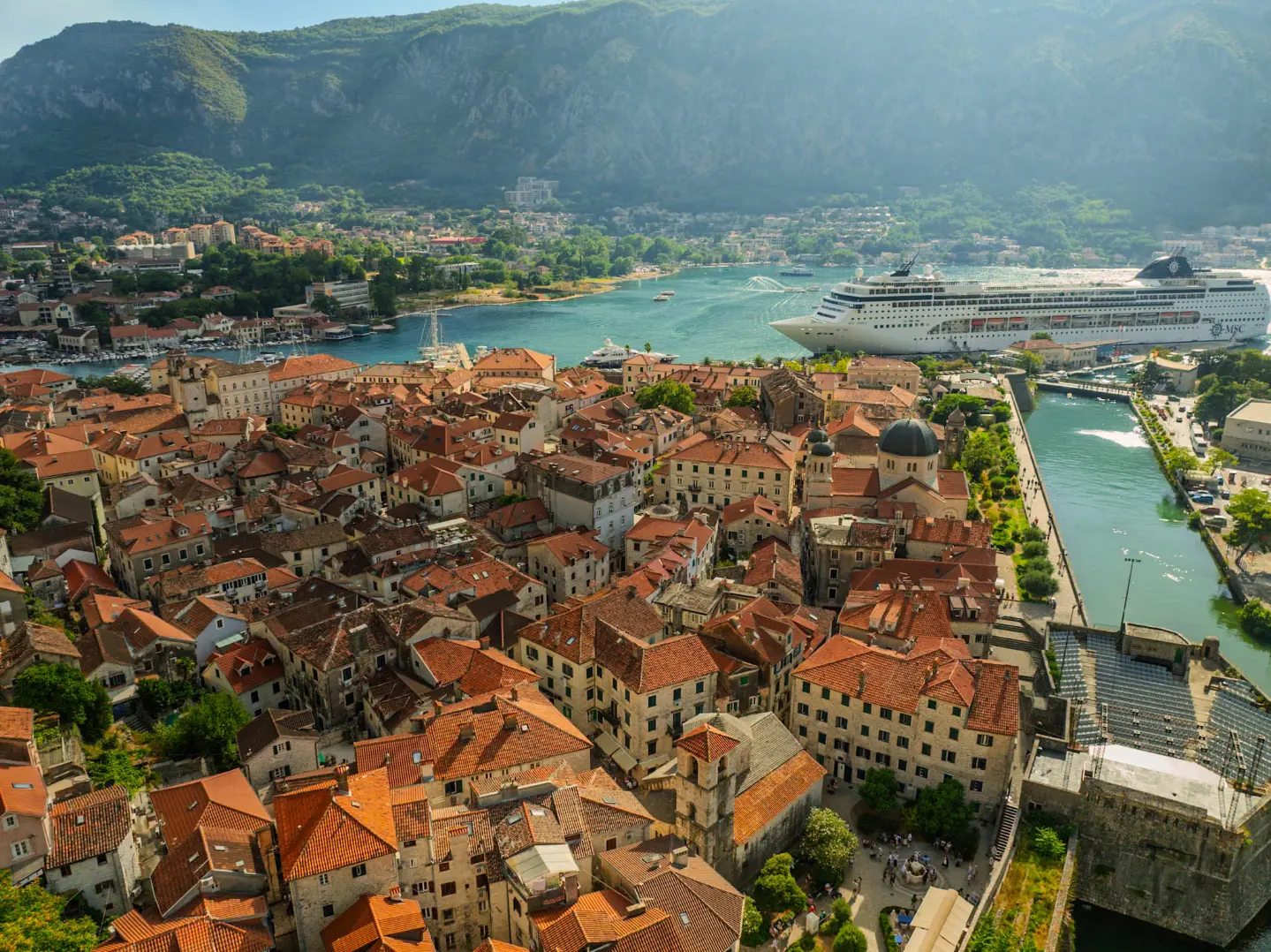
UNESCO Pearl on the Shore of the Bay of Kotor
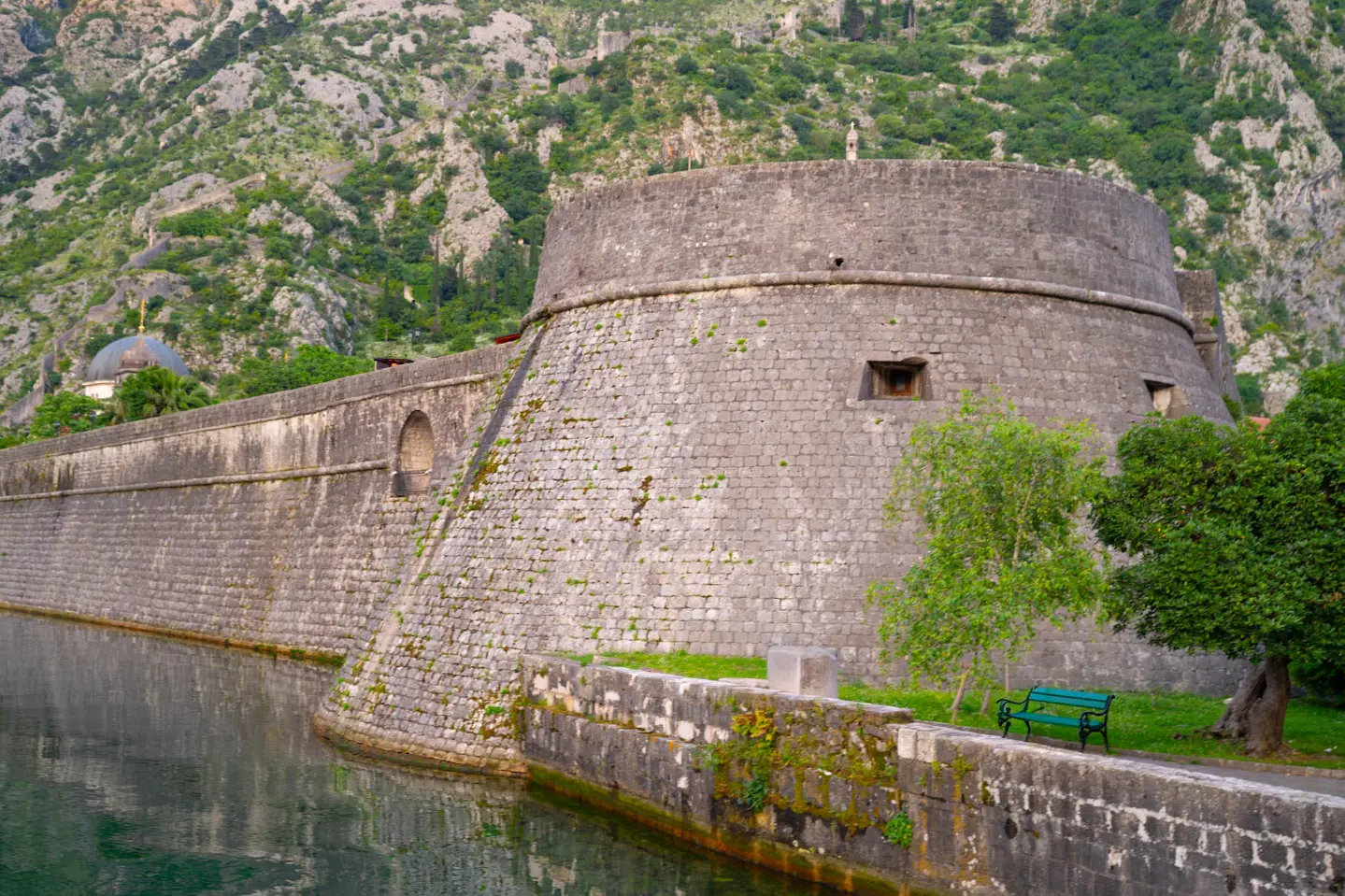
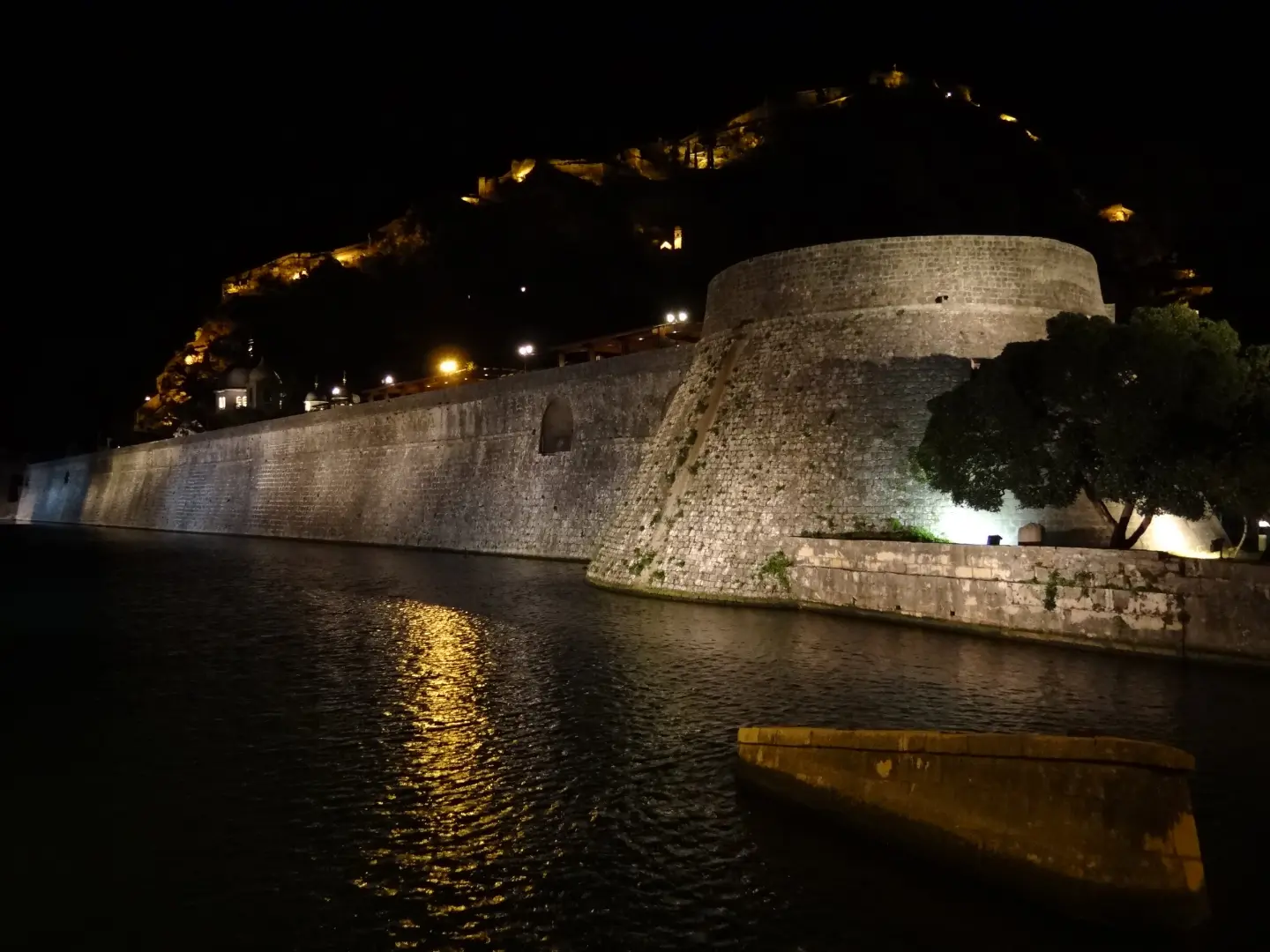
Kotor is one of the best-preserved medieval towns on the Adriatic, its stone walls stretching 4.5 km along the mountainside and enclosing the city in an impenetrable ring.
Within the walls lie baroque palaces, Romanesque churches, cobblestone alleyways, and lively squares that bear witness to a rich maritime past. The town holds dual UNESCO protection – as part of the Natural and Culturo-Historical Region of Kotor, and as part of the Venetian Works of Defence. The fortress of San Giovanni, the 12th-century Cathedral of Saint Tryphon, and the Maritime Museum are just some of the attractions awaiting visitors. Kotor is also a starting point for boat excursions through the Bay, visits to Perast, and the famous islands on the bay.
Highlights

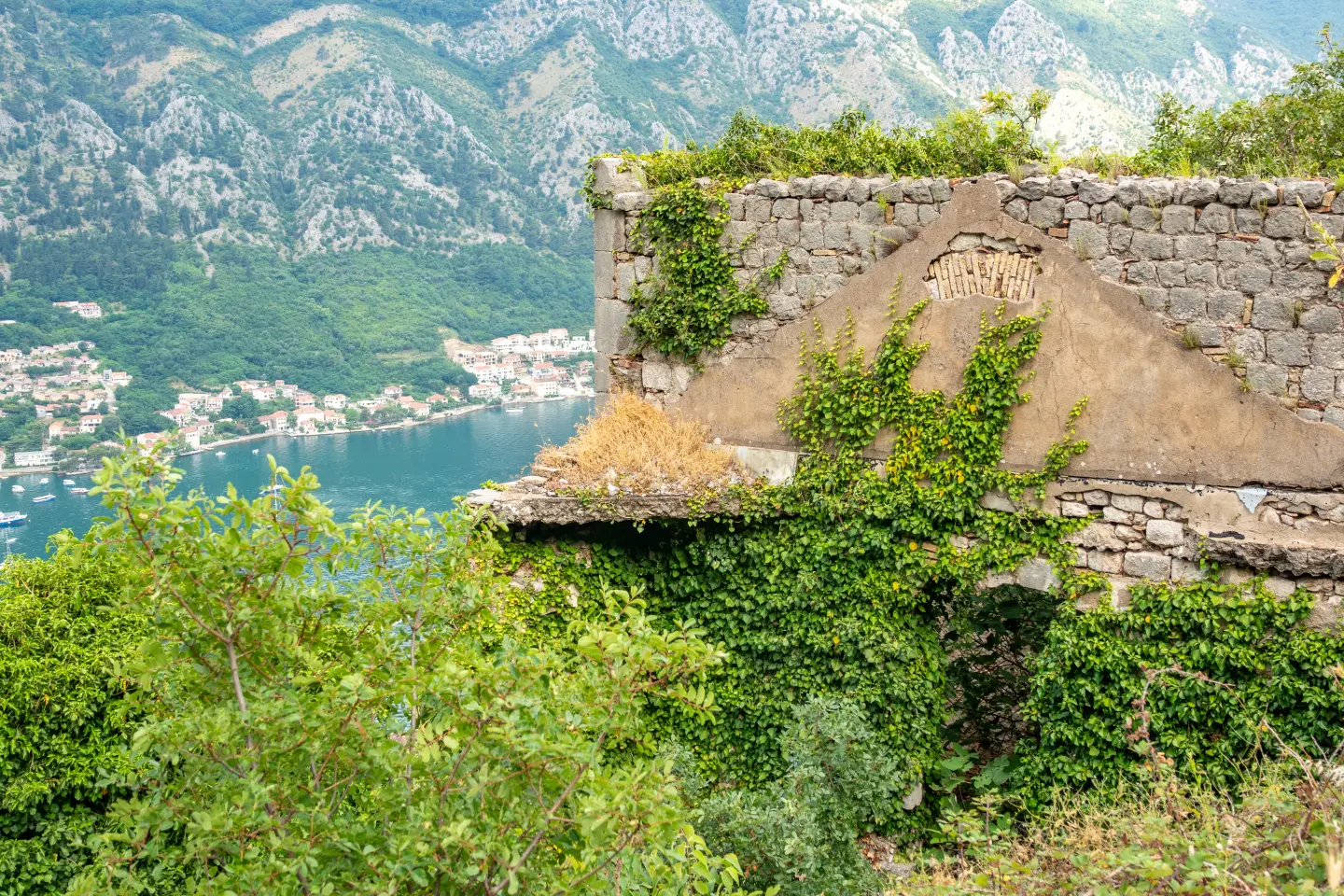
The Kotor fortification walls are 4.5 km long and up to 20 meters high, winding along the mountain cliffs up to the San Giovanni fortress at an altitude of 260 meters. The climb of about 1,350 steps passes through historic gates and past the Church of Our Lady of Health, and from the top there is one of the most beautiful views of the Bay of Kotor and the rooftops of the Old Town. The fortifications date back to the Illyrian period and were expanded during the Byzantine and Venetian eras. Entrance to the walls costs 15 € (2026); tickets are purchased at the rampart entrances, and the official ticket office opening hours are not published.

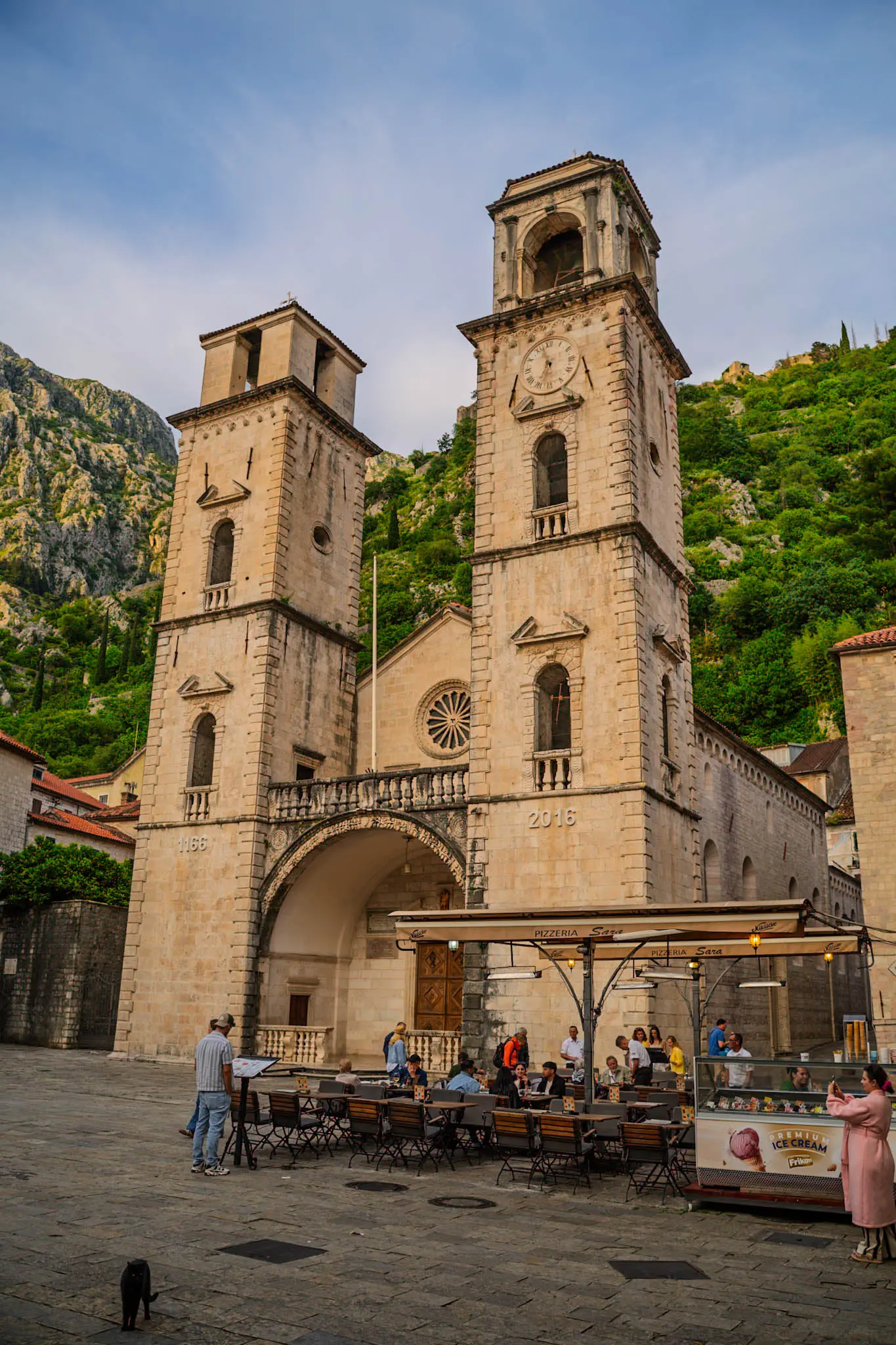
Katedrala Svetog Tripuna is the most important symbol of Kotor and one of the most significant Romanesque churches on the Adriatic. It was consecrated in 1166 and dedicated to the city's patron saint, Saint Tryphon, whose relics are kept in a silver reliquary inside the cathedral. Over the centuries it has been restored after several earthquakes, but it has retained its monumental Romanesque towers and richly decorated interior. The cathedral is located on the central square of the Old Town and is open to visitors with an entrance fee (check the price on site); entrance is also included in the Kotor City Pass of the Kotor Tourist Organization.

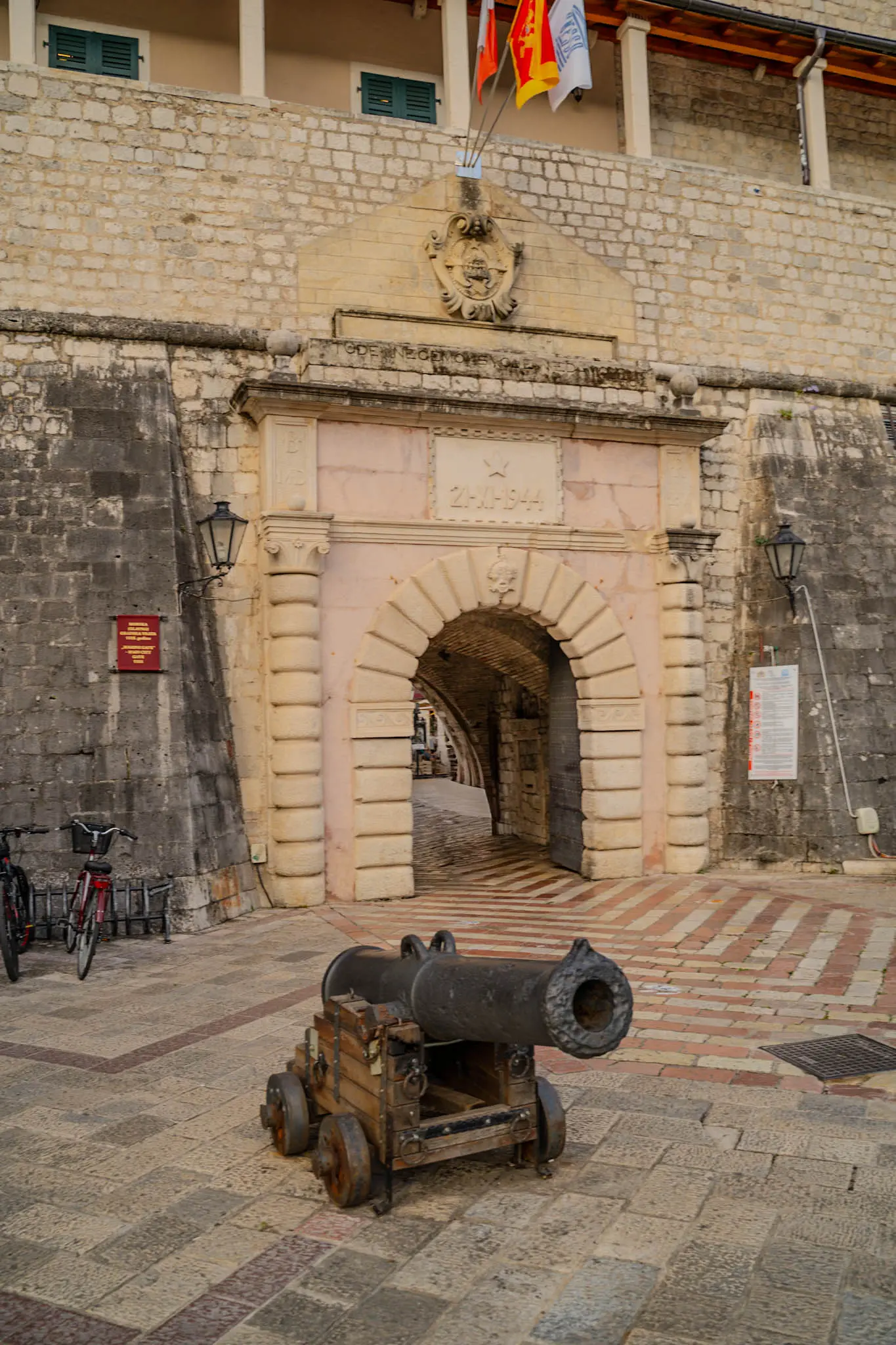
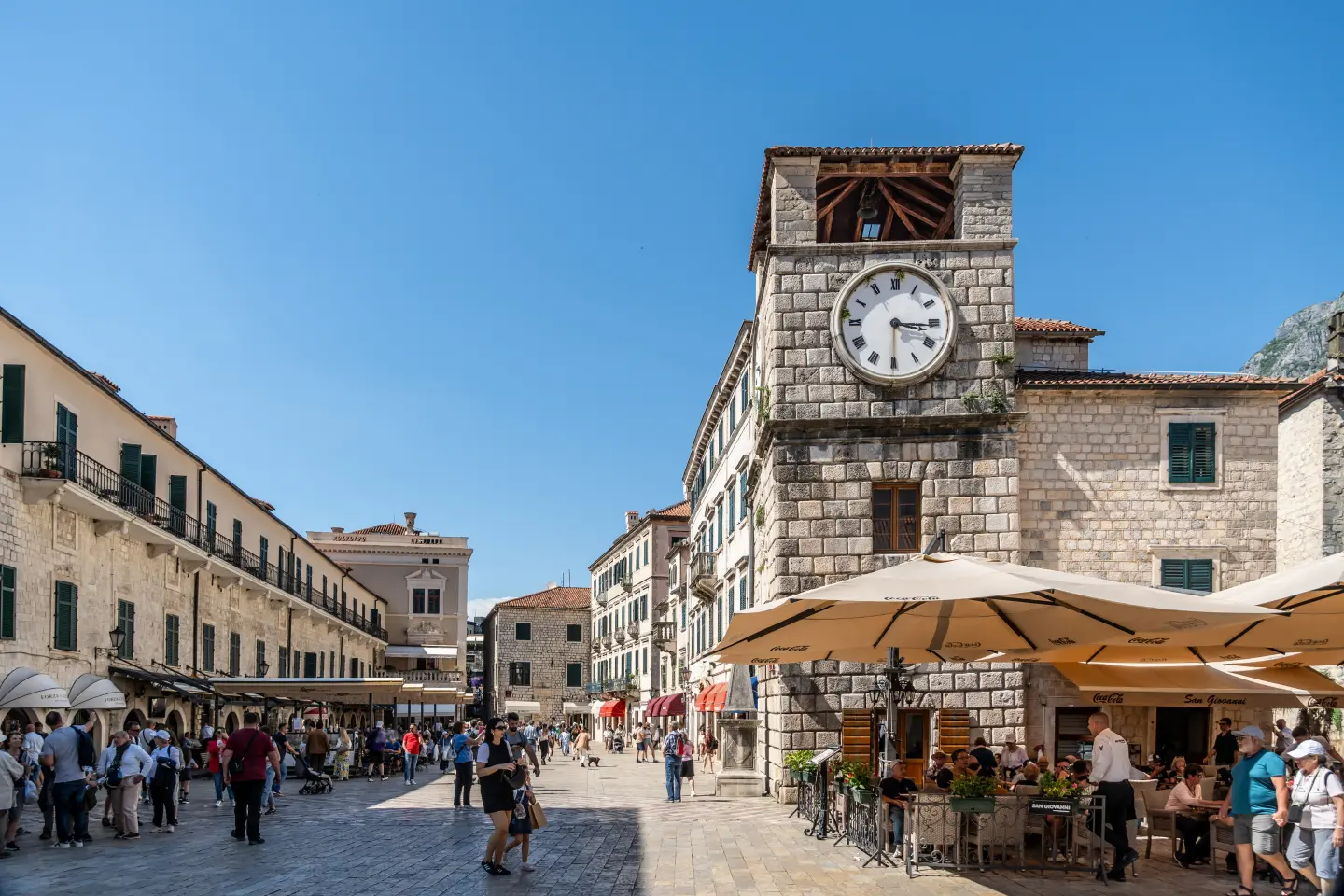
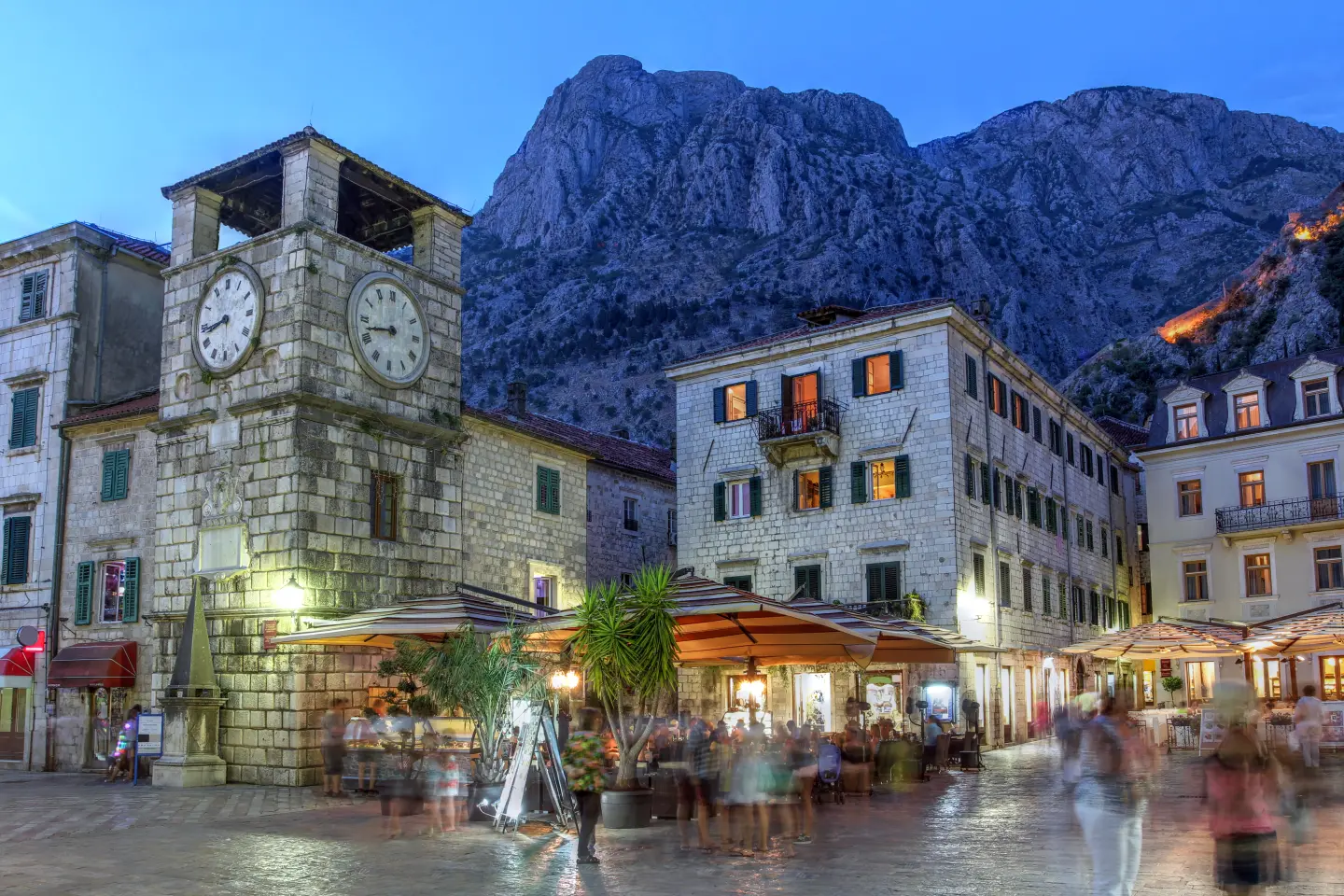
The Square of Arms is the largest and most vibrant square within the walls of Kotor, surrounded by cafés, restaurants, and the most important historic sites. On the square stand the Sea Gate – the main city gate bearing an inscription from 1944 – the Clock Tower, built in 1602, and the Prince's Palace. In the morning it is a peaceful spot for coffee, and in the afternoon it becomes the heart of city life. All walks through the labyrinth of Kotor's alleyways begin here.
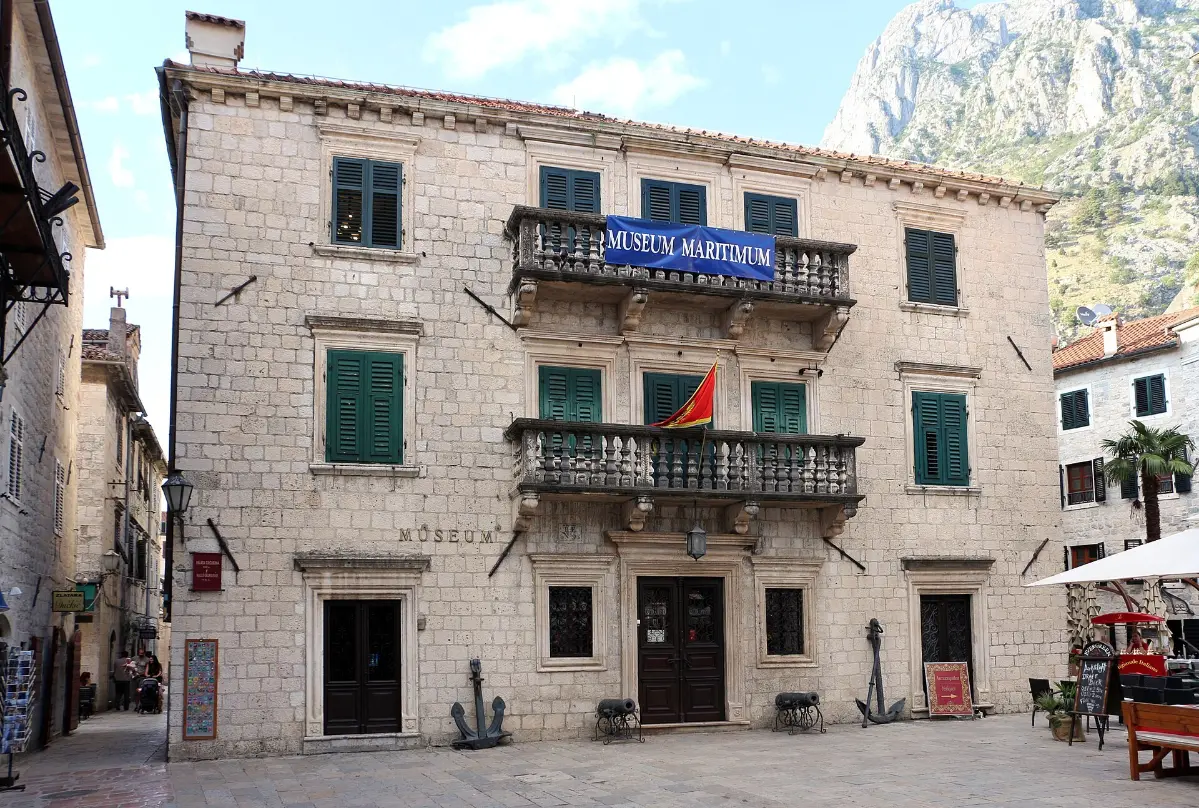
Located in the Grgurina Palace on Trg Bokeljske mornarice, the Maritime Museum of Montenegro preserves a rich collection tracing the maritime history of Boka from the 9th century to the Second World War. The exhibition includes navigational instruments, nautical charts, uniforms and ship models that testify to the great tradition of Boka sailors. The museum is a quick and interesting introduction to the story of the bay and is recommended as the first stop on a tour of the Old Town. On weekdays it is open from 9 am to 6 pm in summer and from 9 am to 3 pm in winter, and on Saturdays and holidays from 9 am to 1 pm. Admission is €6 for adults and €2 for students and children (museum price list).

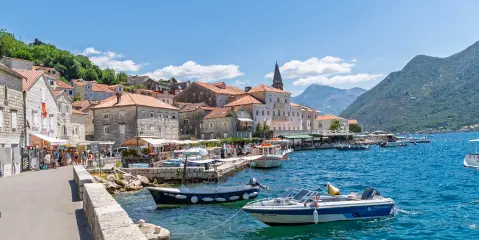
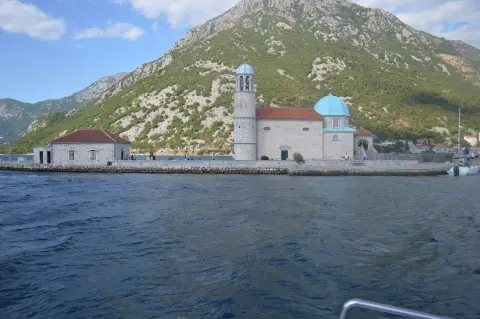
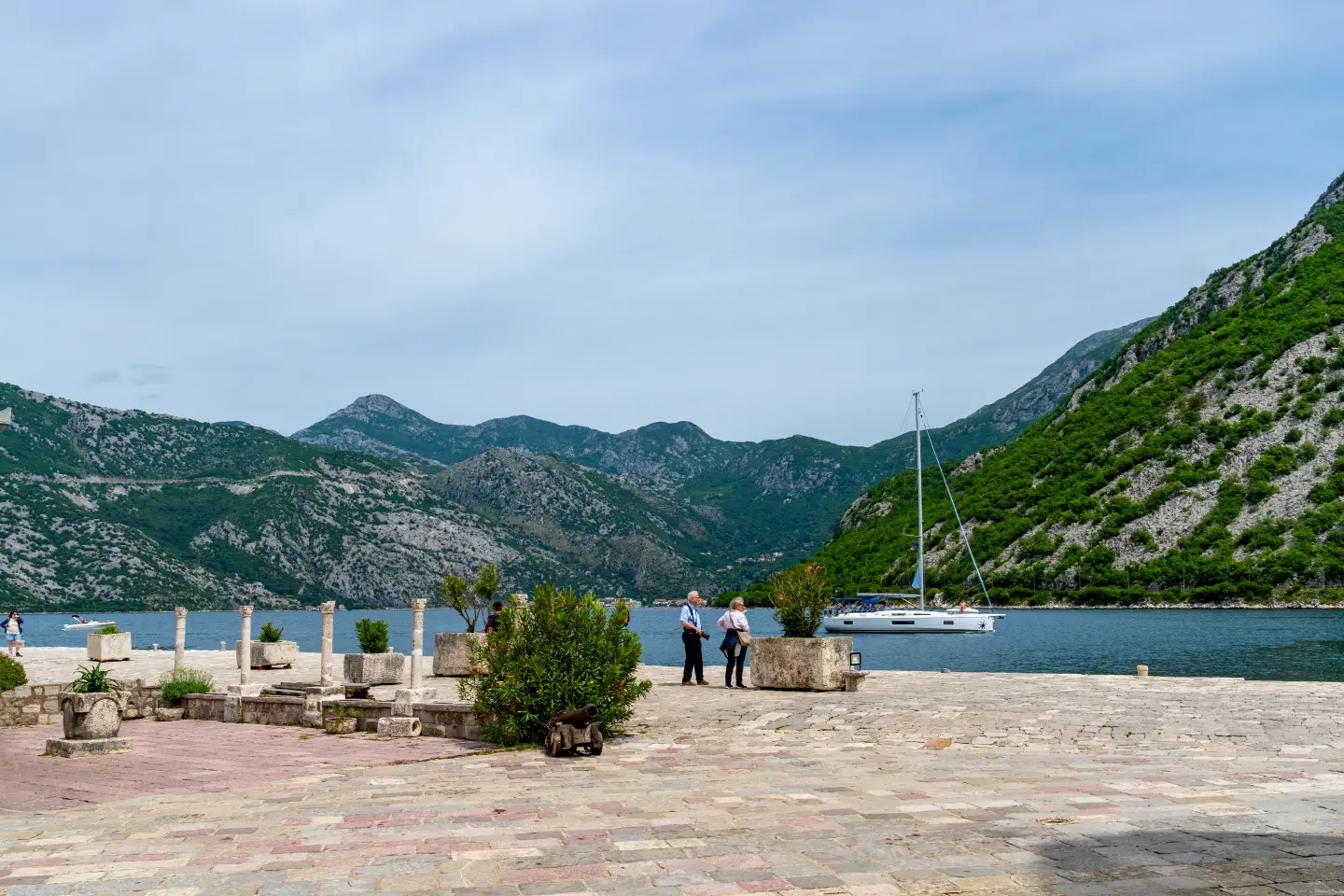
About twenty minutes by road or boat from Kotor lies Perast, an elegant baroque town with grand palaces and a tranquil waterfront. Before it rise two islands rich in legend and cultural significance: Our Lady of the Rocks, an artificial island created over centuries by the throwing of stones and the sinking of ships, and St. George, a natural island with a Benedictine monastery. A boat visit to the islands from Perast takes about an hour and reveals stories carved in stone and sea. Perast is also a peaceful alternative to Kotor for those escaping the cruise ship crowds.
What to do
Mountains
The ascent of 1,350 steps to San Giovanni takes about 45–60 minutes and rewards you with a view of the entire bay.

On the water
Group and private boat tours lead to Perast, the island of Our Lady of the Rocks, and the Blue Cave on Luštica.

Food & wine
Try fresh Adriatic shellfish buzara-style and local njeguški pršut at restaurants within the walls.

Culture
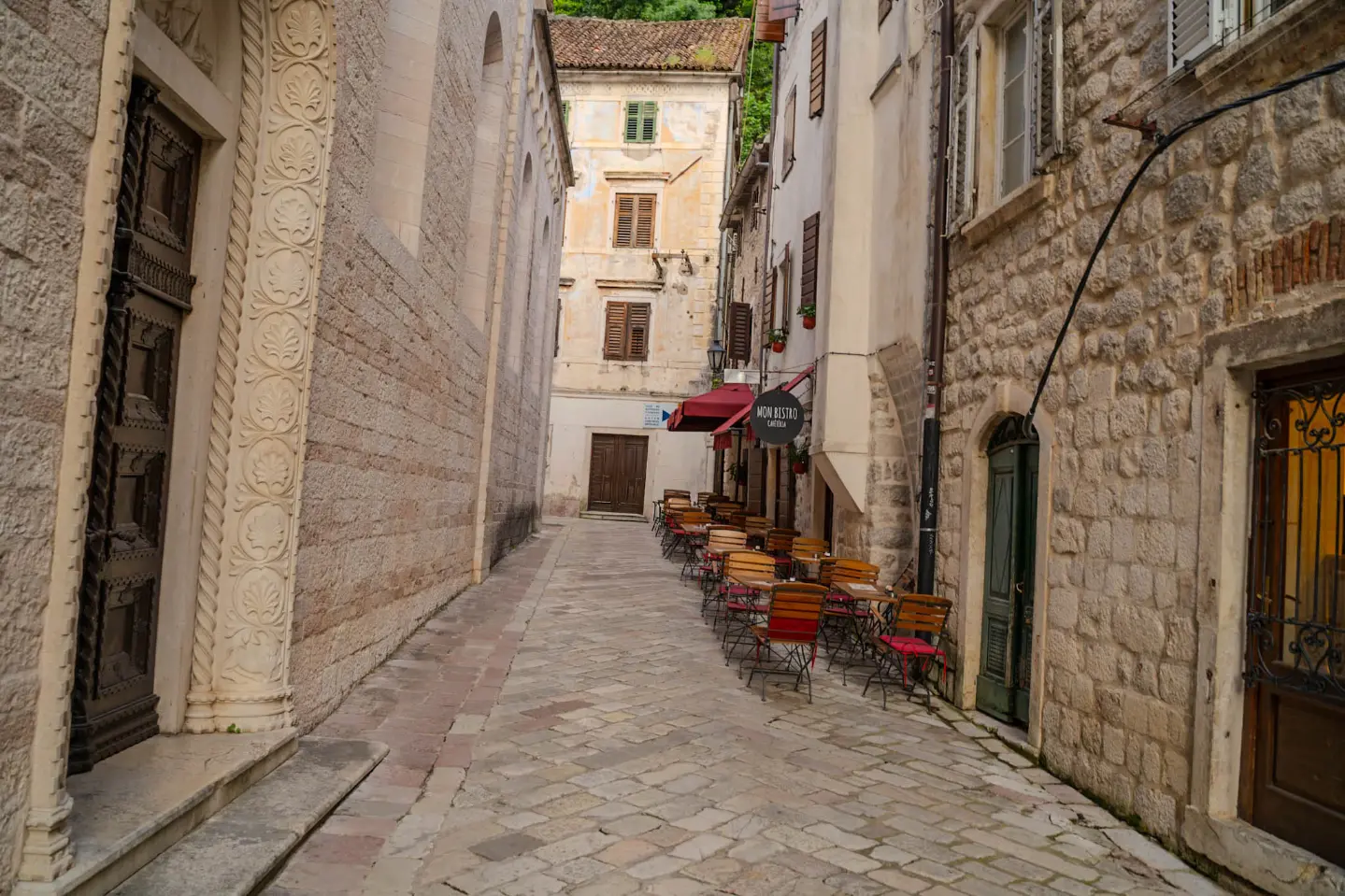
Exploring the labyrinth of alleyways, hidden courtyards, and Kotor's cats is best enjoyed in the early morning hours.
Sun & sea
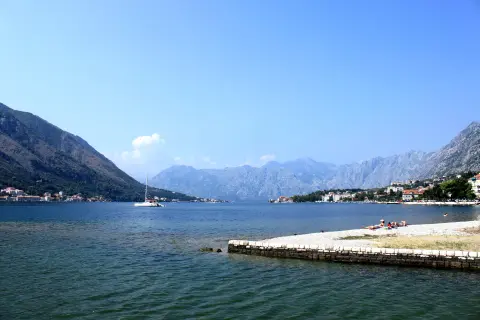
City beach with pebbles and concrete platforms, a ten-minute walk north of Kotor’s Sea Gate.
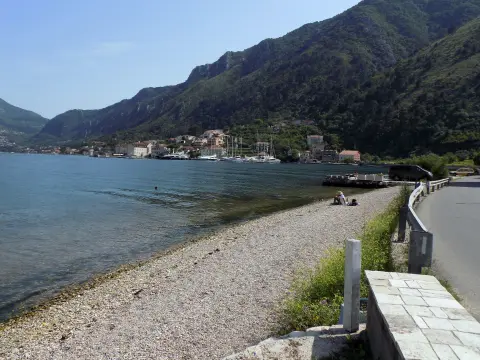
A pebble beach on the cape between Prčanj and Donji Stoliv, with views of Kotor and the mountains.
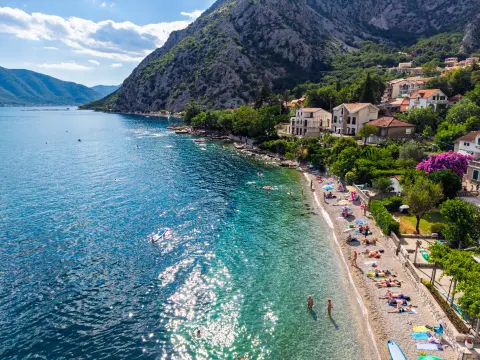
Orahovac is a small coastal village near Kotor with a quiet beach on the shores of the Bay of Kotor.
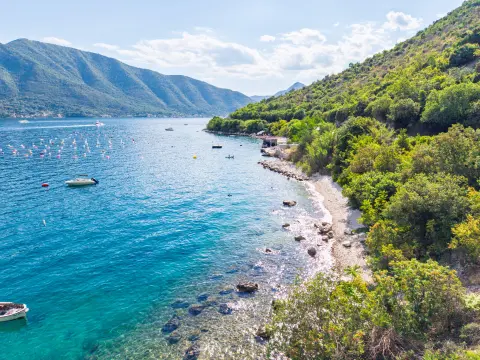
A small pebble beach in the Dražin Vrt cove, named after the tower of Montenegrin hero Bajo Pivljanin from the 17th century.
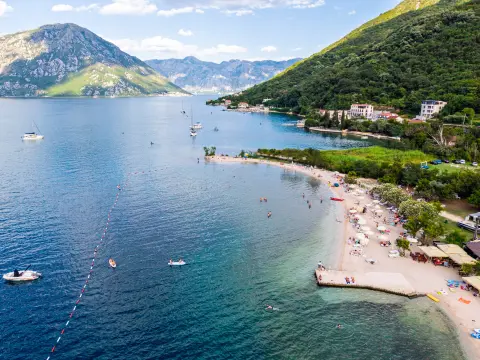
A peaceful pebble beach in Morinj, 24 km from Kotor, with cold, clear water and views of Mount Orjen.
What's on
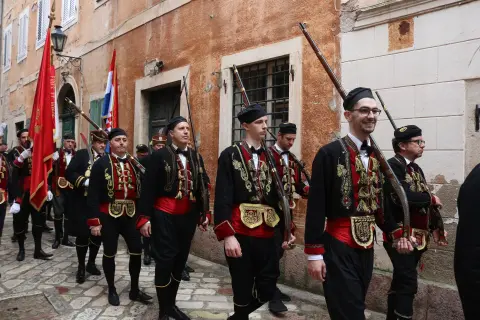
The Adriatic's oldest feast: 1,200+ years of the Boka Navy kolo and processions before Kotor's cathedral.
Details
Traditional winter carnival in Kotor Old Town, with masked balls, parades and the burning of the carnival – the exact date of the 2027 edition will be announced later.
Details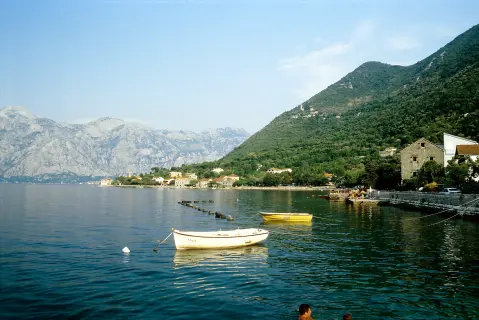
Stoliv celebrates its camellia bloom with flower exhibitions, concerts and the Camellia Ball.
Details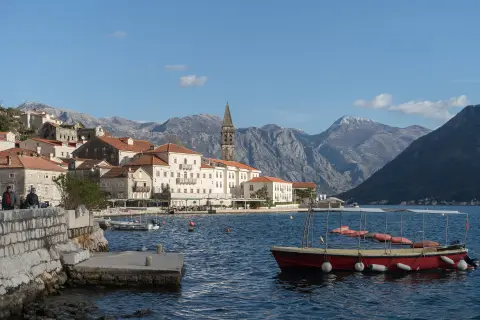
Perast marks its 1654 victory with processions, the Boka Navy kolo, mass and wreath-laying.
Details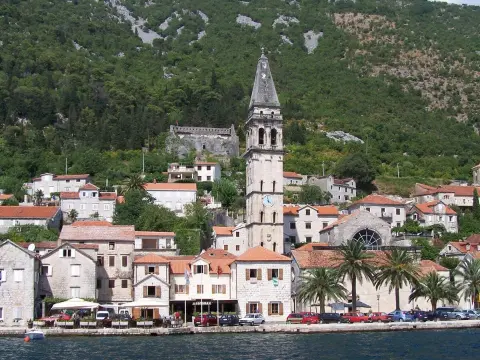
Three evenings of Adriatic a-cappella harmony on the main square of baroque Perast.
DetailsFood & Drink
 Partner
Kotor
A branch of the Walter grill chain, on the Kamelija shopping centre square just outside Kotor's Old Town. The menu is built around Balkan grill staples – ćevapi, pljeskavica and other grilled meats – served fast and in generous portions. A practical stop for a filling, inexpensive meal rather than a leisurely dinner, and useful if you are arriving with children or on the way to the coast.
Kotor
A family winery in the village of Mirac above Grbalj, at about 650 m and 11 km from Kotor, looking over the Bay of Kotor and the open sea. It makes vranac (also barrel-aged), cabernet, malvasia, goražda, chardonnay and a rosé, plus peach and grape brandy. A tour of the winery ends with a tasting paired with traditional dishes, and there is a restaurant with a panoramic terrace.
“Partner” marks a paid placement. We verify the details with the venue’s official source.
Plan your stay
Live offers from local hosts on our booking platform. Nothing is charged online – you pay the host on site.
Booking requests are confirmed by the host; payment on site. Offers come from the Travel to Montenegro booking platform.
Narration, a map and the full text in the browser – no app, works offline.
Free self-guided audio walk through the Old Town, no app needed
70 min2.6 km14 stops
Listen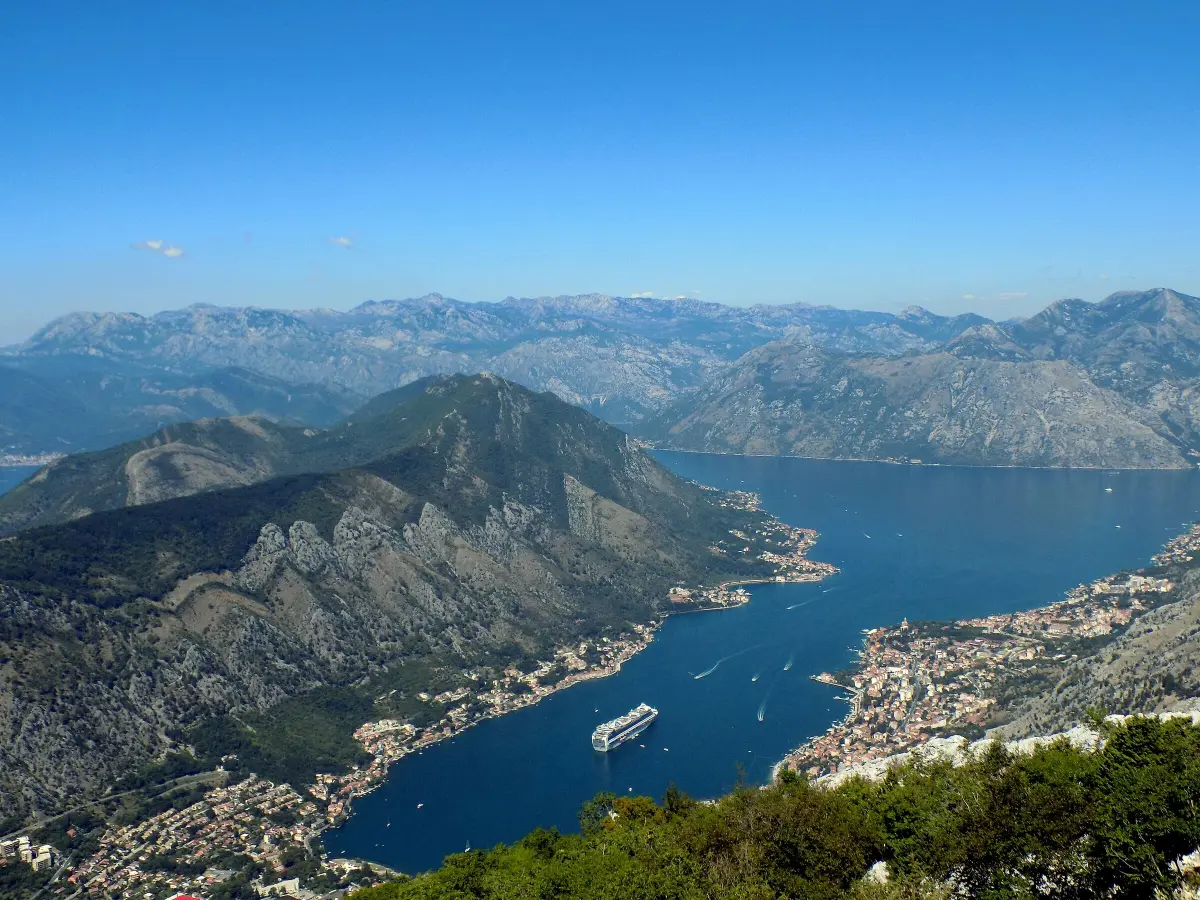
Free self-guided audio drive on the old road, no app needed
240 min57.6 km12 stops
Listen
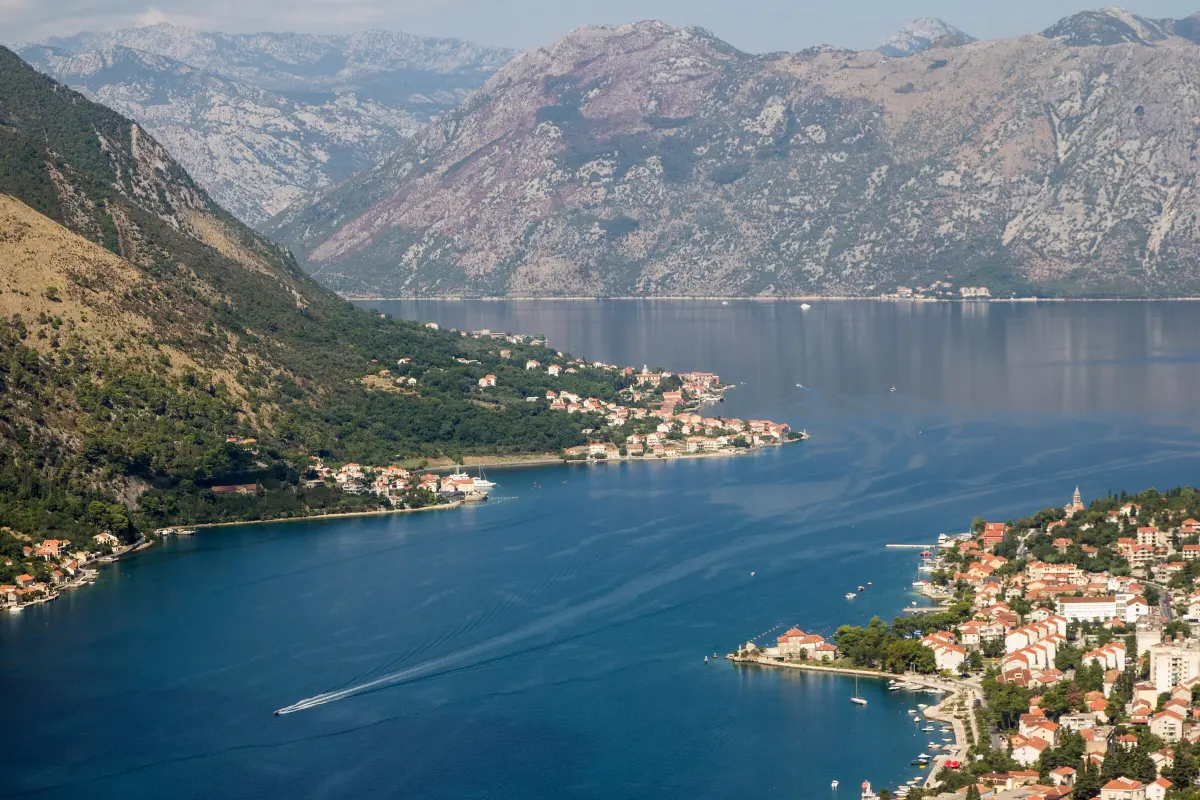
Free self-guided audio drive around the bay, no app needed
90 min36.8 km13 stops
Listen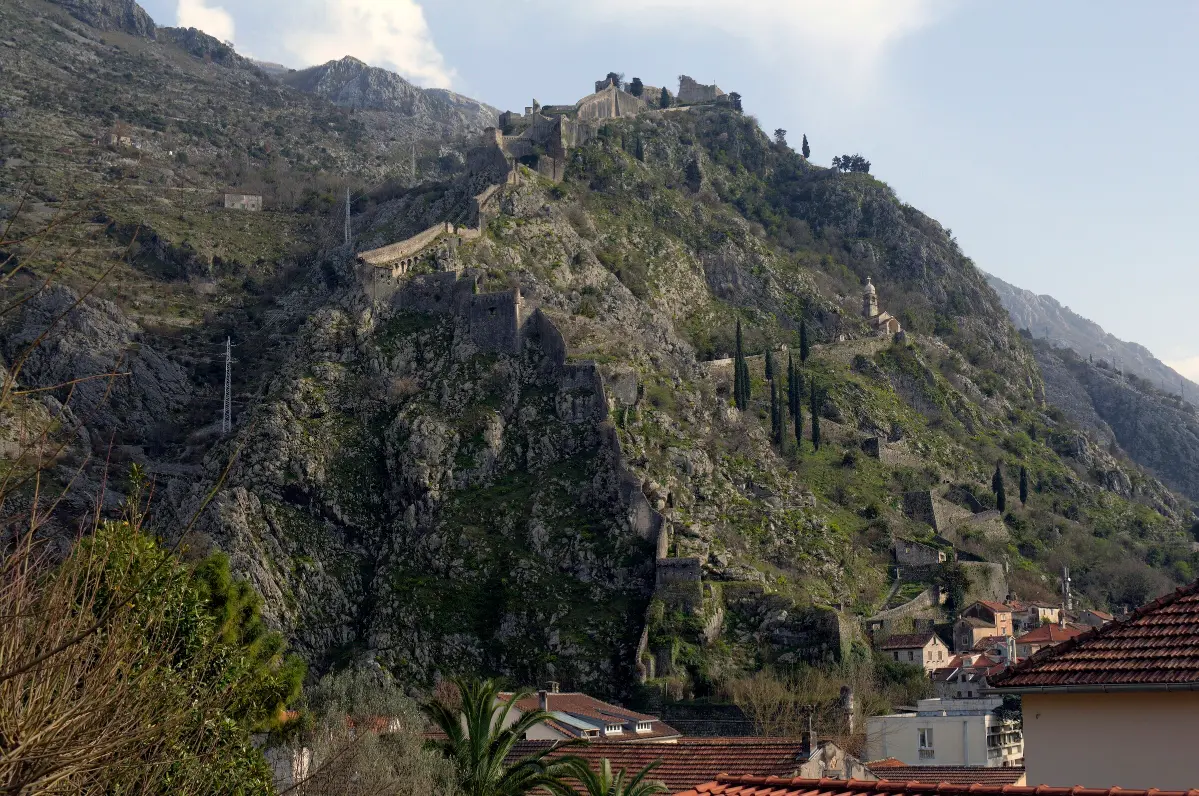
Free self-guided audio climb up the walls, no app needed
120 min2.2 km10 stops
ListenReels
 0:15
0:15 0:17
0:17 0:13
0:13 0:15
0:15 0:13
0:13 0:20
0:20 0:19
0:19 0:15
0:15Hiking, walking and cycling routes that start here or pass nearby, with maps and GPX downloads.
Hiking trail 759 leads from Dobrota Beach near Kotor to Lovćen National Park. The length is 16.1 km, with 1418 m of ascent and numerous viewpoints.
16.1 km1,418 m6–8 h
View trail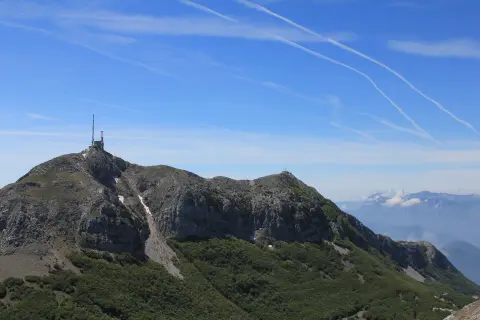
A demanding hiking tour in Lovćen National Park. Length 17.3 km, ascent 578 m, descent 599 m; estimated walking time without breaks 5 h 55 min. The trail offers numerous viewpoints, passes by a spring and the Krstac pass.
17.3 km578 m5–7 h
View trail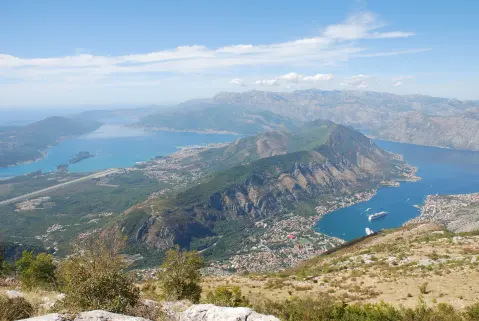
A one-way hiking tour through Lovćen National Park: 34.3 km, 1,738 m of ascent and 1,035 m of descent. Intended for experienced hikers, with multiple viewpoints and the Ivanova korita spring.
34.3 km1,738 m2–3 days
View trail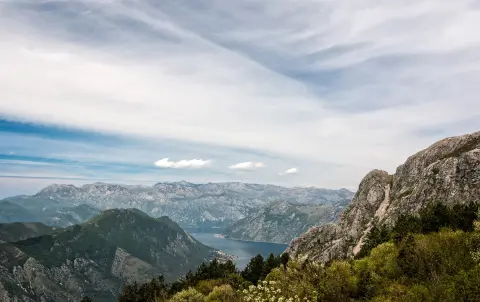
Short one-way hiking trail in the surroundings of Kotor. The length is 1.4 km, with 93 m of ascent, and the trail is marked with red-and-white markers.
1.4 km93 m30–40 min
View trail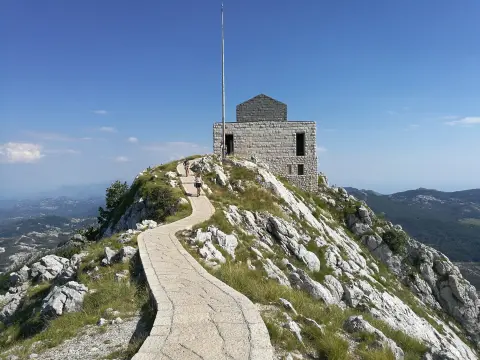
The 2.8 km trail leads through Lovćen National Park, from 1,284 m to 1,641 m above sea level. It takes about 1 h 30 min to walk without breaks, with a 350 m ascent and several viewpoints and springs.
2.8 km350 m1½–2 h
View trail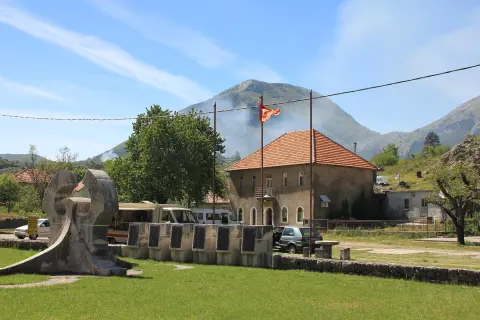
Njeguši ham trail / Njeguški Prosciutto Trail is an easy one-way hiking tour 3.5 km in length. In about 1 hour of walking, you overcome a 50 m ascent and a 41 m descent, passing the peaks Krajčeva Glavica and Ilijina Glavica, the spring Blizurad, and a drinking fountain.
3.5 km50 m50–70 min
View trail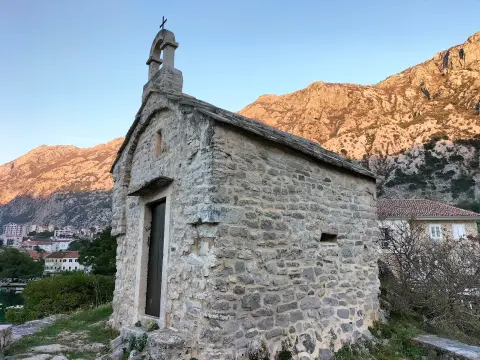
Trail 748 is a marked one-way hiking tour, 4.7 km long. It starts at the Dobrota waterfront, with a total ascent of 799 m and the highest point at 798 m a.s.l.
4.7 km799 m3–4 h
View trail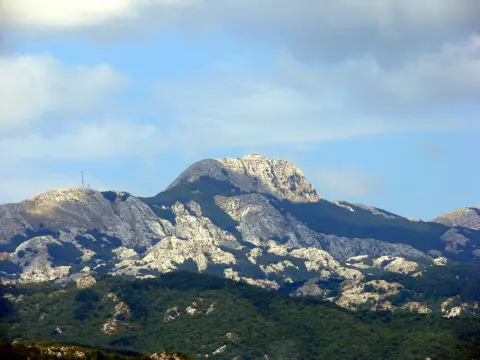
An easy hiking trail in Lovćen National Park, 6.1 km in length. It passes by the Šanik spring, with a total ascent of 156 m and a walking time of approximately 1 hour and 55 minutes.
6.1 km156 m1½–2½ h
View trailGallery
Did You Know?
Cats have lived in Kotor's harbour for centuries, guarding ships and warehouses from rats. Today they roam freely, are well fed, and are protected by locals – and there is even a Cat Museum in the Old Town. Cats have lived in Kotor's harbour for centuries
Plan Your Visit
Phone
+382 32 325 950Website
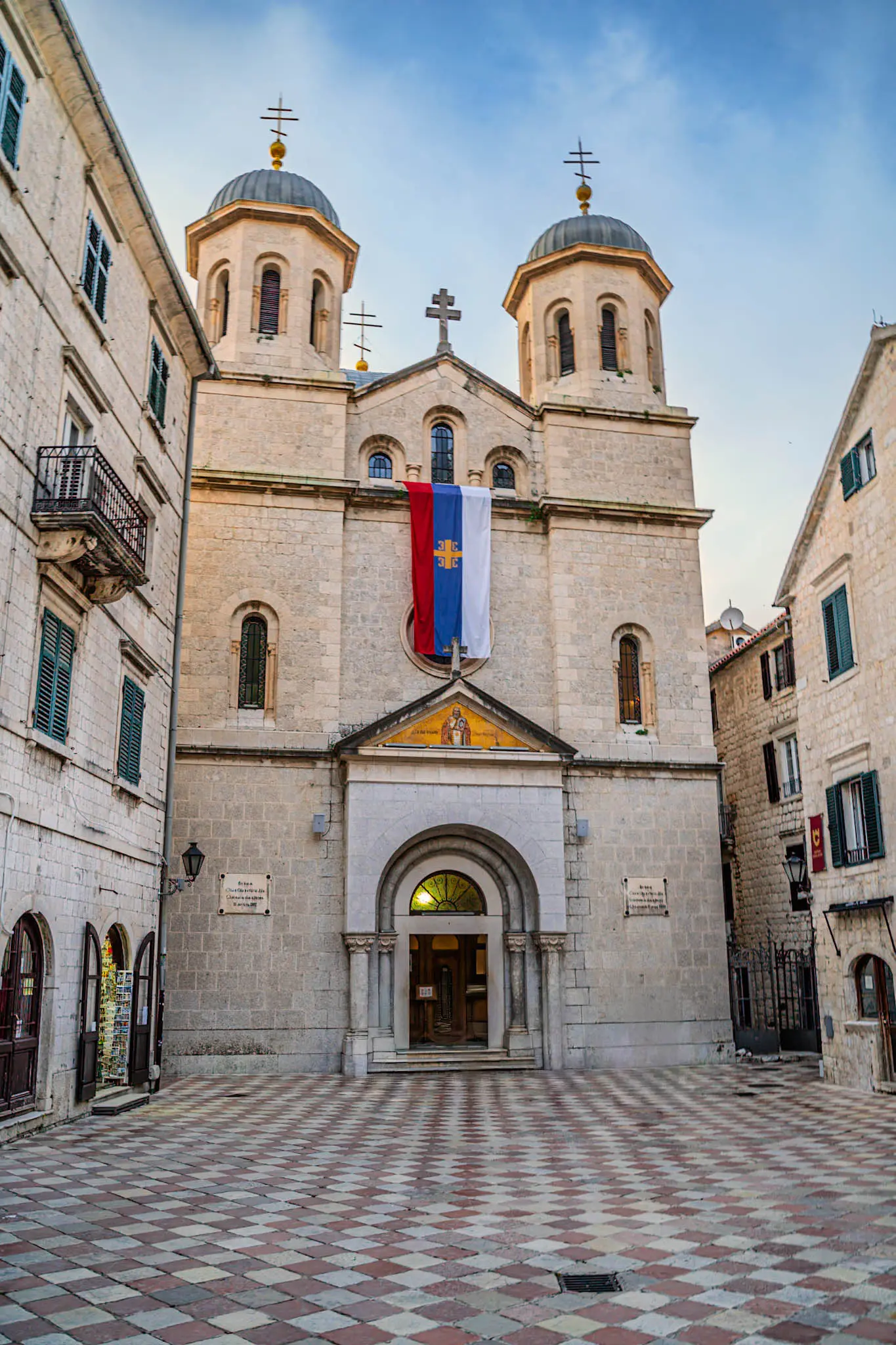
kotor.travelOld Town: 24-hour access. San Giovanni Fortress and walls: ticket offices at two entrances (at the North Gate behind the Church of St. Mary and at Škaljarska Square); official opening hours are not published, in summer they operate longer – check on site. St. Tryphon Cathedral: check opening hours on site (not open for viewing during Mass and services). Maritime Museum: weekdays 09:00–18:00 in summer and 09:00–15:00 in winter, Saturdays and holidays 09:00–13:00.
San Giovanni Fortress and city walls: about 15 EUR per person (2026). St. Tryphon Cathedral: entrance fee is paid at the entrance (check the price on site). Maritime Museum: €6 adults, €2 students and children. Kotor City Pass S (€19, valid for one month) includes the Maritime Museum, St. Tryphon Cathedral, Boka Aquarium and the churches of St. Nicholas and St. Luke. Entrance to the Old Town is free.
Paid parking is available by the port (Kotorska luka parking), immediately next to the Old Town. It is recommended to arrive early in the morning to find a spot, especially in summer.
The Old Town has cobblestone streets and staircases that can be a challenge for wheelchairs and passengers with reduced mobility. Fortress San Đovani is not accessible to persons with mobility difficulties. The flatter parts of the Old Town and the main squares are partially accessible.
FAQ
Around here