What the weather is like in January
According to our climate data, Kotor averages 12 °C by day and 6 °C at night in January, Ulcinj 11 and 5 °C, with rain on about 14 days of the month. Podgorica has 10 °C by day and 3 °C at night. The north is in full winter: Žabljak averages 0 °C by day and −7 °C at night, with about 17 days of rain or, mostly, snow, and Kolašin 4 and −5 °C.
Days are short: on 1 January the sun sets at 16:24 in Kotor, and the mountains around the bay hide it even earlier.
| Month | Air (day / night) | Sea | Rainy days |
|---|---|---|---|
| JanJanuary | 12°6° | 14° | 14 |
| FebFebruary | 13°7° | 13° | 9 |
| DecDecember | 14°8° | 15° | 14 |
| Month | Air (day / night) | Rainy days |
|---|---|---|
| JanJanuary | 10°3° | 13 |
| FebFebruary | 13°3° | 10 |
| DecDecember | 12°5° | 13 |
| Month | Air (day / night) | Rainy days |
|---|---|---|
| JanJanuary | 0°-7° | 17 |
| FebFebruary | 2°-5° | 12 |
| DecDecember | 2°-4° | 16 |
Can you swim in the sea?
No, unless you are a winter swimmer. The sea is about 14 °C. Beaches are empty, and sunbeds and beach bars are closed. The only January swim that draws a crowd is a religious one: at Epiphany men swim for the Holy Cross, for example at Sastavci, where the Ribnica meets the Morača in Podgorica.
What is open and what is closed
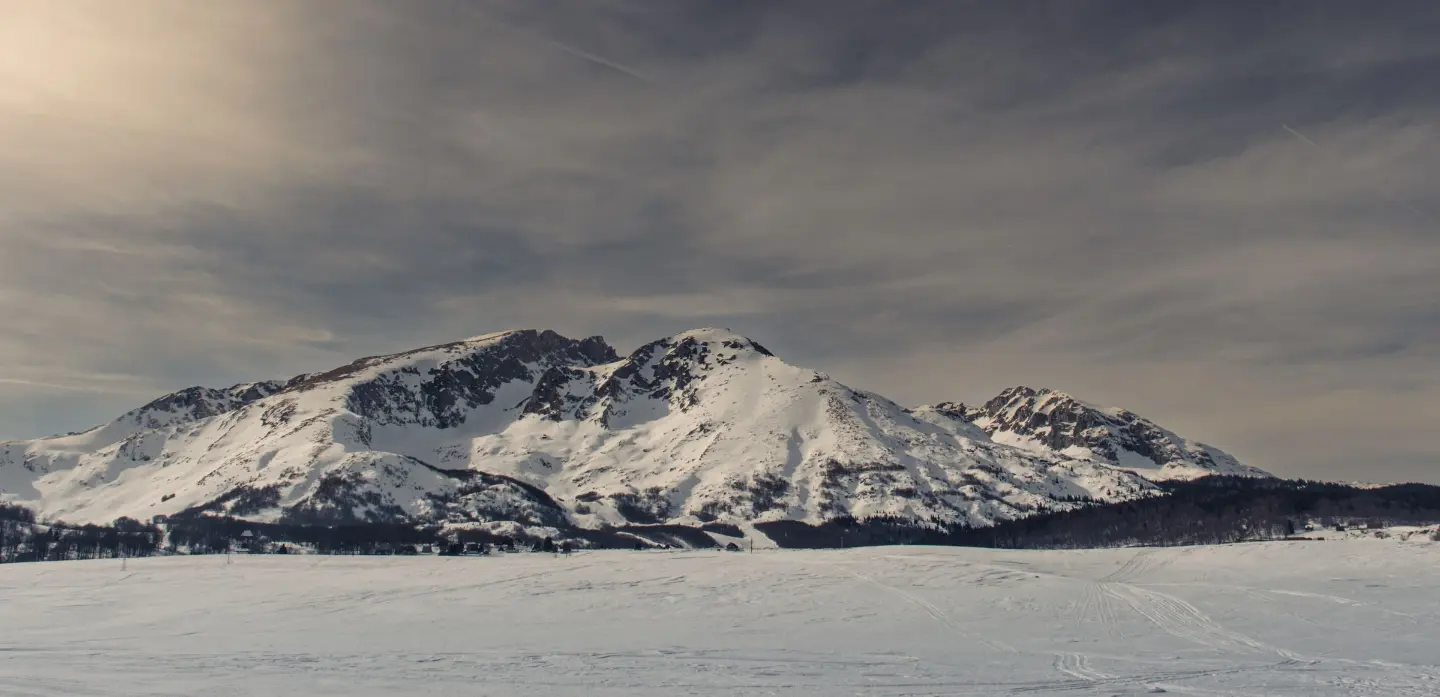
- Ski resorts run when there is snow. Kolašin 1600, Kolašin 1450 and Savin Kuk have no snowmaking, so the season depends on the winter: in 2023/24 Kolašin 1600 and Savin Kuk did not open at all, and in 2026 Savin Kuk started only on 12 January.
- National parks are open. Snowshoes can be hired in Durmitor, Biogradska gora and Lovćen (€4 a day).
- Closed: the Njegoš Mausoleum on Lovćen (16 November to 14 April), Lipa Cave (open April to November) and the Kotor–Lovćen cable car, which has opened in late April or on 1 May in recent years. Cetinje's museums open on weekdays from 9:00 to 15:00 in winter.
- On the coast seasonal hotels, beach bars and some restaurants close, but the old towns, cafés and year-round hotels stay open. The Kamenari–Lepetane ferry runs all year.
- Flights are fewer: in winter 2025/26 Podgorica had flights to 17 destinations, Tivat only four routes.
Things to do in January
Skiing. The ski season peaks from New Year to the end of January. An adult day pass in 2025/26 cost €25 at Kolašin 1600, €15 at Kolašin 1450 and €16 at Savin Kuk. Kolašin is reached from Podgorica by motorway or by train, which in the 2026 timetable runs five times a day and takes about an hour and twenty minutes.
Snow without skis. The Black Lake below Međed is frozen for about 70 days a year, and you can walk or snowshoe there from Žabljak.
Birds on Skadar Lake. Winter brings migrant and wintering birds, and the Dalmatian pelicans start nesting in early December: in January 2025 the national park counted 49 pelicans preparing nests. Keep your distance from the nesting islands.
Towns without crowds. In January 2026 Kotor had about 6% of its August hotel guests, so the Old Town, the walls and the museums are quiet. In Njeguši it is ham season: under the protected-origin rules, the meat for Njeguški pršut is only taken in between 15 November and 15 February.
Events and holidays
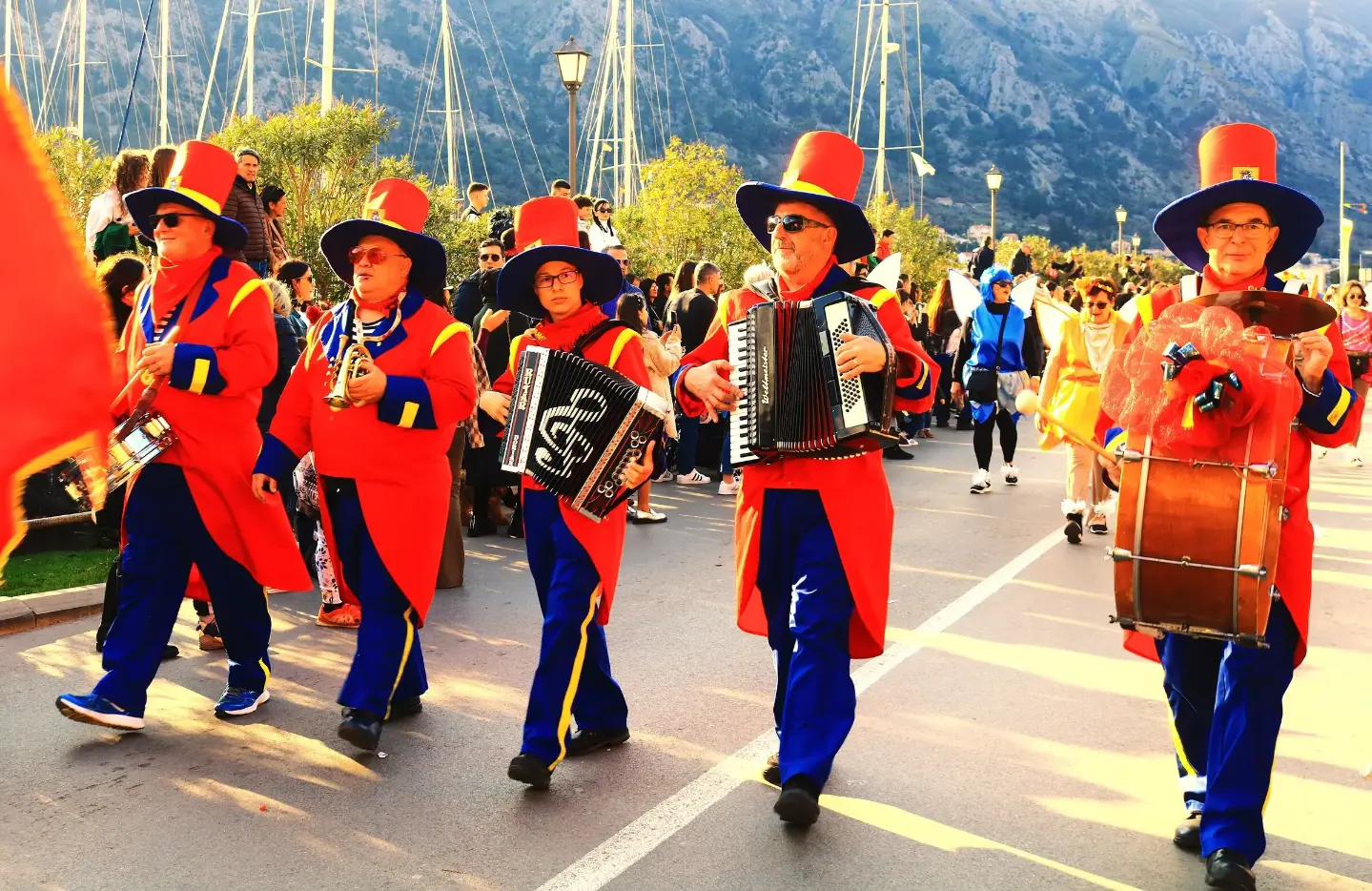
Orthodox Christmas is on 7 January, and on Christmas Eve, 6 January, the badnjak, a young oak branch, is burned and blessed in front of churches. Orthodox New Year is seen in on the night of 13 January, and on 19 January, Epiphany, men swim for the Holy Cross. The New Year markets run into the first days of the month: Podgorica's market on Independence Square until 8 January and the Tuzi Winter Bazaar until 5 January. In 2025/26 Kotor Winter Fest ran until 31 January, and the St Tryphon festivities begin on 13 January and continue into early February.
Crowds and prices
January is the quietest month of the year: in January 2026 hotels counted 87% fewer guests than in August 2025. The exception is Kolašin, whose hotels had more guests in January 2026 than in August. On the coast there is less choice because some places close, but rooms are easy to find; in the ski towns, book ahead, especially for holidays and weekends.
Don't miss
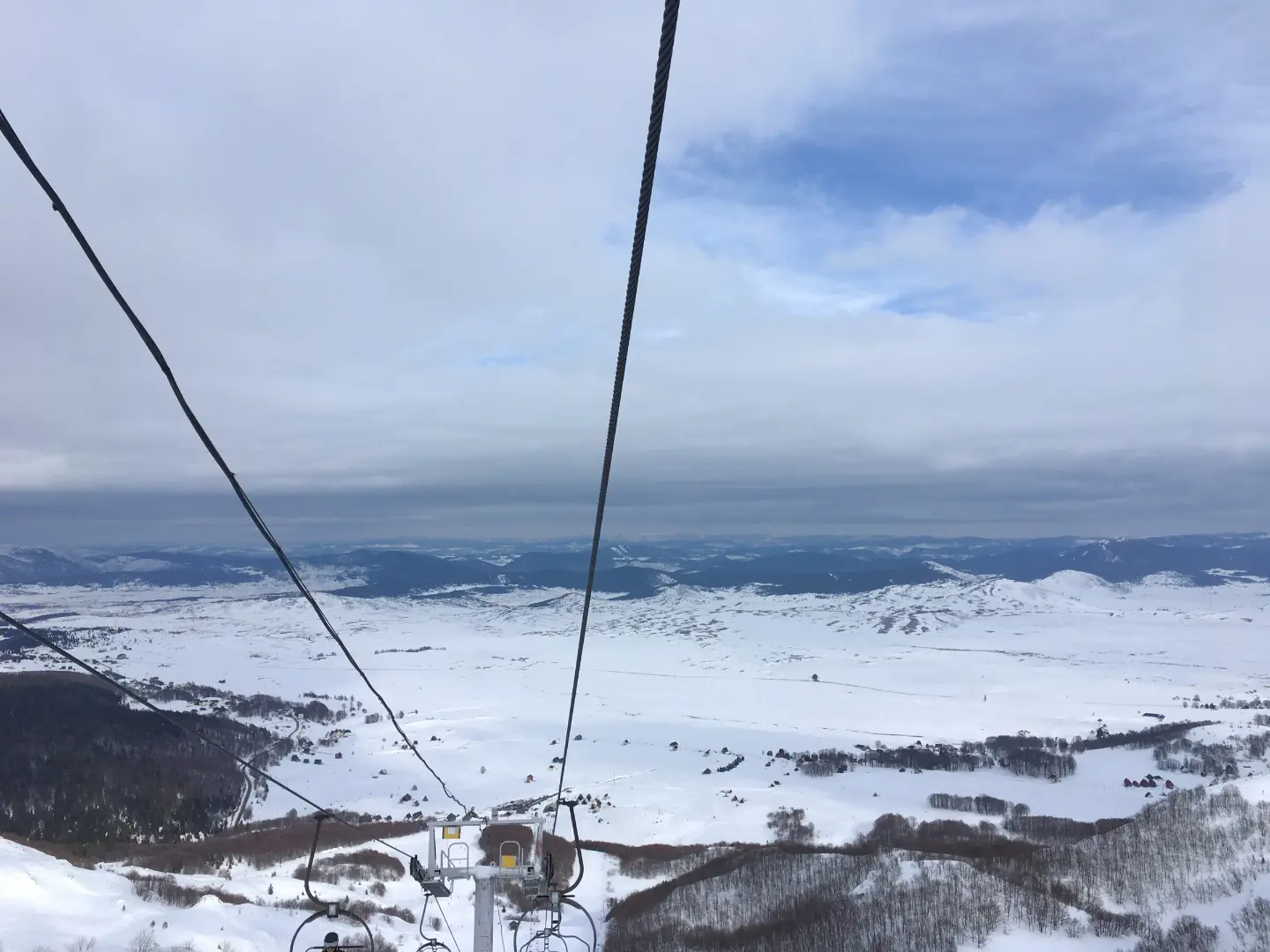
Skiing on Bjelasica and Durmitor
Kolašin 1600, Kolašin 1450 and Savin Kuk. The season peaks from New Year to the end of January, snow permitting.
View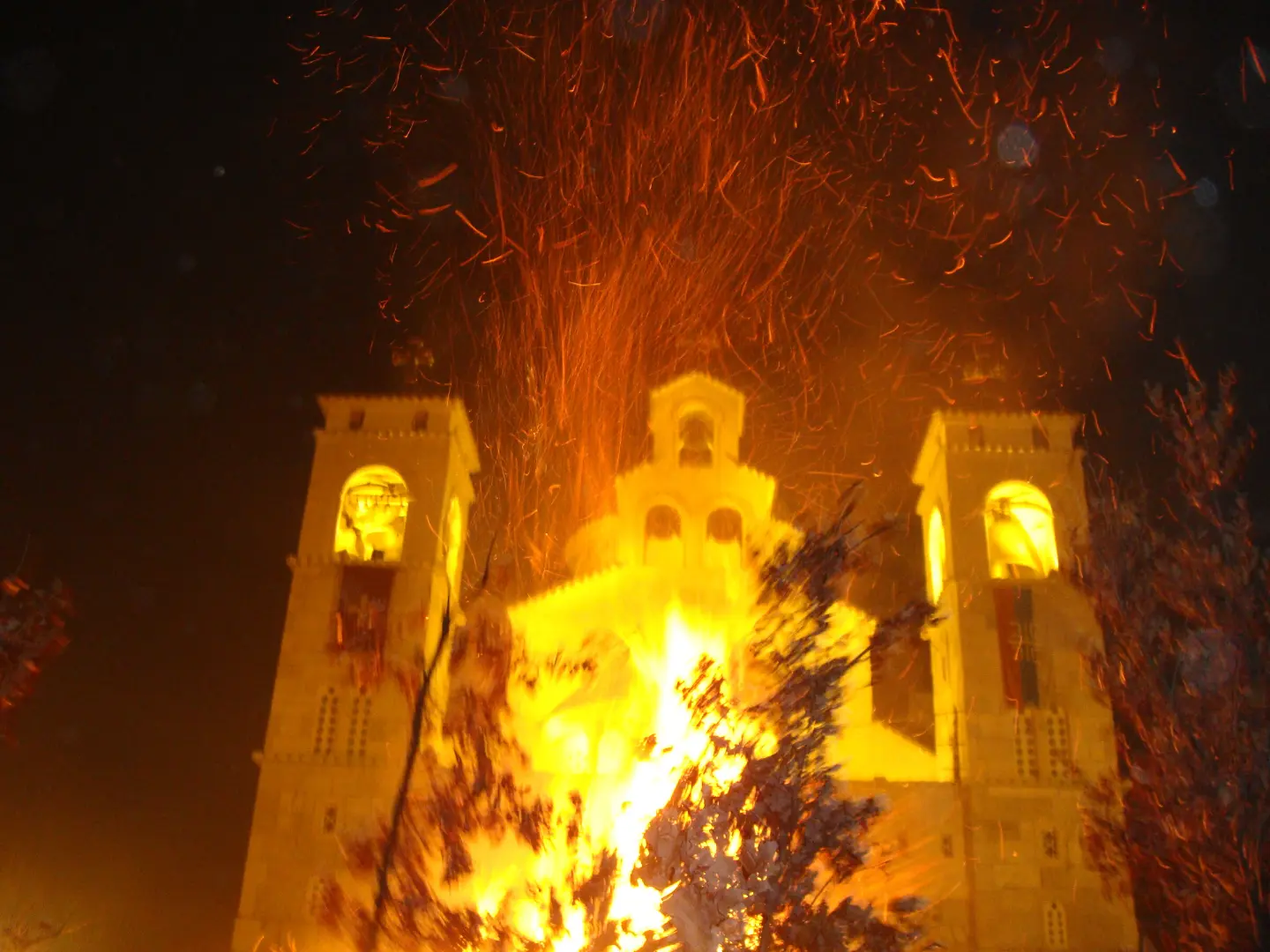
Orthodox Christmas
The badnjak outside the churches on 6 January and Christmas Day on 7 January, celebrated across the country.
View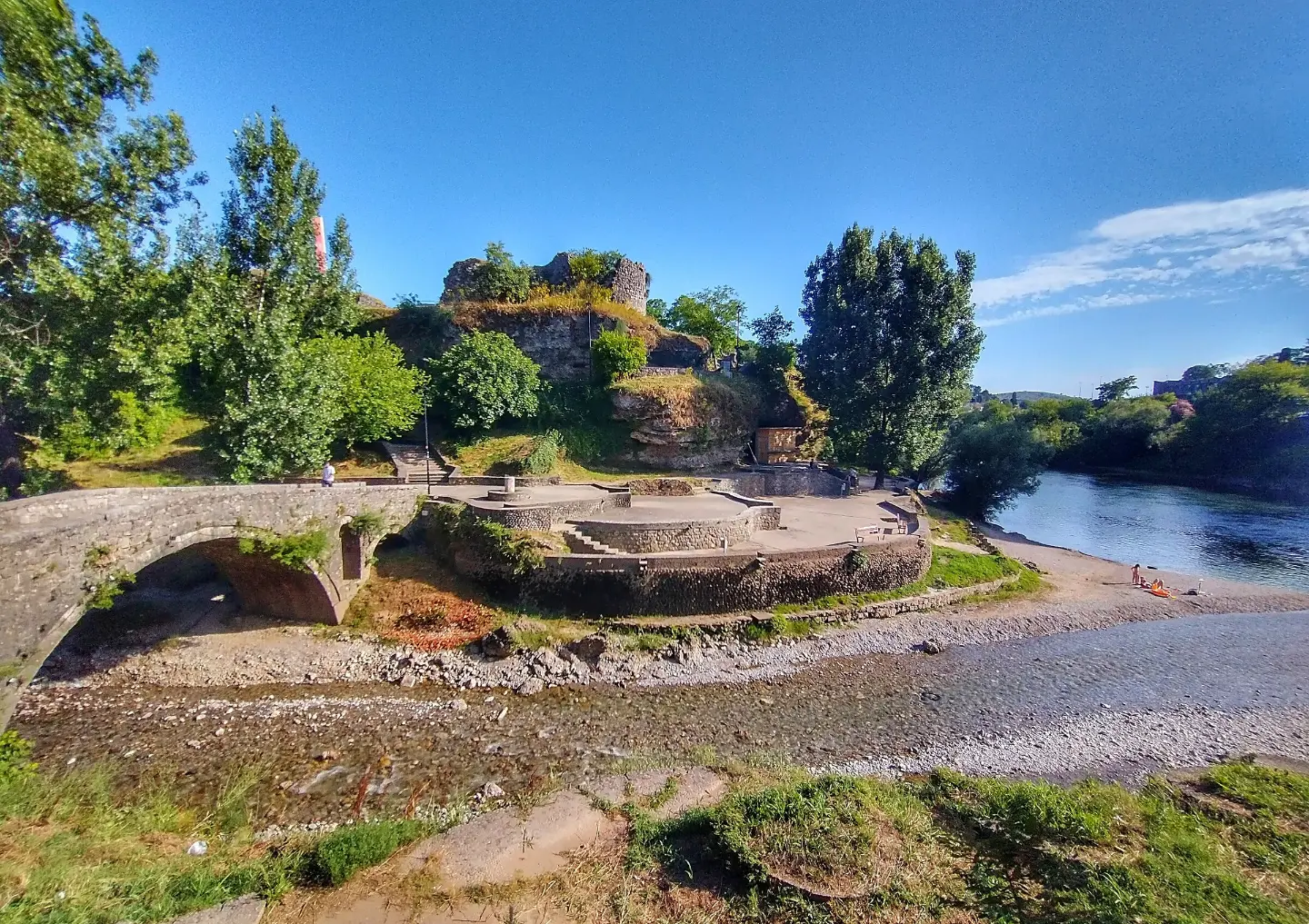
The Epiphany swim for the Holy Cross
On 19 January young men swim for the cross at Sastavci, where the Ribnica meets the Morača in Podgorica.
View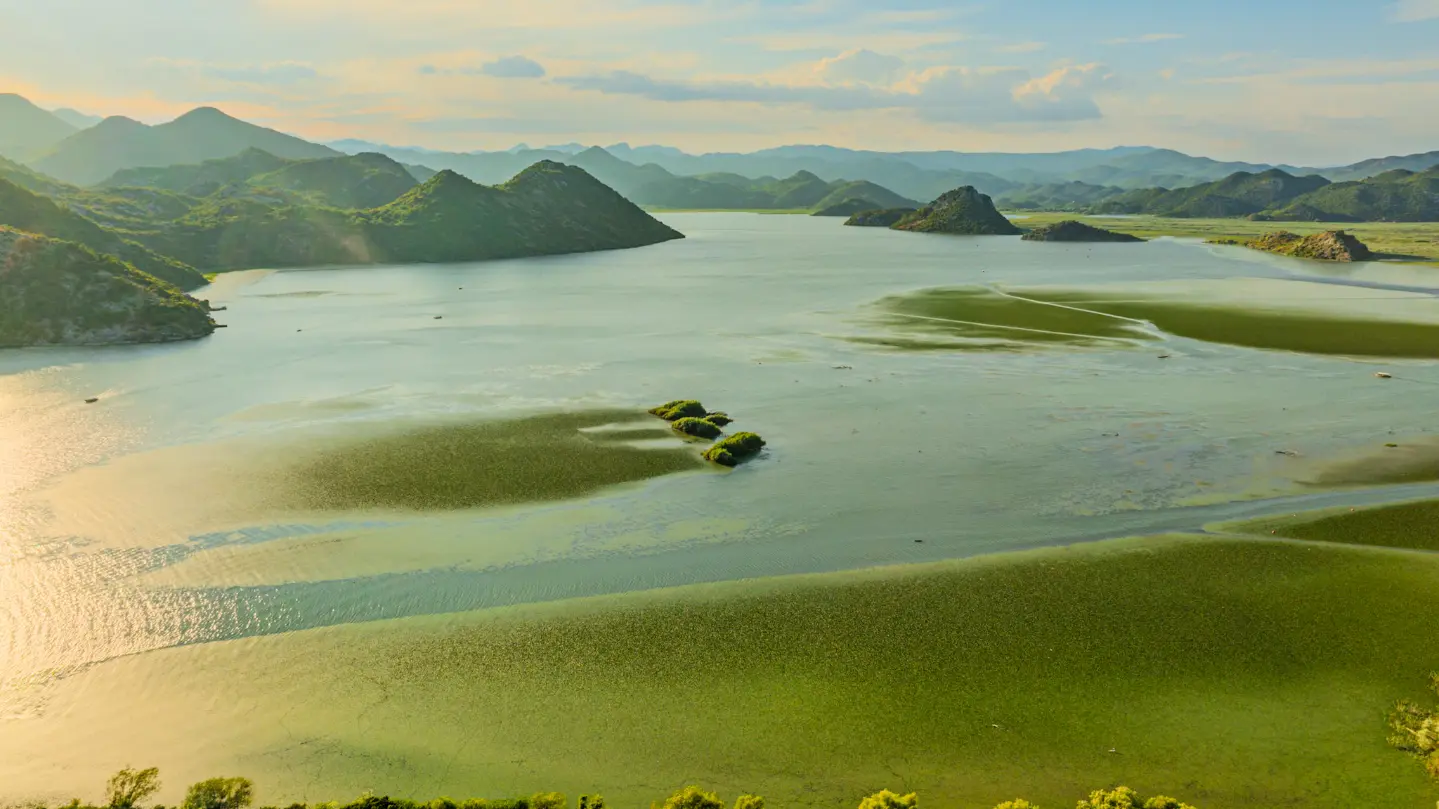
Pelicans on Skadar Lake
Dalmatian pelicans nest from early December, and thousands of wintering birds gather on the lake.
View
Where to go
Kolašin
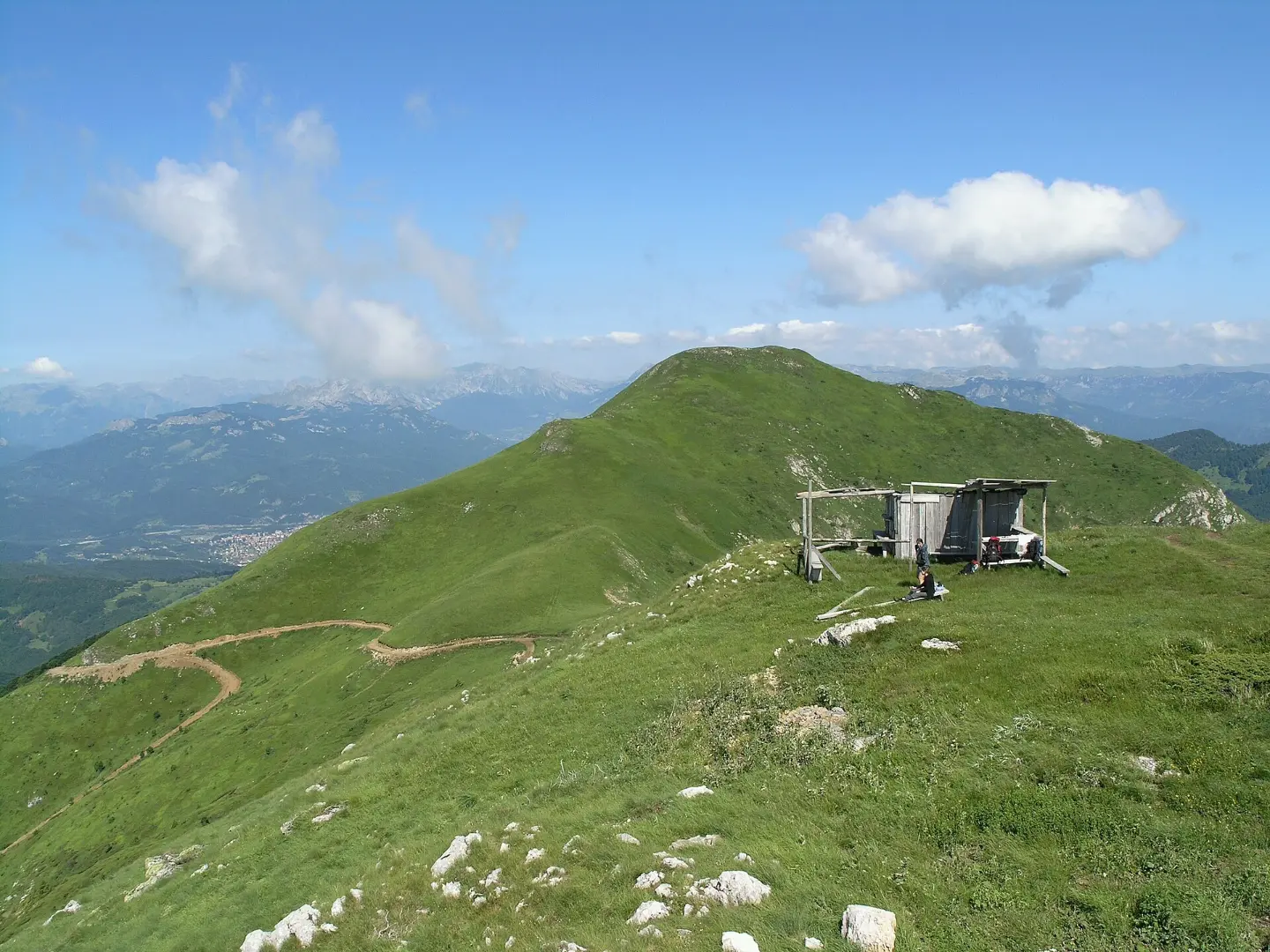
The main ski town, 12 km below Kolašin 1600. Reached from Podgorica by motorway or on the Bar–Belgrade railway.
View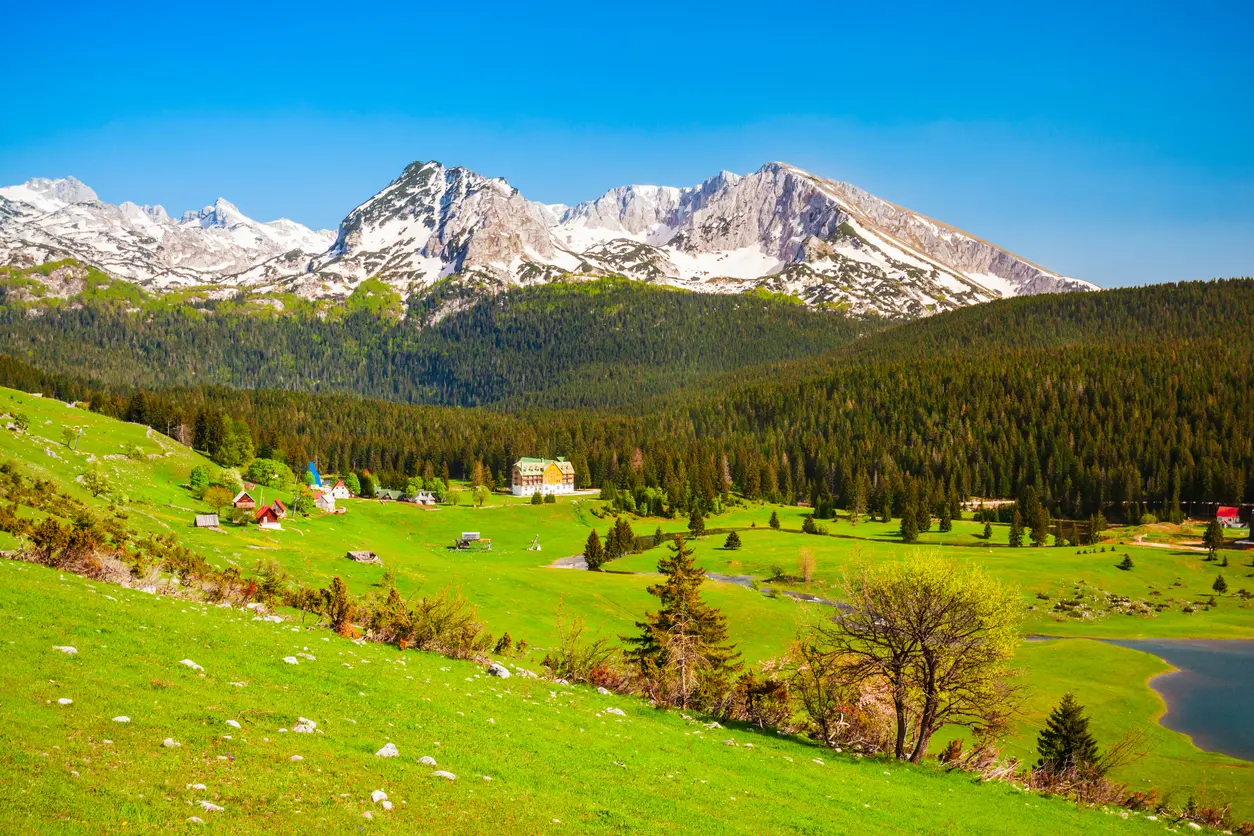
Žabljak
The highest town in the Balkans, at 1,456 m. Savin Kuk is about 3 km from the centre, and the Black Lake freezes in winter.
View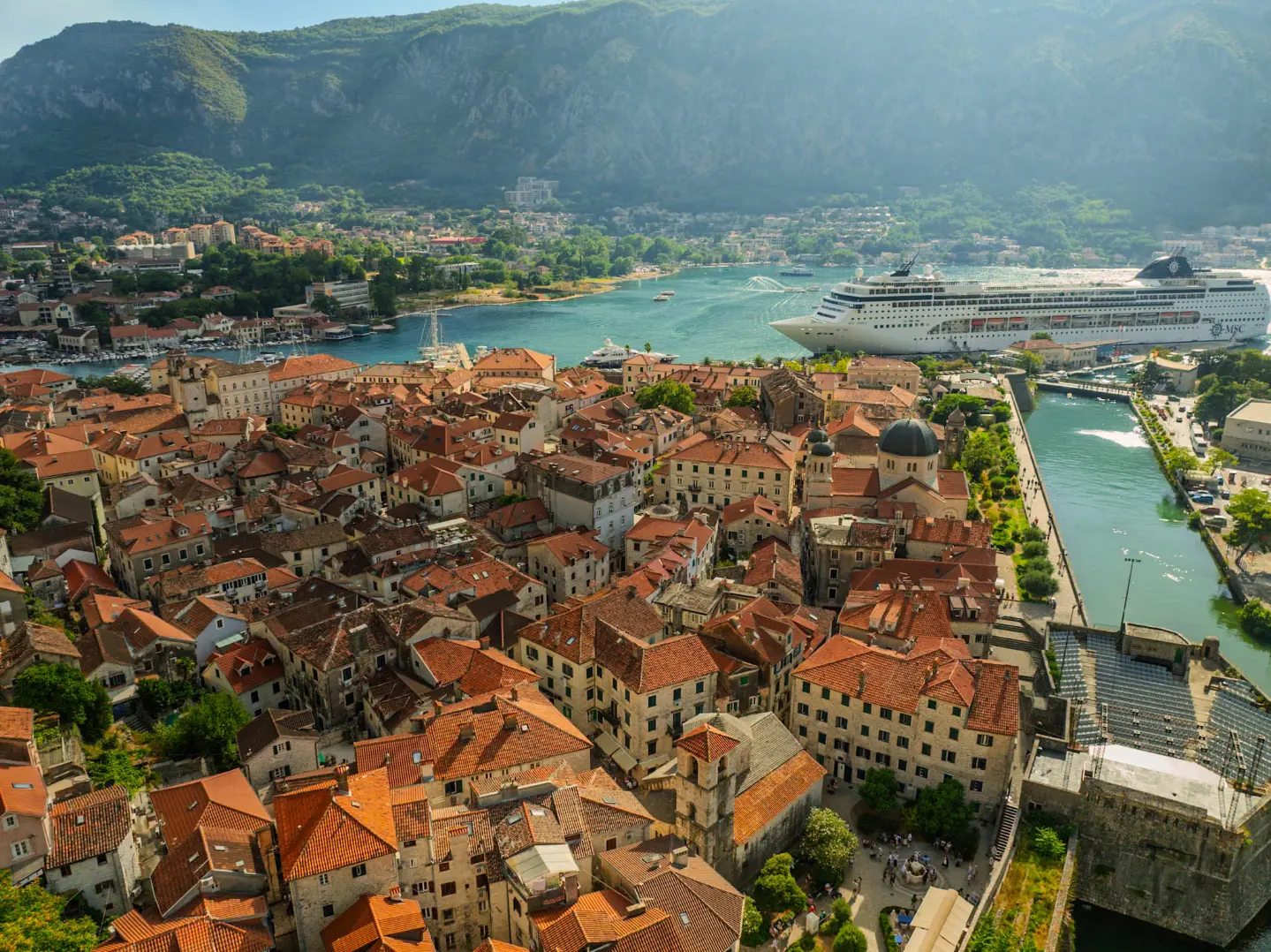
Kotor
The Old Town without crowds, the winter festival and the run-up to St Tryphon's feast. Bring an umbrella.
View
Cetinje
Museums open on weekdays until 15:00, and Njeguši with its smoked ham is half an hour away.
View
What to pack
A waterproof jacket and umbrella for the coast
A warm coat, hat and gloves for the north
Winter shoes with a good grip
Layers for both town and mountain
Sunglasses and sunscreen for the snow
Good to know
Good to know
The first week is festive: New Year and Orthodox Christmas fill the ski towns and the cities. From mid-January to the end of the month the north is at the height of the ski season and the coast at its quietest.
Heads-up
Winter tyres are compulsory from 15 November to 1 April, and on mountain roads they can be required whatever the weather. The road over the Sedlo pass on Durmitor is closed in winter. Check road conditions with AMSCG on 19807.
Did you know?
Kolašin was the only place in Montenegro whose hotels had more guests in January 2026 than in the previous August, thanks to the skiers on Bjelasica.