Bay of Kotor
Kotor
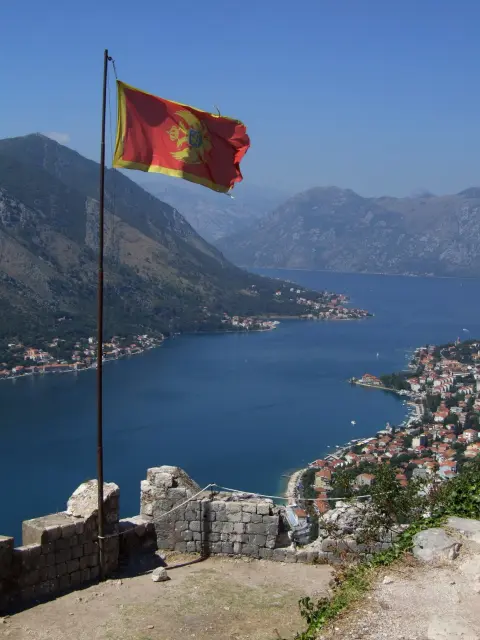
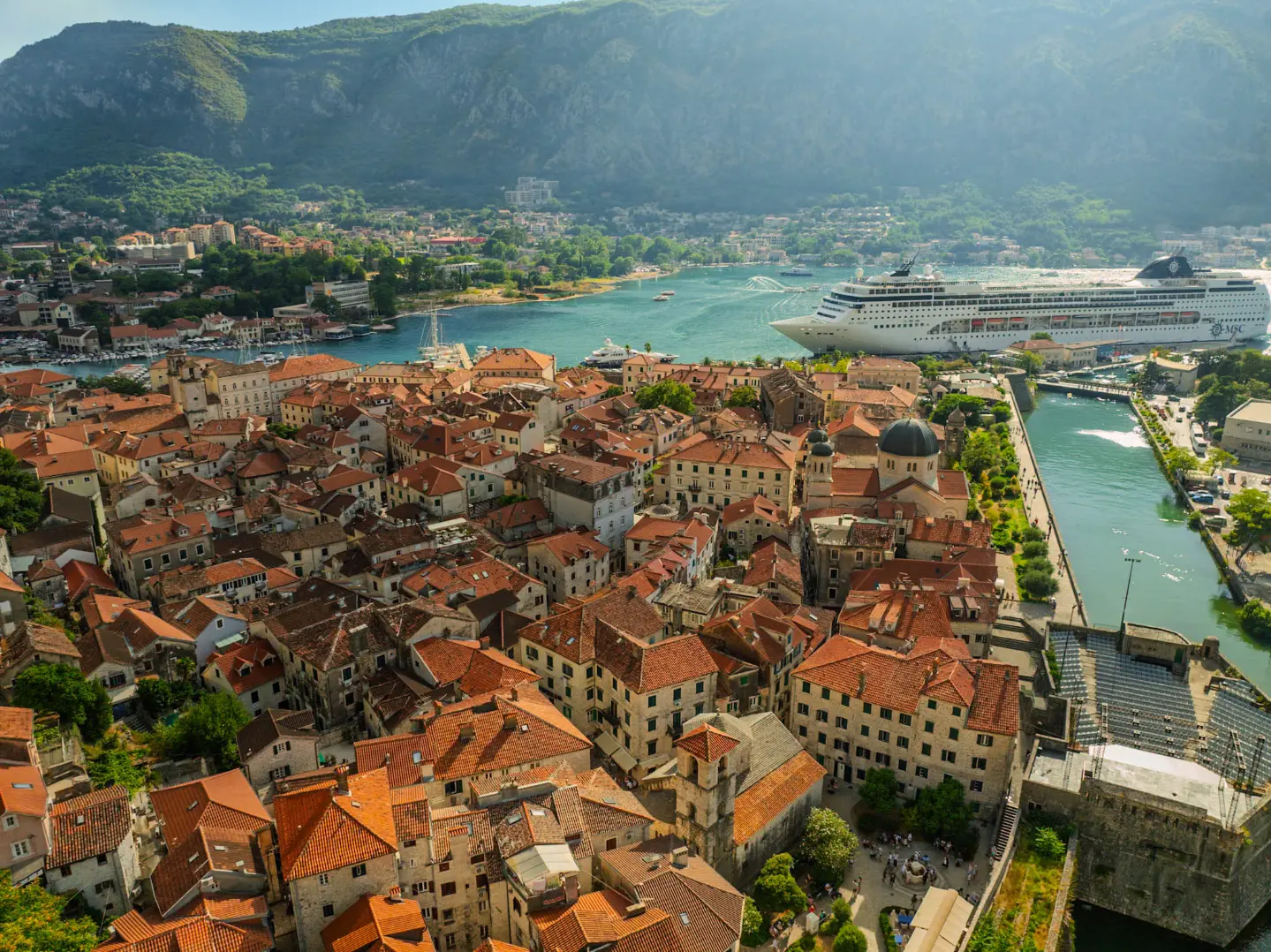
Old town under UNESCO protection and places along the bay, like Dobrota and Prčanj.
Read moreListings on DreamEstate
Who can buy, taxes and costs, notary and cadastre, residence based on property and where to look
Foreigners in Montenegro can buy an apartment, house or business premises, but not agricultural land, forests and properties along the land border and on islands. The contract is valid only as a notarial deed, and ownership is acquired by registration in the cadastre. The buyer pays a transfer tax of 3% to 6%, depending on the price, or VAT when buying a new property from an investor.
Did You Know?
A property purchase contract in Montenegro that is not drawn up as a notarial deed before a notary has no legal effect.
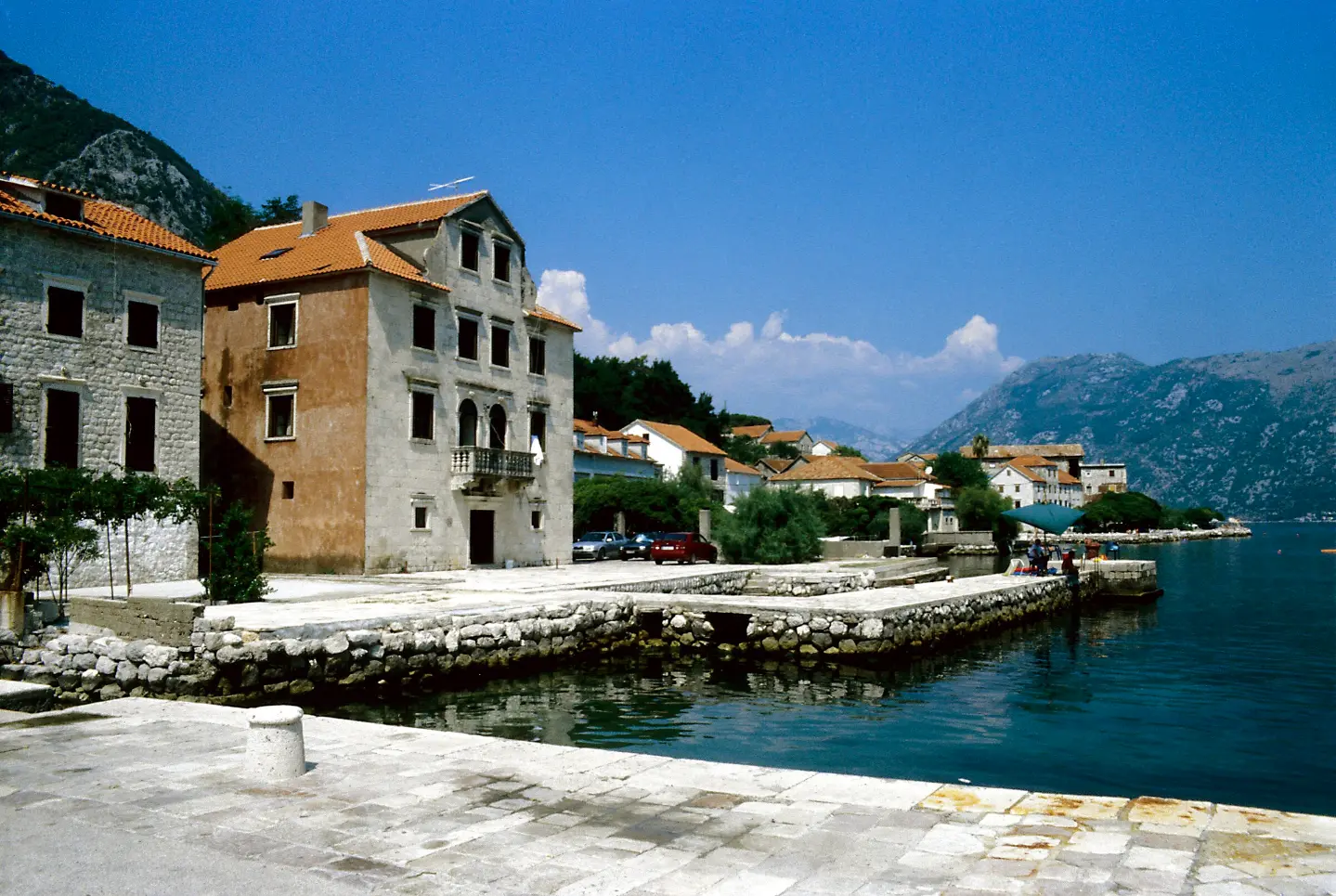
Bay of Kotor
Old town under UNESCO protection and places along the bay, like Dobrota and Prčanj.
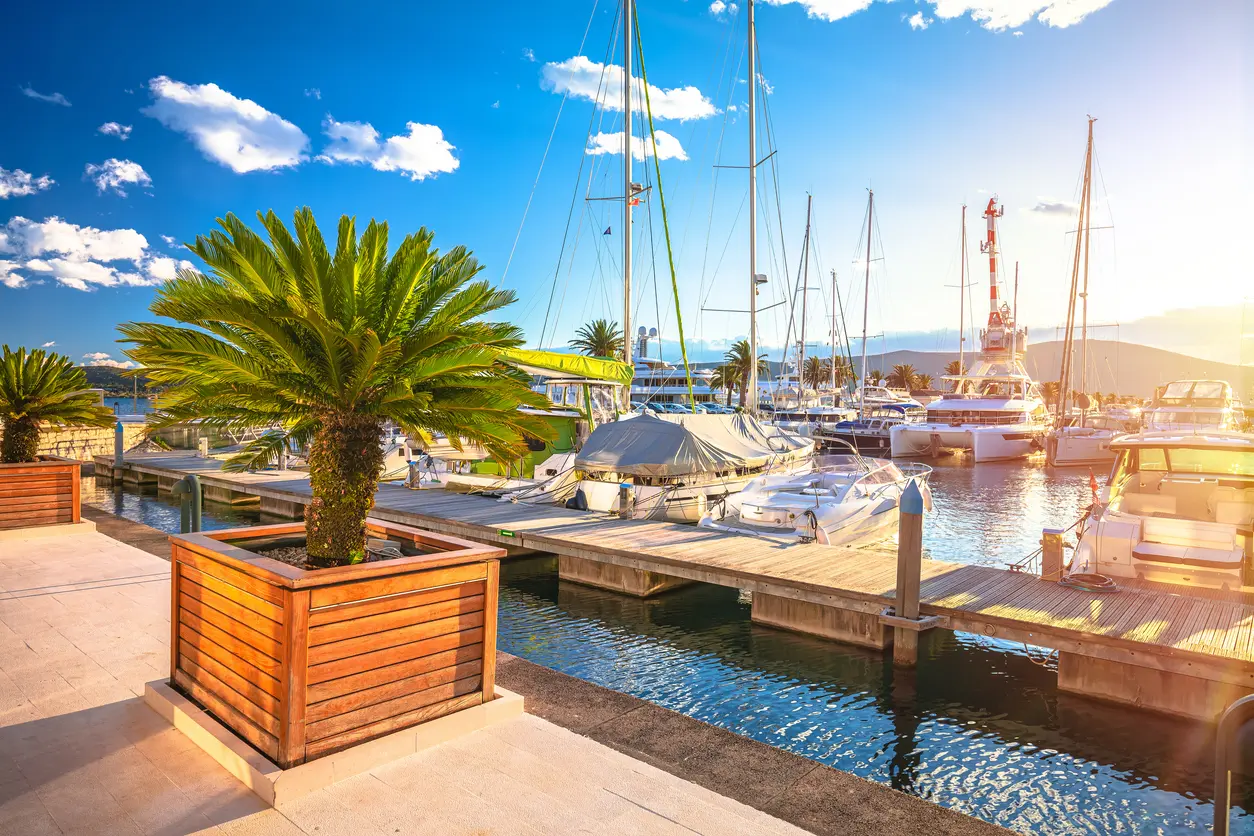
Bay of Kotor
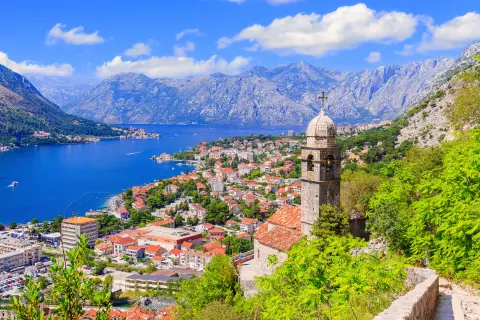
Porto Montenegro marina, Tivat Airport and settlements along the bay.
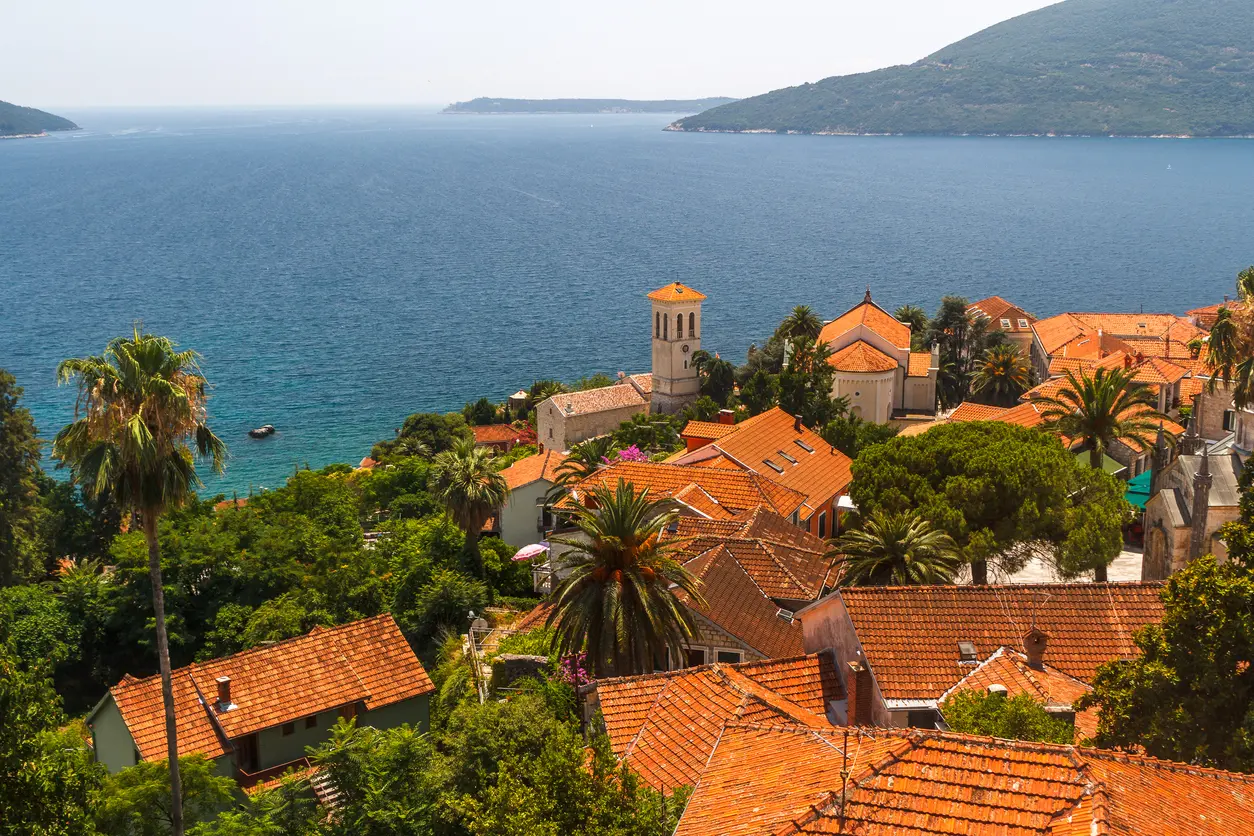
Bay of Kotor
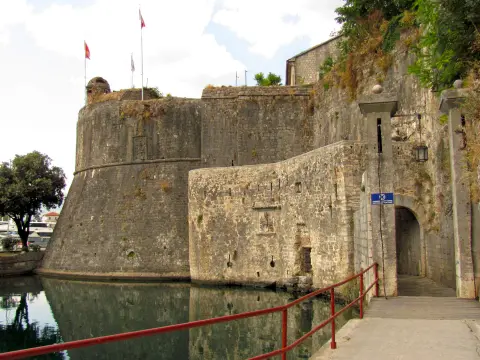
Town at the entrance to the Bay of Kotor, closest to Dubrovnik.
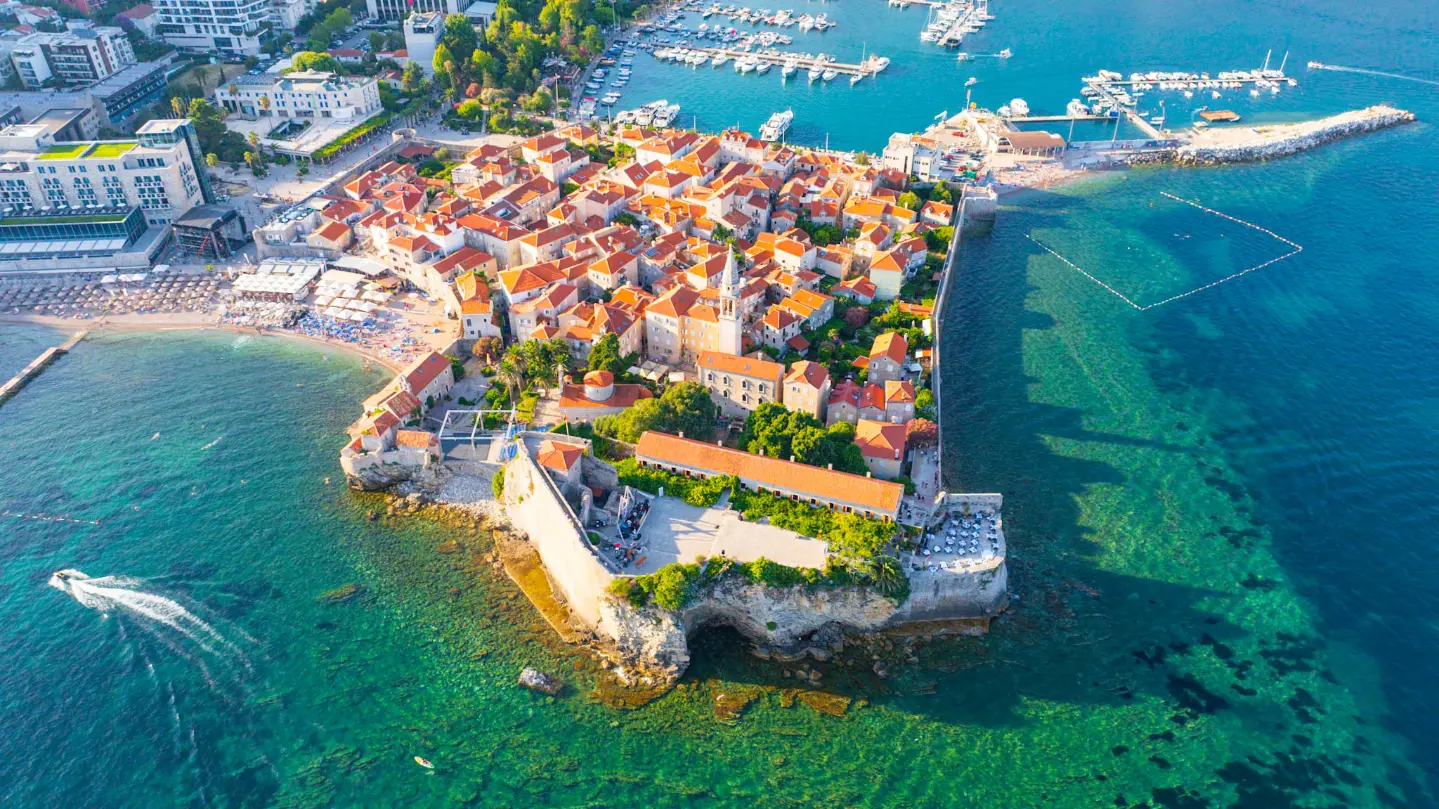
Budva Riviera
Tourist centre of the coast: Old Town, Bečići, Rafailovići and Petrovac.

Bar Riviera
Port, station on the Belgrade–Bar railway and settlements Sutomore and Dobra Voda.
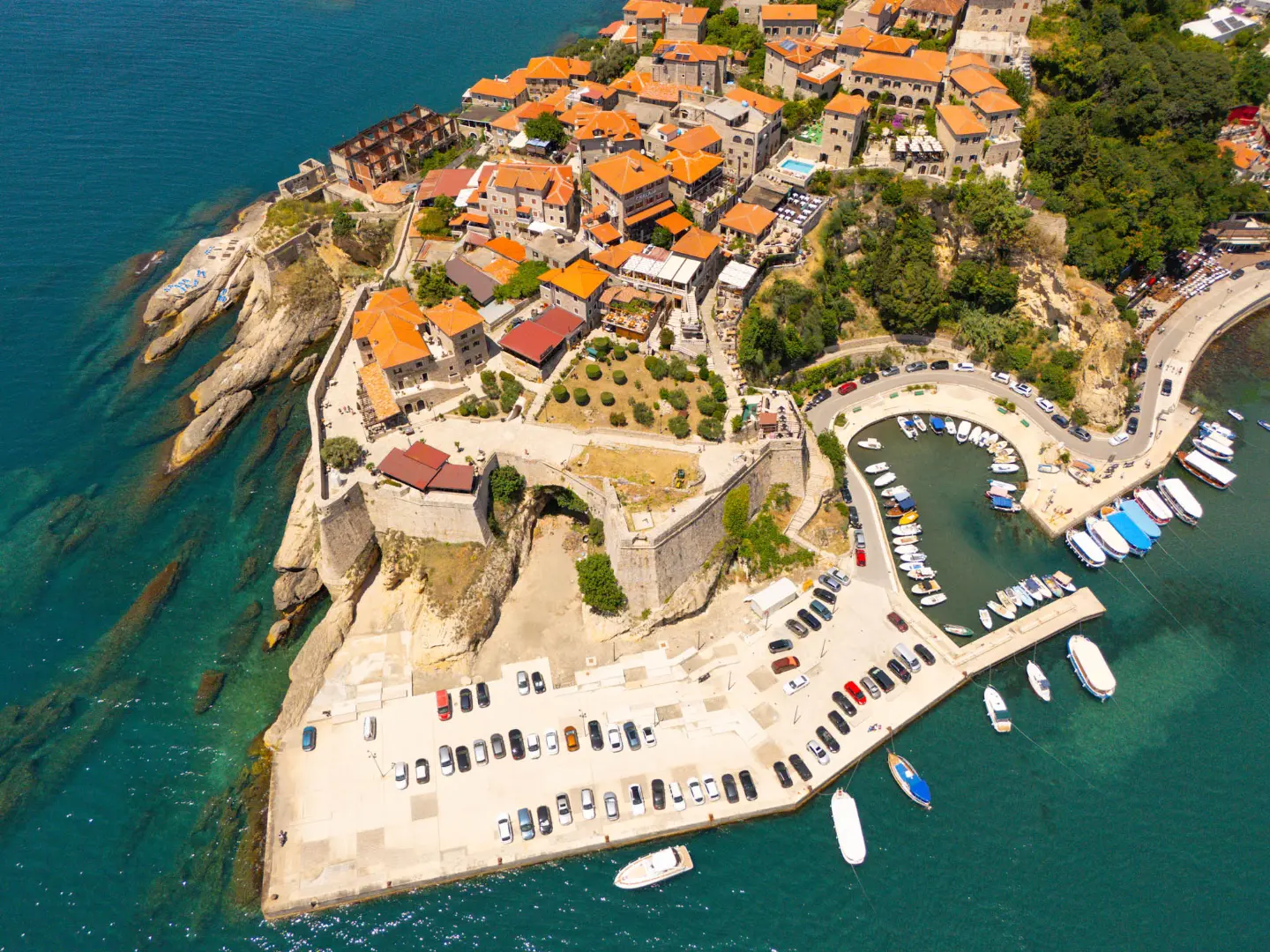
Southern Coast
The southernmost town on the coast, with Velika plaža and Ada Bojana.
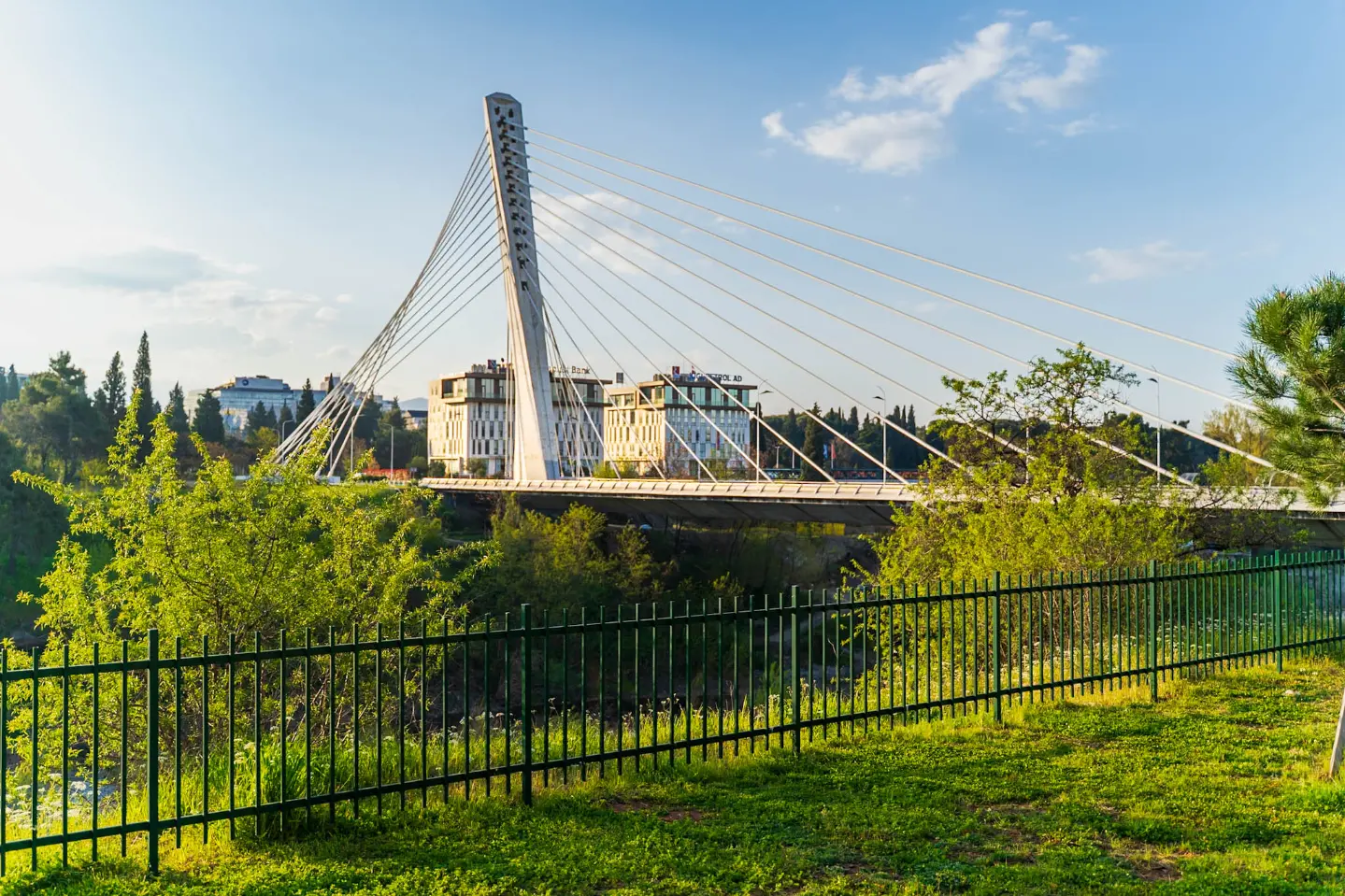
Capital City
Capital city with an airport: apartments for year-round living and business premises.
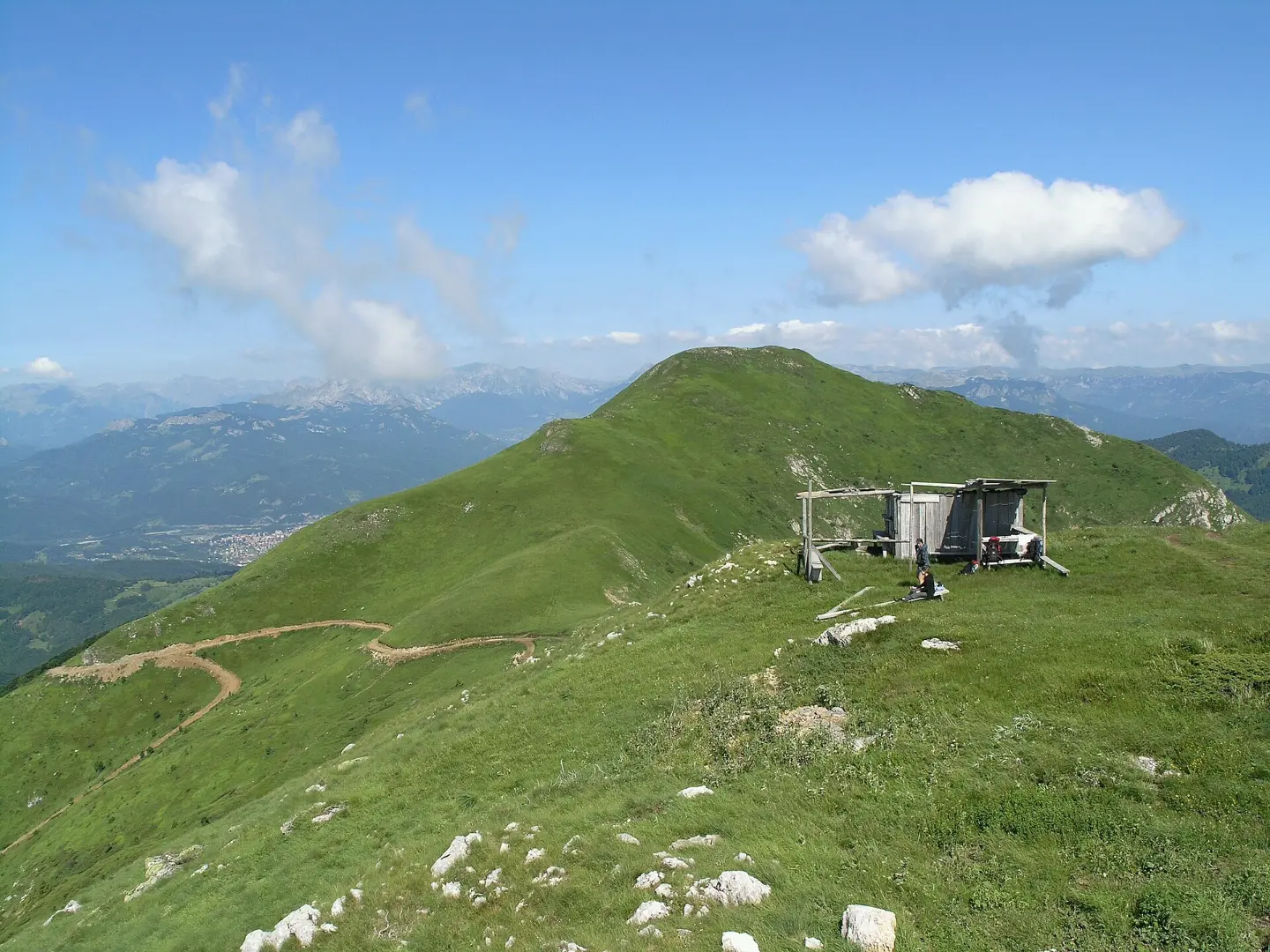
North
Mountain town by Bjelasica and ski centres Kolašin 1450 and Kolašin 1600.
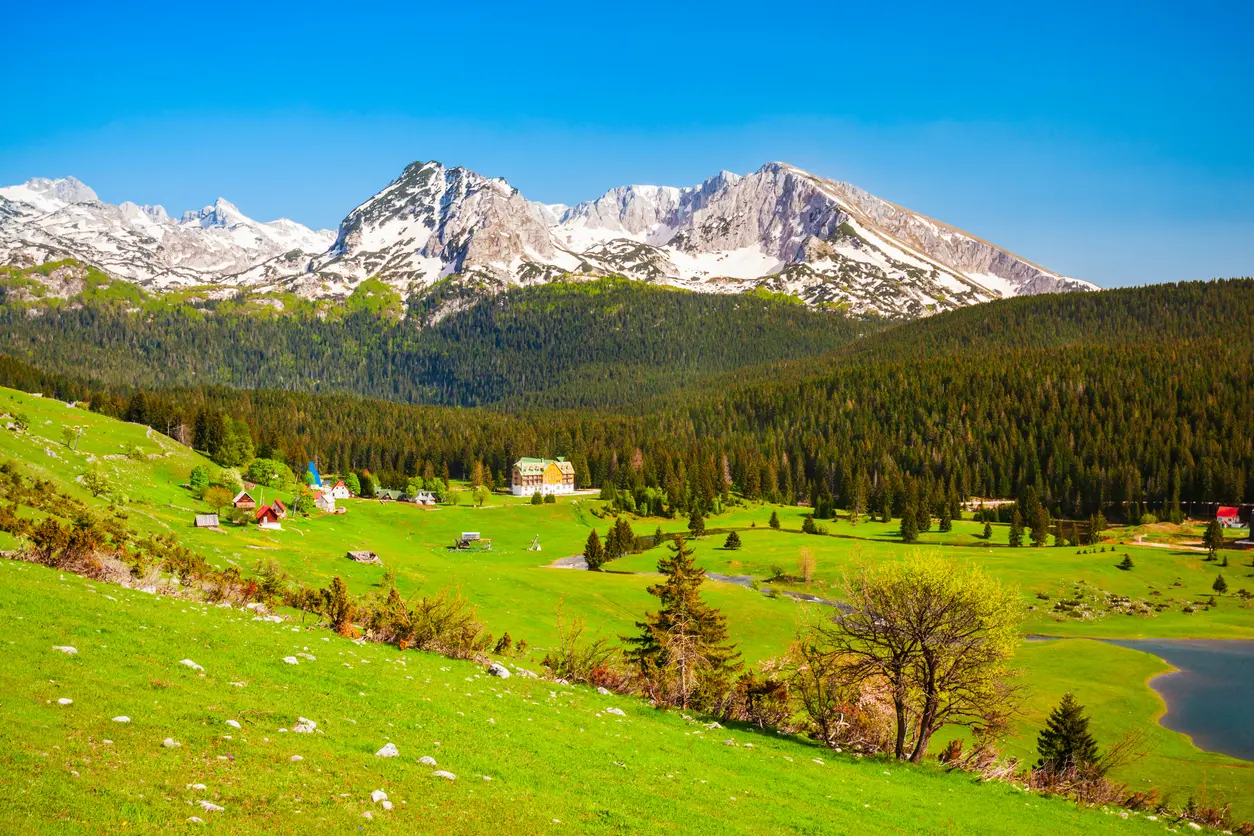
North
Town on Durmitor, near the Savin kuk ski centre and Black Lake.
DreamEstate brings together listings from agencies and owners for apartments, houses, business premises and land, for sale and for rent. Its Market page shows average prices per square metre by town, and you can also search by describing what you want in your own words, with an AI assistant.
DreamEstate is a partner of Travel to Montenegro. Listings are posted by agencies and owners; always check the legal status of a property in the land registry and with a notary.
New listings for sale
This guide is general information according to the regulations valid in October 2026 and is not legal advice. Before purchasing, consult a notary or lawyer.
Step 1
Property check
Excerpt from the cadastre (property list), permits and type of land.
Step 2
Pre-contract
It is not mandatory, but it is also drawn up with a notary as a notarial deed.
Step 3
Payment
For amounts of €10,000 and above, the money must go through a bank account in Montenegro at least for one party. The notary can keep the money in a special account (notarial deposit).
Step 4
Contract before a notary
The purchase agreement must be a notarial deed, otherwise it has no legal effect. If you do not speak Montenegrin, arrange a court interpreter in advance. A proxy can sign on your behalf.
Step 5
Transfer tax
The notary sends the contract to the municipal tax authority, and the buyer submits a tax return and pays the tax within 15 days from the conclusion of the contract.
Step 6
Registration in cadastre and tax return
Ownership is acquired only upon registration. The request can be submitted by the notary (electronically as of July 2026) or by the buyer, and the Administration decides within 30 days at the latest by law. Within 30 days from the purchase, report the property to the municipality for annual tax.
The real estate transfer tax is paid by the buyer, at a progressive rate from 1 January 2024. For an apartment of €200,000 the tax is €7,000. When you buy a new property from an investor who is in the VAT system, transfer tax is not paid, but VAT, which is included in the price.
Up to €150,000
3%
Transfer tax.
€150,000 – €500,000
5%
€4,500 and 5% on the part of the price above €150,000.
Above €500,000
6%
€22,000 and 6% on the part above €500,000.
Notary fee
up to €8,000
According to the tariff from April 2026: for example €480 for a property from €80,000 to €119,999, and for a property of €200,000 €558, with VAT.
Annual tax
0.25–1.5%
Determined by the municipality: from 0.25% to 1% of the market value, and for an apartment or house that is not your residence, for example for vacation, from 0.3% to 1.5%. The decision arrives by 30 April, it is paid in two instalments, by 30 June and by 31 October.
Ask for a fresh cadastre extract
Before paying a deposit, check the owner and the G list, where mortgages, leases and notes are recorded.
Ask for a use permit
For a house or apartment, ask for a use permit or a legalisation decision; for illegal structures, the annual tax is also higher.
Pay through a bank
Pay amounts of €10,000 or more through an account in a Montenegrin bank or notary deposit and keep proof of payment.
15-day deadline
Submit the transfer tax return and pay the tax within 15 days of the contract; the fine is from €100 to €1,000.
Get advice
The guide is not legal advice. For a specific purchase, ask a notary or lawyer, and for taxes the municipal tax authority.
Yes. Foreign natural and legal persons can buy an apartment, house, holiday home or business premises, and in terms of transfer tax, domestic and foreign buyers are equalised. Under the 2025 law amendment, citizens and companies from European Union member states will buy under the same conditions as domestic buyers, but only from the day Montenegro becomes an EU member. If you are considering buying land through a company registered in Montenegro, check that first with a lawyer.
Transfer tax is paid by the buyer: 3% up to €150,000, then €4,500 and 5% on the portion of the price above €150,000, and above €500,000 €22,000 and 6% on the portion above €500,000. The tax base is the agreed price; if it is lower than the market price, the municipality assesses the market value. The first-home exemption applies only to Montenegrin citizens with residence in Montenegro. For a new property from an investor in the VAT system, VAT included in the price is paid instead of transfer tax.
A property owner can obtain temporary residence for up to one year, with renewal. From 17 January 2026, the property must be worth at least €150,000 (proof is the transfer tax decision), and the foreigner must own at least half of it. Citizens of the EU, the European Economic Area and Switzerland are exempt from this threshold. This permit does not give the right to work. After five years of continuous temporary residence, permanent residence can be requested.
No. The economic citizenship programme was closed to new applications at the end of 2022.
Yes. The sale and purchase contract must be a notarial deed, otherwise it has no legal effect. The notary fee depends on the property value and amounts to a maximum of €8,000, plus VAT.
The rate is set by the municipality: from 0.25% to 1% of the market value, and for an apartment or holiday home from 0.3% to 1.5%. It is paid in two instalments, by 30 June and by 31 October.
No for amounts of €10,000 or more: cash payment of €10,000 or more is not allowed. For real estate, such payment must go through an account in a bank in Montenegro for at least one party, and the notary may not draw up a contract that circumvents this and requires proof of payment made before signing.
In the real estate list, the official extract from the cadastre issued by the Real Estate Administration (formerly the Cadastre and State Property Administration), at its regional unit in the municipality where the property is located. The list can be obtained by anyone, for any property. Check that the seller is registered as the owner, and in the G list whether there is a mortgage, easement, lease, note of dispute or other restrictions.
For a building, ask for a use permit or a legalisation decision. From 2025, the new Law on Legalisation of Illegal Structures is in force, and the Real Estate Administration has received more than 80,000 applications for registration of illegal structures. For a plot, also check the type of land, because whether a foreigner may buy it depends on that.
For a housing loan as a non-resident, ask banks in Montenegro directly, because conditions depend on the bank.
Renting to tourists requires registration of accommodation in the municipality, guest registration and collection of tourist tax. Rental income is taxed at a rate of 15%.
Capital gains tax of 15% is paid on the difference between the selling and purchase price, unless the property was your only place of residence.