The country and its towns
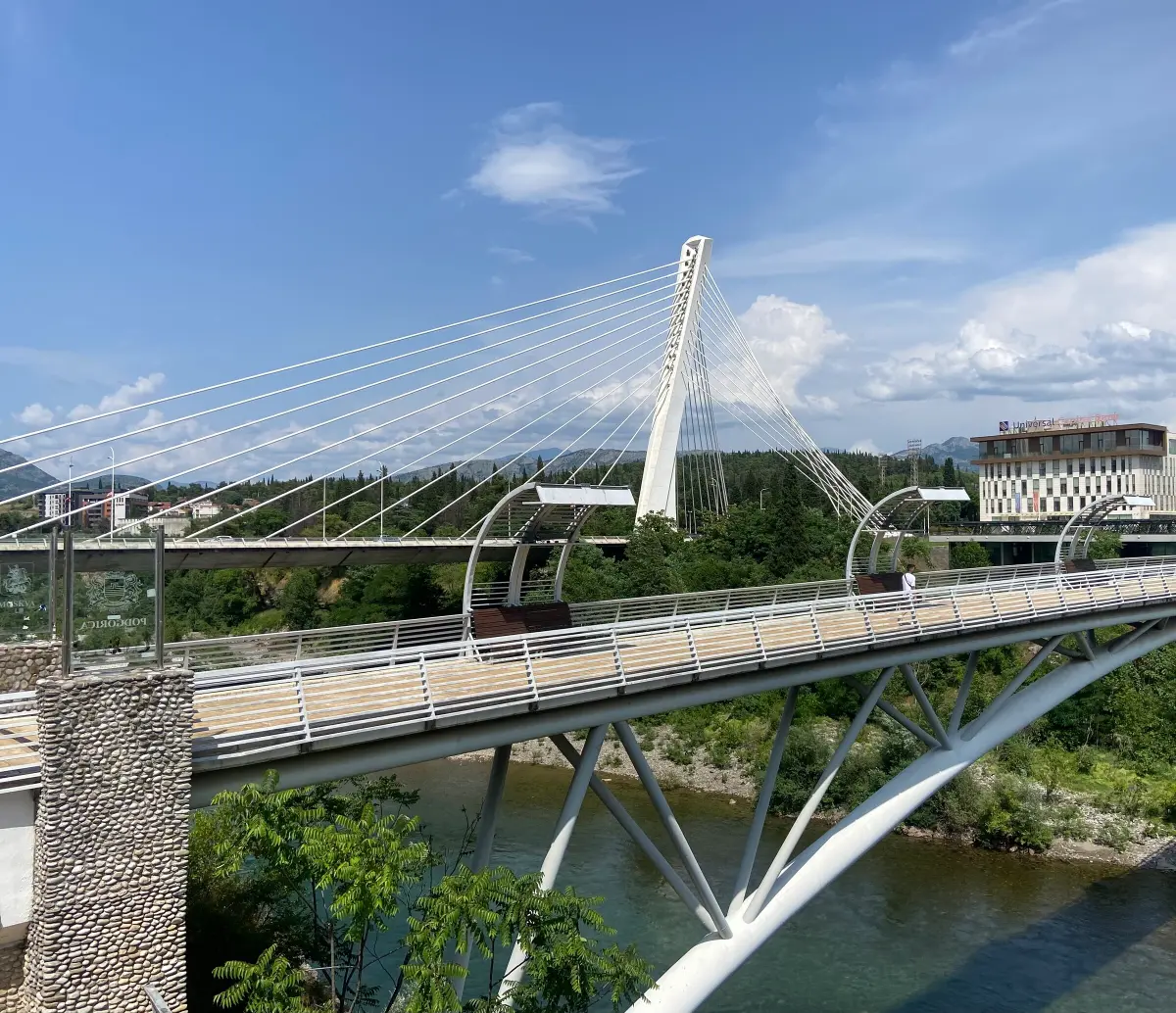
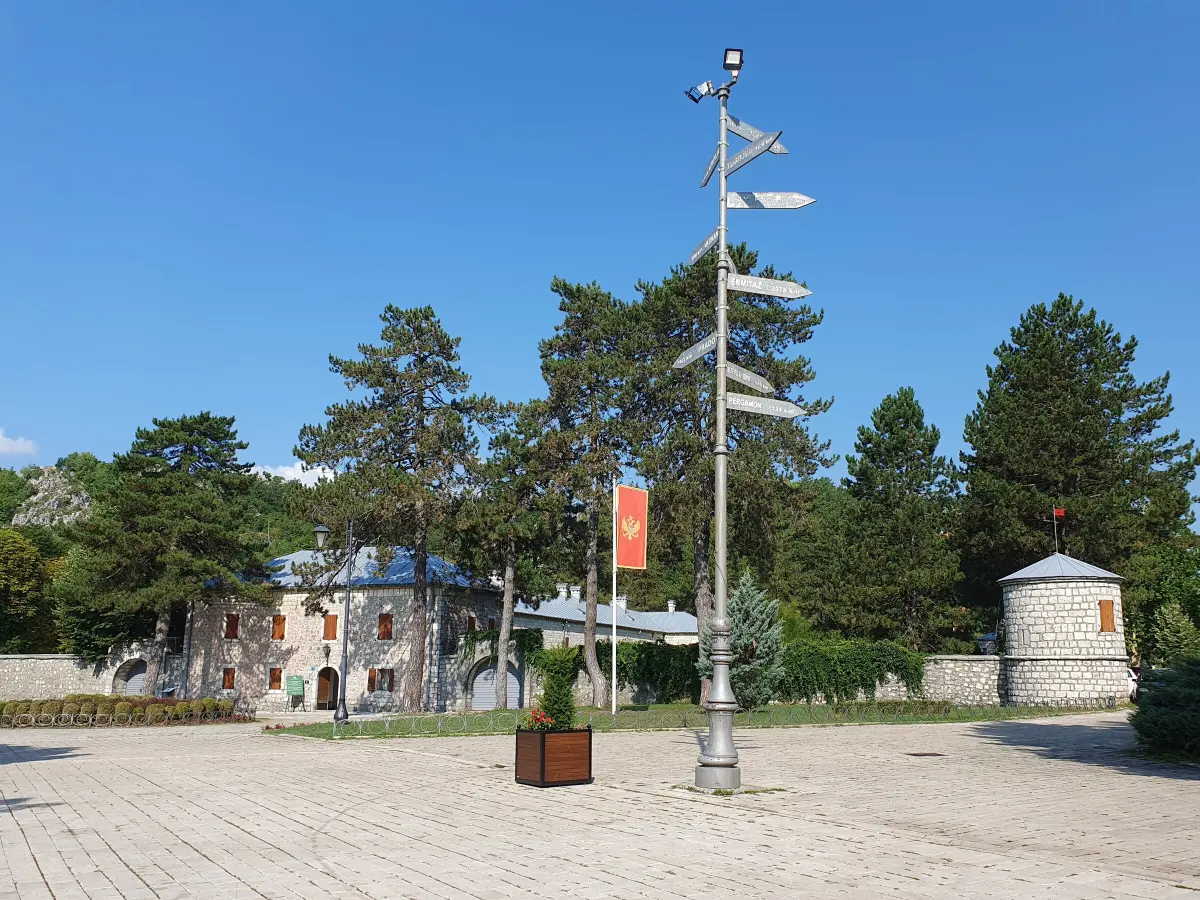
Montenegro has been independent since the referendum of 21 May 2006. Under the Constitution the capital is Podgorica and Cetinje is the Old Royal Capital, home today to the presidential residence, museums and former embassies. The country has 25 municipalities and three regions: the coast, the centre and the north.
The 2023 census counted 623,633 people on 13,812 square kilometres. The largest city is Podgorica, and in summer most people gather on the coast, from Herceg Novi to Ulcinj.
Language, script and religion
The official language is Montenegrin. Cyrillic and Latin scripts have equal status, so you will see both on signs. Serbian, Bosnian, Albanian and Croatian are also in official use. English is spoken in hotels, restaurants and travel agencies, and Russian is widely understood on the coast.
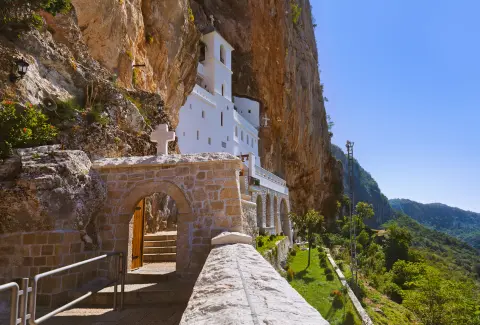
In the 2023 census 71.1% of people declared themselves Orthodox, 20% Muslim and 3.3% Catholic. In monasteries and churches, cover your shoulders and knees.
Money: the euro without the eurozone
Montenegro pays in euros. It dropped the dinar for the German mark in 1999, and since 2002 the euro has been the only legal tender. Montenegro is not a eurozone member: it uses the euro unilaterally, has no currency of its own and mints no euro coins. Cards are accepted in most hotels, restaurants and shops, but carry some cash for konobas, markets and villages. More in our travel tips.
The EU, NATO and Schengen
Montenegro has been an EU candidate country since December 2010 and has negotiated since June 2012. All 33 negotiating chapters are open and, by July 2026, 18 had been provisionally closed. The government aims to finish negotiations by the end of 2026, with membership targeted for 2028. Since 5 June 2017 Montenegro has been a NATO member.
Montenegro is not in Schengen, so documents are checked at the Croatian border. EU citizens can enter with an ID card and stay up to 30 days, or up to 90 days with a passport. The rules for several other countries change on 1 November 2026, so check the government website before you travel. How to arrive by air, car or coach is in our guide Getting here.
Phone, internet and electricity
The dialling code is +382 and the internet domain is .me. The mobile networks are One, m:tel and Crnogorski Telekom, and local tourist SIM and eSIM cards are sold at airports, kiosks and shops. EU roaming does not apply: in June 2026 the Council of the EU authorised talks on bringing the Western Balkans into the Roam Like at Home area, but there is no start date yet. Roaming between Western Balkan countries has been free since July 2021.
Electricity is 230 V and 50 Hz, with European type C and F sockets, as in most of the EU.
Emergency numbers and water
For any emergency call 112. Police is 122, fire brigade 123 and ambulance 124. Roadside assistance from the Auto-Moto Association of Montenegro is on 19807. Tap water from town supplies is generally safe to drink, but do not drink water from tanks or wells, and ask your host after heavy rain. More in our safety guide.
Public holidays 2026 and 2027
State holidays last two days, and banks, municipal offices and some shops close:
- New Year: 1 and 2 January
- Labour Day: 1 and 2 May
- Independence Day: 21 and 22 May
- Statehood Day: 13 and 14 July
- Njegoš Day: 13 November
Religious holidays are days off for believers: Orthodox Christmas on 7 January, Easter (Orthodox on 12 April 2026 and 2 May 2027, Catholic on 5 April 2026 and 28 March 2027), Catholic Christmas on 25 December, and Ramadan and Kurban Bayram. Celebrations and festivals are in our events calendar.
Nature and UNESCO
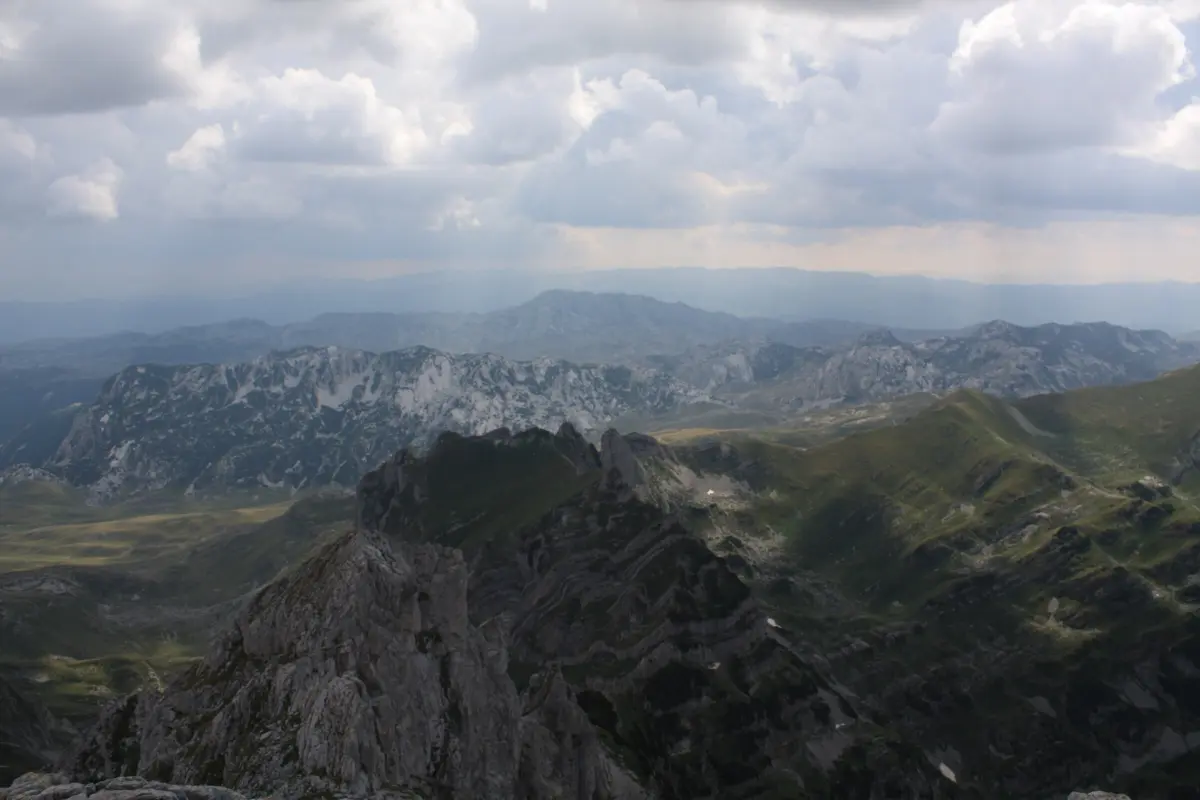
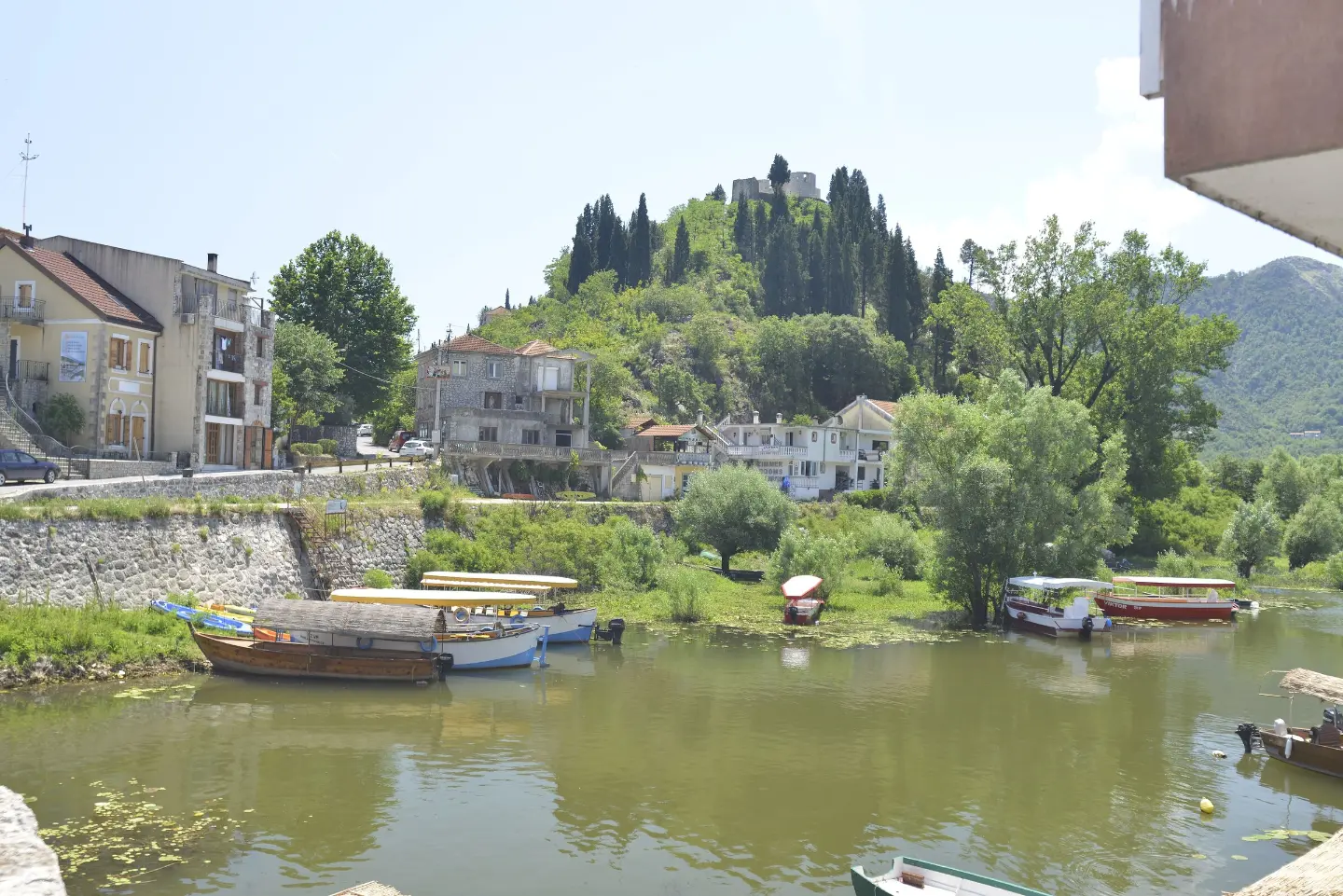
The coastline is 293.5 kilometres long and the highest peak is Zla Kolata (2,534 m) in Prokletije, on the border with Albania. The highest peak of Durmitor is Bobotov kuk (2,523 m). Lake Skadar is the largest lake in the Balkans, and about 60% of its surface lies in Montenegro.
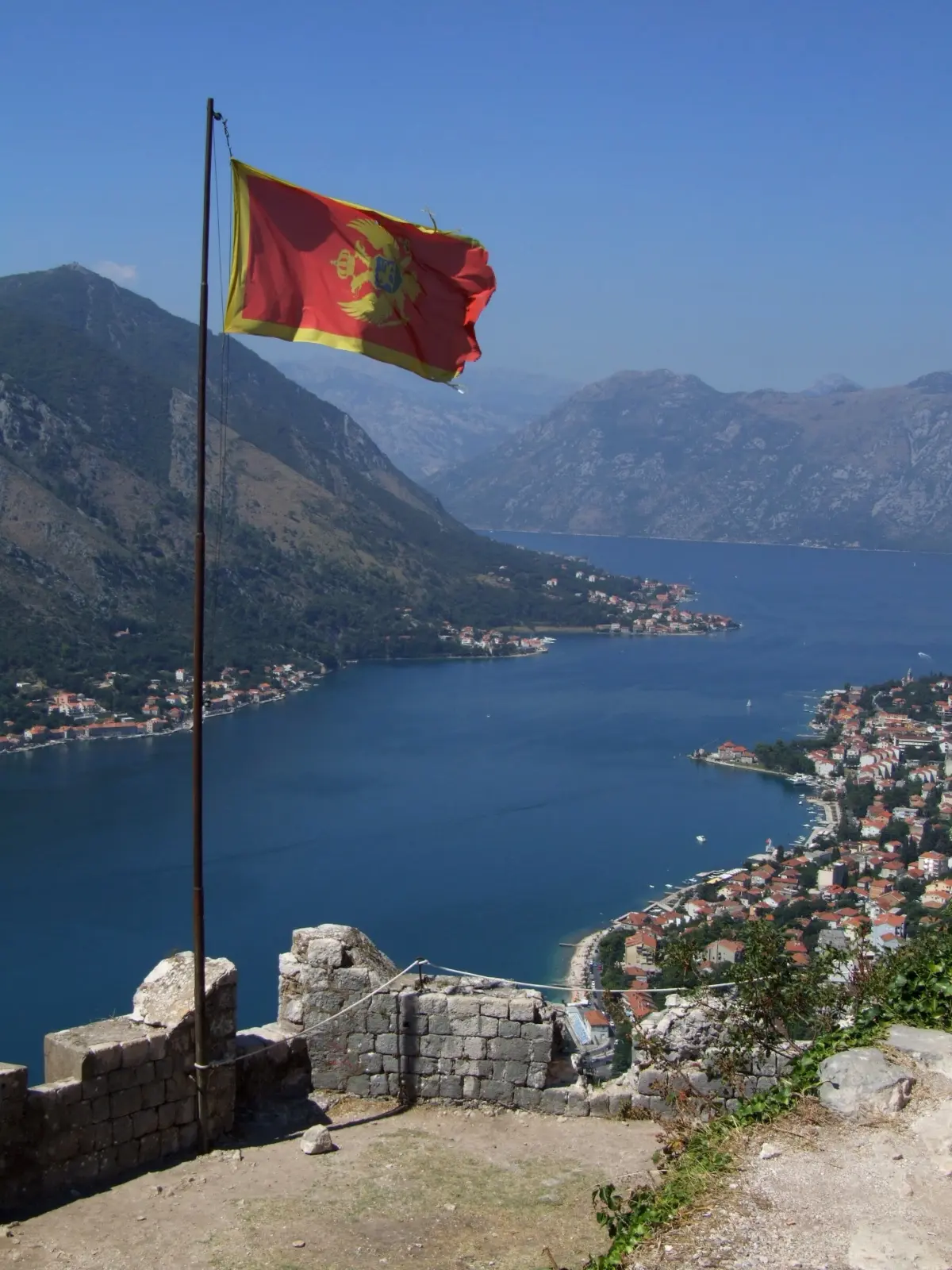
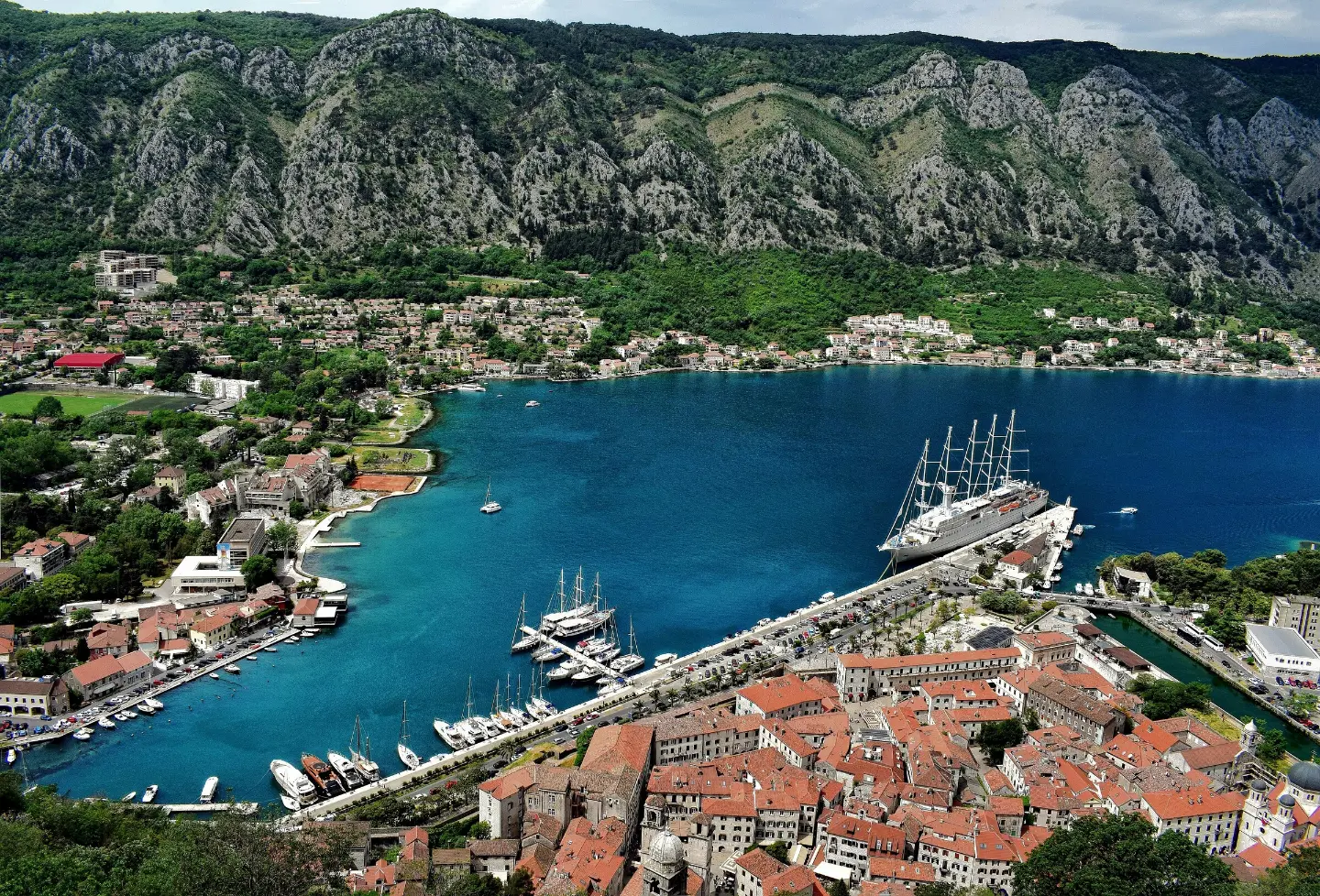
Four properties are on the UNESCO World Heritage List: the natural and culturo-historical region of Kotor (1979), Durmitor National Park (1980), the stećci medieval tombstones (2016, shared with Bosnia and Herzegovina, Croatia and Serbia) and the Venetian works of defence, which include the walls of Kotor (2017). The Boka Navy is on the intangible heritage list.