Travel to Montenegro
Montenegro travel FAQ: short answers to common questions
Plan your trip

Montenegro travel FAQShort answers to common questions

Visas, arrival, money, transport, beaches, safety, food, travelling with children and winter, with links to our detailed guides

highlights
4
Emergency number
112
Overview

These are the questions travellers most often type into a search engine before a trip to Montenegro, with short answers. They are grouped by topic, from documents and arrival to the sea, the mountains and winter. Each topic has a more detailed guide, and rules that change, such as visas, should be checked on official websites before you travel.

Answers to the 37 questions travellers ask most often before a trip to Montenegro: from visas and ferries to swimming, tolls, tipping and skiing.

Did You Know?

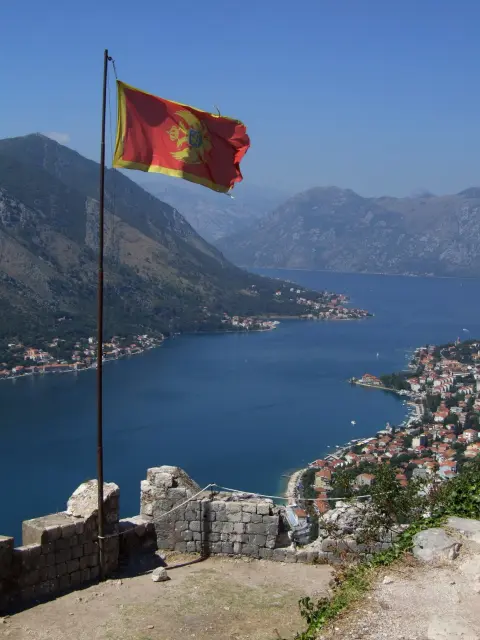
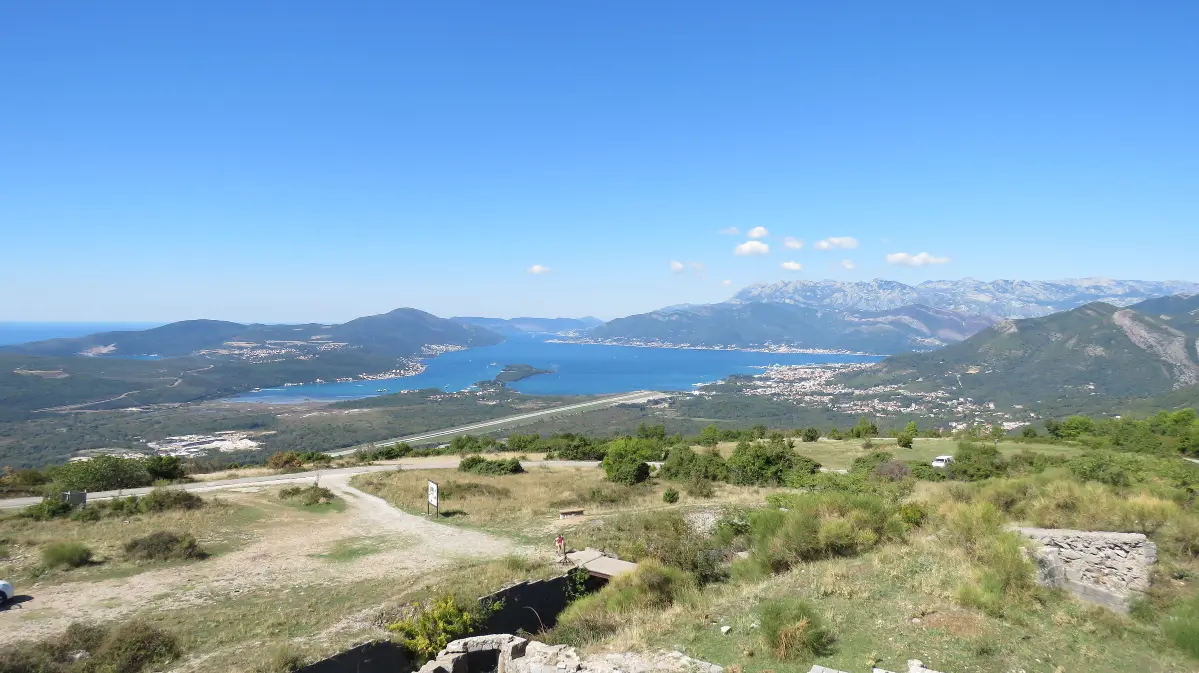
There is no bridge across the Bay of Kotor: the ferry between Kamenari and Lepetane saves the drive around the bay, and the crossing takes only a few minutes.

Before you go

Most travellers from Europe and North America need no visa, but the rules for several countries change on 1 November 2026. Which season suits what is in our guide Best time to visit, and basic facts about the country are on Montenegro at a glance.

Visas and entry to Montenegro

Getting here

Montenegro has two international airports, and many visitors also arrive via Dubrovnik or Tirana. Flights, coaches, the train and border crossings are covered in Getting here and Airports.

Money

You pay in euros, cards are accepted in most places, and cash comes in handy at markets, konobas and car parks. More in our travel tips.

How much does Montenegro cost in 2026

Getting around

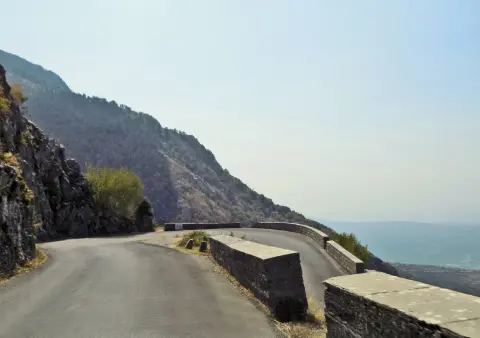
Coaches link the coast, while the mountains and national parks are easiest by car. Driving rules, tolls and winter equipment are in Car rental and driving, and the finest routes in Panoramic roads.

Getting around Montenegro without a car · Driving in Montenegro

Sea and beaches

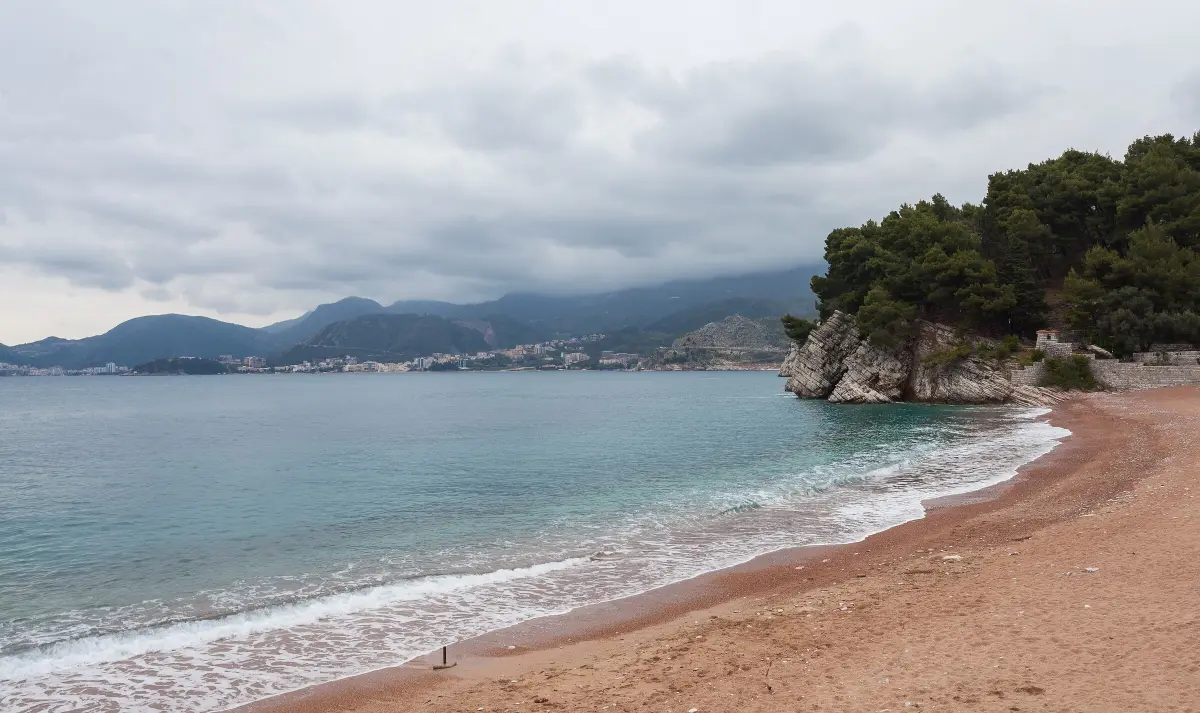
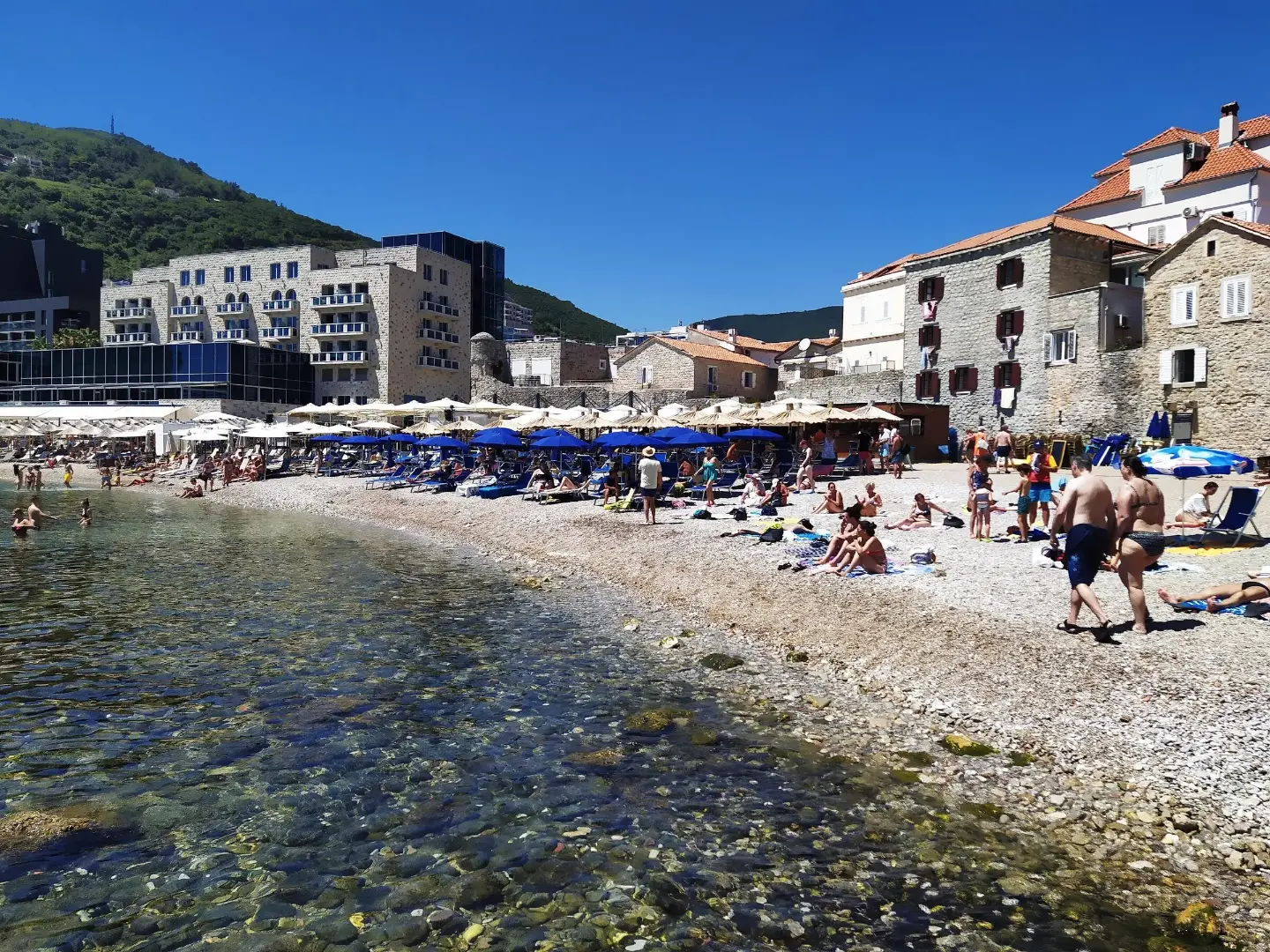
Sandy beaches are mostly in the south, from Budva to Ulcinj, while the Bay of Kotor has smaller pebble beaches and concrete bathing platforms. All beaches are in Beaches of Montenegro, and sea temperatures by month on Weather.

Safety

Montenegro is a calm country to travel in; the roads, mountains and sea deserve the most care. Advice and official sources are in our safety guide.

Food

The food changes from the coast to the mountain pastures: fish and olive oil by the sea, prosciutto, cheese and kačamak in the mountains. See Montenegrin cuisine and Montenegro wine.

With children

Shallow sandy beaches in the south, calm water in the Bay of Kotor and easy trails in the north suit families. Ideas are in Montenegro with kids.

Winter

In winter the coast is mild and quiet and the north is under snow. More in Winter in Montenegro and Skiing in Montenegro.
Plan your trip

Highlights

When to go

When to go

Sea from June to September, mountains from June to October, snow from December to March. Our guide by season and month.

Read more
Practical Tips

Plan Your Visit

Useful Information

  • Check visa rules

    Entry rules for several countries change on 1 November 2026. Check the list on the Government of Montenegro website before you travel.

  • Pay in euros

    When a card terminal or ATM offers to convert into your home currency, choose euros. The conversion is usually more expensive.

  • No EU roaming

    Montenegro is not in the EU, so roaming can be costly. A local SIM or eSIM is the cheaper option.

  • Registration

    Your hotel or host registers your stay within 24 hours. If you stay with friends or camp, ask how the tourist tax is paid.

Before You Go

  • Best Time to Visit

    June and September for the sea without the biggest crowds, June to October for the mountains, December to March for skiing.

Start planning
FAQ

Frequently Asked Questions

Citizens of the EU, the UK, the US, Canada, Australia and many other countries enter visa-free and can stay up to 90 days. From 1 November 2026 visas are required for citizens of Russia, Turkey, Belarus and Saudi Arabia, and for some travellers from China. Check the list on the Government of Montenegro website before you travel.

Citizens of the EU and several other European countries can enter with an ID card and stay up to 30 days. With a passport, the visa-free stay is up to 90 days.

No. Montenegro is not in Schengen, so you are not registered in EES and need no ETIAS to enter Montenegro. If you continue into Croatia, non-EU travellers have gone through EES at the Schengen border since April 2026, and ETIAS is expected at the end of 2026.

For the sea and sightseeing without the biggest crowds, June and September are best. July and August are the hottest and busiest months, the mountains are at their best from June to October, and skiing runs from December to March.

Three to four days are enough for the Bay of Kotor and the Budva Riviera. For the coast, Cetinje, Lake Skadar and Durmitor, plan at least seven days, because mountain roads take time.

It is recommended. Montenegro is not in the EU, so the European Health Insurance Card generally does not apply. Some countries have an agreement with Montenegro, so check with your insurer.

Two international ones: Podgorica (TGD) and Tivat (TIV). Tivat is closest to Kotor and Budva, Podgorica to the capital and the north. Many travellers also arrive via Dubrovnik in Croatia or Tirana in Albania.

In the 2026 season there was no regular Bar-Bari or Bar-Ancona passenger line. From Italy you can take a ferry to Dubrovnik or Durrës and continue by coach or car. Check with the operators before you travel.

There is no ferry between Dubrovnik and Kotor. You go by coach, transfer or car through the Debeli Brijeg border crossing, which can be busy in summer.

Yes, the Belgrade-Bar railway. The night train runs all year and the day train in the summer season. Tickets and timetables are published by Željeznički prevoz Crne Gore, the national rail operator.

From Tivat airport to Kotor and Budva, a taxi or a pre-booked transfer is easiest. Podgorica airport has few buses, so most people take a taxi, a transfer or a rental car.

The euro, although Montenegro is in neither the EU nor the eurozone. It has used the euro since 2002 as its only legal tender.

In most hotels, restaurants and shops you can. Carry cash for markets, konobas, car parks, rural guesthouses and smaller beach bars. When an ATM or terminal offers to convert into your home currency, choose euros.

It depends on the place and the season. The coast in July and August is the most expensive, especially Budva and Kotor, while food and accommodation inland and in the north are usually cheaper. Outside the season accommodation costs less.

Tipping is not obligatory. In restaurants and cafés around 10% is usual if you are happy, and in taxis and bars people round up.

The tourist tax is charged per person per night and its amount is set by each municipality. Your hotel or host usually collects it and registers your stay within 24 hours of arrival.

Not for the coast, where coaches link the towns. Durmitor, Prokletije, Lake Skadar and smaller villages are much easier to reach by car or on an organised trip.

No. Taxis are ordered by phone or through local apps, and for airport rides agree the fare in advance.

There is no vignette. Tolls are paid in the Sozina tunnel on the Bar-Podgorica road (€2.50 for a car in 2026) and on the Smokovac-Mateševo motorway (up to €3.50). Check prices before you travel.

The Kamenari-Lepetane ferry carries cars across the narrowest part of the bay and saves the drive around it. In 2026 a car ticket costs €5 and foot passengers ride free. There is no bridge over the bay.

You drive on the right, and headlights must be on during the day. The blood alcohol limit is 0.3‰, and speed limits are 50 km/h in built-up areas and 80 km/h outside them unless signs say otherwise.

The swimming season runs from June to September, and many people still swim in early October. In Kotor the sea averages about 23°C in June, 26°C in August and 21°C in October.

Most are in the south: Velika Plaža and Ada Bojana near Ulcinj, while the Budva Riviera has both sand and fine pebbles. In the Bay of Kotor beaches are smaller, pebbly or concrete platforms.

Beaches are public property and there is no entry fee. On organised beaches you pay to rent sunbeds and umbrellas, and prices depend on the beach and the season.

Yes, petty crime is rare, but keep an eye on your phone and bag in summer crowds. Winding mountain roads, mountain weather and sea currents call for the most caution.

In most towns tap water is safe to drink. Do not drink water from tanks or wells, and ask your host after heavy rain.

The general emergency number is 112. Police is 122, fire brigade 123, ambulance 124, and AMSCG roadside assistance 19807.

Above 1,500 metres the weather changes fast, so bring layers, a jacket and water even in summer. For longer hikes tell someone where you are going; mountain rescue is reached through 112.

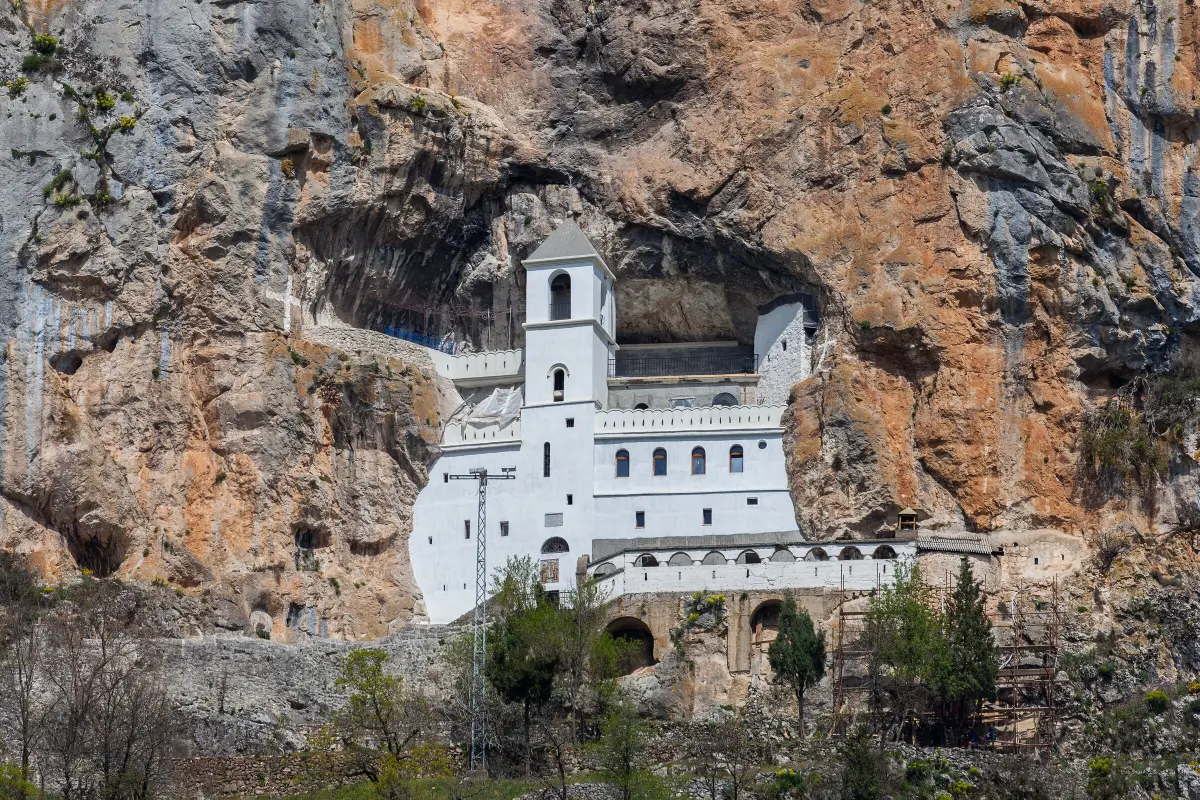
In monasteries and churches such as Ostrog and Cetinje Monastery, cover your shoulders and knees. A light scarf in your daypack solves it.

On the coast, fish, brodet and shellfish; inland, Njeguši prosciutto and cheese, kačamak, lamb under the sač and priganice with honey. The food changes from the coast to the mountains.

Vranac, the native red grape and national brand, and krstač among the whites. Most wineries are around Lake Skadar and Podgorica, and many welcome visitors by appointment.

Yes. The south has shallow sandy beaches, the sea in the Bay of Kotor is usually calm, and the mountains have easy trails, lakes and adventure parks, such as on Lovćen and in Kolašin. Distances are short, but take mountain roads slowly.

Velika Plaža near Ulcinj has sand and shallow water far from the shore. In the Bay of Kotor the water is usually calm, but the beaches are narrow, pebbly or concrete.

Yes, if you like quiet: in Kotor daytime temperatures in January are around 12°C and towns are uncrowded, but some hotels and restaurants close. In the north winter is real, with snow and skiing.

The largest ski centres are Kolašin 1450 and Kolašin 1600 on Bjelasica and Savin Kuk on Durmitor near Žabljak, plus smaller ones. The season depends on snow, usually from December to March.

Yes. Winter equipment is mandatory from 15 November to the end of March, and in the north and on mountain roads, depending on the weather, so are snow chains.

Rarely. Winters on the coast are mild and rainy, and snow falls and stays mostly in the mountains and the north.

Explore More

More Adventures

Guides & articles

Guides & articles

Zora

Your Montenegro travel guide

Hi, I'm Zora

Ask me about places, beaches, food, events or a trip plan — in any language.