Travel to Montenegro
Montenegrin cuisine: from the coast to the katuns
Eat & Drink

Fish and olive oil by the sea, carp and vranac around Lake Skadar, prosciutto in Njeguši, cheese and kajmak in the north

Montenegrin cuisineFrom the coast to the katuns

Montenegro is small, but the table changes every hour's drive. On the coast the cooking rests on fish, grains and olives; around Lake Skadar on carp, bleak and Crmnica wine; in Njeguši on prosciutto and cheese dried where sea and mountain air meet; in the north on milk, cheese, kajmak and lamb. The same advice holds everywhere: eat what the locals eat.

What people eat in each part of Montenegro: the coast and the Bay of Kotor, Lake Skadar and Crmnica, Njeguši and the Katunska nahija, the mountain north, and where to try it.

Geography decided what Montenegro eats: fish comes from the sea and the lakes, while the mountains give lamb, kid, veal, cheese and kajmak. Old recipes have survived because hosts still cook with local, seasonal produce, so the best advice, wherever you are, is to try what they eat.
The coast and the Bay of Kotor

The coast and the Bay of Kotor

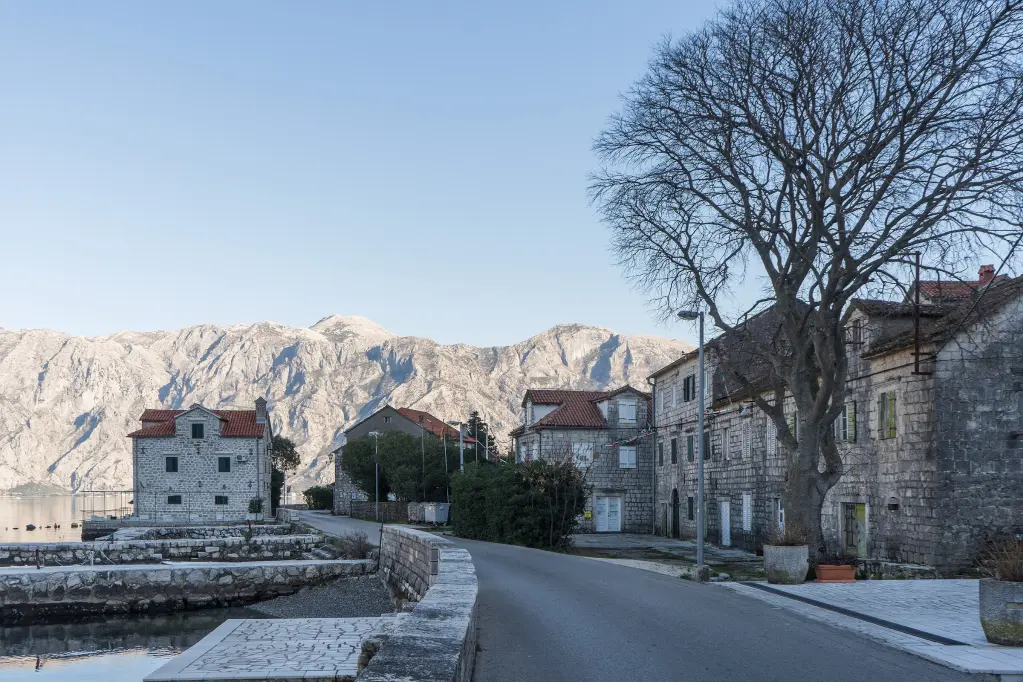
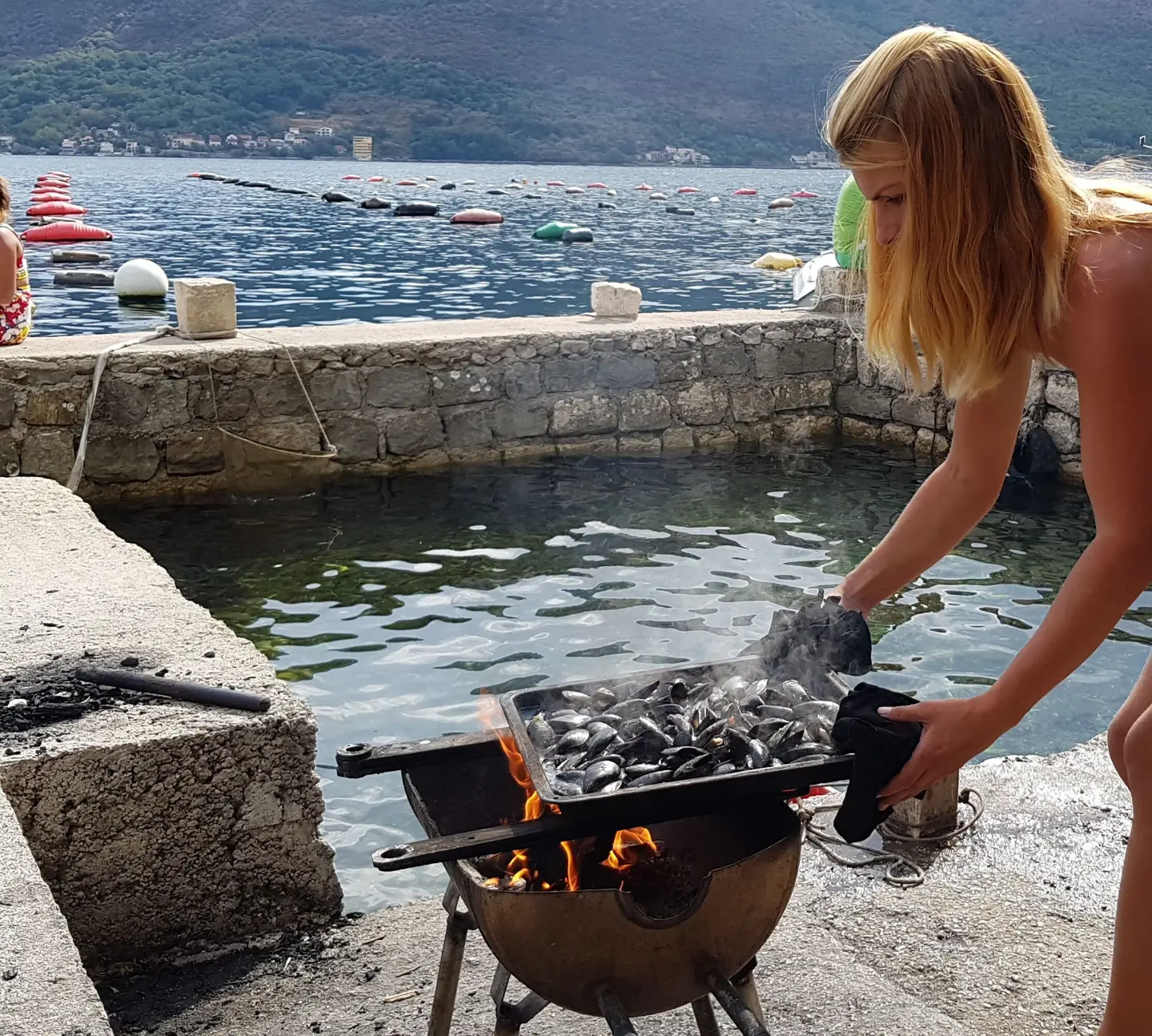
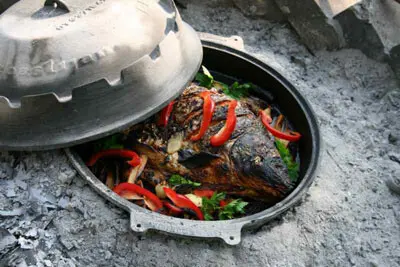
Coastal cooking is Mediterranean and moderate: grains, fish and olives, picked from September and pressed into olive oil. Fish is grilled na gradele, boiled lešo, stewed in brodet or fried, and served with chard, potatoes and polenta. The Bay of Kotor has its own dishes, from mussels and black risotto to Boka brodet made from small oily fish, and Paštrovići its homemade makaruli pasta. Our page on seafood specialities has more.

By the sea a host sets out cheese in oil, prosciutto, olives and homemade wine, and coastal people like to drink bevanda, half wine and half water.
Lake Skadar and Crmnica

Lake Skadar and Crmnica

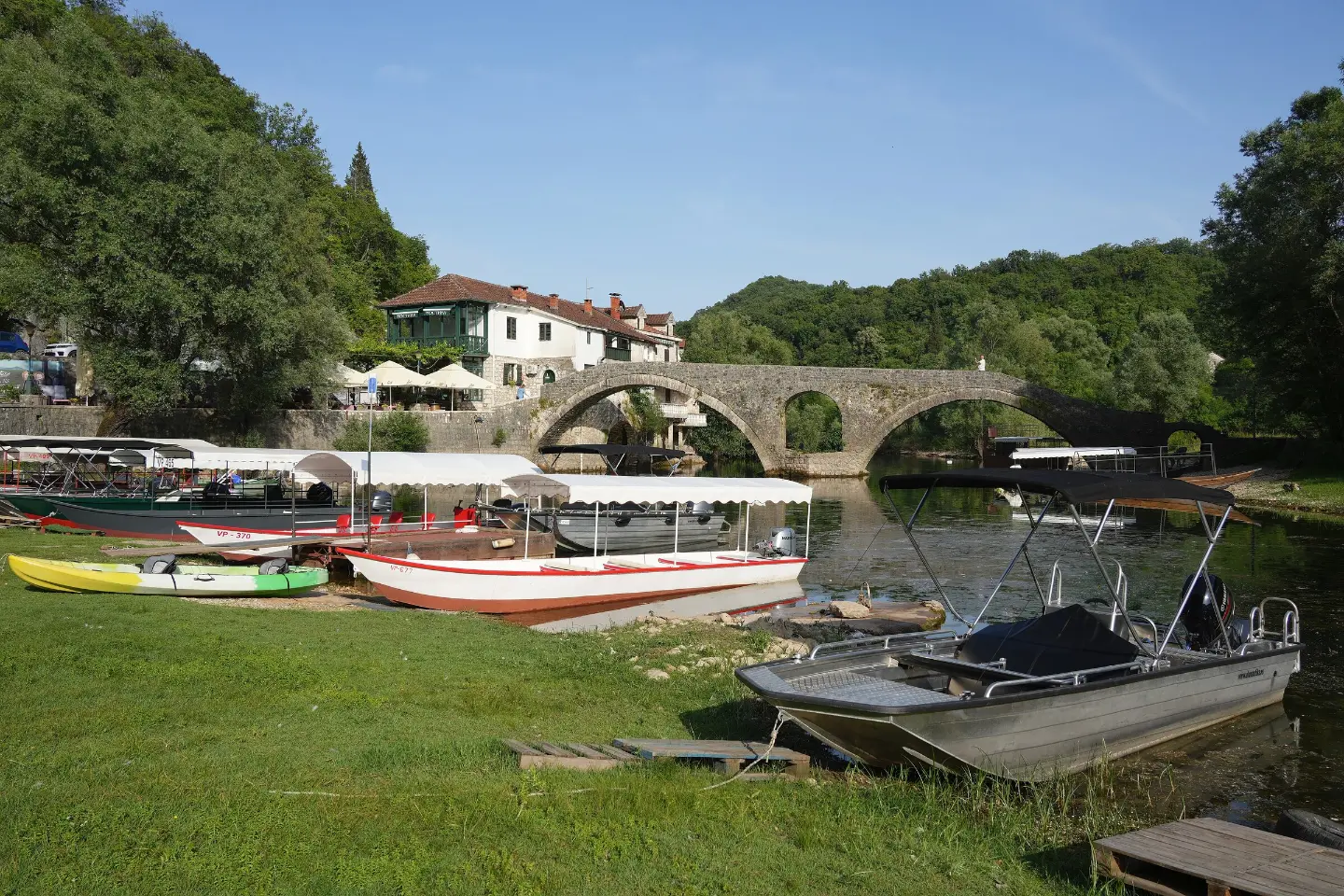
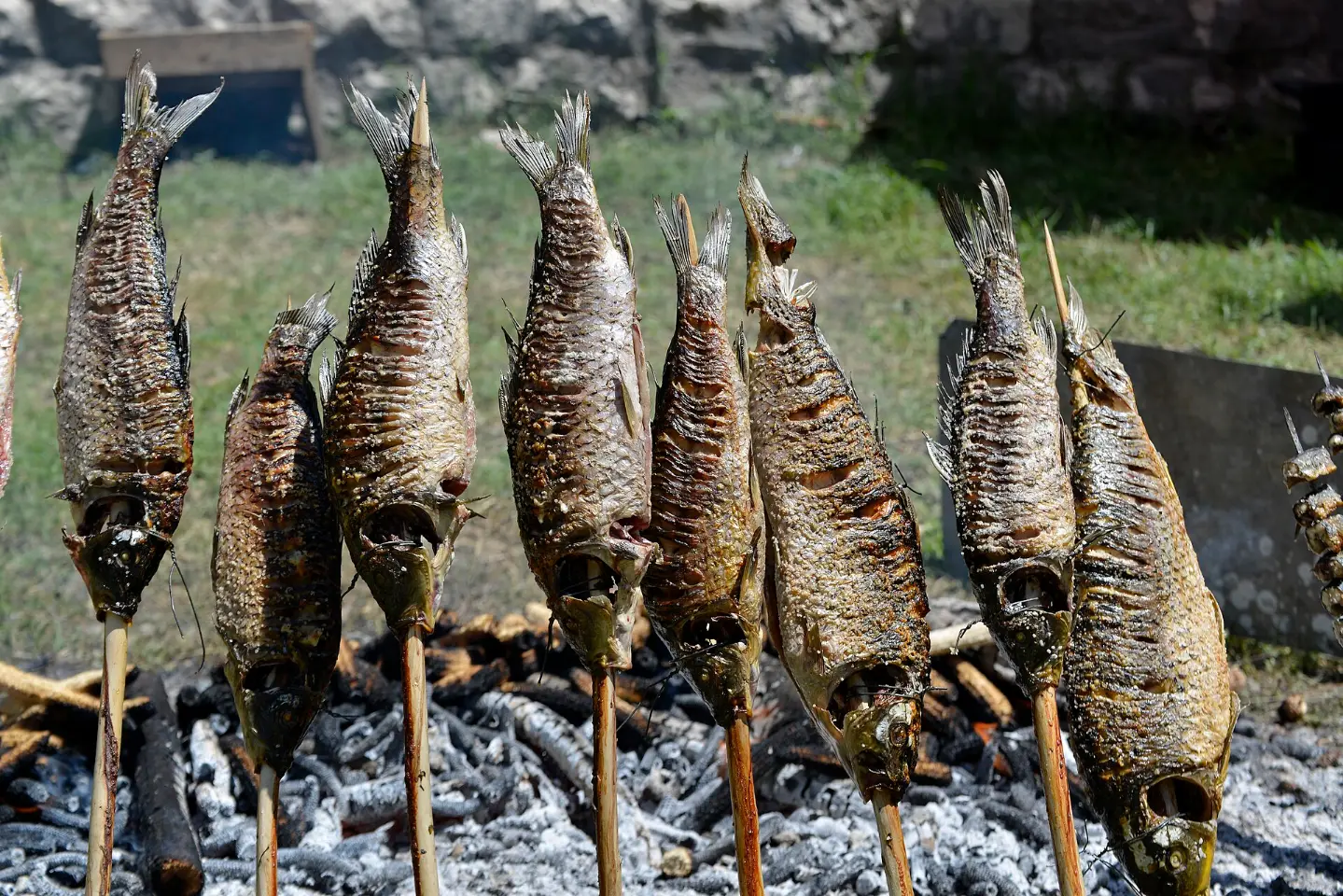
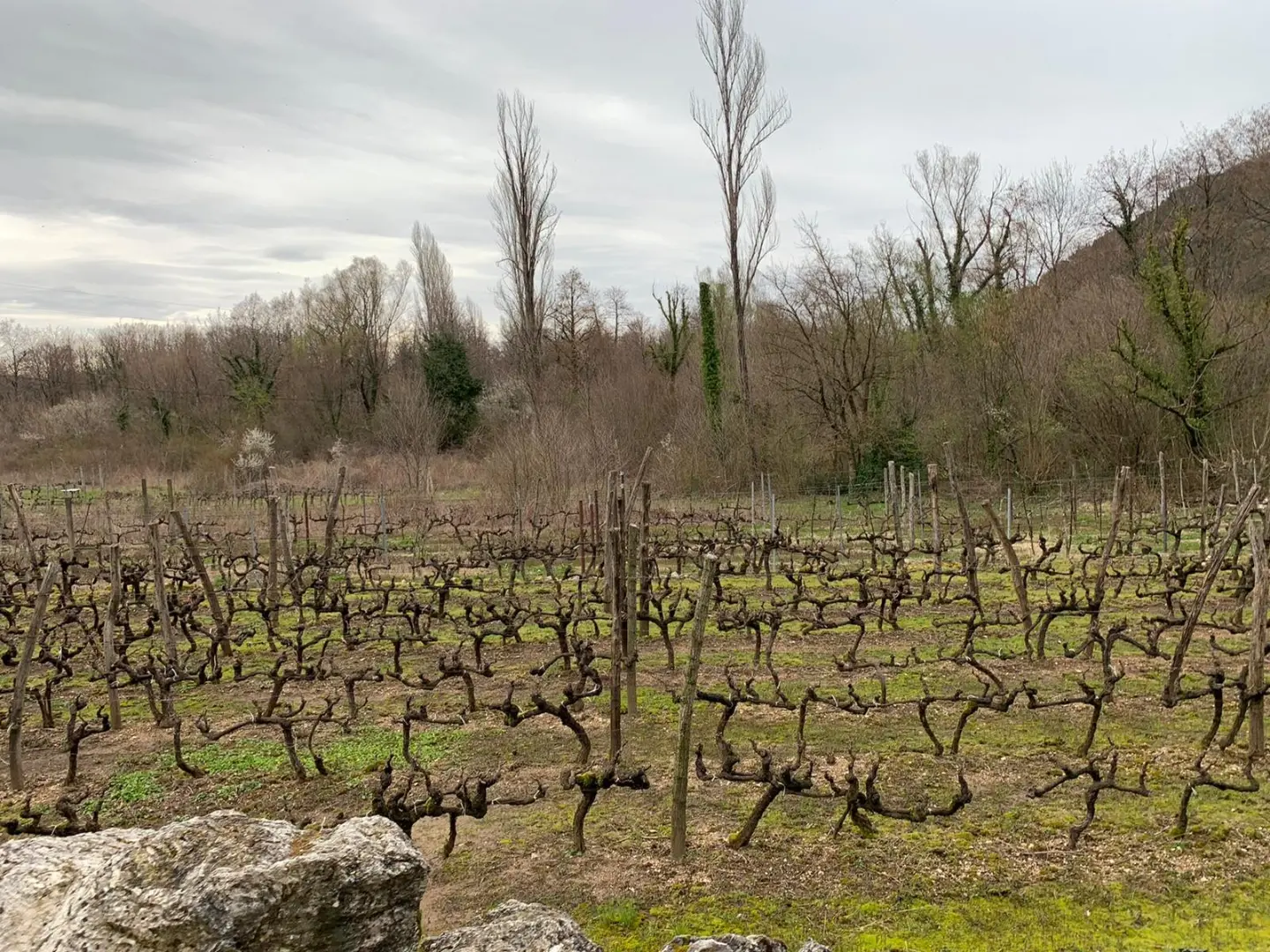
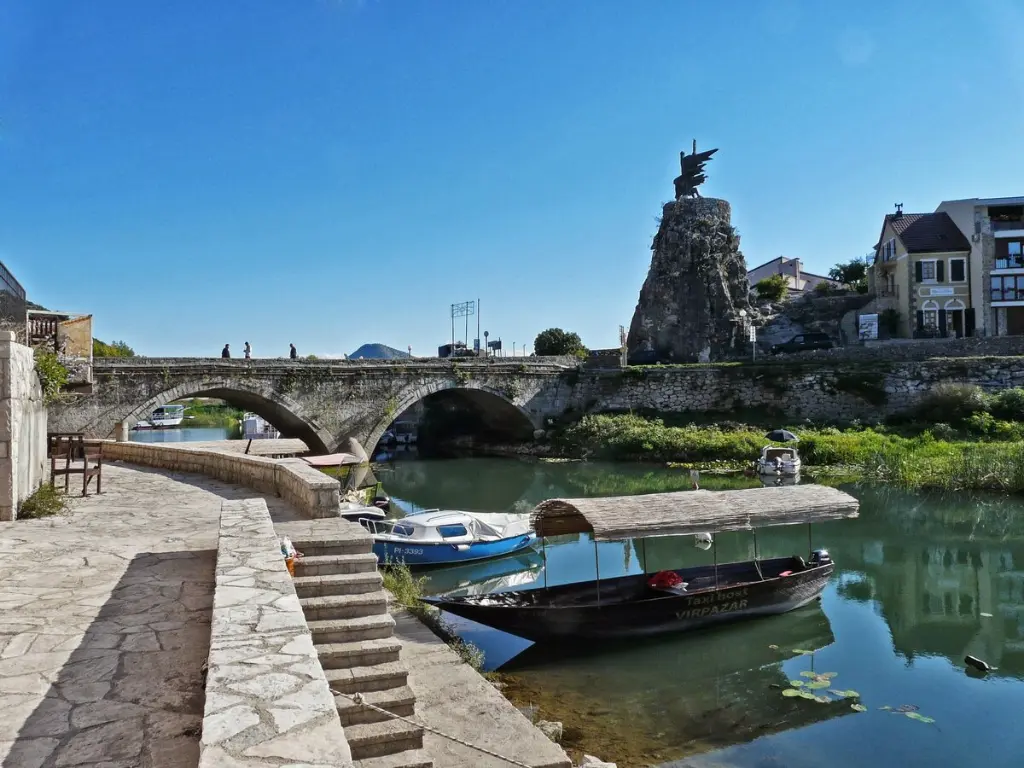
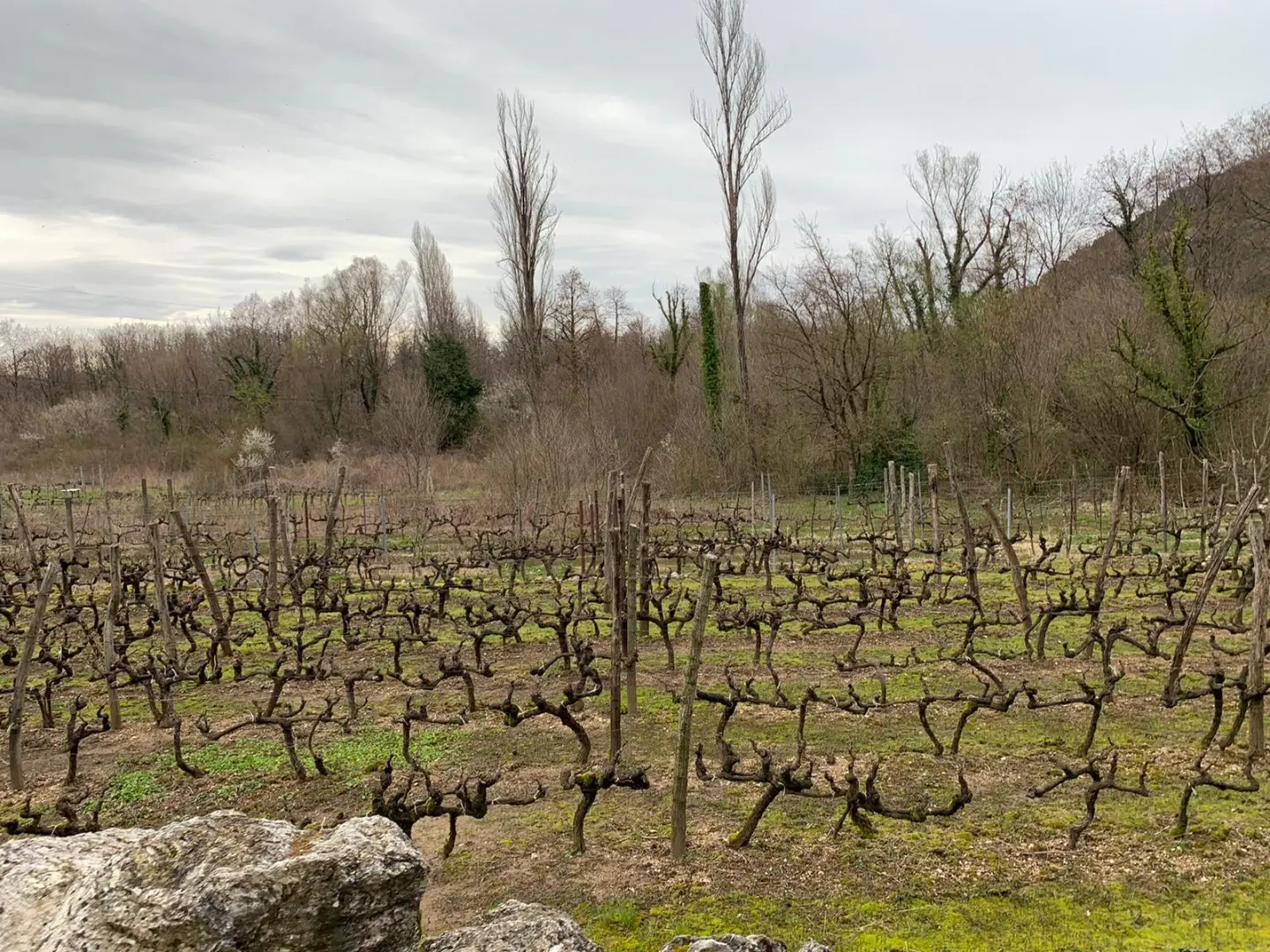
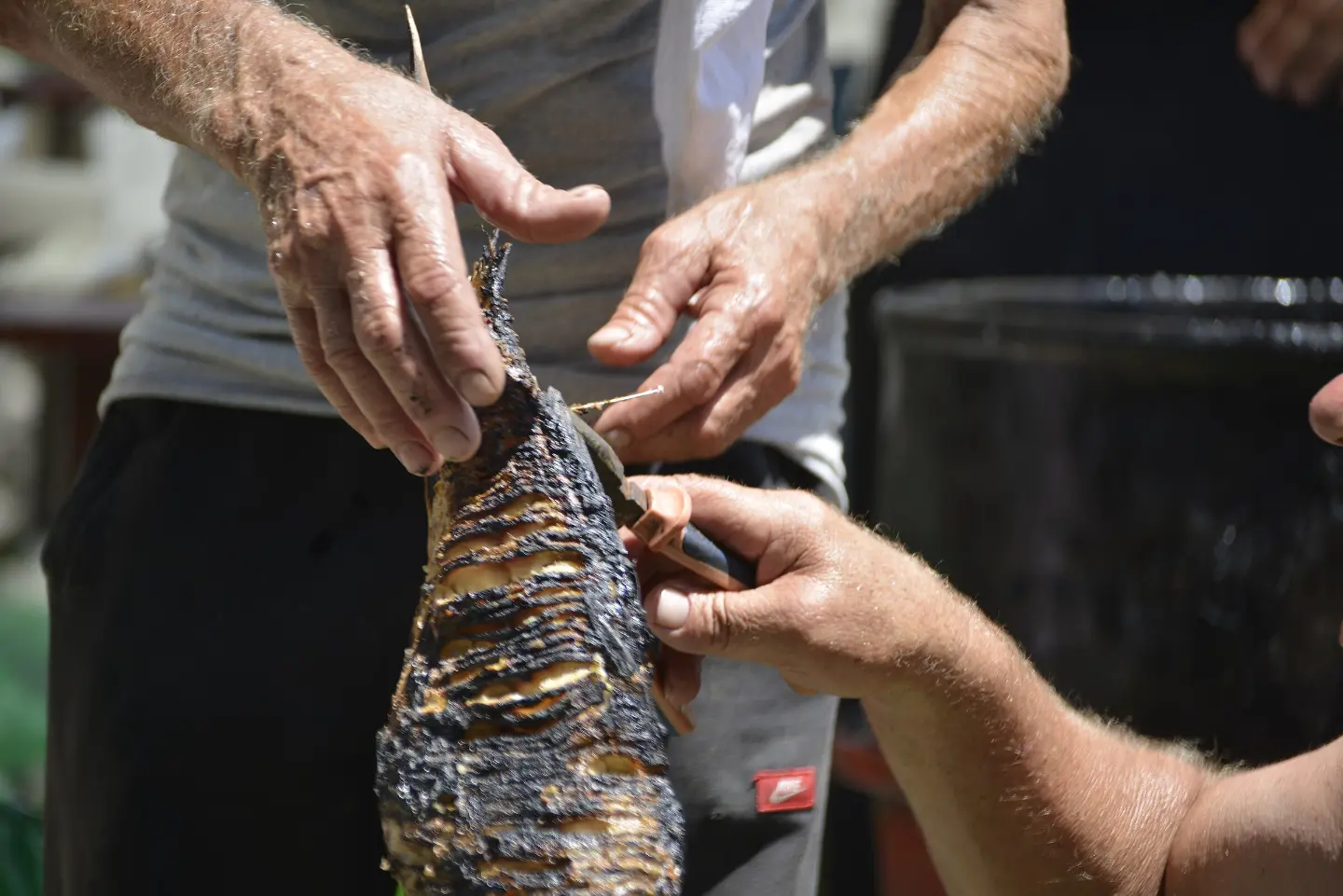
Around the lake and in Rijeka Crnojevića the table is a lake table: carp, smoked or cooked in a pan with dried plums, apples and quinces, small bleak (ukljeva), fried or smoked, and eel baked with rice. Hosts pour their own wine with it, usually Crmnica vranac, and wait for your verdict.

Did you know?

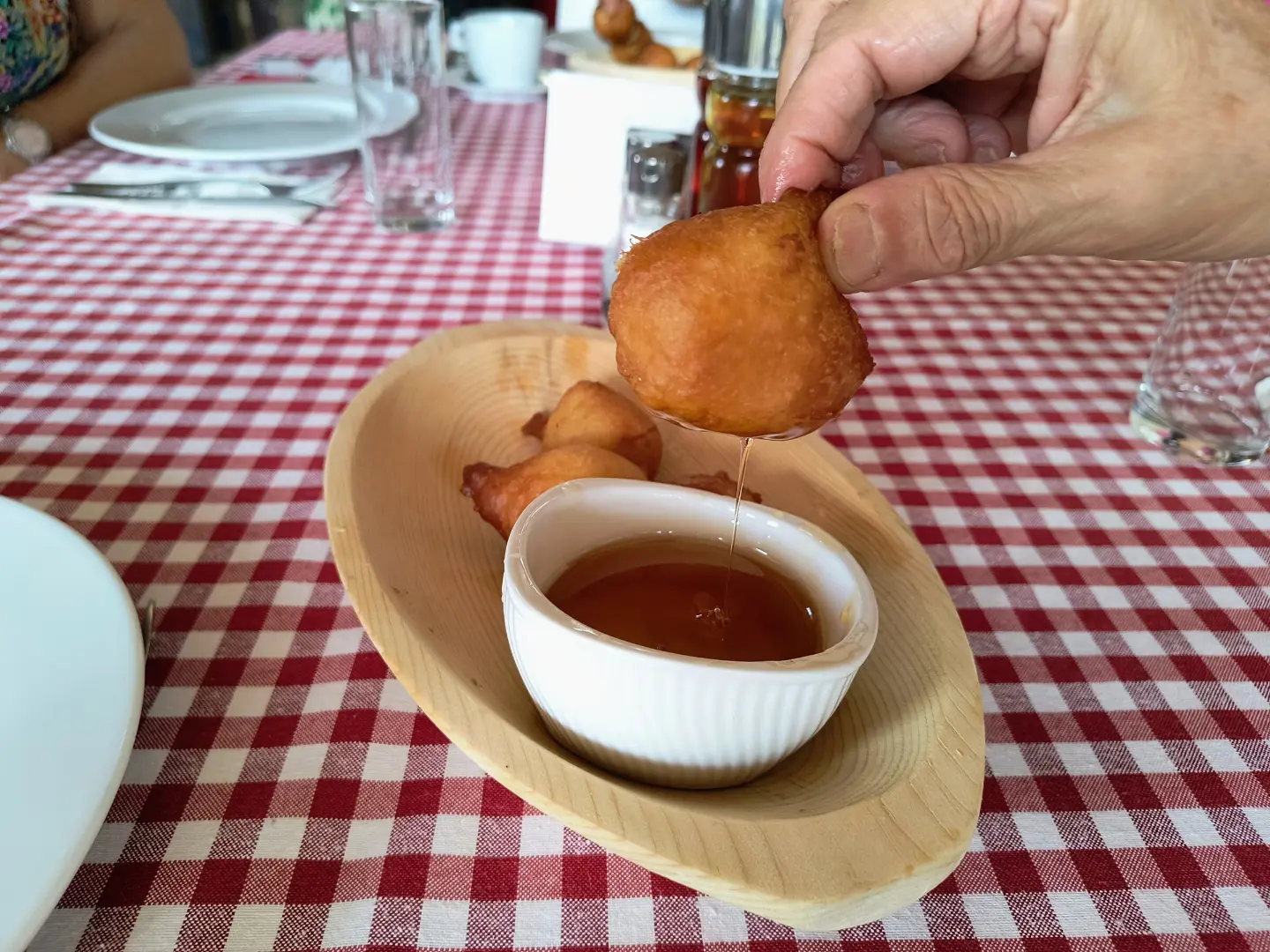
In the north and centre of Montenegro an official guest is welcomed with bread and salt, then priganice with honey, and only then comes the meze that restaurants call the Montenegrin platter.
Njeguši and the Katunska nahija

Njeguši and the Katunska nahija

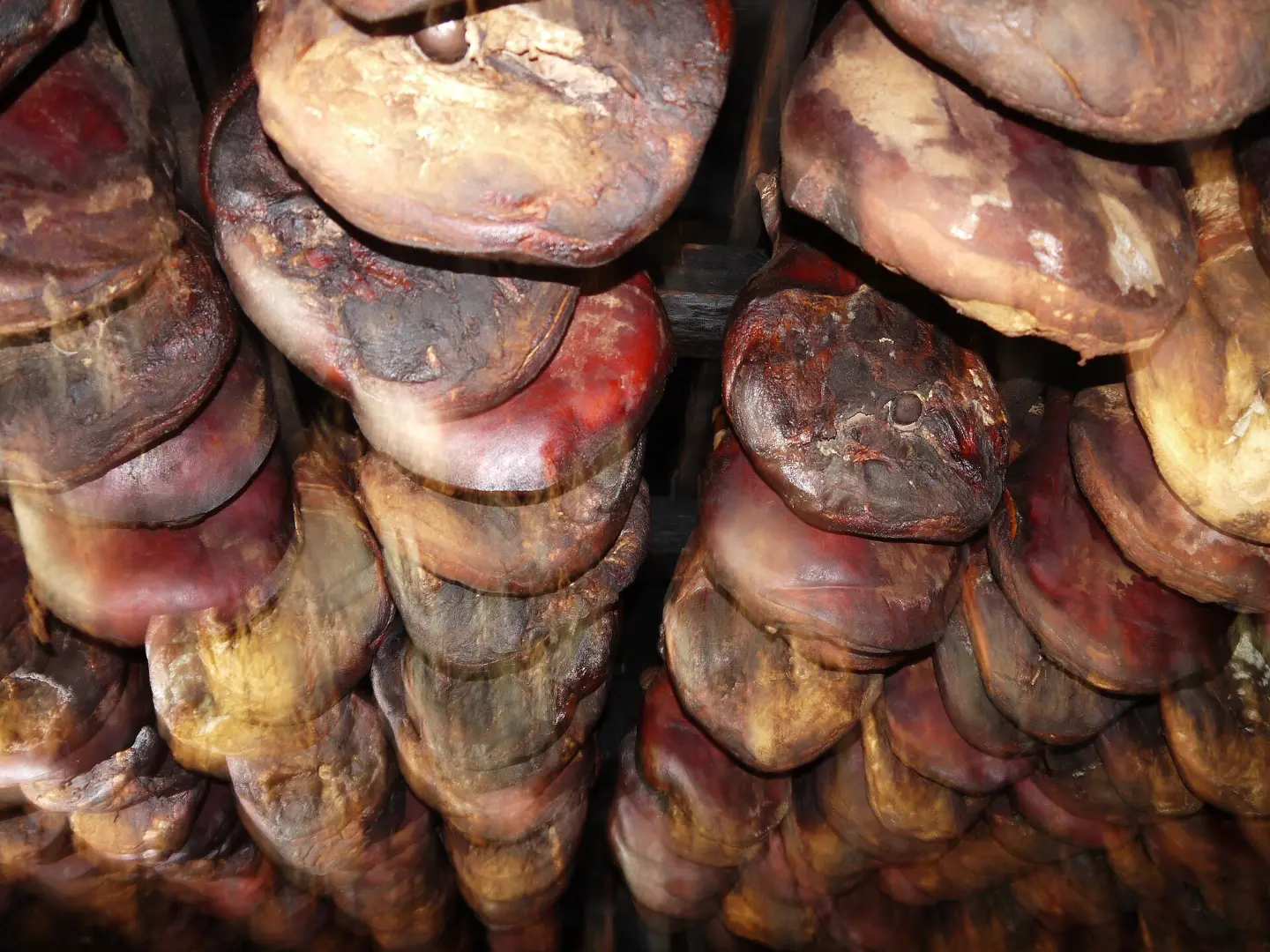
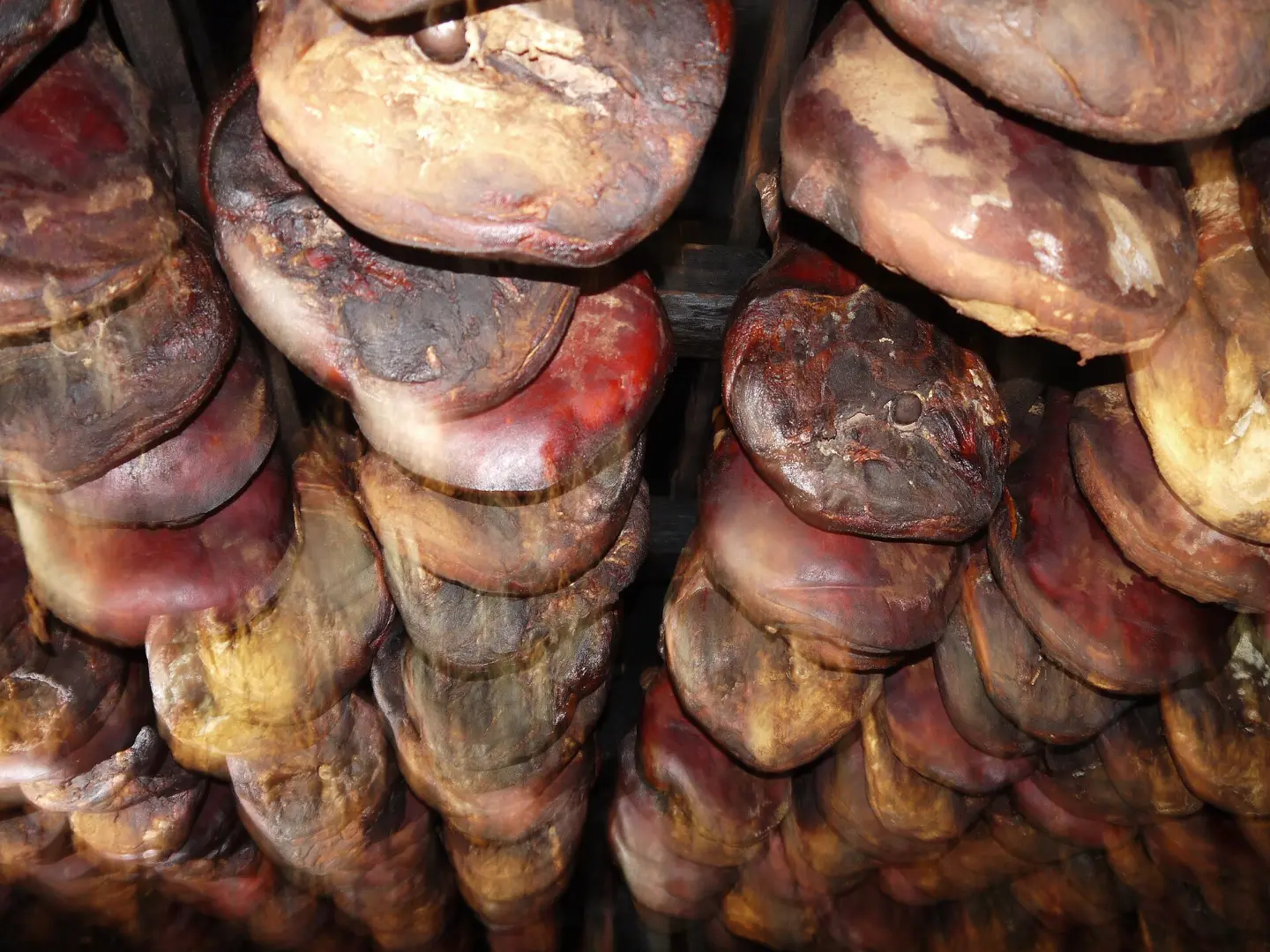
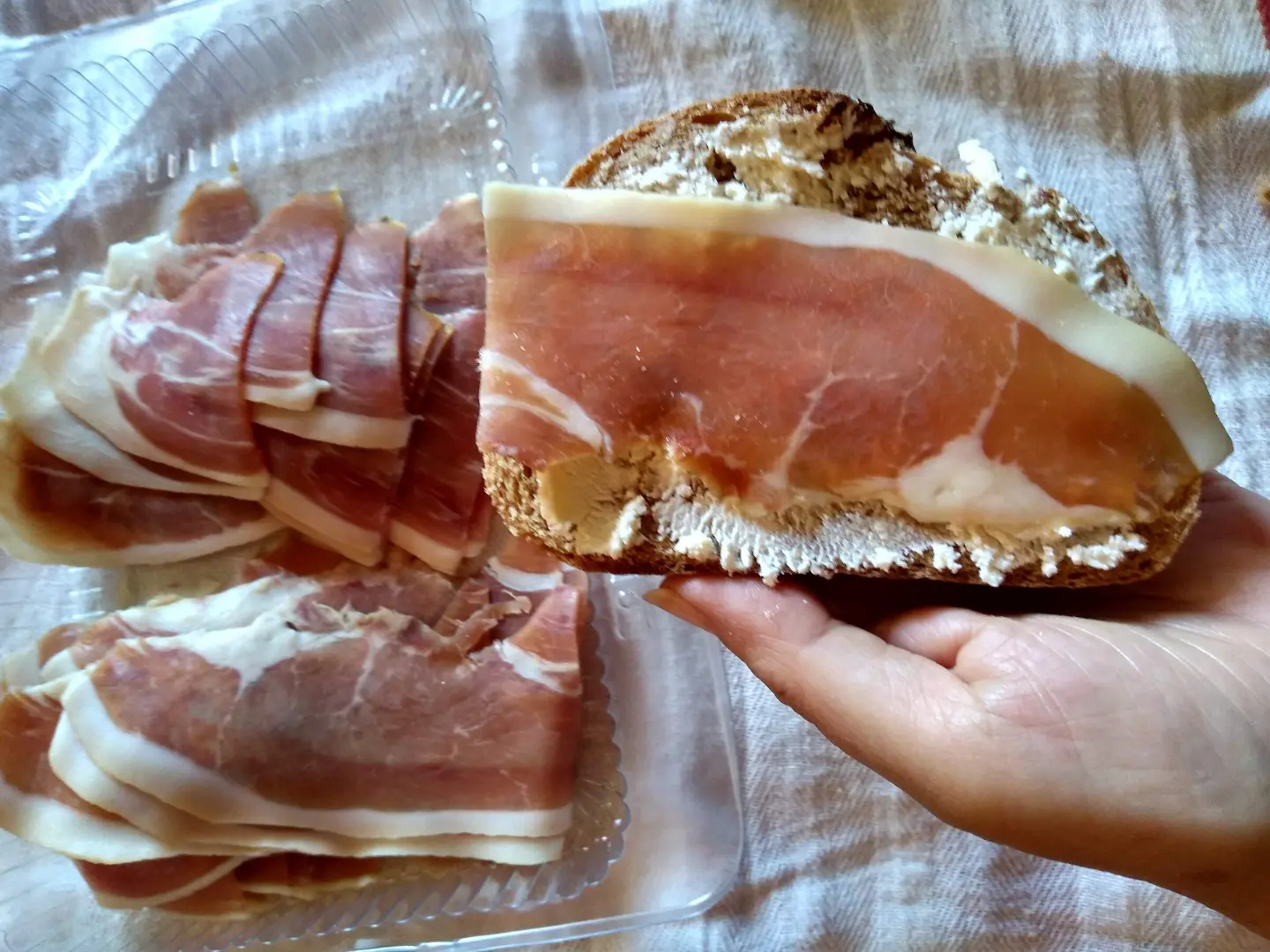
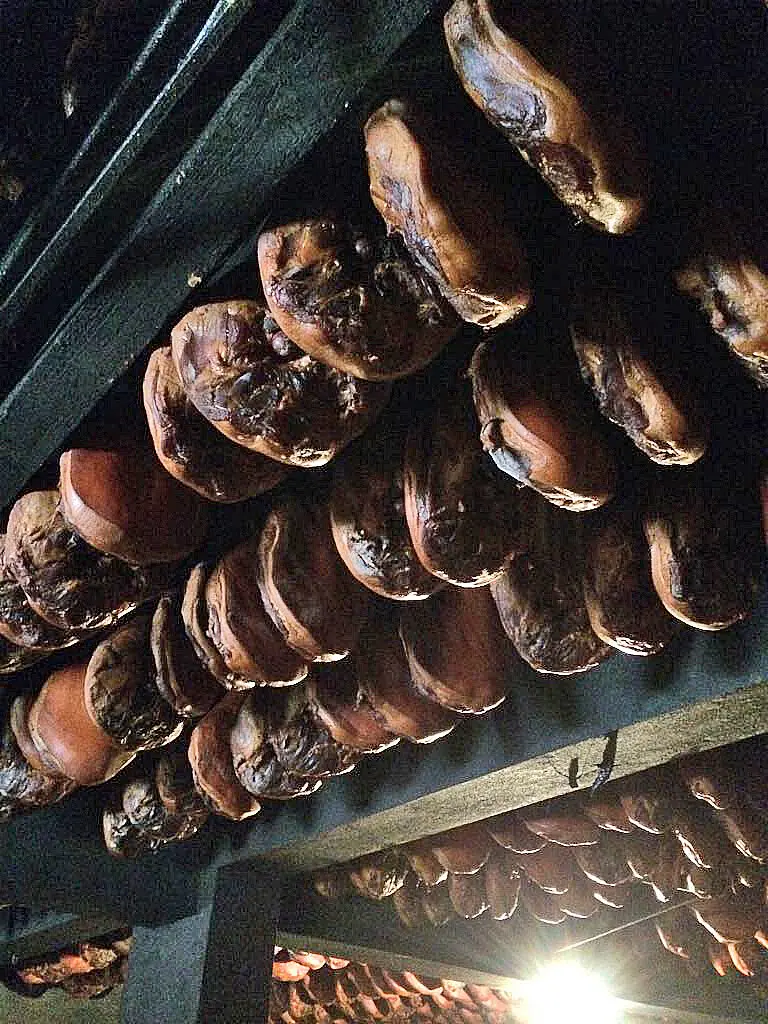
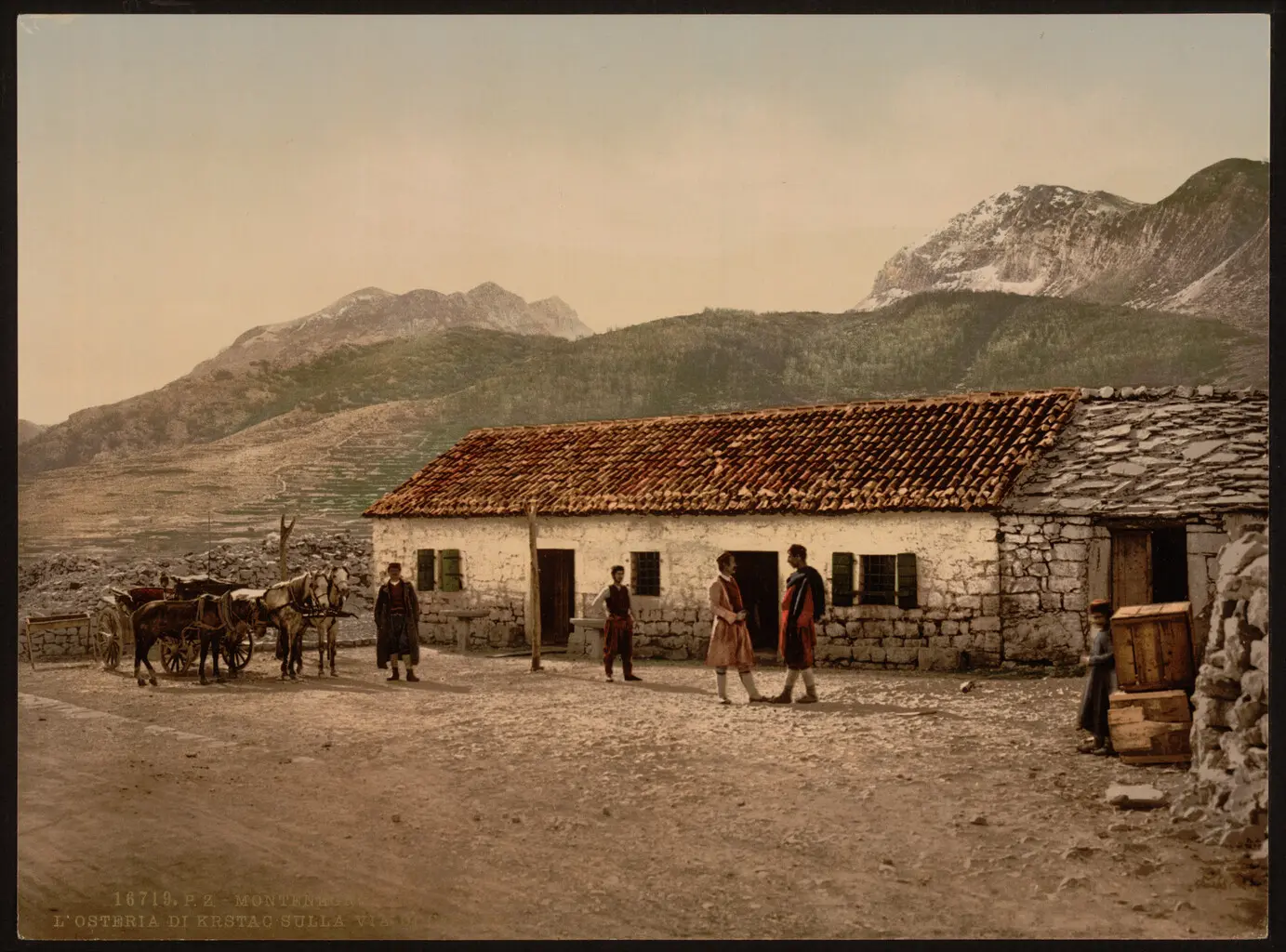
The villages below Mount Lovćen make Njeguši prosciutto, along with Njeguši cheese, sausage and kaštradina, dried mutton. Locals put the secret down to the climate, where sea and mountain air meet, and to smoking over beech wood. In the taverns on the old Cetinje–Kotor road prosciutto is still sliced with cheese, mead and homemade rakija. Further inland, kaštradina is cooked with raštan, a dark leafy cabbage.
The mountain north

The mountain north

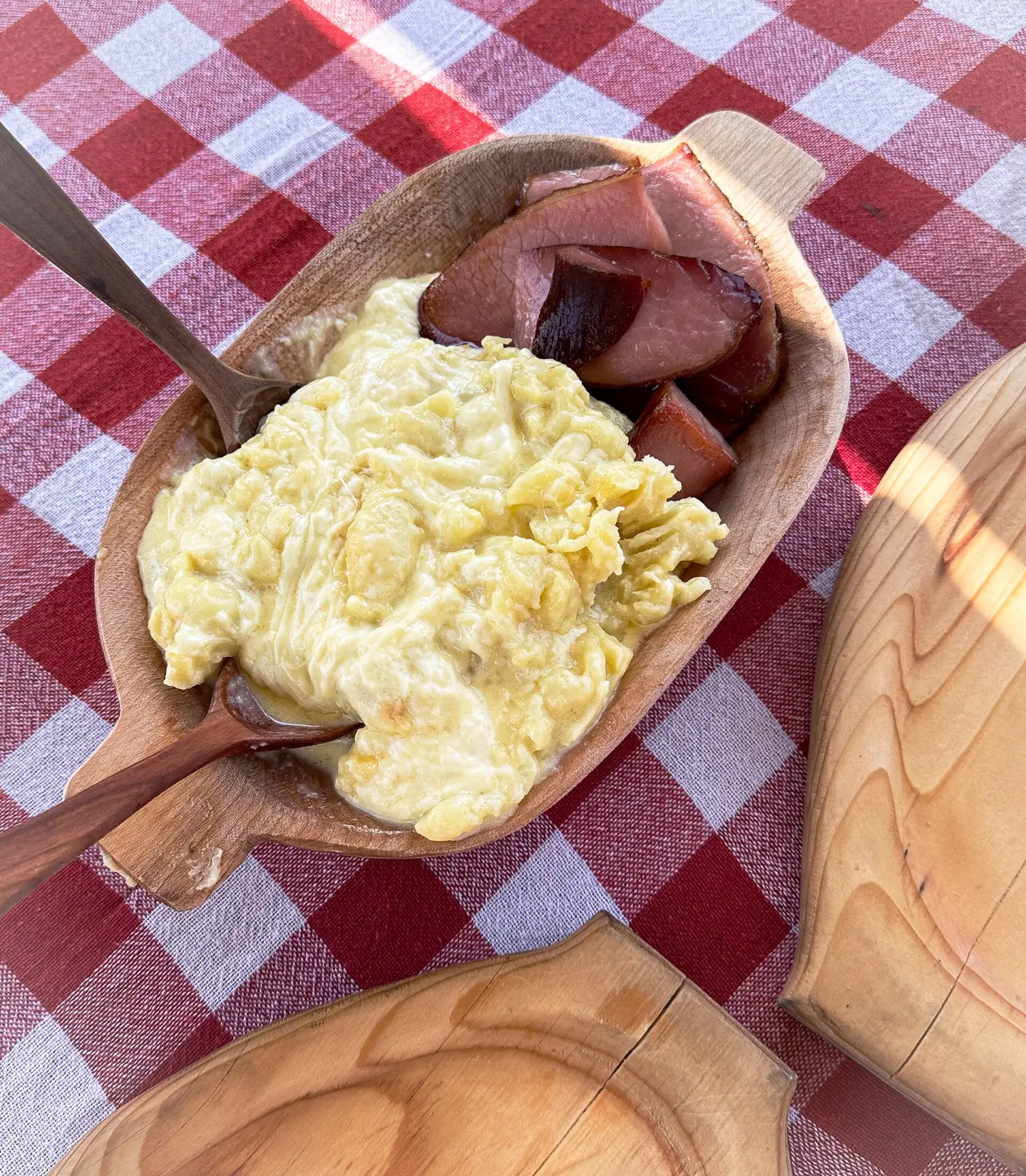
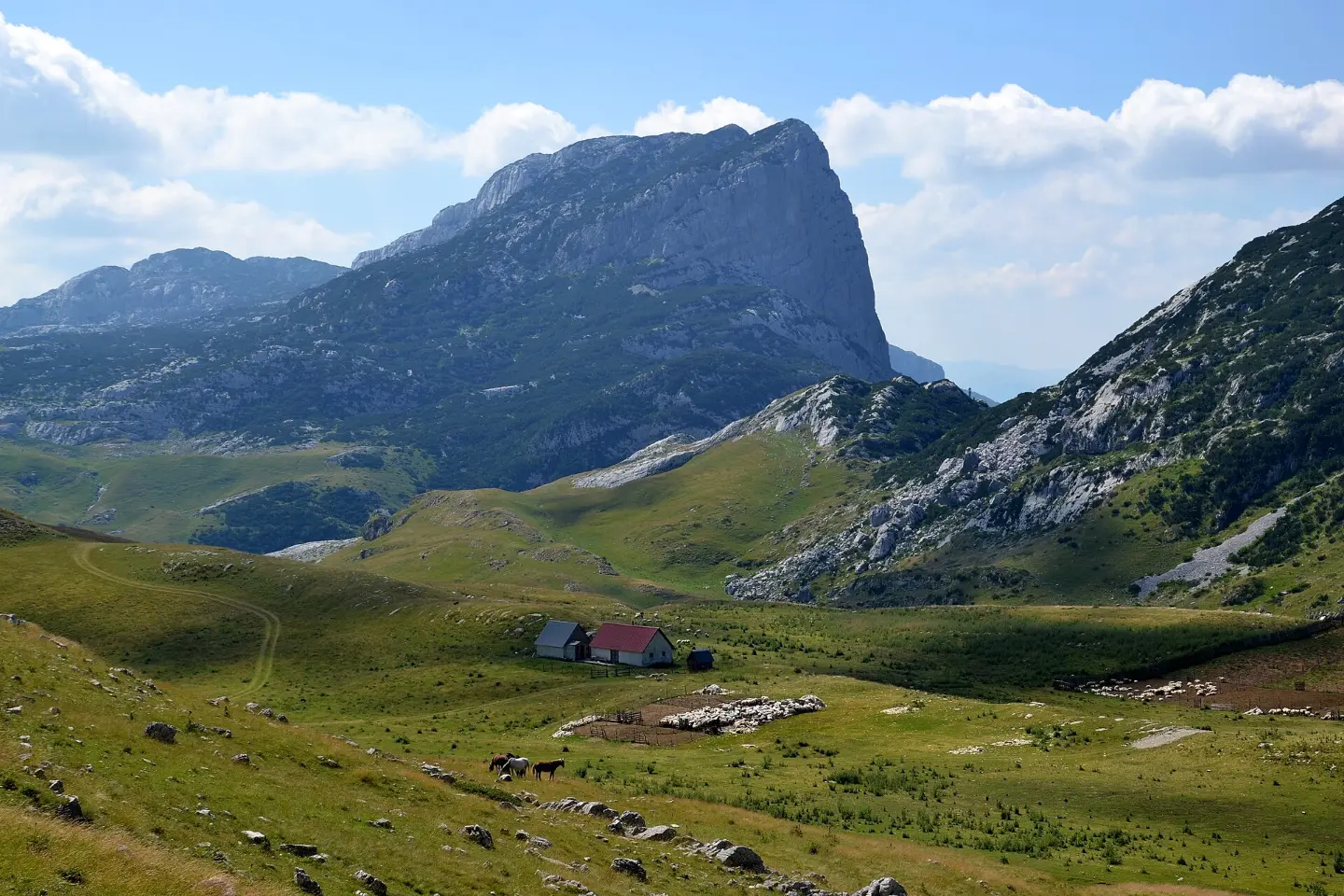
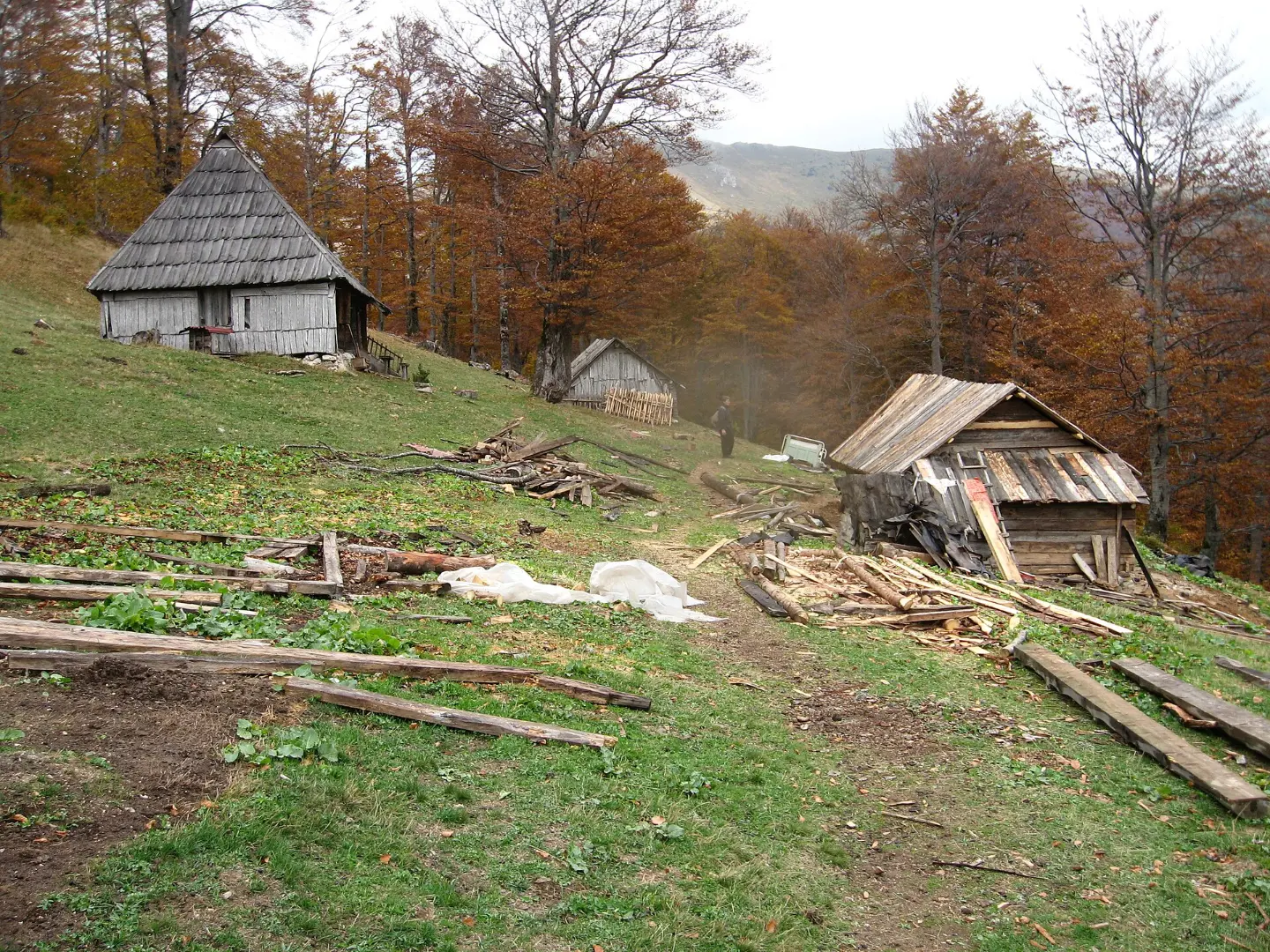
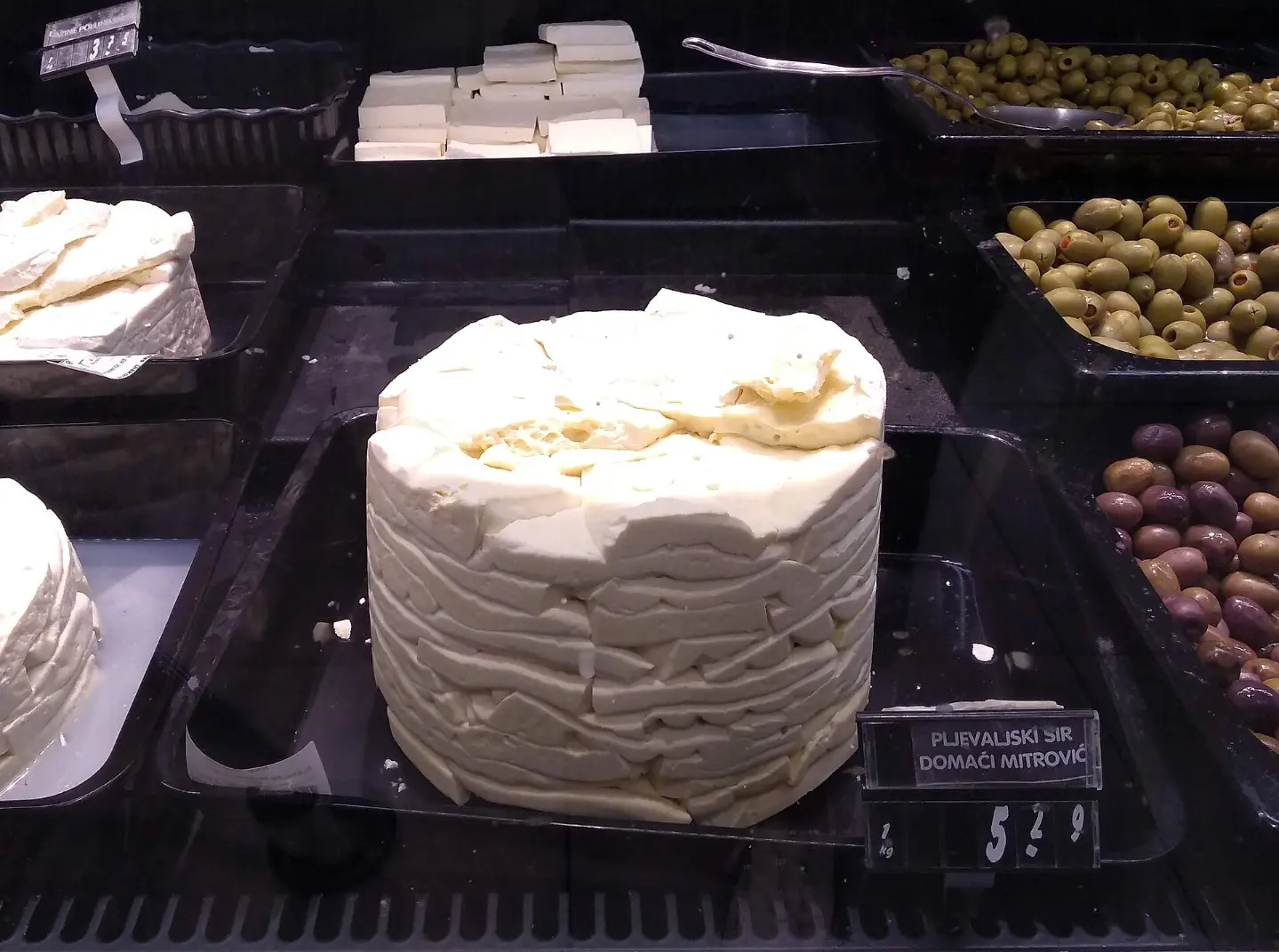
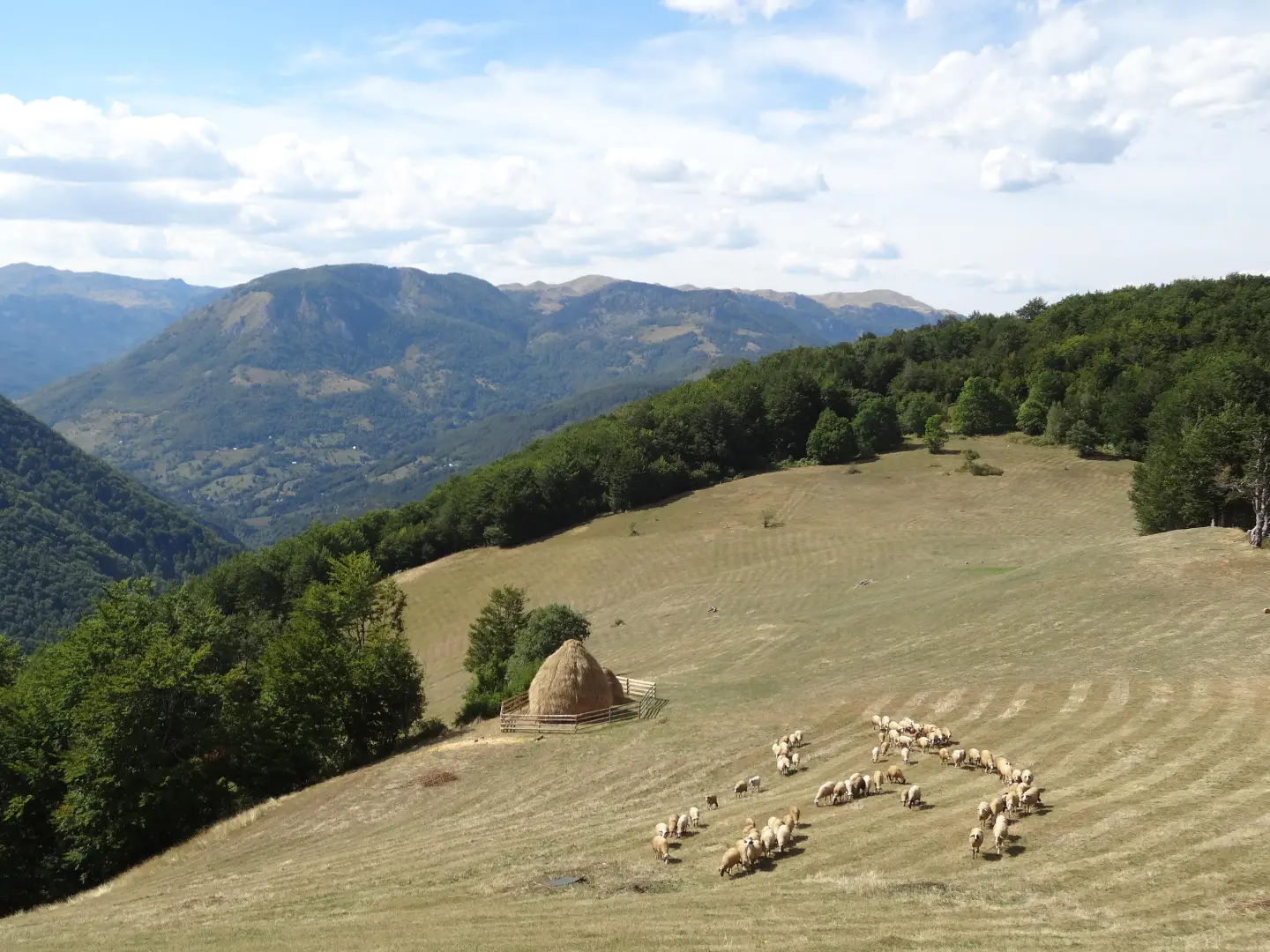
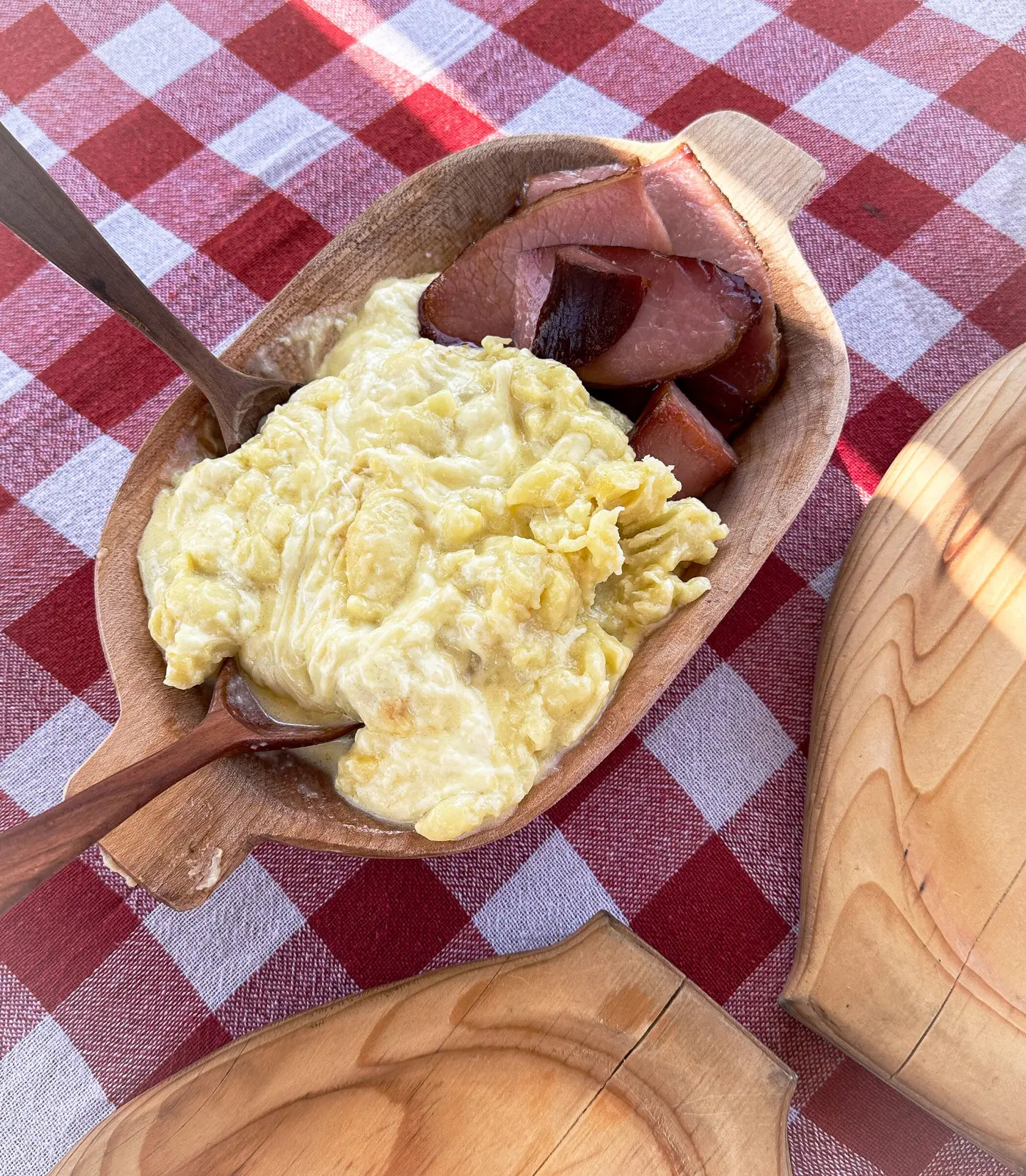
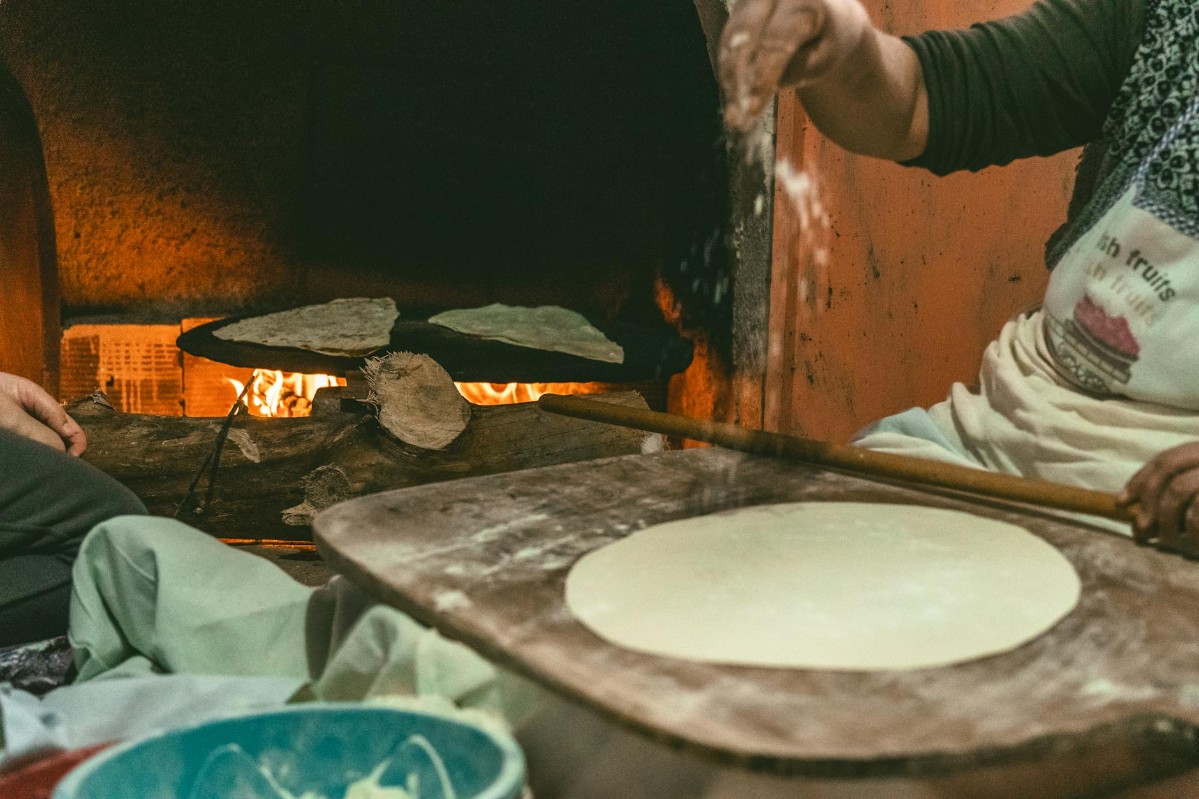
In the north the cooking follows the livestock and the summer katuns: kačamak and cicvara made from cornmeal, kajmak and skorup, Kolašin leaf cheese and Pljevlja cheese, lamb under the sač or cooked in milk, dried beef and trout from mountain rivers. On the meze plate Njeguši prosciutto gives way to dried beef, and kajmak comes to every table.
Montenegrin cuisine: from the coast to the katuns
A table for every region

From olives by the sea to kajmak on the katun

A table for every region

Fish and olive oil on the coast, carp and vranac around Lake Skadar, prosciutto in Njeguši and cheese in the northern mountains.

On the map

Places from this guide

Kafana

Kod Pera na Bukovicu, Njeguši

Old Cetinje–Kotor road, Njeguši

The Milošević family's tavern, licensed in 1881, at 1,150 m. They smoke their own prosciutto and serve it with Njeguši cheese, sausage, mead and rakija.

Restaurant

Pelikan, Virpazar

Virpazar, Lake Skadar

The Zec family since 1960: fresh, dried and marinated carp, carp with fruit, bleak and eel, grilled or with rice.

Restaurant

Stari most, Rijeka Crnojevića

Rijeka Crnojevića (Cetinje)

A restaurant by the old bridge with lake cooking: smoked carp, fish soup, trout and eel on a terrace over the river.

Restaurant

Koliba, Bogetići

Road to Ostrog Monastery (Nikšić)

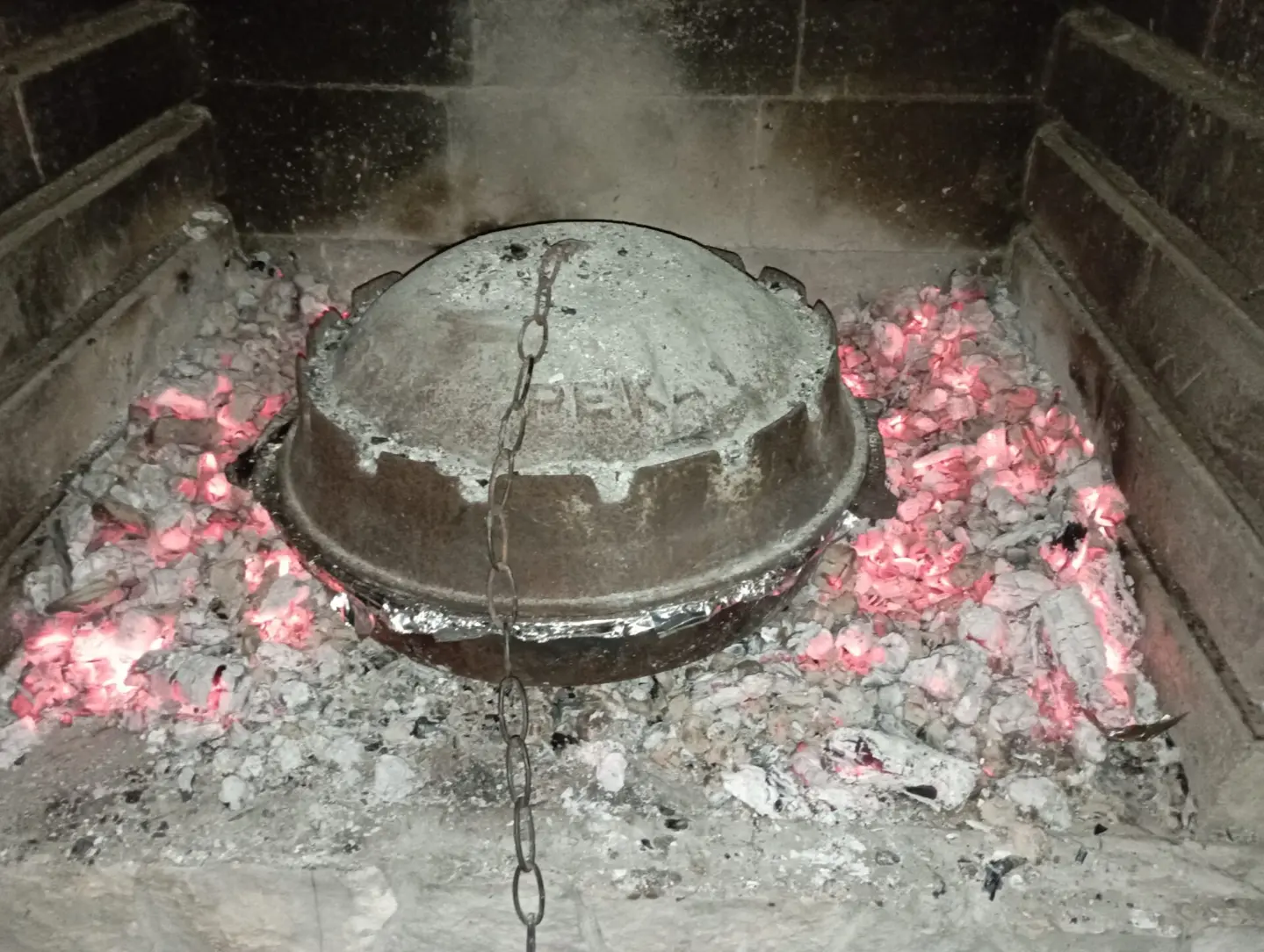
A national restaurant with lamb, veal and kid under the sač, and cicvara and kačamak in clay dishes.

Restaurant

Savardak, Kolašin

Road to the ski centre, about 3 km from Kolašin

A small restaurant shaped like a katun hut, known for kačamak, cicvara, sour milk and lamb.

Restaurant

Restoran Taša, Pljevlja

Pljevlja bypass

A national restaurant known for Pljevlja cheese and kajmak, alongside local and mountain dishes.

Calendar

Through the year

  1. Late February

    Virpazar

    Wine and Bleak Festival: Crmnica wine and lake fish at stands through the village.

  2. July – August

    The northern mountains

    Katun season: cheese, kajmak, kačamak and lamb where they are made. In mid-August Žabljak hosts the Durmitor Healthy Food Days.

  3. September – October

    The coast, Nikšić, Zeta

    The olive harvest begins; Honey Days in Nikšić in September and the Day of Zeta Cakes and Priganice in October.

  4. Late November

    Stari Bar

    Maslinijada: olive and olive oil producers in the old bazaar of Bar.

Customs

Customs and good to know

Ask for local dishes

In national restaurants ask what is homemade and in season today: the menu changes with the region and the time of year.

Go to the market

Town markets, such as those in Kotor, Bar and Podgorica, are the best place for cheese, kajmak, honey, olives and dried figs. Go early.

Welcome rakija

Your host will offer homemade rakija, grape, plum or pear. It is strong, so feel free to sip it slowly.

Rural households

In Njeguši and on the northern katuns some households welcome guests for lunch, tastings and buying cheese and prosciutto. Call ahead.

Combine regions

In one day you can lunch on carp at Lake Skadar and dine on prosciutto in Njeguši: distances are short, roads winding.

FAQ

Frequently asked questions

Njeguši prosciutto and cheese, kačamak and cicvara, lamb under the sač or in milk, kajmak, Kolašin leaf cheese and Pljevlja cheese, smoked carp and bleak from Lake Skadar, and on the coast grilled fish and brodet. Priganice with honey and homemade rakija go with them.
The coast is Mediterranean, with fish, olive oil, chard and polenta. The north is mountain cooking: milk, cheese, kajmak, cornmeal and lamb. In between are Lake Skadar with carp and bleak and Njeguši with cured meat.
The meze served to guests: homemade bread, Njeguši cheese and prosciutto, olives on the coast, and in the north kajmak and dried beef instead of Njeguši prosciutto. Restaurants usually list it under that name.
In Njeguši, below Mount Lovćen, in the taverns and konobas on the old Cetinje–Kotor road and in households that smoke their own hams. Some will show you the drying room.
Yes: kačamak and cicvara, pies with cheese or greens, priganice, cheeses and kajmak, and on the coast dishes of vegetables, chard and polenta. By the sea and the lake, fish is a common choice.