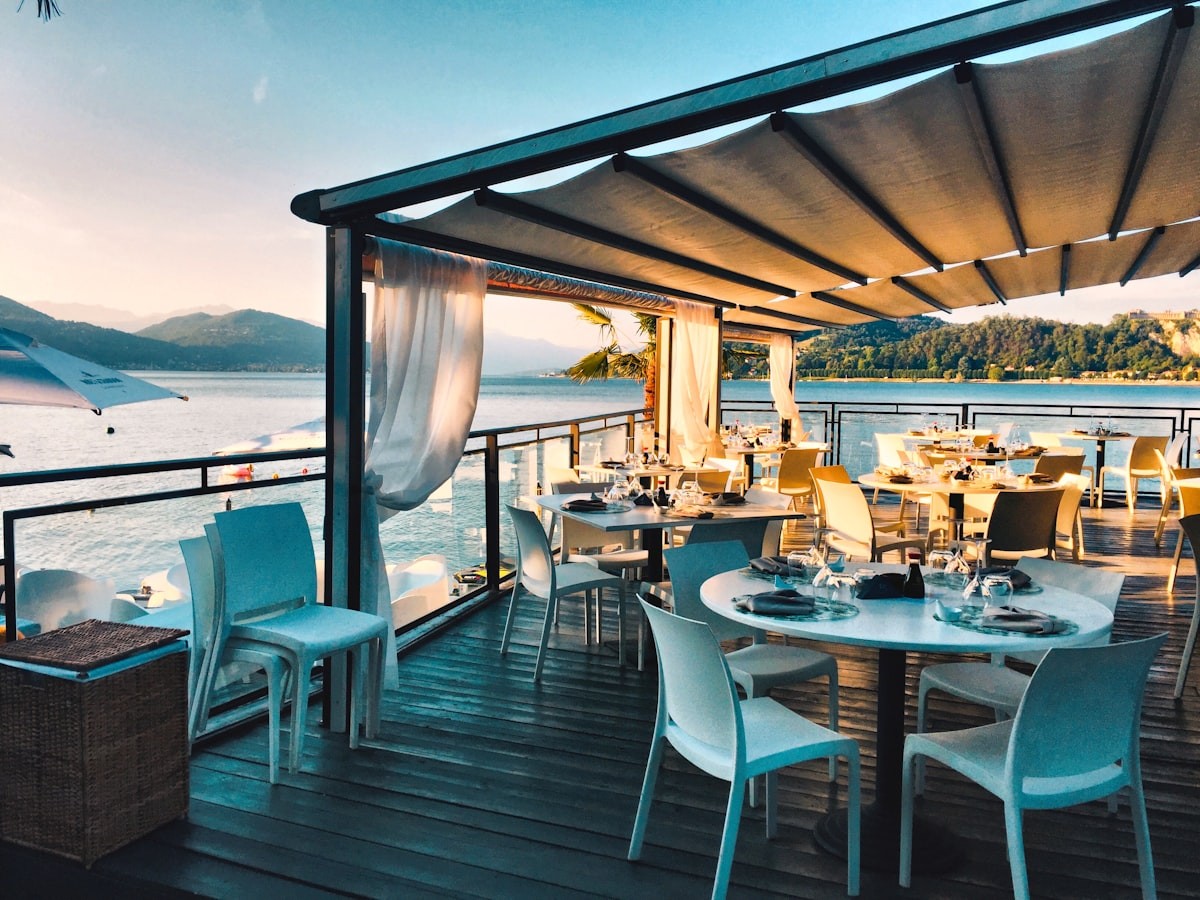
From fresh grilled fish to black risotto and mussels — the Adriatic coast of Montenegro offers some of the most authentic seafood tables in the Mediterranean.
Fresh fish, mussels, shellfish and seafood straight from the Adriatic — the Montenegrin coast is a paradise for lovers of seafood cuisine.
Main Dishes
Grilled fish, brodet stew, black risotto
Key Cities
Budva, Kotor, Bar, Herceg Novi, Ulcinj
Recommended Wine
Malvazija, Krstač (white wines)
Season
May–October (peak July–August)
Meal Price
8–25 EUR per person (konoba)
Luxury
Oysters and tiger prawns at Luštica Bay
Highlights

A classic of the Montenegrin coast — škarpina, sea bass or sea bream grilled over charcoal, seasoned with olive oil and lemon. Served with blitva and polenta. You will find it in every konoba from Herceg Novi to Ulcinj.

Mussels cooked in white wine, garlic and tomato — one of the most popular seafood dishes along the Montenegrin coast. Budva and Bar are reliable towns for this speciality, and a portion for two costs around 10–14 EUR.

One of the most popular seafood restaurants in Montenegro. It offers a 'sea to table' menu featuring oysters, tuna tartare and giant tiger prawns. A terrace overlooking the bay completes the experience.

At the far south of Montenegro, around Ulcinj and Ada Bojana, seafood cuisine carries a Mediterranean-Albanian character — more spices, fresh vegetables and fish from the mouth of the Bojana river. A distinctive flavour that sets it apart from the rest of the coast.
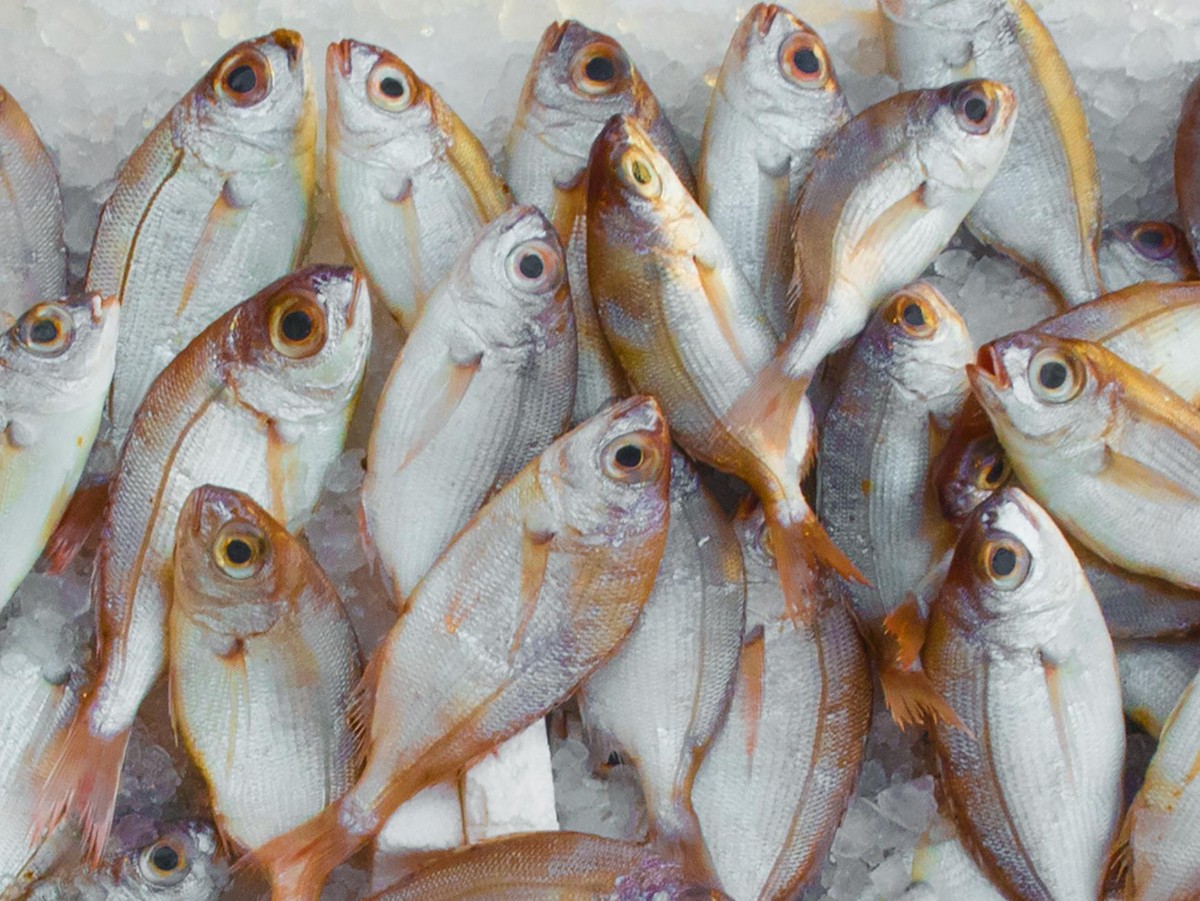
293 km of coastline, fresh fish every day, konobas with a sea view
From grilled škarpina to oysters in Luštica Bay — the Montenegrin Adriatic serves up a seafood cuisine that blends fishing tradition with modern flavours.
Gallery

Did You Know?
Restaurant 21 in Luštica Bay offers ceviche of fresh fish marinated in lime juice, coconut milk and turmeric — a combination that shows that Montenegrin seafood cuisine is not just tradition, but also a contemporary gastronomic scene. In addition, Malvazija from Vučinić winery comes from vineyards near Lake Skadar.
Practical Tips
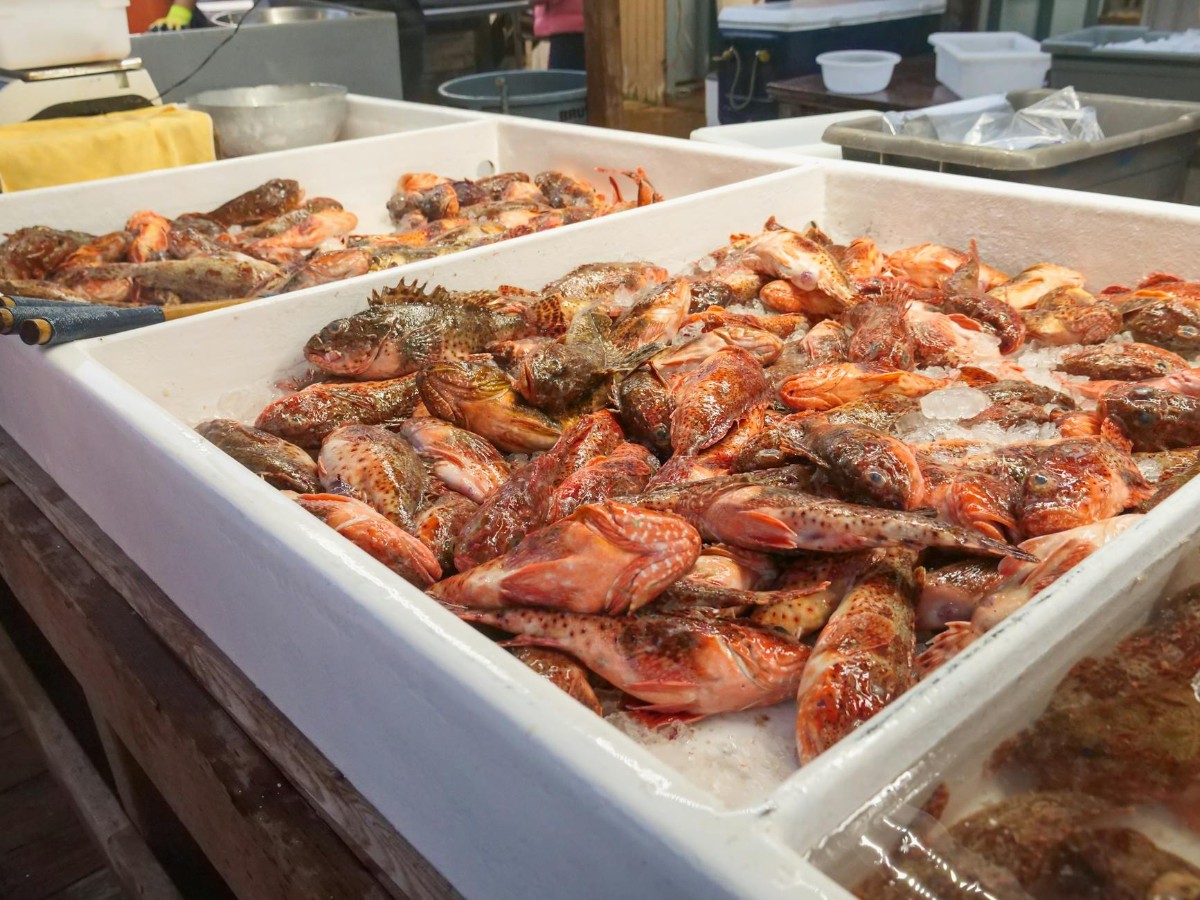
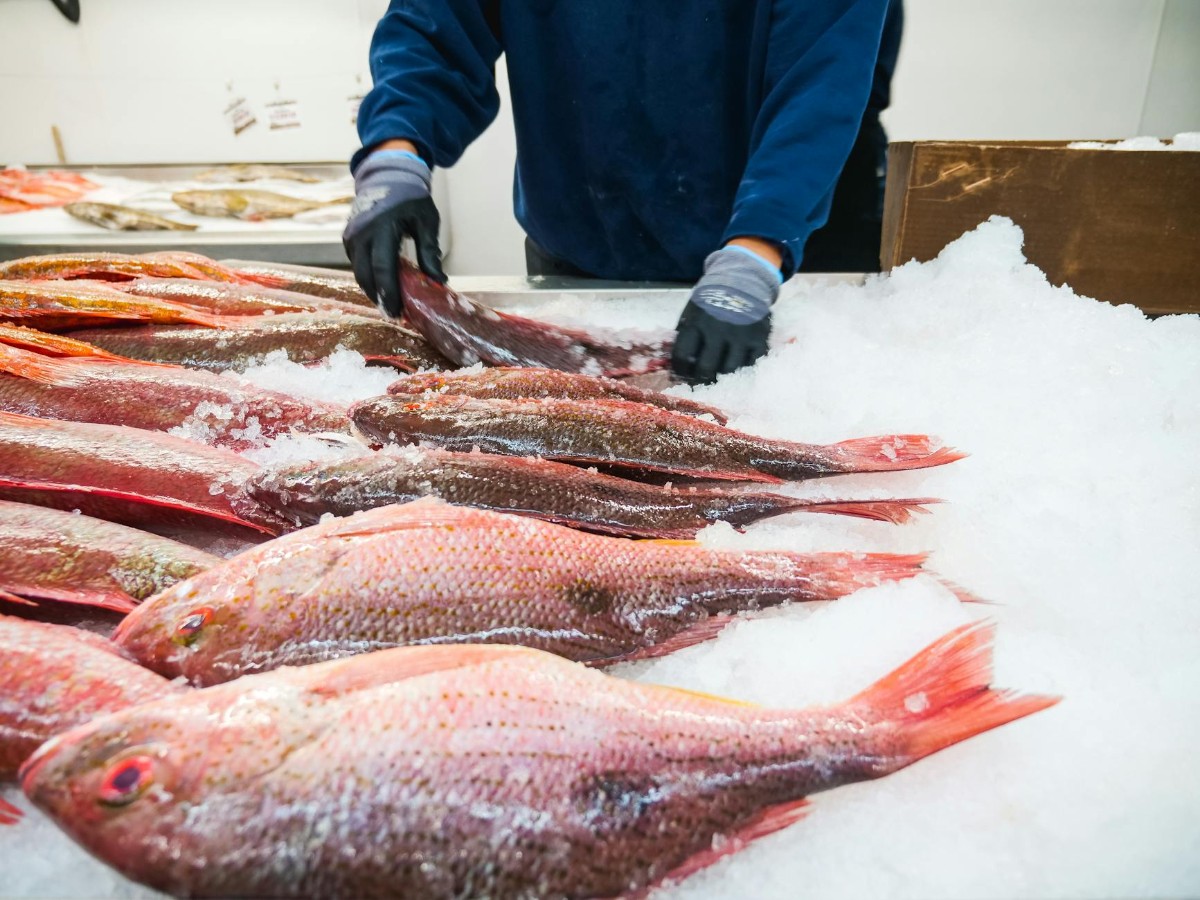
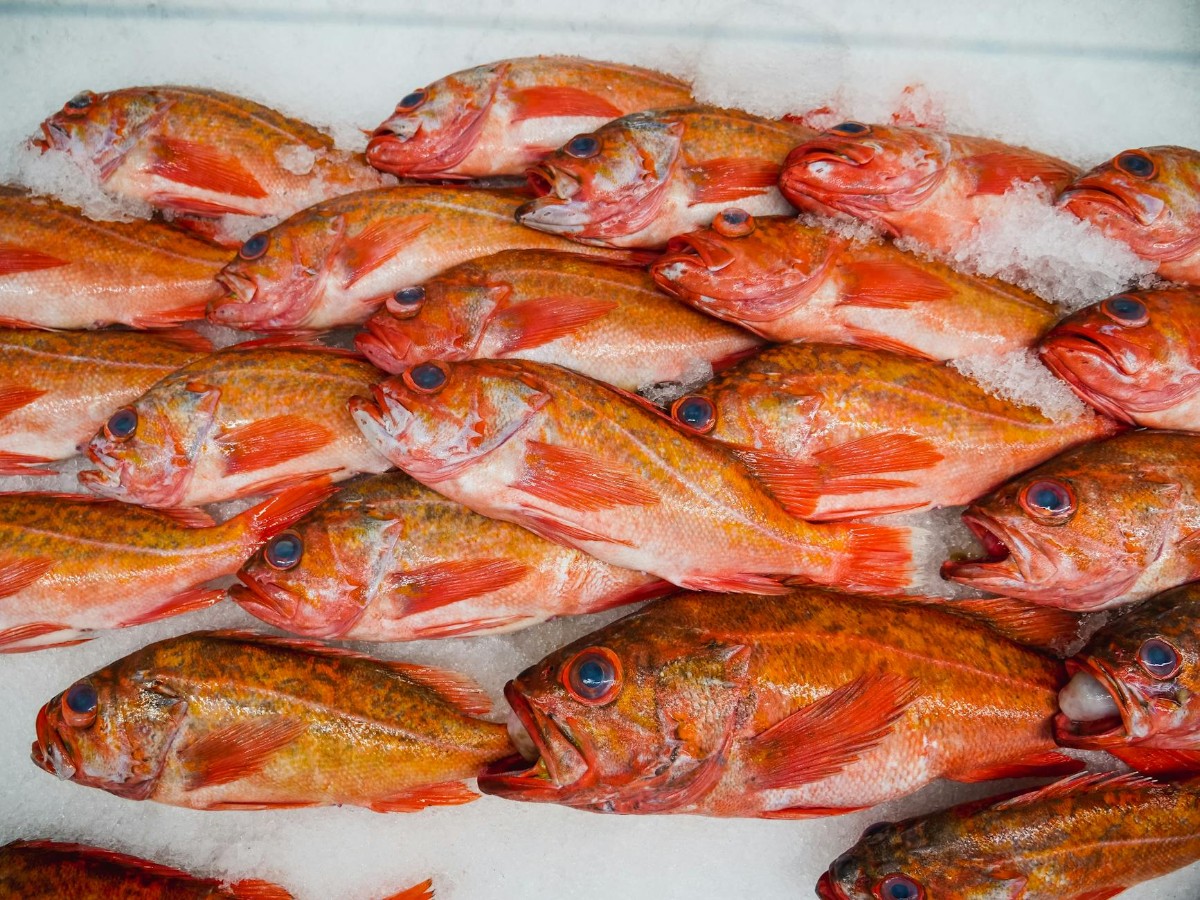
Visit the fish market in Bar or Budva between 7 and 9 in the morning. The fish is at its freshest and cheapest, and many konobas are happy to prepare it for you by arrangement if you bring your own catch.
July and August are the busiest and most expensive months. May, June and September offer the same quality of fish, fewer crowds in restaurants and lower prices — ideal for stress-free gastronomic exploration.
In smaller konobas always ask 'what came in today?' — the menu is often informal and depends on the catch. The fish of the day is always a better choice than fish sitting in a display case.
With seafood dishes, order Malvazija or Krstač — indigenous white varieties. Avoid imported wines in coastal konobas as local wines are usually fresher and pair better with fish.
If you have tried the standard coastal cuisine, make a detour to Ulcinj or Ada Bojana. The Mediterranean-Albanian influence gives seafood dishes a completely different character — more spices, fresh vegetables and dishes from the mouth of the Bojana river.
Smaller konobas and fish stalls often do not accept cards. Bring cash — especially if you plan to shop at the market or have lunch in smaller coastal towns outside the main tourist centres.
FAQ

Ask about Montenegro
Ask me about destinations, restaurants or activities.