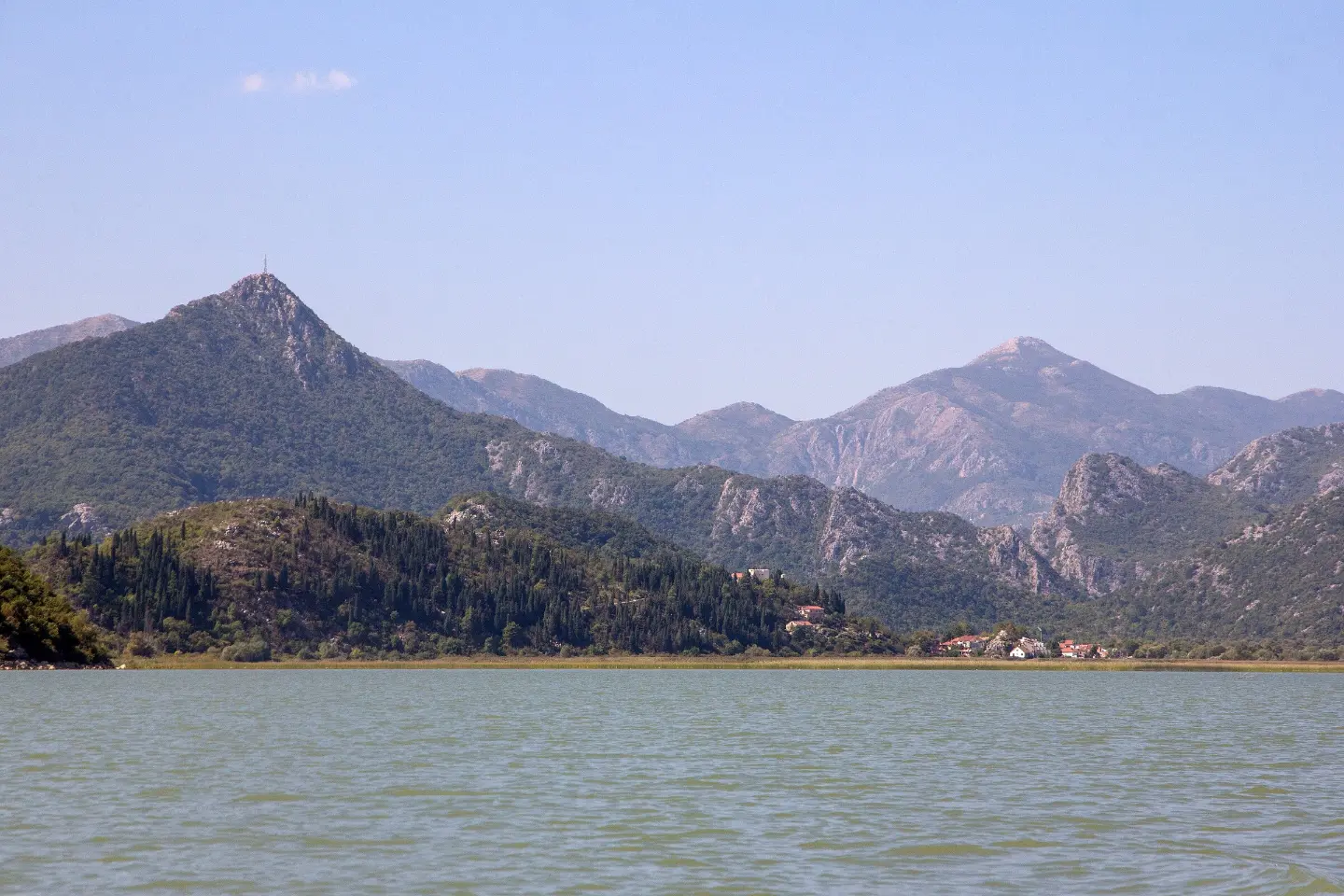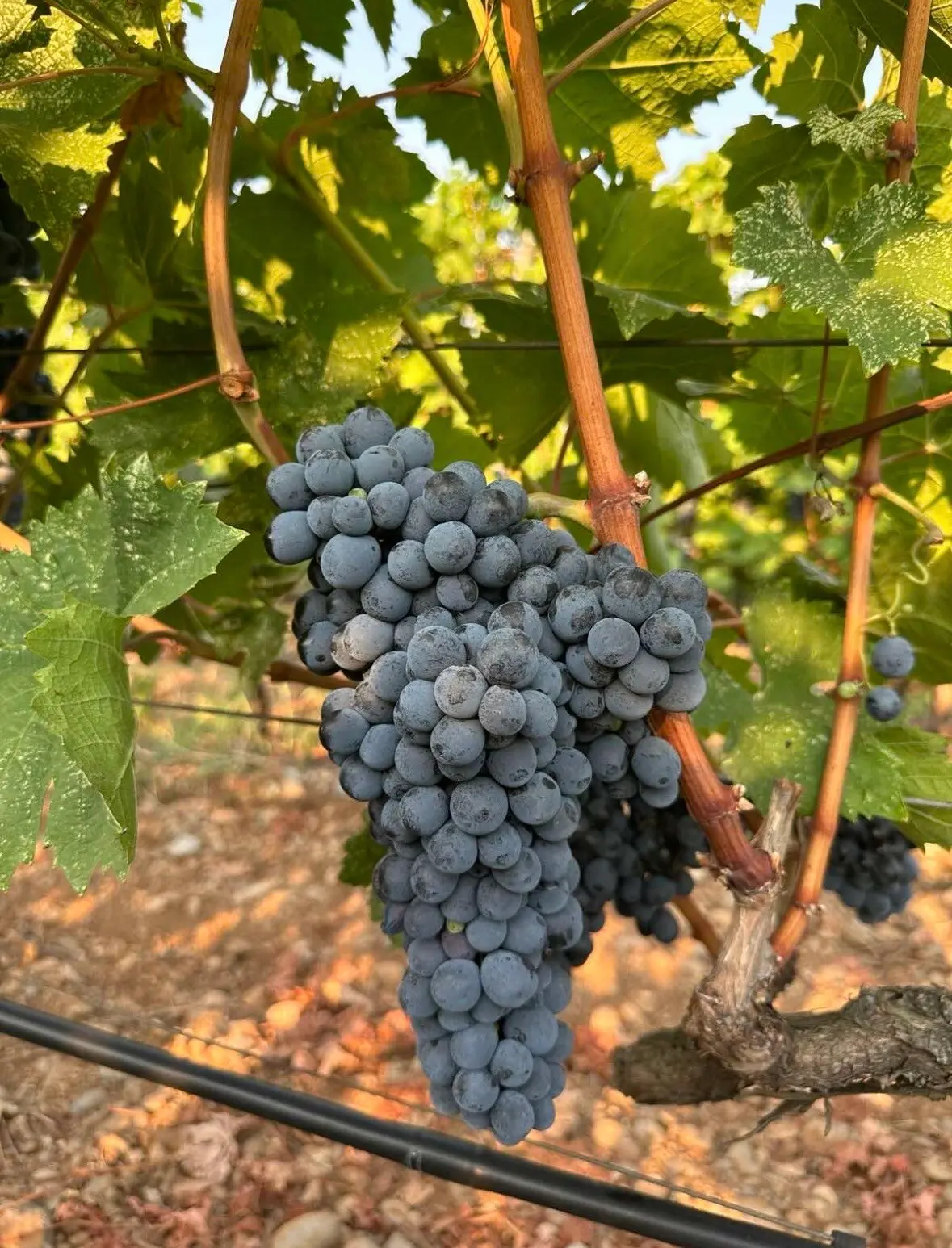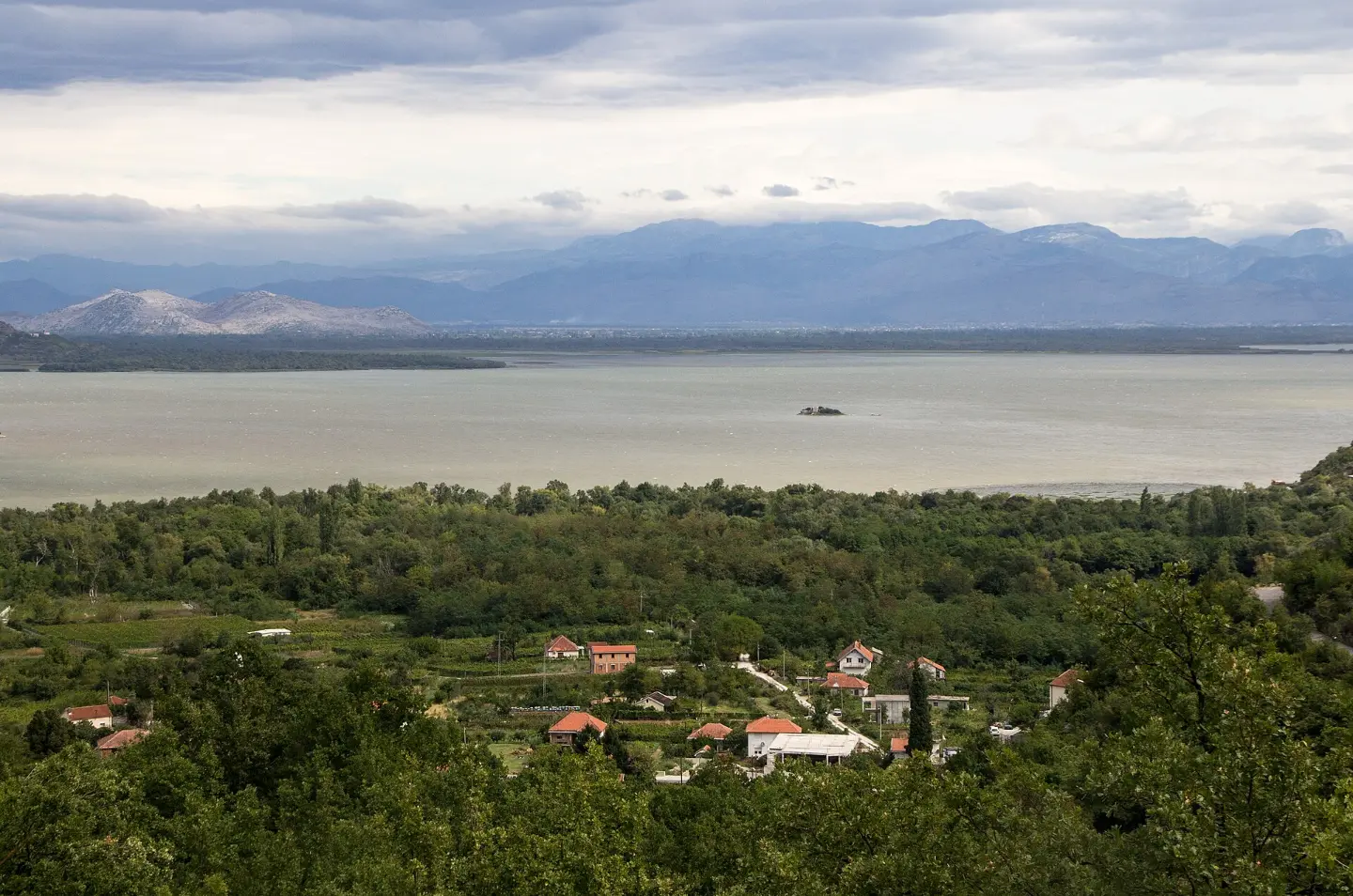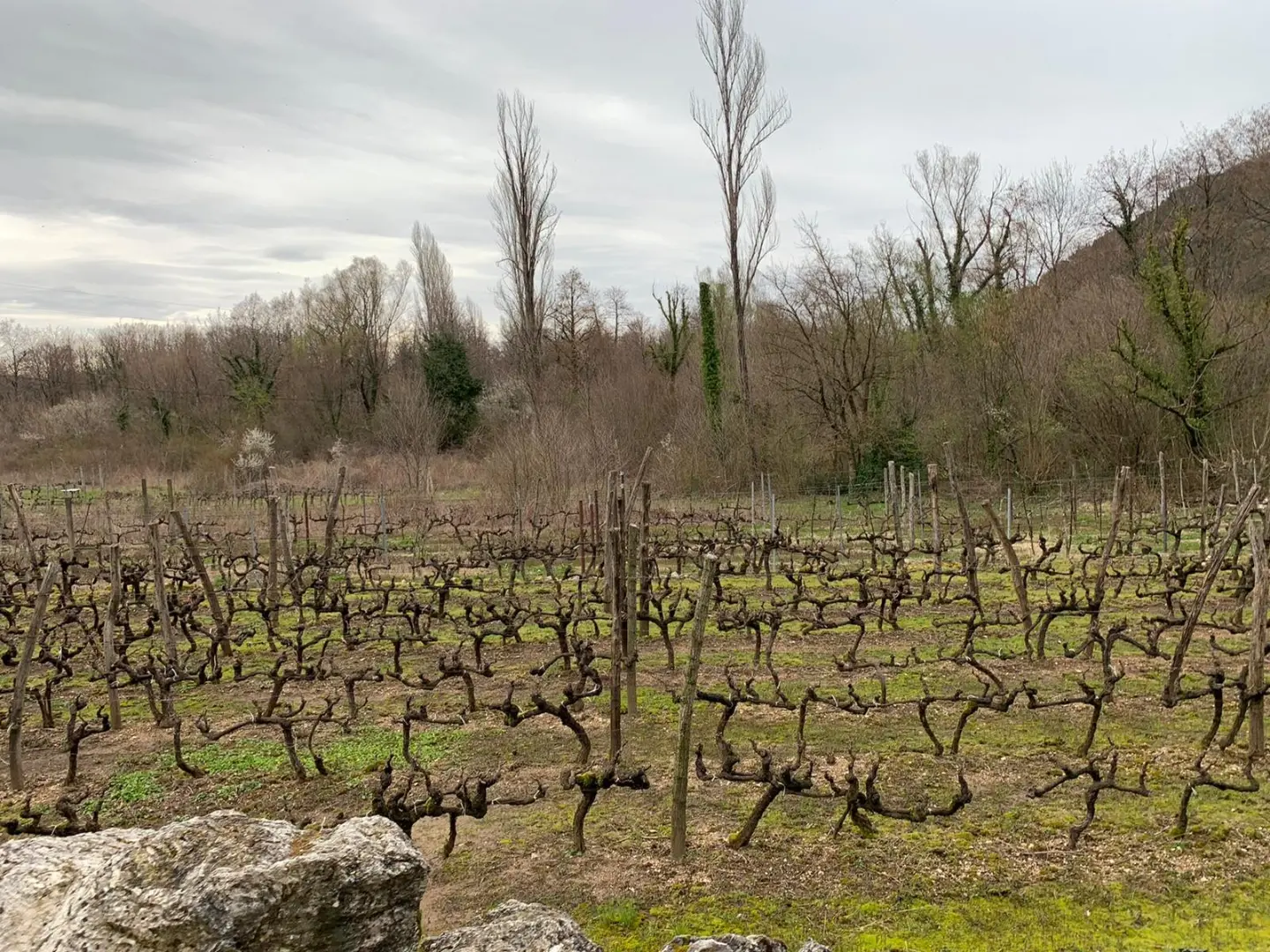
Wine has been part of Montenegrin tradition for centuries, and vranac, the native black grape, is its national brand. Most vineyards lie around Lake Skadar and Podgorica, from family plots in Crmnica to Ćemovsko polje, Europe's largest single-parcel vineyard. The best way to meet it is at the source: in the Šipčanik cellar, in the stone houses of Crmnica or on a terrace above the Bay of Kotor.
Vranac, krstač and kratošija, the Šipčanik cellar 30 metres underground and the family cellars of Crmnica and the Bay of Kotor: how to meet Montenegrin wine at the source.
The land of vranac
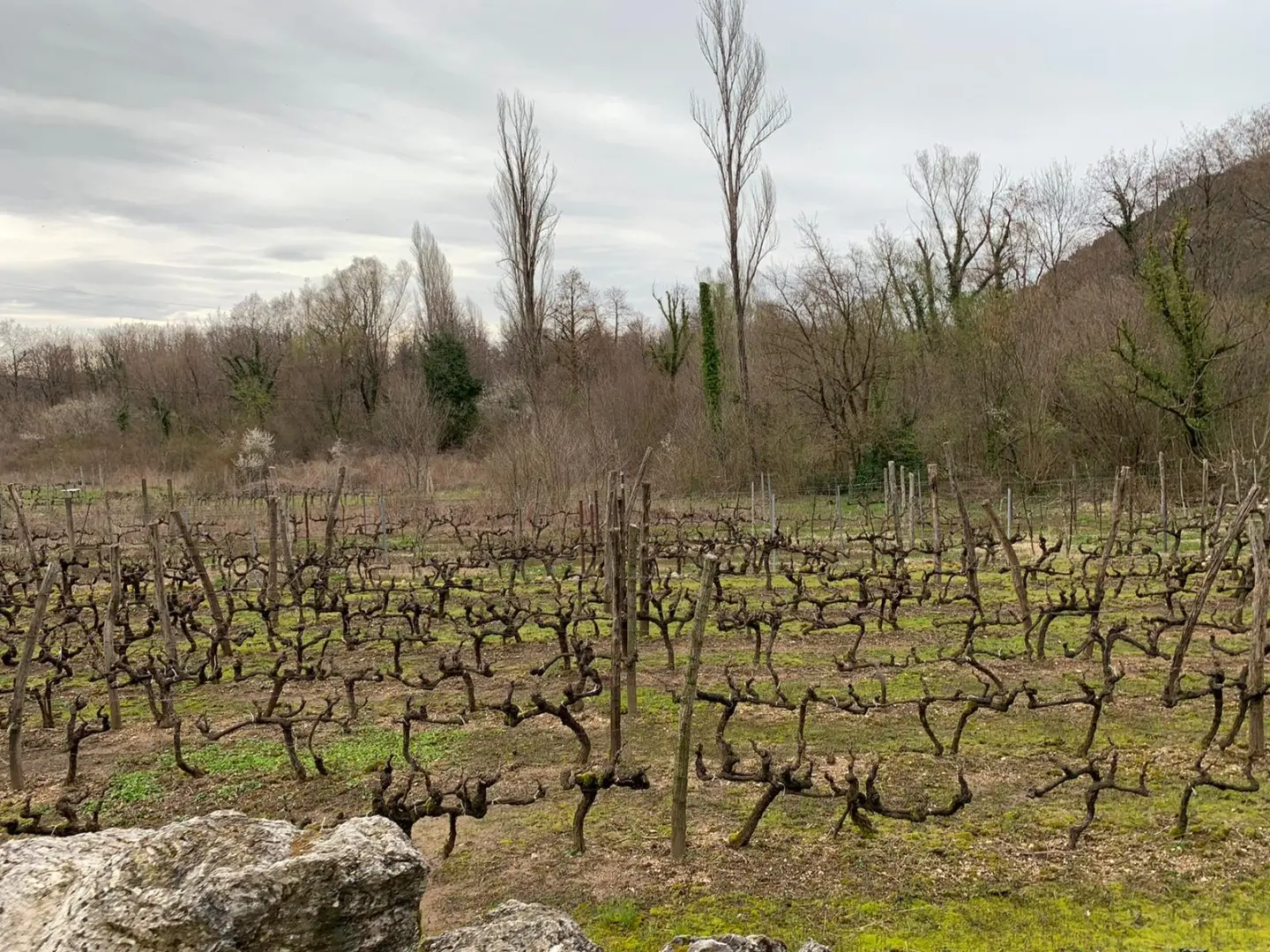
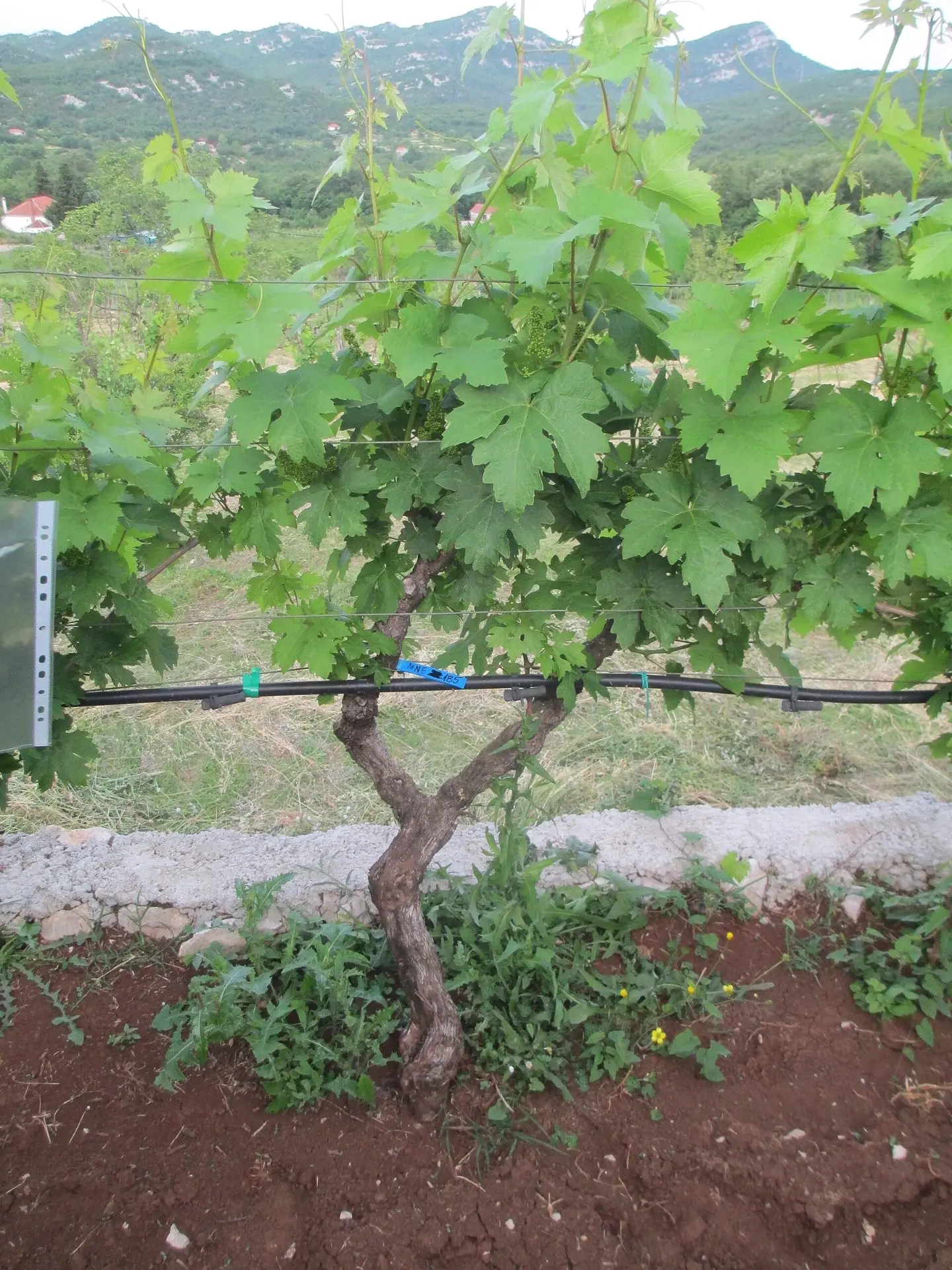
Montenegro has made wine for centuries, in villages but also in churches and monasteries that still keep their own vineyards. The main grape is vranac, a black variety that comes from Crmnica above Lake Skadar and today covers about half of the country's vineyards. Other native grapes grow beside it: kratošija, an old black variety genetically identical to Zinfandel and Primitivo, the white krstač, named after its cross-shaped bunch, and žižak, a white grape from the Bay of Kotor once used for sparkling wine.
Wineries also make good wines from international grapes such as Cabernet Sauvignon, Merlot, Chardonnay, Marselan and Malvasia, but the bottle visitors take home is usually vranac.
Wine country
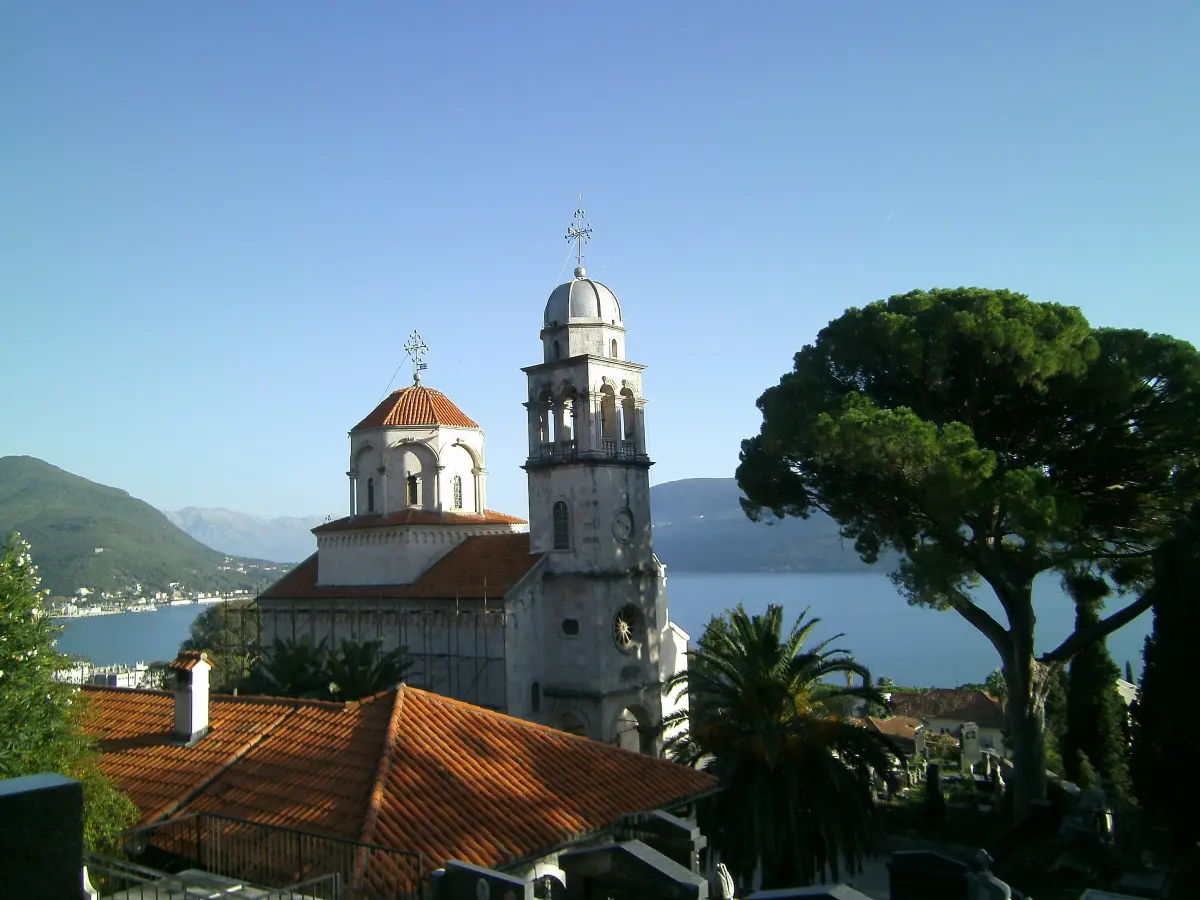
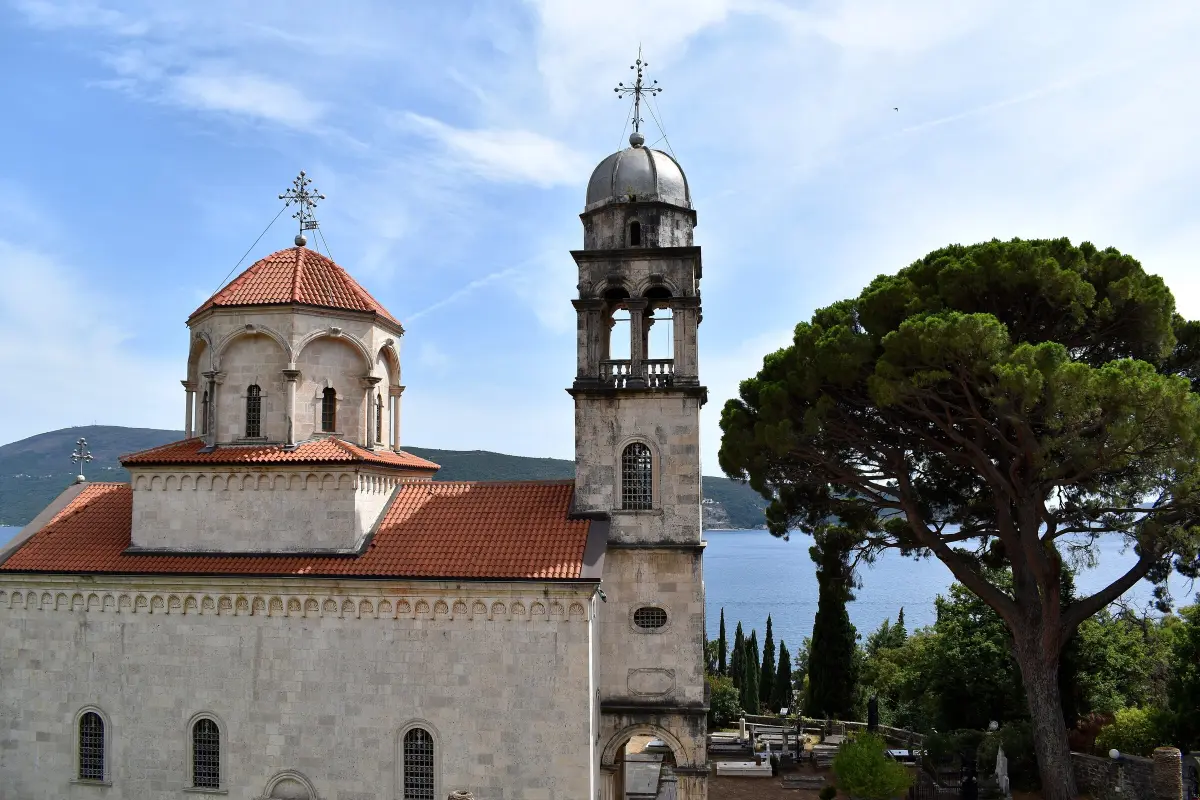
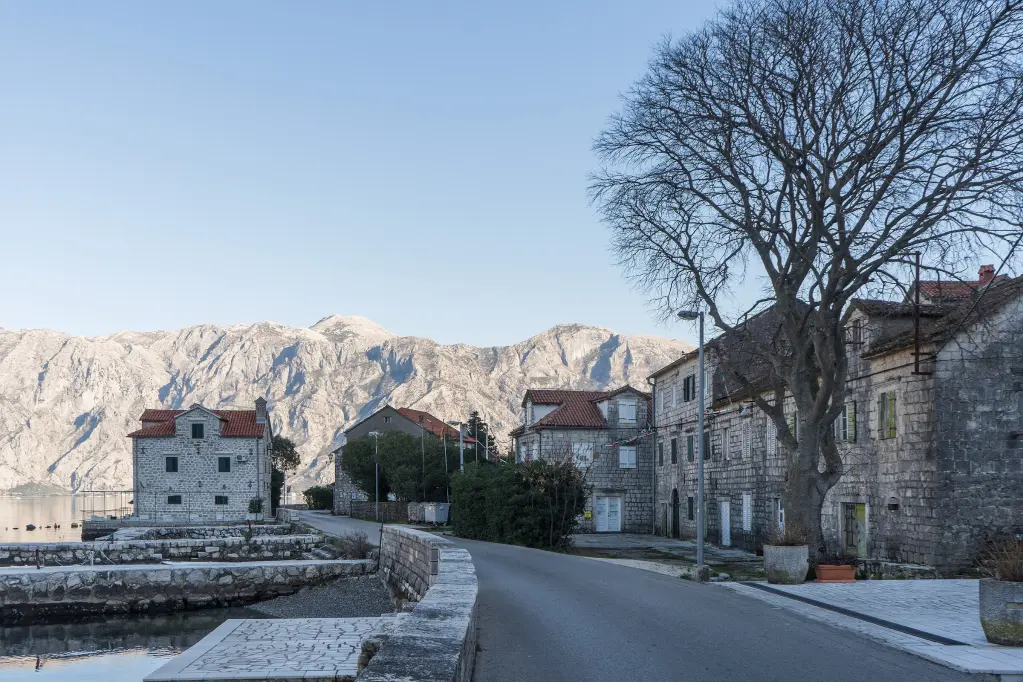
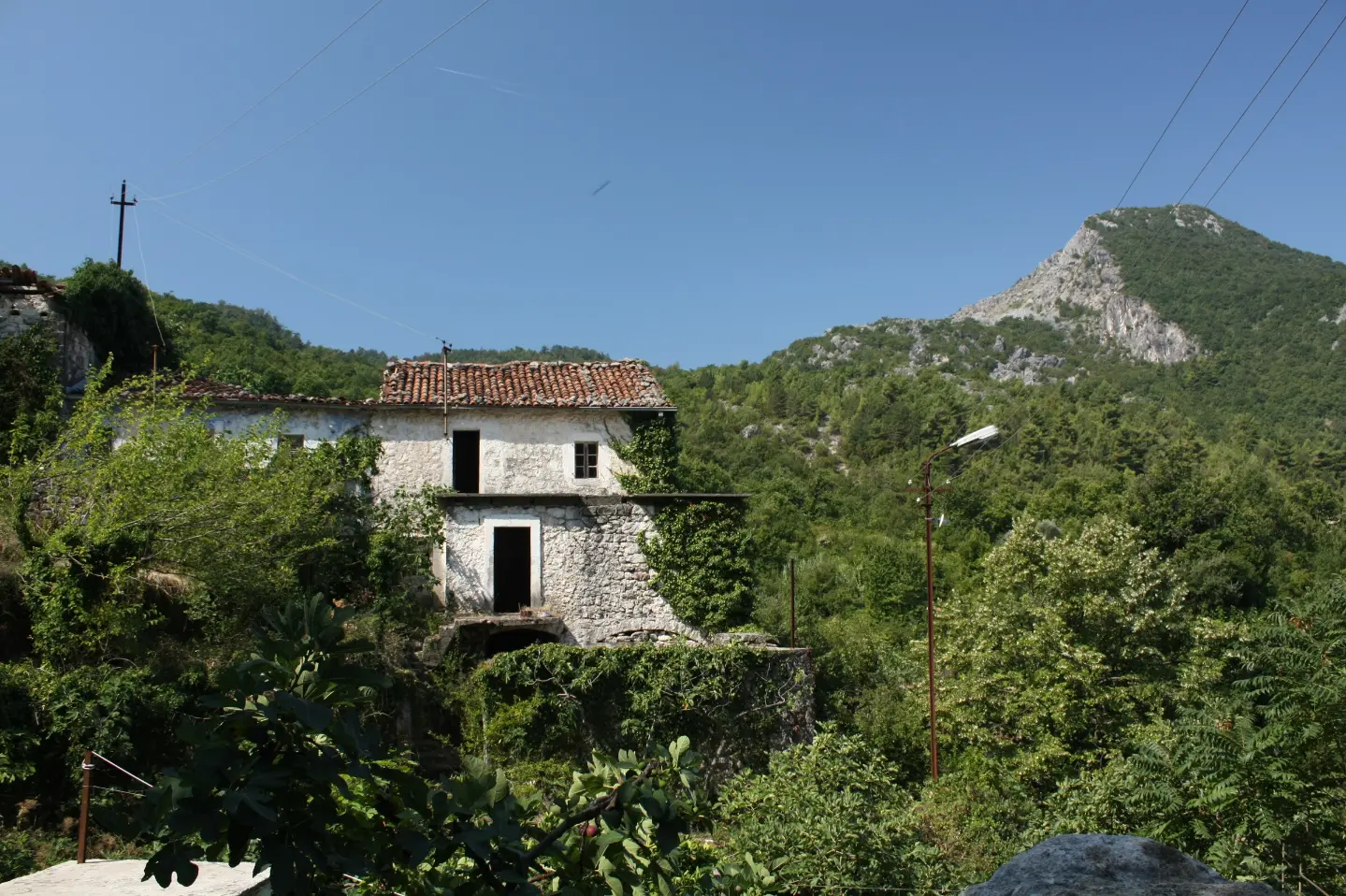
The best-known wine areas are Crmnica, the cradle of vranac, the Katunska and Riječka nahija, Komani, Bjelopavlići and the villages around Lake Skadar. Each gives a different vranac: from the Podgorica area, from Crmnica, from Ulcinj with a scent of the sea, the sweet vranac of Doljani or the one grown on the stony ground of Piperi. On the coast, above Savina Monastery in Herceg Novi, vines grow on the slopes over the Bay of Kotor.
Did you know?
The Šipčanik cellar, a former underground aircraft hangar more than 30 metres below ground, keeps Plantaže's oldest archive wine: Lesendro from the 1979 vintage.
A cellar in an airport tunnel
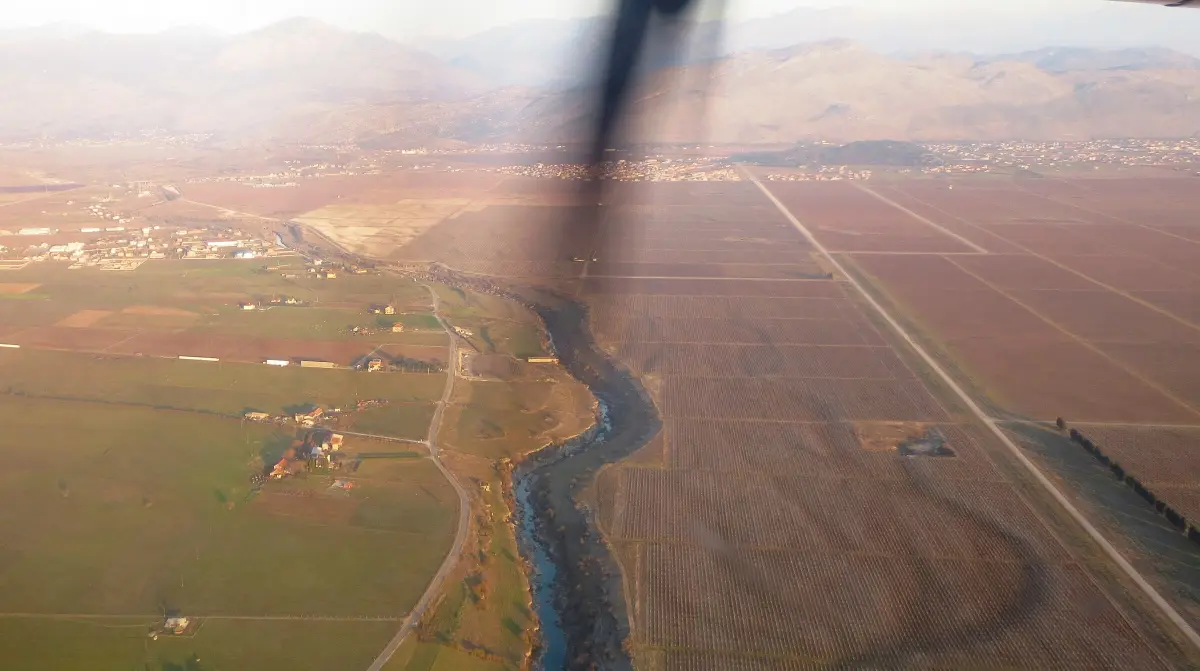
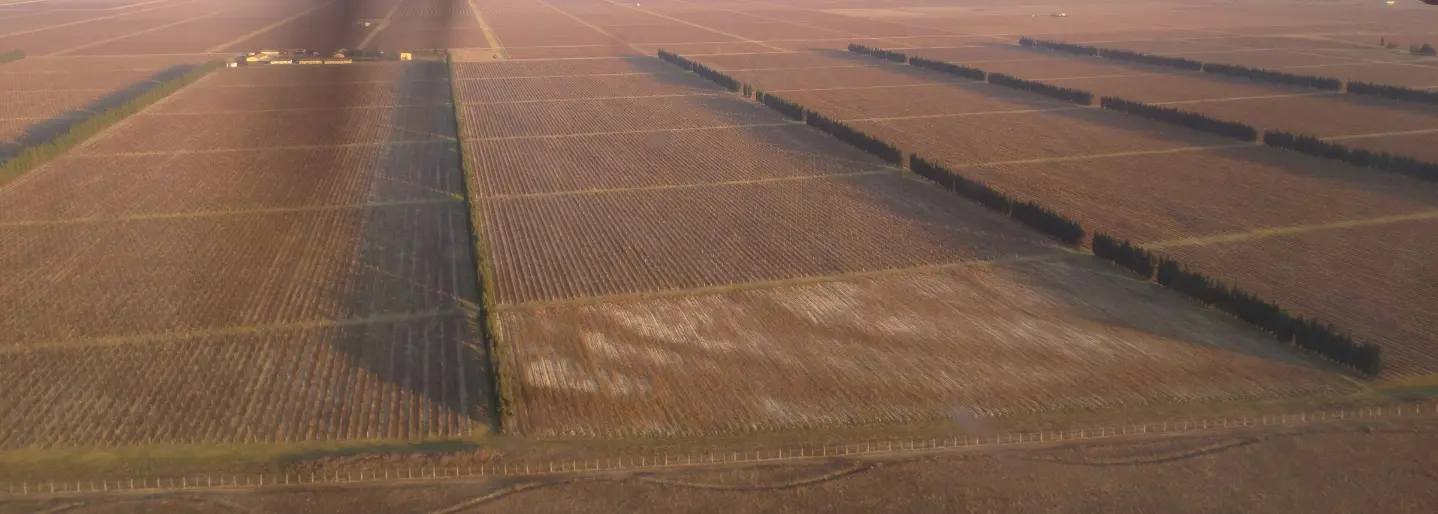
A few kilometres from Podgorica lies Ćemovsko polje, the 2,310-hectare vineyard of 13. jul Plantaže and Europe's largest single-parcel vineyard. It yields about 22 million kilograms of grapes a year, and the company's three cellars (Lješkopolje, Ćemovsko polje and Šipčanik) can age up to 33 million litres of wine.
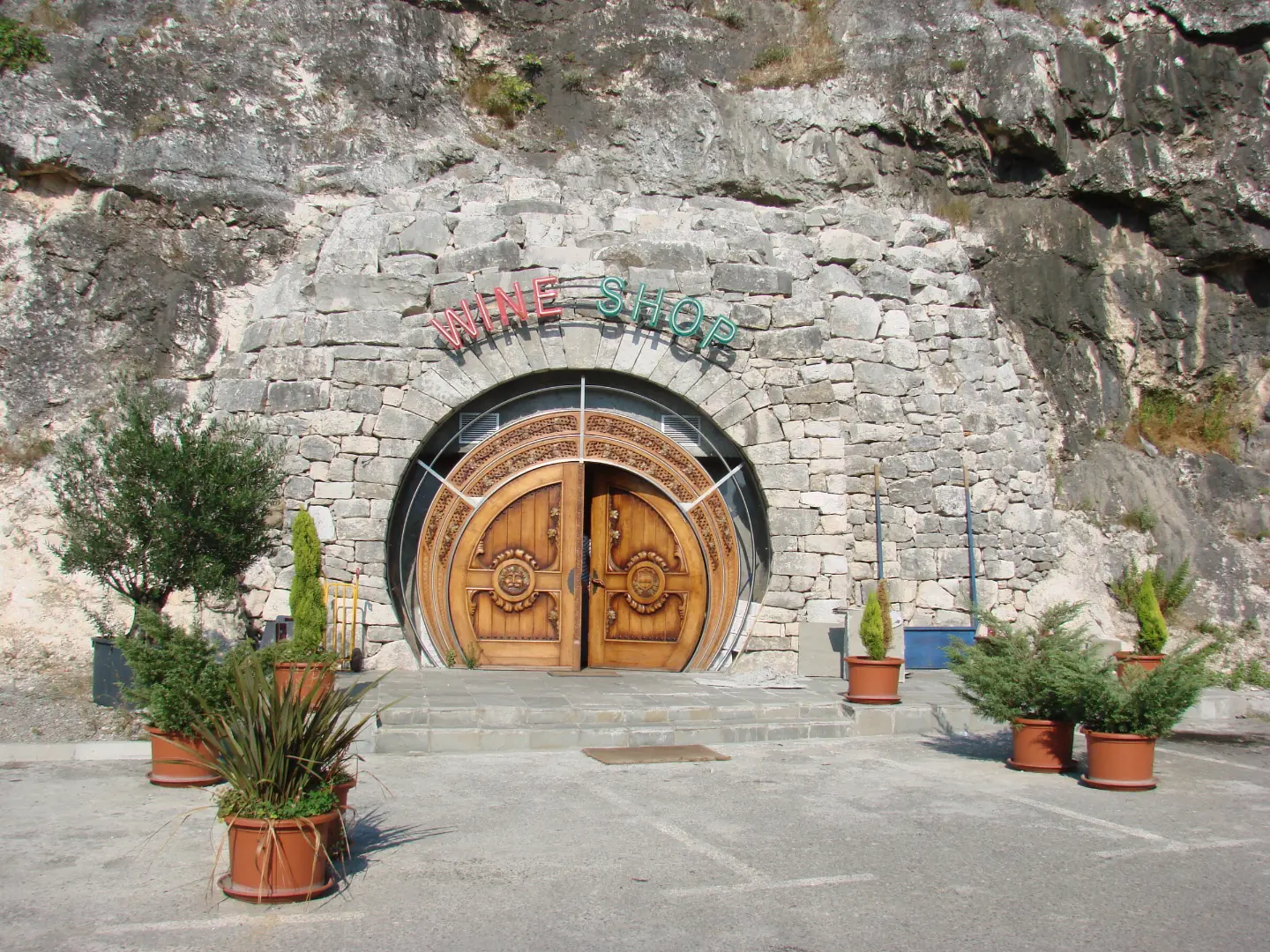
The best known is Šipčanik, a former underground aircraft hangar of the military airbase, more than 30 metres underground, in a tunnel 356 metres long. It also keeps Plantaže's oldest archive wine, Lesendro from the 1979 vintage. Tours with tastings are booked in advance.
Along the wine roads
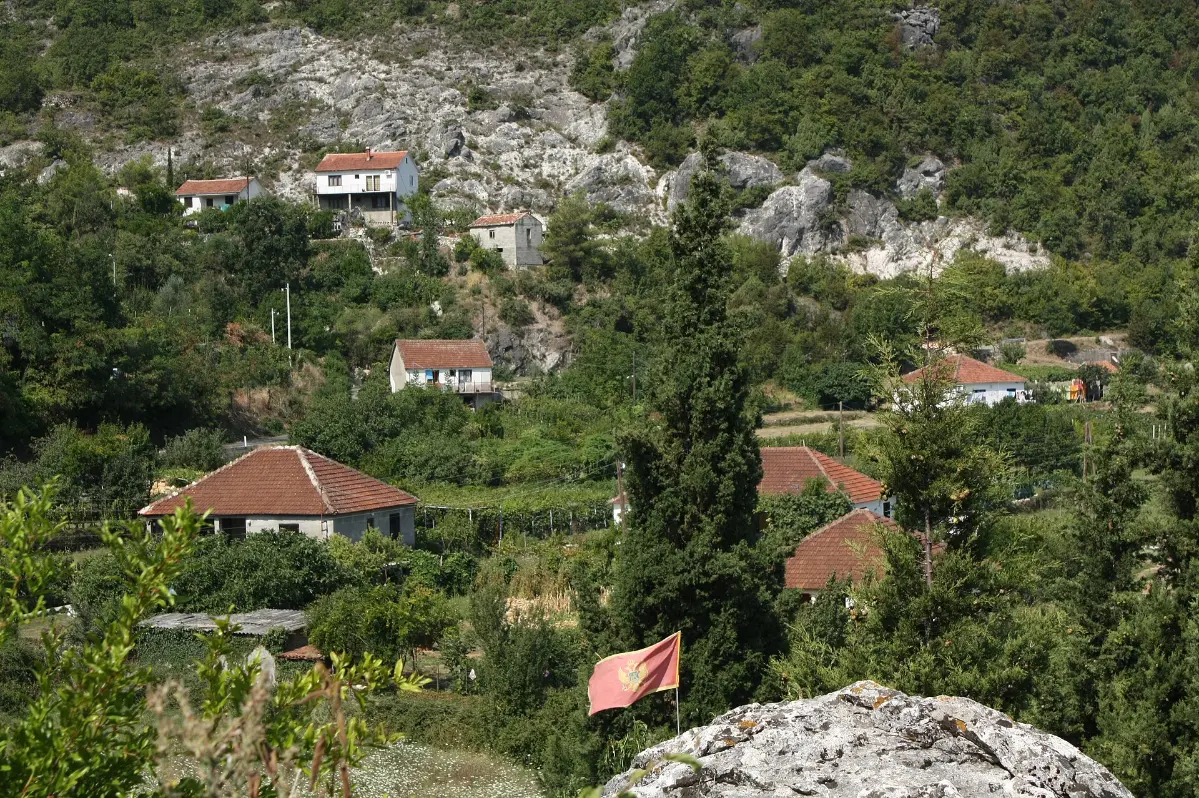
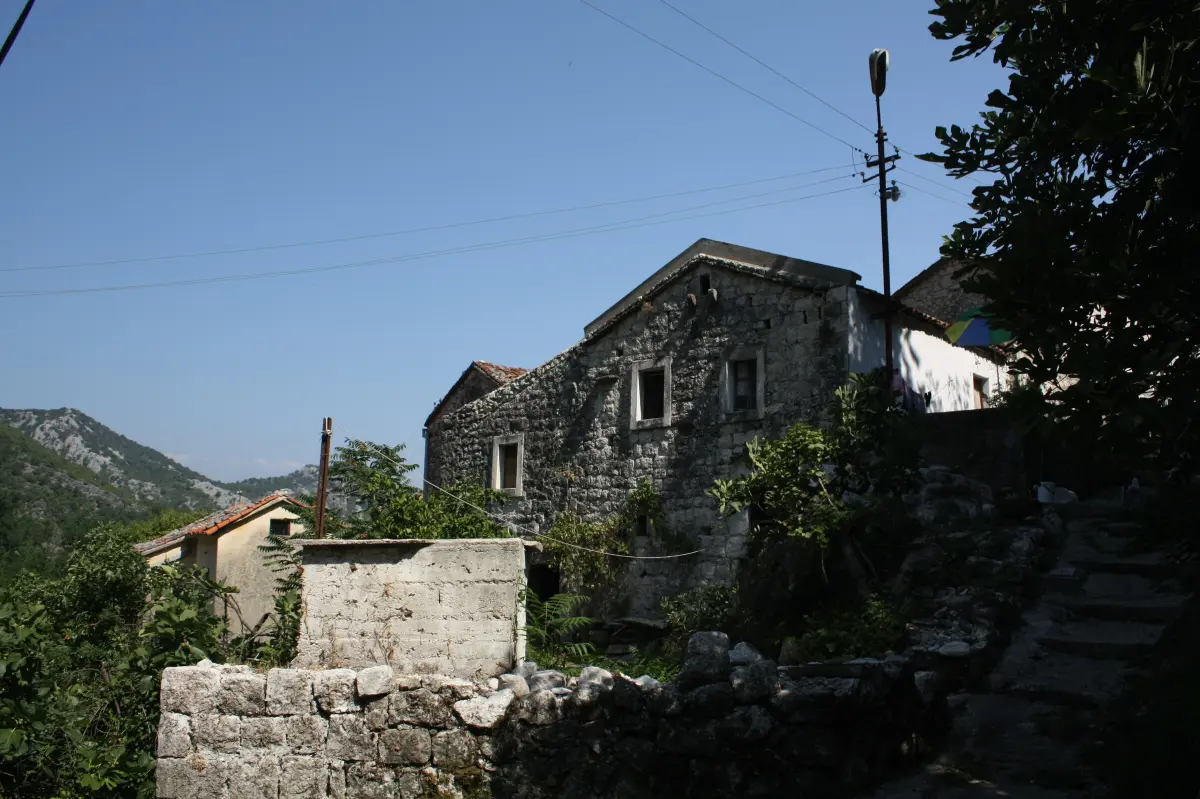
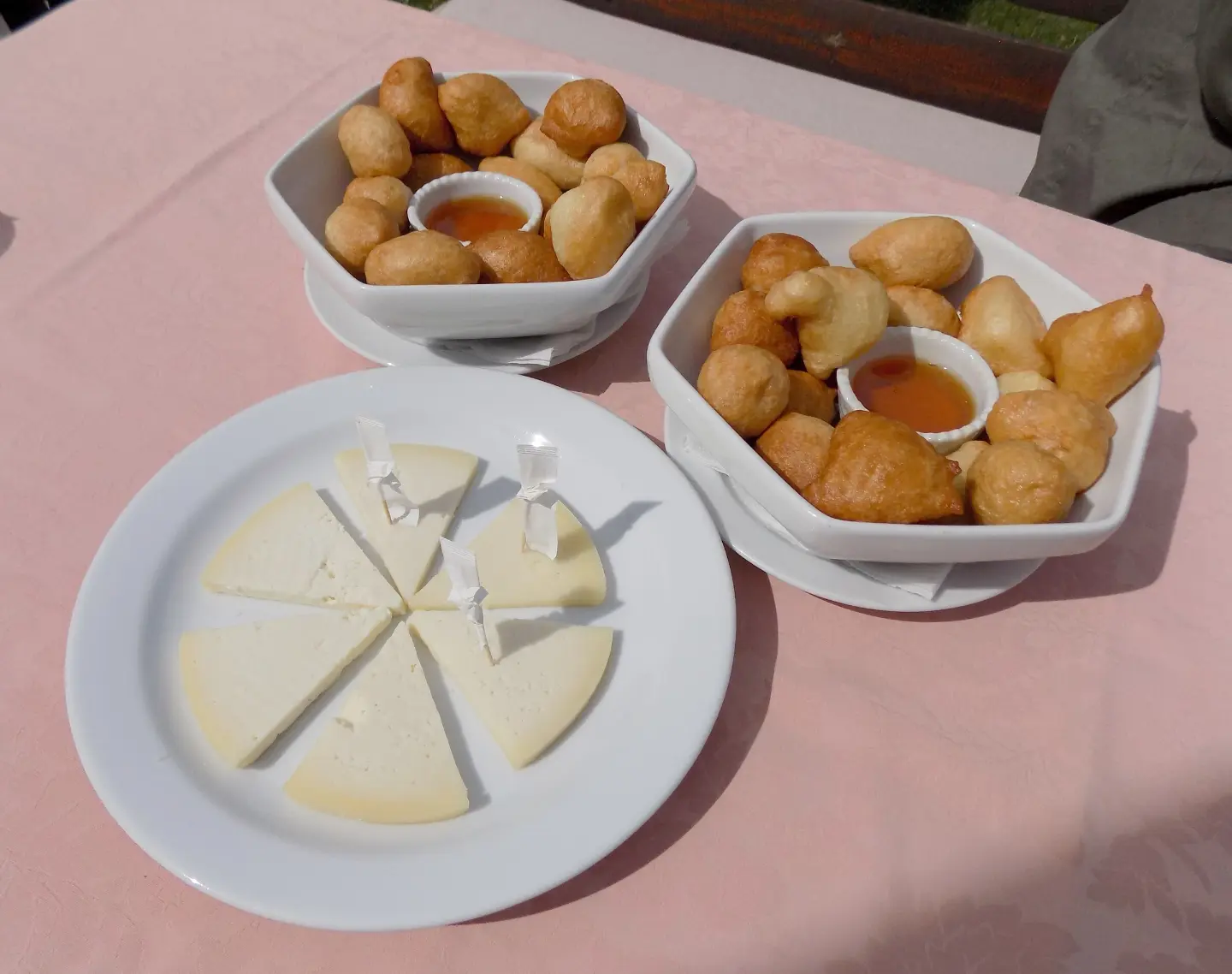
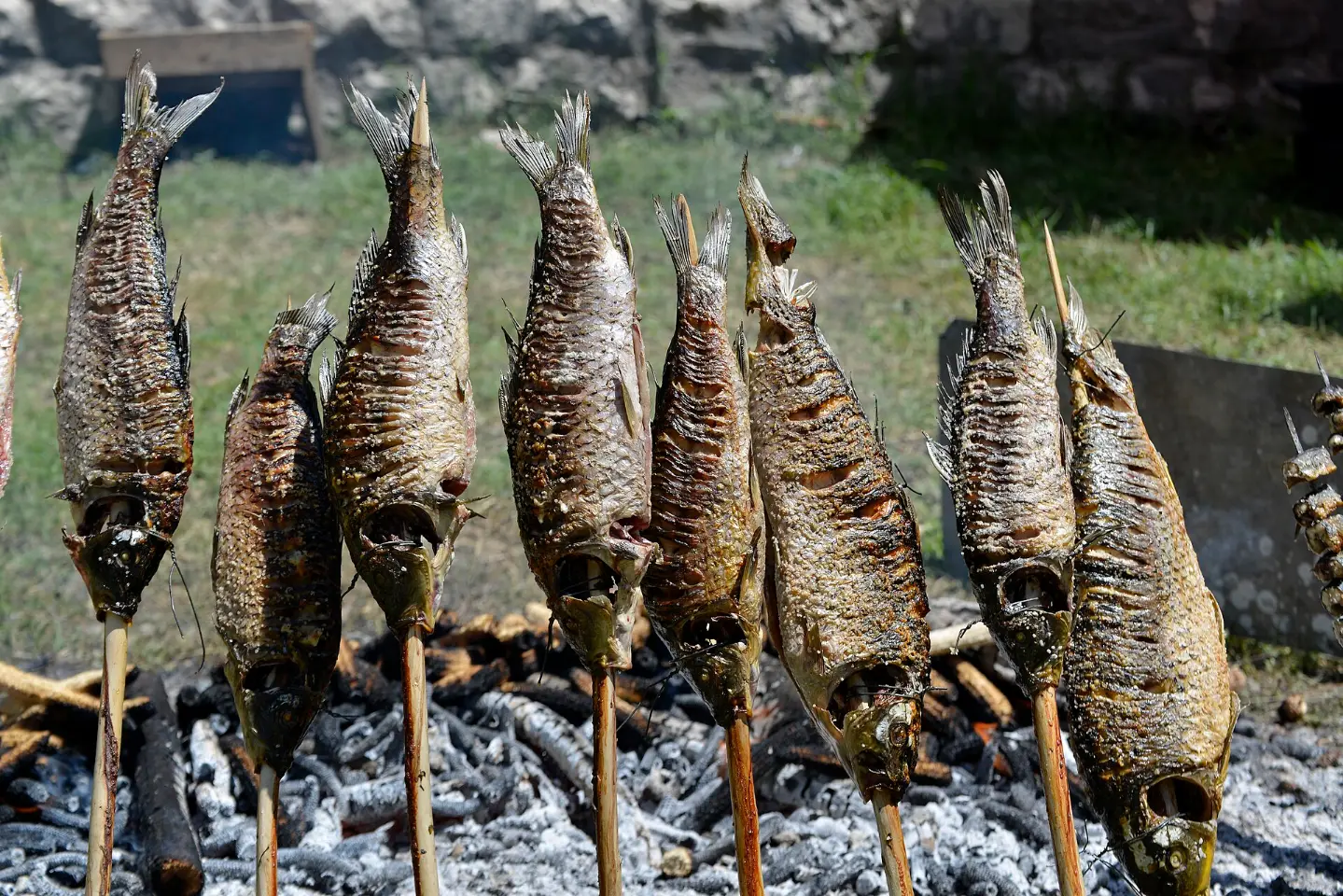
Family wineries are the best part of the story: Mašanović, Kopitović, Rakčević, Krgović, Mola, Bogojević, Milović, Sjekloća, Buk, Rupice, Imanje Radević and many more. Many sit in old stone houses along marked hiking and cycling trails, and they pour their wine with priganice with honey or cheese, fried bleak, marinated carp, Njeguši prosciutto and local cheeses. Local tourist offices hand out a tourist map of wine tours.
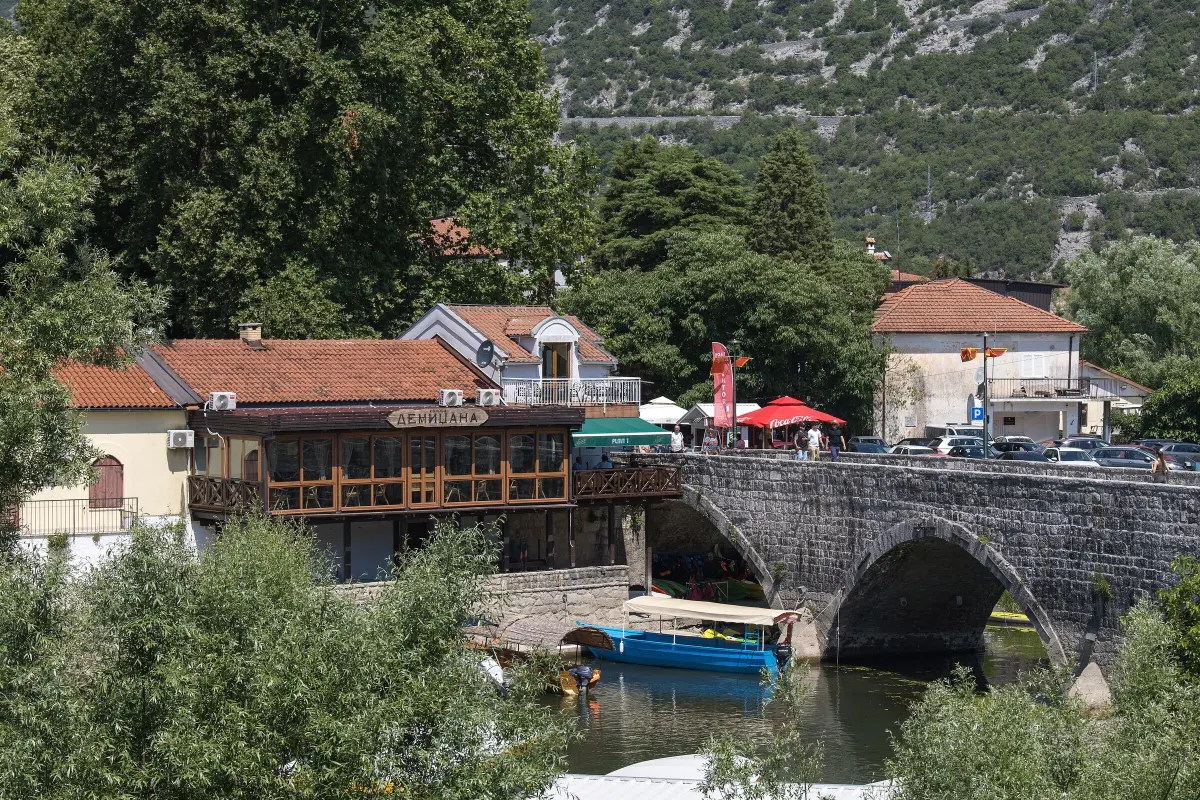
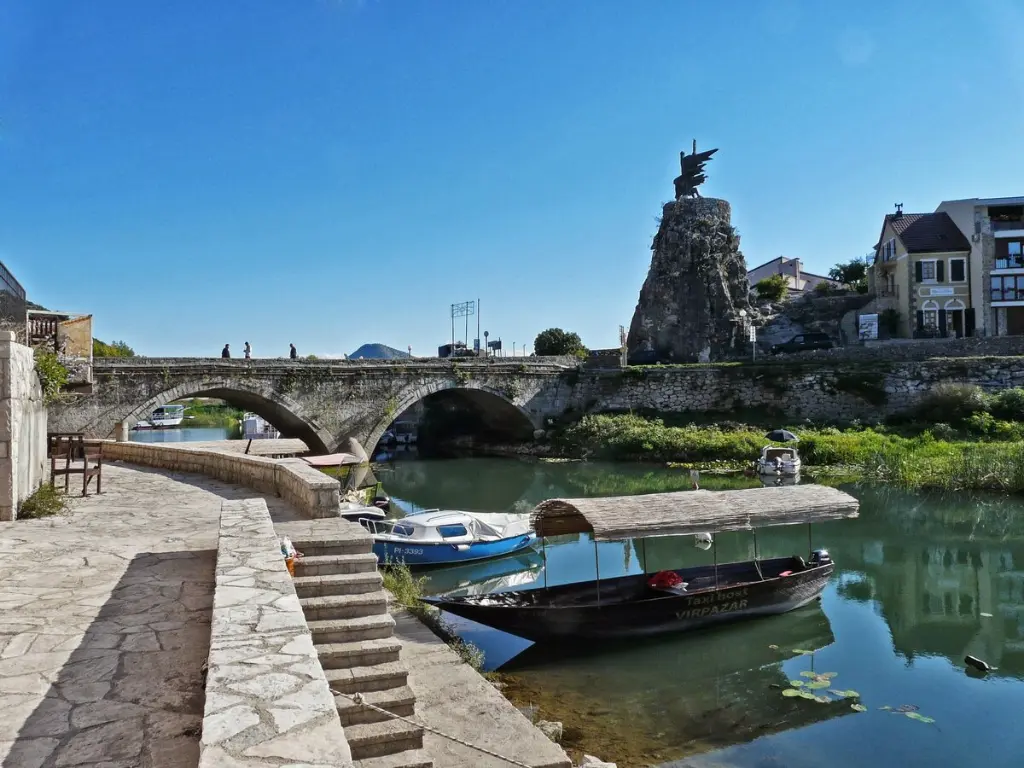
A good plan is to pair south and north: southern wines with veal and lamb from the north. Virpazar is a handy base for Crmnica, and the day can end with a boat ride on Lake Skadar.