Travel to Montenegro
Vranac from Crmnica: Montenegro's Native Red

Eat & Drink

Vranac from Crmnica: Montenegro's Native Red

The black grape of the valley above Lake Skadar, and the family cellars that pour it

Vranac is Montenegro's own black grape, born in the Crmnica valley above Lake Skadar. Its story, its harvest and the family cellars where you can taste it.

At a glance

Origin
Crmnica valley
Parents
Kratošija × duljenga
Share of vineyards
≈ 51 %
First described
1891
Harvest
Mid-Sept – Oct

2 min read

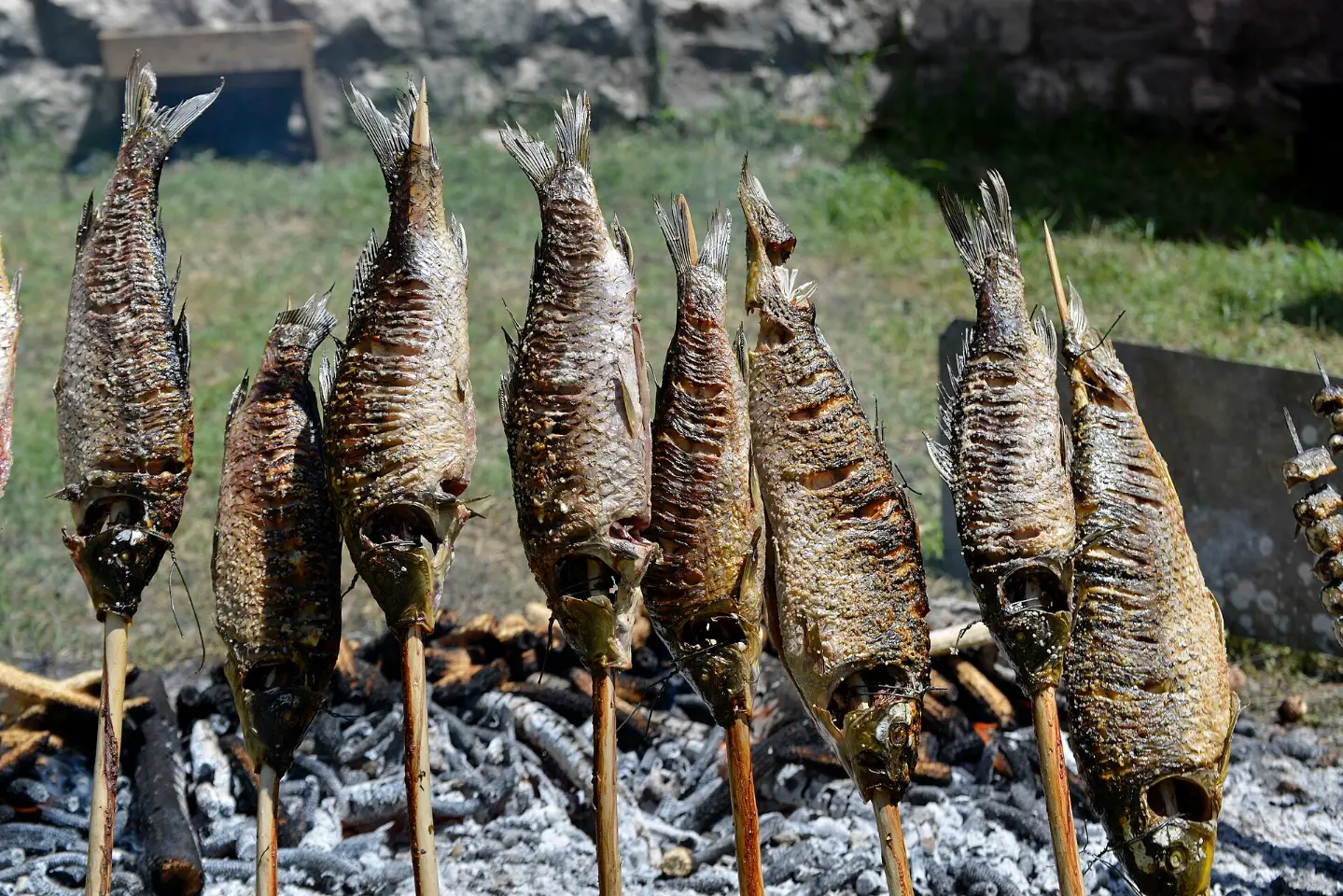
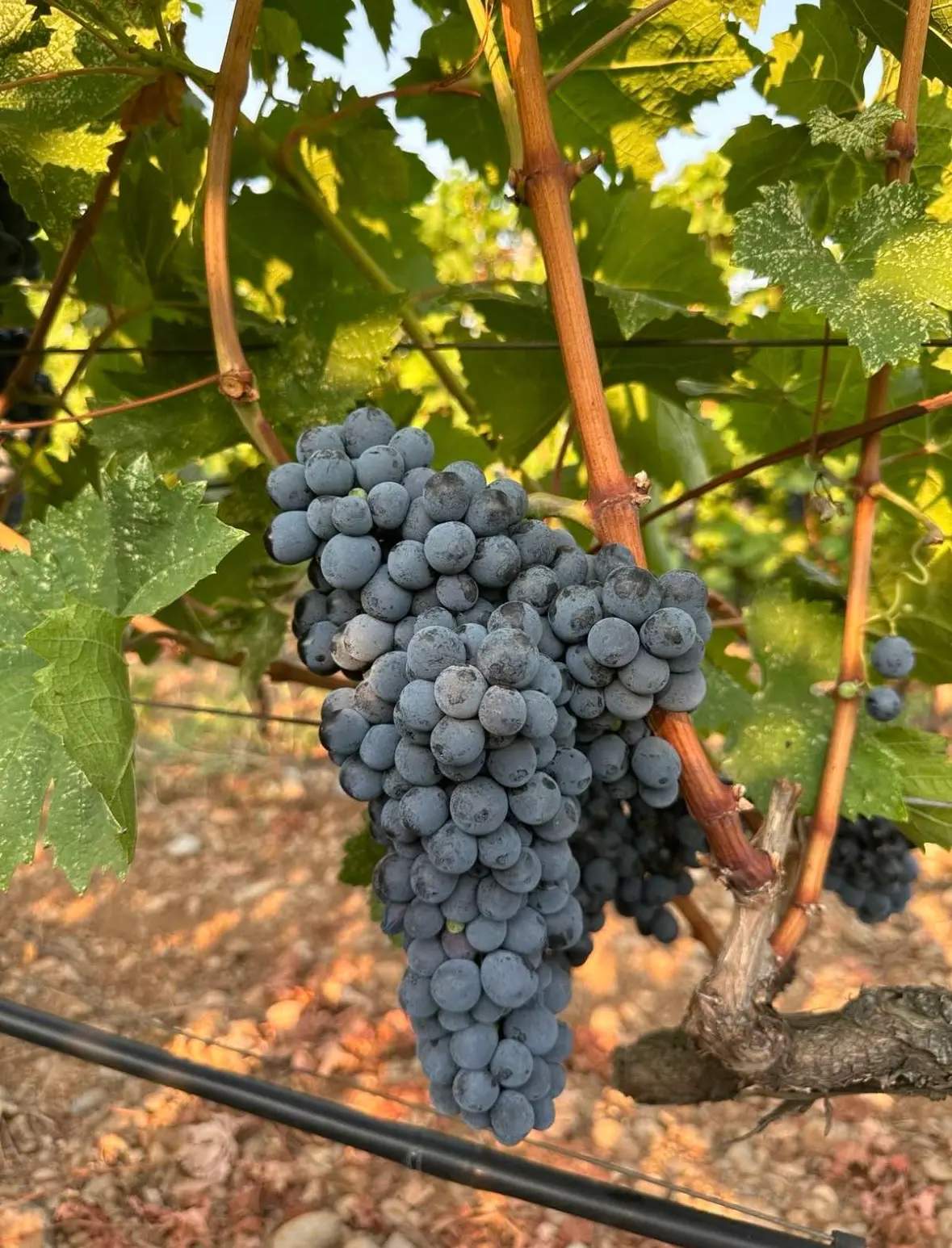
Vranac is Montenegro's signature red grape, and the Crmnica valley above Lake Skadar is where it comes from. Today it covers about half of the country's vineyards, from small family plots around Virpazar to the huge Ćemovsko polje near Podgorica. The best way to meet it is at a family table in Crmnica, with smoked carp from the lake and a raw Crmnica onion on the side.

The cradle of vranac

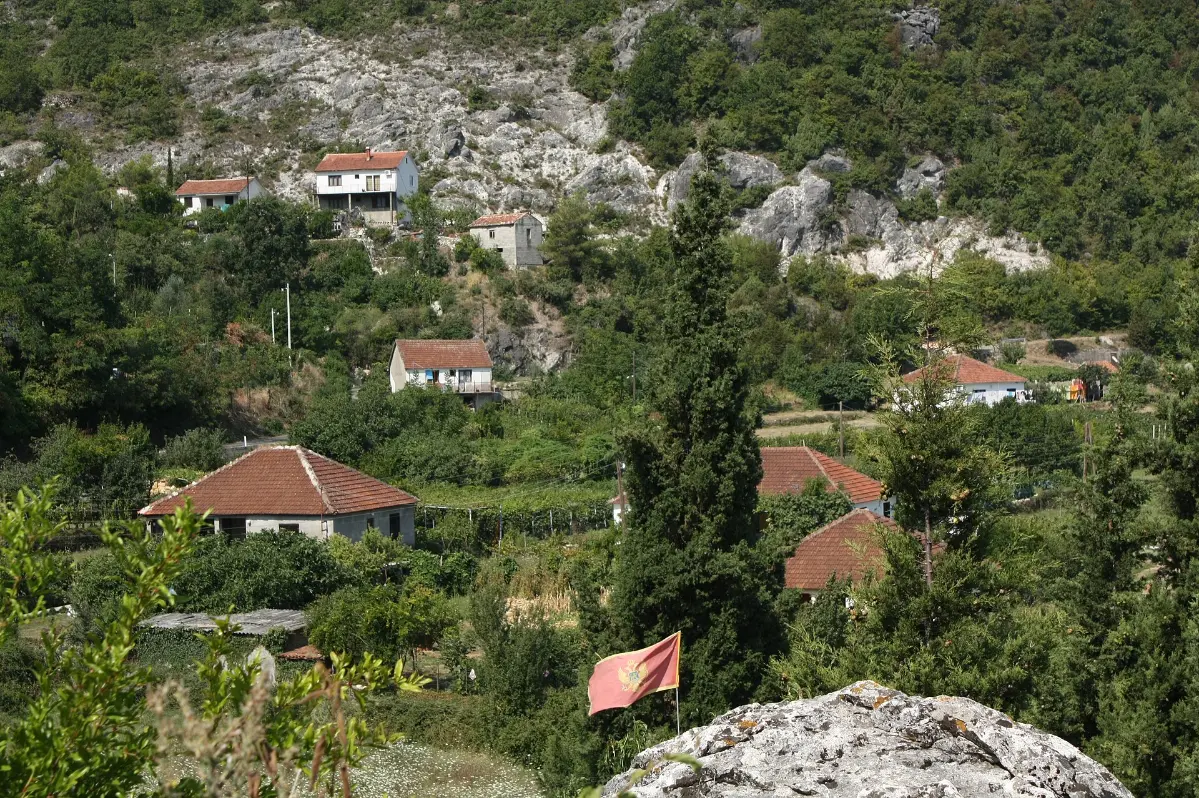
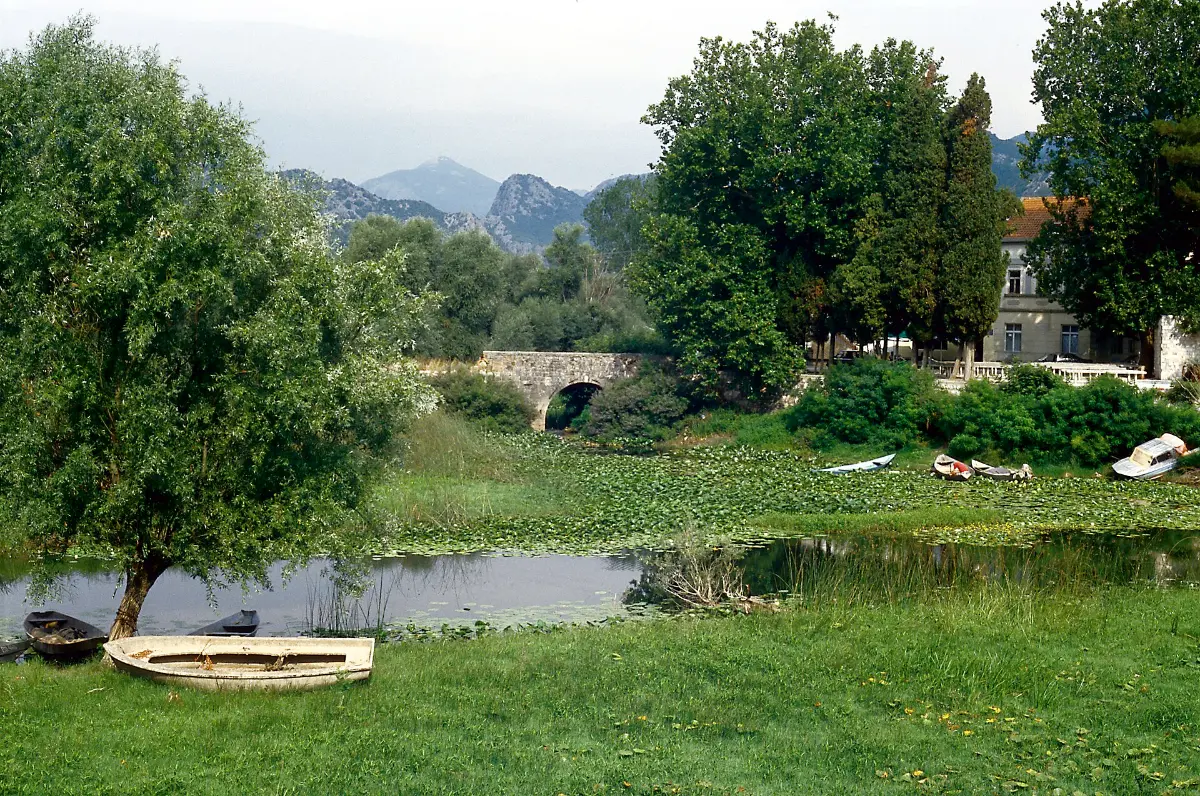
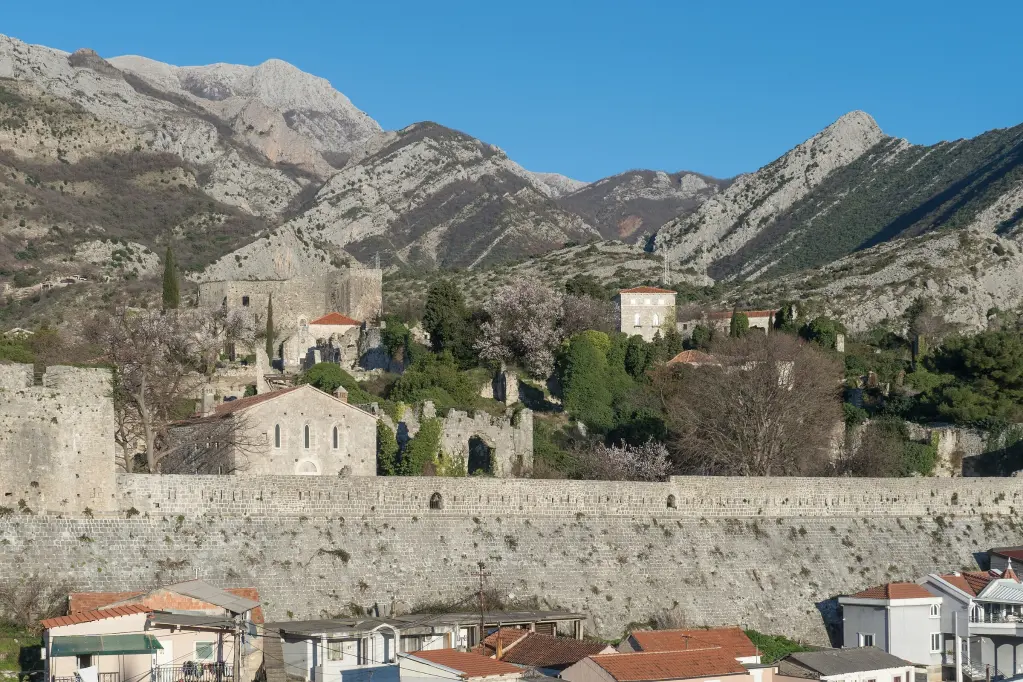
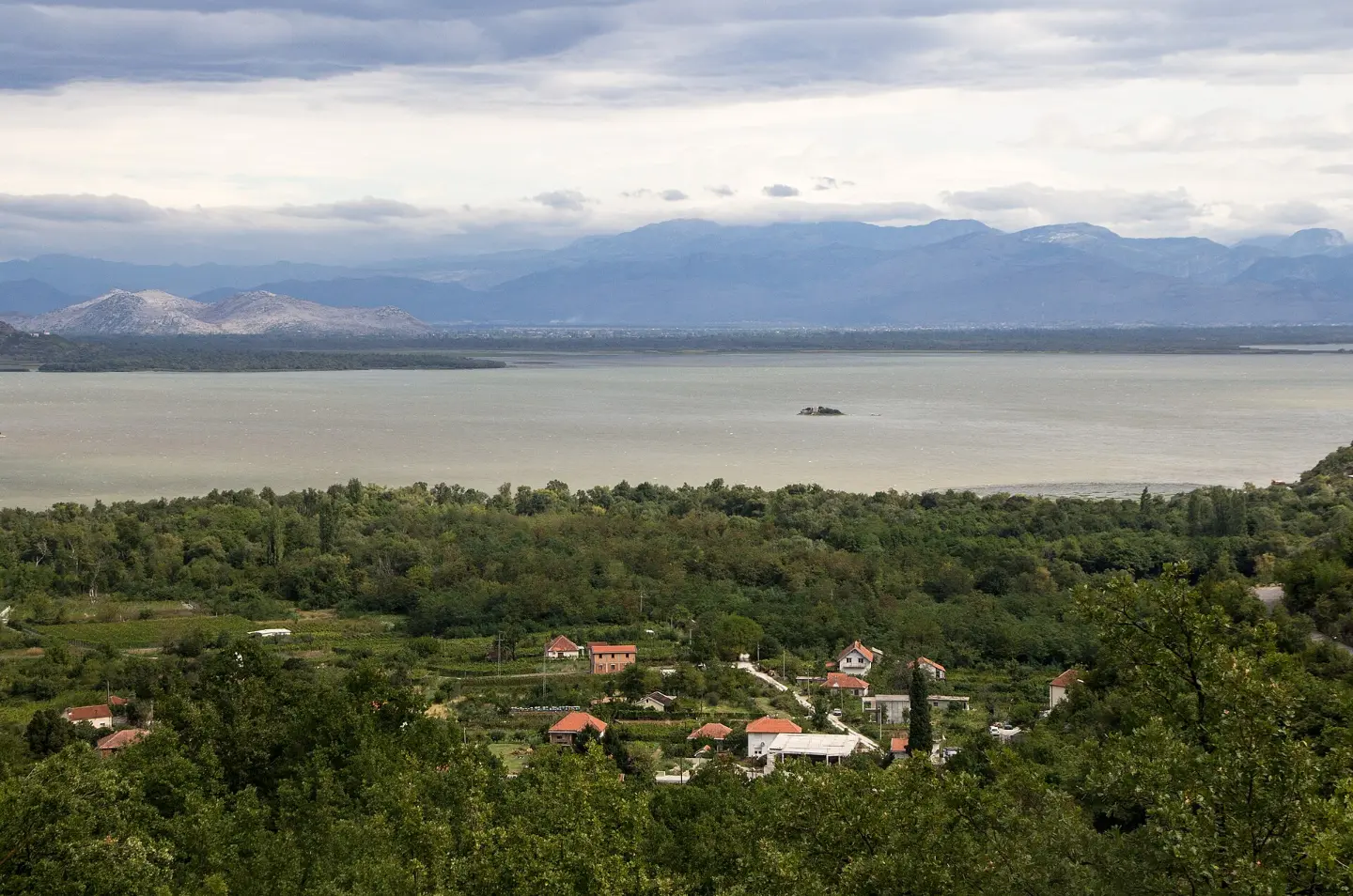
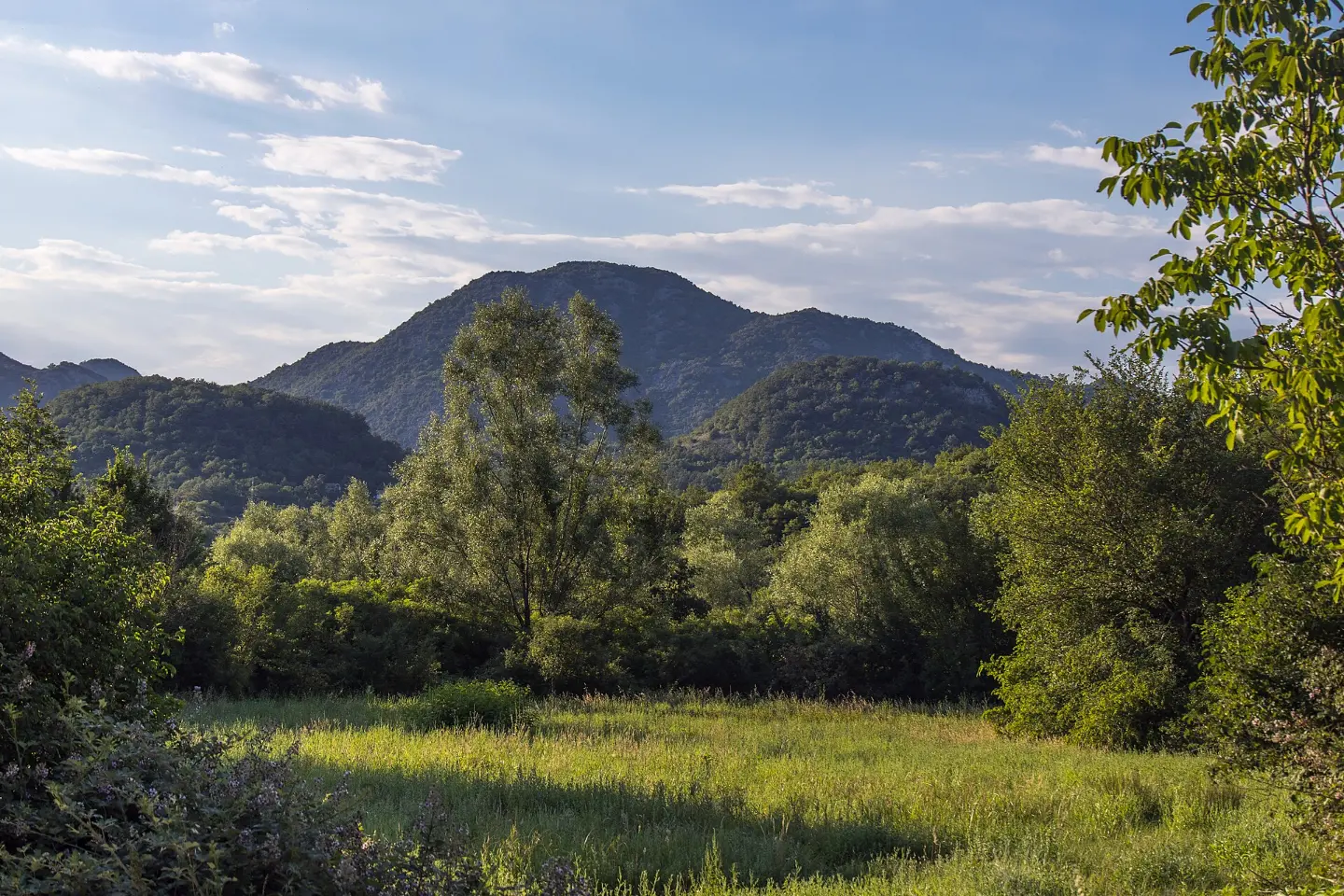
Crmnica is the valley that runs down from the coastal mountains to Virpazar on Lake Skadar. It has been called the most fertile part of Montenegro, and the national tourist board calls it the cradle of vranac. This is where the black grape first grew, and where it was first described, by Mitar Plamenac in 1891.

Its parents are now known. Its father is kratošija, the old Dalmatian and Montenegrin grape known elsewhere as Zinfandel and Primitivo, and its mother is duljenga, a rare local variety. Vranac is, in other words, a true native.
Vranac from Crmnica: Montenegro's Native Red

Half of Montenegro's vineyards

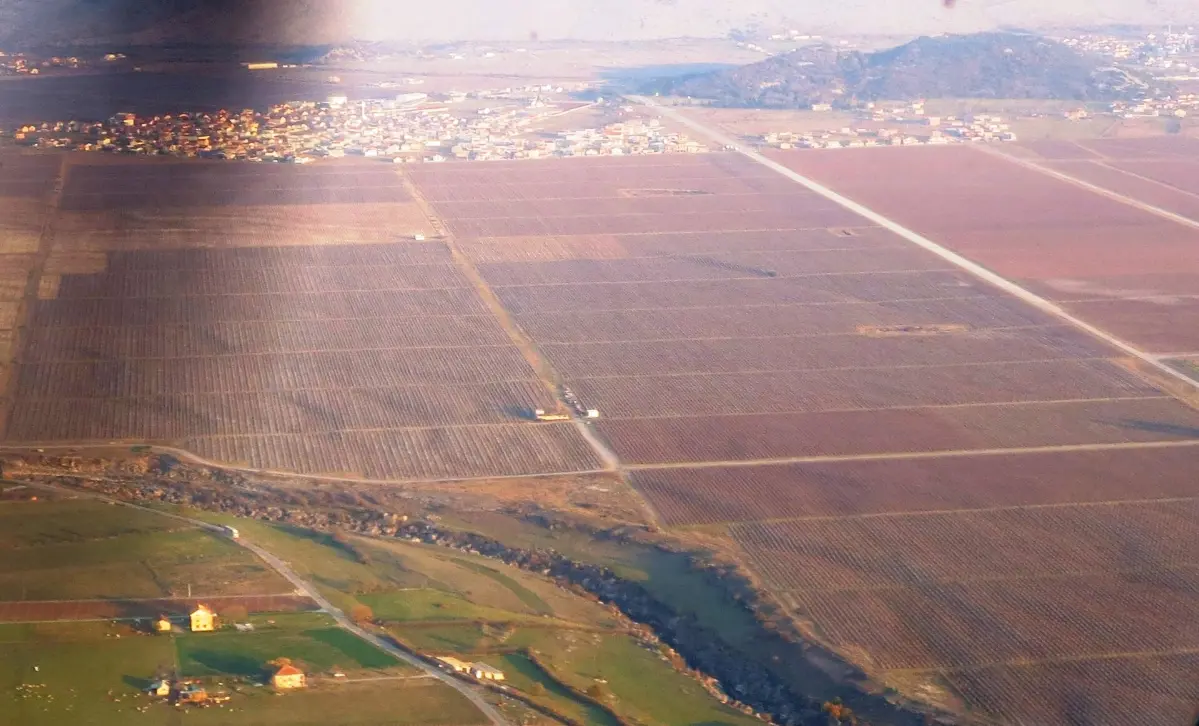
From Crmnica the grape spread across the south of the country. In 2021 vranac covered 1,346 hectares, 51 per cent of all Montenegro's vineyards. Much of it now grows on the red soil of the Zeta plain near Podgorica, where Plantaže's Ćemovsko polje is billed as Europe's largest single-parcel vineyard. Its 2,310 hectares hold more than 11.5 million vines, well over half of them vranac, and the harvest there lasts five to six weeks. The company's Šipčanik cellar sits in a former military airport tunnel more than 30 metres underground.

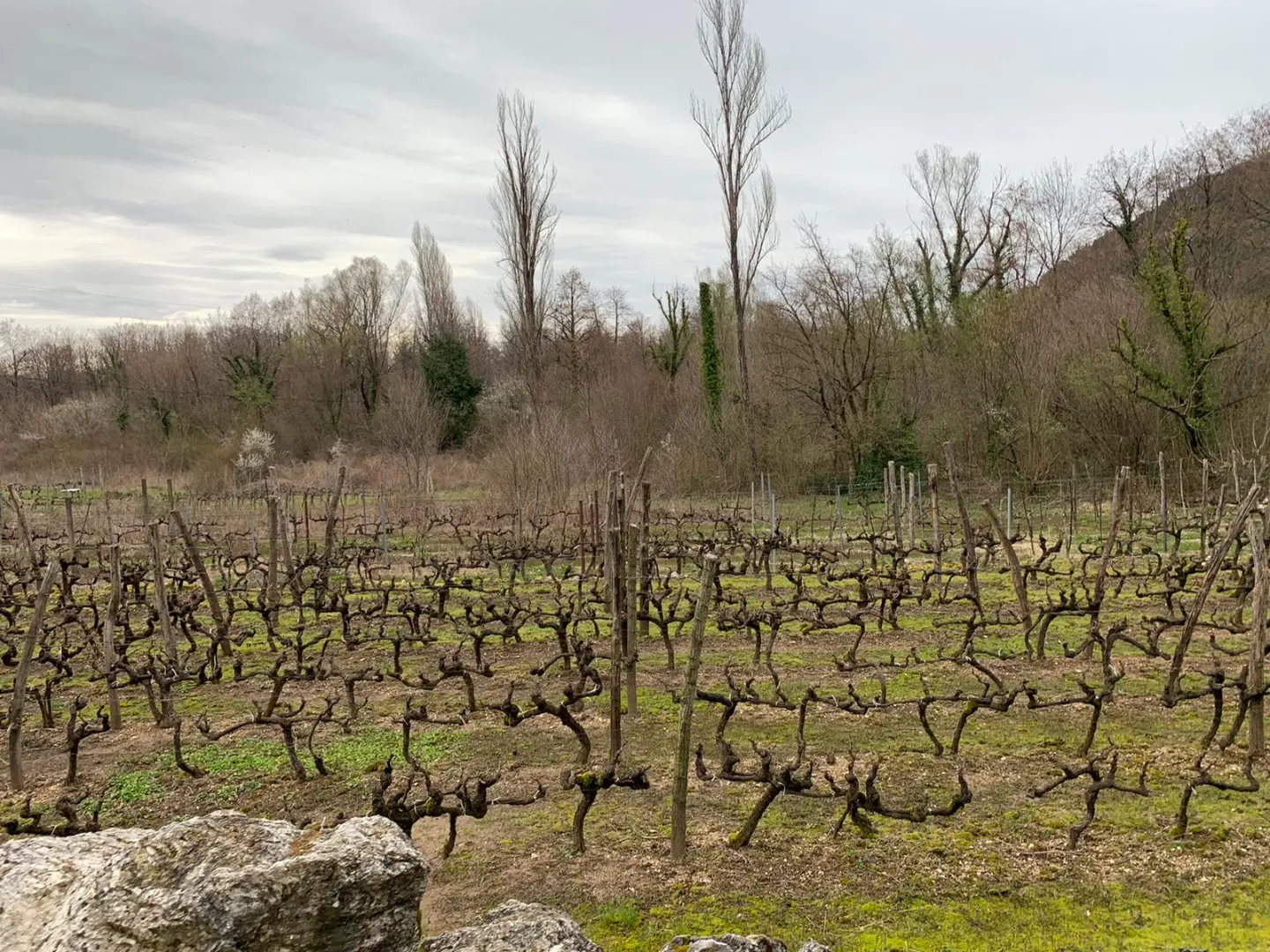
But Crmnica is still the place where vranac is a family affair. Villages such as Godinje, Limljani, Brčeli and Orahovo are full of small cellars, and many of them pour their own wine at their own tables. The harvest runs from mid-September into October.

What to eat with it

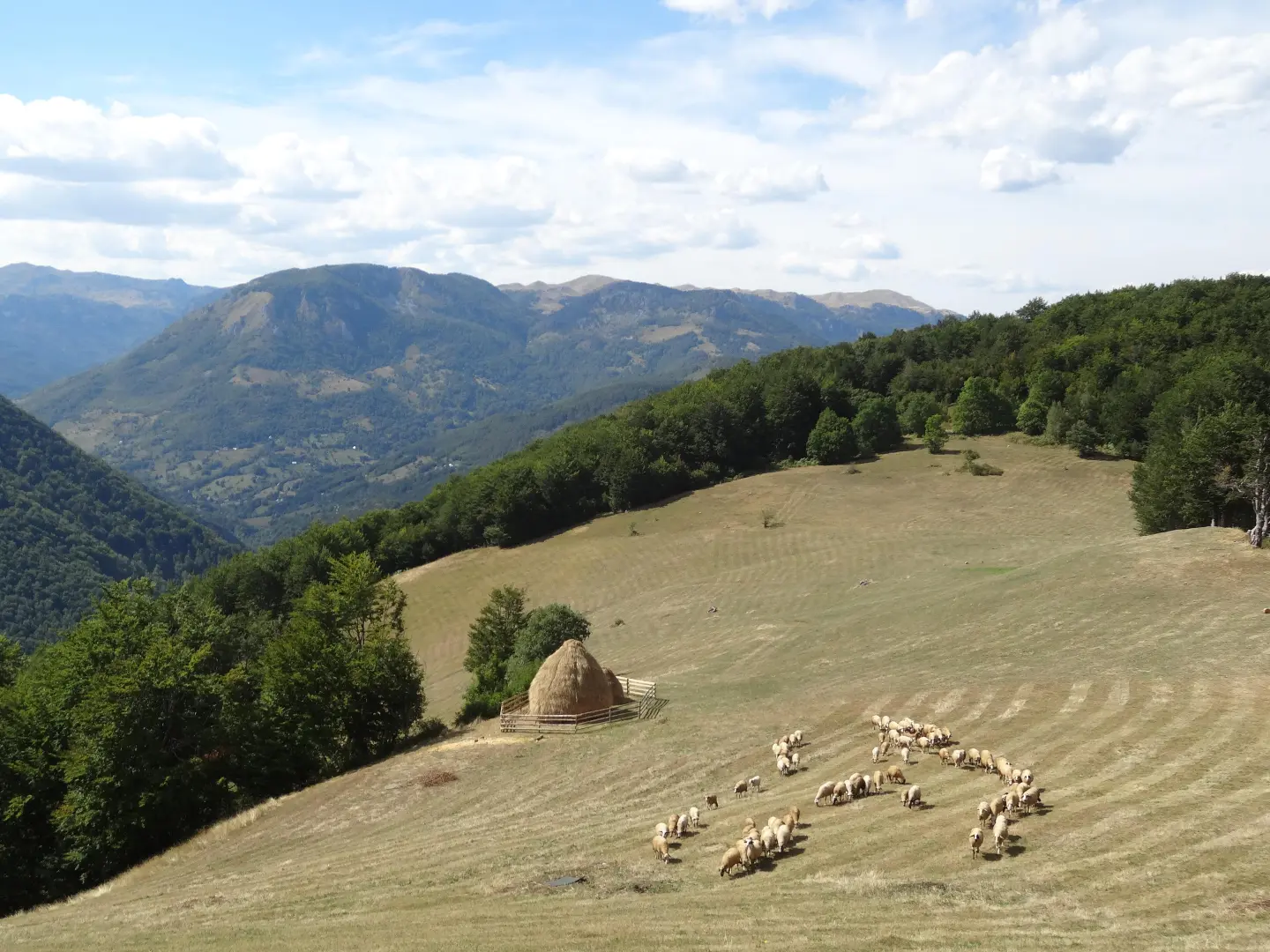
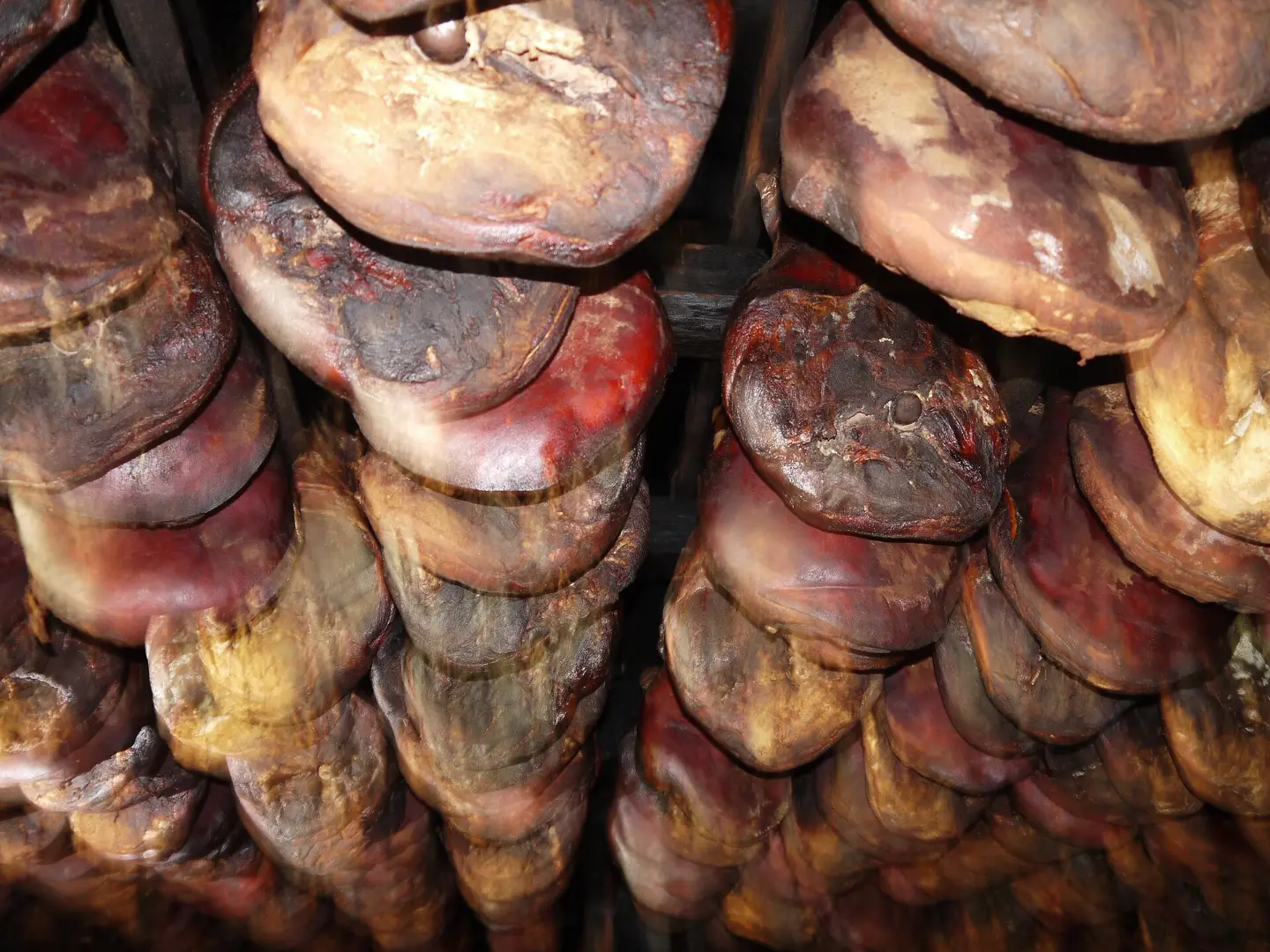
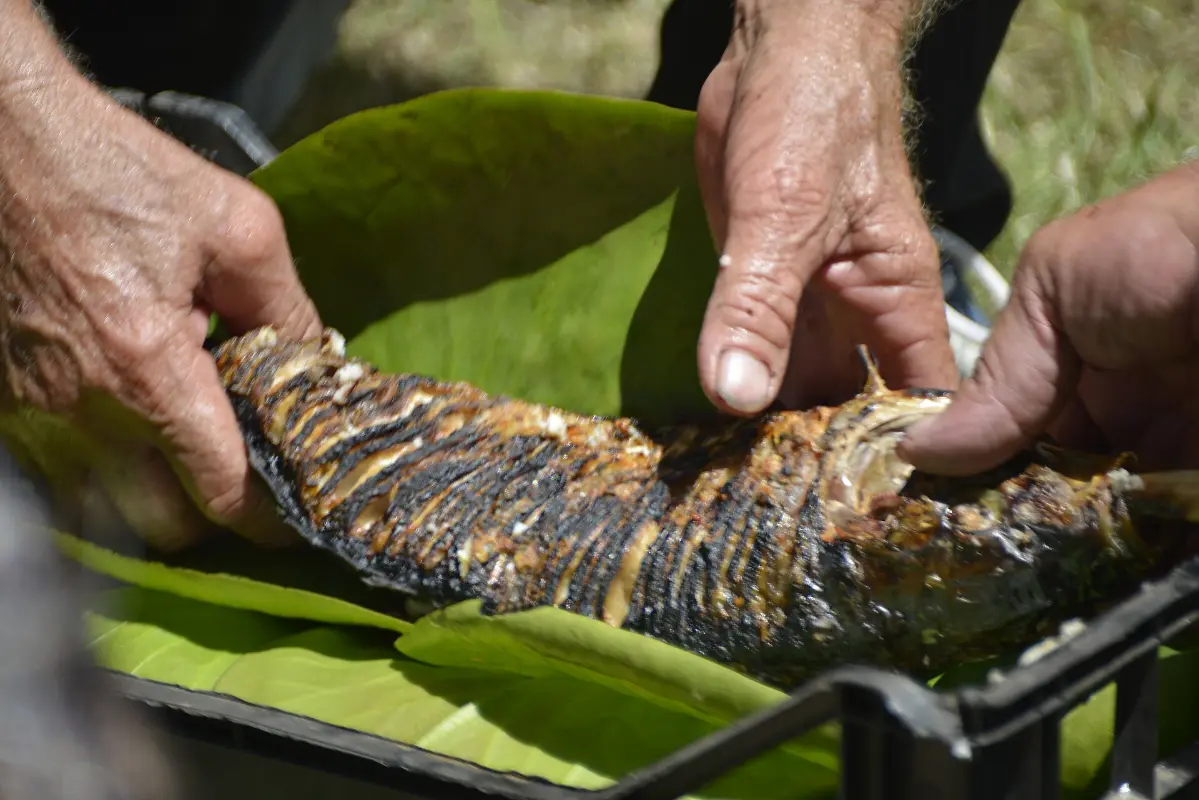
Vranac is poured with whatever the valley and the lake provide. Crmnica tables mean smoked carp, dried over pomegranate or willow wood until the flesh turns red, carp baked with prunes and quinces, and the mild, sweet Crmnica onion, which Slow Food lists in its Ark of Taste and which is eaten raw with fish. Up the road, Njeguški pršut and cheese are the natural match.
Vranac from Crmnica: Montenegro's Native Red

Tasting it at the source

The Bar tourist board lists a dozen Crmnica cellars on its Wine Trails and Tales route. Most want a call or a message before you come: family wineries are homes first. Virpazar is the easy base, with lake boats leaving from its harbour, and it hosts the Wine and Bleak Festival in late winter, when Crmnica winemakers set up stands through the village, and a grape festival in September.
Vranac from Crmnica: Montenegro's Native Red

Signatures

Signatures of the tradition

Kratošija

Old Montenegrin and Dalmatian black grape, genetically the same as Zinfandel and Primitivo. Crmnica cellars still grow it.

Duljenga

A rare local variety that, crossed with kratošija, gave Montenegro its signature grape.

Crmnica onion

Mild, sweet onion grown in a three-year cycle and stored in plaits. On the Slow Food Ark of Taste, eaten raw with fish and wine.

Smoked carp

Smoked carp

Lake Skadar carp, salted and smoked over pomegranate or willow wood. The classic plate with a glass of Crmnica vranac.

Read more

Where to go

Where to experience it

Winery

Mašanović Winery, Orahovo

Orahovo near Virpazar, Crmnica (Bar)

A family that has made wine for more than ten generations. Tastings and vineyard and cellar tours for individuals and groups of up to 25, with homemade wine, rakija, liqueurs and food. Book by email.

Winery Garnet, Godinje

Winery

Winery Garnet, Godinje

Godinje, Crmnica (Bar)

Wine tasting with local snacks on a terrace beside the oldest house in the village of Godinje. Open April to November, reservation required.

Winery

Kopitović Winery, Brčeli

Donji Brčeli, Crmnica (Bar)

A family cellar that pours six house wines in its own konoba, with food and a tour of the winery. Book by email, phone or WhatsApp.

Šipčanik cellar, Plantaže

Winery

Šipčanik cellar, Plantaže

Ćemovsko polje (Podgorica)

Montenegro's largest wine producer keeps its wine in a former military airport tunnel more than 30 m underground. Call ahead to book a tour.

Wine and Bleak Festival

Wine and Bleak Festival

Virpazar, late winter

Crmnica winemakers and Lake Skadar fishermen present their wine and fish in Virpazar at the end of February or start of March.

Calendar

Through the year

  1. Late February / early March

    Virpazar

    Wine and Bleak Festival: Crmnica winemakers pour their wines at stands through the village.

  2. April – November

    Crmnica cellars

    The main season for cellar visits and tastings on the terraces.

  3. September

    Virpazar

    Grape festival, as the harvest begins.

  4. Mid-September – October

    Vineyards

    Harvest in Crmnica, followed by the year's rakija.

Customs

Customs and good to know

Call before you come

Crmnica's wineries are family houses. Phone, email or message a day or two ahead, and more for groups.

Choose a driver

If you plan to taste in several cellars, arrange a driver or a tour.

Time it with the harvest

From mid-September into October the valley is picking grapes, and Virpazar's grape festival marks the start. Ask your cellar whether guests can help.

Order it with lake fish

Smoked carp and Crmnica onion are the local pairing for vranac.

FAQ

Frequently asked questions

Montenegro's native black grape and the red wine made from it. It originated in the Crmnica valley above Lake Skadar and today covers about half of the country's vineyards.
Its parents are kratošija, genetically the same as Zinfandel and Primitivo, and duljenga, a rare local variety.
From mid-September into October, depending on the year.
In the family cellars of Godinje, Limljani, Brčeli and other villages around Virpazar. The Bar tourist board's Wine Trails and Tales route lists a dozen of them with contacts. Book ahead.
In Crmnica it's poured with smoked Lake Skadar carp, the local sweet onion and cured meats such as Njeguški pršut.

Travel Assistant

Ask about Montenegro

Welcome!

Ask me about destinations, restaurants or activities.