Montenegro's village food changes with altitude. The northern pastures live on milk, the Njeguši villages on smoke and sea air, and the Skadar basin on lake fish and vranac. Most of it is still made on family farms, and you can eat it where it's made if you know when to go and book ahead.
Kačamak, leaf cheese, Njeguši pršut, smoked carp and vranac: where they come from, when they're made and where to taste them.
Four kitchens in one small country
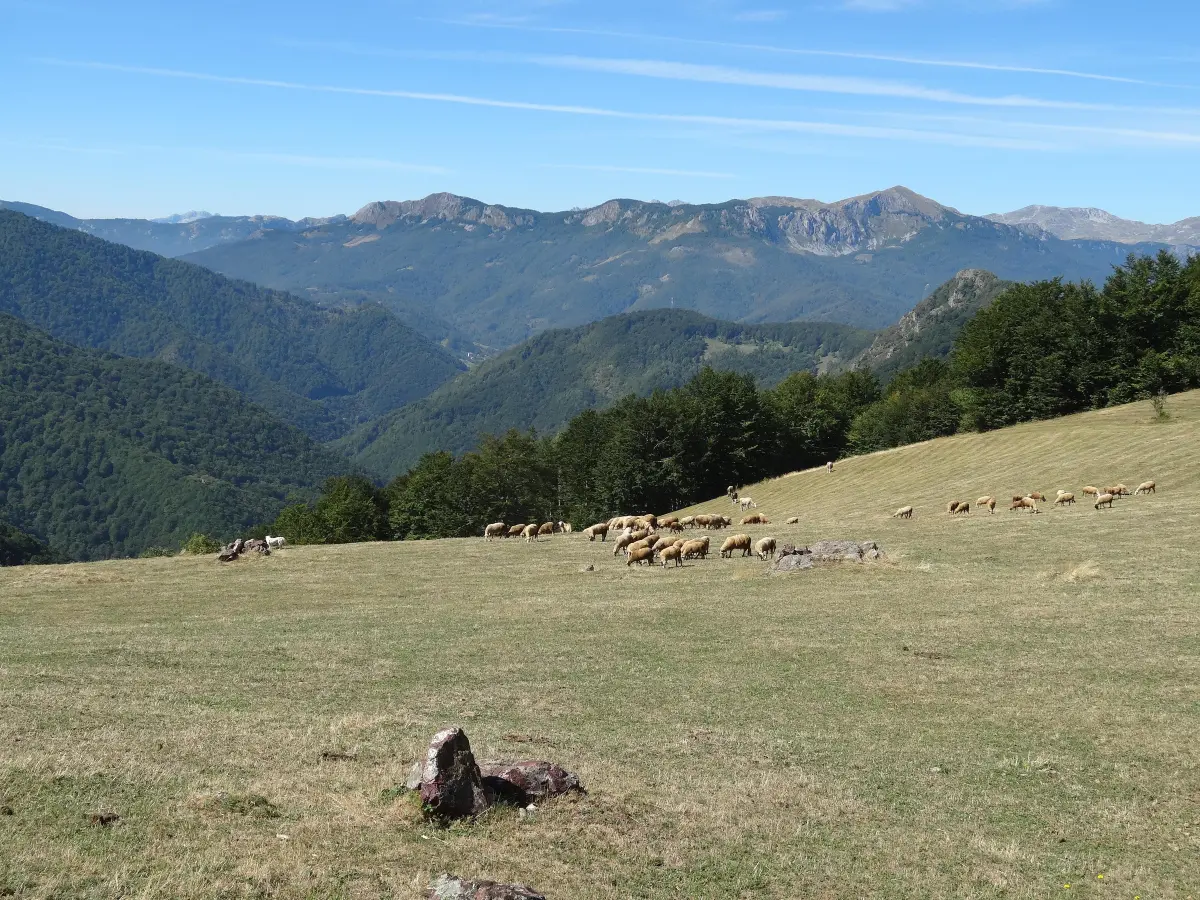
Montenegro is small, but its cooking changes with every few hundred metres of altitude. The coast eats like the rest of the Mediterranean: fish, olives, cold-pressed oil. Around Lake Skadar and the Crmnica valley it's carp, eel and a small lake fish called ukljeva, eaten with the local vranac. Up on Lovćen, the Njeguši villages cure and smoke their famous pršut. Across the northern mountains (Durmitor, Sinjajevina, Bjelasica, the Plav highlands) the table is built on milk, cornmeal and lamb.
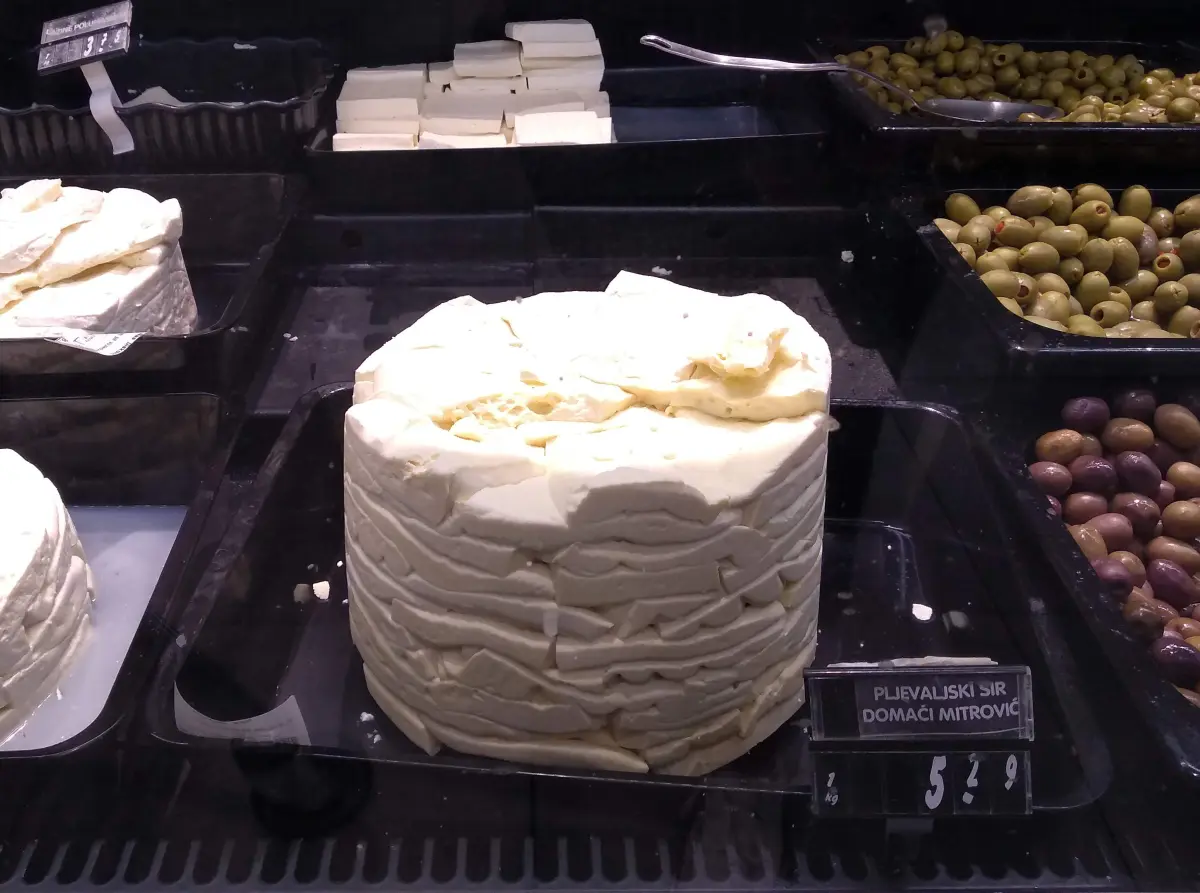
The state protects seven Montenegrin foods by name. Pljevlja cheese, Kolašin leaf cheese, Durmitor skorup, Montenegrin beef pršut and Crnogorska stelja carry a designation of origin. Njeguški pršut and Montenegrin pršut carry a geographical indication.
Smoke and sea air in Njeguši
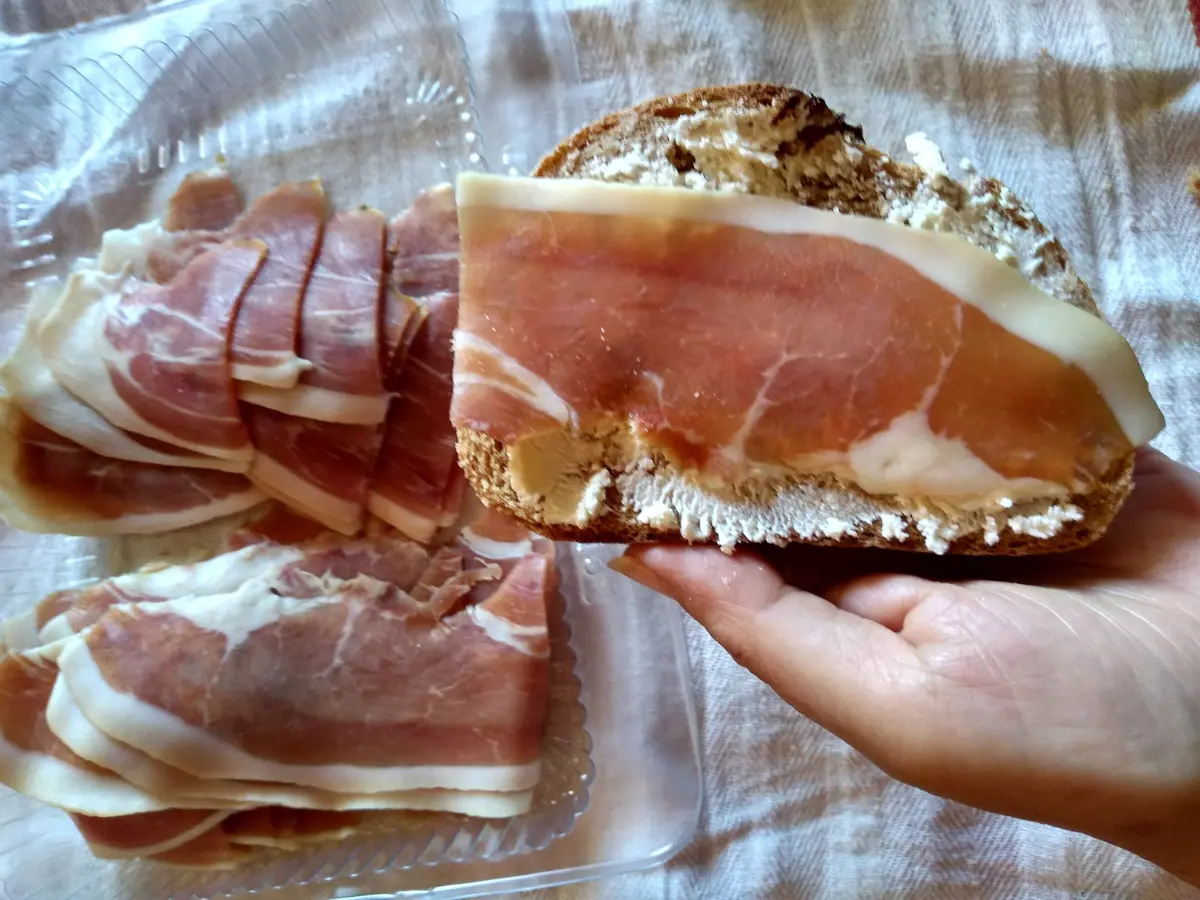
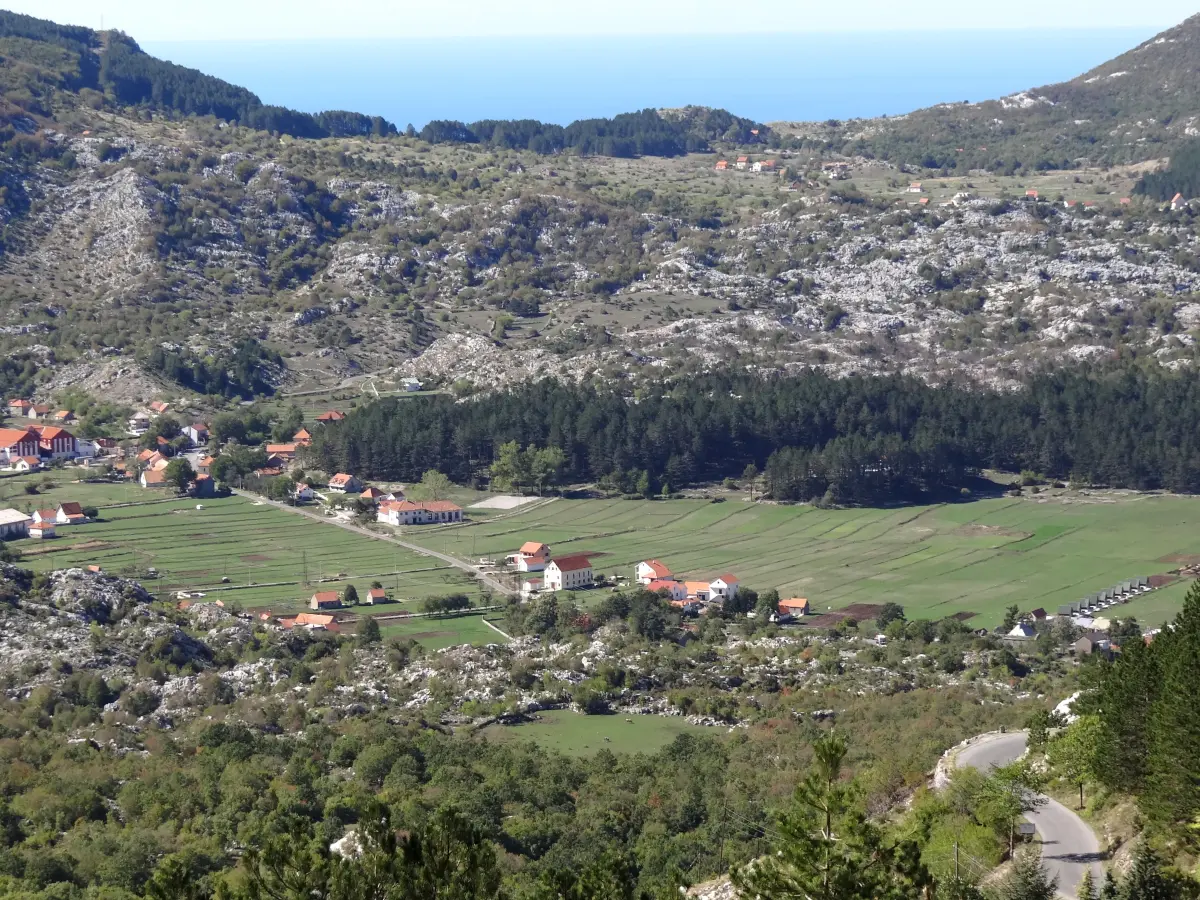
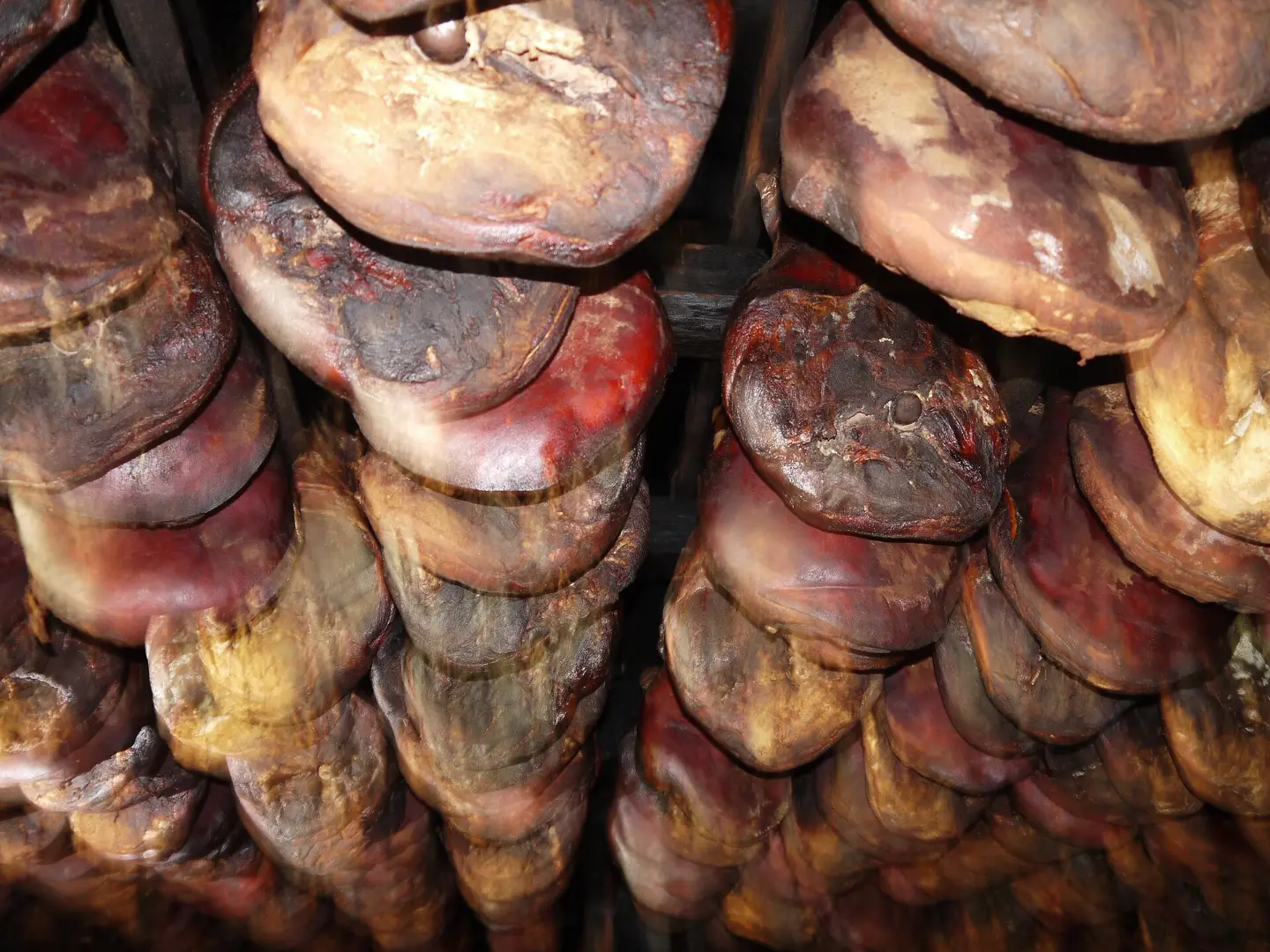
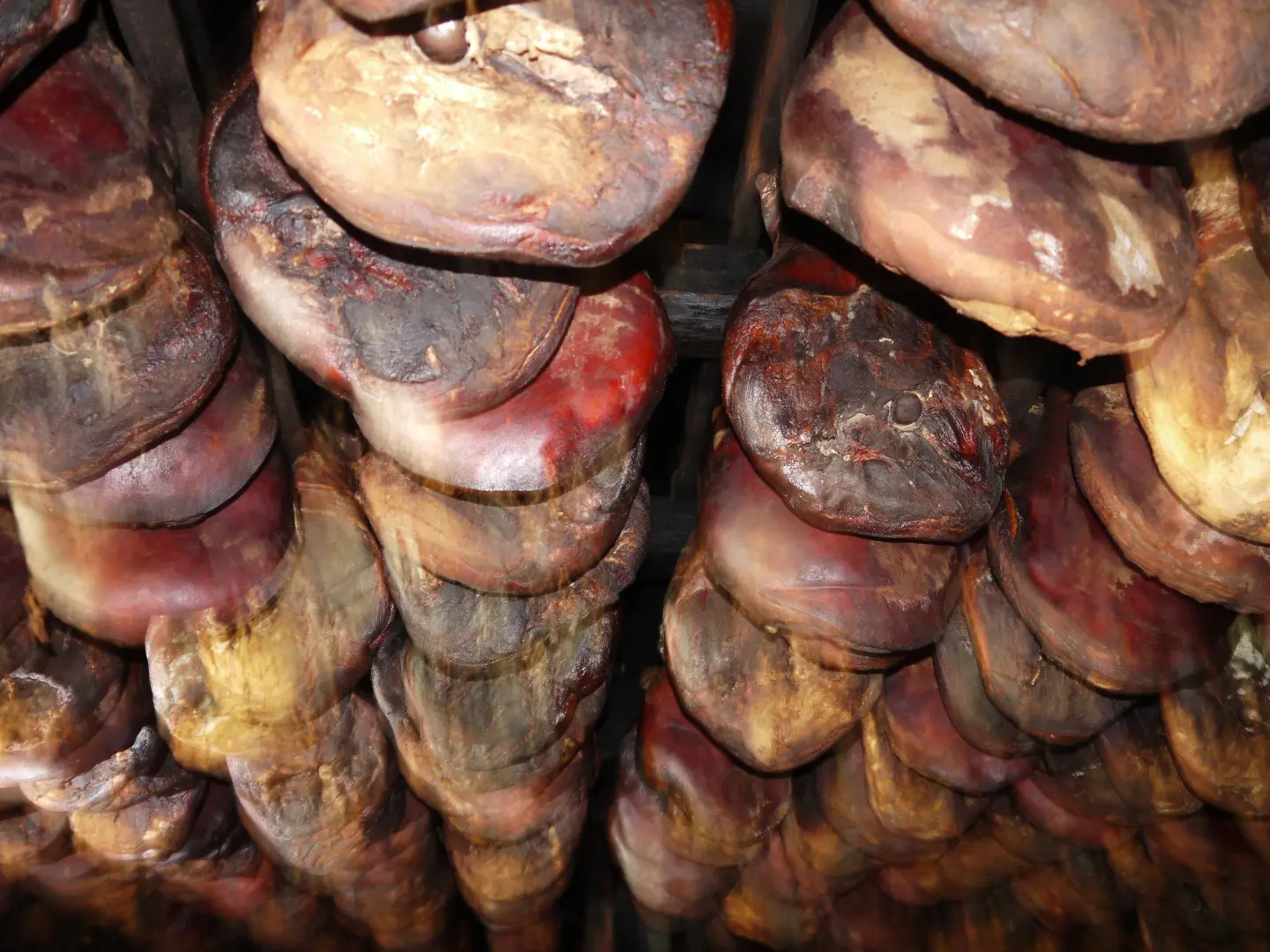
Njeguši lies in a karst hollow on Lovćen, inside the national park, on the old road between Kotor and Cetinje. It is the home village of the Petrović-Njegoš dynasty. Its pršut takes about a year to make. Legs are accepted only between 15 November and 15 February. They're salted with sea salt for about three weeks, pressed for three more, lightly smoked over beech and hung in the mountain wind. Producers put the taste down to the meeting of sea air and mountain air. In 2003 Njeguški pršut became the first Montenegrin product protected by law.
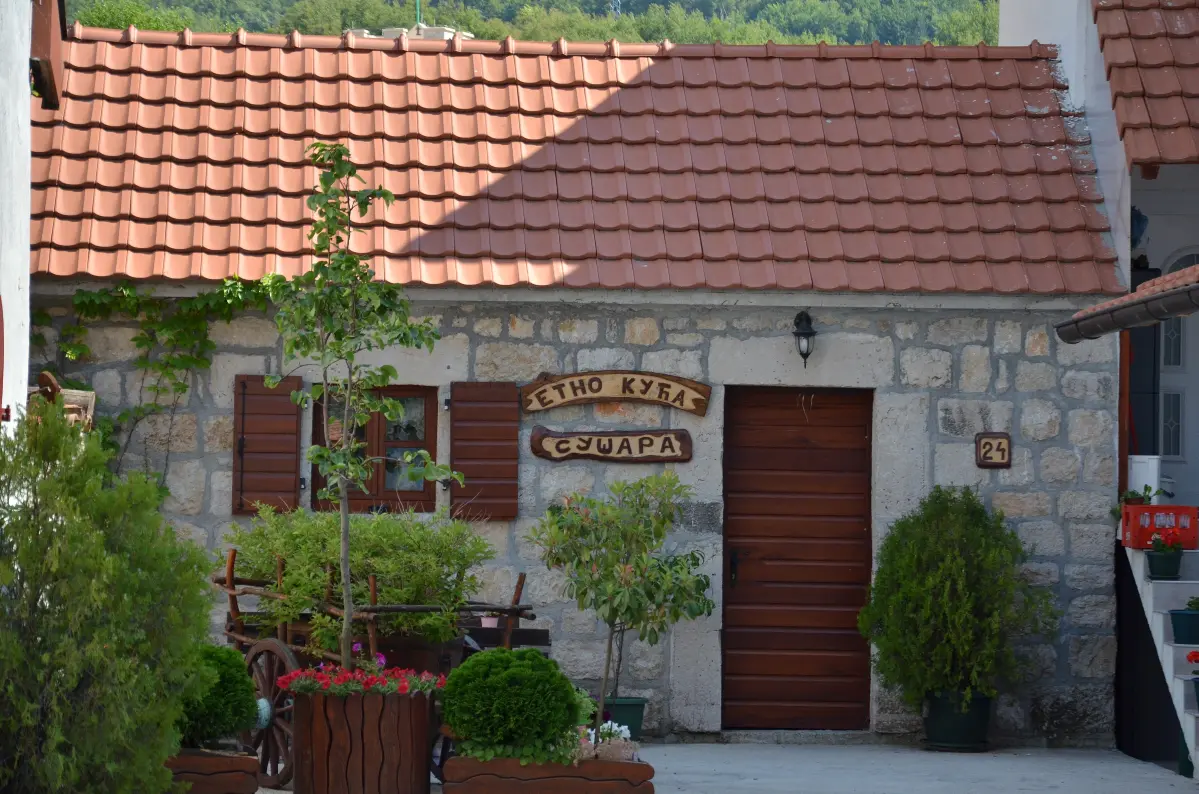
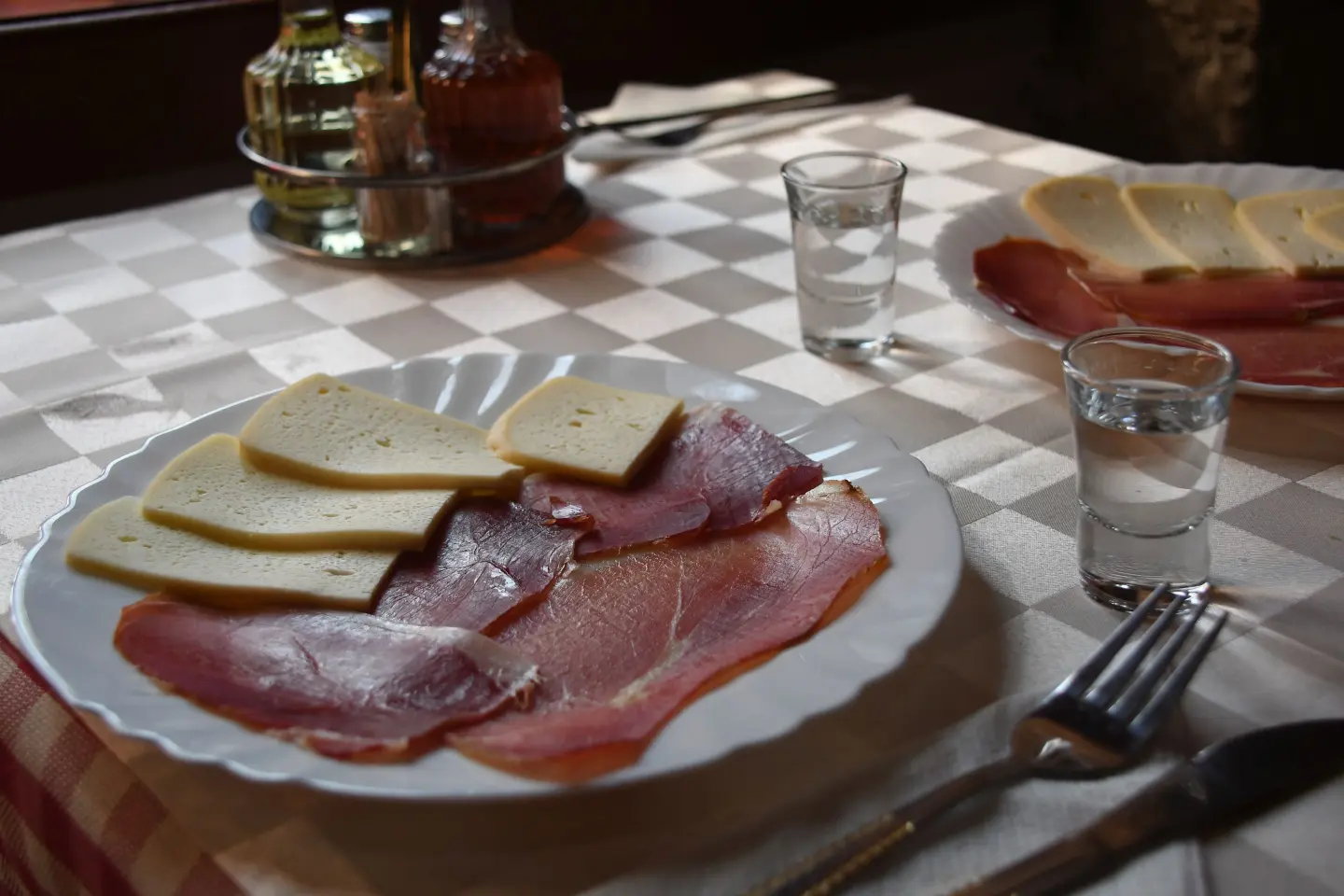
The village also makes a cheese that is kept in oil. The konobas in Njeguši serve the cheese and the ham together, and some families open their smokehouses to visitors who book ahead.
The lake and the vine
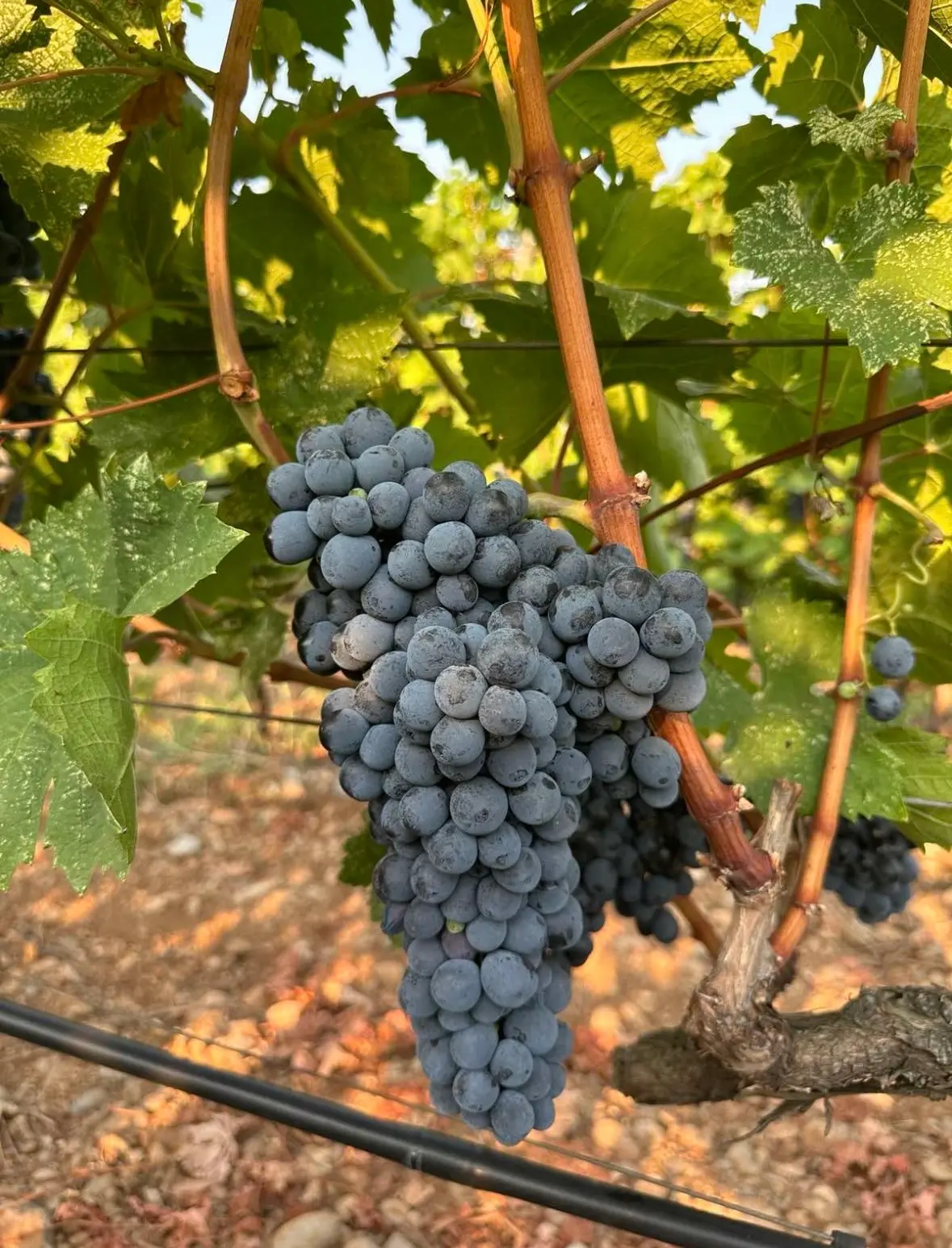
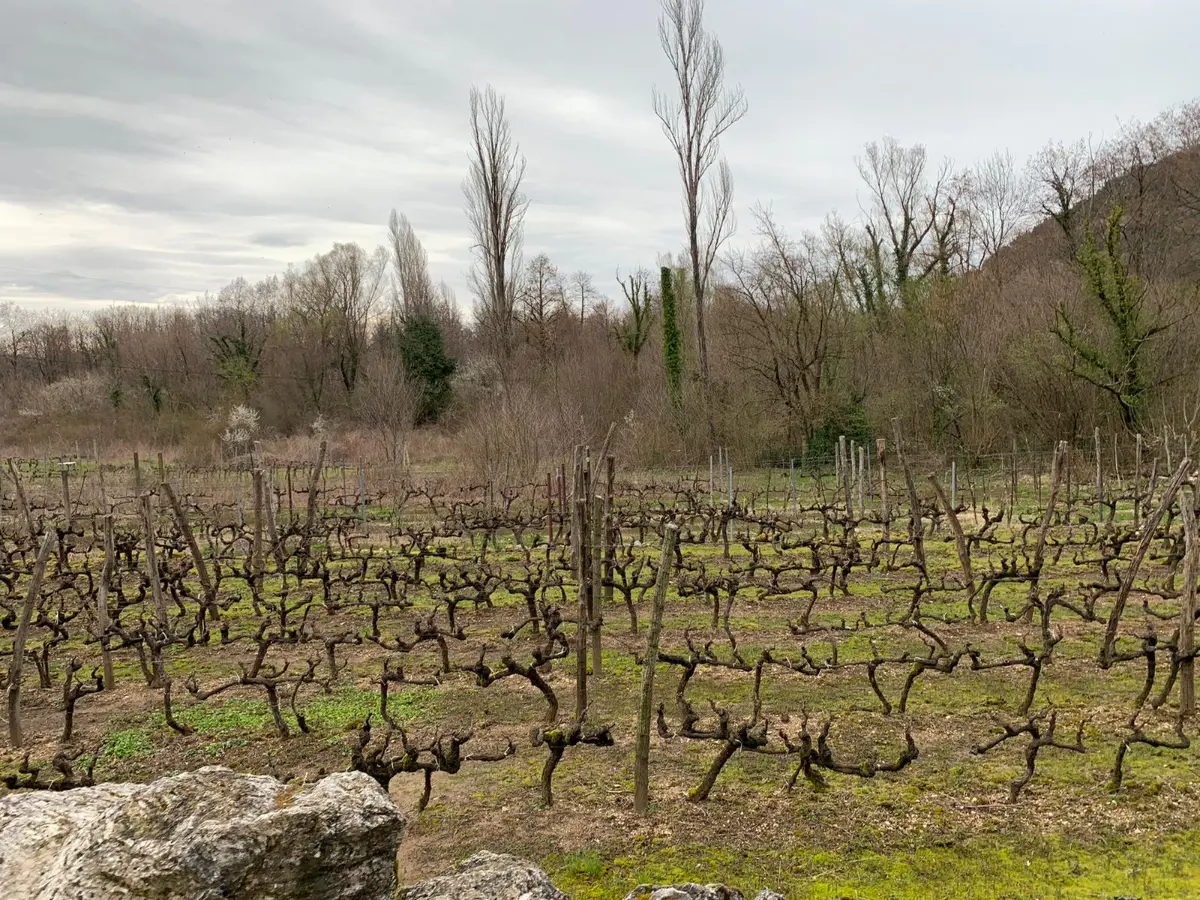
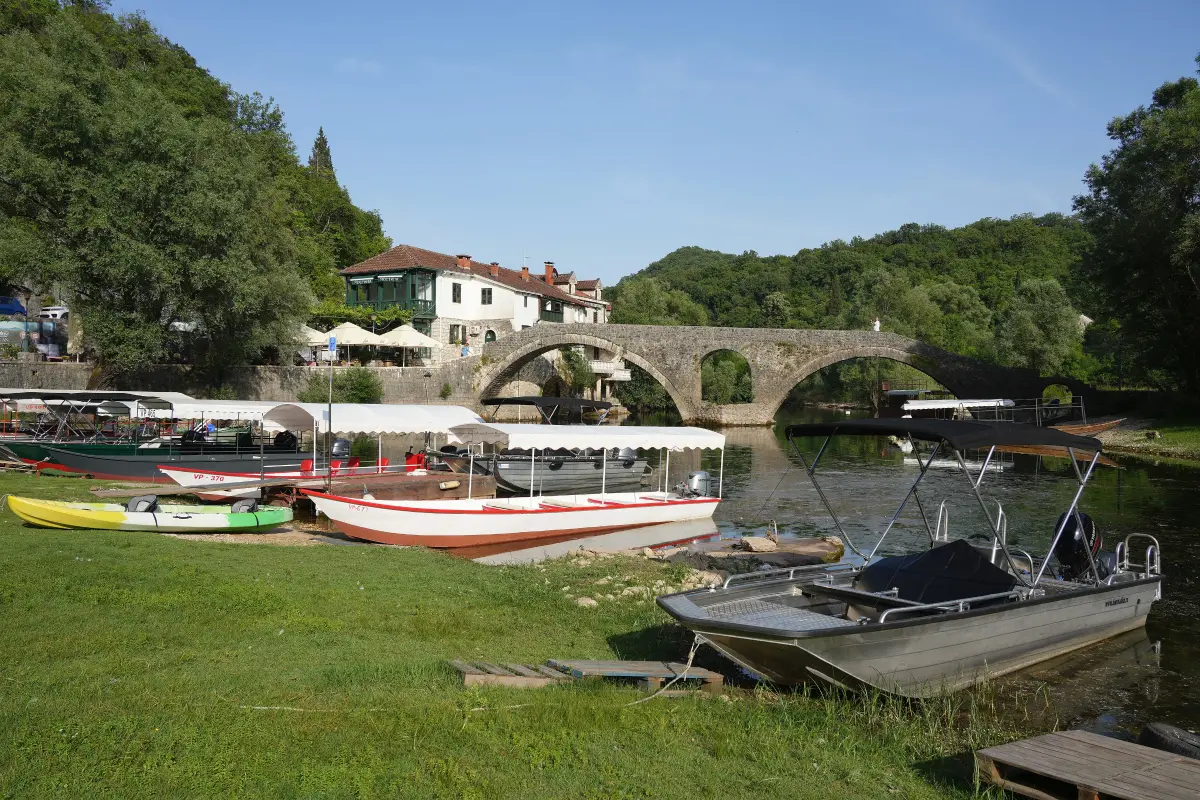
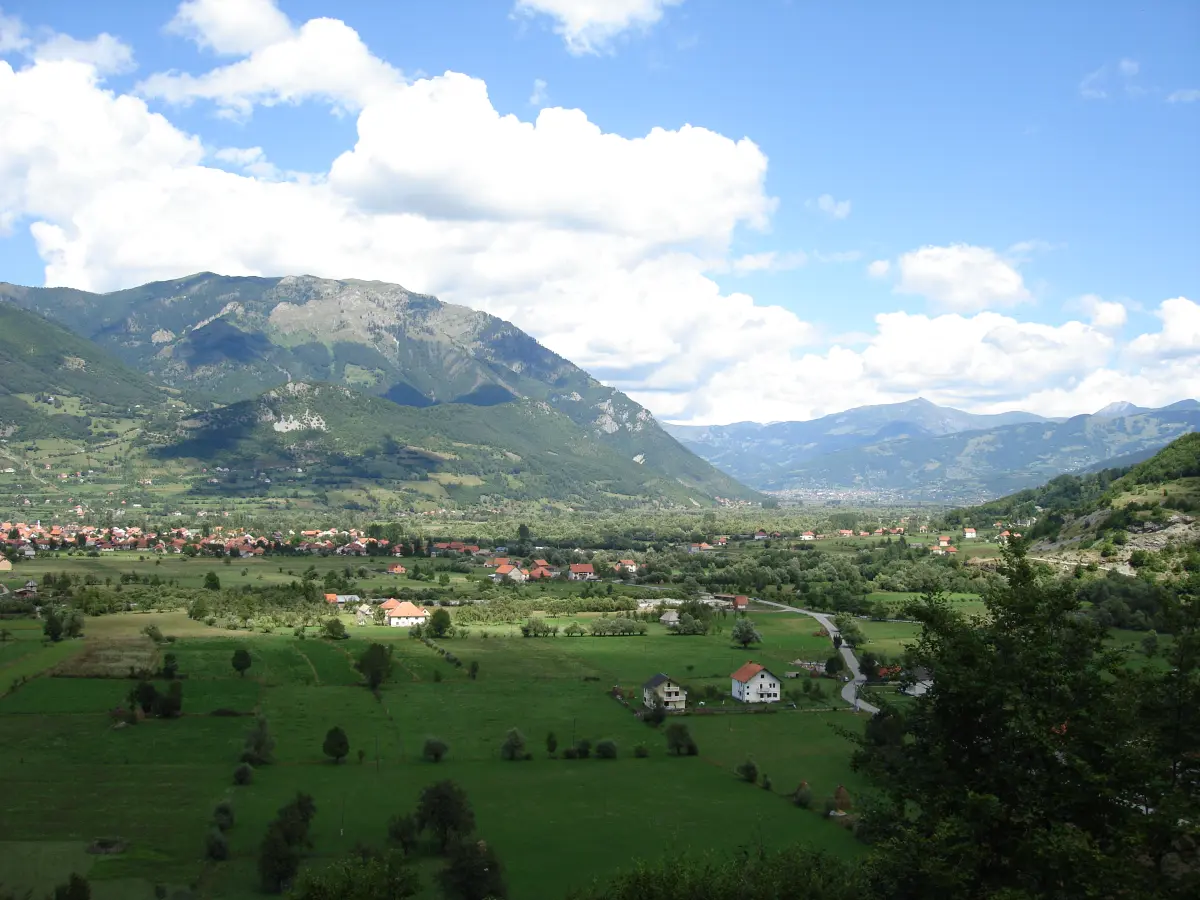
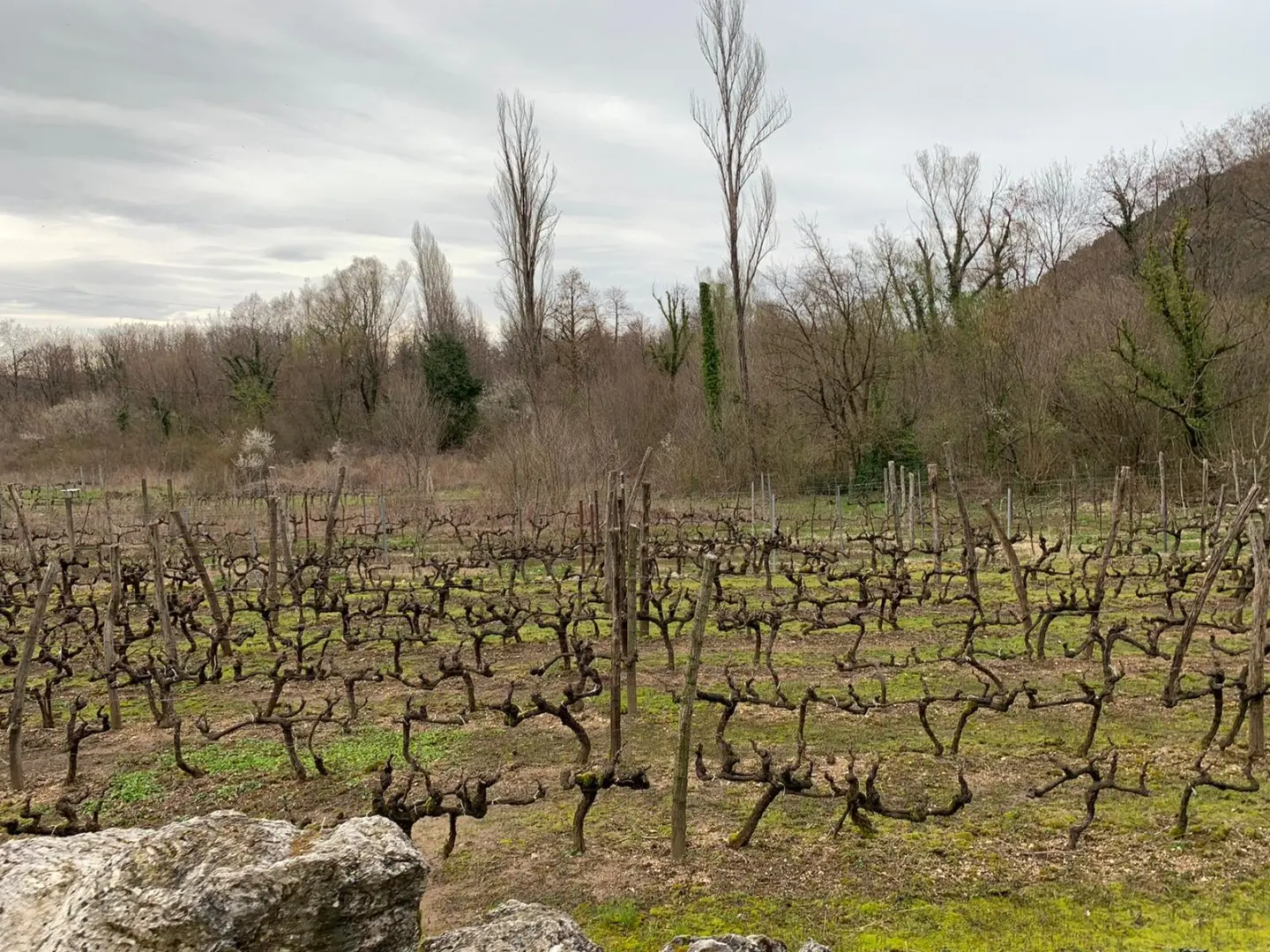
Crmnica, the valley that runs down to Virpazar on Lake Skadar, is called the cradle of vranac. This black grape now covers about half of Montenegro's vineyards. Its parents are kratošija, the same grape as Zinfandel, and a local variety called duljenga. Family cellars in Godinje, Limljani, Brčeli and Orahovo pour it at their own tables, and the harvest runs from mid-September into October. Crmnica's mild, sweet onion is eaten raw with fish.
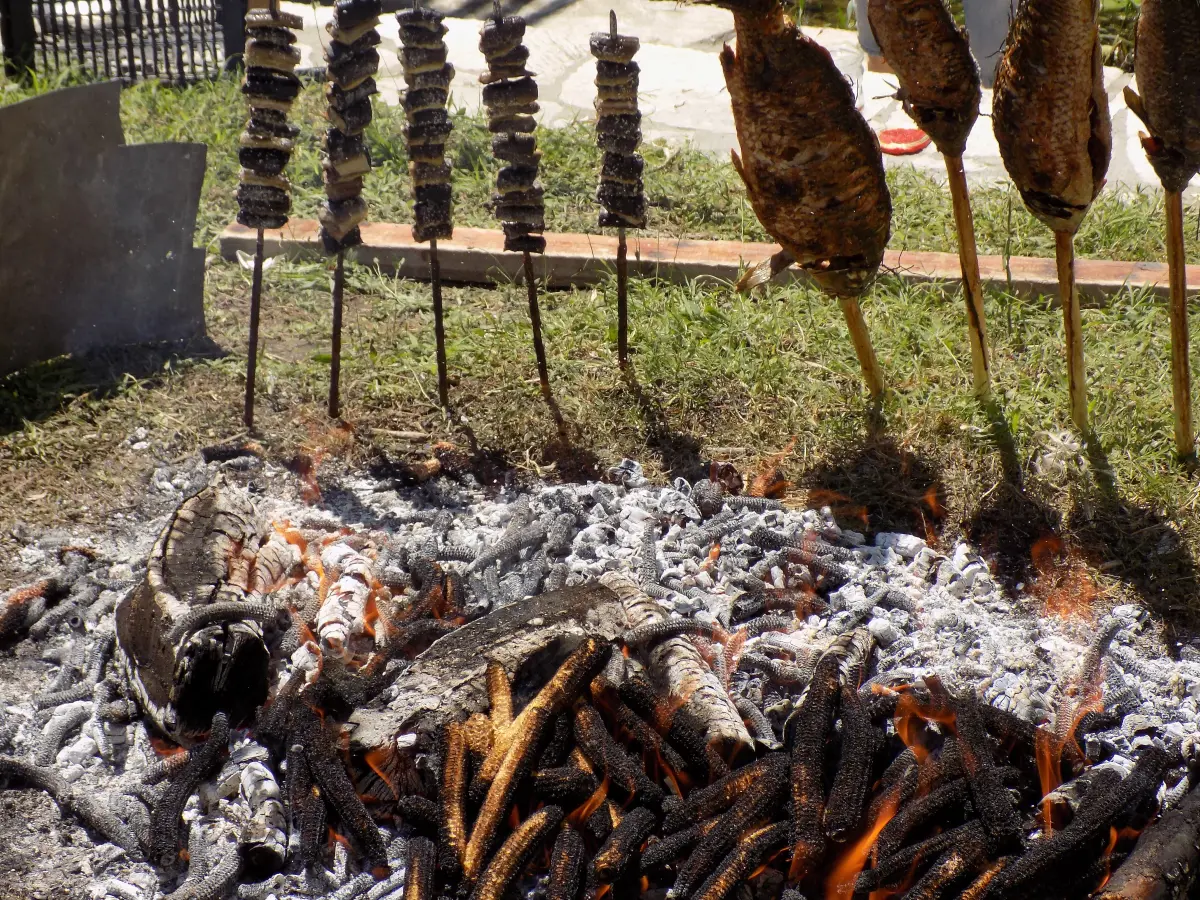
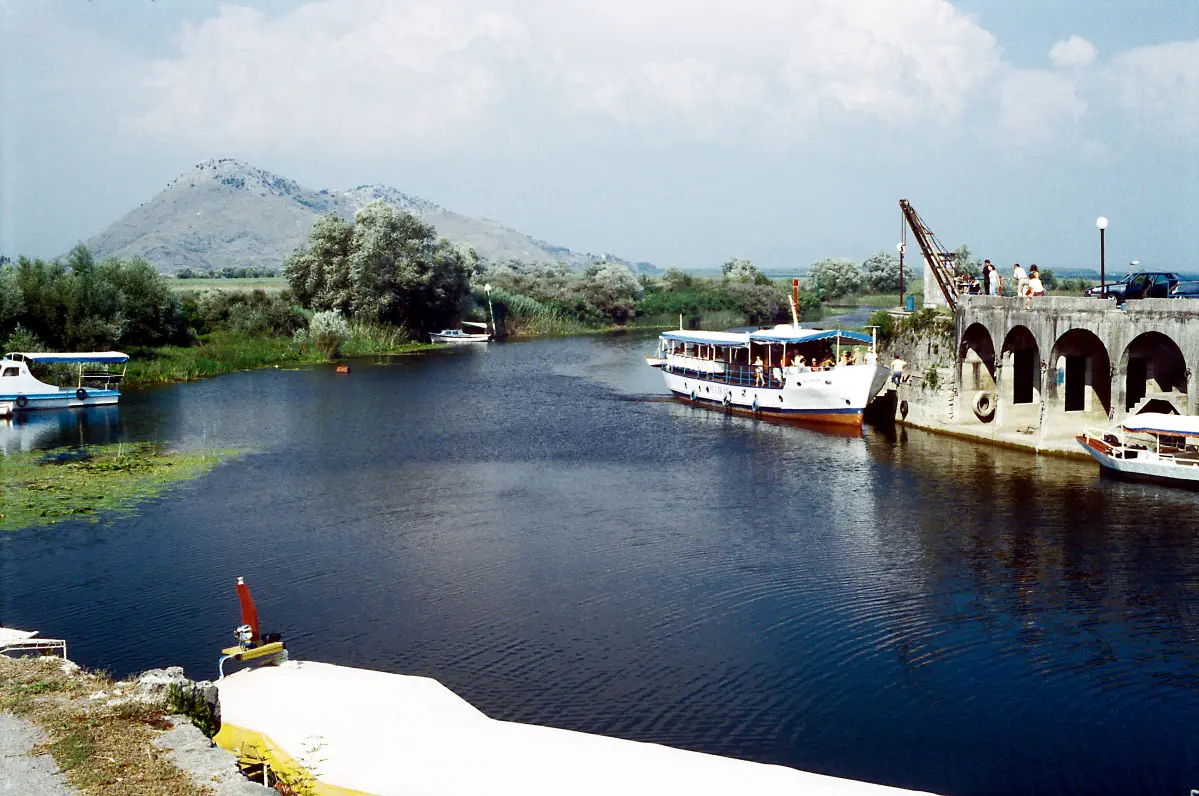
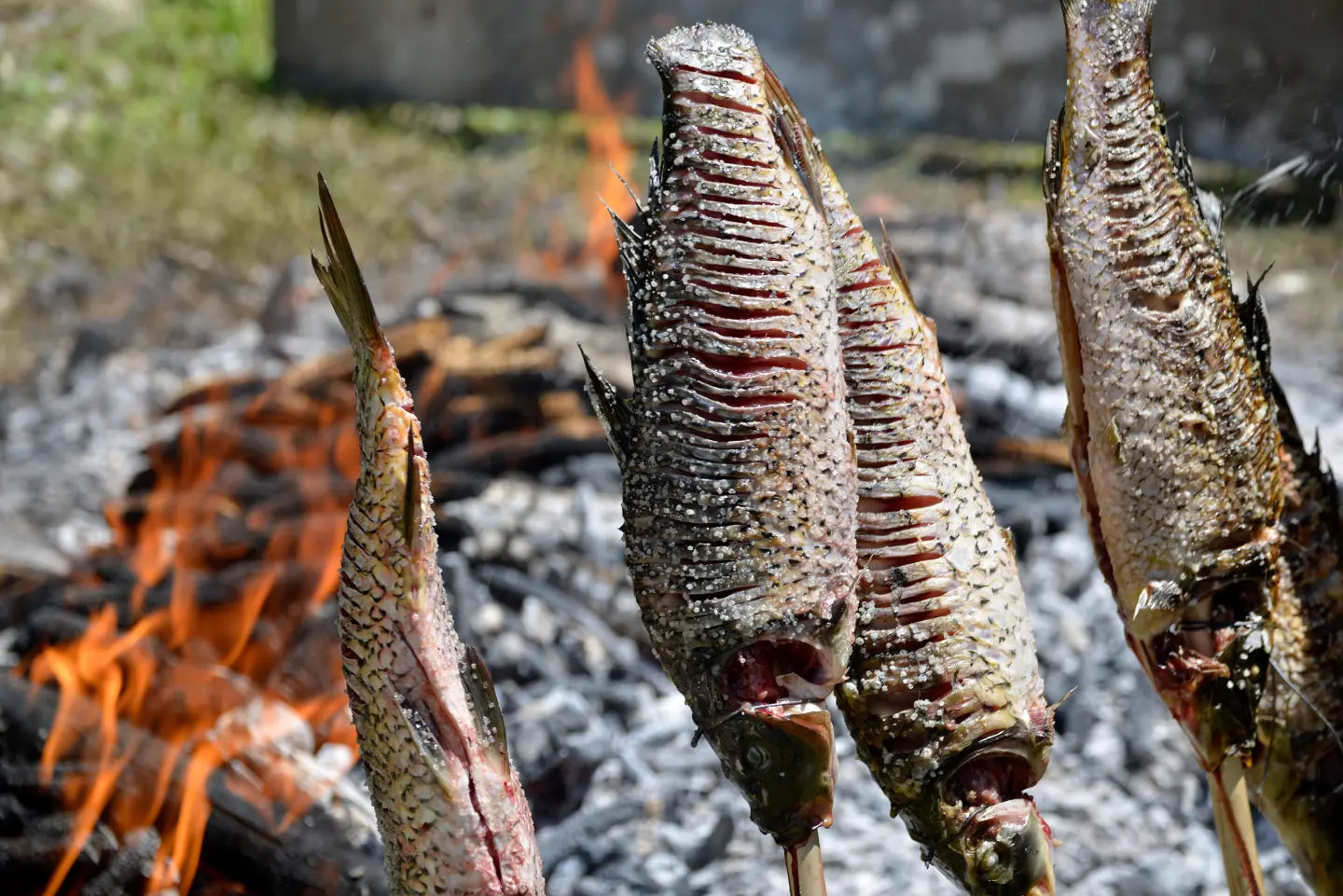
The lake supplies the rest. Carp is salted and smoked over pomegranate or willow wood until the flesh turns red, or baked with prunes, apples and quinces. Ukljeva, the Skadar bleak, turns up with the first autumn rains and is fried or smoked. In the 1970s fishermen landed up to 600 tonnes a year. The catch has fallen so far since then that Slow Food has listed the bleak in its Ark of Taste as an endangered food.
Did you know?
Kolašin leaf cheese is pressed in layers so thin that locals call them kartika, like cigarette papers. It takes about ten litres of milk to make one kilo, and the cheese keeps for only 15–20 days. Its name is protected as a Montenegrin designation of origin.
Feast days and fasting
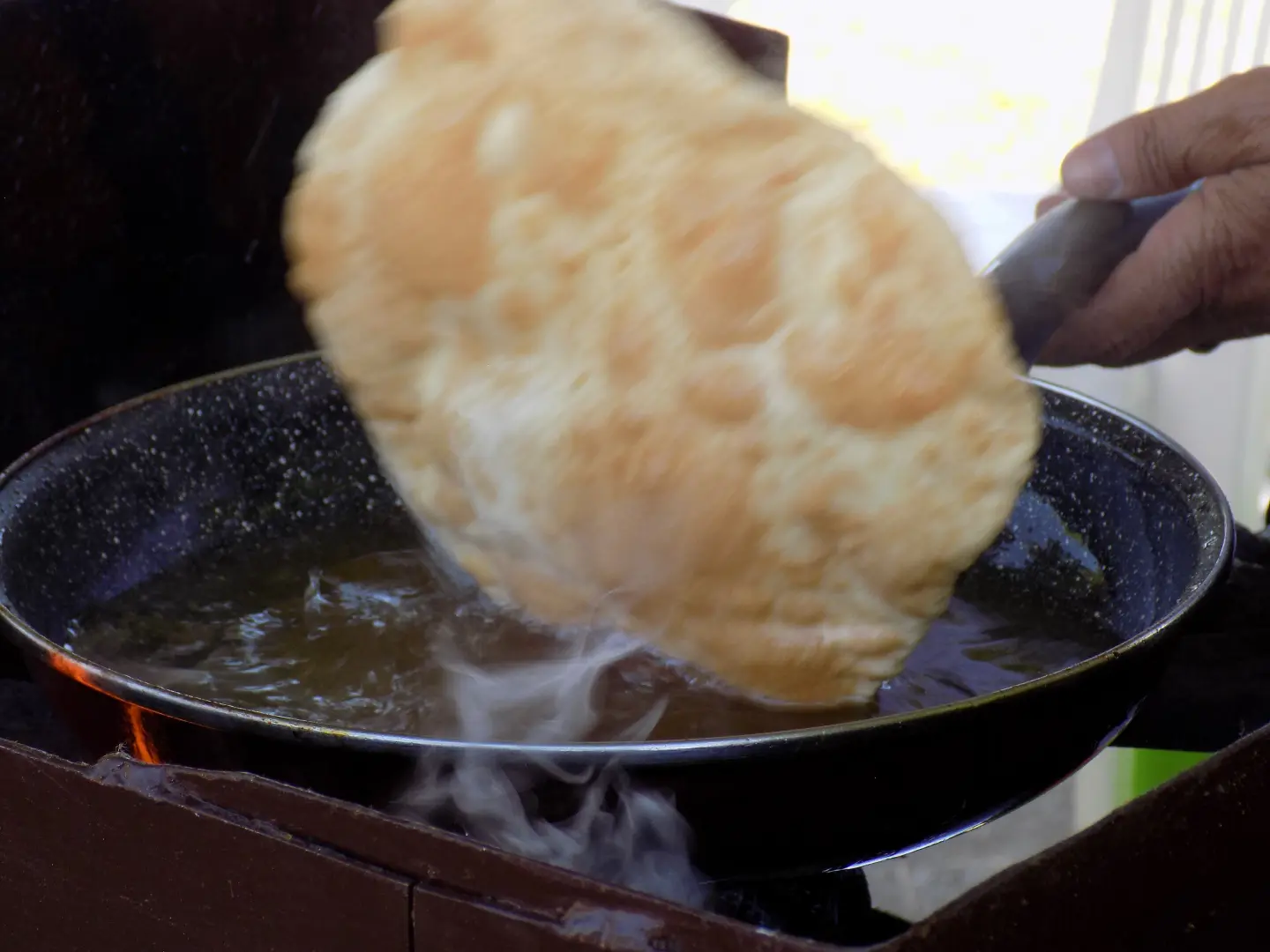
In Orthodox households the church calendar still sets the menu. The Christmas fast runs from 28 November to 6 January, with no meat, dairy or eggs. Great Lent lasts about seven weeks before Easter. Christmas Eve (Badnji dan, 6 January) ends with a lean supper of round unleavened bread, beans, fish, walnuts, honey and red wine. For the slava, the family's patron-saint day, there is a ritual bread (slavski kolač) and koljivo, boiled wheat with walnuts.
Life on the katun
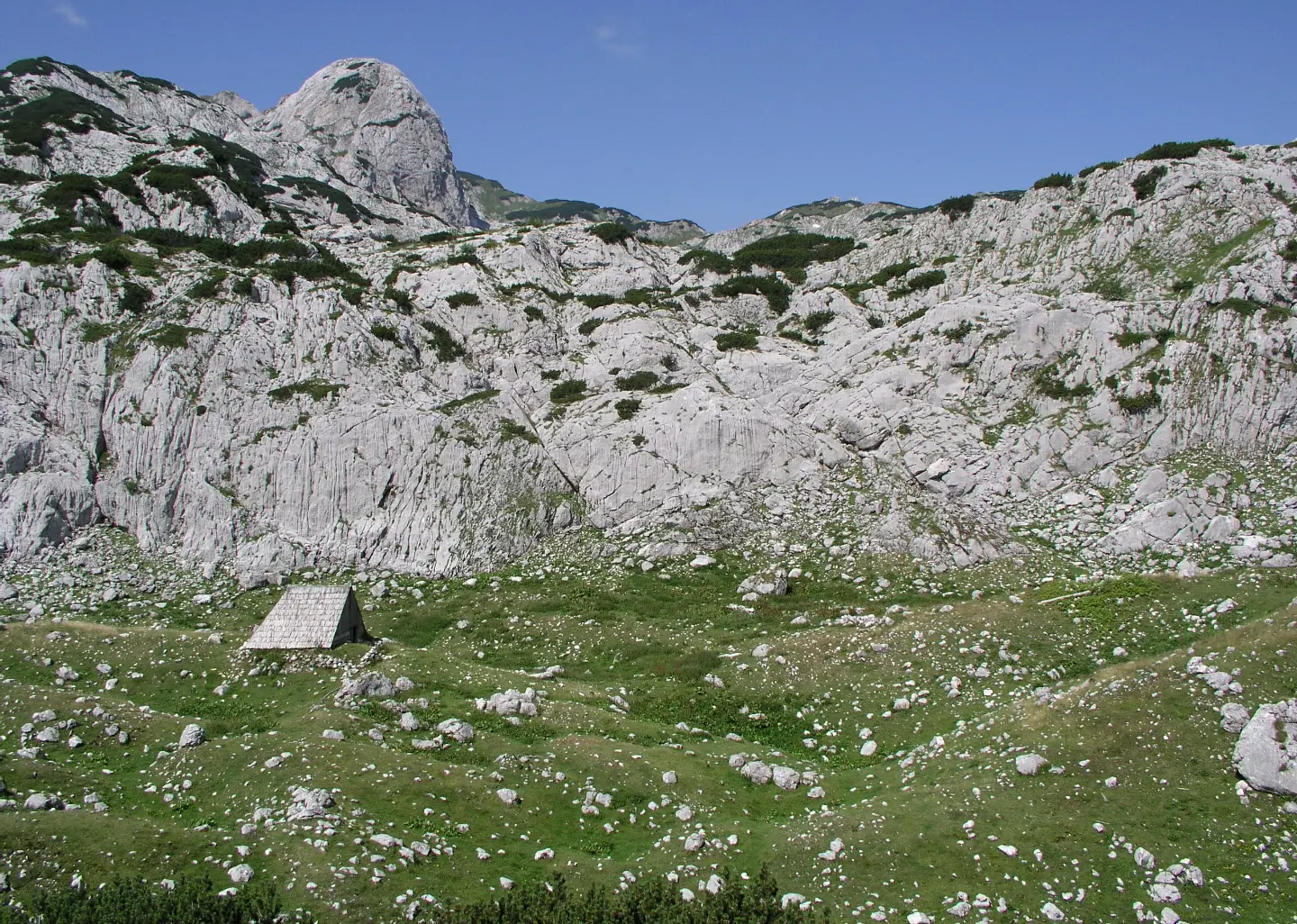
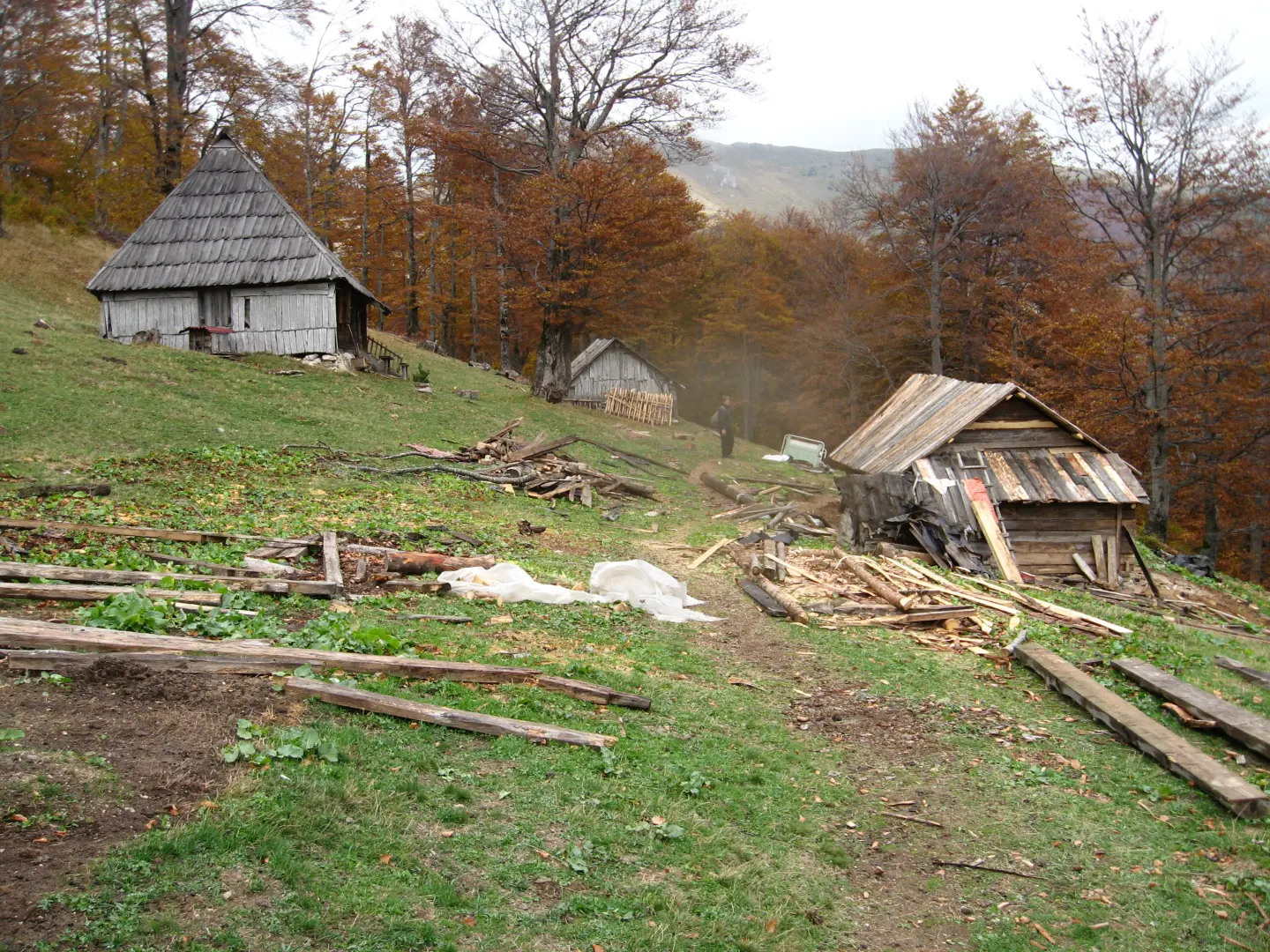
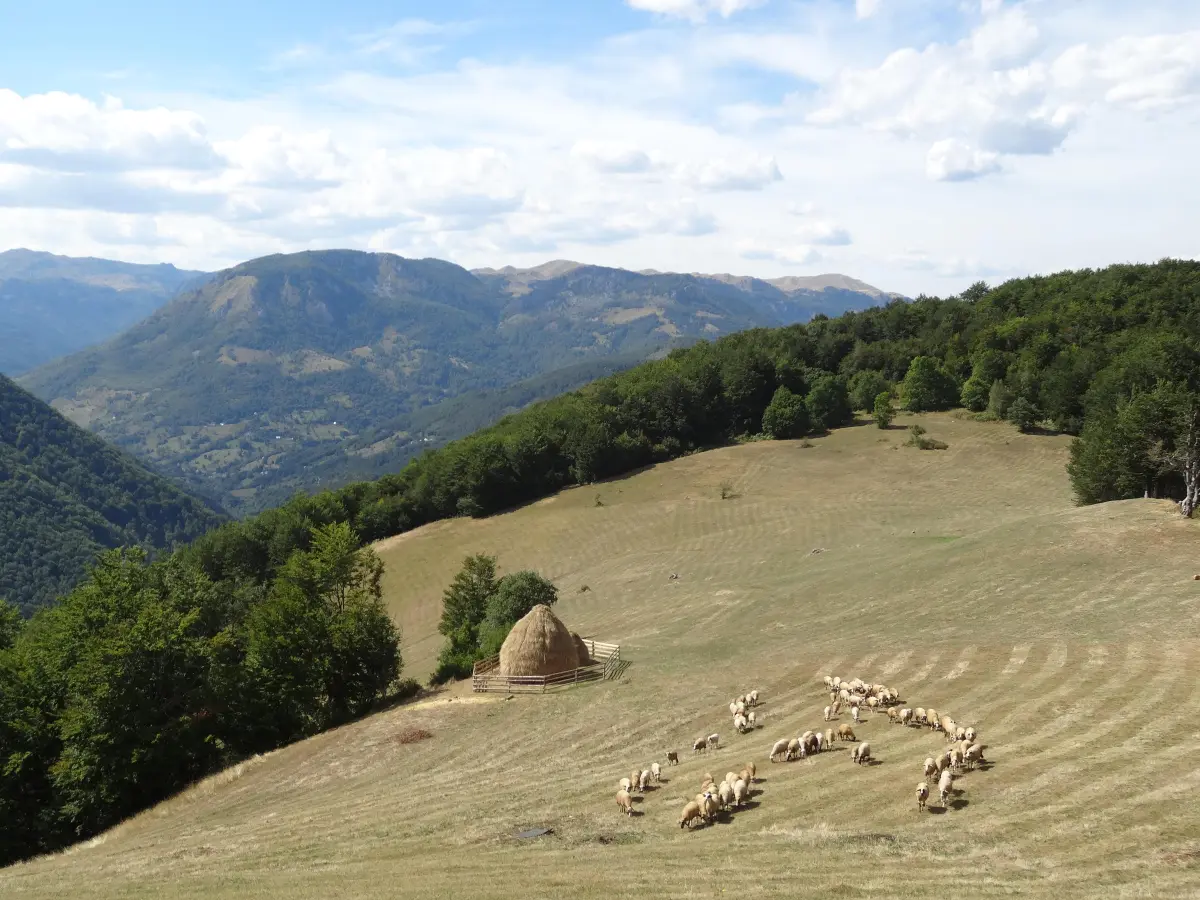
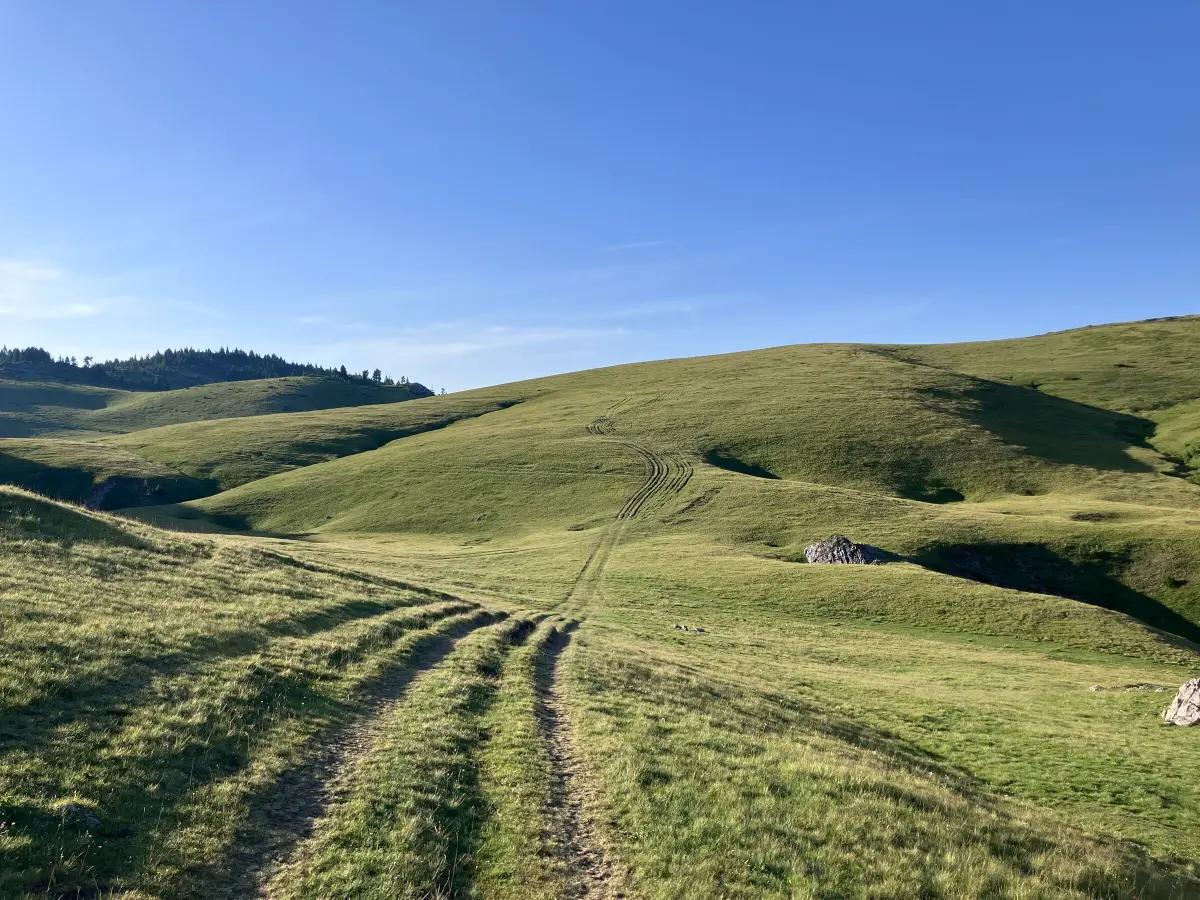
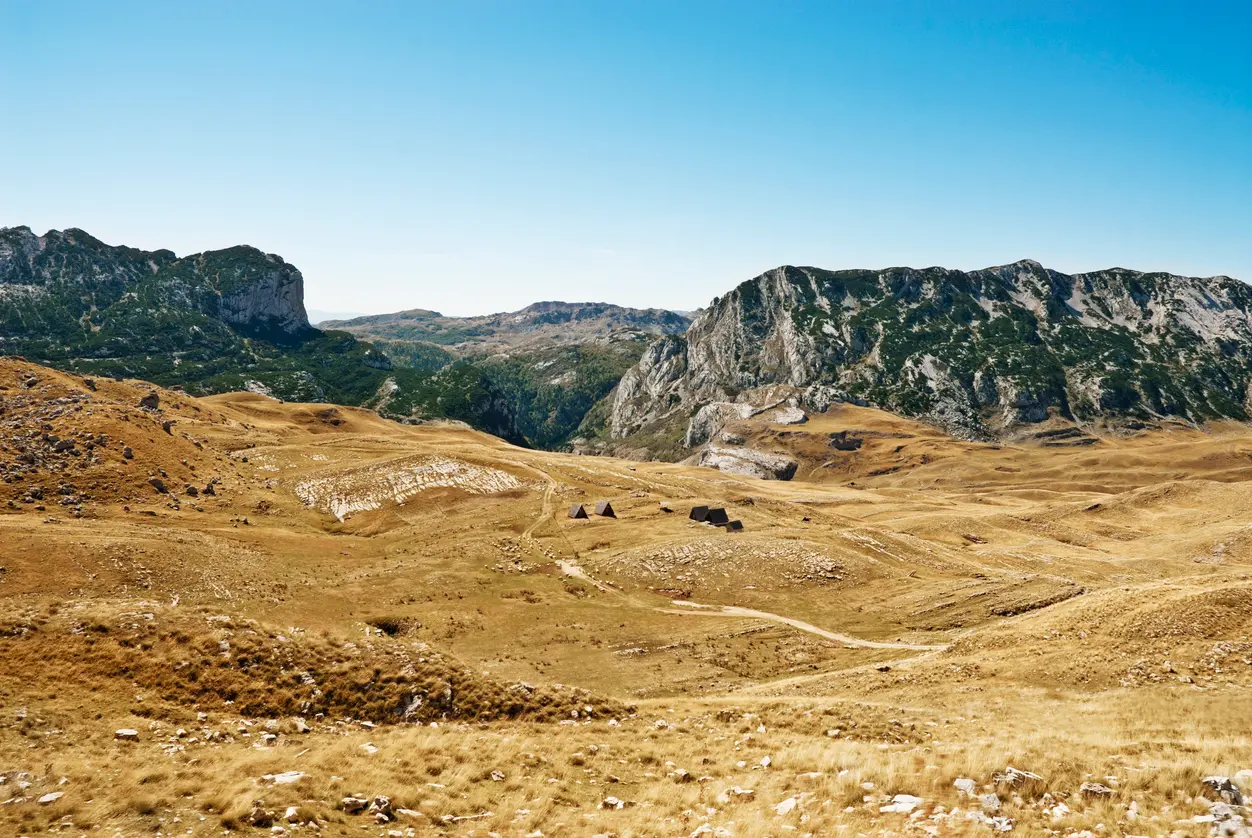
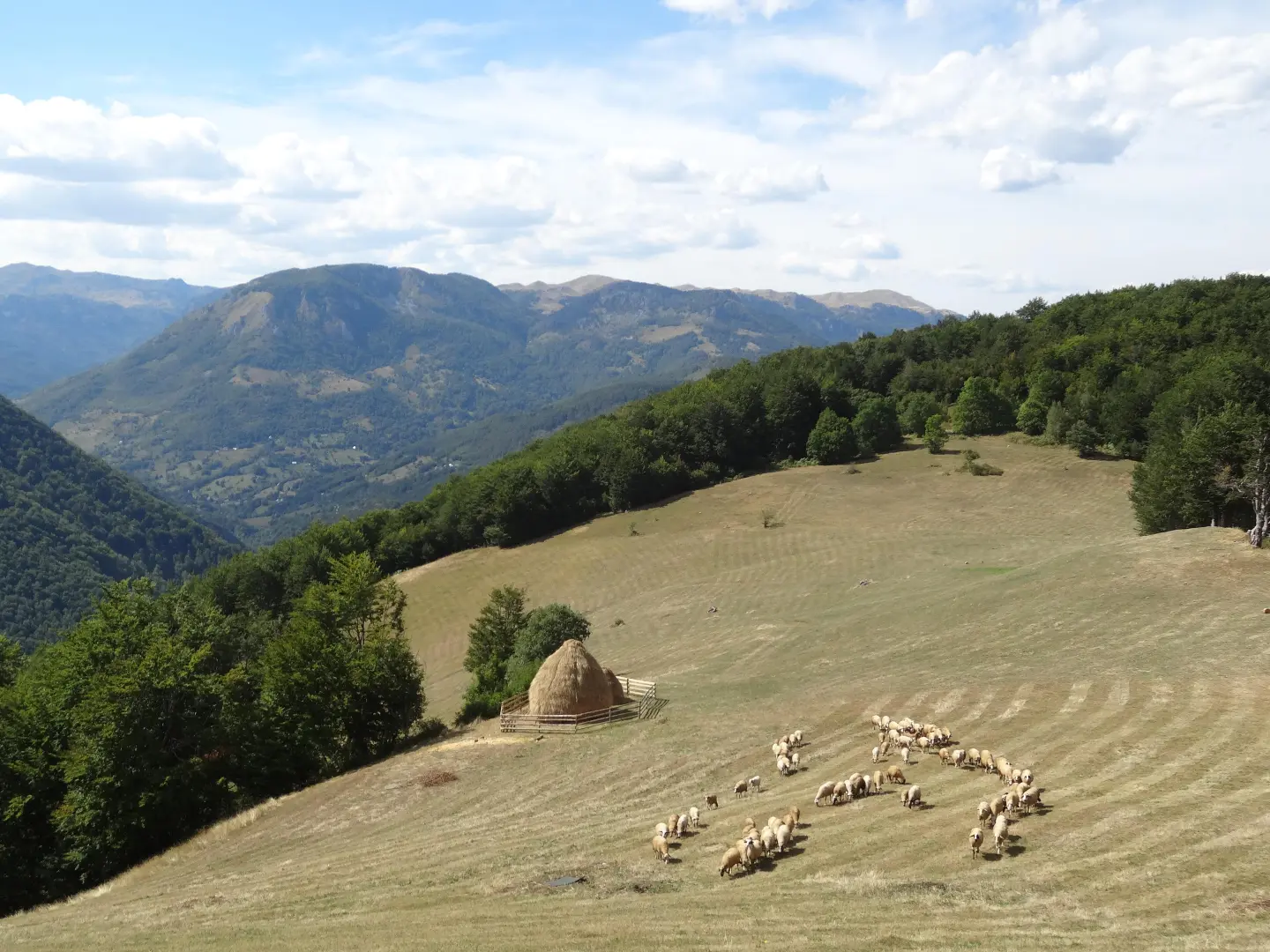
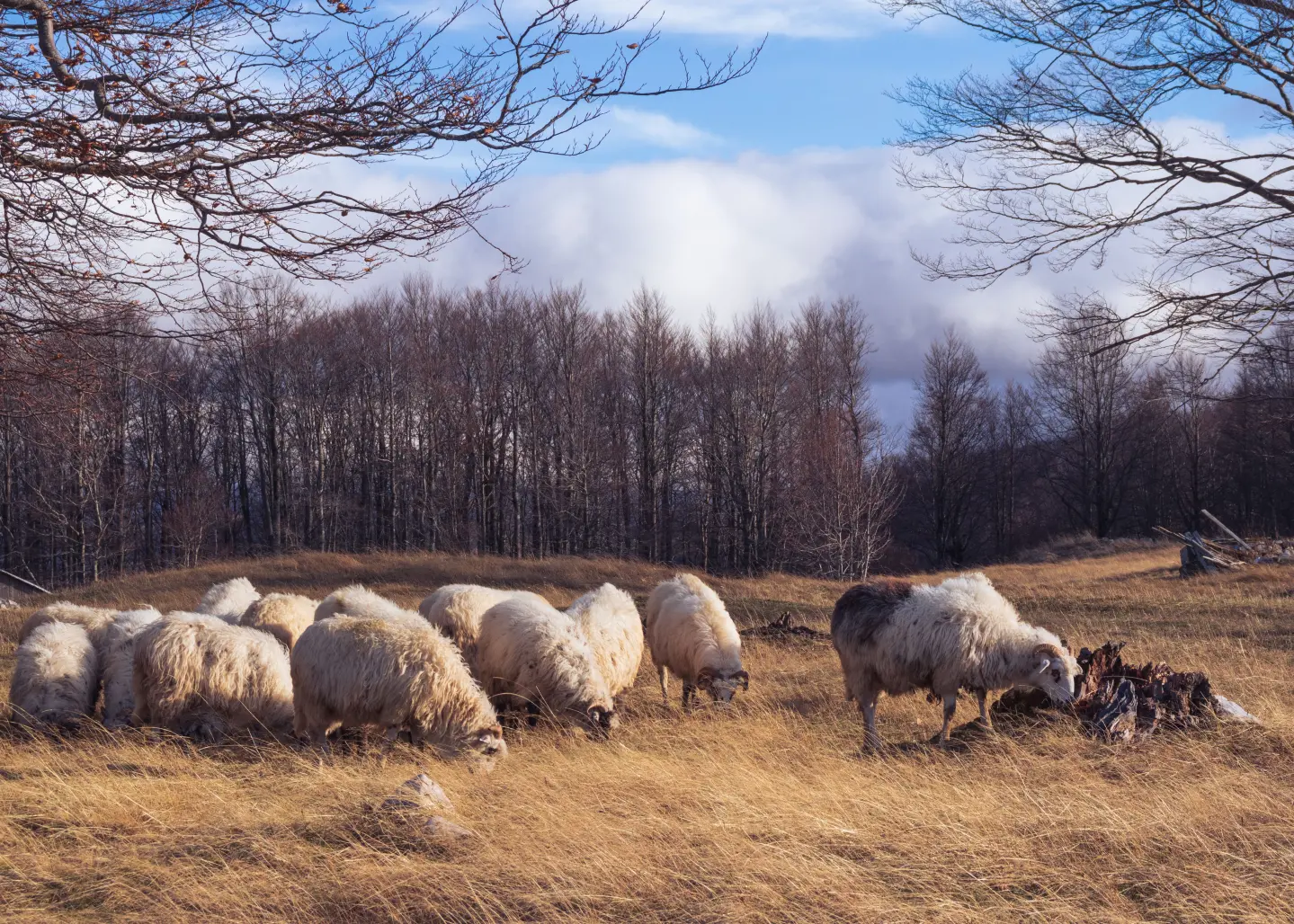
A katun is a summer settlement of herders' huts on high pasture. Families traditionally drove their livestock up in May and stayed until the snow fell. Đurđevdan, St George's Day on 6 May, is the shepherds' feast. Sinjajevina, Montenegro's largest mountain by area, is a plateau about 40 by 15 km at around 1,600 m, and it's still grazed this way. Its herders have campaigned for years to keep a military training ground off it.
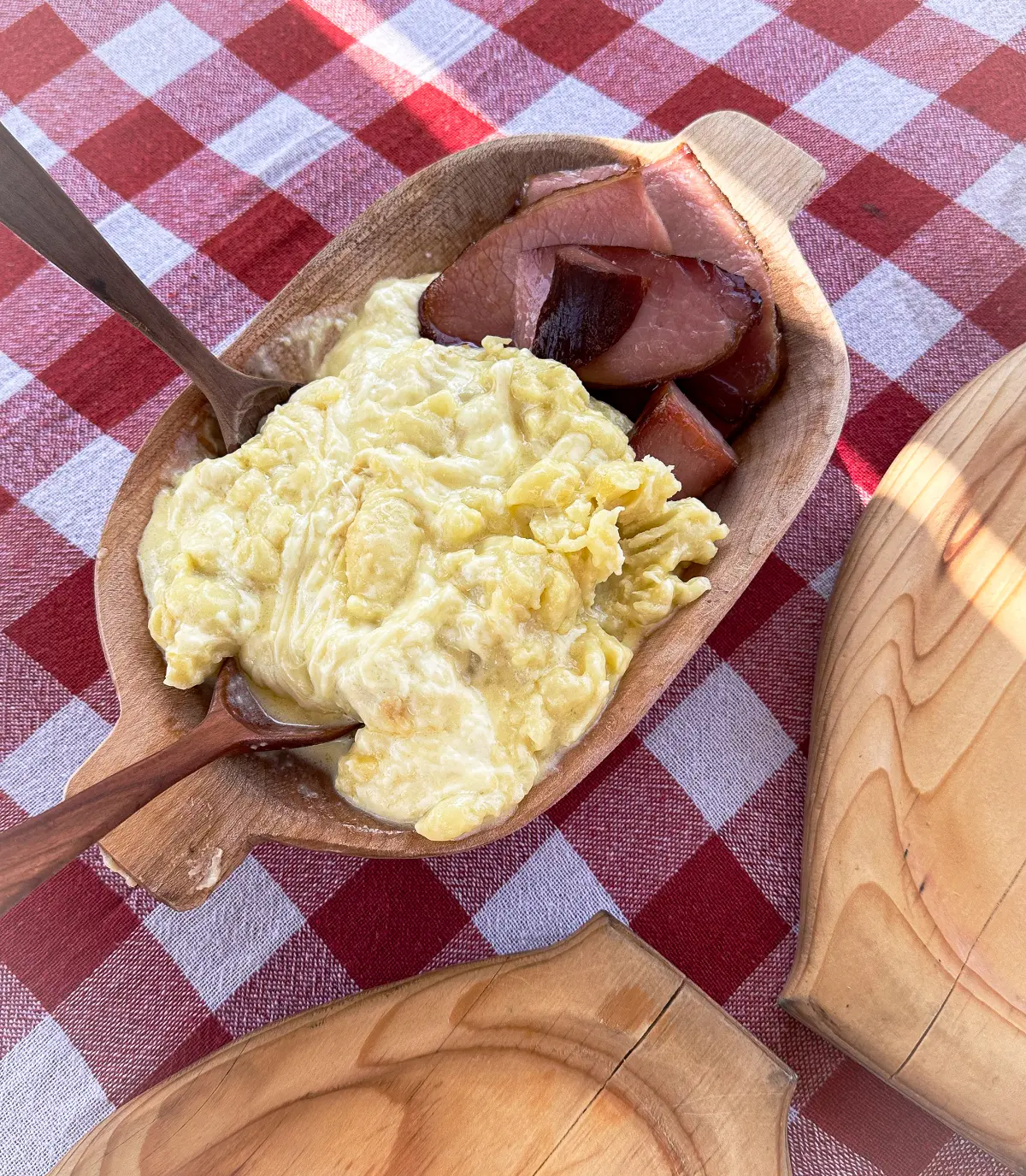
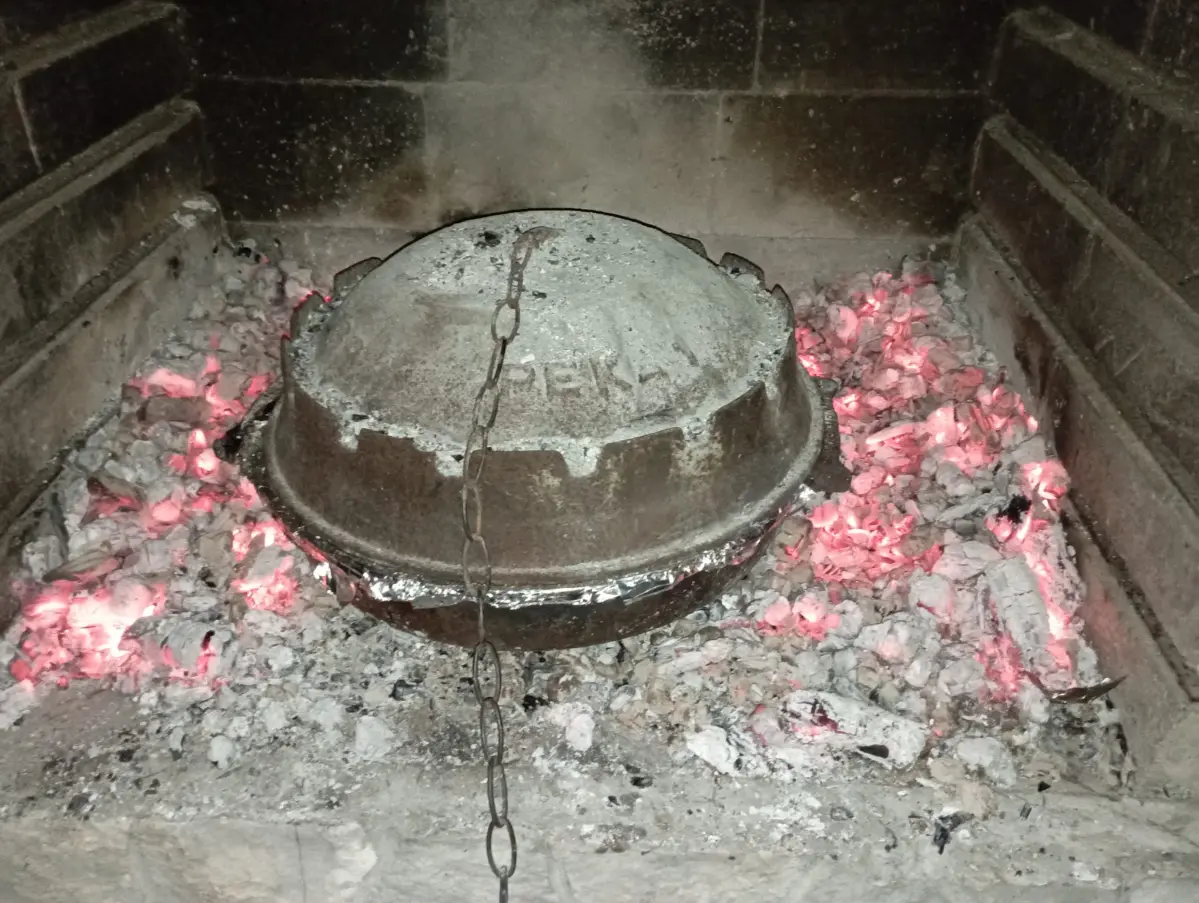
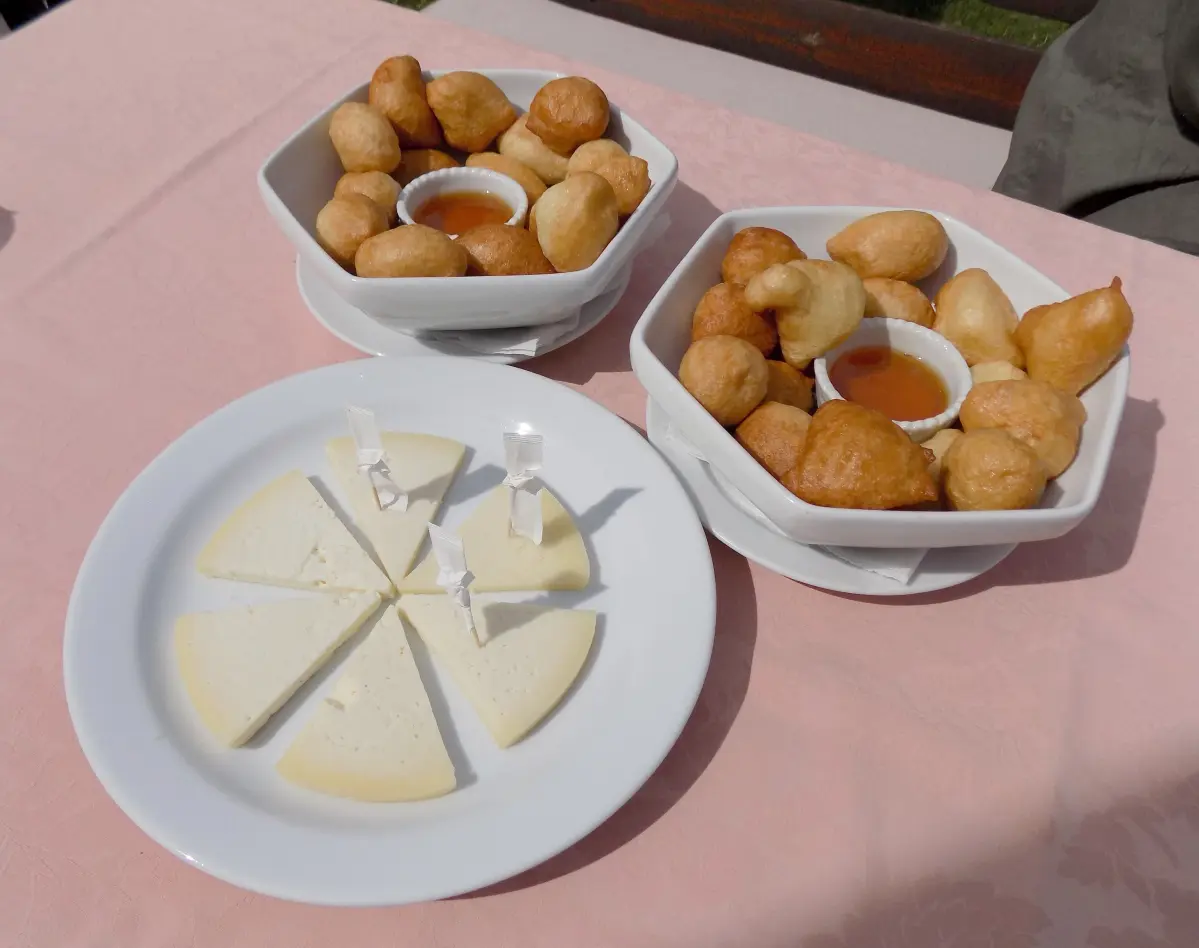
Katun food is whatever milk, flour and a wood stove allow. Kačamak is cornmeal worked with potato, cheese and kajmak until thick. Cicvara is cornmeal cooked in kajmak, a Christmas treat on Durmitor. Priganice are fried and eaten with honey, and bread and pies bake under the sač, an iron bell heaped with embers. What the herds give that can't be eaten fresh is turned into cheese, kajmak and skorup.
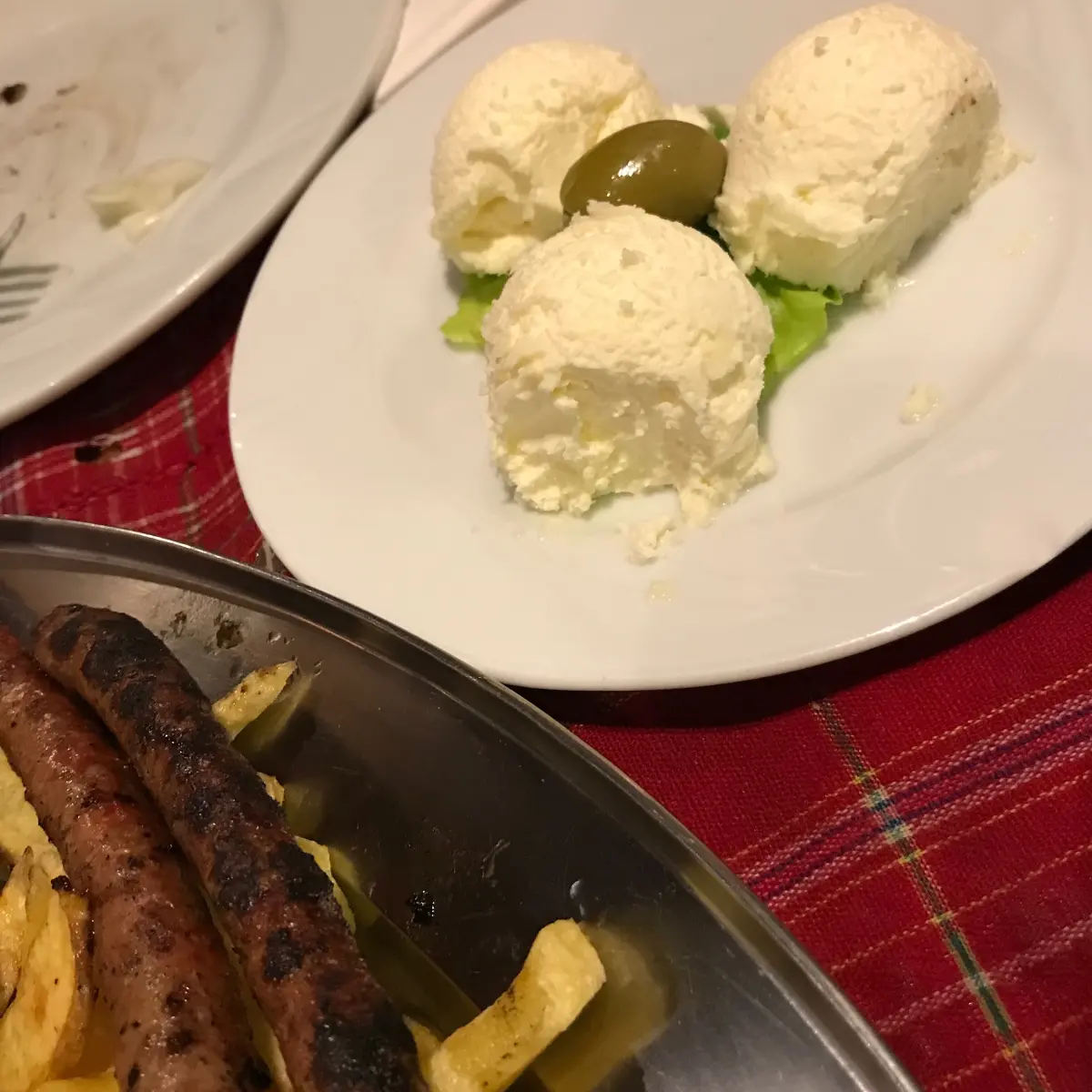
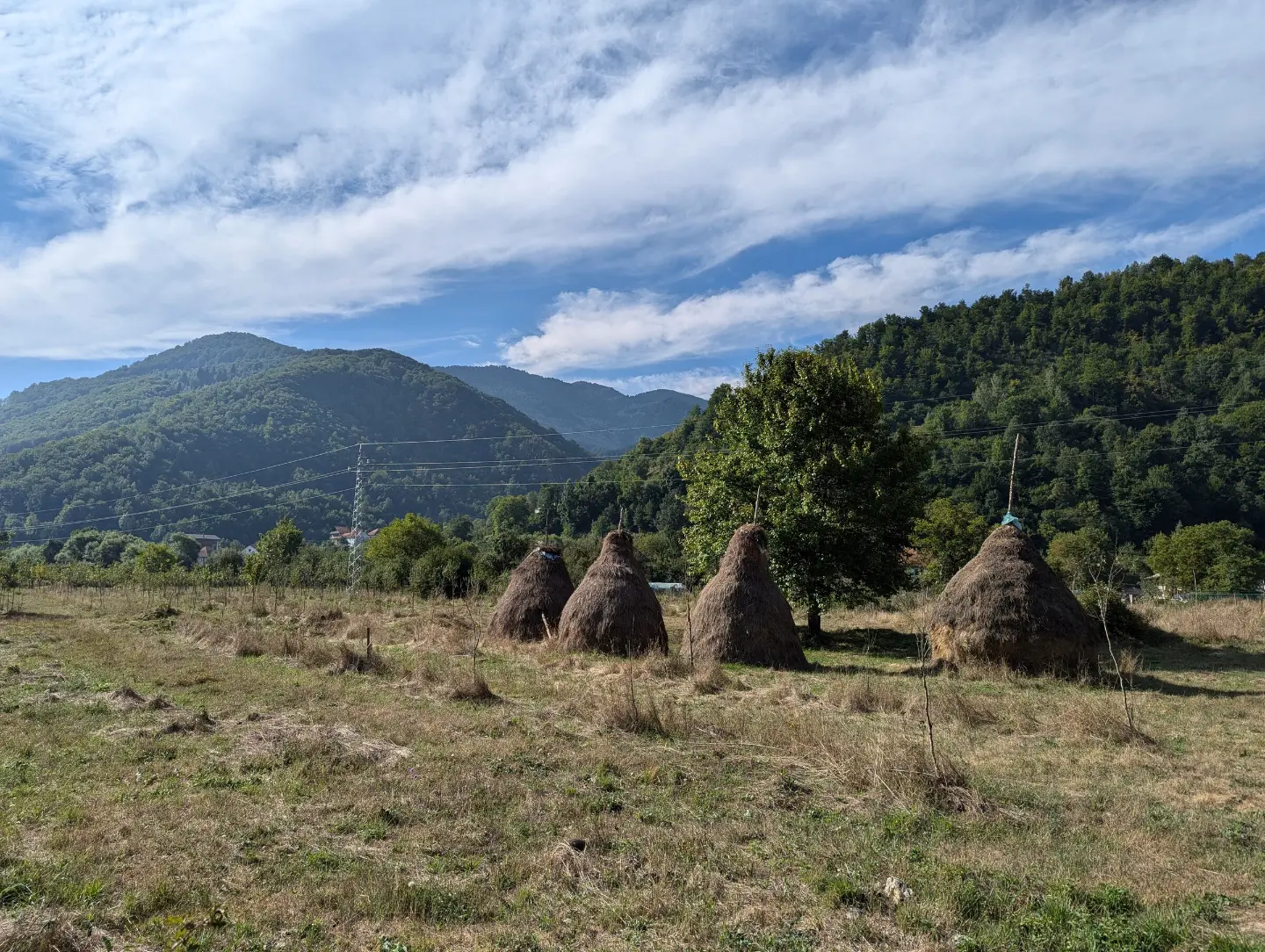
In the villages below Sinjajevina and Bjelasica, Kolašin leaf cheese (lisnati sir) is pressed in sheets so thin that locals call them kartika: cigarette papers. It takes about ten litres of milk to make a kilo, and it keeps for only two to three weeks. Further north, Pljevlja cheese is salted and ripened in wooden tubs. It was already being traded through Dubrovnik in 1348.
Most rural households still make their own drinks, too. On Sinjajevina, Katun Potrk serves homemade rakija, juices and honey, and at Vitezovi konaci on Mokra the rakija is distilled on the katun itself. Book ahead and arrive hungry.