Travel to Montenegro
Kajmak and Durmitor Skorup: Montenegro's Mountain Cream

Eat & Drink

Kajmak and Durmitor Skorup: Montenegro's Mountain Cream

The salted crust of boiled milk, ripened in wooden tubs and, only in Montenegro, in hide sacks

Kajmak, or skorup as Montenegro's highlanders call it, is salted cream from boiled milk. How Durmitor skorup is made, why it's protected and where to taste it.

At a glance

Origin
Žabljak, Plužine, Šavnik
Protected status
Designation of origin
Made from
Cow's or sheep's milk
Season
June – mid-October
Ripening
30 + 30 days

2 min read

Boil milk, let it cool, and a thick, fatty crust forms on top. Lift it off, salt it and let it ripen, and you have kajmak, or skorup, as it has always been called in Montenegro. On the high plateau around Durmitor it is still made on summer pastures and matured in wooden tubs and hide sacks, and Durmitorski skorup is one of only seven Montenegrin foods with a protected name.

Kajmak or skorup?

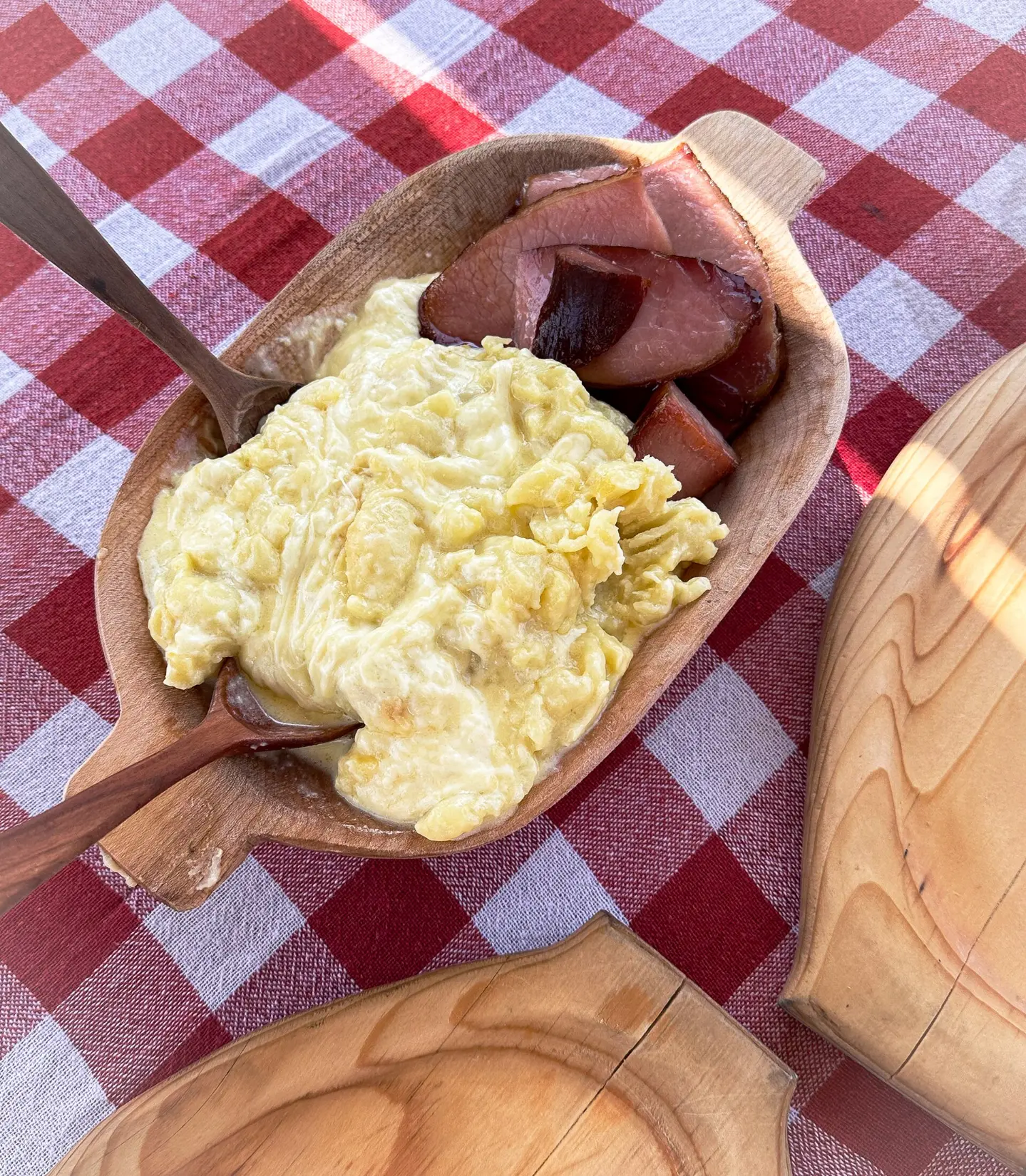
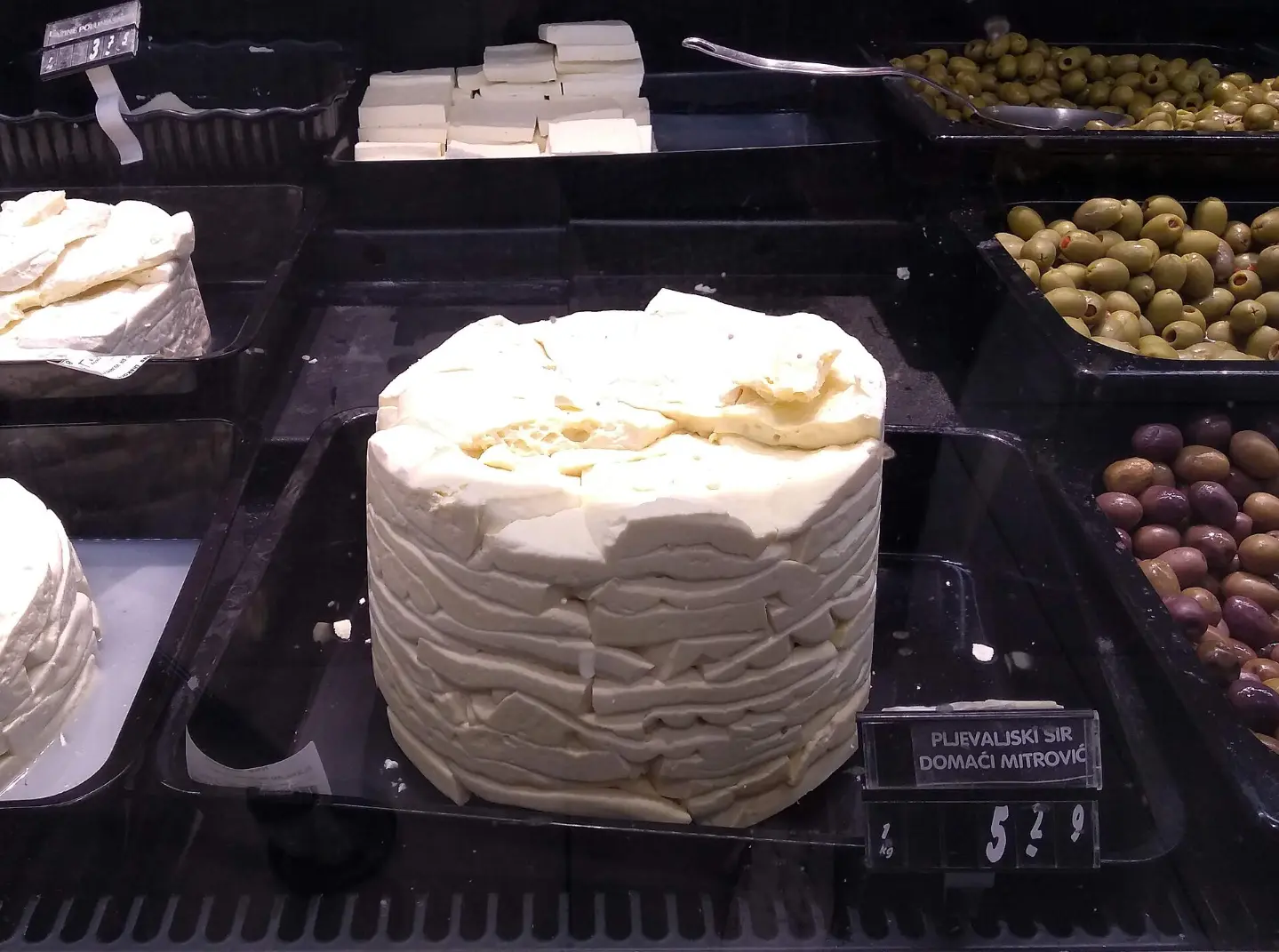
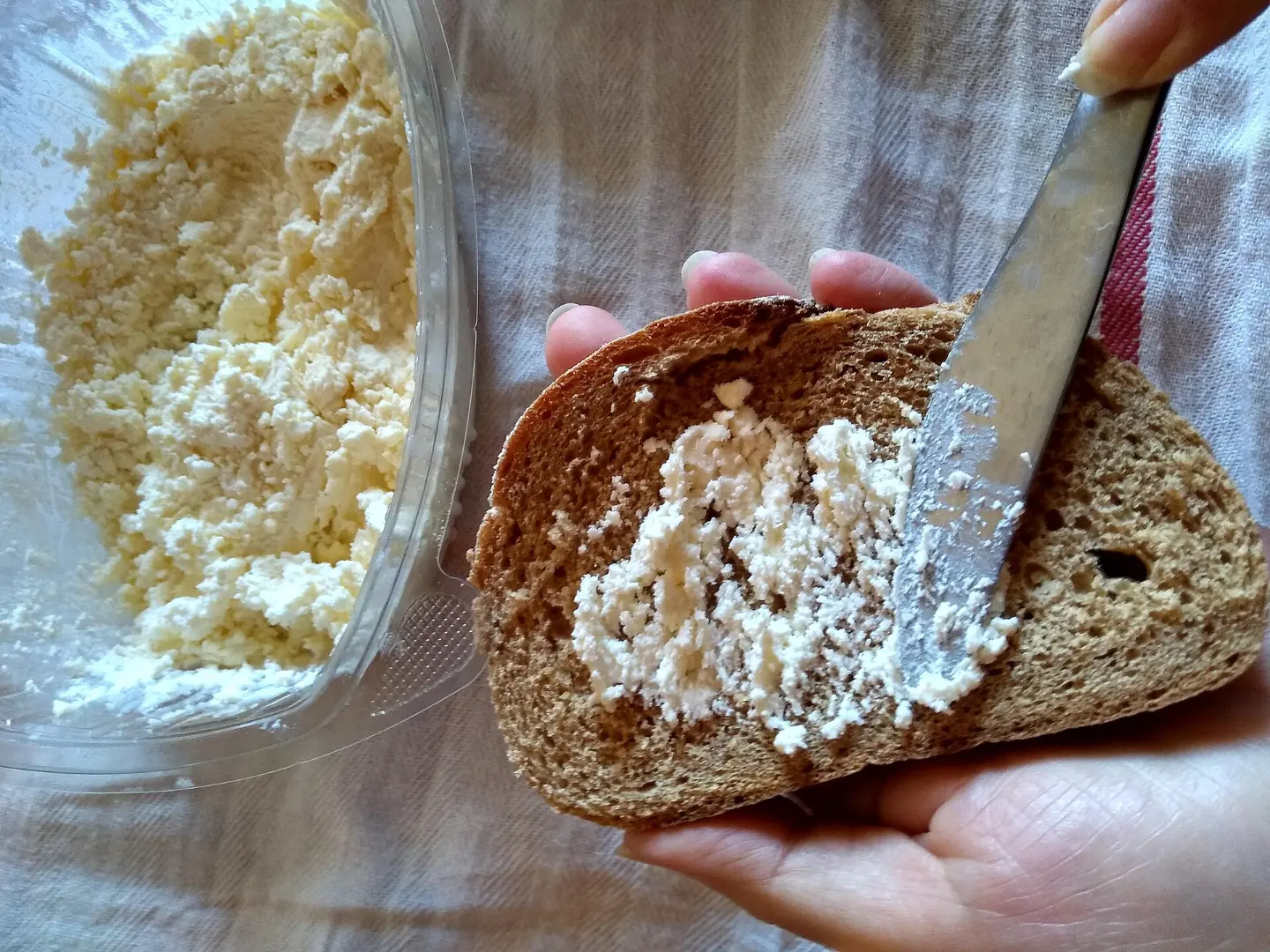
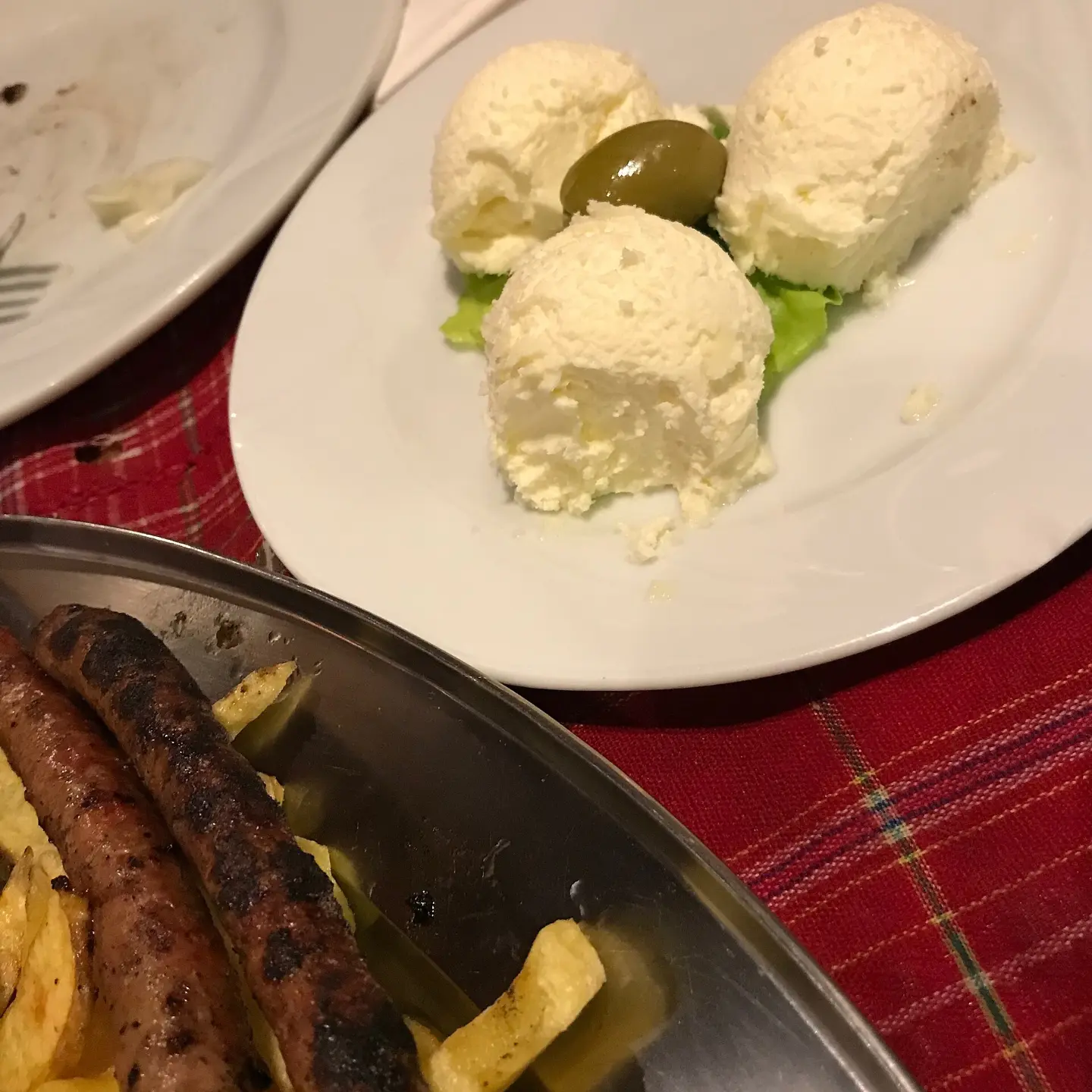
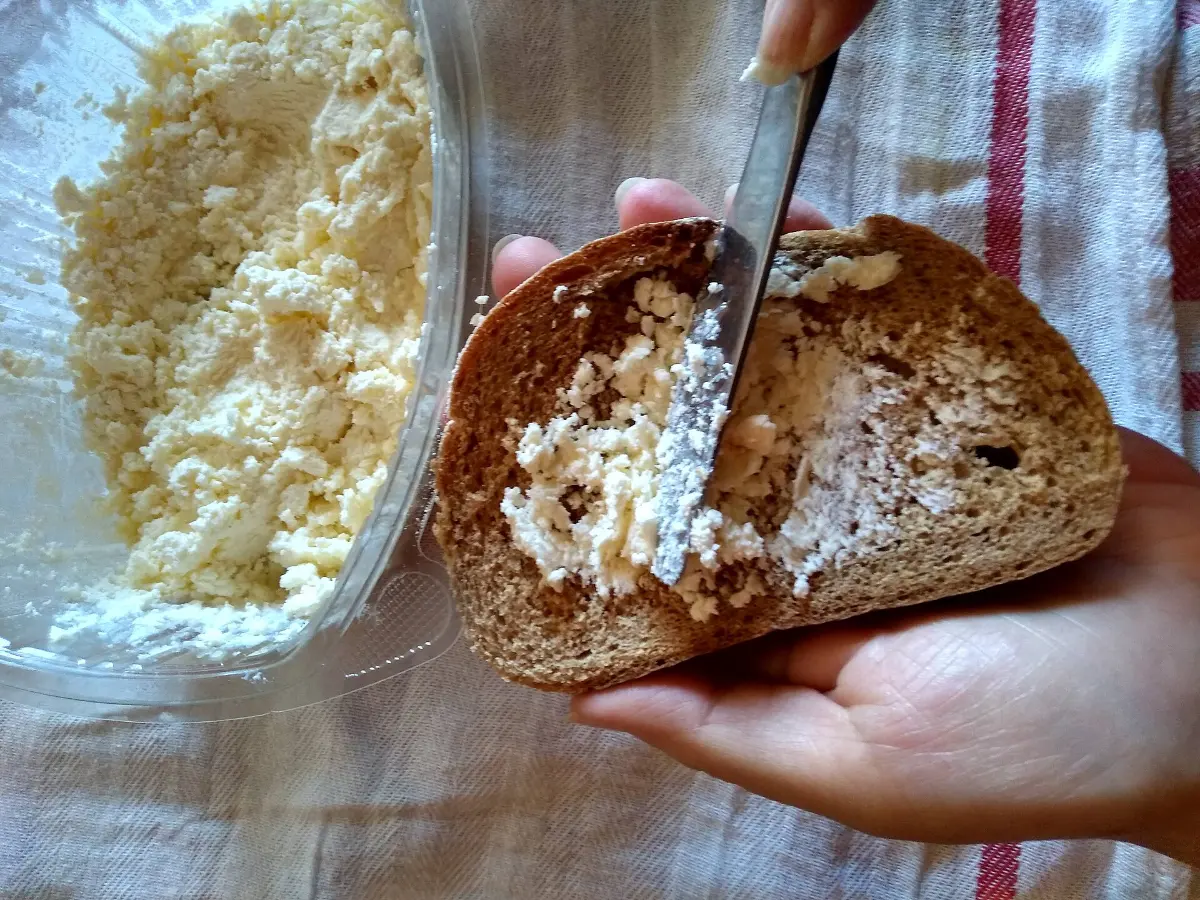
Across the Balkans, the rich salted cream skimmed from boiled milk is called kajmak, a Turkish word. In Montenegro it has always been skorup, a Slavic word for the top layer or crust. Montenegrin cooks use both names today, and they mean the same kind of thing: the fatty skin that forms on milk as it cools, lifted off, salted and left to mature. It is spread on bread, stirred into kačamak and cicvara, and served with baked potatoes and fresh cheese on the katuns.

What makes Montenegro's version different is where it finishes ripening. According to the producers' own specification, only in Montenegro is skorup finally matured in a mješina, a sack made of animal hide.
Kajmak and Durmitor Skorup: Montenegro's Mountain Cream

How Durmitor skorup is made

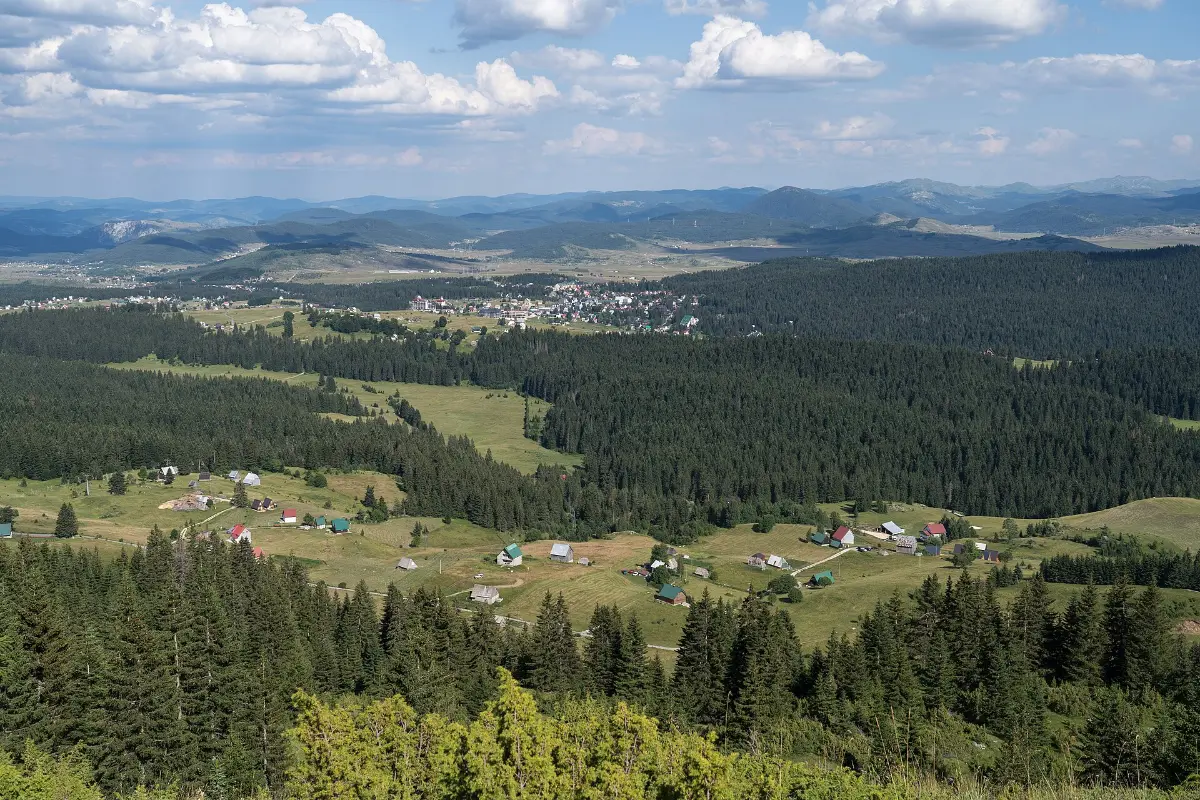
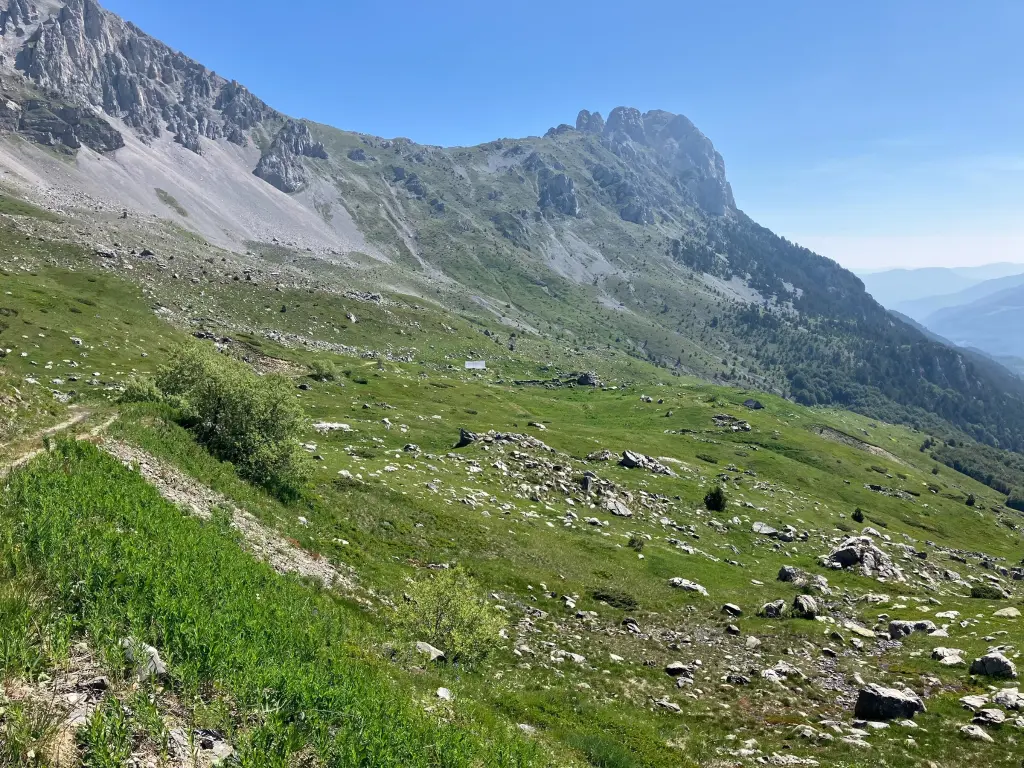
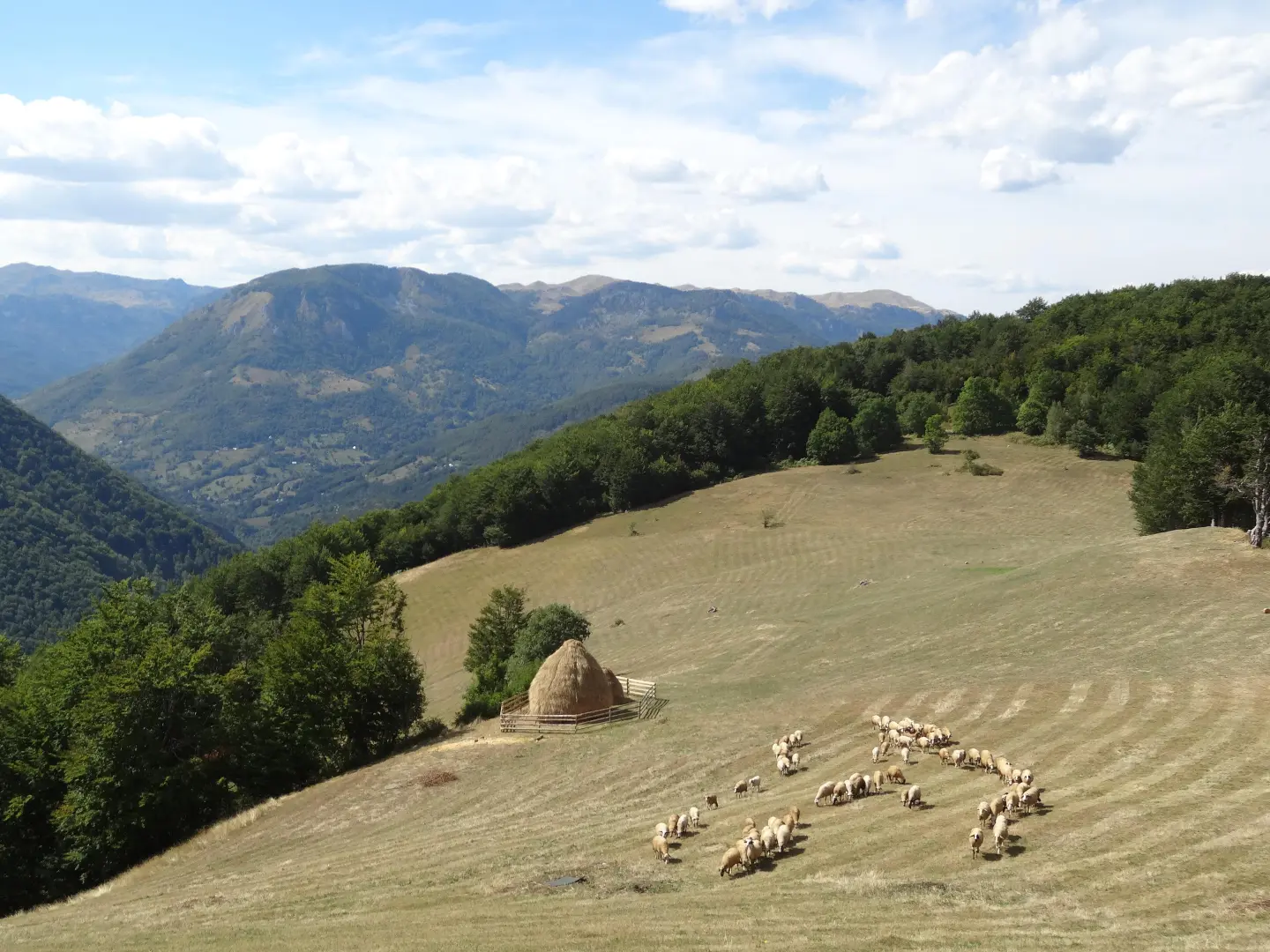
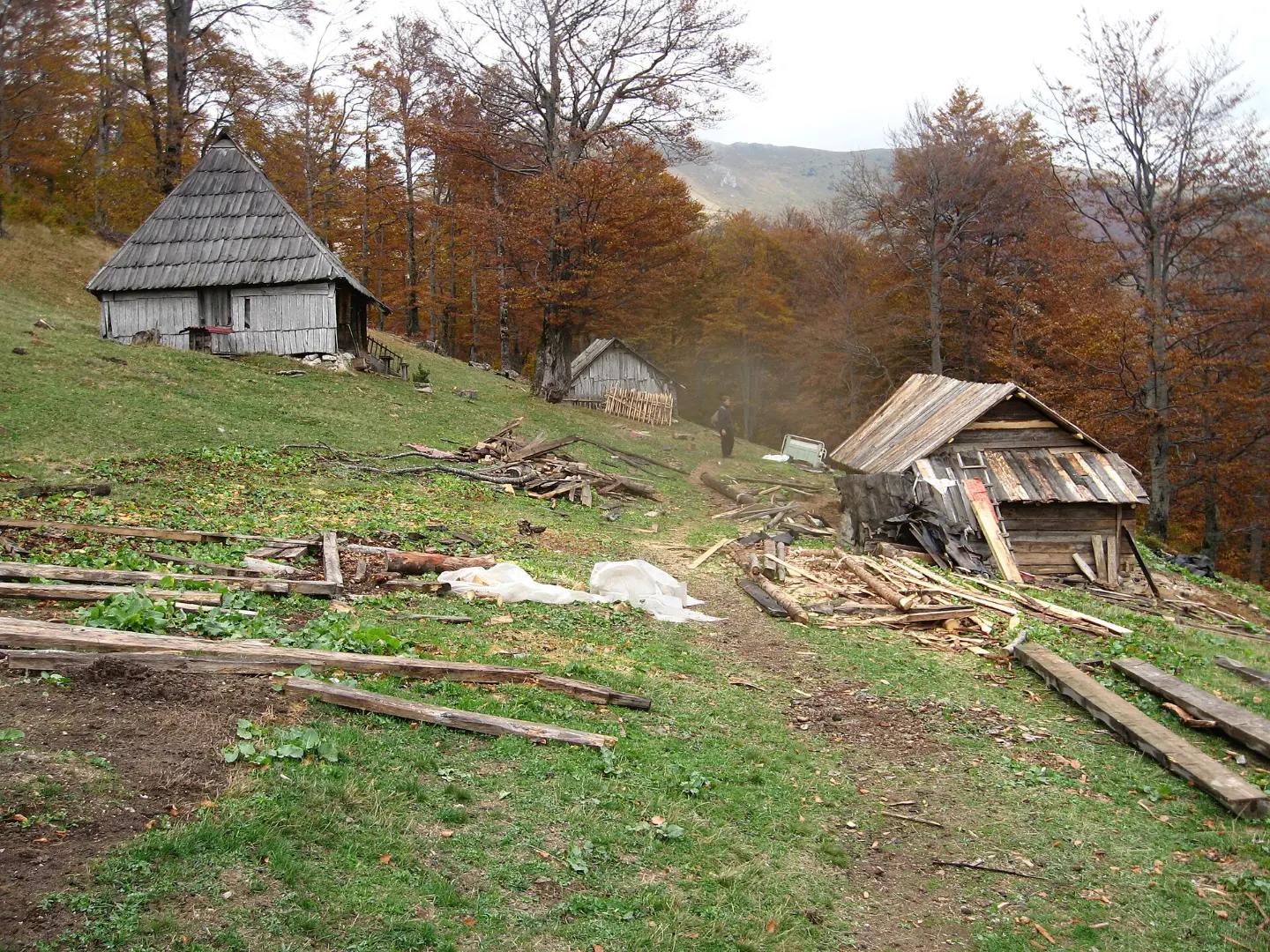
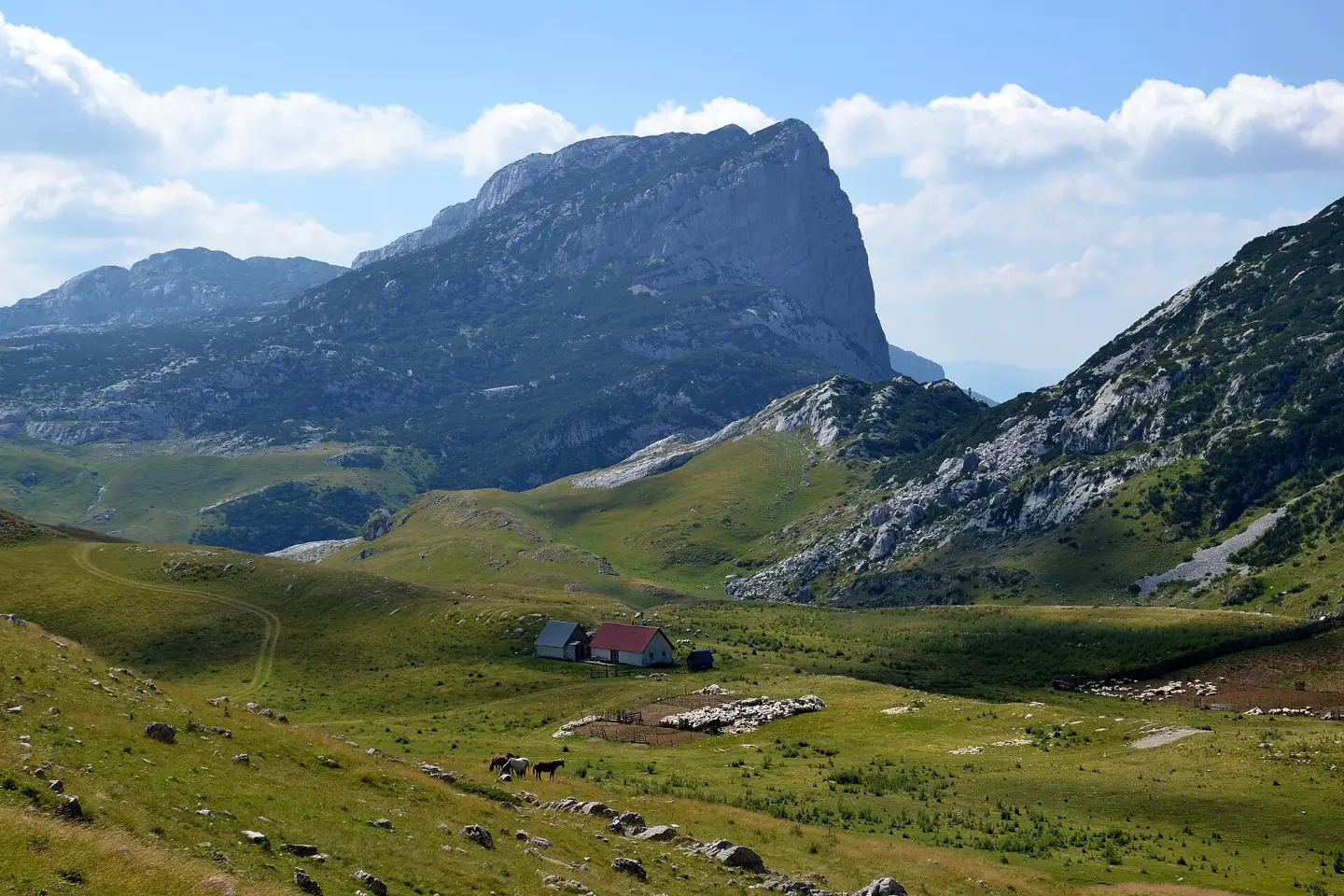
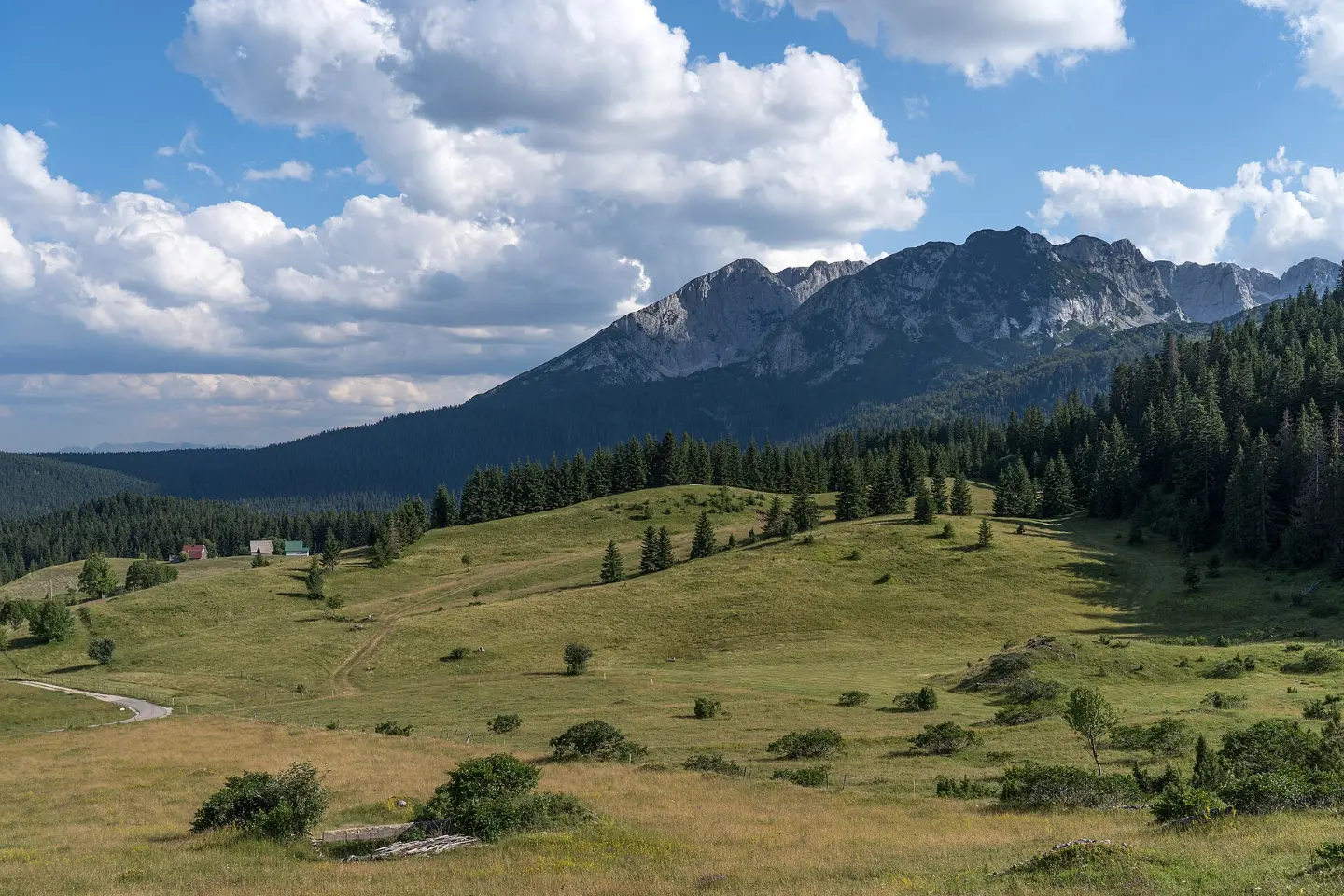
Durmitorski skorup comes from three mountain municipalities, Žabljak, Plužine and Šavnik, and is made from cow's, sheep's or mixed milk between June and mid-October, while the animals are on the high pastures. The animals must be raised in the area and fed at least 90 per cent on its grass and hay.

Each milking is strained and boiled separately; morning and evening milk are never mixed. The milk is poured into shallow pans and left for one to three days while the crust forms. The crust is then skimmed off and layered with salt in numbered wooden tubs, where it matures for at least 30 days. That is skorup iz kace. For the stronger skorup iz mješine, also called old skorup, it is packed into a hide sack for at least another 30 days, turned and cleaned every few days, and can then keep for up to a year. Sheep's skorup is almost white; cow's is pale yellow. Its texture, the specification says, sits between cheese and butter.

A protected mountain product

Durmitorski skorup is a protected designation of origin, the sixth Montenegrin food to be registered, in 2019. Its history is long: skorup appears in Montenegro's export figures for 1905–1910, and in 1910 skorup from the dairy of the livestock institute in Nikšić won a prize at an exhibition in London.
Kajmak and Durmitor Skorup: Montenegro's Mountain Cream

Where to taste it

The easiest way is Durmitor Healthy Food Days, a fair organised every August in Žabljak by the local culture centre, where producers from the villages and katuns sell cheese, skorup, lamb and honey. In summer, katuns such as Potrk on Sinjajevina serve their own kajmak, and at Čakorski konaci above Plav guests help make cheese and kajmak. In Pljevlja, young and aged kajmak have their own categories at the annual cheese fair.
Kajmak and Durmitor Skorup: Montenegro's Mountain Cream

Signatures

Signatures of the tradition

Skorup iz kace

Skorup iz kace

Salted cream ripened for at least 30 days in a wooden tub. Milder, and the more common grade.

Skorup iz mješine

Ripened a further 30 days or more in a hide sack. Sharper, crumbly but spreadable, and keeps up to a year.

With kačamak and cicvara

Kajmak tops kačamak and is the cooking fat of cicvara. On the katuns it is also eaten with baked potatoes and fresh cheese.

Read more

Calendar

Through the year

  1. June

    Up to the pastures

    Herds go up to the high pastures and skorup making begins.

  2. Summer

    Tubs

    Each milking is boiled separately and the crust ripens in wooden tubs for at least 30 days.

  3. Mid-August

    Žabljak

    Durmitor Healthy Food Days: producers sell skorup, cheese, lamb and honey in town.

  4. Mid-October onwards

    Sacks

    Production ends; the strongest skorup finishes in hide sacks and keeps through the winter.

Customs

Customs and good to know

Ask for skorup

In the mountains, 'skorup' is the local word. Ask whether it's from the tub (iz kace) or the sack (iz mješine).

Not for EU luggage

Travellers entering the EU from a non-EU country may not bring dairy products, including kajmak, in their luggage.

Eat it simply

Spread it on warm bread or let it melt over kačamak or potatoes. A little goes a long way.

Summer on the katuns

Skorup is made from June to mid-October. Katuns that take guests are usually open only in summer, so book ahead.

FAQ

Frequently asked questions

The salted, matured cream skimmed from boiled milk. It is thick and rich, and is eaten on bread or used in dishes like kačamak and cicvara.
Mostly the word: kajmak is Turkish and used across the Balkans, skorup is the old Montenegrin name. Durmitorski skorup is a protected product made to set rules on the Durmitor plateau.
Skorup that, after at least 30 days in a wooden tub, is ripened for at least another 30 days in a sack of animal hide. It is sharper and keeps up to a year.
Yes, it is a protected designation of origin under Montenegrin law, registered in 2019.
From producers at Durmitor Healthy Food Days in Žabljak each August, or directly from farms and katuns in the Durmitor area in summer.

Travel Assistant

Ask about Montenegro

Welcome!

Ask me about destinations, restaurants or activities.