2 min read
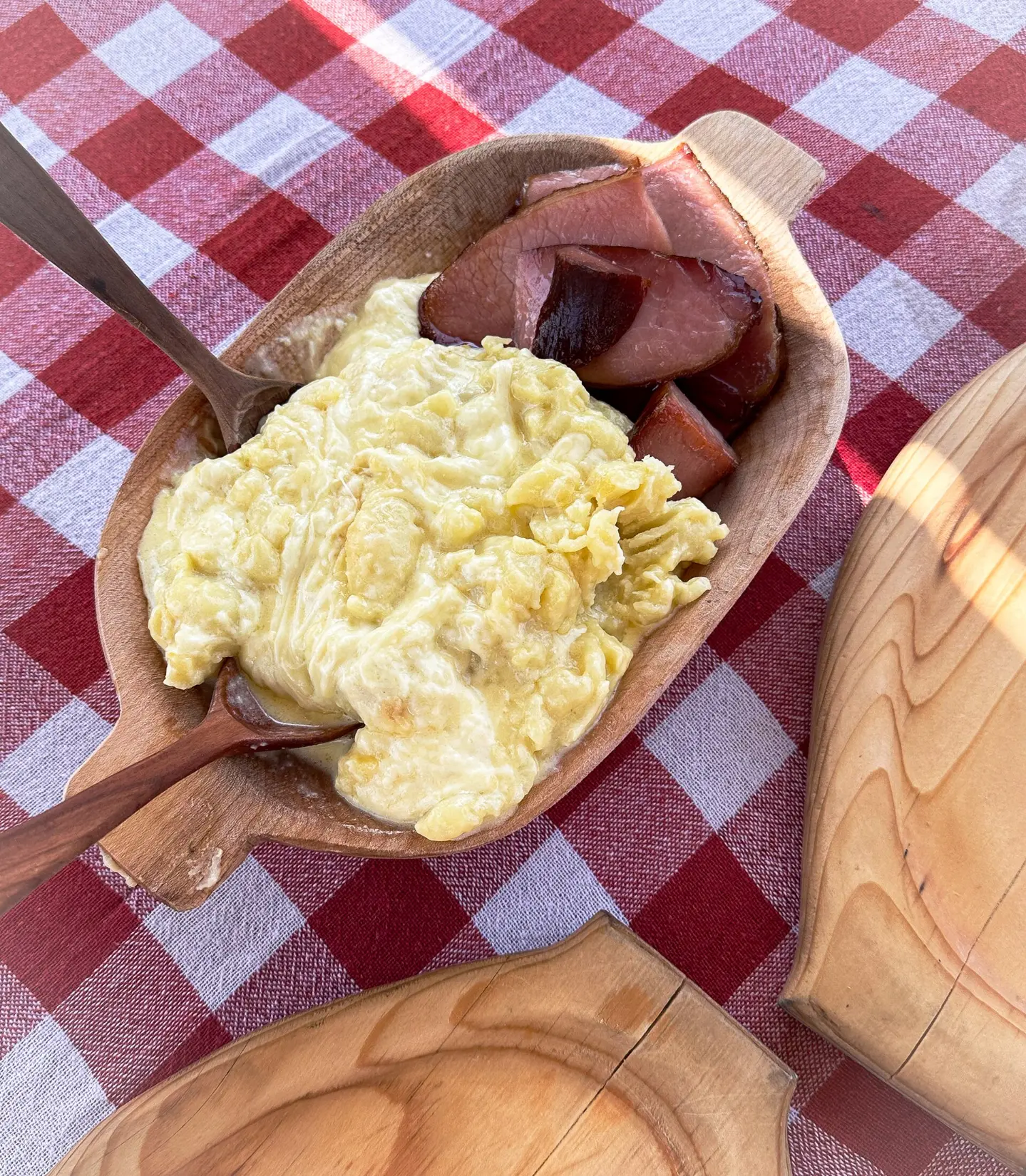
Pljevlja cheese is the white cheese that Montenegrins measure all others against. It is made from raw, full-fat cow's milk in the high country around Pljevlja, sliced and layered with salt in tubs and left to ripen under its own whey. It was traded through Dubrovnik as early as 1348, it has had a protected designation of origin since 2017, and the best place to buy it is from the producers themselves.
A cheese with a long history
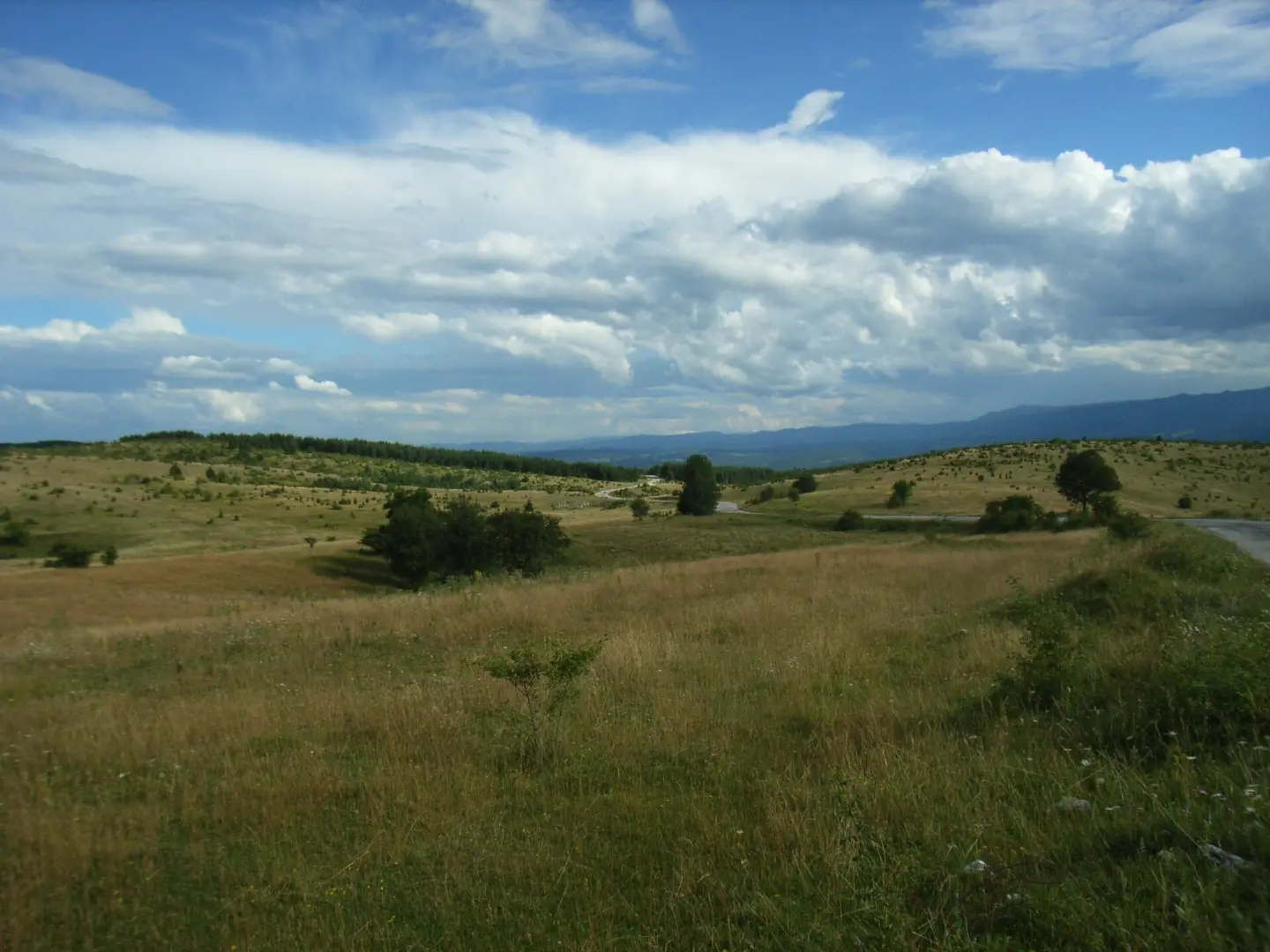
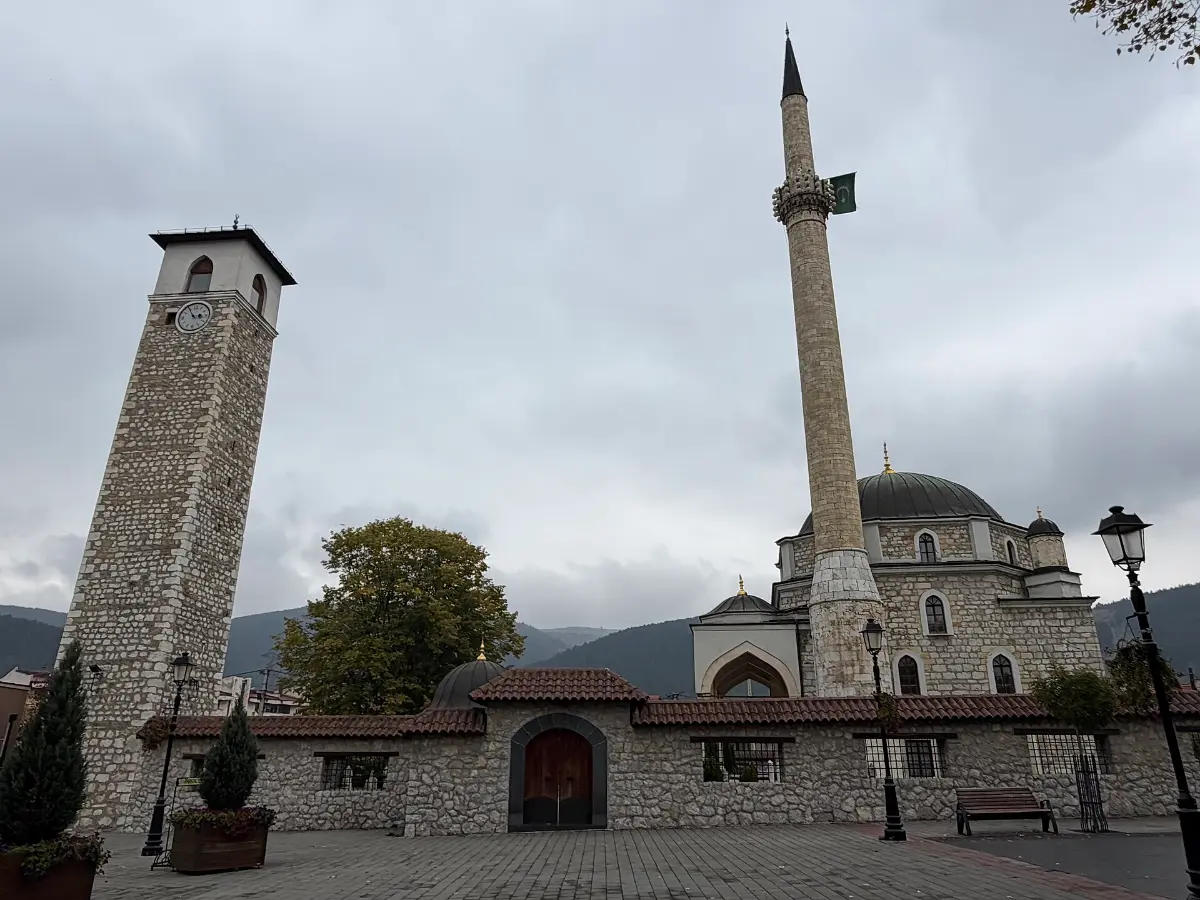
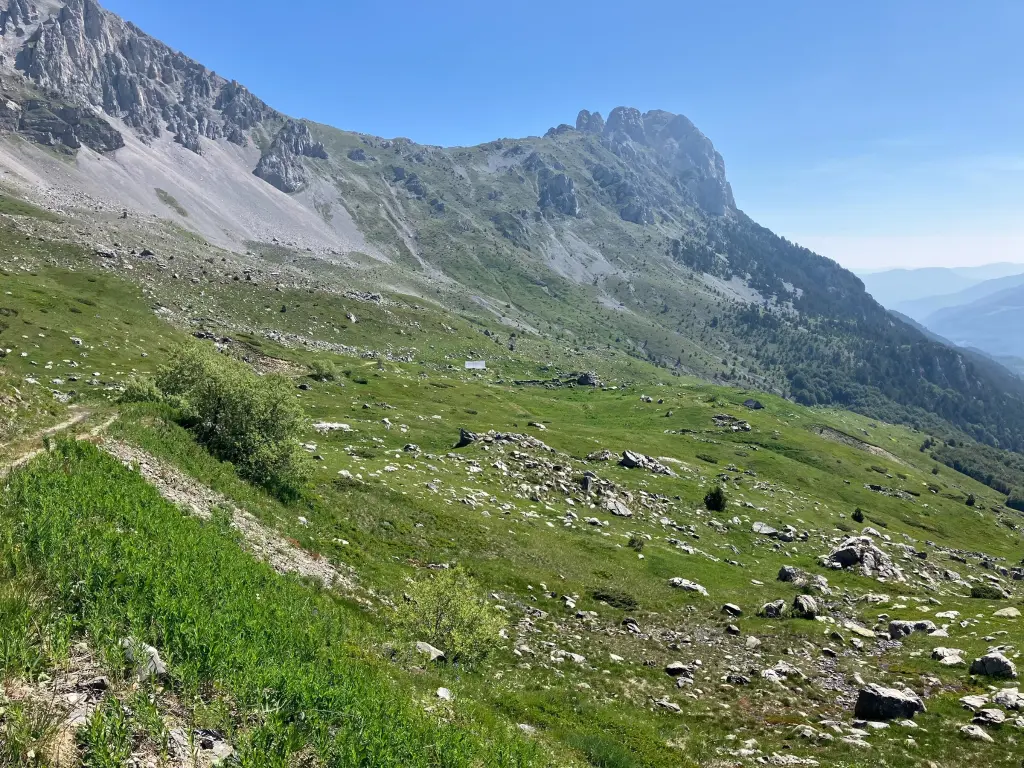
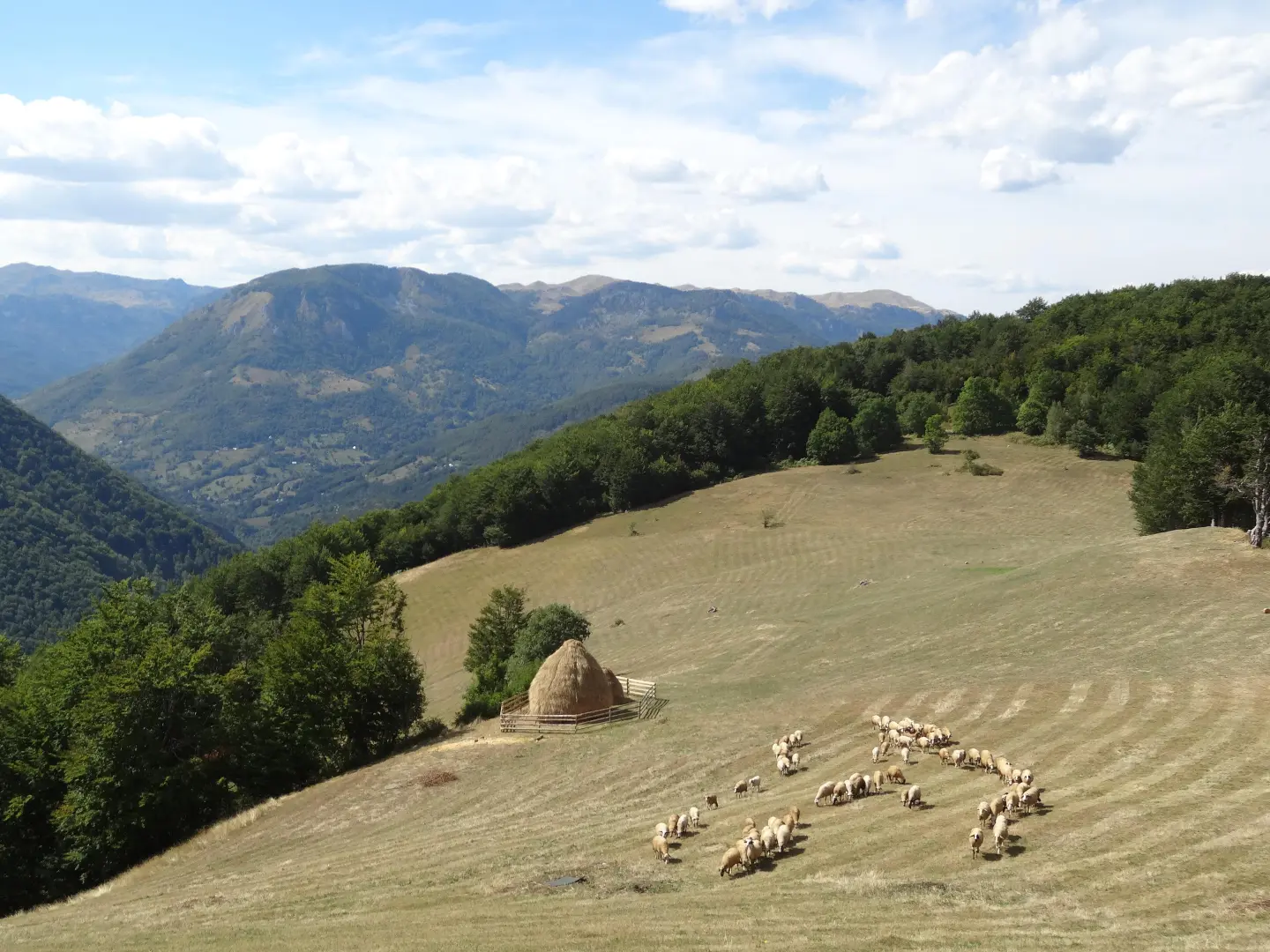
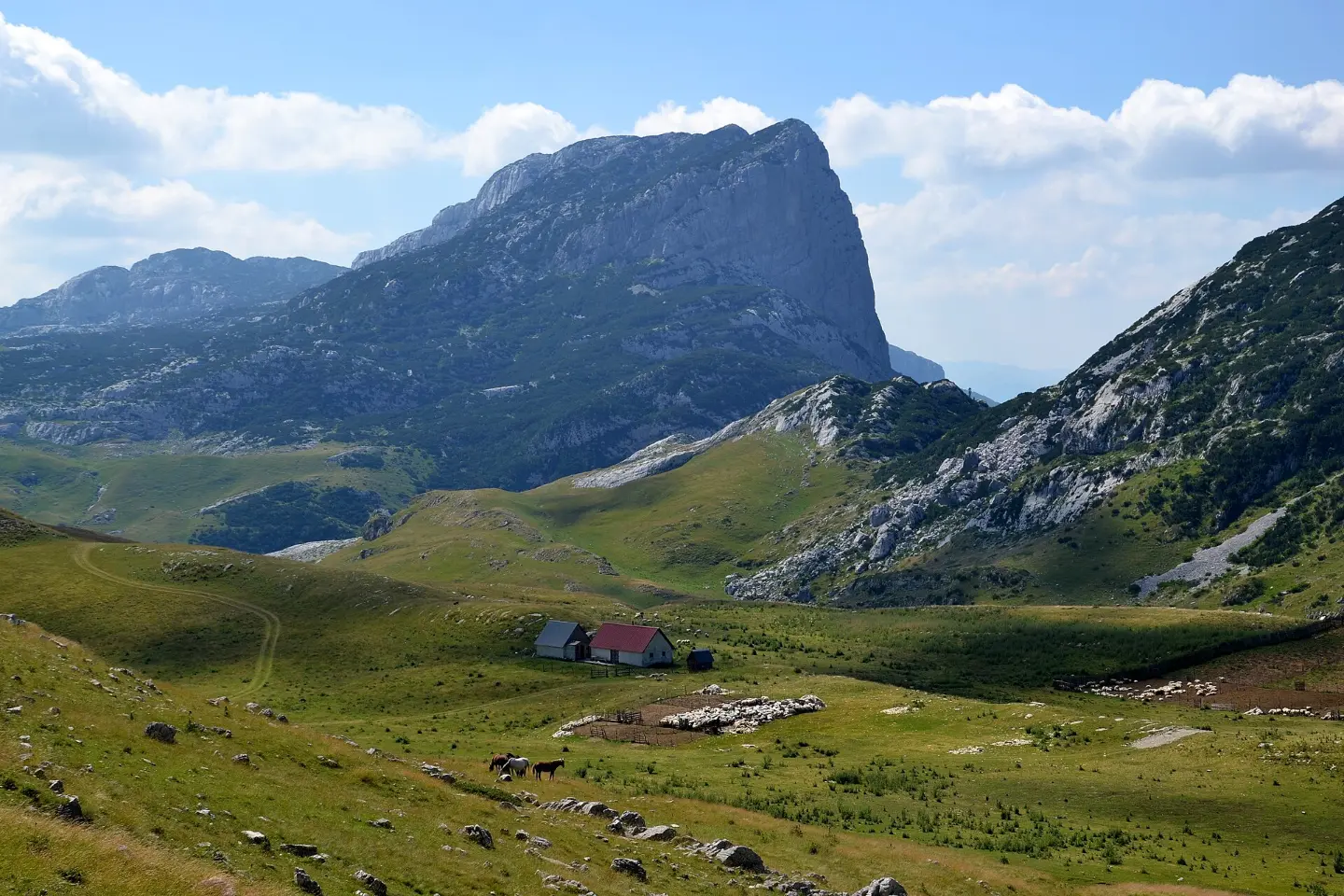
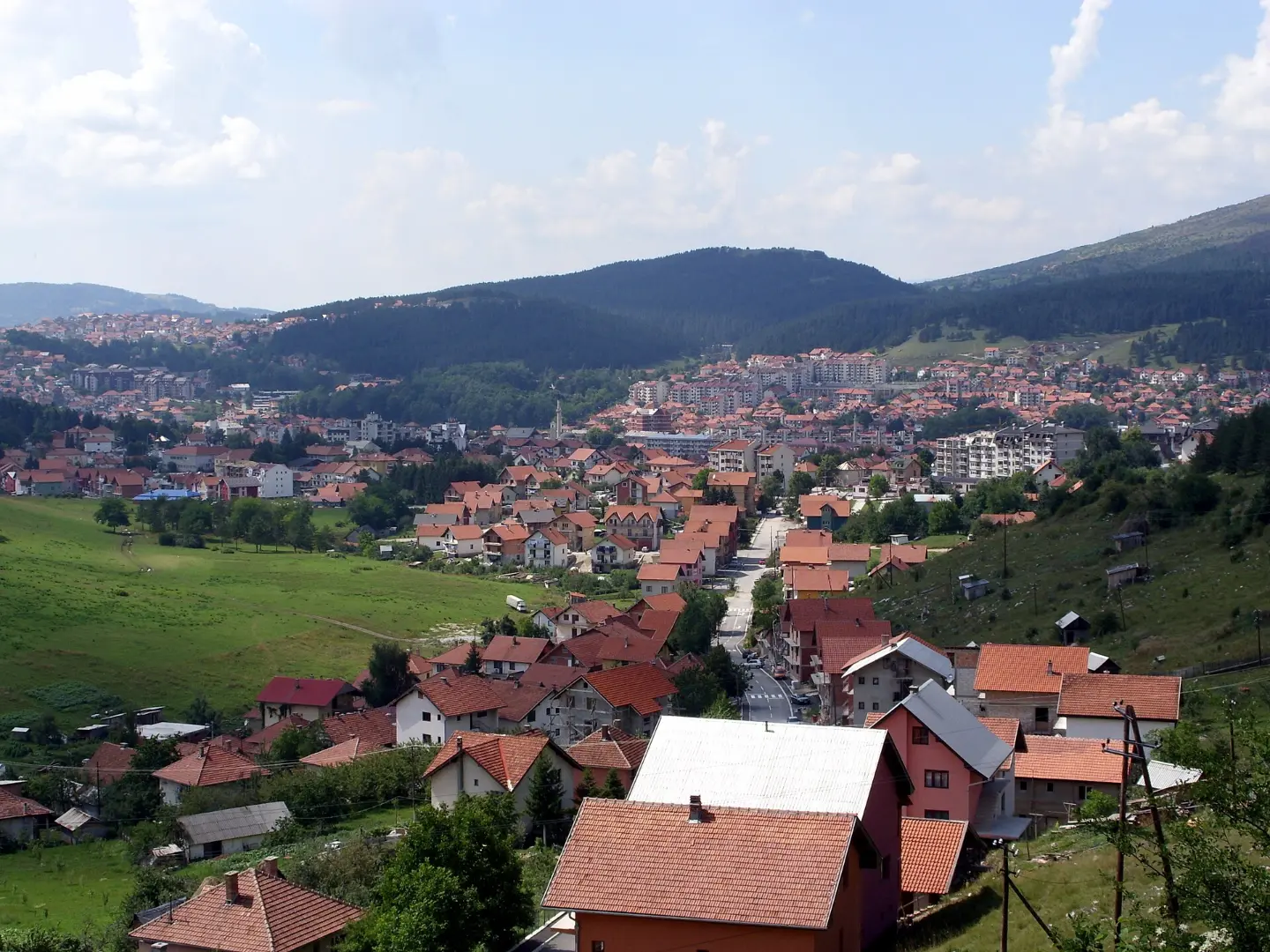
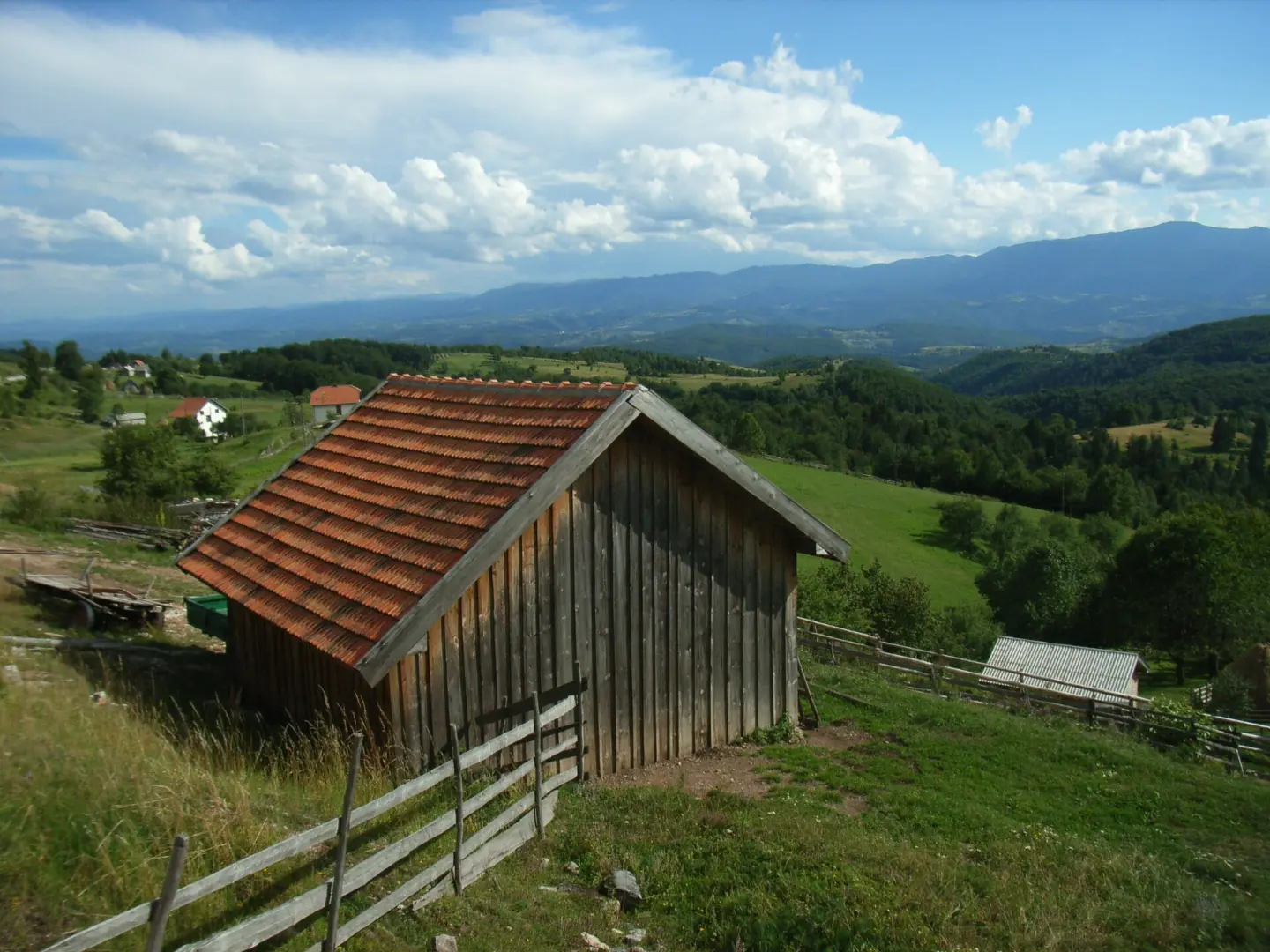
Pljevlja sits in a high basin in Montenegro's far north, close to the borders with Serbia and Bosnia and Herzegovina, in country made for cattle. Its cheese has been traded for a very long time: Dubrovnik's archives record it in 1348. The specification written by the producers calls it a synonym for brined cheese in Montenegro, and the skill of making it is on the national register of intangible cultural heritage.
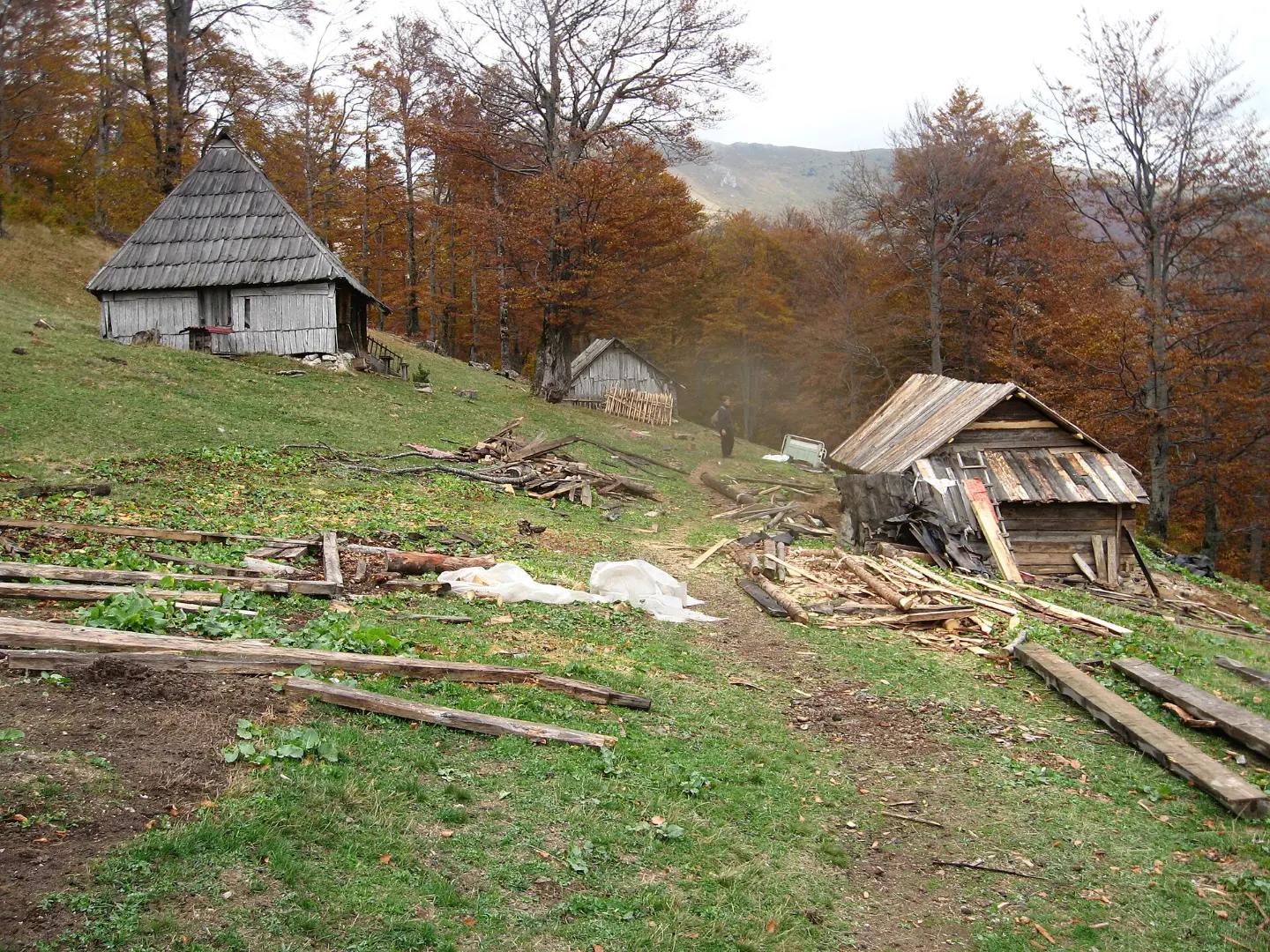
It used to be made in small huts called mljekari, and the herds were large. In 1968 the Pljevlja area still counted about 26,500 cattle and 98,000 sheep. The rules for the protected cheese, though, allow one milk only: raw, full-fat cow's milk.
How it's made
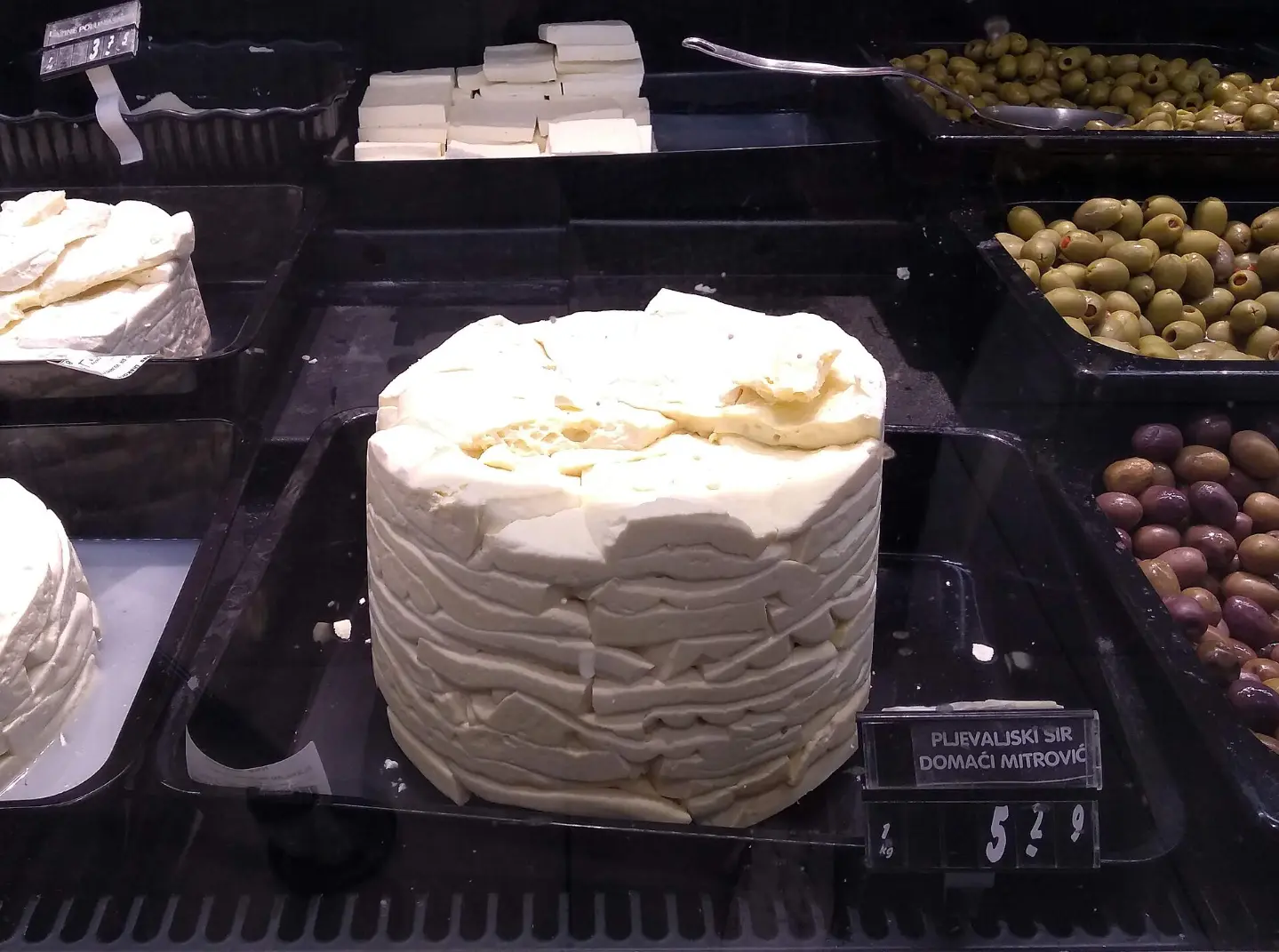
The milk may only be cooled, never otherwise treated, and the only additions are animal rennet and salt. It is set at 28–33 °C, and the curd is cut into cubes a few centimetres across, drained in cloth for one to three hours and pressed under a wooden disc for four to six hours. Then it is sliced, 1.5 to 3 cm thick, and layered with salt in tubs, traditionally wooden ones.
The tubs are weighted so the slices sit under their own whey, and the cheese ripens at 15–25 °C for at least 15 days. What comes out is white to pale yellow, with a mild, lactic, slightly sour taste and moderate salt: at most 4 per cent, with at least 45 per cent fat in the dry matter. At least 80 per cent of the cows' feed must come from the area, and they graze from mid-May to the end of October.
A protected name, and what to watch for
Pljevaljski sir has been a protected designation of origin since 8 June 2017. The Ministry of Agriculture was still working with producers on certification in 2021, and a 2025 report in the Serbian press said that of some 500 producers in Pljevlja, many sell cheese made elsewhere under the Pljevlja name. The advice from the same report is simple: buy from the people who make it.
Where to buy and taste it
The town's dairy market, the Mliječna pijaca, is where producers sell. Every year in late October or November the municipality holds Pljevlja Cheese Days, Dani pljevaljskog sira, at Hotel Pljevlja, with judged categories for aged cheese, young and aged kajmak, sheep's and goat's cheese. The 2025 edition drew 63 exhibitors. In 2023 the food guide TasteAtlas put Pljevlja cheese 27th in its list of the world's best cheeses.