
Culture
Sightseeing Cultural Monuments
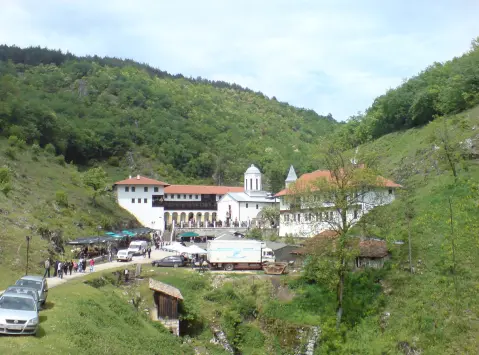
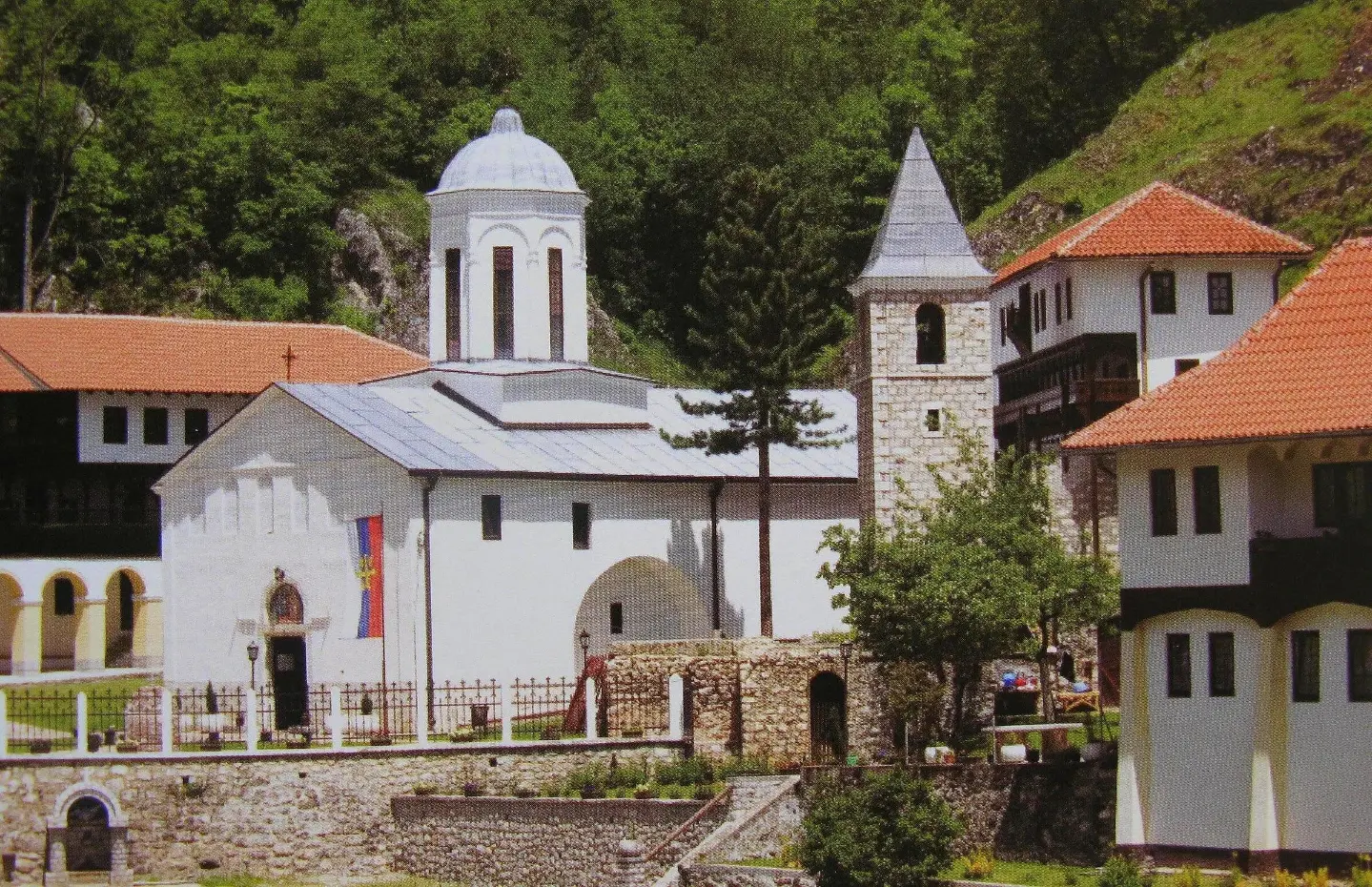
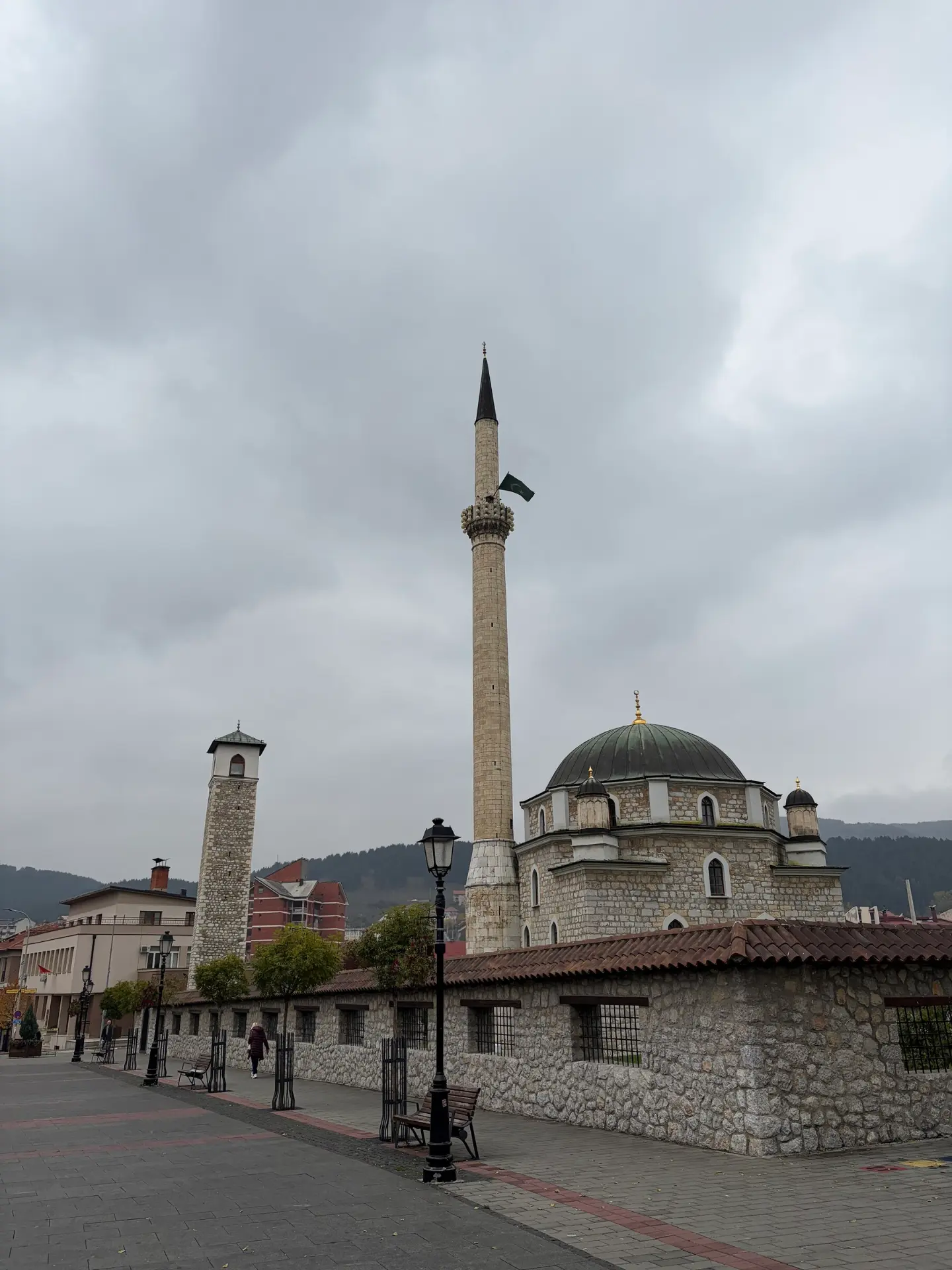
Visiting the Monastery of the Holy Trinity and the Husein-Pasha Mosque in the city centre.

Historic city in northern Montenegro on three rivers
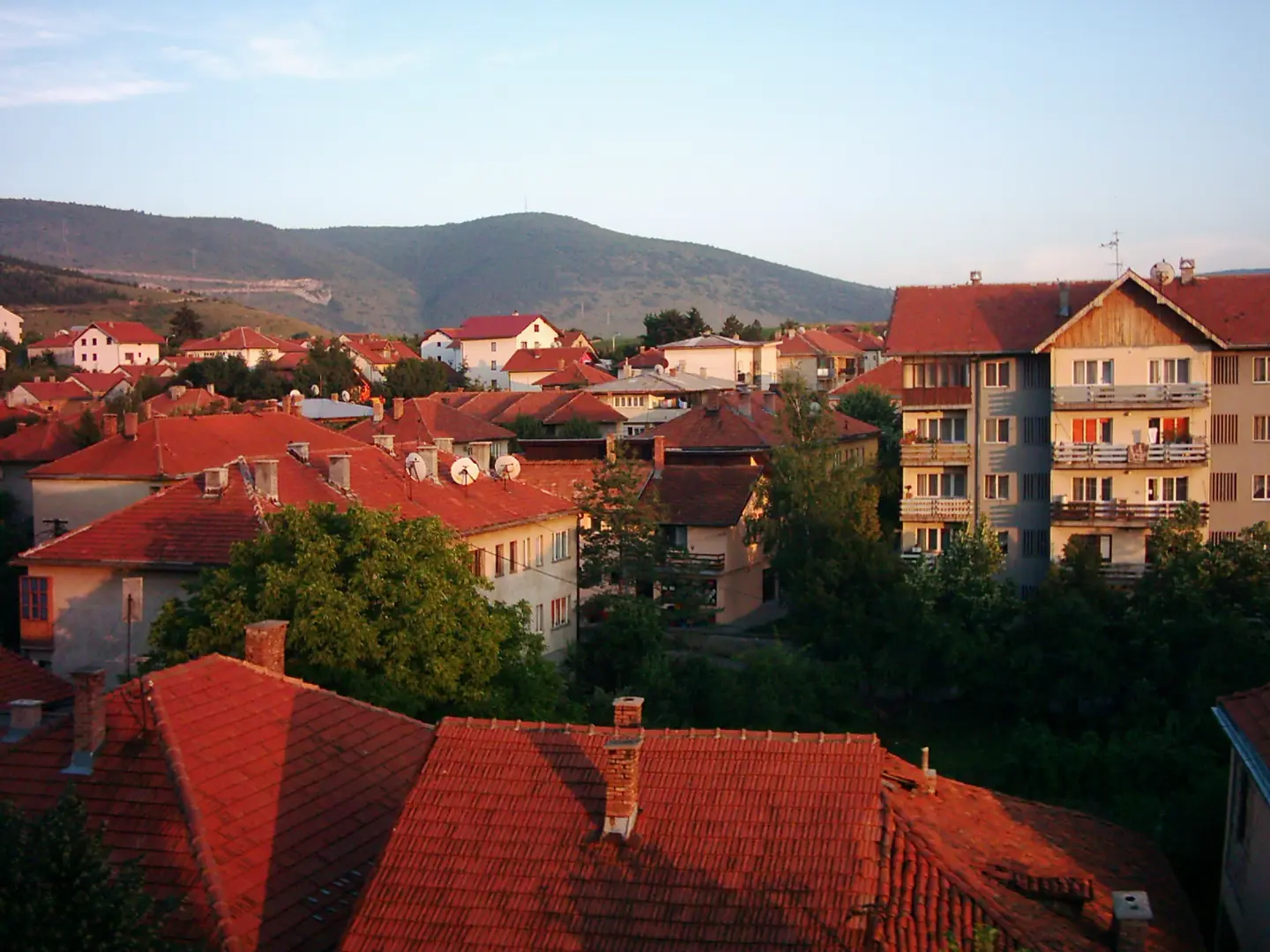
Pljevlja is the third largest municipality in Montenegro, situated in the expansive Pljevlja basin at the foot of Goljubinja hill, at the confluence of the Breznica, Ćehotina, and Vežisnica rivers.
The city is a historic crossroads of Christianity and Islam – here stand the imposing Monastery of the Holy Trinity with its treasury of silver and gold, and the Husein-Pasha Mosque with its ancient handwritten manuscripts. The municipality covers 1,346 km² and borders Bosnia and Herzegovina to the west and Serbia to the north. Beyond its cultural and historical heritage, the city offers natural attractions such as the Meandri Ćehotine viewpoint and several recreational areas along the riverbanks.
Highlights

The Monastery of the Holy Trinity is one of the most significant Orthodox sacred sites in northern Montenegro. It safeguards an impressive treasury of silver and gold that bears witness to centuries of religious and cultural life in this region. Caravans once passed through here on their way to Constantinople, and the monastery served as a spiritual refuge for travellers and merchants. A visit takes about an hour and is best enjoyed in the morning.

The Husein-Pasha Mosque, located in the very centre of Pljevlja, is one of the finest examples of Ottoman architecture in Montenegro. It houses ancient handwritten manuscripts that testify to the rich intellectual life of this region during the Ottoman period. The mosque is a symbol of the historic union of Christianity and Islam that characterises Pljevlja – two centuries-old legacies coexisting in the same city. It is located in close proximity to the 'Trebovina' ćevabdžinica, making it easy to combine a visit with lunch.

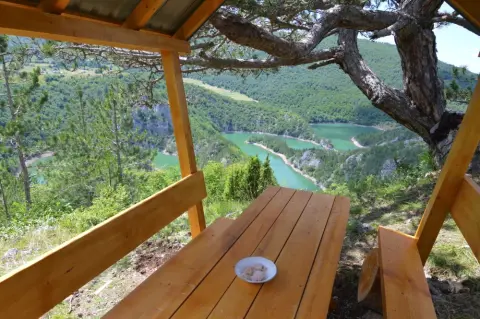
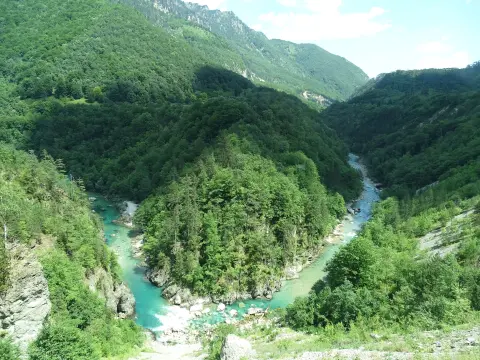
The Meandri Ćehotine viewpoint is situated above Motel Vodice and offers a magnificent panoramic view of the winding Ćehotina river and the surrounding forests and hills. The Meandri Ćehotine is one of the most visually striking natural phenomena in the Pljevlja basin – the river makes dramatic bends through a landscape that is particularly photogenic in the morning and evening hours. This is a must-visit photography spot for all visitors to Pljevlja.

The Krakalice recreation area is located 25 km from Pljevlja, just before the village of Vrulja, at the confluence of the Kozička river and the Ćehotina. Nearby are a fishing lodge, a fly fishing river, a necropolis with stećci tombstones called Marina šuma, and the carved stumps of self-taught sculptor Ilija Čabarkapa – an unusual combination of nature and folk art. This recreation area is ideal for a day trip with family or a fishing group.
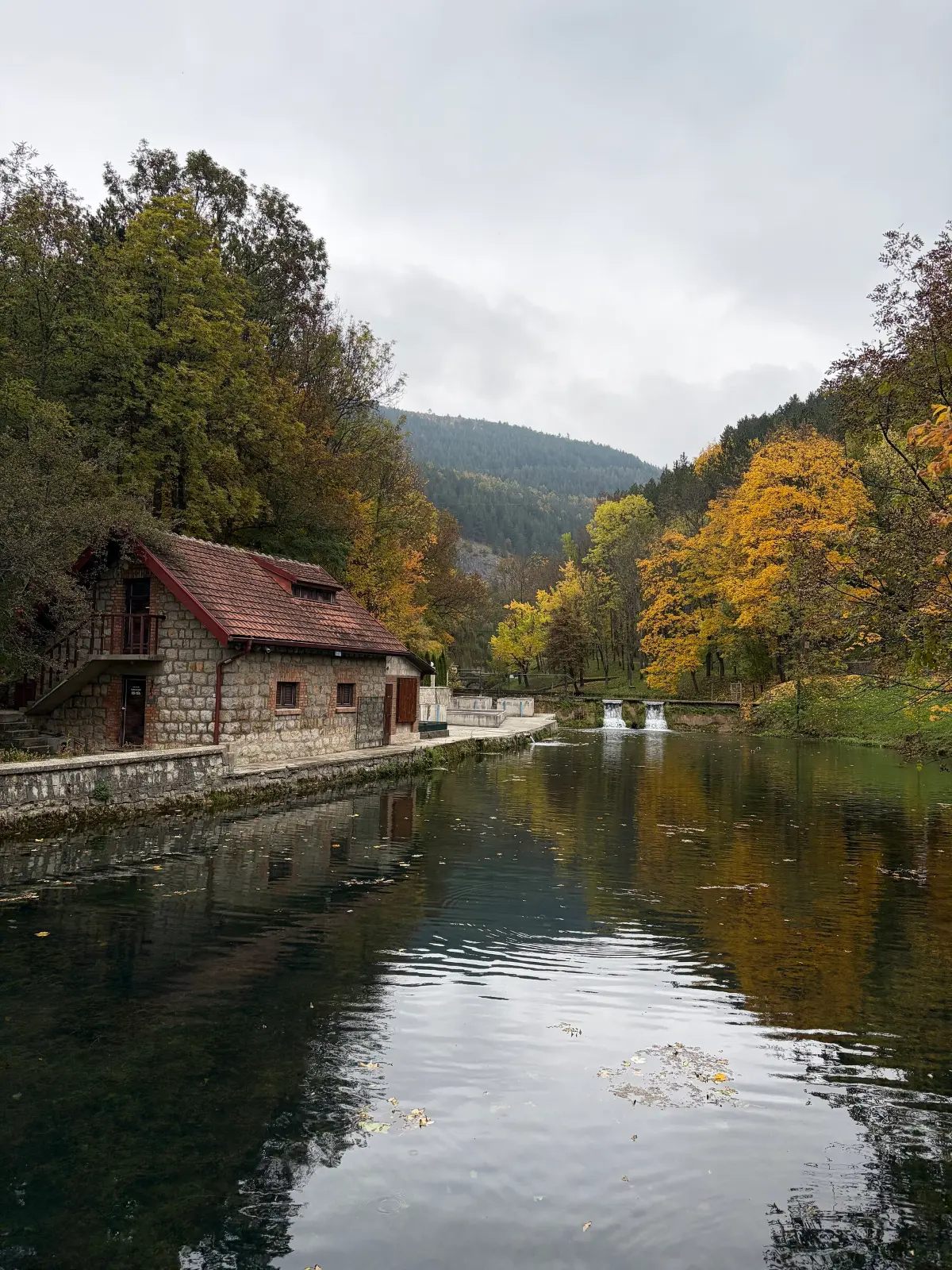
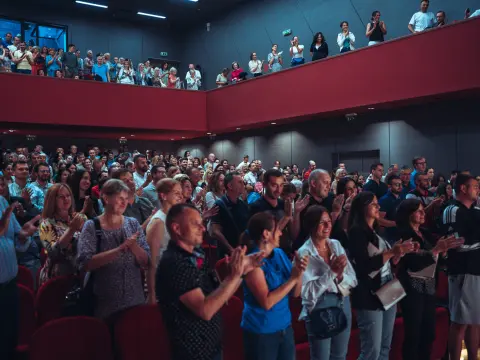
Vodice City Park is a favourite spot for walks and relaxation among both locals and visitors to Pljevlja. The park's paths are ideal for summer evening strolls, and the park is also home to the 'Milet bašta' Restaurant with a capacity of 100 seats and a menu of national cuisine. The park serves as a central gathering place for cultural events and evening performances by Pljevlja's tambura musicians, which are a special local tradition.
What to do
Culture
Visiting the Monastery of the Holy Trinity and the Husein-Pasha Mosque in the city centre.

Mountains
Walking to the Meandri Ćehotine recreation area and along the banks of the Kozička river near Krakalice.

Food & wine
Fly fishing on the Ćehotina river and at the fishing lodge near the Krakalice recreation area.

Culture
Photographing the winding Ćehotina from the Meandri Ćehotine viewpoint above Motel Vodice.

Food & wine
Tasting Pljevlja cheese and traditional dishes at national cuisine restaurants.
Hiking, walking and cycling routes that start here or pass nearby, with maps and GPX downloads.
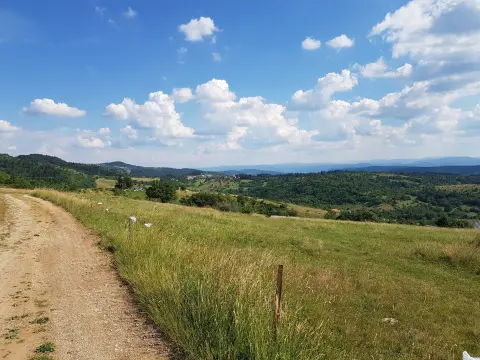
Cycling trail PV02 is 19.2 km long and runs one-way from Pljevlja. It has 770 m of ascent, 280 m of descent, a mostly asphalt surface and moderate difficulty, with a spring located at 13.9 km.
19.2 km770 m2–2½ h
View trail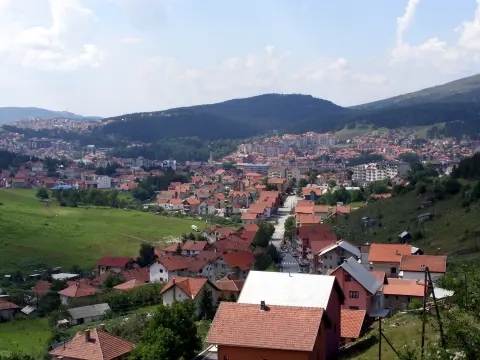
Biking Trail PV01 is a predominantly asphalt bicycle route 50,9 km long, with 1081 m of elevation gain. It is ridden in one direction through the surroundings of Pljevlja, passing springs, a shelter and viewpoints.
50.9 km1,081 m3½–5 h
View trailAn easy one-way cycling trail 8.0 km long, with 119 m of ascent. It is ridden on asphalt and macadam at an altitude of 1220–1304 m, with an estimated duration of 45 min without breaks.
8.0 km119 m40–55 min
View trailBiking Trail PV07 is 13.9 km long and mostly descends through the surroundings of Pljevlja. The surface is 70% gravel and 30% asphalt/concrete, and the ride without stops takes about 1 h 15 min.
13.9 km160 m65–90 min
View trailBiking Trail PV05 is an easy one-way cycling trail, 14.5 km long. It has 529 m of ascent and a predominantly asphalt surface, and the nearest town is Pljevlja.
14.5 km529 m1½–2 h
View trailBiking Trail PV10 is a 36.9 km long, predominantly asphalt, one-way bike trail. It starts about 3 km from Pljevlja, has a 757 m climb, a 305 m descent and the Javor Spring at 28.5 km.
36.9 km757 m2½–3½ h
View trailThe one-way bicycle trail PV09 near Pljevlja is 37,0 km long, with 1617 m of ascent and 607 m of descent. The surface is 68 % asphalt/concrete and 32 % gravel, and the difficulty is moderate.
37.0 km1,617 m5–7 h
View trailBiking Trail PV03 is an easy cycling trail 15.6 km long. The mixed surface (71% asphalt/concrete, 29% gravel road) passes by Kozičko brdo and near the Ćehotina Meanders Viewpoint.
15.6 km402 m1½–2 h
View trailGallery


Did You Know?
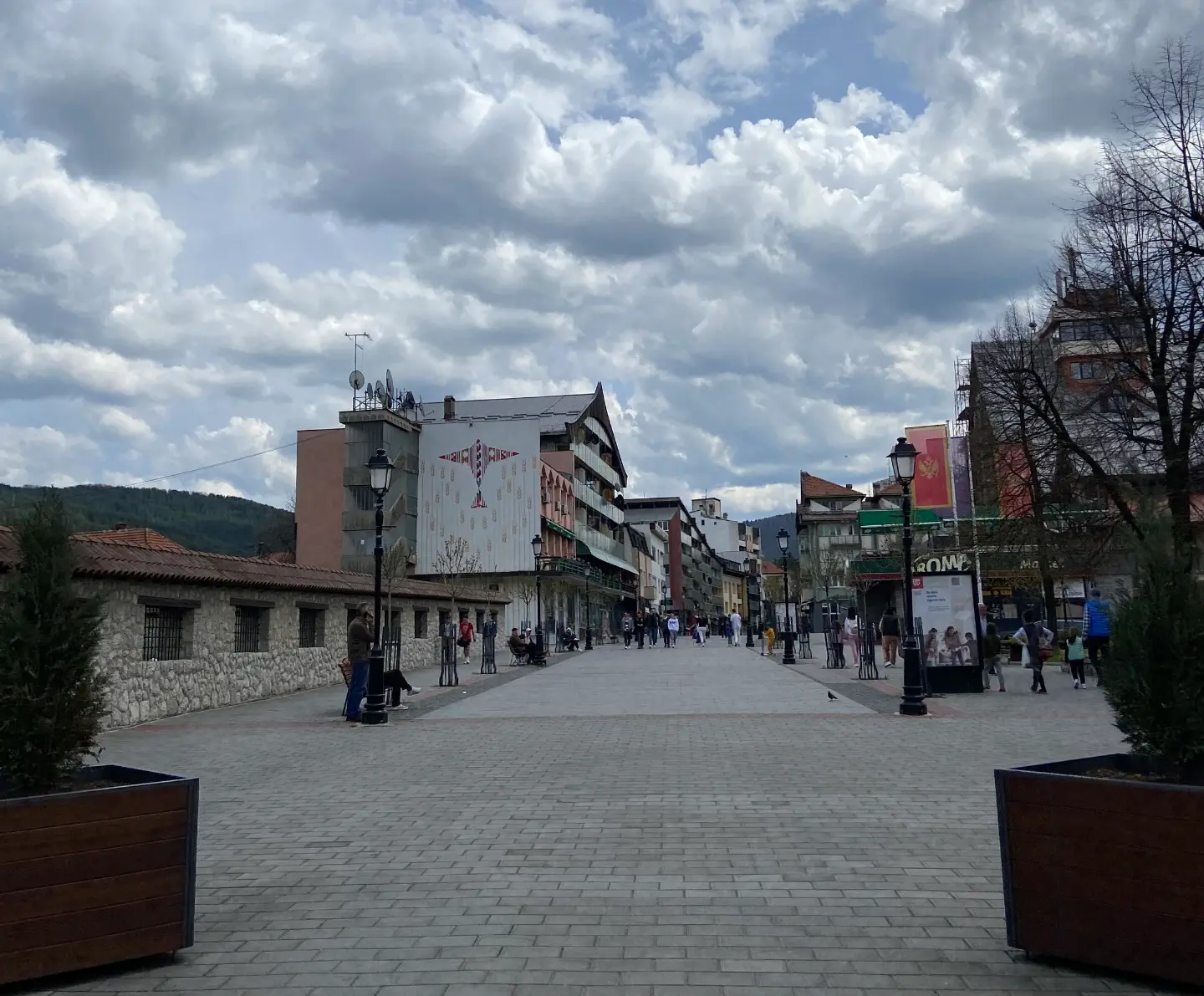
Pljevlja is one of the rare cities in the Balkans where an Orthodox monastery and an Ottoman mosque stand just minutes apart, reflecting centuries of coexistence between Christianity and Islam along the old caravan routes to Constantinople. Coexistence of Christianity and Islam
Plan Your Visit
Phone
+382 52 323 900Website
pljevlja.travelThe town is accessible all year round. Holy Trinity Monastery: morning visits are recommended.
Entrance to the city is free. Donations possible when visiting religious buildings.
Free parking available in the town centre and near the main attractions.
The town centre is partially accessible for people with disabilities. Nature trails and picnic spots require physical fitness.
FAQ
Around here