2 min read
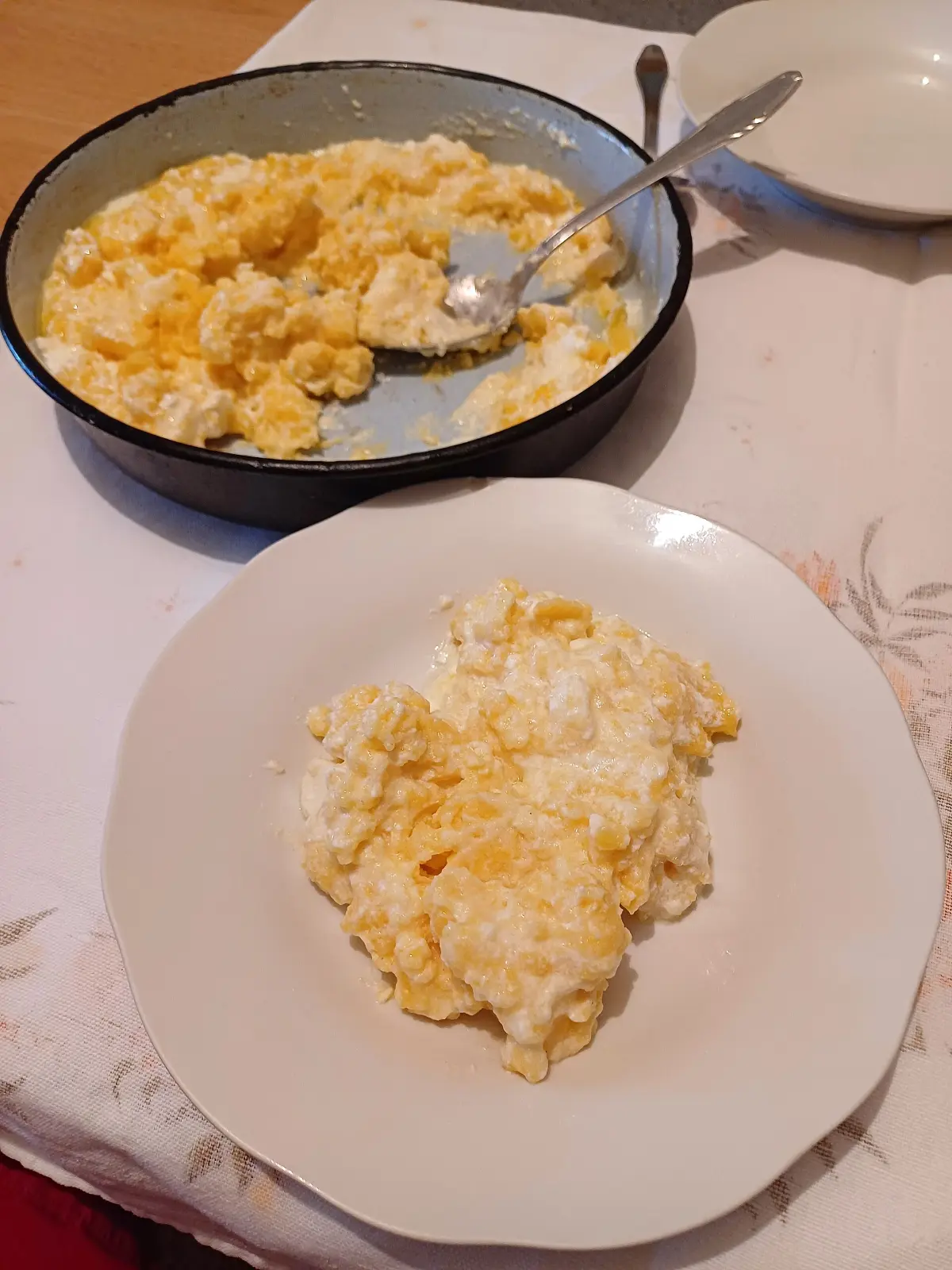
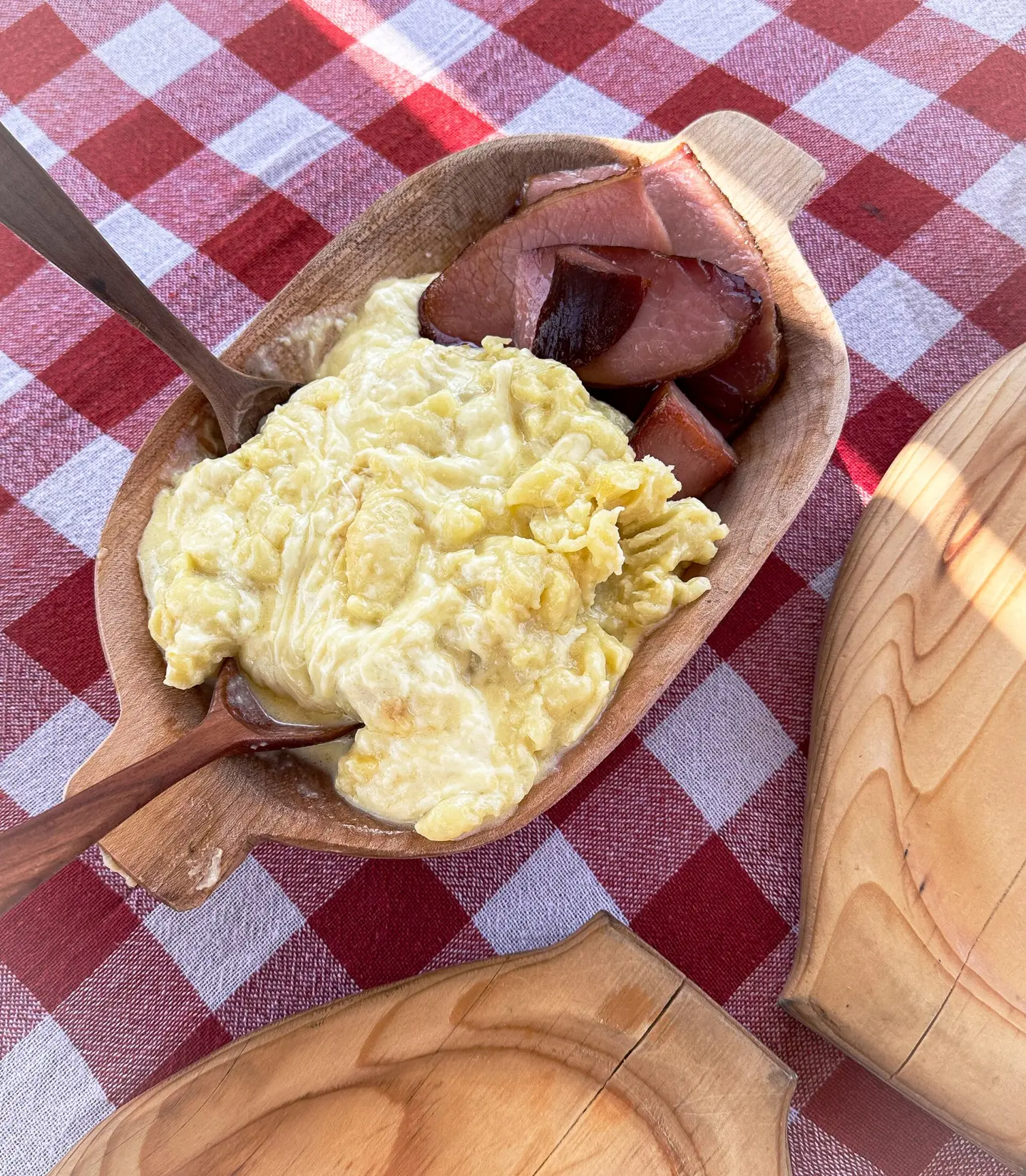
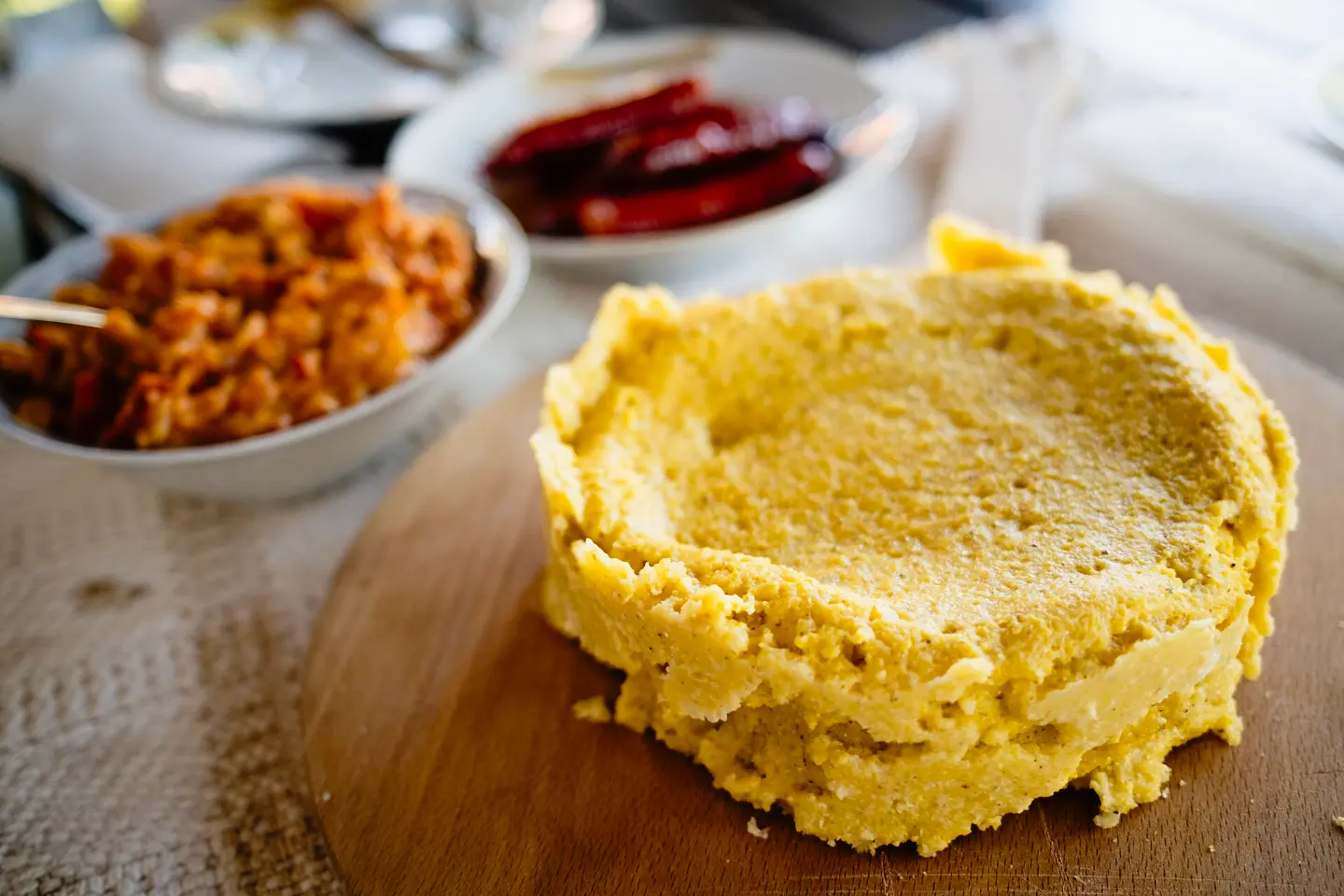
Kačamak and cicvara are what Montenegro's mountain villages ate before anyone called it comfort food. Both start with cornmeal. Kačamak is beaten with potato, cheese and kajmak into a thick, heavy mass; cicvara is cooked slowly in kajmak until the fat runs. You eat them with a glass of cold milk or yoghurt, and they taste best on a katun.
Food for hard work
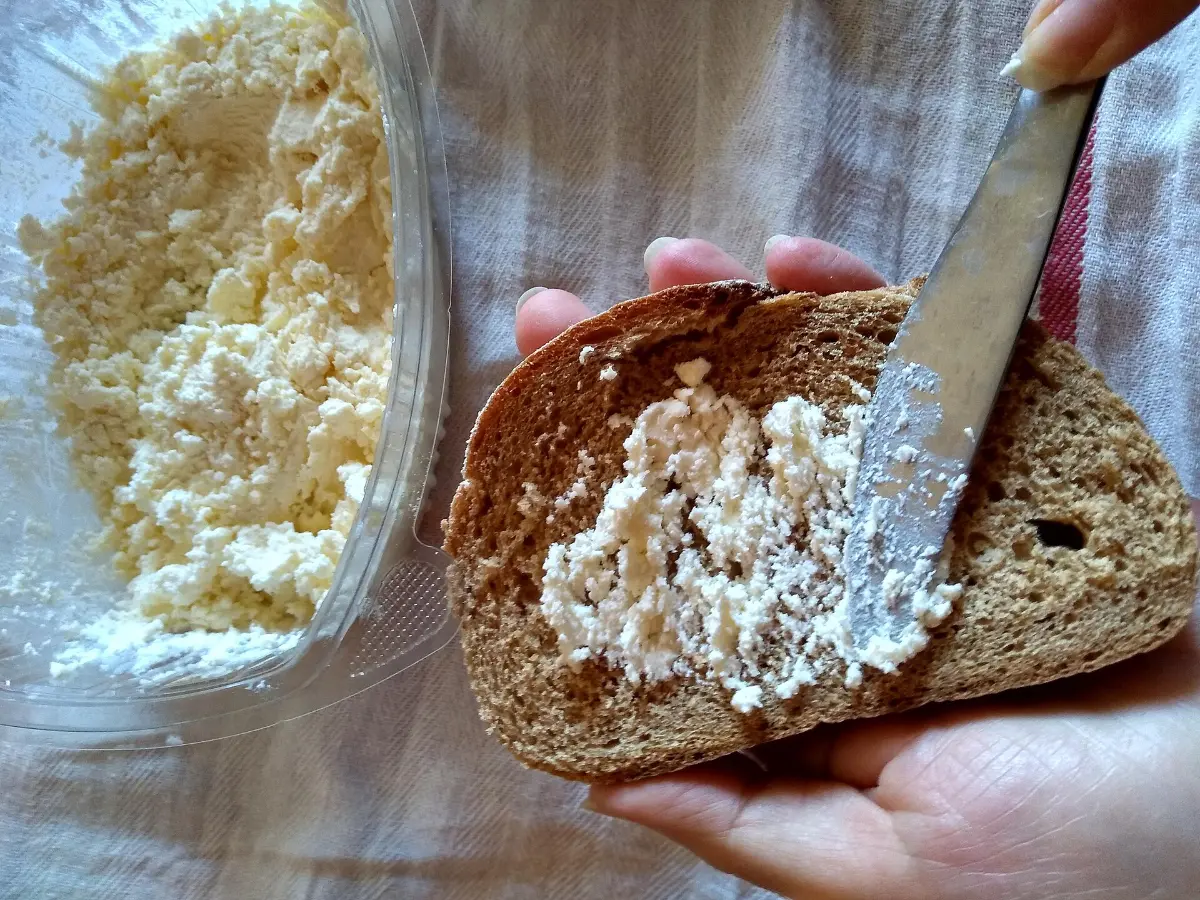
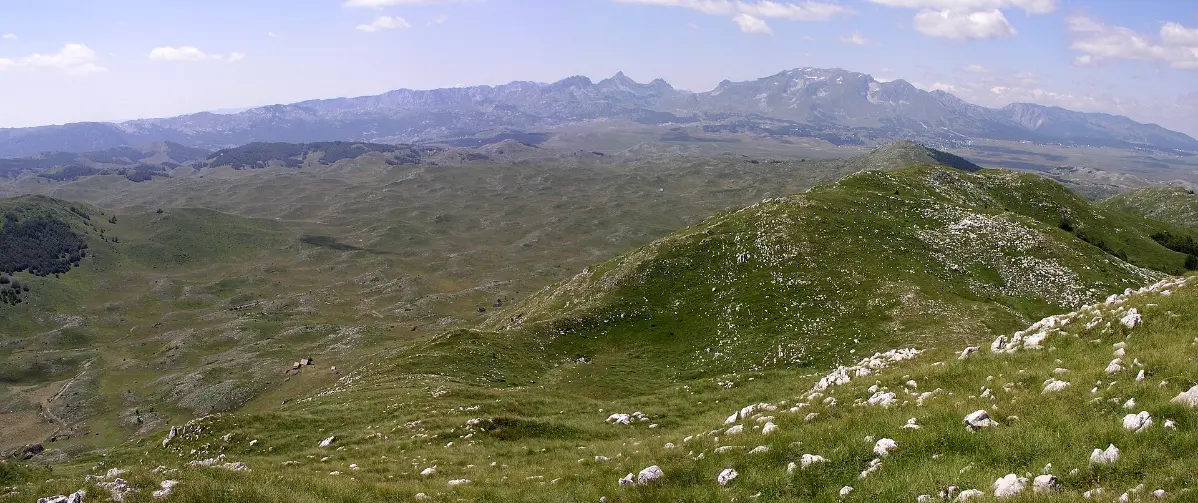
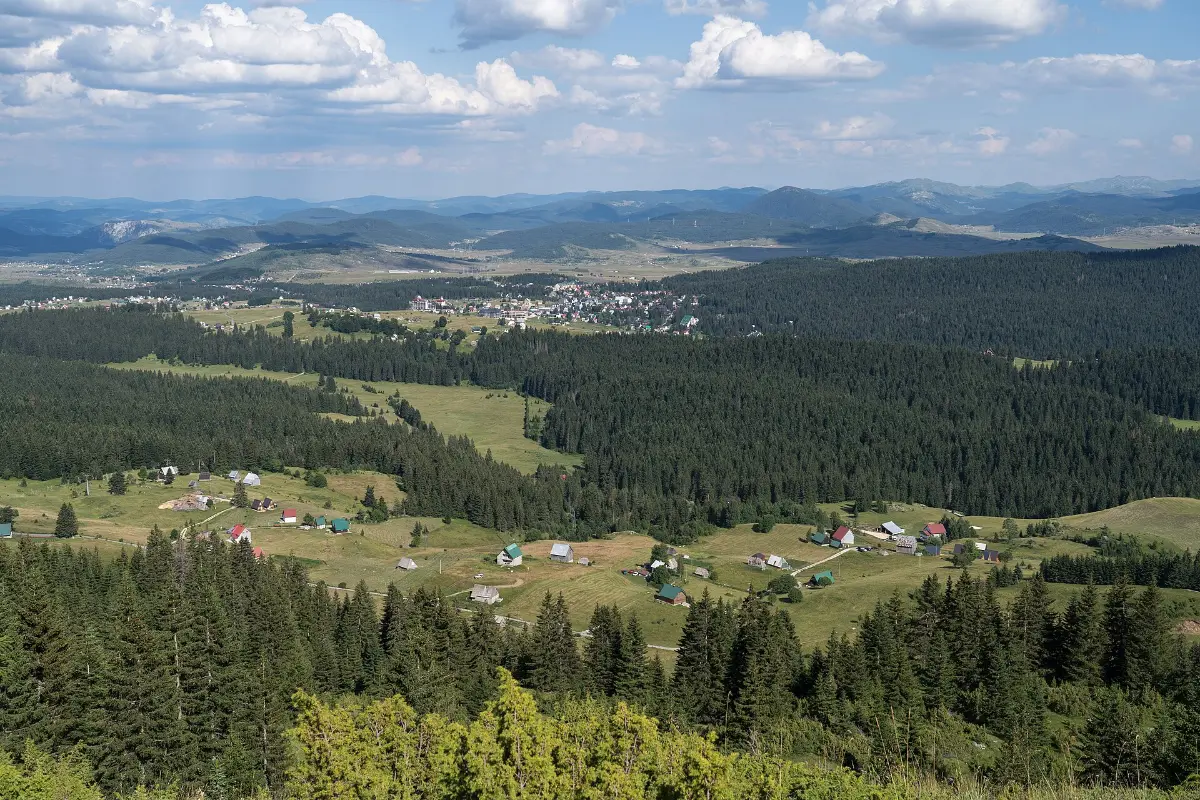
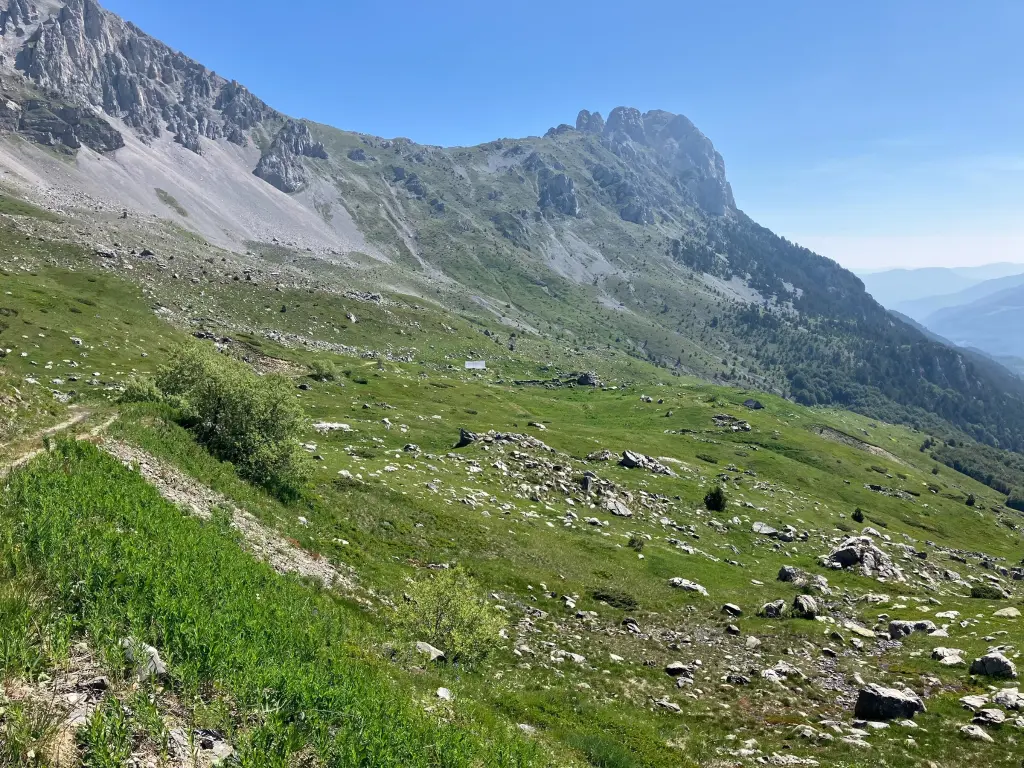
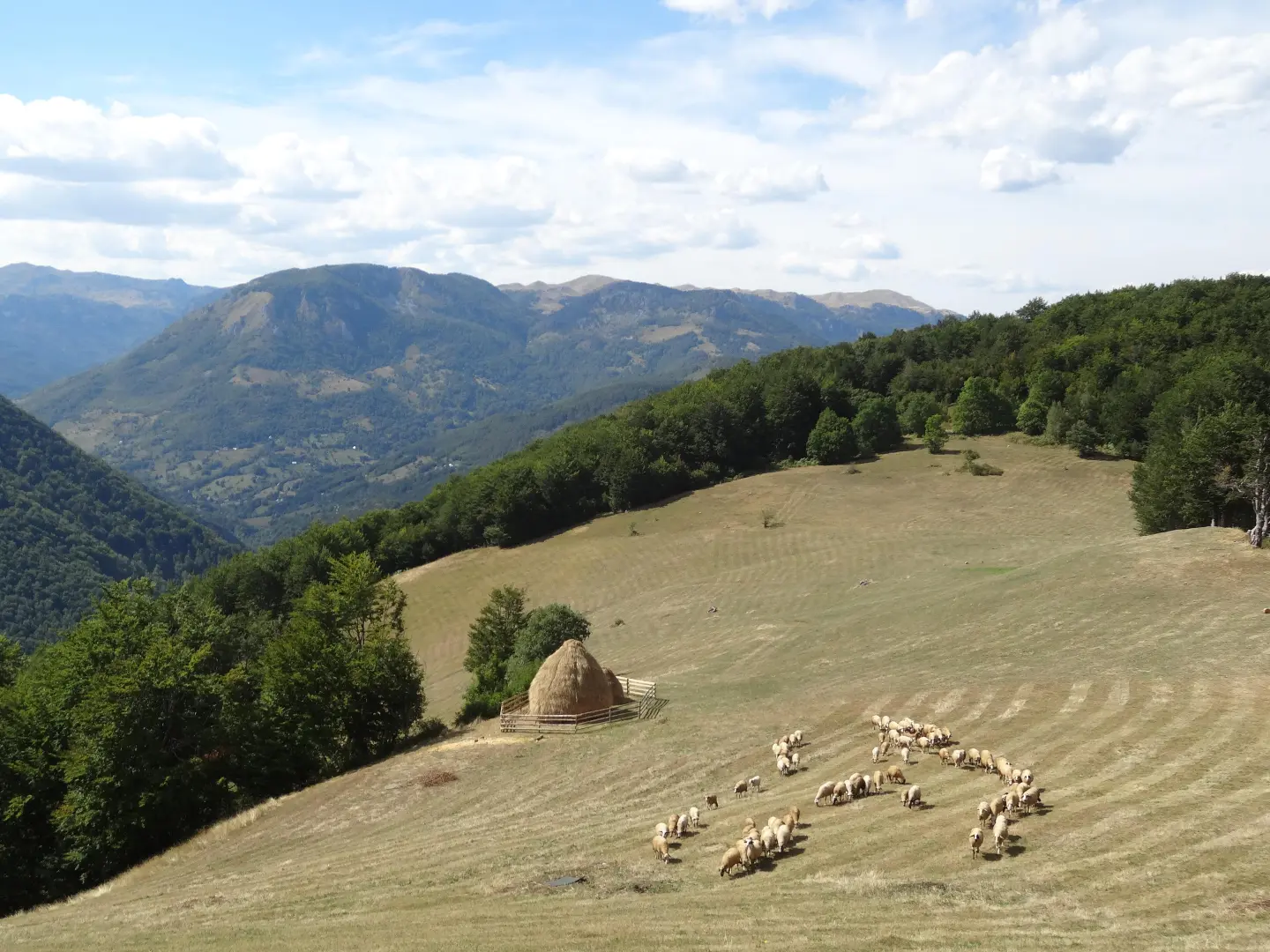
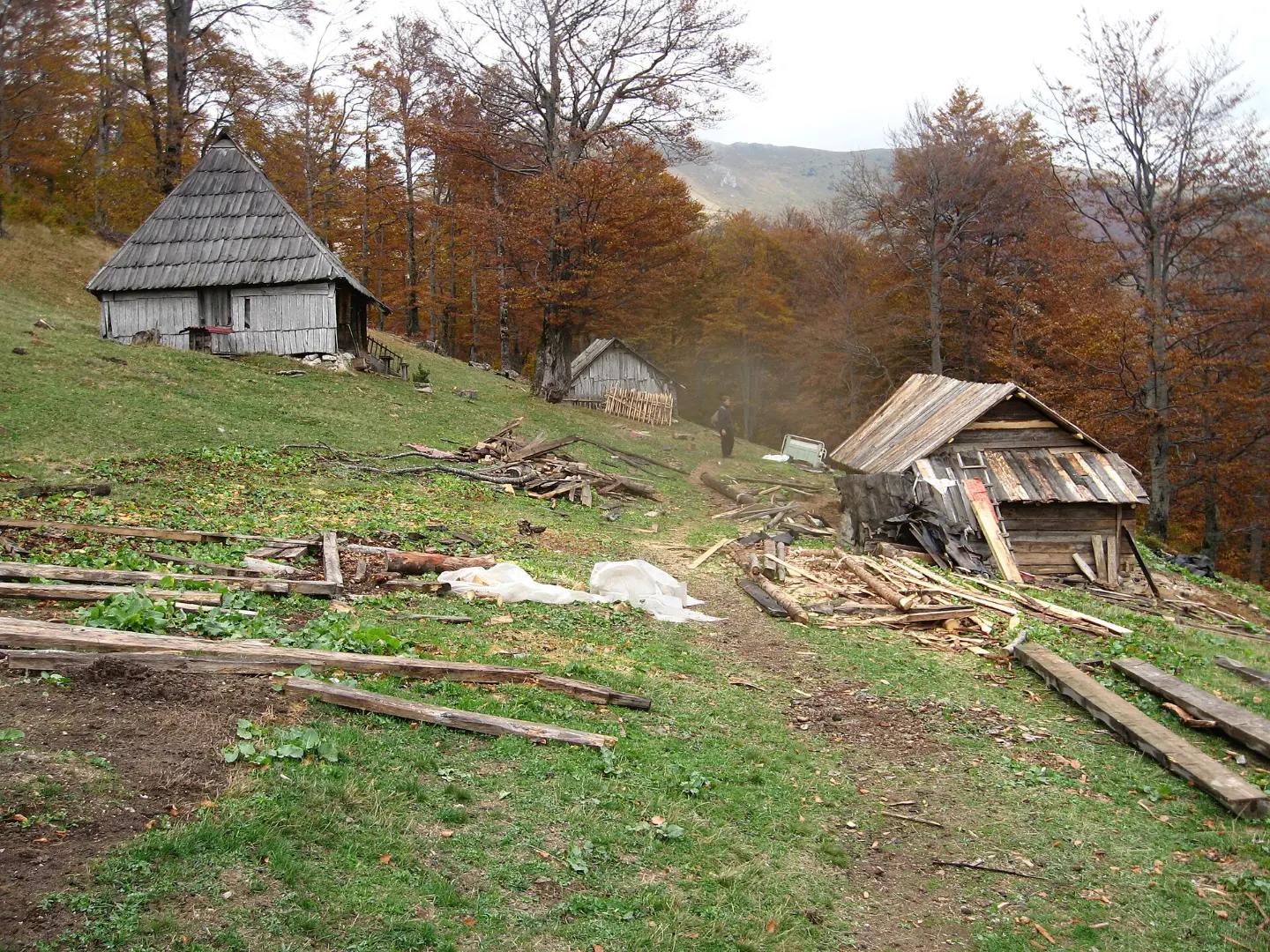
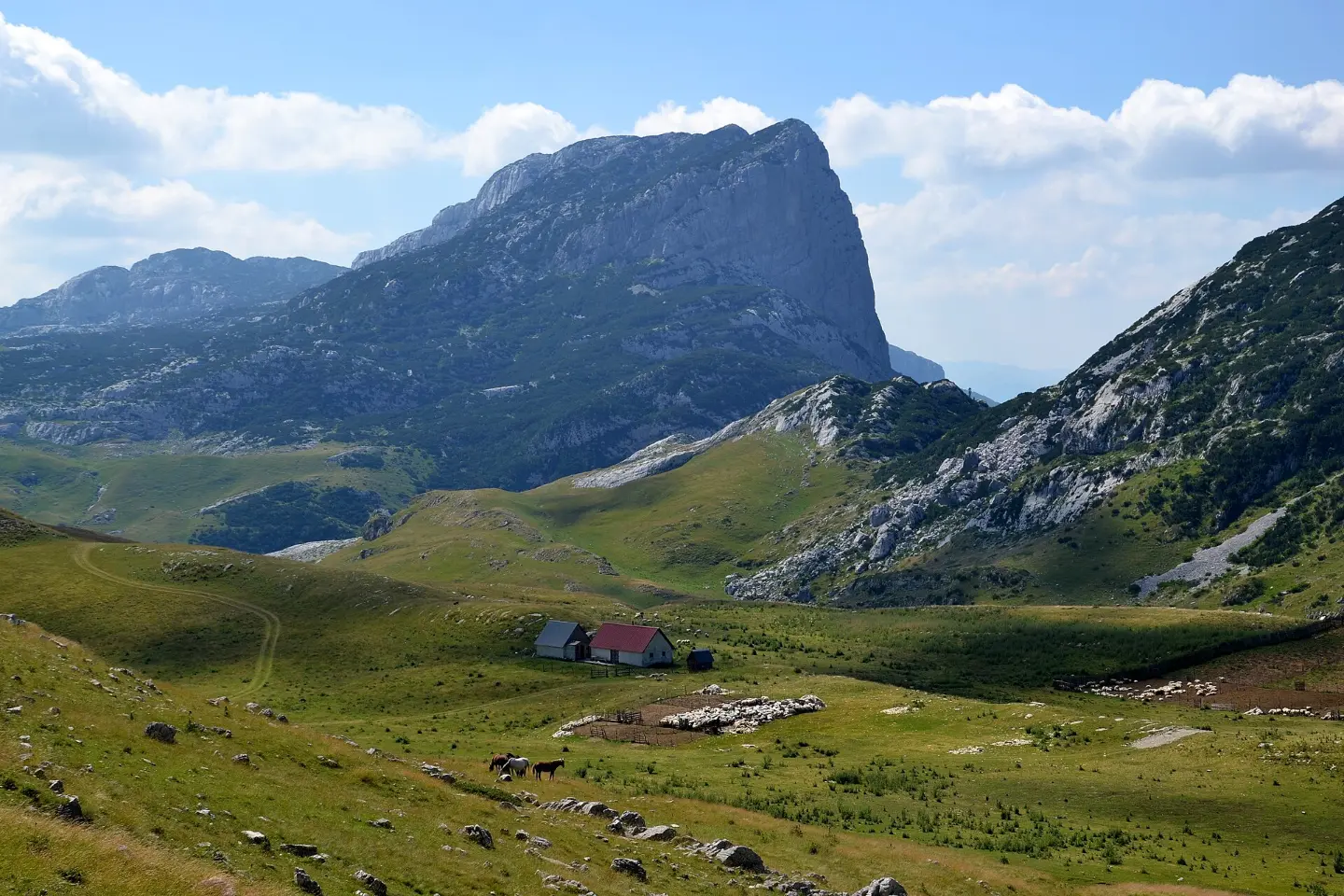
Kačamak was once thought of as poor people's food, and that is exactly why it lasted. It needs little more than cornmeal, water and salt, and whatever the house or the herd can add. In Montenegro that usually means potatoes, cheese and kajmak, the salted cream skimmed from boiled milk. Herders on the katuns, the summer pastures in the mountains, lived on it through the season, and the national tourist board still names kačamak and cicvara, made from wheat or corn, as the staples of katun food.
It was also a fasting food. In Orthodox homes a lean kačamak, without the dairy, stood in for bread on fast days, while the rich version turned up at slavas and village gatherings.
How kačamak is made
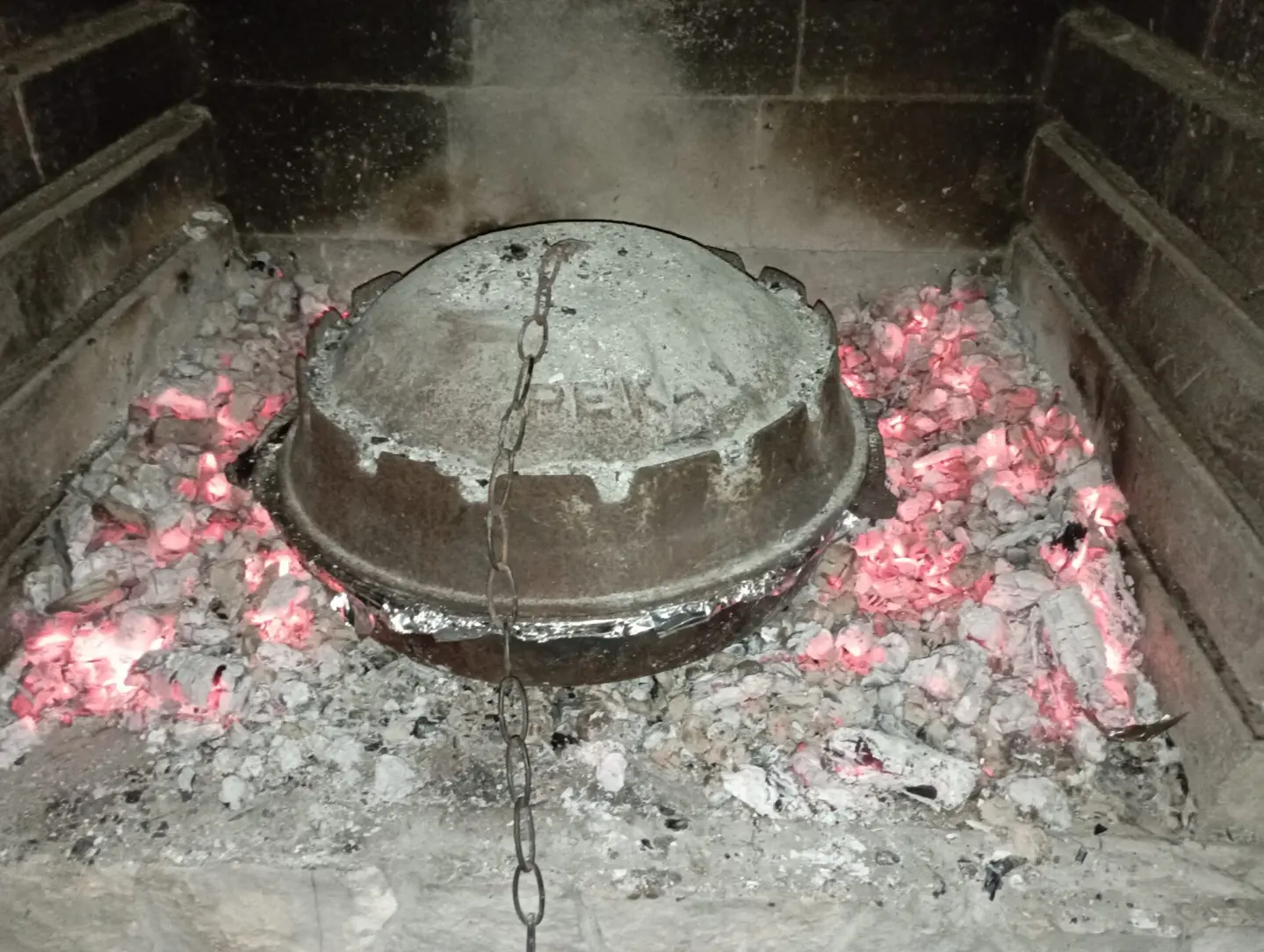
Cornmeal is stirred into boiling salted water and left to simmer for twenty to thirty minutes. Then comes the hard part: the cook works it with a wooden spoon, pressing and turning, until it becomes a thick, smooth mass. In Montenegro crushed potatoes and cheese are beaten in at the same time. Some cooks, the Žabljak tourist board notes, use a mix of corn and wheat flour.
It is served hot in a mound, with kajmak or cheese melting on top, and a glass of cold milk, buttermilk or yoghurt on the side. The cold drink is not optional: it cuts through the richness.
Cicvara, the Christmas cousin
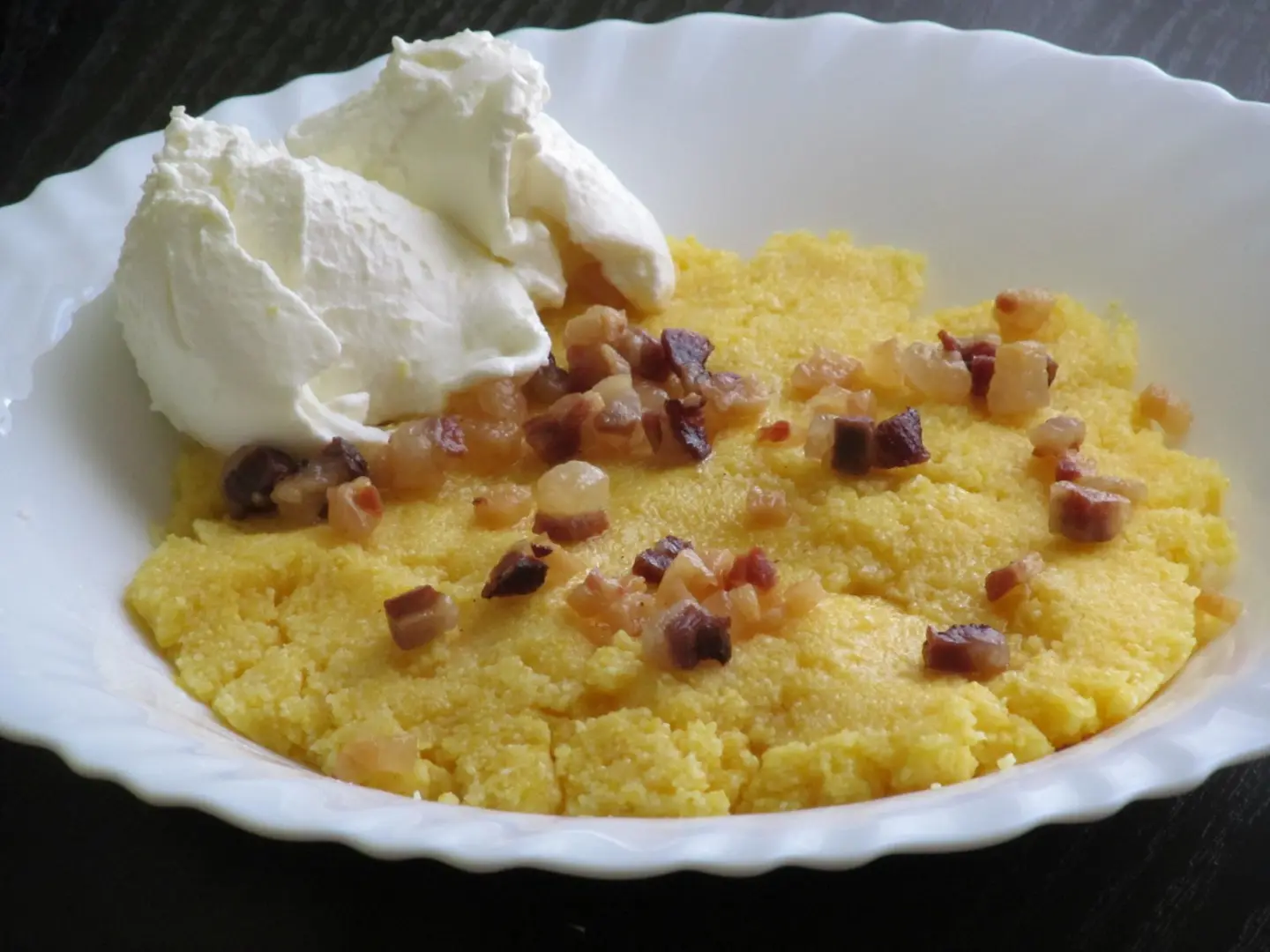
Cicvara uses the same cornmeal but cooks it in kajmak instead of water. The kajmak is melted into boiling water and the meal is stirred in slowly, until the fat separates and glistens on top. It is richer than kačamak and was once a feast dish: Serbian-language sources trace it to Durmitor, where it was made as a Christmas delicacy.
Cicvara is eaten with a spoon from a shared bowl, sometimes with honey. In Montenegrin houses, serving it to a guest with slices of ham was a mark of the highest respect.
Where to eat it
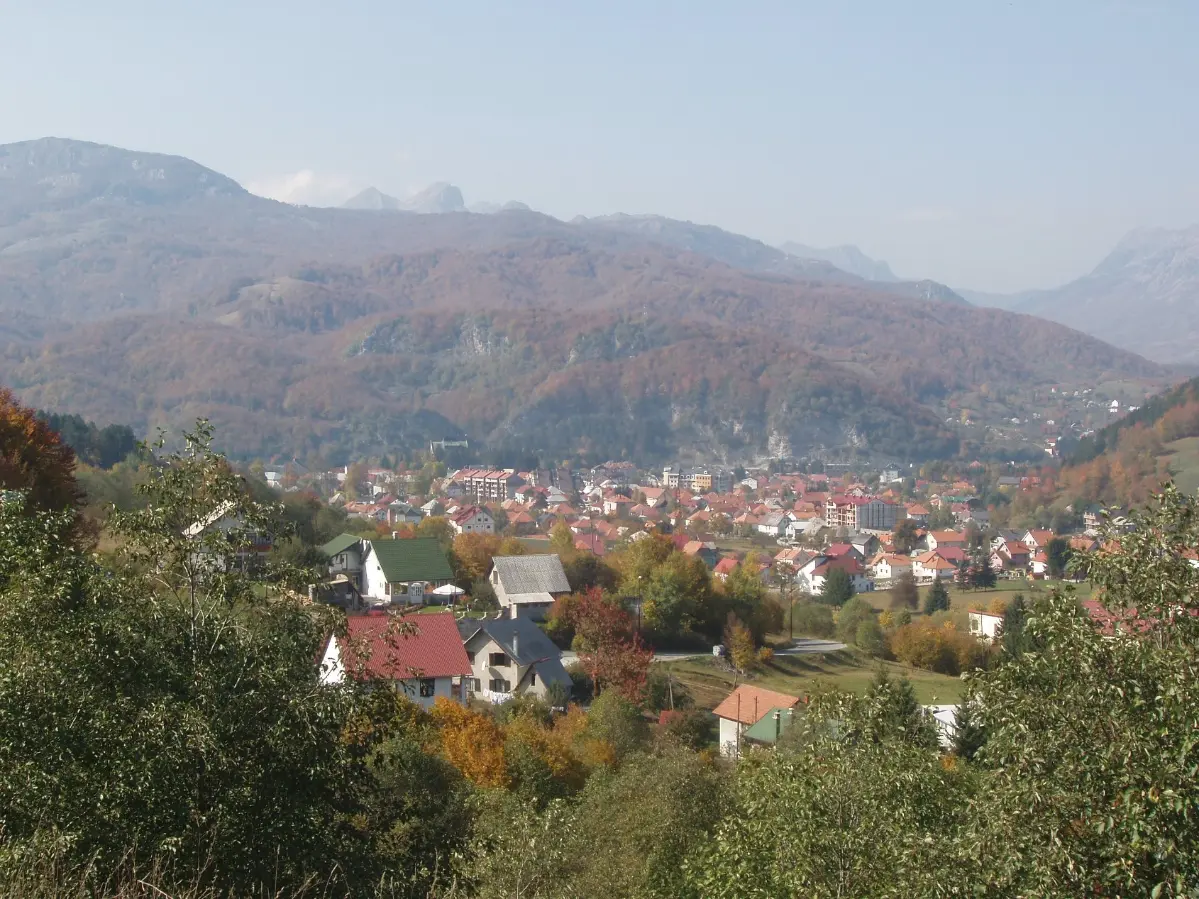
In Kolašin, the tourist board's own restaurant list singles out Savardak, known for kačamak and cicvara for more than twenty years, and Restoran Troglava, which serves both alongside Kolašin leaf cheese. But the best place for them is a katun in summer. On Sinjajevina, the Bojić family's Katun Potrk cooks kačamak and cicvara for guests in July and August, and teaches you how to make them. In mid-August, Žabljak's Durmitor Healthy Food Days bring the mountain's cheese, skorup and honey down to town. Ask for your kačamak with kajmak and don't plan anything strenuous afterwards.