2 min read
When a Montenegrin family celebrates, lamb is usually on the table, cooked one of two slow ways. Under the sač, an iron bell heaped with glowing embers, it roasts with potatoes in its own steam. In the northern mountains it is also simmered in milk with potatoes, pepper and bay. Neither can be hurried, which is exactly the point.
The iron bell
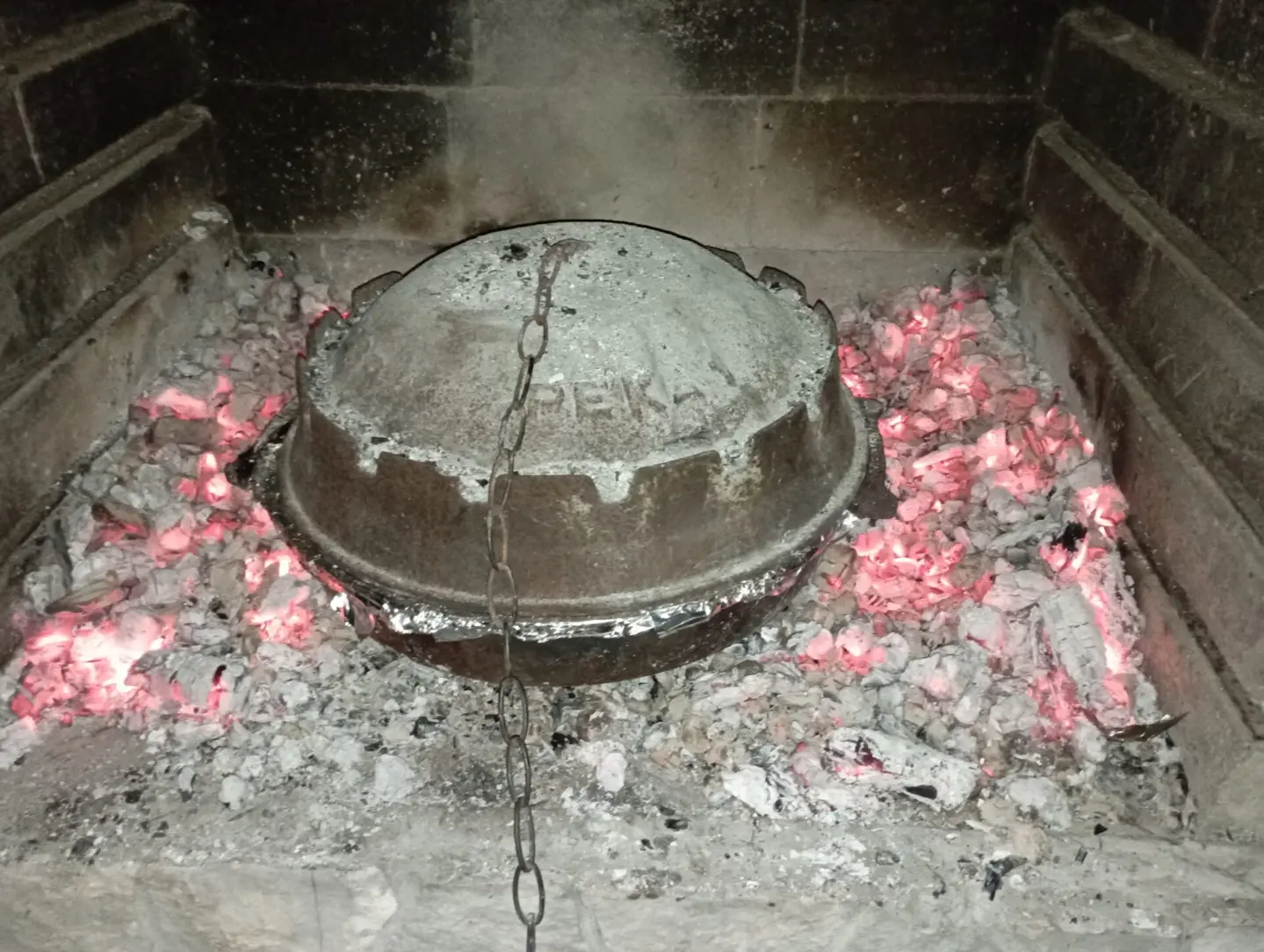
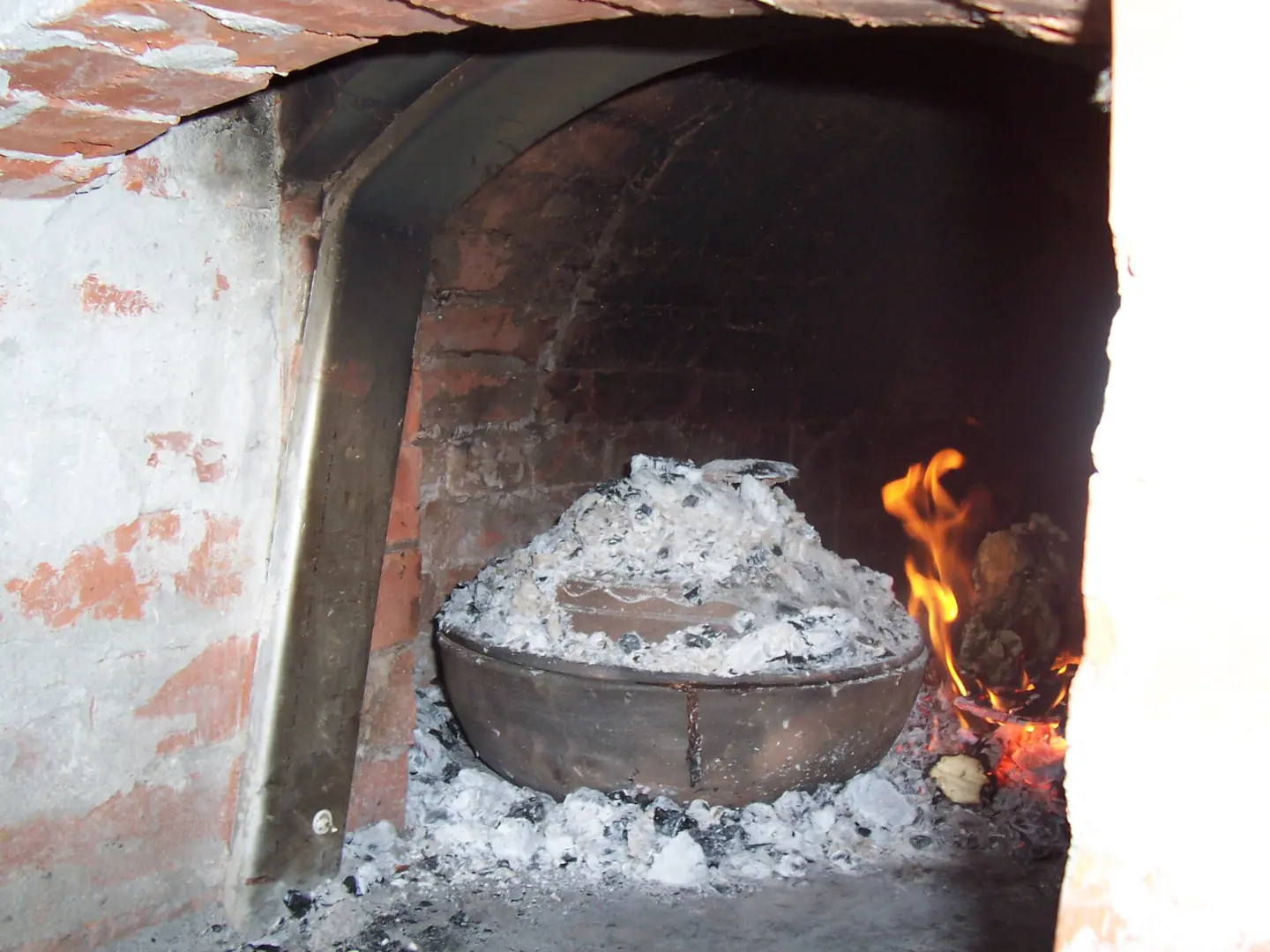
A sač is a large, shallow lid shaped like a bell, made of iron or ceramic. Food goes on a flat base in the hearth, the bell goes over it, and ashes and live coals are heaped on top. The heat comes from above and all around, the steam stays inside, and meat, potatoes and vegetables cook slowly in their own juices, picking up a little smoke on the way. Across the Balkans it has many names; in Croatia it is called peka.
It began as a poor household's oven, for families who could not afford a stove, and the same bell still bakes the village bread and pies. But when the occasion is special, what goes under it is meat. The national tourist board lists lamb roasted under the sač among the country's signature dishes.
Lamb in milk
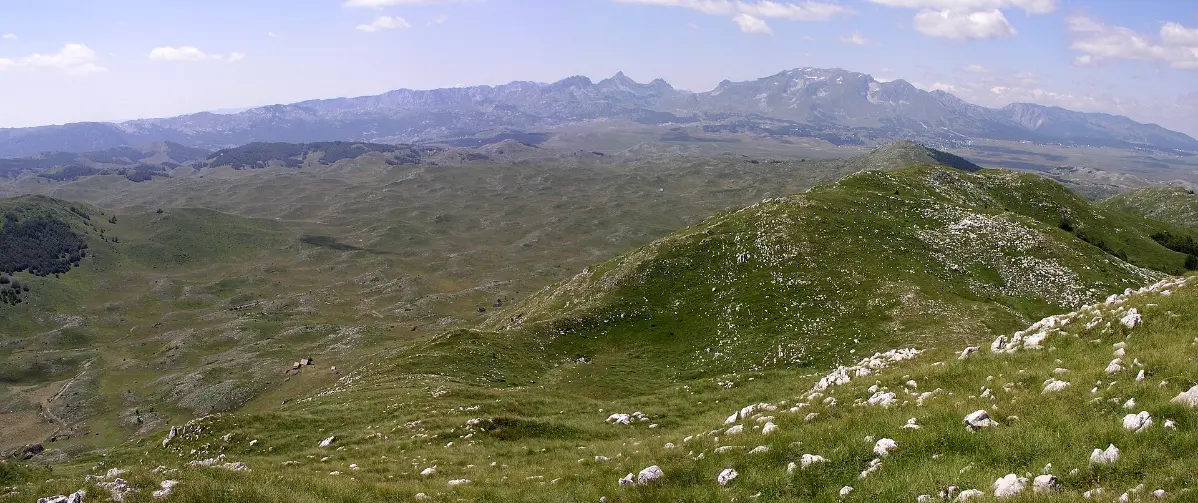
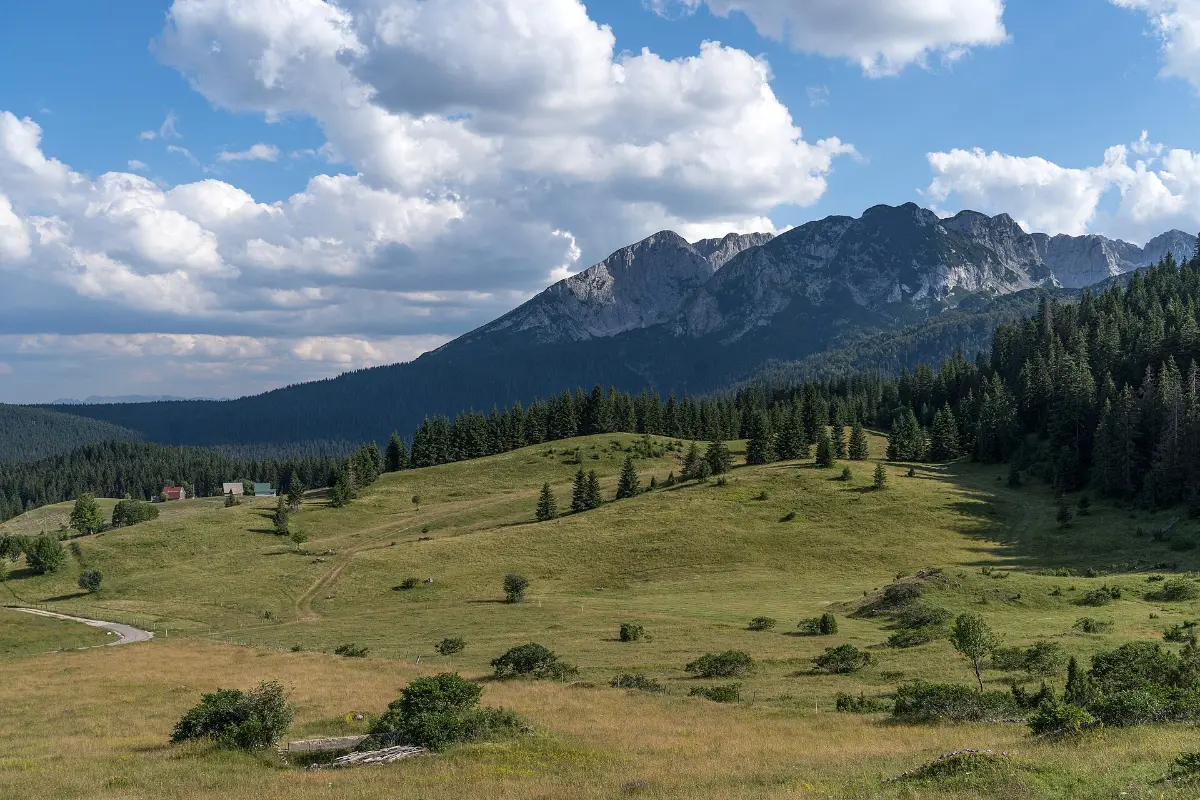
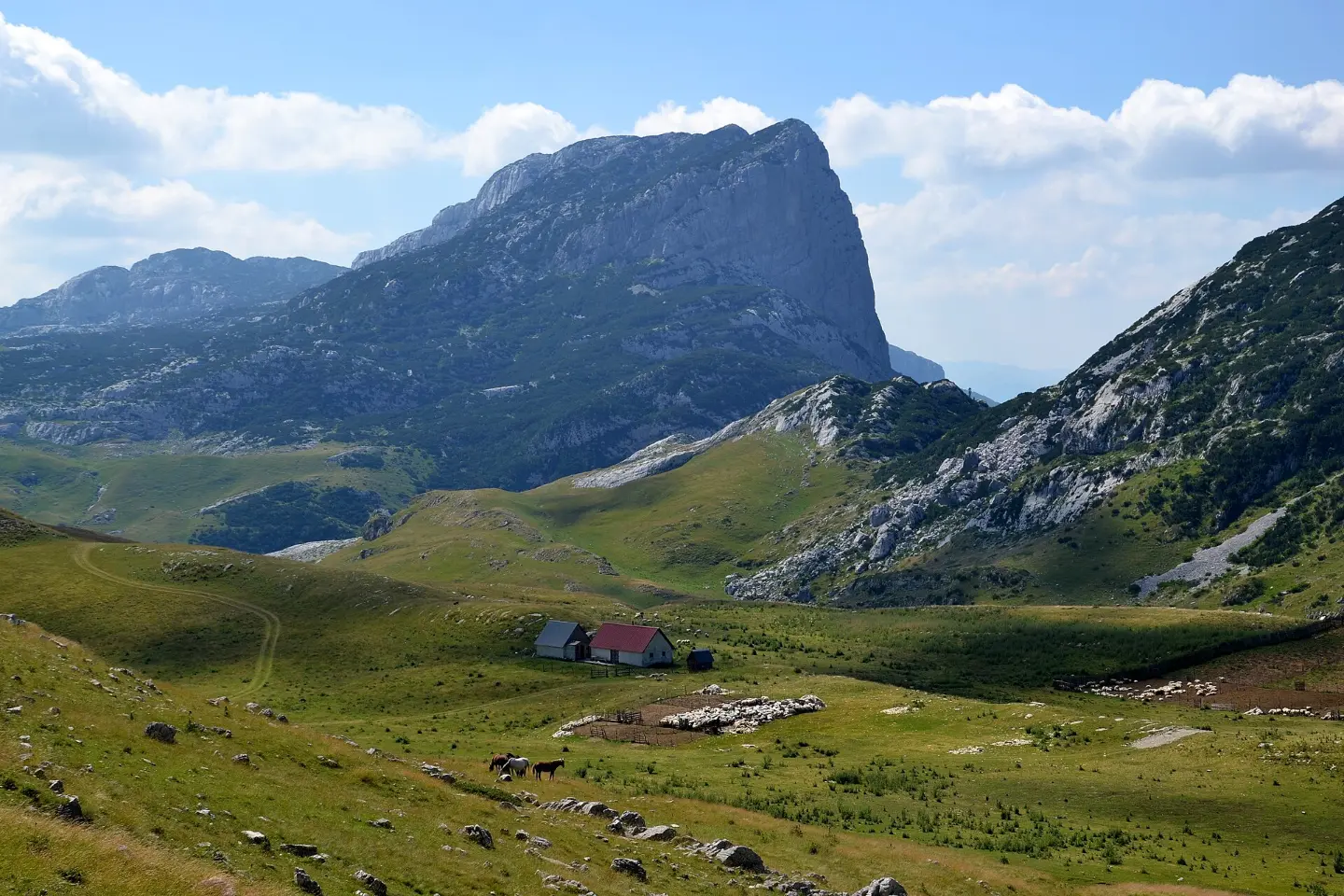
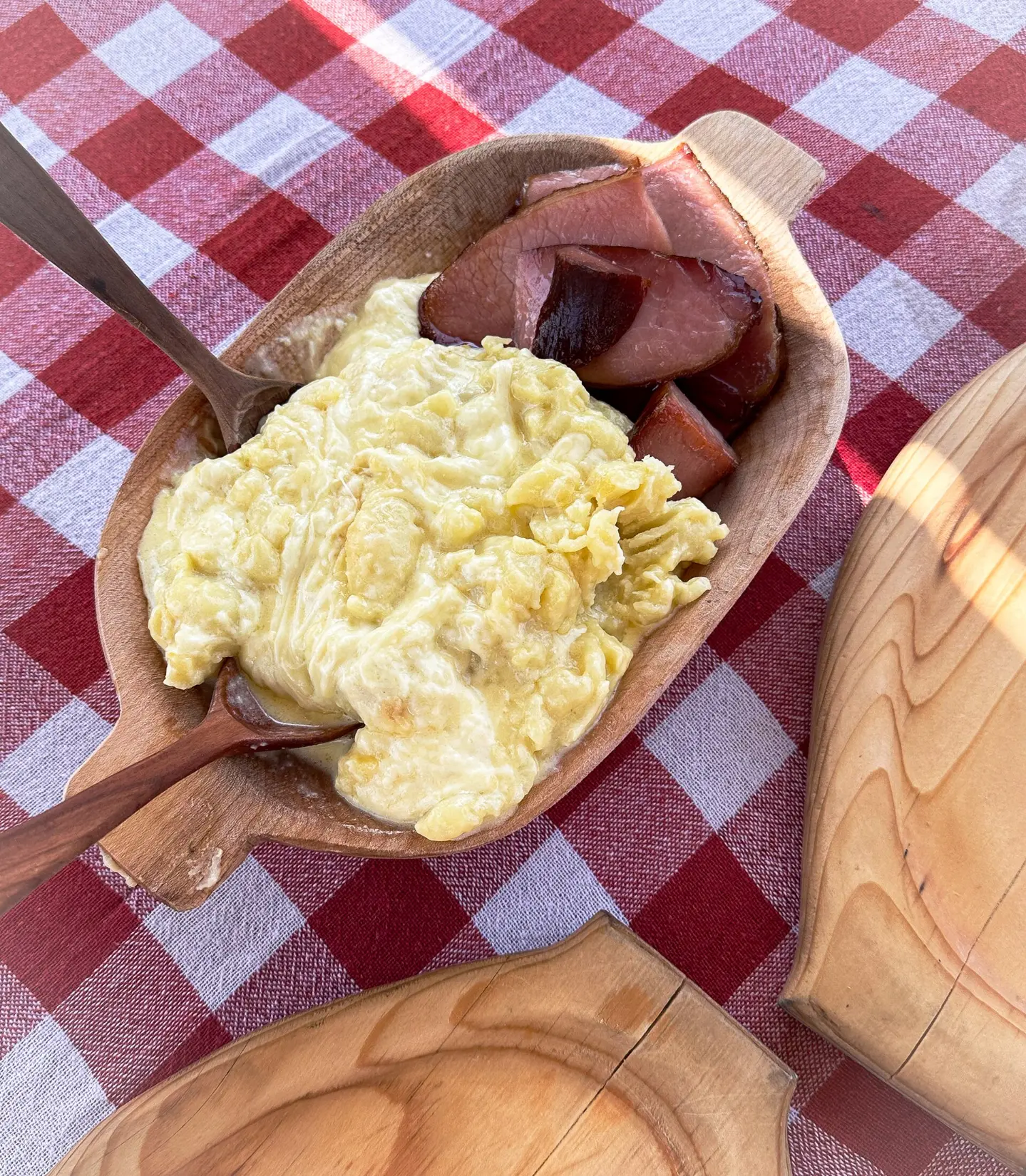
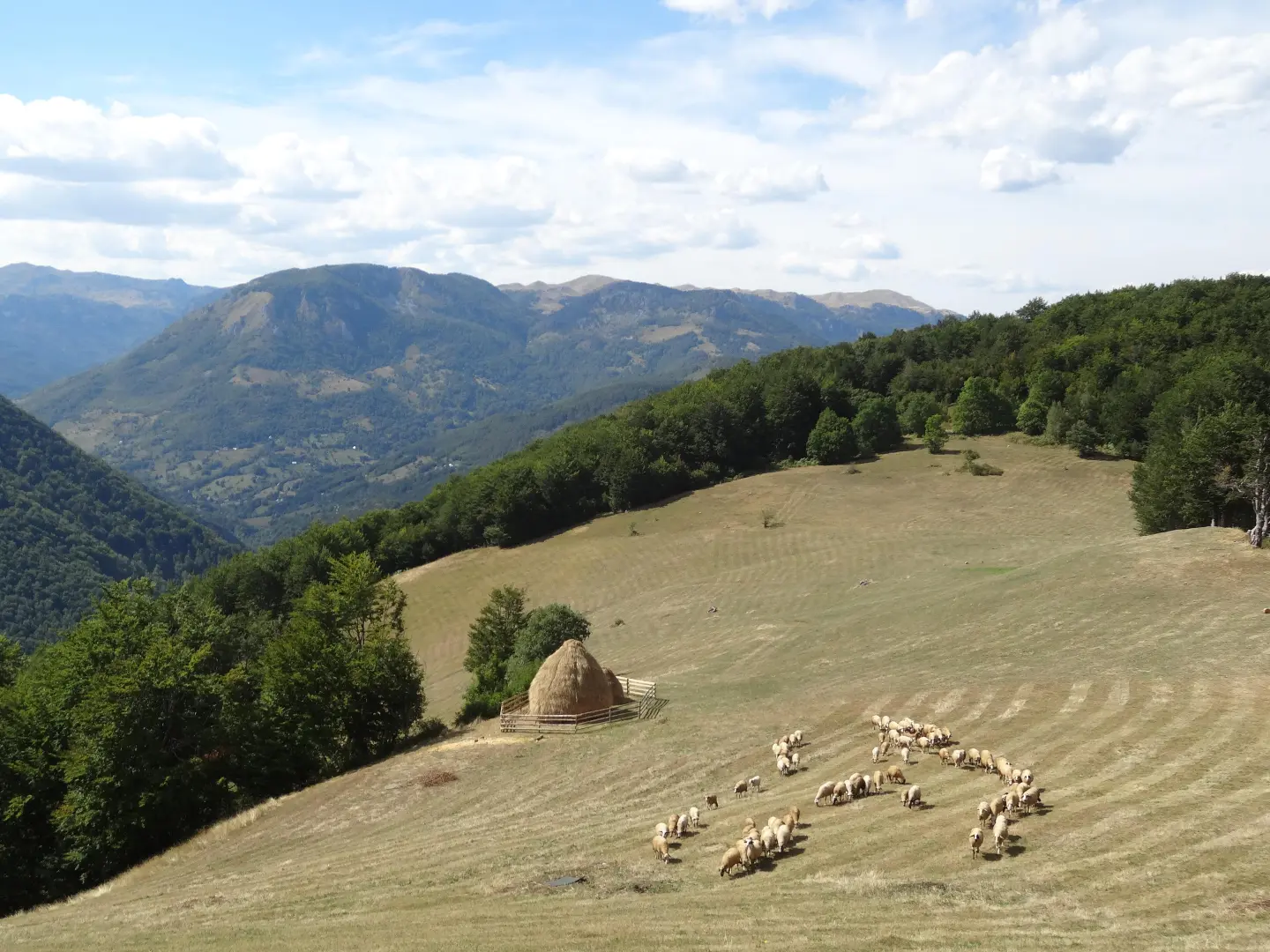
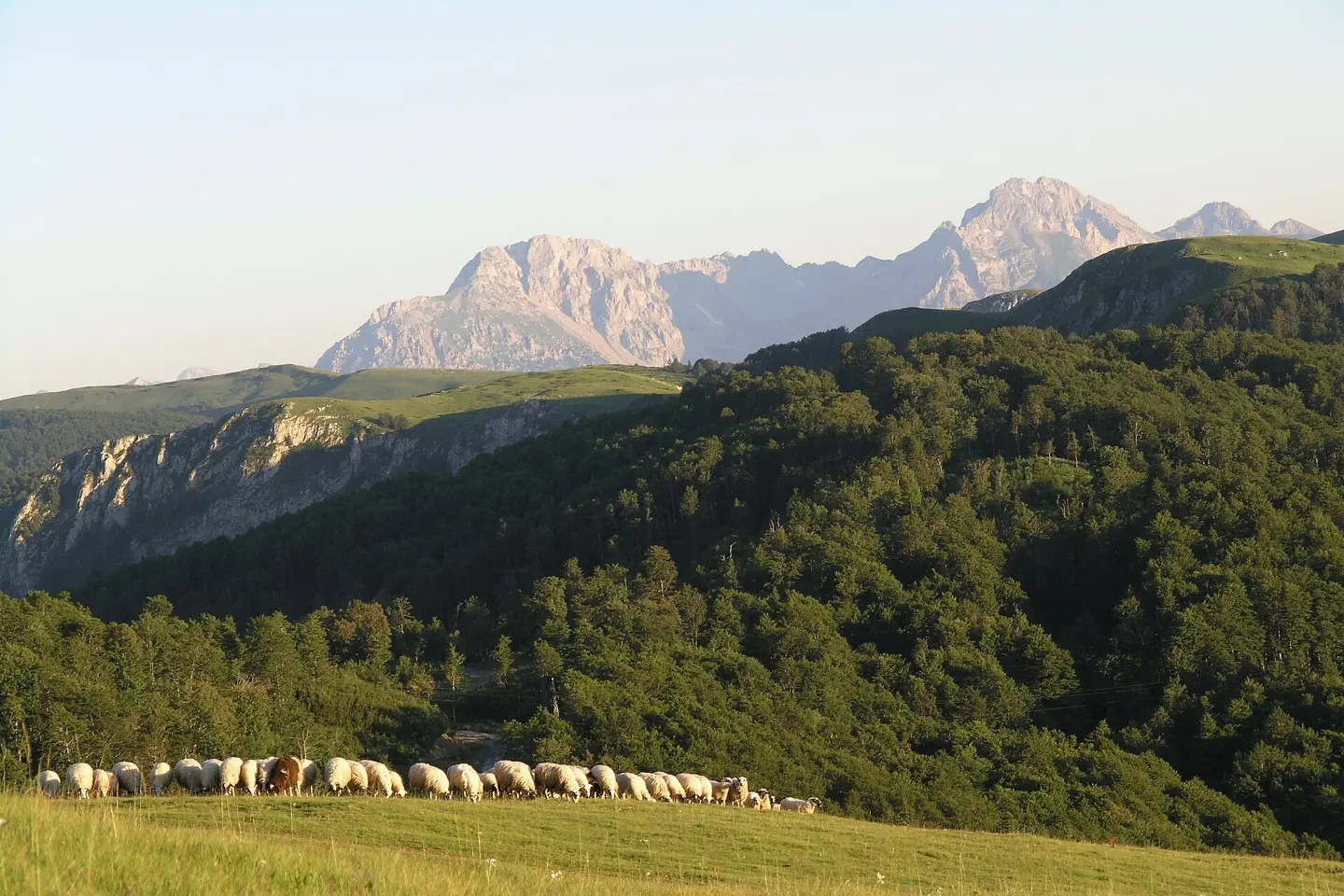
In the mountains there is a second, gentler way. The Žabljak tourist board describes lamb cooked in milk with potatoes, black pepper and bay leaf, a dish made for celebrations on Durmitor. The national tourist board mentions lamb simmered in milk too, and notes that Montenegrins traditionally cook mutton and lamb with cream, milk and homemade cheese.
Slow food, literally
Neither dish is fast. Cooking under the sač means tending a fire for hours, shovelling embers over the bell and lifting it only when the meat is done. That is why sač cooking belongs to family days, slavas and village gatherings, and why it pays to ask a restaurant in advance.
Every September Danilovgrad turns this patience into a competition. At Sač Fest, run by the local association Crepulja, teams bring their own sač and cook five kilos of veal each on the riverside grounds; the 2025 edition drew 103 teams, and the organisers present it as a tradition of the Bjelopavlići area. It is veal rather than lamb, but it is the best place to watch sač cooking at scale.
Where to eat it
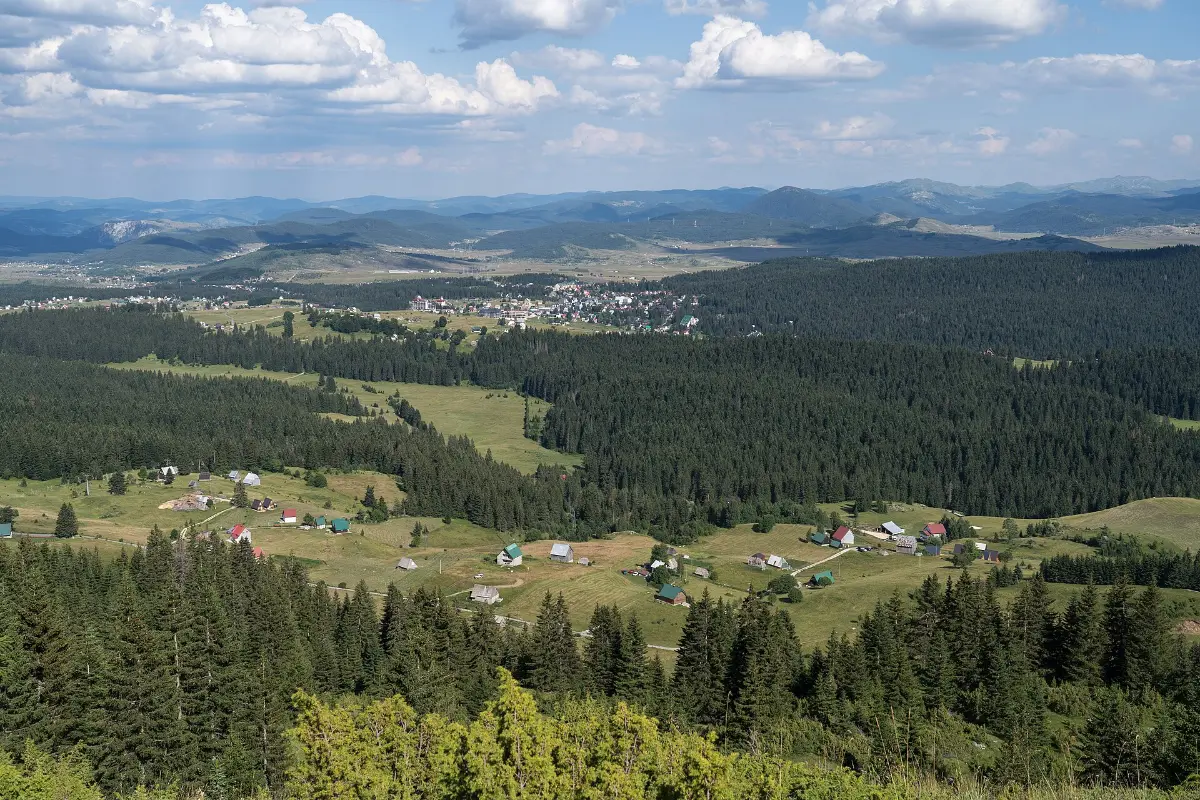
Your best chance of lamb under the sač made the old way is a farm or katun that cooks for guests. On Sinjajevina, Katun Potrk serves lamb under the sač with kačamak, cicvara, pies, cheese and kajmak in July and August. In mid-August, Durmitor's lamb producers come to Žabljak with their cheese, skorup and honey for Durmitor Healthy Food Days. In restaurants, ask when you book whether they can prepare lamb under the sač and how much notice they need.