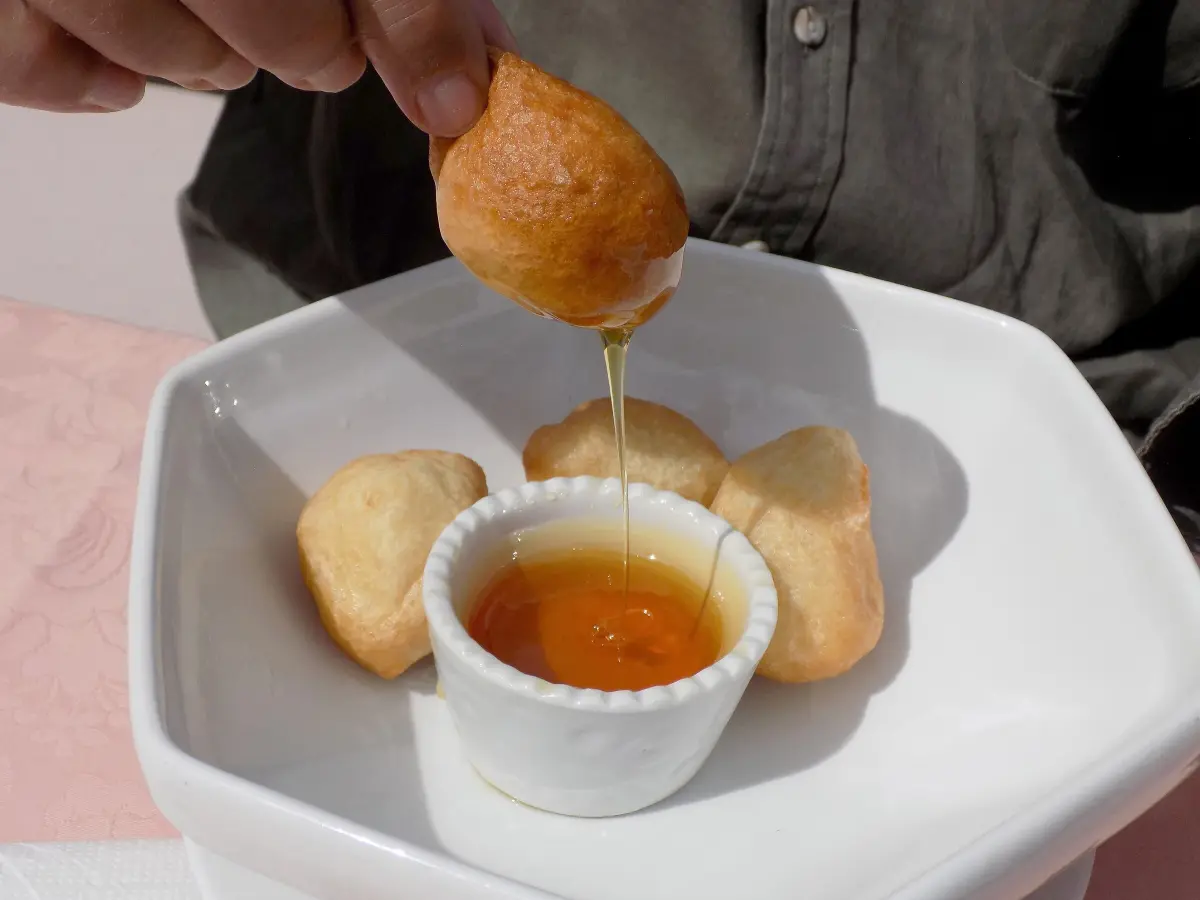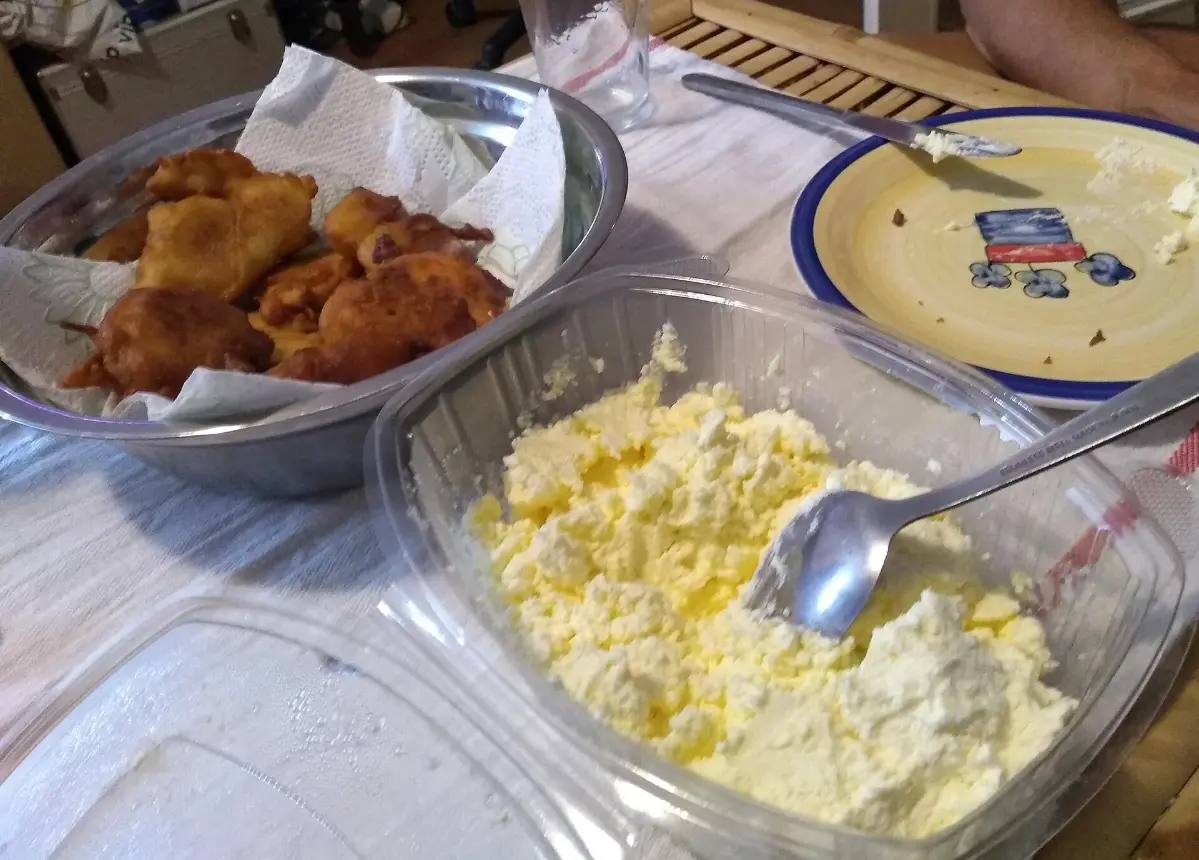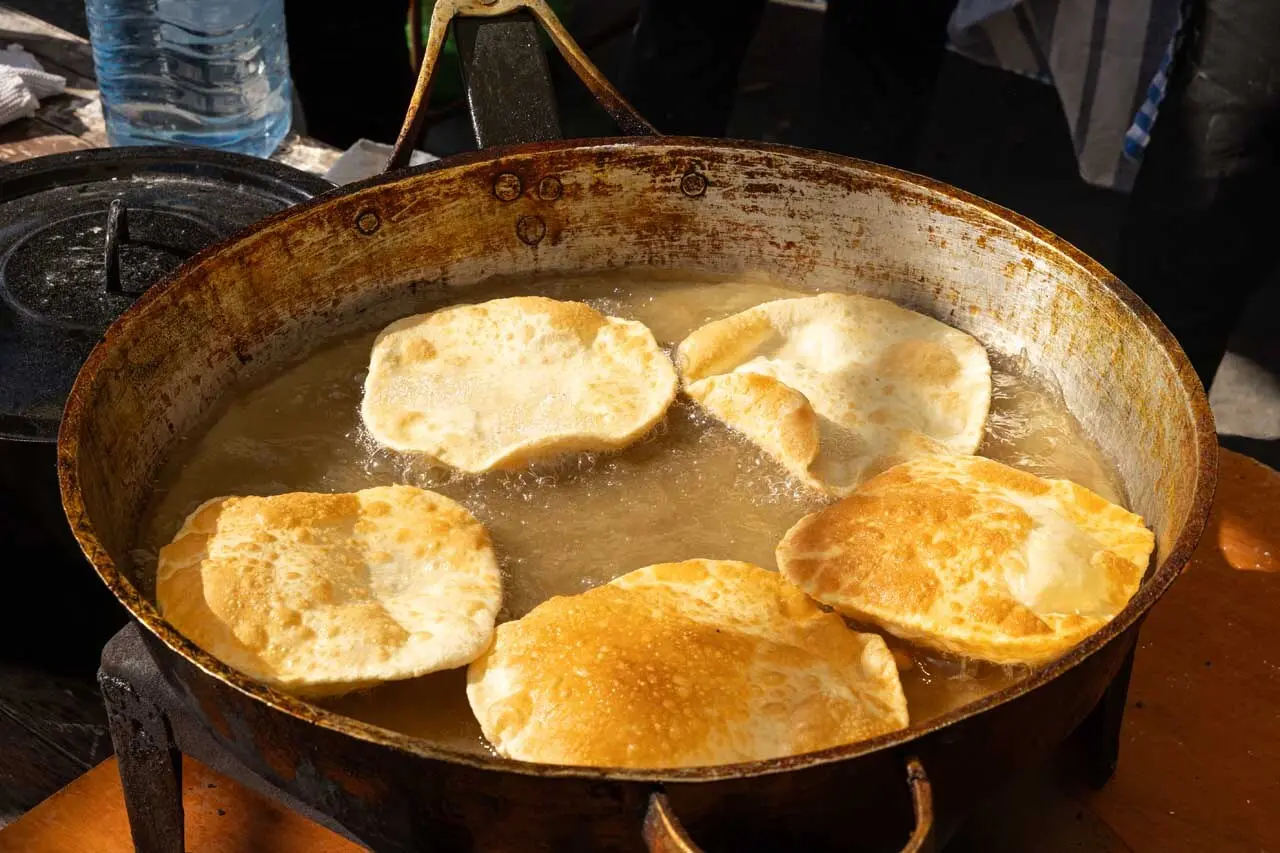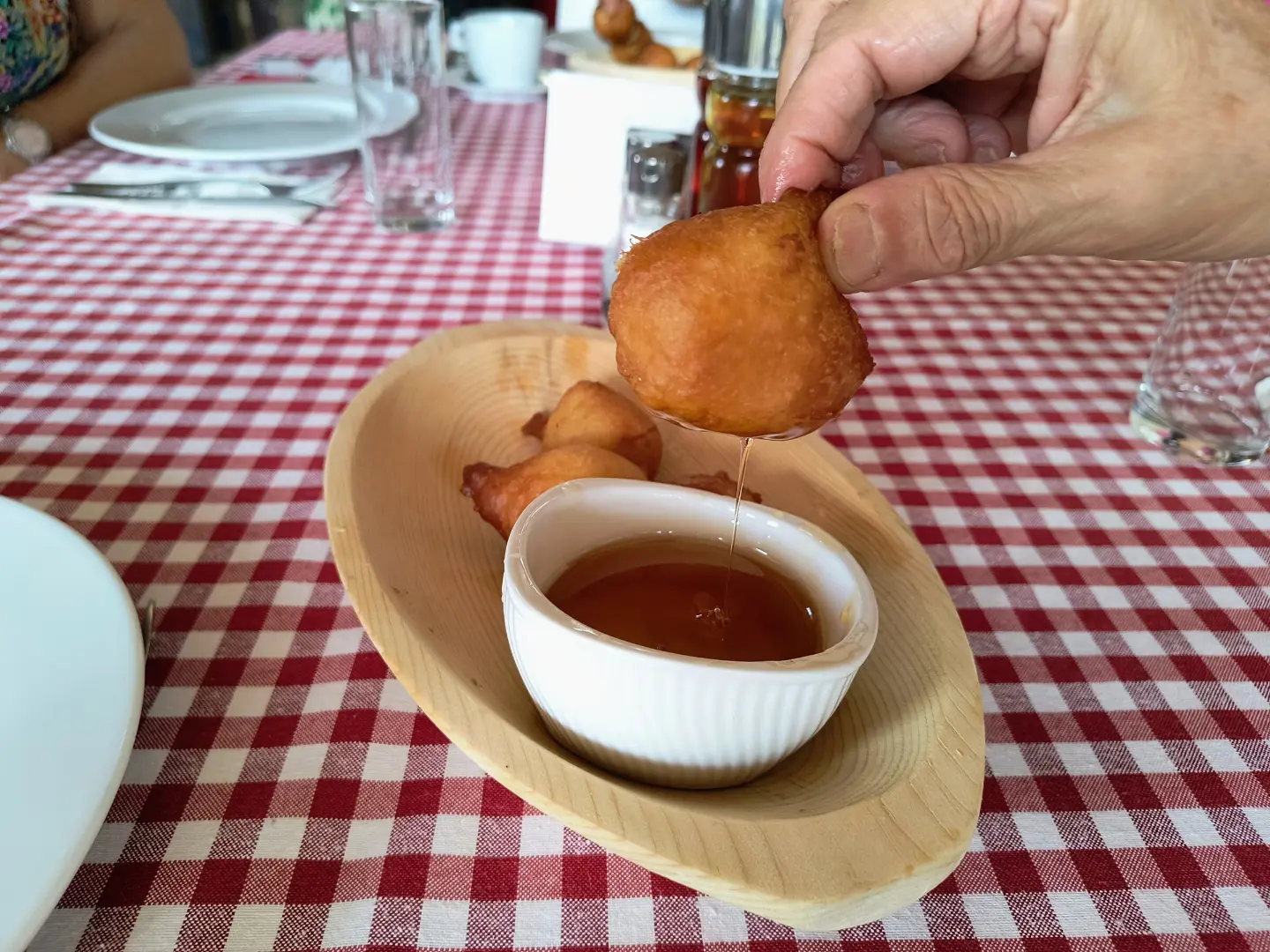
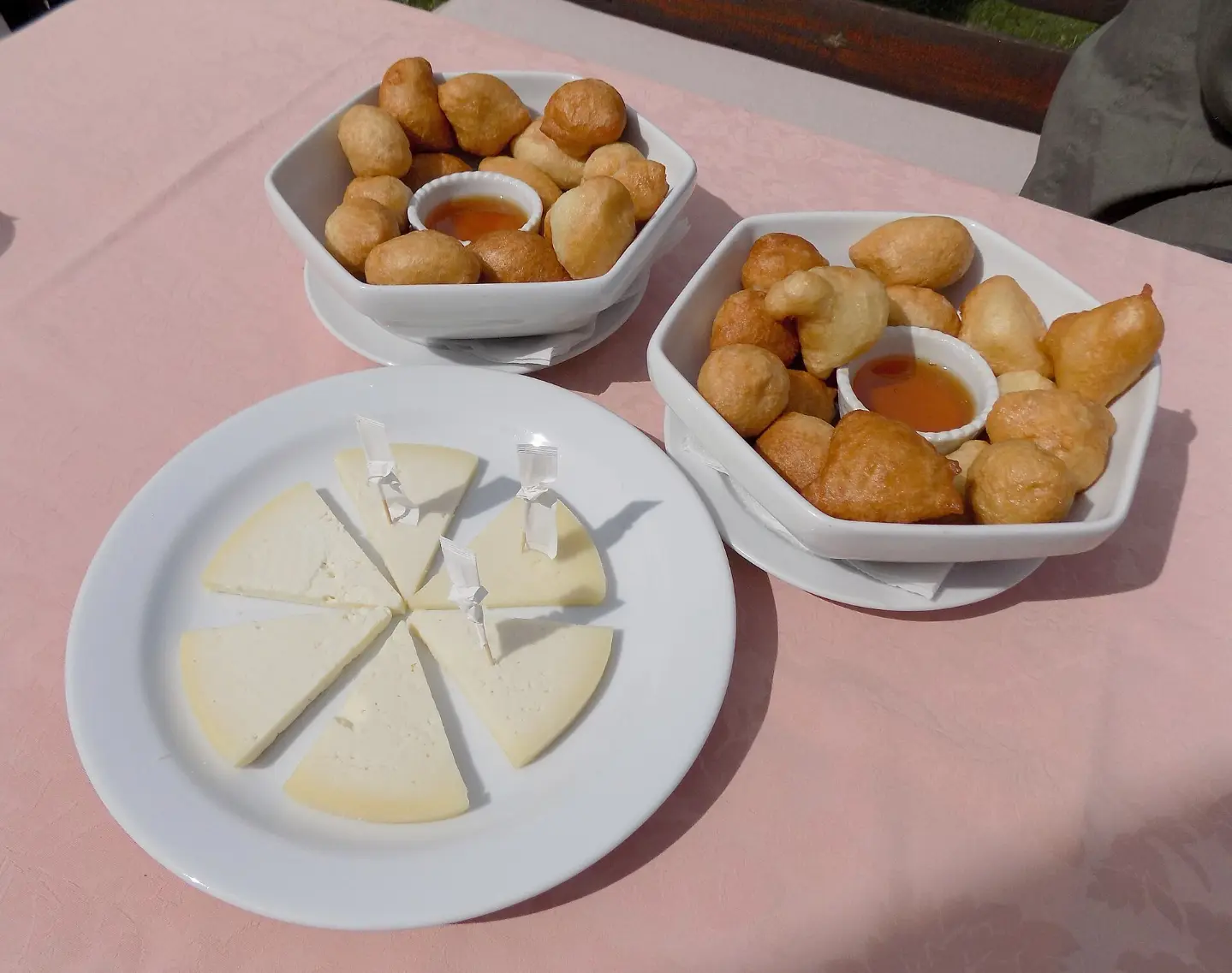
Priganice are small puffs of yeast dough, dropped by the spoonful into hot oil and eaten straight away with honey, cheese or jam. They turn up at breakfast, on the katuns, at village fairs and whenever a guest walks in.
Priganice are Montenegro's fried dough puffs, served hot with honey, cheese or jam. How they're made, when they're eaten and where to try them.
A welcome in fried dough
Every Balkan country fries dough, but in Montenegro priganice carry a particular meaning. They are what a household makes when guests arrive: a plate of hot, golden puffs with a jar of honey or a bowl of cheese beside it. Together with home-made rakija, they are part of welcoming a guest into the house.
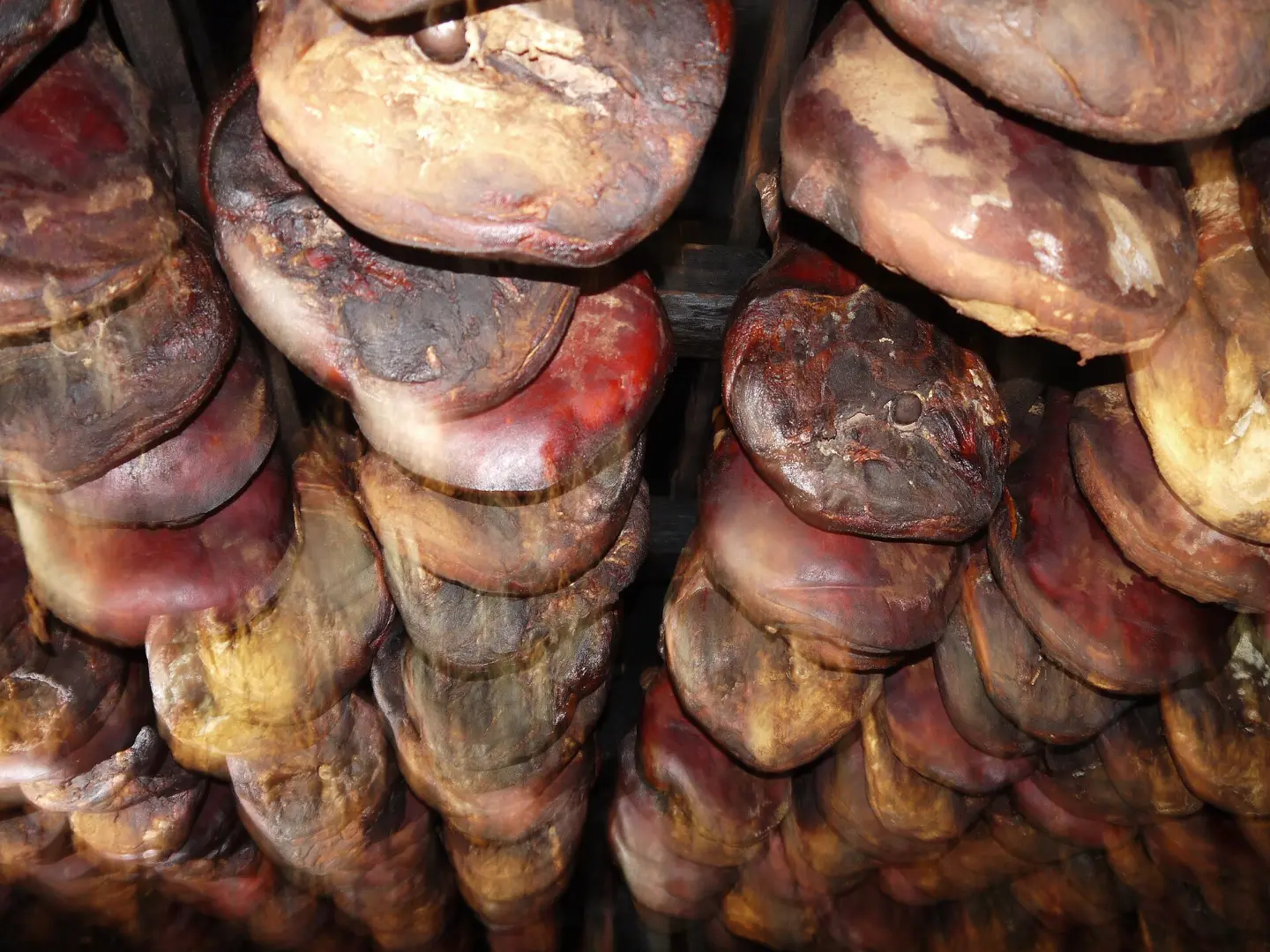
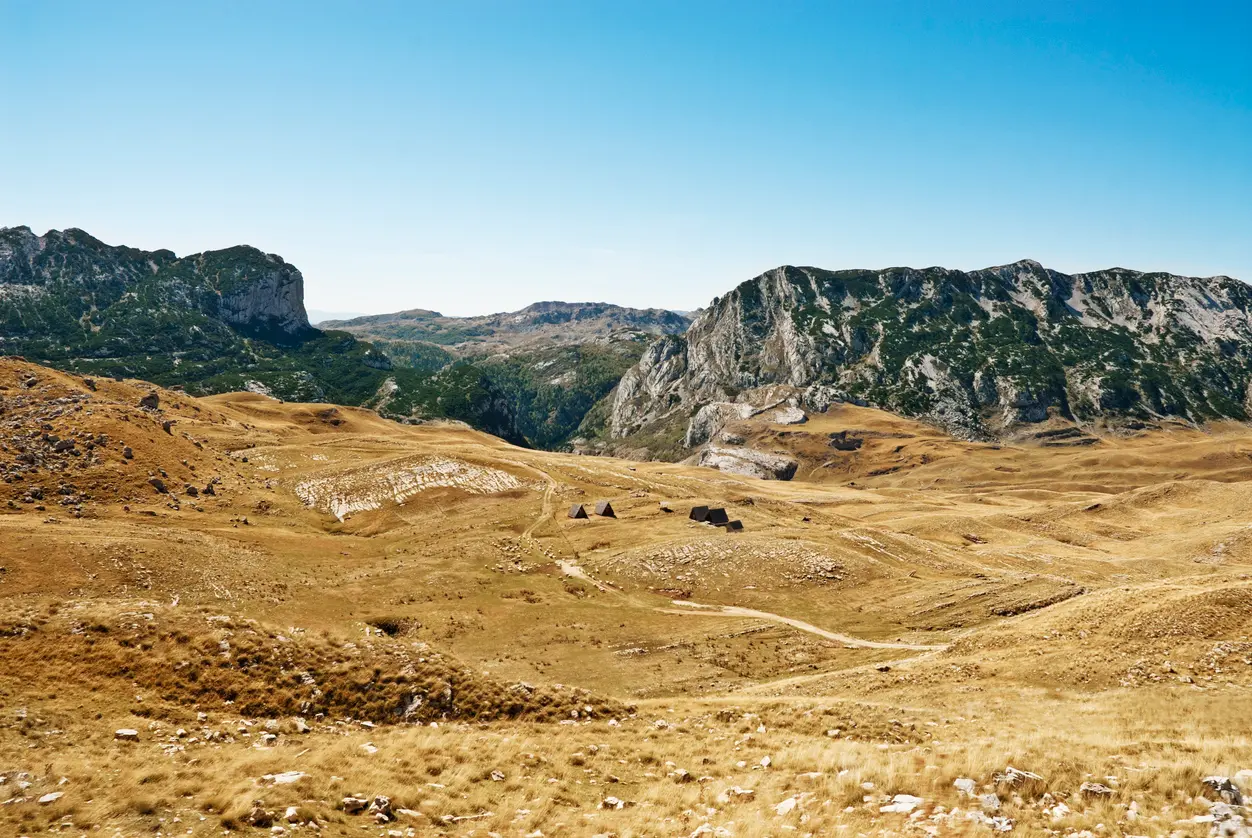
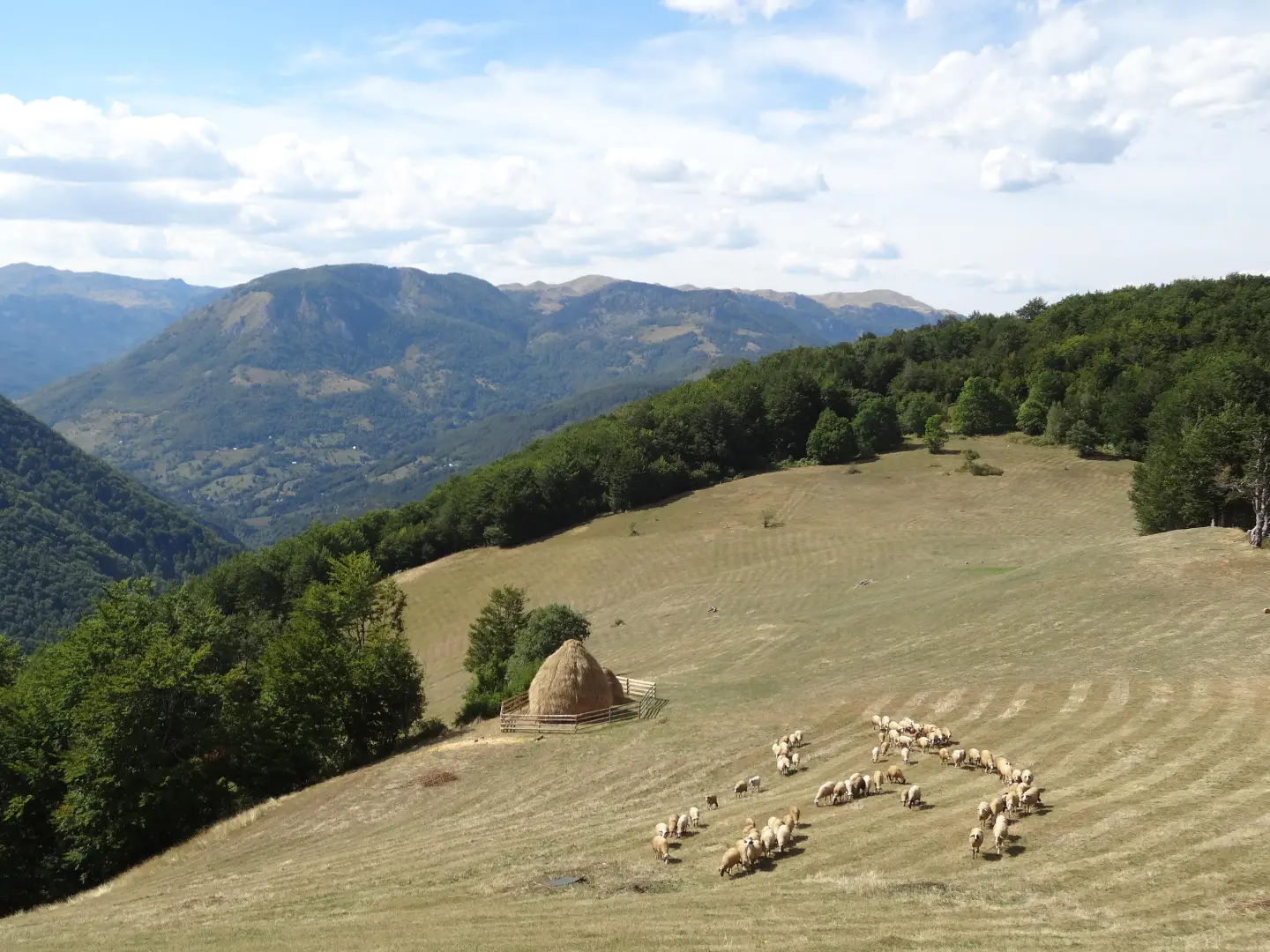
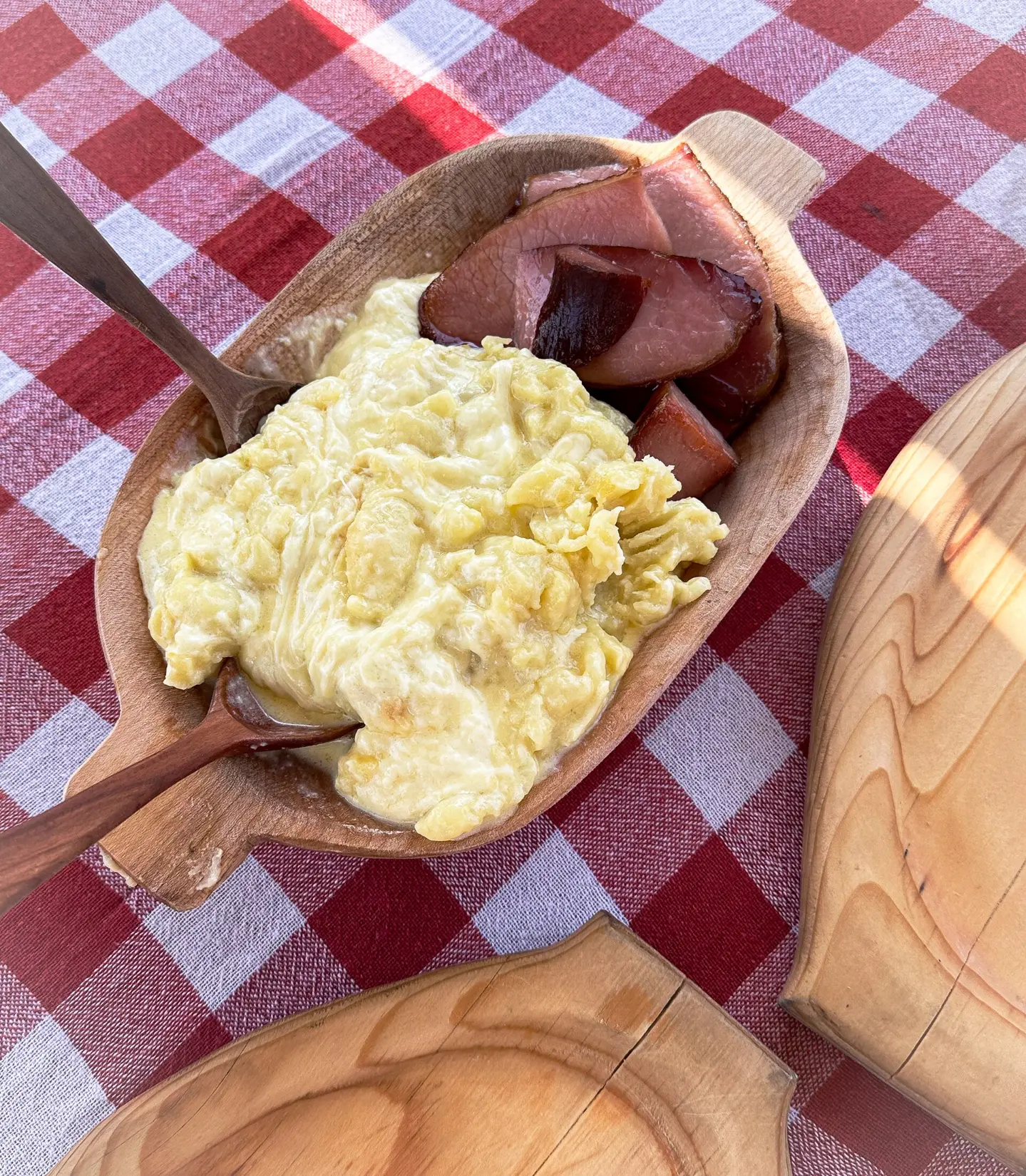
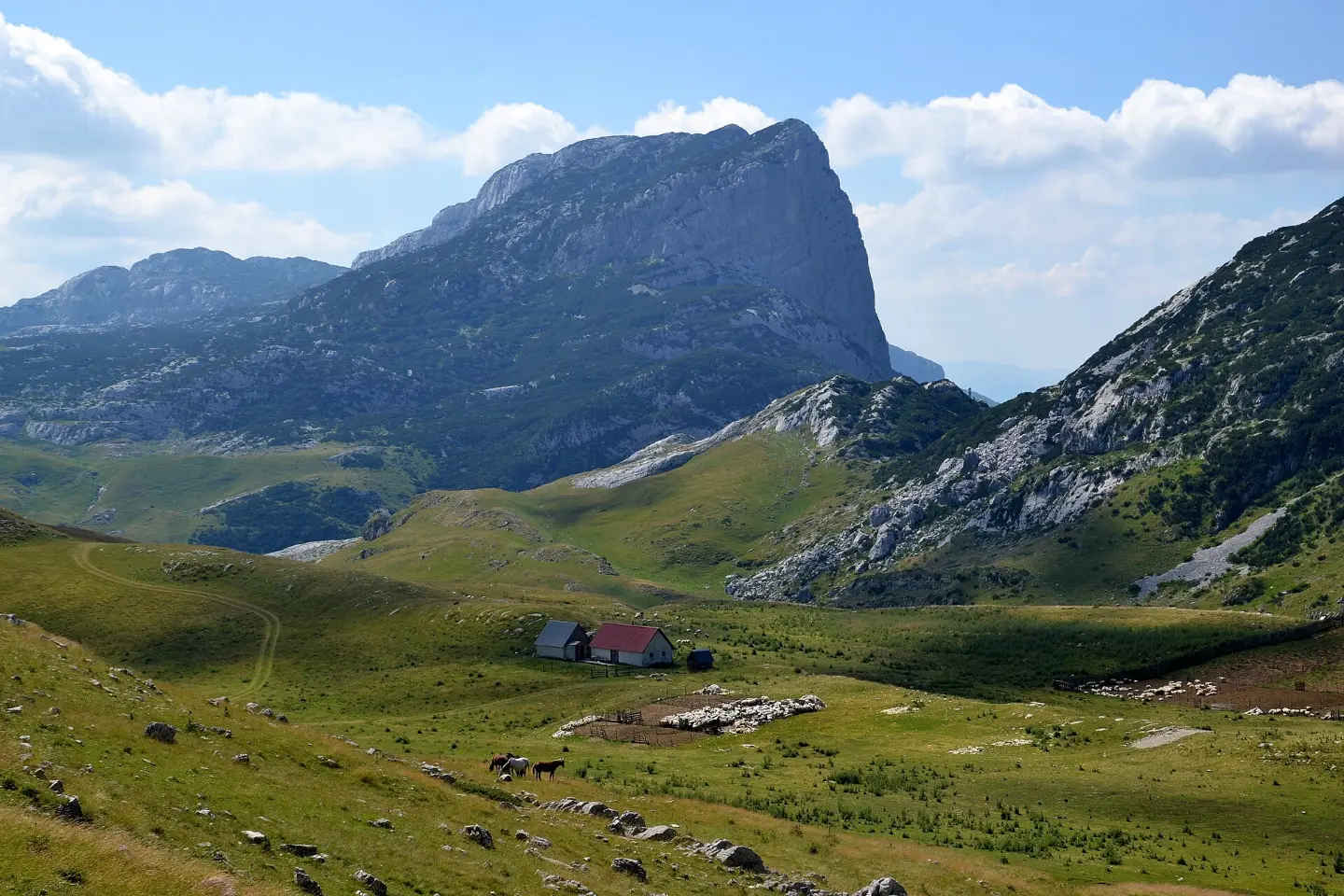
They are everyday food too. The Žabljak tourist board describes them as small, airy doughnuts traditionally served with honey, and the national tourist board lists priganice with honey or cheese among the foods of the katuns, the summer pastures. On the farm stays of Njeguši they are part of breakfast, next to the cheese and ham.
How they're made
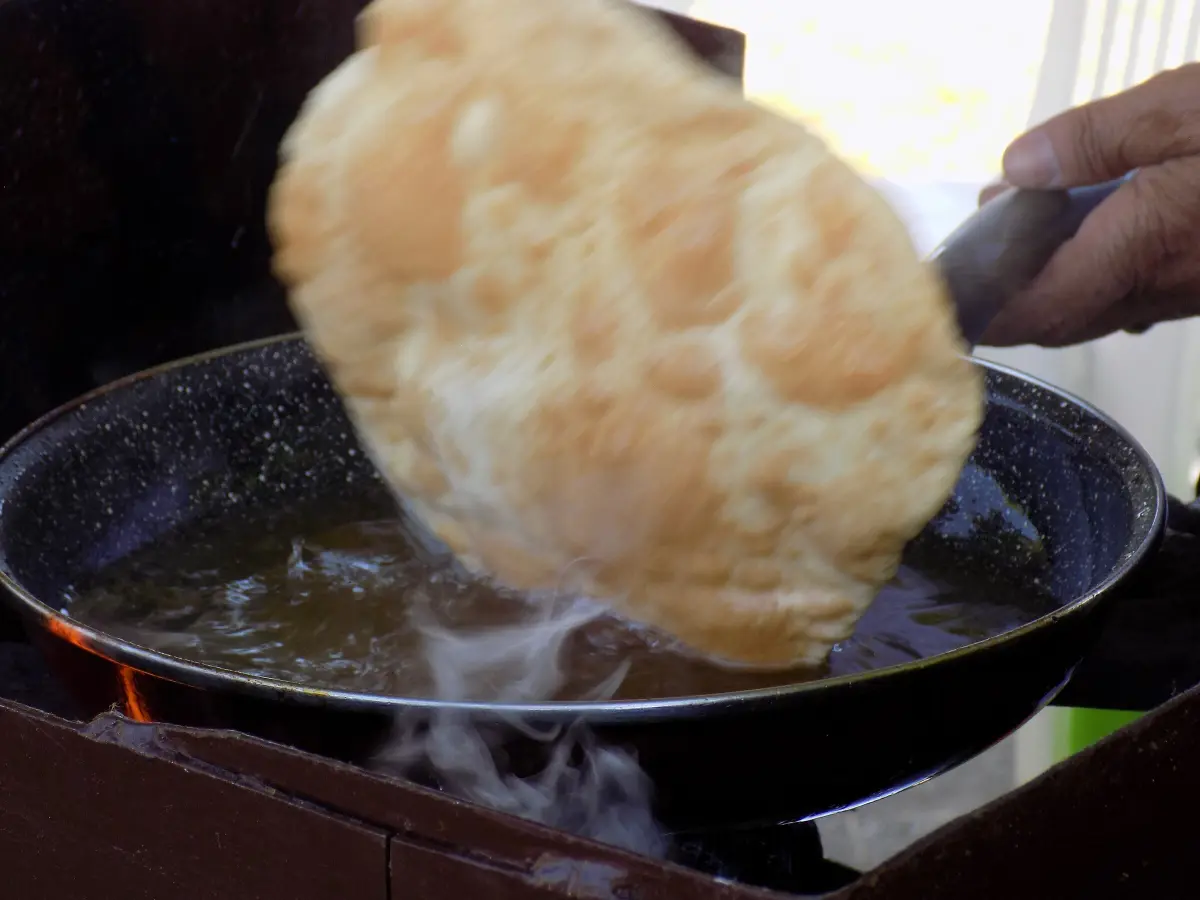
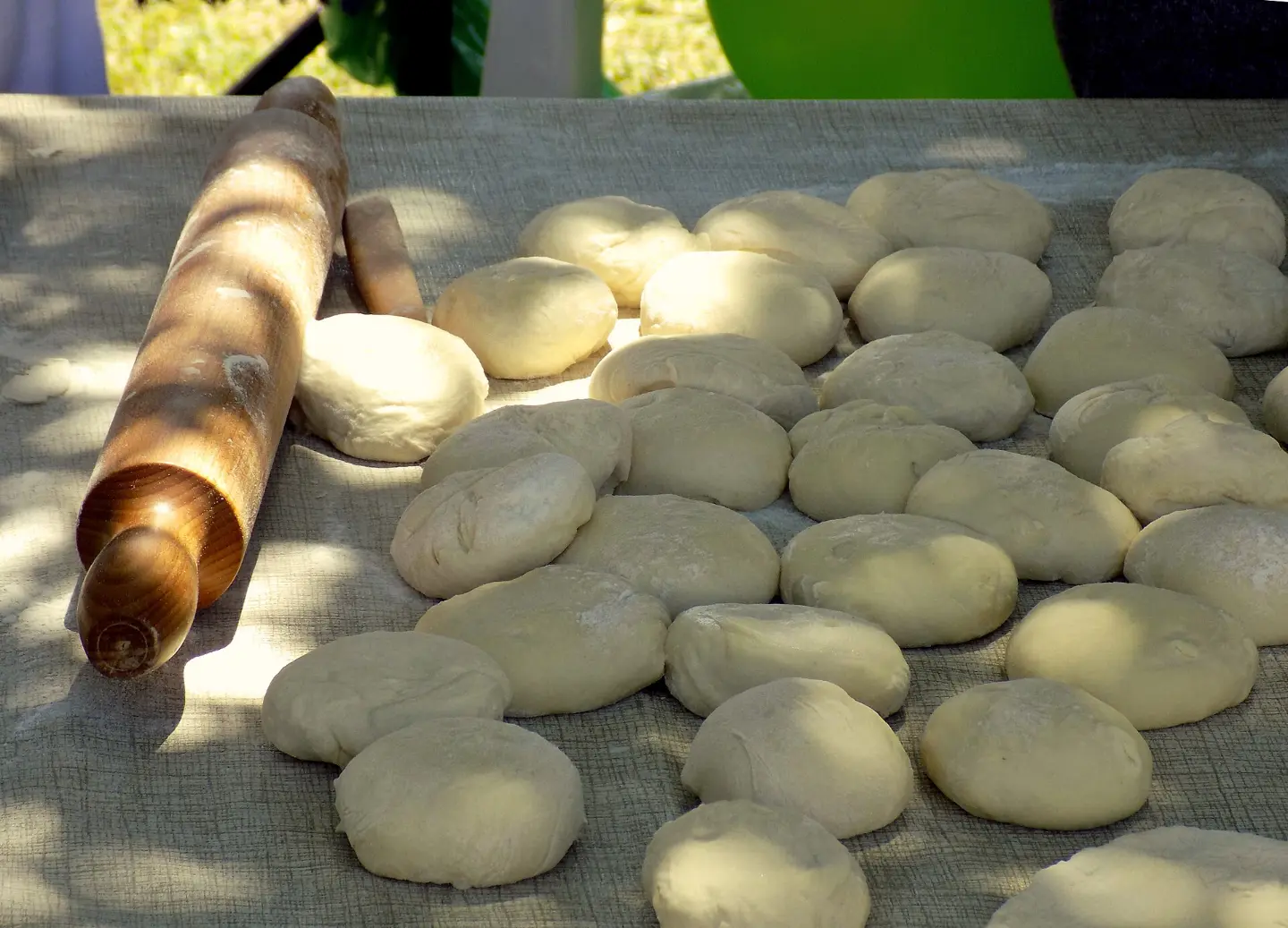
The dough is simple: flour, water, a little sugar and salt, and yeast. Montenegrin cooks add one more thing, a spoonful of rakija, so the priganice soak up less oil. The dough rests for about half an hour, is beaten until smooth and elastic, then dropped by the spoonful into deep, hot oil, where each spoonful puffs up into an irregular golden ball.
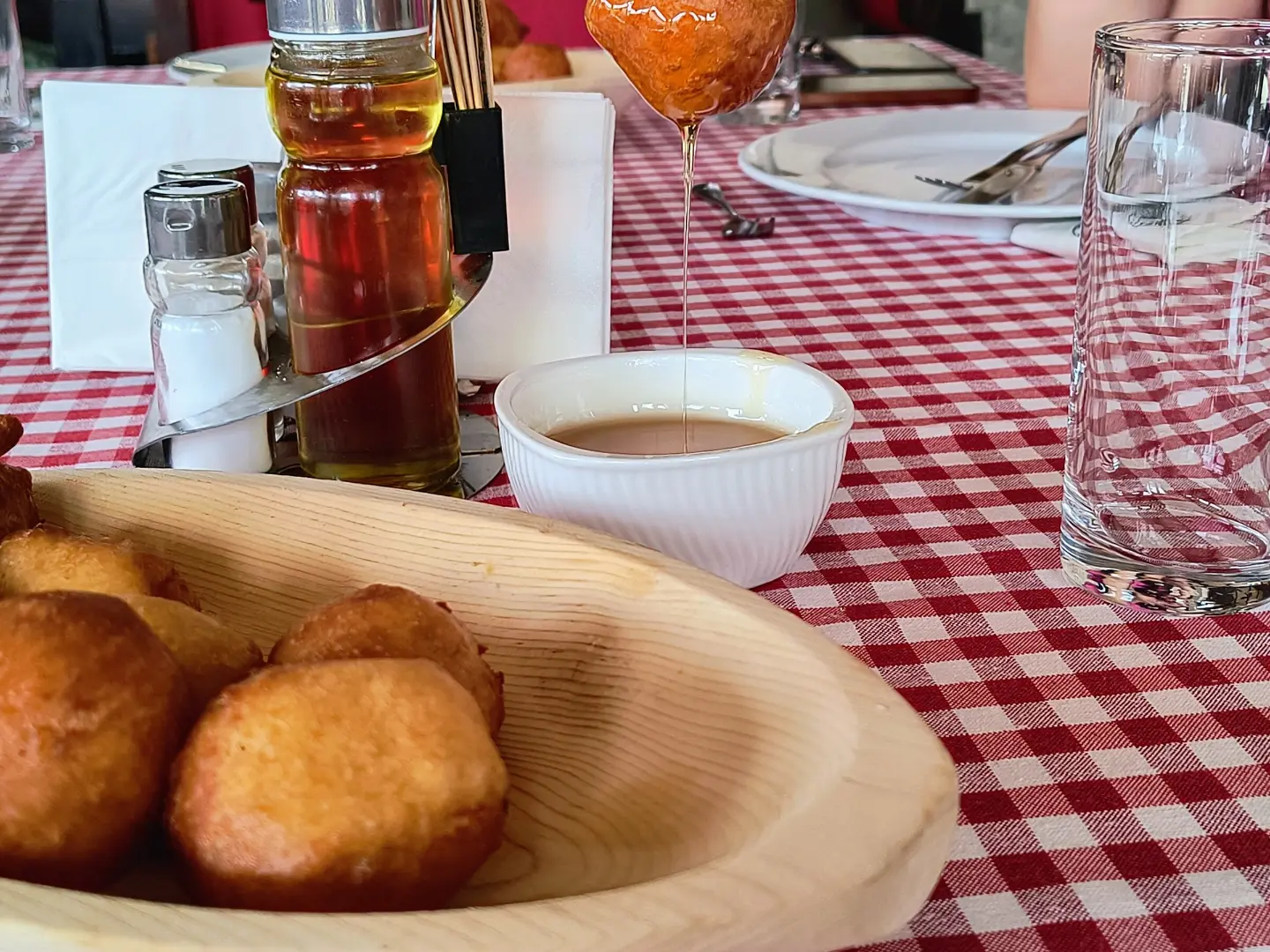
They are best eaten at once. Sweet, they come with honey, jam or sugar; savoury, with cheese, sour cream, kajmak, pršut, pickles or ajvar.
Fairs and festivals
Priganice have their own days. Every October, Zeta holds the Day of Zeta Cakes and Priganice, where women's associations compete with family recipes and hot priganice with honey and cheese are handed out free, with folklore and a concert. The venue and date are announced each year, so check them in the events calendar.
Did you know?
Montenegrin cooks put a spoonful of rakija into the dough for priganice. The alcohol helps the fritters soak up less oil, so they come out light rather than greasy.
The honey that goes with them
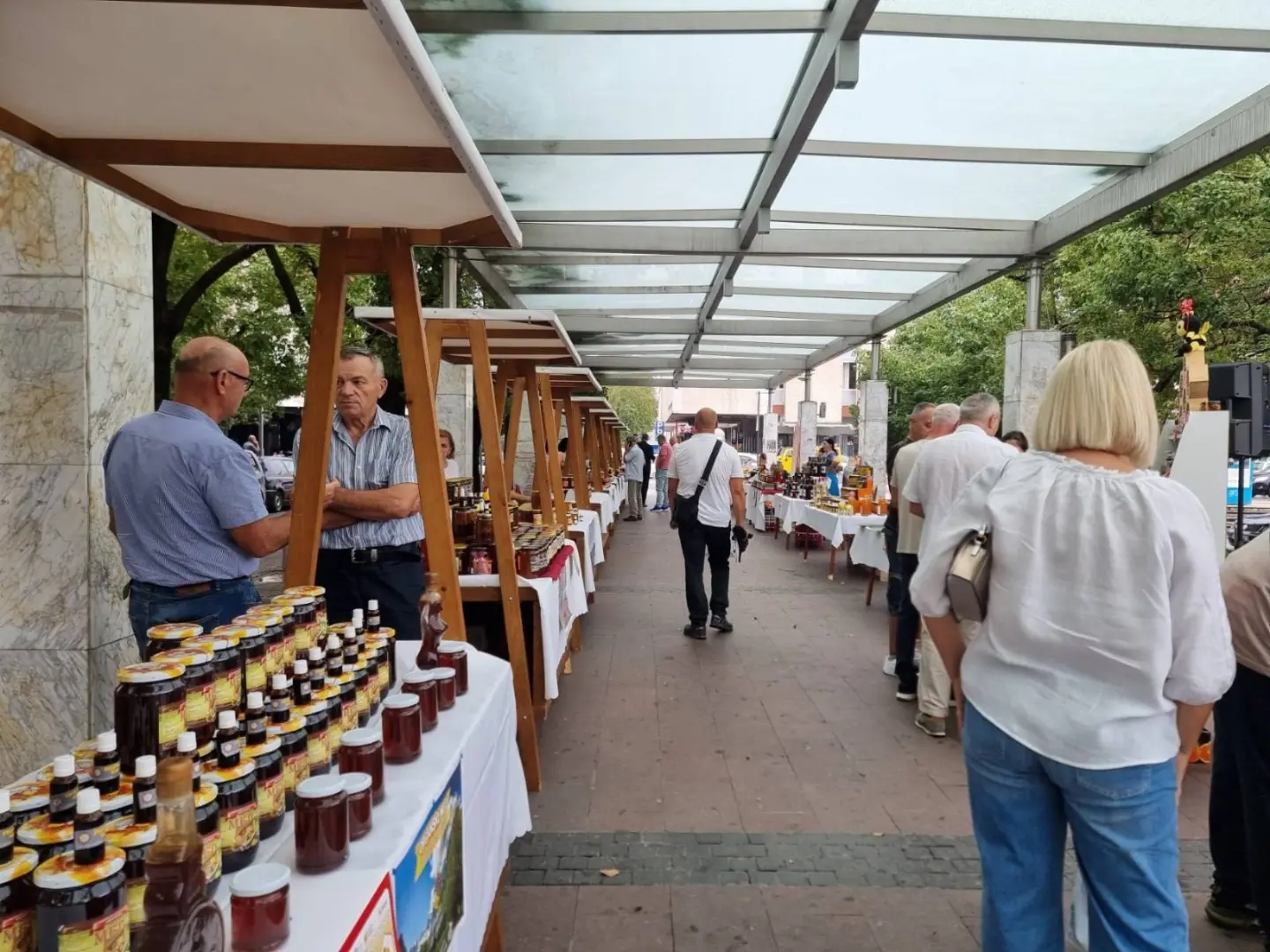
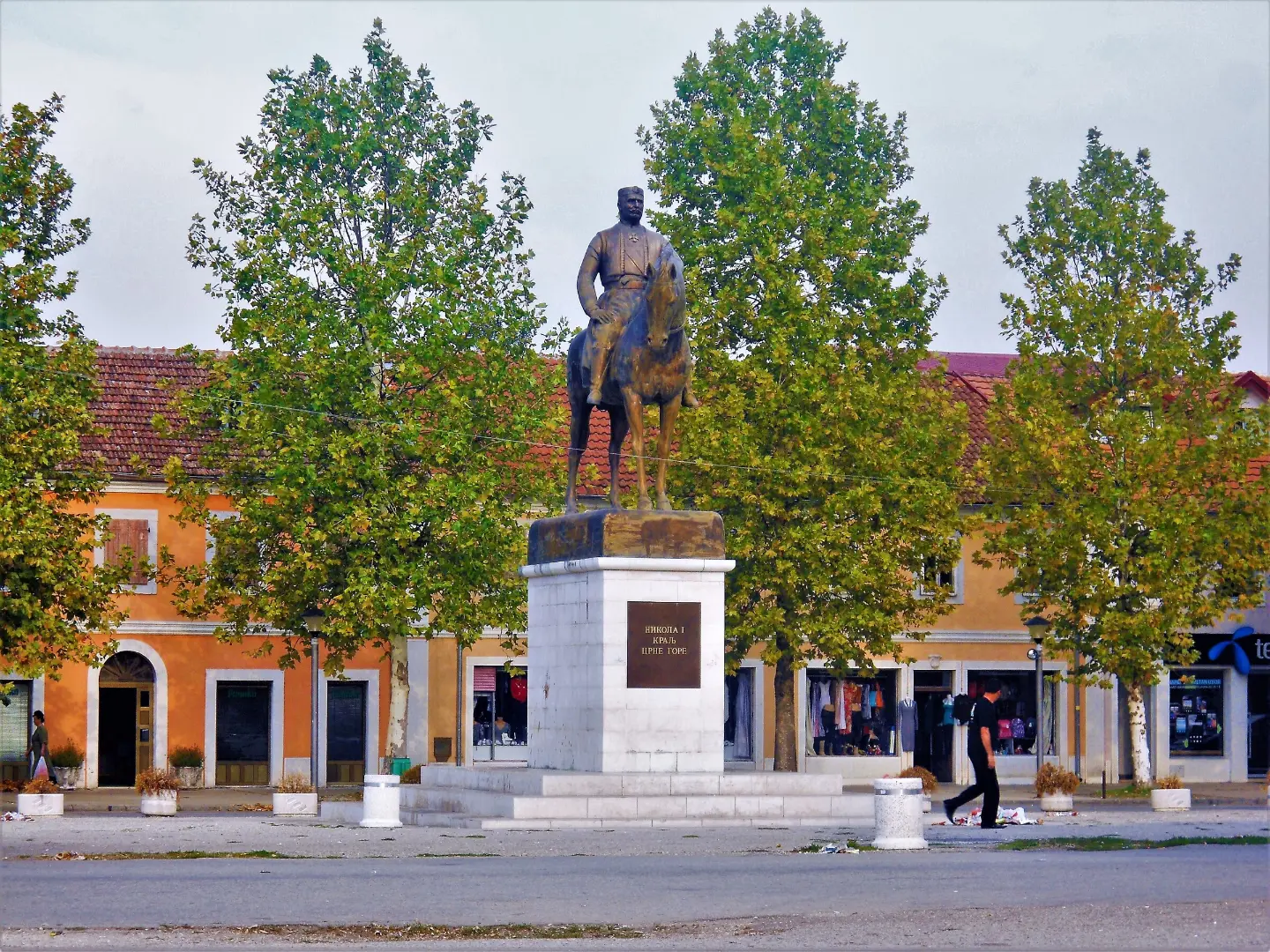
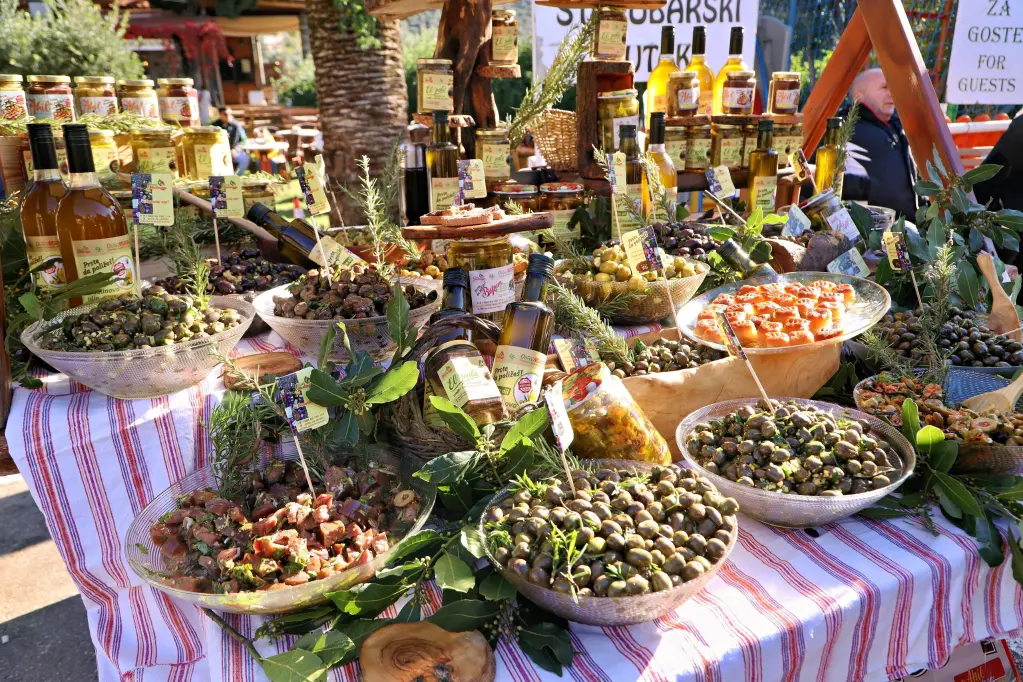
Montenegro's honey routes run through Cetinje, Kolašin, Mojkovac, Bijelo Polje and the Skadar lake area. Cetinje's linden-and-honey fair, Miris lipe i meda, has been held on the Balšića pazar square for more than twenty years, most recently in July. In autumn, Nikšić's Honey Days and the Podgorica beekeeping fair are the places to buy a jar straight from the beekeeper. Unlike cheese and meat, honey may travel home to the European Union in your luggage, up to two kilograms per person.