Travel to Montenegro
Kolašin Leaf Cheese: Montenegro's Paper-Thin Cheese

Eat & Drink

Kolašin Leaf Cheese: Montenegro's Paper-Thin Cheese

Lisnati sir, pressed in sheets so thin that locals compare them to cigarette papers

Kolašinski lisnati sir is a layered cow's-milk cheese from the villages around Kolašin and Mojkovac. How it's made, how it's eaten and where to find it.

At a glance

Origin
Kolašin and Mojkovac
Protected status
Designation of origin
Made from
Cow's milk
Keeps
15–20 days
Producers
100+ farms

2 min read

Kolašin leaf cheese, kolašinski lisnati sir, is the cheese of the valleys below Bjelasica and Sinjajevina. The curd is pressed into sheets so thin that locals nickname them kartika, cigarette papers, and it takes ten litres of milk or more to make a single kilo. Since 2019 its name has been protected, and it is still made on family farms that you can visit.

A cheese made in sheets

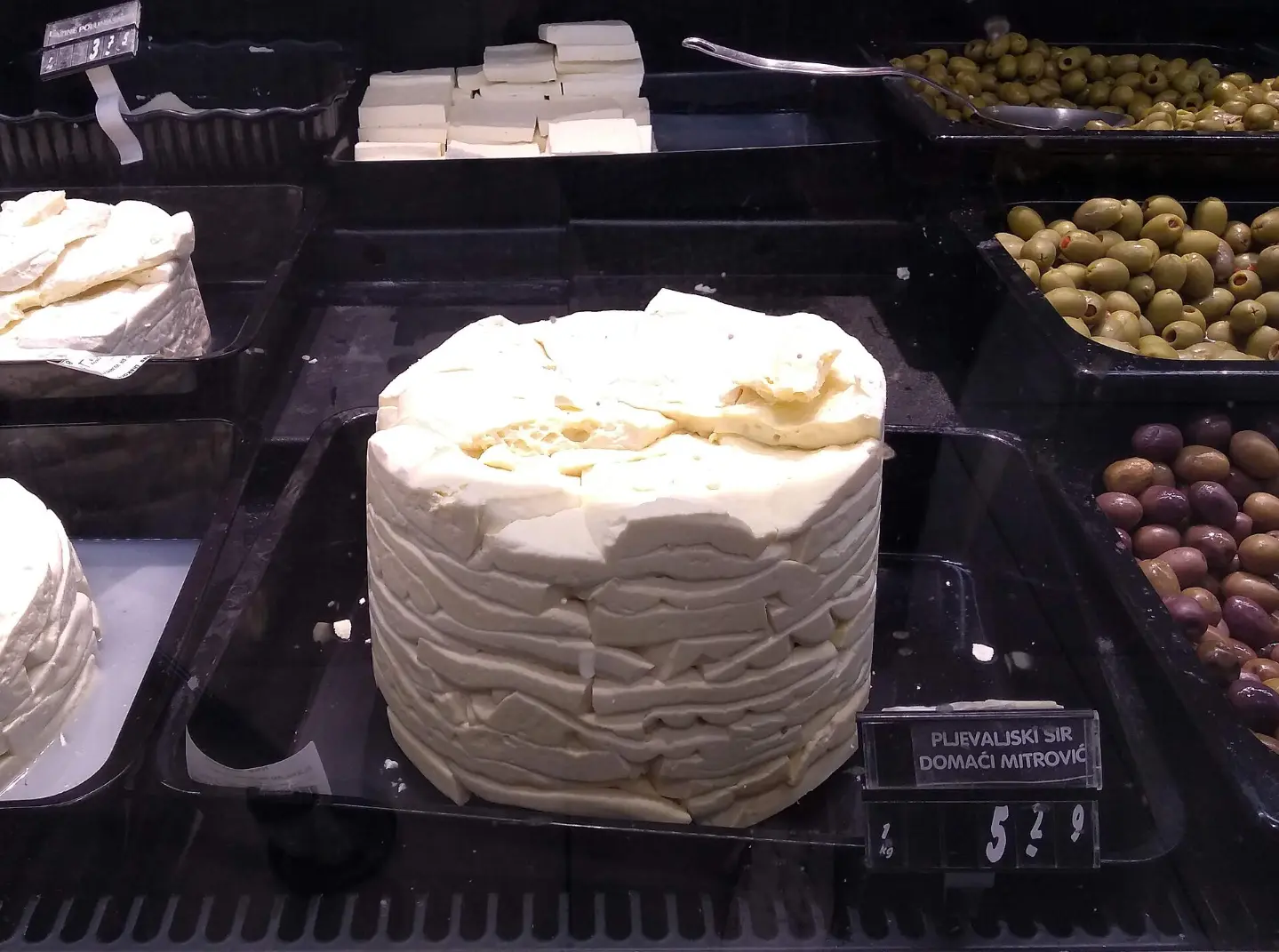
Lisnati means 'in sheets' or 'leafy', and that is the whole idea. Cut a piece of Kolašin cheese and it falls apart in thin, soft layers, so thin that people here call them kartika, after the paper used to roll cigarettes. Around Kolašin the cheese also goes by a local nickname, listać.

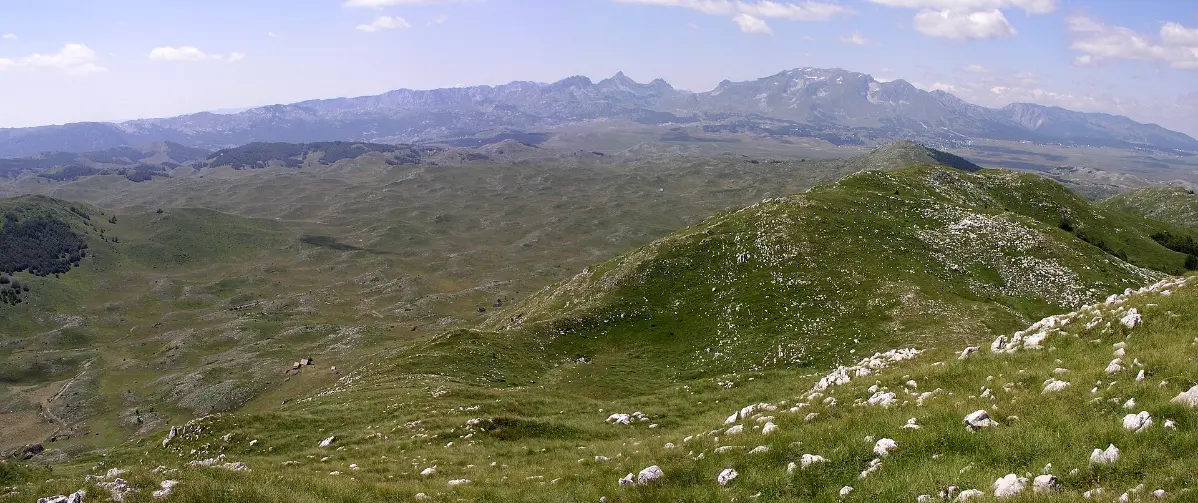
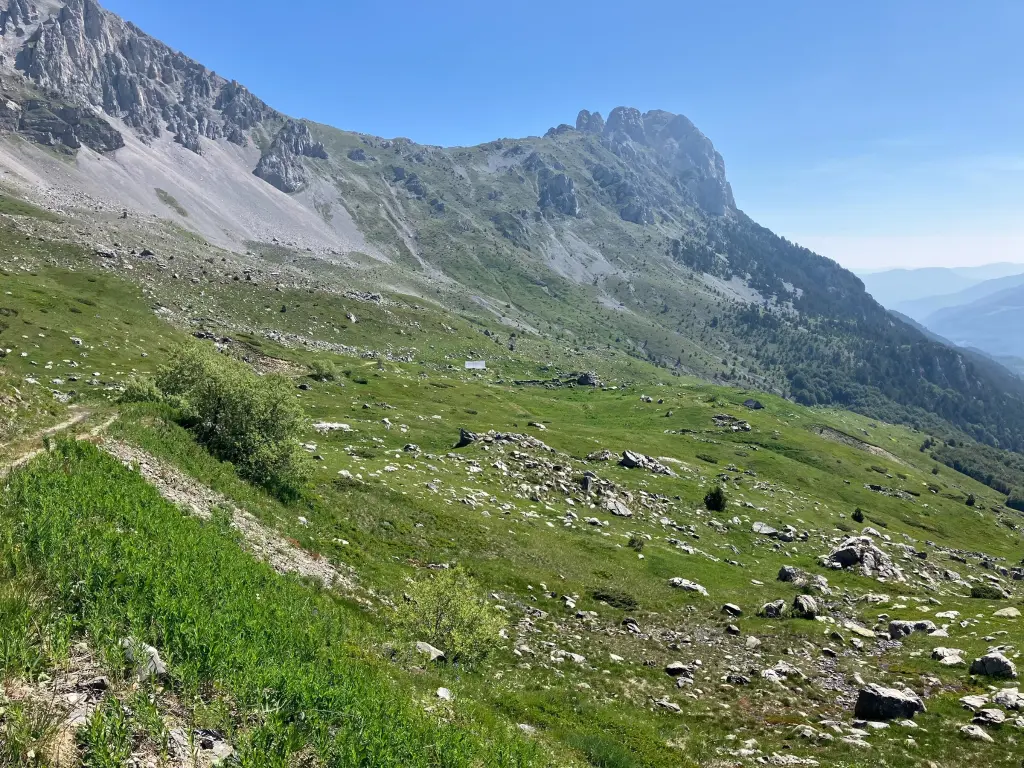
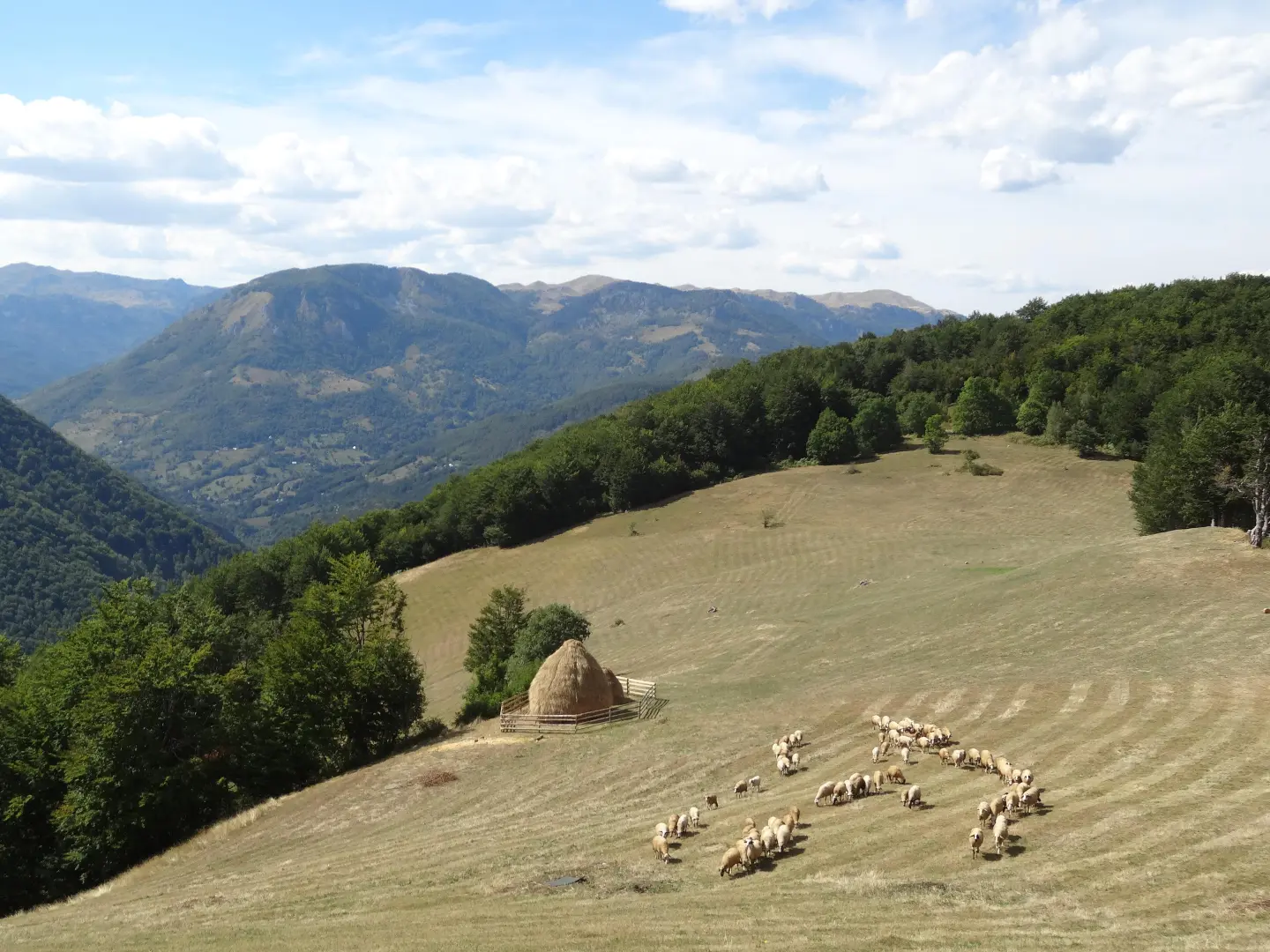
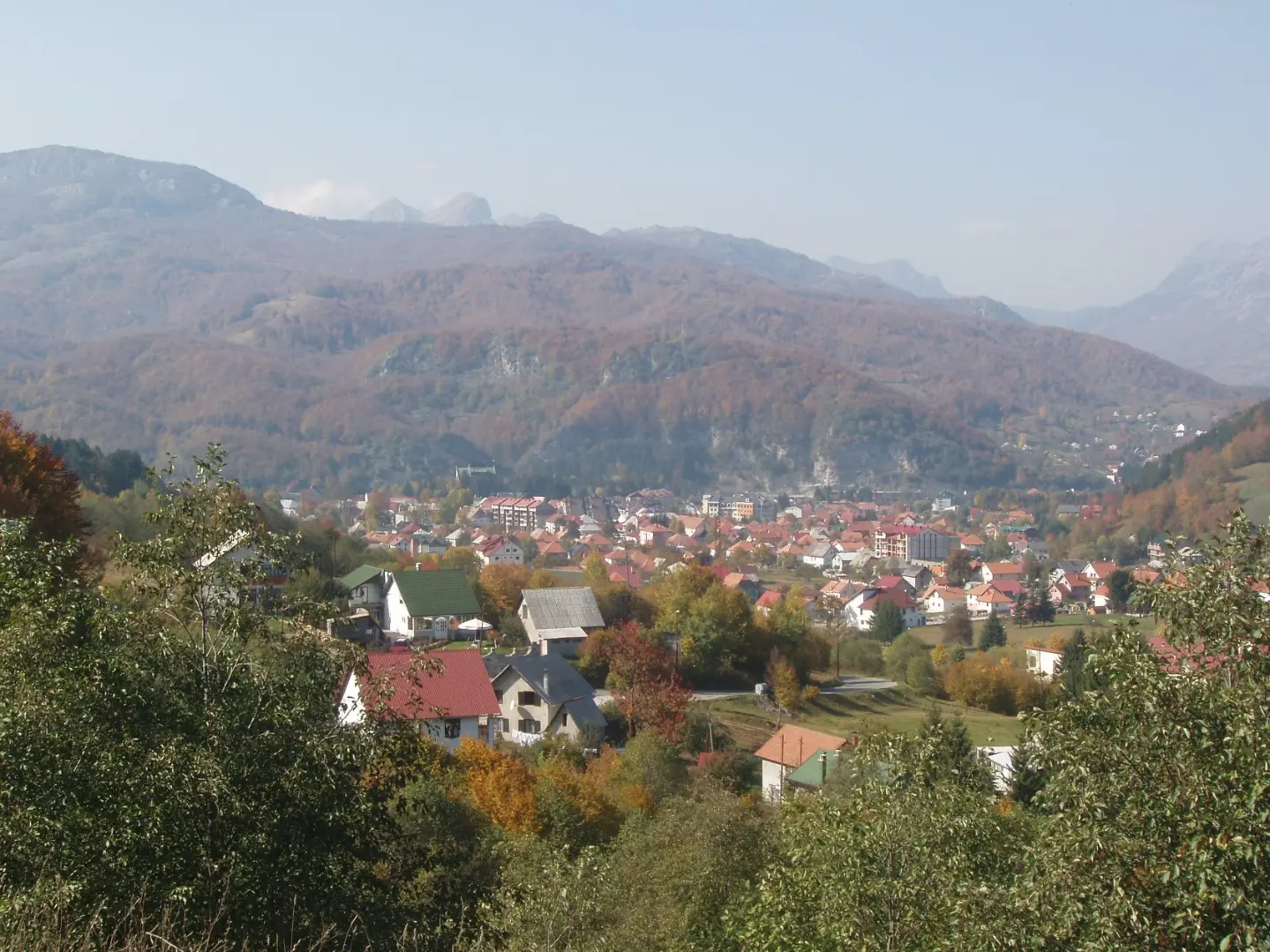
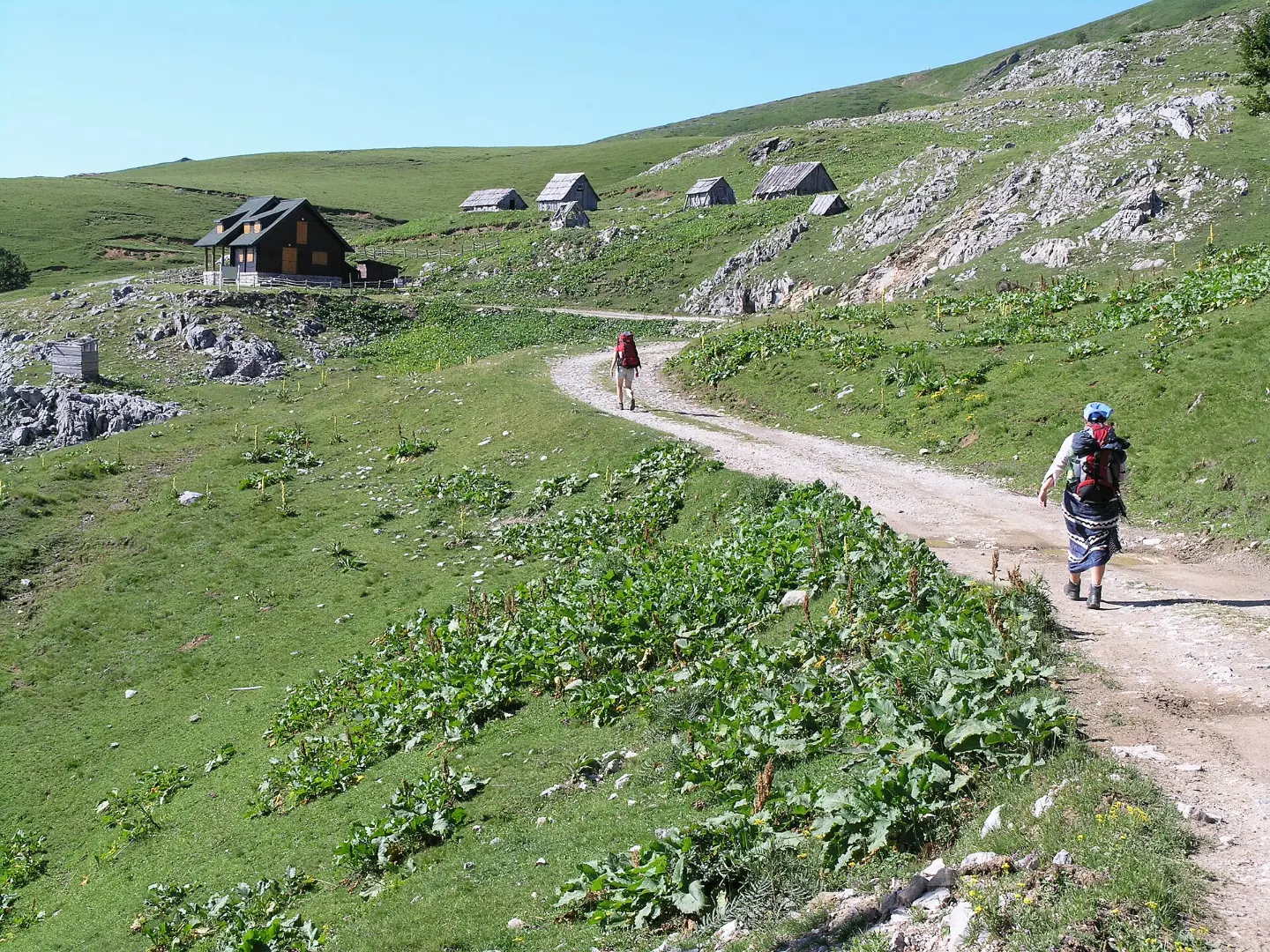
It is the cheese of the valleys between the Tara canyon, the Morača, Bjelasica and Sinjajevina. The national tourist board's cheese route runs through the villages that still make it: Trebaljevo, Gornji Pažanj, Blatina, Lipovo, Drijenak, Šljivovice, Štitarica, Podbišće and Tomaševo, and the katuns on the slopes of Sinjajevina. Locals will tell you it can only be made here, because of the climate and the grass.
Kolašin Leaf Cheese: Montenegro's Paper-Thin Cheese

How it's made

The method, as recorded by Slow Food, starts with an earlier milking: milk is skimmed and left to sour, then mixed half and half with fresh raw milk and a little water, warmed to 38–42 °C and set with rennet. The curd is cut into four and pressed flat on wooden boards under a stone, which is what builds the thin layers.

It is a thirsty cheese to make. Slow Food puts it at about ten litres of milk per kilo; a Lipovo family filmed by the national broadcaster RTCG in 2017 counted twelve. Because the milk is partly skimmed, the cheese is fairly lean, and it keeps for only 15 to 20 days. This is a fresh cheese, eaten within weeks of making.

A protected name

In May 2019 Kolašinski lisnati sir became the seventh Montenegrin food with a protected designation of origin. The application came from the Kolašin leaf cheese producers' association, and the protected area covers 17 local communities in the municipalities of Kolašin and Mojkovac. At the time more than a hundred farms were producing it, with about 2,000 tonnes sold a year.
Kolašin Leaf Cheese: Montenegro's Paper-Thin Cheese

How to eat it, and where

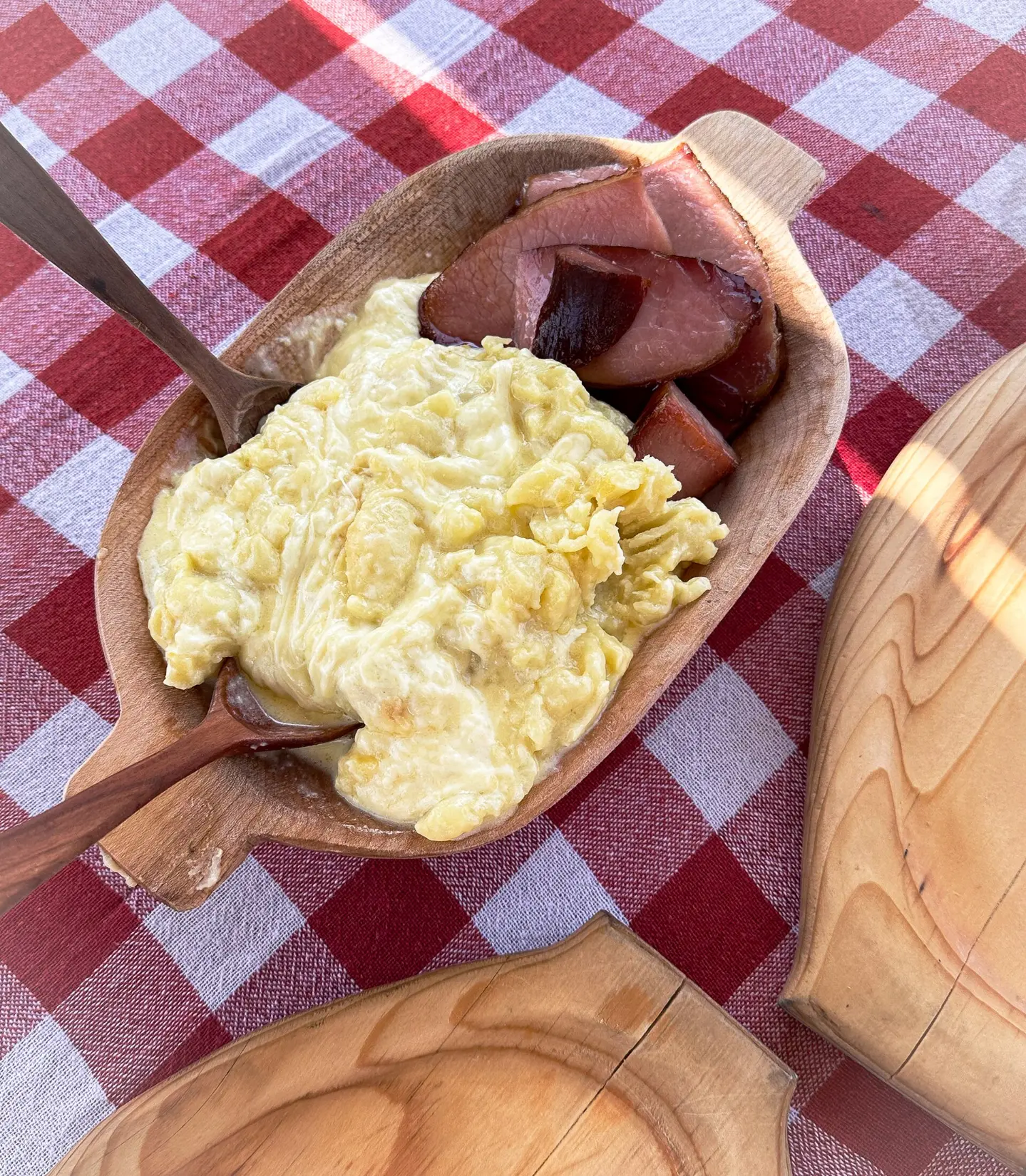
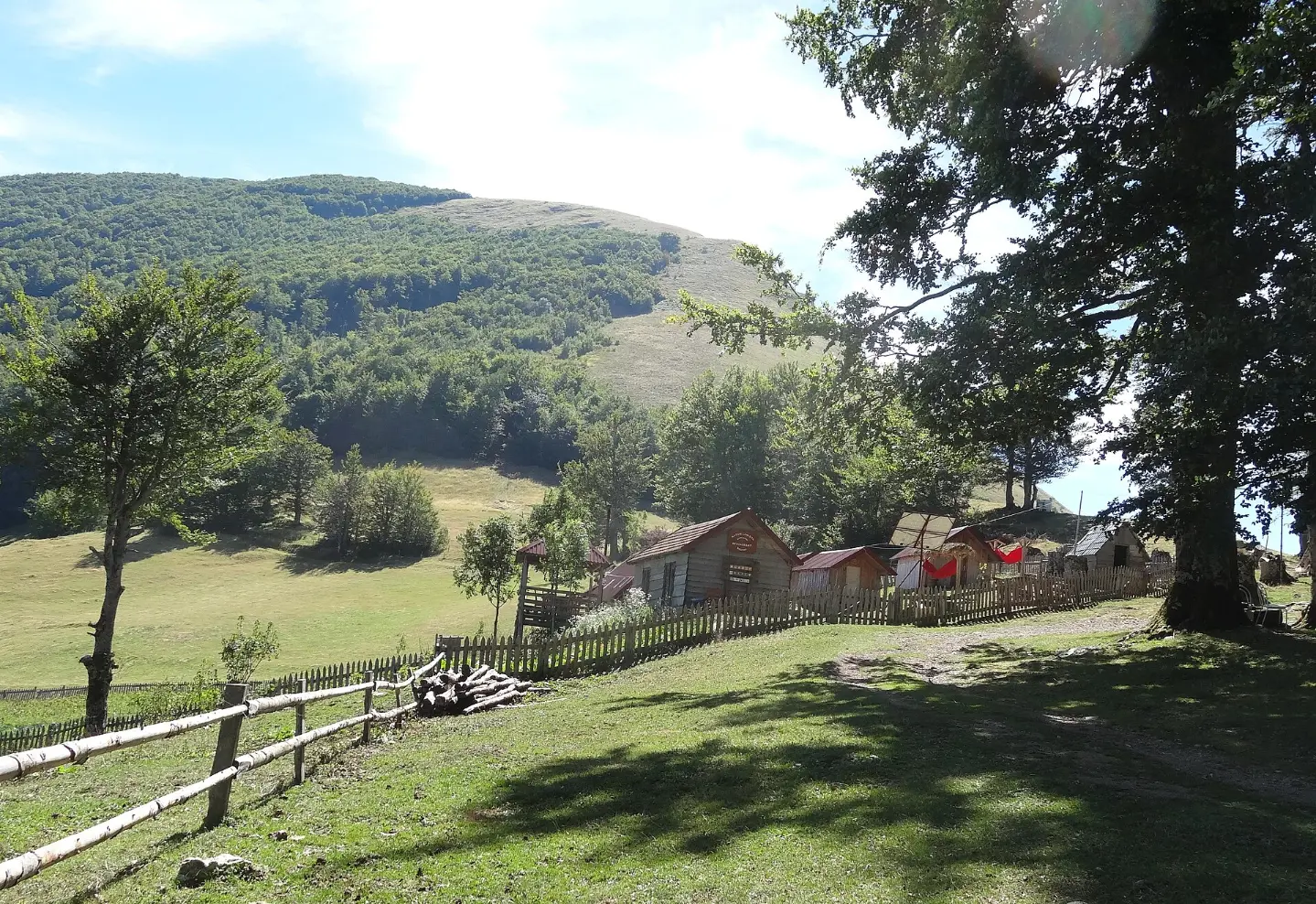
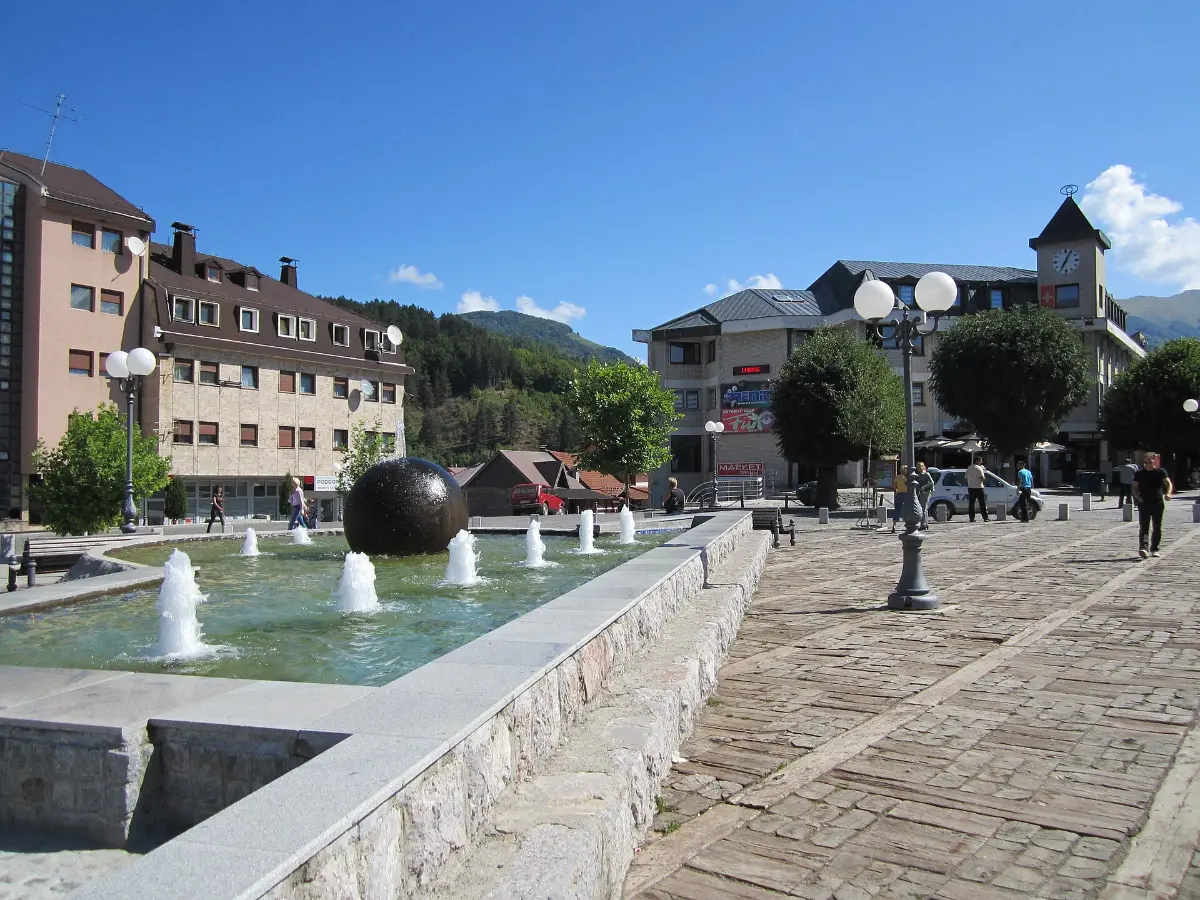
At home it is eaten fresh with bread, and it goes into the mountain dishes: kačamak, cicvara and popara. In Kolašin, Restoran Troglava, listed by the town's tourist board, puts it at the top of its specialities alongside kačamak and cicvara. For the real thing, go to the villages: in Gornje Lipovo, 12 km from Kolašin, a family dairy farm offers cheese tastings and lets guests help with the milking, and on Sinjajevina, Katun Potrk serves its own cheese and kajmak in summer.
Kolašin Leaf Cheese: Montenegro's Paper-Thin Cheese

Signatures

Signatures of the tradition

Kartika

The thin sheets of curd that give the cheese its name. Locals compare them to cigarette papers.

10–12 litres per kilo

Soured skimmed milk mixed with fresh raw milk, warmed and set with rennet, then pressed under a stone on wooden boards.

Kačamak and cicvara

Besides being eaten fresh with bread, leaf cheese goes into the cornmeal dishes of the north, kačamak and cicvara, and into popara.

Read more

Where to go

Where to experience it

Restoran Troglava, Kolašin

Restaurant

Restoran Troglava, Kolašin

Kolašin

Listed by the Kolašin tourist board for authentic Montenegrin cooking, with Kolašin leaf cheese first among its specialities, alongside Njeguški pršut, homemade pies, cicvara and kačamak.

Katun Potrk, Sinjajevina

Katun (mountain pasture)

Katun Potrk, Sinjajevina

Sinjajevina (Kolašin)

The Bojić family's summer katun serves its own cheese and kajmak with kačamak, cicvara and lamb under the sač, and runs cooking classes. Open 1 July – 31 August only.

Slow Food Fair, Bijelo Polje

Bijelo Polje, September

More than thirty Slow Food producers from the Western Balkans, many of them cheesemakers from the northern mountains, sell on Bijelo Polje's square for two days each September.

Customs

Customs and good to know

Eat it fresh

Leaf cheese keeps only two to three weeks. Buy it for the next few days, not to store.

Not for EU luggage

Travellers entering the EU from a non-EU country may not bring cheese or other dairy products in their luggage.

Call the farm first

Family dairies are working farms. Message or phone a few days ahead, and ask when they are milking if you want to watch.

Look for the protected name

Only cheese made in the protected area of Kolašin and Mojkovac by the traditional method may be sold as Kolašinski lisnati sir.

FAQ

Frequently asked questions

A cow's-milk cheese from the Kolašin and Mojkovac area, pressed on wooden boards into very thin layers. Its name, kolašinski lisnati sir, means Kolašin cheese in sheets.
Yes. Since 2019 it has been a protected designation of origin under Montenegrin law, the seventh Montenegrin food to be protected.
Only about 15 to 20 days, because it is made from partly skimmed milk. It is a fresh cheese.
Fresh with bread, or in mountain dishes such as kačamak, cicvara and popara.
On farms in the villages around Kolašin, such as Gornje Lipovo, at katuns on Sinjajevina in summer, and in Kolašin restaurants such as Troglava.

Travel Assistant

Ask about Montenegro

Welcome!

Ask me about destinations, restaurants or activities.