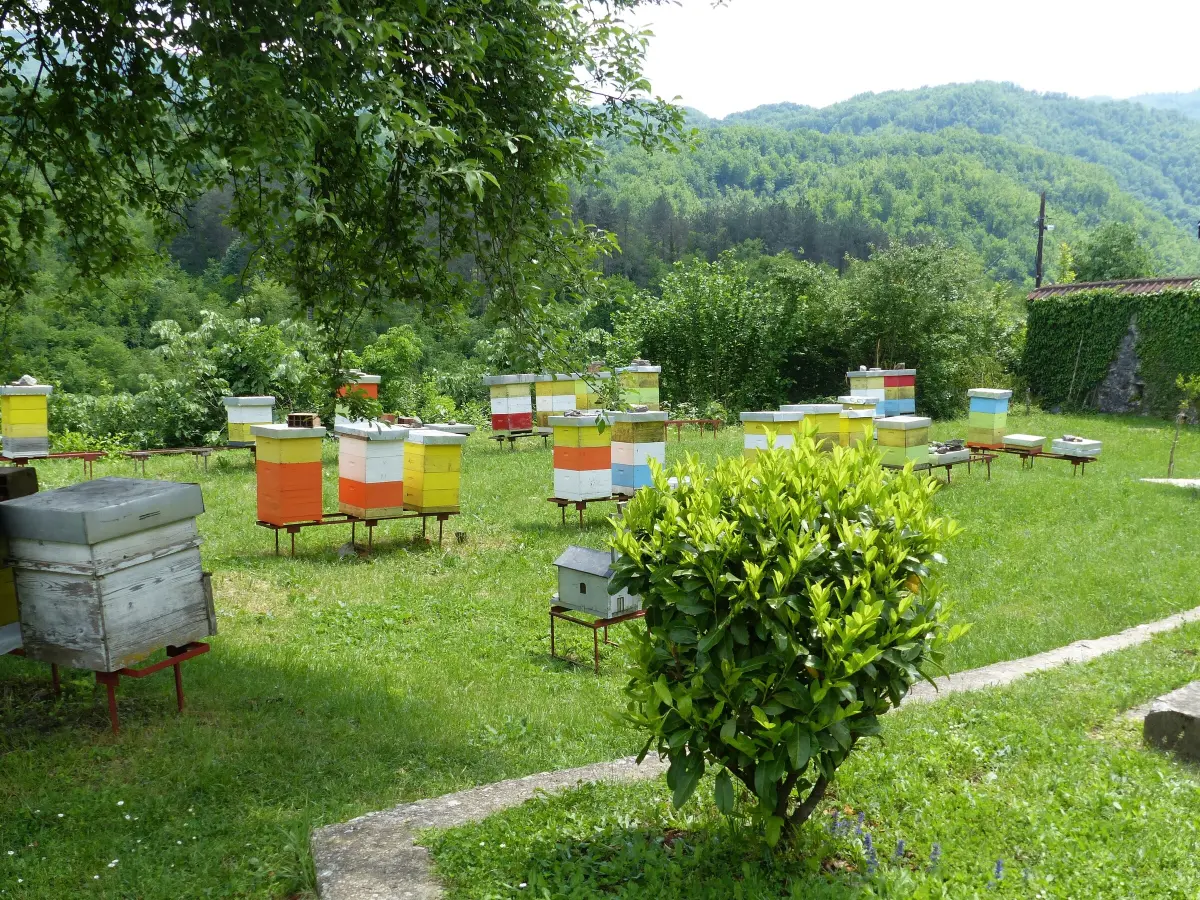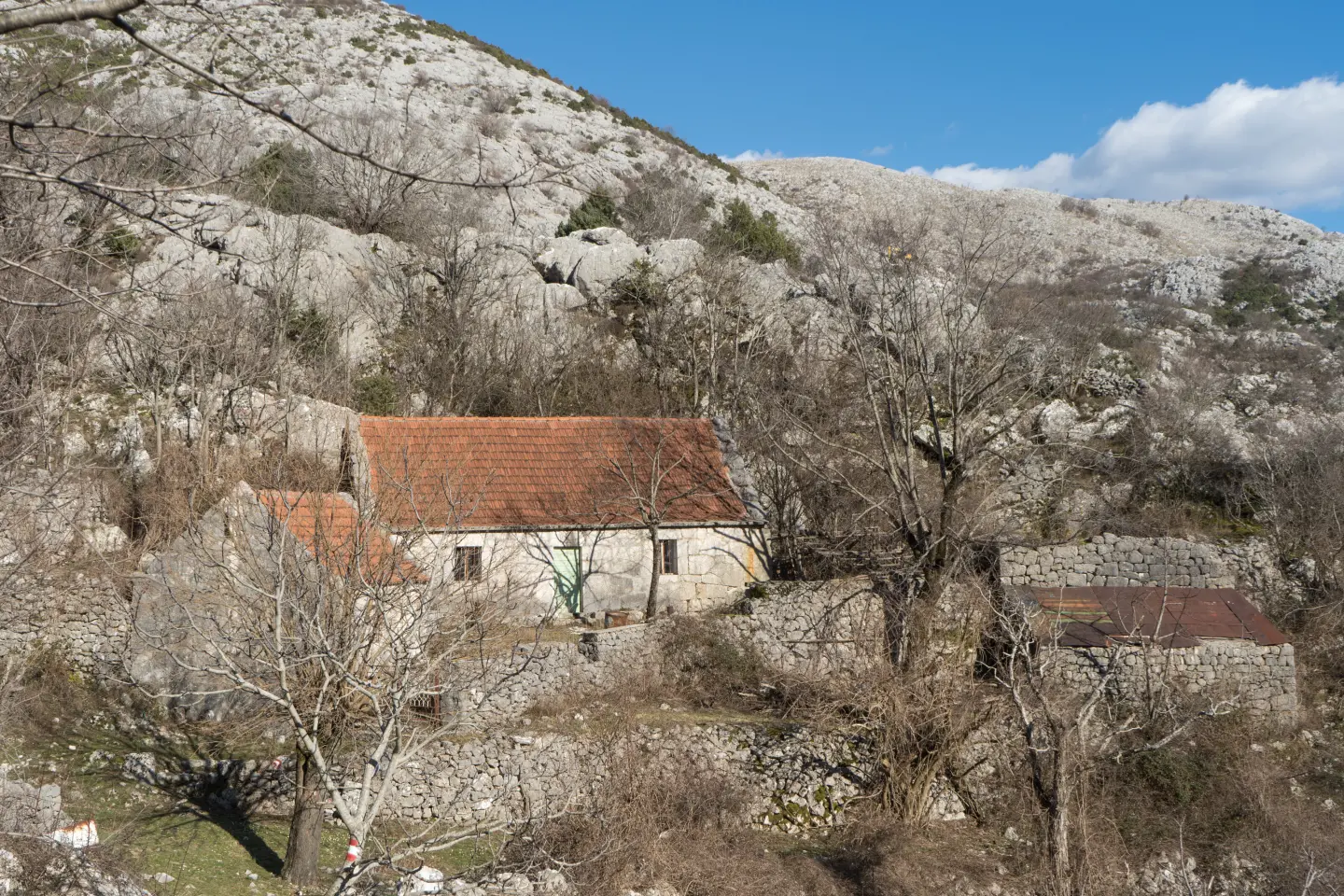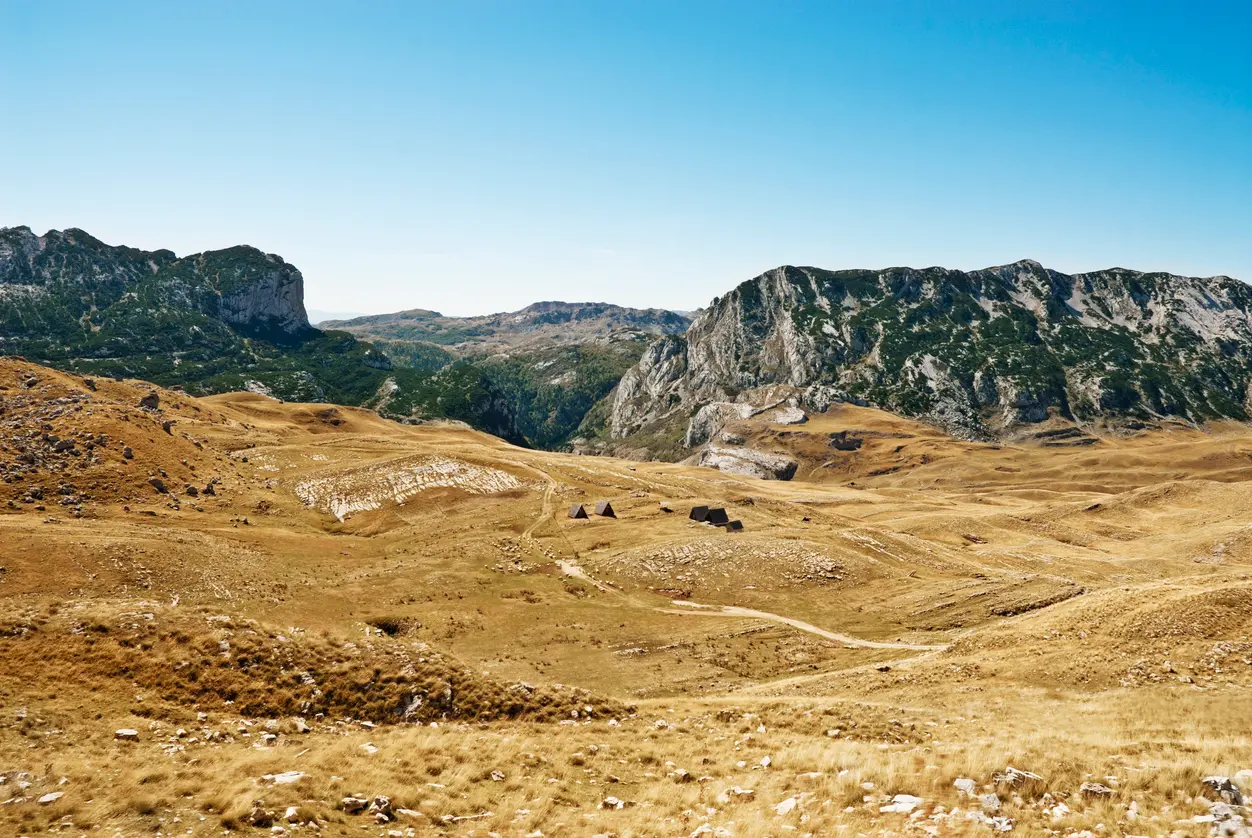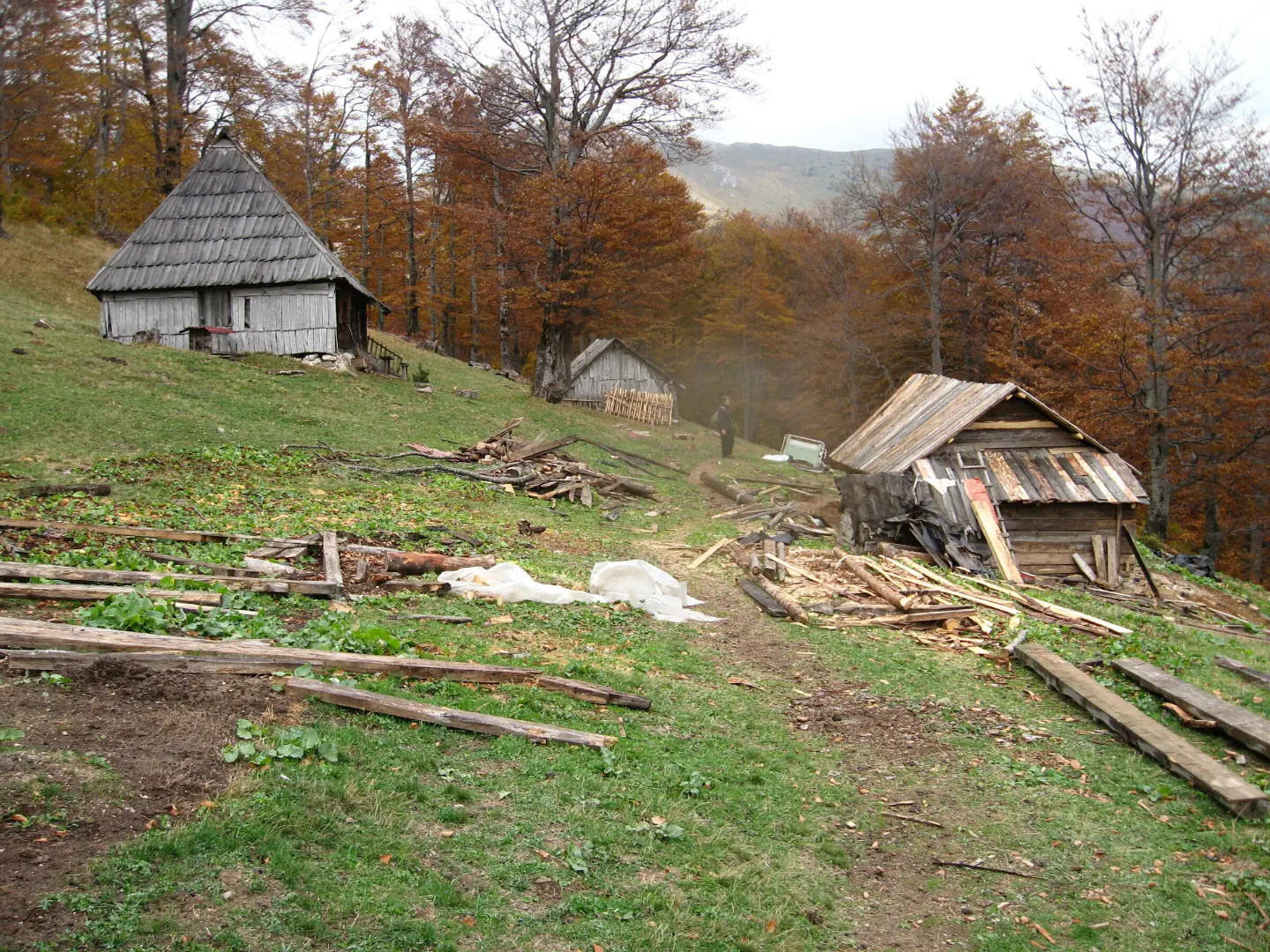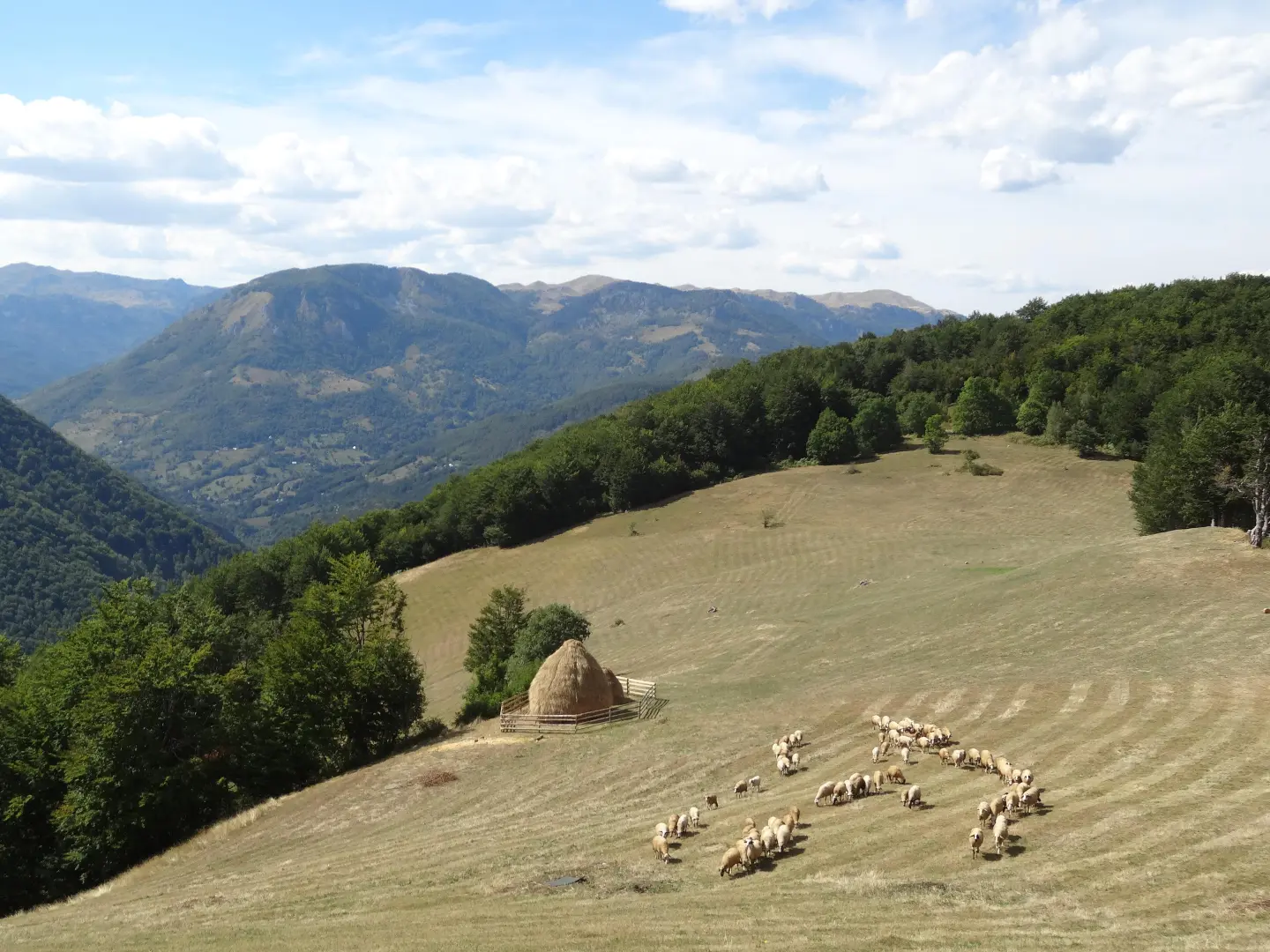
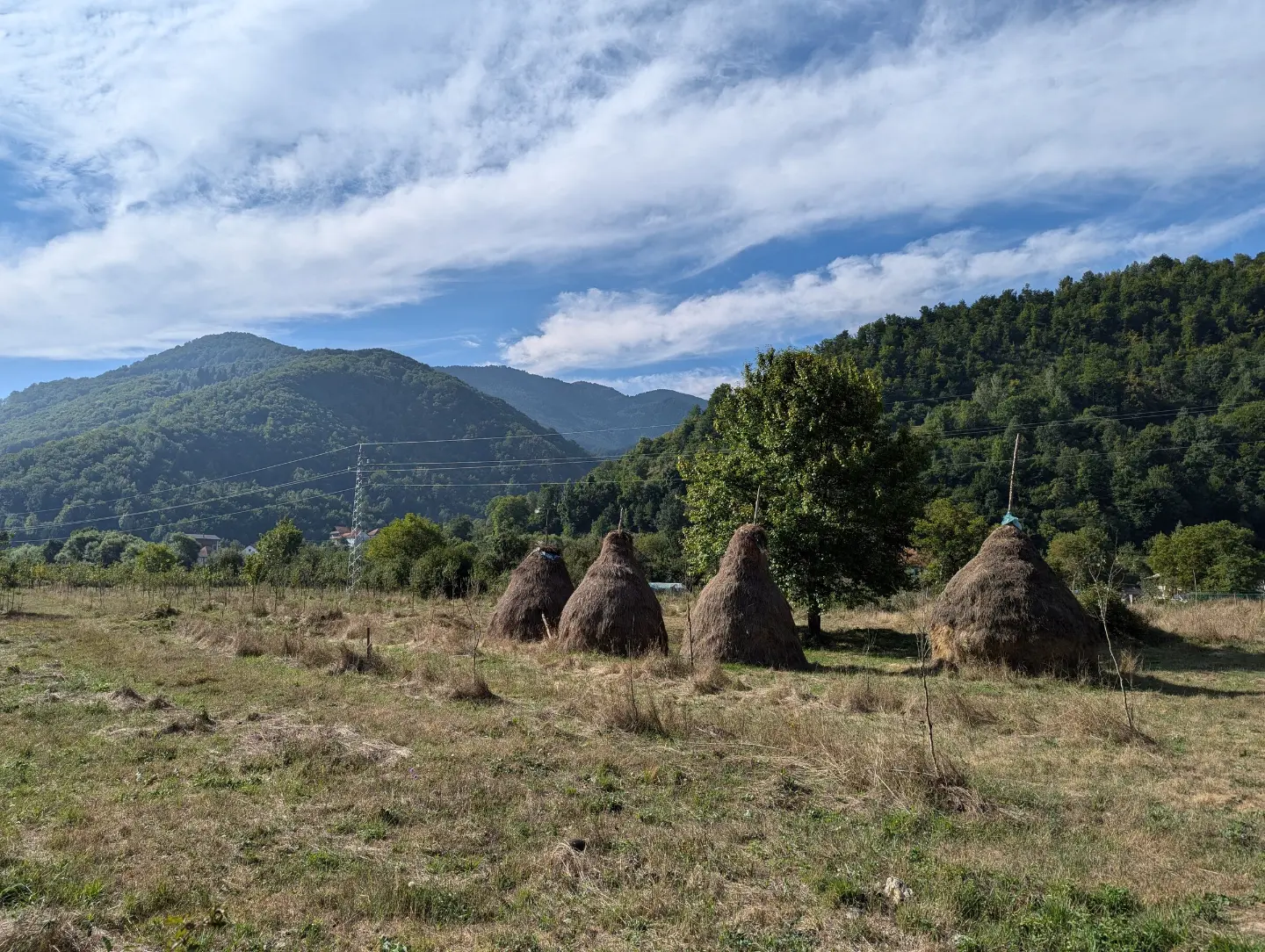
A rural household (seosko domaćinstvo) is a family farm that takes guests: it serves food and drink mostly from its own production and offers beds in the house, on a katun or in a camp. You find them from Njeguši and the wine villages around Lake Skadar to the katuns of Bjelasica, Komovi and Prokletije. Guests pick fruit, make hay, milk and make cheese, or simply eat what was picked that morning.
Rural households take guests in the farmhouse, on a katun or in a small camp and serve food they produce themselves. Where to find them, how to book and what to expect.
What a rural household is
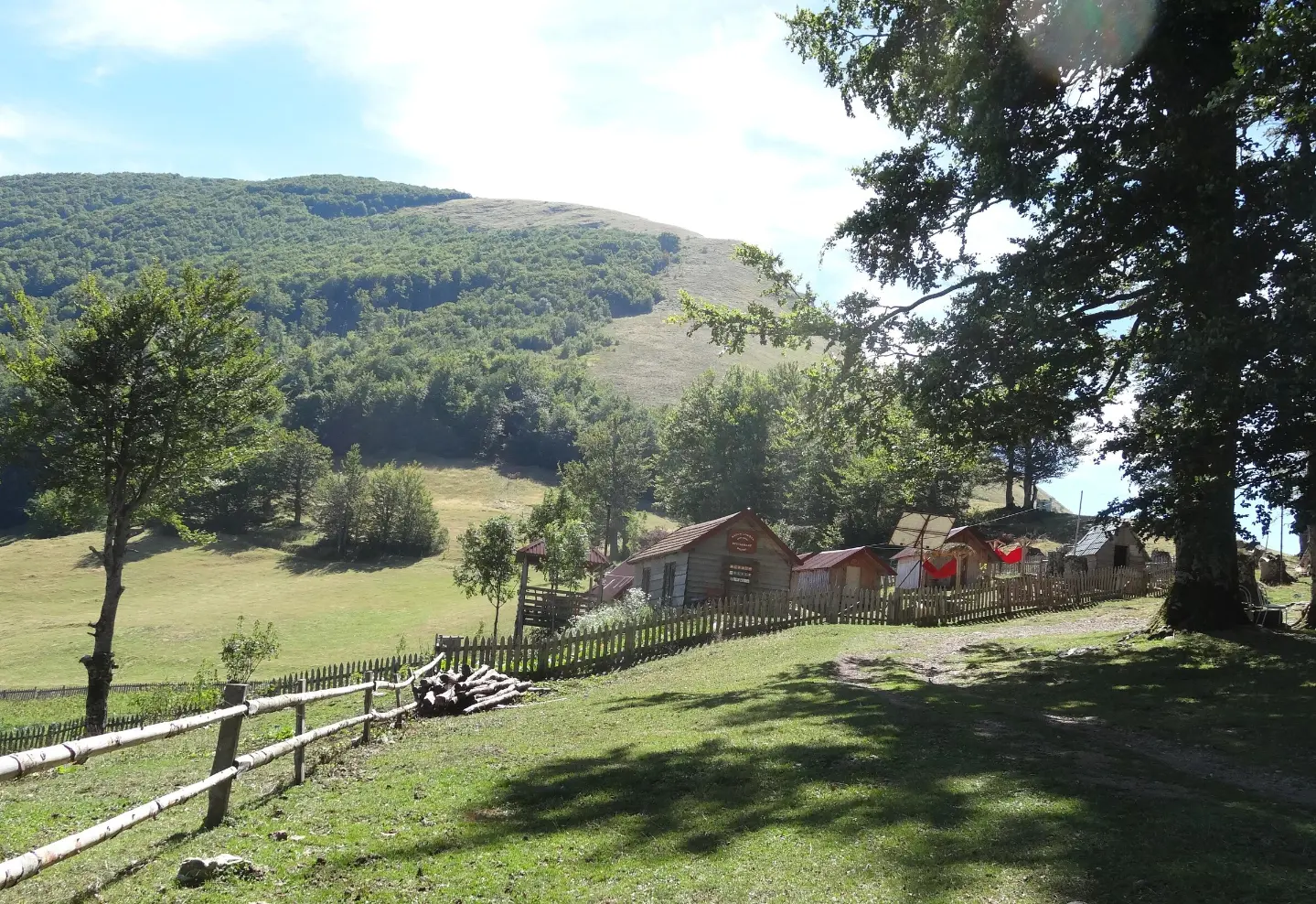
Under Montenegrin rules a rural household is a farm in the countryside that serves guests food, drink and tastings mostly from its own production and offers beds in a room, an apartment, a katun hut or a camp. The approval comes from the Ministry of Tourism, and the host must first be entered in the register of agricultural holdings. A household may have at most 10 units with 20 beds, and a camp of up to 15 pitches. Categories run from one to three stars, and the entrance carries a sign made of local natural material reading "seosko domaćinstvo". A new tourism law now being prepared also introduces the term agritourism.
Coast, central valleys and mountains
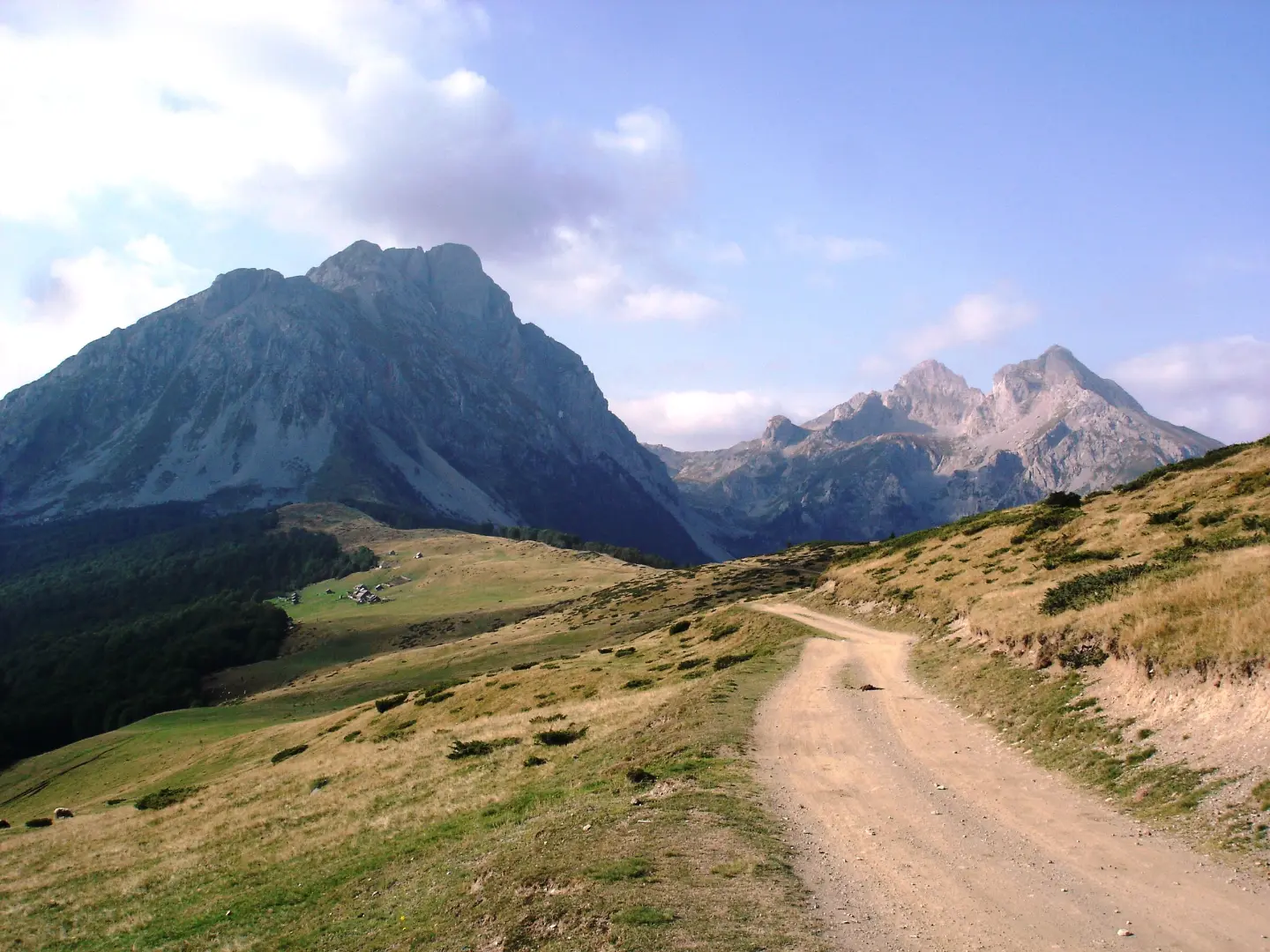
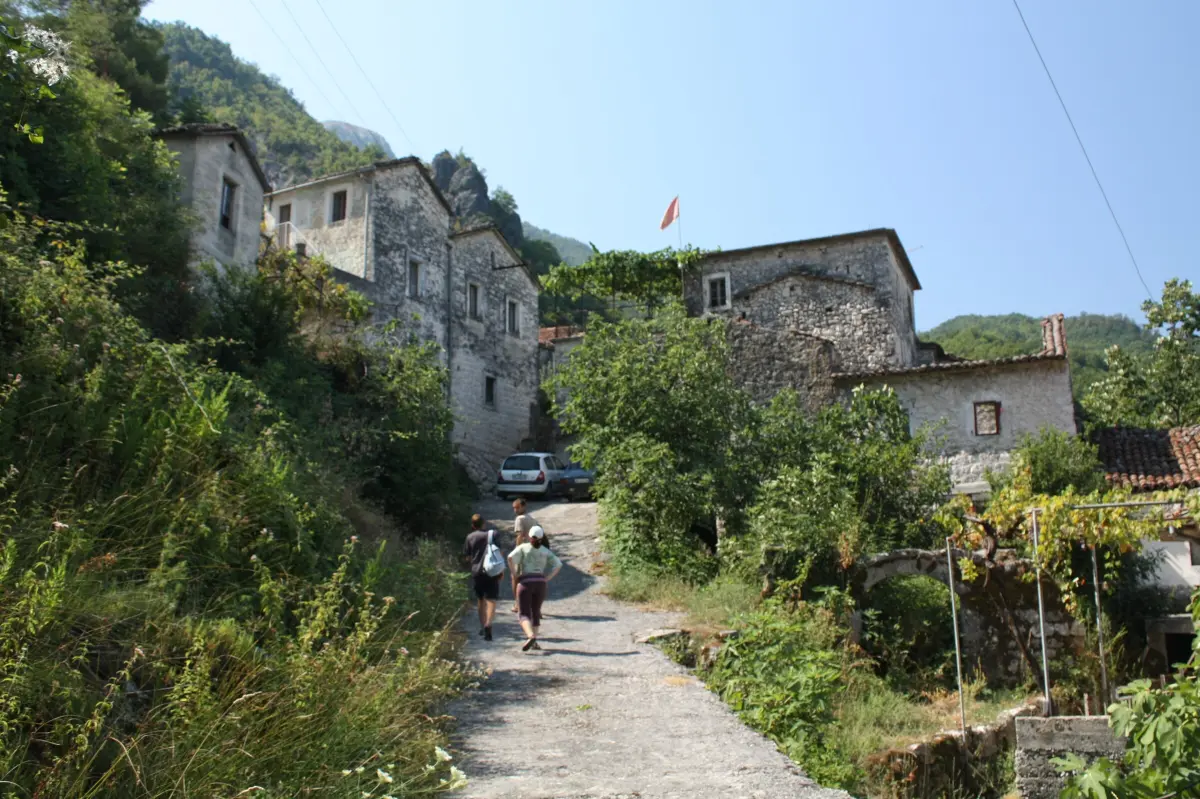
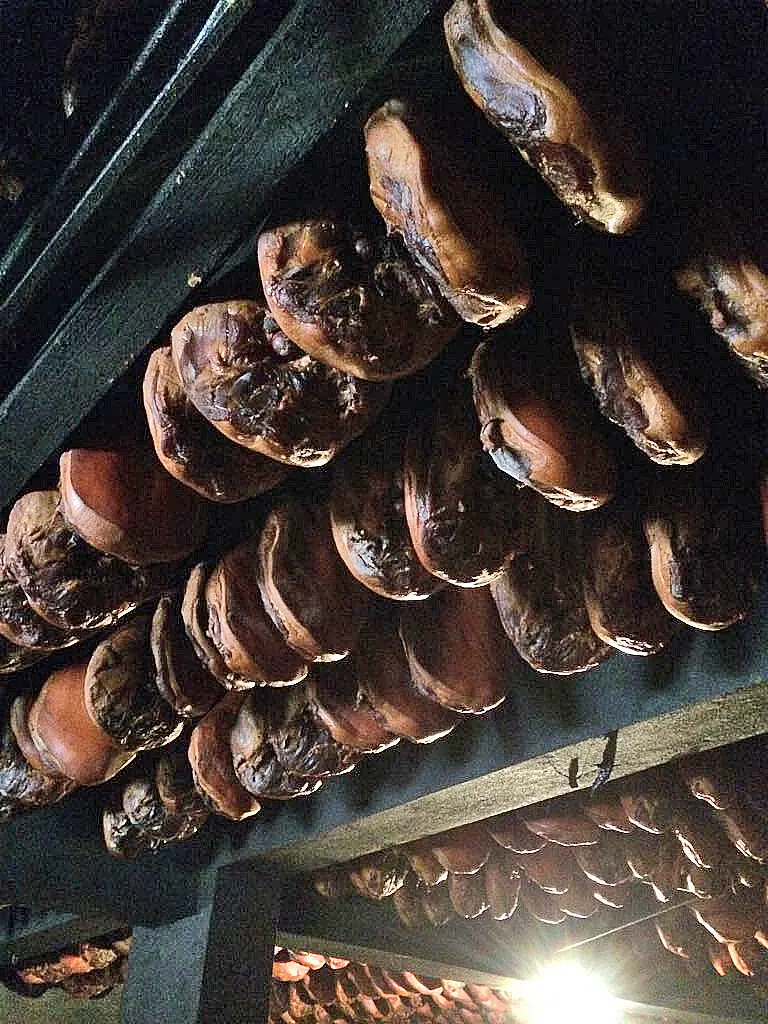
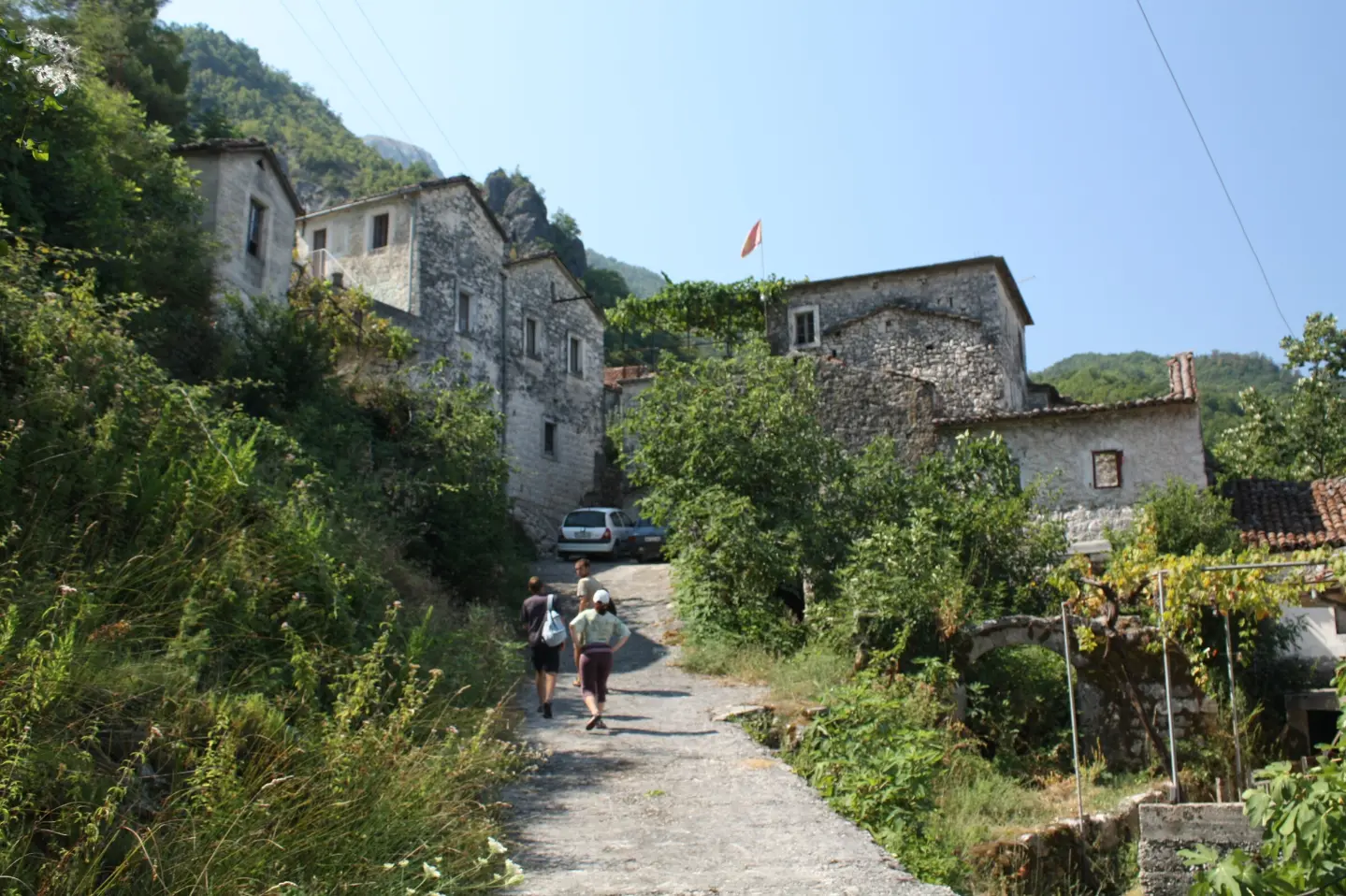
The National Tourism Organisation splits rural tourism into three areas. In the south and around Cetinje there are Njeguši below Lovćen, known for its pršut and cheese, Grbalj above Kotor, and the stone villages around Lake Skadar: Godinje, Rijeka Crnojevića and Crmnica, home of the vranac grape. The centre has villages around Danilovgrad and Nikšić. The north has Durmitor, Pljevlja and the Bjelasica, Komovi and Prokletije mountains, where many households also spend the summer on the katuns.
What you do and eat
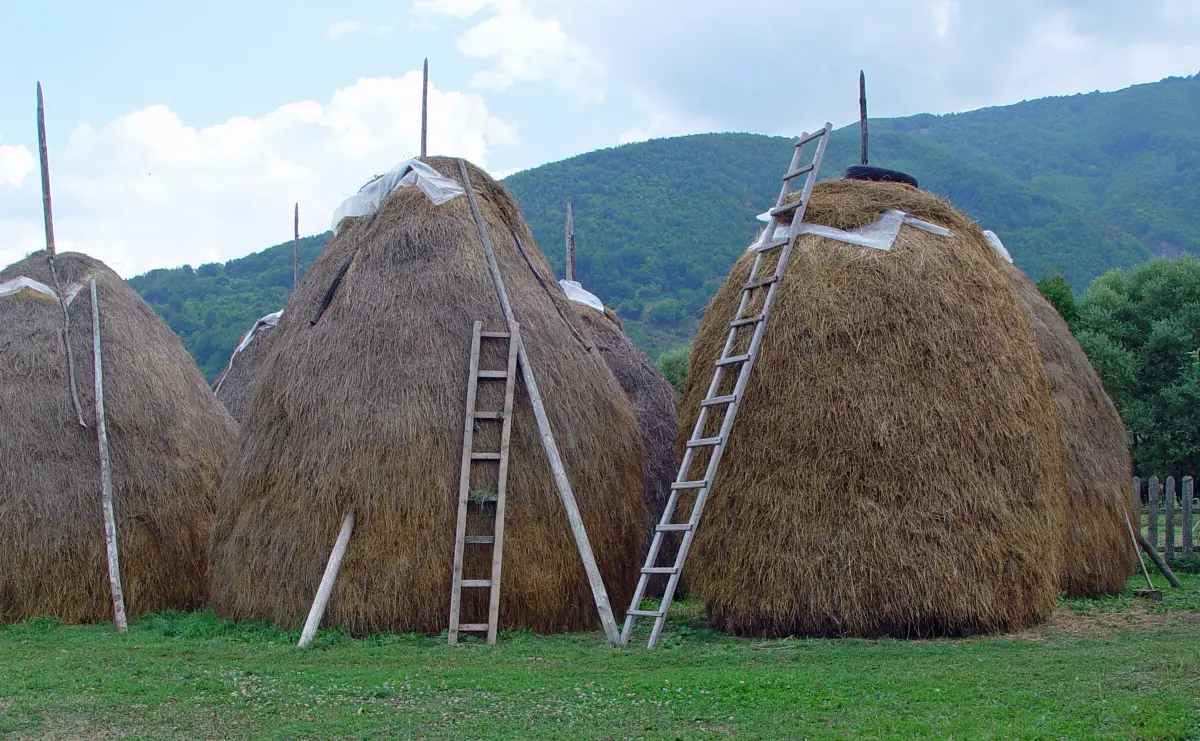
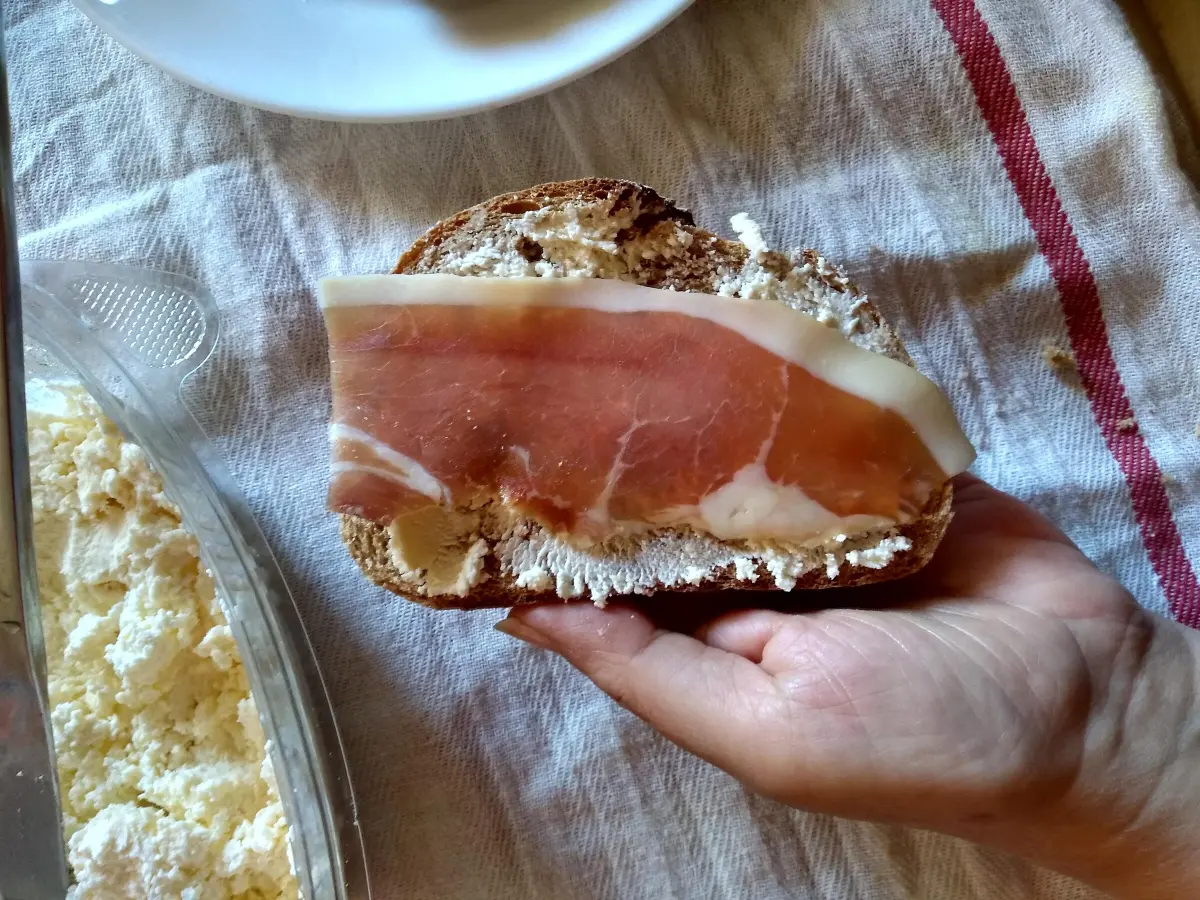
Hosts offer what they do anyway: picking fruit and vegetables, mowing and gathering hay, picking herbs and blueberries, milking, making cheese and kajmak, distilling rakija and, in August and September, the grape harvest. In the north there are horses and mountain walks, in the south boat trips on the lake. On the table are Njeguši pršut, Montenegro's first protected product (2016), Pljevlja cheese (2017), Kolašin layered cheese, kačamak and cicvara, honey and home wine. More in our guide to mountain village food.
Did you know?
A rural household in Montenegro may have at most 20 beds, and its entrance must carry a sign made of natural material from its own area.
How to find and book
The National Tourism Organisation's brochure "Rural households in Montenegro" lists most households with contacts and GPS coordinates, and the government portal and app Montenegro Village Explorer (mnevillage.gov.me) has more than 230 households and an enquiry form. Many can also be booked directly or through the big booking sites. The brochure puts prices into three bands: €5–20, €21–40 and over €40; confirm the exact price with the host. Stays on katuns and in cabins are also in our Eco stays guide, and ethno villages on our booking platform are in the Ethno villages category.
Seasons and village festivals
Households on the coast and around the lake are open most of the year; katuns only in summer. Summer in the north follows the harvest festivals: Raspberry Days in Andrijevica in July, Blueberry Days in Plav from mid-July to early August and Durmitor Healthy Food Days in Žabljak in August. In early October Zeta holds its day of Zeta cakes and priganice.