Huts on mountain pastures, bungalows below Prokletije and stone-and-timber houses around Durmitor – small places run by families who live from their land and livestock.
Eco stays in Montenegro are mostly katuns and farm stays in the north: a few huts or bungalows, hosts who keep livestock, and food from the farm. The places below are listed by the National Tourism Organisation in its rural households brochure and by local tourist boards on their own sites.
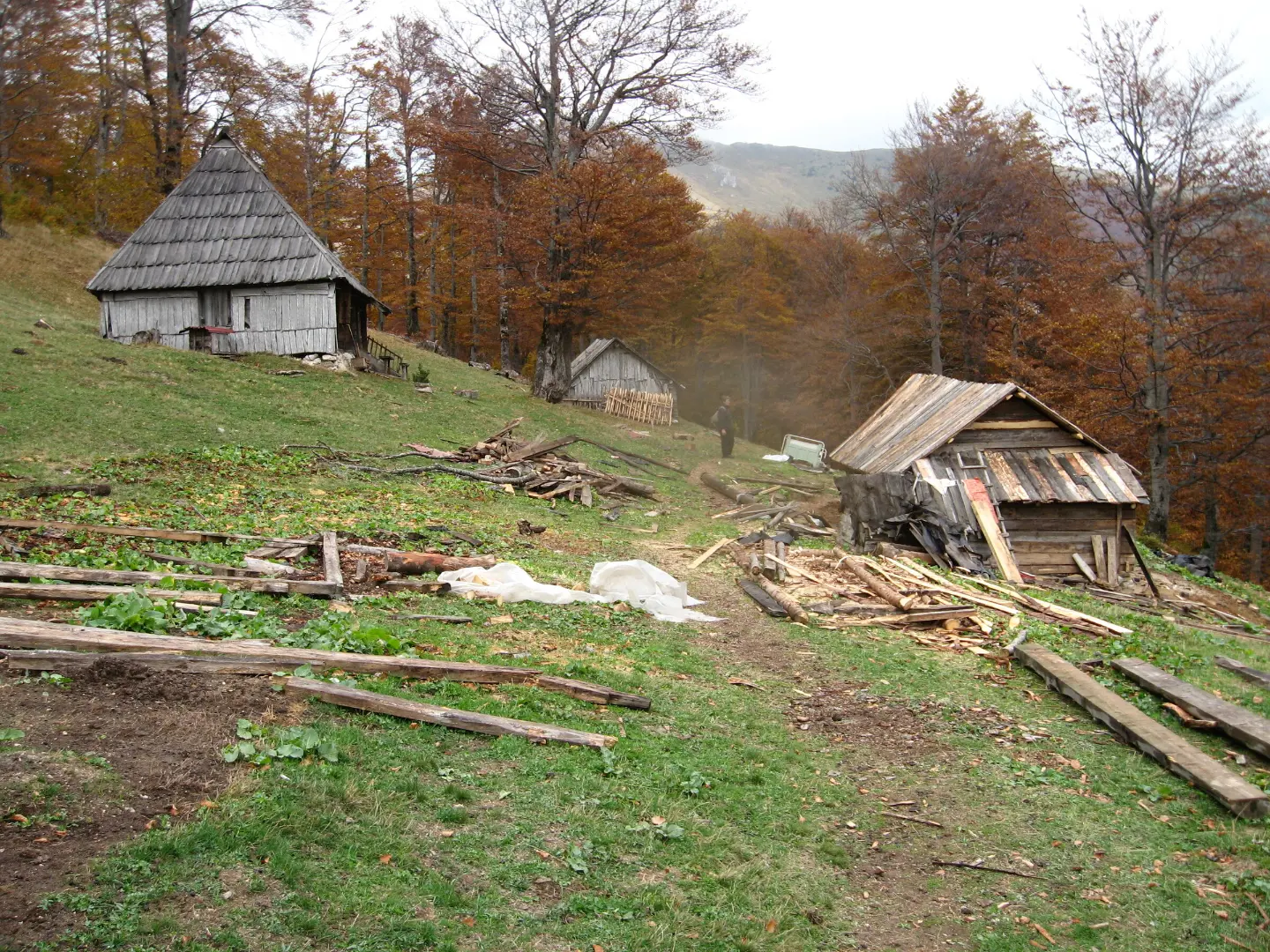
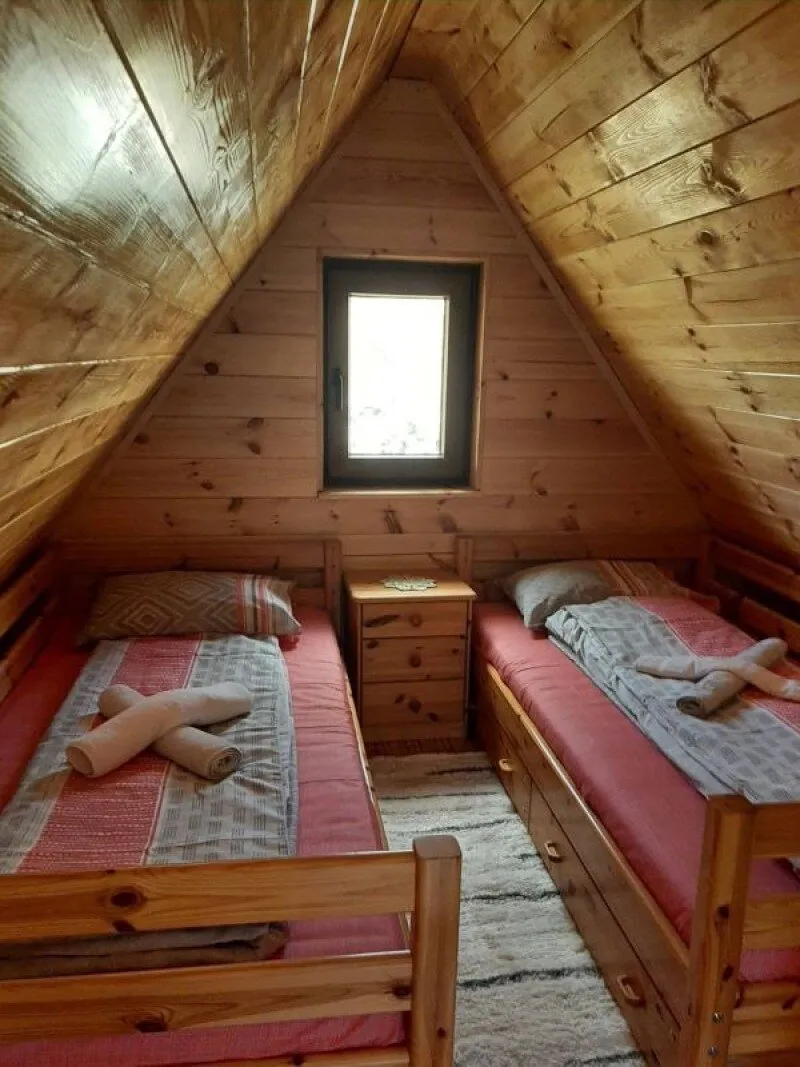
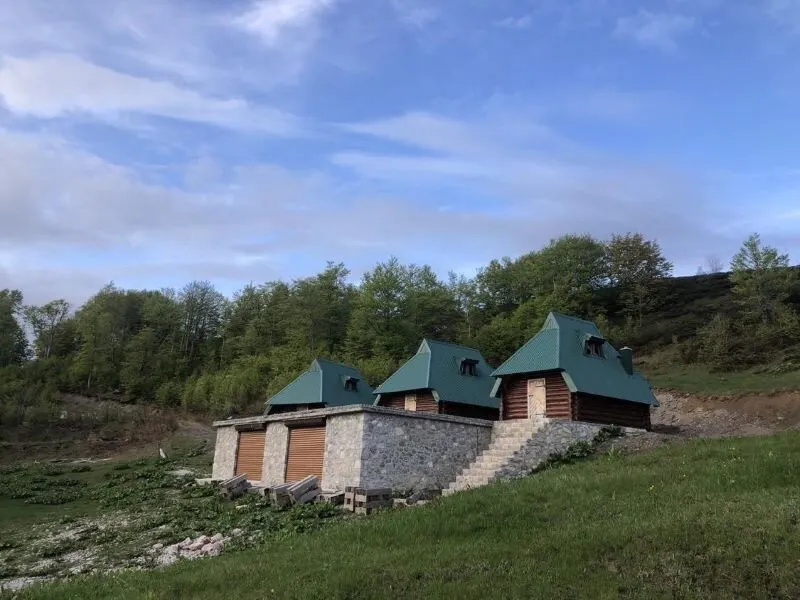
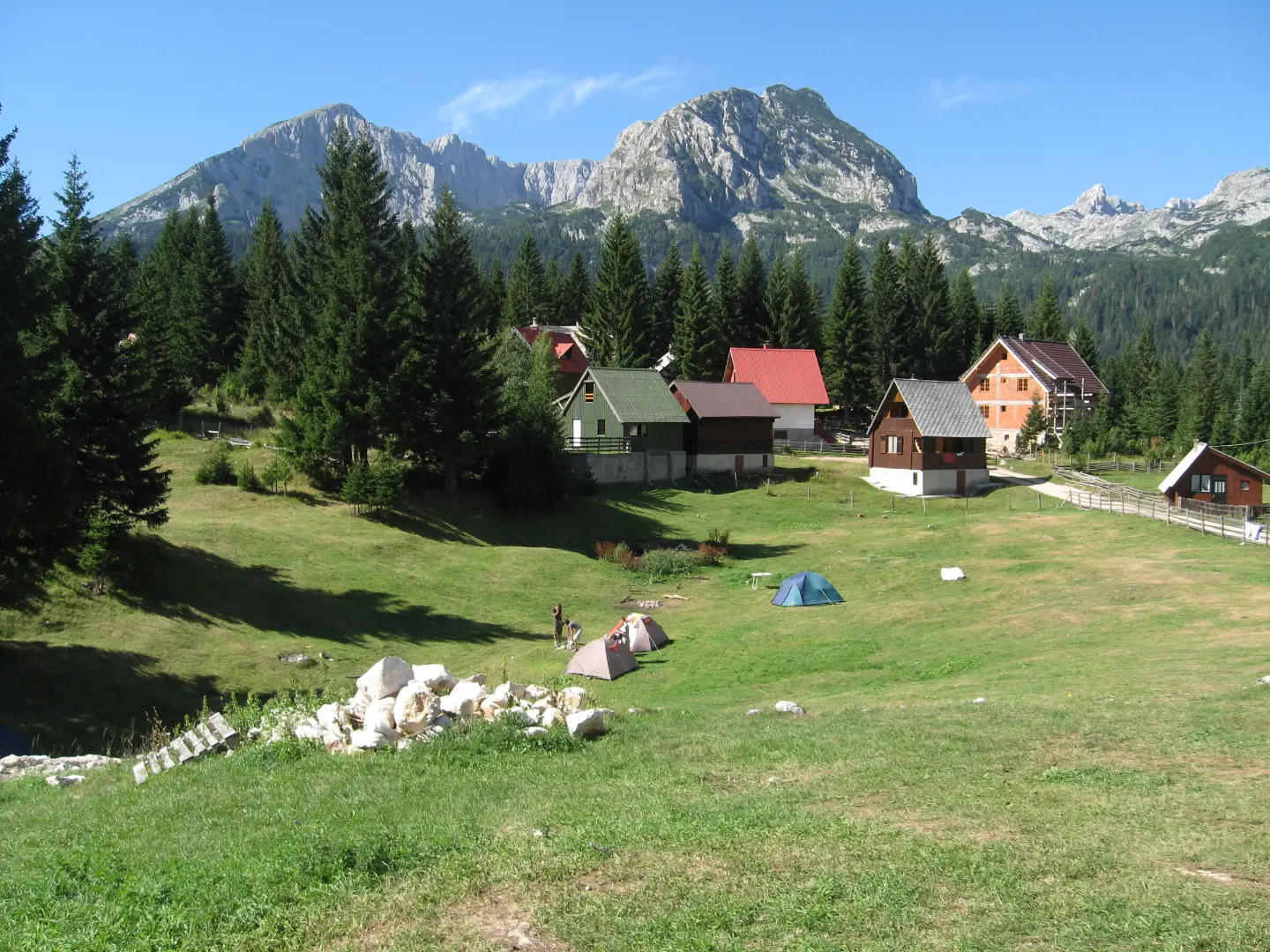
A katun is a summer herders' settlement on a mountain pasture. On Bjelasica, Komovi and Durmitor some families keep guest huts next to their own. You sleep in a wooden hut, eat cheese, kajmak and milk from the katun and, if you like, help with milking, haymaking or picking.
Below the katuns are villages with log cabins, bungalows and restored stone houses. Joleva Koliba in Virak near Žabljak is built of stone, wood, straw, clay and wool. In Prokletije, in Vusanje and around Plav, farms rent bungalows and take guests on hiking and jeep tours.
Places are small and family-run, roads to the katuns are often gravel, and mobile signal and power vary. Before you go, ask the host about the bathroom, heating and the road – and whether the katun is open that week.
 Katun (mountain hut)
Kolašin
from €40 / night
indicative – the host confirms
 Katun (mountain hut)
Kolašin
from €40 / night
indicative – the host confirms
 Katun (mountain hut)
Kolašin
Price on request
 Katun (mountain hut)
Kolašin
from €40 / night
indicative – the host confirms
 Katun (mountain hut)
Kolašin
from €40 / night
indicative – the host confirms
 Katun (mountain hut)
Andrijevica
Price on request
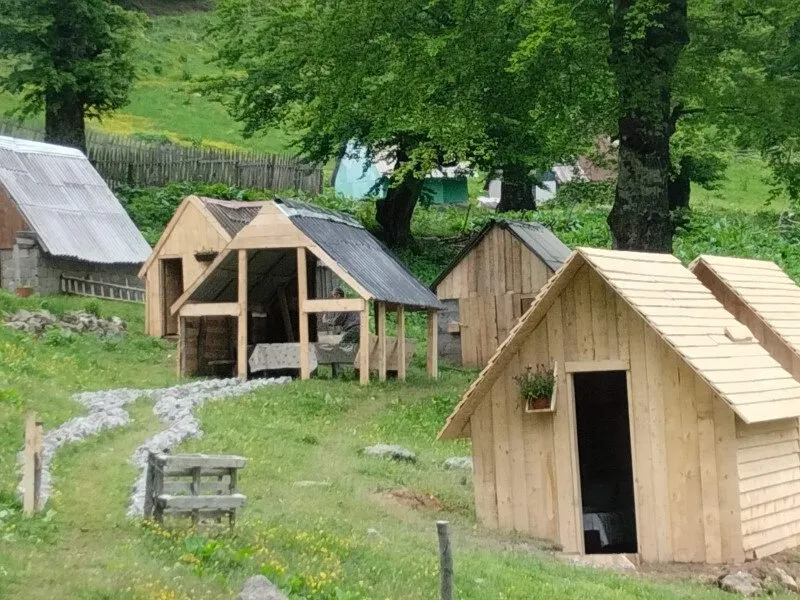 Katun (mountain hut)
Kolašin
from €21 / night
indicative – the host confirms
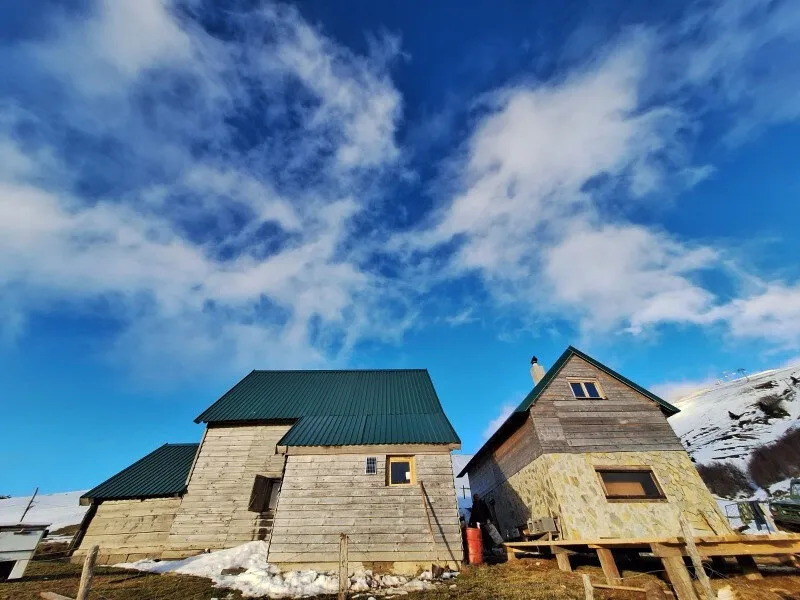 Katun (mountain hut)
Kolašin
from €40 / night
indicative – the host confirms
Offers come live from the Travel to Montenegro booking platform. Some are confirmed instantly, the rest by the host; nothing is charged online.
Mountain katuns, wooden cabins and lakeside houses – near the national parks.
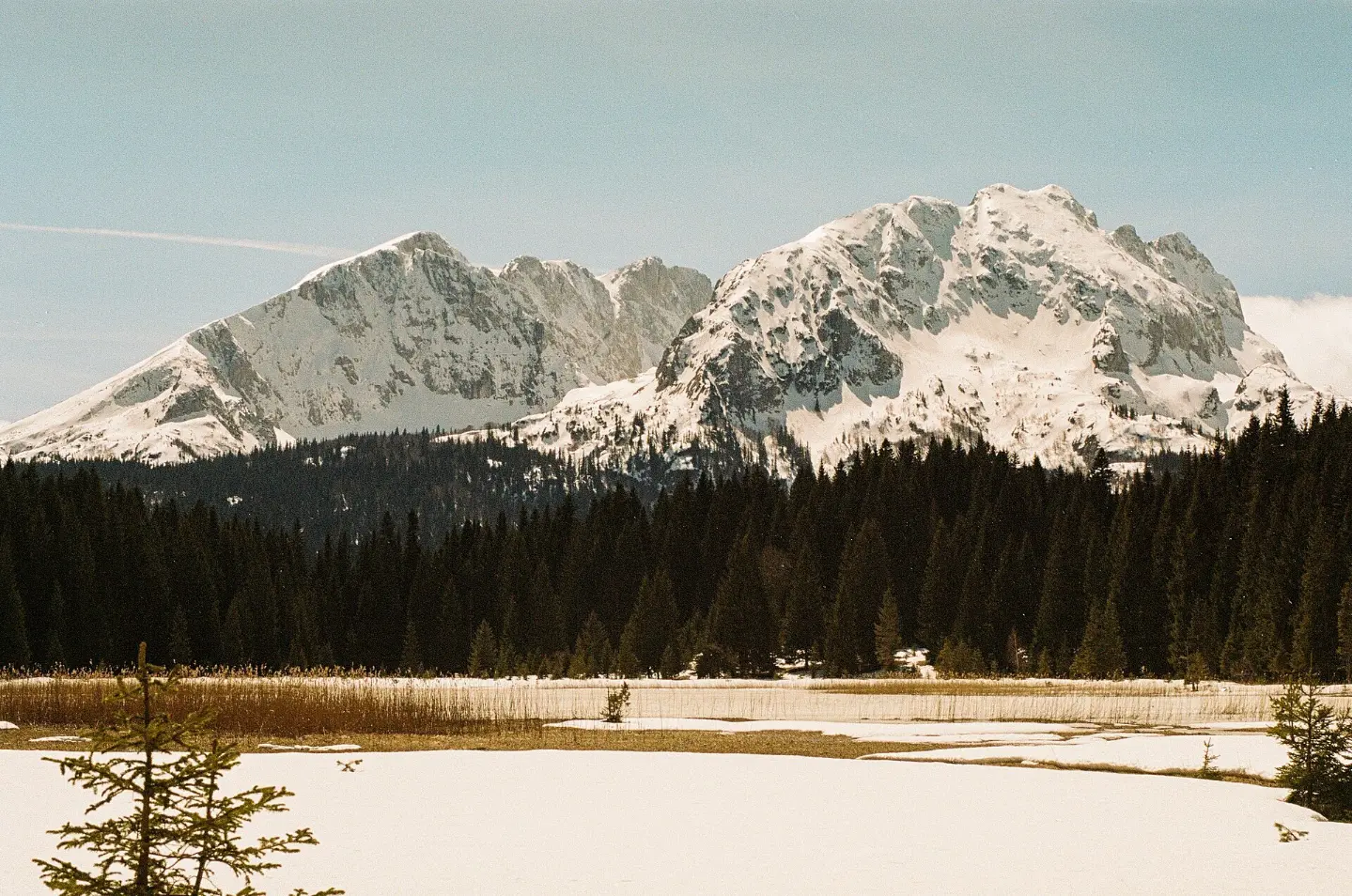 4 stays to book
Log cabins around Žabljak (1,456 m) and in the villages towards Piva. In Virak, Joleva Koliba is built of stone, wood, straw, clay and wool; in Ornice, on the Žabljak–Trsa–Plužine road, Katun Ornice has huts and bungalows.
Airport transfer from €130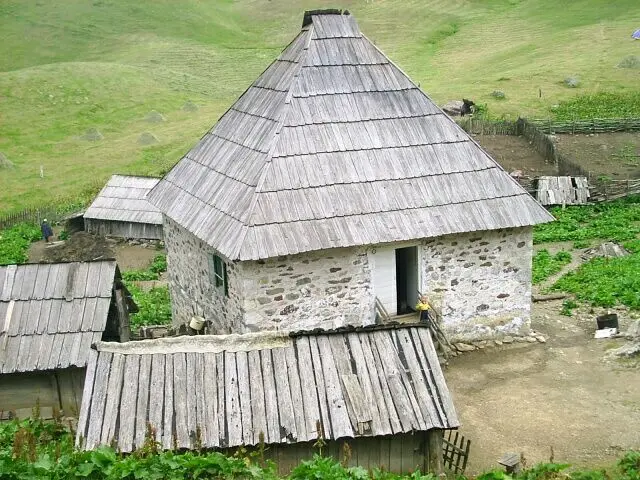 17 stays to book
The most katuns that take guests: Eko Katun Kolijevka, about 100 m from Lake Pešića, Katun Suvodo on the edge of Biogradska Gora National Park, Koliba kod Begija on the Vranjak katun and Koliba Šćepanović on the Goleš katun.
Airport transfer from €85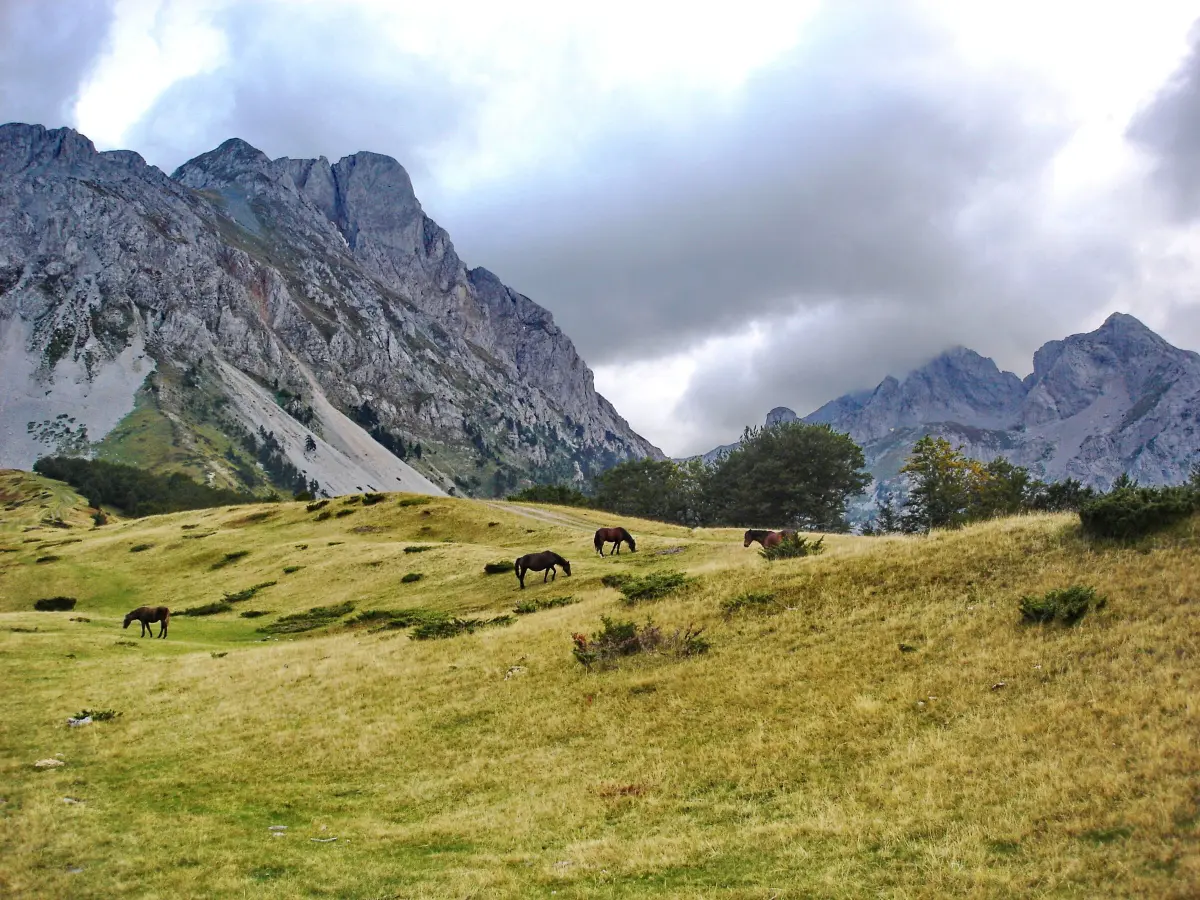 7 stays to book
Katun Božićki in Štavna: guest huts, livestock and views of Komovi, with Prokletije and Čakor in the distance. The hosts cook with what they produce themselves.
 4 stays to book
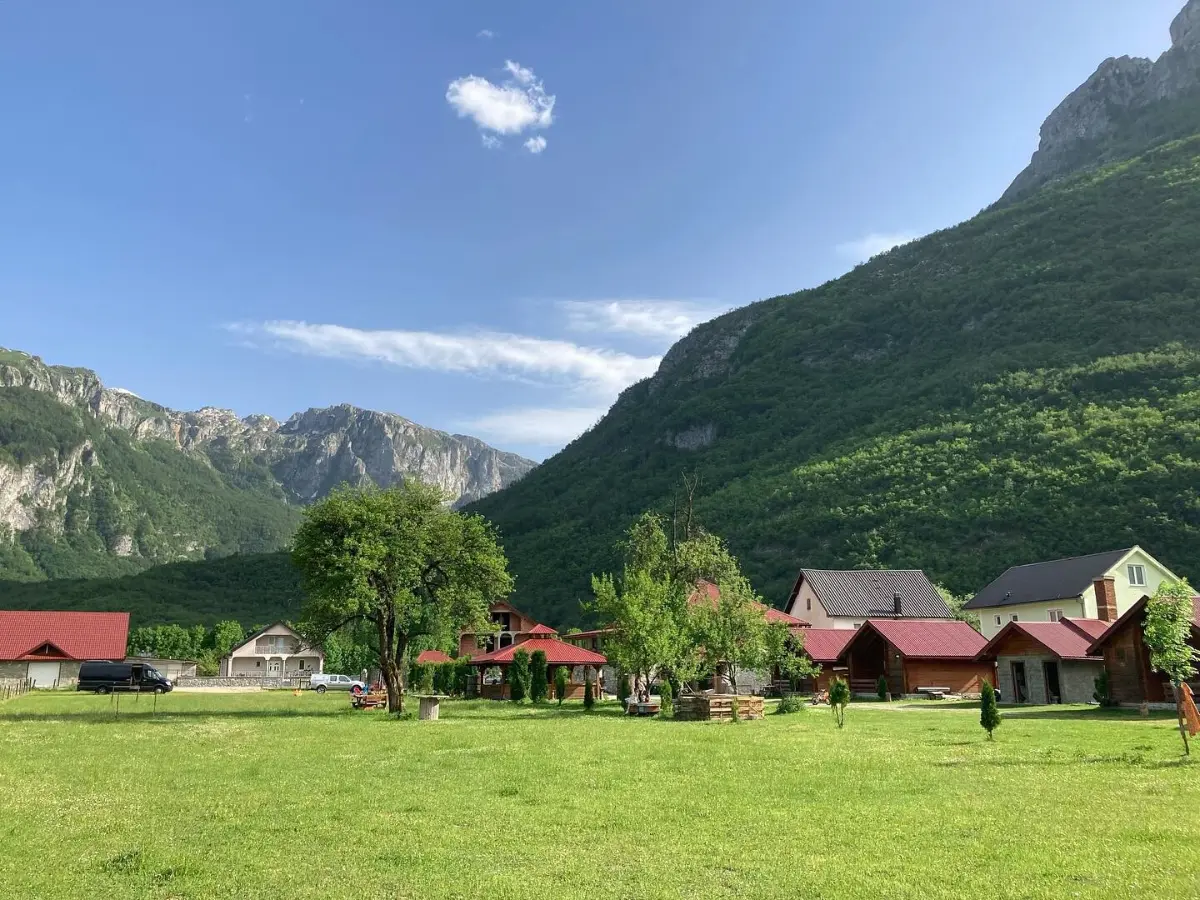
Oaza bungalows in Vusanje, near the Grlja waterfall and the Ali Pasha springs, and Eco Odmaralište Purišić in Bogajiće village near Plav, which runs jeep tours into the national park.
Airport transfer from €130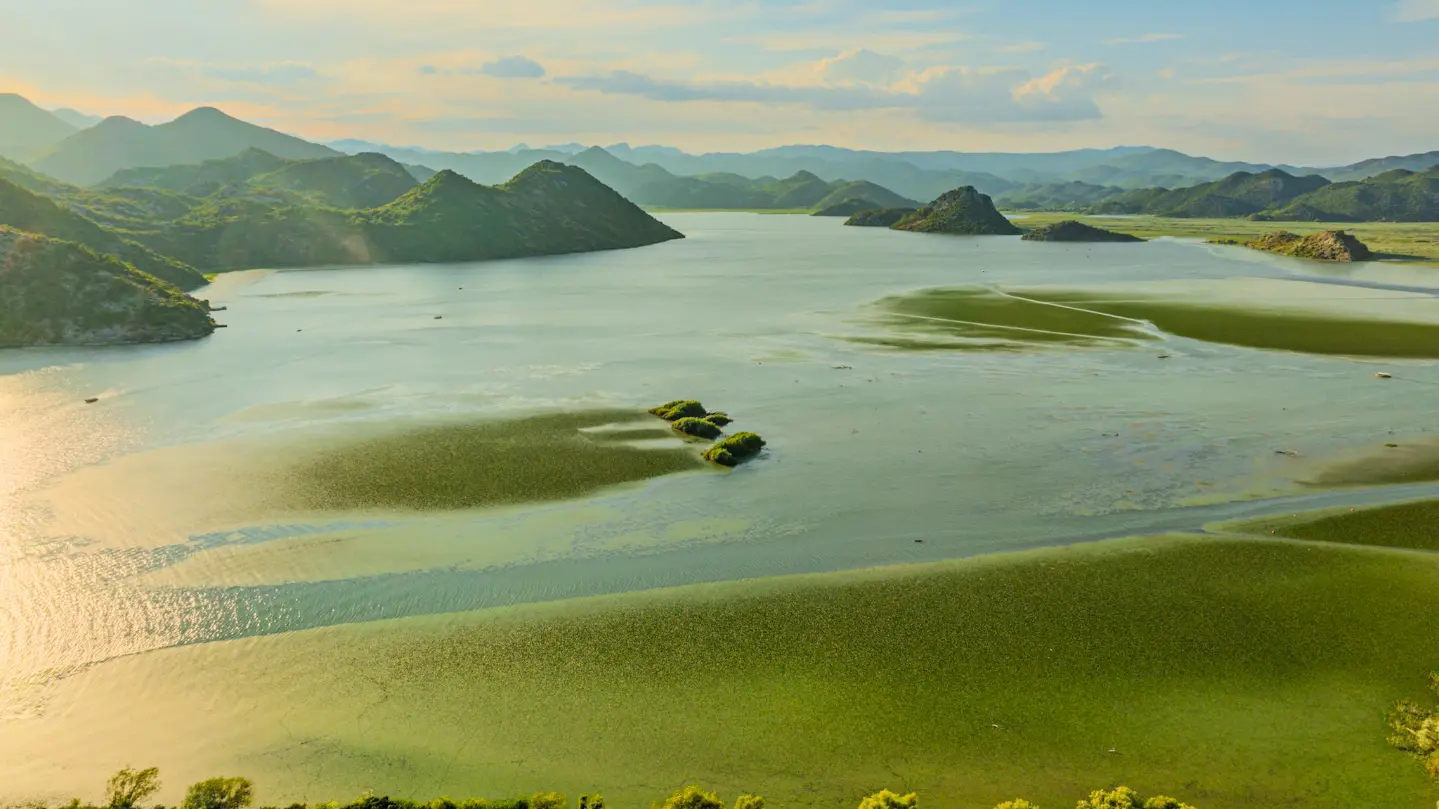
Here you stay mostly in apartments and village houses around Virpazar and in the fishing villages – no katuns, but boats, birds and wineries close by.
Airport transfer from €35Choose a town and your dates – you will see what local hosts have free, with prices.
Wood, stone and quiet: small places for a few guests, home-made food, sometimes solar power and patchy mobile signal. Roads to the katuns are often gravel – a car helps.
Katuns are lived in while the livestock is on the mountain, roughly from late spring to the first frosts – ask the host for exact dates. Village houses and log cabins around Žabljak and Kolašin often take guests in winter too.
Book the car or the airport transfer together with your stay – fixed prices, local companies.
Cars from local agencies – pick up in town or at the airport.
Private transfer with a fixed price per vehicle, driver waits at arrivals.
Travellers read this guide every day looking for exactly that. Put your place on our booking platform and take requests directly.
List your propertySome farms are listed on the big booking sites, but for a katun it is safest to contact the host by phone or email. The National Tourism Organisation's rural households brochure (montenegro.travel) gives contacts and GPS coordinates, and local tourist boards keep their own lists.
Usually yes. Katuns and farms are outside towns, often on gravel roads. Rent a car in Podgorica or at the airport, or take a bus to the nearest town and ask the host whether they can pick you up.
A katun is a traditional summer settlement of herders on mountain pastures. Some now host guests in wooden huts, with home-made cheese, kajmak and fresh milk.
It depends on the place. Some katuns have bathrooms and power, others are simpler. Before booking, ask what the hut has and how good the mobile signal is.
For children who like animals and the outdoors – yes. Bring warm clothes even in summer, as mountain nights are cold, and ask the host how far the hut is from the road.
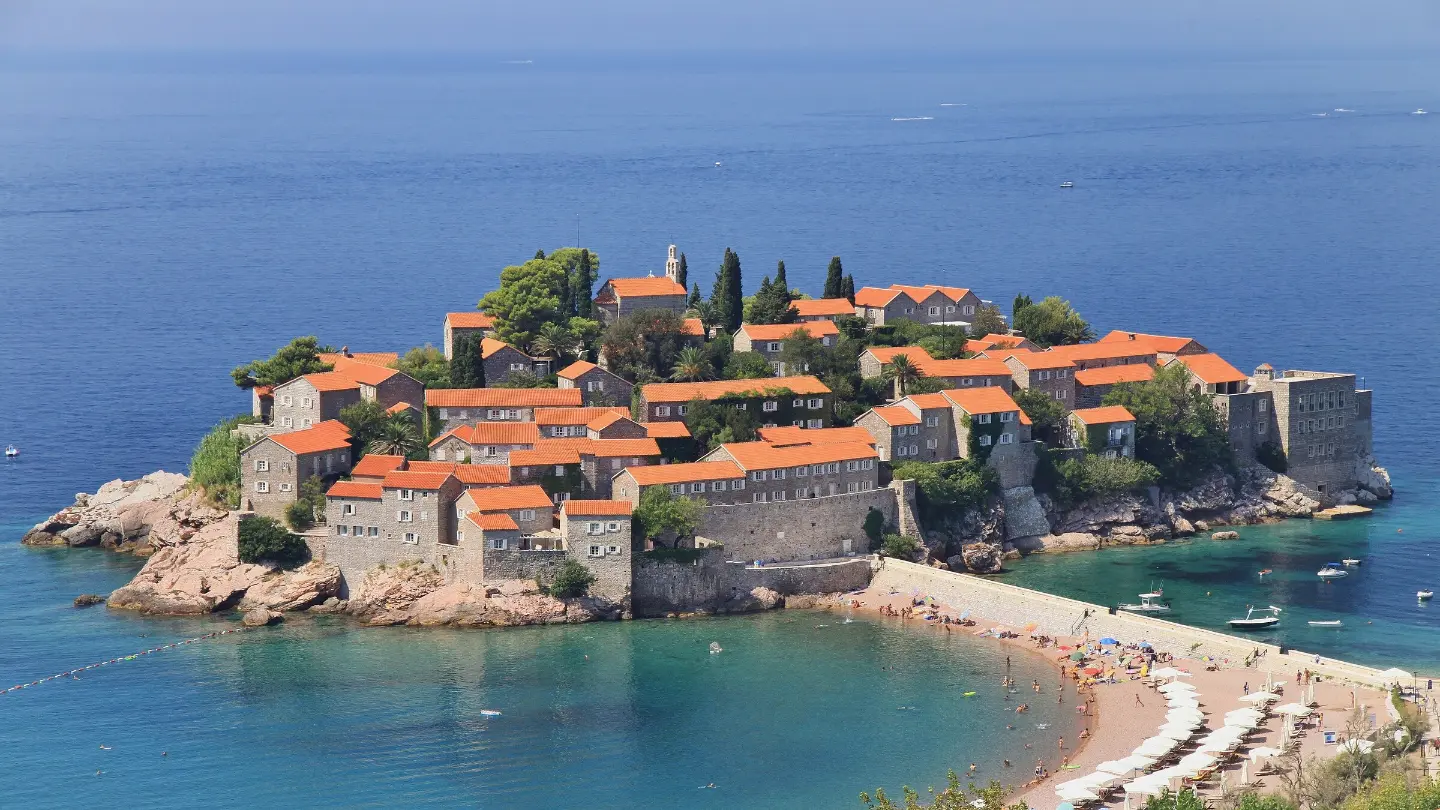
From Sveti Stefan to the marinas of Boka
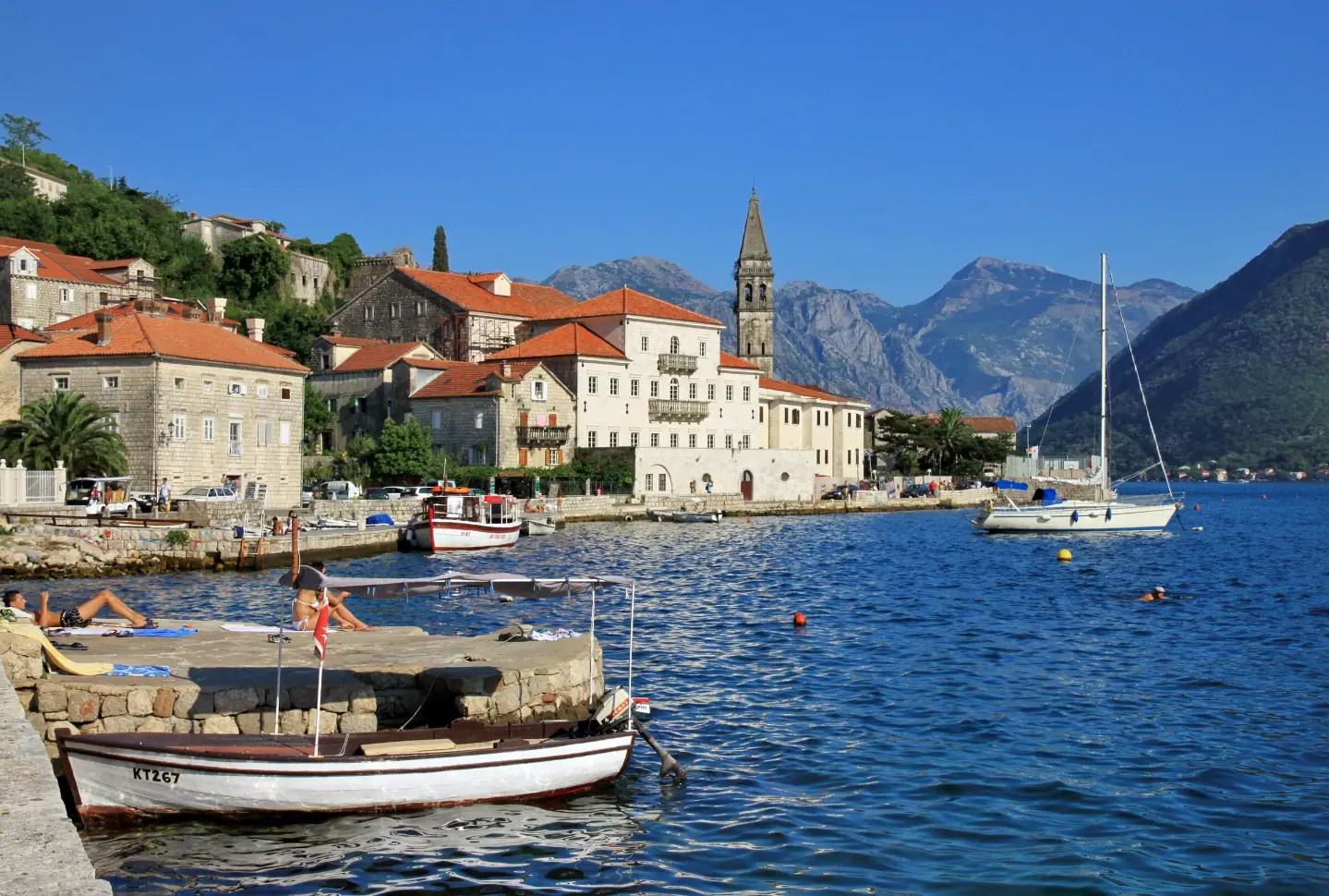
Small houses with character
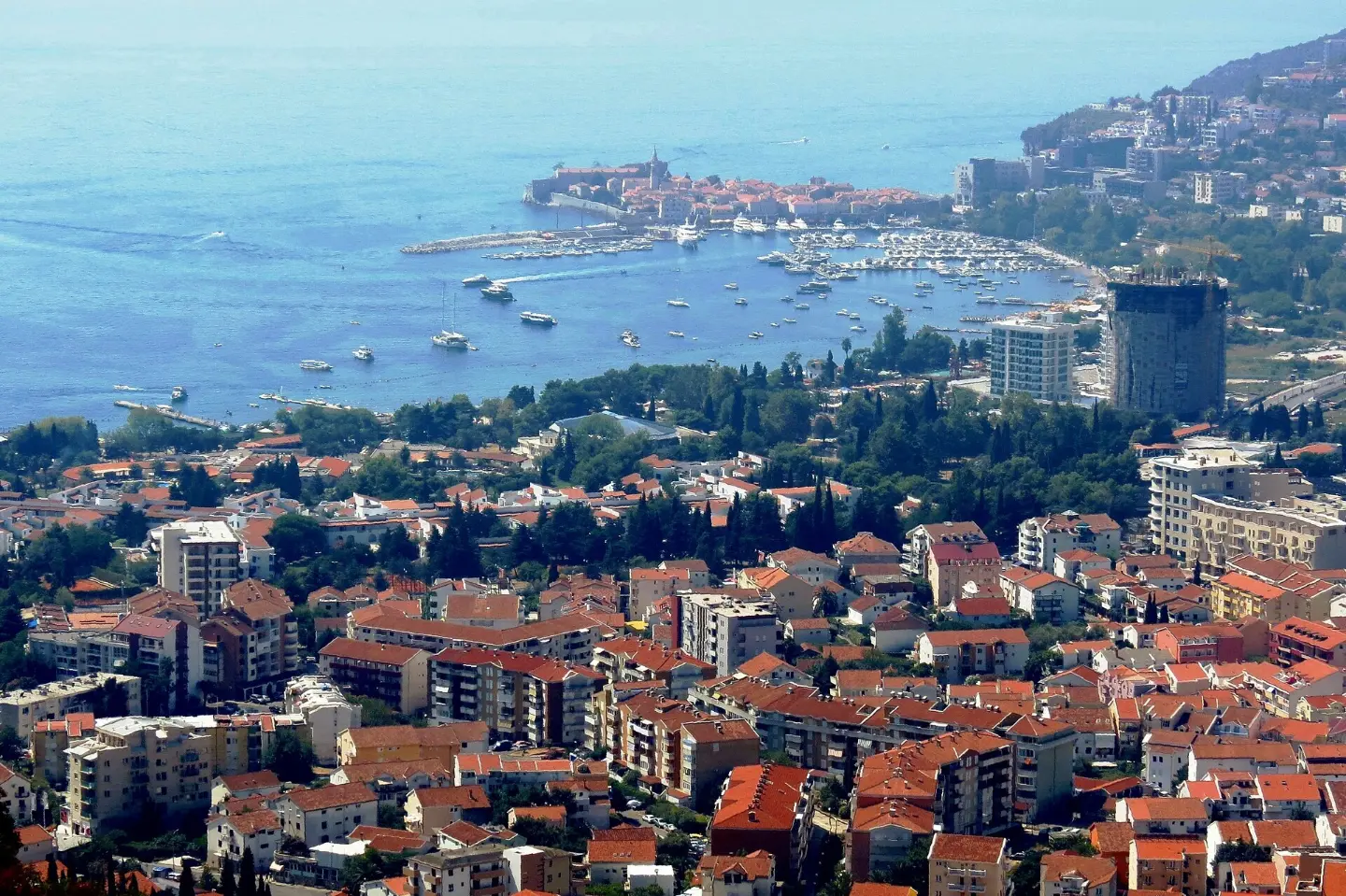
Your own kitchen, a terrace and a host nearby
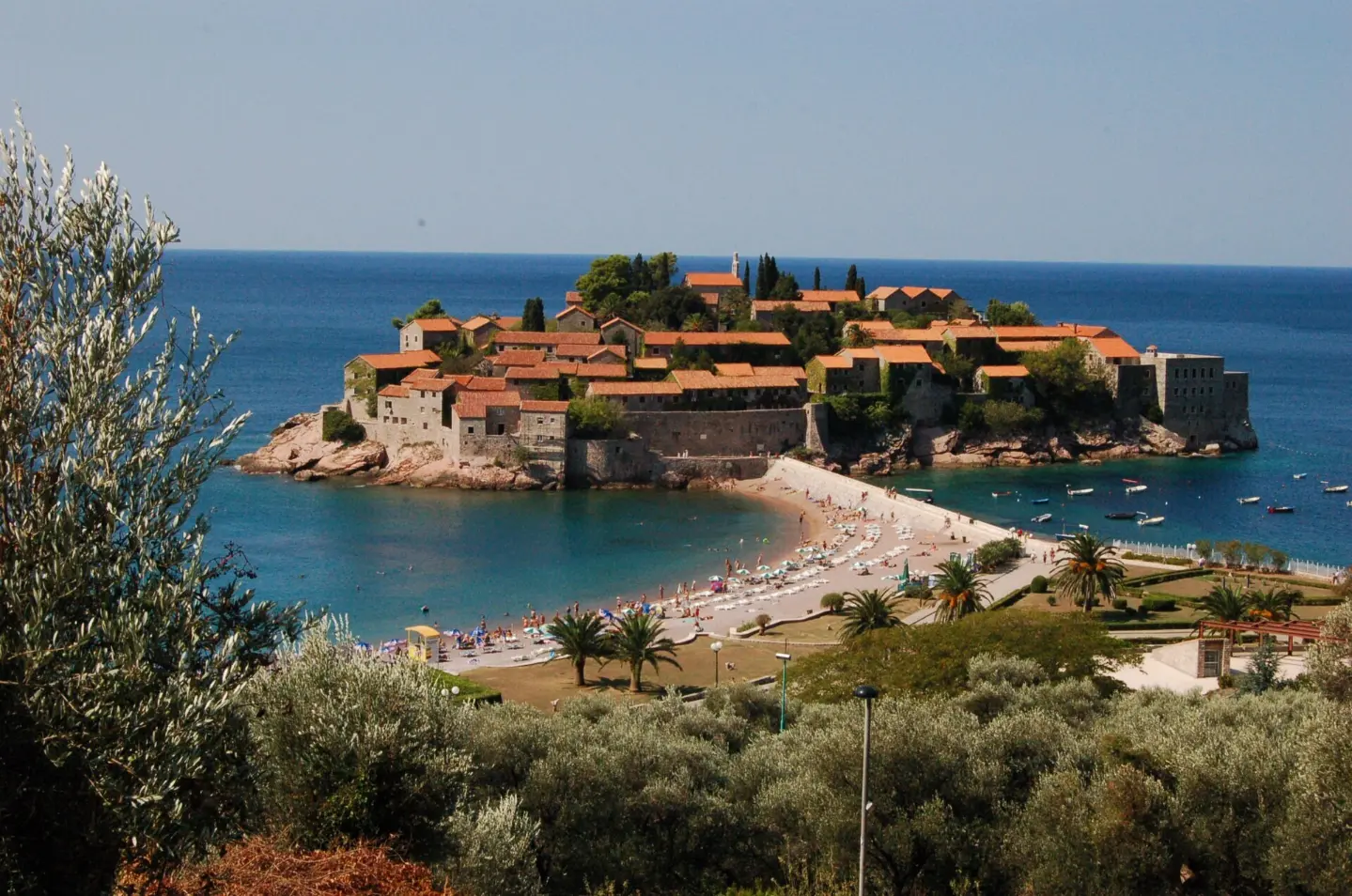
Pool, beach and everything in one place
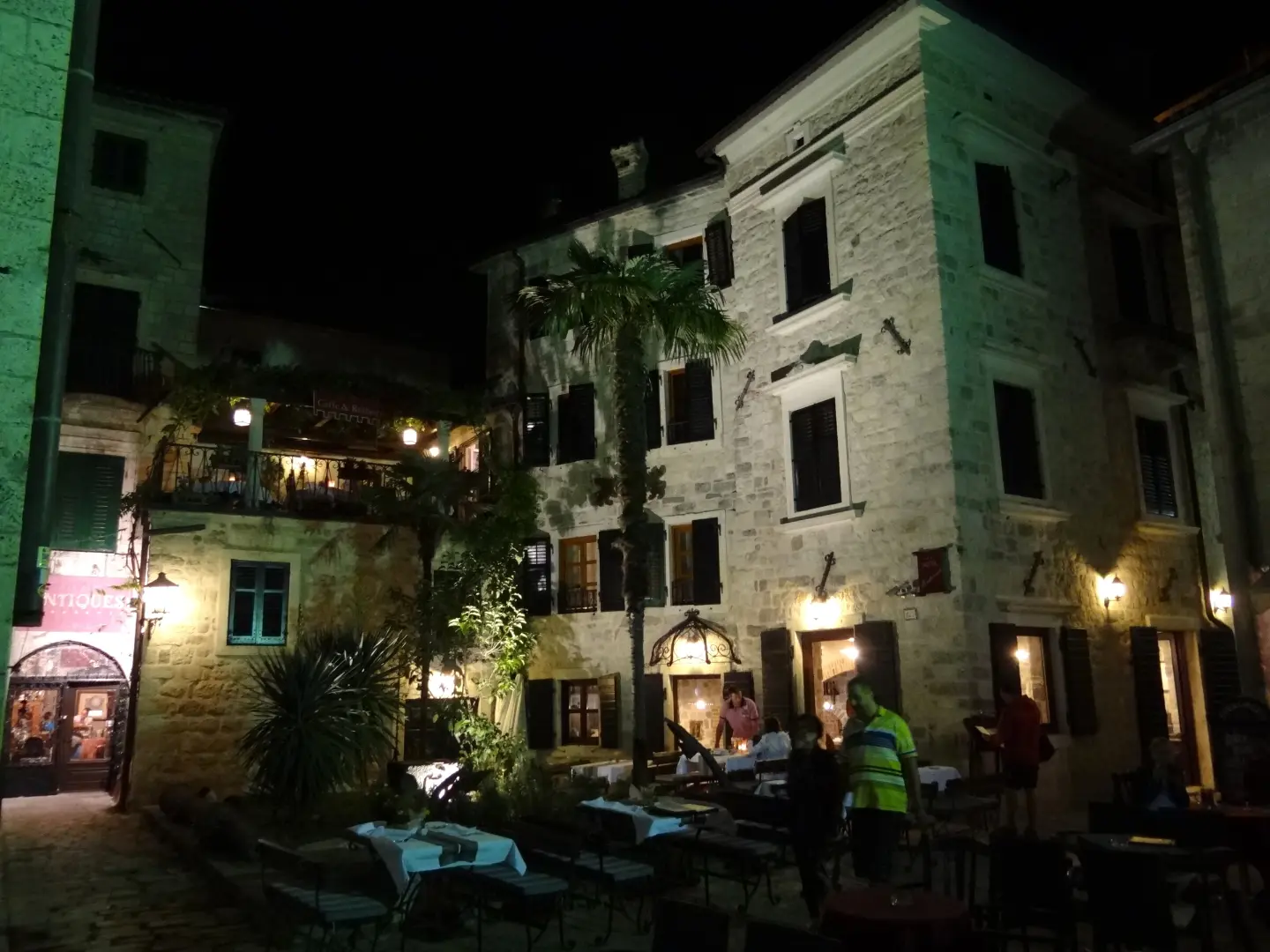
Where to sleep on a budget
Camps in the mountains, by the river, and by the sea