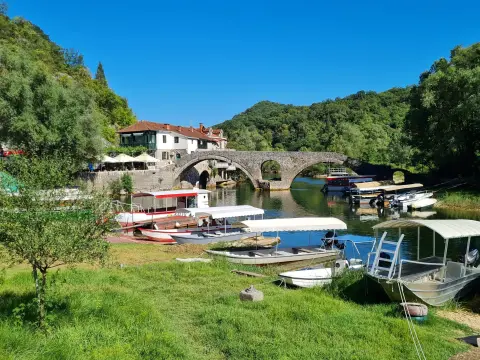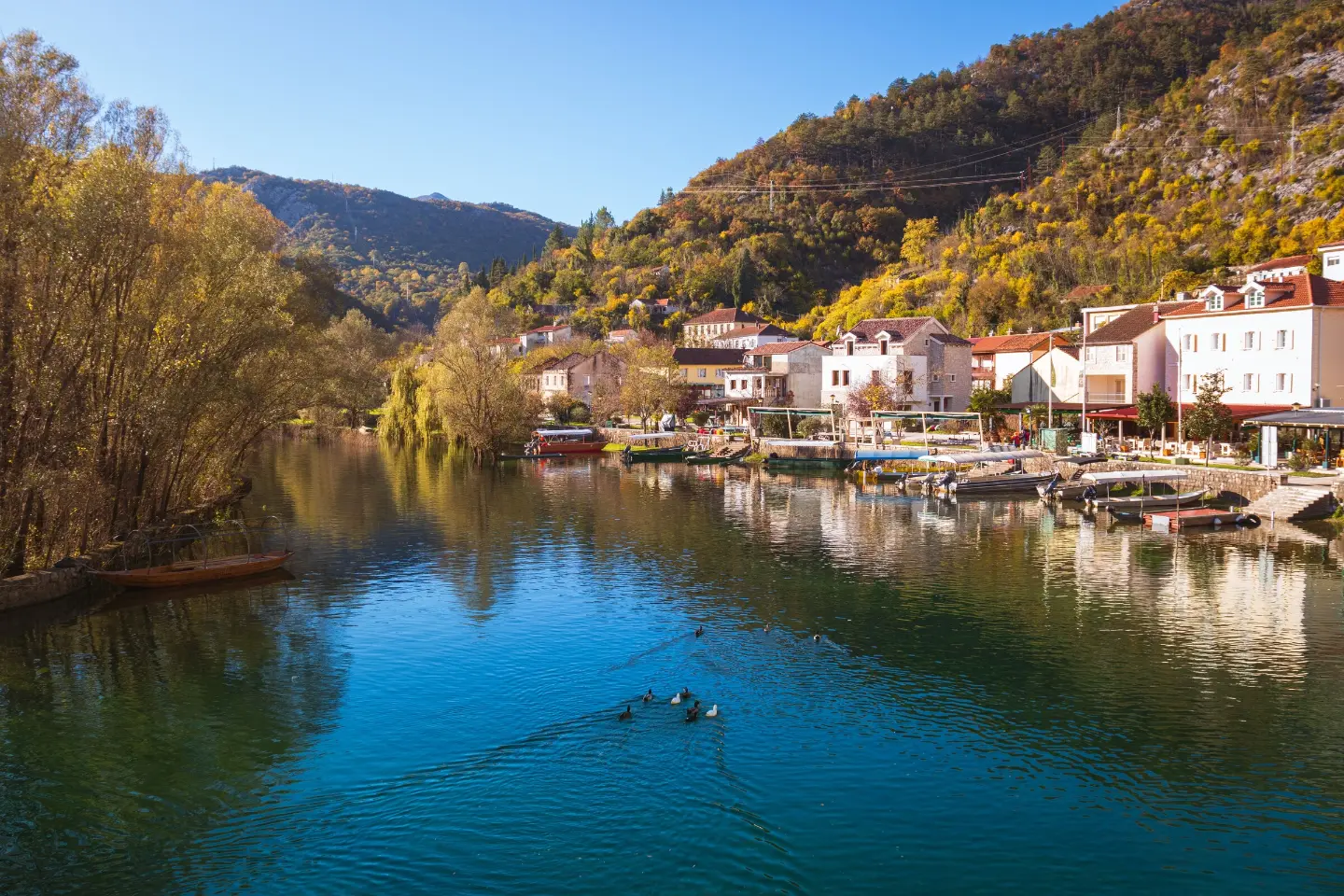
Historic settlement by Danilo's Bridge on Lake Skadar
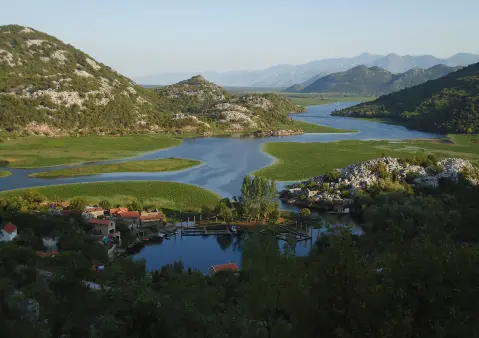
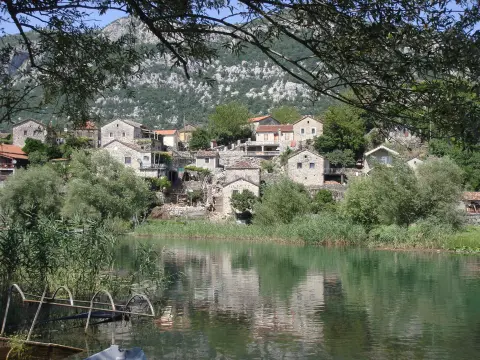
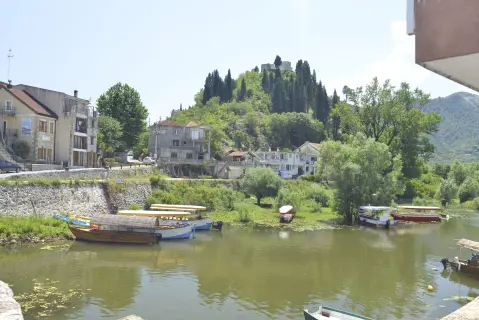
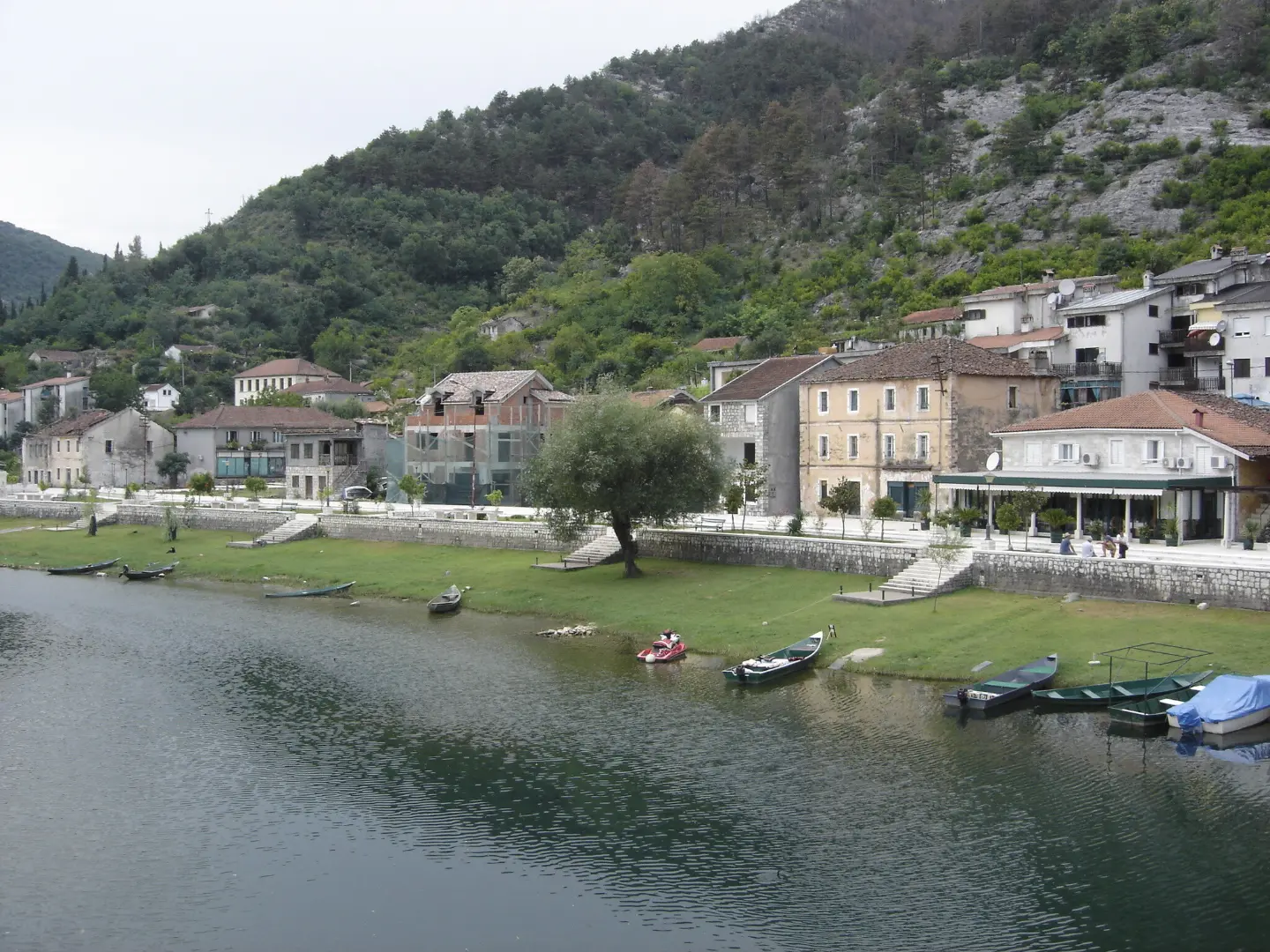
Rijeka Crnojevića is a small historic settlement in the Royal Capital of Cetinje, on the river of the same name, within Skadar Lake National Park.
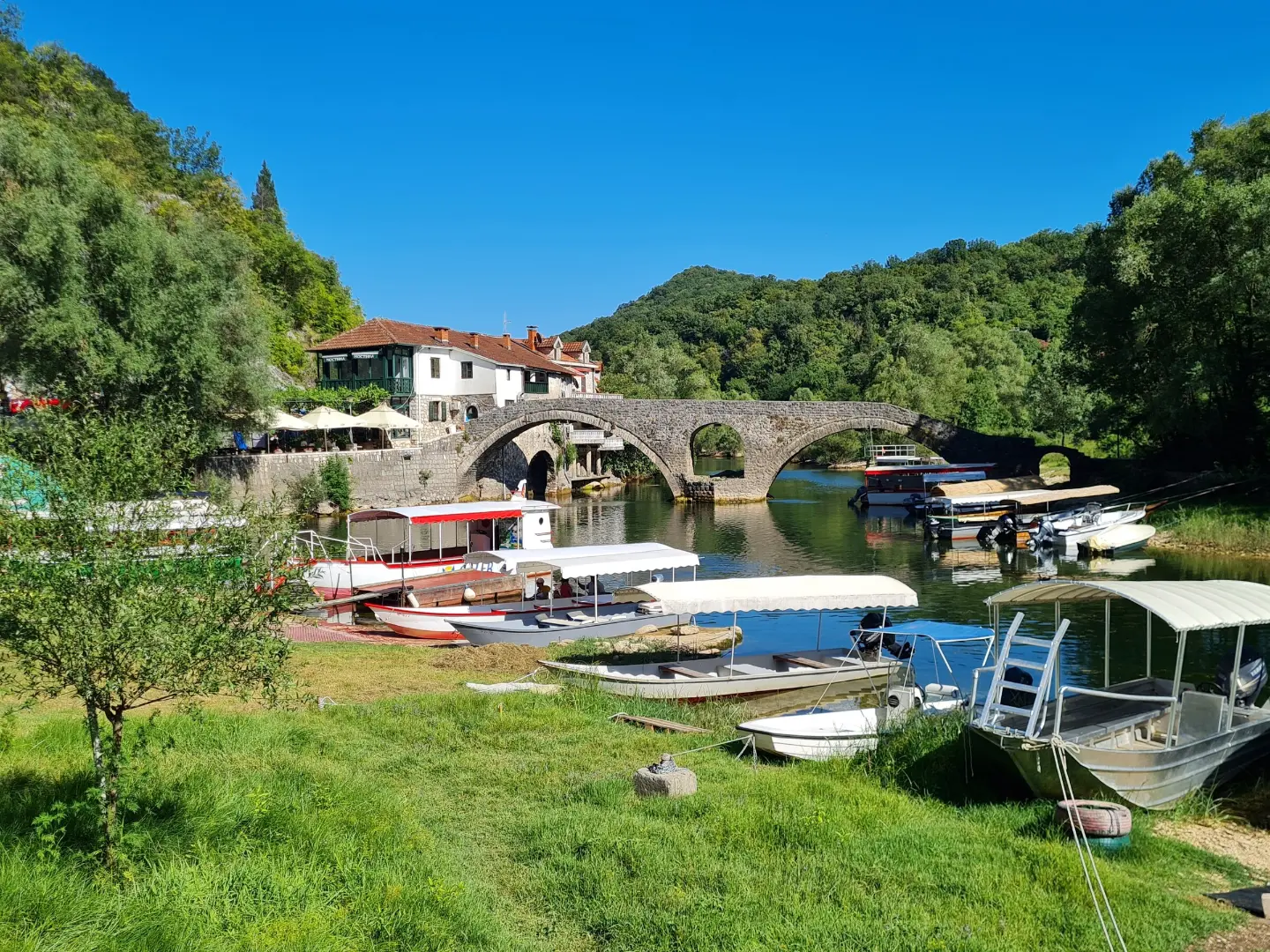
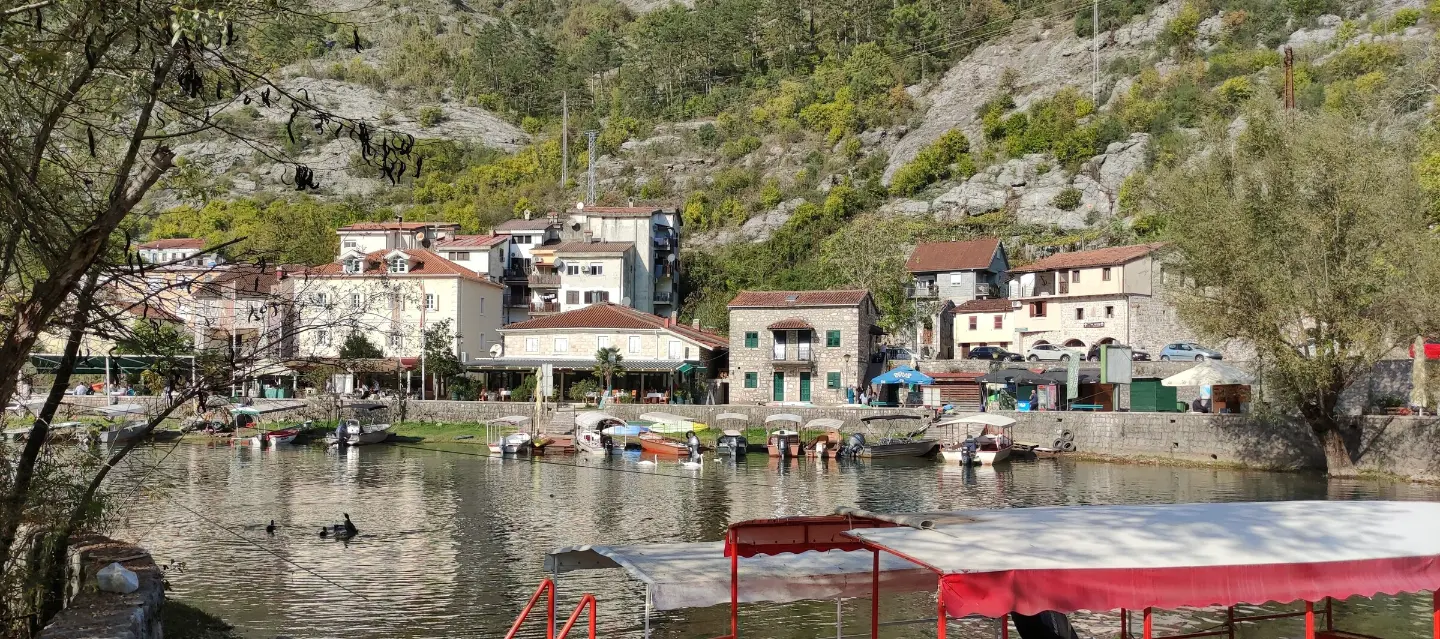
In the 19th and early 20th centuries it was Montenegro's largest port and trading centre, renowned for dried bleak. Today visitors are drawn by the stone Danilo's Bridge from 1853, Obod above the river where Ivan Crnojević had his seat at the end of the 15th century, restaurants serving smoked carp, and boat rides through the water lilies to the lake. The Pavlova strana viewpoint, about 4 km from the settlement, is the most photographed spot on Lake Skadar.
Highlights
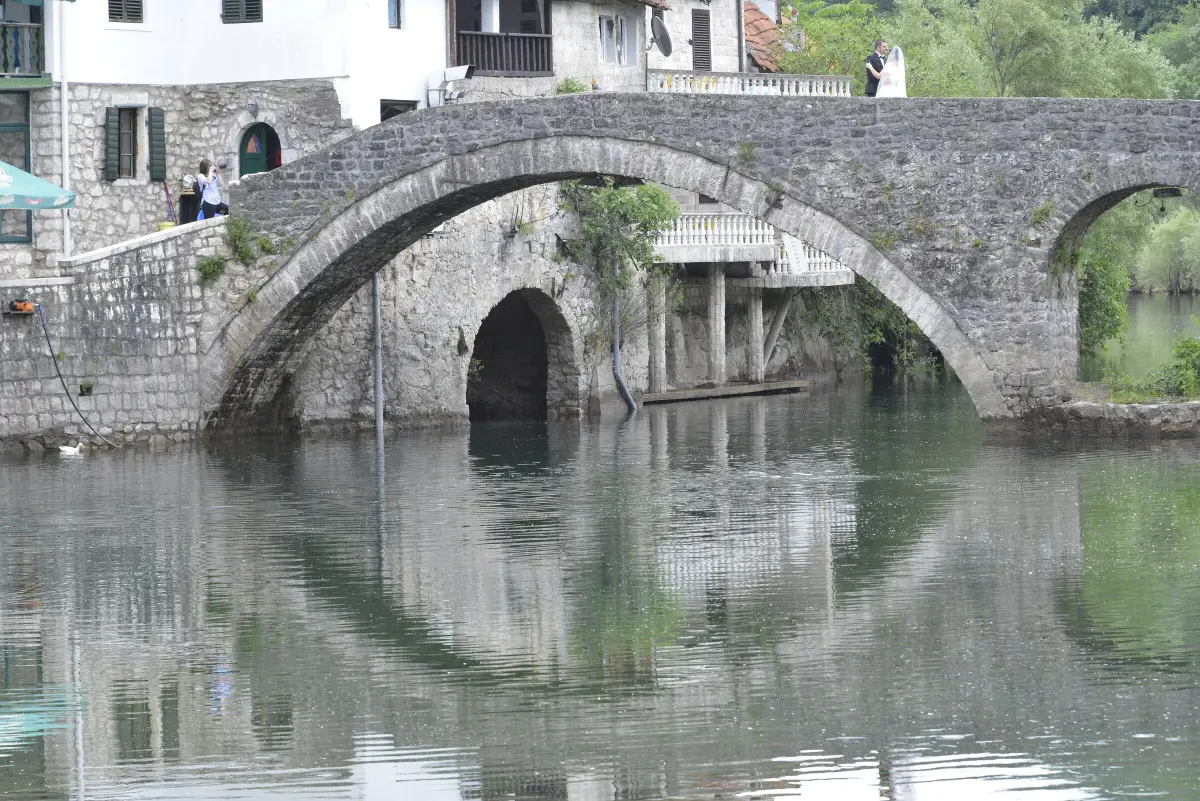
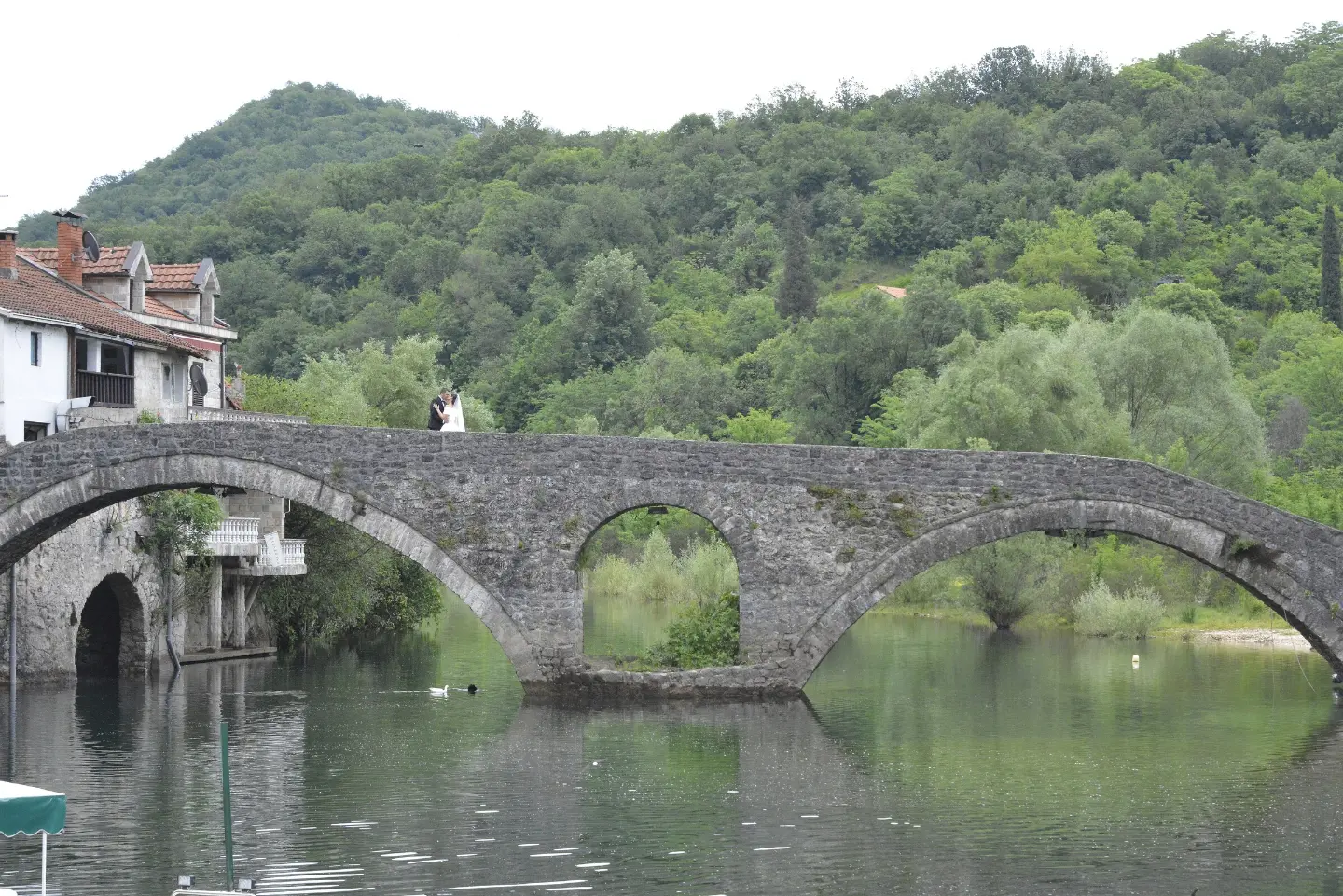
A stone bridge with two arches, built of limestone, 43 m long. It was erected by Prince Danilo in 1853 in memory of his father Stanko Petrović, replacing the wooden bridge of Petar II Petrović Njegoš. Beside the bridge stands Danilo's one-storey house Mostina, and above it is the house of St. Peter of Cetinje (1810–1815), the oldest surviving building in the settlement.
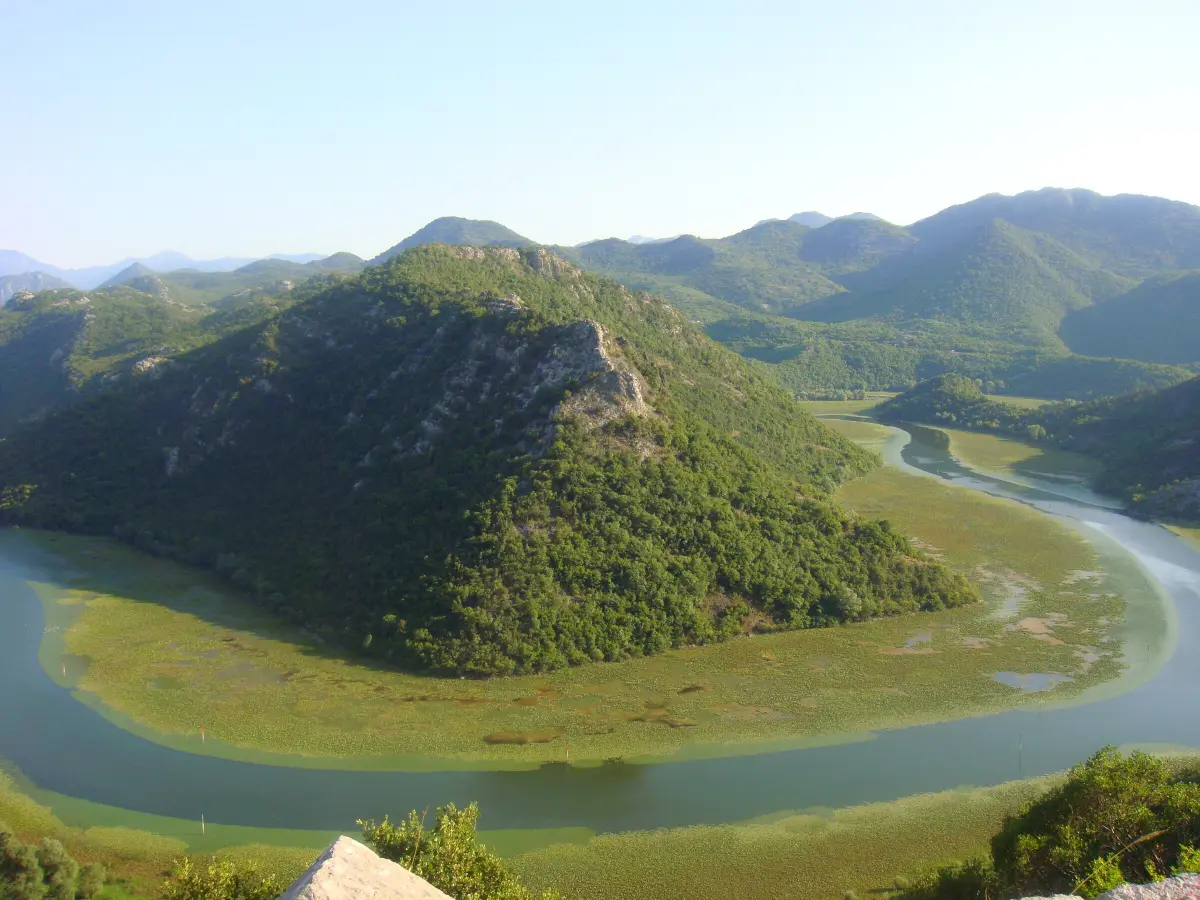
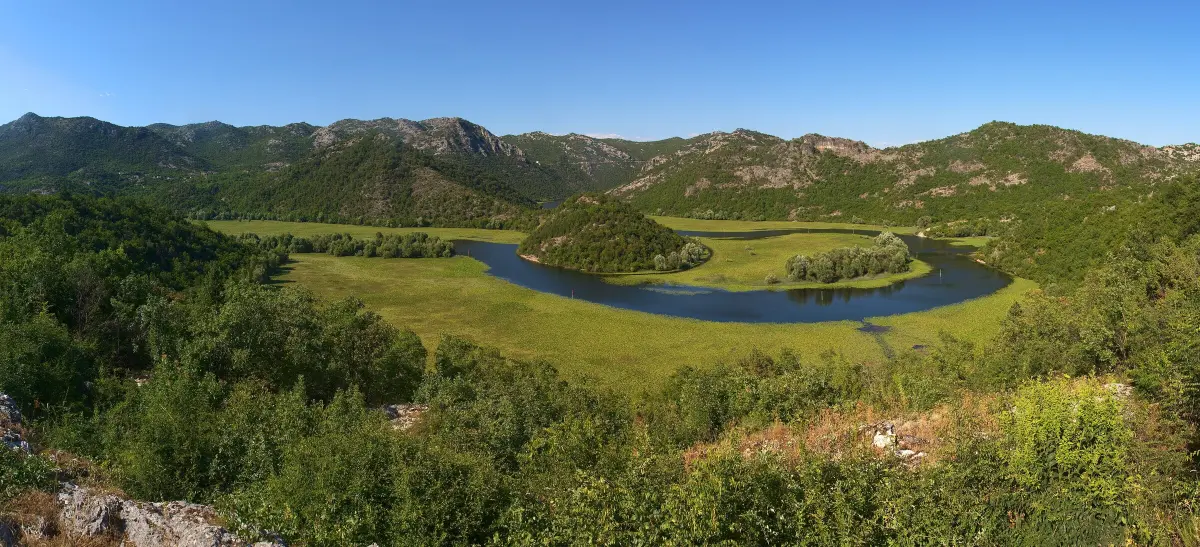
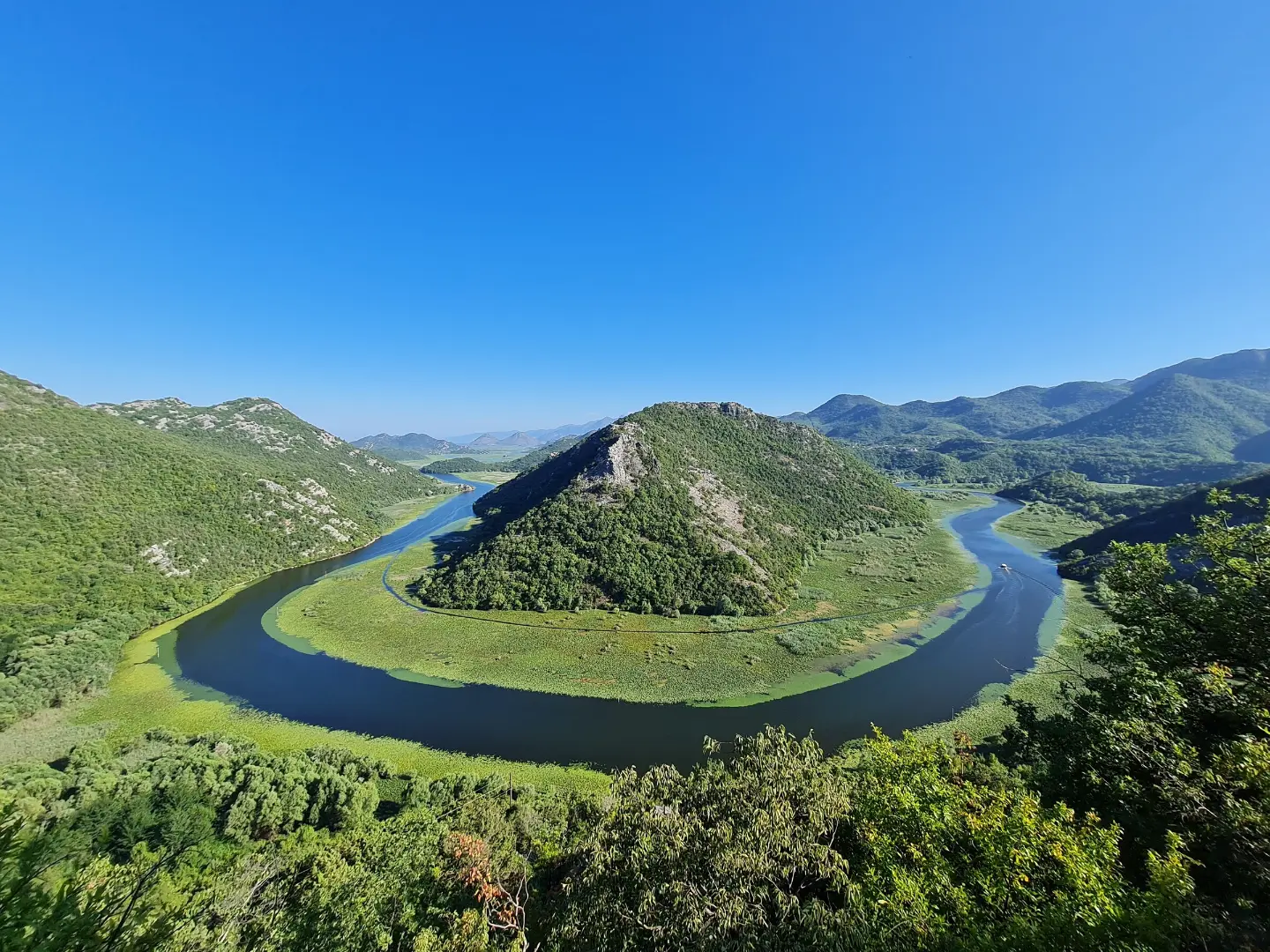
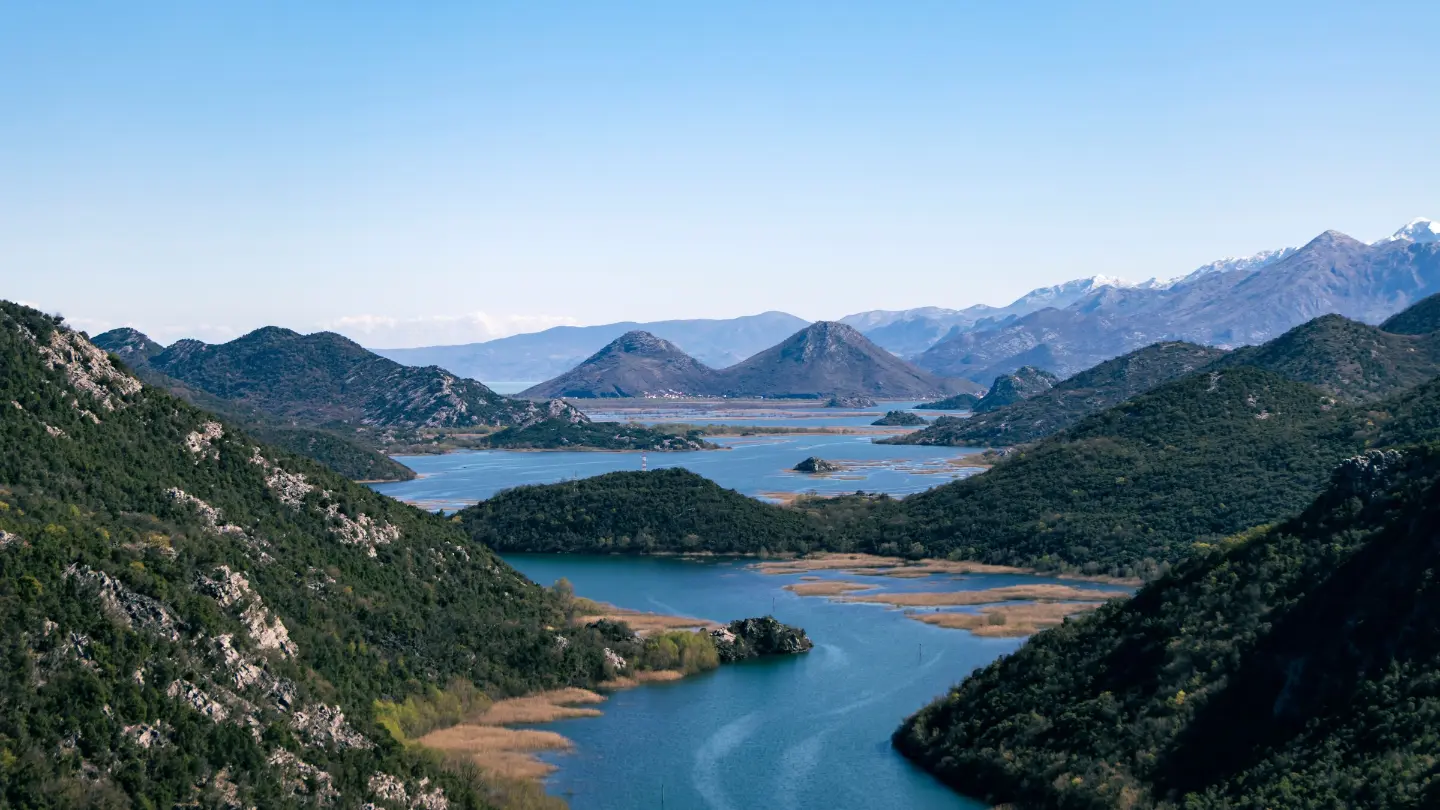
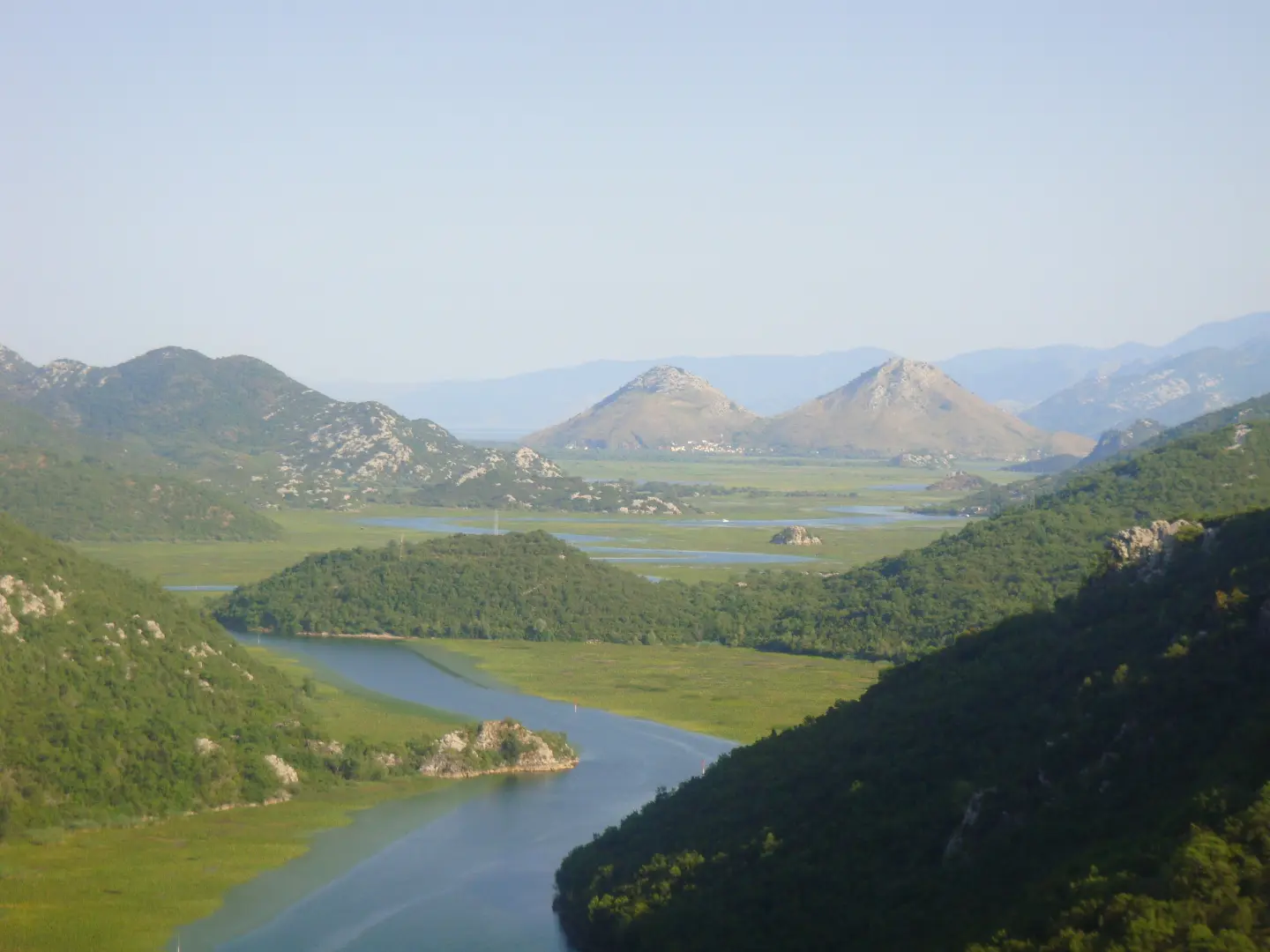
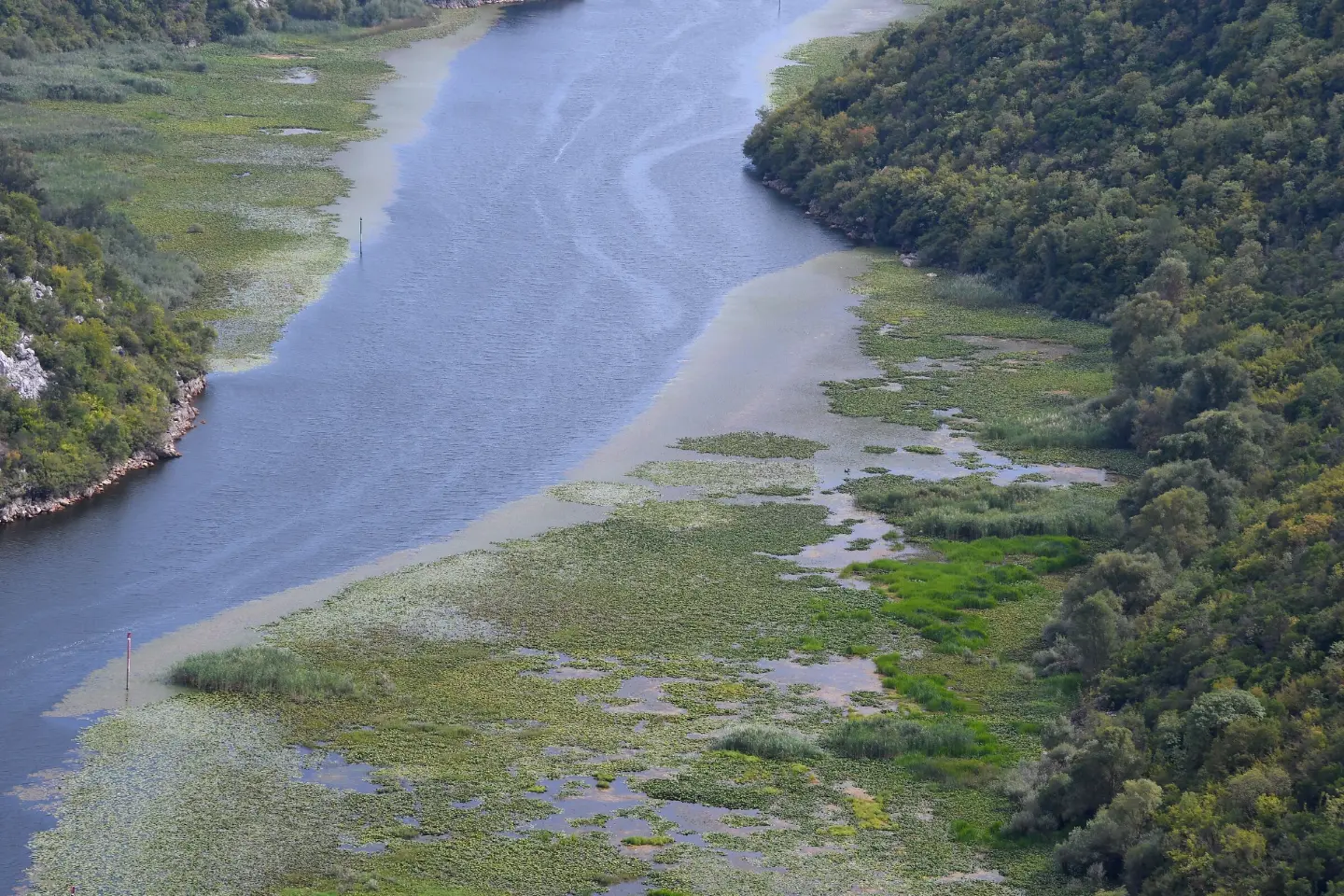
About 4 km east of the settlement, on the road to Virpazar, lies Pavlova strana – the most photographed spot on Lake Skadar. From here you can see the river make an almost complete circle around the hill before entering the lake. The best light is in the morning and late afternoon, and there is space for a few cars at the widened area.
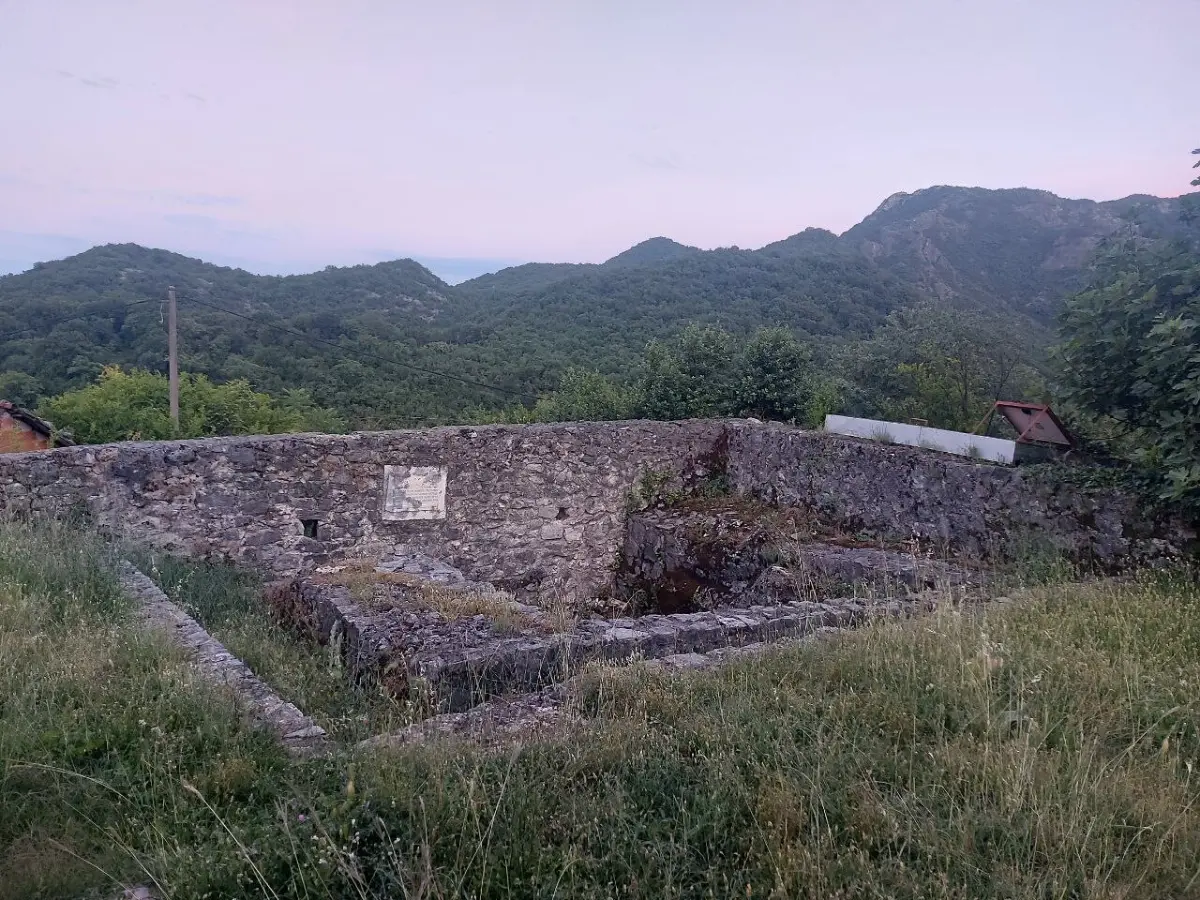
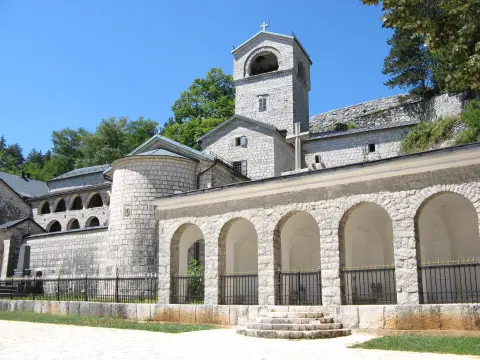
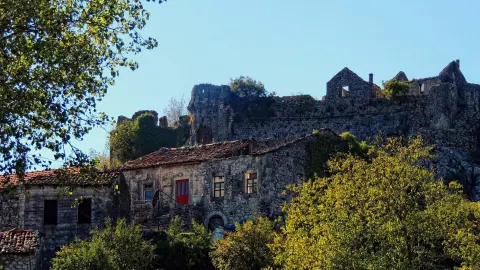
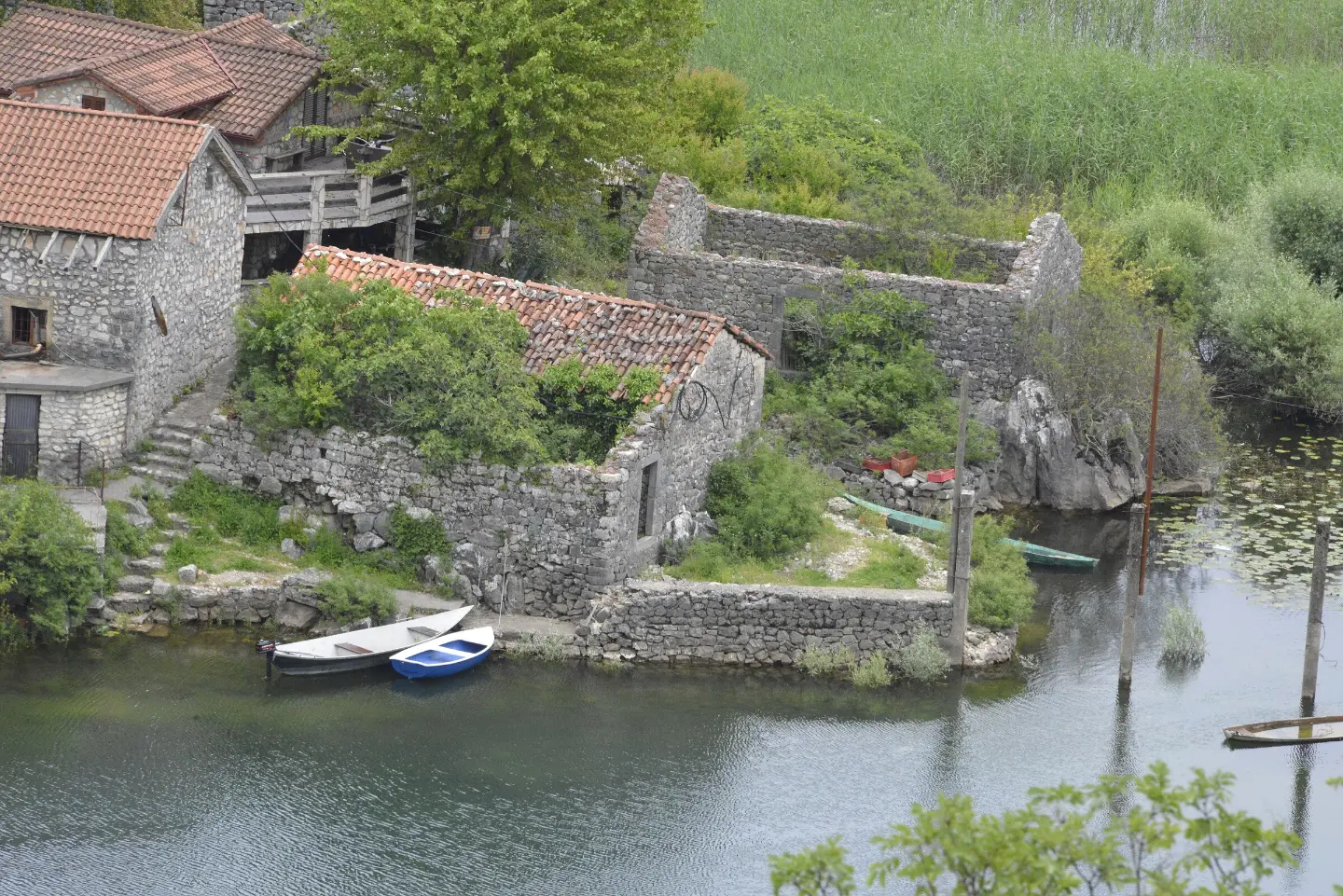
Above the river is Obod (Rijeka Fortress), which Ivan Crnojević fortified around 1475 and built the Monastery of St. Nicholas beside it; the monastery was destroyed in 1692, and in its place the Church of St. Nicholas was built in 1743. The plaque at Obod states that the Crnojević printing house was founded here, from which the Oktoih Prvoglasnik emerged in 1494. Whether it was printed at Obod or at Cetinje is still debated by historians.
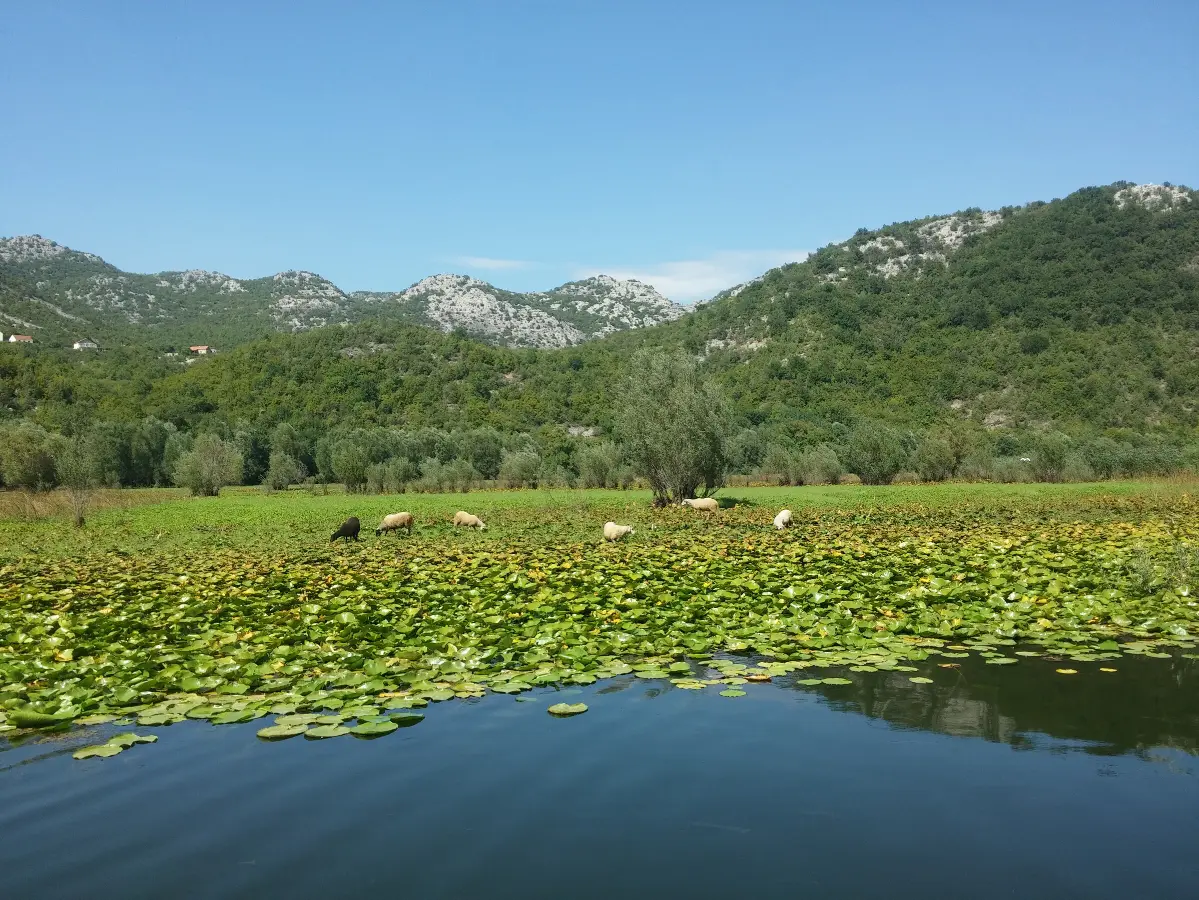
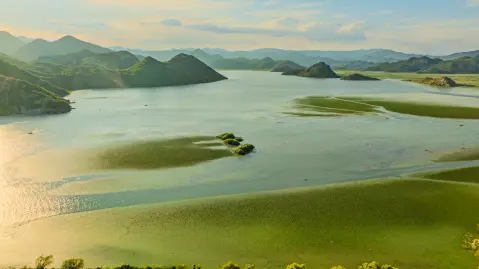
The river is navigable from its very first kilometre, so from the settlement you can travel downstream by boat or small vessel, through water lilies and reeds, towards Lake Skadar. Longer tours go to Karuč, Dodoš, Žabljak Crnojevića and Kom Monastery and last about 3–4 hours. In summer the most pleasant tours are in the morning and early evening.
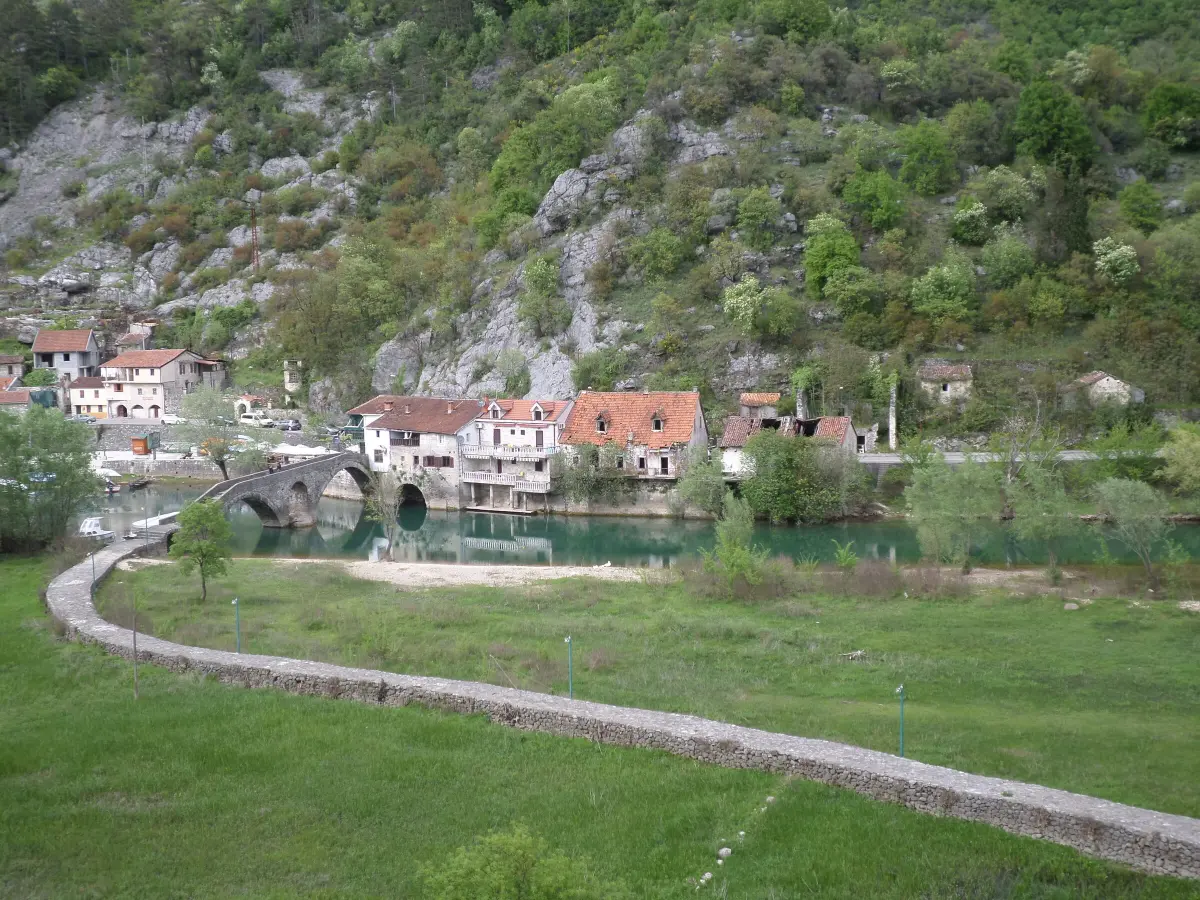
In the 19th and early 20th centuries Rijeka Crnojevića was Montenegro's largest port and trading centre. Trade was driven by dried bleak, sought after even on Italian tables, and the passenger steamship Skenderbeg sailed from here to Skadar until it was sunk in 1942 near Karuč. Today this tradition is continued by riverside restaurants serving smoked carp and fish stew.
What to do
By boat or small vessel down the river through water lilies to Lake Skadar; longer tours go to Karuč, Dodoš, Žabljak Crnojevića and Kom Monastery.
Paddling along the calm river and channels overgrown with water lilies, suitable for beginners.
Skadar Lake National Park is a Ramsar site with around 270–280 bird species, including the Dalmatian pelican and pygmy cormorant.
The Rijeka Crnojevića – Karuč trail is 9.5 km long, with about 180 m of ascent.
Smoked carp, pan-fried carp and dried bleak at riverside restaurants, with Vranac and Kratošija from the wine villages of Rvaši and Drušići.
Narration, a map and the full text in the browser – no app, works offline.
Hiking, walking and cycling routes that start here or pass nearby, with maps and GPX downloads.
Hiking trail 792E is 14,1 km long in one direction, with 547 m of ascent. It starts at Obodska Cave and passes through Skadar Lake National Park.
14.1 km547 m4–5½ h
View trail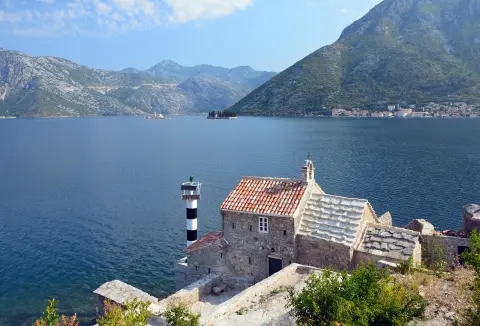
EuroVelo 8 – Mediterranean Route – Montenegro Section is a cycling route 195.0 km long from Njivice to Sukobin. It runs on asphalt, has 3,259 m of ascent and passes through the coastal area, Lovćen National Park and Lake Skadar.
195 km3,259 m2–3 days
View trail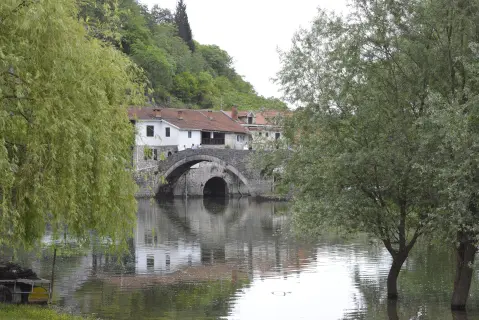
Trail 792B leads from Komarno to Rijeka Crnojevića through Skadar Lake National Park. The length is 10.1 km, with 386 m of ascent and 611 m of descent; it passes by a waterfall and a spring.
10.1 km386 m3–4½ h
View trail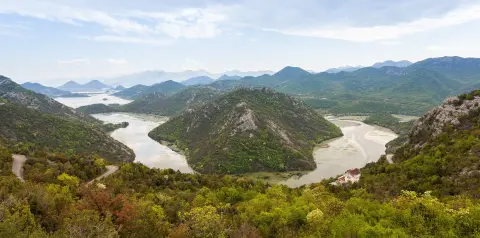
Cycling trail NPSJ02 runs through Skadar Lake National Park. It is 10.7 km long, easy, and can be completed in about 50 min without stops, with a surface that is 100% asphalt/concrete.
10.7 km184 m45–60 min
View trailAn easy hiking trail 2.7 km long in Skadar Lake National Park. It leads from Komarno to Poseljani, with 32 m of ascent and 254 m of descent, and is estimated at 1 h of walking without breaks.
2.7 km32 m50–70 min
View trailEasy circular trail Zaboj in Skadarsko Jezero National Park: 3,1 km, ascent 110 m, viewpoint at 246 m above sea level, and walk of about 1 h 5 min.
3.1 km110 m55–80 minLoop
View trailAn easy one-way hiking trail, 1.3 km long, with 11 m of ascent and 184 m of descent. Estimated walking time is 35 minutes.
1.3 km11 m30–40 min
View trailThe easy one-way trail Dupilo – Komarno is 5.0 km long, with a total ascent of 176 m and a descent of 186 m. It passes through Skadar Lake National Park and follows a combination of paved and forest sections.
5.0 km176 m1½–2 h
View trailGallery
Plan Your Visit
Website
nparkovi.meRijeka Crnojevića is in Skadar Lake National Park: the daily NP entrance fee is €5 per person, and a sport fishing permit is €5 per day. Tickets can also be purchased at ulaznice.nparkovi.me.
Parking in the settlement; at the Pavlova strana viewpoint there is space for a few cars.
The promenade along the river is flat, but stone paths and steps lead to Danilov most and Obod; the Pavlova strana viewpoint is accessible by car.
FAQ
Around here
Explore More
Explore More