Travel to Montenegro
Old Towns of Montenegro
Cultural Heritage

Five ancient towns along the Adriatic coast — from UNESCO-protected Kotor to the pirate city of Ulcinj. History, architecture, and practical visiting tips.

Old Towns of Montenegro

Overview

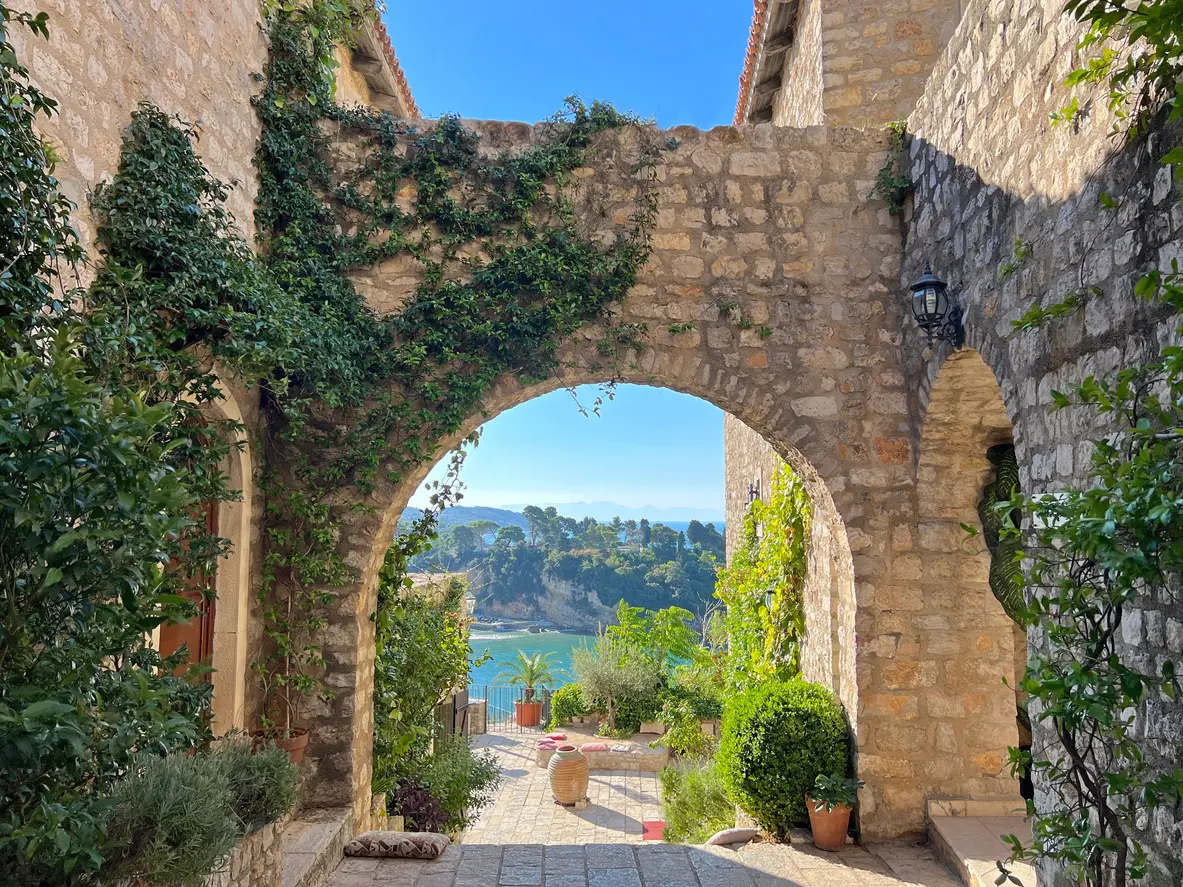
Along the Montenegrin Adriatic coast, a series of old towns unfolds, together spanning more than 2,500 years of history. Each is different — Kotor Venetian and monumental, Budva ancient and vibrant, Ulcinj oriental and mysterious, Herceg Novi Mediterranean and floral, and Bar quiet and forgotten. This is not a museum tour — these are living cities where history and everyday life overlap at every turn.

From Budva, over 2,500 years old, to the UNESCO-protected walls of Kotor — the old towns of Montenegro are living history you can walk through.

UNESCOold townshistoryarchitectureKotorBudva

Number of old towns

5 along the coast

UNESCO protection

Kotor since 1979

Oldest town

Budva — 2,500+ years

Entrance

Free (walls ~€8)

Stari Bar

5 km from the sea

Herceg Novi

100,001 steps

Highlights
Kotor Old Town
01
Fact 01

Kotor Old Town

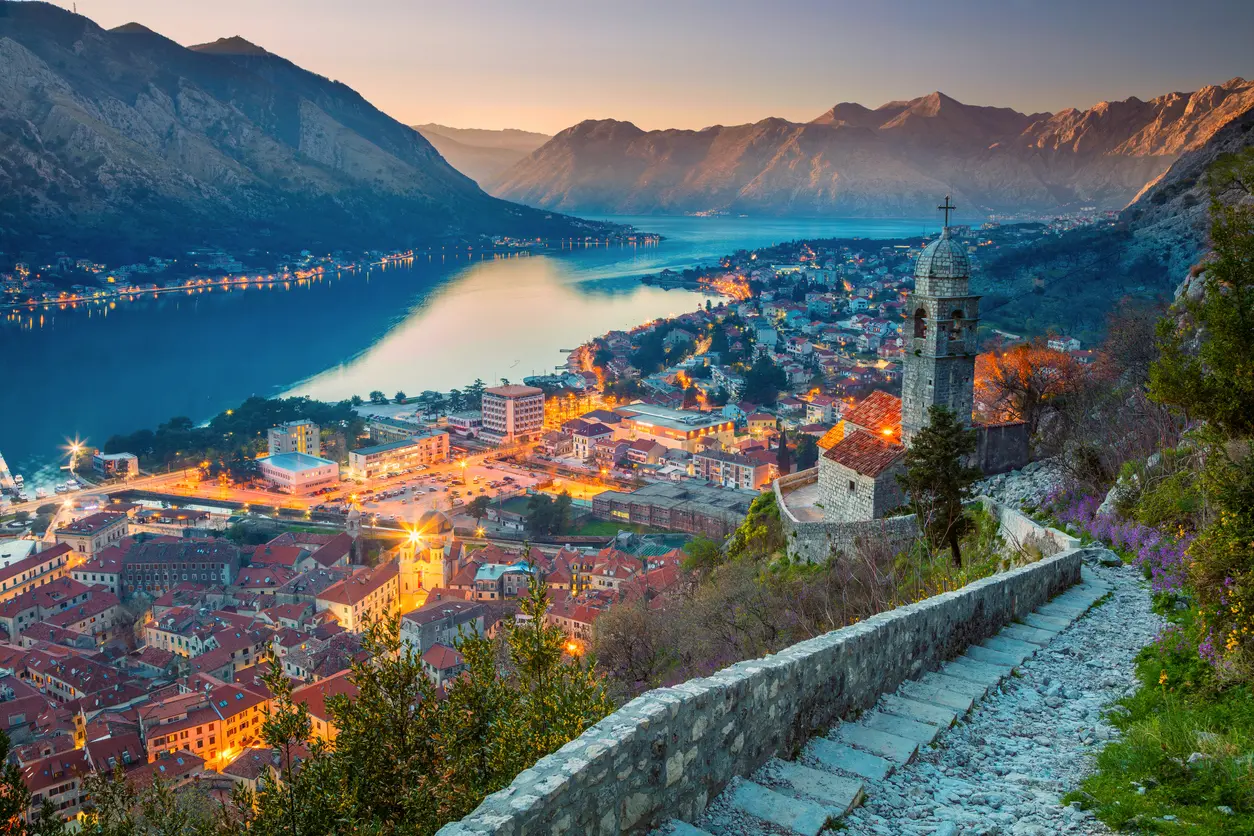
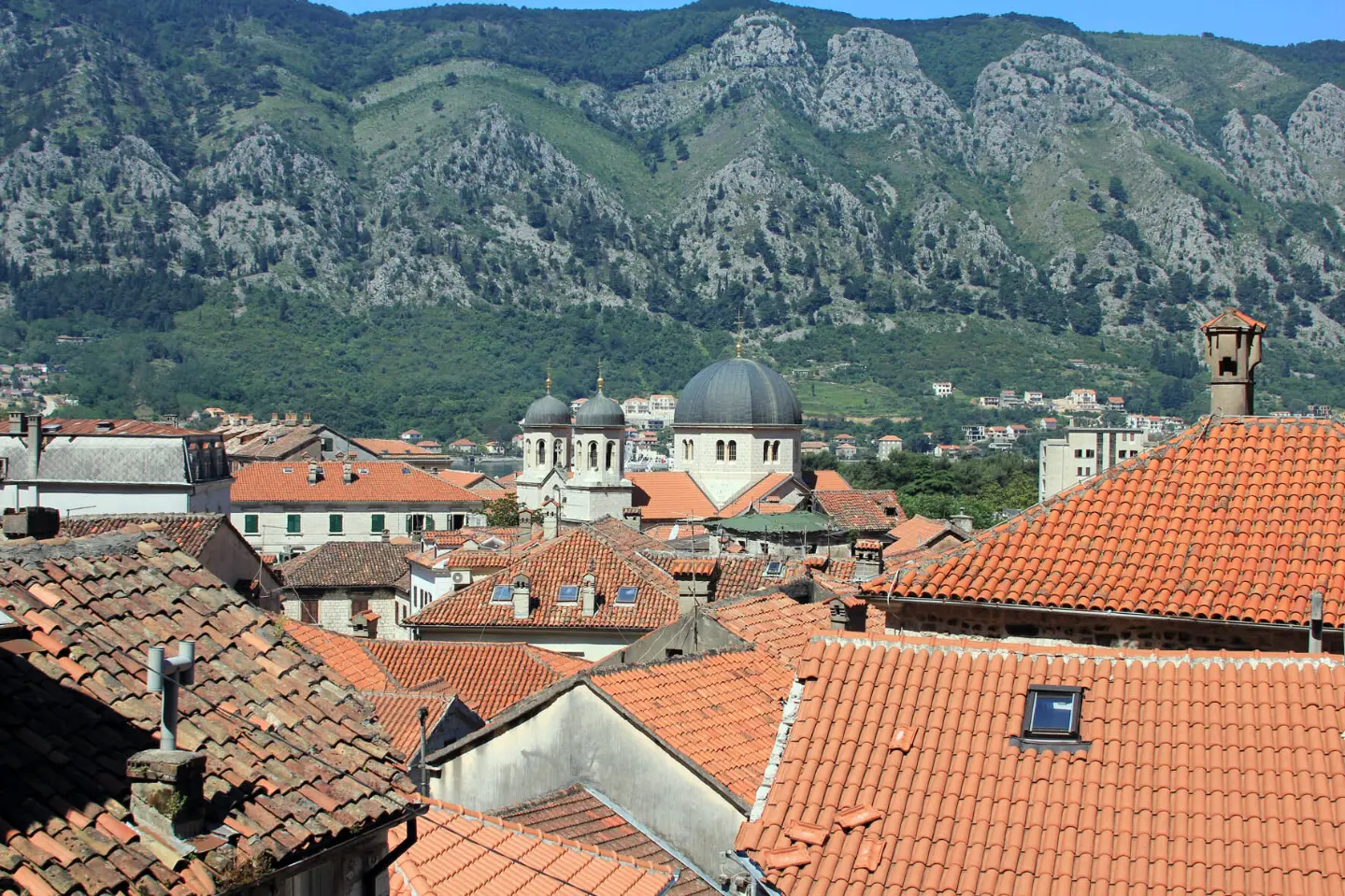
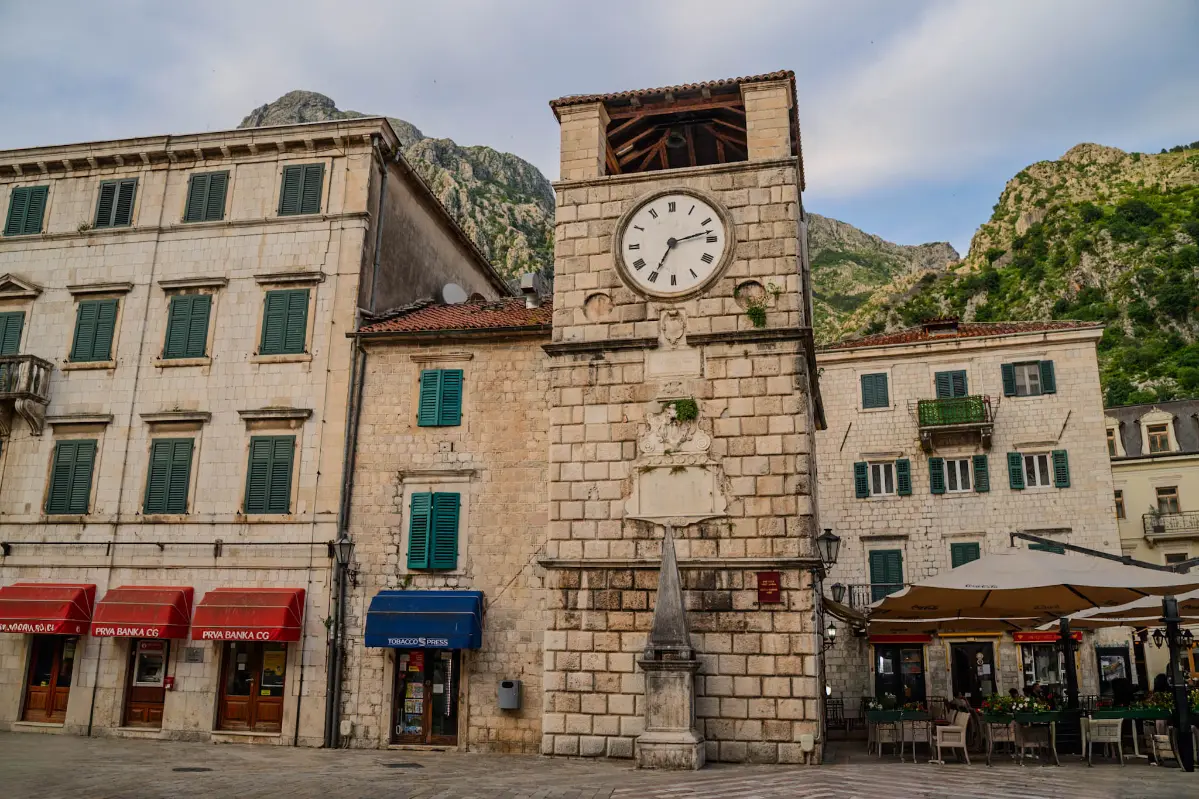
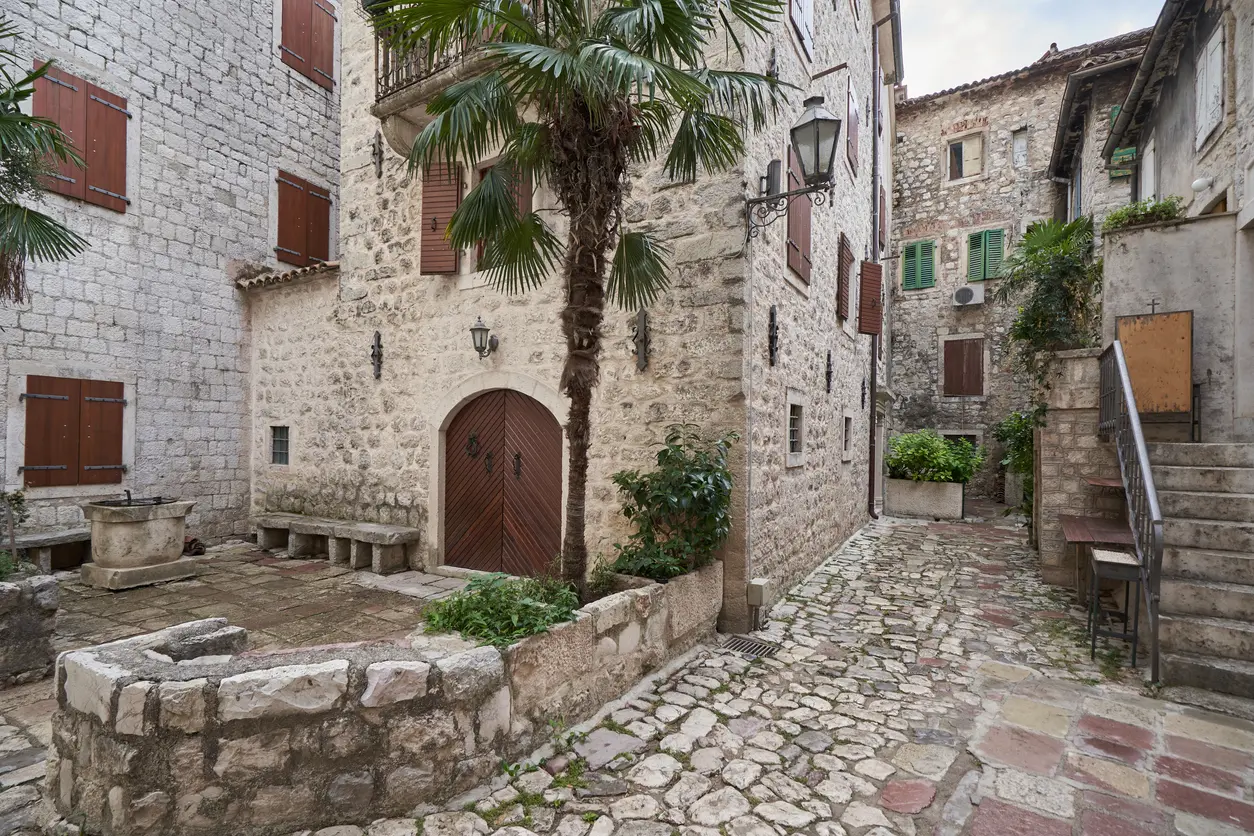
Under UNESCO protection since 1979. Venetian walls stretching 4.5 km surround the city with its Romanesque churches and Gothic palaces. The Cathedral of St. Tryphon was built in 1166. Climbing the walls takes 1–2 hours and rewards you with a panoramic view of the Bay of Kotor.
01
04
Citadela Budva
02
Fact 02

Citadela Budva

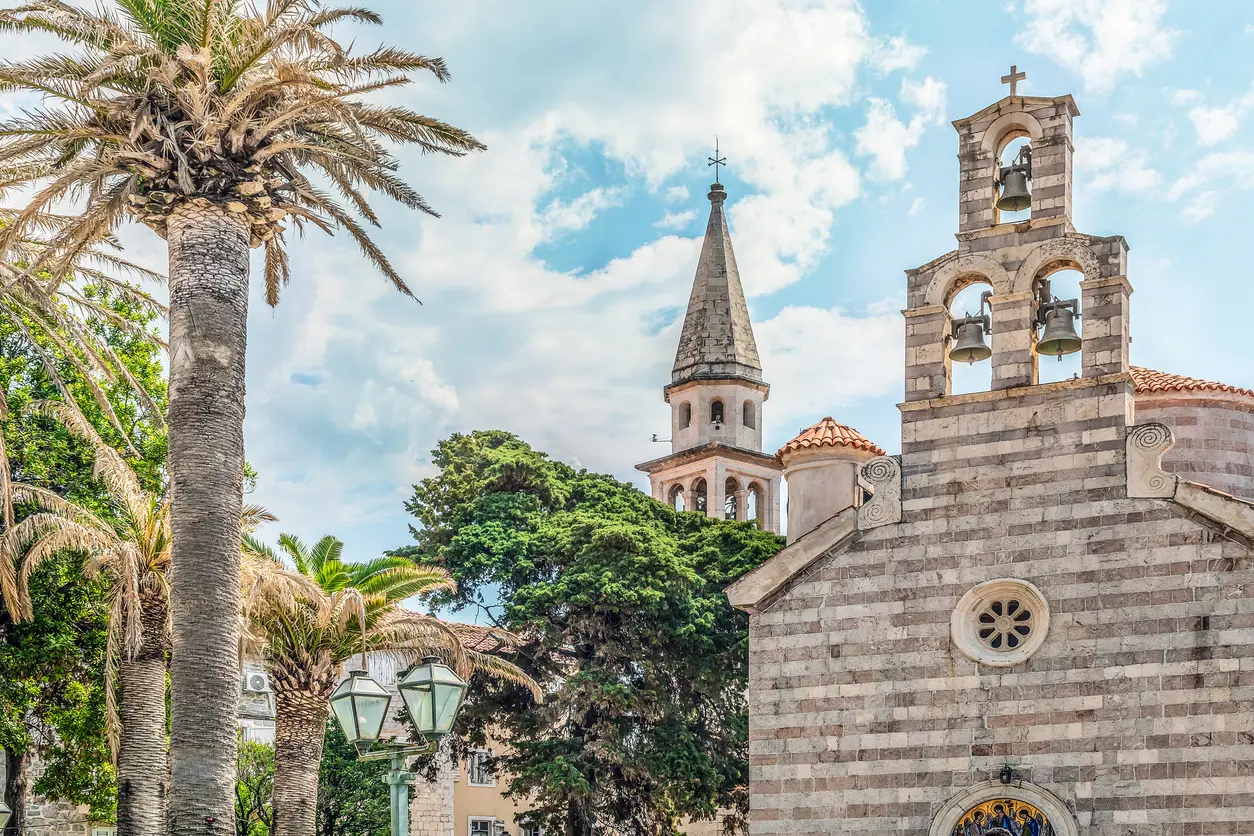
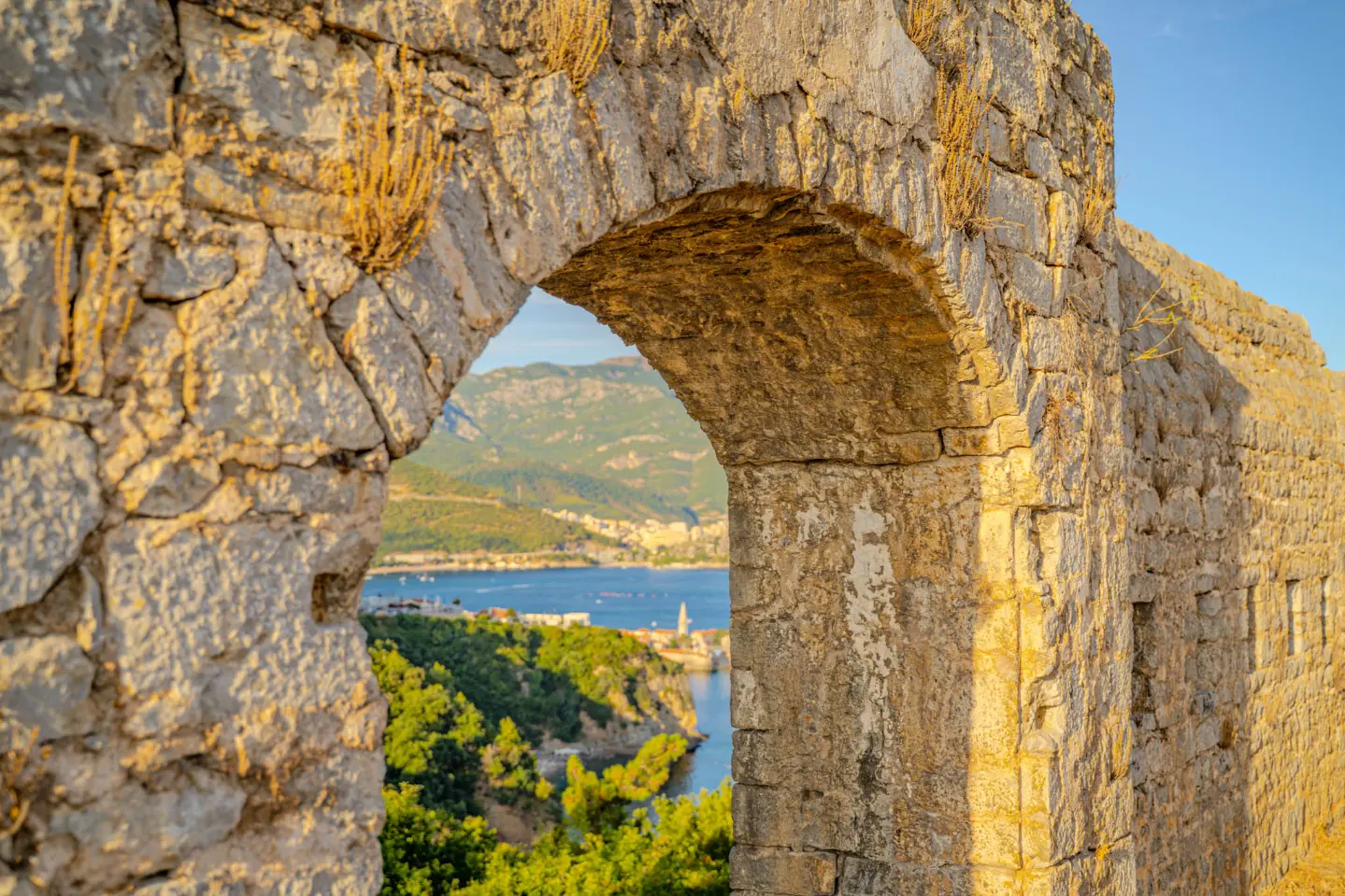
Located in the heart of the 2,500+ year-old old town. Inside the fortress you'll find an Austro-Hungarian barracks and a library. Open daily from 9am to midnight, the entrance fee is just €3 — one of the most affordable attractions on the Montenegrin Riviera.
02
04
Ulcinj — Balšića Tower
03
Fact 03

Ulcinj — Balšića Tower

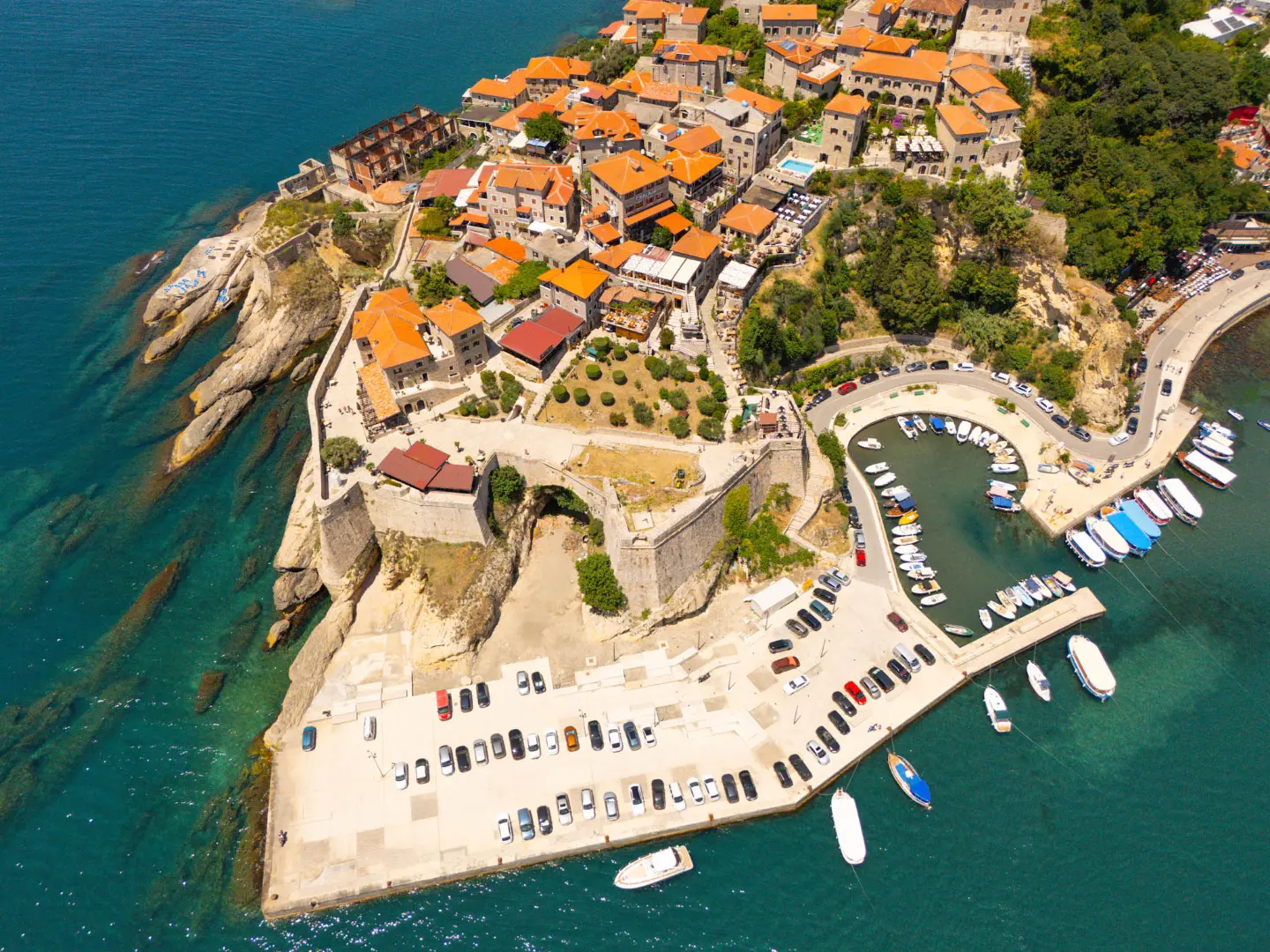
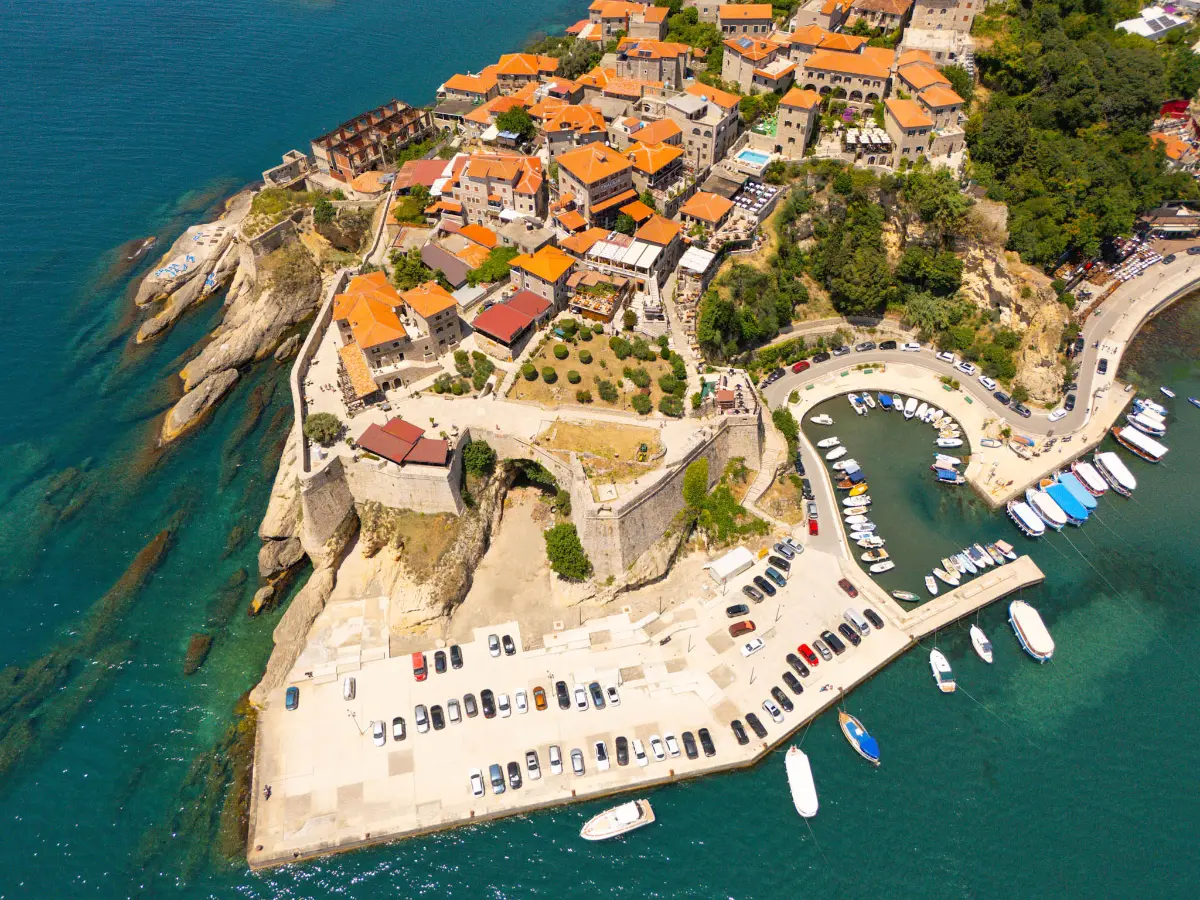
Ulcinj fell under Ottoman rule in 1571 and became a pirate base. The Balšića Tower and the remains of the slave market bear witness to a turbulent past. The old town has a strong oriental character — narrow cobblestone streets, mosques, and views over the long sandy beach.
03
04
Stari Bar — Ruins
04
Fact 04

Stari Bar — Ruins

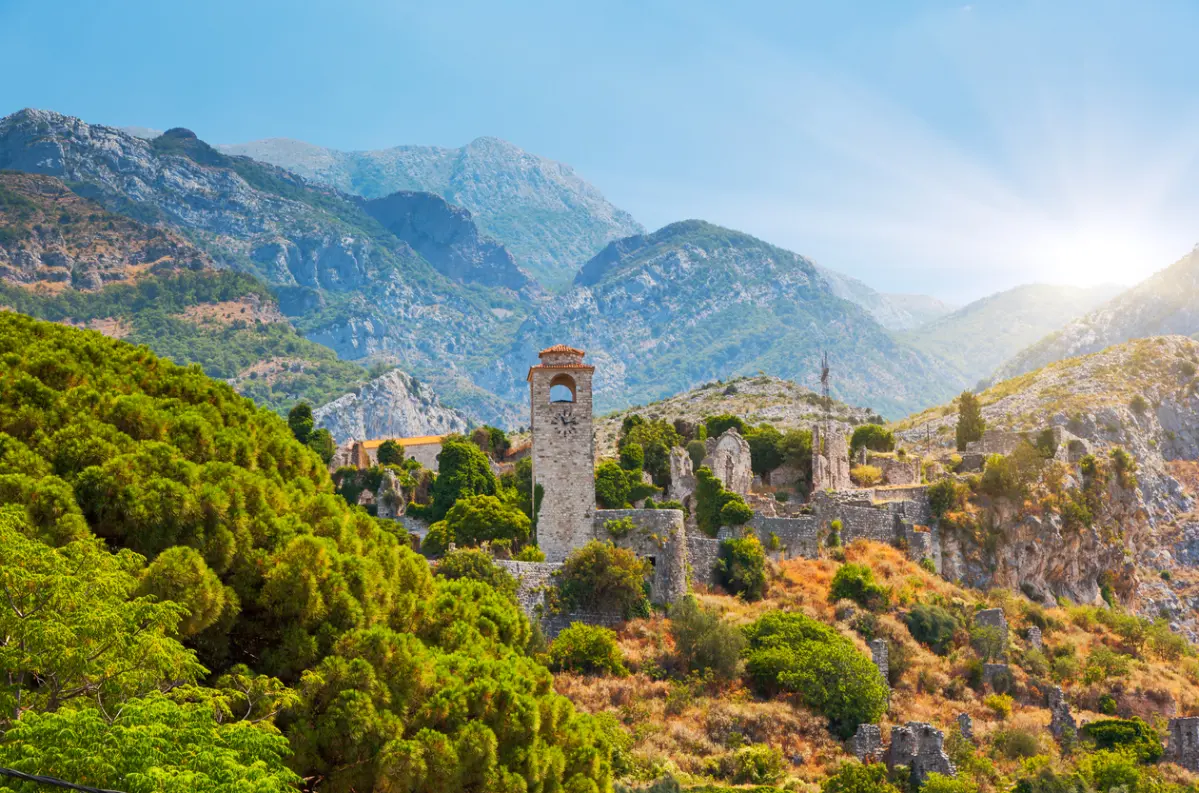
The only old town not on the coast — it lies 5 km from the sea, surrounded by olive trees up to 2,000 years old. Partially in ruins, but conservation work is ongoing. Ideal for visitors seeking peace and authenticity away from tourist crowds.
04
04
Five Towns, 2,500 Years of History

From the Venetian walls of Kotor to the pirate towers of Ulcinj — on one coastline

Five Towns, 2,500 Years of History

Kotor has been under UNESCO protection since 1979, Budva is over 2,500 years old — the Montenegrin coast is one of the most historically dense stretches of the Mediterranean.

Ulcinj Old Town served as a pirate base from 1571, and within its walls there was a slave market. According to legend, t

Did You Know?

Ulcinj Old Town served as a pirate base from 1571, and within its walls there was a slave market. According to legend, the famous Spanish writer Miguel de Cervantes, author of Don Quixote, was captured and sold right here in Ulcinj. Miguel de Cervantes was captured and sold right here in Ulcinj

FAQ

Frequently Asked Questions

Entry to the old towns of Kotor, Ulcinj, Herceg Novi, and Bar is free. The Kotor city walls charge around €8. The Citadela Budva charges €3 and is open daily from 9am to midnight.
Budva is the oldest old town — it is over 2,500 years old. Within its walls there is an ancient necropolis that bears witness to the Hellenistic and Roman periods of settlement.
Kotor was inscribed on the UNESCO World Heritage List in 1979 due to its exceptionally well-preserved medieval architecture, wall system, and unique location in the Bay of Kotor. The city was under Venetian rule for nearly four centuries, which left its mark in Gothic palaces and Romanesque churches.
May, June, and September are ideal — fewer crowds than July and August, and the temperature is pleasant for walking. In summer, arrive early in the morning (before 9am) or in the evening to avoid the biggest crowds and the heat.
From 1571, Ulcinj served as a pirate base, and within its walls there was a slave market. The city has a strong oriental character due to Ottoman influence — mosques, narrow cobblestone streets, and the Balšića Tower are must-see stops.
Stari Bar is located 5 km from the coast, above the modern town of Bar. It can be reached by car or taxi. There is no regular tourist transport, but parking is available near the entrance to the ruins.

Travel Assistant

Ask about Montenegro

Welcome!

Ask me about destinations, restaurants or activities.