Travel to Montenegro
Fortresses of Montenegro
Historical Heritage

From the walls of Kotor to Haj-Nehaj — Montenegro's stone fortresses guard centuries of history, each offering a unique view of the sea, mountains, or ancient towns.

Fortresses of Montenegro

Overview

Montenegro stood at the crossroads of civilisations for centuries — Venetians, Ottomans, Austro-Hungarians, Serbs — and every conqueror left a stone in the wall. The result is a country dotted with fortresses, from Adriatic towns to mountain gorges. Some are perfectly preserved, some are ruins, but all are worth a visit.

Montenegro hides dozens of fortifications scattered from the Adriatic to the interior — here is a guide to the most important fortresses worth visiting.

fortresseshistoryKotorUNESCOStari BarHerceg Novi

Number of Fortresses

20+ fortifications

Kotor Walls

4.5 km in length

Oldest Fortress

Medun, 4th century BC

UNESCO Protection

Kotor since 1979

Kotor Entrance

8 EUR

Climb to the Top

1.5–2 hours

Highlights
Kotor City Walls
01
Fact 01

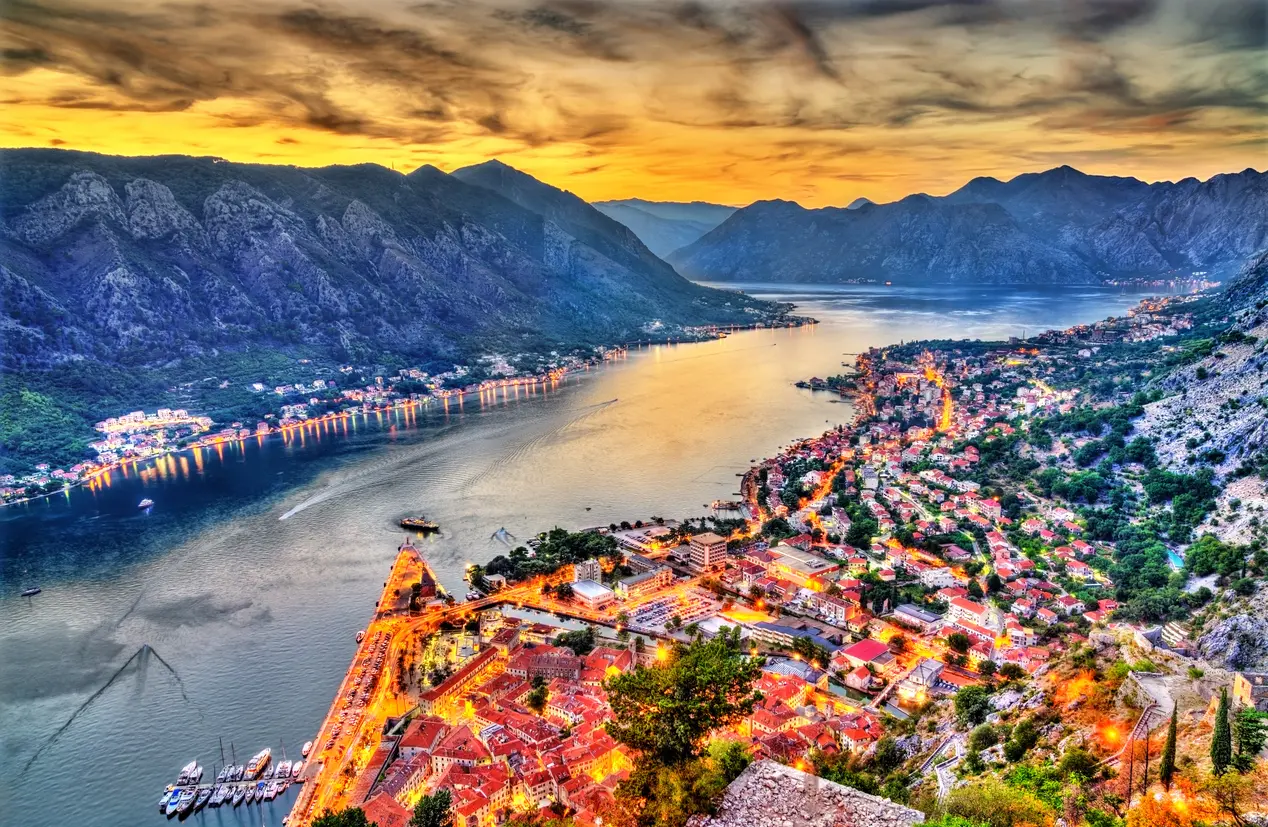
Kotor City Walls

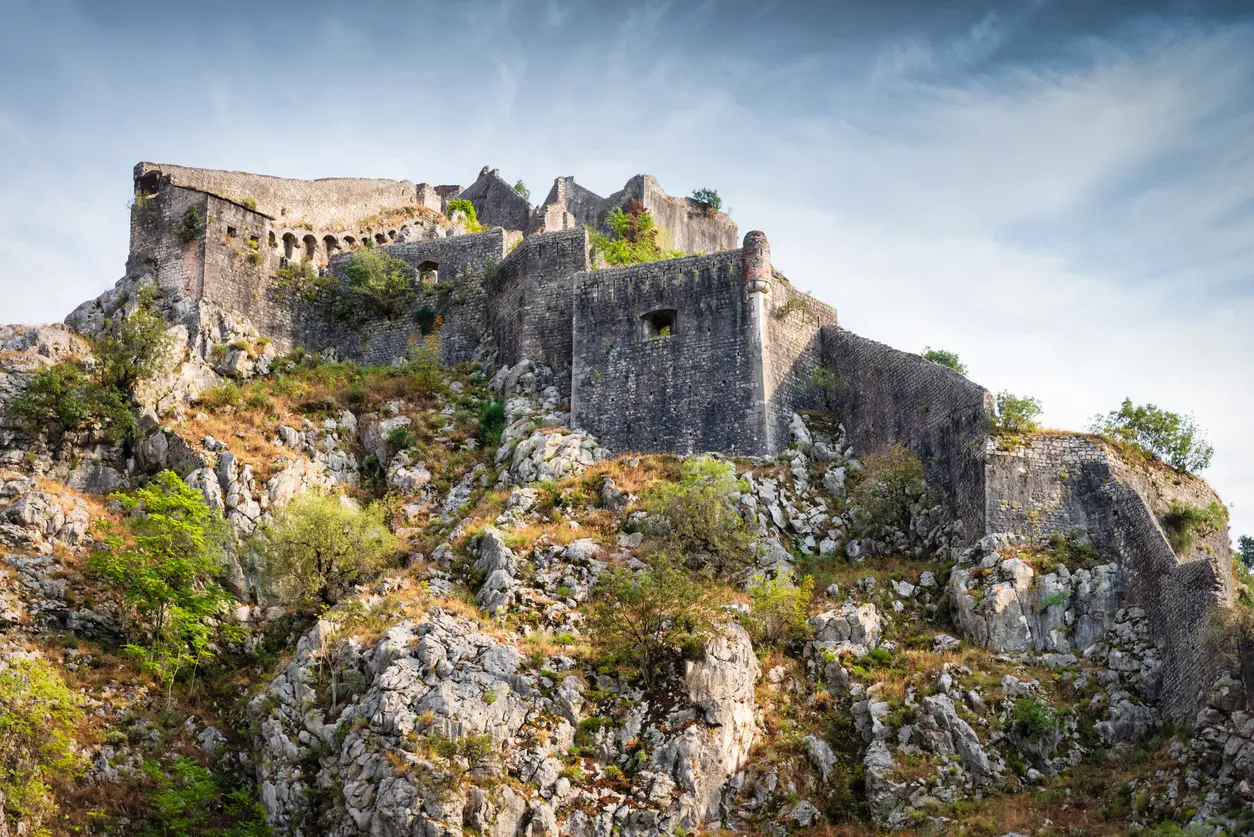
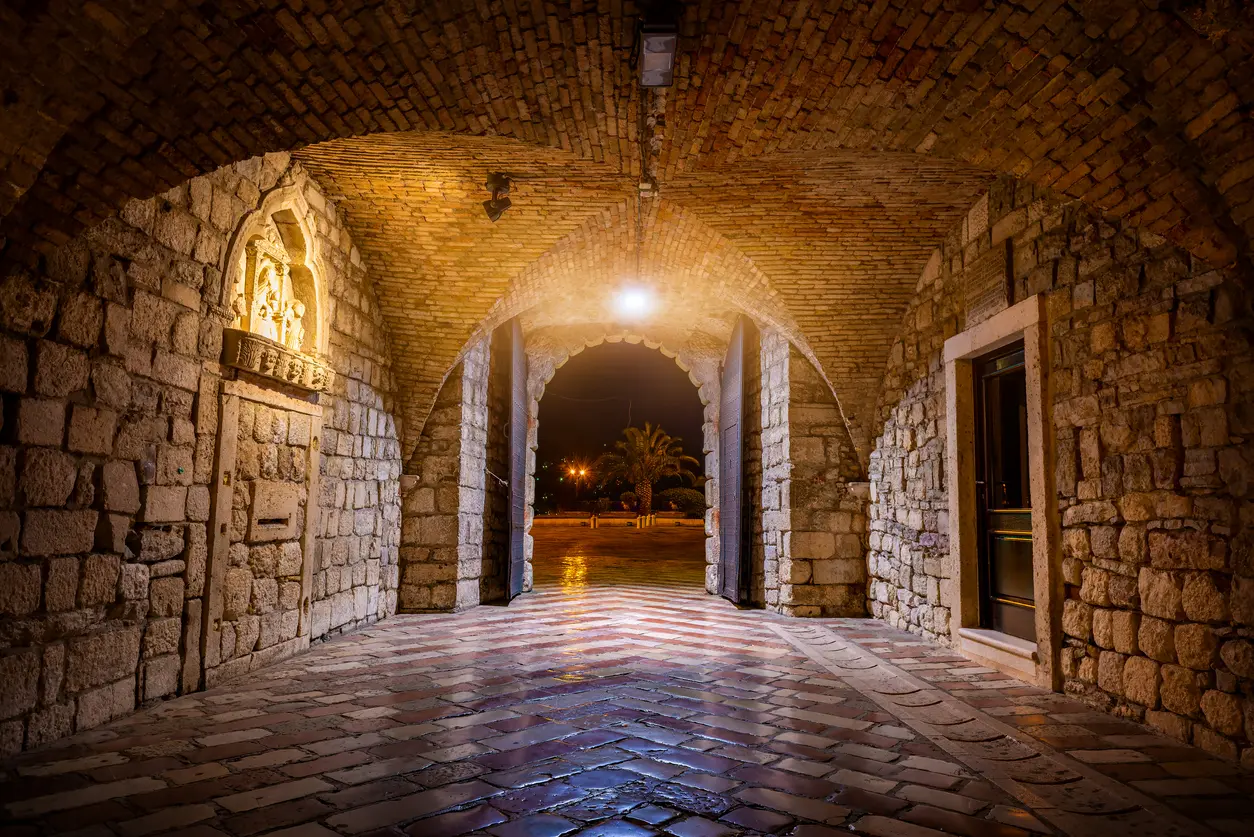
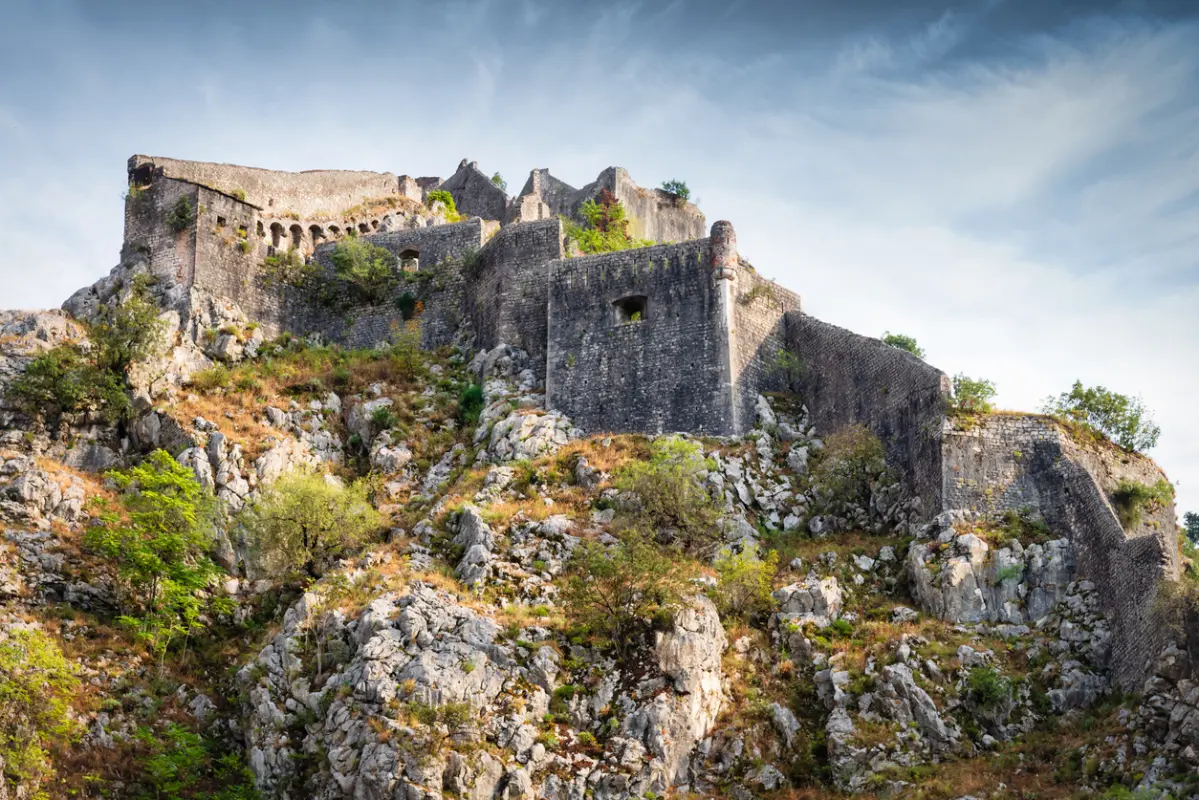
The Venetian ramparts from the 14th–18th century stretch 4.5 km around the Old Town and climb to the fortress of Sveti Ivan at 260 m. UNESCO protection since 1979. From the top, the entire Boka Kotorska is visible — the most dramatic view in Montenegro.
01
04
Stari Bar
02
Fact 02

Stari Bar

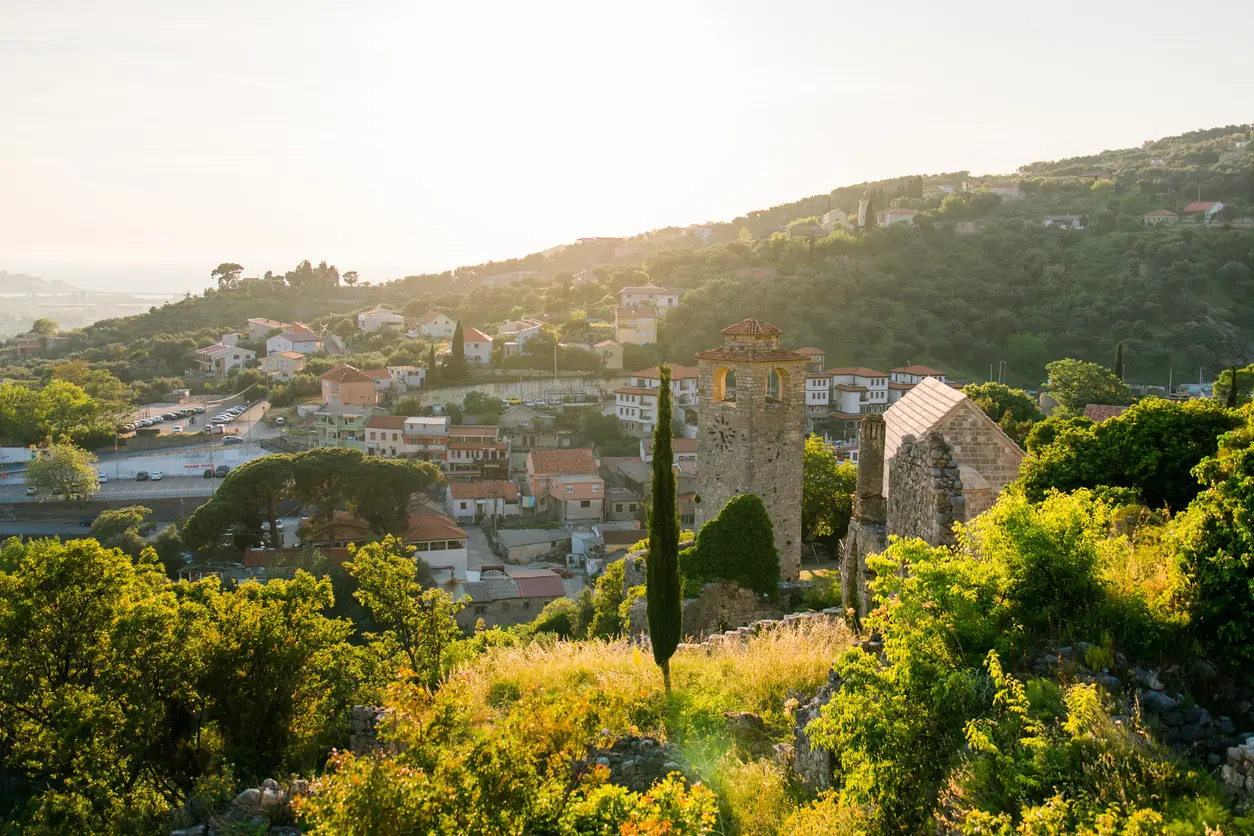
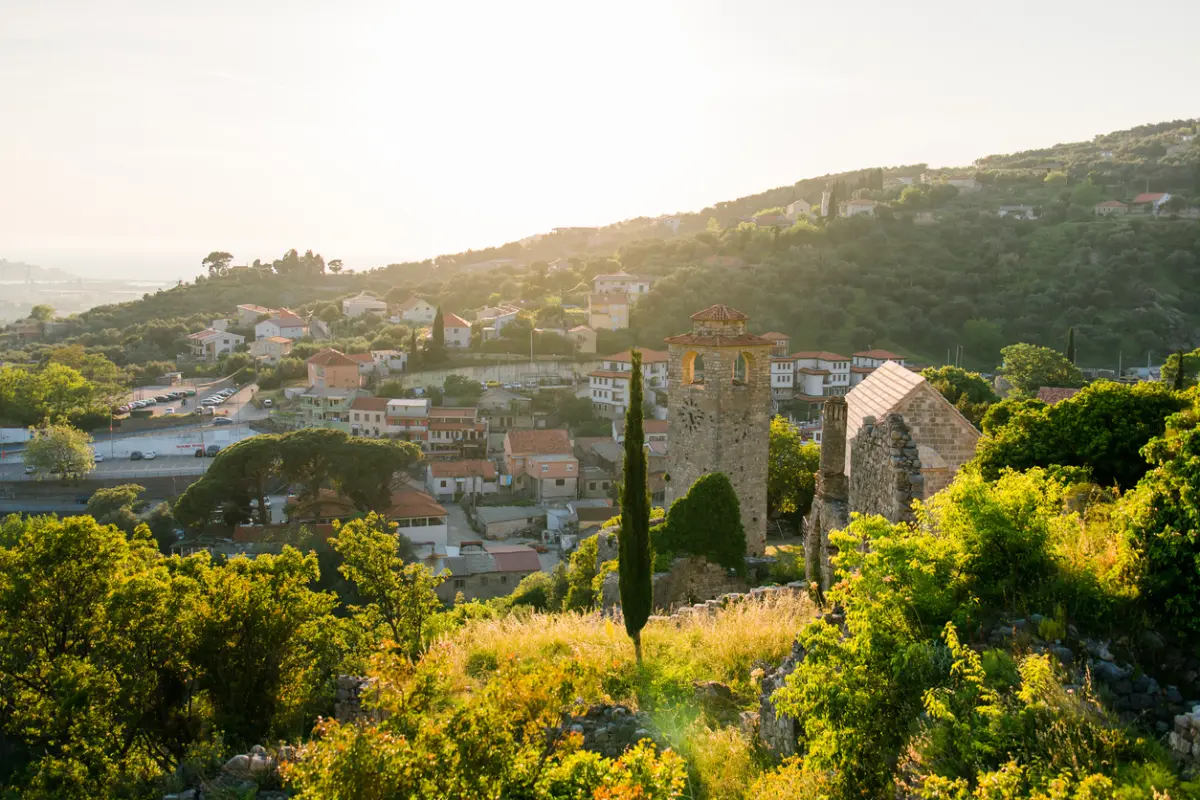
A fortress-city whose history stretches back to the 9th century. Destroyed in the 1979 earthquake, it now functions as an open-air museum with more than 240 structures. Surrounded by olive trees up to 2,000 years old — one of the most authentic sites on the Adriatic.
02
04
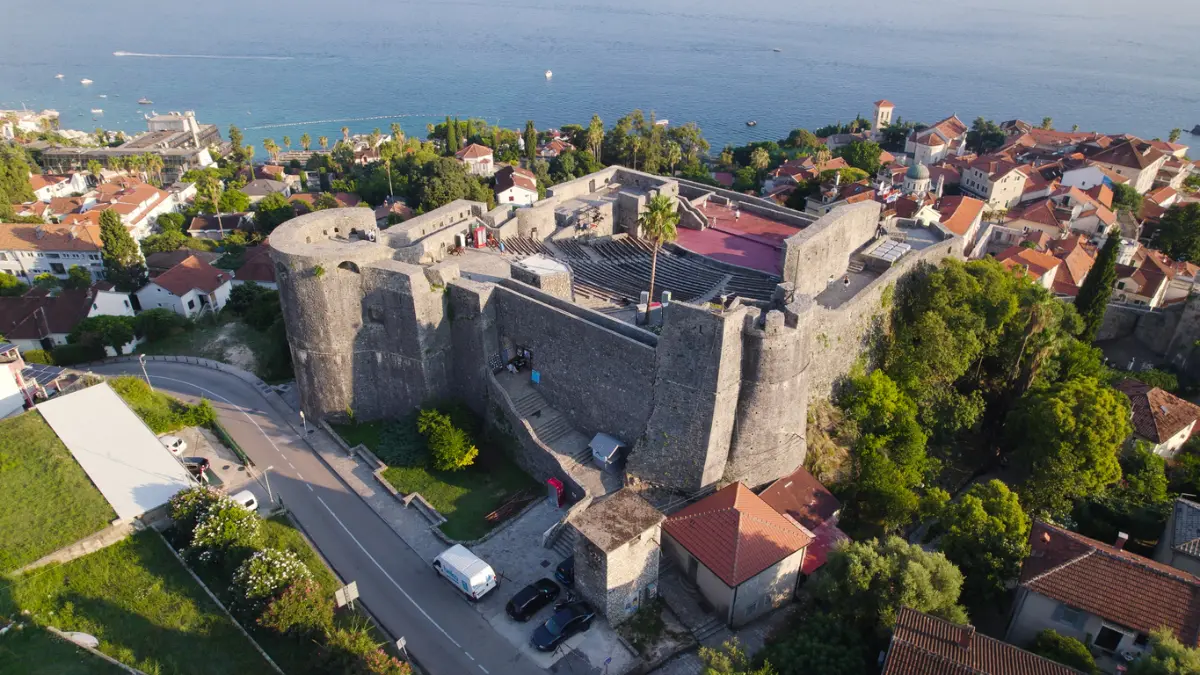
Kanli Kula, Herceg Novi
03
Fact 03

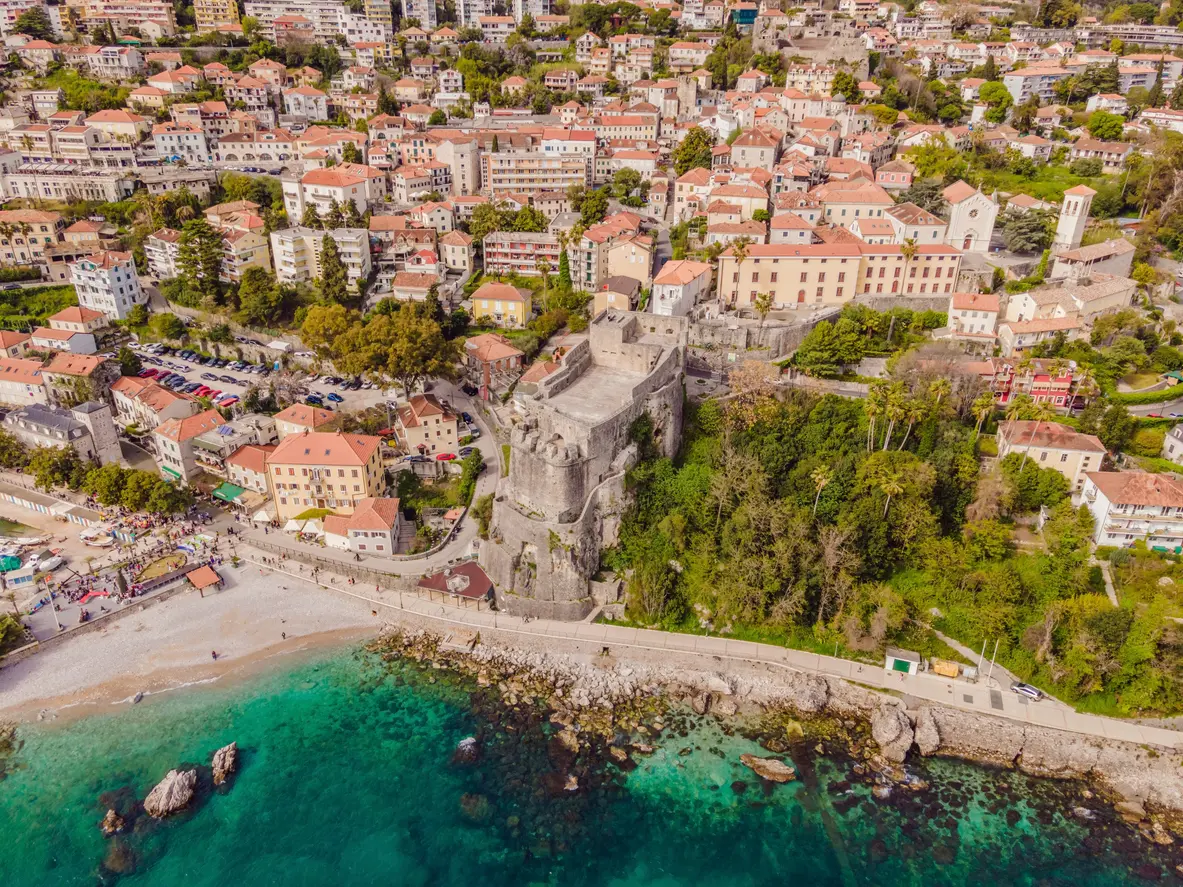
Kanli Kula, Herceg Novi

An Ottoman fortress from the 16th century whose name means 'Bloody Tower'. It also served as a prison. Today it is a summer stage for concerts and theatre performances — a blend of history and culture in one space.
03
04
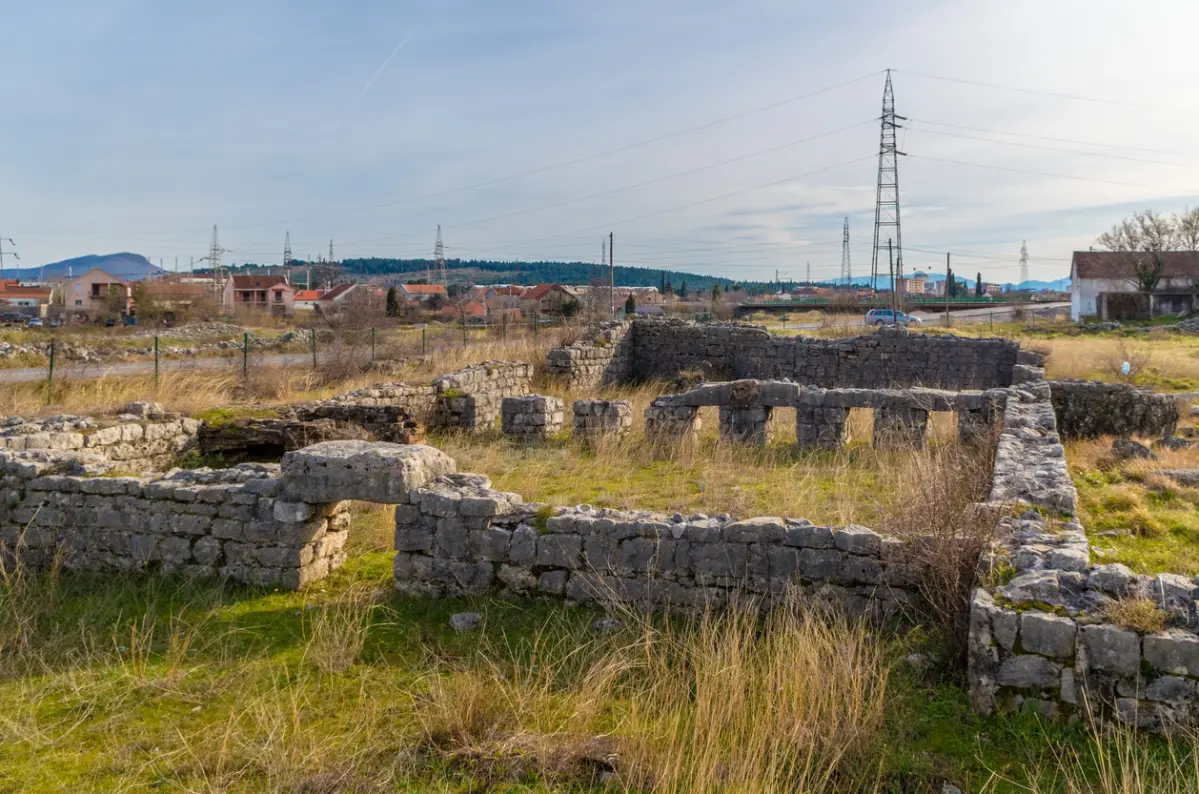
Medun near Podgorica
04
Fact 04

Medun near Podgorica

An Illyrian fortification from the 4th century BC situated on a plateau 20 km northeast of Podgorica. One of the oldest fortified sites in the region, with remains of Cyclopean walls and a beautiful view over the Zeta plain.
04
04
Stone Guardians of the Adriatic

Fortresses of Montenegro — from the 4th century BC to Venetian ramparts

Stone Guardians of the Adriatic

More than 20 fortifications scattered across Montenegro — from the Illyrian Medun to the UNESCO-listed Kotor city walls. Each fortress preserves a different era.

The Kotor city walls are over 4.5 km long and rise to a height of 260 m — construction lasted from the 9th to the 18th c

Did You Know?

The Kotor city walls are over 4.5 km long and rise to a height of 260 m — construction lasted from the 9th to the 18th century. Unlike most European city walls, the Kotor walls are almost entirely preserved and walkable along their full length. the Kotor city walls are over 4.5 km long and rise to 260 m

FAQ

Frequently Asked Questions

Entry to the Kotor city walls costs €8 for adults. Children under 12 receive a discount or free entry. The ticket office is open from early morning until sunset during the summer season. It is recommended to arrive early in the morning to avoid crowds and heat.
The climb from the entrance of the Old Town to the fortress of Sveti Ivan at 260 m takes between 1.5 and 2 hours depending on your pace. The paths are paved but steep and slippery — sturdy footwear is essential. Bring water, especially during the summer months.
Stari Bar charges a nominal entry fee (around €1–2), and is sometimes free outside of season. The site is open year-round, but is most beautiful in spring and autumn when there are fewer crowds. Walking the entire site takes about 1–1.5 hours.
Medun near Podgorica is considered one of the oldest fortified sites — it dates from the 4th century BC and is of Illyrian origin. The Cyclopean walls are partially preserved. The site is free to visit and easily accessible by car from Podgorica (20 km).
For sea views, Haj-Nehaj above Sutomore and the Kotor city walls are unrivalled. For views of the interior and the lake, Žabljak Crnojevića on Lake Skadar is an exceptional option. Medun offers a panorama of the Zeta plain and the surrounding mountains.
Spring (April–May) and early autumn (September–October) are the ideal periods. Temperatures are comfortable for walking, crowds are smaller, and the light is perfect for photography. Summer is the busiest — if you go in July or August, set off early in the morning, before 9 am.

Travel Assistant

Ask about Montenegro

Welcome!

Ask me about destinations, restaurants or activities.