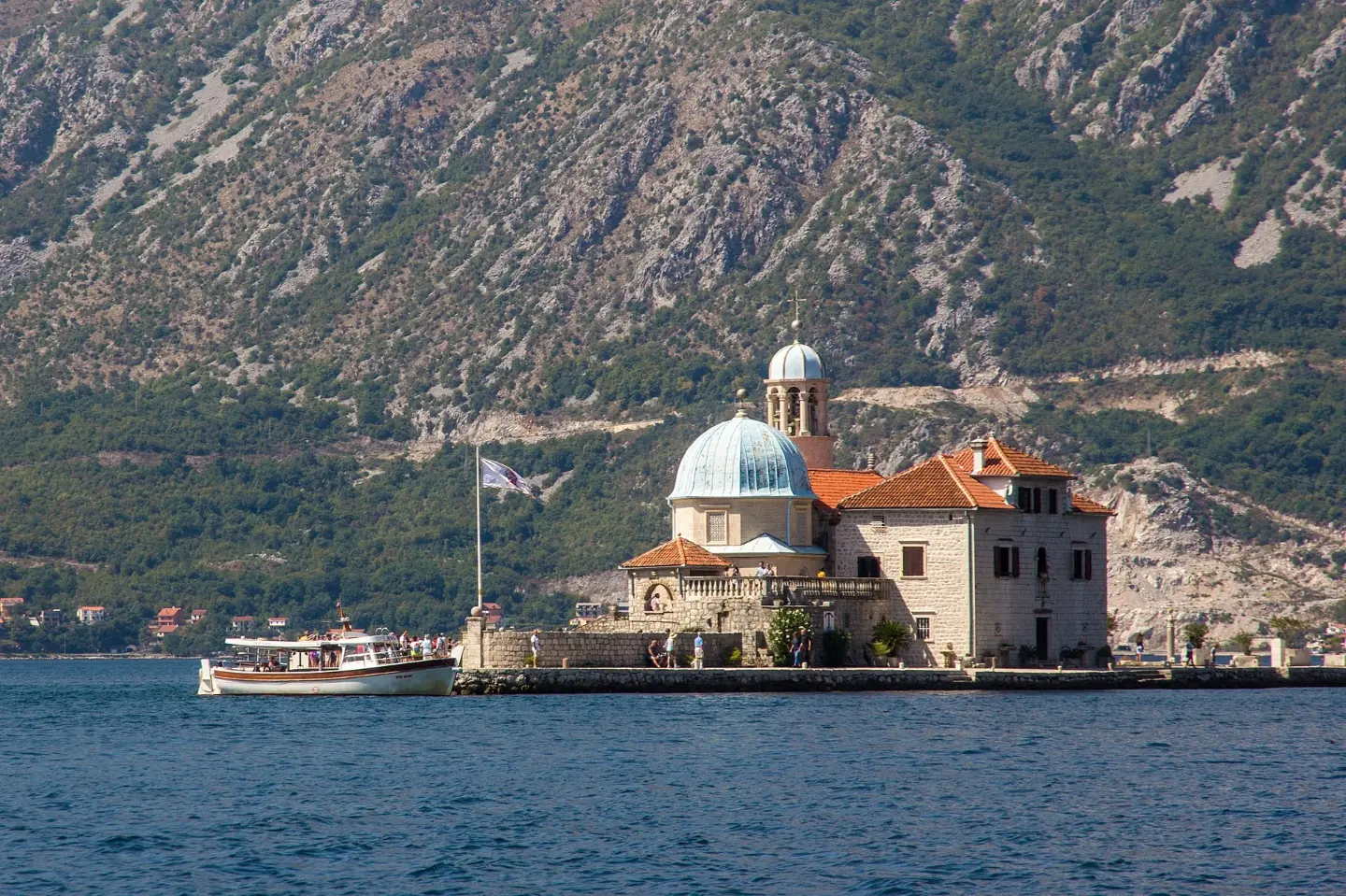
From ancient fortresses rising from azure waters to sacred sanctuaries and pristine lake archipelagos, the islands of Montenegro conceal unique ecosystems and centuries of natural history.
The islands of Montenegro are living laboratories of evolution and adaptation, where isolation has created unique ecosystems found nowhere else on Earth. From the dramatic limestone cliffs of the Adriatic fortresses to the floating gardens of the Lake Skadar wetland archipelago, these natural sanctuaries preserve millennia of ecological heritage and serve as critical refuges for endangered Mediterranean and Balkan species.
Discover the diverse island ecosystems of Montenegro, from Adriatic sea fortresses to the pristine archipelago of Lake Skadar, each hiding unique wildlife and botanical gems.
Number of Islands
50+ on Lake Skadar
Bird Species
280+ species
Endemic Plants
15+ species
Protected Area
40,000 hectares
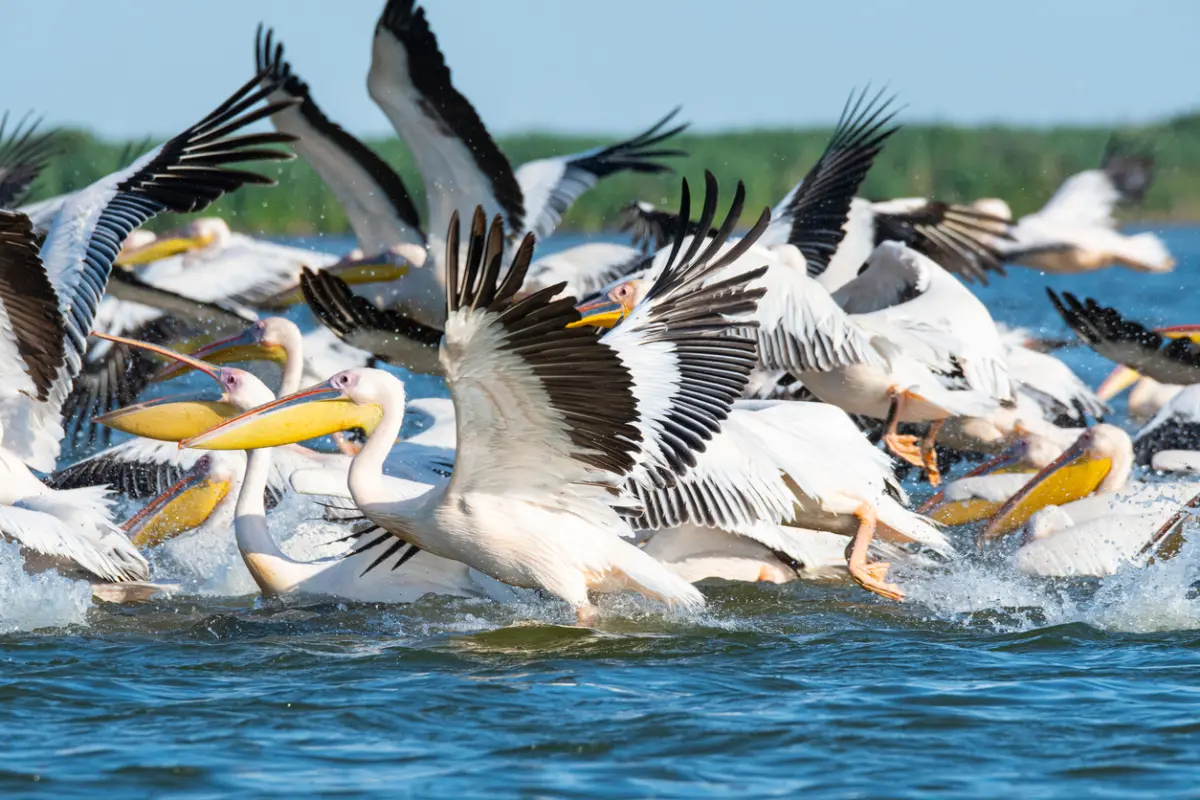
Pelican Colony
Largest in Europe
Water Type
Freshwater and marine
Highlights
Key Sites
Skadar Lake National Park
Skadar Lake National Park
A guided boat tour through the lake archipelago, with visits to pelican colonies and endemic plant communities. Includes stops at floating islands and wetland forests.
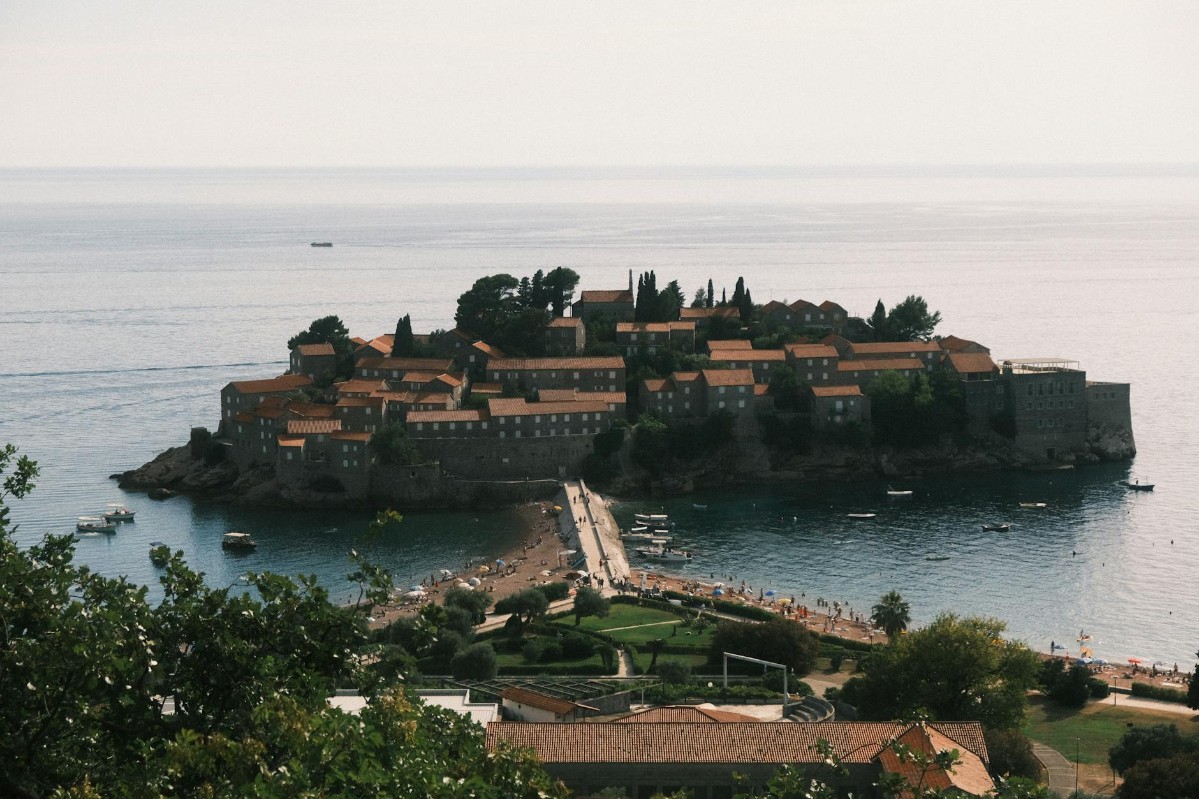
Budva
Budva
Coastal boat access to Budva's island, focusing on Mediterranean marine ecosystems and seabird watching. Ideal for understanding coastal island ecology.
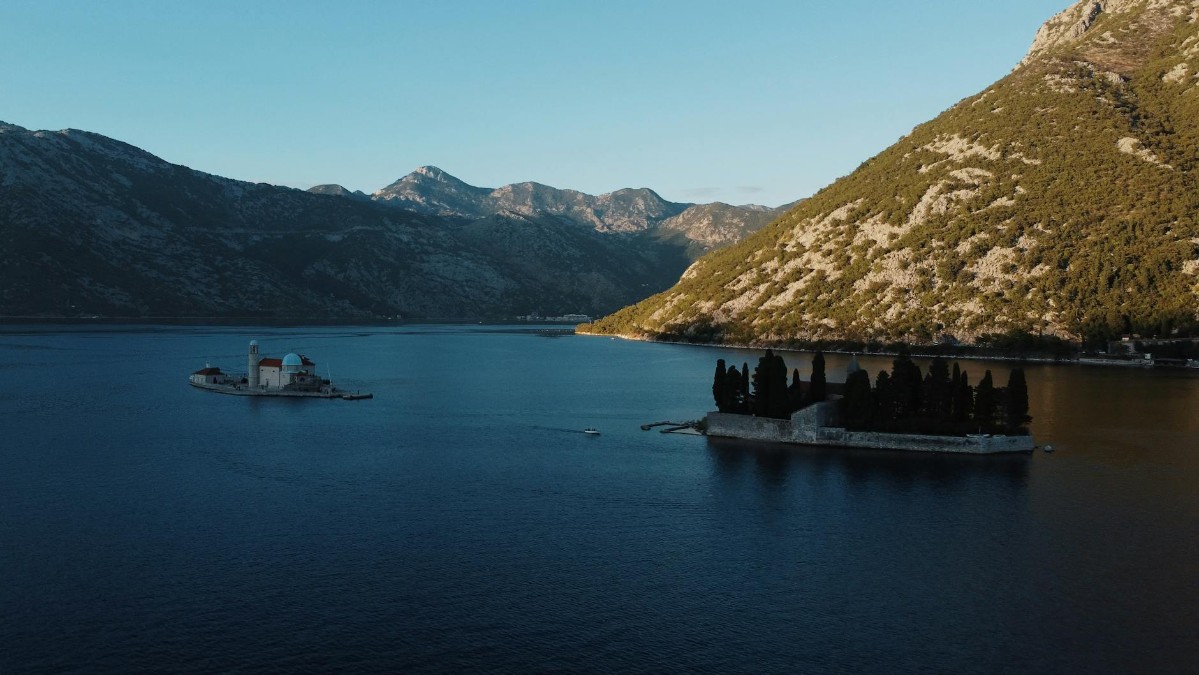
Perast, Bay of Kotor
Perast, Bay of Kotor
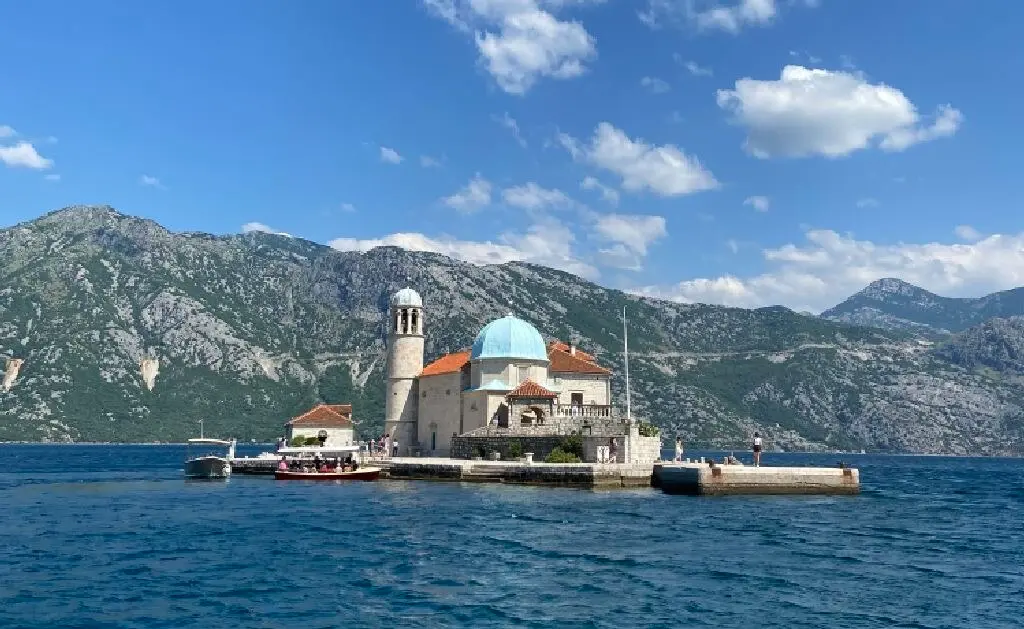
A cultural and ecological exploration of this artificial island, bearing witness to centuries of human interaction with the marine ecosystem and adaptation.
Herceg Novi
Herceg Novi
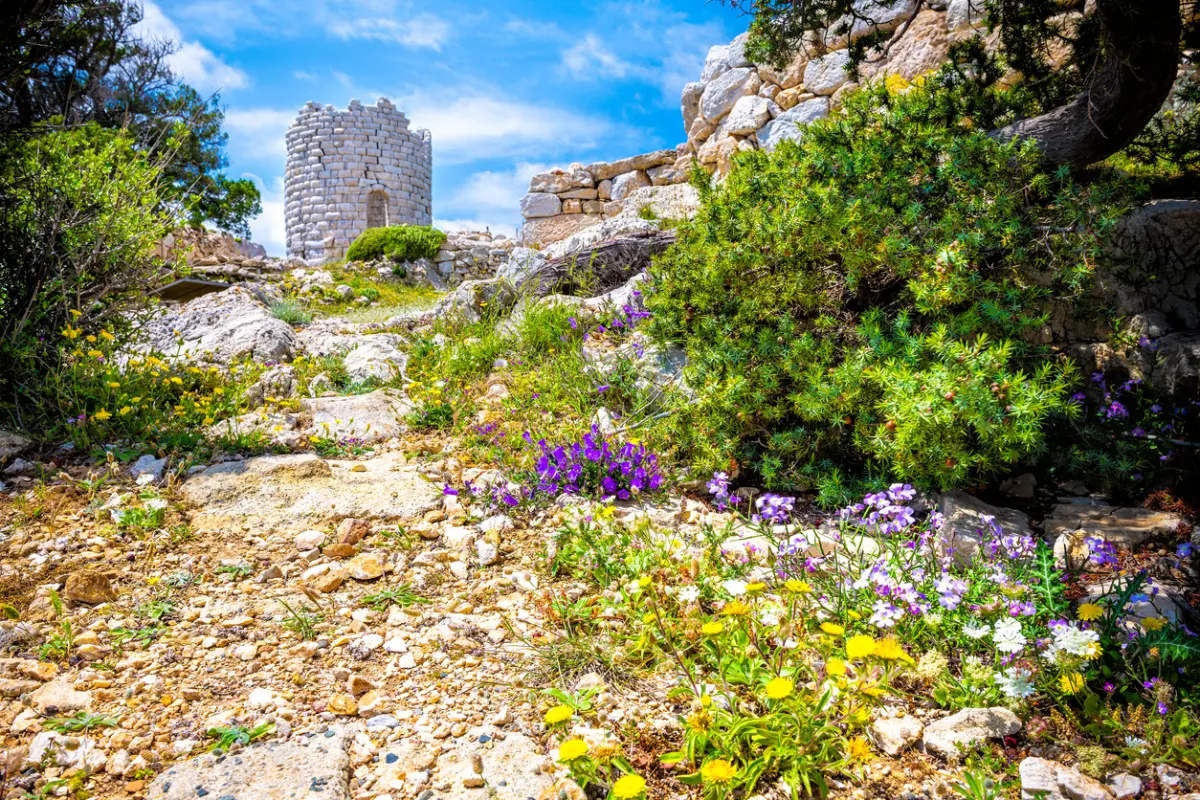
Exploration of this remote island focusing on rocky coastal habitats and specialised Mediterranean vegetation adapted to fortress environments.
Multiple locations
Multiple locations
A multi-day expedition covering both freshwater and marine island ecosystems, comparing biodiversity and conservation strategies across different environments.
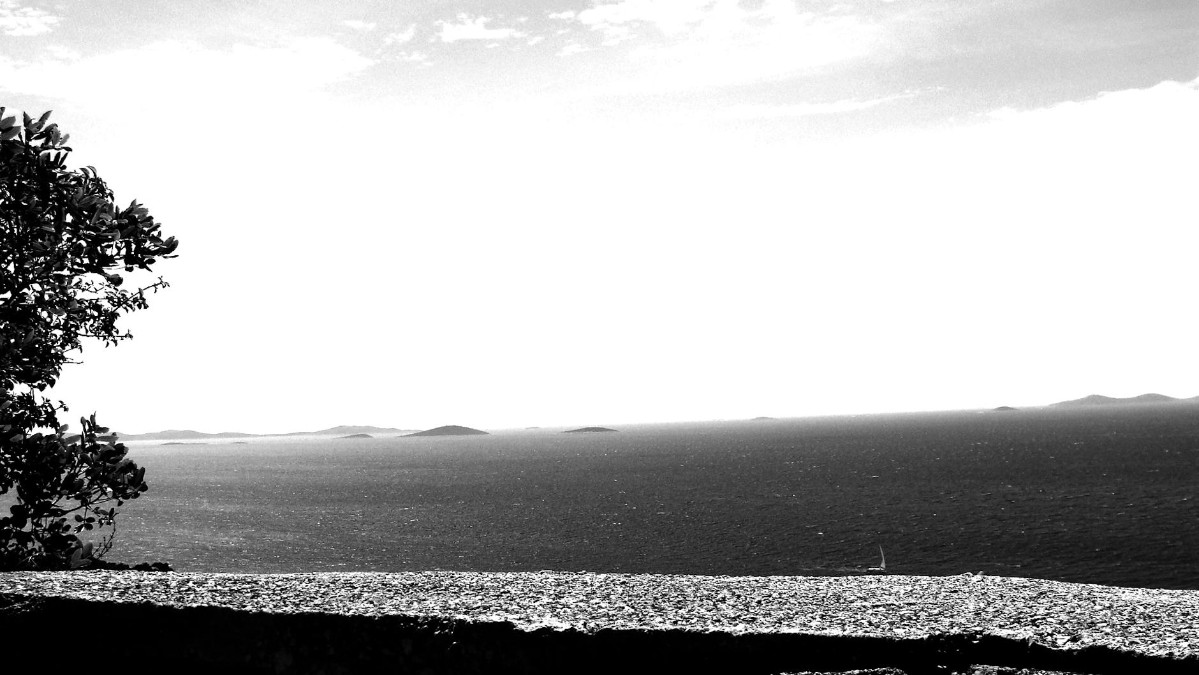
Where the Adriatic meets the alpine in perfect harmony
Discover the island sanctuaries of Montenegro, from medieval sea fortresses to pristine lake archipelagos teeming with endemic life.
Gallery
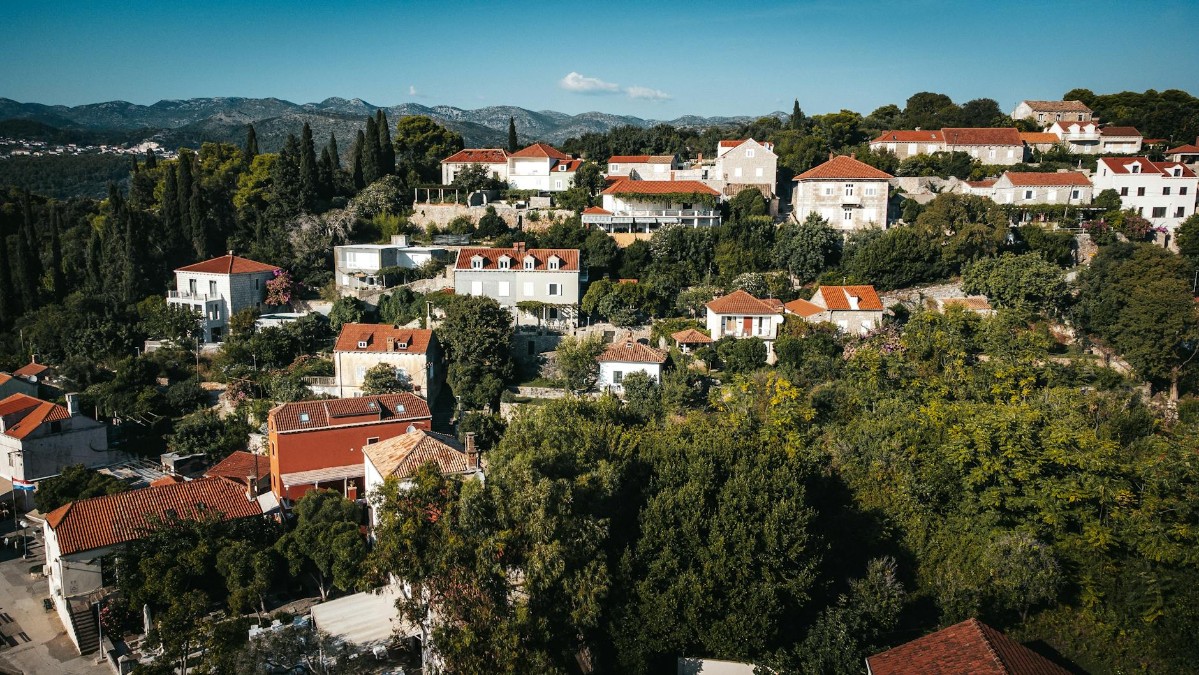
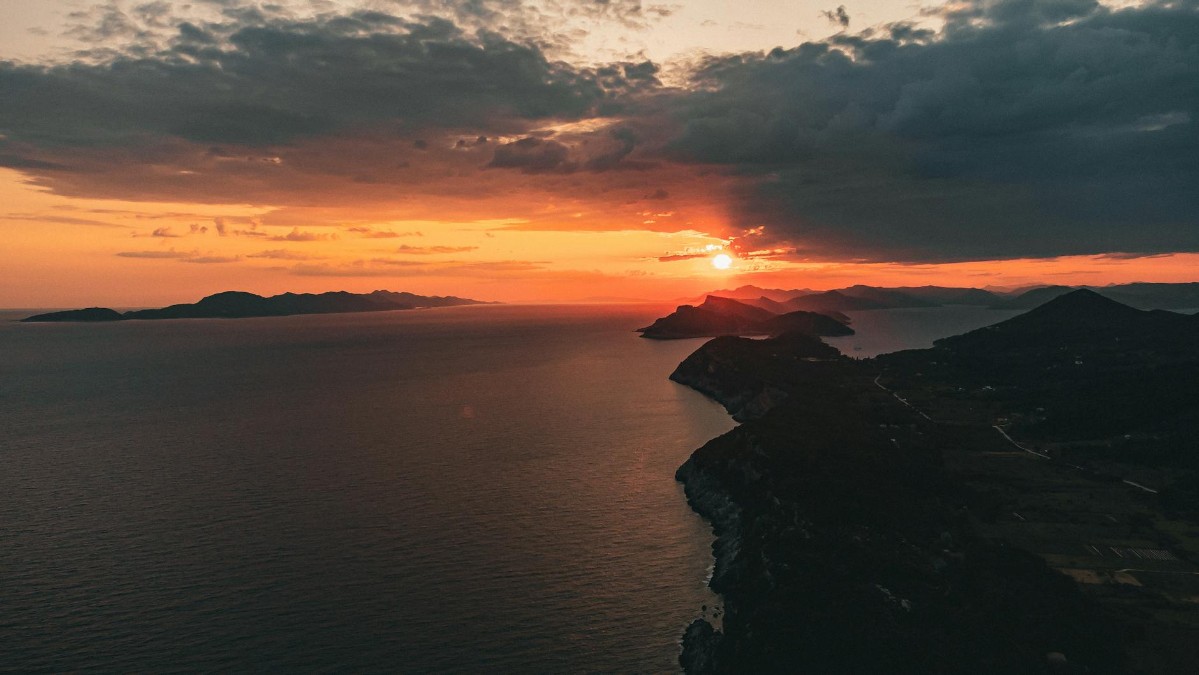
Did You Know?
The islands of Lake Skadar shift and change shape seasonally as water levels fluctuate, creating dynamic habitats that have shaped unique evolutionary adaptations in local plant and animal species over millennia. islands shift and change shape seasonally
Plan Your Visit
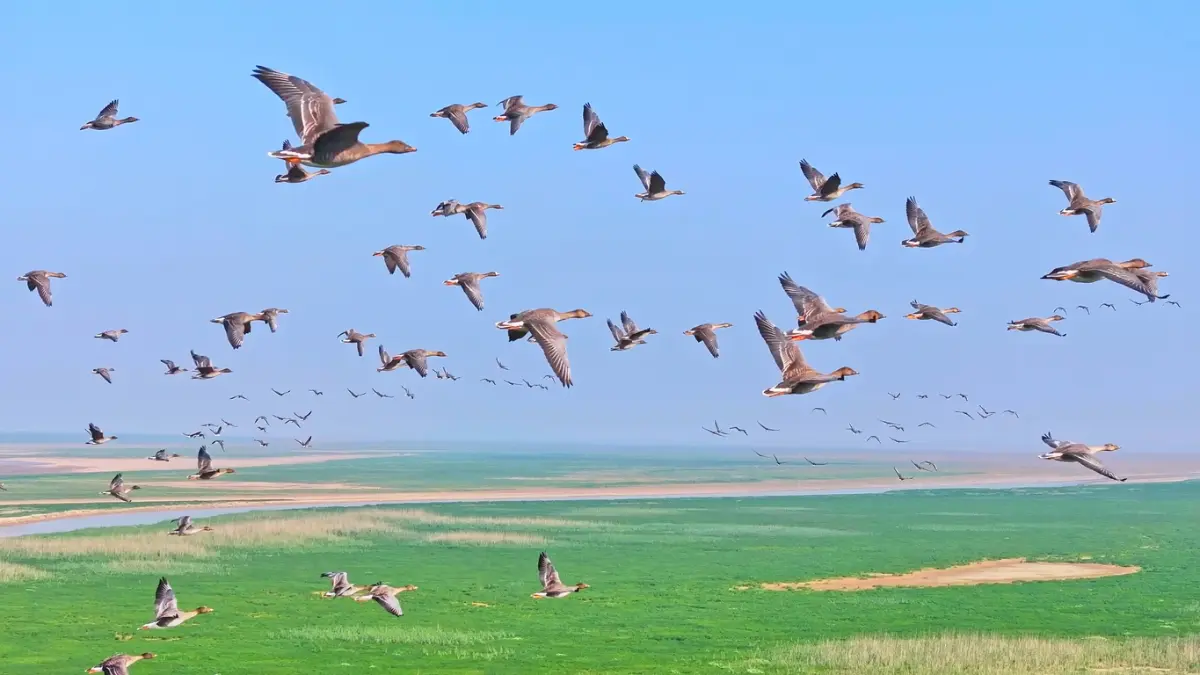
April to October offers optimal conditions, with the spring migration (April–May) providing spectacular birdwatching opportunities on the islands of Lake Skadar.
FAQ

Ask about Montenegro
Ask me about destinations, restaurants or activities.