Travel to Montenegro
Stones of the Serenissima
Venetian Heritage

Where winged lions still guard ancient harbours, and Venetian fortresses whisper tales of maritime empires in the azure embrace of the Adriatic.

Stones of the Serenissima

Overview

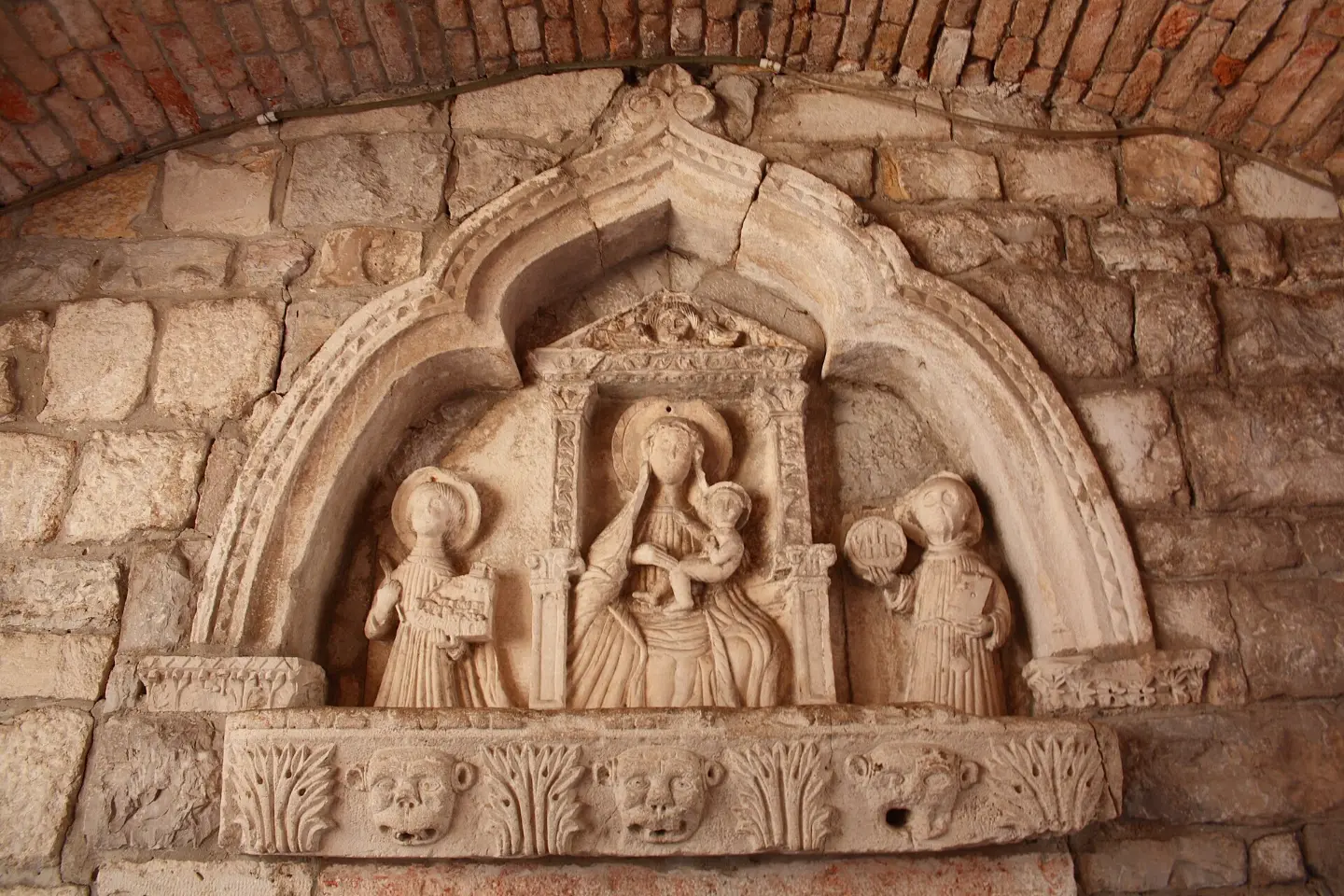
For nearly four centuries, the Most Serene Venetian Republic ruled the Adriatic shores of Montenegro, leaving an architectural legacy that continues to define the coastal identity to this day. From the soaring walls of Kotor to the elegant palaces of Perast, Venetian master craftsmen wove the story of their empire into Adriatic stone. Today, the winged lions of Saint Mark still watch over ancient harbours, guardians of a maritime civilisation that transformed medieval fishing villages into jewels of Gothic elegance.

Discover how four centuries of Venetian rule wove an indelible architectural legacy into the stones of the Montenegrin coast.

Venetian ArchitectureUNESCO HeritageCoastal FortificationsMedieval HistoryGothic StyleMaritime Culture

Venetian Rule

1420–1797 (377 years)

Lion Reliefs

100+ carved symbols

UNESCO Sites

Old Town of Kotor

Wall Height

1,350 m above sea level

Perast Palaces

17 Venetian palaces

Cathedral Age

Founded in 1166

Highlights
Mountain-Climbing Kotor Fortifications
01
Fact 01

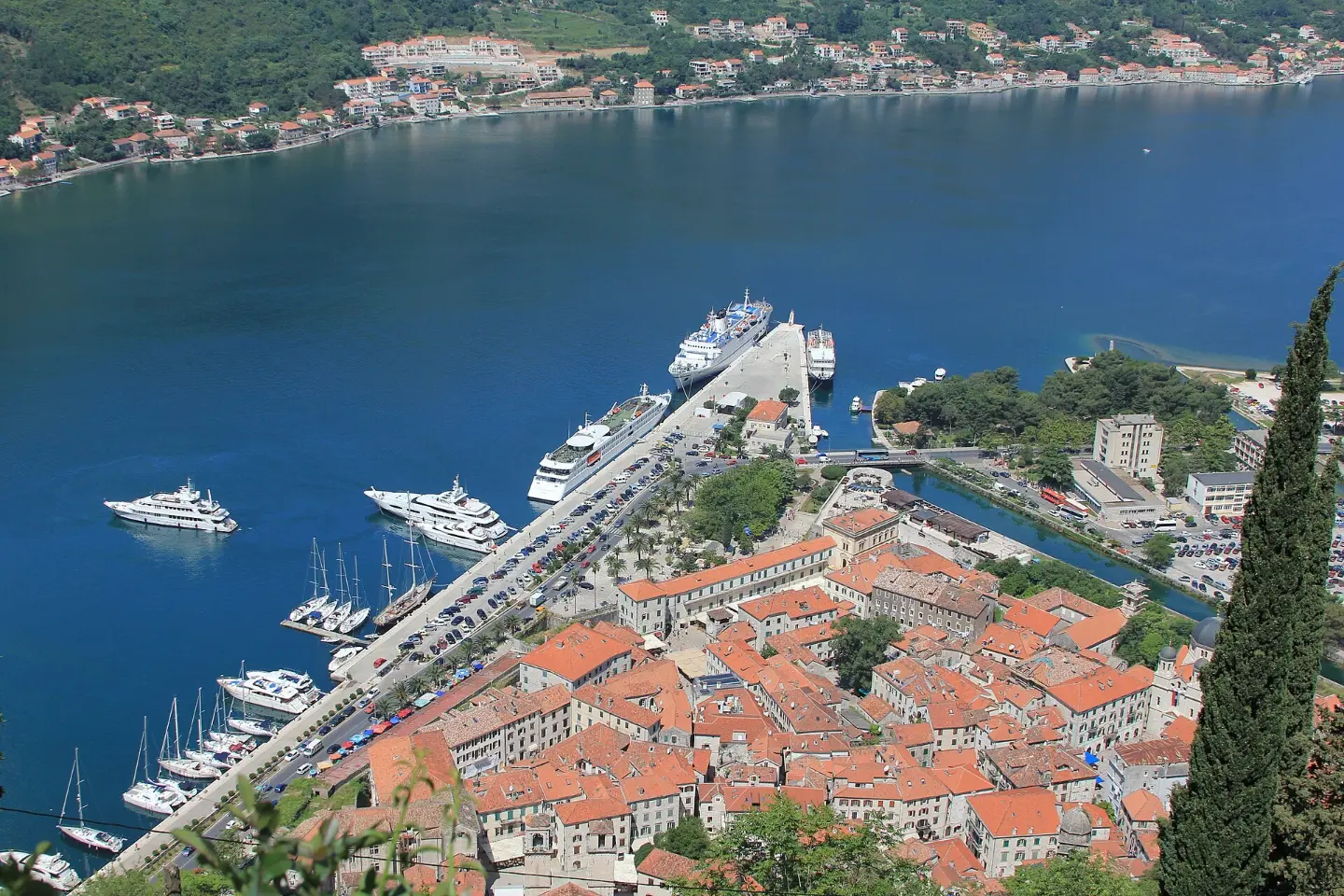
Mountain-Climbing Kotor Fortifications

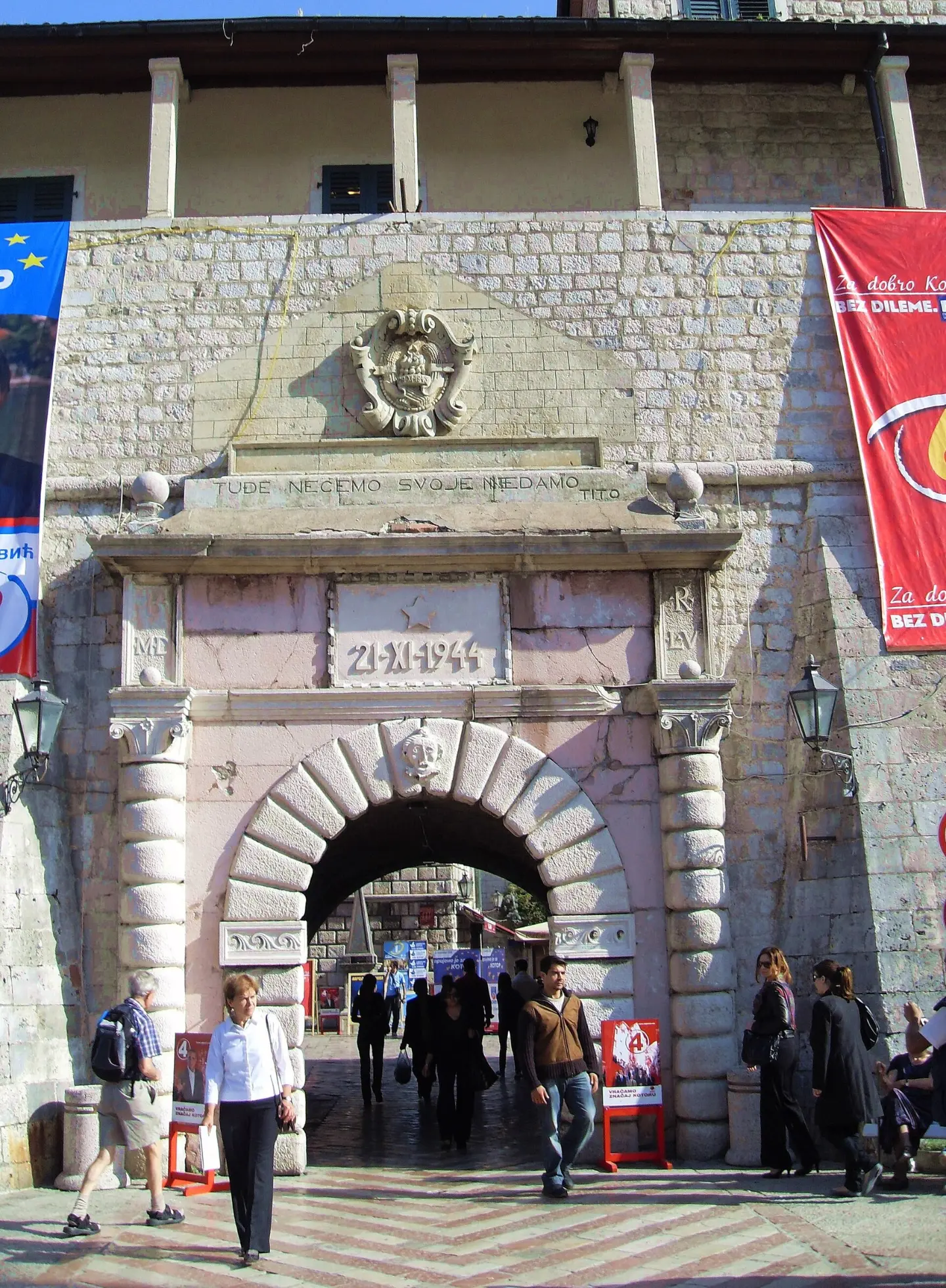
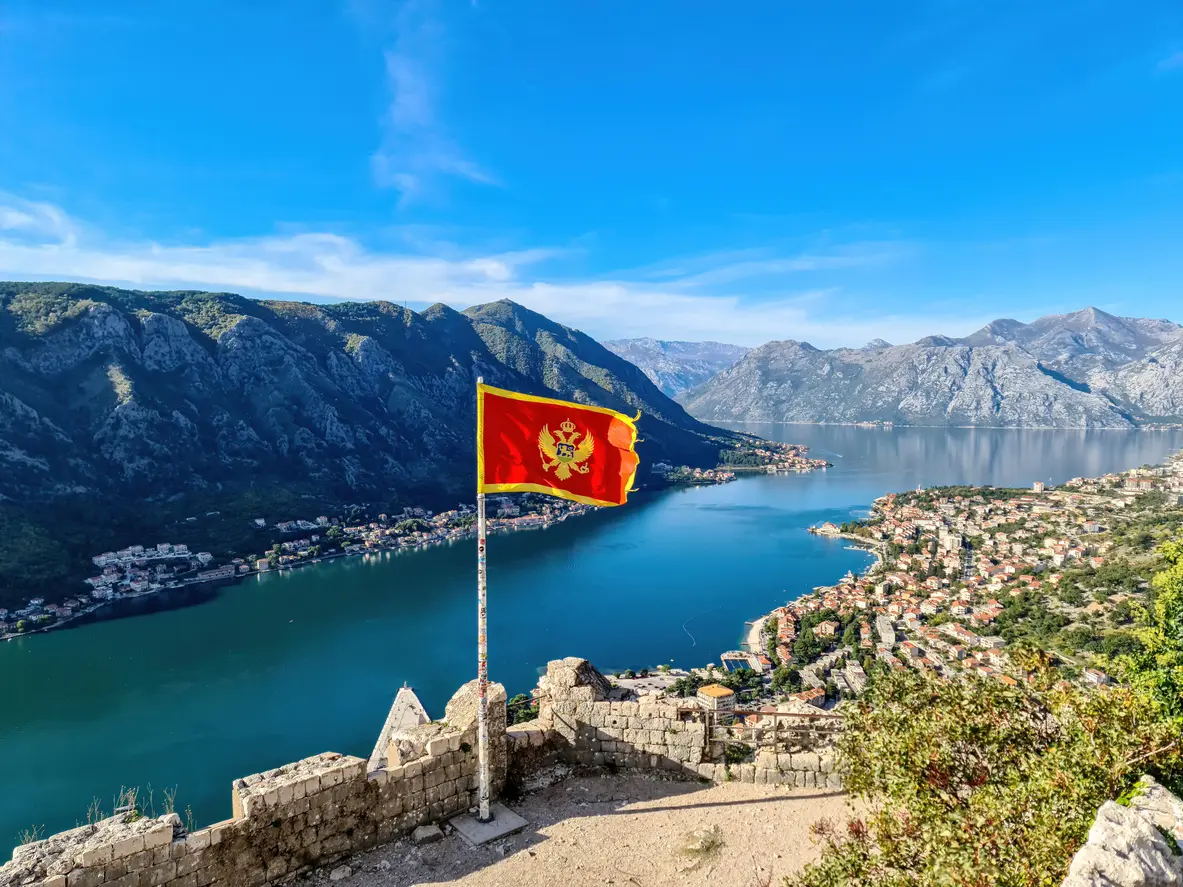
The UNESCO-protected walls wind 4.5 kilometres from sea level to peaks at 1,350 metres, representing one of the most ambitious medieval fortification systems in Europe, built over the course of a millennium.
01
04
Maritime Palaces of Perast
02
Fact 02

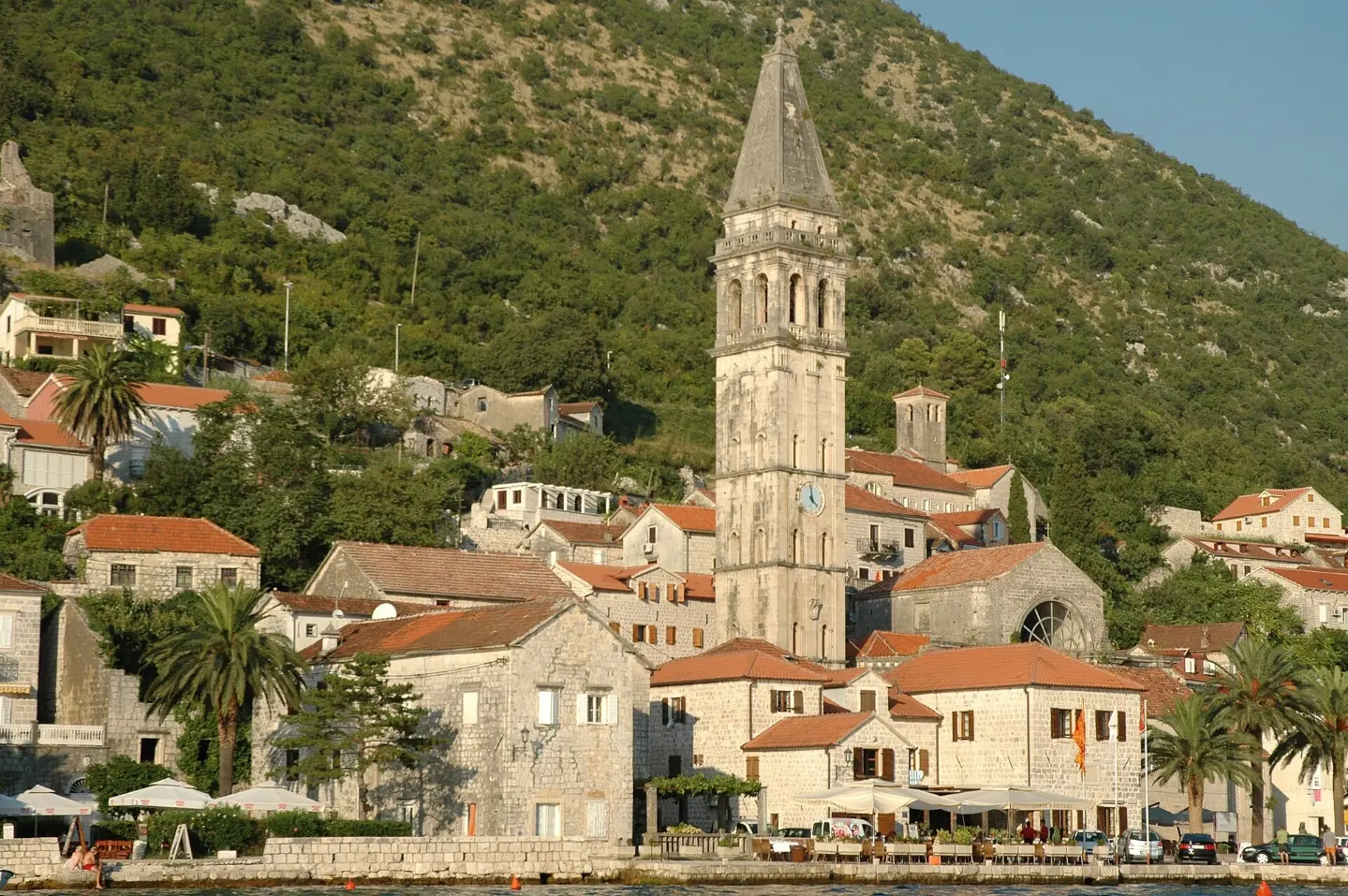
Maritime Palaces of Perast

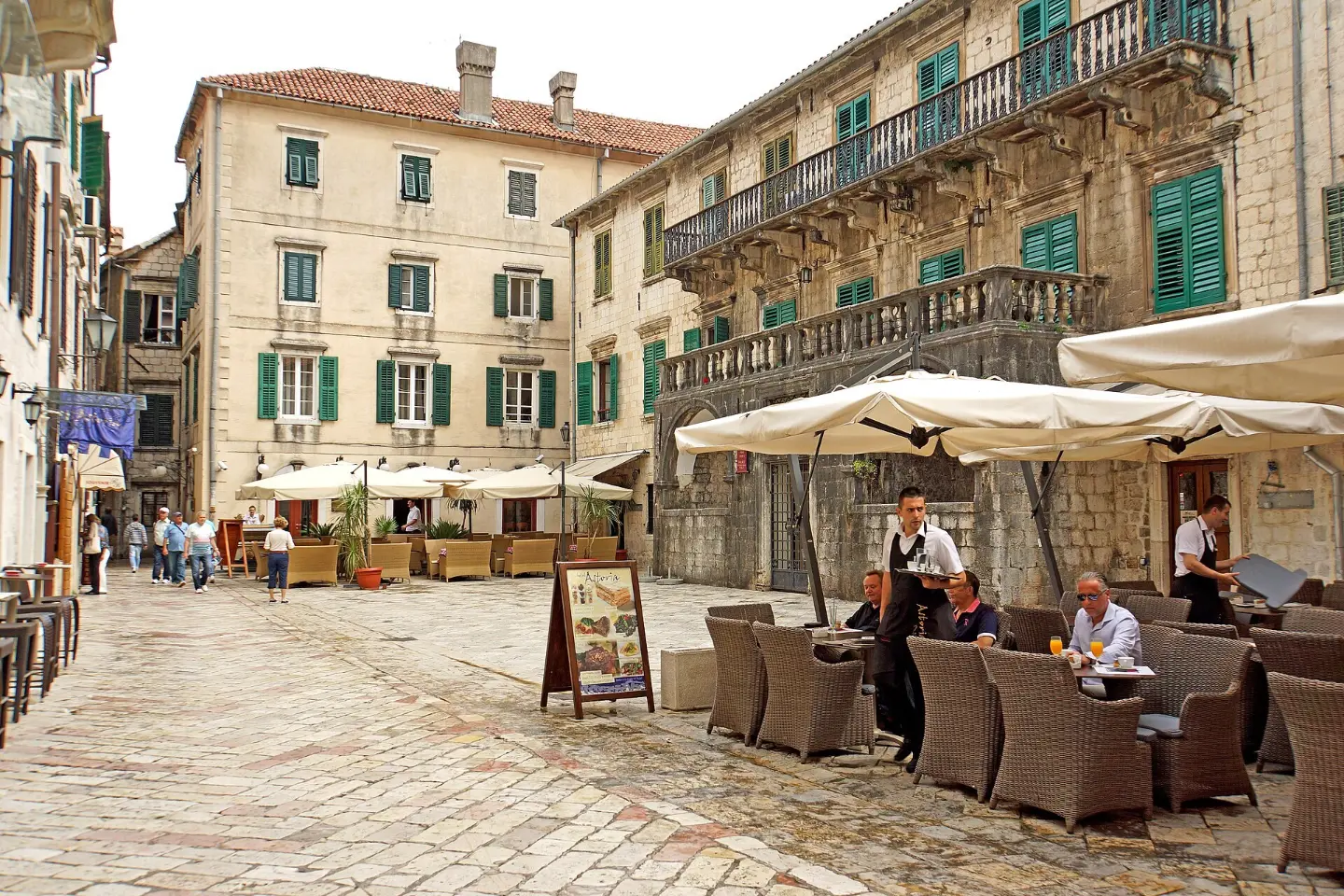
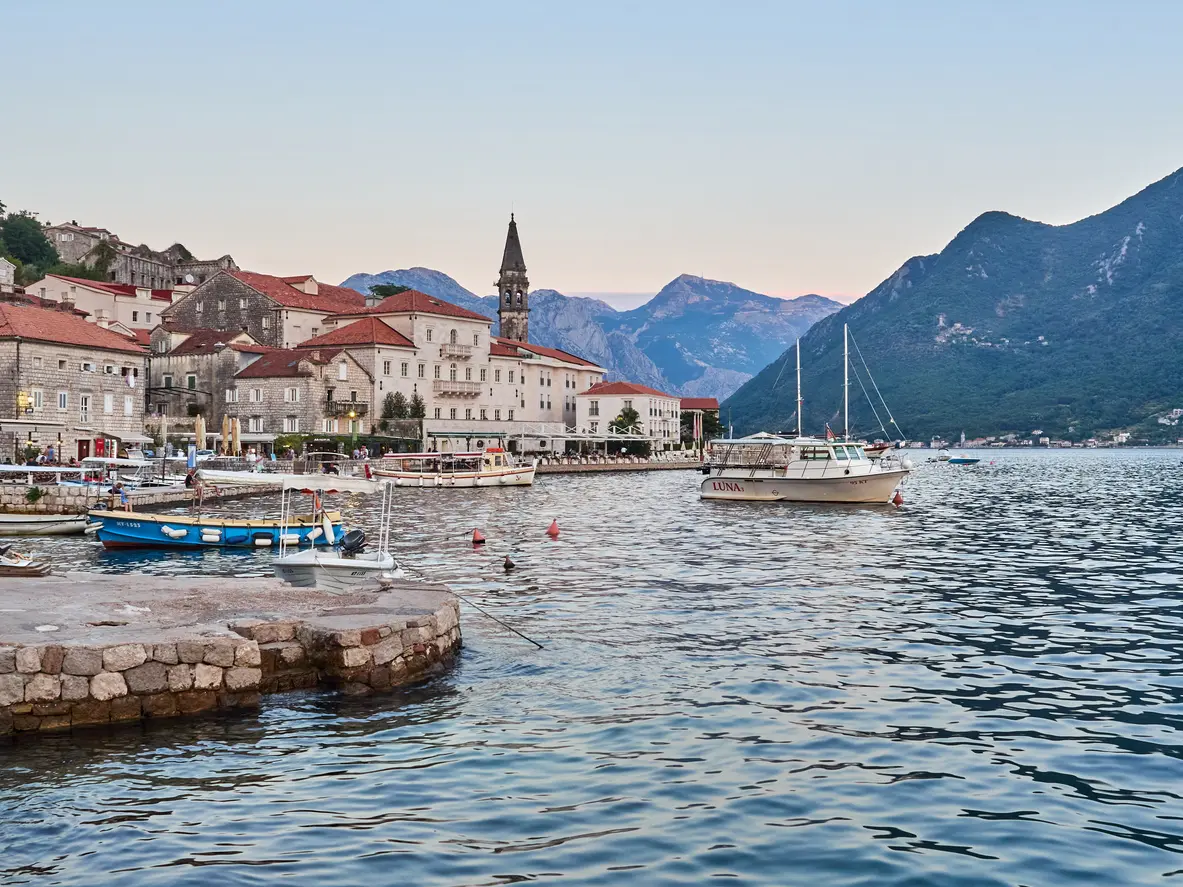
Seventeen baroque palaces line the waterfront, built by wealthy ship captains who served in Venetian fleets, each façade telling stories of Adriatic trade and maritime glory.
02
04
The Legacy of the Lion of Saint Mark
03
Fact 03

The Legacy of the Lion of Saint Mark

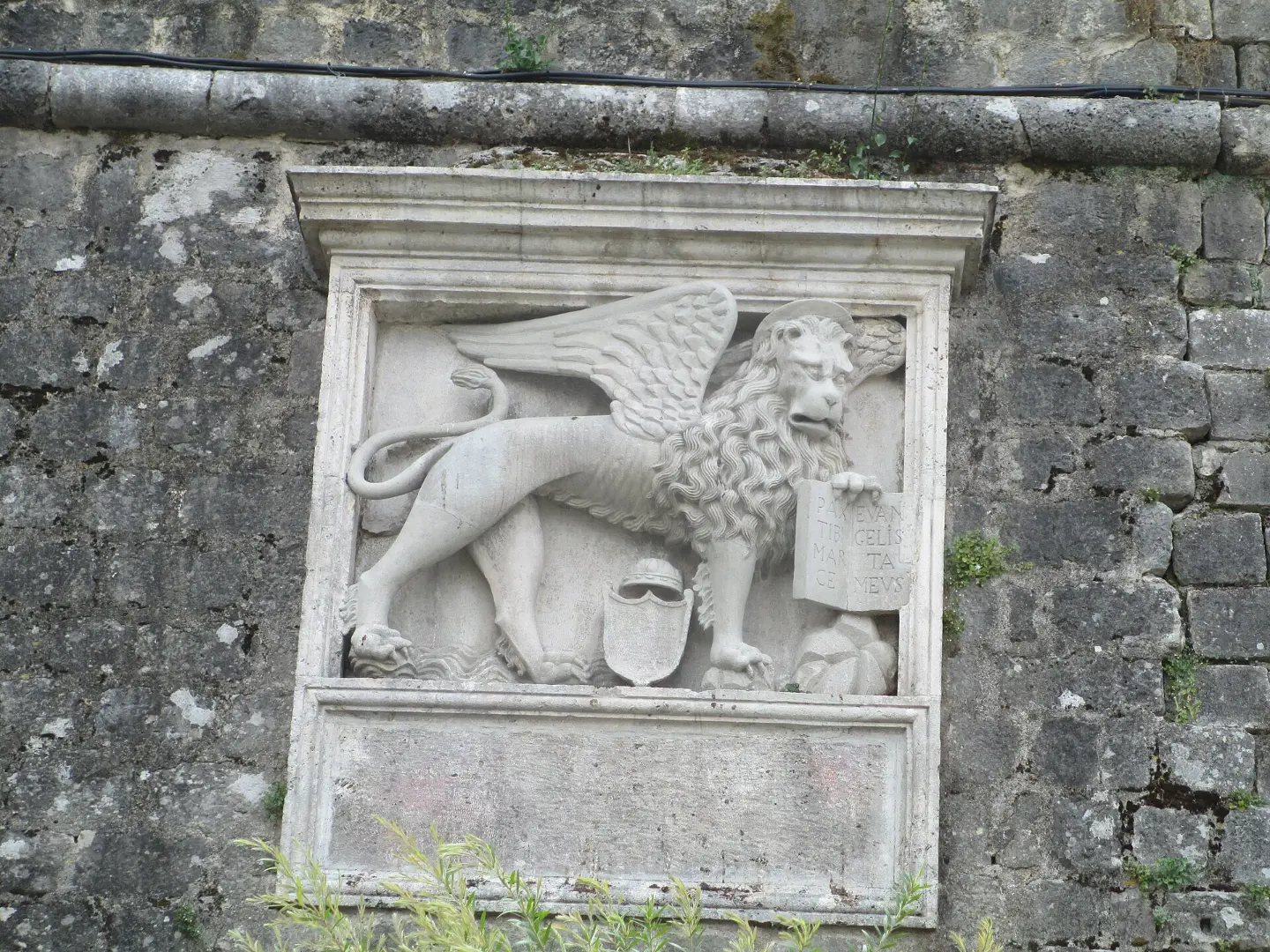
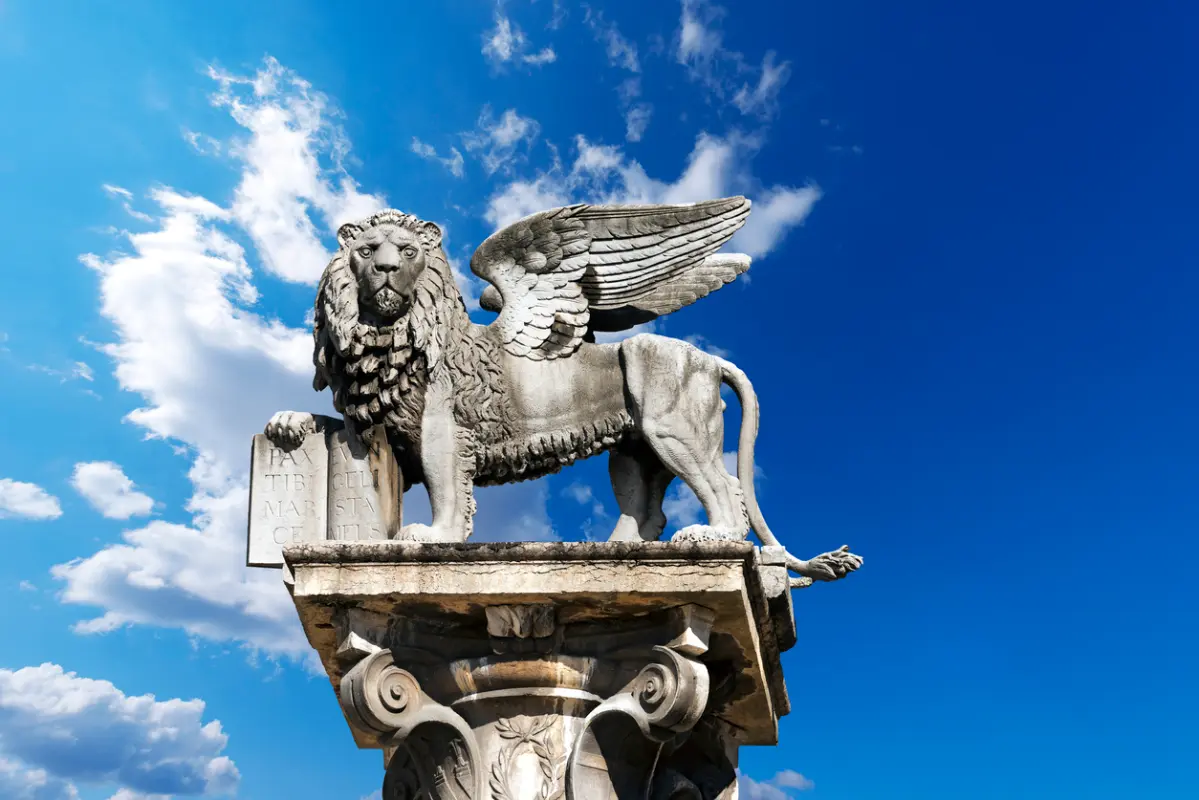
More than 100 carved winged lions mark former Venetian territories, from fortress gates to church façades, serving as eternal symbols of four centuries of the Republic's dominance.
03
04
Adriatic Gothic Architecture
04
Fact 04

Adriatic Gothic Architecture

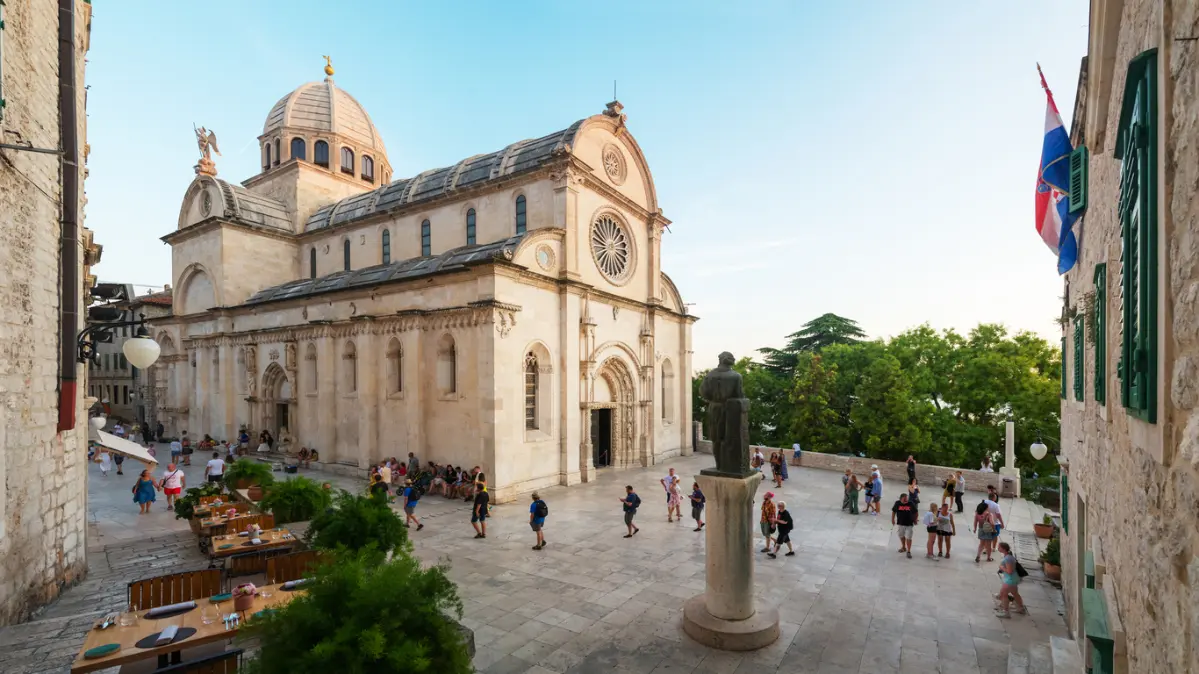
A unique architectural fusion blending Italian elegance with Balkan durability, creating a distinctive coastal style found nowhere else in the Mediterranean world.
04
04
Where Lions Guard Ancient Harbours

Venetian stones whisper tales of the sea

Where Lions Guard Ancient Harbours

Four centuries of the Serenissima's rule wove eternal stories into the coastal cliffs and harbour walls of Montenegro.

The walls of Kotor fortress contain more than 4.5 kilometres of ramparts and took over 1,000 years to build, with Veneti

Did You Know?

The walls of Kotor fortress contain more than 4.5 kilometres of ramparts and took over 1,000 years to build, with Venetian engineers adding the most ambitious sections that climb vertically up Saint John's Mountain to the fortress of Saint John at 1,350 metres above sea level.

FAQ

Frequently Asked Questions

The Venetian Republic ruled the coastal regions of Montenegro for 377 years, from 1420 to 1797, when Napoleon's forces brought the Serenissima to an end. This long period allowed for a deep architectural and cultural influence that endures to this day.
The winged Lion of Saint Mark was the official symbol of Venice, carved into buildings to mark territorial boundaries and assert authority. More than 100 such reliefs have survived along the Montenegrin coast, from fortress gates to church façades.
Kotor's walls represent more than 1,000 years of construction, with Venetian engineers adding the most ambitious sections that climb vertically 1,350 metres up Saint John's Mountain. UNESCO recognises them as exceptionally well-preserved medieval fortifications.
Yes, visitors can climb Kotor's walls daily from 8:00 to 20:00 in summer (shorter hours in winter). The ascent to the fortress of Saint John takes 1–2 hours and offers spectacular views over the Bay of Kotor.
Venice introduced the Adriatic Gothic style, blending Italian Gothic elegance with local stone-building traditions. This created unique architectural elements such as carved balconies, pointed arches, and decorated window frames that are still visible today.
Yes, UNESCO protection drives extensive restoration work, often led by Italian experts using traditional Venetian techniques. Recent projects include the Cathedral of Saint Tryphon and sections of Kotor's city walls, facing both climatic and seismic challenges.

Travel Assistant

Ask about Montenegro

Welcome!

Ask me about destinations, restaurants or activities.