Culture
Exploring Historical Exhibits
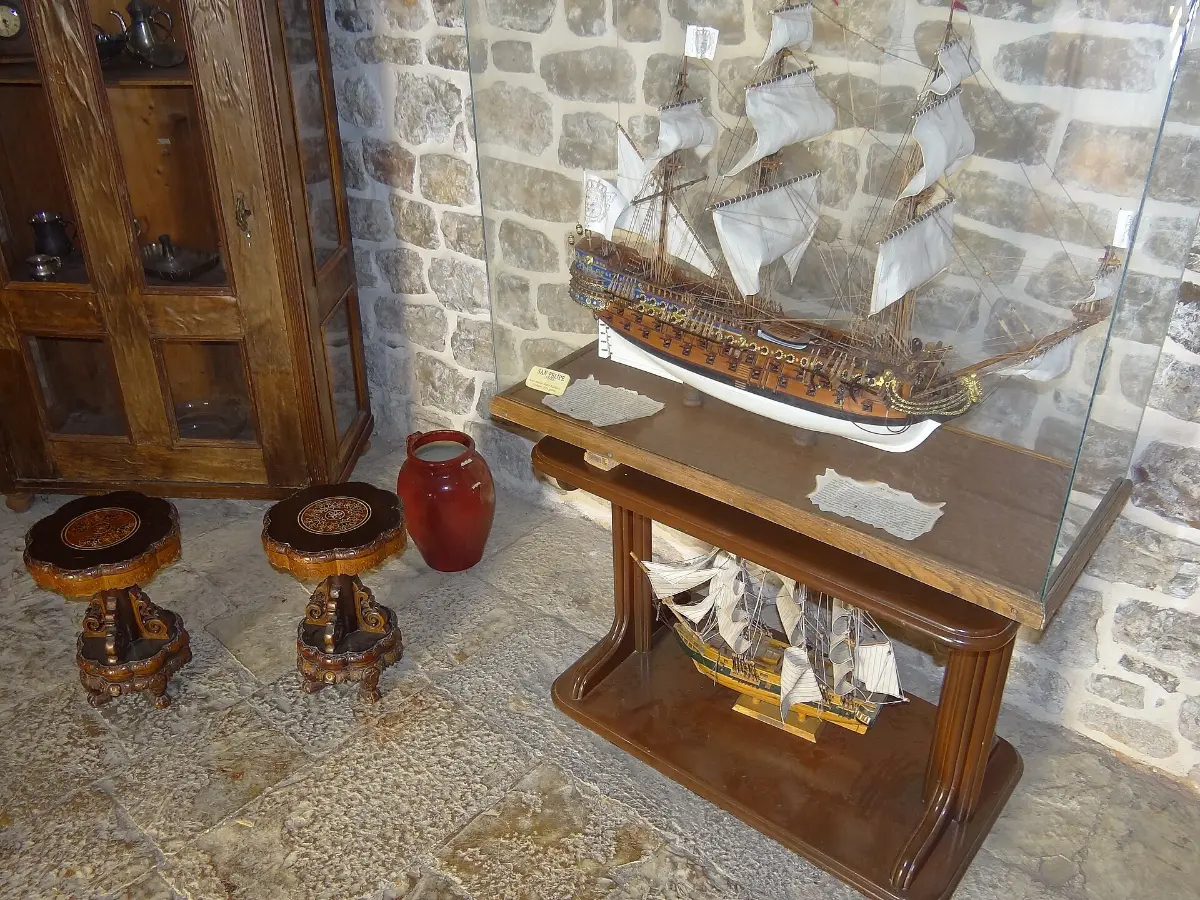
Discover the museum exhibition within the walls of the Citadela, featuring artefacts from various historical periods.
Guardian of Budva Above the Blue Adriatic
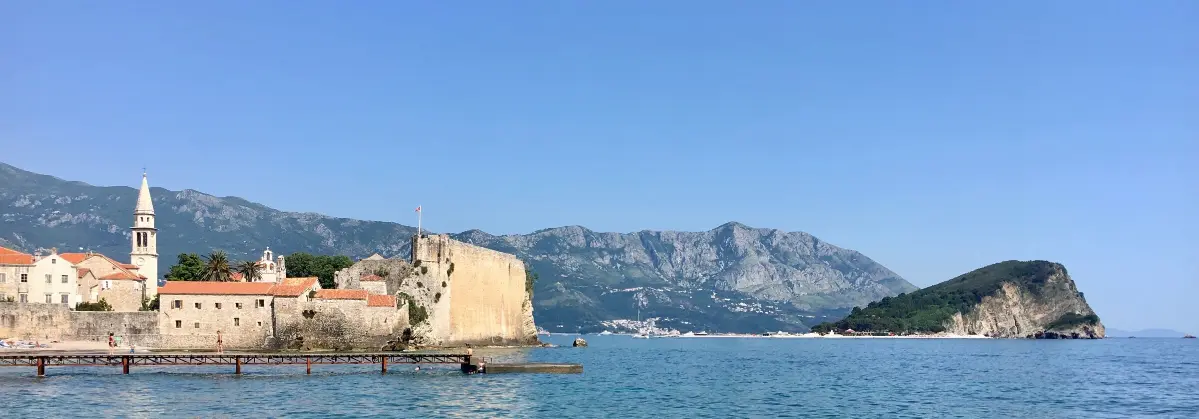
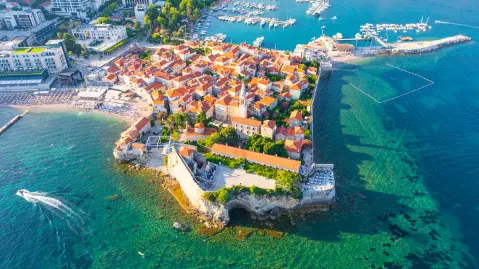
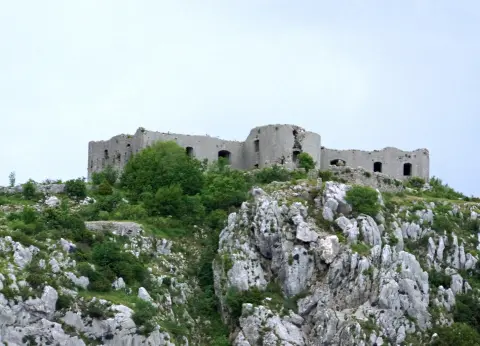
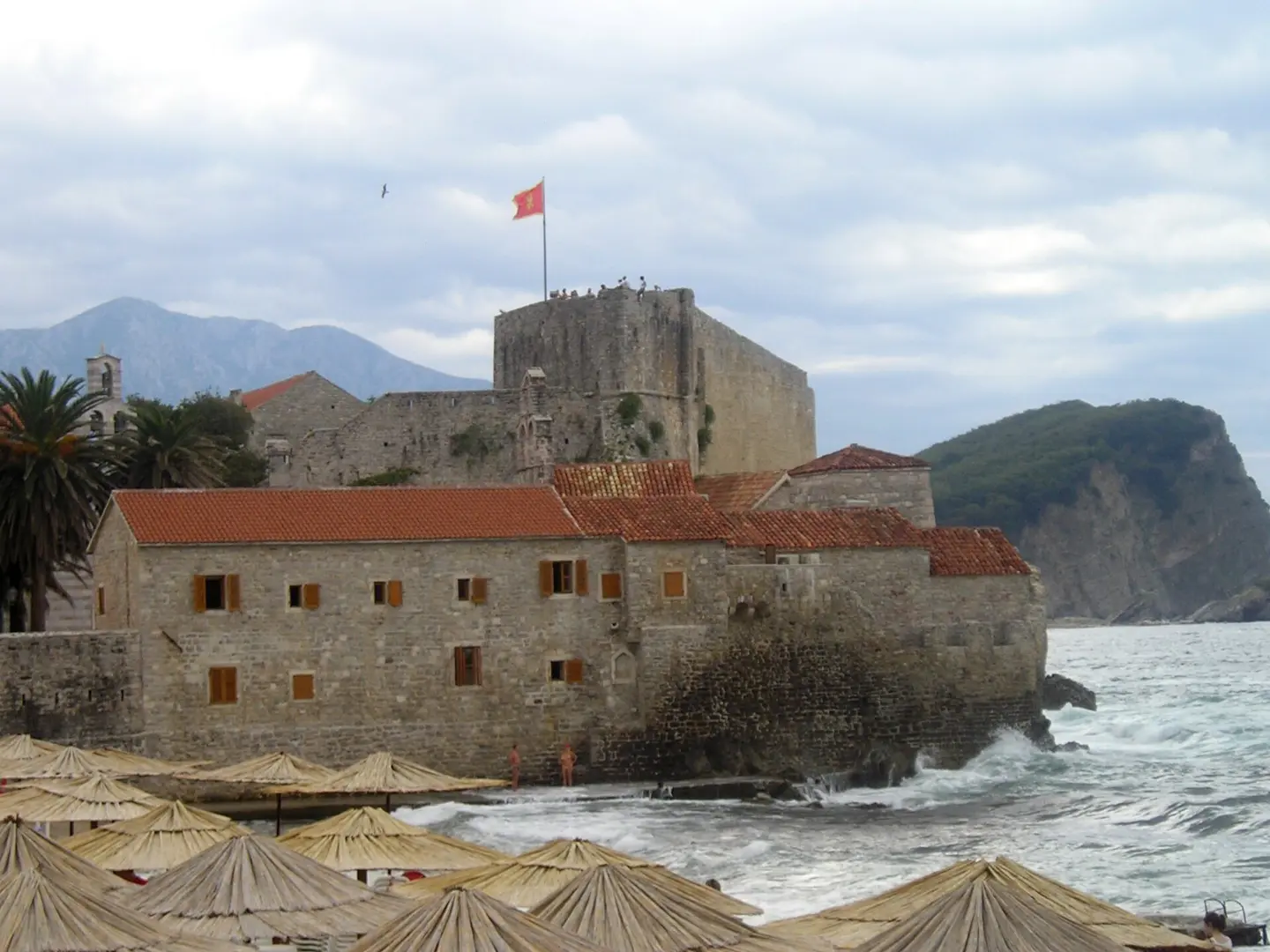
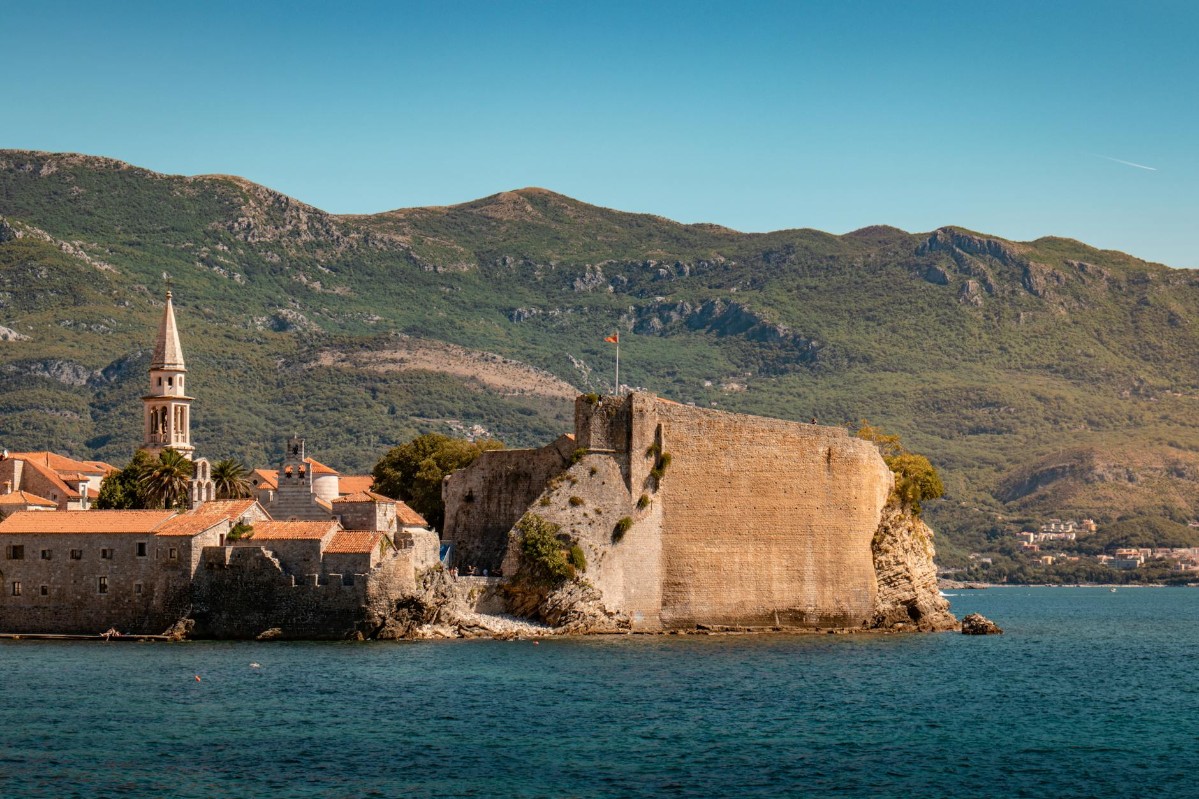
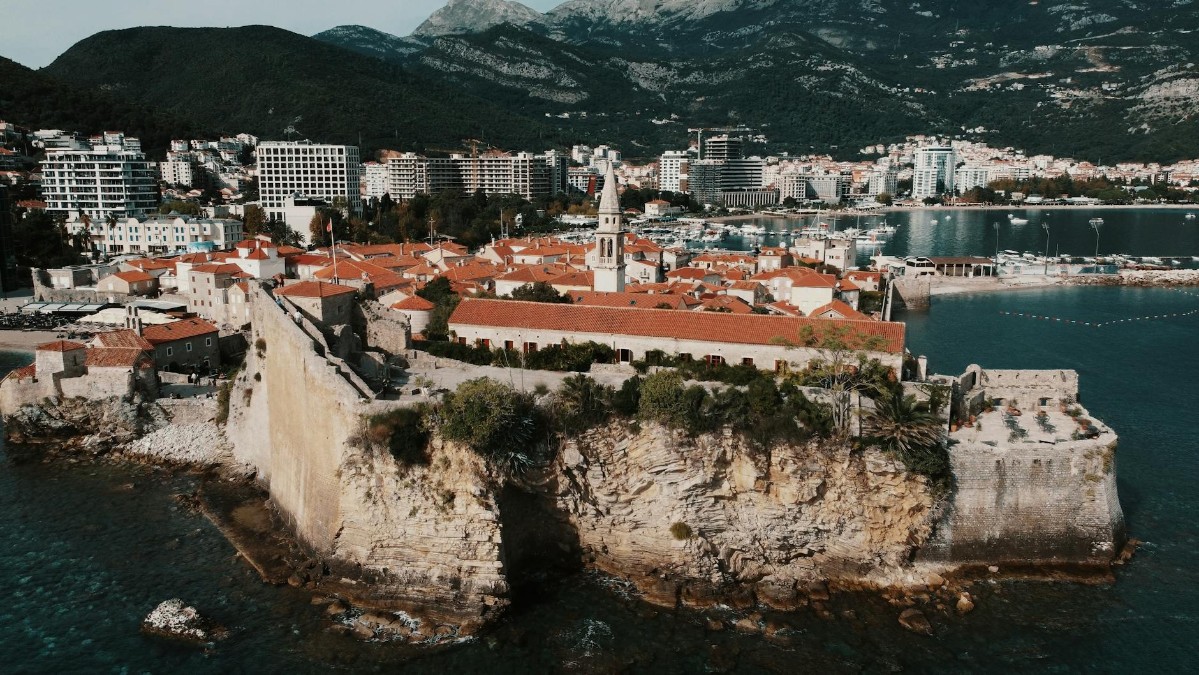
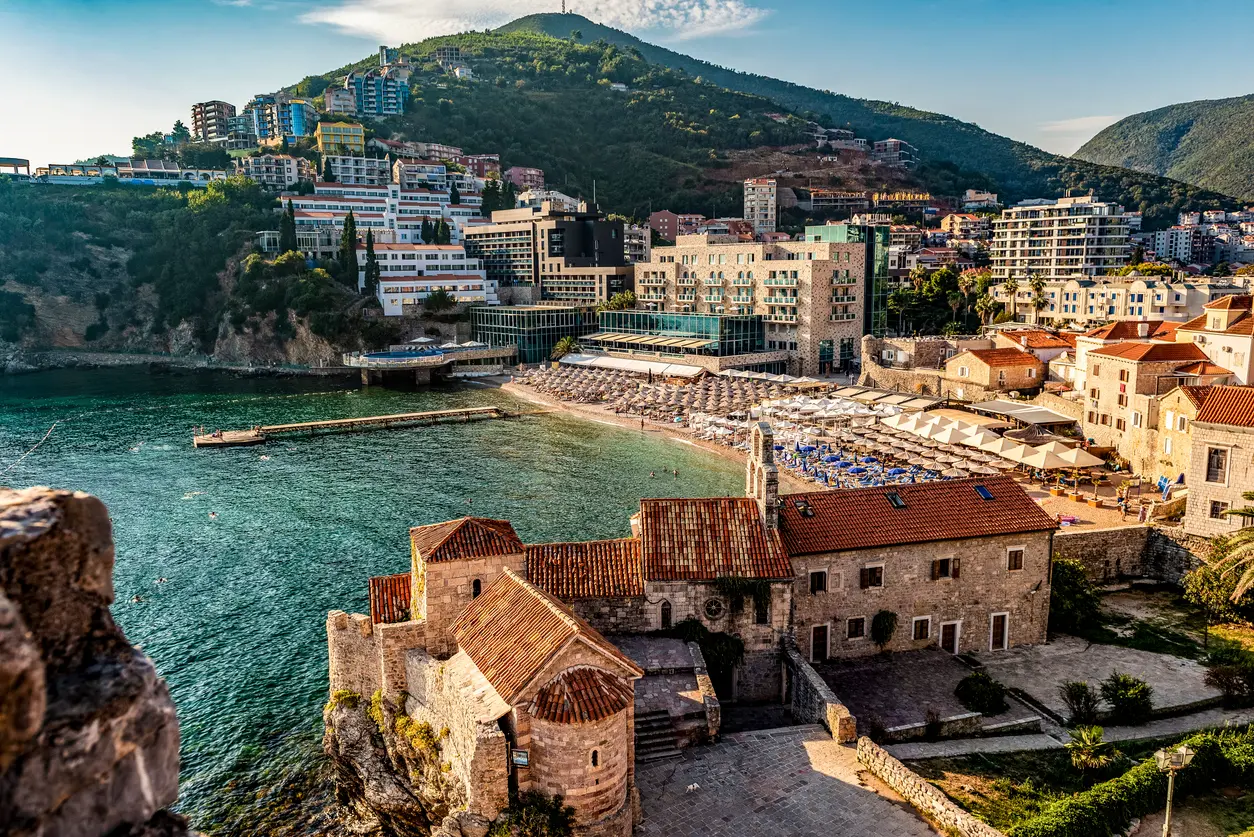
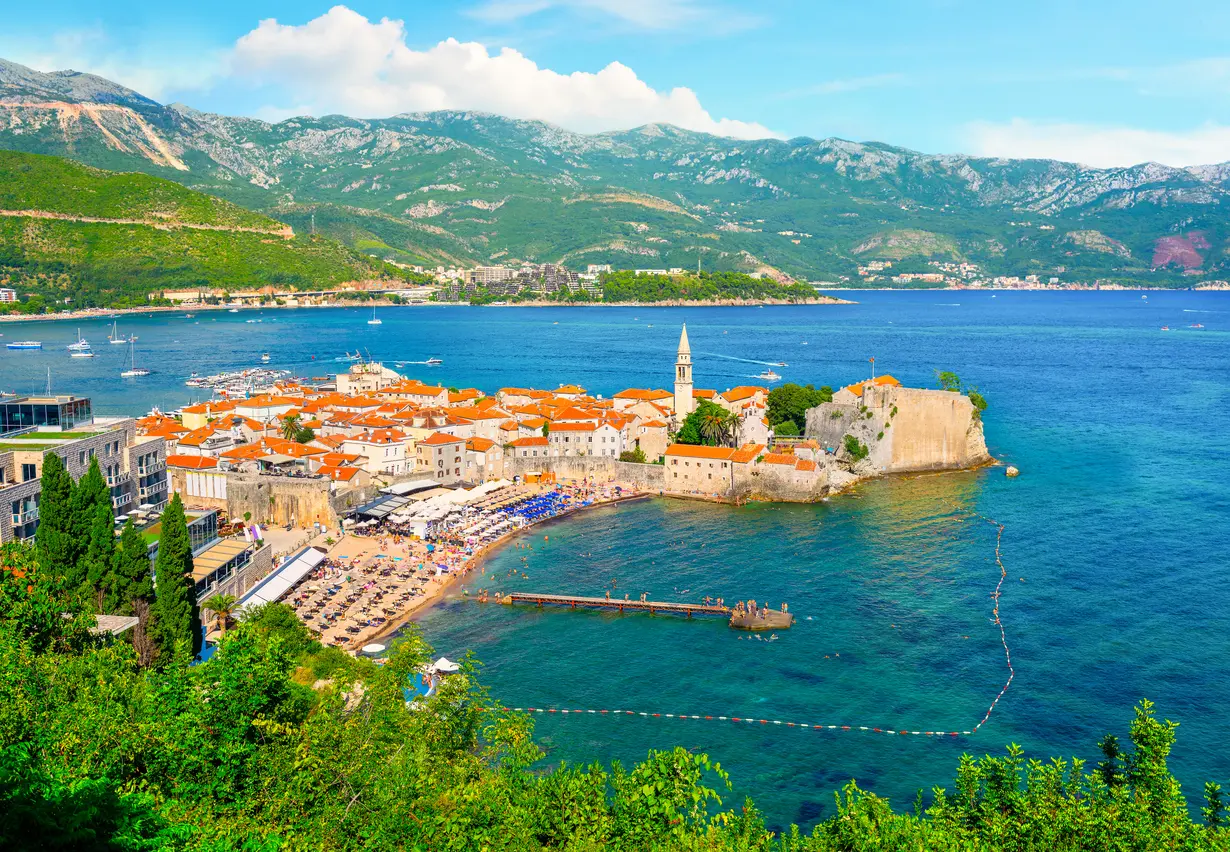
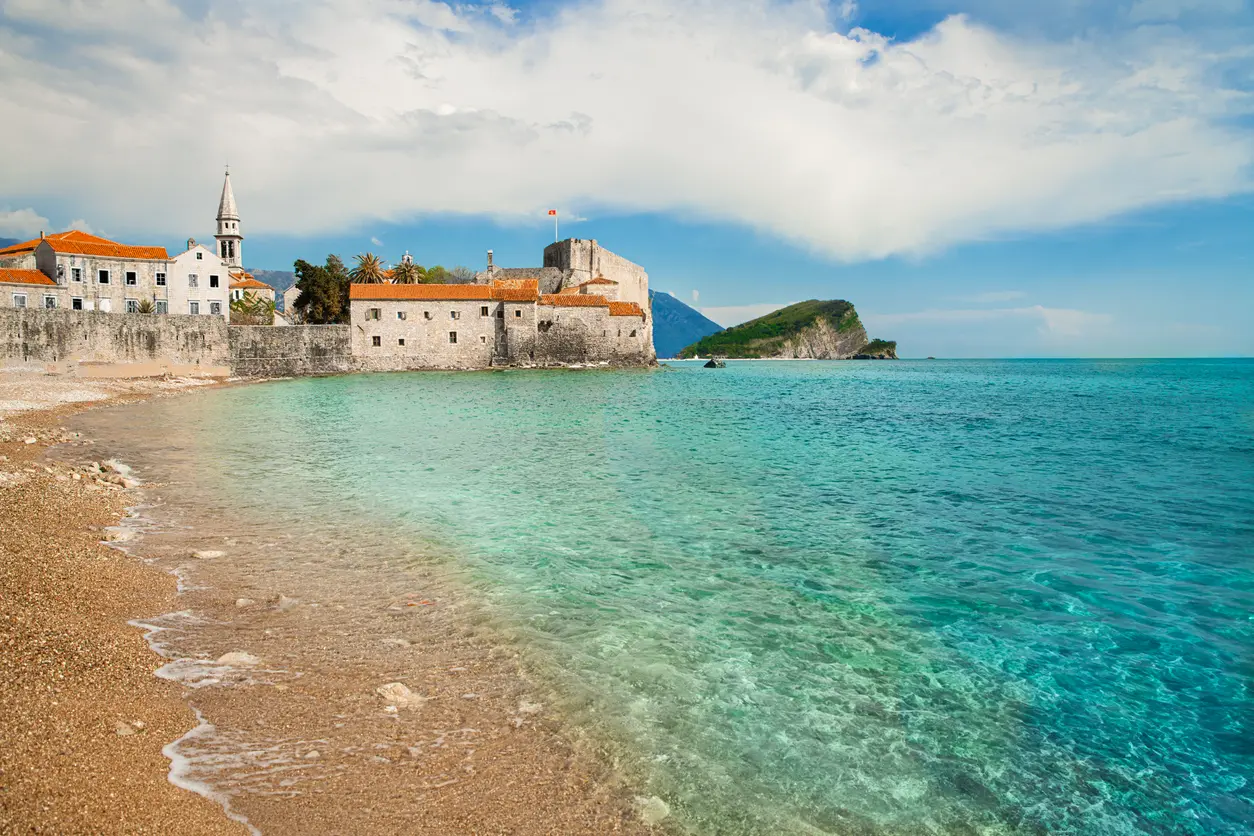
Citadela Budva, also known as the Fortress of Saint Mary, is one of the most significant fortification structures on the Montenegrin coast.
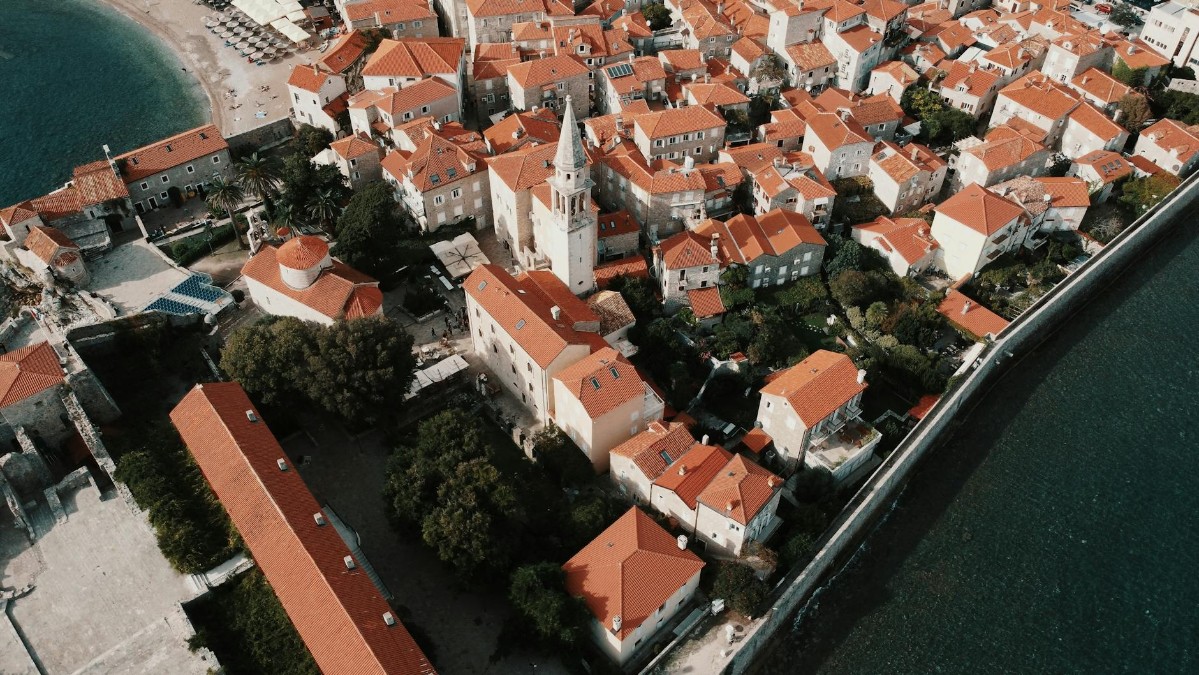
It is first mentioned in historical sources in 1425; the site was fortified as early as pre-Hellenistic times, and the present building dates from 19th-century rebuilding. Within its walls stand an Austro-Hungarian barracks, a library of old books, the remains of the church of Santa Maria in Castello, and a restaurant with a terrace overlooking the Adriatic. For many years the Citadel was one of the stages of the Grad teatar festival; today it is privately owned.
Highlights

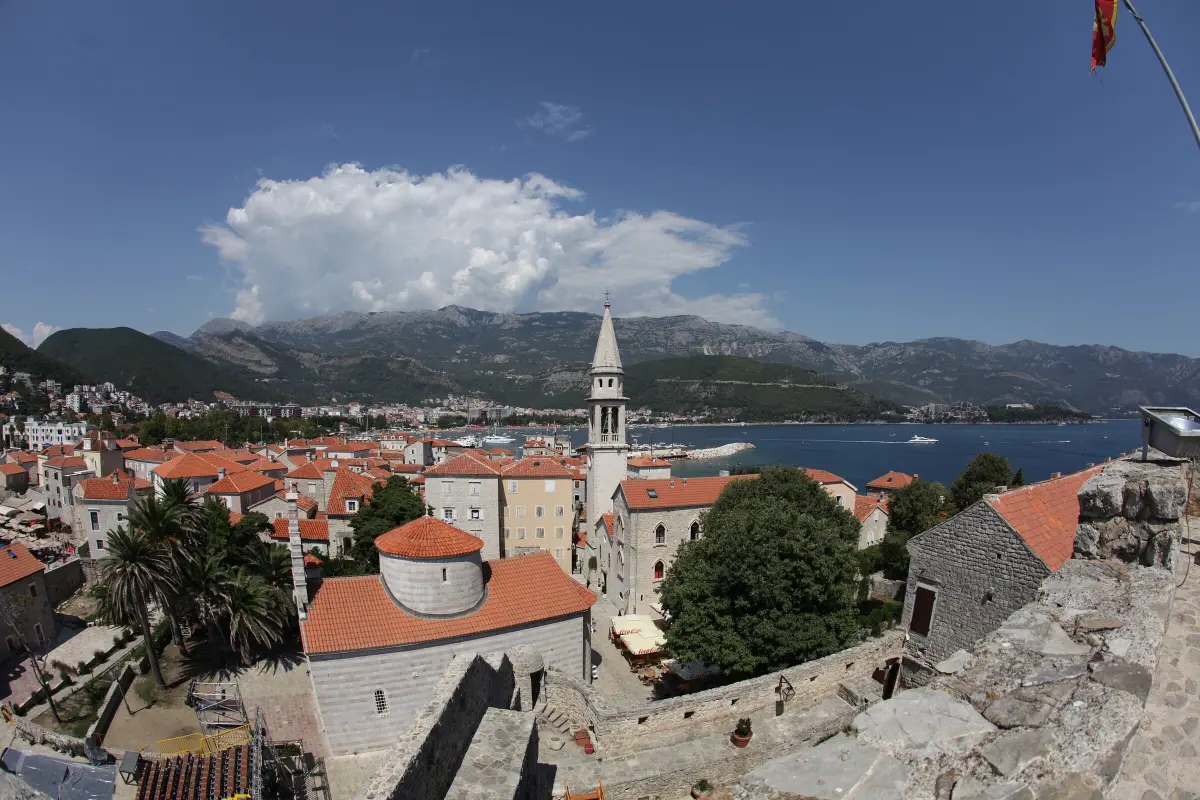
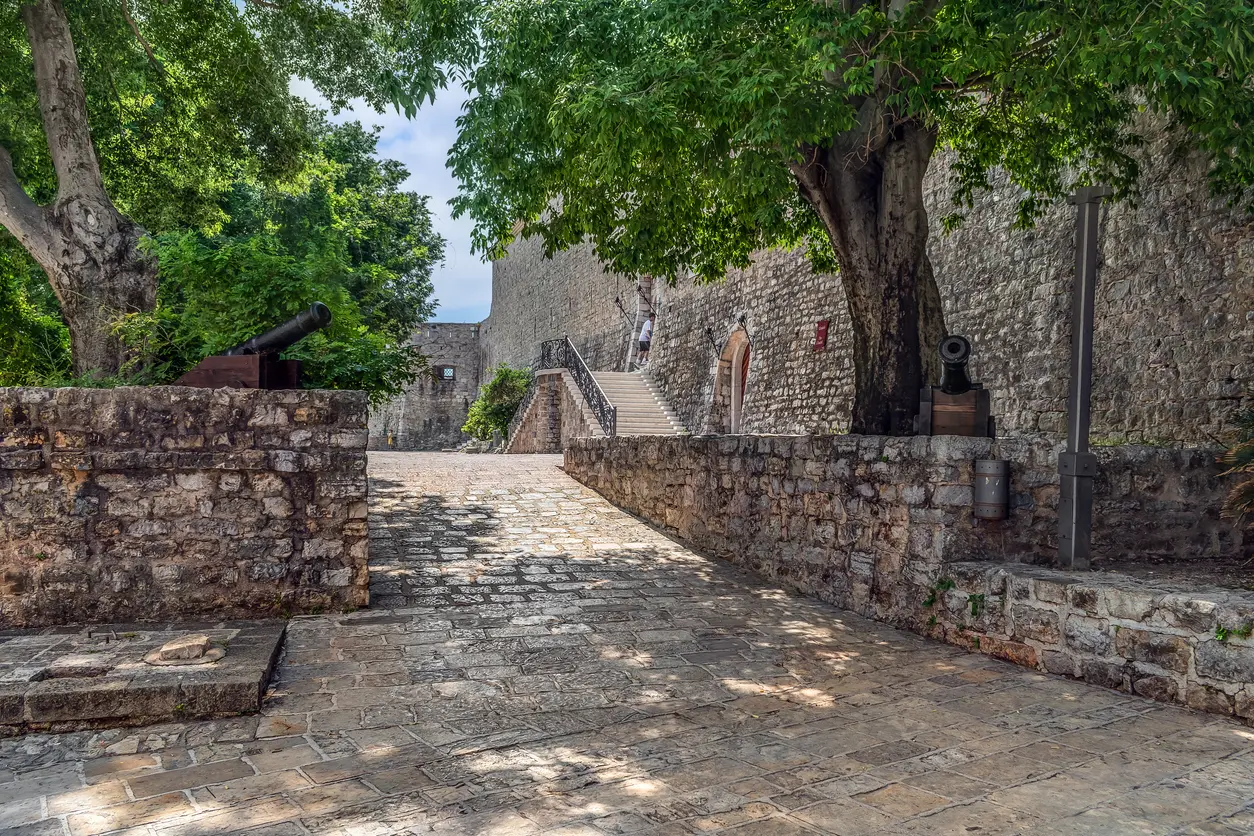
The Austro-Hungarian barracks dominate the northern part of the Citadela and are one of the best-preserved structures within the fortress. They once served as quarters for soldiers, and at certain periods also as a prison. On the second floor of the barracks sits an antiquarian library housing a large number of rare books, considered one of the most renowned libraries of its kind in the entire Balkans. A visit to this library offers a unique insight into the cultural heritage of Budva's Old Town.
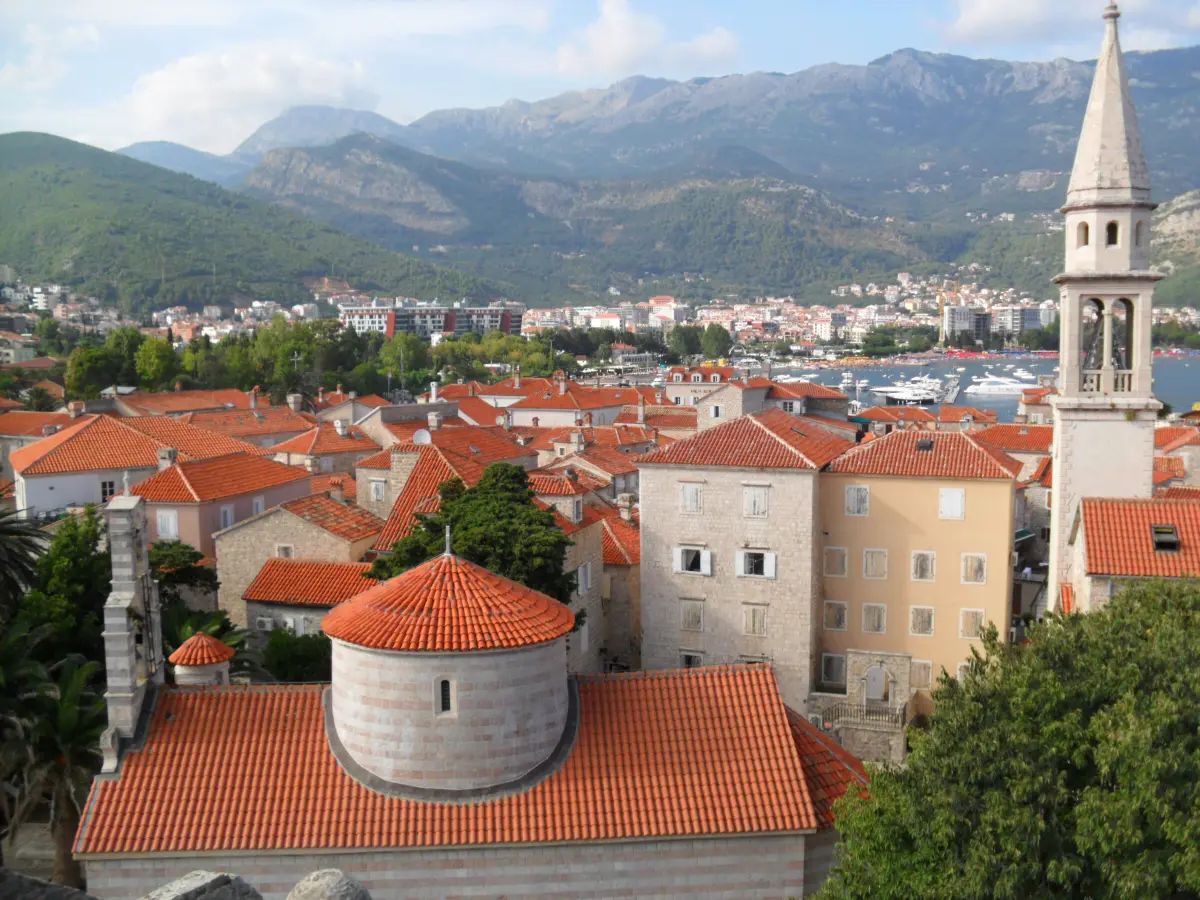
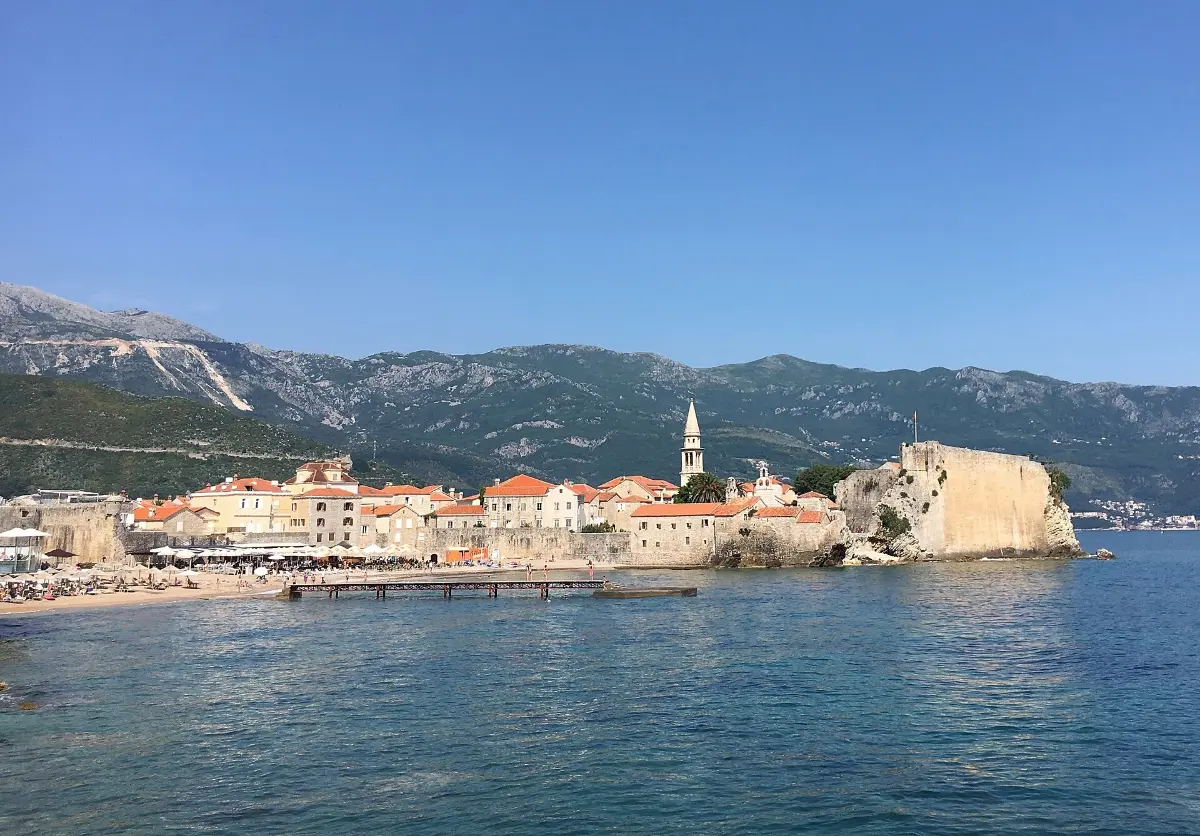
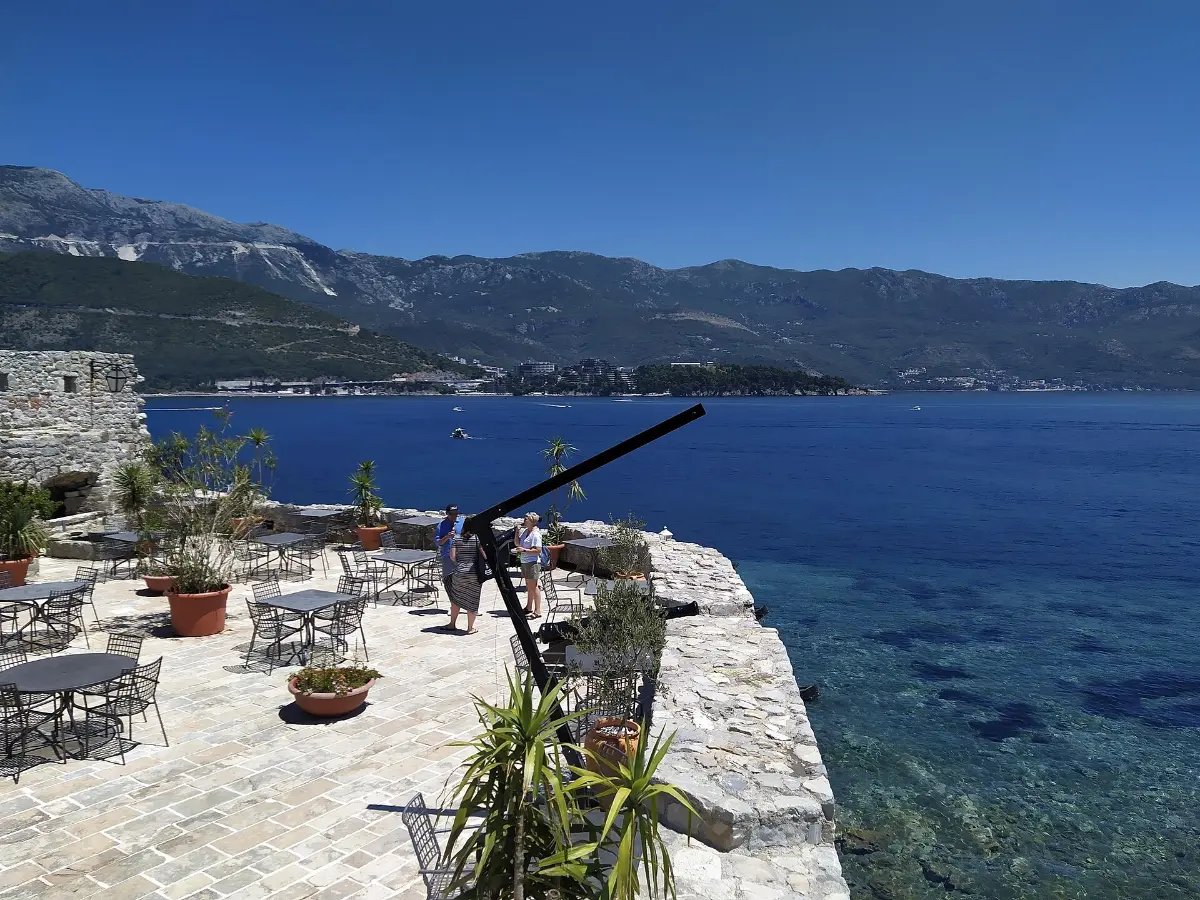
The Citadela stands at the highest point of Budva's city walls, making its viewpoint one of the most prestigious spots for a panoramic view along the entire riviera. From the Citadela's terraces, there is an unobstructed view of the Adriatic Sea, the surrounding beaches, Budva's Old Town, and the mountain hinterland. The view is especially impressive at sunset, when the sea is painted in shades of orange and gold. The Restoran Citadela on the terrace also offers the opportunity to enjoy Mediterranean specialities while taking in this exceptional scene.

Within the walls of the Citadela lie the remains of the church of Santa Maria in Castello, after which the fortress received its original name – Kaštel Svete Marije. The church is today almost completely destroyed; only a few low walls remain above ground, yet these very ruins bear witness to the centuries-long history of this place. The church was demolished when the fortress was rebuilt in the 19th century.

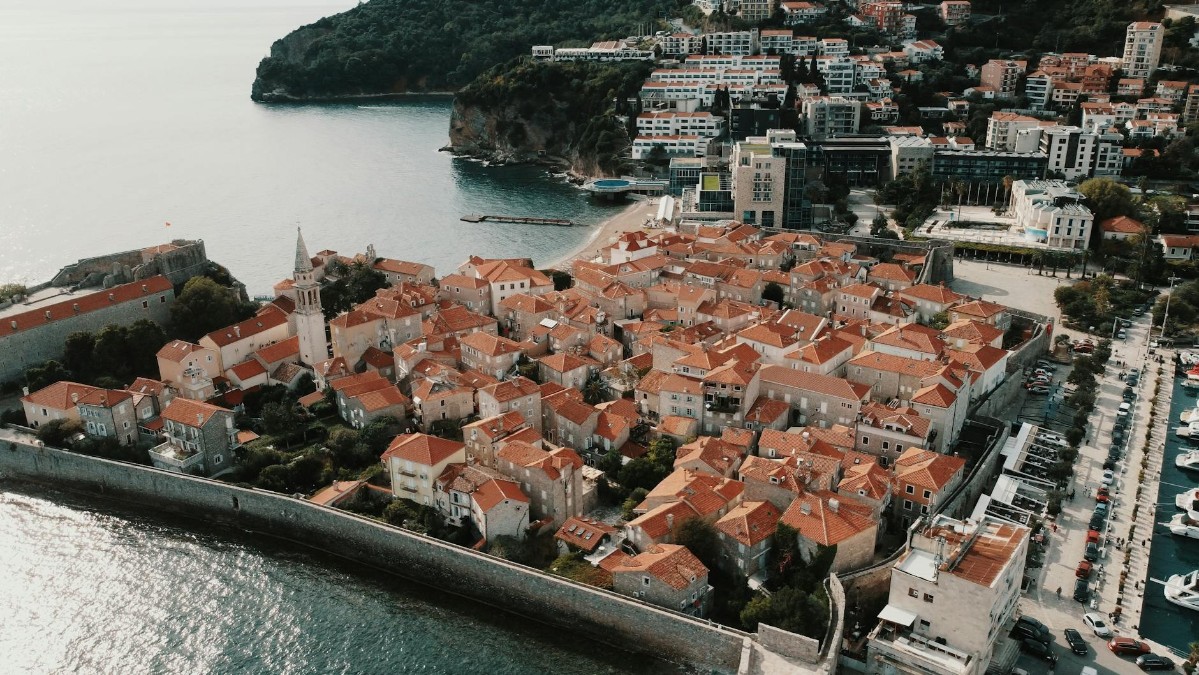
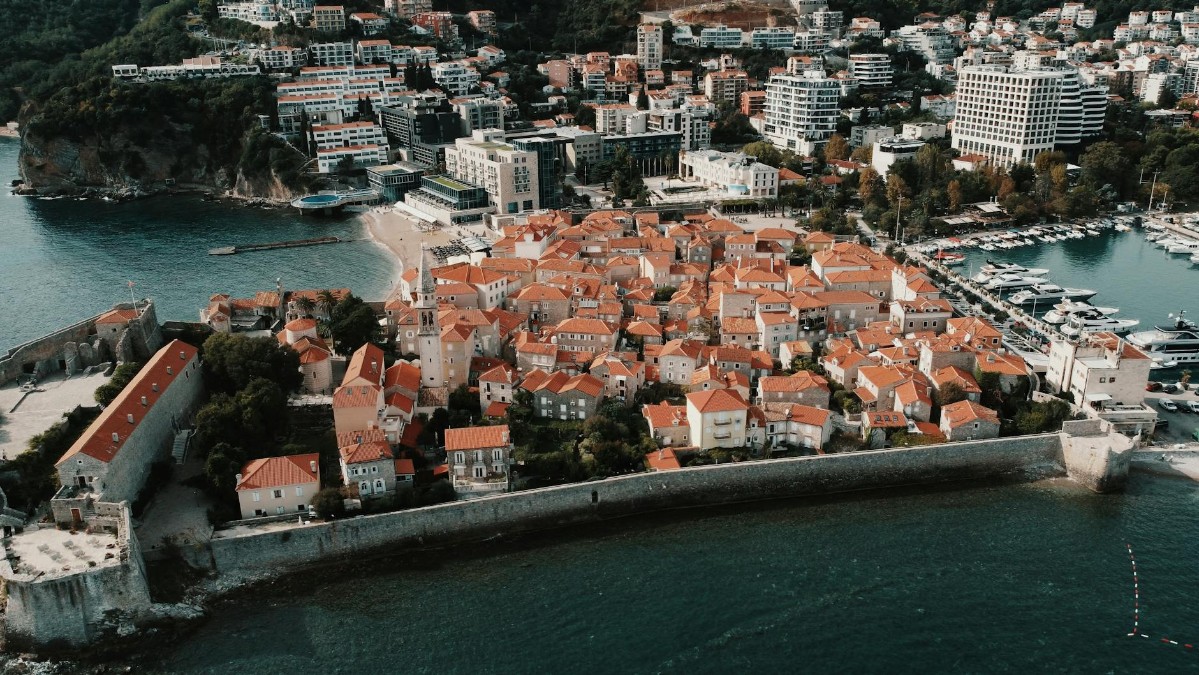
The Citadel is linked to the town walls that encircle Budva's Old Town for about 875 metres, at a height of around 12 metres. A walk on the ramparts gives a view from above of the rooftops, churches and the sea. A 16th-century drawing shows the town with six towers; the 1667 earthquake destroyed the walls, which were then rebuilt on the old foundations. Today the wall walk starts from the plateau by the Citadel.
What to do
Culture
Discover the museum exhibition within the walls of the Citadela, featuring artefacts from various historical periods.
Culture
From the highest point of the walls, capture a panoramic view of the Adriatic Sea and the Budva Riviera.
Mountains
Stroll along the walls, about 875 metres long, that surround the Old Town and connect with the Citadela.

Culture
During the summer, the Citadela becomes the stage for the Grad teatar festival, with theatre performances, exhibitions, and concerts.
Food & wine
Enjoy Mediterranean specialities at Restoran Citadela on the terrace overlooking the Adriatic.
Narration, a map and the full text in the browser – no app, works offline.
Reels
Hiking, walking and cycling routes that start here or pass nearby, with maps and GPX downloads.
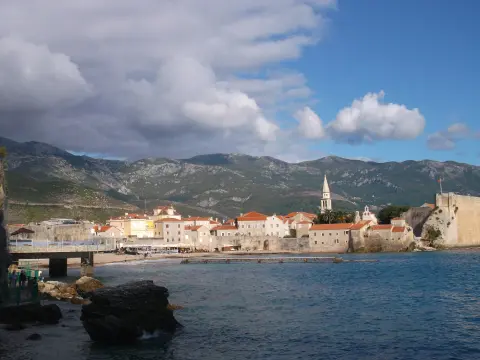
An easy hiking trail, 1.0 km long, connects Budva's Old Town with Mogren Beach. In about 20 minutes of walking, it passes viewpoints, an early Christian basilica, and other historical sites.
1.0 km17 m15–25 min
View trail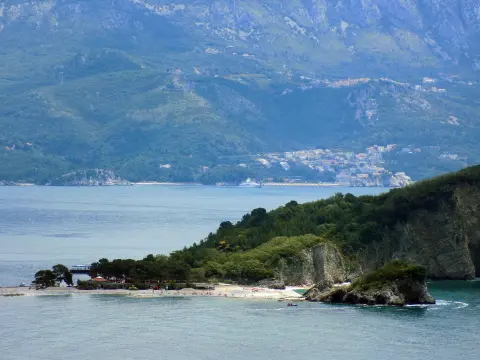
A short and easy 1.4 km walking trail leads through the nature of Sveti Nikola Island. It is suitable almost year-round and excellent for a break from Budva's city bustle.
1.4 km44 m50–70 min
View trail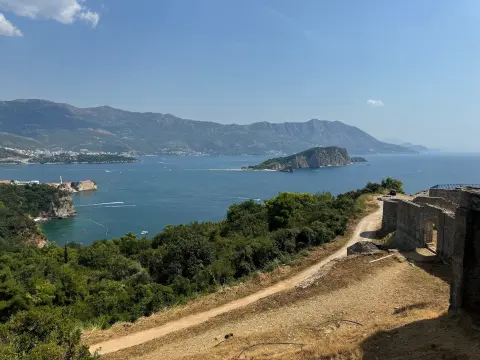
The 3.1 km trail follows the coastal ridge from Mogren beach to Jaz beach. It is easy, runs mostly along a woodland path, and offers several viewpoints over the sea. Estimated at around 1 h 15 min of walking without stops.
3.1 km169 m65–90 min
View trail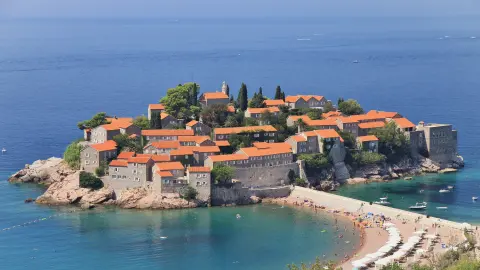
An easy one-way walking trail from Budva to Sveti Stefan, 8,8 km long. It passes by Slovenska Beach, Bečići, Rafailovići, Kamenovo and viewpoints, with 130 m of ascent and descent.
8.8 km130 m2–3 h
View trail
An easy one-way walking trail from Jaz Beach via Prijevor to Seoce: 3.6 km, 246 m of ascent and 79 m of descent. Suitable for a relaxed outing, with a viewpoint at 71 m above sea level and close to Budva and the beaches.
3.6 km246 m1–1½ h
View trail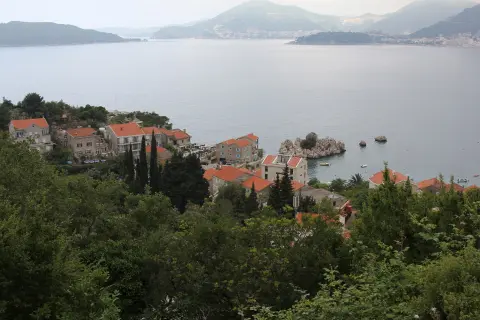
A one-way trail 6.6 km long from Kamenovo to the highest point at 796 m a.s.l. It climbs 764 m of ascent, partly on asphalt, partly on a forest trail, with viewpoints at 151 m and 453 m a.s.l.
6.6 km764 m3–4 h
View trail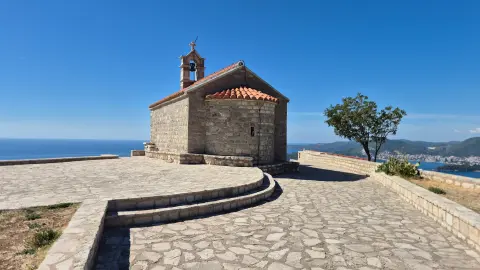
A 1.6 km trail leads from Praskvica Monastery to the Church of Saint Sava. It has 204 m of ascent, rocky terrain and a viewpoint at 264 m a.s.l.; it passes by Sveti Stefan and the beaches.
1.6 km204 m45–65 min
View trail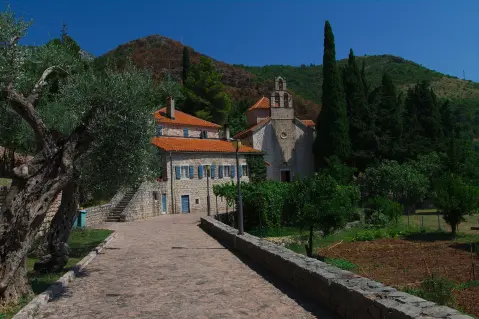
The hiking trail Monastery Praskvica – Čelobrdo – Ograđenica is 4.2 km long, with a total ascent of 572 m and a duration of approximately 2 h 25 min of walking without breaks. It is one-way, of moderate difficulty, and marked with red-and-white trail markers.
4.2 km572 m2–3 h
View trailGallery
Plan Your Visit
Admission
Entry is paid; check the price at the entrance.
Website
www.budva.travelCheck opening hours at the entrance (none officially published).
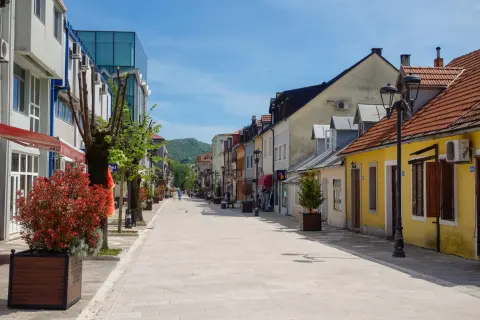
The Old Town is a pedestrian zone. Paid parking is available at Slovenska plaža and along the waterfront, in the immediate vicinity of the Old Town.
The Citadel is located on an elevation and is accessed by stairs through the Old Town – it is not suitable for wheelchairs and people with limited mobility.
FAQ
Around here